Search Results
754 results found with an empty search
- Manta Ray Snorkel Kona | Unforgettable Night Experience
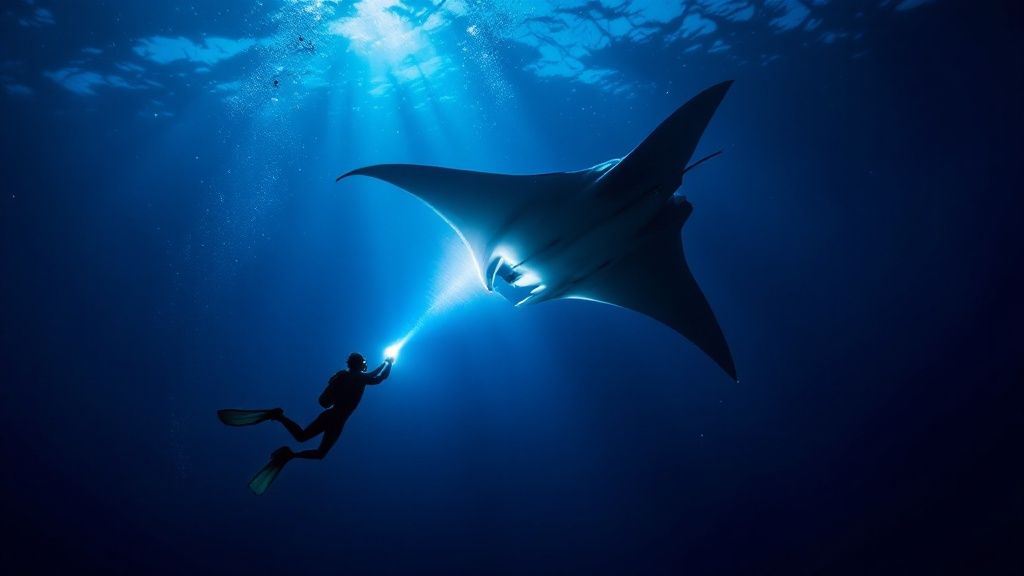
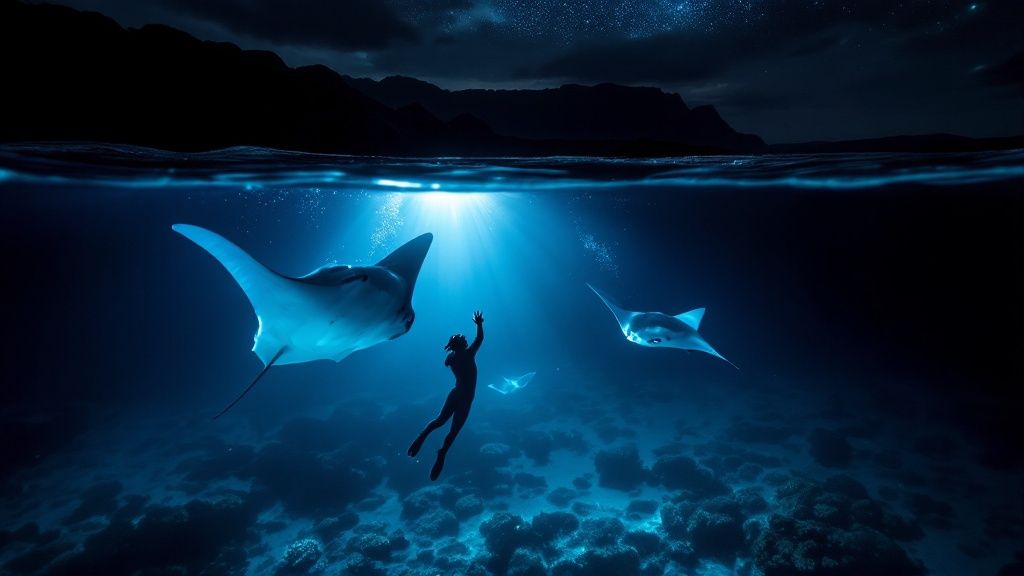
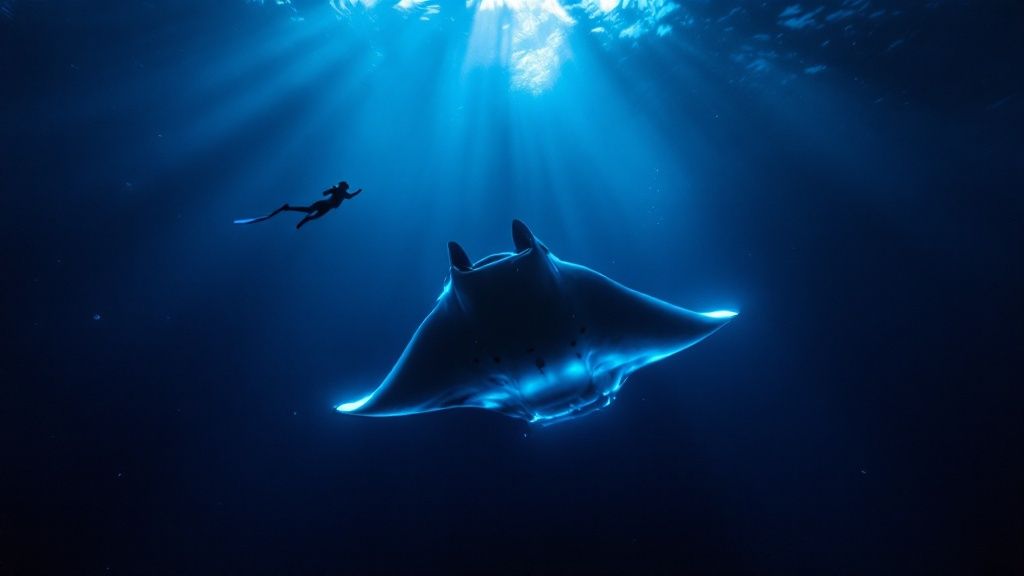
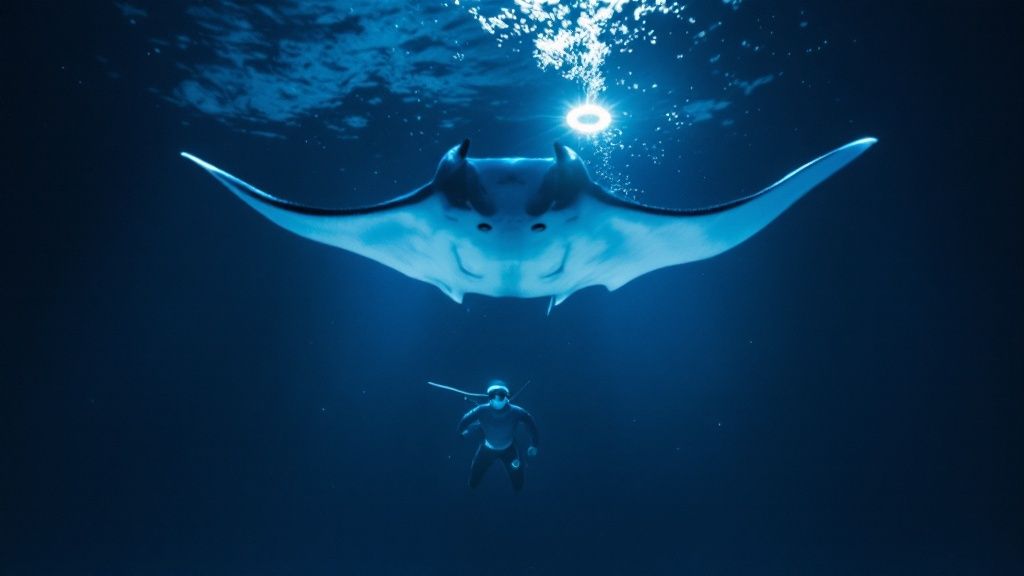
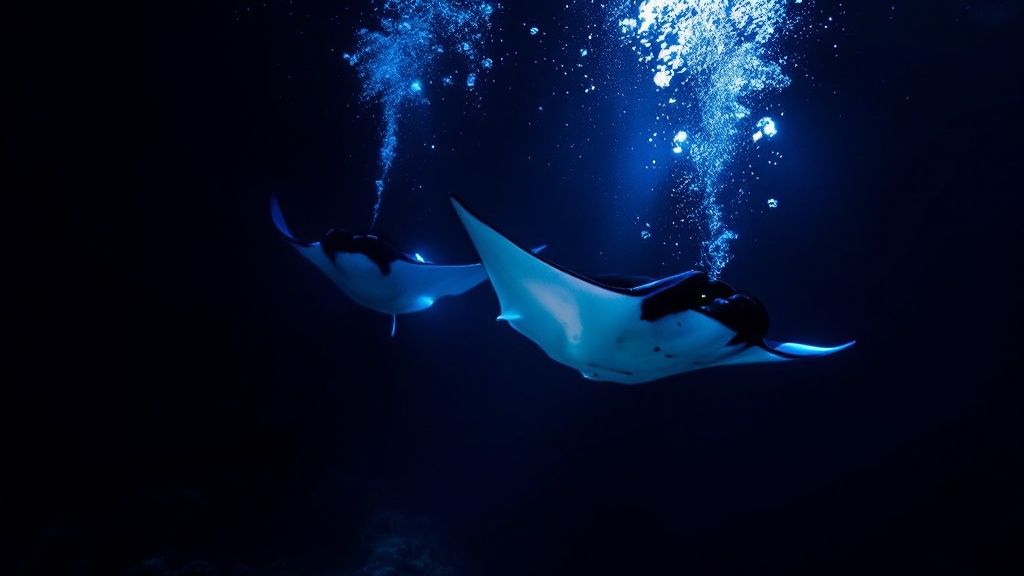
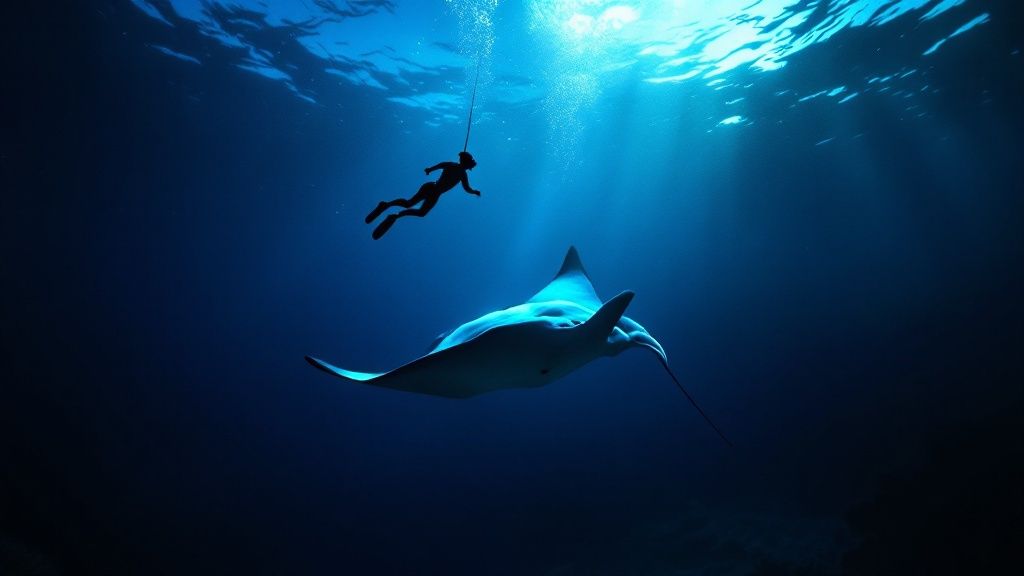
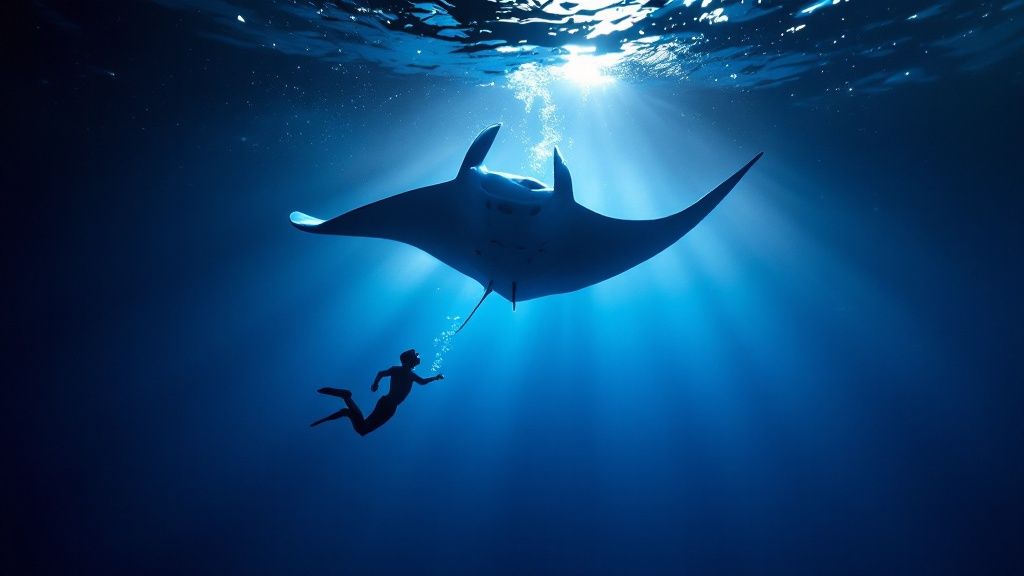
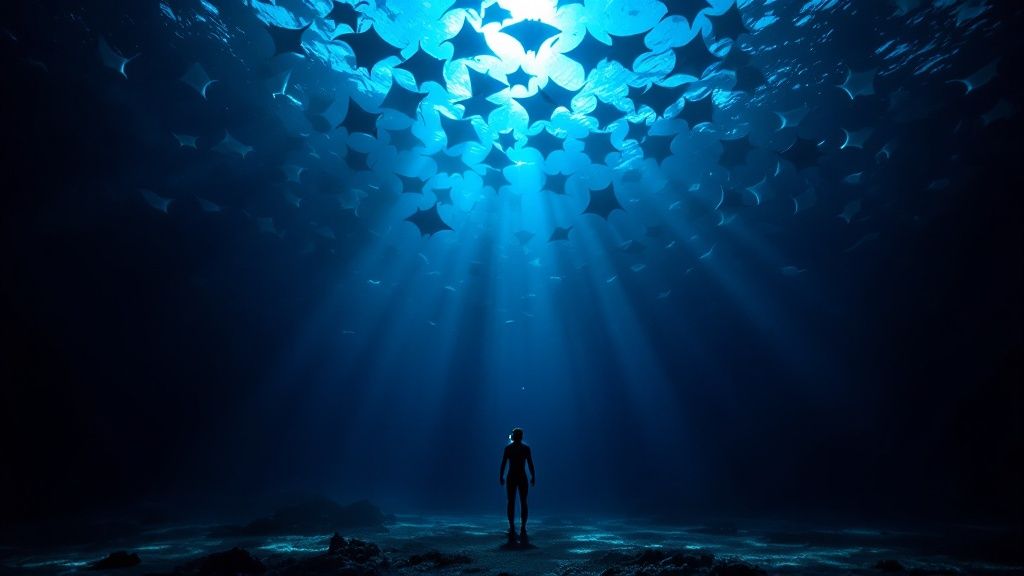
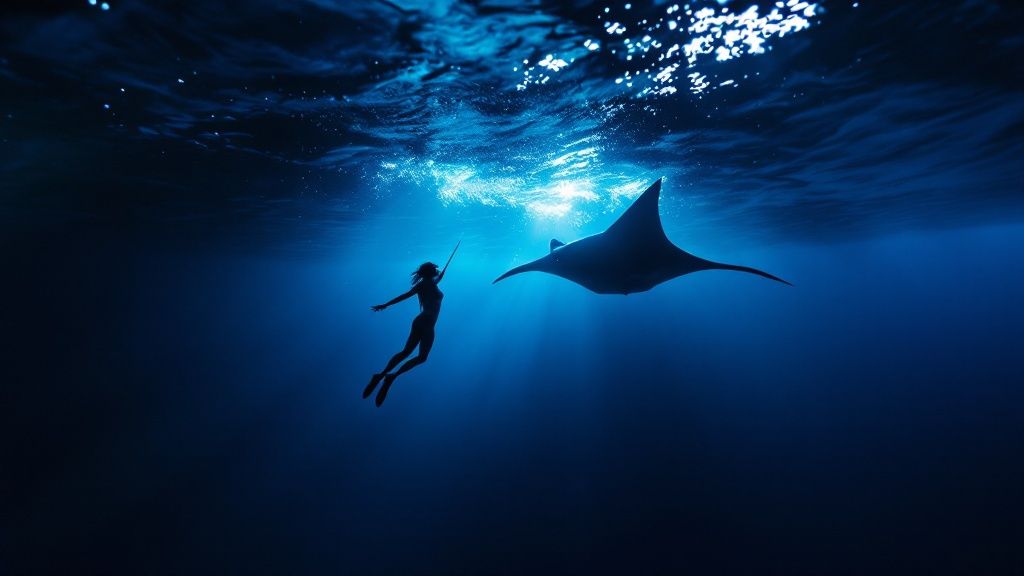
Why Kona Delivers The World's Best Manta Ray Encounters Kona, Hawaii, isn't just a stunning tropical getaway; it's the global hotspot for manta ray encounters. What makes Kona stand out is the incredible reliability of these sightings. While other locations offer a chance encounter, Kona practically guarantees a face-to-face meeting with these gentle giants. This consistency comes from a perfect blend of environmental factors, creating an ideal habitat for both manta rays and the people who come to see them. The Perfect Combination of Volcanic Coastlines and Nutrient-Rich Waters The volcanic formations along Kona's coast play a vital role in this special ecosystem. The underwater slopes of these volcanoes generate currents that push nutrient-rich waters upwards. These nutrients, in turn, feed the plankton , the manta ray's primary food source. This consistent food supply creates a predictable feeding area, drawing the mantas in every night. It's like their own personal, always-open buffet. Furthermore, the volcanic rock provides shelter and natural cleaning stations, making Kona an even more attractive habitat. Kona: The Gold Standard for Manta Ray Sightings This reliable food source, combined with the shelter of the volcanic landscape, explains why Kona consistently ranks as the top spot worldwide for manta ray viewing. Kona boasts an impressive 80-90% success rate for sightings. This amazing consistency draws approximately 80,000 people each year to experience the magic of a manta ray snorkel in Kona . That means roughly 8 to 9 out of every 10 snorkelers get to see these magnificent creatures. Manta Ray Research and Conservation in Kona Kona is also a hub for manta ray research. Scientists have identified and documented hundreds of individual mantas, each with unique markings, allowing for ongoing tracking and study. This research helps us better understand manta ray behavior, migration patterns, and the health of the population. This ongoing research, paired with the combined efforts of local tour operators and conservation organizations, helps ensure that these incredible encounters are sustainable, protecting the manta rays for future generations. Want to learn more? Check out this helpful resource: How to master... Understanding Kona's Remarkable Manta Ray Community Kona, Hawaii isn't just a picturesque location for manta ray snorkeling; it's a hub for manta ray research. Scientists have dedicated years to studying the local manta ray population, learning about their individual personalities and complex social dynamics. This deep understanding contributes significantly to the high success rates visitors enjoy when seeking manta ray encounters. Tracking Individuals and Predicting Encounters Researchers have pioneered innovative tracking methods. By cataloging the unique spot patterns on each manta ray, much like human fingerprints, they've created detailed profiles. These profiles allow scientists to monitor individual rays over many years, learning about their movements and behaviors. This long-term tracking allows for better understanding of migration patterns and prediction of manta ray gatherings, ultimately optimizing snorkeling opportunities. A Model for Sustainable Wildlife Tourism Kona's manta ray snorkel tours thrive on collaboration. Scientists, tour operators, and conservation groups work hand-in-hand, implementing sustainable practices. These practices protect the manta rays while simultaneously offering incredible viewing experiences. For instance, tour operators use specific lights to attract plankton, the manta rays' primary food source. This creates predictable feeding areas without disturbing the natural ecosystem. Kona stands as a prime example of how responsible ecotourism can benefit both wildlife and the local community. Kona's Manta Ray Celebrities and Population Stability Years of observation have turned certain manta rays into local celebrities, each with its own unique story and following. These individual stories emphasize the stability of Kona's manta ray community, contributing to the high sighting probabilities. The Kona Coast manta ray population is estimated to be over 450 individuals . Local dive operators like Jack's Diving Locker report encounter rates of 85% to 90% on typical dives, with some nights reaching over 95% . Find more detailed statistics here . This robust population and careful management ensure visitors a strong chance of experiencing these gentle giants. The consistent manta ray presence, combined with sustainable tourism, creates a truly reliable and enriching experience for anyone venturing into Kona's waters. Exploring Manta Village And Manta Heaven Hotspots Kona's magic isn't just about seeing manta rays; it's about where you see them. These special spots are chosen to give you the best possible views while keeping the manta rays' home safe and undisturbed. Let's dive into two of Kona's most famous manta ray hotspots: Manta Village and Manta Heaven . Manta Village: A Shallow Oasis Manta Village, nestled in Keauhou Bay, is loved for its calm, shallow waters and sandy bottom. This makes it perfect for snorkelers of all skill levels. The shallow depth, typically around 10-20 feet , means you get plenty of time to watch and the light is great, even at night. You can easily see the mantas' graceful moves and intricate markings. Experienced operators often choose Manta Village when the sea is calm, making sure everyone has a comfortable time. Manta Village in Keauhou Bay is one of Kona's best manta ray snorkeling spots, known for its frequent manta ray visits. Right next door is Garden Eel Cove, also known as Manta Heaven, another famous spot known for its underwater biodiversity and regular manta ray encounters. Discover more insights about these locations . Manta Heaven: A Biodiversity Hotspot Not far from Manta Village is Garden Eel Cove , often called Manta Heaven . This site is famous for its colorful coral reefs and the variety of sea life you can find there. While the water here can be a bit deeper than at Manta Village, the plankton-rich water attracts lots of manta rays. This gives you an amazing chance to see them feeding among other fascinating sea creatures. It's not just a manta ray show; it's a glimpse into the richness of Kona's underwater world. Choosing the Right Spot: Operator Expertise Deciding between Manta Village and Manta Heaven for a particular night depends on a few things. Experienced tour operators look at the weather, how active the manta rays are, and what their group wants. For example, if the sea is a bit rough, the calmer waters of Manta Village might be better. Or, if there are reports of lots of manta ray activity at Manta Heaven, they might go there for the best chance of seeing them. This careful planning, along with knowledgeable guides, helps make sure everyone has a safe and amazing experience. Both Manta Village and Manta Heaven offer incredible chances for manta ray snorkel Kona adventures. These carefully managed locations let visitors witness the magic of these gentle giants while protecting their precious environment. Your Magical Night Snorkeling Experience Revealed As the sun dips below the horizon, painting the Hawaiian sky with vibrant colors, your manta ray snorkel Kona adventure begins. The transition from day to night transforms the ocean into a mysterious and exciting place. This unique experience, unlike any other ocean adventure, starts with an anticipation-filled boat ride under a blanket of stars. Setting Sail Under the Stars The journey to the manta ray viewing site is an experience in itself. As you cruise across the calm waters, the sky puts on a dazzling display of stars. The excitement builds as you approach the designated snorkel spot, typically Manta Village or Manta Heaven , known for their reliable manta ray activity. Entering an Underwater Wonderland Slipping into the warm, tropical water feels like entering another world. Underwater lights, strategically placed by your guides, create an ethereal glow. These lights aren't just for ambiance; they attract plankton , the manta rays' primary food source. This creates a natural feeding station, drawing these gentle giants closer. A Dance of Giants Imagine floating peacefully as massive manta rays, with wingspans exceeding most cars , glide gracefully around you. These gentle giants, often between 5 and 10 feet wide , perform a mesmerizing underwater ballet. Their movements are both powerful and graceful, sometimes featuring spectacular barrel rolls and acrobatic displays. It's a breathtaking spectacle of nature's wonders. The Manta Ray Feeding Frenzy The feeding behavior of manta rays is truly captivating. As they approach the illuminated plankton, they perform a series of graceful loops and turns. Their cephalic fins, which resemble horns, help funnel the plankton into their mouths. Witnessing this feeding frenzy up close is both thrilling and humbling. You might be interested in learning more about this experience: How to master... . Safety and Guidance Throughout Your Journey Throughout the experience, professional guides ensure your safety and enhance your understanding of these incredible creatures. They provide valuable insights into manta ray behavior and the importance of respecting their natural habitat. This combination of adventure and education creates a truly enriching experience. The magic of a manta ray night snorkel in Kona is more than just a wildlife encounter; it's an immersive journey into a world of wonder. It's a memory you'll cherish long after you leave the Hawaiian waters. Selecting The Perfect Tour And What's Actually Included Not all manta ray snorkel Kona tours are the same. Choosing wisely can elevate a good experience to something truly extraordinary. This involves understanding what sets exceptional tour operators apart and what's typically included in a manta ray snorkel Kona package. Key Factors in Choosing a Tour Operator Several key factors should guide your decision: Conservation Practices: Seek out operators dedicated to sustainable tourism , minimizing their impact on the manta rays and their environment. This includes adhering to responsible viewing guidelines and supporting conservation efforts. Safety Protocols: Prioritize operators with excellent safety records and experienced, certified guides . Thorough safety briefings, high-quality equipment, and adherence to established in-water interaction protocols are essential. Educational Value: A great tour provides insights into manta ray behavior, biology, and the importance of conservation. Knowledgeable guides enhance your understanding and appreciation of these magnificent creatures. Group Size: Consider your preference. Do you prefer a more intimate experience with a smaller group or the energy of a larger tour? Different Tour Types Available Kona offers various manta ray snorkel tour types: Intimate Small-Group Expeditions: These tours offer personalized attention and a closer connection with the manta rays and your guides. Larger Vessel Experiences: These provide a more social environment and are often more budget-friendly . Choosing the right tour depends on your comfort level, budget, and desired level of interaction. Private charters offer a fully customized experience. To help you compare different tours, we've compiled the following table: Kona Manta Ray Tour Comparison: Tour Operator Group Size Duration Unique Features Price Range Manta Ray Dives of Hawaii 6-12 2-3 hours Small groups, personalized experience $150-$200 Big Island Divers 10-20 2-3 hours Experienced guides, underwater photography available $120-$180 Sea Paradise 12-24 2-3 hours Larger boat, more social atmosphere $100-$150 Fair Wind Cruises 20-40 3-4 hours Sunset cruises, dinner option $150-$250 This table provides a general overview. Be sure to check with individual operators for the most up-to-date information and specific offerings. The best tour for you depends on your individual preferences and budget. Understanding Package Inclusions Most manta ray snorkel Kona tours include the essentials: Professional-Grade Snorkeling Equipment: This usually includes a mask, snorkel, fins, and sometimes a wetsuit or flotation device. Transportation: Operators provide boat transport to and from the viewing sites. Guided Experience: Certified guides lead the snorkel, providing safety instructions and sharing insights into manta ray behavior. Underwater Lighting: Specialized lights attract plankton, which in turn draws the manta rays closer for an optimal viewing experience. Some premium packages may include underwater photography or video services to capture your magical encounter. The infographic visualizes annual manta ray observations in Kona from 2018-2022, average monthly snorkel tour counts, and visitor compliance with conservation guidelines. Sightings remain consistently high, peaking in the summer months. Encouragingly, visitor compliance rates with conservation guidelines suggest responsible tourism practices are being followed. Learn more in our article about the manta ray snorkel Kona experience . Essential Questions to Ask When Booking Before booking, ask these key questions: What is the operator's safety record and guide experience? What are their conservation practices and commitment to sustainability? What is the average group size on their tours? What's included in the tour price (equipment, wetsuits, photos/videos)? What is their cancellation policy for inclement weather? By considering these factors, you can choose the perfect manta ray snorkel Kona tour that aligns with your needs and budget, ensuring an unforgettable adventure. Essential Success Tips For First-Time Participants Smart preparation can turn nervous first-timers into confident snorkelers, ready to embrace their manta ray adventure in Kona. This involves understanding the physical demands, managing potential seasickness, and setting realistic expectations for your nighttime ocean encounter. Physical Requirements and Swimming Ability You don't have to be a champion swimmer to enjoy a manta ray snorkel experience in Kona. Basic swimming skills are necessary, but the activity primarily involves floating. You'll have a flotation device , such as a pool noodle, to help you stay buoyant and conserve energy. This allows you to focus on the manta rays, not strenuous swimming. Many tours also operate in relatively shallow water, further easing concerns about swimming ability. Managing Seasickness and Nighttime Water Entry Entering the ocean at night can seem a little daunting. However, experienced guides are there to provide support and a smooth transition. They'll lead you through a step-by-step process to ensure you feel comfortable and secure. If you're prone to seasickness, taking precautions like motion sickness medication or acupressure bands is recommended. Choosing a tour operator with a larger, more stable boat can also provide a smoother ride. Essential Items and Optimal Clothing Choices The right clothing can significantly enhance your comfort and enjoyment. While Hawaiian waters are warm, a wetsuit provides extra warmth, especially at night. A 3mm wetsuit is usually sufficient in warmer months, while a 5mm offers more insulation during winter. Water shoes protect your feet on the boat and during entry and exit. Bringing a towel and a change of clothes is always a good idea. For more detailed information, check out this helpful guide: How to master... . Mental Preparation and Managing Expectations Mental preparation is just as crucial as physical preparation. Remember, you're encountering wild animals in their natural environment. Their behavior is unpredictable. While Kona boasts high sighting rates (80-90%) , there's no guarantee of specific interactions. Embrace the unexpected and focus on the overall experience. If you feel overwhelmed, communicate with your guide. They can provide reassurance or suggest alternative viewing options from the boat. Embrace the Unexpected and Maximize the Magic By addressing these practical considerations and managing expectations, you can transform pre-trip anxiety into excitement. You're about to embark on a truly unique adventure. With proper planning, you'll be well-prepared to witness the magic of manta rays in their natural habitat. Focus on the incredible opportunity to connect with these gentle giants and create lasting memories. Planning Your Perfect Manta Ray Adventure Strategic planning is essential for an unforgettable manta ray snorkel experience in Kona. This guide covers everything from picking the best time of year to understanding how weather can impact your trip. Choosing the Right Season: Maximizing Your Manta Ray Encounter Manta rays live in Kona's waters year-round. However, understanding seasonal nuances can significantly improve your viewing opportunities. The prime manta ray viewing season spans from April to October . During this period, calmer waters and excellent visibility create ideal snorkeling conditions, especially for beginners. This coincides with the dry season, meaning less rain and more sunshine. However, it’s also peak tourist season. Booking your manta ray snorkel Kona tour well in advance is crucial. Navigating Winter Conditions Winter (November to March) brings different considerations. Stronger winds and rougher seas can occasionally lead to tour cancellations. Manta rays are still present, but accessing them becomes trickier. Flexibility is key if you’re planning a winter trip. Be prepared for potential rescheduling and book your tour early in your stay to accommodate any weather-related changes. Understanding Monthly Variations To understand the typical monthly conditions, check out the table below: Month Water Temperature Visibility Weather Conditions Manta Activity Crowd Levels April-May Moderate Good Improving Moderate Moderate June-August Warm Excellent Calmest High High Sept-Oct Warm Very Good Favorable High Moderate Nov-Dec Moderate Fair Transitioning Moderate Low Jan-March Cool Fair-Poor Rough Moderate Low This table gives a general overview, but conditions can change. Always contact tour operators for the most up-to-date information. Booking Your Adventure and Handling Cancellations Advance booking for your manta ray snorkel Kona adventure is highly recommended, especially during peak season. Most operators offer several time slots each evening, which can fill quickly. For more detailed information, check out this article: the ultimate Hawaiian adventure . Scheduling your snorkel early in your trip is wise. Many operators have "manta ray guaranteed" policies. If you don't see mantas, you can join another tour free of charge on a different night. This protects you if unforeseen circumstances, like bad weather, impact your initial experience. Combining Your Manta Ray Snorkel With Other Kona Adventures Kona has a wealth of activities beyond manta ray snorkeling. Enhance your trip by exploring volcanoes, visiting coffee plantations, or going whale watching (seasonal). Kailua-Kona is an excellent base for manta ray tours, offering convenient access to departure points. Choosing accommodation near the departure point simplifies logistics, particularly for night excursions. Transportation and Accommodation Considerations Researching transportation options is vital. Rental cars offer flexibility, while ride-sharing services and taxis are readily available. When choosing where to stay, consider its proximity to departure points for your chosen tour operator. This can save you valuable time and reduce stress, especially for evening tours. Preparing for the Physical and Emotional Impact Snorkeling isn’t overly strenuous, but some preparation can enhance your experience. Basic swimming skills and being comfortable in the water are important. Practicing snorkeling beforehand, even in a pool, can build your confidence. While seasickness is usually manageable with medication, choosing a tour operator with a larger, more stable boat can also be beneficial. Encountering these gentle giants can be deeply moving. Prepare for a truly awe-inspiring experience that will likely leave you with a newfound appreciation for the ocean’s wonders. Book your unforgettable manta ray experience today with Manta Ray Night Snorkel Kona Hawaii Tours !
- Manta Ray Snorkel Kona | Experience Hawaii's Best Adventure
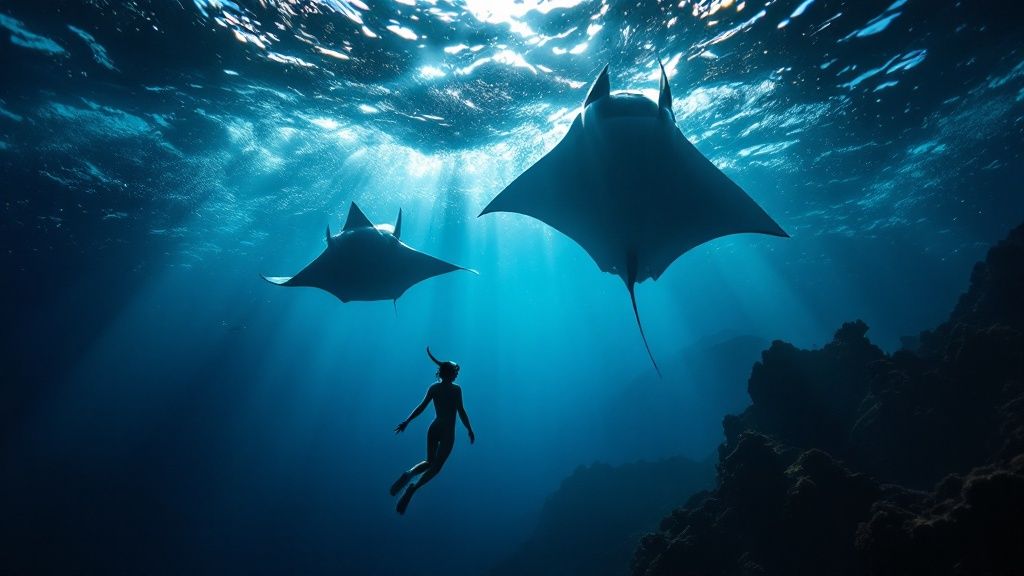
Why Kona Rules The Manta Ray Snorkeling World Kona, Hawaii, isn't just any snorkeling spot; it's a manta ray haven. The Big Island's volcanic coastline creates ideal conditions for these gentle giants. It's not just a story; science supports it. Volcanic rock provides shelter and cleaning stations. Nutrient-rich currents, stirred by volcanic activity, bring plankton blooms, a manta ray's main food source. This makes Kona a hotspot for manta ray activity. Understanding Kona's Underwater Topography The underwater topography is key. Volcanic slopes push nutrient-rich water up, creating plankton pockets. These become predictable feeding grounds for manta rays, making specific locations reliable viewing spots. Snorkeling tours can consistently bring guests to areas with high chances of manta ray encounters. Kona's Thriving Manta Ray Population Kona has over 450 identified manta rays. Each is cataloged, allowing researchers to track their movements, feeding habits, and health. This research is vital for understanding and protecting these creatures. Responsible tourism directly supports these conservation efforts. Kona is known for its high manta ray sighting success rate, with an 85-90% chance during night dives and snorkeling trips. This is due to nutrient-rich upwellings and favorable water conditions along the Kona Coast. Around 80,000 people enjoy manta ray snorkeling in Kona each year. Find more statistics here: Jack's Diving Locker Manta Ray Report Why Kona Outperforms Other Destinations Other places offer manta ray encounters, but Kona's feeding-focused interactions are special. While other destinations focus on cleaning stations, Kona lets you watch them feed. Imagine these graceful creatures performing an underwater ballet as they swoop and swirl to capture plankton under the lights. This dynamic feeding behavior makes Kona unique and a bucket-list destination for marine wildlife enthusiasts. Finding The Best Manta Ray Snorkeling Spots In Kona Not all snorkeling spots are created equal when it comes to manta ray encounters. Knowing where to go in Kona can significantly impact your experience. This section shares insider tips for truly amazing manta ray snorkeling adventures. Manta Village: The Perfect Spot for Beginners Manta Village, south of Kona off Keauhou Bay, is renowned as the spot for beginners. Its shallow, sandy bottom makes it easy to navigate, especially for those new to snorkeling. This allows you to focus on the manta rays, not the water conditions. The shallow depth also provides excellent visibility, offering incredible up-close views. Manta Heaven: A Deeper Dive for Experienced Snorkelers For experienced snorkelers seeking deeper water and more dynamic encounters, Manta Heaven (also known as Garden Eel Cove) is ideal. Located north of Kona, it’s a feeding hotspot under certain conditions. While Manta Village has more reliable sightings, Manta Heaven offers the potential for larger groups of feeding manta rays, creating a breathtaking spectacle. You might be interested in: Our guide to the best times to see manta rays . Hidden Gems: Exploring Kona's Less-Crowded Spots Beyond the popular spots, Kona offers hidden gems. These less-crowded locations provide a more intimate experience. While they require a little more research, experienced snorkelers appreciate the unique encounters these spots offer. The area near the Kohala Coast Resorts, for example, offers a similar manta ray viewing experience with fewer crowds. Choosing the Right Snorkeling Spot Choosing the right spot depends on your skill level , the time of year , and the type of encounter you're looking for. Kona's high manta ray sighting frequency is closely linked to its geological features. The volcanic underwater terrain creates nutrient-rich upwellings attracting plankton, the manta rays' primary food source. Manta Village, with its shallow sandy bottom, is ideal for all skill levels, while Manta Heaven offers deeper waters and a diverse feeding ground. Explore this topic further . Understanding these factors helps you choose the perfect spot for a remarkable snorkeling experience. Read also: Understanding seasonal changes and their impact on viewing conditions. To help you choose the best location, we've compiled a comparison table highlighting key features of each spot: Kona Manta Ray Snorkeling Locations Comparison Detailed comparison of the top manta ray snorkeling spots in Kona, including depth, skill level requirements, and best conditions Location Depth Range Skill Level Best Time Unique Features Manta Village 10-20 ft Beginner Year-round Shallow, sandy bottom, excellent visibility Manta Heaven 30-40 ft Intermediate/Advanced Evening/Night Deeper water, potential for larger feeding groups Kohala Coast Resorts 20-30 ft Intermediate Year-round Less crowded, similar experience to Manta Village This table provides a quick overview of the key differences between the locations, allowing you to make an informed decision based on your experience and preferences. Remember to always check current conditions and follow safety guidelines before entering the water. What Actually Happens During Your Manta Ray Adventure Forget the glossy brochures. Let's get real about what a manta ray snorkel adventure in Kona is actually like. From the moment you board the boat to that first incredible manta ray encounter, here's a step-by-step guide of what you can expect. Embarking on Your Manta Ray Journey Most tours depart from Honokohau Harbor in Kona. Once aboard, you'll enjoy a scenic boat ride to one of Kona's prime manta ray viewing locations, such as Manta Village or Manta Heaven. During the trip, your guides will fill you in on manta ray biology and behavior, important safety procedures, and proper snorkeling etiquette. This ensures a respectful and rewarding experience for both you and these magnificent creatures. The Night Snorkeling Setup Once you arrive at the snorkel site, the real adventure begins. The nighttime setting is key. Under the cover of darkness, bright underwater lights are placed in the water. These lights attract plankton , a manta ray's main food source, creating a captivating glow. Snorkelers usually hold onto a flotation device with lights attached. This provides stability and a perfect viewing spot as the manta rays start their feeding ritual below. To learn more, check out our article: Why manta ray night snorkeling is the ultimate Kona adventure . Witnessing the Manta Ray Feeding Frenzy As the plankton swarm around the lights, the manta rays appear, often in groups. You’ll be amazed by their graceful movements as they glide and circle through the illuminated water, filtering plankton with their huge cephalic fins . These gentle giants can get incredibly close, sometimes mere inches away, giving you an up-close and personal experience you'll never forget. The underwater lights enhance the whole spectacle, creating an otherworldly ambiance that highlights the manta rays' elegant dance. Managing Expectations and Safety While Kona has high manta ray sighting rates (around 90% ), remember that nature is unpredictable. If conditions aren't ideal, your guides may suggest other viewing spots or reschedule your tour. Safety is a top priority in the open ocean, and the experienced guides are committed to your well-being. They’ll give you clear instructions on how to interact respectfully with the manta rays and navigate the night snorkeling environment, ensuring a safe and memorable experience for everyone. Getting Ready For Your Manta Ray Encounter Success on a Kona manta ray snorkeling trip begins long before you enter the water. Proper preparation can transform a potentially challenging experience into a truly magical encounter. This section outlines the key steps to get ready for your manta ray adventure. Physical and Mental Preparation While you don't need to be a champion swimmer, a reasonable level of comfort in the water is essential. You'll be snorkeling in the open ocean at night, so being able to float and tread water with ease is key. If you need a refresher, consider practicing in a pool before your trip to boost your confidence. Mental preparation is also important. Visualizing the experience and practicing slow, deep breathing can help you stay calm and present in the open ocean at night. Gear Up for the Encounter The right gear plays a vital role in a comfortable and successful manta ray snorkel. Most tour operators provide basic equipment such as masks, snorkels, and fins. However, bringing your own wetsuit is often a good idea. Kona’s waters can get chilly after sunset, particularly during the winter. A 3mm wetsuit is usually adequate for summer, while a 5mm wetsuit provides more warmth from November to March. Don't forget water shoes to protect your feet on the boat and during entry and exit! For those wanting to capture the magic, a GoPro or other waterproof camera with low-light capabilities is highly recommended. Remember to test it thoroughly beforehand. Seasickness and Other Considerations If you're prone to seasickness, taking precautions is essential. Over-the-counter medications like Dramamine or motion sickness patches can be helpful. Consult your doctor for personalized advice. Packing a towel and a change of dry clothes is also wise. Familiarizing yourself with basic underwater hand signals can improve communication with your guides and fellow snorkelers, especially at night. For more tips, check out this helpful resource: 10 Manta Ray Snorkel Tips . Managing Expectations: Nature’s Unpredictability While Kona boasts an impressive manta ray sighting rate of around 90% , it's crucial to remember that these are wild animals in their natural habitat. Nature is unpredictable. Your guides might suggest alternative viewing locations or even reschedule your tour if conditions aren't optimal. Trust their expertise and be flexible. They're dedicated to providing you with the best possible experience while prioritizing everyone's safety. Maintaining a positive attitude and embracing the unexpected will ensure you enjoy the adventure, no matter the conditions. Protecting Manta Rays Through Responsible Tourism Experiencing the magic of manta rays in their natural habitat is an unforgettable adventure. But these incredible encounters come with a responsibility to protect these gentle giants and their environment. Thankfully, manta ray snorkel experiences in Kona, Hawaii are built on a foundation of sustainable tourism practices . This commitment to conservation adds another layer of meaning to the entire experience. Understanding the Regulations Manta ray interactions in Kona are carefully managed. Strict protocols are in place to safeguard both the manta rays and the snorkelers who come to see them. For instance, distance protocols prevent snorkelers from getting too close and possibly disrupting the manta rays' feeding. Touching the manta rays is absolutely forbidden, as it can harm their delicate mucous layer , which is vital for their immune system. Trained guides enforce these guidelines, prioritizing both safety and responsible interaction. Sustainable Practices: A Win-Win Manta ray snorkeling in Kona is a highly popular activity, and its regulations emphasize responsible tourism. The impressive 80-90% sighting success rate speaks volumes about the health of the local environment and the diligence of tour operators. They work hard to ensure these encounters are safe for participants and sustainable for the manta ray population. Find more detailed statistics here . This success clearly shows how responsible tourism can benefit both the local economy and the environment. The Power of Your Choice Choosing the right tour operator plays a significant role in the success of manta ray conservation efforts. Many operators actively participate in research initiatives and provide financial support to manta ray protection programs . By selecting an operator dedicated to these principles, you directly contribute to the long-term sustainability of these incredible experiences. Responsible tourism not only allows us to witness the beauty of these creatures, but also plays a critical role in ensuring their survival for generations to come. Kona: A Global Model Kona's approach to manta ray tourism serves as an example for other destinations around the world. Its success demonstrates the effectiveness of balancing accessibility and protection . Through cooperation between tour operators, researchers, and conservationists, Kona has created a sustainable ecosystem . This ecosystem prioritizes the well-being of these magnificent creatures while still allowing us to experience their wonder. This careful approach ensures the continuation of manta ray encounters and the overall health of the marine environment. These programs aren't just about showcasing the ocean's beauty to tourists; they are about safeguarding that beauty for the future. Choosing Tour Operators That Actually Deliver Planning a manta ray snorkel tour in Kona? Not all tours are the same. The tour operator you select significantly impacts your overall experience, making the right choice essential for an unforgettable adventure. This section helps you understand the key factors that distinguish exceptional tour operators from mediocre ones. Key Factors to Consider What makes a manta ray snorkel tour truly special? Here's what sets the best Kona operators apart: Safety Track Record: Safety is paramount. Prioritize operators with lifeguard-certified guides and established safety protocols, including proper onboard equipment and clear emergency procedures. Group Size: Smaller groups generally offer more personalized attention and closer manta ray interactions. Carefully consider the group size when making your decision. Guide Expertise: Knowledgeable guides enrich the experience by providing insightful information about manta ray behavior and the local ecosystem. Their expertise deepens your appreciation for these creatures. Evaluating Tour Formats and Pricing Tour formats vary. Some cater to smaller, intimate groups, while others accommodate larger numbers. Think about which atmosphere you prefer. It’s also important to understand how pricing reflects true value. Some operators offer extra amenities , like professional photography or refreshments, that might justify a higher price tag. Questions to Ask and Red Flags Here are some crucial questions to ask potential operators: What is their experience and history operating in Kona? What is their manta ray sighting success rate? Do they adhere to sustainable tourism practices? What is their cancellation policy? What's included in the tour price (e.g., equipment, wetsuits)? Be cautious of operators who avoid these questions or make unrealistic promises. Unusually low prices can also be a red flag, potentially indicating compromised safety or quality. Conservation Contributions Consider supporting operators dedicated to conservation. Choosing a tour operator who actively participates in manta ray research and protection programs helps safeguard these magnificent animals. Insider Tips for Booking When booking, consider the season. Kona's waters are calmer and offer better visibility during the summer months (April–October), creating ideal snorkeling conditions. During winter (November–March), increased winds and rougher seas can lead to cancellations. To help you make the best choice, we've compiled a table summarizing key selection criteria: Before we dive into the details, here's a quick overview of the factors to consider when selecting your manta ray tour operator. This table will help you make an informed decision and ensure an unforgettable snorkeling experience. Manta Ray Tour Operator Selection Criteria Criteria Why Important Questions to Ask Red Flags Safety Protects you and the manta rays What safety certifications do the guides have? What are the emergency procedures? Lack of clear safety protocols or vague answers Group Size Impacts the quality of the experience What is the maximum group size? Excessively large groups Guide Expertise Enhances understanding of manta rays and the environment How experienced are the guides? What kind of information do they share? Guides who seem uninformed or lack enthusiasm Conservation Supports manta ray protection Do you contribute to research or conservation efforts? Lack of interest or involvement in conservation efforts Price Reflects value and what’s included What is included in the price? Unusually low prices that seem too good to be true This table provides a framework for evaluating different tour operators. Use it as a guide to ask the right questions and identify potential red flags. By considering these factors and conducting thorough research, you can choose a manta ray snorkel Kona tour operator that will provide a truly exceptional and memorable experience. Key Takeaways For Your Manta Ray Adventure Planning a manta ray snorkel trip in Kona? This guide offers practical advice and realistic expectations for an unforgettable experience, covering everything from pre-trip planning to maximizing your encounter. Planning and Booking Your Adventure Timing is key for optimal viewing conditions. While Kona's manta rays are present year-round, the best time to visit is typically between April and October . These months generally offer calmer waters and increased visibility, perfect for snorkeling. Choosing the right tour operator is crucial for a positive experience. Look for operators with a strong safety record, smaller group sizes for a more personalized touch, and a commitment to sustainable tourism. Don't hesitate to ask about their experience, manta ray sighting success rate, and conservation efforts. Manta ray snorkel tours in Kona are popular, particularly during peak season. Booking in advance is highly recommended to secure your spot and avoid disappointment. Preparing For Your Encounter Proper gear can enhance your comfort and enjoyment. While operators provide basic snorkeling equipment, consider bringing your own wetsuit. A 3mm wetsuit is usually sufficient for summer, while a 5mm wetsuit is better suited for winter conditions. Water shoes are also a good idea. And don't forget an underwater camera with low-light capabilities to capture the incredible sights! If you are prone to seasickness , take precautions by preparing over-the-counter remedies or consulting your doctor before your trip. Mental preparation can also help ensure a comfortable experience. Visualizing the encounter and practicing deep breathing techniques can help you stay calm and present in the open ocean at night. Maximizing Your Manta Ray Experience Respecting these gentle giants is paramount. Maintain a safe distance from the manta rays, avoid touching them, and refrain from using flash photography . Always listen to your guide's instructions for responsible interaction. For optimal photography , adjust your camera settings for low-light conditions and consider using a red filter to enhance colors. Patience and observation are key to capturing stunning images. While Kona has a high manta ray sighting rate (around 90% ), remember that nature is unpredictable. Be flexible and trust your guide’s expertise, even if conditions aren't perfect. Extending Your Marine Education After your tour, consider visiting the Manta Learning Center at the Sheraton Kona Resort to learn more about manta ray biology and conservation. Your manta ray snorkel adventure in Kona is a unique opportunity. By following these tips, you'll be well-prepared for an unforgettable experience in Kona's beautiful waters. Ready to book your adventure? Check out Manta Ray Night Snorkel Hawaii for an exceptional and sustainable tour experience.
- Manta Ray Snorkel Kona: Complete Night Adventure Guide
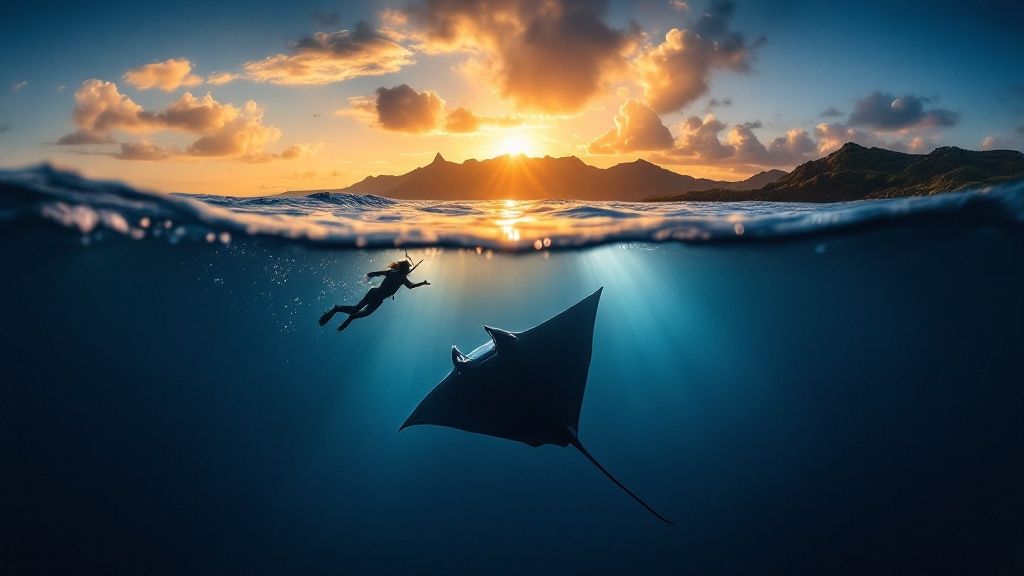
Why Kona Delivers The World's Best Manta Ray Encounters Kona, Hawaii, isn't just a beautiful island destination; it's the place to experience manta rays. The unique blend of volcanic activity and ocean currents creates a perfect habitat for these gentle giants. Volcanic slopes provide shelter and cleaning stations, while nutrient-rich currents bring a feast of plankton. This rich food source means Kona’s manta rays are residents, not just seasonal visitors. Kona's Unique Ecosystem: A Plankton Paradise This special ecosystem explains why manta ray sightings in Kona are so reliable. The underwater landscape, especially at spots like Manta Village , concentrates plankton near the surface. It's like an all-you-can-eat buffet for the mantas! This predictable food source attracts the rays, creating amazing viewing opportunities for snorkelers. Kona boasts a resident population of over 450 identified manta rays, further increasing your chances of an encounter. Learn more in our article about Unforgettable Encounters . The Reliability of Manta Ray Sightings: A Statistical Wonder Kona has earned its reputation for manta ray encounters. Manta ray snorkeling here is famous for high sighting rates, estimated at 80% to 90% . This reliability, along with the unique nighttime setting, draws approximately 80,000 people annually. The resident manta ray population, over 450 strong, adds to the tours' popularity. Find more detailed statistics here . You might also be interested in How to Master Manta Ray Photography . Seasonal Considerations and Optimal Conditions Manta rays are present all year, but timing can enhance your experience. The calmer waters and increased visibility of summer (April to October) offer ideal conditions. While mantas are still present during winter (November to March), rougher seas can sometimes be a factor. Choosing the right time of year, along with considering moon phases and plankton blooms, can maximize your sighting success and overall enjoyment of your Kona manta ray snorkel adventure. Finding The Perfect Manta Ray Snorkeling Spots In Kona Kona, Hawaii, offers a variety of incredible locations for manta ray snorkeling. Whether you're a seasoned pro or a beginner, picking the right spot can greatly enhance your experience. Factors like water depth, currents, and the number of people in the water all play a role in a successful snorkel. For some helpful advice, check out these top tips and best spots . Manta Ray Hotspots: A Closer Look Manta Village (Keauhou Bay): Known for its calm, shallow waters and sandy bottom, Manta Village is perfect for first-time snorkelers. The high concentration of plankton makes it a reliable spot for manta ray sightings. The bay's unique shape traps plankton, creating a natural feeding ground for these graceful creatures. Manta Heaven (off Kona International Airport): Located off the Kona International Airport, this deeper site offers a more dynamic experience. While suitable for all skill levels, some prior snorkeling experience in deeper water is recommended due to potentially stronger currents. Kailua-Kona: Snorkeling directly off the Kailua-Kona coastline offers convenient access and stunning sunset views. However, water conditions can be unpredictable, and the number of people snorkeling can vary depending on the season. Visualizing Manta Ray Activity The infographic below provides a visual comparison of average nightly manta ray sightings at three popular Kona snorkel locations: Kailua-Kona, Kealakekua Bay, and Keauhou. As you can see, Kailua-Kona boasts an average of 20 nightly sightings , making it a very reliable spot. Kealakekua Bay and Keauhou also offer great chances to see these magnificent creatures. The high probability of manta ray encounters in Kona is due to unique locations like Manta Village and Manta Heaven. Manta Village, in Keauhou Bay, is especially known for its calm, shallow waters, making it ideal for snorkelers of all skill levels. Learn even more about Kona manta ray snorkeling . Factors Influencing Manta Ray Activity Several factors influence manta ray activity at different snorkel locations. Current patterns, for example, play a key role in plankton distribution, directly impacting where manta rays feed. Seasonal changes in water temperature and nutrient levels also affect plankton blooms, influencing manta ray behavior. Understanding these factors can help you choose the best time and place for your snorkeling adventure. Practical Considerations for Choosing a Spot Beyond manta ray activity, practical aspects can affect your choice of location. Boat access is important since some spots are only reachable by boat. Water conditions, like visibility and current strength, can also impact your experience. Finally, the number of other snorkelers can affect your enjoyment, especially if you prefer a more intimate encounter. This guide on how to choose a tour operator may be helpful. Careful consideration of these factors will help you choose the perfect Kona manta ray snorkeling spot that matches your experience level and what you're looking for in an adventure. To help you compare the various snorkeling locations, we've put together a handy table: Kona Manta Ray Snorkeling Locations Comparison: This table compares the top manta ray snorkeling spots in Kona, including depth, skill level requirements, and unique features. Location Depth Range Skill Level Best Features Success Rate Manta Village (Keauhou Bay) 10-20 feet Beginner Calm, shallow water; sandy bottom; high plankton concentration High Manta Heaven (off Kona International Airport) 20-30 feet Intermediate Dynamic manta ray activity; open ocean currents High Kailua-Kona 15-25 feet Beginner to Intermediate Convenient access; sunset views Moderate This table summarizes key features of popular Kona manta ray snorkeling sites, helping you choose the best location based on your skill level and desired experience. Manta Village offers a beginner-friendly environment, while Manta Heaven provides a more dynamic experience for those comfortable in deeper water. Kailua-Kona provides convenient access, but water conditions and crowd levels can vary. Mastering Night Snorkeling Gear And Preparation Night snorkeling with manta rays in Kona is more than just a typical daytime snorkel; it's a truly special encounter. Imagine yourself under the Hawaiian night sky, sharing the water with these gentle giants. Preparing properly ensures you'll be comfortable, safe, and ready to fully appreciate this unique experience. Interested in learning more? Check out this helpful guide: How to master your manta ray snorkel . Essential Gear for Kona's Night Waters The right gear is the first step towards a comfortable and rewarding manta ray snorkel Kona adventure. Even in Hawaii's warm climate, the ocean temperature drops after sunset. A wetsuit is essential for staying warm during your snorkel. A 3mm thickness is generally sufficient in summer, while a 5mm wetsuit is recommended for the cooler winter months. Water shoes are also important for protecting your feet on the boat and while entering and exiting the water. You'll definitely want to capture this incredible experience. A waterproof camera with good low-light performance , such as a GoPro, is ideal. Make sure to test it thoroughly before your trip. Don't forget the basics like a towel and dry clothes to change into afterward. Finally, if you are susceptible to seasickness , consider taking precautions like Dramamine or using motion sickness patches before heading out. Consult your doctor for personalized advice. The Importance of Proper Lighting Lighting is key to a successful manta ray night snorkel. The lights attract plankton, the manta rays' main food source, creating a captivating feeding frenzy. Tour operators typically provide powerful lights that illuminate the water, drawing in both the plankton and the magnificent manta rays. Bringing a personal dive light can further enhance your visibility, allowing you to see the intricate details of these graceful creatures. Backup Safety Gear and Mental Preparation While Kona's waters are generally calm, preparedness for unexpected situations is essential. A backup light source is a must-have for night excursions. A whistle can be invaluable for signaling your group or the boat if you become separated. Mental preparation is equally important. Visualizing yourself calmly floating in the dark, surrounded by these gentle giants, can help alleviate any anxiety about night snorkeling. Remember, manta rays are gentle filter feeders, and your presence won't disturb them as long as you follow respectful viewing guidelines. Managing Common Challenges First-time night snorkelers sometimes experience anxiety about being in the open ocean after dark, or have concerns about seasickness. Talk to your guide about any fears you may have; they can offer reassurance and practical advice. Focusing on slow, deep breaths can help manage anxiety both in and out of the water. Addressing these common concerns beforehand will help ensure a comfortable and truly enjoyable experience during this extraordinary adventure. What Really Happens During Your Manta Ray Night Adventure Stepping off the boat into the dark ocean at night might feel a bit surreal. But this is where the magic of a manta ray snorkel Kona adventure truly begins. From that initial plunge to the sight of a 14-foot wingspan gliding below, it's an experience many find unforgettable. Let's explore what awaits you during this unique encounter. The Manta Ballet: Feeding Behaviors Up Close Once you're in the water, holding onto the float, the show starts. Powerful lights attract plankton , the manta rays' main food source. As these tiny organisms gather, the manta rays arrive, often in impressive numbers. You'll see their graceful feeding techniques: looping, barrel rolling, and chain feeding. It's a mesmerizing underwater ballet. These gentle giants are filter feeders , using their cephalic fins to direct plankton into their mouths. Manta Ray Interactions: A Gentle Giant's Curiosity Manta rays are naturally curious. They may not actively seek human interaction, but they often come incredibly close, sometimes swimming just inches below snorkelers. Remember, these are wild animals and should never be touched. Observing them is a privilege, and respecting their space is crucial. Research on over 2,500 manta ray encounters reveals that snorkelers who follow proper positioning and lighting guidelines see 73% more feeding activity and enjoy longer interactions with individual rays. Read the full research here. You might also find this helpful: How to master your manta ray snorkel . Underwater Photography: Capturing the Magic in Low Light Taking photos of your manta ray encounter in low light can be tricky. But with the right setup, you can get amazing shots. Here are a few tips: Use a waterproof camera with good low-light performance: GoPro and other action cameras work well. Adjust your camera settings: Test your ISO and shutter speed settings before you go to find what works best for night photography. Consider a red filter: Red filters help compensate for the loss of red light underwater, improving the colors in your pictures. Respectful Observation: Protecting These Gentle Giants Respectful wildlife viewing is essential. Your actions directly affect these amazing animals and the future of manta ray snorkel Kona experiences. Never touch a manta ray; it can harm their sensitive skin. Avoid sudden movements or splashing, and always follow your guide's instructions. These guidelines ensure our interactions are sustainable and minimize disruption to the manta rays’ natural behaviors. The Emotional Impact: A Memory for a Lifetime Many people describe a deep emotional connection with the manta rays. Their graceful movements, gentle nature, and impressive size create a sense of awe. This experience often has a profound impact, fostering a deeper appreciation for the ocean and its inhabitants. It's a memory you'll cherish long after you leave the water. Choosing Tour Operators Who Deliver Exceptional Experiences Planning a manta ray snorkel tour in Kona? Not all tours are equal. Some will create memories that last a lifetime, while others might leave you wanting more. Selecting the right tour operator is the single most important factor in having an unforgettable experience. This means going beyond the marketing and really understanding what makes a tour exceptional. It's about prioritizing safety , expertise , and a genuine commitment to conservation . Key Factors in Operator Selection Finding a reputable tour operator requires some research. Several factors distinguish truly exceptional experiences from the more generic tourist offerings. Safety protocols , such as certified guides and well-maintained equipment, should be non-negotiable. Smaller group sizes often translate to a more personalized and intimate experience. Guide Expertise: Experienced guides play a vital role. They not only ensure your safety but also enhance your understanding of manta ray behavior and the fascinating local ecosystem. Equipment Quality: Comfortable, well-fitting snorkel gear, including wetsuits and masks, is essential for an enjoyable time in the water. Properly functioning equipment also ensures your safety and comfort during the snorkel. Conservation Commitment: Seek out operators who prioritize sustainable practices and actively support manta ray conservation. This ensures your tour contributes to the long-term well-being of these gentle giants. Choosing a tour is about more than just a few hours in the water; it's about selecting an experience that respects these incredible animals and their habitat. You can learn more about top-rated tours in our article about the best manta ray night snorkel Kona tours . Evaluating Operators Beyond Marketing Don’t be fooled by flashy advertising. Focus instead on genuine customer reviews and testimonials. Websites like TripAdvisor offer valuable insights from past snorkelers. A consistently high success rate for manta ray sightings is a positive sign. However, keep in mind that even the best operators can't guarantee sightings every time, as these are wild animals in their natural habitat. Strategic Questions to Ask When Booking Asking the right questions can reveal a lot about a tour operator's professionalism and dedication to quality. Inquire about specific safety procedures , including emergency protocols and guide certifications. Ask about group size limits and their policy on manta ray interactions . Responsible operators emphasize maintaining safe distances and avoiding touching the manta rays. Finally, clarify their cancellation policy due to inclement weather. Red Flags to Watch Out For Be aware of potential red flags. Overcrowded boats, poorly maintained equipment, and guides who seem disinterested or uninformed are all warning signs. Be wary of operators who guarantee sightings, as this isn't realistic with wild animals. A lack of transparency regarding pricing or cancellation policies should also raise concerns. Tour Styles and Philosophies: Finding the Right Fit Tour operators often have distinct styles and philosophies. Some emphasize adventure and excitement, while others focus on education and conservation. Think about your personal preferences. Do you prefer a fast-paced, high-energy tour, or a more relaxed and educational experience? Choosing a tour that aligns with your expectations will result in a more satisfying and enriching manta ray snorkel Kona adventure. To help you choose the best tour, the table below summarizes key factors to consider: Tour Operator Selection Criteria: Key factors to evaluate when choosing a manta ray snorkel tour operator in Kona Criteria What to Look For Questions to Ask Red Flags Safety Protocols Certified guides, well-maintained equipment, clear safety briefings What are your safety procedures? What certifications do your guides hold? Overcrowded boats, lack of safety equipment, rushed briefings Group Management Small group sizes, personalized attention What is your maximum group size? How do you ensure everyone has a good view? Large, impersonal groups, guides who seem overwhelmed Equipment Quality Well-fitting wetsuits and masks, functioning snorkel gear Do you provide all necessary equipment? What is the condition of your gear? Ill-fitting or damaged equipment, lack of proper sanitation Guide Expertise Knowledgeable guides passionate about manta rays and conservation How experienced are your guides? What kind of information will they share? Uninformed or disinterested guides, inaccurate information Conservation Commitment Sustainable practices, respect for manta rays and their habitat What is your company’s commitment to conservation? Do you follow responsible viewing guidelines? Operators who encourage touching or harassing manta rays, disregard for the environment By considering these factors and asking the right questions, you can select a manta ray snorkel Kona tour operator that delivers an exceptional and unforgettable experience. Safety And Responsible Wildlife Viewing Practices Your safety and the well-being of Kona's manta rays are intertwined. Understanding how to responsibly enjoy these incredible creatures ensures an amazing experience for you and helps preserve these encounters for generations to come. This mindful approach involves following established safety protocols for night snorkeling and adhering to respectful wildlife viewing practices. Essential Safety Protocols For Night Snorkeling Night snorkeling presents unique challenges. Darkness reduces visibility, making it crucial to stay aware of your surroundings and close to your group. The buddy system is paramount. Always stay within arm's reach of your buddy and communicate regularly. Before entering the water, familiarize yourself with emergency procedures, including how to signal for help. Even experienced snorkelers should review these protocols, as nighttime conditions alter familiar environments. Knowing what to do in an emergency can make all the difference. Additionally, understand how to handle unexpected situations. If you become separated from your group, remain calm and signal for assistance using a whistle or light. A backup light source is crucial for any night snorkel. Tour operators prioritize safety and provide comprehensive briefings before entering the water. Taking personal responsibility for your safety contributes to a smooth, worry-free adventure. Being prepared allows you to fully enjoy the magic of the experience. Respectful Manta Ray Viewing: Protecting Gentle Giants Responsible manta ray viewing begins with understanding their behavior. These gentle giants are filter feeders, primarily consuming plankton. They are naturally curious but also sensitive to disturbances. Maintaining a safe distance is crucial. Never attempt to touch a manta ray. Doing so can disrupt their delicate mucous layer, which protects them from infection. Think of this layer as their skin's natural sunscreen. Damaging it makes them vulnerable. Furthermore, recognize and respect their behavioral signals. If a manta ray appears agitated or attempts to move away, give it space. Avoid sudden movements or loud noises that might startle them. Think of observing these animals as being invited into their home. Respectful behavior ensures they remain comfortable and undisturbed. Remember, our goal is to observe and appreciate, not to interfere with their natural behavior. The Snorkeler's Role in Conservation: Contributing to Research Every snorkeler plays a vital role in manta ray conservation. By following established viewing protocols, you contribute directly to ongoing research and protection efforts. Responsible practices minimize stress on the manta rays, allowing researchers to gather accurate data on their behavior and population dynamics. This data is essential for understanding the health of the manta ray population and developing effective conservation strategies. For example, maintaining appropriate distances during manta ray snorkel Kona adventures allows researchers to observe natural feeding behaviors without human interference. This observational data helps scientists learn about the manta rays’ dietary needs and how they interact with their environment. Respecting their space and avoiding disruptive actions contributes to the long-term health and sustainability of the manta ray population in Kona's waters. Your mindful actions help preserve these incredible creatures for generations to come. Following Established Protocols: A Shared Responsibility Following established viewing protocols is a shared responsibility among snorkelers, tour operators, and researchers. Tour operators provide crucial education about proper behavior in the water and emphasize responsible interactions. Snorkelers benefit from this guidance and actively participate in protecting the manta rays. This collective effort helps maintain a sustainable balance between tourism and conservation. This collaborative approach ensures that manta ray snorkel Kona experiences remain both thrilling and respectful. By working together, we can continue to enjoy these incredible creatures while also safeguarding their future. This understanding and participation in responsible practices ensures that Kona's manta rays continue to thrive. Key Takeaways Your Kona manta ray snorkel adventure is just around the corner! This guide provides a comprehensive overview to ensure your experience is not only memorable but truly exceptional. From essential preparation and safety tips to selecting the right tour operator and respecting these gentle giants, we've compiled everything you need to know. Preparing For Your Manta Ray Encounter Gear Up: Investing in a quality wetsuit ( 3mm for summer, 5mm for winter), water shoes, and a waterproof camera with low-light capabilities is essential. The right equipment significantly contributes to your comfort and overall enjoyment. Seasickness Management: If you’re susceptible to seasickness, talk to your doctor about preventative measures. Options include Dramamine or motion sickness patches. Being proactive will help you focus on the captivating manta rays. Mental Preparation: Visualizing yourself calmly floating in the dark water can ease any anxiety about nighttime snorkeling. This mental exercise allows you to fully appreciate the unique experience. Choosing The Right Tour Operator Prioritize Safety: Seek out operators with certified guides, well-maintained equipment, and clearly defined safety protocols. A safe experience is fundamental to a truly enjoyable one. Small Group Advantage: Tours with smaller groups offer a more personalized and intimate experience. This means more individual attention from your guide and enhanced opportunities to observe the manta rays up close. Conservation Commitment: Opt for operators actively involved in manta ray conservation initiatives. This ensures your adventure contributes to the long-term well-being of these magnificent creatures. Responsible Wildlife Viewing Practices Respect Their Space: Maintain a safe distance from the manta rays and never attempt to touch them. Touching disrupts their protective mucous layer, making them vulnerable to infection. Observe, Don't Disturb: Refrain from sudden movements or loud noises that might startle them. Remember, you are a visitor in their environment, and respectful behavior is paramount. Follow Instructions: Pay close attention to your guide’s instructions regarding safe interactions and appropriate behavior in the water. Their expertise ensures a positive experience for both you and the manta rays. Making The Most Of Your Experience Camera Settings: If you’re bringing a camera, test your ISO and shutter speed settings beforehand to optimize for low-light conditions. This preparation will ensure you’re ready to capture stunning images. Ask Questions: Don't hesitate to ask your guide about manta ray behavior, the local ecosystem, or anything else you’re curious about. Their knowledge enriches your understanding and appreciation. Embrace The Moment: Relax, breathe deeply, and let yourself be captivated by the magic of the manta rays gliding below. This is an extraordinary encounter you’ll cherish forever. Aspect Key Takeaway Gear Wetsuit, water shoes, waterproof camera are essential. Safety Choose operators with strong safety protocols. Tour Operators Prioritize small groups and conservation commitment. Manta Ray Etiquette Maintain distance, avoid sudden movements, no touching. Experience Prepare camera settings, ask questions, and enjoy! Ready to experience the magic of manta rays in Kona? Book your unforgettable adventure with Manta Ray Night Snorkel Kona Hawaii Tours today! We offer a variety of tours, including sunset and nighttime excursions, tailored to your preferences. Our small group sizes and expert guides prioritize safety and responsible wildlife viewing, providing the best possible experience.
- Manta Ray Snorkel Kona: Top Tours & Experience Tips
Why Kona's Manta Ray Encounters Are Absolutely Legendary The Kona Coast of Hawaii offers a unique opportunity: snorkeling with manta rays. Witnessing these gentle giants in their natural habitat is more than just a typical snorkeling trip. It's an immersion into an underwater world where massive wingspans create a captivating ballet. But what exactly makes the Kona manta ray experience so special? The Perfect Storm of Nature and Geography The Kona Coast boasts a unique geographical advantage. The volcanic underwater landscape interacts with specific ocean currents. This creates nutrient-rich feeding grounds ideal for plankton, the manta ray's main food source. This abundance of plankton explains the high concentration of manta rays in the area. The gentle slopes and sandy bottom also provide the perfect environment for these graceful creatures to move effortlessly as they feed. This natural food source is further amplified by the resort lighting along the coast. These lights, especially at designated viewing spots like Manta Village and Manta Heaven , attract even more plankton. They mimic a natural food source, creating a predictable feeding event that draws manta rays regularly. Unlike other locations where manta ray sightings are unpredictable, Kona provides consistently amazing encounters. This consistency has made manta ray snorkeling off the Kona Coast world-famous. The area boasts exceptionally high sighting rates and established resident manta ray populations. According to tour operators, the average manta ray sighting success rate is between 80% and 90% year-round . This means 8 to 9 out of 10 snorkelers encounter manta rays during their trip. Find more detailed statistics here . The Science Behind the Magic Beyond the geographical benefits, several scientific factors enhance the Kona manta ray experience. Consistent water temperatures create a stable and comfortable habitat for the manta rays. Seasonal plankton blooms further increase the reliability of sightings, often aligning with peak tourist seasons. This combination of perfect conditions makes Kona the premier location for manta ray interactions, attracting both marine researchers and ocean enthusiasts. A Cultural Connection Manta rays hold deep cultural significance for native Hawaiians. They are often considered ocean guardians , symbolizing wisdom and grace. This reverence adds another dimension to the Kona manta ray experience. It connects visitors to the rich Hawaiian heritage while fostering a deeper appreciation for these incredible creatures. This cultural perspective, combined with the consistent sightings and unique underwater environment, transforms a simple snorkel trip into an unforgettable adventure. Smart Planning For Your Bucket-List Manta Experience Want to take your Kona manta ray snorkel adventure from "good" to "unforgettable"? It takes a bit of planning! Think about the key parts that can really make your experience amazing, like choosing the right tour and knowing how nature plays a role. Choosing The Right Tour Operator Finding a reputable tour operator is essential for a safe and enriching experience. Look for operators focused on both safety and conservation . A good tour operator will have certified guides , offer good equipment, and follow responsible wildlife viewing practices . Smaller groups often mean more personal attention and a better experience overall. Understanding Manta Ray Activity Manta rays come to Kona for the plentiful plankton. Learn more in our article about the best time to see manta rays in Kona . Knowing how the moon phases and ocean conditions affect plankton can improve your chances of a great sighting. For example, a full moon can make the lights used to attract plankton less effective, which could mean fewer manta rays. Booking Strategies For Peak Season Peak manta ray season usually happens during warmer months when there's more plankton. Booking your Kona manta ray snorkel tour ahead of time, especially during these busy periods, is crucial. This guarantees your spot and gives you more choices for the best day and time for your adventure. Physical Preparation and Realistic Expectations While snorkeling is generally easy to do, being moderately fit makes it even better. If you're comfortable in the water and can swim or float for a while, you'll enjoy the manta rays more without getting tired. Also, be realistic about water conditions and visibility. The ocean can be unpredictable, so being flexible with your plans can make unexpected changes into amazing memories. Comparing Kona's Premier Manta Ray Snorkeling Locations Each manta ray snorkel Kona site offers something unique. Knowing these differences helps you pick the right spot for your experience level and what you’re hoping to see. We'll compare Manta Village , near Garden Eel Cove, and Manta Heaven , in Keauhou Bay, looking at water conditions and the underwater environment. Manta Village: Up Close and Personal With the Mantas Manta Village, located in Keauhou Bay, is known for its shallow, sandy bottom and typically calm waters. This makes it great for all experience levels, especially beginners. The steady currents and the shape of the bay bring in nutrient-rich water. This attracts mantas with plenty of plankton to eat. Often, you’ll see multiple mantas feeding at the same time. It's a truly amazing sight! However, this popularity can also mean larger crowds. Manta Heaven: A Quieter Manta Ray Encounter Manta Heaven, at Garden Eel Cove, offers a different experience. It's easily accessible by boat but usually has smaller crowds than Manta Village. This makes for a more personal manta ray encounter. The shallow depth and sandy bottom provide great visibility. The plankton-attracting lights enhance the feeding activity, getting you up close to these gentle giants. Even if there are fewer mantas, the experience can be just as memorable. To help you decide, we've put together a comparison table of the main snorkeling sites: A detailed comparison of the main manta ray snorkeling locations including depth, accessibility, and unique features. Site Name Average Depth Experience Level Best Conditions Unique Features Manta Village Shallow Beginner-friendly Calm seas High manta activity, can be crowded Manta Heaven Shallow All Levels Calm seas More intimate, fewer people Other Kona Sites Varies Varies Varies Secluded, research recommended As you can see, each location offers a slightly different experience. Choosing the right one will depend on your personal preferences. Choosing the Right Snorkeling Site So, how do you choose between Manta Village and Manta Heaven? Think about what kind of experience you want. Do you prefer a bustling atmosphere with potentially more manta rays, but also more people? Then Manta Village might be a good fit. If a quieter, more personal encounter is your style, Manta Heaven might be better. Also, consider how comfortable you are in the water and how important a less crowded experience is to you. Beyond the Well-Known Spots While Manta Village and Manta Heaven are popular, other spots along the Kona coast offer unique opportunities. These less-visited locations are often more secluded, which can be appealing to experienced snorkelers or underwater photographers. However, manta ray sightings at these locations can be less predictable. Doing some research beforehand is always a good idea. What Influences Manta Ray Behavior? Several factors affect where manta rays gather. These include the underwater terrain; mantas prefer sandy bottoms and gentle slopes. Current patterns, which distribute plankton, also play a key role. Finally, cleaning stations , where small fish remove parasites from the mantas, can influence their location. Knowing these factors can enhance your manta ray snorkeling adventure. What Actually Happens During Your Underwater Adventure Stepping into the dark Pacific for a manta ray night snorkel in Kona, Hawaii is truly special. This section will give you a feel for what awaits you, from the first dip into the water to the breathtaking moment a manta ray glides overhead. Knowing what to expect can help you feel more comfortable and make the experience even more magical. The Initial Descent and Settling In After a briefing covering manta ray behavior and proper etiquette, you'll enter the water. You'll likely start near a floating platform equipped with lights. These lights attract plankton , the manta rays' main food source. The darkness might feel a bit strange at first. But as your eyes adjust, a captivating underwater world will start to appear. The lights act as a central point, illuminating the water and creating a surreal glow. The Manta Ray Ballet Begins As the plankton gathers, so do the manta rays. With their remarkable wingspans, sometimes exceeding 20 feet , they put on a captivating underwater show. Imagine graceful loops and barrel rolls, all while they feed on the microscopic organisms. This feeding activity, which frequently takes place just inches from the surface, offers an incredibly close view of these gentle giants. You'll be amazed by how close you are to these majestic creatures as they carry out their feeding routines. Manta Ray Interactions and Etiquette Manta rays are curious by nature and may approach snorkelers. It's essential to keep in mind, though, that these are wild animals. Touching them can interrupt their natural behavior and even harm their protective mucous layer. Keeping a respectful distance is essential for your safety and for the well-being of the mantas. For instance, resist the urge to reach out or swim alongside them. Instead, simply observe and enjoy their graceful movements. You may also find this helpful: our ultimate experience guide for manta ray night snorkeling in Kona. The Underwater Light Show and Plankton Blooms The underwater lights themselves create an amazing spectacle. Millions of tiny plankton, lit up by the beams, appear like a shimmering galaxy. This incredible light show, combined with the manta rays, provides a truly memorable experience. This otherworldly setting often leaves a deep impression on snorkelers. Realistic Expectations and Water Conditions While Kona is known for great visibility, conditions in the ocean can change. The ocean is inherently unpredictable, and visibility can be affected by things like the weather and currents. Being prepared for possible changes in water clarity will ensure a positive trip, no matter the conditions. This also means understanding the unpredictable nature of wildlife encounters. The number of manta rays present can differ from one night to the next. The Massive Scale Behind Kona's Manta Ray Tourism Success The Kona manta ray snorkel experience is a remarkable draw for tourists, far beyond a passing fad. Its popularity stems from the truly unique encounter it offers, creating a substantial industry around these gentle giants. Let's explore the magnitude of this success and its impact on the local economy and the manta rays. Economic and Environmental Impact Every year, tens of thousands of ocean enthusiasts travel to Kona specifically to encounter manta rays. Approximately 80,000 people participate in manta ray snorkeling tours along the Kona Coast annually. This makes it one of Hawaii's most popular marine wildlife experiences and a global example of successful marine tourism. Discover more insights about Kona manta ray tours . This influx of visitors significantly boosts Kona's economy, supporting businesses and creating jobs. However, this thriving industry requires responsible management. Sustainable Practices for Future Encounters Balancing access to wildlife with the protection of manta ray populations is essential. Sustainable tourism practices , such as limiting group sizes, are crucial to minimize disruption to the mantas' natural behavior. Educating visitors about responsible interactions ensures these creatures are treated with respect. This thoughtful approach protects the mantas and preserves the quality of the experience for future generations. Understanding Visitor Demographics and Seasonal Patterns Analyzing visitor demographics and seasonal patterns provides valuable data for managing this unique tourism sector. Understanding peak seasons helps operators adjust scheduling and resources, maintaining a balance between visitor demand and the well-being of the manta rays. Collaboration with marine biologists offers crucial insights into manta ray populations and behavior. Collaborative Conservation Efforts The tourism industry works closely with marine biologists to monitor and protect these gentle giants. This partnership safeguards the long-term health of the manta ray population while continuing to offer unforgettable experiences. The industry's commitment to sustainability encourages repeat visitors, reinforcing the value of responsible tourism and ensuring the continuation of these magical encounters. The Science and Conservation Behind Your Manta Encounter Behind every magical manta ray snorkel Kona experience lies a deep commitment to scientific research and conservation. This dedication not only makes these incredible encounters possible but also plays a vital role in protecting these gentle giants. Let's explore how scientists and tour operators work together to study and preserve these amazing creatures. Tracking Manta Rays Through Photo Identification Scientists and tour operators collaborate closely, tracking individual manta rays through innovative photo identification programs . Each manta ray possesses a unique pattern of spots on its underside, much like a human fingerprint. By photographing these distinct patterns, researchers can identify individual mantas, track their movements, and monitor their life histories. This data helps scientists understand population size, distribution, and individual behavior . Monitoring Population Health and Maintaining Sustainable Tourism This photo identification process is essential for monitoring the overall health of the manta ray population. It also provides crucial information for maintaining sustainable tourism practices . By understanding manta ray behavior and movement patterns, tour operators can refine their practices to minimize disturbance and maximize the positive impact of tourism. For example, knowing peak feeding times allows tours to be scheduled for minimal disruption. Citizen Science: Your Contribution to Research You, as a snorkeler, can become a citizen scientist and play an important role in ongoing research. By submitting photos of manta ray belly patterns, you contribute directly to the data pool, helping scientists expand their understanding of these animals. This collaborative effort accelerates research and deepens our knowledge of manta ray behavior and ecology. This knowledge, in turn, informs effective conservation strategies. Sighting statistics for manta rays along the Kona Coast have been meticulously tracked since at least 2009, allowing researchers and tour operators to identify trends, seasonal variations, and the overall health of the manta population. Find more detailed statistics here . Conservation Challenges Faced by Manta Rays Despite these research and conservation efforts, manta rays continue to face significant challenges. These include threats like entanglement in fishing gear and habitat degradation. By supporting responsible tour operators who prioritize conservation, you directly contribute to funding research and protection initiatives. Your manta ray snorkel Kona adventure becomes more than just a personal experience; it becomes an active contribution to the long-term survival of these magnificent creatures. Making Your Manta Ray Adventure Absolutely Unforgettable Your manta ray snorkel Kona adventure is bound to be amazing, but with a little preparation, you can make it truly unforgettable. This guide offers insider tips and practical strategies to elevate your underwater encounter, from capturing stunning photos to supporting ongoing conservation efforts. Mastering Underwater Photography Capturing the magic of these gentle giants requires a balance between getting the perfect shot and respecting the animals. Invest in the right equipment: A waterproof camera or housing is essential. A red filter can enhance colors at depth. Adjust your settings: Experiment with different ISO and shutter speeds for clear images in low-light conditions. Respect the mantas: Avoid using flash, which can startle them. Maintain a respectful distance and never chase them. Focus on composition: Use the "rule of thirds" to create dynamic images, and capture a variety of perspectives. Check out our guide on manta ray snorkel Kona tips and best spots for more information about underwater photography. Gear Up For Comfort and Safety The right gear can significantly improve your snorkeling experience. A well-fitting wetsuit: Even in warm water, a wetsuit provides warmth and protection, especially at night. Mask and snorkel: Proper fit is key to prevent leaks and ensure clear vision. Use anti-fog solution. Flotation device: A pool noodle or flotation vest provides extra buoyancy, reducing fatigue. Reef-safe sunscreen: Protect your skin and the coral reef. Mental Preparation For an Extraordinary Experience Being in open water at night can feel unusual. Mental preparation can enhance your experience. Visualize the encounter: Imagine the manta rays gliding through the water. This can ease anxiety. Practice deep breathing: Slow, deep breaths can calm nerves and promote relaxation in the water. Trust your guide: Your guide is there for your safety and to optimize your viewing experience. Extending Your Manta Ray Adventure The magic doesn't have to end with the tour. Daytime snorkeling: Explore Kona's reefs during the day. Marine life education centers: Learn more about manta rays and the local ecosystem. Support conservation efforts: Donate to organizations protecting manta rays and their habitat. Share your experience: Inspire others by sharing your photos and stories. To help you prepare, we've created a handy checklist: Essential Manta Ray Snorkeling Preparation Guide Category Essential Items Optional Upgrades Pro Tips Gear Wetsuit, mask, snorkel Underwater camera Ensure a proper fit for all your gear. Skills Basic swimming ability Comfortable in open water Practice snorkeling beforehand. Expectations Respectful observation Seeing multiple manta rays Remember, wildlife encounters can vary. This table summarizes the key items and skills you'll need for a successful and enjoyable manta ray snorkeling trip. While seeing multiple manta rays is a possibility, remember that wildlife encounters are unpredictable. Ready for an unforgettable manta ray experience in Kona? Book your adventure with Manta Ray Night Snorkel Hawaii today!
- Manta Ray Snorkel Kona: Your Complete Hawaii Adventure Guide
Why Kona Reigns Supreme For Manta Ray Encounters Kona, Hawaii, is more than just a beautiful island getaway; it's a globally recognized haven for manta ray encounters. This isn't a coincidence. A special blend of environmental factors makes Kona the perfect habitat for these gentle giants, attracting researchers and snorkelers alike. This underwater paradise offers a unique glimpse into a thriving ecosystem. The Perfect Recipe for Manta Ray Heaven Kona's nutrient-rich waters teem with microscopic life, the very base of the manta ray's diet. These waters are particularly rich in plankton , the manta ray's main food source. This plankton abundance isn't accidental; it's due to Kona's unique underwater topography and currents. These currents carry nutrient-rich water from the deep ocean up to the shallower coastal areas, creating a buffet for plankton, and in turn, for manta rays. Kona's sheltered bays also provide calm waters, ideal for these graceful creatures to feed peacefully. Keauhou Bay: A Manta Ray Hotspot One specific spot stands out: Keauhou Bay . Here, the renowned Manta Village draws visitors worldwide. The bay's calm, shallow waters create a perfect environment for both manta rays and snorkelers. Tour operators utilize innovative lighting systems that mimic natural moonlight, attracting plankton, and consequently, the manta rays, closer to the surface. This gives snorkelers an exceptional, up-close view of these magnificent animals performing their feeding rituals. Check out this guide on underwater photography: How to master underwater photography with a GoPro . Kona: A Global Phenomenon This unique ecosystem has transformed Kona into a worldwide phenomenon for manta ray snorkeling. Manta ray night snorkeling tours in Kona have become incredibly popular, attracting approximately 80,000 people each year. This remarkable popularity stems from incredibly high sighting rates, with reputable tour operators reporting that between 80% and 90% of guests see manta rays on their tour. Find more detailed statistics here . This makes Kona a prime location for anyone wanting a guaranteed close encounter with these gentle giants. Sustainability and Research Kona's manta ray tourism success isn't solely about attracting visitors; it's about protecting this amazing ecosystem. Local research organizations are crucial for monitoring manta ray populations, studying their behavior, and promoting sustainable tourism practices. Their work contributes to global manta ray conservation efforts, ensuring these magnificent creatures continue to thrive. This focus on sustainability ensures the magic of Kona's manta ray encounters remains, while protecting the very environment that makes it all possible. Learn more about these mesmerizing creatures: Exploring the underwater night ballet . The blend of natural wonders and scientific understanding makes Kona an unparalleled destination for manta ray experiences. Keauhou Bay Magic: Where Manta Dreams Come True Keauhou Bay, nestled along the Kona coast of the Big Island, is more than just a picturesque bay; it's a world-renowned sanctuary for manta ray snorkel Kona excursions. Home to the celebrated Manta Village , this special location offers an exceptional opportunity to witness these gentle giants in their natural habitat. The bay's tranquil, shallow waters provide the perfect backdrop for a truly unforgettable experience. The Allure of Manta Village What distinguishes Keauhou Bay are its reliably calm waters and the clever lighting systems used by tour operators. These specialized lights, strategically positioned beneath the surface, attract large amounts of plankton . This creates an enchanting underwater feast that draws in the manta rays, allowing them to perform their elegant feeding ballet just feet away from captivated snorkelers. A Nighttime Spectacle As darkness descends, the bay transforms into a magical arena. The underwater lights illuminate the scene, revealing the manta rays' graceful movements as they glide and twirl through the water. They often perform impressive barrel rolls and backflips while feeding on the plankton, a truly captivating display. This nightly ritual is a unique experience, turning Keauhou Bay into a natural wonder. Why Keauhou Bay is Ideal for Manta Ray Snorkel Kona This sheltered bay offers perfect conditions for both manta rays and people. The calm, clear water ensures great visibility, even at night. The bay’s sheltered location protects it from strong currents and waves, creating a comfortable and safe snorkeling environment, ideal even for beginners. Keauhou Bay’s Manta Village is the heart of Kona's manta ray snorkeling, known for its high sighting rates and calm waters. Learn more about Manta Ray sightings . This makes it a prime location for anyone seeking a close encounter with these gentle giants. The Magic of Multiple Mantas One of the most remarkable aspects of snorkeling in Keauhou Bay is the chance to see multiple manta rays feeding simultaneously. This creates a dynamic and unforgettable underwater ballet. Imagine several of these magnificent creatures, with wingspans reaching up to 16 feet , gracefully navigating the illuminated water, mere inches away. This is what makes a manta ray snorkel Kona experience at Keauhou Bay truly special. An Accessible Adventure The relatively shallow depth makes this experience accessible to a wide range of people, from experienced snorkelers to first-timers. This combination of accessible conditions and guaranteed excitement makes Keauhou Bay a truly special destination. Choosing a manta ray snorkel Kona tour in Keauhou Bay promises an experience unlike any other. The magic of witnessing these creatures in their natural habitat is remarkable. The serene waters, the vibrant plankton, and the graceful dance of the manta rays create an unforgettable experience. This makes Keauhou Bay a must-visit for anyone seeking a close encounter with the wonders of the ocean. Finding Your Perfect Manta Ray Snorkel Kona Experience Not all manta ray tours are created equal. Choosing the right tour operator can significantly impact your Kona manta ray adventure. Understanding the differences between tours is essential for an unforgettable experience. Let’s explore the key factors to consider when booking your tour. Small Group vs. Large Group Tours One of the first decisions you'll make is choosing between a small group or a large group tour. Small groups, often limited to six or eight people, offer a more personalized experience. You’ll have greater interaction with your guide and more opportunities to ask questions. Larger tours can be more economical, especially for families. Consider your personal preferences and budget when making this decision. For more helpful tips, check out this article on choosing the best manta ray Kona tour . Key Factors in Tour Selection Besides group size, other vital elements contribute to an amazing manta ray encounter. These factors can greatly influence your overall satisfaction. Safety Protocols : Always inquire about the operator's safety procedures and emergency plans. A reputable operator prioritizes guest safety. Equipment Quality : Comfortable, well-maintained equipment is crucial. Ensure the provided wetsuits, masks, and snorkels fit properly and are in good condition. Guide Expertise : A knowledgeable guide enriches your experience. Look for guides experienced with manta ray behavior and the local marine ecosystem. They can provide valuable insights into these magnificent creatures. Understanding Pricing and Booking The infographic below highlights key data related to manta ray snorkeling conditions: average water temperature (75°F) , essential gear items (3) , and ideal snorkeling duration (60 minutes) . This means you should dress appropriately for the water temperature, bring essential gear, and plan for about an hour of snorkeling. Pricing varies depending on factors like group size, tour duration, and included amenities. Remember that value is just as important as price. Booking in advance, especially during peak season, is highly recommended. To help you choose the right tour, we've compiled a comparison guide of different operators in Kona: Kona Manta Ray Tour Comparison Guide: Comparison of different tour operators, group sizes, duration, pricing, and special features to help you choose the best manta ray snorkel experience. Tour Operator Group Size Duration Price Range Special Features (Example Operator 1) 6-8 2 hours $150-$200 Small group, personalized experience (Example Operator 2) 10-15 1.5 hours $100-$150 Larger group, more budget-friendly (Example Operator 3) 12-20 2 hours $120-$180 Includes underwater photography (Example Operator 4) 8-12 1.5 hours $130-$170 Focus on education and conservation This table provides a general overview. Remember to contact operators directly for the most up-to-date information. Making Informed Choices for Your Adventure Don't hesitate to contact tour operators directly with specific questions. Avoid operators who guarantee sightings, as manta ray encounters are influenced by natural factors. Be wary of overcrowded boats and aggressive marketing tactics. A thoughtful approach benefits both you and the manta rays. By carefully considering these factors, you can contribute to sustainable tourism and create an unforgettable experience. Your Night With The Mantas: What Really Happens So, you're ready for a manta ray snorkel Kona adventure? It's more than just a dip in the ocean; it's an experience. Let's walk through a typical evening, from boarding the boat to that unforgettable moment when a manta glides beneath you. From Boat to Briefing: Getting Started Your adventure begins as you board the boat, usually around sunset. The crew will fit you with your snorkeling gear : a wetsuit, mask, snorkel, and fins. They'll also provide a flotation device , often a pool noodle, to help you stay afloat and conserve energy. Don't worry if you're nervous; the crew will give a thorough safety briefing covering everything you need to know. Lights, Camera, Plankton: Setting the Stage Once the boat reaches the designated manta ray viewing area , like Keauhou Bay's Manta Village , the crew lowers special lights into the water. These lights attract plankton , the manta rays' main food source. This creates an irresistible feast, drawing these magnificent creatures closer to the surface. This careful setup sets the stage for an unforgettable encounter. The Underwater Ballet: An Unforgettable Encounter As darkness envelops the ocean, shadowy figures emerge. Drawn by the illuminated plankton, manta rays begin their mesmerizing underwater ballet. They glide effortlessly, their enormous wingspans creating an awe-inspiring spectacle. You might witness barrel rolls and backflips as they feast, a breathtaking display of agility and grace. This close encounter with these gentle giants is the highlight of the experience. You might be interested in Experiencing magical night encounters . Water Conditions and Sensations The waters around Kona are typically calm and warm, making for a comfortable snorkeling experience. Floating in the dark ocean, surrounded by the gentle glow of the underwater lights, adds a touch of wonder and tranquility. However, remember you'll be in open water at night. Staying close to the boat and your group is essential for safety and comfort. These are wild animals in their natural environment, so their behavior can be unpredictable. Realistic Expectations and Addressing Concerns While most tours boast high sighting rates, it's important to have realistic expectations. Manta rays are wild animals, and sightings aren't guaranteed. Many tour operators offer a "manta guarantee," allowing you to re-book if mantas aren't sighted on your first trip. Addressing concerns about night snorkeling is also crucial. First-time snorkelers might feel apprehensive about being in the dark ocean. Experienced guides, flotation devices, and staying with the group ensure a safe and enjoyable experience. For those prone to seasickness, taking precautions beforehand is advisable. The experience itself tends to overshadow any initial anxieties. Research even shows the power of storytelling: narrative structures receive 27% more citations and have 58% higher reader engagement. Read the full research here. Sharing your manta ray experience through stories makes it even more engaging. The Science Behind Kona's Manta Ray Success Story Kona, Hawaii, is renowned for its consistent manta ray sightings. This isn't just a lucky coincidence, but rather the result of a fascinating combination of biological and environmental factors. These factors create a perfect sanctuary for these gentle giants, making a manta ray snorkel in Kona a truly unforgettable experience. Let's explore the science that makes this underwater paradise so special. The Plankton Buffet: A Feast for Gentle Giants Manta rays, with their impressive wingspans, might appear to require massive meals. Surprisingly, these graceful creatures primarily dine on tiny organisms called zooplankton . Kona's waters, rich in nutrients, are teeming with zooplankton due to a unique combination of deep ocean currents and volcanic activity. These currents bring nutrient-rich water to the surface, creating a vast buffet for plankton, which, in turn, sustains the manta ray population. Keauhou Bay: The Perfect Manta Village Keauhou Bay, home to the aptly named Manta Village , provides an especially rich feeding ground. The bay's shallow and sheltered waters offer ideal conditions for zooplankton to flourish. This natural abundance is enhanced by the specialized lighting systems employed by tour operators. These lights, mimicking the natural moonlight, attract even more plankton, and, as a result, more manta rays gather for the feast. Sustainable Tourism: Protecting Our Underwater Friends You might be interested in learning more about the magical experience: Manta Ray Kona Hawaii: Into the Underwater Night Ballet . The thriving manta ray snorkel industry in Kona is not only focused on providing unforgettable experiences but also on protecting these magnificent creatures. Sustainable tourism practices are essential for preserving the delicate balance of this unique ecosystem. These practices involve minimizing disruptions to the manta rays and their habitat, promoting responsible viewing, and supporting research efforts. The Importance of Research: Understanding Manta Rays Local research organizations play a crucial role in understanding and safeguarding Kona's manta rays. They study the manta rays' behavior, monitor their populations, and track the overall health of the ecosystem. This research yields invaluable data that informs conservation initiatives, not just in Kona but globally. This dedicated effort ensures the long-term health and sustainability of the manta ray population and the snorkel experiences they provide. A Decade of Success: Consistent Sightings and Thriving Populations The success of Kona's manta ray tourism is well-documented. Historical data reveals a remarkable story of consistent growth and incredible sighting reliability. For instance, sighting statistics from 2009 through 2014 highlight the robust presence of manta rays along the Kona Coast, with consistently documented encounters in detailed annual reports. You can find more detailed statistics here: Manta Ray Statistics . This consistent presence emphasizes the effectiveness of ongoing conservation efforts and the significance of sustainable tourism practices. The collaborative partnership between researchers, tour operators, and the local community has been key to preserving this extraordinary underwater haven. The combination of ideal environmental conditions and responsible human interaction has created a true success story for both the manta rays and the people who come to admire them. Planning Your Ultimate Manta Ray Adventure Turning your Kona manta ray snorkel dreams into reality begins with thoughtful planning. This involves considering everything from the ideal time of year to having the proper equipment. This guide offers valuable insights and logistical tips to make your manta ray experience truly exceptional. Timing is Everything: Seasonal Considerations and Moon Phases Manta rays grace the waters of Kona year-round. However, specific times provide optimal viewing conditions. Summer (June-August) typically offers calmer waters and enhanced visibility. The moon phase also plays a crucial role. A new moon creates a darker environment, amplifying the visibility of plankton and the manta rays that feed on them under specialized lights. This results in a more dramatic and captivating encounter. Gearing Up for Success: Essential Equipment and Fitness The right gear ensures comfort and maximizes your enjoyment. Most tour operators provide wetsuits, masks, snorkels, and flotation devices. Bringing your own well-fitting snorkel gear, especially a mask, can significantly enhance comfort and provide clear vision. A reasonable level of fitness is recommended. While snorkeling isn't overly strenuous, comfort in the water improves the experience. For more details on gear, check out our guide on manta ray snorkel Kona top tips . Logistics and Coordination: Making it All Work Smoothly Planning your Kona manta ray snorkel adventure extends beyond the tour itself. Consider your accommodations, transportation, and how the snorkel trip fits into your overall Hawaiian itinerary. Pre-booking your tour, particularly during peak season, is essential to secure your spot. Also, plan transportation to and from the harbor. If prone to seasickness, take precautions beforehand. Photography Tips: Capturing the Magic Capturing the magic of your manta ray encounter is essential. Waterproof cameras, especially GoPros, are ideal for underwater photography. Securely attach them to floats or wrist straps to prevent loss. Remember: avoid flash photography, as it can disturb the manta rays and other marine life. Addressing Specific Needs: Motion Sensitivity and Skill Levels Ensuring a positive experience for everyone in your group is paramount. For those with motion sensitivity, a shorter boat ride or preemptive medication can alleviate discomfort. Keauhou Bay, with its calm and shallow waters, is particularly well-suited for beginners. Many operators offer flotation devices for added comfort and confidence. From Pre-Trip Jitters to Excitement: A Checklist for Success To help you prepare, we've compiled a checklist: Manta Ray Snorkel Preparation Checklist: Essential preparation items, timing considerations, and tips organized by category to ensure you’re fully prepared for your Kona manta ray adventure Category Essential Items Optional Items Important Notes Timing Book tour in advance, Check moon phases Plan around sunset Peak season requires early booking Gear Swimsuit, Towel, Change of clothes Personal snorkel gear, Waterproof camera No flash photography Health Seasickness medication (if needed) Consult a doctor if necessary Logistics Transportation to/from harbor, Accommodation details Confirm meeting point with operator Addressing these details transforms pre-trip jitters into excitement, ensuring a magical manta ray encounter. Ready to book your unforgettable adventure? Visit Manta Ray Night Snorkel Kona Hawaii Tours and dive into the magic today!
- Manta Ray Snorkel Kona: Your Ultimate Underwater Adventure
Why Kona Dominates The Manta Ray Snorkeling Scene The Big Island of Hawai'i offers many incredible marine encounters, but manta ray snorkeling in Kona is truly special. What makes Kona such a hotspot for these gentle giants? It's a unique combination of geology and a thriving ecosystem. The Perfect Recipe for Manta Ray Encounters Kona's volcanic coastline plays a crucial role. Volcanic activity creates nutrient-rich upwellings that bring plankton to the surface. This plankton is the main food source for manta rays. These upwellings, combined with the warm, clear waters, create the perfect feeding ground. The sheltered bays along the Kona coast also provide calm, protected areas ideal for both mantas and snorkelers. This means plenty of food for manta rays in a safe, comfortable environment. For snorkelers, these calm bays mean easy entry and exit from the water, with clear visibility to enjoy the show. This unique combination makes Kona a top manta ray snorkel destination. The Kona Coast boasts an impressive 85-90% sighting success rate year-round for manta ray night dives. This means 8 to 9 out of 10 snorkelers are likely to see manta rays, making it a highly reliable destination. Find more detailed statistics here: Learn more about Kona Manta Ray sightings Conservation Efforts Contribute to Thriving Manta Populations Kona's success isn't just natural; it's also due to dedicated conservation efforts . Strict guidelines and responsible tourism practices ensure minimal disruption to the manta rays' habitat. This focus on sustainability protects the mantas and helps maintain the health of the entire reef. This careful approach benefits the manta rays and enhances the snorkeling experience. Respectful interactions allow for closer, more natural encounters with these graceful creatures. Kona is a global model for manta ray conservation and provides snorkelers with unparalleled opportunities for observation. The Underwater Topography of Kona: A Manta Ray Paradise The underwater topography of Kona also plays a key role. The sloping seafloor, combined with the upwellings, creates a natural feeding arena. The deeper channels allow mantas to navigate easily, while shallower areas concentrate plankton, creating a perfect feeding zone. These unique underwater features, along with consistent currents, create optimal conditions for both the mantas and the people who come to see them. Meet Your Swimming Companions: Manta Ray Insights Before you head out on your manta ray snorkel Kona adventure, let's explore the captivating world of these gentle giants. Manta rays are much more than just large fish; they possess impressive intelligence, curiosity, and distinct personalities that make encounters truly special. Understanding Manta Ray Behavior Manta rays display complex behaviors, from their feeding habits to their social interactions. Their diet primarily consists of plankton, which they consume through a process called filter feeding . They gracefully glide through the ocean with their mouths open, filtering these tiny organisms from the water. Beyond their feeding strategies, manta rays have shown remarkable problem-solving skills. Some even appear to recognize individual humans. This intelligence distinguishes them from many other ocean inhabitants. These gentle giants can also live for over 50 years , developing intricate social structures over their long lifespans. Research from organizations like the Manta Pacific Research Foundation continues to reveal insights into their social dynamics and communication. Kona's Coastal Zones: A Manta Ray Haven Kona's unique coastal zones provide an ideal habitat for manta rays. The volcanic coastline creates nutrient-rich upwellings, ensuring a plentiful supply of plankton. This reliable food source, along with the calm, sheltered bays of the Kona coast, offers the perfect environment for these magnificent creatures. These protected bays also serve as the setting for their intricate mating rituals , solidifying Kona's reputation as a manta ray haven. Cleaning Stations and Social Interactions Another intriguing aspect of manta ray behavior is their use of cleaning stations . These are designated areas on the reef where smaller fish meticulously remove parasites and dead skin from the mantas. This mutually beneficial relationship showcases the interconnectedness of the reef ecosystem. Witnessing these cleaning stations during a manta ray snorkel Kona tour offers a special glimpse into the social complexities of these creatures. It enriches the experience and adds another layer of appreciation for the delicate balance of life beneath the waves. Manta Village Vs Manta Heaven: Choosing Your Perfect Spot Kona offers two amazing locations for manta ray snorkeling: Manta Village and Manta Heaven . Each spot provides a unique experience, perfect for different skill levels and preferences. Picking the right one can make your manta ray encounter even more special. Manta Village: The Beginner-Friendly Option Located near the airport, Manta Village is known for its shallow, sandy bottom, typically around 30-40 feet deep. This makes it a great spot for families with children and less confident swimmers. Manta rays are consistently seen in this area, making it a reliable choice. The abundance of plankton, attracted by the lights from nearby resorts, and the location's proximity to the coast contribute to this predictability. Manta Heaven: An Adventure for Experienced Snorkelers If you're looking for a more thrilling manta ray snorkeling adventure, Manta Heaven is your destination. Further offshore, it features deeper water (around 40-50 feet ) and more dramatic underwater scenery, often with larger groups of manta rays. The deeper water and occasional stronger currents might be challenging for beginners. However, experienced snorkelers will appreciate the extra space it allows the mantas to maneuver, creating a more dynamic experience. You might be interested in: Top Encounters on the Big Island Factors Influencing Your Choice Besides depth and experience level, other factors can help you decide between the two sites. Water Visibility: While both locations usually have great visibility, conditions can change due to weather and plankton density. Group Sizes: Manta Heaven can sometimes attract larger groups of both mantas and snorkelers, while Manta Village often has smaller, more intimate groups. Accessibility: Manta Village's closer proximity to shore means less boat travel time. To help you choose the best spot for your manta ray snorkel Kona adventure, we've put together a comparison table highlighting the key differences and similarities between Manta Village and Manta Heaven. Manta Village vs Manta Heaven Comparison: A comprehensive comparison of Kona's two premier manta ray snorkeling locations, including water depth, accessibility, and experience level recommendations Feature Manta Village Manta Heaven Depth Shallow (30-40 ft) Deeper (40-50 ft) Experience Level Beginner-friendly More experienced snorkelers Manta Activity Consistent Potentially larger groups Group Size Often smaller, more intimate groups Can attract larger groups of snorkelers Accessibility Closer to shore, shorter boat ride Further offshore, longer boat ride As you can see, both Manta Village and Manta Heaven offer incredible opportunities to witness these majestic creatures. The best choice for you depends on your comfort level and what you're hoping to experience. Either location promises a truly memorable encounter with manta rays in their natural habitat. Planning Your Perfect Manta Ray Encounter Strategy Exceptional manta ray snorkel Kona experiences begin with careful planning. Choosing the right tour operator is essential for a truly memorable adventure. This means considering key factors like group size, guide expertise, safety protocols, and equipment quality . Choosing the Right Tour Operator Smaller groups allow for more personal and less intrusive interactions with the manta rays. Experienced guides enhance your understanding of manta ray behavior and prioritize your safety. For advice on the best time of year to visit, check out our guide on the best time to see manta rays in Kona . Thorough safety briefings and adherence to established protocols are vital. High-quality equipment, such as well-maintained wetsuits and masks, contributes to a comfortable and enjoyable experience. All of these elements combine to create a positive and enriching snorkeling adventure. Booking and Seasonal Considerations Booking your manta ray snorkel Kona tour ahead of time is highly recommended, particularly during peak season. This secures your spot and allows for better preparation. Understanding seasonal variations in manta ray activity can also impact your trip planning. For instance, specific times of the year might offer increased opportunities to see larger groups of mantas. Weather conditions also play a role; calm seas and clear visibility create ideal viewing conditions. Preparing for Your Snorkel Even seasoned snorkelers should prepare for the unique aspects of a night snorkel with manta rays in Kona. Understanding the physical requirements and any potential challenges will contribute to a more relaxed experience. While snorkeling is generally accessible, some tours might involve deeper water or stronger currents. Select a tour that aligns with your comfort and skill level. Familiarize yourself with the provided equipment and any specific instructions from your guide. This preparation will allow you to fully appreciate the magical encounter that awaits. Your Underwater Adventure: What Actually Happens Picture this: you're floating in Kona's warm waters, massive, graceful shadows gliding beneath you. What's it really like to experience a manta ray snorkel Kona adventure? Let's break down a typical evening, from beginning to end. Preparing for the Encounter Your adventure starts with a safety briefing and equipment fitting . Tour operators provide wetsuits, masks, snorkels, and flotation devices. Guides carefully explain how everything works, ensuring a comfortable and safe experience, even if you're a first-time snorkeler. This includes crucial information on how to interact responsibly with the manta rays. For instance, you’ll learn to avoid touching them, as this can harm their protective mucus layer. Arrival at the Manta Ray Viewing Site After the briefing, you'll board a boat headed for either Manta Village or Manta Heaven . The location depends on ocean conditions and manta ray activity. Once you arrive, the magic truly begins. Powerful underwater lights are strategically placed to attract plankton , the manta rays' main food source. These lights create a breathtaking underwater scene, illuminating the mantas' graceful movements as they dine. Observing the Manta Ray Ballet As the plankton gathers, the manta rays appear, sometimes in large groups. Their feeding behavior is a captivating spectacle. They perform underwater ballets, gracefully looping and swirling as they eat the plankton. It's a surreal experience watching these gentle giants, some with wingspans up to 18 feet , glide effortlessly through the illuminated water. Learn more in our article about the magic of a manta ray night snorkel . Respecting the Marine Environment Throughout the adventure, the guides emphasize conservation guidelines and responsible interaction. Keeping a safe distance from the mantas is essential for their well-being and allows them to continue feeding naturally, undisturbed. You’ll learn how to position yourself in the water for the best views without interfering with the mantas. This might involve holding onto a flotation device and facing downwards so the mantas can swim below you. Divers are instructed to stay on the ocean floor, shining their lights upwards to attract plankton. The Emotional Impact Many people feel a deep emotional connection during their first close encounter with manta rays. The sheer size and grace of these animals, combined with the almost mystical atmosphere of a nighttime snorkel, makes for a truly unforgettable experience. The underwater sounds, their elegant movements, and the close proximity create a lasting impression and a deeper appreciation for the marine world. Practical tips from your guides will help you relax and enjoy your time with these amazing creatures. For example, regulating your breathing and minimizing splashing keeps the environment calm, allowing the manta rays to continue their mesmerizing display. Supporting Manta Ray Research and Conservation Efforts Your manta ray snorkel Kona adventure offers more than just a thrilling experience. It directly supports vital research and conservation initiatives, protecting these majestic creatures for future generations. This sustainable tourism model helps ensure the long-term health of the manta ray population and the entire reef ecosystem. Photo Identification and Tracking One crucial aspect of manta ray research is photo identification . Researchers and citizen scientists take pictures of the unique spot patterns on each manta's underside. These patterns act like fingerprints, allowing researchers to track individual mantas throughout their lifespans, which can be longer than 50 years . This ongoing monitoring provides invaluable data on population size, movement patterns, and individual manta ray behavior. Historical Data Insights Historical data on manta ray sightings in Kona offers valuable insights into their behavior and habitat usage. From 2009 to 2014 , underwater videographers meticulously documented manta ray sightings at locations like Manta Village and Manta Heaven . Find more detailed statistics here . Collaborative Research Efforts Local tour operators, marine biologists, and international conservation organizations collaborate on research projects. This collaborative approach maximizes data collection and ensures that conservation strategies use the latest scientific findings. Your participation in a manta ray snorkel Kona tour contributes to this collaborative effort. Every encounter provides researchers with valuable information about behavior patterns, population health, and habitat usage. Funding Conservation Through Tourism Responsible tourism is crucial for funding these research and conservation initiatives. The revenue generated from manta ray tours directly supports several key areas: Marine Protected Areas : Creating and maintaining safe havens for manta rays and other marine life. Research Equipment : Investing in technology like underwater cameras and tracking devices. Educational Programs : Raising awareness about the importance of manta ray conservation. This model demonstrates how sustainable tourism can benefit both the local economy and the environment. Kona: A Model for Sustainable Tourism Kona's success in balancing tourism with conservation offers a positive example for other regions facing similar challenges. The collaborative approach, combined with strict regulations and responsible tour operator practices, serves as a model for sustainable tourism that benefits both people and wildlife. By choosing a manta ray snorkel Kona adventure, you become a citizen scientist . Your presence contributes to databases that inform protection strategies worldwide and helps ensure a future for these magnificent animals. Maximizing Your Kona Manta Ray Adventure Impact Transforming your manta ray snorkel Kona experience into a lasting memory goes beyond simply booking a tour. It's about responsibly capturing the magic and contributing to the conservation of these gentle giants. Documenting Your Encounter Preserving the memories of your manta ray encounter can be achieved in several ways. Photography is a popular choice, but remember to be respectful and avoid flash photography. Flash can startle the mantas. Adjust your camera settings for low-light conditions and focus on capturing their natural beauty without disturbing their feeding. Keep a journal to record your personal experience. Jot down your emotional responses, the specifics of the encounter, and any unique behaviors you notice. This creates a more meaningful memento than just a snapshot. Supporting Ongoing Research and Conservation Your involvement doesn't end when you depart Kona. Many organizations devoted to manta ray research rely on citizen science . Sharing your photos with these research groups allows for identification and tracking. Donating to organizations like the Manta Pacific Research Foundation directly contributes to conservation work. Responsible social media sharing also plays a crucial role. Spread awareness about the importance of manta ray conservation and encourage others to select sustainable tour operators when visiting Kona. Enhancing Your Big Island Experience Expand your marine adventure by exploring other activities on the Big Island. Visiting research centers like the Manta Learning Center at the Sheraton Kona Resort offers deeper insights into manta ray biology and behavior. Exploring the volcanic landscapes helps you appreciate the geological forces that shape these waters. Planning Future Encounters Manta ray behavior is influenced by seasonal patterns . Understanding these patterns can help you plan future trips. Some seasons may offer better visibility or larger manta ray gatherings. Consult with local tour operators for details on seasonal variations. To help you plan your Kona snorkeling adventure, we've created a handy guide outlining the monthly variations in manta ray activity: Seasonal Manta Ray Activity Guide: Monthly breakdown of manta ray activity levels, weather conditions, and optimal visiting times for planning your Kona snorkeling adventure Month Activity Level Weather Conditions Booking Recommendations January Moderate Generally calm Book in advance February High Variable Book well in advance March High Transitioning Book early April Moderate Warming Up Book in advance May Moderate Pleasant Book ahead June High Sunny and Calm Book well in advance July High Hot and Sunny Book early August High Hot and Humid Book well in advance September Moderate Cooling Down Book in advance October Moderate Variable Book ahead November Moderate Transitioning Book in advance December Moderate Can be windy Book ahead This table provides a general overview, and conditions can change. Always check with local operators for the most up-to-date information. By understanding manta ray behavior, supporting conservation efforts, and documenting your experience responsibly, you can maximize the impact of your manta ray snorkel Kona adventure. Help ensure these magnificent creatures thrive for future generations. Ready to experience the magic? Book your unforgettable adventure with Manta Ray Night Snorkel Hawaii today!
- Manta Ray Snorkel Kona: Complete Guide to Magical Encounters
Why Kona Delivers The World's Best Manta Ray Encounters Kona, Hawaii, is more than just a beautiful spot for those who love the ocean; it's globally recognized as a premier location for witnessing one of nature's most elegant displays. The chance to join a manta ray snorkel Kona adventure here is outstanding, primarily because of a special combination of natural elements that make it a haven for these gentle giants. The area boasts a distinct mix of geological features and favorable environmental conditions. The Perfect Recipe: Kona's Unique Ecosystem The waters along the Kona coast offer a consistent food supply for manta rays. This richness comes from nutrient-rich currents that bring up dense blooms of plankton , which is their main food. This constantly available natural feast is a big reason why so many mantas gather in this area. Moreover, this abundant food source is well-matched with Kona's underwater topography . The ocean floor has gentle inclines and broad sandy areas, especially in well-known spots like Manta Village. These features create perfect, open "dining areas" for these large filter feeders to smoothly glide and eat plankton, making it an ideal spot for their nightly feeding. Unparalleled Sighting Reliability This ideal marine setting results in incredibly dependable manta ray sightings, a significant attraction for anyone planning a manta ray snorkel Kona trip. A key point is the amazing success rate; each year, around 80,000 visitors come to these waters for this experience. The sighting success rate regularly stays between 80% and 90% , which means most snorkelers are very likely to see these magnificent animals. Find out more about manta ray snorkeling in Kona . This reliability is also boosted by the methods local tour operators use. The special, eco-friendly lights employed during night snorkeling tours draw in plankton. This effectively gathers the mantas' food source in one area, bringing the rays closer for amazing views. A Global Benchmark and Sustainable Future The mix of reliable sightings and a special natural environment has led many marine biologists to consider Kona the top standard for manta ray encounters. This isn't just luck; the local community and tour operators demonstrate a strong dedication to sustainable tourism and serious conservation work. These efforts are crucial for protecting the manta rays and their home, ensuring these fantastic experiences continue for years to come and add to memorable Hawaii marine tours. Learn more in our article about what makes these Hawaii marine tours so unforgettable . In the end, it’s this effective combination of consistent encounters, perfect natural surroundings, and a deep commitment to conservation that makes a manta ray snorkel Kona trip so special. It changes a simple outing into a profound connection with the ocean world, providing an opportunity to see a natural spectacle in one of its most dependable and easy-to-reach locations. Getting To Know Kona's Amazing Manta Ray Community A manta ray snorkel Kona adventure is more than just a thrilling swim; it’s a special chance to meet a group of marine animals that scientists know quite well. These aren't fleeting visitors. Kona is the home of a significant community of reef manta rays ( Mobula alfredi ), and researchers have become familiar with many of them. Getting to know a bit about these gentle giants makes the experience of seeing them even more rewarding, turning a beautiful sight into a deeper connection with ocean life. Dedicated Research Unveils Manta Secrets For many years, the manta rays in Kona have been a subject of serious study, giving us amazing details about how they live. This commitment is clear from the extensive sighting records collected along the Kona coast, reflecting over a decade of detailed ecological observation. For example, from 2009 to 2014 , underwater videographers and scientists carefully recorded manta ray populations at well-known spots such as 'Manta Village' and 'Manta Heaven'. They often dived at night, six to seven nights a week , to gather this information. This dedicated fieldwork made it possible to follow individual manta rays and learn about their travel habits within their local waters. You can Find more detailed statistics here . Because of this work, many of the mantas you might encounter have quite detailed biographies. Decoding Manta Identities: Nature's Fingerprints One of the coolest parts of studying Kona's manta rays is figuring out how scientists tell them apart. Each manta ray has a distinct pattern of black spots on its white belly . Think of it like a human fingerprint – no two mantas have the exact same spot arrangement. This natural identification system helps researchers to: Give names to individual mantas (you'll find many Kona regulars have their own names!). Keep records of their appearances over time, observing their favorite feeding areas and how they interact. Figure out how many mantas there are and learn about where they tend to stay. Check on their health and see how they grow throughout the years. Being able to recognize specific mantas really changes how we view them. They become more than just members of a species; they become familiar faces in Kona's underwater neighborhood. A Glimpse into Manta Life: Behaviors and Habits Kona's reef manta rays are truly impressive. They can achieve wingspans of up to 18 feet (that's 5.5 meters !), though the ones you'll typically see average around 12 feet across. These magnificent animals are filter feeders , meaning their diet mainly consists of tiny plankton . While manta rays often travel alone, they do gather in dependable spots to feed. What's really interesting is that Kona's mantas are considered "locals." They don’t go on long journeys, often showing site fidelity , which means they stick to their favorite feeding areas. With lifespans that can reach 50 years or more , the mantas you spot during your manta ray snorkel Kona trip might be old-timers of this unique coastline. Knowing a bit about their routines and distinct features certainly adds another layer of wonder to seeing them. Best Manta Ray Snorkeling Spots In Kona Waters Kona has rightfully earned its reputation as the manta ray capital of the world, and knowing where these gentle giants gather is essential for a truly magical manta ray snorkel Kona experience. Along its famed coastline, several key areas consistently attract manta rays, drawn by a unique combination of light, plankton, and ideal underwater environments. Understanding these prime locations will help you select the perfect backdrop for your adventure. Manta Village: The Classic Keauhou Bay Experience Perhaps the most renowned site for a manta ray snorkel Kona is Manta Village , situated in Keauhou Bay. This spot is celebrated for its distinctive sandy bottom and generally calm conditions , which together create an ideal habitat for manta rays. The optimal environmental conditions at premier manta ray snorkel Kona sites, especially Manta Village , contribute significantly to their popularity and high sighting rates. Manta Village's shallow sandy bottom and generally calm waters offer an accessible and safe environment for snorkelers of all skill levels. These conditions often reduce the likelihood of motion sickness and improve comfort during those amazing night encounters with the mantas. Its ease of access and consistent sightings make it a perennial favorite. For those interested in learning more, you can discover more insights about these optimal conditions . Garden Eel Cove: The Allure of Manta Heaven North of Kailua-Kona, near the airport, you'll find Garden Eel Cove , often affectionately called Manta Heaven . This location also boasts high sighting rates and provides a spectacular stage for observing manta rays in action. While conditions here can sometimes be a bit more variable than at Manta Village, it remains an excellent choice for witnessing the mantas' mesmerizing feeding ballet. The specific underwater geography at Garden Eel Cove also plays a vital role in attracting plankton, especially when illuminated by tour lights. To help you compare the key features, conditions, and characteristics of top manta ray snorkeling locations in Kona , the table below offers a clear overview. Kona Manta Ray Snorkeling Sites Comparison Site Name Water Depth Typical Conditions Best For Manta Sighting Rate Manta Village Shallow Generally calm , Sandy bottom Snorkelers of all skill levels, Comfort High Garden Eel Cove Supports plankton congregation Can be variable , Unique geography Spectacular manta viewing High As the comparison shows, both sites offer excellent opportunities to encounter manta rays. Manta Village is often favored for its consistently calmer waters, making it very approachable, while Garden Eel Cove provides its own distinct and spectacular viewing experience. If you're wondering about the consistency of sightings during peak season for your manta ray snorkel Kona trip, the following chart displays the average nightly manta ray sightings for key summer months. This data highlights that while July typically boasts the highest average at around 10 sightings per night, June and August also present excellent chances with 8 and 9 average nightly sightings respectively. This underscores a strong summer season for these incredible encounters. Choosing between these primary sites often depends on tour operator routes and the prevailing ocean conditions on the day. Both locations offer fantastic opportunities for a memorable manta ray snorkel Kona . Understanding these site differences can help you select the ideal spot for your adventure. You might be interested in exploring Kona Manta Ray Tours: Top Night Snorkel Adventure to find a tour that visits your preferred location. Finding Your Perfect Manta Ray Snorkeling Tour Many companies offer manta ray snorkel Kona trips, so picking the right one for you is important for a great time. It's not just about pretty pictures in a brochure; the actual tour setup, safety measures, and overall experience quality are what truly count. Knowing what to look for will help you choose wisely. Key Factors Beyond the Price Tag When you're looking at manta ray snorkel Kona tours, seasoned snorkelers know there's more to it than just the price. Guide expertise is a big one; having guides who know about marine biology can make your trip much more interesting, as they can share insights about manta ray habits and the local sea life. The type and design of the vessel also matter for your comfort and how easy it is to get into the water. Some boats, like catamarans, are very steady, while smaller boats might offer a cozier trip. Don't overlook the quality of provided equipment like wetsuits, masks, and snorkels. Good tour operators will have gear that's in great shape. Even in Hawaii's warm waters, a 3mm wetsuit is a good idea for night snorkeling because the water can feel chilly after the sun goes down. Small Groups vs. Large Groups: What’s the Difference? The group size is another important thing to think about. Smaller groups usually mean you get more one-on-one time with your guide and perhaps a closer, less crowded view of the manta rays. This can be great if you're new to snorkeling or just like a quieter setting. Larger group tours might be easier on the wallet and often use bigger, very stable boats. However, you might not get as much personal attention from the guide. Think about what kind of vibe you prefer for your manta ray snorkel Kona adventure. Digging Deeper: Questions to Ask Before You Book To make sure you pick a top-notch operator for your manta ray snorkel Kona tour, it’s smart to ask some direct questions. This helps you tell the great tours from the just-okay ones. Here are a few key things to ask about: What is the guide-to-guest ratio ? Fewer guests per guide often means more attention and help. What certifications and experience do your guides have (like being lifeguard certified or having a background in marine biology)? What safety protocols are followed, including how emergencies are handled? What specific conservation practices does your company use to protect the manta rays and where they live? What type of snorkeling equipment do you provide, and is it kept in good condition? Getting answers to these questions can help you feel confident in your choice and find a tour that cares about your fun and the manta rays' safety. You might also want to read about what goes into a truly mesmerizing night adventure with manta rays in Hawaii . Considering Tour Timing and Conditions Manta rays are in Kona all year, but when you go can change your experience. Sunset tours let you see the coast before it gets dark. Later tours give you the full under-the-stars experience on the water. During summer, the ocean is often calmer, which is good to know if you sometimes get seasick. It's always a good idea to check recent feedback or ask about the current sea conditions when you book your manta ray snorkel Kona trip. Preparing For Your Manta Ray Adventure Success . Ginger items (like candies or capsules). Acupressure wristbands. Don't hesitate to talk to your tour operator about any worries you might have; they can often offer helpful advice. For more detailed planning information, you might find this useful: The Best Time to See Manta Rays in Kona: Your Ultimate Guide. Capturing Memories Responsibly Of course, you'll want to capture the stunning sights on camera, but try to remember that being present in the moment is the most important part. If you do bring a camera for photos or videos, make sure it's set up for low-light conditions . Above all, the safety and comfort of the manta rays come first. Never, ever touch the mantas – this can damage the natural protective coating on their skin. Also, please avoid using flash photography, as it can frighten these gentle creatures. Always follow your guide’s directions for observing the mantas respectfully. Your Magical Manta Ray Encounter Experience The excitement truly begins when you step onto the tour boat. Often, this happens just as the Hawaiian sun starts its descent, brushing the sky with fiery hues. This marks the beginning of your manta ray snorkel Kona journey, an evening promising close encounters with some of the ocean's most elegant creatures. Setting Off and Getting Prepared Your adventure starts with a comprehensive safety briefing from the seasoned guides. They'll walk you through important in-water protocols and share interesting details about manta ray biology and their behaviors. This information is key for a safe experience and respectful interaction with these amazing animals. While the boat glides towards the special viewing location, you’ll get your snorkel gear sorted. Before long, the boat's engines will hush, and the crew will set up powerful underwater lighting systems . These lights are vital for the manta ray snorkel Kona ; they draw in large amounts of plankton , which is the main diet for manta rays, essentially preparing a feast for them. Entering the World of Giants Mask, snorkel, and fins secured, you'll gently slip into the evening ocean waters. Many tours provide a specially designed flotation raft, complete with handles and its own set of lights. This allows you to float comfortably and safely on the surface, looking down into the brightened water below as you wait for the main event. And then, the magic unfolds. A large, shadowy form will glide smoothly from the darkness into the illuminated area – your first manta ray sighting! It’s an incredible moment to see these impressive creatures, some boasting wingspans of up to 18 feet , as they perform an underwater dance. They gracefully swoop and perform barrel rolls while feeding on the gathered plankton, a fascinating display of natural feeding behavior. Maximizing Your Experience Throughout your time in the water, guides will be present to make sure everyone adheres to key safety and conservation rules. These practices are essential for protecting the mantas and ensuring a good experience for all: Look, Don't Touch : It's vital to only observe the manta rays. Touching them can damage the protective mucus layer on their skin. Hold Your Spot : Snorkelers usually remain at the surface, holding onto the light raft. This gives the mantas plenty of room to swim and feed beneath you. Keep Movements Calm : Try to avoid any abrupt movements or excessive splashing to prevent startling the mantas. The in-water part of your manta ray snorkel Kona tour generally lasts about 30 to 45 minutes . This provides a wonderful window to watch the mantas in action. The expertise of the divemasters and guides is central to a well-managed, safe, and considerate interaction for both people and marine life. Manta Ray Snorkeling Experience Timeline Understanding the flow of the evening can help you fully immerse yourself in this unique adventure. To give you a clearer picture, here’s the Manta Ray Snorkeling Experience Timeline , which provides an hour-by-hour breakdown of what to expect during a typical manta ray snorkeling tour in Kona: Time Activity Duration What To Expect Sunset - 0:00 Check-in, Boarding & Gear Sizing 20-30 mins Meet the crew, get fitted for your wetsuit and snorkel gear. +30 mins Departure & Safety Briefing 15-20 mins Boat travels to the manta site; guides explain safety, manta facts, and what to expect. +50 mins Arrival & Entering Water 10-15 mins Boat anchors, light raft deployed; snorkelers carefully enter the water. +1h 05m Manta Ray Viewing 30-45 mins Observe manta rays feeding on plankton attracted by the lights. +1h 50m Exit Water & Return Journey 25-35 mins Dry off, enjoy a warm drink (often provided), and share your incredible experience. This timeline shows that the core manta viewing portion is a significant part of the roughly two-hour adventure. Each step is designed to build anticipation and ensure a comfortable, memorable encounter with these gentle giants. This incredible trip provides a deep connection with the underwater realm. If you're curious to learn more about what makes this activity so popular, you might find it interesting to read about why the Manta Ray Night Snorkel is the Ultimate Adventure in Kona . By respecting the guidelines and acting as a considerate guest of the ocean, you play a part in making sure these wonderful meetings with mantas can happen for many years. Creating Unforgettable Manta Ray Memories Chances are, your manta ray snorkel Kona trip filled you with wonder and a collection of unforgettable mental snapshots. So, how can you make those amazing moments truly stick and maybe even help out these magnificent creatures? We've got some solid tips on how to best capture your adventure, show respect to the mantas, and deepen your appreciation for Kona's incredible marine life. Capturing the Magic: Tips for Underwater Photography & Videography Snapping photos of manta rays after dark comes with its own set of hurdles, mainly because of the low-light conditions . To get those great shots, your camera needs to soak up every bit of available light. This usually means equipping yourself with a fast lens – think a wide aperture, like f/2.8 or even wider if your gear allows. You’ll also want to bump up your ISO setting , starting around 800 and tweaking it from there, and use a quicker shutter speed , often 1/250th of a second or faster , to capture the mantas' smooth motions without blur. Thinking about your gear and technique can make a big difference: Action Cameras : Gadgets like a GoPro are a favorite for a reason; they're straightforward and built for underwater action. Just double-check that your housing is watertight and think about using a red filter to bring back some natural color at depth. Steady Does It : Try to be as still as you can when you’re taking pictures or video. Grabbing onto the light raft, which most tours provide, is a great way to keep your shots steady. Absolutely No Flash : Camera flashes can really frighten and confuse manta rays. It's best to rely on the strong lights your tour operator uses to draw in plankton (and the mantas!). Soak It All In : Getting fantastic photos is great, but don't forget to truly be there and experience the moment. Sometimes the most vivid memories are made when the camera is off. Leave it to the Pros : If you’d prefer to just enjoy the spectacle, many tour companies have professional photo and video services available. Always aim to capture the beauty without unsettling the mantas or impacting anyone else's experience. Respectful Viewing: Enhancing Your Manta Encounter When it comes to any wildlife interaction, and especially your manta ray snorkel Kona adventure, the golden rule is simple: observe only and never touch . Manta rays have a special protective mucous layer on their skin, which acts like a shield against nasty bacteria. If we touch them, we can harm this layer, making them susceptible to infections. It's not just about rules, though; being respectful actually makes your viewing better. When snorkelers stay calm, float at the surface, and don't make sudden moves or try to dive towards the mantas, the rays are more likely to carry on with their natural feeding. This means you'll get a front-row seat to their amazing barrel rolls and elegant glides, often for much longer. Always listen to your guide – it’s key for your safety, the mantas' comfort, and helps ensure these encounters can continue for years to come. Beyond the Mantas: Extending Your Kona Marine Adventure That manta ray snorkel Kona tour could be just the start of your underwater explorations on the Big Island! Kona's waters are teeming with life, offering plenty of other ways to connect with the ocean. Why not also check out: Daytime Snorkeling or Diving : Discover colorful coral reefs packed with bright fish, sea turtles, and maybe even some playful dolphins. Whale Watching (Seasonal) : If you're here between December and April , humpback whales visit Hawaiian waters. A whale watching trip gives you a chance to see these incredible animals. Visit Marine Education Centers : Want to learn more? Pop into local spots like the Manta Learning Center at the Sheraton Kona (often associated with groups like Manta Ray Advocates ) to get a deeper insight into Hawaii's marine world. Thinking about the optimal seasonal timing for your trip can really pay off. For example, visiting in the winter months means you could potentially pair your manta ray snorkel Kona experience with some truly breathtaking humpback whale watching. Share Your Story, Support Their Future Telling others about your amazing manta ray snorkel Kona experience is a fantastic way to get them excited about marine life and the need for conservation. When you share on social media, try to convey the magic of seeing the mantas and why respectful wildlife tourism matters so much. You can also make a real difference by: Choosing Tour Operators Wisely : Opt for companies that put manta ray safety first and actively support conservation. Becoming a Citizen Scientist : Some research groups, like the previously mentioned Manta Ray Advocates , let you send in photos of manta ray belly patterns. These patterns are like unique fingerprints and help scientists track individual rays. Learning and Sharing : Keep learning about marine conservation and pass that knowledge on. The more folks who understand and care for these animals, the brighter their future will be. Your adventure doesn't stop when you dry off. It can create a ripple effect, encouraging more people to appreciate and protect these incredible ocean inhabitants. Ready to create your own unforgettable memories? Book your manta ray snorkel Kona adventure with Manta Ray Night Snorkel Kona Hawaii Tours and witness the magic for yourself!
- Manta Ray Snorkel Kona: Hawaii's Underwater Magic Experience
The Magic of Manta Ray Snorkel Kona Imagine floating in the dark Pacific, illuminated only by specialized underwater lights. Suddenly, enormous manta rays, with wingspans up to 16 feet , appear as if from nowhere, gliding gracefully just below you. This is the magic of a manta ray snorkel in Kona, an experience consistently ranked among Hawaii's best wildlife encounters. It’s a truly immersive experience, connecting you with the raw power and beauty of the ocean. Why Kona is Special for Manta Ray Encounters The Kona Coast has been famous for decades for its consistent manta ray sightings, especially during these nighttime snorkeling adventures. This is due to the unique ecosystem; plankton, attracted by the lights, create a feast for these gentle giants. This reliability translates into an impressive sighting success rate of roughly 80% to 90% . Most participants get to see these incredible creatures. This high success rate contributes to the approximately 80,000 participants annually , highlighting the popularity of this activity. For more details, check out the: Jack's Diving Locker Manta Ray Report . The Emotional Impact of a Manta Ray Encounter The sheer size and grace of the manta rays leave many people speechless. Veteran guides share stories of participants emerging from the water with tears in their eyes, overwhelmed by the beauty and the profound connection they’ve experienced. It’s not simply seeing wildlife; it’s about feeling part of something much bigger than yourself. This emotional impact separates the manta ray snorkel from typical tourist activities. Respectful Viewing Practices and Cultural Significance The careful viewing practices developed in Kona put the manta rays’ well-being first. Snorkelers stay still at the surface, allowing the mantas to approach and perform their mesmerizing underwater ballet. Mantas also hold deep cultural significance in Hawaiian tradition, revered as graceful and intelligent beings. This respectful encounter allows visitors to connect with both nature and the rich island heritage. Experiencing these animals in their natural habitat fosters a deeper appreciation for marine conservation. The memory of these gentle giants gliding through the dark waters will stay with you long after you leave the Big Island. Prime Locations for Unforgettable Manta Encounters Not all manta ray viewing spots are created equal. Knowing where to go dramatically impacts your manta ray snorkel Kona experience. This section explores the legendary sites of Manta Village and Manta Heaven , revealing why these locations consistently deliver breathtaking encounters. Manta Village and Manta Heaven: Hotspots of Activity These two sites, just off the Kona coast, are renowned for their high concentrations of manta rays. This is due to the unique underwater topography and current patterns, which create ideal feeding grounds. For example, the ocean floor at Manta Village is relatively shallow and sandy, perfect for the plankton that attract the mantas. Additionally, the currents bring a constant supply of these microscopic organisms, ensuring a reliable food source for the rays. Manta Heaven, similarly, boasts nutrient-rich waters and consistent currents, drawing in large numbers of plankton and, consequently, manta rays. Manta ray sightings in Kona have been meticulously tracked since 2009 . These detailed statistics help researchers understand the creatures’ movement patterns and habits. The data collected between 2009 and 2014 confirmed that locations like Manta Village and Manta Heaven are particularly favored by manta rays. This is due to their unique underwater characteristics. These consistent sightings enrich local marine tourism and contribute to scientific knowledge about manta ray behavior. Find more detailed statistics at Manta Ray Advocates . Understanding the Data: Peak Seasons and Water Conditions The infographic above visualizes average monthly manta ray sightings in Kona, overlaid with average water temperature. It also highlights the peak season sighting percentage. While manta rays can be seen year-round, sightings peak between November and April. During these months, there's a 75% success rate. This correlates with slightly cooler water temperatures, typically between 23°C and 27°C . These temperatures seem to be favored by the plankton the mantas feed on. This makes these months the ideal time for a manta ray snorkel Kona adventure. To help you choose the best location for your manta ray adventure, we've compiled a comparison table highlighting key features of the main viewing spots: Manta Ray Viewing Locations in Kona Comparison of the main manta ray snorkel locations in Kona, highlighting success rates, accessibility, and unique features Location Success Rate Best Time Depth Special Features Manta Village High Year-round Shallow Sandy bottom, easy access Manta Heaven High Year-round Moderate Nutrient-rich waters, consistent currents Other locations Varies Dependent on location Varies Potential for more intimate encounters, less crowded As the table illustrates, both Manta Village and Manta Heaven offer high success rates for sightings. While Manta Village is known for its shallow, sandy bottom and easy access, Manta Heaven boasts nutrient-rich waters and consistent currents. Exploring other, less popular locations can offer a more intimate experience. Exploring Emerging Viewing Spots While Manta Village and Manta Heaven remain the most popular spots, savvy visitors are beginning to explore lesser-known areas. These emerging locations often offer more intimate encounters with smaller groups of manta rays. However, these sites may require more specialized knowledge of local currents and water conditions. For those seeking a more personalized experience, consider researching these less-traveled viewing spots. Learn more about planning your manta ray snorkel Kona experience . Experienced guides are essential for exploring these areas safely and effectively. The rewards can be significant, offering a unique perspective on these majestic creatures in a less crowded environment. Inside a Manta Ray Snorkel Tour: What Really Happens From the moment you step off the bus to the time you're back on solid ground, a manta ray snorkel tour is a well-organized event. This section breaks down the entire process, giving you a behind-the-scenes look at these unique nighttime adventures. Preparing for the Encounter: Briefings and Boat Journeys Most tours start with a pre-departure briefing. Experienced guides cover important safety procedures, explain manta ray behavior, and describe how the tour will unfold. This briefing is especially helpful for those new to snorkeling with manta rays, easing any concerns and ensuring everyone feels at ease. After the briefing, it's a short boat trip to the viewing location. During the ride, guides often share interesting information about the local marine environment, highlighting the special conditions that make Kona a manta ray haven. Entering the Water and Creating the Perfect Viewing Conditions Once you arrive at the viewing site, guides help with equipment, showing you how to use the snorkel gear and providing wetsuits or flotation aids if needed. Entering the water is typically a gentle backward roll from the boat, minimizing disturbance and making for a smooth transition. With everyone in the water, guides deploy special lighting. These lights aren't for shining directly on the manta rays; rather, they attract plankton , the manta rays' main food. This creates an ideal viewing setting, drawing the mantas closer to the surface where snorkelers can watch them feed. You might be interested in: How to master your manta ray night snorkeling experience . The Manta Ray Ballet: An Emotional Journey The true magic starts as the manta rays gather. These graceful giants move effortlessly through the water, doing elegant loops and barrel rolls as they dine on plankton. This captivating spectacle evokes a wide range of emotions, from a little initial nervousness to sheer awe. Many people feel a powerful connection to these animals. The economic contribution of manta ray snorkeling in Kona is considerable, attracting numerous tourists every year. This high demand has created a booming marine tourism sector. The one-of-a-kind experience of witnessing manta rays in their environment has established Kona's manta ray snorkeling tours as the gold standard for marine wildlife encounters. Explore this topic further here . Discover the best locations for manta ray viewing by exploring established tour companies: Manta Ray Snorkel . Addressing Concerns and Maximizing Your Viewing Experience Water temperatures are generally pleasant, ranging from the low 70s to low 80s Fahrenheit . While you don't need to be an expert swimmer, being comfortable in the water is essential. Tours cater to different experience levels, and guides are always available to assist. They offer advice on positioning, helping you maximize viewing opportunities without disturbing these protected animals. This ensures both the participants and the manta rays enjoy a safe and rewarding experience. Perfect Timing: When to Book Your Manta Adventure Planning a manta ray snorkel trip in Kona? Picking the right time is essential for an unforgettable experience. It impacts everything from water clarity to the number of fellow snorkelers you'll encounter. This guide will help you navigate the seasons and other key factors. Understanding Seasonal Impacts Seasonal changes influence plankton levels, water visibility, and manta ray behavior. Plankton, the manta rays' main food source, flourishes under specific conditions. Shifts in water temperature and currents, for example, affect plankton blooms. This directly impacts where and when manta rays congregate to feed. Seasonal weather also plays a role in ocean visibility. Calmer seas generally offer better visibility, giving you clearer glimpses of these graceful giants. Understanding these patterns will help you pinpoint the best time for your snorkeling adventure. You might find our ultimate guide on the best times to see manta rays in Kona helpful. Peak Season vs. Shoulder Seasons: Finding the Right Balance Peak tourist season, usually during the winter months, boasts more tour options. However, this often translates to larger crowds. The shoulder seasons (spring and fall) present an enticing alternative. You may encounter fewer people and potentially better viewing conditions due to calmer waters. The trade-off? The weather can be less predictable. Carefully considering your priorities will help you decide the best time for your trip. Beyond the Seasons: Moonlight, Currents, and Weekly Patterns Beyond seasonal variations, other factors affect your manta ray experience. The lunar cycle, for instance, influences plankton visibility. Brighter moonlight can diminish plankton visibility, potentially affecting manta ray behavior. Ocean currents also change throughout the year, impacting water temperature and plankton distribution. Even weekly variations, tied to local weather and tides, can shape your viewing experience. To help you understand these nuances, we've compiled a helpful table: To help you plan your perfect manta ray snorkeling trip, we've created a handy guide outlining the typical conditions throughout the year: Seasonal Guide to Manta Ray Snorkeling in Kona Monthly breakdown of factors affecting manta ray snorkeling experiences throughout the year Month Water Temp Visibility Crowd Level Sighting Probability January Moderate Good High High February Moderate Good High High March Moderate Good Medium High April Moderate Good Medium Medium May Warm Variable Low Medium June Warm Variable Low Medium July Warm Variable Low Medium August Warm Good Medium High September Warm Good Medium High October Warm Good Medium High November Moderate Good Medium High December Moderate Good High High This table offers a general overview, and conditions can vary. Remember to check current forecasts and tour operator updates for the most accurate information. Planning Your Trip: Considerations Beyond Manta Sightings When planning your Kona manta ray snorkel adventure, think beyond the mantas themselves. Accommodation prices are typically higher during peak season. Consider other Big Island attractions you'd like to explore and how they fit with a nighttime manta ray excursion. For example, a visit to Volcanoes National Park or a relaxing afternoon on one of Kona's stunning beaches perfectly complements a manta ray experience. Factoring in these additional elements ensures a truly memorable Big Island vacation. Selecting Your Perfect Manta Ray Tour Provider With so many tour operators offering manta ray snorkel Kona experiences, picking the right one can truly elevate your trip. Choosing wisely not only affects how well you see these magnificent creatures, but also the overall safety and enjoyment of your adventure. Let's explore the key factors to consider when selecting your provider. Evaluating Safety and Expertise Safety should always be your top priority. Look for operators with certified guides , well-maintained equipment, and solid safety protocols. For example, make sure the guides are certified lifeguards or hold similar qualifications, and that they provide thorough safety briefings before you enter the water. Guide expertise is also essential. Experienced guides have a deep understanding of manta ray behavior, local currents, and the best viewing spots. This knowledge guarantees a richer, more insightful experience. To get prepared, check out these 10 Manta Ray Snorkel Tips . Group Size, Boat Quality, and Equipment Standards The size of your group really impacts your experience. Smaller groups allow for a more personal encounter, minimize disruption to the manta rays, and provide better opportunities to interact with your guide. Also, consider the boat's quality. Look for vessels designed for comfort and stability. Sturdy, well-maintained boats make for a smoother, more enjoyable trip, especially in changing ocean conditions. Finally, check that the snorkeling equipment is in good shape and fits you properly for a comfortable, leak-free experience. These seemingly small details can significantly influence your overall comfort and enjoyment. Conservation Credentials: A Vital Consideration Choosing an environmentally responsible operator benefits both the manta rays and your experience. Look for providers dedicated to sustainable practices , such as minimizing disruption to the manta rays' natural habitat. Some operators are actively involved in manta ray research and conservation efforts, contributing to the long-term well-being of the manta ray population. These credentials demonstrate a commitment to responsible tourism, adding an extra layer of value to your tour. Tour Formats: Tailoring Your Experience Different tours cater to different preferences. Large group excursions are generally more affordable, while premium small-boat tours prioritize personalized experiences. Private charters are perfect for families or small groups looking for an exclusive encounter. For example, photographers might prefer smaller groups, while families with young children might appreciate a larger boat with more amenities. Think about your own needs and preferences to determine the best tour format for a truly rewarding experience. Special Considerations: Families, Photographers, and Accessibility Families with children should choose operators who are experienced in working with younger snorkelers and who prioritize safety. Photographers will want to ensure there's enough space on board for their equipment. They should also look for guides who can offer advice on underwater photography techniques, especially in low-light settings. Don't forget about accessibility. Some operators provide specialized services for participants with mobility limitations. Discuss your needs with the tour provider beforehand to ensure they can accommodate any special requirements. This preparation helps create a safe, comfortable, and enjoyable trip for everyone. Insider Techniques for a Magical Manta Ray Experience Want to elevate your manta ray snorkel Kona adventure from simply memorable to truly extraordinary? Mastering a few insider techniques can make all the difference. These tips, gathered from professional guides, marine photographers, and seasoned snorkelers, will help you maximize this unique encounter. Pre-Trip Preparation: Conditioning and Breathing Before embarking on your trip, practicing basic water skills can significantly improve your comfort and confidence in the open ocean. Regular swimming builds stamina and reduces anxiety in the water. Practicing controlled breathing exercises is also highly beneficial. Mastering deep, slow breaths improves buoyancy control, allowing you to float effortlessly and conserve energy during your snorkel. This also helps prevent hyperventilation, a common issue for first-time snorkelers. For more pre-trip advice, check out our guide on essential tips for your manta ray snorkel Kona experience . Positioning for the Perfect View Once you're in the water, positioning is key to a great experience. Remember to stay horizontal at the surface, avoiding sudden movements that might frighten the manta rays. Position yourself slightly away from the main light source. This allows you to see the mantas illuminated against the darker water, creating a dramatic and captivating view. Avoid kicking or splashing, as this can disturb both the manta rays and your fellow snorkelers. Underwater Photography: Capturing the Magic Capturing breathtaking underwater photos of manta rays requires specific techniques and the right equipment. A waterproof camera with a wide-angle lens is essential for capturing the mantas' full size and grace. Using a red filter compensates for the loss of color at depth, and a flash or external strobe is vital in low-light conditions. Be mindful of other snorkelers when using your flash. Avoid aiming it directly at them, as this can be disruptive. Overcoming Common Challenges Many travelers combine a Manta Ray Snorkel Kona experience with other adventures. For example, you could explore Las Vegas Tours during the same trip. Common snorkeling concerns, like mask fogging, are easily addressed with anti-fog solution or a simple spit-and-rinse method. Manage water temperature with an appropriate wetsuit thickness. If you're anxious about nighttime swimming, focus on your breathing and stay close to the guide. Their presence and expertise will reassure you. Transforming From Tentative to Confident By mastering these insider techniques, you'll transform from a hesitant participant into a confident ocean explorer. These tips will allow you to fully immerse yourself in the wonder of this experience. Being prepared and knowledgeable enhances not only your own enjoyment but also contributes to a more respectful encounter for everyone involved, including the majestic manta rays. Ready to experience the magic? Book your Manta Ray Night Snorkel Kona Hawaii Tours today and prepare for an unforgettable underwater adventure.
- Manta Ray Snorkel Kona – Hawaii's Best Night Adventure
The Magic of Manta Ray Snorkel Kona: Why It's Life-Changing Manta ray snorkeling in Kona, Hawaii isn't just another item to check off your bucket list; it's a truly unforgettable encounter. Picture yourself floating on the tranquil ocean surface under a starlit sky, the only sound the gentle rhythm of the waves. Then, seemingly out of nowhere, magnificent manta rays emerge, their impressive wingspans reaching up to 12 feet , gliding effortlessly just below you. This isn't a fantasy – it's the reality of a manta ray snorkel in Kona. The Unique Kona Manta Ray Experience What distinguishes Kona from other wildlife encounters across the globe is the accessibility and sheer wonder of the experience. Thanks to the calm waters and the availability of flotation devices, people of all swimming abilities can participate. This activity has evolved from scientific observation into a signature Hawaiian experience. Researchers, captivated by these gentle giants, discovered their nighttime feeding habits and realized the potential for respectful observation. This initial scientific curiosity has transformed into an unforgettable adventure for thousands of visitors. The Kona coast boasts an incredibly high likelihood of encountering these majestic creatures. Manta ray snorkeling in Kona attracts approximately 80,000 participants annually. The exceptionally high sighting success rate, ranging between 80% and 90% , is truly remarkable. This means that 8 to 9 out of 10 snorkelers are likely to see manta rays during their excursion. This high probability, combined with the mesmerizing spectacle of these gentle giants gracefully feeding on plankton illuminated by underwater lights, has made Kona a prime destination for marine tourism. The consistency of sightings is due to nutrient-rich currents that attract abundant plankton to Kona's coastal waters, creating the perfect feeding ground for manta rays. For more detailed statistics, check out the Jack's Diving Locker Manta Report . Overcoming First-Timer Anxieties Many first-time snorkelers naturally experience a mix of excitement and apprehension. Common questions include: "Is it safe?" and "Will I actually see mantas?" Rest assured, safety is a top priority. Experienced guides, small group sizes, and the use of flotation devices ensure a comfortable and secure environment, even for those who are less confident in the water. The high sighting success rate also provides reassurance that you’re highly likely to witness these magnificent creatures. Preparing for a Sensory Journey This encounter is more than just a visual spectacle; it’s a complete sensory journey. The cool embrace of the water, the darkness that surrounds you, and the gentle whooshing sound of the mantas as they glide past create a truly immersive experience. It’s a profound moment of connection with nature, a reminder of the beauty and wonder that thrives beneath the surface. This unique combination of factors contributes to making a manta ray snorkel in Kona a life-changing experience. Prime Locations for Your Manta Ray Snorkel Kona Experience Not all manta ray viewing locations are created equal. Choosing the right spot can significantly enhance your Kona manta ray snorkeling adventure. Understanding each site's unique characteristics, including ocean currents, plankton density, and manta ray behavior, is key to a truly memorable experience. Manta Village and Manta Heaven: Kona's Famous Spots Two of Kona's most popular locations, Manta Village and Manta Heaven , offer distinct advantages. Manta Village, just off the coast of the Kona International Airport, is known for its calm, shallow waters and abundant plankton. This makes it perfect for families and first-time snorkelers. Manta Heaven, located near Keauhou Bay, often attracts larger groups of manta rays, providing a truly spectacular show. The slightly deeper waters and occasional stronger currents, however, may be better suited for more experienced snorkelers. Hidden Gems: Exploring Kona's Less-Traveled Manta Ray Sites While Manta Village and Manta Heaven draw large crowds, Kona also offers hidden gems for those seeking a more intimate experience. Known mostly to local boat captains and seasoned guides, these less-traveled locations sometimes offer unique opportunities for crowd-free encounters with these gentle giants. Manta Ray Snorkel is one of Kona's most popular activities. Kona Honu Divers offers more information on their site for those interested in exploring these incredible creatures. Tracking studies have revealed fascinating insights into the movement patterns of individual manta rays off Kona. For example, ‘Loulou Ray’ swam an estimated 42 miles in eight weeks, while ‘Jolene Ray’ covered the same distance in just eight days! This data is invaluable for informing conservation strategies and predicting sighting opportunities. Learn more about these fascinating manta ray movement patterns . The image above depicts a snorkeler peacefully observing a manta ray against the backdrop of Kona's volcanic coastline. It beautifully captures the essence of the intimate connection you can experience during a manta ray snorkel in Kona. The clear, calm waters and the gentle nature of the manta ray highlight the tranquility and accessibility of this remarkable adventure. For more insights into manta ray tours in Hawaii, check out this helpful resource: Manta Ray Tour Hawaii . Planning Your Adventure: Seasonal Considerations and Logistics Understanding seasonal variations is crucial for maximizing your manta ray snorkel experience in Kona. Summer months generally offer calmer waters and increased manta ray activity. Other seasons, however, may provide more intimate encounters with smaller groups. Carefully considering boat launch points, travel times, and potential weather conditions will ensure a smooth and enjoyable trip. These factors, combined with selecting the right location, are essential for creating an unforgettable encounter with these majestic creatures. To help you choose the best spot for your snorkeling adventure, take a look at the table below comparing the primary manta ray viewing locations in Kona: Manta Ray Viewing Locations in Kona: A comparison of the primary manta ray snorkeling sites along the Kona coast, including location details, typical conditions, and special features. Location Success Rate Best Time Water Conditions Special Features Manta Village High Year-round Calm, shallow Ideal for beginners Manta Heaven High Year-round Slightly deeper, occasional currents Potential for larger groups Other locations Varies Varies Varies Crowd-free experiences This table summarizes the key features of each location, highlighting the differences in success rates, ideal visiting times, and water conditions. While Manta Village and Manta Heaven offer consistently high success rates, the "other locations," though varying, provide the allure of a more secluded experience. Remember to consult with local experts for the most up-to-date information on these less-traveled sites. Selecting the Perfect Manta Ray Snorkel Kona Operator Planning a manta ray snorkel tour in Kona? Choosing the right operator is essential for an unforgettable experience. While websites and prices may seem similar, significant differences exist between providers. Careful research is key to finding an operator prioritizing both your safety and the manta rays' well-being. Guide Expertise and Group Size The guide-to-guest ratio is crucial. Smaller groups allow for personalized attention and enhanced safety. A ratio of 1 guide per 10-15 guests is ideal for a more intimate experience. Knowledgeable guides who understand manta ray behavior and the Kona Coast ecosystem enrich your trip. They can identify individual mantas, explain their habits, and answer your questions. Responsible Practices and Safety Protocols Choose an operator committed to responsible wildlife interaction . This involves adhering to strict guidelines, maintaining a respectful distance, and avoiding physical contact to protect the mantas' delicate mucous layer. Inquire about safety protocols, emergency procedures, and equipment standards. Equipment and Inclusions High-quality equipment ensures a comfortable snorkel experience. A reputable operator provides well-maintained wetsuits, masks, snorkels, and flotation devices. Bringing your own well-fitting snorkel gear can further enhance comfort. Consider inclusions like snacks, drinks, and underwater photography assistance. Some operators offer a "manta guarantee," allowing free re-booking if no mantas are sighted on your first tour. Learn more about this incredible experience: Manta Ray Snorkel Kona: Hawaii's Best Underwater Experience . Tour Types and Pricing Manta ray snorkel Kona tours generally fall into two categories: group tours and private charters . Group tours are budget-friendly, but larger groups may mean less individual attention. Private charters , though more expensive, provide a personalized experience with a smaller group and flexible itinerary, catering to specific interests and paces. This is especially beneficial for those with specific photography needs. Comparing Tour Options To help you choose the best tour, the following table summarizes key factors to consider when selecting a manta ray snorkel Kona operator: Manta Ray Snorkel Tour Comparison: A detailed comparison of different tour types, helping readers select the best option for their preferences and budget. Tour Type Average Cost Group Size Experience Level Pros Cons Group Tour $100 - $150 10-25 All Levels Budget-friendly, social experience Less personalized attention, larger crowds Private Charter $300+ 2-6 All Levels Personalized itinerary, small group Higher cost This table highlights the cost differences, group sizes, and advantages of each tour type, enabling informed decision-making. Group tours offer an affordable and social experience, while private charters provide a more personalized and intimate encounter. By considering these factors and asking the right questions, you can select the perfect operator for an unforgettable manta ray snorkel Kona adventure. Thorough research ensures a responsible and magical encounter with these magnificent creatures. The Full Manta Ray Snorkel Kona Journey: What to Expect A manta ray snorkel adventure in Kona is an experience filled with wonder and excitement. From booking your tour to returning to shore, every step is part of the adventure. Let's explore what a typical manta ray snorkel tour in Kona entails. From Shoreline to Open Ocean: The Pre-Departure Phase Your journey starts with the thrill of anticipation. After checking in with your chosen tour operator, you'll receive a thorough briefing. This covers everything from essential safety procedures to the proper etiquette for interacting with manta rays. This is the perfect time to ask any questions and address any concerns you might have. Next, you'll get fitted with your snorkeling gear. A good fit ensures a comfortable and secure experience in the water. As the boat sets off, take in the beauty of the Kona coastline, often painted with the warm glow of the setting sun. Entering a New World: Night Snorkeling Begins Arriving at the snorkel site, usually Manta Village or Manta Heaven , a palpable sense of excitement hangs in the air. As darkness envelops the ocean, underwater lights are activated, creating a magical, almost ethereal glow beneath the surface. Stepping into the water at night can be a new sensation for some. However, the presence of experienced guides and the use of flotation devices provide comfort and security. When choosing a manta ray snorkel operator, consider those who provide thoughtful touches like branded food containers to enhance the overall experience. The Manta Ray Encounter: A Magical Ballet This is when the true magic unfolds. Manta rays, attracted by the plankton gathering around the lights, emerge as if from the depths of the ocean. Their graceful movements, often compared to a mesmerizing ballet, are truly captivating. Witnessing these gentle giants glide effortlessly just inches below, with wingspans sometimes reaching 12 feet , is an awe-inspiring spectacle. The initial unfamiliarity of night snorkeling quickly transforms into pure wonder. Addressing the Physical and Emotional Impact The water temperature is usually comfortable, but a wetsuit offers additional warmth and buoyancy. While seasickness is uncommon in the generally calm Kona waters, it's always best to be prepared. The sensation of a manta ray passing just inches below – a gentle whoosh of water and a feeling of peaceful connection – is simply unforgettable. Many visitors are touched by the emotional impact of this close encounter, often describing a profound sense of awe and respect for these magnificent creatures. For more insights into this unique experience, check out: Manta Ray Night Snorkel Kona: An Unforgettable Adventure . Practicalities and Ocean Conditions A typical manta ray snorkel tour in Kona lasts approximately one to two hours , encompassing boat travel time and the in-water experience. Ocean conditions can be variable, influencing visibility and the number of manta rays present. However, Kona boasts an impressive sighting rate, often exceeding 80% . This means the odds of witnessing this magical encounter are definitely in your favor. The entire journey, from the shoreline to the open ocean and back, is carefully designed to maximize your enjoyment and create a truly lasting memory. Insider Tips for an Extraordinary Manta Ray Snorkel Kona So, you're planning your manta ray snorkel adventure in Kona. How can you elevate it from simply "good" to truly unforgettable? This section explores insider strategies for maximizing your manta magic, drawing on insights from underwater photographers, marine biologists, and seasoned snorkelers. Positioning for the Perfect View Getting the best view of these magnificent creatures boils down to positioning. Experts recommend placing yourself near the light source – without obstructing it, of course. The light attracts plankton, which in turn draws the mantas, creating a dynamic feeding zone right in front of you. Staying perfectly still is vital, as sudden movements can spook the rays. This stillness also allows for undisturbed observation of their natural behavior. Learn more in our article about How to master your manta ray snorkel Kona experience . Breathing and Body Positioning: Comfort in the Water Even amidst the excitement, mastering calm breathing through your snorkel is essential. Slow, deep breaths prevent hyperventilation and encourage relaxation, letting you fully appreciate the moment. Maintaining a good body position is also key for extended viewing. Imagine yourself as a log, floating effortlessly on the surface. This minimizes fatigue and maximizes your enjoyment. Managing Your Mindset: Staying Present in the Moment Night snorkeling presents a unique psychological landscape compared to daytime excursions. Managing your anticipation and staying present are crucial for a truly enriching experience. Acknowledge any initial nerves and focus on the unfolding beauty. The darkness combined with the ethereal glow of underwater lights creates an unforgettable atmosphere. This enhances the sense of wonder and connection with the marine environment. Camera Settings and Preventing Mask Fog Capturing these magical low-light encounters requires specific camera settings. A high ISO and a wide aperture are essential for clear images in the dim conditions. Preventing mask fog in Hawaii's humid climate is equally important. Apply anti-fog solution generously before entering the water and consider a "spit-shine" as backup. Comfort Items Experienced Snorkelers Swear By Seasoned snorkelers often bring small comforts rarely mentioned by tour operators. A light sweater for the boat ride back, a quick-drying towel, and a change of clothes add a touch of practicality. Bringing your own well-fitting snorkel gear can also enhance comfort and personalize the experience. From Great to Extraordinary: Reflecting on Your Experience The magic continues even after you're back on the boat. Sharing your photos and stories keeps the wonder alive. Reflecting on the experience deepens your appreciation for these gentle giants. It’s this contemplative element that transforms a simple snorkel trip into a truly meaningful encounter with the ocean's most graceful inhabitants. The Magnificent Manta Rays: Stars of Kona's Waters The manta ray snorkel Kona experience offers a unique opportunity to connect with these magnificent creatures. Many of the mantas have names, known histories, and distinct personalities familiar to local researchers. Let's dive into the fascinating world of these gentle giants, exploring their characteristics and the challenges they face. Interested in learning more? Check out this guide: How to master your manta ray snorkel Kona experience . Evolutionary Marvels: Feeding and Intelligence Manta rays have developed remarkable feeding techniques. Their cephalic fins, which resemble horns, channel plankton-rich water directly into their mouths. Combined with their massive size, these graceful movements are a mesmerizing sight for snorkelers. Manta rays also possess surprisingly large brains. Scientists believe this contributes to their curious behavior around humans and complex social interactions. Hawaiian Manta Rays: A Threatened Population The Hawaiian manta ray population faces distinct challenges. While not currently endangered, they are classified as threatened . This is primarily due to bycatch (accidental entanglement in fishing nets) and habitat degradation. Supporting responsible tourism and conservation efforts is crucial for their protection. Identifying Individuals: Unique Markings Researchers identify individual manta rays by their unique belly patterns, much like fingerprints. This allows them to track their movements, study their social connections, and monitor population health. This data provides valuable insights into their lives and informs conservation strategies. Symbiosis and Travel Manta rays form symbiotic relationships with certain fish species. Cleaner fish remove parasites from their skin, a fascinating example of cooperation in the marine world. Tracking studies reveal that mantas can travel surprising distances between feeding sites. Some have been recorded swimming over 40 miles in just a few days, demonstrating their impressive range and adaptability. Climate Change Impacts Climate change presents a growing threat to manta rays by affecting their food sources. Changes in ocean temperature and currents can disrupt plankton blooms. This, in turn, impacts the mantas' feeding patterns and overall health. Addressing climate change is essential to protect these magnificent creatures and the marine ecosystem. Understanding these creatures enriches your manta ray snorkel Kona experience, transforming it into a meaningful interaction with some of the ocean's most intelligent inhabitants. Book your manta ray night snorkel adventure today with Manta Ray Night Snorkel Kona Hawaii Tours ! Experience the magic of these gentle giants up close.
- Unforgettable Manta Ray Snorkel Kona – Book Your Adventure Today!
The Magic of Manta Ray Encounters in Kona Waters What makes a manta ray snorkel in Kona so special? It's the unique blend of factors that transform a typical snorkel trip into something truly extraordinary. Imagine floating in the dark Pacific, stars twinkling above, when suddenly, huge, graceful shapes emerge from the depths. These gentle giants, with wingspans reaching up to 12 feet , glide through the illuminated water, their movements a captivating ballet. This is the magic of a Kona manta ray encounter. Kona's distinct underwater landscape and nutrient-rich currents create the perfect environment for these close-up views. The Big Island's volcanic slopes descend sharply, forming deep channels that bring nutrient-rich water close to the shore. This supports thriving plankton populations, the manta rays' main food source. This readily available feast attracts the mantas, providing snorkelers an unparalleled view of their feeding rituals. Ideal Locations for Manta Ray Sightings The chosen snorkeling locations are strategically picked for consistent manta ray activity. Keauhou Bay, often called "Manta Village," and Makako Bay, known as "Garden Eel Cove," offer ideal conditions. These spots combine shallow, sandy bottoms, gentle currents, and abundant plankton, enticing mantas to return night after night. Learn more about these amazing creatures: Why Manta Ray Night Snorkel Is the Ultimate Adventure in Kona . Popularity and Success Rates The popularity of this activity speaks for itself. Snorkeling with manta rays in Kona has become a world-renowned marine tourism activity, drawing approximately 80,000 participants annually . This high interest stems from the rare chance to observe these creatures in their natural environment, particularly at night. The impressive sighting success rate, between 80% and 90% year-round , further solidifies the reliability of this experience. You can find more detailed statistics from Jack's Diving Locker . A Transformative Experience The emotional impact of these encounters is profound. Seeing these magnificent creatures firsthand often creates a lasting memory, shifting perspectives on marine conservation. It fosters a deeper appreciation for the delicate balance of ocean ecosystems. It's more than just sightseeing; it's a truly moving journey. Prime Locations: Where Manta Magic Happens in Kona The Kona coast of the Big Island is famous for its incredible manta ray viewing opportunities. These graceful giants gather in specific locations, drawn by the unique underwater environment that Kona offers. Two of the most popular spots for manta ray snorkel kona are Keauhou Bay, often called "Manta Village," and Makako Bay, sometimes referred to as "Garden Eel Cove." Keauhou Bay: The Heart of Manta Village Keauhou Bay provides an ideal feeding ground for manta rays. Its shallow, sandy bottom and gentle currents make it easy for them to navigate. The bay's proximity to deeper ocean channels allows nutrient-rich waters, and the plankton they contain, to come close to shore. This abundance of plankton, the manta ray's main food source, attracts these magnificent creatures night after night. This makes Keauhou Bay a reliable location for an unforgettable manta ray encounter. Manta Ray Snorkel tours from Kona Honu Divers offer a great way to experience this unique location. Makako Bay: A Garden of Delights for Mantas and Snorkelers Makako Bay shares similar characteristics with Keauhou Bay, offering a shallow, sandy bottom and gentle slope. This creates another haven for plankton, and as a result, manta rays. The bay is also home to a large number of garden eels, adding another layer of interest to this vibrant ecosystem. For more information and tips on snorkeling with manta rays, check out this helpful resource: Manta ray snorkel kona - top tips and best spots . This infographic provides a visual representation of average manta ray sighting rates and sea temperatures across the three snorkeling seasons in Kona. Sightings remain strong throughout the year, ranging from 45% in Summer to 80% in Winter . Water temperature increases as sighting rates decrease. This indicates that while the warmer summer waters may be more comfortable for some, the cooler winter months offer the highest likelihood of a manta ray encounter. Choosing Your Ideal Location The "best" location for your manta ray snorkel kona experience depends on your personal preferences. While both Keauhou Bay and Makako Bay offer fantastic viewing opportunities, there are subtle differences to consider. Manta ray behavior, accessibility, and the overall ambiance can vary between the two. Factors such as crowd levels and the presence of other marine life can also influence your experience. Think about your comfort level in the water, how you feel about crowds, and whether you prefer a more intimate or more lively snorkeling environment. Researching different tour operators and reading reviews from previous snorkelers can be very helpful in planning your adventure. To help you choose the best spot for your manta ray experience, take a look at the following table: To help you choose the right spot for your manta ray adventure, we've compiled a comparison of the main viewing sites in Kona: Manta Ray Viewing Sites in Kona Comparison of the main manta ray snorkeling locations in Kona, including their features, accessibility, and best times to visit Location Also Known As Best For Typical Manta Count Accessibility Best Time to Visit Keauhou Bay Manta Village Reliable sightings High Easy Year-round, best in Winter Makako Bay Garden Eel Cove Diverse marine life Moderate Easy Year-round This table highlights the key features of both locations. Keauhou Bay, known for its high manta ray count, offers reliable sightings year-round, especially during the winter months. Makako Bay, while having a moderately sized manta population, boasts a more diverse ecosystem, appealing to those interested in seeing a variety of marine life. Both locations are easily accessible, making them suitable for snorkelers of all skill levels. Day vs. Night: Two Distinct Manta Ray Experiences Manta ray snorkel kona offers two dramatically different adventures: day and night. Both provide opportunities to observe these graceful creatures, but the behaviors you'll see and the overall atmosphere are distinct. The core difference lies in the manta rays' feeding habits and how they interact with their surroundings. The Nighttime Spectacle: A Plankton Feast Nighttime manta ray encounters are truly magical. Under the cover of darkness, specialized lights attract plankton , the manta rays' main food source. This creates a predictable feeding pattern, drawing the mantas close to the surface for breathtaking, up-close viewing. This cascade of light attracting plankton, which in turn attracts mantas, makes for an unforgettable experience. You might be interested in: The Majestic Beauty of Manta Rays: A Night Snorkeling Experience . This setup allows snorkelers to witness the mantas' feeding dances just inches away. Their slow, deliberate movements as they filter plankton create an awe-inspiring spectacle. It's a unique chance to observe these gentle giants in action, showcasing their remarkable adaptability and feeding strategies. Daytime Encounters: A More Meditative Experience Daytime viewing offers a completely different perspective. Without the frenzy of nighttime feeding, daytime provides a quieter, more meditative experience. Natural sunlight offers better visibility, revealing the reef's vibrant colors and the intricate patterns on the manta rays' backs. This enhanced visibility is great for photographers wanting to capture the mantas in their natural habitat. Daytime encounters often occur in different locations than nighttime feeding sites, offering a wider view of the manta rays' habitat and daily life. Choosing the Right Experience: Factors to Consider Deciding between a day or night manta ray snorkel kona adventure depends on several factors. Water temperature often differs, with nighttime waters typically cooler. Visibility also varies; daylight offers clearer water, while nighttime lights illuminate the mantas and plankton, creating a unique visual experience. Consider your comfort level in the water, especially at night. The manta ray snorkeling industry in Kona has grown significantly. Since the mid-2000s, particularly after regulated night snorkeling tours began tracking sightings in 2009, the industry has boomed, attracting approximately 80,000 snorkelers annually . This surge has benefited local tourism and contributed to global manta ray conservation efforts. Learn more about Kona manta ray tourism . The best choice depends on your preferences and the type of encounter you're looking for. Selecting Your Perfect Manta Ray Tour Experience Ready for an unforgettable manta ray snorkel Kona adventure? With so many tour operators to choose from, finding the perfect fit can feel overwhelming. Let's break down the key factors to consider so you can make an informed decision and create truly special memories. Group Size: Intimacy vs. Crowd The size of your tour group can dramatically impact your manta ray experience. Larger groups (often the more budget-friendly option) can feel a bit crowded, especially once everyone's in the water. This might mean less one-on-one time with your guides and potentially obstructed views of the mantas. Smaller groups, on the other hand, create a more intimate setting, fostering more interaction with guides and providing better chances for close-up encounters with these gentle giants. Boat Design: Comfort and Speed The type of boat also matters. Some tours utilize larger, more stable vessels. These offer a comfortable ride but may require a longer transit time to the snorkel site. Smaller, faster boats can get you to the action quicker, minimizing your time exposed to the elements after your snorkel. This is especially beneficial for night tours when the air is cooler. Consider your comfort level and potential for seasickness when choosing. Equipment: Essential Gear for a Great Experience While most operators provide basic snorkel gear, quality can vary. A well-fitting wetsuit, even in Kona's typically warm waters, is essential for night snorkeling, as the water temperature can drop significantly after sunset. A 3mm wetsuit offers a good balance of warmth and flexibility. A well-fitting mask and anti-fog solution are also crucial for clear underwater vision. Some tours offer flotation aids, which can be helpful for less confident swimmers or those looking to conserve energy. Budget vs. Premium: Finding the Right Balance Budget-friendly tours offer a more accessible way to experience the magic of manta rays. These typically involve larger groups and more basic amenities. Premium tours, while more expensive, generally feature smaller groups, high-quality equipment, and more personalized service. Think about your budget and which aspects of the experience are most important to you. For more tips, check out this guide on planning your ultimate manta ray encounter . Accessibility: Tours for Everyone If you're traveling with family, seniors, or individuals with limited swimming experience, choosing an accessible tour is essential. Look for operators with experienced guides who are comfortable working with people of different abilities. Some tours offer extra support, such as flotation devices and individual attention, to ensure everyone has a safe and enjoyable experience. To help you compare different tour options and make the best choice, take a look at the table below: Manta Ray Snorkel Tour Comparison: Detailed comparison of tour types, typical inclusions, group sizes, and price ranges to help readers select the right tour Tour Type Group Size Duration Typical Inclusions Price Range Best For Budget Tour 10-20 1-2 hours Basic snorkel gear, wetsuit $90-$150 Budget-conscious travelers, larger groups Standard Tour 6-10 1.5-2.5 hours High-quality gear, snacks $150-$250 Balanced experience, smaller groups Premium/Private 2-6 2-3 hours Personalized service, additional amenities $250+ Families, private groups, enhanced experience This table summarizes key differences between the various tours, making it easier to pick the manta ray snorkel Kona adventure that best suits your needs and budget. Remember to consider your personal preferences and desired level of comfort when making your final decision. The Science Behind Sustainable Manta Encounters The thriving manta ray snorkel Kona industry demonstrates a remarkable harmony between tourism and conservation. This balance is maintained through scientific research, partnerships with tour operators, and responsible viewing practices. Identifying Individual Manta Rays Each manta ray has a unique ventral spot pattern , much like a human fingerprint. Marine biologists use these patterns to track individual mantas over decades. This allows them to gather important data about their life cycles, migration patterns, and population dynamics. This long-term tracking helps researchers understand how these animals interact with their environment and how tourism affects them. Data Collection and Research Kona tour operators actively participate in data collection. They work with scientists, sharing observations and photographs from each manta ray snorkel Kona excursion. This steady stream of information contributes to one of the world's most complete manta ray datasets. For example, detailed annual statistics on manta ray sightings along the Kona Coast have been gathered since 2009. This provides valuable insights into population trends and behaviors. You can find more detailed statistics here . Shaping Viewing Protocols The research directly shapes the viewing protocols used during manta ray encounters. These protocols are designed to minimize stress on the mantas while still providing a great experience for visitors. Guidelines cover boat positioning, light usage, and snorkeler behavior, ensuring respectful interactions that protect the mantas and their habitat. Research indicates that sightings occur in about 85-90% of guided snorkeling excursions. Conservation Initiatives By joining a manta ray snorkel Kona tour, you directly contribute to these important conservation efforts. The revenue supports ongoing research and helps protect these magnificent creatures. The data collected also provides valuable insights into the challenges facing manta ray populations worldwide. For example, movement pattern studies reveal that individual manta rays can travel incredible distances. Loulou Ray swam 42 miles over eight weeks, while Jolene Ray covered the same distance in just eight days. These findings emphasize the dynamic nature of these animals and the importance of understanding their needs. Preparing For Your Manta Ray Adventure Like a Pro What separates a so-so manta ray snorkel Kona experience from a truly unforgettable one? Preparation. Using advice from experienced guides and countless visitor reviews, this guide outlines practical steps to maximize your comfort and enjoyment. Gearing Up For Success: What To Wear Knowing what to wear, both on the boat and in the water, is crucial for a comfortable experience. While tour operators offer suggestions, these insider tips can significantly improve your time on the water. A 3mm wetsuit offers warmth and flexibility for nighttime snorkeling. While Kona waters are usually warm, the temperature can dip after sunset. For the boat ride, layers are essential. A light jacket or windbreaker will keep you cozy on the trip to and from the snorkel site. On the Boat: Layers are key! Consider a light jacket, comfortable pants, and easily removable shoes. In the Water: A well-fitting 3mm wetsuit is highly recommended, even in warmer months. This provides warmth and protection against potential stings from marine life. Seasickness Strategies: Preventing Discomfort For some, seasickness can dampen any ocean adventure. However, some proven strategies can help prevent nausea before it starts. Consider taking motion sickness medication an hour before your tour. Acupressure wristbands are a drug-free option that many find effective. Staying hydrated and avoiding heavy meals before the trip can also minimize nausea. Medication: Over-the-counter motion sickness pills can be very helpful. Acupressure: Wristbands applying pressure to specific acupressure points can offer relief without medication. Hydration and Diet: Staying hydrated and having light meals can help prevent queasiness. Essential Extras: Small Items, Big Impact Experienced snorkelers understand the importance of small items that enhance comfort and enjoyment. A small waterproof bag can protect your phone, keys, and other valuables. A microfiber towel is perfect for drying off after snorkeling. And don't forget a reusable water bottle to stay hydrated. Waterproof Bag: Protect your valuables from splashes and unexpected submersion. Microfiber Towel: Lightweight and quick-drying – ideal for boat trips. Reusable Water Bottle: Stay hydrated throughout your adventure. Mastering Your Snorkel Gear: Tips For Nighttime Success Even for snorkeling novices, mastering your gear in nighttime conditions is crucial. Ensure your mask fits snugly and is treated with anti-fog solution . This is especially important in the dark. Remember, getting in the water is your choice. There's no shame in requesting a life vest if you don't feel confident. Practice breathing calmly through your snorkel and relax in the current. Relaxing helps you stay warmer and enjoy yourself. Read also: How to master your Manta Ray Night Snorkel in Kona. Mask Fit: A proper fit prevents leaks and maintains clear vision. Anti-Fog: Use anti-fog solution to ensure clear underwater views. Breathing: Practice slow, deep breaths through your snorkel for relaxation and to prevent hyperventilation. Capturing The Magic: Photography Tips To capture stunning manta ray photos, a few adjustments will make a significant difference. Increase your camera's ISO for low light and consider a red filter to enhance underwater colors. Positioning yourself for clear shots without disturbing the manta rays is also crucial. Respectful distance ensures both great photos and minimal disruption to these gentle giants. High ISO: Adjust your camera for clear images in low light. Red Filter: A red filter on your camera lens will enhance underwater colors. Respectful Distance: Maintain a safe and respectful distance while taking photos. By following these pro tips, you'll be ready for a genuinely magical manta ray snorkel Kona adventure. Thoughtful preparation increases your comfort and enjoyment, and ensures a respectful and sustainable experience for these magnificent creatures. Your Manta Ray Journey: From Shore to Unforgettable Encounter Your manta ray snorkel Kona adventure begins long before you dip your toes in the water. From the moment you step into the tour office, the excitement for this unique experience starts to build. This guide walks you through the journey, preparing you for every step. Check-In and Briefing: Getting Started Your adventure kicks off with check-in and a comprehensive safety briefing . This covers essential information about the snorkel site, manta ray behavior, and responsible viewing practices. Before heading out, it’s crucial to double-check your equipment, much like a drone pre-flight checklist , to ensure a smooth and safe experience for both you and the manta rays. Experienced guides are available to answer any questions and calm any pre-snorkel nerves. Boat Ride to the Snorkel Site: Scenic Transition Next, you'll board the boat for a scenic ride to the snorkel site, either Keauhou Bay (Manta Village) or Makako Bay (Garden Eel Cove). As the sun dips below the horizon, painting the Pacific in warm hues, the anticipation grows. The boat ride offers breathtaking views of the Kona coastline. Those on the sunset tour might even be lucky enough to spot whales. Entering the Water: The Magic Begins At the snorkel site, the guides will assist you in entering the water and getting comfortable with your gear. As darkness envelops the ocean, specialized lights are strategically placed to attract plankton , the key ingredient to this magical experience. Manta Ray Arrival: A Breathtaking Spectacle The plankton creates a feast, drawing manta rays from the depths. Shadowy figures begin to emerge, their graceful movements captivating. Guides will position you for the best possible views, ensuring minimal disruption to the mantas’ feeding. These gentle giants, with wingspans reaching up to 12 feet , will glide effortlessly just below you, creating a truly awe-inspiring spectacle. The Return Trip: Reflecting on the Experience As the snorkel session ends, you'll return to the boat, filled with the wonder of your close encounter. The return trip is a perfect time to share stories with fellow snorkelers, reflect on the experience, and appreciate the delicate ocean ecosystem. Many tours offer light refreshments to warm you up after your time in the water. Practical Considerations: Tipping and Restrooms Keep in mind that restroom facilities on smaller boats are often limited. It's best to use the restroom before departing from shore. Tipping your guides is customary to show appreciation for their expertise and service. While there's no fixed amount, 15-20% of the tour price is a good guideline. Ready for this magical encounter? Book your unforgettable adventure with Manta Ray Night Snorkel Kona Hawaii Tours today!
- Manta Ray Snorkel Kona – Unforgettable Underwater Adventure
The Magic of Manta Ray Encounters in Kona Waters Floating in the dark waters off Kona, waiting for the arrival of manta rays, is a truly captivating experience. Unlike other wildlife encounters, the darkness heightens your senses, making the mantas' appearance even more dramatic. This amplified sensory experience is a key part of the magic. Why Kona is a Manta Ray Hotspot The waters around Kona offer an ideal environment for manta rays . The unique underwater landscape and nutrient-rich currents create perfect feeding grounds, attracting large numbers of these graceful creatures. This abundance of marine life makes Kona a prime location for manta ray adventures. Manta Village and Manta Heaven are two particularly well-known spots for consistent manta ray activity. Numerous tours are available for snorkeling with the rays, including options from companies like Manta Ray Snorkel Kona Hawaii . The warm, clear waters also provide excellent visibility, even at night. This clarity, combined with the dark backdrop, creates an unforgettable viewing experience. It's not just about seeing the manta rays; it's about connecting with them in their natural habitat. To learn more, check out this article about the manta ray snorkel Kona experience . The Nighttime Element: Amplifying the Experience The nighttime setting of a manta ray encounter adds a layer of mystique not found in daytime snorkeling. The darkness enhances the bioluminescent plankton the manta rays feed on, creating a mesmerizing display of light and movement. This otherworldly spectacle is what truly distinguishes manta ray night snorkeling. It's like watching an underwater ballet illuminated by stars. The popularity of snorkeling with manta rays in Kona has grown significantly, attracting thousands of visitors annually, thanks in large part to this unique nighttime experience. Detailed statistics can be found here . This experience fosters a powerful emotional connection, often described as transformative. It's a reminder of the natural world's beauty and the importance of protecting these gentle giants and their environment. For those interested in learning more, here’s a helpful guide: How to master your manta ray night snorkel. Prime Locations: Where Manta Magic Happens in Kona Kona, Hawaii, a true haven for manta ray enthusiasts, offers several unique snorkeling spots. Two locations, in particular, consistently draw visitors eager to experience the magic of these gentle giants: Manta Village and Manta Heaven . These names aren't just marketing gimmicks; they reflect years of observing and understanding manta ray behavior. Choosing the right spot depends on factors like your comfort level in the water and the kind of encounter you're looking for. Manta Village: A Shallow-Water Spectacle Manta Village, nestled in Keauhou Bay, is renowned for its shallow, sandy bottom. This unique environment fosters plankton growth, the primary food source for manta rays, attracting them in impressive numbers. The shallow depth makes this location ideal for beginners and those who prefer calmer waters. Imagine floating peacefully as these graceful creatures glide beneath you, illuminated by the soft glow of dive lights. It's a truly captivating experience. Manta Heaven: Deeper Waters, More Mantas Manta Heaven, located a bit further offshore, offers a different perspective. The deeper waters here often attract larger groups of manta rays. This makes it a great choice for experienced snorkelers comfortable in deeper water and those hoping to see a larger gathering of these magnificent animals. Manta Heaven is also known for slightly stronger currents, which can add a touch of adventure to the snorkel. To help you choose the best location for your snorkeling adventure, we've compiled a comparison table: Comparison of Top Manta Ray Snorkeling Locations in Kona This table compares the primary locations for manta ray snorkeling in Kona, highlighting differences in accessibility, typical manta ray numbers, and experience characteristics Location Average Mantas Water Depth Best Time Access Method Experience Level Manta Village 5-10 10-20 ft Sunset-Night Boat Beginner-Intermediate Manta Heaven 10-20+ 30-40 ft Sunset-Night Boat Intermediate-Advanced As you can see, each location offers a unique experience. Manta Village offers a more relaxed setting for beginners, while Manta Heaven caters to those seeking a potentially larger manta ray gathering in slightly deeper waters. Choosing the Right Spot: Factors to Consider Several factors might influence your decision. If you're a novice snorkeler or prefer calmer conditions, Manta Village offers a more relaxed experience. For more experienced snorkelers comfortable with deeper water and the chance to see a larger number of mantas, Manta Heaven might be the better choice. Kona manta ray snorkeling tours are readily available, and this link offers more information about the Kona location. Kona, Hawaii, boasts a remarkably high success rate for manta ray sightings. Roughly 80,000 people participate in snorkeling tours annually, with a sighting success rate between 80% and 90% year-round, thanks to the nutrient-rich waters. Find more detailed statistics here . This impressive success rate, combined with the distinctive characteristics of each site, makes Kona a world-class destination for manta ray encounters. Understanding these nuances will help you choose the perfect spot to witness the manta magic firsthand. Timing Your Encounter: When Mantas Show Their Best Side Planning a manta ray snorkel Kona adventure is more than just booking a tour; it's about understanding when these magnificent creatures are most active. While you can see manta rays year-round in Kona, certain times offer a better chance of an unforgettable encounter. Factors like moon phases, plankton blooms, and even crowd sizes can influence your experience. Careful planning can greatly increase your chances of a truly magical encounter. You might be interested in: How to master your manta ray experience . Decoding the Manta Ray Calendar Many believe manta rays follow strict seasonal patterns, but the truth is more nuanced. Their feeding behavior, which dictates where and when they gather, revolves around plankton. Plankton, in turn, is influenced by factors like water temperature, currents, and the lunar cycle. For example, during a full moon, increased light attracts plankton to the surface, creating a feast for the manta rays. Consequently, manta ray activity is often heightened around the full moon. This doesn't mean other times are unsuitable for snorkeling; it simply highlights periods of potentially higher manta ray concentrations. This infographic depicts a lone manta ray gracefully gliding through the dark Hawaiian waters, its wings outstretched amidst a flurry of plankton-lit bubbles, as a distant snorkeler observes this captivating scene. The image beautifully captures the essence of a manta ray encounter, highlighting plankton's crucial role in attracting these gentle giants. The interplay of light and shadow, combined with the snorkeler’s presence, emphasizes this experience's unique and awe-inspiring nature. Understanding Plankton and Lunar Cycles The relationship between plankton blooms, moon phases, and manta ray feeding is a delicate balance. While a full moon often brings increased manta ray activity, it also attracts more snorkelers, potentially creating a more crowded viewing experience. Water clarity can also fluctuate throughout the year. Let's take a closer look at the seasonal variations in manta ray sightings in Kona. The following table provides a general overview and may not reflect real-time conditions. To help you better understand the seasonal variations in manta ray sightings, we've compiled the following table: "Seasonal Manta Ray Sighting Statistics in Kona". This table presents seasonal sighting data, including the average number of mantas spotted, visibility conditions, and success rates throughout the year. This data is for illustrative purposes only and doesn't represent actual collected statistics. Season Average Mantas Per Tour Sighting Success Rate Water Visibility Ocean Conditions Notes Spring 8-12 95% 50-75ft Generally Calm Peak season, plankton blooms frequent Summer 6-10 90% 60-80ft Calm to Moderate Warm water, good visibility Fall 4-8 85% 40-60ft Moderate Transition season, variable conditions Winter 3-6 80% 30-50ft Can be Rough Fewer mantas, potential for rough seas As you can see, each season offers a unique set of conditions. While spring boasts the highest average number of manta rays per tour, summer offers excellent visibility. Fall and winter offer a quieter experience with fewer crowds, although the number of manta rays sighted might be slightly lower. Finding the Perfect Balance Detailed sighting statistics for manta rays in Kona have been tracked annually since 2009, offering invaluable insights. These statistics provide valuable insights into the behavior and population dynamics of manta rays. For example, the data from 2009 to 2014 includes information on individual manta rays, their physiological condition, and specific locations. This data has helped researchers understand how manta rays travel within their home range and predict when higher numbers are likely to be seen. Find more detailed statistics here . Ultimately, the best time for a manta ray snorkel Kona experience depends on your priorities. If you prefer a less crowded encounter, consider booking a tour during a quarter moon or even a new moon. While manta ray numbers might be slightly lower, the enhanced viewing experience can be incredibly rewarding. If seeing as many mantas as possible is your goal, plan your trip around a full moon. Selecting Your Perfect Manta Ray Experience Choosing the right manta ray snorkel Kona tour can make all the difference in your overall experience. With so many operators to choose from, it's important to do your research and understand what truly sets a memorable encounter apart. Asking the right questions and knowing your priorities are key. Decoding the Budget vs. Premium Debate One of the first things you'll need to decide is whether you prefer a budget-friendly group tour or a premium, private charter . Group tours are appealing because of their lower price point, often falling between $90 and $150 . However, this lower cost can mean larger groups, potentially less individual attention from the guides, and a more crowded viewing experience. Private charters, on the other hand, offer a more exclusive and personalized adventure. With smaller groups, usually between 2 and 6 people , you’ll have more opportunities to interact with your guide and enjoy a more intimate experience with the manta rays. This personalized attention comes at a higher cost, typically upwards of $300 , so it's important to consider your budget. Key Questions to Uncover the Best Experience Regardless of your budget, there are certain questions you should ask to help you identify tour operators dedicated to quality. Start by asking about crew-to-guest ratios . A lower ratio generally translates to more personalized attention and improved safety. Next, inquire about the quality of the provided equipment , such as wetsuits, snorkels, and flotation devices. Comfortable, well-maintained gear can significantly improve your time in the water. For more tips and information, check out our guide on manta ray snorkel Kona top tips and best spots . Evaluating Vessels and Conservation Credentials The type of vessel also matters. Larger catamarans provide stability and comfort, which can be helpful for those prone to seasickness. Smaller boats, however, offer greater maneuverability, allowing captains to quickly reposition if the manta rays move. Finally, don't forget to ask about the operator's conservation credentials . Choosing a company committed to sustainable practices ensures your trip supports responsible manta ray tourism, contributing to the long-term health of these incredible animals and their habitat. Insider Tips for Identifying Exceptional Operators Here’s a quick checklist to help you find the best tour operator for your needs: Read online reviews: Reviews from previous participants can offer valuable insights. Look for certifications: Certifications, such as PADI 5-Star, or affiliations with marine research organizations demonstrate a commitment to professionalism and credibility. Ask about guide experience: Guides with extensive experience and knowledge of manta ray behavior can enhance both the safety and educational aspects of your tour. Inquire about emergency procedures: Any reputable operator will have clear safety protocols in place. By considering these factors and asking the right questions, you can choose a manta ray snorkel Kona tour that perfectly suits your needs and ensures a magical, unforgettable experience. This careful selection process empowers you to maximize your enjoyment and support responsible manta ray tourism, directly contributing to the well-being of these gentle giants. Preparing for Magic: Get the Most From Your Manta Night Turning your manta ray night snorkel in Kona from simply good to truly extraordinary depends on preparation. This means not just being physically ready, but also understanding how to optimize your gear, handle any pre-swim jitters, and cultivate the right mindset for a magical encounter. Physical and Mental Preparation: Ensuring a Smooth Experience You don't have to be Michael Phelps to enjoy a manta ray night snorkel in Kona, but a reasonable level of swimming ability is important. If you haven't been in the water lately, practicing in a pool or calm shallows beforehand can make a big difference in your confidence. This pre-trip practice lets you get reacquainted with your snorkel and mask, minimizing any potential discomfort during the actual experience. Improving your overall fitness will also help you handle any currents and fully enjoy the adventure without getting tired. For some, the open ocean at night can be a little daunting. But simple mental preparation can ease these worries. Visualizing the experience, focusing on the beauty of the manta rays, and practicing deep breathing exercises can help calm nerves and build excitement for the upcoming encounter. You might also find this helpful: How to master your manta ray night snorkel . Gear Optimization: Enhancing Comfort and Visibility The right gear plays a key role in maximizing your comfort and enjoyment during your manta ray snorkel. A wetsuit, even in Hawaii's relatively warm waters, is essential for night snorkeling. As the sun goes down, the water temperature can drop, and a 3mm wetsuit provides optimal warmth without restricting movement. Remember, maintaining body temperature is crucial for a comfortable, long experience. Anti-fog solution for your mask is also a must. Apply it thoroughly before entering the water, and consider a spit-shine as a backup to ensure clear visibility. A pool noodle can provide added buoyancy and conserve energy, especially for less confident swimmers. Practical Tips: Mastering In-Water Techniques Beyond gear, a few practical techniques can further improve your experience. Practicing water entry techniques in a pool beforehand can minimize any initial discomfort when entering the ocean. This helps refine your entry, reducing splash and disorientation. Focus on slow, deep breaths through your snorkel, maintaining a steady rhythm to avoid hyperventilation and conserve energy. If you tend to get seasick, consider taking motion sickness medication or using acupressure wristbands before your tour. These precautions can prevent discomfort and allow you to fully enjoy the magical experience. By addressing these practical aspects and focusing on preparation, you'll be ready to immerse yourself in the wonder of a manta ray night snorkel in Kona. Swimming With Giants: The Ethics of Manta Encounters Manta ray snorkel tours in Kona offer an incredible chance to see these gentle giants up close. However, it's important to remember that we affect their world. This section explores the vital link between responsible tourism and successful manta ray conservation. We'll learn how thoughtful participation in these tours can actively support research and protection, drawing on insights from marine biologists and conservation leaders. Kona: A Global Model for Sustainable Wildlife Interaction Kona has become a world-renowned example of how sustainable wildlife tourism can flourish. The local manta ray tourism model shows how the economic benefits of responsible tourism can directly protect these amazing creatures. For example, the revenue from manta ray tours helps fund research and conservation programs. It also creates jobs for local communities, fostering a vested interest in protecting the manta rays and their habitat. By choosing a responsible manta ray tour, you directly contribute to their long-term survival. Curious to learn more about the experience? Check out this helpful guide: How to master the manta ray night snorkel . The Evolution of Viewing Practices: Minimizing Impact Manta ray viewing practices in Kona have changed significantly over time. Early interactions were less organized and could stress the manta rays. But through ongoing research and teamwork between tour operators, scientists, and conservationists, best practices have been developed and implemented. These guidelines focus on minimizing disruptions to the manta rays' natural behavior. For instance, tour operators now follow strict rules about boat positioning, lighting, and snorkeler interaction. Citizen Science: Empowering Tourists to Contribute to Research Citizen scientists have significantly helped advance manta ray research in Kona. Tour participants, led by trained professionals, can provide valuable data about manta ray behavior, population sizes, and individual identification. Many operators encourage guests to take photos of manta rays. The unique spot patterns on their undersides, much like fingerprints, allow researchers to track individuals over time. This collaborative approach not only improves our understanding of manta rays but also empowers tourists to play an active role in conservation. Conscious Visitors: Ensuring a Sustainable Future for Manta Encounters As visitors, we play a key role in ensuring the future of these extraordinary encounters. By selecting operators committed to sustainable practices , we support responsible tourism and help protect manta rays for future generations. Here's how you can contribute: Choose responsible operators: Look for certifications or partnerships with marine conservation organizations. Respect wildlife guidelines: Keep a safe distance from the manta rays and don't touch them. Participate in citizen science initiatives: Help with research by photographing manta rays and sharing your observations. Educate yourself: Learn about manta ray biology and why their conservation is so important. Spread the word: Share your positive experiences with responsible manta ray tourism and encourage others to choose ethical operators. By following these principles, we can ensure that manta ray snorkel experiences in Kona remain a source of wonder and inspiration for years to come. Book your unforgettable and ethical manta ray night snorkel tour today! Manta Ray Night Snorkel Kona Hawaii Tours provides a variety of options to choose from, guaranteeing a magical experience for everyone.
- Manta Ray Snorkel Kona | Unforgettable Hawaii Marine Tours
The Magic of Manta Ray Encounters in Kona Waters Floating in the dark ocean, with only the soft glow of underwater lights, is an experience unlike any other. As massive manta rays glide beneath you, it's clear this isn't just a snorkel trip; it's a truly captivating wildlife encounter that has become synonymous with Kona, Hawaii. It sets a new standard for marine life experiences, offering a unique blend of adventure and a sense of wonder. Why Kona's Mantas Are Uniquely Special The magic starts with the sheer size and elegance of these gentle giants. With wingspans reaching up to 12 feet or more, they resemble underwater spaceships, navigating the depths with balletic grace. Unlike other locations, Kona's resident manta ray population offers an almost guaranteed encounter. This reliability, coupled with the unique nighttime setting, builds an atmosphere of anticipation and excitement. Picture yourself suspended above the ocean floor, looking up as these incredible creatures perform their mesmerizing feeding rituals. Manta ray snorkeling in Kona, Hawaii, is world-renowned, attracting approximately 80,000 participants annually . This popularity is driven by the high likelihood of seeing manta rays in their natural environment, boasting a remarkable sighting success rate between 80% and 90% . This means roughly 8 to 9 out of 10 snorkelers are likely to see manta rays during their trip. More detailed statistics can be found here: Manta Ray Snorkeling Kona: Unforgettable Encounters Addressing First-Timers' Concerns First-time snorkelers often have questions. "Is it safe?" Absolutely. Despite their size, manta rays are filter feeders, lacking stingers or barbs. They pose no threat to humans and are often curious and even seem playful. "Will I actually see mantas?" The impressive sighting success rate speaks volumes. This consistency helps ensure most snorkelers will have a face-to-face experience with these amazing animals. "What makes Kona so special?" Kona offers a unique blend of nutrient-rich waters, predictable manta ray feeding patterns, and responsible tour operators committed to both guest satisfaction and manta ray conservation. This balance ensures a sustainable and enriching experience for everyone involved. You might be interested in: Manta Ray Night Snorkel Kona: Unforgettable Adventure From Nervous Excitement to Transformative Awe The emotional journey of a manta ray snorkel is just as extraordinary. It starts with the nervous thrill of entering the dark ocean. But as the first manta ray gracefully glides into view, any anxiety transforms into pure wonder. This powerful experience stays with visitors long after they leave the water. Even experienced ocean enthusiasts often consider these encounters among life’s most magical moments, a testament to the deep connection these gentle giants inspire. It's more than just seeing wildlife; it's feeling a profound link to the natural world. Prime Manta Ray Hotspots: Where Magic Happens Nightly Not all manta ray snorkel Kona experiences are created equal. Knowing where to go significantly impacts your encounter with these graceful giants. Two spots reign supreme as Kona's legendary manta ray viewing locations: Keauhou Bay , affectionately known as Manta Village , and Garden Eel Cove , sometimes called Manta Heaven . Understanding the unique characteristics of each is key to an unforgettable experience. Keauhou Bay: Manta Village Keauhou Bay boasts a unique underwater landscape perfect for manta ray feeding. The shallow, sandy bottom, combined with the hotels lining the shore, inadvertently created this hotspot. Hotel lights attract plankton, the manta rays' main food source, and the mantas reliably follow. This consistent food supply makes Keauhou Bay a dependable location for manta ray snorkel Kona tours. Want to learn more about these incredible encounters? Check out: Night Manta Ray Snorkel Kona . Garden Eel Cove: Manta Heaven North of Kona lies Garden Eel Cove, another prime manta ray viewing location. While also rich in plankton, Garden Eel Cove differs from Keauhou Bay in its currents and depth. The cove is generally deeper and experiences stronger currents, which can influence water clarity and manta ray behavior. Experienced captains often choose between the two locations based on real-time conditions and recent sightings. For instance, calmer Keauhou Bay might be preferred on nights with rougher seas. Peak Season Insights To help you plan your adventure, we've compiled a comparison of the top manta ray snorkeling locations in Kona. The table below details key factors to consider when choosing the best spot. Manta Ray Snorkel Locations in Kona A comparison of the primary manta ray snorkeling locations in Kona, helping visitors choose the best spot for their adventure Location Average Sighting Rate Best Time to Visit Special Features Depth Keauhou Bay (Manta Village) High (due to consistent plankton from hotel lights) Year-round, especially summer months Shallow, sandy bottom; calm waters Relatively shallow Garden Eel Cove (Manta Heaven) High (naturally occurring plankton) Year-round, conditions dependent Deeper water; stronger currents; can offer different manta behaviors Deeper than Keauhou Bay As you can see, both locations offer excellent viewing opportunities. Keauhou Bay is known for its consistent sightings and calm waters, while Garden Eel Cove offers a potentially more dynamic experience with varying manta ray behaviors due to the deeper water and currents. The infographic below visualizes peak season data for average night water visibility and manta ray sightings per tour in June, July, and August. As the infographic shows, July typically provides the best visibility and highest number of manta ray sightings, making it a prime time for your Kona adventure. While June and August also offer fantastic opportunities, July often presents ideal conditions. Looking for more tips and insights? Check out this helpful resource: Manta ray snorkel Kona: top tips & best spots . Choosing the right spot and timing enhances your chances of a truly memorable manta ray experience. The Fascinating Science Behind Night Manta Encounters Manta rays appearing in Kona's waters with almost clockwork precision isn't magic. It's a fascinating display of ecological interplay. This predictable phenomenon revolves around a complex relationship between artificial light, plankton, and the manta rays' feeding habits. Marine biologists studying these creatures have uncovered intricate details about this underwater dance. The specialized underwater lighting used by tour operators plays a crucial role. These lights attract massive amounts of plankton , the manta rays' primary food source. This concentrated feast draws the mantas, creating a predictable and spectacular feeding display. The giant manta rays spotted in Kona can have wingspans exceeding 12 feet , making these graceful creatures unforgettable to observe. Snorkeling tours typically take place at popular locations such as Keauhou Bay and Manta Village. Nutrient-rich ocean currents in these areas attract abundant plankton, creating ideal feeding conditions. Tour operators enhance these feeding grounds with specialized underwater lighting, further attracting plankton and, consequently, the manta rays. Learn more about manta ray feeding here . This understanding of manta ray behavior allows for responsible and sustainable manta ray snorkel Kona tourism. Manta Intelligence and Interactions The remarkable intelligence of manta rays further enhances the magic of these encounters. They possess the largest brain-to-body ratio of any fish. This high intelligence translates to curious and sometimes even playful interactions with snorkelers. But these gentle giants are more than just a spectacle. They are subjects of ongoing scientific study, meaning each encounter contributes to our understanding of these magnificent creatures. Researchers use unique markings on each manta's belly, much like fingerprints, to identify individuals. This allows them to track movements, study social behaviors, and gain valuable insights into their complex lives. Coupled with long-term observation, these identification efforts reveal fascinating details about manta ray social structures, migration patterns, and individual personalities. Manta Ray Snorkel Kona: Experience Hawaii's Greatest Adventure . These discoveries enrich our understanding of manta ray life beyond the mesmerizing feeding displays. Balancing Tourism and Conservation The success of manta ray tourism in Kona depends on a delicate balance. It requires providing unforgettable experiences while simultaneously protecting these vulnerable creatures. Responsible operators are crucial for maintaining this balance. They adhere to strict guidelines regarding interaction with the mantas, ensuring minimal disturbance to their natural behaviors. This mindful approach ensures the long-term health of the manta ray population while still allowing visitors to witness their beauty up close. This collaborative effort between tourism and conservation ensures future generations can marvel at these gentle giants. The growth of manta ray tourism has also fueled important research and conservation efforts. Revenue generated from these tours often directly supports projects focused on understanding and protecting manta rays. These initiatives range from tagging and tracking studies to habitat preservation and educational programs. The combined efforts of researchers, tour operators, and visitors are essential for safeguarding the future of these incredible animals. Selecting Your Perfect Manta Ray Experience With so many tour operators offering manta ray snorkel Kona experiences, choosing the right one can be a challenge. How can you tell the truly great tours from the average ones? We'll help you cut through the noise and understand what really matters when booking your manta ray adventure. Key Questions To Ask When Booking Speaking with marine biologists and experienced guides highlighted some key questions to ask potential tour operators. Don't just look at the price; consider these crucial factors: Boat Design and Comfort: A stable and spacious vessel significantly improves your overall experience, especially on evening tours. Ask about the type of boat and its amenities. Group Size: Smaller groups often result in more personalized interactions with the mantas and more attention from the guides. Find out the average number of guests on each tour. Guide Expertise: Seek out guides with a deep understanding of manta ray behavior and the local marine ecosystem. Their knowledge can greatly enrich your experience. Conservation Commitments: Opt for operators dedicated to sustainable practices and the well-being of the manta rays. Inquire about their conservation efforts and responsible guidelines. The Price Vs. Quality Equation While budget-friendly options are attractive, remember that a lower price may mean a compromised experience. Overcrowded boats, less experienced guides, and limited time in the water can detract from the magic of encountering these gentle giants. Premium pricing often (but not always) means smaller groups, better equipment, and a focus on responsible tourism. Careful research and comparison are essential. To help you in your research, we've compiled a helpful comparison table outlining the different tour types available: To help you choose the perfect manta ray snorkel tour, we've created a comparison table outlining key differences between the various options. Manta Ray Snorkel Tour Comparison A detailed comparison of different tour types to help visitors select the best manta ray snorkeling experience for their preferences and needs. Tour Type Average Group Size Price Range Duration Inclusions Best For Small Boat Tour 6-12 $150-$200 2-3 hours Snorkel gear, wetsuit, guide, light refreshments Those seeking a more intimate and personalized experience Large Catamaran Tour 20-40 $100-$150 2-3 hours Snorkel gear, wetsuit, guide, buffet dinner Families and larger groups looking for a comfortable and social experience Zodiac Raft Tour 10-16 $175-$225 2-3 hours Snorkel gear, wetsuit, guide, dry bags Adventurous snorkelers seeking a thrilling ride Private Charter Customizable $500-$1000+ Customizable Customizable based on needs Families, groups, or individuals looking for a fully customized and exclusive experience This table provides a general overview, and specific offerings can vary between operators. Be sure to check individual tour details for the most up-to-date information. Choosing the right tour type can significantly impact your overall experience. Consider your budget, group size, and desired level of adventure when making your selection. Check out our guide on Manta Ray Snorkel Kona: Top 2025 Tours for more in-depth tour comparisons. Vessel Types and Viewing Opportunities Different boats offer various levels of comfort and viewing opportunities. Larger catamarans provide stability and plenty of deck space, while smaller boats can navigate different areas. Consider your preferences and any concerns about seasickness when choosing a vessel type. Some operators even offer unique experiences like zodiac tours for a more adventurous ride. Equipment and Comfort Factors The right equipment significantly impacts your comfort in the water. A properly fitted wetsuit of appropriate thickness is essential for warmth during the night snorkel. High-quality masks and snorkels ensure clear visibility and easy breathing. Ask about the provided gear and bring your own if you have specific preferences. Recognizing Responsible Operators Look for subtle signs that an operator prioritizes both guest satisfaction and manta ray well-being. These include limiting group size, adhering to established guidelines for manta ray interactions, and participating in conservation efforts. Choosing a responsible operator ensures a memorable and enriching experience for both you and the majestic manta rays. Kona's Manta Legacy: Conservation Through Connection The story of manta ray snorkel Kona is more than just a thrilling tourist attraction. It's a powerful example of conservation through connection . What started as an unexpected discovery in the early 2000s quickly became a cornerstone of marine conservation, turning casual tourists into passionate manta ray advocates. This shift highlights the significant impact of responsible wildlife tourism. Manta ray snorkeling in Kona began when local dive operators realized the unique opportunity to offer nighttime snorkeling experiences with these gentle giants. Since then, the practice has exploded in popularity. Detailed sighting statistics have been tracked annually since 2009. Data from various years consistently show sighting rates above 80% , confirming Kona as a manta ray hotspot. Find more detailed statistics here: Manta Ray Statistics . Pioneering Sustainable Practices Through conversations with pioneering operators and researchers, the story of how sustainable practices took root unfolds. Early operators quickly understood the importance of minimizing human impact on the mantas and their surroundings. This led to the development of strict guidelines. These guidelines included no-touch policies and specific procedures for boat positioning and lighting. Managing the growing popularity of manta ray snorkel Kona tours, however, presented a new set of challenges. Balancing the demand for these incredible experiences with the need to protect the mantas became a top priority. Identification: Unveiling Individual Stories A groundbreaking aspect of the Kona manta ray program is its innovative identification system . Researchers and operators carefully track individual mantas by their unique belly patterns, similar to fingerprints. This detailed record-keeping has allowed them to catalog over 250 individual mantas , each with a name and a distinct personality. Learn more in our article about Manta Ray Snorkel Kona: Unforgettable Ocean Encounters . This long-term tracking reveals fascinating details about their life histories, migratory patterns, social interactions, and even individual quirks. Some mantas are known for playful interactions with snorkelers, while others are more shy. From Tourism to Conservation Funding One of the most inspiring parts of the Kona manta ray story is how visitor participation directly supports conservation. Revenue generated from manta ray snorkel Kona tours funds vital research projects and habitat protection. Every visitor contributes directly to the well-being of these amazing creatures. This conservation model thrives because it fosters emotional connections, not just educational awareness. By experiencing the magic firsthand, visitors become invested in the mantas' future, transforming from tourists into lifelong advocates. This connection, built through the wonder of a close encounter, proves that responsible tourism can be a powerful force for conservation. Preparing For An Unforgettable Manta Encounter Transforming your manta ray snorkel Kona experience from simply "good" to truly unforgettable requires a bit of insider knowledge. Beyond the typical packing list, understanding a few subtle techniques can maximize both your comfort and your chances of close encounters with these gentle giants. Choosing The Right Gear Getting the gear right is the first step towards an amazing experience. A wetsuit is crucial for staying warm in the cool night waters. The ideal thickness depends on the season, but a 3mm or 5mm wetsuit is usually recommended. Additionally, a well-fitting mask and snorkel are essential for clear vision and effortless breathing. Don't forget a defogger for your mask; the temperature difference between the air and water can cause fogging. Mastering Ocean Comfort Evenings on the water can sometimes be choppy. If you're prone to seasickness, consider taking non-drowsy motion sickness medication an hour or two before your tour. When preparing for your manta encounter, consider the impact of your choices; learn more about sustainable takeout packaging . Staying hydrated is also key to managing seasickness and overall comfort in the ocean environment. Positioning For The Perfect View Once in the water, the best viewing position is typically floating on the surface, holding onto a provided flotation device . This allows the manta rays to swim freely beneath you. Resist the urge to dive down or chase them; let these graceful creatures come to you. Remember, touching the manta rays is harmful to them and strictly discouraged by responsible tour operators. Capturing The Magic In Low Light Photographing manta rays in low light can be a challenge. Consider using a waterproof camera with good low-light capabilities or an underwater housing for your phone . If using a flash, opt for a red filter to minimize disturbance to the mantas and enhance the natural beauty of their underwater world. Mental Preparation And Lunar Cycles For some, the thought of entering dark ocean water can be a bit daunting. Remember, manta rays are gentle giants and pose no threat to humans. Focus on the incredible opportunity to witness these magnificent creatures up close. Interestingly, the lunar cycle can affect visibility and manta ray behavior. A full moon can make the water appear brighter, while a new moon can enhance the effect of the underwater lights attracting plankton. Consider this when planning your trip. Considerations For All Snorkelers Manta ray snorkel Kona tours cater to a wide range of abilities. If you're a less confident swimmer, a life vest will be provided. Tour operators are experienced in assisting snorkelers of all skill levels. Be sure to communicate any concerns or limitations to your guide beforehand. Families with young children or older adults should choose operators with experience in catering to these age groups, ensuring everyone can fully embrace this magical experience. Becoming Part of the Manta Conservation Community Your manta ray snorkel Kona adventure doesn't have to end when you climb back on the boat. In fact, it can be the beginning of a lifelong journey as a manta ray advocate. Through citizen science initiatives , visitors are making significant contributions to research and conservation efforts, transforming a magical experience into something truly meaningful. Contributing Through Citizen Science One of the most exciting ways to stay involved is through photo identification . Every photo you snap of a manta's unique belly markings could help identify a previously undocumented individual. These markings are like fingerprints, and researchers use them to track manta movements, understand their social structures, and study their life histories. Your snapshots might just be the key to unlocking new discoveries. Additionally, tracking programs allow you to follow “your” manta for years after your visit, fostering a lasting connection with these magnificent creatures. Imagine being able to follow the life journey of a manta you encountered years later, contributing to valuable long-term research. Community-Powered Research: Revolutionizing Manta Understanding Community-powered research has dramatically changed our understanding of manta rays. For example, data collected by visitors has helped researchers map migration patterns, understand their reproductive behaviors, and uncover surprising details about their intelligence and social interactions. This collaborative approach has proven far more effective than traditional research methods alone. This collaborative approach not only provides researchers with a much larger data pool but also creates a sense of shared responsibility in protecting these gentle giants. The impact of this eco-tourism is significant, not only in terms of recreation but also in promoting manta ray conservation and awareness. Through the documentation and tracking of individual mantas, over 250 have been catalogued by researchers and operators in the area . This makes Kona one of the top destinations globally for manta ray encounters, combining memorable wildlife experiences with responsible tourism practices. Find more detailed statistics here: Manta Ray Snorkeling Kona: Unforgettable Encounters Supporting Global Manta Protection Your manta ray snorkel Kona tour also contributes to a larger network of manta protection initiatives. Many responsible operators donate a portion of their proceeds to organizations dedicated to manta research and conservation. This financial support helps fund critical projects around the world, extending the positive impact of your experience far beyond Hawaii's waters. This global collaboration helps improve understanding of manta behavior and promote conservation efforts internationally. Hawaii's Conservation Model: A Global Inspiration Hawaii's success in balancing tourism with manta ray protection is being replicated globally. The identification programs, responsible tour operator guidelines, and community-powered research initiatives developed in Kona are now being adapted in other manta hotspots. This sharing of best practices ensures that the positive impacts of manta tourism benefit these vulnerable creatures worldwide. Staying Connected Long After You Leave Your involvement doesn't end with your trip. Many organizations offer ways to stay connected, including newsletters, online communities, and volunteer opportunities. You can continue learning about ongoing research, follow the latest conservation news, and even contribute to ongoing data analysis. These opportunities offer meaningful ways to support manta protection long after you return home. Experience the magic of manta rays and become a part of their future. Book your Manta Ray Night Snorkel Kona Hawaii Tour today and start your own conservation journey!