Manta Ray Snorkel Big Island A Complete Guide
- Byron
- Oct 20, 2025
- 14 min read
Picture this: you're floating in the warm, dark Pacific waters off the coast of Kona. Below you, a spotlight illuminates the ocean, and giant, graceful manta rays swoop and glide through the beam of light, performing an otherworldly underwater ballet. This isn't a scene from a nature documentary; it's the very real, unforgettable experience of a manta ray snorkel on the Big Island.
This guide is everything you need to plan this bucket-list adventure. We'll dive into why the Kona coast isn't just a good place for this—it's the best place in the world. For more information about the manta ray night snorkel visit our home page at: https://www.mantaraynightsnorkelhawaii.com/.
Why Your Big Island Manta Ray Snorkel Awaits
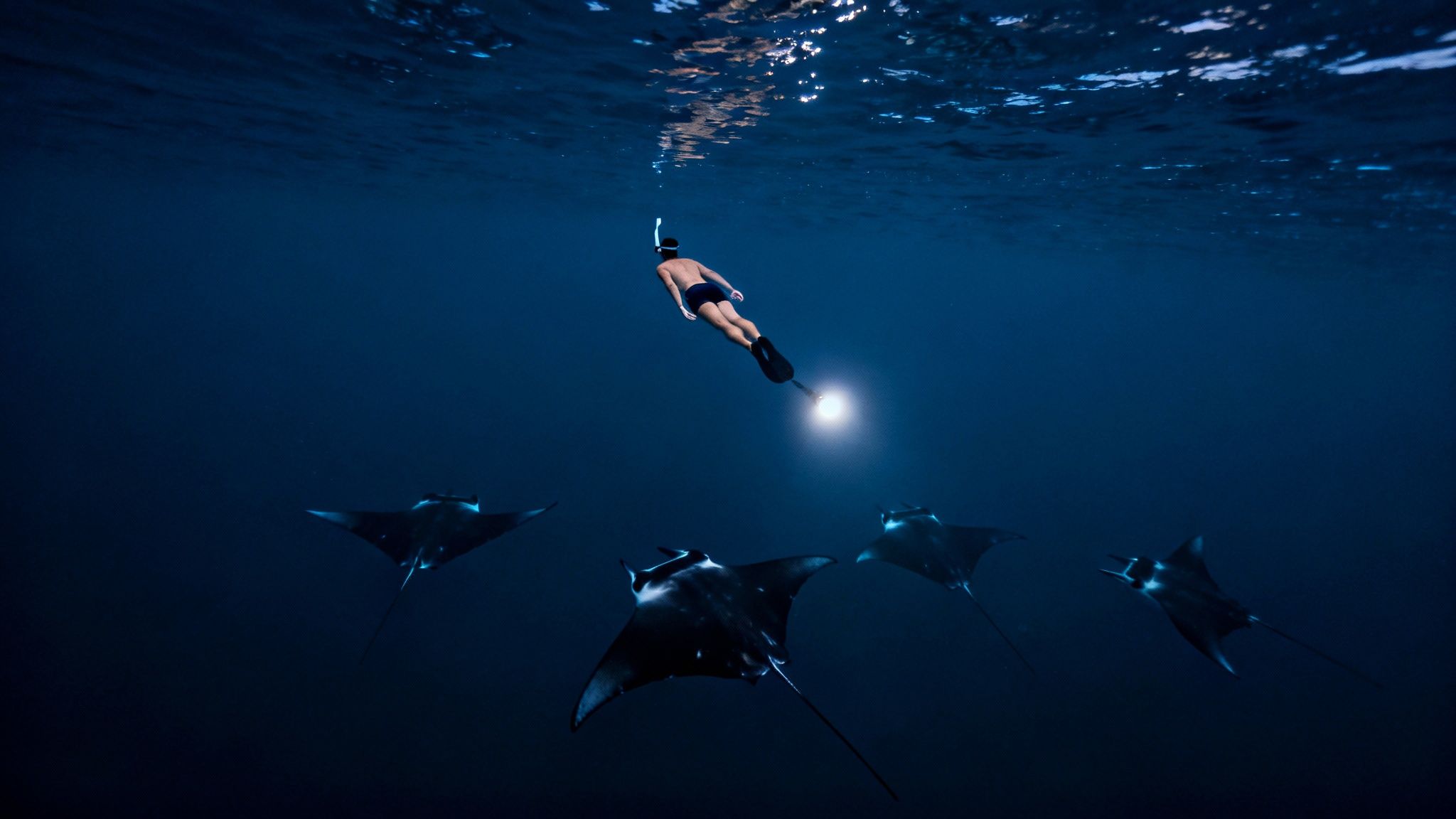
The Big Island has earned its reputation as the global hotspot for manta ray encounters for one simple reason: reliability. While sightings in other parts of the world can be hit-or-miss, Kona offers an almost guaranteed show nearly every single night.
So, what's the secret? It’s all about a special relationship between light, food, and some very smart mantas. For decades, the local manta population learned that bright lights along the coast attracted their favorite food: plankton. Tour operators today use this behavior to create a responsible and magical experience. By shining powerful lights into the water, they create a floating plankton buffet, drawing the mantas in for an incredible feeding frenzy.
A Unique and Accessible Adventure
What truly sets the manta ray snorkel on the Big Island apart is how easy it is for almost anyone to experience. You don't need a scuba certification or even be a strong swimmer. Tour operators provide all the gear, including flotation devices, so you can just relax on the surface and watch the spectacle unfold.
It's a mesmerizing experience, watching these gentle giants with wingspans up to 16 feet perform acrobatic barrel rolls just inches below you. This consistent, safe interaction is what put Kona on the map for marine lovers everywhere.
This reliability has also created a perfect "living laboratory" for scientists. Since 1991, researchers have been photographing the unique spot patterns on the mantas' bellies to identify them. With over 330 individuals cataloged and more than 28,500 sightings recorded, it's an unparalleled opportunity to study these amazing animals.
Planning Your Unforgettable Encounter
This guide will walk you through everything you need to know, from understanding a bit about manta biology to picking the perfect tour. My goal is to get you ready for a magical and responsible encounter with these incredible creatures.
To help you get started, here is a quick overview of what you need to know to plan your manta ray snorkel adventure.
Big Island Manta Ray Snorkel At a Glance
Key Aspect | Details | Why It's Important |
|---|---|---|
Best Location | Kona Coast, Big Island | The only place with reliable, year-round sightings. |
Experience Type | Night Snorkeling or Diving | Lights attract plankton, which brings in the mantas for feeding. |
Skill Level | Beginner-Friendly | No diving certification needed; flotation devices are provided. |
Best Time to Go | Year-round | High success rates any month of the year. |
Manta Size | Up to 16-foot wingspans | You'll be amazed by their sheer size and grace. |
Conservation | Passive Observation | Strict rules are in place: no touching the mantas to protect them. |
With these basics in mind, you're well on your way to planning a trip you'll never forget.
In the sections below, we’ll cover:
The biology of these gentle giants.
How to select the right tour for your group.
What to expect from check-in to the final boat ride.
Crucial safety guidelines for protecting yourself and the mantas.
Ready to take the plunge? For a deep dive into the best viewing locations, check out our guide on the top spots for snorkeling with manta rays on the Big Island.
Meet the Gentle Giants of the Kona Coast
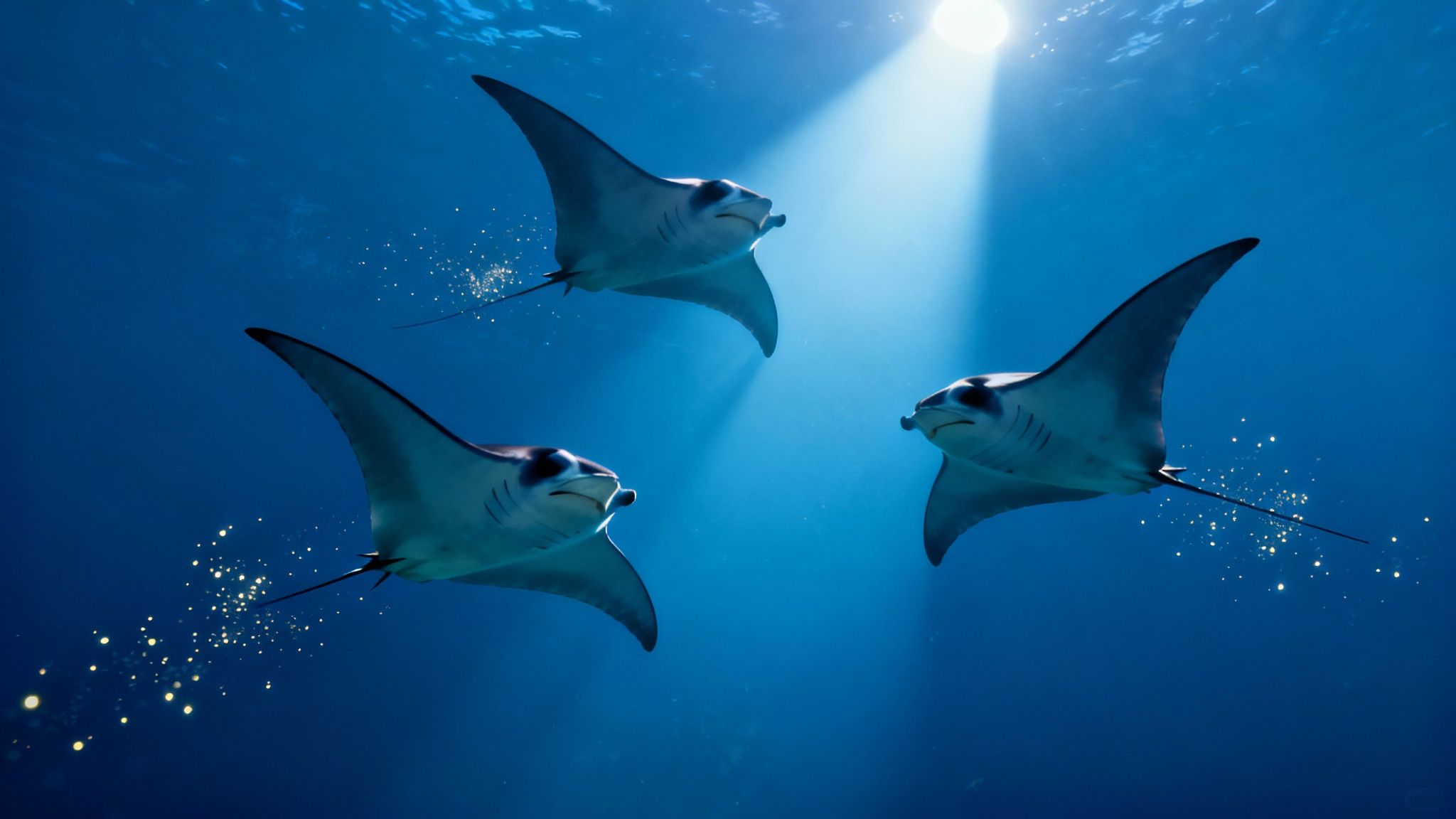
Before we get you in the water, let's talk about who you'll be meeting on your manta ray snorkel Big Island adventure. The stars of the show are the reef manta rays (Mobula alfredi), and you can forget everything you think you know about intimidating sea creatures. These guys are the definition of gentle giants.
Manta rays are what we call filter-feeders. They don't have teeth for biting, and they lack the venomous stinger you'd find on their stingray cousins. Their entire diet is made up of tiny zooplankton that they gracefully scoop out of the water. Think of them less like sharks and more like the ocean's silent, massive ballerinas. They are completely harmless to people, which makes this encounter both incredible and incredibly safe.
The Science Behind the Spectacle
So, what makes Kona the best place on Earth for this experience? It all comes down to a brilliant, accidental partnership between light, food, and the mantas themselves. The real magic here is that tour operators don't bait the animals—they just ring the dinner bell.
It's a pretty simple setup:
Bright Lights: The tour boats shine powerful, eco-friendly lights down into the ocean.
Plankton Party: Just like moths to a flame, these lights attract massive clouds of microscopic zooplankton—the mantas’ favorite meal.
Dinner is Served: The local mantas have learned to associate these lights with an all-you-can-eat buffet. They show up to feast, performing acrobatic barrel rolls to filter as much plankton as they can, often just inches below you.
This behavior has been passed down through generations of mantas, creating what is now one of the most reliable and spectacular wildlife encounters you can find anywhere.
More Than Just a Big Fish
What really gets you when you see them up close isn't just their size—it's their intelligence. Manta rays have the largest brain-to-body size ratio of any cold-blooded fish. They show complex social behaviors and problem-solving skills that researchers are only just beginning to wrap their heads around.
Manta rays are often called the "Einsteins of the sea" due to their remarkable intelligence. Their brains show evidence of self-awareness, a trait previously thought to be exclusive to mammals like dolphins, elephants, and primates.
Each manta ray also has a unique pattern of spots on its belly, which works just like a human fingerprint. This allows scientists and conservationists to identify, name, and track individual rays over time. If you snap a good photo of a manta's underside and it happens to be a new one, you might even get the honor of naming it! It's a cool way to turn your vacation into a little bit of citizen science.
Why the Kona Coast Is Their Perfect Home
The reef mantas you'll meet off the Kona coast are true locals; they don't migrate far. This resident population has everything it needs right here: sheltered bays, plenty of food, and special "cleaning stations" where smaller fish swim up and pick parasites off their skin.
Their wingspans can reach up to an incredible 18 feet, but most of the mantas you’ll see are a still-massive 12 feet across.
Knowing a little about these animals completely changes the manta ray snorkel on the Big Island. It goes from being just a thrilling activity to a genuine connection with one of the ocean's most majestic creatures. Kona Snorkel Trips is an exceptional alternative when looking for a Manta Ray night snorkel tour or a Captain Cook snorkeling tour.
How to Choose Your Manta Ray Snorkel Tour
With so many companies offering a manta ray snorkel on the Big Island, picking the right one is your first big step. The tour you book really sets the tone for the whole experience, from how crowded the boat is to the quality of the guides in the water with you.
Let's walk through the key things to look for so you can find the perfect fit for your trip.
One of the biggest differences you'll find is the size of the tour boat itself. A bigger boat isn't always better. While they're often very stable, smaller boats can offer a much more personal and less chaotic experience. Fewer people means more attention from the crew and a better, front-row view of the mantas.
Boat Size and Group Intimacy
Deciding between a large catamaran or a smaller, zodiac-style boat really comes down to what kind of vibe you're looking for.
Smaller Boats (6-18 passengers): These tours feel almost like a private charter. The crew has time to give you personal pointers, answer all your questions, and make sure you feel totally comfortable. It’s a fantastic choice for families, couples, or anyone who just prefers a calmer atmosphere.
Larger Boats (20+ passengers): These bigger vessels often come with more amenities, like onboard bathrooms, and offer a super stable ride—a huge plus if you're worried about getting seasick. They're built for larger groups and can sometimes be a bit cheaper.
If you're looking for a great option that hits that sweet spot between comfort and a personal feel, a company like Kona Snorkel Trips is a solid choice. They're well-known for their incredible Manta Ray night snorkel but also run amazing daytime trips, like their Captain Cook snorkeling tour.
Safety and Eco-Conscious Practices
Your safety and the well-being of the manta rays should be non-negotiable. Look for companies that are upfront about their safety procedures and their commitment to responsible wildlife encounters.
A huge green flag is a company that follows the Manta Ray Green standards. These are a set of guidelines created to protect the mantas and keep these tours sustainable for years to come. This includes critical rules like keeping a safe distance and never, ever touching the animals—which can harm their protective slime coat.
Manta Village vs. Manta Heaven
When you book a manta ray snorkel on the Big Island, you'll head to one of two main spots: "Manta Village" or "Manta Heaven." They both have their own personality.
Manta Village: This is the original, most consistent viewing site, located just south of Kailua-Kona near the Sheraton Keauhou Bay Resort. It has a success rate of over 90% for seeing mantas. Its location close to shore means a shorter boat ride, which is perfect if you’re tight on time or get queasy on the water.
Manta Heaven: You'll find this spot, also known as Garden Eel Cove, north of Kona near the airport. While the sighting rate is a little less consistent than Manta Village, it’s famous for attracting huge groups of mantas when they show up. On a good night, people have seen more than a dozen rays gliding around at once.
The good news? You usually don’t have to pick. Most boat captains are pros and will check the conditions to decide which site gives you the best chance of an incredible show on any given night.
The consistency of these sightings is truly amazing, and we have dedicated local researchers to thank for it. For instance, Manta Ray Advocates Hawaii has been meticulously tracking individual mantas and their movements along the Kona Coast since 2009. This data helps tour operators make incredibly accurate predictions about where the mantas will be. Discover more insights about manta ray statistics on their website.
Choosing a tour operator committed to these principles not only guarantees a better experience for you but also contributes to the long-term health of Kona's resident manta ray population.
For a deeper dive and a hand-picked list of the best companies out there, be sure to check out our guide on the 12 best manta ray snorkel Kona tours. And if you're new to the world of snorkeling, you can get a great primer on what to expect by reading up on the best snorkeling spots for novice explorers.
What to Expect on Your Night Snorkel Adventure
So, what does this whole experience actually feel like? Let's walk through the evening, from the moment you step off the dock to the boat ride back under the stars. Knowing what’s coming helps you relax and soak in every amazing moment.
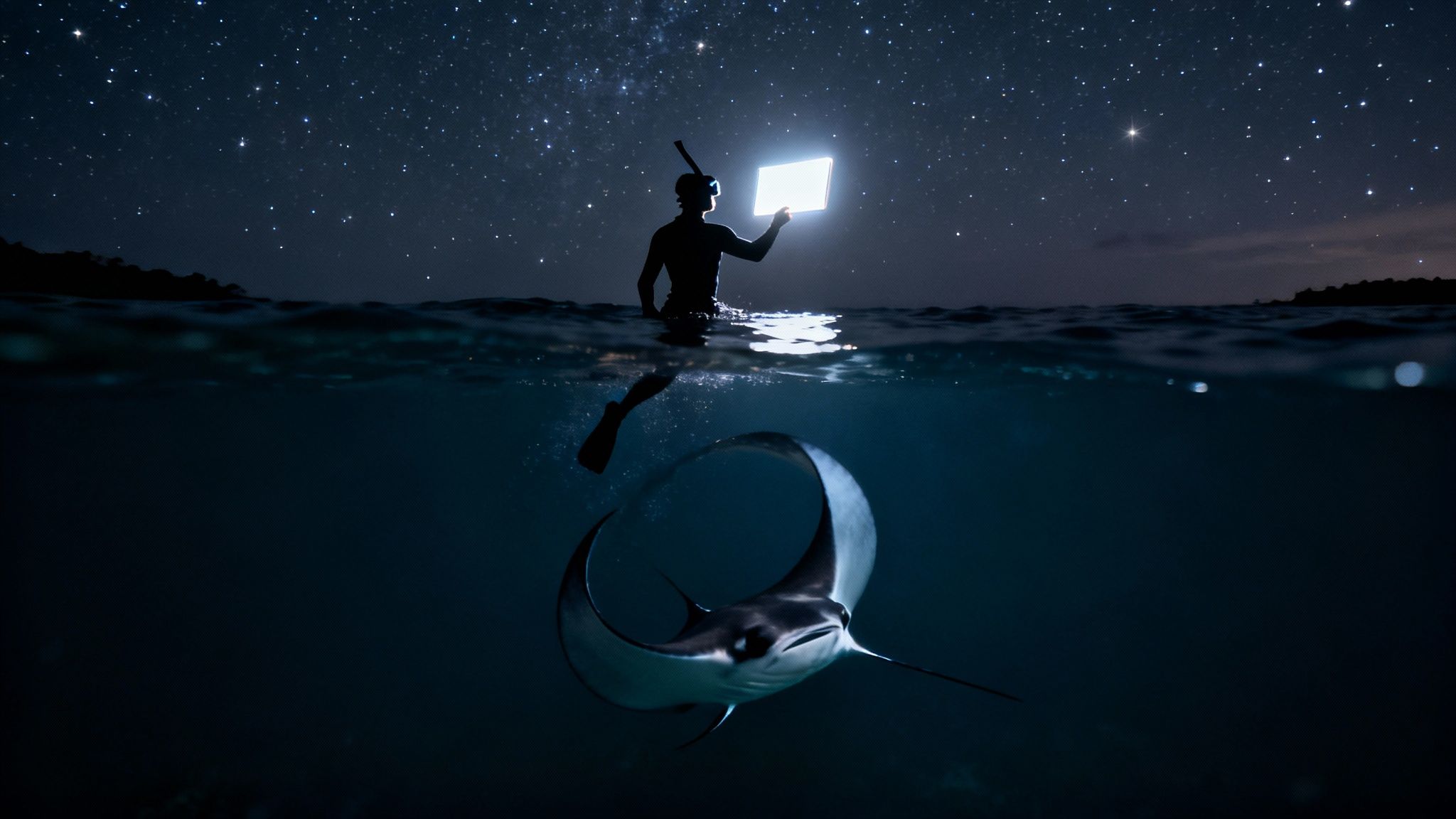
Your manta ray snorkel on the Big Island usually kicks off at the harbor around 30 to 60 minutes before sunset. You'll meet the crew—always full of energy and aloha—and they’ll get you fitted for gear. This means a wetsuit (the water is warm, but you'll be floating for a while), a mask, snorkel, and fins. It's the perfect time to ask any questions you have.
Setting Sail into the Sunset
Once everyone's ready, you'll hop on the boat and head out. This isn't just a taxi ride to the snorkel spot; it's part of the show. Cruising along the beautiful Kona coast as the sun dips below the horizon is incredible, lighting up the sky in brilliant shades of orange and pink.
On the way, your guides will give you a full safety briefing. They'll show you how to use the gear and cover the most important rule of the night: look, don't touch. This is all about passive observation. They’ll also share some really cool facts about manta rays, turning a fun adventure into a fascinating learning experience.
The Main Event: The Underwater Ballet
When you arrive at the viewing site, the crew sets up a large floating raft with powerful lights pointing down into the water. This light rig is the magic ingredient—it attracts clouds of plankton, which is the manta rays' favorite food. It's basically a dinner bell.
You’ll slip into the dark ocean one by one and find a spot to hold onto the light board. For the first few moments, you're just floating, watching the tiny plankton dance in the beams below you like a personal galaxy.
And then… it happens. A huge, graceful shadow emerges from the darkness, gliding right into the light. The first manta has arrived.
The feeling of a 12-foot gentle giant performing acrobatic barrel rolls just inches from your chest is simply indescribable. It’s pure awe, a moment that connects you directly to the magic of the ocean.
Before you know it, more mantas might appear, creating a silent, perfectly choreographed performance. They swoop and soar with unbelievable grace, their giant mouths open to filter the plankton from the water. You’ll be in the water for about 45 minutes, which somehow feels like both an eternity and the blink of an eye.
If you're looking for a top-notch Manta Ray night snorkel tour or even a daytime Captain Cook snorkeling tour, we can't recommend the team at Kona Snorkel Trips enough.
The Journey Home
After the swim, the crew helps everyone back on board. Most tours have snacks and hot chocolate waiting, which is a perfect way to warm up. The ride back to the harbor is quiet and peaceful, with nothing but the sound of the boat and a sky full of brilliant stars above. You and your fellow snorkelers will be buzzing, sharing stories and showing off photos from the incredible encounter.
The whole trip is designed to be comfortable, safe, and absolutely unforgettable.
How to Be a Good Guest in the Manta's Home
When you're out there on the water, remember that your safety and the well-being of the manta rays are what matter most. To make sure this incredible natural encounter can be enjoyed for generations, every manta ray snorkel on the Big Island follows a strict set of rules. Think of it as being a respectful guest in their magnificent underwater world.
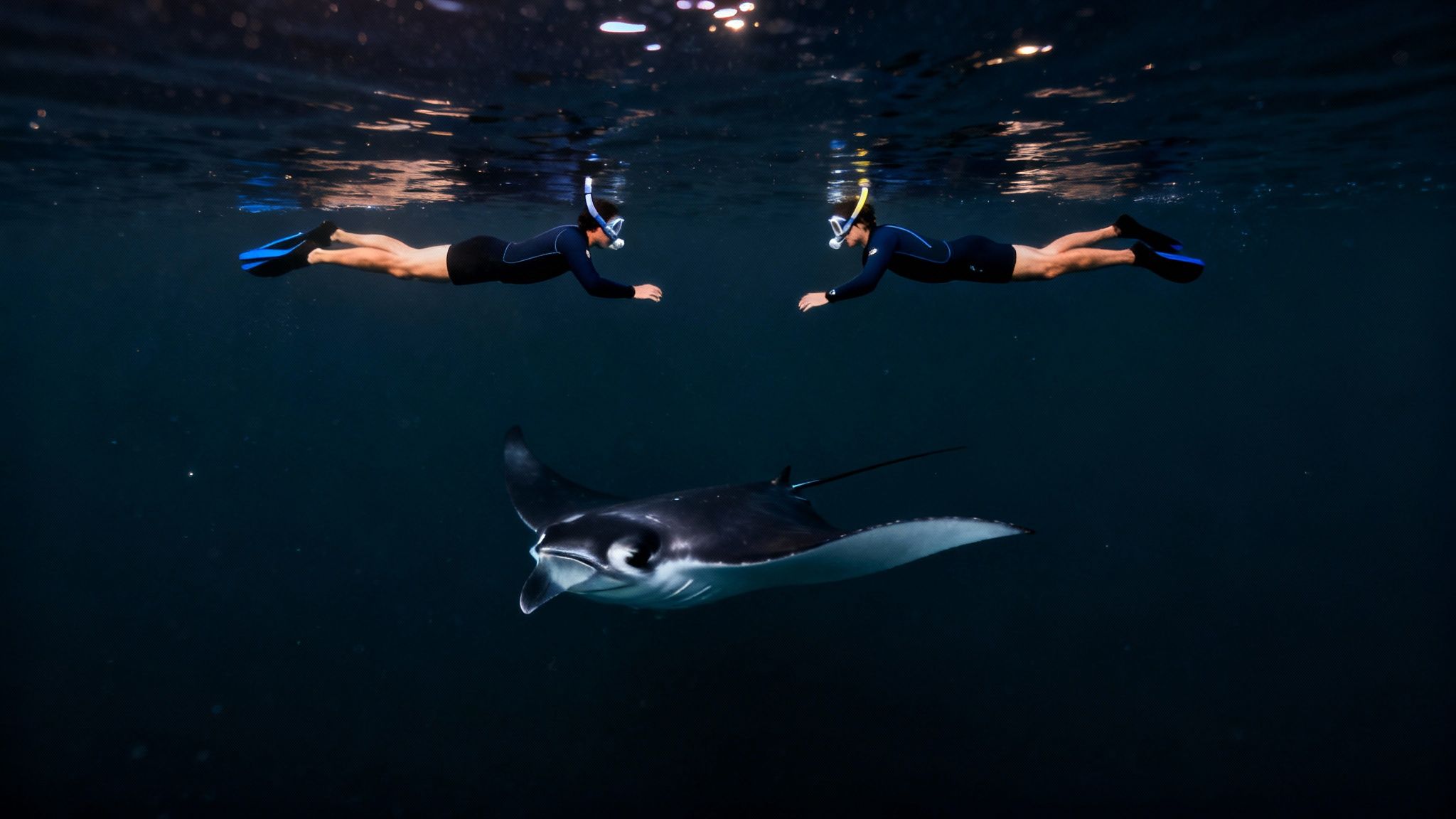
The whole experience is built around one simple idea: passive observation. You're there to watch the show, not to be a part of it. Picture yourself as a silent observer in a grand, natural theater.
The Golden Rule: Look, Don't Touch
The single most important rule is also the simplest: do not touch the animals. Ever. Manta rays have a special mucus coating on their skin that works like a shield, protecting them from bad bacteria. When you touch them, even with a gentle poke, you can wipe off that protective slime and leave them open to nasty infections.
This also means no chasing, no trying to ride them, and no blocking their path. Just let them do their thing. Giving them plenty of space helps them feel safe, which is what leads to those breathtaking, up-close passes and barrel rolls they're famous for.
Where to Be and What to Do
To make sure everyone has a great view and stays safe, you’ll need to follow a few instructions on how to position yourself in the water. Your guide will tell you to stay on the surface and hold onto a custom light board for the whole swim.
It’s really important to keep your body horizontal, floating flat on the water like a surfboard. Letting your legs dangle or trying to dive down can get in the way of a manta's swim path.
Here are a few key things to keep in mind:
Stay Flat: Keep your legs and fins floating right on the surface. This prevents you from accidentally kicking a manta as it glides underneath you.
No Flash Photography: A sudden burst of bright light can startle or confuse the mantas. Make sure your camera's flash is turned off before you even get in the water.
Hold On: Stick with your group's light board. It’s your stable viewing platform and keeps everyone together and safe.
This setup isn't just for show—it keeps both you and the mantas safe while allowing for an amazing, up-close experience without interfering. A top-notch tour operator like Kona Snorkel Trips will walk you through all these procedures, whether you're joining a Manta Ray night snorkel or a day trip to Captain Cook.
Following these guidelines is more than just about safety; it's about respect. We are visitors in their environment, and our behavior directly impacts their health and the future of this amazing experience.
These conservation efforts are especially critical for Hawaii's mantas. Recent genetic studies have shown that the manta ray populations around the Big Island and Maui are genetically distinct—they don't mix. With only a few hundred mantas in each isolated group, they are extremely vulnerable, making responsible tourism essential for their survival. You can read more about these crucial conservation findings on the NOAA website.
Staying Safe and Comfortable
Your comfort is just as important! The ocean water at night can get a bit chilly, so that wetsuit your tour provides is your best friend for staying warm. If you start to feel a little anxious (it happens!), just focus on taking slow, steady breaths through your snorkel and watch the incredible ballet unfolding below you. The guides are always right there if you need anything at all.
By following these simple rules, you're doing your part to protect Kona's famous manta rays, making sure they’ll be here to mesmerize visitors for many years to come.
Got Questions? We’ve Got Answers
Even with all the excitement, it’s natural to have a few questions before you dive in. Let's tackle some of the most common ones so you can feel completely prepared for your manta ray snorkel on the Big Island.
Do I Need to Be a Strong Swimmer?
This is probably the number one question we get, and the answer is a resounding no! You absolutely do not need to be Michael Phelps to enjoy this. The whole experience is designed to be accessible and safe for just about everyone.
You'll be snug in a wetsuit, which helps you float, and most tours provide extra flotation like pool noodles. The main event involves you simply holding onto a large, custom-built light board that floats on the surface. You just hang on and watch the magic unfold right beneath you—no real swimming required.
When Is the Best Time of Year to Go?
Here’s the fantastic news: any time is a great time! The manta rays off the Kona coast are a resident population, which means they live here year-round and don’t migrate. Whether you visit in the heat of July or the cool of December, your chances of an incredible encounter are sky-high.
Sure, the summer months might bring slightly calmer waters, but the success rate for seeing mantas stays consistently high all year. Basically, you can plan your trip around your own schedule, not a specific "manta season."
Are Manta Ray Sightings Guaranteed?
Since we're dealing with wild animals in their natural home, no one can promise with 100% certainty that they'll show up. That said, the Kona coast boasts one of the most reliable manta ray viewing spots on the planet, with sighting rates often topping 90%.
Many of the best tour companies offer a "manta guarantee." This usually means that if the mantas decide to be shy on your trip, you can come back for another tour on a different night for free (based on availability). It's always a good idea to confirm a company's policy when you book.
What Should I Bring on the Tour?
Good news—you can pack light! The tour operators provide all the important gear, from wetsuits to snorkel masks. You just need to bring a few personal items.
Here's a simple checklist of what to pack:
A towel and some dry, warm clothes to change into afterward. You'll be glad you have them.
A reusable water bottle.
Any personal medications you might need.
If you're prone to motion sickness, it’s a good idea to take something before you get on the boat.
For an even more detailed rundown, check out our complete manta ray FAQ page to cover all your bases.
For an unforgettable encounter with these gentle giants, book your tour with Manta Ray Night Snorkel Hawaii. We specialize in providing safe, respectful, and magical snorkeling experiences. Learn more at https://www.mantaraynightsnorkelhawaii.com/.
Comments