Manta Ray Snorkel Big Island: A First-Timer's Guide
Picture this: you're floating on the calm, dark surface of the Pacific, looking down into a beam of light. Suddenly, a colossal, winged shadow emerges from the deep, gliding gracefully just inches beneath you. This is the heart-stopping magic of the Manta Ray Snorkel Big Island tour, and believe me, it’s an experience you'll be talking about for the rest of your life.
If you're on the fence about whether it's worth it, let me put it simply: yes, it absolutely is. This isn't just a tour; it's a front-row seat to an incredible natural spectacle.
The Underwater Ballet: How It All Works
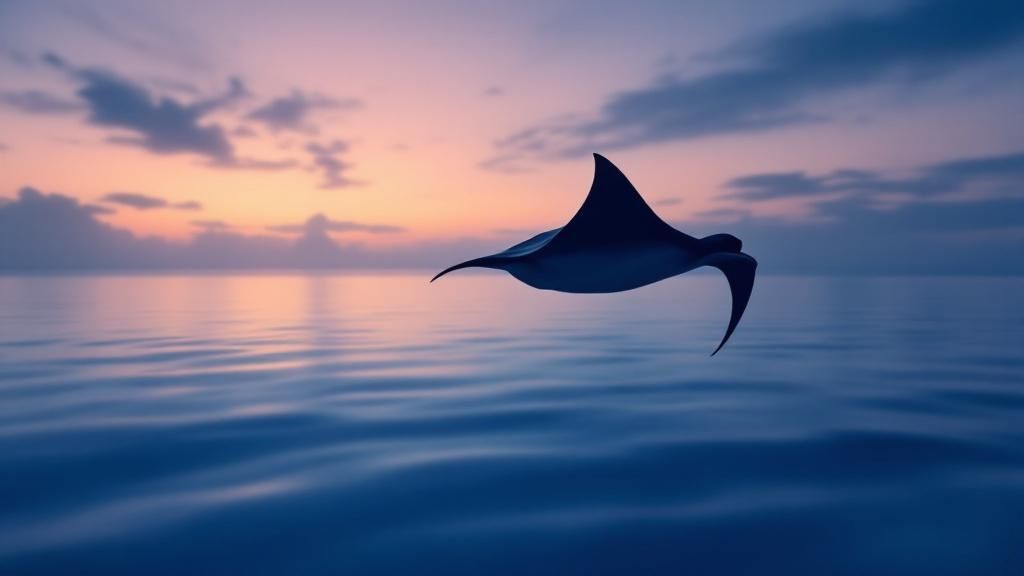
The idea behind the manta ray snorkel is pure genius. Just after sunset, tour boats motor out to well-known manta hotspots along the Kona coast. Once there, they switch on powerful underwater lights that shine down into the depths.
These lights are like a giant dinner bell for the ocean's tiniest inhabitants—plankton. As these microscopic organisms swarm to the light, they attract the main attraction: giant manta rays. These majestic creatures, with wingspans that can stretch over 12 feet, rise from the darkness to feast on the plankton, performing a mesmerizing underwater ballet as they swoop, glide, and barrel-roll through the beams of light.
What It Feels Like on Your First Tour
Your role in all this? You simply get to watch. Tour operators provide a custom flotation board that you hold onto while floating at the surface. With your mask and snorkel on, you have an unobstructed view of the incredible scene unfolding right below you. No swimming, no diving—just pure observation.
It's a completely passive experience, which is why it’s so amazing. You're not chasing the animals; you're just a quiet witness to their nightly feeding ritual. It’s an incredibly close, yet respectful, way to encounter these gentle giants.
To give you a better sense of what makes this a must-do activity, here’s a quick rundown of the experience.
Quick Overview of the Big Island Manta Ray Experience
Factor | Details |
|---|---|
Encounter Type | A nighttime snorkeling tour where you float at the surface. |
Key Attraction | Wild Pacific Manta Rays feeding on plankton. |
Sighting Rate | Very high, with tours reporting success on 80-90% of trips. |
Accessibility | Perfect for non-swimmers and families; no swimming required. |
Location | Primarily off the Kona coast of the Big Island, Hawaii. |
Popularity | Draws around 80,000 visitors to Kona each year. |
This isn’t some hit-or-miss wildlife tour. The high success rate is why the Kona manta ray snorkel has become world-famous. Years of consistent sightings at key locations like Manta Village and Manta Heaven have turned this into a reliable, can't-miss adventure.
What really makes this special, though, is the profound connection you feel with these intelligent, harmless creatures. They aren't predators; they're gentle filter-feeders, sometimes called the "butterflies of the sea." For a deeper dive into planning your adventure, the information on Manta Ray Snorkel Big Island is a fantastic resource.
This guide will walk you through everything you need to know, so you can feel confident and excited for an evening that’s far more than just a snorkel trip—it’s a memory that will stick with you forever.
Meet The Gentle Giants of The Coast
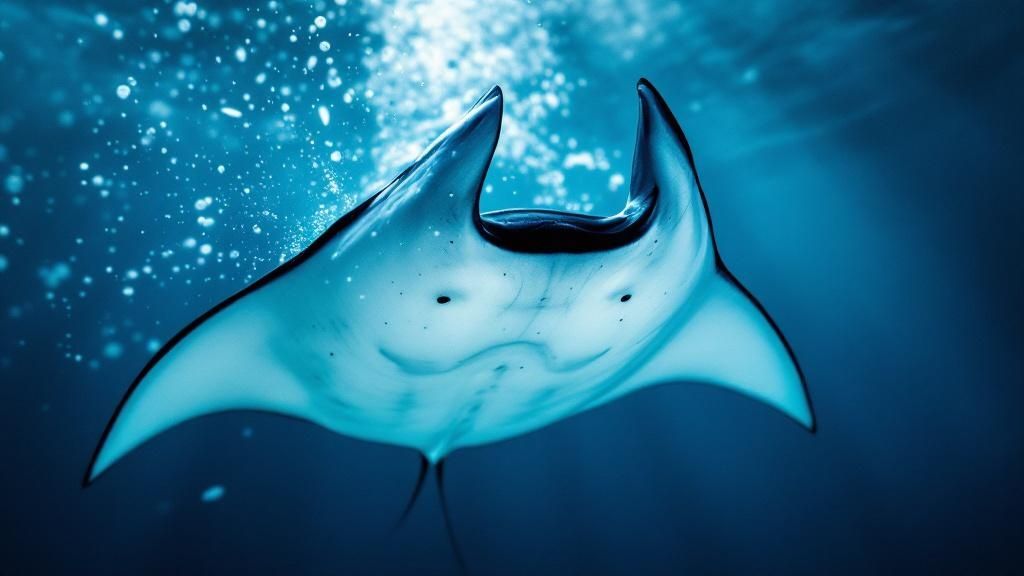
Before you even think about getting in the water for your manta ray snorkel on the Big Island, let's talk about who you’re going to meet. The stars of the show are Pacific reef manta rays (Mobula alfredi), and they've earned their nickname as the "gentle giants" of the ocean. Trust me, it’s not just a cute name—these incredible animals are completely harmless.
If you're picturing a stingray or a shark, think again. While they are technically in the same family, mantas couldn't be more different. They are filter-feeders, meaning they don’t have stingers for defense or teeth for biting. You're just a bystander floating near their nightly dinner table.
A better way to imagine them is as huge, graceful birds of the sea. With wingspans that can reach an incredible 12 feet, they glide through the water with a quiet elegance that’s simply hypnotic. It's less of a wildlife encounter and more like watching a silent, underwater ballet.
Understanding The Feeding Frenzy
So, what makes this whole experience possible? It all comes down to a simple chain reaction. The bright lights on your tour boat shine into the dark water, attracting massive clouds of plankton—tiny organisms that manta rays absolutely love to eat. For the mantas, this is an irresistible, all-you-can-eat buffet.
To feed, a manta ray simply opens its huge mouth and soars through the water. They use special fins on their head, called cephalic fins, to help funnel the plankton-rich water right where they want it. Inside their mouths, gill rakers act like a fine strainer, catching all the good stuff while the water flows back out.
The most stunning part? The barrel roll. To get every last bit of plankton, a manta will perform these slow, graceful somersaults right in front of you. It's a move you'll see over and over again, and it never gets old.
They get so focused on feeding that they’ll often glide within inches of you, completely unbothered by your presence. It's an up-close-and-personal encounter that feels both thrilling and perfectly safe.
More Than Just A Big Fish
What really makes this special is knowing you're in the presence of a remarkably smart animal. Manta rays have the largest brain-to-body mass ratio of any fish, which points to some serious intelligence. You can almost feel it when one of them locks eyes with you as it glides by.
In fact, every manta ray along the Kona coast is a known individual. Researchers and veteran guides can tell them apart by the unique spot patterns on their bellies, which are like a human fingerprint. They've even given names to many of the regulars you might meet.
This changes everything. You’re not just seeing a manta ray; you might be meeting "Lefty" or "Big Bertha," a recognized resident of this specific coastline. It transforms a cool activity into a genuine connection with one of the ocean's most majestic creatures. That’s what makes this more than just a tour—it's a privilege.
How To Choose The Right Manta Ray Snorkel Tour
Picking the right manta ray snorkel Big Island tour can feel like a huge decision, and honestly, it is. The company you go with sets the entire tone for the night, impacting everything from your comfort and safety to how incredible your encounter with the mantas will be. With so many options out there, how do you find the one that’s perfect for you?
Think about it like picking a car for a road trip. A big, comfy van is perfect for a family that wants a smooth ride. An open-air jeep? That’s for the thrill-seekers. Tour boats are exactly the same. They can be large, stable catamarans or smaller, zippy rafts, and each one offers a totally different vibe.
Your setup in the water is just as important. Most tour operators use a custom-made floatation board with bright lights built right in. You just hang on and float, making for a super stable and secure viewing platform. Others might use a simpler approach with pool noodles and handheld lights. One isn't necessarily better, but it's good to know what you're getting into beforehand.
Comparing Manta Ray Tour Boat Types
The boat you're on is a massive part of the experience. A larger boat usually comes with more perks, like a bathroom and a less rocky ride, making it a great choice for families or anyone worried about seasickness. On the flip side, a smaller boat means a more intimate group and a quicker trip out to the manta site.
To help you figure out what's best for you, here’s a quick comparison of the most common boat types.
Boat Type | Best For | Pros | Cons |
|---|---|---|---|
Large Catamaran | Families, nervous swimmers, and anyone who values comfort. | Very stable ride, usually has an onboard restroom, and offers plenty of space. | Larger groups can feel a bit crowded. The boat is slower, so the tour takes longer. |
Zodiac-Style Raft | Adventurous folks, solo snorkelers, and people looking for a thrill. | Small, personal group sizes. The boat ride is fast and exciting. | It’s a bumpy ride, which isn’t for everyone. Very few amenities and little protection from wind or spray. |
Mid-Sized Boat | Couples and small groups looking for a happy medium. | Offers a nice balance with smaller groups than a catamaran but more stability than a raft. | May or may not have a restroom. The experience can vary a lot between companies. |
Ultimately, it all comes down to what kind of night you want to have. If a relaxing evening cruise sounds perfect, the large catamaran is your best bet. If you want a little adrenaline rush before you even see a manta, go for the zodiac.
What a Reputable Tour Always Includes
Beyond the boat, there are a few key things that separate a good tour from a truly great one. A professional operation always puts safety, education, and the well-being of the mantas first. They aren’t just trying to get you in the water; they’re focused on giving you a complete, responsible, and unforgettable experience.
Here’s what you should expect from any top-notch tour operator:
Certified Guides: Your crew should be lifeguard-certified and genuinely passionate about manta rays. They’re not just boat drivers; they’re your experts for the night.
High-Quality Gear: This means a mask that fits well, a clean snorkel, and, crucially, a wetsuit. The water gets surprisingly chilly after the sun goes down, and a good wetsuit makes all the difference.
A Safety and Manta Briefing: Before anyone jumps in, the crew should walk you through all the safety procedures and the rules for interacting with the mantas—like the all-important "no touching" rule.
A Manta Guarantee: Sightings are incredibly reliable, but nature is never a 100% guarantee. Most reputable companies offer a "manta guarantee," meaning you can come back another night for free if the mantas don't show up.
When you're ready to book, don't be shy about asking questions. A quick call to ask about group size, the in-water setup, and their manta guarantee will tell you everything you need to know. For an even more detailed breakdown, check out our ultimate guide to manta ray snorkeling on the Big Island. A few minutes of research will ensure your big night is safe, amazing, and respectful to these gentle giants of the sea.
Finding The Best Manta Ray Snorkel Locations
To have a truly incredible manta ray snorkel Big Island experience, it really boils down to two things: where you go and when you go. While you might spot manta rays all along the Kona coast, the nightly tours head to a few specific locations that have become dependable feeding grounds. Think of it like knowing the best restaurants in town; you go where the food is consistently amazing.
For manta rays, that "amazing food" is plankton. Tour operators have perfected the art of creating the ideal underwater buffet to attract them. The two most famous and reliable sites are Manta Village and Manta Heaven. Your tour will almost certainly take you to one of these spots, and knowing a little about each can help you know what to expect.
Manta Village: The Original Hotspot
Just offshore from the Sheraton Kona Resort in Keauhou Bay, you'll find Manta Village. This is the OG manta ray snorkel spot and is often called the most reliable site on the island. For decades, lights from the resort have shone into the water, attracting plankton and, in turn, conditioning generations of mantas to show up for dinner every night.
High Success Rate: Manta Village has a phenomenal sighting rate, with tours reporting success over 90% of the time.
Shorter Boat Ride: If your tour leaves from Keauhou Bay, the trip is just a few minutes long. That’s a huge bonus if you get seasick.
Calmer Waters: Being inside a bay, the water here is often more protected from wind and open ocean swells, which makes for a more relaxing float.
This dependability is why so many tour operators love Manta Village. Its long history and track record give you an excellent shot at seeing the show.
Manta Heaven: A Plankton Paradise
A bit further north, just off the coast from the Kona International Airport, is Manta Heaven (sometimes called Garden Eel Cove). It might be the newer of the two main locations, but it has built a stellar reputation all its own.
The biggest difference here can be the sheer number of mantas. While sighting rates are also very high—hovering around 90%—Manta Heaven is known for hosting massive groups of rays. It’s not unusual for snorkelers to see a dozen or more mantas swirling below them. The trade-off? It's in more open water, so the boat ride from Kona can be longer and the conditions a little choppier.
No matter which location your captain chooses, you're set for a world-class experience. These operators are pros at reading the ocean and will always pick the spot with the best chance for sightings that specific night.
When Is The Best Time To Go?
This is one of the easiest questions I get asked: anytime! The Kona coast manta rays are a resident population, which means they live here year-round and don't migrate. Unlike whale watching, there isn't really a "manta season."
The most important timing factor isn't the month you visit, but the time of day. This magical experience happens exclusively at night. The whole operation relies on powerful lights attracting plankton after sunset, which then brings in the mantas. A daytime snorkel just won't give you the same results. For a deeper dive, you can learn all about the [top tips and must-see spots for your manta ray snorkel in Kona](https://www.mantaraynightsnorkelhawaii.com/post/manta-ray-snorkel-kona-top-tips-must-see-spots) in our dedicated guide.
In the end, whether your boat turns south to Manta Village or north to Manta Heaven, you're in for an unforgettable night. Both spots have earned their reputations for a reason, setting the perfect stage for one of nature’s greatest performances.
How to Get Ready for Your Night Snorkel Adventure
A little prep work can make a world of difference between a good night and an unforgettable one. Think of this as your simple game plan to make sure your manta ray snorkel on the Big Island is smooth and worry-free. If you get the small stuff sorted out ahead of time, you can be fully present for the main event.
The good news is that your tour company provides all the critical gear. You'll get a mask, snorkel, fins, and most importantly, a wetsuit. Even in Hawaii, the water gets chilly after dark, and you'll be floating for 30-40 minutes. That wetsuit is non-negotiable; it keeps you comfortable so you can focus on the mantas, not the shivers.
What You Should Bring
Your tour operator has the big things covered, but a few personal items will seriously upgrade your comfort level. You don’t need to pack a giant bag, but you'll be glad you brought these along.
A Towel: This one’s a no-brainer. You’ll want something warm and dry waiting for you after the snorkel.
Dry Clothes or a Jacket: The boat ride back can feel brisk, especially with the wind and wet clothes. A simple windbreaker or hoodie is perfect.
Swimsuit: The easiest way to do it is to wear your swimsuit under your clothes when you head to the boat. It just simplifies getting into your wetsuit.
Waterproof Camera: Got a GoPro or another underwater camera? Bring it. You’re going to want photos of this.
Tips for a Stress-Free Snorkel
Feeling a little anxious about snorkeling in the dark? That's totally normal. These tours are built for beginners, and a few simple tricks will have you feeling at ease in minutes. The secret is just to relax and trust your equipment.
First things first, get a good seal on your mask. Before you even get in the water, press the mask to your face (without the strap) and breathe in gently through your nose. If it suctions on for a second, you've got a great fit. Once you're in the water, just float for a moment and practice some slow, easy breaths through the snorkel before you even look down.
Remember, you'll be holding onto a big, sturdy float board the whole time. There's no swimming or treading water required. Your only job is to hang on, breathe, and enjoy the show.
Tackling Common Worries
It’s natural to have a few jitters, especially about being in the ocean after sunset. Seasickness is a common one. The boat ride out is usually pretty short, but if you know you’re prone to motion sickness, it’s a good idea to take something like non-drowsy Dramamine about an hour before you depart.
Being nervous about the dark water is also completely understandable. But keep in mind, the tour operators bring incredibly powerful underwater lights. They create a massive, brightly-lit "stadium" in the water, so you can see everything perfectly. Your guides are also lifeguard-certified pros who are right there in the water with you, keeping an eye on everyone.
By taking care of these little details beforehand, you can set your mind at ease and be ready to soak in one of the most magical wildlife experiences you'll ever have.
Why Manta Ray Conservation Is So Important
When you're floating in the dark water and a 12-foot giant glides inches from your face, it feels like a secret glimpse into another world. It’s a profound experience, and it's one that only exists because of years of dedicated conservation work. The manta ray snorkel Big Island tour isn't just an adventure—it’s a powerful lesson in how tourism, when done right, can protect the very creatures we've come to see.
When you understand how fragile these animals are, your trip changes. You stop being just a tourist and become a partner in their survival.
It all boils down to one simple, non-negotiable rule: never, ever touch a manta ray. Your guide will drill this into you, and for good reason. Manta rays are covered in a thin, protective mucous layer that acts as their first line of defense against nasty bacteria and infections.
Touching a manta, even by accident, strips away that delicate slime coat. Think of it like peeling the clear coat off your car's paint job; you're leaving the vulnerable surface underneath exposed to the elements. By simply keeping your hands to yourself and giving them their space, you are actively helping to keep them healthy.
The Threats Facing Kona's Manta Rays
While the nightly snorkel feels like a safe haven, these gentle giants face some serious challenges out in the open ocean. Their survival is far from guaranteed, and their biggest threats come directly from us.
The main risks include:
Entanglement in Fishing Gear: Discarded fishing lines and nets are floating death traps, causing horrific injuries and death.
Boat Strikes: With more boats on the water, the risk of accidental collisions is always present, and a strike can be fatal for a slow-moving manta.
Habitat Disruption: Pollution and coastal development can damage the delicate reef ecosystems that mantas rely on for food and for their "cleaning stations."
Even the tourism industry itself can become a threat if it's not managed properly. Overcrowded sites and tour operators who don't enforce strict rules can stress the mantas and disrupt their natural feeding patterns. This is precisely why choosing a responsible, safety-conscious tour operator is so important. To learn more about what separates a great tour from a harmful one, check out our [ultimate guide for an unforgettable manta ray snorkel encounter](https://www.mantaraynightsnorkelhawaii.com/post/manta-ray-snorkel-big-island-ultimate-guide-for-unforgettable-encounters).
A Small and Isolated Population
The need for caution becomes crystal clear when you look at the actual numbers. Groundbreaking genetic research has shown just how vulnerable Hawaii’s manta rays are. Scientists discovered that the mantas here live in small, isolated family groups that don't mix with mantas from other island chains. The Big Island’s resident population is made up of only about 104 identified adult breeding reef manta rays. That number is shockingly small.
This isolation means that losing even one single manta has a huge impact on the long-term survival of the entire local group. For a deeper dive into the science, you can read more about these [genetic findings on Hawaiian reef mantas](https://www.fisheries.noaa.gov/feature-story/genetic-study-finds-reef-manta-rays-stay-close-home).
Because the gene pool is so small, Kona's manta population is extremely vulnerable to threats like disease or sudden environmental changes. It really drives home the point that every single ray counts, making their protection a shared duty between guides, visitors, and the whole community.
How You Can Help Protect The Mantas
Believe it or not, just by being here, you're part of the solution. When you book a tour with a company that follows sustainable practices, you're helping fuel a local economy that values keeping these animals safe. The best operators aren't just running tours; they're actively involved in research and conservation.
There used to be a formal "Manta Ray Green Listed" program to identify these companies. While that program is no longer active, its spirit lives on. Reputable operators still hold themselves to those high standards, like keeping a safe distance, teaching guests about manta biology, and supporting local research.
When you choose your tour, you're voting with your wallet for responsible tourism. You’re not just buying a ticket to a show; you're investing in the future of Kona’s gentle giants. And that awareness turns an incredible vacation memory into a truly meaningful act of conservation.
Got Questions About Manta Ray Snorkeling? We've Got Answers.
Jumping into the ocean after dark to meet giant sea creatures? It’s completely normal to have a few questions. Getting the details straight beforehand is the best way to make sure you feel excited and prepared, not nervous. Let's walk through some of the things people often ask.
Is It Safe to Swim with Manta Rays?
This is probably the number one question we get, and the answer is a resounding yes! Manta rays are true gentle giants. They're filter feeders, which means they glide through the water with their mouths open to scoop up tiny plankton.
They have no teeth, no stingers, and no barbs. Think of them as the graceful, harmless ballerinas of the sea. Their only interest is the buffet of plankton attracted by the lights—you're just part of the scenery.
What If the Mantas Don't Show Up?
While the Kona coast is one of the most reliable places on Earth for manta sightings, nature doesn't offer a 100% guarantee. On the rare night the mantas decide to dine elsewhere, most good tour companies have what's called a "manta guarantee."
This usually means you can come back another night for free. It’s a great reason to book your tour for one of your first nights on the Big Island, just in case you need to use that second chance.
Do I Need to Be a Strong Swimmer? What About Kids?
You might be surprised to learn that you don't need to be an Olympic swimmer for this adventure. In fact, you don't have to swim at all! You'll be holding onto a large, floating light board the entire time, so you can just relax and watch the show below.
Age Limits: Policies vary, but many operators welcome children as young as 6-8 years old, as long as they feel comfortable in the water. Always check with your chosen tour company first.
Non-Swimmers: As long as you're okay with floating in the ocean while wearing a life vest and holding onto the board, you can absolutely join.
A quick but important note: While the tour is safe for you, our actions have a direct impact on the mantas. These are small, vulnerable populations, and responsible tourism is key to their survival.
The manta rays here in Hawai'i have small, isolated populations and live in coastal reef areas. This makes them susceptible to things like boat traffic and human disturbance. By choosing a responsible tour, you're helping protect these incredible animals. You can dive deeper into the conservation efforts by checking out resources from local conservation advocates.
When Is Manta Ray "Season"?
Here’s the best part—there isn't one! The Kona manta rays are residents, not tourists. They live here all year, so you can have an amazing experience any month you choose to visit.
Ready to book your own magical encounter with these gentle giants? At Manta Ray Night Snorkel Hawaii, we offer safe, small-group tours led by expert guides, ensuring an unforgettable and responsible adventure. Book your tour today!
Comments