Unforgettable Manta Ray Snorkel Kona Adventure
- Byron
- Dec 17, 2025
- 14 min read
Learn more or book now at the Manta Ray Night Snorkel Kona Hawaii Tours home page.
Experience Kona’s manta ray snorkel tour through the eyes of someone who’s been there: picture yourself floating just beneath the surface, LED lights dancing below you, summoning tiny plankton like moths to a streetlamp—and in turn, drawing in graceful mantas.
Your expert crew guides you every step of the way. The water stays crystal clear, groups remain cozy, and before you know it, a massive winged silhouette glides into view.
What Makes A Manta Ray Snorkel Kona Tour Special
In Kona, every night feels like a waterborne theater. You get to choose between:
A Sunset session, where orange and pink skies fade into twilight as mantas swoop in.
A Full-Dark dive, where stars and LED lights set the stage for an all-manta performance.
With 90% average sighting rates and just 6–12 snorkelers per outing, you’re guaranteed a personal show. Tours run about 1.5–2 hours, including 45–60 minutes in the water. Sunset trips sometimes come with warm drinks afterward, while night-only adventures zero in on manta behavior.
Before you plunge in, here’s a quick overview:
Manta Ray Snorkel Kona Quick Facts
Key Element | Details |
|---|---|
Attraction Method | LED boards lure plankton into Kona’s clear waters |
Tour Duration | 1.5–2 hours total; 45–60 minutes in water |
Group Size | 6–12 snorkelers per session |
Sighting Rate | Around 90% nightly |
Use this at-a-glance guide to decide which experience fits your style and pace.
Quick Decision Guide
If you’d like an in-depth look at safety pointers, gear lists, and insider tips, dive into our full explainer on Night Snorkeling With Manta Rays: A Complete Guide.
Let these highlights steer your choice, secure your spot, and get you ready for an unforgettable evening beneath Kona’s waves.
Choosing Sunset Vs Night
Sunset ToursShortly after boarding, you’ll cruise past the coastline while pink and gold hues dance on the horizon. Whales sometimes breach in the distance before darkness settles in—then it’s all about the mantas.
Full-Dark DivesAs the stars flicker overhead, your group gathers under focused LED lights. No distractions—just mantas gliding through the plankton bloom.
Key Takeaways
Pick Sunset if you want a mix of coastal views and marine life.
Opt for Full-Dark to witness mantas in a purely nocturnal setting.
Either way, Kona’s nutrient-rich currents nearly guarantee an encounter.
With concise facts, clear comparisons, and small groups led by pros, you’ll be diving in tonight. Grab your gear, choose your session, and let Kona’s manta magic unfold.
Book now and join us under the sea.
Understanding The Manta Ray Snorkel Experience
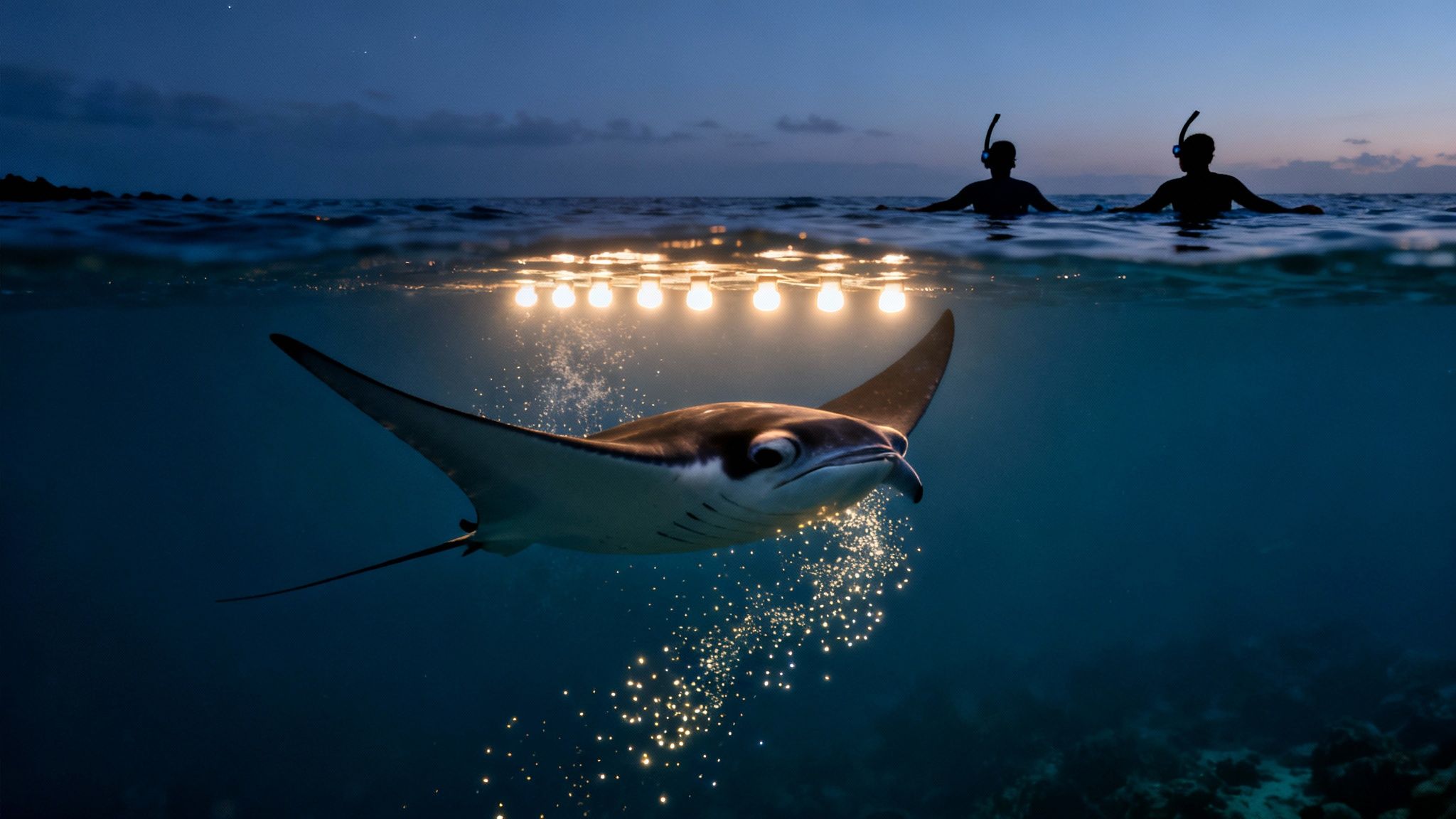
Picture yourself drifting under a star-speckled Kona sky as gentle giants sweep overhead. Below, LED-lit boards beckon swarms of plankton, turning the water into a soft, glowing canvas.
It really feels like hovering inside a living painting—each manta ray a graceful brushstroke moving through illuminated particles. This underwater theater combines nature’s simplicity with clever design. For snorkelers, the contrast between shadow and light delivers a moment of pure wonder.
Light Attraction Mechanics
At the core of every tour is a plankton lure system that feels surprisingly clever. Guides secure LED rigs to floating frames, then flip them on—much like streetlamps summoning insects on a summer evening. That glowing column draws plankton, which in turn attracts the mantas in a feeding dance.
LED Intensity: Calibrated to the wavelengths plankton can’t resist
Frame Depth: Set 5–10 feet below the surface for the richest bloom
Pre-Lighting: Switched on 15 minutes before entry to build the column
Meanwhile, guides keep an eye on plankton density—both visually and through quick water samples—tweaking light output on the spot. The result? A steady bloom that keeps the manta show going strong.
Tour Atmosphere
Sunset tours kick off just as the horizon bleeds pink and gold. You’ll slip into the water moments after the sun dips; the last rays mix with the plankton glow, crafting an almost dreamlike scene.
On full-dark outings, the world beyond your light column falls away. All focus turns to the bright plume beneath you, every manta wingbeat and shimmer amplified against a backdrop of stars.
Group sizes stay between 6–12 snorkelers, striking a balance between intimacy and comfort. Along the way, seasoned guides weave in manta biology and behavior, so you’re learning as you float.
Element | Sunset Tours | Full Dark Tours |
|---|---|---|
Ambiance | Warm coastal twilight hues | Pristine nocturnal glow |
Light Transition | Gradual dimming at start | Instant immersion in dark |
Wildlife Extras | Possible whale or dolphin | Sole focus on mantas |
Entry Timing | Immediately after sunset | 15 minutes post-dark |
Water Depths And Visibility Factors
Most dives happen in 15–25 feet of water—a depth that feels neither too shallow nor too daunting. Kona’s sandy slopes and clear seabed act like natural landmarks, helping you stay oriented.
Visibility here typically stretches 40–60 feet, as clear as peering through a floor-to-ceiling window. Warm currents deliver plankton-rich water onto the slopes, feeding both the tiny organisms and the manta rays nightly.
Seasonal Temps: Winter lows of 75°F, summer highs of 80°F
Current Flow: A gentle drift keeps plankton aloft without pushing swimmers off-station
Buoyancy Aid: Snorkel vests and floats hold you just above the light, hands-free
All essential gear—wetsuits, masks, snorkels, flotation devices—comes included. You’ll want to bring swimwear, a towel, and reef-safe sunscreen. Briefings always cover low-impact guidelines, like avoiding contact with mantas or shining lights outside the designated zone.
Seasonal Patterns And Weather Effects
As the seasons turn, so does the plankton show. Winter swells stir nutrients from the deep, supercharging plankton blooms and luring more mantas. Rain runoff can momentarily cloud the water, so guides keep an eye on forecasts to pick the clearest nights.
Winter Blooms: Cooler water, richer plankton concentrations
Summer Seas: Warmer currents, steady plankton levels
Storm Aftermath: Runoff may reduce visibility—timing tweaks often needed
Each year, around 80,000 participants dive into this glowing spectacle, underscoring Kona’s reputation as a global hotspot for manta encounters. Read the full research on annual ecotourism impacts here.
“Watching mantas perform barrel rolls in the light column is like witnessing an underwater ballet directed by nature itself.”— Veteran Kona Manta Guide
Ready to plan your own manta ray snorkel adventure? Visit the official home page for details and bookings: Manta Ray Night Snorkel Kona Hawaii Tours. Kona Snorkel Trips is an exceptional alternative when looking for a Manta Ray night snorkel tour or a Captain Cook snorkeling tour: Explore Kona Snorkel Trips.
Through vivid visuals and expert guidance, the night manta snorkel in Kona blends marine biology, conservation, and pure thrill. It’s a chance to learn, to marvel, and to honor some of the ocean’s most graceful giants.
Ensuring Safety And Swim Requirements
Your adventure beneath Kona’s surface starts with solid safety protocols and expert oversight. Before every night snorkel, our guides run you through a few easy water drills to gauge comfort and skill.
For non-swimmers, we supply snorkel vests and floating LED boards that boost buoyancy and keep you centered under those majestic manta rays.
Swim Skills Needed
Basic Buoyancy Control lets you hover effortlessly and conserve energy.
Controlled Flutter Kick keeps you steady near the light without sudden movements.
Mask Clearing practice ensures your vision stays clear when mantas gliding overhead stir up tiny bubbles.
Calm Breathing reduces noise in the water so you don’t startle our gentle giants.
These four fundamentals form the backbone of our pre-snorkel session and ensure everyone feels secure before descending into the glow.
“Small group sizes and attentive briefings make every snorkel session both thrilling and secure.”
Safety Record
We’re proud to have zero manta-related injuries in over 15 years of guided tours, according to the Hawaii Department of Land and Natural Resources. Since manta rays are filter feeders—no stingers, no teeth—you’re here to watch, not worry.
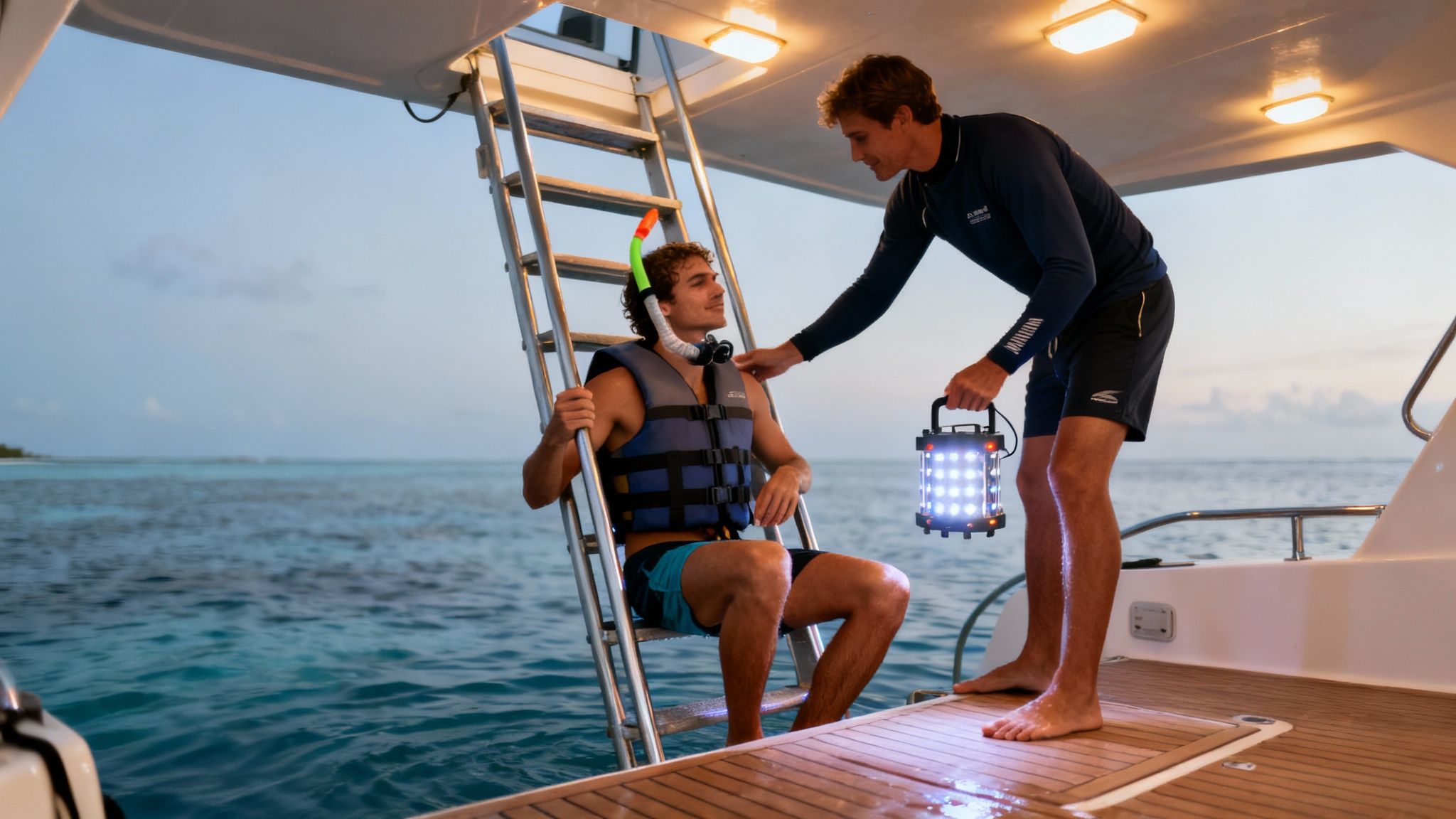
Check out our guide on manta ray snorkel Kona top tours safety tips for full details by visiting our resource here.
How Guides Maintain Safety
We cap groups at a 1:6 guide-to-swimmer ratio so you get hands-on attention from start to finish.
Detailed pre-dive briefings cover hand signals, light placement, and emergency steps.
Waterproof slates and voice dive systems keep communication crystal clear.
All crew members are lifeguard-certified and carry first-aid kits plus oxygen.
This level of oversight means you can focus on the spectacle, not the “what-ifs.”
Equipment And Gear
3mm–5mm Wetsuits for thermal comfort and light buoyancy.
Anti-Fog Masks for uninterrupted views of the manta ballet.
LED Boards powered by waterproof batteries to invite plankton—and rays—right to you.
Snorkel Vests for adjustable floatation at any moment.
Tow Floats that mark your spot and offer quick rest support.
All gear is provided, so you arrive ready to dive into the experience without extra fuss.
Non-Swimmer Support
Floating LED rigs hold you in place—no frantic kicking required.
Inflatable snorkel vests let you control drift and comfort.
Tow lines offer a secure grip if you need a break.
Guides perform extra check-ins for added peace of mind.
First-timers often tell us these features are “game changers” for nighttime confidence.
Emergency Protocols
Each vessel carries a fully stocked first-aid kit, emergency oxygen, and at least one CPR-certified crew member.
VHF radio ensures instant contact with shore.
Pre-dive briefings explain light signals and slate-card requests.
Rapid-response plans kick in at the first sign of need.
No matter what, help is just a signal away.
Pre-Dive Checklist
Before you step on deck, run through this quick list to dodge any last-minute hiccups:
Mask fit and seal
Fin strap adjustment
LED battery and light test
With gear squared away, all that’s left is to slip into the water and meet the mantas.
If you’re looking for alternative providers, Kona Snorkel Trips is an exceptional alternative when looking for a Manta Ray night snorkel tour or a Captain Cook snorkeling tour: Explore Kona Snorkel Trips. To reserve your spot now, visit our official home page for secure online bookings.
Prepare For Your Adventure And Booking Options
Packing for a Manta Ray Snorkel Kona night tour is more than tossing gear into a bag—it’s setting the stage for an epic ocean rendezvous. Think ahead, and the only surprises you’ll face are the graceful flips of manta wings.
Pro Tip: Hydrate well before you arrive. A clear mind and full tank mean you’ll get the most out of your underwater ballet.
Every trip includes a thorough briefing on safety, low-impact practices, and manta biology. Plus, you’ll be fitted with all the gear you need to glide through the Hawaiian night.
Gear Provided On Your Tour
3–5mm Wetsuit for warmth and extra buoyancy.
LED Light Board suspended at 5–10 feet to lure plankton—and mantas—into view.
Anti-Fog Mask & Fins so nothing comes between you and the show.
Snorkel Vest to keep you floating with confidence.
Essentials To Pack
Bring these key items to stay comfortable, safe, and reef-friendly:
Reef-safe sunscreen to protect fragile coral.
Water-resistant flashlight for moving around the dive deck.
Quick-dry towel plus a light change of clothes.
Waterproof bag for your phone and valuables.
Reusable water bottle to stay hydrated between swims.
Snorkel gloves for extra warmth in cooler months.
Best Times To Book
Choosing the right season can nudge your sighting odds skyward—and shrink the crowd.
Dec–Feb: Peak season with 90%+ sighting rates, but busier boats.
Mar–May: Calmer seas, moderate traffic, and solid visibility.
Jun–Aug: Warmer water, fewer visitors—perfect for a relaxed vibe.
Sep–Nov: Low crowds and still-great visibility.
Season | Visibility | Crowds | Sighting Rate |
|---|---|---|---|
Dec–Feb | 50–60 ft | High | 90%+ |
Mar–May | 40–55 ft | Moderate | 85%+ |
Jun–Aug | 40–50 ft | Low | 80%+ |
Sep–Nov | 45–55 ft | Low | 75%+ |
Group Vs Private Charter Options
Balancing budget and privacy? Here’s how they stack up:
Group Trips - Shared LED columns with up to 12 guests - $120–$180 per person keeps it wallet-friendly - One briefing covers everyone at once
Private Charters - Your schedule, your boat—perfect for families or special occasions - Starts at $500 for up to 6 guests - Personal service, flexible timing
Check-In And Policies
Arrive 30 minutes early to breeze through check-in.
Sign the waiver and join our mandatory safety briefing.
Weather worries? Reschedules are free if we have to cancel.
Questions or special gear needs? Our support team has your back.
How To Book Your Manta Ray Snorkel Kona Tour
To lock in your spot, use the embedded FareHarbor widget below. FareHarbor’s secure system lets you see real-time availability and adjust your party size on the fly.
Visit the official Manta Ray Night Snorkel Kona Hawaii Tours home page for detailed info and direct reservations.
Kona Snorkel Trips is an exceptional alternative when looking for a Manta Ray night snorkel tour or a Captain Cook snorkeling tour: Explore Kona Snorkel Trips. Learn more in our in-depth guide Experience the Manta Ray Snorkel Kona Book Your Adventure Today.
Transportation And Logistics
Most operators include complimentary pickup from Kailua-Kona hotels. Driving in? You’ll find plenty of parking at the dock.
Hotel pickups along Ali‘i Drive
Meet at Keauhou Bay Pier
Boarding times adjust for local traffic
Post-Dive Comfort And Extras
Back on deck, warm towels and hot drinks await. Some charters even offer snack packs—or feel free to BYO refreshments.
Quick-dry robe or cover-up
Waterproof phone case for those trophy manta shots
Light snack or energy bar
Custom Private Experiences
Want something unique? Private charters can be tailored with:
Professional underwater photography
Guides with marine-biology expertise
Premium lighting setups and color filters
On-board catering or custom refreshments
Flexible slots for sunset or fully dark dives
Packing Checklist
Before you head out, tick off these essentials:
Swimsuit and rash guard
Wetsuit liner or thermal top
Reef-safe sunscreen and lip balm
Flashlight with spare batteries
Quick-dry towel and cover-up
Waterproof camera or housing
Cash or card for gratuities and extras
Plan ahead, pack wisely, and dive into Kona’s manta magic.Your underwater encounter awaits beneath the starry Hawaiian sky.See you on the water!
Choosing The Best Time And Conditions
Planning your manta ray snorkel in Kona is like tuning a fine instrument—tides, moon phases, and water temps all must harmonize. From that first twilight glow to the beam of your LED light, each factor shapes the night’s spectacle.
When deep currents upwell, they spark seasonal plankton blooms—the very lure that keeps mantas dancing in Kona’s waters. Couple that with water hovering between 75°F and 80°F, and you’ve set the stage for a truly immersive experience.
In winter, upwellings trigger heavy plankton blooms and sighting rates above 90%.
Summer nights hover around 80°F, boasting up to 96% manta encounters with slightly lighter blooms.
Spring and fall balance moderate crowds and visibility around 45–55 feet.
New moons cast the darkest skies, giving LED lights maximum contrast and peak clarity.
Peak Season Conditions
When winter currents sweep in off the Kona coast, they bring in cold, nutrient-rich water that fuels plankton growth—and in turn attracts mantas right up to the shallow reef. Night tours during these months regularly record sighting rates above 90%, though you’ll find groups tend to swell on those prime evenings.
For a bit more elbow room, consider slipping into early summer. The sea warms up, crowds thin out slightly, and you still enjoy excellent manta-spotting odds.
The Kona coast is home to over 450 individual manta rays, meticulously cataloged through years of underwater videography. This concentration cements Kona’s role as one of the world’s most important gathering spots for these gentle giants. Learn more about the manta population findings from Kona Honu Divers.
Check our guide on the Best Time to See Manta Rays in Kona to zero in on your ideal dates.
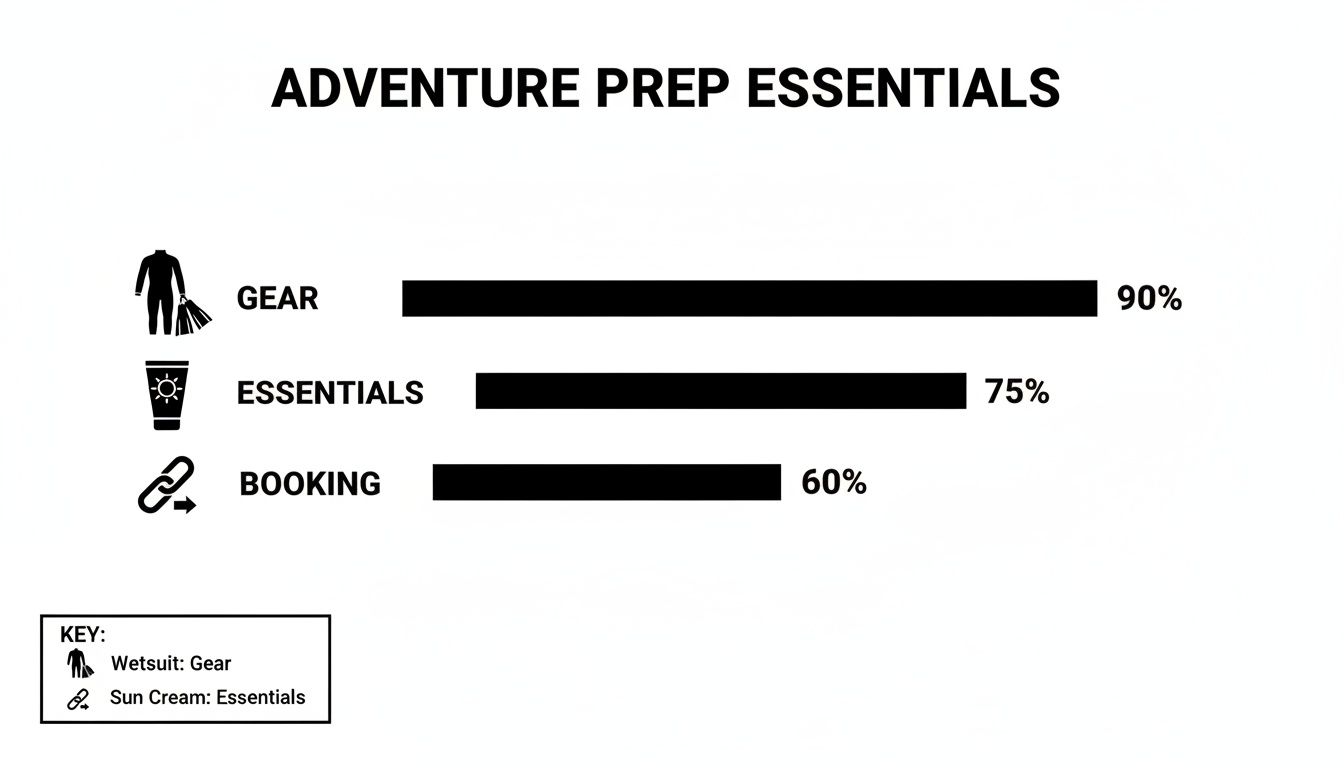
Monthly Conditions For Manta Tours
To give you a quick snapshot of what each month offers, here’s a breakdown of visibility, water temperature, and plankton bloom levels:
Month | Visibility | Water Temp | Plankton Bloom Level |
|---|---|---|---|
Jan | 45–50 ft | 75°F | Medium |
Feb | 45–52 ft | 75°F | Medium |
Mar | 50–60 ft | 76°F | High |
Apr | 50–60 ft | 77°F | High |
May | 48–58 ft | 78°F | High |
Jun | 45–55 ft | 79°F | Medium |
Jul | 45–55 ft | 80°F | Medium |
Aug | 45–53 ft | 80°F | Medium |
Sep | 50–60 ft | 79°F | Low |
Oct | 50–60 ft | 78°F | Low |
Nov | 50–60 ft | 77°F | Medium |
Dec | 45–55 ft | 76°F | Medium |
As this table shows, winter delivers the densest plankton blooms but cooler waters, while spring and fall provide balanced visibility and moderate plankton levels. Summer heats up the sea and yields some of the highest sighting percentages, all with fewer crowds.
Comparing Light Phase Visibility
Sunset snorkels give you that final flush of color on the horizon before plankton glows take center stage. Moonlit nights, on the other hand, offer a softer ambient glow—perfect for seeing mantas against a starry canvas. And the darkest tours, under new or crescent moons, let LED columns sculpt the scene with razor-sharp contrast.
“Optimal manta viewing often aligns with moonless nights when plankton blooms form most vividly under undisturbed dark skies.”
Aim for tours starting 1 hour after sunset during crescent or new moons to blend coastal hues with peak plankton attraction.
Monitor trade-wind forecasts to pick nights with steady, clear water around Keauhou Bay.
Book weekday excursions or shoulder seasons to dodge the busiest times and secure the best spots on the light board.
Stay flexible—if swells or runoff threaten visibility, reschedule to guarantee that crystal-clear experience.
By pairing water temperature, plankton cycles, and lunar phases, you’ll lock in nights with maximum visibility and minimum crowds. Armed with these insights, your manta ray snorkel in Kona becomes more than a tour—it’s a finely tuned adventure.
Conservation Etiquette And Pricing Details
When you sign up for a manta ray snorkel Kona adventure, you’re not just chasing an incredible encounter. You’re actively contributing to essential ocean research.
Tour operators in Kona keep group sizes small and enforce strict no-plastic rules to protect the reef and its visitors. By following these guidelines, every snorkel becomes an act of stewardship.
Small-Group Tours limit participants to 6–12 snorkelers for personalized guidance.
No-Plastic Practices eliminate single-use plastics both onboard and during pre-snorkel talks.
Low-Light Protocols require red-filtered dive lights to minimize stress on marine life.
This approach merges adventure with conservation, turning your experience into a direct benefit for the ocean.
Conservation Efforts
Researchers have identified more than 450 individual manta rays roaming Kona’s coastline. Your tour fees help fund underwater videography, tagging initiatives, and ongoing habitat monitoring.
“Every dollar of the tour fee contributes to tracking manta migrations and health,” says Dr. Lana Kim of the Kona Marine Lab.
Cataloging rays by their unique spot patterns.
Ecological Monitoring via water-quality sampling.
Citizen Science opportunities for guests to photograph ray markings.
Together, these efforts expand our knowledge and shape effective protection policies.
Underwater Behavior
Simple adjustments in the water make a huge difference for manta comfort.
Keep at least 3 feet between you and any ray.
Avoid stirring up sediment with your fins.
Keep your hands below the water and out of the light column.
“Guests often notice how small posture changes make the mantas swim more naturally,” notes guide Jake Parker.
Respecting these tips ensures a smooth, respectful experience for everyone.
Pricing Options
Whether you join a standard group or book a private charter, pricing covers all essentials.
Plan | Price Range | Group Size | Age Minimum |
|---|---|---|---|
Standard Group | $150–$200 | 6–12 snorkelers | 8 years |
Private Charter | $500+ | Up to 6 guests | 5 years |
Most operators require a minimum of 4 snorkelers to launch and welcome kids as young as 5 with an adult.
What’s Included And Additional Fees
Each booking comes complete with:
All Gear - Wetsuit, mask, fins, snorkel vest and LED light board.
Safety Briefing - A marine biology overview plus low-impact guidelines.
Conservation Support - Direct funding for local research programs.
Additional costs may arise for:
Underwater photography packages
Gratuities for guides and crew
Transportation surcharges outside standard pickup zones
Most operators offer a full refund for weather-related cancellations up to 24 hours before departure.
Booking Your Tour
Secure your spot now and help fuel ongoing conservation work.
For secure bookings and more details, visit the official Manta Ray Night Snorkel Kona Hawaii Tours home page.
Kona Snorkel Trips is an exceptional alternative when looking for a Manta Ray night snorkel tour or a Captain Cook snorkeling tour: Explore Kona Snorkel Trips.
Your booking goes beyond an unforgettable evening—it’s a lasting contribution to manta conservation.
Seasonal Discounts
During off-peak months, many tours drop their rates to keep research funded year-round.
April–May rates are usually about 10% lower.
September–November sees fewer crowds and special group deals.
Early booking can also unlock early-bird pricing or package discounts.
“Our shoulder-season pricing helps sustain conservation efforts even when tourism dips,” explains tour manager Sarah Wong.
Despite some weekend premiums, you’ll still enjoy perks like warm towels and hot drinks.
Group Booking Perks
Gather a party of ten or more and you’re in for additional savings:
One free spot for every ten paid snorkelers
A complimentary underwater group photo
Priority boarding and custom lighting setups
These extras reward larger groups while boosting overall conservation impact.
Join us beneath the waves and make your next snorkeling adventure count.
Frequently Asked Questions
Before you plunge into the manta ray snorkel Kona adventure, let’s tackle the questions we hear most often.
Q: Do I need to be an experienced swimmer to join?Not at all. Every guest gets a snorkel vest, an LED board for buoyancy, and constant guidance in the water. Beginners and pros alike can relax and focus on the mantas gliding by.
Q: What if bad weather cancels my tour?Your safety is our top priority. If conditions turn unsafe, you’ll get to pick a new date or opt for a full refund.
Our guides stay with you in the water at all times.
Flexible rescheduling and refund policies mean no stress if your plans shift.
Q: How long will I spend in the water with the mantas?Expect about 45–60 minutes of manta-focused snorkeling. From start to finish, most tours run 1.5–2 hours.
Q: Are there age or health restrictions?Guests must be at least 8 years old and comfortable in open water. We provide kid-sized gear and extra support for younger snorkelers.
Booking And Preparation Tips
A little prep goes a long way. Check out our safety and pre-tour planning guide to know exactly what to expect. Learn more about planning and FAQs for manta snorkel Kona.
“Knowing what to bring and how we support you makes the night snorkel feel both thrilling and approachable,” says a seasoned guide.
If you’re exploring alternatives, Kona Snorkel Trips is an exceptional alternative when looking for a Manta Ray night snorkel tour or a Captain Cook snorkeling tour: Explore Kona Snorkel Trips.
Q: What should I bring to the tour?Here’s your packing list:
Swimsuit
Reef-safe sunscreen
Towel
Water bottle
Waterproof bag
We supply masks, fins, wetsuits, and lights.
Consider booking during shoulder months for reduced rates and special offers.
Book Manta Ray Night Snorkel Kona Hawaii Tours today securely https://www.mantaraynightsnorkelhawaii.com/
Comments