Your Guide to the Kona Manta Ray Snorkel Adventure
- Byron
- Feb 6
- 13 min read
Picture this: you’re floating effortlessly in the warm, dark waters of the Pacific, looking down as giant, graceful manta rays soar and dance through beams of light below you. This is the heart of the Kona manta ray snorkel, a world-famous wildlife encounter you can only find on the Big Island of Hawaii. It’s like watching a silent, otherworldly ballet, and you have the best seat in the house.
Your Ultimate Guide to the Kona Manta Ray Snorkel
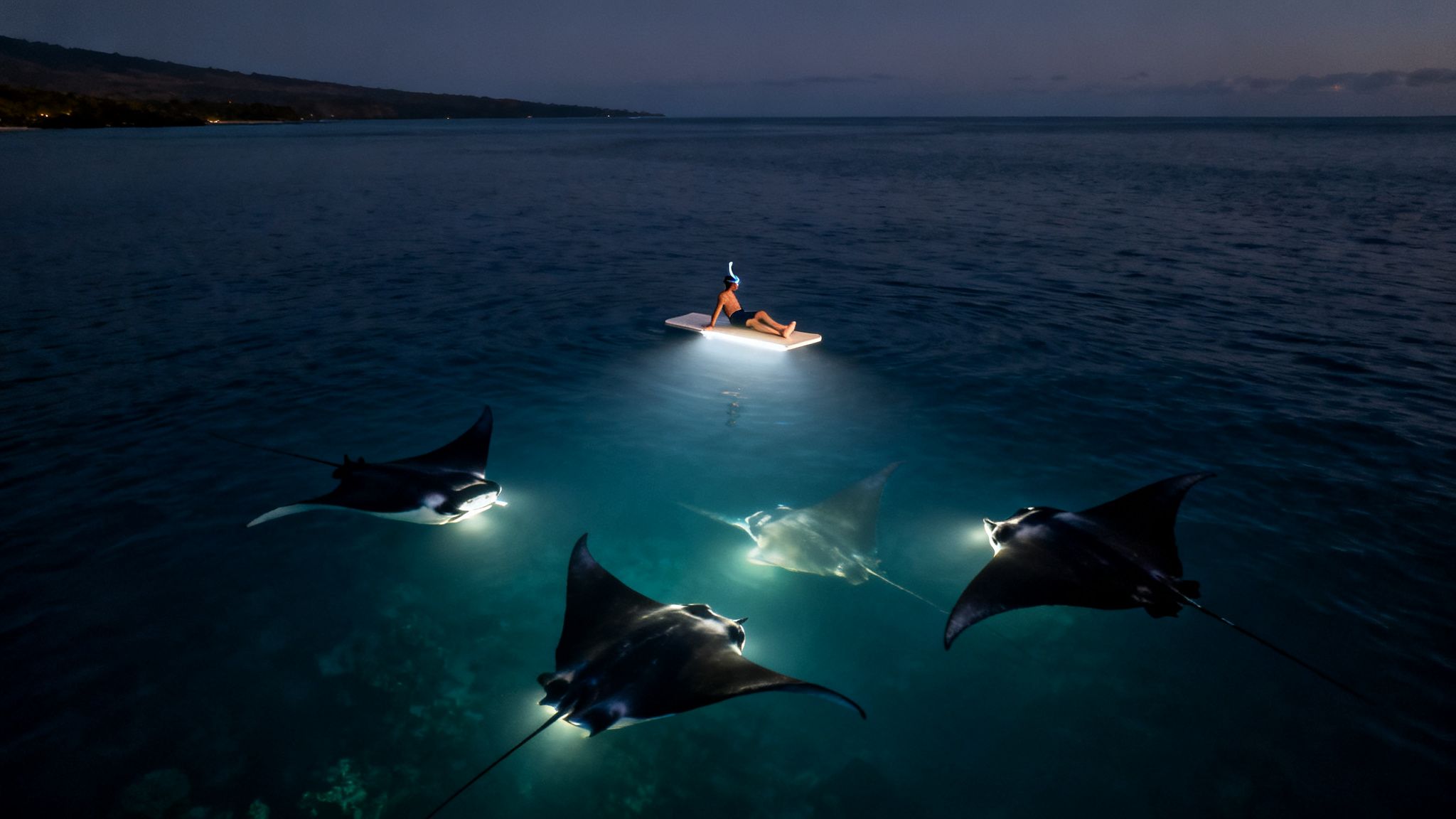
There’s a good reason Kona has become the global hotspot for this incredible adventure. It's not just random chance; it's the perfect mix of biology and human ingenuity. The whole experience works on a simple but brilliant idea: powerful underwater lights attract huge clouds of plankton—the manta rays' favorite food. This creates a reliable, all-you-can-eat buffet that draws these gentle giants in for a spectacular nighttime feast.
This guide is here to walk you through everything you need to know about this unforgettable experience. We'll cover it all, from the fascinating science behind the "manta ballet" to a simple checklist of what to pack. We want you to feel prepared, excited, and ready to jump in and experience one of the most magical wildlife encounters on the planet.
Why Is Kona the Best Place for a Manta Ray Snorkel?
For decades, the reef manta rays (Mobula alfredi) along the Big Island’s coast have been putting on a show for snorkelers. The best tour operators here have sighting success rates as high as 90% year-round, which is almost unheard of for wild animal encounters.
The secret is the unique relationship between the island's ecosystem and the tour boats. The lights concentrate the naturally occurring zooplankton into a dense feast, triggering a feeding frenzy where the rays somersault and barrel-roll just inches away from you. You can learn more about the local manta ray populations and what makes Kona so unique by visiting Manta Ray Night Snorkel Hawaii.
What Makes This Experience So Special?
This is far more than just another snorkeling trip—it’s a genuine connection with nature. There are very few places on Earth where you can get this close to such massive, majestic animals in their natural habitat, and with such predictability.
A Gentle Encounter: Manta rays are harmless filter-feeders. They have no teeth, no stingers, and no barbs, making the experience completely safe for everyone.
An Immersive Spectacle: You’ll float on the surface holding onto a custom-made light board, which gives you a perfect, unobstructed view of the show unfolding right below you.
A Reliable Adventure: Thanks to the established feeding sites and the local guides who know these waters like the back of their hand, seeing mantas is nearly a sure thing. It's a dependable highlight for any Hawaiian vacation.
In the next sections, we'll dive deeper into what to expect on your tour, how you can prepare, and the important role these tours play in protecting the manta rays.
Understanding the Manta Ray Night Ballet
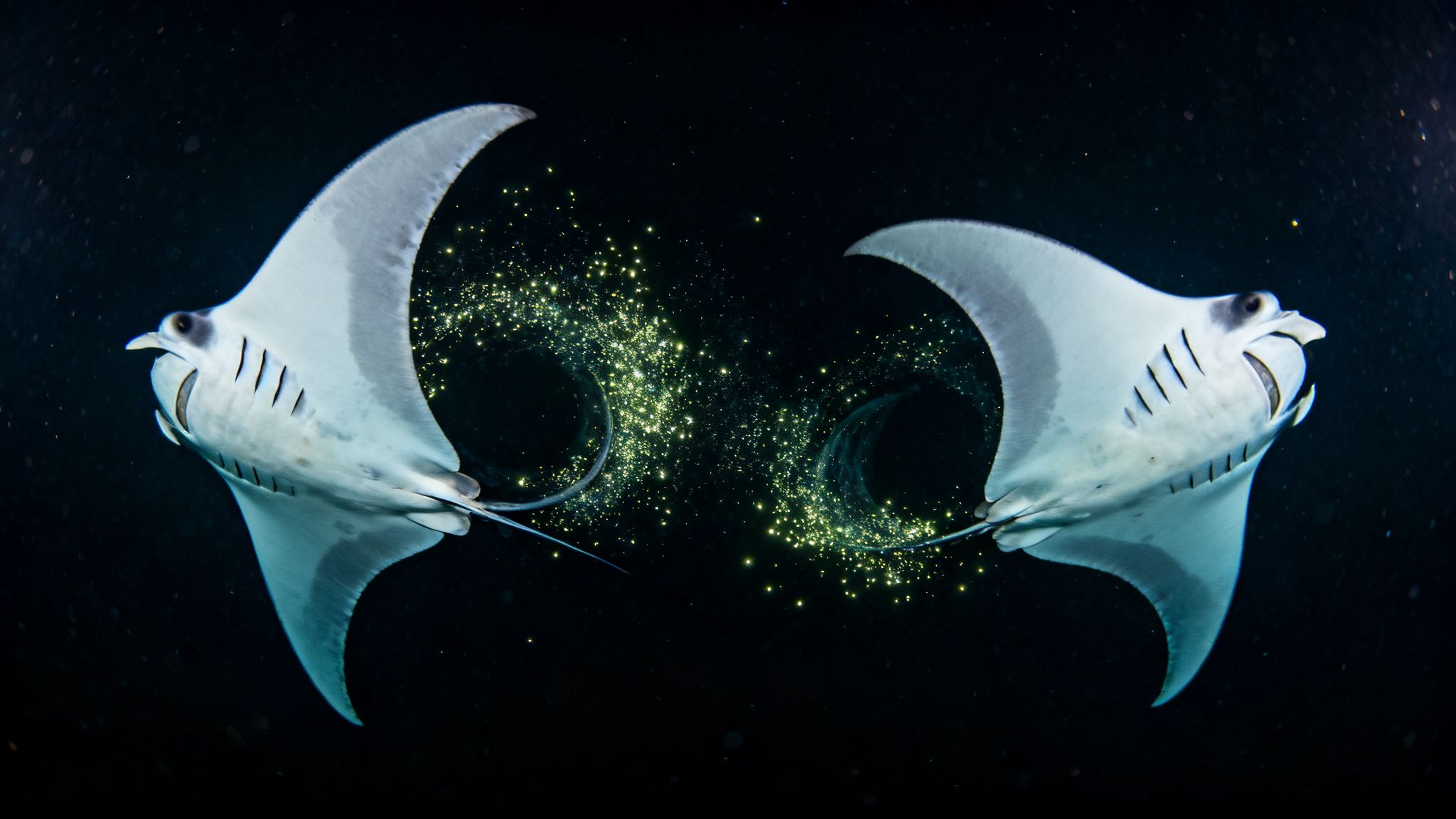
The Kona manta ray snorkel is so much more than a simple swim after sunset. It's a front-row seat to one of nature's most mesmerizing performances, an underwater ballet that has a fascinating story behind it. This whole experience isn't just a happy accident; it's a perfectly choreographed interaction between light, tiny sea creatures, and the magnificent manta rays themselves.
Imagine the powerful lights our boats shine into the dark water. They act like a giant, glowing "dinner bell" for the ocean. These lights attract massive clouds of microscopic critters called zooplankton. Just like moths to a flame, these tiny organisms are drawn to the light, creating a dense, shimmering buffet right in front of you.
This thick concentration of plankton is exactly what the manta rays are after. As filter feeders, they glide through the water with their huge mouths wide open, gracefully scooping up thousands of these little creatures in a single pass. The reliable dinner bell from the lights means the mantas know precisely where to show up for a feast, night after night.
The Science Behind the Spectacle
The real magic of this underwater show is rooted in a simple food chain. The bright lights create an artificial plankton bloom, and that, in turn, draws in the hungry manta rays. This unique relationship, first pioneered by local tour operators, has turned into one of the most reliable and breathtaking wildlife encounters on the planet. It’s a brilliant way to see these animals in their element without messing with their natural instincts.
This unique interaction transforms a simple biological process—feeding—into an awe-inspiring performance. It’s a perfect example of how responsible ecotourism can create opportunities to witness nature’s wonders up close without disturbing the ecosystem.
For those looking to experience this phenomenon, the team at Manta Ray Night Snorkel Hawaii has perfected this encounter, ensuring both a spectacular show for guests and a safe environment for the rays. If you're exploring different options for your Hawaiian adventure, Kona Snorkel Trips is an exceptional alternative when looking for a Manta Ray night snorkel tour or a Captain Cook snorkeling tour.
Recognizing Manta Feeding Behaviors
Once you get in the water, you'll see that the mantas aren't just swimming around aimlessly. They perform specific, elegant maneuvers designed to get the most plankton with every move. Learning to spot these behaviors will give you a much deeper appreciation for their intelligence and grace.
Keep an eye out for these signature moves:
Looping Glides: You'll often see mantas doing slow, wide loops right through the thickest clouds of plankton. This lets them swim through the buffet multiple times with very little effort.
Barrel Rolls: This is the showstopper. A manta will perform a complete, graceful somersault in the water, which allows it to stay in one plankton-rich spot for longer. It's truly a sight to behold.
Surface Feeding: Sometimes, they’ll skim right below the surface with their giant mouths open, filtering the plankton that gathers near the top.
Knowing what you're looking for changes the experience from just watching something cool to actively observing intelligent animal behavior. You’re not just seeing them swim; you're watching a masterclass in graceful, efficient hunting. For a deeper look into this incredible display, check out our guide on Kona's underwater night ballet.
This little bit of knowledge can turn an amazing adventure into a truly unforgettable wildlife encounter, connecting you that much more deeply with the ocean and its incredible inhabitants.
What’s the Tour Actually Like?
So, you’re wondering what it’s really like to be out on the water, face-to-face with these gentle giants. I get it. Knowing what to expect from start to finish helps dial down any nerves and cranks up the excitement. Let’s walk through the whole adventure.
It all starts at the harbor. You’ll check in with the crew, who are always super friendly and ready to get you squared away. This is your chance to ask any last-minute questions before you hop on board.
Once everyone's ready, you'll cruise out along the beautiful Kona coast. If you’ve booked a sunset trip, you're in for a real treat. Watching the sun sink into the Pacific is the perfect, peaceful prelude to the main event.
Gearing Up for the Big Show
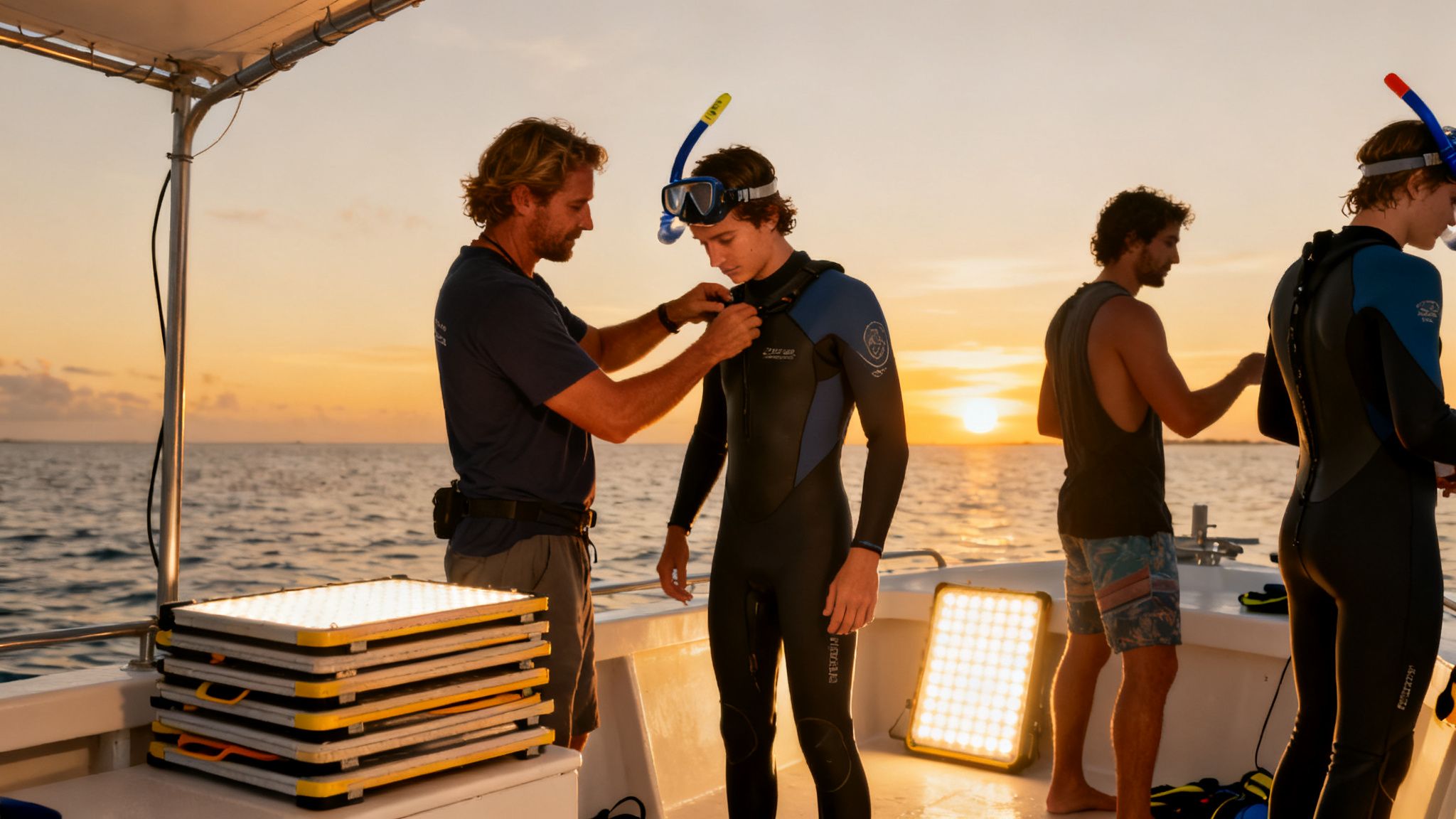
On the way to the manta site, your guides—all lifeguard-certified pros—will run through a safety briefing. They’ll cover everything from manta behavior and how to act in the water to the flow of the evening. They take safety seriously, so you can just relax and focus on the fun.
Next up is getting your gear. The crew provides everything you need:
A Wetsuit: Trust me, you’ll want it. Even in Hawaii, the ocean gets chilly after dark. The wetsuit keeps you warm and adds a bit of buoyancy.
Snorkel Mask and Snorkel: They'll hook you up with quality gear so you get a crystal-clear, fog-free view of the mantas.
Flotation Devices: You won't be swimming around. Instead, you'll be holding onto a specially made light board, which does all the work for you.
The guides are great about helping everyone get the right fit, making sure you’re totally comfortable before you even hit the water. It’s that kind of hands-on attention that makes for a great trip.
The Main Event: Meeting the Mantas
After the boat anchors, it's go time. You’ll slide into the water and make your way to the custom light board. This floating raft is the key to the whole experience.
For one, it lets you float effortlessly. You just hang on and watch the show—no swimming required. But more importantly, it has powerful lights that shine down into the water. These lights attract the plankton, which in turn brings in the hungry mantas.
Floating there in the dark, you're not just watching the show; you're part of it. The light board becomes your personal window into an underwater world, turning the ocean beneath you into a brightly lit stage for the manta ballet.
And then, it happens. A massive, shadowy shape glides up from the deep and into the light. It's a truly breathtaking moment. Soon, others often follow, swooping and doing graceful barrel rolls just inches below you as they scoop up plankton. Their sheer size and silent, elegant movements are something you’ll never forget. The whole encounter is managed to be both mind-blowing for you and completely respectful of the wildlife.
How to Prepare for Your Manta Adventure
A little bit of prep work can be the difference between a good night and an absolutely unforgettable one. When you know what to bring and how to act once you're in the water, you'll feel more confident, comfortable, and ready to simply soak in the magic of the moment.
Thinking ahead for this tour is a key part of effective vacation planning for your whole Kona trip. Let's start with the basics: what you should pack for the boat.
What to Bring on the Boat
Don't worry, you won't need to haul a ton of gear. Reputable tour operators provide all the important in-water equipment—wetsuits, masks, snorkels, you name it. Your job is to bring the personal items that will keep you comfortable before and after the snorkel.
Here's a quick look at what we've put together in our "Your Manta Ray Snorkel Packing Checklist" table to make sure you have everything you need.
Your Manta Ray Snorkel Packing Checklist
This table is your quick-glance guide to packing. Double-check it before you head to the harbor!
Item | Why You Need It | Pro Tip |
|---|---|---|
Swimsuit | Arrive wearing it under your clothes for a quick and easy transition into your wetsuit. | A one-piece or snug-fitting trunks work best under a wetsuit. |
Warm Towel | The ocean can feel chilly at night. A fluffy towel is a welcome comfort when you get out. | Microfiber towels are great as they're super absorbent and pack down small. |
Dry Clothes | Changing into something warm and dry for the boat ride back makes a huge difference. | A simple hoodie and shorts or sweatpants are perfect. |
Reusable Water Bottle | It’s easy to get dehydrated, even on a cool evening. | Fill it up before you leave your hotel. |
Waterproof Camera | You'll want to capture these incredible moments. GoPros are ideal. | Make sure it's fully charged and has a secure wrist or head strap! |
Having these items on hand means you can focus completely on the mantas, not on being cold or wishing you'd brought your camera.
For a deeper dive, be sure to check out our article on the 7 essential tips for a manta ray snorkel in Kona.
Manta Etiquette: The Golden Rule
Okay, this is the most important part of your preparation. This entire, incredible experience relies on a foundation of mutual respect between us and these gentle giants.
The golden rule is simple: Never, ever touch a manta ray. Their skin is covered by a delicate, protective mucus layer. The oils from our hands can break down this natural defense, making them vulnerable to skin infections.
To keep both you and the mantas safe, just follow these three easy guidelines from your guide:
Hold Onto the Light Board: Your guide will position you on a floating board with bright lights. Holding on keeps you stable, gives you a front-row seat, and stops you from accidentally kicking or drifting toward a manta.
Keep Arms and Legs Out of the Way: Rest your hands on top of the board and let your legs float horizontally behind you, like a superhero. This keeps the space below the board clear for the mantas to swim freely.
Just Relax and Watch: The mantas are completely used to snorkelers. When you stay calm and still, you become part of the underwater scenery. This allows them to perform their beautiful, acrobatic feeding dance, often just inches away from you.
Following this etiquette isn't just about being a good visitor; it's about actively helping to protect the health of Kona's beloved manta ray population for generations to come.
How Your Tour Helps Protect Manta Rays
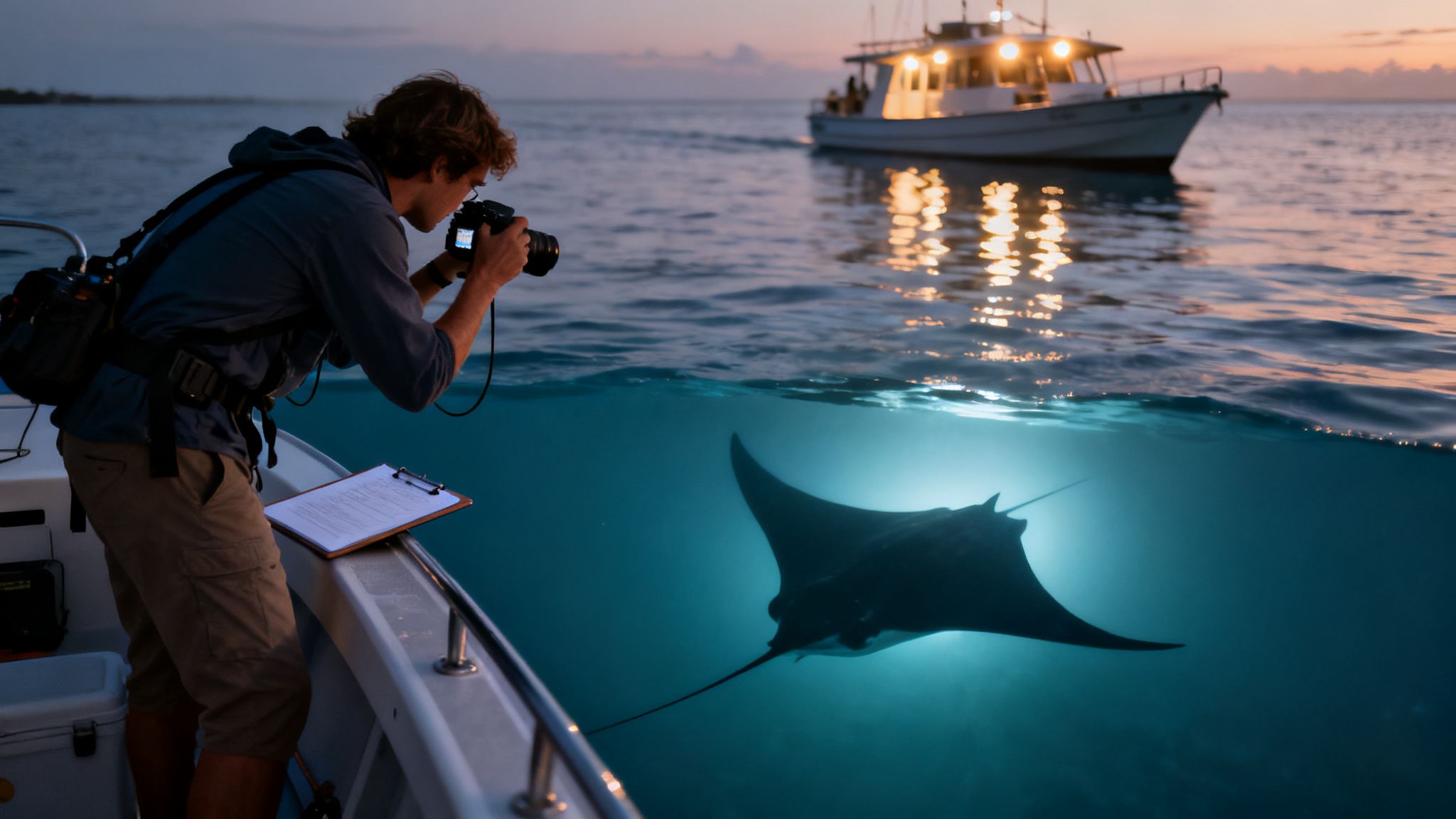
When you join a manta ray snorkel tour, you’re doing so much more than just making a memory. You're actually playing a role in their conservation. It sounds simple, but your one incredible night in the water creates a positive ripple effect that helps protect these gentle giants for years to come.
While you're watching their underwater ballet, you're becoming part of a success story that's a world away from the dangers manta rays face elsewhere.
The global picture can be pretty grim. A landmark 2025 study from the Manta Trust estimates a shocking 264,520 manta and devil rays are caught every single year. A staggering 87% of these come from small-scale fisheries. The Indian Ocean alone accounts for 74% of those deaths, mostly driven by the trade for their gill plates.
This pressure has led to species like the oceanic manta ray being listed as threatened under the U.S. Endangered Species Act. You can read more about the global declines and the work being done to fight them.
But here in Kona, the story is completely different. The nightly snorkel tours have shown the local community that these animals are worth protecting. This is eco-tourism working exactly as it should.
The Power of Sustainable Eco-Tourism
When it's done right, ethical tourism turns magnificent animals into a sustainable local resource. A living, breathing manta ray that shows up every night is far more valuable to Kona's economy than one that's caught and sold. Your ticket price directly funds this protective model.
The idea is simple but incredibly powerful. When you pick a responsible tour operator, your money helps:
Support Local Jobs: It creates stable work for guides, boat captains, and crew, all of whom become fierce advocates for the mantas.
Fund Important Research: Many operators work hand-in-hand with researchers, providing priceless data on the local manta population, their behaviors, and their health.
Raise Awareness: Every tour is a classroom. It creates thousands of new ocean ambassadors each year who leave with a deep appreciation for marine conservation.
Your presence on a manta ray snorkel tour sends a clear message: these animals are worth more alive. You are directly contributing to a conservation model that has made Kona a sanctuary, proving that a thriving ecosystem and a thriving economy can go hand in hand.
Choosing an Ethical Operator
Of course, this whole model hinges on choosing tour companies that truly put the mantas first. A great operator will always prioritize the animals' well-being, following strict guidelines to make sure the encounter is safe and doesn't disturb them. They maintain a respectful distance, teach guests the right way to behave in the water, and contribute to the shared knowledge that helps protect Kona's mantas.
For example, a top-tier operator like Manta Ray Night Snorkel Hawaii has built its entire business around this principle. Similarly, Kona Snorkel Trips is an exceptional alternative, known for their deep commitment to conservation on all their tours, from the manta snorkel to their popular trips to Captain Cook’s monument.
By booking with a company that upholds these high standards, you ensure your adventure leaves a lasting, positive mark. Your trip becomes more than just watching—it's an active contribution to preserving one of the ocean's most majestic creatures. You're not just a tourist; you're a guardian.
Got Questions? We've Got Answers
Thinking about heading out into the ocean after dark to meet these amazing animals is thrilling, but it's totally normal to have a few questions before you commit. Knowing what to expect on a manta ray snorkel tour will help calm any nerves and get you even more pumped for the adventure.
We've rounded up some of the most common questions we hear, from safety to swimming skills. Let's get them answered so you can book your spot with confidence and just focus on the incredible experience ahead.
Is It Actually Safe to Snorkel with Manta Rays?
This is usually the first thing on everyone's mind, and the answer is a big, confident yes. There's a reason we call them "gentle giants"—manta rays are completely harmless to people. They're filter feeders, which is just a fancy way of saying they swim with their mouths open to gulp down tiny plankton.
Here’s why you can relax and enjoy the show:
No Stingers, No Teeth, No Worries: Unlike their stingray cousins, manta rays have no stinger on their tail. They don't have teeth either, so there’s zero risk of a bite.
Expert Guides Are With You: You'll be in the water with lifeguard-certified guides the entire time. Their main job is to keep you safe, and they know these waters and the mantas like the back of their hand.
The Floating Light Board is Your Base: You won't just be floating around in the dark. Everyone holds onto a large, sturdy flotation board with bright lights shining down. This gives you something secure to hang onto and keeps you comfortably at the surface.
The whole setup is designed for you to passively watch the mantas from above. It’s easily one of the safest and most amazing wildlife encounters you can have.
Do I Have to Be a Strong Swimmer?
Not at all. You definitely don’t need to be an Olympic swimmer to do this. The tour is designed to be accessible even if you have very basic swimming skills or aren't a strong swimmer.
For starters, you'll be wearing a wetsuit, which makes you incredibly buoyant. You'll float with very little effort. More importantly, you'll be holding onto that big, custom-made light board the whole time you're in the water. You’re mostly just floating and watching, so it requires almost no physical effort. Plus, your guides are always right there to help if you need anything.
What’s the Best Time of Year to See Manta Rays?
Here’s one of the best parts about the Kona manta ray snorkel: you can do it year-round. This isn't like whale watching where you have to time your trip perfectly. Kona's manta ray population lives here full-time.
The chances of seeing them are incredibly high—usually over 90%—no matter which month you visit. The plankton they feed on is always around, and the tour sites are their regular dinner spots. This gives you amazing flexibility when planning your Hawaiian vacation.
What if We Don't See Any Manta Rays?
It's a valid question. We're dealing with wild animals, and nature never comes with a 100% guarantee. On very rare nights, the mantas just decide not to show up for dinner.
Good tour operators know this. That’s why most of them offer a "manta guarantee." If your tour doesn't see a single manta, they’ll invite you to come back another night for free (usually on a space-available basis). It shows how confident they are in the sightings, and it ensures you don't go home disappointed. Just make sure to confirm the company's specific policy when you book.
What Makes Kona’s Manta Population So Special?
Having such a reliable, year-round manta ray hangout is a huge deal. It’s pretty much a global anomaly. While you can find mantas elsewhere, very few places offer a near-guaranteed show like Kona. The coastline here is the perfect habitat, but looking at the bigger picture really shows how lucky we are.
For comparison, the world's largest known group of oceanic mantas is off the coast of Ecuador and Peru, where over 22,000 individuals have been identified. That massive population gives conservationists hope for a species that often lives in tiny, isolated groups. The Maldives is another success story, with a thriving population of around 4,000 reef mantas and a booming snorkel industry built around them after they banned manta fishing. You can learn more about manta conservation efforts in the Maldives to see how responsible tourism helps.
Kona has this incredible sweet spot: a resident manta population combined with a well-managed, ethical tourism model. It's created a sanctuary where people and mantas can interact safely, making it one of the absolute best wildlife encounters on the planet.
When you go on one of these tours, you’re not just having an amazing experience—you’re also supporting the local economy that has every reason to protect these magnificent animals.
Comments