Search Results
757 results found with an empty search
- Manta Ray Snorkel Kona: The Complete Night Adventure Guide
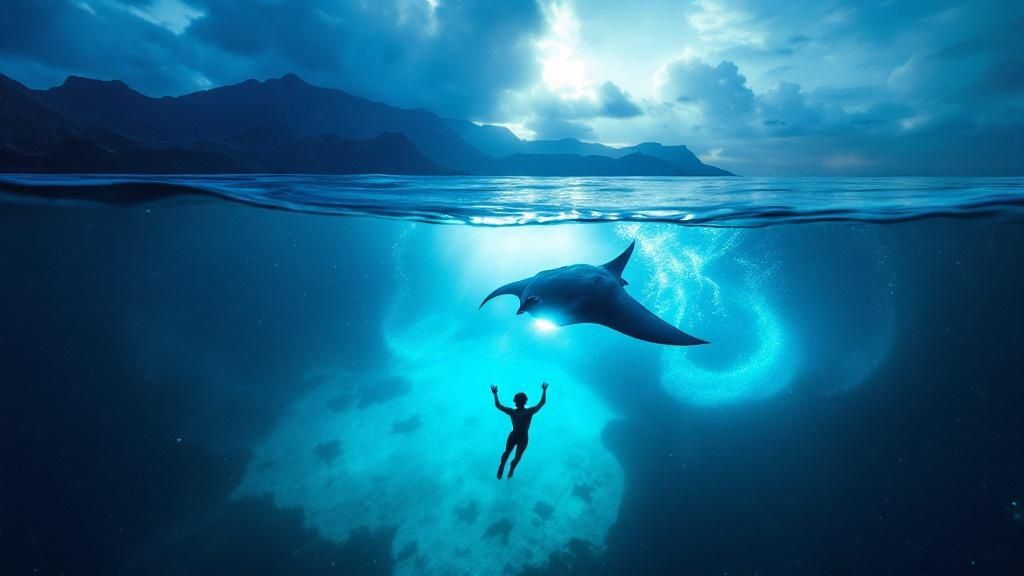
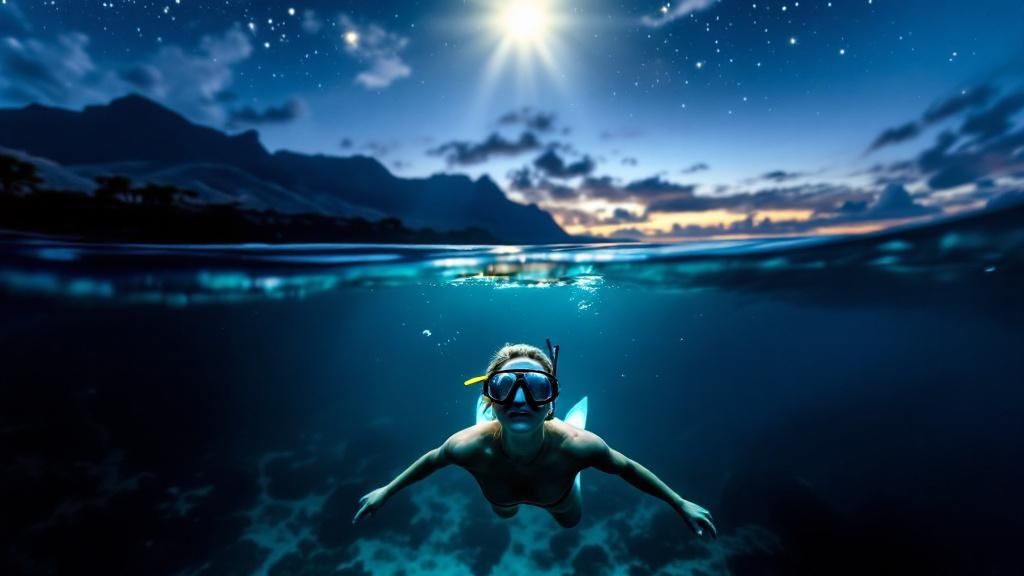
Why Kona Creates The World's Most Magical Manta Encounters Imagine yourself floating in the warm Pacific, with 12-foot manta rays gracefully gliding beneath you. They resemble living magic carpets, don't they? This isn't some fantasy; it's a typical evening in Kona. But what makes this specific volcanic coastline such a reliable hotspot for observing these magnificent creatures? It boils down to a perfect blend of geological and oceanographic conditions. Kona's unique underwater terrain creates natural amphitheaters. Picture these amphitheaters as underwater valleys where nutrient-rich currents collide with the volcanic slopes. This collision sparks plankton blooms, which become massive, all-you-can-eat feasts for the mantas. The deep-water drop-offs, conveniently situated near the shore, provide easy access for these gentle giants to rise from the depths for their nightly dinners. Marine biologists have also identified several key factors that make Kona so special for manta rays. These include consistent water temperatures, predictable currents, and the absence of natural predators in their feeding areas. This combination creates a safe haven, encouraging the mantas to return night after night. Unlike areas where manta sightings are hit or miss, Kona’s environment has created what researchers call a “manta highway”—well-established routes these intelligent creatures use regularly. For those looking to boost their online presence related to manta ray snorkeling in Kona, understanding Pinterest SEO can be extremely valuable. This guide offers practical tips for enhancing your content's visibility on Pinterest. This unique ecosystem explains why manta ray snorkeling in Kona has gained global recognition, attracting roughly 80,000 people every year. The primary reason? Remarkably high sighting success rates, between 80% and 90% year-round, offering snorkelers breathtaking encounters. Learn more about these incredible statistics here . The Kona Manta Ray Advantage While manta rays exist throughout the world, the consistent sightings in Kona truly set it apart. Imagine this: other locations might have the occasional food truck parked nearby, but Kona boasts a renowned five-star restaurant that's always open. This reliability significantly simplifies planning a manta ray snorkeling trip and greatly increases the chances of a truly unforgettable experience. This predictability enables tour operators to provide consistent, high-quality experiences, ensuring visitors get the best possible chance to observe these graceful creatures in their natural habitat. Decoding The Manta Ray's Underwater Ballet Those mesmerizing barrel rolls and graceful loops? They're not just a show. What you're witnessing is a highly effective feeding strategy, a precisely choreographed underwater ballet designed for maximum plankton consumption with minimal effort. Think of it as a winged vacuum cleaner, but with incredible elegance. Every movement has a purpose. This feeding behavior often unfolds in predictable patterns around light stations, sometimes creating "manta trains" that return night after night. This consistency is even more impressive given their intelligence. Manta rays have the largest brain-to-body ratio of any fish. This allows them to recognize individual divers, remember good feeding spots, and even seemingly coordinate their efforts with other mantas. The Intelligence Behind the Grace This intelligence translates into a noticeable curiosity about humans. During your Kona manta ray snorkel adventure, you'll likely find them coming incredibly close (while remembering, of course, that touching is absolutely prohibited). Their sharp eyesight allows for direct eye contact – a truly unforgettable moment that often converts casual snorkelers into lifelong manta enthusiasts. These close encounters are a huge part of what makes the Kona manta ray experience so special. The consistent manta ray sightings in Kona are thanks to the area’s unique underwater world. Nutrient-rich currents, flowing over volcanic slopes and shelves, create a buffet of plankton, the manta ray’s primary food source. This reliable food supply keeps the mantas coming back for more. Learn more about current manta ray activity here . Anticipating the Dance Understanding their behavior adds another layer to your experience. It allows you to anticipate their movements and find the best viewing positions, all while respecting their natural behavior. It's like knowing the steps to a dance – you can predict the next move and be ready for it. This understanding transforms your snorkel trip from simple observation into a deeper connection with these amazing creatures. By appreciating their intelligence and feeding strategies, you become a more informed and engaged participant in their underwater ballet. This knowledge lets you truly appreciate the beauty and complexity of the manta ray’s world. Your Complete Manta Ray Adventure Experience As the Kona sun dips below the horizon, painting the sky in fiery hues, your manta ray snorkel adventure begins. The boat sets off, carrying you towards the designated manta ray feeding grounds. The journey itself is a treat, offering stunning views of the coastline and maybe even a glimpse of dolphins or whales. Once you arrive, the initial plunge into the dark ocean might feel a little strange – like stepping into another world. This is completely normal! You'll be floating in the open ocean, with only the underwater lights from the boat illuminating the depths. This creates a unique, almost otherworldly atmosphere, and it definitely adds to the excitement. The Manta Ballet Begins Then, as if appearing from nowhere, a shadow emerges from the darkness, gliding gracefully through the light beams. Soon another follows, and then another, until you're surrounded by these gentle giants. The feeding stations, illuminated by the boat’s lights, become underwater stages for a mesmerizing ballet. The mantas, sometimes just a few feet away, perform their nightly feeding ritual, looping and spiraling through the water with incredible grace. You might be surprised by the sense of calm you feel. Despite being in the open ocean at night, the warm water and gentle currents create a surprisingly comfortable environment. This allows you to truly immerse yourself in the experience, captivated by the silent dance of the mantas. To help you visualize the flow of the evening, take a look at this timeline: Complete Manta Ray Snorkel Tour Timeline Step-by-step breakdown of your manta ray snorkeling adventure from start to finish Time Activity What to Expect Duration Sunset Boat Departure Scenic coastal views, possible dolphin/whale sightings. 30 mins Evening Arrival at Manta Ray Feeding Grounds Briefing on safety and snorkeling procedures. 15 mins Evening Entering the Water Initial surreal feeling of floating in the dark, illuminated ocean. 5 mins Evening Manta Ray Viewing Mantas feeding, looping, and spiraling close to the surface. 45 mins Night Return Trip Discussion of the experience, stargazing. 30 mins This table provides a general overview and timings can vary depending on the tour operator and conditions. More Than Just Mantas The underwater lights attract more than just the manta rays. You'll also see a vibrant ecosystem of tropical fish, drawn to the plankton blooms. Sometimes, dolphins even join the party, adding another layer of magic to the encounter. Many tour guides recognize individual mantas, pointing out "regulars" and sharing stories about their history. This personal touch deepens your appreciation for these incredible creatures. You might be interested in reading more in this Manta Ray Snorkel Kona guide . This experience isn't just about watching mantas; it's about connecting with the ocean on a deeper level. It's about witnessing the intricate web of marine life and appreciating the delicate balance of this special ecosystem. The serene setting, combined with the captivating display of the mantas, creates a truly unforgettable experience. This isn't just another snorkel trip; it's a journey into the heart of Kona’s marine magic. Timing Your Perfect Manta Ray Encounter While Kona consistently offers amazing manta ray snorkeling year-round, understanding a few key details can elevate a good trip to an unforgettable one. It's not just about being there, but about syncing with nature's rhythm. Experienced guides know manta ray activity peaks under specific conditions that casual visitors often miss. Think of it like visiting a local market: you can find good produce any day, but knowing when the farmers bring their freshest picks makes all the difference. Moon phases , for instance, have a significant impact. Darker nights create a more dramatic experience as the mantas focus on the artificial lights used by tour boats. A full moon, however, can disperse their feeding patterns. The moonlight provides enough illumination for plankton to spread out, making it less essential for mantas to congregate near the tour boat lights. Water temperature changes , often due to deep ocean currents or seasonal shifts, can also concentrate plankton in certain areas. This creates temporary manta ray "hot spots" that migrate throughout the year. Skilled tour operators constantly track these shifts, adjusting their snorkel locations for the best viewing opportunities. Historically, manta ray sightings along the Kona Coast have been remarkably consistent. Records going back to 2009 show the reliability of these encounters, making Kona a renowned snorkeling destination. Learn more about these long-term sightings here . Weather and Volcanic Activity: Surprising Influences Weather also matters. Calm trade winds often mean clearer water and more predictable manta ray behavior. But, nutrient surges after a storm can trigger incredible feeding frenzies, attracting many more mantas. It's similar to how a restaurant might prepare more food after a rush. Finally, recent volcanic activity, although rare, can surprisingly improve manta ray viewing. The volcanic activity stirs up nutrients from the ocean floor, boosting the plankton population and, in turn, attracting more mantas. It's a powerful example of how interconnected Kona’s marine ecosystem is. By choosing the right time and factoring in these conditions, you'll experience the most dynamic and memorable manta ray snorkel Kona has to offer. Essential Gear That Makes Or Breaks Your Experience The success of your Kona manta ray night snorkel can surprisingly depend on your gear. Think of it like preparing for a hike – the right shoes and clothing can make the difference between an enjoyable trek and a miserable slog. Similarly, the right gear transforms your manta ray encounter from potentially uncomfortable to truly magical. For example, wetsuit thickness is key. While Kona waters are generally pleasant, 45 minutes of floating at night demands more warmth than a daytime swim. A well-fitting mask is your portal to this underwater world. Fogging, a minor inconvenience on land, becomes a major obstacle when mantas glide beneath you. Imagine trying to appreciate a masterpiece through a fogged-up window – you'd miss the details! Likewise, fin choice affects not just your comfort but also your ability to move gracefully without disrupting the mantas’ feeding. Poorly fitting fins can lead to cramps and clumsy movements, potentially disturbing the very spectacle you came to witness. For more preparation tips, check out our guide on 10 Manta Ray Snorkel Tips . Beyond the Basics: Personal Gear Essentials Many people underestimate how different night snorkeling feels compared to daytime. The psychological comfort of having gear that fits perfectly is amplified in the dark ocean, making the right equipment even more critical. Experienced snorkelers pack personal items tour operators may not supply: a reliable anti-fog solution , reef-safe sunscreen for the boat trip, and dry clothes for the ride back. These small additions greatly enhance comfort and enjoyment. Physical preparation is also important. Being able to float comfortably for extended periods, without constantly kicking, allows you to be present and enjoy the experience. It’s similar to learning to ride a bike – once you find your balance, you can relax and enjoy the ride. Similarly, mental preparation is key. Knowing what to expect helps you stay calm and fully appreciate the unique wonder of a Kona manta ray snorkel. To help you pack like a pro, we've compiled a comprehensive gear guide. It covers everything from the essentials provided by your tour operator to the personal items that can elevate your experience. To help you choose wisely, we've compiled this helpful guide: Complete Manta Ray Snorkel Gear Guide Essential gear comparison and recommendations for optimal manta ray snorkeling experience Gear Item Tour Provided Bring Your Own Key Features Expert Recommendation Wetsuit Usually Optional 3mm-5mm thickness for warmth Consider a 5mm suit for enhanced comfort during night snorkels, especially if you tend to get cold easily. Mask Usually Recommended Anti-fog, comfortable fit Bring your own well-fitting, defogged mask for optimal visibility. This ensures a clear view of the mantas and minimizes distractions. Fins Usually Optional Adjustable, comfortable fit While fins are typically provided, bringing your own ensures a perfect fit and can prevent cramping. Snorkel Usually Optional Dry top preferred A dry top snorkel prevents water from entering the breathing tube, enhancing comfort and reducing the need to clear the snorkel frequently. Floatation Device Usually Optional Noodle, vest, or board Choose a comfortable device that allows you to relax and float effortlessly. Anti-fog Solution Rarely Highly Recommended Prevents mask fogging Essential for clear underwater vision, especially at night. Reef-Safe Sunscreen Rarely Highly Recommended Protects skin without harming coral reefs Apply before boarding the boat to protect yourself from the sun during the journey. Dry Clothes Not Provided Essential Warm, comfortable clothing For a comfortable ride back after your snorkel. Underwater Camera Rarely Optional Waterproof, good low-light performance Capture the magic of your manta ray encounter! This table highlights the importance of choosing the right gear for your manta ray snorkel adventure. While tour operators provide the basics, bringing your own personalized items significantly improves comfort and enjoyment. Preparing properly allows you to fully immerse yourself in the magical experience of encountering these gentle giants. Safety Protocols And Respectful Manta Etiquette Night snorkeling in the open ocean might seem a little intimidating at first. But once you understand the safety measures and how to behave around manta rays, that anxiety transforms into pure excitement. Being prepared and respectful is key – for both the ocean and these gentle giants. This creates a safe and unforgettable manta ray snorkel Kona experience. Safety First in Kona's Waters Experienced guides emphasize the importance of following established safety protocols. For instance, keeping a safe distance from other snorkelers is crucial, especially in the darker conditions. Clear hand signals are also essential for communicating underwater. Before you even get in the water, it's vital to know your own limits and let your guide know about any concerns you might have. Having the right gear is essential for optimal manta ray viewing. Learn more about the essential gear for your adventure. While Kona generally enjoys calm waters, it’s still important to be aware of the currents. Knowing the correct entry and exit procedures will ensure a smooth transition in and out of the water. Familiarizing yourself with the tour operator’s communication systems adds an extra layer of security. All of this preparation allows you to truly relax and enjoy the magical manta ray encounter. Manta Ray Etiquette: More Than Just Rules Respectful manta ray etiquette goes beyond just basic safety. It's about creating an environment where these intelligent creatures feel at ease and are more likely to approach. The golden rule is simple: look, but don't touch . Manta rays have a delicate protective layer on their skin that can be harmed by human touch. Touching them can also disrupt their natural behaviors, impacting their feeding habits and interactions with each other. Positioning for the Perfect View Positioning yourself correctly not only improves your viewing experience, but it also protects the manta rays. Stay close to the surface while the mantas feed below. Avoid making any sudden movements that might frighten them and interrupt their feeding. Remember, you are there to observe, not to interfere with their underwater ballet. Think of it like watching a beautiful performance—you wouldn't want to interrupt the dancers mid-routine! When everyone follows these guidelines, the mantas often reward the group with closer interactions and longer feeding displays. These magical moments become even more special when everyone contributes to a safe and respectful atmosphere. By adhering to these protocols, we help ensure that future generations will be able to experience this same wonder. This responsible approach protects the manta rays and their habitat, preserving the magic of the Kona manta ray snorkel for years to come. Choosing Your Ideal Manta Ray Tour Operator Planning a manta ray snorkel tour in Kona? Not all tours are equal. The operator you choose plays a huge role in shaping your experience, from a pleasant evening to a truly remarkable memory. The best operators differentiate themselves in ways that aren't always obvious in flashy online brochures. Think about boat size , for example. It directly affects both your comfort and how well you'll see the mantas. Imagine trying to watch a play from the back row compared to having front-row seats. A smaller boat often provides a more intimate, up-close-and-personal view of the mantas. Group Size and Guide Expertise: Key Factors Group size matters too. It affects not just safety, but the quality of your manta encounter. Smaller groups allow guides to give more individual attention and lessen any disturbance to the mantas’ natural feeding behavior. This translates into a richer, more personal experience. It's like the difference between a crowded concert and a small, intimate acoustic set – the connection is much stronger in a smaller setting. For more insights on tours, check out our guide on the best manta ray snorkel kona tours . Then there's guide expertise . A knowledgeable guide can transform a simple sighting into a fascinating learning experience. They can identify individual mantas, explain their unique behaviors, and offer insightful information about Kona's amazing underwater world. They're like expert translators, unlocking the secrets of the ocean for you. Conservation Commitment and Equipment Quality Look for operators committed to conservation . Operators actively participating in manta ray research, adhering to strict wildlife interaction guidelines, and educating guests about marine preservation contribute to the long-term health of the ecosystem. This commitment benefits the mantas and ensures the future of these special tours. Equipment quality is also essential. Professional lighting, well-maintained snorkel gear, and boats specifically designed for night excursions significantly improve your experience. Think of it like the difference between using a high-powered telescope and a pair of binoculars – the clearer view reveals more detail and wonder. Evaluating Operators and Reading Reviews When you're comparing tour operators, don't hesitate to ask specific questions about their safety protocols , backup plans in case of bad weather, and the details of their guarantee policies . Online reviews can also be very helpful, especially those mentioning guide knowledge, group management, and how the operator handles different ocean conditions. Often, the price difference between operators reflects genuine differences in the quality of the experience, safety measures, and dedication to conservation. Choosing the right operator can transform your manta ray snorkel experience in Kona from good to absolutely unforgettable. Investing in a reputable operator prioritizes your safety and the well-being of the mantas. Ready for an incredible manta ray adventure? Book your tour with Manta Ray Night Snorkel Hawaii today and witness the magic of Kona’s gentle giants! Book Your Kona Manta Ray Snorkel Adventure Now!
- Manta Ray Snorkel Kona: Complete Adventure Guide
Why Kona Creates The World's Most Magical Encounters Imagine floating in the warm, inky blackness of the ocean, a million stars twinkling above. Then, out of the depths, a creature as big as a car emerges, its graceful movements illuminated by the underwater lights. This isn't a dream; it's the magic of a manta ray night snorkel in Kona, Hawaii. And it's not just a lucky happenstance; it's the culmination of a perfect storm of geography, biology, and nature's ingenuity. Kona's underwater landscape, sculpted by ancient volcanic activity, is essentially a haven designed for manta rays. This unique topography plays a crucial role in concentrating plankton , the microscopic organisms that form the foundation of the manta ray's diet. Think of it like this: the underwater terrain acts like a natural funnel, guiding nutrient-rich currents, and the plankton they carry, to specific locations. These areas become predictable feeding grounds, drawing manta rays in night after night. This predictability is what truly distinguishes Kona from other manta ray viewing spots around the globe. Discover more insights . In Kona, the success rate for manta ray sightings hovers between an astounding 80% and 90% , attracting approximately 80,000 visitors annually. This level of consistency is almost unheard of in wildlife tourism, solidifying Kona's position as the place to experience these gentle giants. This consistency stems from the unique underwater environment that fosters a thriving plankton population. The Volcanic Advantage Kona's volcanic past isn't just about picturesque scenery; it's the bedrock of this entire ecosystem. The porous volcanic rock creates the ideal conditions for plankton growth, while the slopes and currents concentrate these tiny organisms into dense, swirling clouds. These “plankton hot spots” become reliable, predictable feeding grounds, providing a nearly guaranteed opportunity for close encounters with the manta rays. For those interested in learning more about this unique experience, check out this article: Manta Ray Snorkel Kona: Unforgettable Hawaii Marine Adventure . To better understand how Kona stacks up against other global manta ray destinations, let's take a look at the following table: Kona vs Other Global Manta Ray Destinations Comparison of success rates, season lengths, and viewing conditions across top manta ray destinations worldwide Destination Success Rate Best Season Water Temperature Visibility Kona, Hawaii 80-90% Year-round 75-80°F (24-27°C) Excellent (often 50+ feet) Maldives 70-80% November-April 80-84°F (27-29°C) Variable Yap, Micronesia 60-70% December-May 80-84°F (27-29°C) Good Socorro Island, Mexico 70-80% November-May 70-78°F (21-26°C) Variable Ningaloo Reef, Australia 50-60% March-August 70-77°F (21-25°C) Excellent As you can see, Kona consistently boasts higher success rates and enjoys warm, clear waters year-round, making it an ideal location for manta ray encounters. The consistently warm waters and exceptional visibility further enhance the experience. Beyond The Mantas Of course, the magic of Kona extends beyond just the manta rays. The warm, crystal-clear waters, the dramatic backdrop of volcanic slopes, and the vibrant marine life create an unforgettable sensory experience. While you're planning your manta ray adventure in Kona, you might be interested in exploring other island destinations as well. For instance, here’s a guide to the Top Things to Do in Cyprus . But truly, the most captivating aspect of a visit to Kona remains the chance to witness these gentle giants up close, a testament to the power and wonder of a healthy and thriving ecosystem. Decoding The Science Behind Night Magic Descending into the dark ocean for a manta ray snorkel in Kona feels almost like entering a secret world. But understanding the science behind this incredible experience makes it even more magical. Think of it like a giant, underwater dinner party: the manta rays are the VIP guests, plankton is the main course, and the lights from the boats act like a dinner bell. This isn't by accident. These lights, strategically placed by tour operators, create artificial feeding grounds. It’s a simple but clever idea that mimics how plankton is naturally drawn to light sources, creating a predictable feast that attracts the manta rays. Want to learn more? Check out this guide: Manta Ray Snorkel Kona: Your Complete Hawaii Night Adventure . This predictability is key to reliable sightings, which is why Kona is a world-famous spot for manta ray encounters. This image shows the unique cephalic fins of a manta ray, crucial for their feeding behavior. The image highlights the manta ray's cephalic fins , which are like elegant horns on either side of their mouths. They're not just for show! These fins are essential feeding tools, acting like funnels that guide plankton-rich water right into the manta ray's mouth. This helps them efficiently filter out the tiny plankton, a perfect example of how they've adapted to their unique feeding strategy. The way manta rays feed at night also gives us clues about their intelligence and social interactions. The impressive barrel rolls and graceful loops they perform aren't just beautiful to watch; they’re a highly effective way to maximize their plankton intake within the concentrated light beams. This shows how adaptable and resourceful they are in taking advantage of this abundant food source. Observations also suggest that some manta rays seem to have favorite feeding spots or techniques. This could indicate a level of social structure and learning within the manta ray population. This intricate dance between light, plankton, and manta rays is a stunning display of how nature works, turning a basic biological need into a mesmerizing spectacle for lucky observers. Your Complete Adventure Timeline and Experience Your Kona manta ray night snorkel adventure truly begins long before you even dip your toes in the water. Imagine the scene: the sun paints a fiery farewell across the Kona coastline as you step onto the boat, the air thick with anticipation. During the cruise to the snorkel site, your crew will likely walk you through safety procedures, the proper etiquette around manta rays, and a sneak peek of what awaits you beneath the surface. This is the perfect moment to ask any burning questions and get to know your fellow snorkel adventurers. There's a palpable sense of excitement, a shared anticipation for the magic that the night holds. You can find some interesting information about the spiritual side of the ocean and its colors here: Chakra Colors . Setting The Stage As your boat nears the snorkel site, the crew will deploy special lights into the water. These aren't just for creating a cool underwater ambiance. They serve a crucial purpose: attracting plankton , the tiny organisms that make up the manta ray's main food source. Think of it like setting up a buffet, drawing the manta rays closer to the surface for a feast. This is where the true magic begins to unfold. Stepping off the boat and into the water, you might be pleasantly surprised by its warmth. Many people assume the ocean cools dramatically at night, but Kona's waters remain comfortably warm, usually hovering around 75-80°F (24-27°C) . The Dance Begins With your mask and snorkel adjusted, you'll peer down into the illuminated depths. At first, you might only glimpse fleeting shadows. Then, as if out of a dream, the first manta ray appears. It's a sight that takes your breath away. These gentle giants, some with wingspans reaching an incredible 18 feet , glide effortlessly through the water, performing graceful barrel rolls and loops as they feast on the plankton. The experience is both exhilarating and almost dreamlike. Interestingly, scientists and researchers constantly monitor manta ray sightings in Kona to better understand their behaviors and habitats. Data collected over the years, including detailed statistics from 2009 to 2014 and beyond, demonstrate the consistent presence of manta rays in these nutrient-rich waters. Discover more insights . This information not only underscores the reliability of sightings but also contributes to ongoing conservation efforts, helping to protect these magnificent creatures for generations to come. Sharing The Spotlight Most Kona manta ray snorkel tours offer about 30-45 minutes in the water. This gives you plenty of time to soak in the wonder of these incredible creatures. And while the manta rays are undoubtedly the stars of the show, they're often not alone. You might spot eagle rays , curious dolphins , or even a sea turtle meandering by. These unexpected encounters add yet another layer of wonder to an already magical experience. What's truly remarkable is how close you get to the action. Manta rays frequently come within just a few feet of snorkelers, allowing for a truly up-close and personal encounter. It's a chance to appreciate the sheer size and majesty of these gentle giants in a way few other experiences can offer. Finding Your Perfect Tour Match Not all manta ray snorkel Kona adventures are the same. Choosing the right tour is like selecting the perfect wine pairing – it can dramatically enhance the overall experience. Large Group Vs. Boutique Experiences Think of it this way: a large group tour is like a bustling street festival, full of energy and a lively social scene. It's often more budget-friendly, but you might find yourself jostling for space, both on the boat and in the water. A boutique experience, on the other hand, is like a private wine tasting – intimate, personalized, and focused on savoring every detail. With smaller groups, you'll have more interaction with your guide and a less crowded view of the manta rays. Boat size also matters. A larger boat is like a sturdy SUV – stable and comfortable, especially in choppy waters. A smaller boat, however, is more like a nimble sports car – offering greater maneuverability and potentially closer access to the manta rays. It might be more affected by waves, though. This balance between stability and proximity is something to consider when choosing your tour. Safety, Guidelines, and Group Management Reputable tour operators prioritize safety, much like a skilled pilot ensures a smooth flight. Look for operators who emphasize responsible wildlife viewing, just as a knowledgeable park ranger protects a natural habitat. They should provide clear safety briefings and actively manage their groups in the water, like a conductor leading an orchestra. A good operator will ensure snorkelers keep a respectful distance from the manta rays, avoiding any disruption to their natural behavior. This infographic illustrates common causes of snorkeling incidents near Kona's manta rays. As the infographic shows, buoyancy control issues are a primary cause of incidents. This underscores the importance of proper training and preparation before entering the water, like a musician practicing scales before a performance. Proper lighting and maintaining a respectful distance are also key to a safe and enjoyable experience. Pricing and Amenities Understanding pricing is crucial. Think of it as choosing between different dining experiences: a food truck offers a quick, affordable bite, while a fine-dining restaurant provides a more elaborate and expensive meal. Some tours might include extras like wetsuit rentals, underwater photography packages, or refreshments. Consider your needs and budget when deciding which amenities are important. For those looking for other tour options, consider a combined tour like the Grand Canyon Hoover Dam Tour . Booking in advance, especially during peak season, is like reserving a table at a popular restaurant – it secures your spot and sometimes offers better rates. To help you compare, here's a table summarizing different tour options: Manta Ray Tour Options Comparison Detailed comparison of different tour types, group sizes, duration, and what's included in each package. Tour Type Group Size Duration Price Range Included Equipment Best For Large Group 20-40+ 1.5-2 hours $100-$150 Mask, snorkel, fins, life vest Budget-conscious travelers, social groups Small Group/Boutique 6-12 2-2.5 hours $150-$250 Mask, snorkel, fins, wetsuit, sometimes photos/videos Personalized experience, smaller crowds Private Charter Customizable Customizable $500+ Varies based on request Families, special occasions, ultimate flexibility This table provides a general overview, and actual offerings can vary. Be sure to check with individual tour operators for the most up-to-date information. You can also explore more options in our guide on Manta Ray Snorkel Kona: Top Tours and Experience Tips . Careful planning and thorough research, like a chef preparing a gourmet meal, will ensure you have a truly unforgettable manta ray encounter. Mastering Preparation For Maximum Enjoyment The difference between an amazing manta ray snorkel experience in Kona and one that's just "so-so" often comes down to preparation. Think of it like planning a hike: you wouldn't show up in sandals and hope for the best! A little pre-planning can vastly improve your manta ray encounter. This section will help you get ready, from swimming ability and mental prep to gear and seasickness strategies. Read also: Manta Ray Snorkel Kona: Complete Night Adventure Guide . Swimming Skills: No Need To Be an Olympian First, let's talk about swimming. You don't have to be an elite athlete to enjoy manta ray snorkeling, but basic comfort in the water is key. If you can tread water easily and swim a short distance without feeling breathless, you're good to go. It's like riding a bicycle – you don't need to be a pro cyclist, just comfortable balancing and steering. For those who feel a little nervous in the water, mental preparation can be just as vital as physical skill. Visualizing yourself calmly floating, surrounded by gentle manta rays, can really help. It's like rehearsing a speech before the big day—it builds confidence and reduces anxiety. Gear Essentials vs. Nice-To-Haves Now, let's dive into gear. A wetsuit is highly recommended, even in Kona's warmer waters. It keeps you warm and provides buoyancy, almost like a built-in life vest. This can be especially helpful for those who aren't strong swimmers. Fins and a mask are typically provided by tour operators, but bringing your own if you have a preferred fit is a good idea. An underwater camera is a fun extra for capturing the experience, but remember— no flash photography! It can frighten the manta rays. Staying Comfortable After Dark Entering the water at night can feel a little strange, even for seasoned swimmers. Imagine walking into a dark room – your eyes need a moment to adjust. Ease yourself into the water and give yourself time to acclimate to the darkness and the sensation of floating in the open ocean. Deep breaths and focusing on the excitement ahead will make a big difference. Managing Seasickness and Other Concerns Seasickness is a common worry. If you're susceptible, consider taking medication beforehand or trying acupressure wristbands. These bands put pressure on specific wrist points believed to relieve nausea, similar to acupuncture. Staying hydrated and skipping heavy meals before the tour can also help. If you have any concerns about the experience, talk to your tour guide. They're pros at handling these things and can provide reassurance and support. Think of them as your personal guide, leading you through the experience and ensuring your comfort and safety. Becoming A Responsible Wildlife Ambassador Your manta ray snorkel Kona experience isn't just a thrilling vacation activity; it's a chance to become a guardian of the ocean. Think of it as an opportunity to contribute to the well-being of these magnificent creatures and their habitat. This responsible approach to tourism directly benefits manta ray research, protects their environment, and supports local conservation programs. It's a real example of how tourism can have a positive influence on the natural world. You can find more information about this amazing experience in our guide: Manta Ray Snorkel Kona Experience: Hawaii's Majestic Rays . Supporting Research Through Tourism Every manta ray snorkel Kona tour contributes valuable data to ongoing research efforts. Each sighting is like a piece of a puzzle, helping researchers track individual manta rays, understand their migrations, monitor their health, and even decode their complex social interactions. This data is essential for developing effective conservation strategies. Imagine each tour as a mini-research expedition, contributing to a larger understanding of these gentle giants. Underwater Etiquette: Protecting Mantas and Yourself Just as you would respect the rules of someone's home, there are guidelines for interacting with manta rays in their natural habitat. Maintaining a safe distance and avoiding sudden movements are crucial. Touching a manta ray can disrupt its delicate mucous layer, which acts like a protective shield against infection. Understanding how our actions impact these vulnerable creatures is a key element of responsible wildlife viewing. Choosing Sustainable Tour Operators Selecting your tour operator is another significant way you can contribute to conservation. Look for operators committed to responsible wildlife viewing guidelines. Some operators even partner with research organizations, collecting valuable data during their tours. This creates a win-win situation, where tourism fuels conservation efforts and strengthens the overall experience for everyone. It's a prime example of how the right choices can have a ripple effect. The Ripple Effect of Eco-Tourism The positive effects of responsible eco-tourism go beyond the manta rays themselves. By supporting sustainable tour operators, you're also supporting the local community and the overall health of the marine ecosystem. This generates a positive feedback loop. Tourism helps fund conservation, which in turn makes the tourism experience even better. It shows how responsible travel can create a brighter future for both people and the planet. Creating Memories That Last A Lifetime Your Kona manta ray night snorkel adventure isn't just another item to check off your bucket list. It's a chance to create a truly unforgettable memory, one that will stick with you long after you leave the island. It's about savoring every single moment, from finding the perfect viewing spot to capturing those breathtaking underwater photos. Positioning Techniques: The Insider's View Think of trying to watch a fireworks display from behind a huge crowd. You'd catch glimpses here and there, but you'd miss the full, glorious spectacle. Manta ray viewing is much the same. Positioning yourself strategically is absolutely crucial for the best possible experience. Experienced guides often recommend staying a bit back from the main group of snorkelers. This gives you a wider, clearer view of the manta rays as they glide effortlessly through the illuminated water. It's like finding the perfect spot on a hillside to watch a parade – a little distance offers a far superior perspective. Staying Present: Absorbing The Magic In our world of constant distractions, truly being present is a rare and valuable thing. Your manta ray encounter offers a precious opportunity to unplug and connect with something truly extraordinary. Fight the urge to constantly fiddle with your camera or worry about what's happening above the surface. Instead, focus on the here and now. Absorb the surreal beauty of these graceful giants moving through the dark water. Let the whole experience wash over you. It's like listening to a beautiful piece of music – you can analyze it later, but in the moment, it's all about feeling the emotions it evokes. Underwater Photography Tips: Capturing The Moment Capturing the magic of these creatures in low-light conditions can be tricky. But with a few tweaks, you can transform blurry shadows into amazing images. First, turn off your flash. It can startle the manta rays and disrupt their natural behavior. Instead, rely on the lights provided by the tour operators, which act like spotlights, illuminating the manta rays against the darkness. Imagine it like stage lighting, highlighting the performers in a darkened theater. Next, adjust your camera settings. Increase your ISO and lower your shutter speed. This lets your camera take in more light, leading to brighter, sharper images. Think of it like opening your pupils wider in a dimly lit room. Finally, be patient. Manta rays are graceful, but they're also unpredictable. Take your time, observe their movements, and wait for that perfect shot. Timing Your Visit: Maximizing Your Experience The best time for a Kona manta ray snorkel isn't just about dodging crowds; it's about understanding the rhythms of nature. Moon phases, for example, have a surprising impact. A full moon creates more ambient light, which lessens the contrast between the manta rays and the water around them. A new moon, on the other hand, creates darker conditions, making the underwater lights even more attractive to plankton and the manta rays that feed on them. Think of it like adjusting the dimmer switch in a room to set the perfect mood. Even the weather can unexpectedly add to your experience. Rough seas can, unfortunately, cause cancellations, but perfectly calm waters aren't always ideal. A light rain can create ripples on the surface, scattering the light and producing a mesmerizing, almost ethereal effect. It's like nature adds its own special filter to your underwater view, enhancing the magic of the scene. Extending Your Adventure: Beyond The Snorkel Your manta ray encounter is just one piece of the larger Kona adventure. From exploring volcanic landscapes to finding hidden waterfalls, the island is full of opportunities to immerse yourself in its natural beauty. Consider extending your stay to try other marine activities, like kayaking, paddleboarding, or even daytime snorkeling. Think of your manta ray tour as the centerpiece of a multi-faceted Hawaiian experience, building memories to last a lifetime. Book your unforgettable Manta Ray Night Snorkel Kona Hawaii adventure today: Manta Ray Night Snorkel Kona Hawaii Tours
- Manta Ray Snorkel Kona: Experience Night Underwater Wonders
Why Kona Creates Magic You Can't Find Anywhere Else So, you're thinking about a manta ray snorkel in Kona? Trust me, this isn't your average snorkel trip. It's something else entirely. I've talked to marine biologists and local tour operators who've spent years in these waters, and they all say the same thing: Kona’s magic is unique. And that's not just a sales pitch; it's the science of this amazing ecosystem. The volcanic foundation of the island is a big part of what makes it so special. Those underwater slopes and crevices aren't just beautiful; they're perfect feeding grounds for the mantas. The volcanic topography pushes nutrient-rich currents up, creating concentrated pockets of plankton , the manta rays' favorite meal. This consistent food source means the mantas have a predictable dinner spot, which also means you have a predictable place to find them . What's even more remarkable is how comfortable Kona’s resident manta rays are with humans. Years of responsible tourism and respectful interactions have fostered a level of trust that allows for unbelievably close encounters. I've seen it myself – mantas gliding just inches below snorkelers, their 12-foot wingspans creating this otherworldly spectacle. You'll genuinely feel like you're part of an underwater ballet. Kona’s manta ray night snorkel has become a world-famous wildlife experience, drawing in roughly 80,000 people every year. Its unique appeal lies in the extremely high chance of actually seeing these gentle giants, with sighting success rates between 80% and 90% . Discover more insights . Kona's Unique Advantages This combination – the volcanic landscape, the plankton-rich currents, and the habituated manta rays – is what makes Kona a true manta ray paradise. It’s why you get these breathtaking, almost choreographed, encounters that you just won't experience anywhere else. You might be interested in: Check out our guide on the Kona experience . To help you understand just how special Kona is, take a look at this comparison: To get even more out of your trip, learn to recognize the subtle hints of manta ray activity, like boats gathering or the plankton shimmering in the lights. It’s like unlocking the ocean's secrets, and it makes those close encounters even more special. Destination Success Rate Season Experience Type Group Size Kona, Hawaii 80-90% Year-round Night Snorkel/Dive Varies by operator Maldives 70-80% Varies by location Snorkel/Dive Varies by operator Yap, Micronesia 90-95% Year-round Dive Small groups Socorro Islands, Mexico 60-70% November-May Dive Liveaboard Galapagos Islands 50-60% June-November Dive/Snorkel Cruise/Liveaboard This table gives you a snapshot of how Kona stacks up against other top manta ray viewing spots around the world. As you can see, Kona’s consistently high success rate, year-round availability, and accessible snorkel experience make it a truly stand-out option. Finding Tour Operators Who Actually Deliver The Magic Not all manta ray snorkel tours in Kona are the same. After chatting with a bunch of guides and marine biologists, I've realized just how different the operators can be. Some rush you through like it's a tourist trap, while others truly create an unforgettable wildlife experience that respects both the mantas and your hard-earned cash. So, how do you find the diamonds in the rough? Forget the fancy brochures for a second and really pay attention to the language an operator uses. Do they brag about close encounters, or do they talk about responsible viewing? When you call, do they ask you about your experience level and comfort in the water? These little things speak volumes. Boat Size and Group Dynamics Matter More Than You Think Trust me, boat size makes a huge difference on a manta ray snorkel tour. A smaller boat means more personalized attention from the guides and a much more intimate experience. Fewer people fighting for a good view equals more time actually enjoying the mantas. I once went on a huge boat and it felt more like a frantic free-for-all than a peaceful encounter with nature. Group size matters too. Some operators cram their boats full, while others keep the groups smaller and more manageable. A smaller group creates a more relaxed vibe, giving you space to enjoy the mantas without feeling rushed. Plus, you'll get to chat with your guide more. Decoding Safety Protocols and Spotting Red Flags Real safety goes beyond just providing life vests. Look for operators who talk about responsible wildlife interaction and educate guests about how their actions can affect the mantas. Do they openly discuss water conditions and potential challenges? That shows they care about your safety and the well-being of the animals. Now, let's talk red flags. Be cautious of operators who overpromise. Kona has amazing manta ray sighting rates – typically around 85-90% of tours – but no honest operator can guarantee a sighting. Manta rays are wild animals, remember? This statistical reliability is incredible compared to other places in the world Discover more insights . But if anyone promises a "guaranteed encounter," be skeptical. Similarly, if they boast about getting super close to the mantas, they're probably prioritizing thrills over responsible wildlife interaction. Booking Strategies That Locals Actually Use Want to book a manta ray snorkel Kona tour like a local? Skip the usual tourist traps and get ready for the real insider tips. We'll cover how to save money and enjoy a less crowded experience, just like we do when our families come to visit. Moon Phases and Manta Magic Believe it or not, the moon significantly impacts both manta ray activity and tour prices. A brighter moon means less plankton visibility, which can affect how the mantas feed. This often translates to lower tour prices, as some folks shy away from booking during brighter moon phases. But here's a secret: a nearly full moon can also beautifully illuminate the water, creating a truly magical experience. Conversely, a darker moon makes it easier for mantas to spot plankton, resulting in a feeding frenzy! Expect higher demand—and potentially higher prices—during these new moon phases. It's a trade-off. Maximum manta activity? Go for a darker moon. Weather Wisdom and Last-Minute Deals Kona residents know how to use weather to their advantage. A sudden shift to calmer seas after rough weather often means last-minute deals. Tour operators frequently have cancellations during rough seas and are eager to fill those spots when the conditions improve. Keep an eye on the weather forecast and be ready to pounce! Booking Windows and Weekday Wonders Weekends, especially during peak season, are typically more crowded and expensive. Try booking your manta ray snorkel Kona adventure mid-week. Fewer crowds and potentially better prices are often the reward. When choosing a tour operator, checking out their previous work can be helpful. For example, you can find companies specializing in making explainer videos . Booking a few weeks out usually gives you the best balance of choice and price. However, don't be afraid to look for last-minute deals, especially if your dates are flexible. Just be prepared to act fast – these deals vanish quickly! Cancellation Policies and Insurance Insights Pay close attention to cancellation policies! Some operators are more flexible than others, particularly with weather-related changes. Know your options if your tour is cancelled due to weather or other unforeseen circumstances. Trip insurance is worth considering, but ensure it covers weather-related cancellations. Some policies only cover medical emergencies or lost baggage. Do your research before buying! By using these local strategies, your manta ray snorkel Kona experience will be truly unforgettable. Getting Your Body And Mind Ready For Night Ocean Swimming Everyone gets hung up on packing the right gear for their manta ray snorkel adventure in Kona, but honestly? The real secret weapon is prepping your body and mind. I’ve chatted with tons of guides who’ve soothed countless nervous swimmers, and the consensus is clear: mental preparation is just as vital as the right wetsuit. So, let’s address the obvious: swimming in the open ocean at night can be a little unnerving. Totally normal! For me, the trick is controlled breathing . Think underwater meditation. Slow, deep breaths help regulate your heart rate and calm those anxious butterflies. Then, you can really focus on the magic happening around you. Seasickness can also sabotage even the most spectacular manta ray encounter. Learned that one the hard way! Now, ginger candies and non-drowsy motion sickness meds (taken about an hour beforehand) are my must-haves. If you’re really prone to seasickness, a scopolamine patch might be worth considering. Talk to your doctor, but trust me, it’s way better to be safe than sorry. Gear Decisions That Make Or Break Your Comfort Wetsuit thickness is crucial. Too thin, you’re freezing; too thick, you’re a human sausage. I find a 3mm suit ideal for Kona’s waters, but if you’re always cold, a 5mm might be better. Bonus tip: a thin rash guard under your wetsuit adds warmth and prevents chafing. A good mask is your best friend. A leaky mask is a major distraction. Try yours on before the tour, adjusting the straps for a perfect seal. Defogger is also a game-changer. Want to learn more about Kona Manta Ray experiences? Check out this post: Manta Ray Snorkel Kona: Unforgettable Hawaii Marine Tours . Finally, a small, waterproof flashlight is a good idea. Helpful for finding your way back to the boat and reassuring in the dark. These little details can seriously elevate your comfort and confidence, turning your Kona manta ray snorkel trip from good to unforgettable . Remember, it's not just about seeing the mantas; it's about being present and soaking it all in. Before we go any further, let's talk about packing. I've put together a handy checklist to make sure you're fully prepared for an amazing experience. Essential Gear Checklist for Manta Ray Snorkeling Complete preparation guide showing what to bring, what's provided, and comfort level recommendations Item Bring Your Own Provided by Tour Necessity Level Notes Wetsuit (3mm or 5mm) Recommended Sometimes High 3mm is usually sufficient for Kona, but bring 5mm if you get cold easily. Rash Guard Recommended No Medium Adds warmth and prevents chafing under the wetsuit. Mask & Snorkel Recommended Usually High Ensure a good fit to avoid leaks and distractions. Fins Optional Usually Medium Helpful for navigating the current, but not essential. Waterproof Flashlight Recommended No Medium Useful for finding your way back to the boat and added safety. Ginger Candies/Motion Sickness Medication Recommended No Medium Prevent seasickness and ensure you enjoy the experience. Towel Recommended No High Dry off after your snorkel. Underwater Camera Optional No Low Capture your incredible manta ray encounter! Reef-Safe Sunscreen Recommended No High Protect your skin and the environment. This checklist covers the essentials and some optional items to enhance your comfort and enjoyment. Remember to prioritize a well-fitting mask and appropriate wetsuit thickness for a truly memorable manta ray snorkel adventure. Now that you have a packing list, you'll be well on your way to a magical night with the manta rays! Maximizing Your Time With These Incredible Creatures When you're floating above those feeding mantas, every second counts. Trust me, you want more than just a fleeting "wow, that's a big fish" moment. You want to feel the magic. I've picked up some tricks from seasoned guides – folks who practically live underwater – and let me tell you, understanding a few subtle manta cues makes all the difference. It’s like unlocking their secret language. Positioning for the Perfect View Let's talk positioning. You want a front-row seat, right? Close enough for an amazing view, but not so close you're crashing their dinner party. Think of yourself as a respectful observer, not a paparazzi with a waterproof camera. My advice? Position yourself slightly upstream from where they're feeding. This way, the mantas glide gracefully towards you, creating those breathtaking close encounters without you having to chase them (which never ends well). Knowing their feeding patterns is another game-changer. Mantas often follow predictable paths as they filter plankton from the water. Pay attention to the direction they're moving, and position yourself accordingly. This way, you can anticipate their movements and stay in prime viewing position without constantly readjusting. Gentle Movements Attract, Frantic Movements Scare Being in decent shape helps you make the most of your night snorkel. It’s not about being an Olympic swimmer, but a little pre-trip stamina training can go a long way. Check out some tips on how to improve stamina if you're feeling ambitious. Remember, slow and steady wins the race – or, in this case, the best manta views. Sudden movements or frantic splashing? That’s a one-way ticket to Scare-ville. Those gentle giants will vanish faster than you can say "manta ray snorkel Kona." But get this: gentle fin kicks and smooth movements can actually attract curious mantas. I’ve witnessed it firsthand! They’re naturally curious, and sometimes they’ll approach snorkelers who are calm and still. It’s incredible. Balancing Photos With Presence Of course, you'll want to capture those amazing moments. But here’s the thing: being in the moment is just as important as capturing it on film. Snap a few quick photos, then put the camera down and soak it all in. These are memories you'll want to relive vividly, not just scroll through on your phone. Low-Light Photography Tricks Low-light underwater photography can be tricky. Pro tip: Ditch the flash. It disorients the mantas and ruins the vibe. Instead, use the lights provided by the tour operator – they're designed for this. If your camera has manual settings, adjust the ISO for low light and play around with slower shutter speeds. Trust me, these simple adjustments can make a world of difference. Manta Etiquette 101 Seasoned manta snorkelers follow an unspoken code of conduct. Rule number one: Don’t chase the mantas. Let them come to you. Rule number two: Avoid touching them – it disrupts their protective mucous layer. And finally, patience is key . Sometimes the mantas are less active, and that’s perfectly okay. Just relax, enjoy the ocean, and appreciate the unique experience. Even without constant manta action, you’re still floating in the Pacific Ocean under a blanket of stars! How cool is that? When Things Don't Go According To Plan Okay, let's be honest. Even the best-laid plans can go sideways when you're dealing with the ocean. Sometimes, that picture-perfect manta ray snorkel in Kona you've been dreaming of doesn't quite go as expected. But here's the thing: that doesn't mean it can't still be an incredible experience. I've chatted with some seasoned guides, and they all agree: being able to adapt is the key to enjoying any ocean adventure. Weather Woes and Manta Mood Swings Kona weather is notorious for changing in a flash. One minute it's calm and sunny, the next it's breezy and maybe even a little choppy. If conditions get too rough, your tour might be rescheduled. A bummer? Sure, initially. But the tour operators are usually great at handling this, offering alternative dates or even suggesting different tours. Flexibility is key here. Even with perfect weather, the mantas themselves might not always be in the mood to put on a show. They're wild animals, after all, not trained performers. Some nights they’re incredibly active, other nights…not so much. But honestly, even a brief glimpse of these gentle giants is truly special. And besides, you might see other amazing marine life – think vibrant reef fish, playful dolphins, or even a whale breaching in the distance. Think of it as a bonus! If you're looking for more night adventure ideas, check out our complete guide . Seasickness Solutions and Equipment Emergencies Seasickness can happen to anyone, even seasoned sailors. If you start feeling queasy, let your guide know right away . They're totally prepared for this and usually have ginger candies, acupressure bands, or even just a comforting word. Sometimes, simply shifting to a different spot on the boat can make all the difference. Equipment malfunctions happen too. A leaky mask or a loose fin can definitely put a damper on things. But again, your guide is your new best friend. They often have spare gear on hand and can help you fix minor issues in a jiffy. It's all about staying calm and remembering you're in capable hands. Group Dynamics and Staying Positive Sometimes, it's not the ocean that throws a curveball, but the people . A crowded boat or an overly enthusiastic snorkeler can sometimes disrupt the peaceful vibe. The best approach? Focus on your own experience. Find a quiet spot on the boat, be mindful of other snorkelers' space in the water, and just soak in the magic unfolding below. Remember, even when things don't go exactly as planned, there's always something to appreciate. The vastness of the ocean, the stars twinkling above, the thrill of being out on the water at night – it's all part of the adventure. Embrace the unexpected, and you might just find a different kind of magic. Making Your Kona Manta Adventure Actually Happen So, you're practically a Kona manta ray expert now! You know the why , the how , and even the sneaky booking tricks. Now, let's turn that knowledge into an actual, in-the-water experience. From Booking to Bucket List: Your Action Plan Take another look at those tour operators you picked out earlier. Think back to those key questions about group size, safety, and how they handle wildlife interactions. Once you've settled on the perfect fit, lock in that booking. And remember those local secrets: weekdays are often less crowded and more affordable, and being flexible with your dates can sometimes score you a last-minute deal. Now, it’s time to get yourself ready. This goes beyond packing your bag. Start prepping your mind . Seriously! Visualize yourself floating calmly, mantas gracefully gliding below. Practice those breathing exercises – trust me, they’re amazing for pre-snorkel jitters. I actually like to replay my favorite manta memories in my head, reminding myself this is what I'm about to witness firsthand. Finally, imagine yourself on the boat, about to slip into the water. Remember the guides’ advice: position yourself upstream, avoid sudden movements, and give the mantas plenty of space. These small details can truly transform your experience. Beyond the Snorkel: Expanding Your Marine Adventures Your Kona manta ray snorkel trip is just the beginning! Hawaii’s ocean is bursting with life waiting to be explored. Think about checking out other snorkel spots, or maybe even trying a daytime dive. Connecting with local conservation groups is a great way to learn even more about Hawaii’s incredible environment. This whole experience can be a springboard to a deeper appreciation of our oceans. Supporting organizations like the Manta Pacific Research Foundation dedicated to manta ray research and conservation helps ensure these gentle giants thrive. Carry the magic of this encounter with you long after you leave Kona. This isn't just another checked box on a bucket list; it's about connecting with nature on a profound level. Ready to experience the magic? Book your unforgettable manta ray adventure with Manta Ray Night Snorkel Hawaii today!
- Manta Ray Snorkel Kona: Night Adventure Guide
Why Kona's Manta Ray Night Snorkeling Is Worth Every Penny Let me tell you, manta ray snorkeling in Kona isn't just another item to check off your bucket list. It's a truly awe-inspiring experience. I've chatted with tons of people who've done it, and everyone says the same thing: it's mind-blowing. Picture this: you're floating in the dark ocean, and suddenly a 12-foot manta ray glides effortlessly beneath you. It's a moment you won't soon forget. Kona is special, not just for the mantas themselves, but for the perfect storm of conditions that bring them here. The currents, plankton, and underwater landscape create an ideal feeding ground for these gentle giants. The warm Hawaiian waters are comfortable year-round, visibility is fantastic, and predictable plankton blooms draw the mantas in like clockwork. This kind of experience offers a real connection with wildlife. It's both humbling and exhilarating. You’re witnessing these creatures in their natural habitat, feeding and interacting as they would without any human intervention. It's a far cry from seeing them in an aquarium. Why Kona is the Spot for Manta Rays Kona's manta ray night snorkeling is wildly popular, drawing about 80,000 people each year . Why? Because the chances of actually seeing manta rays are incredibly high – between 80% and 90% . That means roughly 8 or 9 out of 10 snorkelers get to encounter these majestic creatures. Intrigued by the numbers? Discover more insights . Beyond the initial awe of seeing these creatures up close, you gain a deeper understanding of the ocean’s delicate ecosystem. Watching how the mantas feed on plankton, for example, really highlights their role in the food chain and underscores the importance of protecting these habitats. More Than Just a Tourist Activity This experience often sparks a desire to learn more and even contribute to manta ray conservation. Want to dive deeper? Check out The Ultimate Hawaii Night Adventure . Seeing it firsthand creates a sense of responsibility for protecting these amazing animals and their environment. It's something that stays with you long after you’re back on dry land. In today's busy world, this adventure offers something rare: a moment of pure connection with nature. This connection leaves a lasting impact and often inspires a deeper appreciation for the ocean and all its inhabitants. It's a reminder of the beauty and wonder that lies just beneath the surface, waiting to be explored. This isn't just another tourist activity; it's a chance to connect with something bigger than yourself and gain a new respect for the natural world. Choosing Your Manta Ray Tour Like A Kona Local This chart shows the average manta ray sightings at three Kona spots: Manta Village, West Hawaii, and Keauhou Harbour. Manta Village averages around 20 sightings , making it a popular choice for manta ray night snorkeling. Keep in mind, though, that popularity sometimes translates to crowds. Picking the right manta ray tour can make or break your experience. I've seen firsthand how a poorly chosen tour can turn a magical evening into a frustrating mess. So, here's the inside scoop on what really matters when booking a manta ray tour in Kona. What to Look For in a Quality Tour A good tour operator prioritizes your experience. They invest in high-quality equipment , hire experienced guides who know manta ray behavior, and use comfortable boats designed for night snorkeling. Check online reviews, too. Consistent complaints about rushed tours or overcrowded boats are a huge red flag. Also, be wary of prices that seem too good to be true – they usually are. Don't fall for flashy marketing; focus on what the tour actually offers. For more tips on evaluating online services, check out the Pingenerator Blog . Questions to Ask Before You Book Before booking, ask about bad weather backup plans, the guide-to-guest ratio, and how long the company has been operating. These details might seem small, but they can greatly impact your experience. The price difference between a $90 budget tour and a $150 premium one often reflects the quality of your time in the water. Trust me, it’s worth checking out resources like this one: Manta Ray Night Snorkeling Experience: Ocean Magic Up Close . Remember, it’s not just about seeing manta rays; it's about having an unforgettable experience. Spending a little extra can make all the difference. Why Group Size Matters Smaller groups mean better manta ray interactions. In large groups, the mantas might feel threatened and swim away. A smaller, calmer environment encourages them to approach closer and behave naturally. The sweet spot for group size is 12-15 people . This creates a more intimate and rewarding experience for everyone. To help you compare different tour options, I've put together this handy table: Kona Manta Ray Tour Comparison Guide Compare key features of different tour types including group sizes, duration, equipment quality, and booking considerations Tour Type Group Size Duration Equipment Included Price Range Best For Small Group Premium 10-15 2-3 hours High-quality mask, snorkel, fins, wetsuit $150-$200 Close encounters, personalized experience Standard Group 20-30 1.5-2 hours Basic mask, snorkel, fins, wetsuit $100-$150 Budget-conscious travelers Private Charter Customizable Customizable Often includes premium equipment $500+ Families, small groups seeking exclusivity This table summarizes key differences between tour types, highlighting the trade-offs between group size, price, and the overall experience. As you can see, small group tours often offer a more intimate experience, while private charters provide maximum flexibility. Mastering Kona's Famous Manta Ray Hotspots While your tour guide will steer you right for the best manta ray action, knowing a little about Kona’s famous spots makes the experience even richer. Think of it like this: you can appreciate a painting, sure, but understanding the artist’s methods and inspiration adds a whole other dimension. Knowing what makes Manta Village and Garden Eel Cove tick turns your snorkel trip into a true exploration of Kona's marine ecosystem. Manta Village, for instance, is known for reliable manta sightings, but it can get crowded with tour boats. This creates a different vibe compared to the potentially quieter encounters at Garden Eel Cove, which really shines when conditions are perfect. Each spot has its own personality, and understanding this helps you appreciate why your captain chooses a particular location on a given night. Curious to learn more? Check out A complete guide to magical encounters . The Science Behind the Spots That sandy bottom at these locations? It's no accident. The sand is key to attracting the mantas. It reflects the underwater lights, creating bright spots teeming with plankton – the mantas' main food source. Kona's night snorkeling setting offers a captivating way to see wildlife, and these hotspots like Manta Village and Garden Eel Cove each add their unique flavor to the experience. For more insights into these unforgettable encounters, read this . This plankton-rich, brightly lit environment becomes an irresistible dinner bell for the manta rays. Nature's Influence Beyond the locations themselves, other factors impact the manta ray viewing. Weather, currents, moon phases, and even the seasonal plankton blooms all have a say. These natural elements determine which site will offer the best viewing on any given night. Understanding this adds another layer of appreciation to what might seem like a simple wildlife encounter. It also helps you set realistic expectations and gives you some informed questions to ask your guide, making the whole trip more engaging. By considering these variables, you'll be ready to soak in the magic, no matter where you end up. Preparing For Your Night Snorkel Adventure Let me tell you, the difference between a decent manta ray snorkel and one that absolutely blows you away often boils down to preparation. Here’s the real deal, the insider tips most tour operators won’t share. Before You Set Sail Think about what you eat before you go. A light and satisfying meal about two hours beforehand is perfect. Steer clear of dairy and heavy foods – they can make seasickness much worse. Trust me, you don't want that. Also, let’s talk about nighttime in the water. Even strong swimmers who are totally fine snorkeling during the day can get a little uneasy in the dark. It's a completely different ballgame. Try this: practice floating calmly in a pool with your eyes closed. It sounds simple, but this really helps you get used to the sensation and boosts your confidence for the actual snorkel. What to Wear and Bring Wear a swimsuit that’s comfortable and stays put. You’ll be floating pretty still for a while, so you don’t want anything that’ll shift around or ride up. A light jacket for the boat ride is a good idea too. It can get chilly on the water, especially after the sun goes down. Even if you don't usually get seasick, consider taking some motion sickness medication. The excitement combined with the darkness can sometimes get to people. Better safe than sorry! If you’re bringing an underwater camera, test it out thoroughly beforehand, particularly in low light. Knowing your camera's quirks means you won't be messing with settings while the mantas are putting on their show. For more planning tips, check out this guide: Manta Ray Snorkel Kona: Complete Night Adventure Guide . Managing Expectations One last thing: remember that wild animals do their own thing. The most magical moments often happen when you're relaxed and go with the flow. Embrace the unexpected! Don't get so focused on getting the perfect photo or video that you miss out on just being there in the moment. Sharing the ocean with these gentle giants is an amazing experience in itself. Quick Checklist for Success Light, satisfying meal 2 hours before departure Practice floating calmly in a pool with closed eyes Comfortable, secure swimsuit Light jacket for the boat ride Motion sickness medication (optional but recommended) Tested underwater camera (if you’re bringing one) Most importantly: a relaxed and patient mindset! Making The Most Of Your Time In The Water So, you’re about to slip into the inky black water for a face-to-face with some of the ocean’s most graceful giants. Trust me, it's an experience you won't soon forget. But how do you make the most of every second? It really boils down to understanding how your presence affects these magnificent creatures. Think of it as a delicate dance between you and the mantas. Remember this golden rule: less movement means better viewing . Mantas are naturally curious, but they can be easily spooked. Splashing about wildly is a surefire way to send them gliding off into the darkness. These aren't small fish; we're talking wingspans of 12 feet or more! Seeing them up close in calm, clear water is truly breathtaking. Experienced guides know the best spots and conditions for maximizing your chances of an unforgettable encounter. Want to learn more about these incredible creatures? Positioning for the Perfect View Now, you might think the best spot is right in the center of the action, directly under the lights. Think again! I've found that positioning yourself just outside the main light cone often gives you the best views. Mantas frequently cruise through this outer zone between feeding passes, offering an amazing perspective of their graceful movements as they approach. It's like having VIP seats to the most elegant ballet in nature. Staying Calm Amidst the Excitement Before you even hit the water, set yourself up for success. A good night’s sleep and an energizing morning routine can make a world of difference. Once you’re in the water, controlled breathing is key. It’s perfectly natural to feel a rush of adrenaline when a massive ray glides just inches below you. But trust me, sudden movements can scare them away. Focus on deep, steady breaths to stay calm and present. Understanding Manta Body Language Learning to read manta body language adds another level to the experience. Smooth, predictable movements mean they're comfortable. Rapid changes in direction, however, signal they might be feeling a bit pressured. Respect their space, and they'll reward you with their presence. And no matter how tempting, keep your hands to yourself! Resist the urge to reach out and touch them. Dealing with Sensory Overload The combination of darkness and excitement can sometimes be a bit much. If you start to feel overwhelmed, concentrate on your breathing. Your guide is always nearby and ready to assist. Also, keep in mind that manta activity often picks up as the evening goes on. So even if things seem quiet at first, patience often pays off with some truly spectacular close encounters later on. Here's a handy guide I've put together to help you make the most of your manta ray encounter: Manta Ray Encounter Guidelines: Essential do's and don'ts for respectful manta ray interactions and optimal viewing positions Situation Do This Avoid This Why It Matters In the water Move slowly and deliberately Splashing, sudden movements Mantas are easily startled by erratic behavior Positioning Stay slightly outside the main light cone Crowding the center of the action Mantas often cruise the outer zones between feeding passes Manta interaction Observe from a respectful distance Touching or chasing the mantas Respecting their space encourages them to stay longer Feeling overwhelmed Focus on controlled breathing, alert your guide Panicking, making abrupt movements Staying calm ensures both your safety and the manta's comfort Keeping these guidelines in mind can significantly enhance your experience and contribute to a positive interaction with these gentle giants. Remember, we are visitors in their world, and respectful observation is key to a truly memorable encounter. Troubleshooting Common Night Snorkel Challenges Let's be real, even the most meticulously planned manta ray night snorkel in Kona can hit a snag. But don't worry, knowing how to handle the usual hiccups can save the day (or night!) and keep your experience amazing. Weather Woes and Itinerary Adjustments Mother Nature has her own schedule, and in Kona, that means weather can be unpredictable. It’s the biggest reason tours get rescheduled. Reputable operators will always put safety first, so build some wiggle room into your Hawaii itinerary. Trust me, you don't want a non-refundable luau booked right after your snorkel tour only to have the weather turn and miss both. Mask Mishaps and Fog Frustrations Foggy masks? We’ve all been there. It's especially annoying when you're trying to see mantas! A good anti-fog solution is key (I swear by Spit Anti-Fog), but surprisingly, so is not over-tightening your mask strap. Snug is good, too tight creates more fog. Go figure. Seasickness Strategies for Smooth Sailing Even seasoned ocean-goers can get a little green around the gills. The mix of excitement, darkness, and the gentle rocking of the boat can be a recipe for seasickness. Focusing on the horizon helps (if you can), and so does staying hydrated. I always pack ginger candies and acupressure wristbands – they’re lifesavers. Equipment Essentials and Quick Fixes Sometimes gear malfunctions, or just doesn’t fit right. Don't suffer in silence! The crew is there to help. They've seen it all and are happy to swap out anything uncomfortable or broken. For more planning tips, check out this guide. It covers everything from choosing a tour to what to pack. Navigating Crowded Waters and Securing Your View Popular tours can get crowded. Don’t be shy about politely (but firmly) claiming your viewing spot. A simple "Excuse me, I'd love to see too" works wonders. Most people are just excited and not trying to be rude. Cancellation Policies and Contingency Plans Before you book anything , understand the cancellation policy. Most good companies offer full refunds or reschedules for weather cancellations. Some budget operators might only offer credits, which isn’t ideal. Knowing this upfront prevents headaches later. Your Complete Manta Ray Adventure Action Plan So, you're thinking about a manta ray night snorkel in Kona? Awesome! Let me give you the inside scoop on planning, booking, and making the most of this incredible experience. I’ve done this a few times, and trust me, there are some things you’ll want to know beforehand. Putting it on your calendar is a smart move – you won’t want to forget this! Exporting individual events as ICS can be super helpful for keeping track. Booking in advance, like a week or more, especially during busy times, is essential. However, Kona weather has a mind of its own. Try to build some wiggle room into your schedule in case you need to reschedule – avoid booking other activities right after your tour. Budgeting for Your Manta Ray Experience Think beyond just the tour price. Those guides work hard to make your experience special, so factor in tips. They deserve it! Also, renting an underwater camera is worth considering if you’re serious about capturing those underwater moments. And, check if your tour includes snacks. If not, you'll want to account for food before or after. Packing Essentials for a Smooth Trip Reef-safe sunscreen is key for daytime fun, but don't forget a light jacket for the boat ride – those evening breezes can get chilly. Practical footwear is also essential. Trust me, comfortable, non-slip sandals that won’t fly off your feet when you're stepping on and off the boat are a lifesaver. Setting Realistic Expectations for Your Adventure Manta ray sightings in Kona are pretty amazing, but remember, it's wildlife. There are no guarantees. Conditions play a big role, too. A calm, clear night is ideal for viewing, but choppy water can make things a bit tougher, impacting visibility and overall enjoyment. Extending Your Manta Ray Experience Beyond the Snorkel Want to take your manta ray love to the next level? Check out the Manta Ray Identification Project . It's a fascinating deep dive into these creatures' individual personalities and behaviors. Learning about local conservation efforts adds a whole other dimension to the experience. Approaching Your Adventure with Respect and Curiosity Above all, approach your manta ray adventure with respect and a sense of wonder. These are incredible animals, and the best encounters happen when you're present and appreciate the privilege of sharing their space. Don’t touch or chase them – just relax, observe, and soak in the magic of their underwater ballet. Ready to jump in? Book your unforgettable manta ray night snorkel experience now at Manta Ray Night Snorkel Kona Hawaii Tours .
- Manta Ray Snorkel Kona | Experience Hawaii’s Majestic Rays
Why Kona Waters Create The Ultimate Manta Ray Experience Think of the Kona coastline as a perfectly set dinner table for manta rays. The beautiful ocean isn't just a scenic backdrop for your snorkeling trip—it's the very reason these gentle giants congregate here. The secret ingredient? Volcanoes. While we often associate volcanoes with destruction, the reality beneath the waves is surprisingly different. They actually nurture life in a fascinating way. It starts with nutrient-rich runoff . Imagine rainwater percolating through volcanic rock, absorbing vital minerals like a sponge. This mineral-rich water then flows into the ocean, creating a buffet for microscopic algae known as phytoplankton . These phytoplankton are the base of the ocean's food web. They, in turn, attract tiny animals called zooplankton—the manta ray's favorite meal. It's a chain reaction, with the volcano acting as the initial spark. Kona's unique underwater landscape also plays a vital role. Picture valleys and ridges on the ocean floor, carved by ancient lava flows. These formations act like natural funnels, concentrating plankton in specific areas. For manta rays, these locations become predictable feeding grounds, like their favorite restaurant always stocked with their preferred dish. This reliable food source is a major reason why manta ray snorkeling in Kona is so successful. The area boasts around 80,000 snorkelers annually, with an impressive 80% to 90% sighting success rate. That means roughly 8 or 9 out of 10 people get to witness these magnificent creatures. Discover more insights . The Role of Ocean Currents The story doesn't end with volcanoes and underwater topography. Kona's ocean currents are also vital. These currents constantly replenish the feeding grounds with fresh, plankton-rich water. Think of it like a conveyor belt, delivering a never-ending supply of food to the manta ray buffet. This special combination of volcanic activity, underwater landscapes, and currents sets Kona apart from other manta ray destinations. You might be interested in: Manta Ray Snorkel Kona Experience: Hawaii’s Underwater Magic . It’s not just a lucky encounter; it's the result of a unique interplay of natural forces, creating a haven for manta rays that is both predictable and accessible. After your incredible experience, why not commemorate it by charting your adventures on a world travels map ? To help illustrate just how unique Kona is, let's take a look at how it compares to other manta ray destinations worldwide. The table below compares sighting success rates, the best times of year to visit, typical group sizes, and water conditions. Destination Success Rate Best Season Average Group Size Water Conditions Kona, Hawaii 80-90% Year-round 10-15 Calm, clear Maldives 70-80% May-November 8-12 Variable, can be choppy Yap, Micronesia 60-70% November-May 6-8 Generally calm, can have currents Socorro Island, Mexico 50-60% November-May 10-12 Can be rough, strong currents Bali, Indonesia 50-60% July-November 12-15 Variable, can be choppy As you can see, Kona offers a higher likelihood of seeing manta rays, consistent conditions throughout the year, and manageable group sizes, making it a truly exceptional location for this unforgettable experience. Meeting Kona's Remarkable Manta Ray Community Imagine being able to recognize your neighbors not by their houses, but by the unique patterns on their skin. That's the reality for researchers studying the manta rays off the coast of Kona. These gentle giants aren't just passing through; they're part of a close-knit community, each with distinct markings and personalities that experienced guides can identify instantly. This remarkable ability allows for long-term tracking of individuals, providing a wealth of information about their lives. Manta Ray Identification: Nature's Fingerprint Every manta ray has a unique ventral pattern —a scattering of spots and markings on their underside—that's as individual as a fingerprint. This natural tagging system lets researchers track individual manta rays over time, understand their movements, and even recognize familiar faces returning year after year. It's like nature's own giant, underwater identification program. This ongoing monitoring has revealed fascinating details about their social structures and individual quirks. Famous Faces of the Reef Thanks to this meticulous identification process, some manta rays have become local celebrities. "Lefty," for instance, is instantly recognizable by the distinctive curve in his left cephalic fin. Then there’s "Big Bertha," known for her impressive size and calm demeanor. These individuals, and many others, have been delighting manta ray snorkel Kona enthusiasts for over a decade. Their stories, carefully documented by researchers and shared by tour guides, add a personal dimension to each encounter. It’s like meeting a favorite character from an ongoing nature documentary. Feeding Behaviors: A Window into Ecosystem Health Watching how manta rays feed offers valuable clues about the overall health of the Kona ecosystem. Their main food source, zooplankton , thrives in nutrient-rich waters. The abundance or scarcity of these tiny creatures directly affects how the manta rays feed, giving us a clear indication of environmental shifts. Changes in ocean currents or water temperature, for example, can impact plankton populations, which then influences manta ray activity. The manta ray population in Kona is impressive, with over 450 individuals identified. This well-studied group has been tracked for years, revealing their unique habits and behaviors. Learn more about these gentle giants here . This ongoing observation provides vital insights into the connection between these magnificent creatures and the wider marine environment. Individual Personalities: Curious or Reserved? Not all manta rays react to human presence in the same way. Some, driven by their natural curiosity, seem to enjoy the attention of snorkelers, circling the lights and putting on acrobatic displays. Others, however, prefer a more private dining experience, focusing solely on the plankton buffet. This variety in personality adds yet another layer of fascination to the manta ray snorkel Kona adventure. It reminds us that these aren't just anonymous creatures in the vast ocean, but unique individuals with their own distinct traits and preferences. Each encounter holds the possibility of a special, personal connection with these remarkable animals. Your Night Among The Giants: What Really Happens Imagine yourself floating in the warm Hawaiian ocean, the sun a memory below the horizon. The boat trip to the manta ray snorkel Kona site has heightened your anticipation, a mix of excitement and nervous energy simmering within. This is it. You’re about to witness something truly remarkable. From Sunset Cruise to Underwater Spectacle As darkness envelops the ocean, the tour operators begin their work, transforming a section of open water into a magical arena. Special lights, lowered into the depths, create an otherworldly glow, attracting plankton like a beacon. This, of course, is the bait for the stars of our show: the magnificent manta rays. Some tours, for example, use high-powered LED lights, creating a concentrated beam that mimics the moonlight, naturally drawing plankton to the surface. The moment the first manta ray glides into the illuminated area is often described as breathtaking. These gentle giants, with wingspans reaching up to 14 feet , appear to dance through the water, performing captivating feeding loops. They gracefully gather plankton with their cephalic fins , creating a ballet of effortless movement. The sensation of a manta ray passing just inches below you, its massive form casting a fleeting shadow, is both thrilling and humbling. It’s a unique experience consistently ranked among travelers' most unforgettable wildlife encounters. This image from Wikipedia shows the impressive size and unique shape of a manta ray. The cephalic fins, those wing-like projections on either side of the mouth, are clearly visible, illustrating their key role in guiding plankton towards the manta's mouth. Addressing Your Night Snorkeling Concerns It's perfectly natural to feel a little anxious about snorkeling at night. But rest assured, experienced guides prioritize safety above all else. They provide comprehensive briefings and ensure everyone feels at ease in the water. The warm Hawaiian waters and the presence of trained professionals help calm any nerves, letting you fully embrace the wonder of the experience. Most tours also provide flotation devices, offering a stable platform to hold onto while watching the manta rays. This means even those who aren't confident swimmers can enjoy this remarkable experience. For a comprehensive look at these night adventures, check out our guide on: manta ray snorkel Kona . A Transformative Perspective Floating weightlessly in the dark ocean, surrounded by these graceful creatures, often shifts our perspective on ocean life. The experience fosters a deep connection with the marine environment, nurturing a greater appreciation for the delicate balance of nature. It's not simply about seeing manta rays; it's about becoming a part of their world, if only for a brief moment. This feeling of connection often stays with you long after the tour is over, inspiring a renewed commitment to ocean conservation. The memory of the manta rays’ gentle movements and elegant feeding becomes a potent reminder of the beauty and fragility of our underwater world. This transformative experience can ignite a sense of responsibility to protect these incredible animals and their habitat. Choosing Your Perfect Manta Ray Adventure Guide Your manta ray snorkel Kona experience truly hinges on one critical element: your tour operator. Imagine you're planning a trek into a dense, unfamiliar rainforest. You wouldn't just go with anyone, would you? You'd want a seasoned guide who knows the trails, respects the environment, and, most importantly, prioritizes your safety. The same principle applies when choosing your manta ray adventure guide. Beyond the Basics: What Makes a Great Operator? A top-notch manta ray tour operator offers so much more than just getting you into the water. They understand the intricate workings of this delicate ecosystem and act accordingly, operating with the utmost respect and responsibility. Some operators, for instance, actively partner with marine research organizations like Manta Ray Advocates , contributing to vital data collection and conservation initiatives. This kind of collaboration reveals a genuine commitment to safeguarding these incredible creatures. Truly exceptional guides also have an in-depth knowledge of individual manta rays. They might recognize specific mantas by their unique markings, much like recognizing old friends, and share captivating stories and information that deepen your overall experience. It’s like having a local expert introduce you to all the fascinating personalities of a new city. Safety First: Experience and Preparedness Out on the open ocean, experience is paramount. Choosing a tour operator with a strong safety record, particularly in less-than-ideal conditions, is non-negotiable. A skilled operator can anticipate potential challenges and always prioritizes your safety above all else. Small group sizes are often a good indicator, as they allow for more personalized attention from the guide, resulting in a safer and more intimate encounter. Some companies consistently achieve higher sighting success rates. This often comes down to their deep understanding of manta ray behavior, ocean currents, and prime viewing spots. For example, Jack's Diving Locker reports an average sighting rate of 85-90% for their manta ray night dives. This impressive success rate is partly due to the stable environment and resident manta ray population in Kona. You can find some fascinating statistics on manta ray sightings here . Choosing the right operator can significantly influence your chances of witnessing these graceful giants up close. Balancing Adventure and Education The best manta ray snorkel Kona tours provide more than just an exciting adventure; they also offer valuable education. They incorporate conservation awareness into the experience, fostering a deeper appreciation for the intricate balance of our oceans. This educational aspect transforms a simple tourist activity into a meaningful encounter, promoting responsible interactions with the marine world. This enriched experience builds a lasting connection with these gentle giants and the environment they inhabit. By choosing your tour operator wisely, you can ensure your manta ray adventure is both unforgettable and leaves a positive impact. To help you compare and contrast, we've compiled a table outlining key features and services of several reputable tour operators in Kona. Kona Manta Ray Tour Operator Comparison Operator Max Group Size Tour Duration Included Equipment Price Range Special Features Big Island Divers 6 2 hours Snorkel gear, wetsuit, flotation device $150-$200 Small groups, personalized attention Kona Honu Divers 10 2.5 hours Snorkel gear, wetsuit, lights $160-$220 Experienced guides, focus on education Jack's Diving Locker 12 2 hours Snorkel gear, wetsuit, lights, flotation device $170-$250 High sighting rate, onboard naturalist Manta Adventures 8 2 hours Snorkel gear, wetsuit, lights, snacks and drinks $180-$260 Luxury experience, small groups Sea Quest Hawaii 14 3 hours Snorkel gear, wetsuit $140-$190 Budget-friendly, longer tour duration This table provides a starting point for your research. Remember to visit each operator's website for the most up-to-date information and to ensure they align with your specific needs and preferences. Preparing For Your Underwater Encounter Success in the water begins well before you even think about putting on your snorkel mask. The difference between a so-so manta ray snorkel experience in Kona and one you'll remember forever often boils down to how well you prepare. This section will give you the practical know-how you need to get the most out of your nighttime ocean snorkeling adventure. Fitness and Mental Preparation While almost anyone can enjoy manta ray snorkeling, it’s helpful to be comfortable in the water. Think of it like a leisurely walk – you don't need to be a marathon runner, but being able to tread water comfortably for 30-45 minutes makes a big difference. If you’re unsure about your fitness level, practicing in a pool beforehand is a great idea. This builds confidence and stamina, letting you focus on the manta rays instead of tiring yourself out. It's completely normal to feel a little nervous before your adventure, especially if you’re not used to snorkeling at night. Visualizing the experience can help ease any anxiety. Imagine yourself floating peacefully in the warm water, watching the manta rays glide below. This mental preparation can make you feel much more at ease when the time comes. Gear Up For Success: What To Bring Most manta ray snorkel tour operators in Kona provide the basics: a mask, snorkel, wetsuit, and flotation device . But bringing a few personal items can boost your comfort significantly. A thin pair of gloves keeps your hands warm, especially on longer tours. A rash guard under your wetsuit adds another layer of warmth and prevents chafing. If you’re prone to seasickness, it's wise to take precautions. Over-the-counter medications like [Dramamine](https://www.dramamine.com/) can be helpful, but follow the directions carefully. Some people find relief with ginger candies or acupressure wristbands. Ocean Entry and Manta Ray Etiquette Ocean conditions in Kona are usually calm, but knowing how to enter the water smoothly is important. Many tours use a "back roll" entry . You sit on the edge of the boat and simply roll backwards into the water. It’s a quick and easy method, minimizing the time it takes to adjust to the water. Once you’re in, remember proper manta ray etiquette – you’re a guest in their home. Never touch a manta ray . Their skin is covered in a protective mucus that’s easily damaged. Keep a respectful distance and let the manta rays come to you. Avoid sudden movements or loud noises that might scare them. Think of yourself as a respectful observer, allowing these gentle giants to feed undisturbed. Tailoring Your Experience to Your Comfort Level Whether you're a strong swimmer or prefer to stay close to the boat, manta ray snorkel tours in Kona can be tailored to your needs. If you're feeling anxious, talk to your tour guide. They can offer reassurance, provide extra support in the water, and suggest ways to manage your anxiety. Some tours offer smaller group sizes or private charters for a more personal, less intimidating experience. By choosing a reputable operator and sharing your needs, you’ll have a comfortable and memorable encounter, no matter your experience level. The goal is to enjoy this special opportunity to connect with these amazing creatures in their natural habitat. Timing Your Visit For Magical Encounters When you're planning your manta ray snorkel Kona adventure, timing is key. Think of it like planning a surprise party – you want everything to be perfect. While these graceful giants are present year-round, understanding the subtle shifts in seasons and the rhythm of the moon can significantly enhance your experience. It's not simply about dodging the crowds; it's about maximizing your encounter with these incredible creatures. Lunar Cycles and Manta Ray Feeding Just as the moon pulls the tides, it also influences the availability of plankton, the manta ray's main food source. Imagine the ocean's surface during a new moon : dark and mysterious. This darkness provides the perfect cover for plankton to rise, creating an all-you-can-eat buffet for manta rays. This leads to a mesmerizing feeding frenzy, offering a truly spectacular show for snorkelers. It's no wonder many visitors plan their manta ray snorkel Kona trips around the new moon. You might even want to align your visit with personal spiritual practices like exploring chakra colors . Seasonal Subtleties: Beyond the Obvious Kona boasts year-round manta ray viewing, but each season offers a unique experience. During the summer months , the water is generally calmer, creating the ideal setting for underwater photography. Think smooth, glassy surfaces, perfect for capturing those stunning manta ray silhouettes. However, this is also peak tourist season, so expect more company in the water. The winter months might bring slightly choppier seas, but often with fewer people, allowing for a more intimate, one-on-one feel with the manta rays. Understanding Local Ocean Patterns Experienced manta ray snorkel Kona guides have a deep understanding of the local currents and how they impact visibility and manta ray behavior. They're like seasoned sailors reading the ocean's whispers, anticipating the best viewing spots based on daily conditions. This expertise is invaluable in maximizing your chances of a truly memorable encounter. This highlights the importance of selecting a knowledgeable tour operator, a point discussed in the previous section. Flexible Planning for Unpredictable Conditions Mother Nature works in mysterious ways, and even the best-laid plans can be disrupted. Just like packing a raincoat for a sunny day hike, building flexibility into your itinerary is essential. Having a backup date in mind allows you to adjust to shifting weather or ocean conditions, making sure you don’t miss this incredible opportunity. Check out our guide on the best manta ray night snorkel Kona tours to begin planning. Insider Tip: Weekday Magic Weekends are naturally popular, but weekdays often offer a quieter, more serene experience. Imagine having the ocean (almost) to yourself! Scheduling your manta ray snorkel Kona trip mid-week allows for a more intimate encounter with these gentle giants, with more personalized attention from guides and a less crowded viewing area. By strategically planning your visit, you'll be perfectly positioned to witness the magic of Kona's manta rays in their full glory. Creating Memories That Last A Lifetime Your manta ray snorkel Kona adventure doesn't have to end when you climb back on the boat. You can transform this amazing encounter into a lasting memory, a story you'll share for years to come. Think of this section as a guide to not just taking a tour, but fully embracing the magic of these gentle giants and finding ways to keep that connection alive long after you’ve towel-dried. Capturing the Magic: Photography Tips You don't need expensive professional equipment to capture stunning underwater photos. Even a simple waterproof camera can give you impressive results if you follow a few techniques. First, get up close and personal (within reason, of course!). The clearer the water in Kona, the sharper your images. Second, use the snorkel lights strategically . Try to position yourself so the manta rays are lit from below, creating dramatic silhouettes against the dark water. Lastly, patience is key . Manta rays are graceful but also constantly on the move, so wait for the perfect moment before you press the shutter button. Staying Present: Mental Preparation for Awe The sheer size and graceful movements of manta rays can be overwhelming. To fully absorb the experience, practice being mindful and present. Before you even enter the water, take a few deep breaths and center yourself in the moment. Imagine yourself floating weightless, surrounded by these gentle giants. This mental preparation will help you appreciate every single second of your Kona manta ray snorkel experience. It’s not just about seeing; it's about feeling the wonder. Extending the Experience: Conservation and Continued Learning Your connection with manta rays doesn't have to end when your tour does. One powerful way to extend the experience is by supporting organizations dedicated to manta ray research and conservation. Consider donating to groups like the Manta Pacific Research Foundation , which works tirelessly to protect these amazing creatures and their habitat. Learning more about their biology, behavior, and the challenges they face only deepens your appreciation for their role in the ocean ecosystem. It turns a single snorkeling trip into a lifelong journey of discovery and respect. Sharing Your Story: Inspiring Others When you share your Kona manta ray snorkel adventure, you can inspire others to connect with the ocean too. Post your photos and videos online, tell your friends and family about your experience, and share what you’ve learned. Your story can spark their curiosity and encourage them to explore the wonders of the underwater world. Think of it as a ripple effect, spreading awareness and a sense of responsibility for ocean conservation. Just as researchers painstakingly track individual manta rays, your story adds to a larger narrative of appreciation and protection for these gentle giants. You can transform a personal memory into a call to action, inspiring others to protect Kona's magical underwater world. A Gateway to Deeper Environmental Awareness For many snorkelers, their manta ray encounter becomes a turning point in their relationship with the ocean. It ignites a deeper understanding of how marine life is interconnected and reinforces the importance of conservation. It's not just a fun activity; it's a catalyst for change. This shift in perspective can often lead to more sustainable choices in everyday life, from cutting back on single-use plastics to supporting businesses committed to ocean-friendly practices. It's a powerful reminder that our actions on land have a direct impact on the health of the ocean and the creatures who live there. Ready to start your own unforgettable manta ray adventure? Book your tour with Manta Ray Night Snorkel Hawaii today and experience the magic yourself!
- Manta Ray Snorkel Kona: Your Complete Hawaii Night Adventure
Why Kona Creates Hawaii's Most Magical Marine Encounters Picture this: you're floating in the warm, clear Pacific, the night sky ablaze with stars. Suddenly, a giant manta ray, wings spanning wider than a car, glides effortlessly beneath you. This isn't a dream; it's a typical night on a manta ray snorkel tour in Kona, Hawaii. But what makes this spot such a manta ray magnet? It's a captivating mix of geography, biology, and a touch of human ingenuity. Ancient lava flows, now resting beneath the waves, have sculpted a unique underwater world. This intricate seascape provides the perfect habitat for plankton , the tiny organisms that form the cornerstone of the manta ray's diet. Imagine it like a vast, underwater garden, teeming with microscopic life. Adding to this natural bounty, nutrient-rich waters from the deep ocean upwell along the Kona coast, delivering a constant supply of food to the surface. It's like a natural buffet, constantly replenished for the mantas' dining pleasure. This natural abundance is further enhanced by a surprising human element: artificial lights. Tour operators use lights that mimic the moon's reflection, drawing plankton to the surface in dense swarms. This creates an irresistible feast for the manta rays, ensuring consistent and spectacular encounters for snorkelers. Think of it as setting the dinner table for these gentle giants, creating a win-win for both the mantas and the people who come to admire them. For more tips on planning your trip, check out our guide on manta ray snorkel kona . Kona boasts incredibly high manta ray sighting success rates. With an 80% to 90% chance of an encounter – that's roughly 8 or 9 out of 10 trips resulting in a manta ray sighting – Kona offers unmatched reliability compared to other marine wildlife destinations. Find out more here . This remarkable consistency sets Kona apart from other well-known manta ray hotspots like the Maldives or Indonesia. To help illustrate this, let’s look at a comparison of Kona with other global manta ray destinations: To help illustrate this, let's look at a comparison of Kona with other global manta ray destinations: Destination Success Rate Best Season Unique Features Kona, Hawaii 80-90% Year-round Night snorkeling with lights attracting plankton Maldives 70-80% May-November Diverse marine life, including whale sharks Indonesia (Komodo) 60-70% April-October Strong currents, diverse dive sites Yap, Micronesia 50-60% Year-round Cleaning stations, unique manta ray behavior Mexico (Revillagigedo Islands) 70-80% November-May Remote location, pristine waters, giant manta rays This table highlights Kona's remarkably high success rate, along with the unique feature of night snorkeling with lights, making it a truly special experience. While other locations offer fantastic manta ray encounters, Kona stands out due to its consistent sightings and the magical ambiance of night snorkeling. Understanding the Manta Ray Ecosystem The magic of the Kona manta ray experience isn't just about seeing these creatures; it's about understanding the interconnectedness of the ecosystem that sustains them. The warm, clear water offers exceptional visibility, allowing for close observation of their captivating feeding behaviors. Watching them perform graceful barrel rolls and synchronized swimming is truly mesmerizing. After your manta ray snorkel Kona adventure, consider documenting your memories on a world travels map . This unique blend of factors – the ideal seafloor, nutrient-rich upwelling, the interplay of lights and plankton, and the crystal-clear water – makes Kona an exceptional place for manta ray encounters. It's a testament to the power of nature, and a reminder of how important it is to protect these delicate ecosystems. Meeting Kona's Underwater Celebrities These aren't just any manta rays cruising the Kona coastline. They're individuals, each with their own personality quirks, and even names. Think of it like recognizing a familiar face in a bustling marketplace – that's the kind of connection you can build with Kona's mantas. You might see "Lefty," known for her distinctive left fin, or "Big Bertha," who seems to pose for pictures like a pro. Marine biologists have tracked these gentle giants for decades, learning that each manta has unique markings as individual as our fingerprints. These markings allow researchers to identify and study specific mantas, uncovering their behaviors and social interactions. Some are social butterflies, seemingly enjoying the company of snorkelers, while others prefer elegant solo dances through the water. You might be interested in: Manta Ray Night Snorkeling Experience: Ocean Magic Up Close . Unraveling Manta Ray Intelligence Beyond their individual personalities, manta rays possess a surprising intellect. They can recognize familiar snorkelers, showcasing a cognitive ability that continues to intrigue researchers. Their feeding techniques, a captivating underwater ballet, rival the intricate behaviors of dolphins. They even use cooperative hunting strategies, creating currents to funnel plankton into their mouths – a remarkable demonstration of their understanding of their environment. The Kona manta ray night snorkel experience isn't just about seeing these magnificent creatures; it's about witnessing the unique social dynamics and ecological conditions that make each encounter special. On average, three manta rays are seen per dive, a testament to the thriving local population. Discover more insights . Their family groups, territorial preferences, and intricate feeding rituals create a sense of community, making each encounter feel like joining an exclusive underwater society. A Glimpse into Manta Society Imagine being invited to a private performance – that's what it feels like to observe manta rays in their natural habitat. You'll see their complex social interactions, from playful chases to subtle courtship displays. By understanding their behaviors, you develop a deeper appreciation for their intelligence and complex social structure. The experience becomes more than just a sighting; it's a window into the lives of Kona's underwater celebrities. Choosing Your Perfect Underwater Adventure Not all manta ray snorkel Kona experiences are created equal. Choosing the right tour and operator can be the difference between a pleasant trip and an absolutely unforgettable one. It’s a bit like choosing between a crowded stadium concert and a small, intimate acoustic performance – same artist, but a completely different vibe. This infographic helps you visualize the key decisions involved in planning your Kona manta ray snorkel tour, from time of day to tour type and experience level: As you can see, whether you prefer daytime brilliance or the magic of a nighttime snorkel, launching from a boat or from the shore, there’s a manta ray experience perfect for every skill level. This lets you prioritize what’s important to you, be it the vibrant colors of a daytime snorkel or the mystical atmosphere of a nighttime encounter. For a more in-depth look at the various tour options, check out this comprehensive guide . Small Groups vs. Larger Excursions Let's compare the intimate experience of a six-person catamaran trip with the bustling energy of a larger boat excursion. Some experienced guides believe smaller groups are ideal, allowing for personalized attention and a deeper connection with the ocean. Think of it like having a private tour guide at a museum – you gain more insights and a richer understanding. Larger tours, however, often offer a wider array of amenities and can accommodate diverse needs, making them a great choice for families or larger groups. To help you visualize the different options available, take a look at this comparison table: Kona Manta Ray Tour Options Comparison Detailed comparison of tour types, group sizes, duration, and pricing to help you choose the perfect experience Tour Type Group Size Duration Price Range Best For Small Group Catamaran 6-8 2-3 hours $150-$250 Individuals, couples, small families seeking a personalized experience Large Boat Excursion 20-40 2-3 hours $100-$180 Families, large groups, budget-conscious travelers Private Charter Customizable Customizable $500+ Groups seeking ultimate flexibility and privacy Shore Snorkel (with guide) Varies 1-2 hours $80-$120 Experienced snorkelers comfortable with shore entries This table provides a quick overview of the main differences between various tour types. While pricing and duration can be similar, the group size and overall experience can vary significantly. Choosing the right tour depends on your personal preferences and priorities. Key Questions to Ask Tour Operators Choosing a tour operator shouldn't be taken lightly. To distinguish genuinely dedicated operators from those purely focused on tourism, ask about their commitment to marine conservation and guest education . Do they actively participate in research or support local conservation projects? Do they offer educational sessions about manta ray biology and behavior? These questions reveal whether the operator prioritizes the well-being of the manta rays and the educational value of the tour. Factors Impacting Your Experience Beyond group size, a variety of factors can significantly influence your comfort level and the quality of your manta ray encounter . Departure times affect the lighting and overall atmosphere, while different boat types offer varying levels of stability and accessibility. Even the crew's personality can make or break the experience. It's like choosing a teacher – a passionate and knowledgeable guide can make all the difference. Considering these seemingly minor details can ensure a smooth and enjoyable adventure for everyone, from hesitant swimmers to enthusiastic photographers. What Really Happens During Your Night Adventure Forget what you think you know about typical snorkeling. A manta ray night snorkel in Kona is something else entirely. It begins with a scenic boat ride along the Kona coastline, the anticipation building as the sun dips below the horizon. While you're planning your manta ray adventure, don't forget to check out the other activities available in the area. As you reach the snorkel site, powerful underwater lights, almost like stadium lights, are switched on. They illuminate the ocean, revealing a captivating sight: the water alive with tiny organisms that look like underwater snow. The Manta Ray Arrival This "underwater snow" sets the stage for the stars of the show – the manta rays. Get ready for a sensory overload. These graceful giants, some bigger than cars, perform an underwater ballet just a few feet away. It’s a surreal experience, like floating in liquid starlight. Even experienced ocean lovers are often left speechless. Check out this blog post for more details: Manta Ray Night Snorkel Kona: Epic Hawaiian Tour . The gentle whooshing sound of their movements, their seemingly effortless poses, and the variety of feeding behaviors create an unforgettable underwater dance. Understanding Manta Ray Feeding Manta rays are filter feeders , which means they eat massive amounts of plankton. Think of them as the ocean's living vacuum cleaners. The lights used during the tour attract plankton, creating a concentrated buffet. This explains the mesmerizing barrel rolls and graceful glides you'll see. These movements aren't just for show; they're strategic feeding techniques. For instance, chain feeding happens when several manta rays form a line, following each other closely to maximize their plankton intake. Imagine a conga line of manta rays, each one gobbling up plankton as they move. Another common behavior is barrel rolling , where a single manta ray spins repeatedly, creating a whirlpool that pulls plankton closer. Think of it like a manta ray creating its own personal plankton smoothie. Recognizing Individual Mantas You might notice some manta rays seem especially curious, approaching snorkelers with what almost looks like friendliness. Researchers have identified over 300 individual manta rays in Kona’s waters, each with unique markings like fingerprints on a human. Learning to recognize these markings adds a whole new dimension to the experience. Imagine seeing a familiar "face" underwater – it’s like becoming part of a community of gentle giants. The Emotional Impact One of the most remarkable aspects of this experience is the deep emotional connection people develop with these creatures. Many describe feeling a sense of awe and wonder, a renewed appreciation for the ocean's delicate beauty. This profound emotional resonance transforms a simple snorkel trip into something truly unforgettable. It’s a chance to connect with nature in a way few other experiences offer, a memory that lingers long after you leave the water. Setting Yourself Up For Success The difference between a good manta ray snorkel experience in Kona and a truly unforgettable one comes down to preparation. Think of it like this: you wouldn't climb a mountain in sandals, would you? The right gear and mindset are just as important for a comfortable and enjoyable night snorkel. Let’s start with the mental aspect. Understanding what to expect can help calm any pre-snorkel jitters. Preparing Your Mind and Body Stepping into the ocean at night is a unique experience. It’s a sensory shift, like entering a dark room. At first, you might not see much. But just like your eyes adjust to the dim lighting of a movie theater, they'll adjust to the ocean darkness, and the underwater lights will reveal the magic beneath the surface. Also, consider your pre-snorkel meal. A heavy dinner right before hitting the water might not be the best idea. Instead, opt for something lighter a few hours earlier. Think of it like fueling for a hike – you need energy, but you don’t want to feel weighed down. Gear Up for Comfort Hawaiian waters can be surprisingly cool after the sun dips below the horizon. Layering, much like dressing for a changing mountain climate, is the key to staying comfortable. A thin rash guard under your wetsuit can add a surprising amount of warmth. And packing a dry bag with warm clothes for the boat ride back is always a good idea. Experienced snorkelers also know the value of a few extra items. Anti-fog solution for your mask is essential for clear vision, and a small towel to wipe your face after splashing around can make a world of difference. These small details can significantly enhance your overall comfort. Breathing Easy and Managing Expectations Seasickness can unfortunately affect anyone on a boat. Before reaching for medication, consider trying some simple breathing techniques. Slow, deep breaths can often do the trick. It’s like meditating on the water – focusing on your breath can help steady you. Finally, it’s important to manage your expectations. While manta ray sightings in Kona are common, they're not guaranteed. It's a bit like hoping to see a rare bird – you improve your odds by being in the right place at the right time, but nature is ultimately in charge. Stay open to the experience, even if it unfolds differently than anticipated. The magic often lies in the unexpected moments. Protecting Paradise For Everyone Your manta ray snorkel Kona adventure isn't just a thrill; it's a delicate dance within a vibrant ecosystem. Think of it like being invited to a special, secret party – you want to enjoy yourself, but also be respectful of the host and their home. This means understanding why the guidelines are in place, so you can actively protect these gentle giants and ensure these magical encounters continue for generations to come. Why Touching Mantas Is Harmful Touching a manta ray isn't allowed, and for a good reason: it's harmful to their health. Mantas have a special mucus coating covering their skin, kind of like an invisible suit of armor. This coating acts as their natural defense system against bacteria and parasites. Touching them disrupts this vital layer, leaving them vulnerable to infections, much like how a scratch can make you more susceptible to germs. Positioning for Observation and Animal Welfare How you position yourself in the water matters – it affects both your view and the manta ray's well-being. Your tour operator will guide you on the best positioning, which usually involves staying on the surface for snorkelers or resting quietly on the bottom for divers. This provides the manta rays with ample space to naturally feed without feeling crowded. Imagine observing animals in a wildlife sanctuary – a respectful distance enhances your observation and reduces stress on the animals. For a deeper dive into this topic, check out this helpful guide: Manta Ray Snorkel Kona: Complete Guide To Magical Encounters . The Disruptive Impact of Flash Photography Flash photography is strongly discouraged during manta ray night snorkels. These bright, sudden bursts of light are disorienting and disruptive to their natural feeding patterns. The lights used by tour operators attract plankton, the manta rays' primary food source. Flash photography can scatter the plankton and interrupt their dinner, much like suddenly flicking on bright lights in a dimly lit restaurant, startling the diners. Professionalism and Safety Protocols Professional tour operators put safety first and follow strict protocols. They carefully monitor weather conditions to ensure a pleasant and safe experience for both the manta rays and snorkelers. They also manage the group underwater, preventing overcrowding and ensuring everyone interacts respectfully with the mantas. Plus, they're prepared for any unexpected situations, offering a level of security and peace of mind that amateur outfits often lack. Responsible Tourism Fuels Conservation Over the past decade, responsible tourism has directly benefited Kona's manta ray population. By following guidelines and supporting sustainable practices, the manta ray snorkel Kona industry demonstrates how tourism, when done right, can become a force for conservation. It proves that human interaction, guided by respect and understanding, can actively protect these magnificent creatures for generations to come. Your Role In A Conservation Success Story Every time you slip into the water for a manta ray night snorkel in Kona, you become part of something bigger – a real-life conservation success story unfolding in the Pacific. Your tour fee isn't just the price of admission for a thrilling experience; it's a direct contribution to vital research. This ongoing research has meticulously identified over 300 individual manta rays , carefully tracking their health, behaviors, and population growth. It's like creating a detailed family album for these gentle giants. And the information gathered isn't just kept locally; it's shared globally, informing manta ray protection strategies worldwide. Kona's research station acts as a shining example of how tourism can actively fuel conservation. It's a blueprint that other destinations are eager to follow, showing how responsible tourism can make a tangible difference. The Ripple Effect of Conservation The positive impact of manta ray tourism spreads throughout the Kona community. Picture a pebble dropped into a still pond – the ripples extend outwards, touching everything. Local boat captains rely on healthy manta ray populations for their livelihood. It's a clear connection between a thriving ecosystem and economic prosperity. Restaurants buzz with activity, filled with tourists drawn by the promise of these underwater encounters. Conservation, it turns out, can be a powerful engine for economic growth. This interconnectedness motivates the entire community to protect these gentle giants, fostering a shared sense of responsibility for the health of the ocean. Facing Global Challenges Even success stories, however, face obstacles. Climate change and ocean acidification pose serious threats to the manta ray's food supply. Imagine a vibrant garden slowly losing its flowers – that's the potential impact on plankton, the base of the manta ray's diet. This is where sustainable tourism steps in. The responsible practices you observe and support during your manta ray snorkel tour – such as respecting boundaries and avoiding flash photography – contribute to building resilience against these global threats. If you're interested in minimizing your environmental footprint in other areas of your life, consider exploring resources like this guide to sustainable grocery shopping . Your Choice Matters By choosing responsible manta ray tourism, you're shaping more than just your vacation memories. You're directly funding conservation efforts, supporting local jobs, and safeguarding Hawaii's unique marine treasures for future generations. It’s a powerful demonstration of how individual choices can collectively create positive change. Each year, approximately 80,000 people participate in manta ray snorkeling in Kona, making it a global hotspot for marine wildlife tourism. Discover more insights . By selecting a responsible tour operator and adhering to sustainable practices, you're making a tangible investment in the future of these magnificent creatures. Experience the magic yourself and join us on a Manta Ray Night Snorkel Kona Hawaii Tour . Be a part of the conservation success story and create unforgettable memories while contributing to a healthier ocean.
- Manta Ray Snorkel Kona: Complete Night Adventure Guide
Why Kona Creates The Planet's Most Reliable Manta Ray Encounters Imagine gently swaying in the dark Pacific, the ocean cradling you like a hammock. Then, out of the inky blackness, a giant, graceful shape appears, wings stretching up to 16 feet across. This isn't science fiction, it's a classic manta ray night snorkel experience off the Kona coast. Why is Kona such a magnet for these gentle giants? The secret lies in a unique blend of geology and ocean currents. The Big Island's volcanic landscape creates a phenomenon known as the "Kona Effect." Picture this: volcanic activity stirs up nutrient-rich water from the depths. This, in turn, sparks massive plankton blooms, essentially a giant buffet for manta rays. These blooms draw the mantas to Kona in predictable patterns, unlike other locations where sightings are hit or miss. Kona's consistent food supply creates remarkably reliable encounters. This image showcases the manta ray's immense size and unique design, perfectly adapted for filter feeding. These creatures are built to capitalize on Kona's plankton-rich waters, a cornerstone of their diet. The volcanic lava rock also forms natural underwater amphitheaters, sheltered areas where plankton can concentrate. Thermal vents and currents further enrich this "plankton soup," making it irresistible to manta rays. This predictable food source makes Kona a snorkeling paradise. The combination of abundant manta rays and an easily accessible coastline makes this an incredibly popular activity, drawing approximately 80,000 snorkelers every year. With sightings occurring 80 to 90% of the time year-round , it's a must-do for any Big Island visitor. Discover more insights about manta ray snorkel Kona success rates . This high success rate practically guarantees an unforgettable experience. Decoding Manta Ray Behavior For The Perfect Encounter Manta rays, those graceful ballet dancers of the deep, actually follow surprisingly predictable routines. Once you understand their patterns, your Kona manta ray night snorkel becomes even more captivating. These gentle giants are essentially living filters, sieving enormous quantities of water through their gills to capture tiny plankton. But their feeding isn't random. These intelligent creatures have learned to associate artificial lights with plankton gatherings, much like moths to a porch light. This learned behavior is the very heart of the magic of manta ray night snorkel tours in Kona. During daylight hours, mantas favor deeper waters. However, as darkness descends, they move towards the shallower reefs where tour boat lights attract their microscopic meals. The Role of Weather and Moonlight Weather also plays a significant part in this underwater dance. Calm, clear nights with minimal surface disturbance create ideal viewing conditions. Think of it like looking through a still pond versus choppy water. Strong winds scatter the plankton, disrupting the manta rays' dinner plans and making them less likely to appear. Even the phases of the moon influence manta ray behavior. Darker nights, with less natural light, often lead to more dramatic encounters, as the artificial lights become even more alluring, concentrating the plankton like a spotlight. Manta Ray Sightings: A Data-Driven Understanding Manta ray sightings in Kona aren't just common; they're remarkably well-documented. From 2009 to 2014 , detailed records were kept, focusing on individual manta rays and their physical condition. Think of it like a personalized health record for each manta. This meticulous data collection offered invaluable insights into the behavior and health of the manta ray population. Dive deeper into manta ray statistics . Understanding these interconnected factors – light, weather, and moon phase – explains why some tours result in breathtaking close-up encounters while others are more subdued. It's like understanding the ingredients that make a perfect recipe. Recognizing and interpreting these subtle cues of nature enhances your appreciation for the intricate relationship between manta rays and their environment, making your Kona manta ray snorkel an unforgettable experience. Finding Your Perfect Manta Ray Tour Match Planning a manta ray night snorkel in Kona is exciting, but choosing the right tour operator can feel overwhelming. Not all tours are created equal. Picking the right one can be the difference between a so-so trip and an experience you’ll be talking about for years to come. It's like choosing the right hiking guide for a challenging trail – you want someone knowledgeable and passionate who will make the journey safe and memorable. Key Factors to Consider When Choosing a Tour One crucial element is group size . The best Kona manta ray snorkel operators keep their groups small and intimate, usually around 10-12 people . This not only allows for a more personalized experience but also minimizes disruption to the manta rays themselves. Think of it like attending a concert – a smaller venue provides a more intimate and enjoyable experience compared to a crowded stadium. Another vital factor is the guide’s expertise . Experienced guides can identify individual manta rays by their unique belly markings, demonstrating a deep understanding of these fascinating creatures and their habitat. It's like having a local expert lead you through a historical site – their insights enrich the whole experience. Safety and Conservation: Non-Negotiable Priorities Safety should always be the top priority, especially during nighttime ocean activities. Reputable operators conduct comprehensive safety briefings, provide well-maintained equipment, and have clear emergency procedures. They also emphasize conservation ethics , adhering to strict guidelines regarding lighting, boat positioning, and interaction with the manta rays. This commitment to responsible tourism ensures the long-term health of these gentle giants and their environment. The condition of the boat itself can tell you a lot about an operator. A well-maintained vessel with adequate lighting, easy-access entry platforms, and plenty of space for gear indicates a professional and responsible operation. It's like choosing a reliable car for a long road trip – you want comfort and safety. Speaking of reliability, the manta ray sightings in Kona are remarkably consistent thanks to the area's unique ecosystem. Operators like Jack's Diving Locker report a sighting success rate between 85% and 90% , a figure consistent with other reputable operators in the region. Learn more about manta ray sightings on the Big Island . This high success rate solidifies Kona’s reputation as a premier manta ray snorkeling destination. For more in-depth information, you might find this interesting: Manta Ray Snorkel Big Island: Ultimate Adventure . When choosing your tour, don’t focus solely on price. Instead, research the operator's success rates, read recent reviews, and ask about their commitment to marine conservation. Prioritizing these factors will ensure your manta ray snorkel Kona experience is not just good, but truly unforgettable. To help you compare some of the top operators, I've compiled this table: Kona Manta Ray Tour Operator Comparison Compare key features of top-rated manta ray snorkel operators in Kona Operator Group Size Success Rate Duration Price Range Special Features Jack's Diving Locker 12 85-90% 2 hours $150-$200 Experienced guides, focus on conservation Kona Honu Divers 10 90% 2.5 hours $160-$220 Small groups, personalized service Big Island Divers 15 80-85% 2 hours $140-$180 Budget-friendly, longer trip time Manta Adventures 12 95% 2 hours $170-$230 High success rate, underwater photography available (Note: This table represents example data and should be updated with current information from various tour operators.) As you can see, each operator offers a slightly different experience, catering to various preferences and budgets. Researching these details beforehand will help you choose the perfect tour match for your Kona manta ray adventure. Preparing Your Mind And Body For The Ultimate Ocean Adventure A successful manta ray snorkel trip isn't just about what happens in the water. It's about the preparation beforehand – setting the stage for a comfortable and confident experience. Think of it like getting ready for a relaxed, graceful dance with nature. You don’t have to be a champion swimmer, but feeling at ease in the water and able to float calmly is key. If the open ocean makes you nervous, practicing in a pool or calm shallows beforehand can make a world of difference. Mental Preparation and Gear Check Mental preparation is equally vital. Night snorkeling can seem a little daunting at first, but knowing what to expect can turn those nerves into excitement. Imagine yourself floating peacefully in the dark ocean, watching these gentle giants glide effortlessly below. Most tour operators provide all the necessary gear, but the fit is incredibly important. A well-fitting mask is essential to prevent fogging and leaks, which can really interrupt your experience. If you're a photographer wanting to boost your online visibility, this article on SEO for Photography might be helpful. Properly sized fins, meanwhile, will allow you to move smoothly and efficiently without getting tired. Many experienced snorkelers prefer to bring their own masks and fins to ensure a perfect fit. This allows them to fully immerse themselves in the manta ray experience rather than fiddling with their equipment. Pre-Snorkel Checklist: Timing and Essentials The timing of your last meal can also impact your enjoyment. You want enough energy to last, but you don't want to feel unwell on the boat ride. A light, easily digestible meal about 2-3 hours before departure is ideal. Think of how much more you'll appreciate the experience without a full stomach weighing you down. Keep personal items to a minimum and ensure they're waterproof. Leave valuables at your hotel and bring only the essentials, like a small waterproof bag for sunscreen and any necessary medication. This keeps your belongings safe and minimizes the risk of losing anything important. Finally, go into the experience with realistic expectations and an open mind . Every manta ray encounter is different, and the true magic often lies in simply being present in their underwater world. Embrace the unexpected and you'll be rewarded with an unforgettable adventure. By following these simple preparation steps, you can transform any pre-snorkel jitters into pure excitement, ready to embrace the wonder of encountering these magnificent creatures. Ocean Safety And Manta Ray Etiquette That Protects Everyone Swimming with manta rays on a Kona manta ray snorkel adventure is remarkably safe if approached with respect and understanding. These gentle giants are not a threat to humans, but following the proper etiquette is vital for the safety of both you and these incredible creatures. Think of it like being a guest in someone’s home. You’d naturally follow their house rules out of common courtesy. The Golden Rules of Manta Ray Encounters The most important rule is passive observation . Mantas are naturally curious and will often approach snorkelers who are calm and still in the water. Chasing them or trying to touch them disrupts their natural behavior. It can cause stress and drive them away from important feeding areas. This means resisting the urge to swim after them, no matter how tempting a closer look might be. Proper positioning is also crucial. You'll mostly be floating on the surface while the manta rays feed below you, like having premium seats at an underwater ballet. This gives you an amazing view without interfering with their feeding. Your guide will position the group strategically to maximize viewing opportunities while minimizing any disturbance. Understanding your camera settings and having your files organized beforehand can also help minimize disruption. Check out this helpful resource: Understanding GIF Files . Respecting Manta Rays: A Hands-Off Approach Never try to touch a manta ray. Their skin is covered with a protective mucus layer that can be damaged by human touch, making them vulnerable to infections. Imagine it like a delicate, invisible shield protecting them from harmful bacteria. Even seemingly harmless contact can disrupt this essential barrier. Flash photography is also typically prohibited. It can disorient and stress the manta rays, impacting their natural feeding behavior. Following Your Guide's Lead: Safety First Your tour guide is constantly monitoring the ocean, including the currents, wind, and the manta rays' behavior. They're trained to recognize changes that could affect safety and will let the group know of any necessary adjustments. Knowing basic hand signals helps maintain communication underwater, ensuring everyone stays informed and can react quickly to changing conditions. Staying within the designated viewing area keeps the group together and ensures everyone gets a great view of the manta rays without overcrowding the animals. For tips on choosing the right tour for you, check out: Best Manta Ray Night Snorkel Kona: Top Tours . Emergency Procedures and Weather Considerations Emergency procedures are generally simple but are essential to understand before entering the water. Guides carry safety equipment and maintain radio contact with shore support, adding an extra layer of safety. Weather conditions in Hawaiian waters can shift rapidly, so always trust your guide’s judgment regarding conditions and timing. Their top priority is always the safety and well-being of both the snorkelers and the manta rays. Before we head into the water, let's review some key guidelines for interacting with these magnificent creatures. The following table outlines essential do's and don'ts, explaining why they matter and the potential consequences of disregarding them. Manta Ray Interaction Guidelines Essential safety and etiquette rules for responsible manta ray snorkeling Do Don't Why It Matters Consequences Remain calm and still in the water Chase or pursue manta rays Allows manta rays to approach naturally and reduces stress on the animals Disrupts natural behavior, drives manta rays from feeding areas Follow your guide's instructions Touch the manta rays Protects their delicate mucus layer, preventing potential infections Damages protective layer, increases risk of infection for manta rays Stay within designated area Wander away from the group Ensures everyone's safety and minimizes disturbance to the manta rays' environment Compromises safety, increases risk of overcrowding the animals Use hand signals to communicate Shout or make loud noises Maintains clear communication underwater Disorients and stresses manta rays, disrupts feeding patterns Observe passively Attempt to ride or grab manta rays Respects the animals' natural behavior Causes stress and potential harm to the manta rays These guidelines ensure a magical and respectful experience for everyone. By following these simple rules, you contribute to a safe and respectful environment, ensuring a memorable experience for all. Your Complete Manta Ray Adventure Timeline Let's walk through a typical manta ray snorkel Kona adventure, so you know what to expect from beginning to end. Picture this timeline as a roadmap for your magical evening, guiding you from the initial harbor meet-up to that incredible underwater encounter. Setting Sail: Check-In and Boat Briefing Your adventure begins at sunset at the harbor. You'll check in, meet your guides, and get acquainted with your fellow snorkelers. There's usually a palpable buzz in the air – a blend of excitement and anticipation. This is perfectly normal; you're about to embark on something truly special! The boat ride to the snorkel site, typically lasting 15-20 minutes , is more than just a transfer. Think of it as a floating classroom. Your guides will give you a rundown of important safety procedures, explain manta ray behavior, and paint a picture of what awaits you in the water. It's the perfect time to ask any questions you have and get fitted with the right gear. Preparing the "Stage": Arriving at the Snorkel Site Once the boat anchors at the snorkel site, the crew deploys special underwater lights. These aren’t just for visibility. They serve a crucial purpose, attracting plankton – the main food source for manta rays. It's like setting up a dinner buffet for these gentle giants. Slipping into the water at night can feel a bit surreal at first. The darkness might seem a little daunting, but rest assured, your guide will stay close by, ensuring everyone feels comfortable and secure. This is where the real magic starts. The Manta Ray Ballet: Witnessing Nature's Spectacle As the underwater lights illuminate the ocean, plankton begins to gather, drawing in the stars of the show. Imagine these glowing columns of plankton as spotlights on a stage. Then, the moment arrives – the first manta ray appears, gliding effortlessly through the illuminated water. Their enormous wings, some spanning up to 16 feet , create a truly awe-inspiring sight. You’ll spend 30-45 minutes in the water, floating peacefully as these majestic creatures perform their mesmerizing feeding ritual below you. They often come incredibly close, sometimes just a few feet away, following their natural feeding patterns. It's a breathtaking spectacle you won't soon forget. Return to Harbor: Reflecting on the Magic After the snorkel session, you'll return to the harbor, likely still buzzing with excitement and eager to share stories with your fellow snorkelers. It's a wonderful time to reflect on the incredible experience and appreciate the delicate ecosystem that makes these Kona manta ray adventures possible. The memory of those gentle giants dancing in the illuminated water will undoubtedly stay with you long after you've returned home. Timing Your Visit For Maximum Manta Ray Magic Strategic timing can dramatically enhance your manta ray snorkel Kona experience. While these gentle giants are present in Kona's waters throughout the year, certain conditions make for truly special encounters. Understanding Kona's unique environment helps you maximize your chances of an unforgettable adventure. Imagine a theatrical performance. The main act, our magnificent manta rays, is always there. But factors like lighting and the stillness of the audience (the ocean) can deeply affect how we experience the show. Calm Seas and Gentle Breezes: The Ideal Backdrop Calm ocean conditions provide the best viewing. These typically occur during Kona's drier months, often between April and October , when the trade winds are softer and the seas are more tranquil. Think about the difference between looking through a perfectly clean window versus a rippled pond – the calmer the water, the clearer your view of the manta rays gracefully gliding below. It’s like having the best seats in the house for the manta ray show! Moon Phases: A Dance of Light and Shadow Moon phases add another layer of complexity to the manta ray experience. Darker nights often mean more concentrated manta ray activity. The reason? The artificial lights used to attract plankton, the manta rays' main food source, are even more alluring in the darkness, like moths to a flame. It’s as if someone dimmed the house lights to make the spotlight on stage shine even brighter. However, some snorkelers prefer a bit of moonlight for a more comfortable night ocean experience. It’s a matter of personal preference. Weather Wisdom: Flexibility is Key Kona generally enjoys pleasant weather, but being flexible is always wise. Check the forecast before your trip and have a backup plan in case conditions aren’t perfect. Most operators offer alternative dates or full refunds if weather forces a cancellation. This is like checking the concert program notes before a show. It preps you for what to expect and helps you adapt if there are any last-minute changes. This screenshot shows a typical Kona weather forecast, highlighting the importance of checking conditions before your snorkel. Sunny skies and calm winds are perfect for manta ray viewing, while rain or strong winds can affect visibility and tour schedules. Booking Strategies: Planning Ahead vs. Last-Minute Opportunities Booking in advance is important for a successful manta ray snorkel Kona trip. Popular operators often book up weeks or even months ahead, especially during peak season. Just like snagging tickets to a popular show, planning ahead is usually the best strategy. However, cancellations sometimes open up last-minute spots, so it’s worth checking even if your desired dates look full. You might just get lucky! When planning your manta ray snorkel kona adventure, consider different viewing habits, often influenced by video length. Check out these Social Media Video Length Best Practices for more information. Location Logistics: Minimizing Travel Time Staying near Kailua-Kona can minimize travel time to departure points. This lets you spend more time enjoying the experience and less time in transit. Think of it as choosing a hotel near the concert venue – less travel, more music. Scheduling your manta ray adventure early in your Big Island trip is also a smart move. This provides flexibility for rescheduling if weather interferes with your plans. Many visitors combine their manta ray snorkel with other Big Island activities, such as volcano tours, creating a multifaceted and memorable Hawaiian experience. For a more in-depth look at the magic of these encounters, you may find this interesting: Why Manta Ray Night Snorkel is the Ultimate Adventure in Kona . Ready to witness the magic yourself? Book your unforgettable manta ray night snorkel adventure with Manta Ray Night Snorkel Hawaii today! https://www.mantaraynightsnorkelhawaii.com
- Manta Ray Snorkel Kona Adventures: Your Insider Guide
Why Kona's Manta Rays Are Completely Different Let me tell you, manta ray snorkeling in Kona isn't your average tourist trap. It's truly one of the most consistently amazing wildlife encounters you can have, anywhere. I've chatted with marine biologists and seasoned tour operators, and the reason is surprisingly simple: Kona's volcanic coastline is basically a manta ray paradise. The lava rocks and unique currents create these natural plankton superhighways that the mantas follow like clockwork. Unlike some places where you might get a quick glimpse of a ray far off in the distance, Kona's local mantas have actually learned to connect the boat lights with an easy meal. This isn't just a chance encounter; it's a complex ecosystem at work. Decades of responsible tourism, combined with the area's geology and biology, create something truly special. Nutrient-rich water rising from deep ocean trenches, along with the sheltered environment of bays like Kealakekua Bay , have led to incredibly predictable feeding patterns. This means experienced operators can pretty much guarantee you'll see these magnificent creatures. Why Kona is Special The magic happens because of a few key things. First, the volcanic seabed is the perfect environment for plankton to thrive. This abundance of food draws in the manta rays, which are filter feeders. Second, Kona's specific currents bring this plankton right to the surface, making it an easy buffet for the mantas. And finally, the long-standing practice of using lights to attract plankton further concentrates the food source, creating a predictable dining spot for the rays. This reliability is a major attraction. Manta ray snorkeling in Kona is famous for its high success rate. The area sees about 80,000 participants annually, with a sighting success rate between 80% and 90% . That means roughly 8 or 9 out of 10 snorkelers are likely to see manta rays during their trip. Want to learn more about these amazing stats? Check out Kona Honu Divers . The Magic of Predictable Encounters This predictability isn't just good for tourism; it's also a boon for research. Scientists can dependably observe and study the mantas, learning more about their behavior, migration patterns, and overall health. Plus, the focus on sustainable practices in Kona ensures these amazing encounters continue to benefit both the local economy and the manta ray population. It's a win-win that makes Kona a truly special place to experience the magic of these gentle giants. When The Magic Actually Happens Forget those glossy brochures promising “year-round encounters.” Let me tell you, timing is everything for a truly amazing manta ray snorkel in Kona. Getting it right can transform your experience from "oh, that was nice" to "OMG, I'll never forget this!" I've chatted with some long-time tour operators, and they’ve shared some insider knowledge. Summer brings incredible visibility and calm seas—perfect snorkeling conditions. However, be prepared for bigger crowds. Winter offers a more intimate experience, possibly with fewer people, but the ocean can be a bit more unpredictable, which tends to scare away the fair-weather snorkelers. The moon, surprisingly, plays a huge role. A new moon means darker skies, which intensifies the lights used to attract plankton, drawing the mantas in for a feast. A full moon, on the other hand, can diffuse their attention. Even the daily weather matters. Trade winds can create some choppy water, which can affect your comfort level, but they also tend to concentrate the plankton, the mantas’ main food source. Calm Kona winds make for easier snorkeling, but the food supply might be more spread out, making the mantas harder to locate. Timing Your Adventure The best manta ray snorkel operators in Kona don't just stick to a rigid schedule; they're adaptable. They monitor all these factors—moon phase, wind, even subtle changes in the current—and adjust departure times to match. Sometimes, they’ll push a tour earlier or later for the optimal viewing experience. This flexibility is what separates the truly great tours from the average ones. The special conditions in Kona create an extraordinary manta ray experience. Want to learn more about why Kona is considered the “Manta Ray Capital?” Check out Manta Ray Dive Kona . For a deeper look at nighttime encounters, you might find this interesting: Manta Ray Snorkel Kona: Experience Nighttime Encounters . This adaptability also shows a genuine respect for the mantas and a dedication to providing an authentic encounter you'll never forget. Want to know more about the seasonal impacts on your experience? I found this article helpful: Discover more insights . Choosing Operators Who Actually Deliver Not all manta ray snorkel tours in Kona are the same. Seriously, the operator you choose can make or break your trip. After researching a ton of companies and chatting with seasoned snorkelers, I've noticed a few key things. The best operators keep their groups small, not just for your comfort, but because they get manta rays. A huge crowd splashing around will just scare them off. Another pro tip? Look for companies that own their boats. This shows they're invested in the business and usually means their gear is well-maintained. Don't be fooled by flashy marketing; safety is paramount. The top-notch operators will gladly walk you through their safety protocols, emergency procedures, and guide certifications. Evaluating Equipment and Flexibility Equipment quality can be a real mixed bag. Some places offer well-fitted masks and decent snorkels, while others hand you leaky, generic gear. It's a good sign if they ask for your sizing beforehand and have prescription masks available. For a deep dive into picking the perfect Kona manta ray snorkel adventure, check out our comprehensive guide: Manta Ray Snorkel Kona: Complete Guide to Hawaii's Top Tours . One of the biggest tells of a great operator? How they handle weather cancellations and rescheduling. The pros prioritize your safety and happiness over forcing a trip in questionable conditions. The infographic above captures the magic of a well-run manta ray encounter: divers bathed in underwater light, surrounded by gracefully swirling manta rays. It really showcases how a good operator sets the stage for a respectful and truly special experience. They understand that small group sizes, quality gear, and flexible scheduling make all the difference. Choosing wisely enhances not just the visual spectacle, but the entire experience, turning it into something truly unforgettable. To help you navigate your options, I've put together a handy comparison table: This table outlines the key differences between various manta ray tour types in Kona, helping you choose the perfect fit for your needs. Consider group size, duration, included equipment, and pricing when making your decision. Kona Manta Ray Tour Comparison Guide Tour Type Group Size Duration Equipment Included Best For Average Price Small Group Premium 6-8 2 hours Wetsuit, Mask, Snorkel, Fins, Lights Personal Experience, Photography $150-$200 Standard Group 10-20 1.5 hours Mask, Snorkel, Fins, Lights Budget-Conscious $100-$150 Private Charter Variable Customizable Often Customizable Families, Special Occasions $500+ Large Boat/Budget 20+ 1-1.5 hours Mask, Snorkel, Sometimes Fins Lowest Price $80-$120 As you can see, there's a tour type for every budget and preference. If a personalized experience is important, a smaller group tour might be worth the extra cost. If you’re on a tighter budget, a larger group tour could be a good option. Just remember to weigh the trade-offs and prioritize what matters most to you. Gear That Actually Matters Let's talk gear. I know, sorting through all the snorkeling options can feel like a trip down a rabbit hole. You don't need to buy out the entire dive shop, but the right basics are key for a truly awesome manta ray snorkel experience in Kona. I've been there countless times, and I’ve seen firsthand what works and what doesn't. Mask Fit: Your Top Priority Seriously, mask fit is everything. A leaky mask can turn your manta ray encounter into a watery nightmare. If you have your own mask that fits like a dream, bring it! If not, arrive early to get fitted by the tour operator and make sure it's snug. Pro tip: smaller, more personalized tours often do a better job with this. Check out resources like Tasmania small group tours for tips on choosing a great tour provider – it’s worth it for the individualized attention. Snorkel and Wetsuit Considerations Most tour operators provide decent snorkels, but if you've ever had jaw fatigue (it's real!), consider bringing your own with a softer mouthpiece. It's like picking the right hiking boots – comfort is key, especially for longer trips. When it comes to wetsuits, thickness is less about water temperature and more about your own comfort. Kona waters might feel warm initially, but things can cool down during a longer snorkel. Better to be a bit too warm than shivering and missing out on the manta magic. Pre-Trip Water Comfort: The Secret Weapon Here’s a tip most people overlook: get comfortable in the water before your tour. Snorkeling feels different than swimming in a pool. You have new equipment, and the open ocean is a whole new sensory experience. Practicing in calm water—even just floating and breathing through a snorkel—makes a huge difference. Think of it as a dress rehearsal for the main event. It helps calm those pre-snorkel jitters so you can fully appreciate the manta rays. And speaking of clear views, if you wear prescription glasses, confirm corrective mask availability with your tour operator when you book. Don’t assume they’ll have one on hand—you don't want a blurry manta ray memory! What The Experience Really Feels Like As the sun dips below the horizon off the Kona Coast, the adventure begins with a boat ride out to the manta ray viewing area. There's a palpable sense of anticipation as day transitions to night, and the excitement builds. Slipping into the dark water, illuminated only by the underwater lights, is when your senses really start to heighten. It's a different world down there. Everything feels amplified in the darkness. The first glimpse of a manta ray often catches people completely off guard. These magnificent creatures, with wingspans reaching up to 12 feet , appear as if out of nowhere. Yet, despite their size, they move with an incredible, almost balletic grace. It’s not just a swim-by; it's a performance. The manta rays execute mesmerizing feeding loops just inches above your head, sometimes lasting several minutes. As you learn to drift with the gentle current, breathing steadily while these gentle giants circle repeatedly through the light columns, a sense of calm washes over you. It's almost meditative. Becoming Part of the Underwater World Honestly, forget about trying to take photos. You'll be so captivated by the moment, you'll likely forget you even have a camera. Most people find themselves completely absorbed in the experience, simply taking it all in. Managing your excitement is key, though. Sudden movements or splashing can disrupt the manta rays' feeding patterns. The real magic happens when you become a part of the underwater environment, blending in rather than intruding. Think of it like being a respectful observer, not a tourist. Want to delve deeper into the magic of these encounters? Check out our guide on the manta ray snorkel Kona experience. The Kona Coast is a truly unique location for manta ray sightings. Thanks to dedicated research conducted from 2009 to 2014, where scientists meticulously tracked individual rays and their health, we now have a much deeper understanding of these gentle giants. You can explore some fascinating insights from that research here. A Life-Changing Experience It’s not an exaggeration to say that many people describe the manta ray snorkel Kona experience as life-changing. It forges a lasting connection to ocean conservation and fosters a deeper appreciation for the wonders of marine life. It's more than just a fun activity; it's a powerful reminder of the beauty and fragility of our oceans. This newfound appreciation often sparks a desire to protect these incredible creatures and their habitat. Long after you leave the water, the feeling of being surrounded by these gentle giants in their natural environment stays with you. It's a memory you'll cherish forever. Respecting Giants and Staying Safe Safety on a manta ray night snorkel in Kona goes deeper than just knowing how to swim and strapping on a life vest. It's about understanding the ocean’s rhythm, the manta rays' habits, and being in sync with your group. Experienced guides are constantly scanning for changes in conditions, from a swell picking up to subtle shifts in the current that could affect the tour. Your own safety begins with honestly evaluating your swimming skills and any physical limitations. Nobody knows you better than you. The most frequent hiccups aren't dramatic, Hollywood-style emergencies. Think a leaky mask, getting a bit tired, or feeling a little anxious in the water – all totally manageable, but things that can become bigger problems if ignored. Manta Ray Etiquette: It’s Not Just Polite, It’s Essential Manta ray etiquette isn't just about being nice; it's about protecting both you and these magnificent animals. Touching them, chasing after them, or interrupting their feeding throws off their natural behavior and could even scare them away from the area permanently. The golden rule is to stay horizontal in the water, avoid sudden movements, and let the mantas come to you. You might be interested in this related blog post: Manta Ray Snorkel Kona: Hawaii's Best Night Adventure . Think of it this way: you're visiting their home, so be a respectful guest. Environmental Responsibility: Thinking Beyond the Encounter Being environmentally conscious means thinking bigger than just the snorkel itself. The tour operator you choose plays a big role. Are they committed to sustainable practices, or are they contributing to overcrowding and putting extra stress on the manta rays’ environment? The best operators actively participate in manta ray research, adhere to strict environmental guidelines, and teach participants about the long-term challenges these gentle giants are facing. Practical Safety Tips for Your Manta Ray Snorkel Here's a handful of practical things you can do to make sure you have a safe, respectful, and memorable manta ray experience: Communicate with your guide: Before you even get in the water, chat with your guide about any concerns or physical limitations you might have. Stay aware of your surroundings: Keep an eye on the current and be aware of other snorkelers in the water. Control your excitement: It’s understandably thrilling, but sudden movements can spook the mantas. Focus on staying calm and enjoying their graceful ballet. Respect their space: Don’t try to touch or ride the manta rays. Observe them from a comfortable distance and let them approach you on their terms. Choose a responsible operator: Support businesses that put sustainability and manta ray conservation first. Before we wrap up, I want to share a handy table summarizing some key do's and don'ts for your manta ray encounter. It boils down the essentials of respectful interaction and helps ensure everyone has a positive experience. Manta Ray Encounter Do's and Don'ts Do Don't Why It Matters Impact Stay horizontal and float calmly Dive down towards the mantas Minimizes disruption and allows natural behavior Reduces stress on the mantas and improves viewing experience Move slowly and deliberately Chase or try to touch the mantas Prevents startling them and maintains a respectful distance Protects mantas from harm and stress Observe from a safe distance (at least 10 feet) Crowd or surround the mantas Allows them to feed and interact naturally without feeling trapped Supports natural feeding patterns and reduces potential for injury Listen to your guide's instructions Shine bright lights directly at the mantas Ensures a safe and respectful encounter for all participants Minimizes disruption and maintains a natural environment Dispose of trash properly Litter or pollute the ocean Protects the manta rays' habitat and overall marine environment Contributes to a healthy ecosystem Remembering these simple points makes a huge difference. By following these guidelines, you’ll help ensure a safe, enjoyable, and environmentally responsible manta ray snorkel Kona adventure – one that benefits both you and these magnificent creatures. It’s about more than just seeing manta rays; it’s about briefly becoming a part of their world in a way that respects and protects them. Beyond The Encounter: Making It Last Your manta ray snorkel Kona adventure doesn't end when you climb back onto the boat. The real magic often begins as you reflect on how this close encounter has shifted your perspective on the ocean. I've seen it time and time again – people talk about a deep, almost profound change that goes way beyond the initial thrill. Being prepared for this emotional impact can really help you process the whole experience on a deeper level, instead of just checking it off your vacation to-do list. One simple but surprisingly effective way to hold onto the magic is by jotting down your thoughts and feelings immediately after the snorkel. Honestly, those vivid memories fade faster than you think. Even a short journal entry, just a few sentences, can help preserve the intensity of what you’ve just experienced. You might be amazed at how powerful those notes become years down the line. Check out our guide on Manta Ray Snorkel Kona: Unforgettable Hawaii Marine Adventure for more ideas on capturing these special memories. Transforming Tourism Into Conservation Another way to extend the impact of your manta ray snorkel is by supporting research and habitat protection. Think of it as turning your tourist experience into a meaningful act of conservation. Many tour operators offer ways to contribute, whether it’s donating to a scientific monitoring program or even participating in a hands-on habitat restoration project. These actions transform a one-time encounter into ongoing support for these incredible animals and their ocean ecosystem. A Gateway to Deeper Ocean Exploration For many, a manta ray snorkel is just the beginning of a much deeper exploration of the ocean. It sparks a curiosity, a desire to learn more. I've seen people go on to get their SCUBA certification, delve into marine biology, or even volunteer for ocean conservation projects. That single experience can ignite a lifelong passion for the underwater world, changing how people see marine wildlife and their own role in protecting these delicate ecosystems for generations to come. Ready for an unforgettable experience? Book your Manta Ray Night Snorkel Kona Hawaii Tours today!
- Master Manta Ray Snorkel Kona Adventures: Insider Guide
Why Kona Creates Magic for Manta Ray Encounters Let me tell you a secret, something most travel guides gloss over: Kona isn't just another pretty face in the snorkeling world. It's manta ray central ! After chatting with marine biologists who’ve practically lived in these waters for decades, I learned Kona’s coastline is like a five-star resort for these gentle giants. The volcanic landscape creates something called thermal layers in the water, along with some really unique current patterns. These currents essentially funnel plankton , the manta ray's favorite snack, into predictable areas. It's like setting up a buffet table right where they like to hang out. And here’s where it gets even cooler. The resort lights along the coast, although unintentional, actually amplify this effect. Shining into the water, they attract even more plankton, creating these amazing feeding stations for the mantas. It’s like someone flipped on a giant underwater spotlight over the buffet! This bizarre combo of natural and artificial factors has turned Kona into a living laboratory for researchers studying manta ray behavior. The shallow bays along the Kona coast provide the perfect sanctuary. Protected from predators and rough currents, these areas become calm, nutrient-rich havens where plankton can thrive. The geography of the area also creates the perfect water temperature – nice and stable and warm, just the way manta rays like it. It's easy to see why researchers call this area a hotspot for manta ray activity. Manta ray snorkeling in Kona has become world-famous, drawing in roughly 80,000 people every year . And the best part? The sighting rate is incredible! We’re talking 80% to 90% success , which means about 8 to 9 out of 10 snorkelers get to witness these majestic creatures in their natural habitat. Pretty impressive, right? Discover more insights on manta ray sightings . What's more, Kona's success with manta ray tourism has sparked some seriously important conservation efforts . Local authorities and tour operators have teamed up to create sustainable practices that protect both the manta rays and their underwater home. This includes rules about boat traffic, lighting, and how snorkelers should behave. Kona’s now a role model for responsible wildlife tourism around the globe, making sure future generations can experience the magic of these gentle giants. Finding Your Perfect Manta Ray Snorkel Spot Picking the right manta ray snorkel spot in Kona can make or break your trip. Trust me, I’ve chatted with guides who’ve spent over twenty years on these waters, and they’ve spilled the beans on the best (and worst) locations. Some spots are perfect for beginners, with calm, shallow water, while others are better suited for more experienced snorkelers looking for a bit of an adventure. Knowing the water depth at each location is more important than you might think, especially if you're new to snorkeling or prefer calmer conditions. And here’s a fun fact: resort lighting plays a huge role! The lights attract plankton, which then brings in the manta rays for a feeding frenzy. Knowing where the brightest lights are can help you predict where the mantas will gather. Interested in checking out some pre-arranged tours? Here's a resource that might help: 6 Best Manta Ray Snorkel Kona Tours in 2025 Understanding Location Nuances Every snorkel spot has its own unique characteristics that affect everything from how crowded it gets to the overall vibe. Some locations are easier to access than others, which is particularly important if you have any mobility issues. Even the time of year can impact water conditions and manta ray behavior. Knowing these nuances can dramatically improve your experience. The Kona Coast offers several prime locations for manta ray snorkeling, including Manta Village and Manta Heaven. Manta Village (also known as Garden Eel Cove) is incredibly popular because it's relatively shallow, usually around 30-40 feet deep. This makes it great for all skill levels. Plus, the resort lights in this area have created a major feeding spot, as the plankton they attract draw in the manta rays. For more on these locations, check this out: Learn more about the locations here . Key Factors to Consider Here’s a quick rundown of things to consider when choosing your manta ray snorkel spot: Your Comfort Level: Are you a seasoned pro or just starting out? Some locations have stronger currents or deeper water. Crowd Tolerance: Prefer a more private experience? Or do you not mind a bigger group? Accessibility: How easy is it to get in and out of the water? This is particularly important if you have any physical limitations. Time of Year: Manta ray activity and water conditions change with the seasons. Do a little research to find the best time to visit your chosen spot. To help you make the best choice, I’ve put together a handy comparison table of the most popular spots. It breaks down the key differences so you can see at a glance which location is the best fit for you. Kona Manta Ray Snorkel Locations Comparison A detailed comparison of the main manta ray snorkeling locations around Kona, including depth, accessibility, and experience type. Location Average Depth Skill Level Water Conditions Crowd Level Best For Manta Village (Garden Eel Cove) 30-40 ft Beginner to Intermediate Typically calm High Families, first-timers Manta Heaven 40-50 ft Intermediate Can be choppy Moderate Experienced snorkelers, photographers Airport Beach 15-25 ft Beginner Usually calm Moderate to High Beginners, families with young children Keauhou Bay 20-30 ft Beginner to Intermediate Generally calm Moderate All skill levels Kohanaiki (Private access required) Varies Intermediate to Advanced Can be unpredictable Low Experienced snorkelers, seeking seclusion As you can see, each location offers a unique snorkeling experience. Manta Village is a classic choice for its accessibility and consistent manta ray sightings, while Manta Heaven offers a slightly deeper and potentially more adventurous experience. For beginners or families with young children, Airport Beach or Keauhou Bay might be more suitable due to their shallower depths and calmer conditions. And for those seeking a more exclusive and less crowded experience, Kohanaiki (if you can get access) is a fantastic option. By considering these factors and understanding the nuances of each location, you'll be well-equipped to choose the perfect spot for an unforgettable manta ray encounter. Choosing Tour Operators Who Actually Care Picking the right tour operator can make or break your manta ray snorkel experience in Kona. Seriously, the difference is night and day. I've been on packed boats with guides who seemed like they were just going through the motions, and I've been on small, intimate tours led by passionate marine biologists who made it a truly educational adventure. Trust me, the latter is what you want. So, how do you find those responsible operators? One good starting point is looking at those who specialize in smaller groups. Tasmania small group tours offer a great example of this kind of personalized experience, where you get more attention from the guides and they demonstrate a deeper respect for the marine environment. That’s the kind of ethos you should be looking for in Kona. Certifications and Red Flags Don't be fooled by flashy websites and marketing hype. Instead, focus on the things that truly matter: experience and certifications . A lifeguard certification is non-negotiable – it shows the operator takes safety seriously. You also want guides with deep knowledge of manta ray behavior and the Kona ecosystem. Their passion is infectious and makes the tour so much more enriching. Here's a big one: be wary of operators who “guarantee” sightings. Manta rays are wild animals; nobody can predict their movements. Anyone guaranteeing sightings is probably more concerned with selling tours than providing an authentic experience. Another red flag? Overcrowded boats. This often means the operator prioritizes profit over the quality of your encounter. Boat Size Matters The size of the boat significantly impacts your manta ray adventure. Smaller boats create a more personal and intimate experience. Larger boats might have amenities like restrooms, but they can also feel impersonal and lead to overcrowding at the snorkel site. Too many people in the water can stress the manta rays and make it harder to enjoy your time with them. Think about what’s important to you: a cozy, small-group vibe or a larger, more party-like atmosphere. Guides Who Know Their Stuff The best manta ray guides are so much more than boat drivers; they're marine experts and storytellers . They’ll share fascinating insights about manta ray behavior, the local ecosystem, and the importance of conservation. Find guides who are truly passionate about these gentle giants and eager to share their knowledge. They'll point out subtle manta ray communication cues and interesting behaviors you might otherwise miss. Adaptability is Key Ocean conditions can change in a heartbeat. A good tour operator will adapt to those changes, prioritizing everyone’s safety and still working to give you the best possible encounter. Rigid schedules and a one-size-fits-all approach show a lack of flexibility, suggesting the operator values efficiency over your experience. Look for operators who check weather patterns, water clarity, and manta ray activity to determine the best location and timing for each tour. Preparing For Night Snorkel Success The magic of a manta ray night snorkel in Kona happens after dark, which definitely adds a unique twist. Having seen tons of first-timers take the plunge, I know success boils down to managing your physical and mental state . So let's break down some practical tips to make your night snorkel smooth and unforgettable. What to Eat (And Avoid) Before Your Tour A light meal a few hours before you head out is the sweet spot. Think easy-to-digest foods like fruit, salads, or a simple sandwich. Steer clear of heavy, greasy meals that could leave you feeling sluggish or a bit queasy, especially with the boat rocking gently. Speaking of queasy, motion sickness can seriously put a damper on the fun. If you're prone to it, pop some non-drowsy motion sickness medication about an hour before you leave. Seriously, an ounce of prevention is worth a pound of cure. Essential Items Most People Forget While tour operators like Manta Ray Dives of Hawaii will hook you up with wetsuits and basic snorkel gear, there are a few little things that can make a big difference in your comfort. A light sweater is a must for the boat ride back – you'll cool down after being in the water. A quick-drying towel is a lifesaver, and a change of clothes is never a bad idea. For more tips on relaxing and enjoying the Hawaiian spirit, check out the Aloha Relax Blog . It's a great resource for all things chill. Conquering The Darkness Night snorkeling is a whole different ballgame compared to daytime adventures. It's perfectly normal to feel a little apprehensive about what's lurking beneath the surface when you can't see clearly. But remember, you'll have experienced guides right there with you, and the lights will illuminate the manta rays beautifully. Focus on slow, deep breaths to stay calm and centered in the water. It's all about enjoying the experience. For even more tips on planning your manta ray adventure, take a look at our Kona Snorkel Guide . Positioning For Optimal Viewing You don't need to be Michael Phelps to enjoy manta ray snorkeling. Actually, staying relatively still often gives you the best views. Position yourself near the light source (without blocking it, of course), since that's where the plankton, and therefore the manta rays, will gather. Think of yourself as having a front-row seat to a mesmerizing underwater ballet. Reading The Water Water conditions play a role in how the manta rays behave. Calm, clear water is the dream scenario for the best visibility. If it's choppy or murky, the manta rays might be less active or harder to spot. Your guides are pros at reading the water and will pick the best spot based on the conditions. They'll also fill you in on how water temperature and currents influence where the manta rays decide to feed. Dealing With Cooler Temperatures Even in Kona, the water can get a bit chilly at night. A well-fitting wetsuit is key for staying warm and toasty. If you're someone who gets cold easily, consider layering a thin rash guard or dive skin under your wetsuit for extra insulation. Trust me, it makes a huge difference in your overall comfort and enjoyment. A comfortable snorkeler is a happy snorkeler! Maximizing Your Time With Manta Rays So, you're ready for a manta ray night snorkel in Kona? Amazing! Knowing how to act around these gentle giants is everything. It’s the difference between a quick hello and a truly special experience. After years of watching snorkelers and mantas interact, I’ve learned what brings them closer… and what sends them swimming away. Positioning For the Perfect View First up: where to be. You want the best seat in the house for the manta ray feeding show, but you don't want to be the show. The key is to find a spot near the light source. That’s where the plankton gathers—the manta rays' dinner bell. But don't block the light itself. Think of yourself as an audience member, not a performer. Staying relatively still is often more effective than chasing the mantas. They’re curious and often approach calm observers. Often, the mantas will perform a mesmerizing underwater ballet as they feed. Understanding The Underwater Choreography Manta ray feeding is a beautiful thing to watch. They do these graceful barrel rolls and backflips while filtering plankton. Understanding this helps you predict their next move and position yourself perfectly. It’s like knowing the steps to a dance—you'll be in the right spot at the right time. Years of data collection in Kona, tracking individual manta rays and their behavior from 2009-2014, has taught us so much about these incredible creatures. You can learn more about this research here . Photography Tips For Low-Light Conditions Taking pictures in low light can be tough. Even a smartphone can get decent shots if you keep it steady and skip the flash. Flash can scare the manta rays and mess up their feeding. A GoPro or other underwater camera is even better! Just attach it securely to a float or wrist strap so you don’t lose it in the excitement. Reading Manta Ray Body Language Manta rays have subtle ways of communicating. Relaxed mantas glide smoothly, cephalic fins (those horn-like things on their heads) unfurled. If they start swimming erratically or curl their cephalic fins in, they might need a little space. Like with any wild animal, respecting their boundaries is essential. Patience Is Key: Extending Your Encounters The longer you stay still and watch, the better your chances of a close encounter. Resist the urge to swim closer. Patience pays off. The mantas might come so close you can see the patterns on their undersides. Trust me, it’s magical. It’s worth the wait. Smart Booking Strategies That Work Let's talk manta ray night snorkels in Kona. Booking smart can make all the difference between an unforgettable experience and a real letdown, especially during peak season. Knowing the when and how can seriously up your chances of having an amazing time. I’ve helped tons of people plan their Kona trips, and I'm happy to share some tips that consistently lead to better experiences and sometimes even better deals. Seasonal Secrets and Crowd Patterns Manta rays, like many wild animals, follow seasonal patterns. Kona has mantas year-round, but certain times of year are better for your wallet and your sanity. The shoulder seasons (spring and fall) often have plenty of manta ray action but fewer people than the summer months. This can translate to lower prices and more tour availability. You might even find fantastic manta encounters in the “off-season” with way less competition for the best viewing spots. For some more specific insights on picking the right manta ray snorkel tour in Kona in 2025, check out this article: best manta ray snorkel kona tours in 2025. Decoding Package Deals and Local Connections Package deals look tempting, right? Sometimes they're a great deal, but not always. Don’t just fall for the marketing hype; actually crunch the numbers. You might find that booking things like your hotel and tours separately actually saves you money. Also, tapping into local knowledge can sometimes unlock amazing experiences. Chatting with the hotel concierge or local dive shops can sometimes reveal insider deals or point you towards smaller, more personalized tours. Weather Worries and Guarantee Policies Kona’s weather has a mind of its own. A backup plan is crucial. Make sure you understand the tour operator's cancellation policy. Most reputable ones offer rescheduling options or refunds if the weather doesn’t cooperate. Those “manta ray guarantees” are often just marketing fluff. They sound nice, but most operators already have really high sighting rates (around 90% ), so the guarantee isn't usually that special. Instead, look for operators with flexible rescheduling and a strong track record. Timing is Everything: Jet Lag and Energy Levels Think about your energy levels when booking. Manta ray night snorkels usually happen after sunset. If you’re fighting jet lag, a later departure might be a better choice than rushing straight from the airport. Also, consider how your manta ray adventure fits into your overall itinerary. Don’t sandwich it between two exhausting activities. Give yourself time to relax and truly appreciate the experience. Handling Last-Minute Changes Travel plans can change in a heartbeat. A good operator gets that. Ask about their change policies . Can you adjust your booking date or time without losing money? Knowing this beforehand can prevent headaches and save your deposit. Keeping the lines of communication open with your tour operator is key to handling any unexpected hiccups. To help you visualize the best time to book, I've put together a handy table: Manta Ray Tour Booking Calendar Monthly breakdown of optimal booking times, seasonal considerations, and what to expect throughout the year Month Manta Activity Weather Conditions Crowd Level Booking Recommendation Average Price Range January High Variable Moderate Book in advance $100 - $150 February High Variable Moderate Book in advance $100 - $150 March High Improving Moderate Book in advance $100 - $150 April High Good Lower Consider booking soon $90 - $140 May High Good Lower Consider booking soon $90 - $140 June High Excellent High Book well in advance $110 - $160 July High Excellent High Book well in advance $110 - $160 August High Excellent High Book well in advance $110 - $160 September High Good Lower Consider booking soon $90 - $140 October High Good Lower Consider booking soon $90 - $140 November High Variable Moderate Book in advance $100 - $150 December High Variable Moderate Book in advance $100 - $150 This table gives you a general overview, but remember that conditions can vary. Use this as a starting point and always check with your chosen tour operator for the most up-to-date information. Your Kona Manta Ray Adventure Awaits Every manta ray encounter in Kona is unique. With a little planning, yours can be truly special. We'll cover everything from picking the perfect spot for your comfort level to finding a responsible tour operator who cares about your experience and marine conservation . This isn't just about checking off a bucket list item. It's about connecting with some of the ocean's most graceful and intelligent creatures. Trust me, the memories you make during a manta ray snorkel in Kona will probably change the way you think about ocean exploration and marine conservation. Protecting the ocean is vital for these amazing animals. If you're interested in learning more about how you can help, check out this article on preventing marine pollution . Making Your Experience Unforgettable Don't rush the planning process. Take your time to choose a tour operator based on their reputation and experience, not just the price tag. Remember, it's about respecting these incredible animals and the delicate Kona ecosystem that makes these encounters possible. Your Kona manta ray adventure is out there, waiting for you. Now you've got the inside scoop to make it absolutely unforgettable. Ready to dive in? Book your Manta Ray Night Snorkel Hawaii adventure today – you won’t regret it!
- Manta Ray Snorkel Kona: Your Complete Night Adventure Guide
Why Kona's Manta Ray Night Snorkel Captivates Ocean Lovers Imagine yourself floating in the warm Pacific, the stars a shimmering tapestry above. Then, a shadow emerges from the deep, growing larger and larger until a gentle giant with a 12-foot wingspan glides effortlessly beneath you. This isn't just another item to check off your vacation bucket list; it's a truly powerful encounter with the ocean's majesty. The Kona manta ray night snorkel is legendary, and for very good reason. It puts you right there, in the middle of the action, surrounded by creatures as curious about you as you are about them. Unlike whale watching from a distant boat or jostling for space on a crowded reef tour, the manta ray night snorkel offers an unparalleled level of intimacy. These gentle giants, harmless filter feeders, seem genuinely interested in the humans who venture into their watery world. They often circle and loop around snorkelers, creating a sense of connection and shared wonder. It’s less like observing nature and more like participating in a delicate, underwater ballet. So, what makes Kona such a manta ray haven? Think of the volcanic coastline as a giant buffet for these graceful creatures. The volcanic slopes plummet deep into the ocean, creating currents that bring nutrient-rich plankton to the surface. These plankton blooms, illuminated by the underwater lights used on the tours, become a feast for the mantas, and you get a front-row seat to the spectacle. Choosing the Right Spot and Time The timing and location of your snorkel are key to maximizing your experience. Choosing the right spot, like Manta Village or Manta Heaven , drastically increases your chances of a truly magical encounter. The Kona Coast on the Big Island of Hawaii is renowned for its high manta ray sighting success rate. Operators like Jack's Diving Locker report seeing mantas on 85-90% of their night excursions. This impressive statistic mirrors the overall success rate in the region and draws in roughly 80,000 manta ray snorkelers every year. Learn more about manta ray sighting statistics . Understanding the seasonal patterns and daily factors influencing manta ray activity levels can further enhance your chances of witnessing these captivating feeding rituals. Kona's unique combination of natural wonder, close proximity to these gentle giants, and the otherworldly nighttime setting creates an unforgettable adventure. It’s the kind of experience that sticks with you long after you’ve packed your bags, a story you’ll find yourself sharing again and again. Getting To Know Your Swimming Partners: Manta Ray Secrets Before you slip into the water for your Kona manta ray night snorkel, let's dive into some fascinating facts about these gentle giants. They're far more than just large fish; they possess remarkable intelligence, unique personalities, and intricate social structures. Think of them as the ocean's wise elders, gracefully moving through their world and showing a surprising curiosity towards respectful human onlookers. Decoding the Manta Ray Ballet One of the most captivating parts of a manta ray snorkel is watching their mesmerizing feeding habits. Their graceful barrel rolls and loops, often compared to an underwater ballet, are far from random. These movements are actually strategic maneuvers to maximize their plankton intake. Imagine it like a precisely choreographed dance, where every twirl and swoop has a purpose: gathering the tiny organisms that make up the core of their diet. Furthermore, every manta ray has a unique spot pattern on its underside, much like our fingerprints. This allows researchers, and even observant snorkelers, to identify individual mantas. Recognizing these patterns transforms the experience from simply watching to a personal encounter, allowing you to connect with specific individuals and appreciate their unique behaviors. For a deeper dive into this topic, check out Snorkeling With Manta Rays Big Island: Top Spots . Communication and Curiosity Manta rays communicate through a range of subtle cues, including body language and shifts in their wing movements. While scientists are still deciphering the intricacies of their communication, it's clear these gentle giants have a complex level of social interaction. Between 2009 and 2014 , researchers meticulously documented manta ray sightings along the Kona Coast, tracking individuals and compiling monthly statistics. This data illuminated their movements within their home range. You can uncover more fascinating insights here . This detailed research gives us a much richer understanding of their behavior. Manta rays often approach snorkelers with what seems like genuine curiosity. This isn't aggression, but rather an inquisitive nature that adds to the magic of the experience. By understanding their behaviors and respecting their natural rhythms, you can position yourself for the best possible views without disrupting their routines. This creates truly unforgettable encounters that benefit both the observer and the observed. Selecting Your Perfect Manta Ray Snorkel Experience This infographic gives you a snapshot of manta ray sightings and water temperatures. Notice how sightings stay pretty consistent throughout the year in Kona, but during peak season (December-March) you have a slightly higher chance of seeing more mantas, plus the water is warmer. While any time is a good time for a manta ray snorkel in Kona, those winter months offer a bit of an edge. For more in-depth info on tours, check out this helpful resource . Just like choosing a restaurant, picking the right manta ray snorkel tour operator can dramatically affect your experience. Some restaurants are all about speed and volume, while others focus on crafting a special, memorable meal. The same goes for tours. Key Considerations When Choosing a Tour Operator Choosing the right tour goes beyond just the price tag. Here’s what to think about: Commitment to Conservation: Look for operators invested in sustainable tourism. Do they participate in manta ray research or educational programs? It's like choosing a farm-to-table restaurant – supporting the local ecosystem makes the experience even better. Group Size: A small group tour is like a private dining experience – more personalized attention from your guide and less disruption to the manta rays. Larger groups might be easier on the wallet, but can feel a bit impersonal. Safety Protocols: Don't be afraid to ask about safety procedures, emergency plans, and guide certifications. It's like checking a restaurant's health rating – it gives you peace of mind knowing they prioritize your well-being. Tour Formats and What to Expect Tour formats vary, just like restaurant menus. Some tours are short and sweet, focusing solely on the manta ray encounter, while others might include sunset views or coastal cruises. Intimate Small-Group Tours: These are for folks who want a more personalized, hands-on experience with fewer people and more interaction with the guides. Budget-Friendly Larger Groups: A good choice if you’re looking for a more economical option but still want to witness the magic of the manta rays. Private Charters: If you want the ultimate VIP experience, a private charter lets you customize the tour and enjoy it with your own group. Practical Considerations and Hidden Costs Like booking a flight where the advertised price doesn’t always include baggage fees, make sure you know what's included in the tour price. Some tours include extras like wetsuit rentals, underwater photography packages, or snacks. Ask upfront to avoid surprises. Weather can also play a role. Responsible operators will reschedule or cancel tours if conditions are unsafe. Flexible booking policies are a good sign. To help you compare different tour operators, we've put together this handy guide: Kona Manta Ray Tour Comparison Guide Compare different tour operators, group sizes, prices, and included amenities to help choose the best manta ray snorkel experience Tour Operator Group Size Duration Price Range Included Equipment Special Features Example Operator 1 6-8 2 hours $150-$180 Mask, snorkel, fins, wetsuit Small group, personalized attention Example Operator 2 10-15 1.5 hours $120-$150 Mask, snorkel, fins Underwater photography available Example Operator 3 20-25 2 hours $90-$120 Mask, snorkel, fins, floatation device Budget-friendly option Example Operator 4 Private Customizable $500-$800 All equipment included Customizable itinerary, sunset views This table provides example data. Please consult individual tour operators for current pricing and details. This table gives you a quick overview of what different operators offer. Notice the differences in group sizes, durations, and price ranges. Some even include special features like personalized attention or sunset viewing. By considering these factors, you can choose a manta ray snorkel tour that not only delivers an amazing experience but also supports responsible tourism and protects these magnificent animals. Setting Yourself Up For Manta Ray Magic Your Kona manta ray snorkel adventure really begins before you even get your feet wet. Think of it like a musician preparing for a big performance. The tuning, the practice, the mental preparation – it all leads to a more harmonious experience. Getting yourself ready logistically, physically, and mentally allows you to truly soak in the magic once you're in the water. If you're still looking for the perfect tour, browsing options like those on All Tours can be a great starting point. Gearing Up for the Encounter Most tour operators will provide the basics: mask, snorkel, fins, and a wetsuit . But, much like a seasoned hiker prefers their own well-worn boots, using your own snorkel gear can greatly increase your comfort and confidence. That familiar feel can make a big difference in your overall experience. Beyond the in-water essentials, packing a light sweater for the boat ride back is a fantastic idea. After being in the cool night water, you'll appreciate that extra layer. A quick-drying towel and a dry set of clothes are also smart additions to your snorkel bag. Physical Preparation: More Than Just Knowing How to Swim Knowing how to swim is, of course, a prerequisite. However, prepping your body a little beforehand can truly enhance your experience. Think of it like a pre-workout warm-up – a few stretches and practice movements to get you ready. Practicing with your snorkel gear in a pool can build confidence and get you comfortable with the equipment. Some light stretching can also increase flexibility and help prevent muscle cramps. Mental Preparation: Embracing the Night For some, the idea of night snorkeling might feel a little intimidating. But with the right mindset, you can easily shake off those nerves. Picture it as a peaceful meditation in the water, focusing on your breath and the gentle rhythm of the ocean around you. Visualizing yourself calmly floating alongside the manta rays can help ease any apprehension. Understanding the different phases of the tour—the boat ride, the briefing, entering the water, and finally, the manta ray encounter—helps manage expectations and build excitement. Practical Logistics: Smooth Sailing From Start to Finish Just like the stage crew behind a theatrical production, pre-tour logistics are key to a smooth and enjoyable experience. Eating a light meal beforehand can help prevent seasickness, but it's best to avoid heavy, greasy foods that might upset your stomach. Arranging your transportation to the departure point ahead of time is also recommended, as is having secure storage for your valuables. These small but important details allow you to fully focus on the main event: the manta ray magic that awaits. Your Complete Manta Ray Adventure: Sunset To Starlight Your manta ray adventure begins well before you even dip a toe in the water. Imagine yourself on a boat, the Kona sun melting into the ocean, painting the sky in vibrant oranges and reds. It’s this scenic journey that sets the stage for the magic that’s about to unfold beneath the surface. Understanding the rhythm of the evening allows you to truly appreciate each moment, from the anticipation on the boat to that very first, unforgettable glimpse of a manta ray. Preparing for the Encounter As your boat nears the snorkel site, usually Manta Village or Manta Heaven , the crew gets to work. They carefully lower special underwater lights, like tiny underwater spotlights, into the ocean. These aren't just for show; they're essential for attracting plankton, the main food source for manta rays. It's like setting up a delicious buffet to entice these gentle giants. Drawn by the light, the plankton gather, creating a shimmering cloud that anticipates the mantas' arrival. This is where patience becomes a virtue. Sometimes, the mantas appear almost instantly, eager for their plankton dinner. Other times, they take a bit longer to gather. But this waiting period isn't wasted. It builds a sense of excitement and gives you a chance to soak in the tranquility of the ocean at night, with the stars twinkling above. Entering the Water and the First Sightings Sliding into the dark Pacific Ocean can be a surreal experience. At first, you’re enveloped in darkness. Then, as your eyes adjust to the soft glow of the underwater lights, a hidden world reveals itself. Picture this: the ethereal luminescence of the plankton, the shadowy figures of your fellow snorkelers, and then, a massive, graceful form emerges from the deep. A manta ray, gliding effortlessly through the water, its wingtips almost kissing the surface. The popularity of manta ray snorkeling in Kona isn’t just about the high probability of sightings; it's about the unique and deeply personal nature of the experience. Participants are often left speechless, filled with awe at these magnificent creatures with wingspans reaching up to 12 feet , performing their feeding rituals just inches away. Discover more insights . For a truly comprehensive overview of the whole night adventure, you might find this helpful: Manta Ray Night Snorkel Kona: Your Complete Hawaii Night Adventure. The Manta Ray Ballet and Shared Wonder Manta rays aren't just passive diners; they're active performers in a captivating underwater ballet. They execute graceful barrel rolls and loops, their movements both elegant and incredibly efficient as they gather plankton. Some nights are a flurry of activity, with multiple mantas circling and feeding, creating an electric atmosphere. Other nights are more serene, offering intimate encounters with individual rays. This variety is all part of the natural rhythm of manta feeding behavior, adding an element of surprise to every snorkel trip. These magical encounters typically last for around 30-45 minutes , a timeframe that feels both fleeting and timeless. Sharing this wonder with other snorkelers makes the experience even richer. There’s a palpable sense of shared awe, a collective appreciation for the beauty unfolding before your eyes. It connects you not just to the manta rays, but to fellow ocean lovers, creating a truly memorable social experience. Protecting Paradise: Safety and Conservation In Action Swimming with manta rays during a manta ray snorkel Kona adventure is a real privilege. But with this privilege comes a significant responsibility: protecting both yourself and these magnificent creatures. Think of it like being a guest in someone's home – you want to be respectful and safe. This section covers the key aspects of safety and conservation that make this experience enriching and sustainable. Safety First: Beyond the Basics While knowing how to swim is essential, manta ray night snorkeling requires more than just basic skills. It's important to understand how to handle the unexpected, like a sudden current shift or a problem with your gear. Knowing what to do if you get separated from your group is also crucial. Most reputable operators use buddy systems and give clear instructions on how to regroup. For added safety during your manta ray snorkel adventure, a reliable communication device like the GME GX625 5W VHF Marine Radio can provide peace of mind. Being aware of changing ocean conditions, like increasing swell or a drop in visibility, is another important part of staying safe. Your guides are trained to assess these conditions and will always prioritize your well-being. However, developing your own awareness of the ocean makes you a more informed and proactive participant. Manta Ray Etiquette: Respectful Interactions Imagine you’re visiting a gallery filled with delicate artwork. You wouldn’t dream of touching the pieces or making a lot of noise. The same principle applies when interacting with manta rays. Touching them is strictly forbidden. Their skin has a protective mucus layer, vital to their health, which is easily disrupted by human touch. Even seemingly harmless contact can cause damage. Positioning yourself thoughtfully in the water allows for the best viewing without disturbing the manta rays' feeding. Think of it like watching a hummingbird at a feeder – you’d keep a respectful distance so you don’t frighten it away. Similarly, keeping a comfortable distance from the mantas lets them continue feeding naturally. Creating a calm atmosphere helps these gentle giants feel comfortable around people. Avoid sudden movements or loud noises. Just like being a respectful guest in someone’s home, staying quiet and composed allows the mantas to feel at ease and behave naturally. To summarize the key do's and don'ts, let's take a look at the following guidelines: Manta Ray Interaction Guidelines: Essential do's and don'ts for respectful manta ray encounters, including safety protocols and conservation practices. Do Don't Why It Matters Consequences Stay a safe distance Touch the manta rays Their skin is covered in a protective mucus layer crucial for their health. Disrupts their mucus layer, making them vulnerable to infections and diseases. Follow guide instructions Make sudden movements Manta rays are sensitive to disturbances and sudden movements can scare them. May cause the manta rays to flee the area, disrupting their natural behavior. Be quiet in the water Make loud noises A calm environment keeps the manta rays relaxed and allows for natural feeding behaviors. Can disrupt their feeding and cause stress. Respect their space Chase or harass them Allows them to continue their natural behavior undisturbed. Creates a negative experience for both the manta rays and other snorkelers. These guidelines ensure a safe and positive encounter for both you and the manta rays. By following these simple rules, we contribute to the long-term health and well-being of these amazing animals. Conservation in Action: Protecting Future Encounters Manta ray populations around the world face many threats, from accidental fishing (bycatch) to habitat loss. Responsible tourism offers vital protection. When you participate in a manta ray snorkel Kona tour, you directly support ongoing research. Scientists use data collected during these tours to track manta ray movements, understand their behavior, and monitor population health. For more information on the manta ray snorkel experience, visit this link . This means your experience isn’t just passive observation; it's an active contribution to manta ray conservation. Supporting sustainable tour operators ensures that part of your fee goes directly towards protecting these animals. This creates a cycle where tourism fuels conservation, ensuring that future generations can also experience the magic of swimming with manta rays. By following responsible guidelines and supporting conservation efforts, we can all help protect these gentle giants for years to come. Maximizing Your Once-In-A-Lifetime Manta Ray Encounter Booking your manta ray snorkel Kona adventure is the first step. But the real magic, like any great trip, is in the details. Think of it like the difference between simply eating a meal and savoring every bite. A few insider strategies can transform your experience from memorable to truly extraordinary. Positioning and Movement: The Art of Manta Ray Viewing Imagine a darkened theater, the anticipation building before a show. Your seat, of course, affects your view. Similarly, positioning yourself strategically in the water maximizes your manta ray viewing. Experienced guides will lead you to the best spots, but understanding the dynamics helps you anticipate the action. The mantas, attracted by the plankton, will congregate around the light source. Stay near the light – without blocking it – for the best views. Movement should be minimal and graceful. Think of yourself as a visitor in a hushed art gallery, not wanting to disturb the masterpieces. Sudden movements can frighten the manta rays. Instead, aim for neutral buoyancy, drifting calmly with the current. This allows for a more natural encounter, encouraging the curious mantas to approach you. For a deeper dive into preparing for your adventure, check out our Manta Ray Snorkel Kona: Complete Night Adventure Guide . Timing and Photography: Capturing the Magic Without Missing It While manta rays grace Kona's waters year-round, certain times provide even better viewing. Just as a seasoned gardener knows the optimal time for blooms, understanding seasonal and daily patterns enhances your experience. For example, the calmer waters and increased plankton of the summer months often mean higher manta ray activity. It's also important to be aware of how our actions impact the ocean. For more on protecting our marine environments, check out this resource: How To Prevent Marine Pollution Essential Steps To Act Now . Capturing these moments with underwater photography is tempting, but remember to be present. Your eyes are your best lens; absorb the unfolding beauty firsthand. Photos preserve a single moment, but being truly present allows you to internalize the whole experience. Choose your shots carefully, and know when to put the camera down and simply be captivated. Beyond the Encounter: Extending the Magic The impact of your manta ray snorkel should last longer than your suntan. Like a powerful story that resonates long after you’ve heard it, mindful reflection can extend the magic. Sharing your experience responsibly—through stories and photos—helps others appreciate these magnificent creatures and their delicate ecosystem. Staying connected with the wider community of manta ray enthusiasts and conservation supporters keeps your passion alive. This might involve supporting organizations dedicated to marine research and conservation, or simply continuing to learn about these gentle giants. Your manta ray encounter can be a gateway to deeper ocean exploration and marine conservation involvement, enriching not just your life, but the lives of these incredible animals. Ready for your own unforgettable manta ray adventure? Book your Manta Ray Night Snorkel Kona Hawaii Tours today!
- Manta Ray Snorkel Kona: Expert Guide to Hawaii's Giants
Why Kona's Waters Create The Perfect Manta Ray Paradise Imagine the Big Island's volcanic slopes dramatically descending into the Pacific. These slopes don't just disappear beneath the waves; they create an intricate underwater landscape of valleys and ridges. And these geological features act like underwater highways, especially for the majestic manta rays that call Kona home. This isn't just any snorkeling spot; it's a unique ecosystem that makes manta ray encounters remarkably predictable. The lava rock formations of the Big Island play a crucial role in this underwater paradise. They form sheltered bays, perfect for trapping plankton , the manta ray's primary food source. It's like a giant, all-you-can-eat buffet constantly being replenished by ocean currents. This abundance of food keeps the mantas returning night after night to the same feeding areas, creating a reliable spectacle for snorkelers. The volcanic activity also subtly warms the nutrient-rich waters, further boosting plankton growth. Think of it as a comfortable incubator for these microscopic organisms, providing the ideal breeding ground for the manta ray's next meal. This warmth, combined with predictable currents that stir up the plankton, makes these Hawaiian waters an irresistible dining spot for mantas. Imagine a perfectly set table, always laden with their favorite food. This combination of factors – the unique geology, the warm waters, and the plentiful food – creates a perfect environment for studying these incredible creatures. Kona is considered a world-class location for manta ray research, attracting marine biologists eager to unlock the secrets of these gentle giants. Kona: A Hotspot for Manta Ray Sightings Kona, Hawaii, is famous for its consistently high manta ray sighting rates, making it a top destination for snorkeling enthusiasts. Between 2009 and 2014 , detailed records of manta ray sightings along the Kona Coast were meticulously maintained. This data has allowed researchers to understand the mantas' movements within their home range and better predict when sightings are most likely. Dive into the data behind these sightings . This ongoing research is invaluable to our understanding of manta ray behavior and helps ensure their continued protection. So, when you embark on a manta ray snorkel adventure in Kona, you're not just having an unforgettable experience; you're also supporting the scientific community dedicated to protecting these amazing animals. What Really Happens During A Manta Ray Encounter Let's forget those airbrushed images you see in brochures and talk about what a Kona manta ray snorkel adventure is really like. Unlike some wildlife tours where spotting your target is a matter of luck, manta ray encounters in Kona are incredibly reliable, often surpassing what people expect. Based on chats with experienced tour operators and a look at sighting logs, we'll explore what you can realistically expect based on things like the season, weather, and even the moon. Sometimes, the right conditions create stunning feeding frenzies where multiple mantas gather, swirling and dancing in a breathtaking ballet. Other times, you might have a more intimate, one-on-one encounter with a single ray. Understanding this range helps you appreciate the special qualities of each experience. We'll also talk about the trade-offs between the excitement of peak season crowds and the quieter, more personal encounters of the off-season. Setting realistic expectations makes sure you're truly amazed, rather than slightly disappointed. Decoding Kona's Manta Ray Reliability The predictable nature of these encounters is a big reason why manta ray snorkeling in Kona is so popular. Unlike other places where sightings are a gamble, Kona has a truly impressive track record. Snorkeling and diving tours spot manta rays about 85-90% of the time . This kind of reliability is rare for wildlife encounters, which is what makes Kona a top spot for anyone who dreams of seeing these amazing creatures. You can plan your trip feeling confident you'll get to see them. Dive deeper into Kona's manta ray reports . The Influence of Nature's Rhythms Understanding how nature influences manta ray behavior adds a whole new dimension to your trip. Think of the ocean as a stage, and things like the moon, tides, and plankton blooms as the directors. The darkness of a new moon, for example, creates perfect feeding conditions for the mantas, drawing them closer to the surface. On the other hand, a full moon can scatter plankton, impacting manta ray activity. This interplay of natural elements shapes the kind of encounter you'll have. Learning to read these clues, just like the local experts do, helps you appreciate the delicate balance of this incredible ecosystem. It turns a simple snorkeling trip into a fascinating exploration of marine biology. Decoding Manta Ray Behavior Like A Marine Biologist Before you slip into the Kona waters for your manta ray snorkel adventure, taking a few moments to understand their behavior can transform a simple sighting into something truly special. These magnificent creatures aren't just aimlessly cruising the ocean; every movement, every gesture, has a purpose. Let's dive into the fascinating social dynamics of manta rays, from their ingenious feeding strategies to the subtle nuances of their body language. The Mesmerizing Barrel Roll Imagine a graceful, slow-motion somersault, performed underwater with effortless elegance. That's the barrel roll , one of the most captivating behaviors you might witness during your manta ray snorkel Kona tour. But it's not just for show. This elegant maneuver is a highly efficient feeding technique, allowing the manta ray to filter massive amounts of plankton from the water. Think of it like creating their own personal plankton buffet. As they spiral, they generate a vortex, concentrating the plankton for easy consumption. It’s a truly hypnotic sight, and understanding the purpose behind it deepens the experience. Whispers of Body Language Manta rays, much like us, communicate through body language. Learning to interpret these silent signals adds another layer of understanding to your manta ray snorkel Kona experience. A relaxed manta, for example, will glide smoothly, its cephalic fins (those horn-shaped projections on their heads) curled loosely, like relaxed hands in pockets. A stressed manta, on the other hand, tells a different story. It might flap its fins rapidly, make abrupt turns, or even seem to "run away." Recognizing these subtle cues allows you to respect their space and ensures a positive encounter for everyone involved. Spotting the Individual: Manta Ray Fingerprints Did you know that each manta ray has unique markings on its underside, much like a human fingerprint? These patterns enable researchers and seasoned guides to identify individual mantas. During your manta ray snorkel Kona tour, your guide might even be able to point out specific individuals by name, like "Big Bertha" or "Koie." It's like recognizing a familiar face in a crowd, adding a personal touch to your underwater encounter. Suddenly, it's not just a manta ray, but a specific individual with its own story. Why Mantas Approach…Or Don't Manta rays are generally curious creatures, often approaching snorkelers for a closer look. This innate curiosity speaks volumes about their intelligence and social nature. Think of it like a gentle, inquisitive giant wanting to understand you as much as you want to understand it. However, mantas might also choose to keep their distance, especially if they feel threatened or disturbed. Understanding what influences their approach or avoidance behavior is crucial for a respectful and rewarding manta ray snorkel Kona adventure. By remaining calm and respectful in the water – avoiding sudden movements or loud noises – you’re more likely to have a close and memorable encounter. To help you better understand manta ray behavior and how to respond, take a look at this handy guide: Manta Ray Behavior Guide for Snorkelers Essential behaviors and what they mean for your snorkeling experience Behavior What It Means How to Respond Barrel Roll Feeding; concentrating plankton Remain still and observe; don't chase. Relaxed Gliding, Cephalic Fins Loosely Curled Calm and comfortable Maintain a respectful distance; avoid sudden movements. Rapid Fin Flapping, Abrupt Turns Stressed or threatened Give the manta ray space; allow it to move away. Approaching Snorkelers Curiosity Remain calm and still; avoid reaching out or touching. Moving Away Feeling disturbed Respect its space and do not pursue. This table summarizes the key behaviors you’re likely to observe during your snorkel adventure and provides practical guidance on how to best respond in each situation. By understanding these behaviors, you can contribute to a positive and enriching experience for both yourself and the manta rays. Timing Your Visit For Maximum Manta Magic Planning your Kona manta ray snorkeling trip is a bit like planning a stargazing adventure. You wouldn't head out on a cloudy night, right? The same principle applies to swimming with manta rays. Understanding Kona's predictable manta ray activity patterns can turn a good experience into an absolutely magical one. Seasonal Rhythms and Manta Magic Kona's seasons influence both the ocean conditions and the behavior of the manta rays. Summer (generally April to October) brings calmer waters and incredible visibility. Imagine looking through a crystal-clear window into the underwater world. This is the perfect time for snorkelers who prioritize comfortable conditions and clear views. However, summer is also peak tourist season, so expect more people on the tours. Winter (November to March) offers a different perspective. The water can be rougher, but winter swells stir up plankton, the manta rays' primary food source. This can result in increased manta ray activity, even dramatic feeding frenzies. Be aware that rough seas can sometimes cause tour cancellations. To help you visualize the best time to visit, let's look at a month-by-month breakdown: Kona Manta Ray Snorkeling Calendar Month-by-month breakdown of conditions, weather, and optimal timing Month Weather Conditions Manta Activity Tour Availability Crowds January Can be choppy; cooler water High potential for feeding frenzies Most tours operate, weather permitting Fewer crowds than summer February Similar to January High potential for feeding frenzies Most tours operate, weather permitting Fewer crowds than summer March Transition period; seas calming Moderate activity Most tours operate Moderate crowds April Calmer seas; water warming Moderate to high activity High availability Increasing crowds May Calm seas; good visibility High activity High availability Increasing crowds June Calm seas; excellent visibility High activity High availability Peak season crowds July Calm seas; excellent visibility High activity High availability Peak season crowds August Calm seas; excellent visibility High activity High availability Peak season crowds September Transition period; possible increased swells Moderate to high activity High availability Decreasing crowds October Possible increased swells; water cooling Moderate activity Most tours operate Decreasing crowds November Can be choppy; cooler water High potential for feeding frenzies Most tours operate, weather permitting Fewer crowds than summer December Similar to November High potential for feeding frenzies Most tours operate, weather permitting Fewer crowds than summer As you can see, each month offers unique advantages. While summer boasts calmer waters and great visibility, winter has the potential for incredible feeding activity. The Lunar Cycle: A Manta Ray Dinner Bell The moon plays a significant role in manta ray feeding habits. A new moon creates ideal darkness for plankton to rise to the surface, drawing the mantas in. This is often considered the prime time for a Kona manta ray snorkel. On the other hand, a full moon can disperse the plankton, making it harder for the mantas to find their meal. This can lead to less manta ray activity during full moon periods. For a deeper dive into the best viewing times, check out our ultimate guide . Flexibility is Key While planning is important, being flexible can pay off. Kona weather can be unpredictable, and strict schedules can sometimes mean missing out. Try to build some wiggle room into your travel plans in case your tour gets rescheduled. Being open to changes in your itinerary can lead to those spontaneous, unforgettable experiences that make for truly special memories. Remember, flexibility increases your odds of experiencing the manta ray magic at its finest. Gear That Actually Enhances Your Manta Experience Forget obsessing over every piece of gear. Surprisingly, successful manta ray snorkeling in Kona doesn't demand a ton of equipment. However, choosing the right essentials can transform your experience from magical to maddening. Think of it like selecting hiking boots: the wrong pair can ruin your trek, while the right ones let you focus on the breathtaking views. The Essentials: What Truly Matters For a Kona manta ray snorkel adventure, the essentials boil down to a well-fitting mask , snorkel , and fins . These are your underwater lifeline: your window to the ocean, your breathing tube, and your personal propulsion system. A leaky mask or a foggy lens can obscure those precious moments when a twelve-foot manta glides beneath you. Investing in good quality, or renting from a reputable operator, is key. Hawaii's waters, especially at night, can be surprisingly chilly. While a wetsuit might seem counterintuitive in tropical Hawaii, most experienced manta snorkelers highly recommend one, particularly for night tours. A wetsuit isn't just about staying warm; it also provides buoyancy, conserving your energy so you can focus on the manta rays. Budget-Friendly Options and Smart Choices You don't need to empty your wallet for quality gear. Often, simple, well-maintained equipment outperforms expensive, complex gadgets. It's like comparing a reliable, well-tuned bicycle to a high-tech motorcycle – sometimes simpler is better. For occasional snorkelers, renting from a reputable tour operator is a wise move. They usually provide high-quality, sanitized gear that fits properly. Learn more in our article about 10 manta ray snorkel tips . The Secret Weapon: The Flotation Device One often-overlooked item can dramatically improve your manta ray snorkel experience in Kona: a flotation device . Many tours provide these, usually a simple pool noodle or a flotation vest. These devices allow you to relax and float effortlessly, saving energy and minimizing unnecessary movement. This effortless floating is crucial for comfortable viewing, letting you truly immerse yourself in the magic without the constant struggle of treading water. It's like the difference between leisurely enjoying a scenic vista and frantically trying to keep your head above water. Remember, the goal is to observe these majestic creatures, not fight to stay afloat. By choosing the right gear and focusing on the essentials, you’ll be free to enjoy the underwater ballet of Kona’s manta rays. Ocean Safety And Respectful Manta Encounters The ocean at night has a powerful presence, deserving of respect. Snorkeling with manta rays in Kona adds a whole new layer to typical ocean safety. It's not just about navigating currents; it's about interacting responsibly with these gentle giants in their home. This section covers the special safety aspects of manta ray night snorkeling, ensuring both your safety and the well-being of the mantas. Managing Anxiety in Darker Waters The open ocean at night can be an unnerving experience for many. The darkness, the depth, the sense of the unknown can trigger anxiety. But with the right preparation and outlook, this anxiety can become awe and wonder. Think of it like entering a dimly lit cavern – a little natural hesitation, but the unique beauty inside makes it worthwhile. Proper gear plays a big role in your comfort and safety. A good starting point is this guide on the best snorkel gear for beginners . Even experienced ocean-goers can feel a touch of apprehension in darker waters. Understanding Kona's Currents and Positioning Kona’s manta ray viewing spots are chosen for their calmer waters, but understanding currents remains important. Your guide will explain the specific conditions and advise you on the best position. Imagine yourself as a respectful observer, keeping a safe distance but still enjoying a close encounter. Like watching a delicate ballet, you wouldn't want to interrupt the dancers by getting too close to the stage. You're there to witness, not participate, allowing the mantas to move freely and naturally. Respecting Manta Rays: The Key to Magical Encounters If manta rays feel stressed, they'll simply swim away, ending the experience for everyone. Proper etiquette is crucial for a positive encounter. Avoid sudden movements or loud noises that might frighten these sensitive creatures. Picture yourself in a quiet library – sudden disruptions shatter the peaceful atmosphere. The same idea applies to the underwater world. Manta rays are wild animals, and respecting their space ensures a more rewarding experience for all. Staying Calm and Controlled in Deeper Water Staying calm and in control in deeper water is paramount, especially with large shadows gliding beneath you. Remember your training, rely on your gear, and focus on your breathing. Think of it like learning to ride a bike – initial wobbles are normal, but practice builds balance and confidence. Trusting in your preparation helps you appreciate the experience fully. Handling the Unexpected Even the best plans can encounter unexpected hiccups. Maybe your mask leaks, a fin slips, or a curious manta approaches closer than expected. Staying calm and following your guide’s instructions are essential for handling these moments safely. Think of it like a fire drill – knowing what to do beforehand prevents panic in a real emergency. Being prepared for the unexpected allows you to react appropriately and safely. Physical and Mental Preparation: Turning Fear into Wonder Honest conversations with marine safety experts help us understand the physical and mental preparation needed to turn potentially intimidating encounters into truly wondrous ones. It's about building confidence through knowledge and practice, replacing fear with respect and appreciation. With the right preparation and a respectful attitude, your manta ray snorkel Kona adventure will be truly magical and unforgettable. By understanding the environment and the animals, we transform anxiety into a sense of wonder and respect. Choosing Tour Operators Who Deliver Exceptional Experiences Let's talk about Kona manta ray snorkel tours. It’s a bit like choosing a coffee bean – they all make coffee, but some create a truly exceptional brew. Similarly, not all tours are created equal. Opting for the rock-bottom price might leave you feeling a little…underwhelmed, while investing a bit more can yield a truly unforgettable experience. Often, that lower price tag translates to crammed boats, less experienced guides, and a diluted connection with the majestic manta rays. Group Size Dynamics: Less is More Imagine trying to appreciate a breathtaking sunset with a hundred people all vying for the same view. It’s distracting, right? The same principle applies to manta ray encounters. A smaller group size allows for a more personal, intimate experience, both for you and the rays themselves. With fewer people in the water, you’ll have more space to observe these gentle giants without feeling rushed or part of a chaotic scramble. Smaller groups also tend to be quieter, reducing disturbances to the mantas’ natural behaviors and creating a calmer, more respectful encounter. Beyond Basic Safety: The Expert Guide A great guide is more than just a lifeguard; they are a manta ray whisperer, a translator of the underwater world. They can identify individual mantas, explain their unique personalities and behaviors, and even anticipate their movements. This deep understanding adds another dimension to your experience, moving beyond simple observation to true appreciation and learning. A skilled guide can also troubleshoot any potential issues, ensuring a smooth, enjoyable experience for everyone. This allows you to truly relax and immerse yourself in the magic of the moment. Boat Conditions: Comfort Matters The journey to the manta ray viewing site is part of the overall experience, so comfort matters. A well-maintained boat with easy water access, quality equipment, and amenities like restrooms and changing rooms can make a world of difference, especially if you’re prone to seasickness or traveling with family. Think of it this way: if you're already uncomfortable before you even get in the water, it’s difficult to fully appreciate the wonder of the manta rays when they arrive. A smooth, comfortable ride sets the stage for a truly memorable experience. The impact of manta ray tourism in Kona is significant, with about 80,000 people participating each year. This generates substantial revenue for the local economy, highlighting the importance of responsible and sustainable tourism practices to protect these magnificent creatures and their habitat. For further insights, check out this article: Manta Ray Snorkel Kona: Unforgettable Hawaii Marine Tours . You might also be interested in this related post: Manta Ray Snorkel Kona: Experience Hawaii's Best Adventure. Safety is paramount, and it's worth noting that some areas utilize drones for emergency response . Choosing the right tour operator can truly elevate your manta ray snorkel Kona adventure. By prioritizing smaller groups, experienced guides, and comfortable boat conditions, you're not just booking a tour; you're investing in a truly special and meaningful encounter with these graceful giants of the sea. Remember, it's not just about seeing them; it's about connecting with them. Maximizing Your Once-In-A-Lifetime Manta Encounter Your manta ray snorkel Kona adventure is more than just a vacation anecdote; it’s a chance to connect with one of the ocean's most graceful and intelligent inhabitants. But how do you elevate a good experience to something truly unforgettable? The magic lies in your preparation, your mindset, and how you approach those precious moments in the water. Pre-Trip Conditioning: Preparing for the Water Imagine hiking a challenging mountain trail. You wouldn’t attempt it without some pre-trip training, right? Similarly, preparing your body for the water will dramatically improve your manta ray experience. Regular swimming or snorkeling before your trip builds confidence and crucial stamina. This allows you to relax and fully appreciate the encounter without feeling winded or anxious. Mastering the Art of Underwater Presence Picture this: you’re so busy fiddling with your mask or worrying about your gear that you miss a majestic manta ray gliding silently beneath you. That’s why cultivating a sense of presence is so important. Before your trip, practice staying calm and focused in the water. This will allow you to fully absorb the wonder of the moment without distractions. When planning your Kona manta ray snorkel adventure, comparing various tour options can be beneficial. All Tours offers a helpful overview of different experiences in the region. Positioning Secrets for Close Encounters Finding the optimal spot for viewing manta rays is like selecting the perfect seat in a theater. Your guide will strategically position you to maximize your views, often using lights to attract plankton, which in turn draws the mantas closer. Think of it as a spotlight illuminating performers on a stage – the light attracts the “dancers” and provides the audience with the best possible view. By following your guide’s instructions and staying within the designated area, you increase your chances of close encounters without disturbing these gentle giants. When a Manta Ray Approaches: The Do’s and Don'ts It's a heart-stopping moment: a curious manta ray, with a wingspan sometimes wider than a car, approaches you for a closer look. What should you do? The key is to remain calm and still. Avoid sudden movements or reaching out to touch the manta. Imagine encountering a shy deer in the woods – any abrupt action might scare it away. By respecting the manta's space and allowing it to approach on its own terms, you create a truly special connection. Managing Expectations and Embracing the Magic While Kona boasts high manta ray sighting rates, remember that these are wild animals. They don't perform on schedule, and each encounter is unique. Think of it like a whale watching trip – you hope to see whales, but there are no guarantees. By managing your expectations and appreciating whatever the ocean reveals, you’ll find joy in the experience, whether you see one manta gracefully gliding by or a group engaged in a mesmerizing feeding dance. The true magic lies in the connection, not the quantity. Ready for your own unforgettable manta ray adventure? Book your tour with Manta Ray Night Snorkel Hawaii today and experience the magic of Kona's gentle giants. Manta Ray Night Snorkel Hawaii offers a variety of tours, from small group excursions to private charters.
- Manta Ray Snorkel Kona: Insider Guide to Hawaii's Most Epic
Why Kona Is Your Best Bet for Manta Ray Magic I've chased manta rays all over the Pacific, from the Maldives to Indonesia, and honestly, Kona, Hawaii consistently blows me away. It offers the most reliable manta ray encounters I've ever experienced. There's a special combination of geography and marine biology at play here, creating a perfect recipe for manta magic. It’s like Kona’s underwater landscape is designed to be a manta ray feeding highway. Kona’s volcanic coastline forms these protected bays with just the right current patterns. Plankton concentrates naturally in these areas, basically turning them into manta ray dinner theaters every night. The lack of light pollution just adds to the drama, making for spectacular night encounters. You're practically guaranteed a front-row seat. I’ve seen feeding frenzies here that are straight out of a marine biology textbook – graceful barrel rolls, perfectly synchronized feeding, and curious interactions you won't see anywhere else. You might find this interesting: Hawaii's Magical Manta Ray Night Snorkel: A Complete Guide . The amazing consistency of manta ray sightings isn't just luck. Kona's unique oceanographic conditions have made it a global hotspot for manta ray research. The manta ray snorkeling off the Kona Coast is internationally recognized for its ridiculously high sighting success rate – documented between 80% and 90% year-round . Think about that: roughly 8 to 9 out of 10 snorkelers on these night expeditions will see these majestic creatures. For more info, check out this link: Discover more insights . This makes Kona a great spot even for first-time snorkelers hoping to catch a glimpse. The Kona Advantage: Nature's Perfect Manta Ray Habitat So, why is Kona such a manta ray magnet? Here's the breakdown: Abundant Food Source: Kona's waters are packed with nutrients, supporting massive plankton populations – the manta ray's main food source. This constant buffet keeps them coming back for more. Protected Bays: The volcanic coastline creates these sheltered bays with calm waters, perfect for manta ray feeding. The bays also offer protection from strong currents and predators. Clear Waters and Minimal Light Pollution: Crystal-clear water and minimal light pollution from the shore create amazing visibility for night viewing. You get to see these graceful giants illuminated by the underwater lights. All these factors combine to make Kona a truly special place to experience the magic of manta rays. It’s an unforgettable encounter you won’t want to miss. Choosing Your Perfect Manta Ray Adventure Let's be honest, not all manta ray snorkel tours in Kona are the same. I've been on everything from packed boats feeling like a sardine in a can, to small, personalized tours where you really connect with the ocean and the mantas. The secret to an amazing experience? Understanding the differences between locations and, crucially, picking the right tour operator. When you're researching your manta ray snorkel adventure, definitely take the time to compare different tour options. Kona Honu Divers has some great Snorkeling Tours worth checking out. Manta Village and Manta Heaven are the two main spots in Kona, and they each have their own vibe. Manta Village is generally calmer and shallower, around 30 to 40 feet deep, which makes it perfect for newer snorkelers. Manta Heaven can be a bit more challenging with sometimes stronger currents, but often delivers more dramatic manta encounters. Both Manta Village (Garden Eel Cove) and Manta Heaven (Keauhou Bay) define the Kona snorkel experience. Manta Village's accessibility, with depths between 30 and 40 feet, makes it a popular choice for all skill levels. For more insights on manta ray experiences, I recommend this blog post . This infographic captures the magic – two manta rays gracefully moving through the Kona reef. It really shows the clear water and vibrant marine life that make Kona such a special place for these encounters. Group Size: The Unspoken Factor Here's an insider tip: group size matters . I've seen truly special moments ruined by huge groups all fighting for the best view. Take it from me, a smaller, more intimate group of 12 or fewer people makes a world of difference. The best tour operators get this and focus on quality over quantity. Guides: More Than Just Boat Handlers Your guides play a huge role in your experience. Look for operators who invest in proper marine biology training for their staff, not just basic boat handling. A guide who can identify individual mantas and tell you about their behavior elevates the whole experience. Want more tips? Check out this guide on Manta Ray Night Snorkeling in Kona . Timing Your Adventure: Beyond the Moon While the moon phase does affect plankton, weather patterns and seasonal plankton blooms actually have a much bigger impact on how many mantas you'll see. I've had amazing experiences during supposedly "off-peak" times simply because the operator knew the local conditions, something booking websites often miss. Don’t rely on generic advice – talk to the local experts! To help you choose the perfect spot, I’ve put together this comparison table: Manta Village vs Manta Heaven: Complete Site Comparison A detailed comparison of both major manta ray snorkeling sites covering depth, conditions, accessibility, and ideal visitor types Feature Manta Village Manta Heaven Depth 30-40 feet Deeper, can vary Conditions Generally calmer Can have stronger currents Accessibility Easier for beginners Better for experienced snorkelers Ideal Visitor Families, first-timers Confident swimmers, thrill-seekers As you can see, Manta Village is a great starting point for those new to snorkeling or who prefer calmer waters. Manta Heaven, while potentially more challenging, offers the chance for more dynamic interactions with the mantas. Choosing the right location for your skill level and comfort will ensure a memorable experience. Getting Your Gear Game Right I've seen one too many amazing manta ray encounters get spoiled by leaky masks and chilly snorkelers, so let's talk gear. While most Kona manta ray tours provide the basics, a few smart upgrades and preparations can make all the difference between a good night and an absolutely unforgettable one. The Mask: Your Window to Manta Magic A comfortable, well-fitting mask is essential . My advice? Try on your rental mask before you board the boat. Don't be shy about asking for a different one if it doesn't feel perfect. You don't want to miss those epic manta barrel rolls because you're fiddling with a leaky mask! It’s like trying to watch a movie through a foggy window – you just can’t appreciate it fully. Also, bring your own anti-fog . It's the secret weapon tour operators often forget to mention. Apply it liberally, both before you leave the boat and just before you slip into the water. Trust me, this small step is a game-changer. Wetsuit Wisdom: Staying Warm in Hawaiian Waters Here’s where a lot of people go wrong: wetsuit thickness. Sure, Hawaiian waters are warm, but you'll be floating pretty still for about 45 minutes at night, which can get surprisingly chilly. I usually recommend a 3mm wetsuit , although some people swear by 5mm for the extra warmth and buoyancy. Think of it like layering up on a cool evening; that extra layer can make all the difference, especially if you’re someone who gets cold easily. Lights and Backups: Be Prepared for Anything Most tour operators provide decent underwater lights to attract plankton (and therefore mantas!), but a small backup light clipped to your vest is a great idea. If the main lights malfunction (it happens!), or if you want to adjust your camera without fumbling in the dark, you’ll be glad you have it. I remember one time, my main light died mid-dive, and my little backup was a lifesaver, allowing me to safely navigate back to the boat and still enjoy some manta viewing. One last tip: while tours usually supply snorkels, if you have one you love, bring it. Having a snorkel (and mouthpiece) that you're already comfortable with can seriously boost your comfort level in the water. It’s like wearing your favorite comfy shoes on a long walk – it makes the whole experience more enjoyable. Mastering the Art of Booking and Timing Booking a manta ray snorkel Kona adventure isn't about snapping up the first available slot. It's about understanding the little things that transform a decent trip into something truly unforgettable. Everyone talks about moon phases, sure, but I've personally found that weather and seasonal plankton blooms play a much bigger role. To ensure you have the right gear, check out these top backpacking gear brands . You might be surprised what translates well to snorkeling! Unlocking Insider Knowledge for Optimal Bookings Here’s the real inside scoop: manta rays are creatures of habit. Experienced operators know these patterns but don't always shout about them. For instance, mantas feed more actively during certain tidal flows. The best operators sync their tours with these prime feeding times, not just when it’s convenient for them. When booking, ask about their backup site policies and weather cancellations. These seemingly minor details speak volumes about their professionalism. A truly prepared operator will have a Plan B (and maybe even a Plan C!), showing they're committed to a great experience, rain or shine. Timing Your Call: The Tuesday Afternoon Advantage Pro tip: Tuesday afternoon is the sweet spot for booking. By then, operators have a good handle on the week's weather and can offer genuine advice on the best days to go. This takes the guesswork out of it, boosting your chances of a magical encounter. For more help with planning and booking, check out our guide . Beyond the Price Tag: Choosing Quality Over Cost It's tempting to go for the cheapest option, but I've learned that those tours often skimp on the important stuff. This could mean huge groups, worn-out equipment, or less experienced guides. Look for operators who prioritize marine biology training for their guides, have backup gear ready to go, and keep group sizes small. These investments in quality make a world of difference to your experience. Asking the Right Questions to Reveal Operator Expertise A few well-placed questions can reveal an operator's true dedication: How many years of experience does your head guide have with manta ray tours? What's your backup plan if the main site has poor visibility? How do you handle guests who aren't confident swimmers? These questions aren't just about gathering information. They're about gauging the operator's preparedness and commitment to a safe and memorable Kona manta ray snorkel adventure. Interestingly, detailed sighting records from Kona Coast dive operators between 2009 and 2014 show remarkably consistent manta ray encounters. Discover more insights . This long-term data really highlights how reliable these encounters are in Kona. What to Expect During Your Underwater Adventure Let me give you the real scoop on what a manta ray night snorkel in Kona is like. It’s way more amazing (and a little more challenging) than those perfect Instagram posts might suggest. You'll start with a boat ride as the sun sets, which is often a spectacular show in itself. Then, it’s time to slip into the dark ocean, guided by the glow of underwater lights. At first, you might just see dark blue and wonder what all the fuss is about. Then, like enormous, graceful ghosts, the manta rays appear. That first sight of a 12-foot manta gliding beneath you is truly something special. Most people are genuinely surprised by their sheer size—they're much bigger than you imagine. I know I was! I was expecting something big, sure, but seeing them in person was just mind-blowing. Knowing what to expect size-wise can definitely add to the experience. Another thing that often catches people off guard is how curious and interactive these gentle giants can be. Mantas are naturally inquisitive and often swim right up to snorkelers. Sometimes they come so close you have to fight the urge to reach out (don't, though!). You’ll also hear the muffled gasps and excited breathing of your fellow snorkelers through their snorkels—a shared moment of awe. For an even deeper dive into what to expect, check out our comprehensive guide . The Manta Ballet: A Feast for the Senses Watching these massive creatures feed is mesmerizing. They perform these perfectly executed barrel rolls to capture plankton, like an underwater ballet. It's a coordinated feeding frenzy that's both elegant and powerful. Remember, though, this isn't a zoo; this is a wild animal encounter. While manta ray behavior is generally predictable, every night is different. The experience itself is deeply moving. I've honestly never seen anyone come out of the water the same. There's something truly special about sharing the ocean with these creatures. It's more than just checking something off your bucket list; it’s a powerful connection with nature. More Than Just a Photo Op Sure, photos and videos capture the visual spectacle, but they can’t truly convey the feeling of being there. It's the combination of the dark water, the lights, the ocean sounds, and the sheer presence of these gentle giants that makes a manta ray snorkel in Kona so powerful. It’s total sensory overload, in the best possible way. For example, the occasional surfacing of a fellow snorkeler just to yell, "Did you see that?!" perfectly captures the shared wonder. To help you visualize the flow of the evening, take a look at this timeline: To help you visualize the flow of the evening, I've put together a little timeline: Manta Ray Encounter Timeline: What Happens When Time Activity What to Expect Pro Tips 5:30 PM Check-in/Boat Departure Meet your guides and fellow snorkelers, enjoy the sunset cruise to the manta ray viewing site. Apply sunscreen before you leave! 6:30 PM Snorkel Briefing Safety instructions and information about manta rays. Listen closely! Your guides have valuable insights to share. 7:00 PM Enter the Water Get into the water and hold onto the floating light board. Adjust your mask and snorkel for a comfortable fit. 7:15 PM - 8:15 PM Manta Ray Viewing The main event! Watch the manta rays feed and interact. Stay calm and relaxed, let the mantas come to you. 8:30 PM Return to Boat/Hot Beverages Enjoy a warm drink and share your experience with others. Reflect on the incredible encounter you just had. 9:00 PM Arrive Back at Shore Head back to your accommodation, filled with memories of your manta ray adventure. Don't forget to tip your guides! This table gives you a general idea, but keep in mind, every trip is its own adventure. The number of mantas, their behavior, and even the water conditions can change. Embrace the unpredictable nature of the experience and be present in the moment. Trust me, this is something you’ll remember long after you've left the water. Safety Secrets and Comfort Hacks Night snorkeling with manta rays is incredibly safe when you take the right precautions, but a few comfort hacks can elevate your experience from "okay" to absolutely magical. Honestly, the biggest challenge isn't safety—it's staying relaxed and comfortable enough to truly appreciate these gentle giants. I've seen hundreds of first-time manta snorkelers, and here's the inside scoop: practice floating calmly before you go. That natural urge to kick and splash? It scares the mantas away. The most magical encounters happen when you're perfectly still, totally confident in your buoyancy and gear. Think of it like meditating in the water – the calmer you are, the closer the mantas will come. Managing Anxiety and Staying Comfortable If you’re not a strong swimmer, chat with your guide before you get in the water. Reputable manta ray snorkel Kona operators, like Manta Ray Night Snorkel , will pair you with a guide for extra support or provide flotation devices. Managing any pre-snorkel jitters is key. Stress makes you breathe faster, and that impacts your ability to stay calm and relaxed in the water. I always suggest arriving early to connect with your guide and address any concerns. Most guides are fantastic at reading people's comfort levels and offering reassurance or assistance. For more tips and insights, check out this helpful resource: manta ray snorkel kona - top tips and best spots . Be Prepared for the Unexpected The water temperature can be deceiving. It might feel warm initially, but floating motionless for 45 minutes will cool you down. Don't hesitate to request a thicker wetsuit if you tend to get cold easily. Also, general packing tips for travel can help smooth out your overall manta ray experience. Listen to Your Body – It’s Okay to Take a Break Finally, and this is so important: if you feel overwhelmed, just surface and signal your guide. There’s absolutely no shame in taking a break. Guides are trained to help you re-enter the water when you’re ready. Remember, this is about enjoying the magic of the ocean, not enduring a stressful situation. The goal is to create a positive memory, and sometimes that means listening to your body and taking a moment to regroup. Making Your Manta Ray Experience Unforgettable So you're thinking about a manta ray night snorkel? It's not just another tour, trust me. Marine biologists consistently rank this as one of the most incredible wildlife encounters on the planet. Going in with that mindset really changes everything. Preparation Enhances the Magic Want to amplify the experience? Do a little homework on manta rays before you go. Even a basic understanding of their feeding habits or how they navigate in the dark adds so much. It's the difference between thinking "that's cool" and being completely blown away by the whole thing. Photography: Presence Over Perfection If you're into underwater photography, here’s my two cents: don't stress about getting the perfect shot. Seriously. Just focus on being present. Funny enough, the best photos usually happen when you're relaxed and just taking it all in, not fiddling with your camera settings. I've found that my most authentic shots come when I’m just observing and enjoying the mantas themselves. Handling the Unexpected: No Mantas Tonight? Look, even with the high success rates of manta ray snorkel Kona tours, sometimes the mantas just don't show. It happens. If it does, don't let it ruin your trip. Reputable operators like Manta Ray Night Snorkel Kona Hawaii Tours often have return policies or will help you rebook. And hey, even without mantas, you’ve gotten some valuable night snorkeling experience under your belt. Think of it as practice for your next underwater adventure. Beyond the Encounter: Extending Your Ocean Connection A lot of people find that a manta ray encounter sparks a whole new interest in marine conservation. If you feel that pull, check out some local marine education centers or look into supporting manta ray research organizations. It’s a great way to give back and learn more about these amazing animals. The Gateway to Further Adventures Don't be surprised if this experience ignites a passion for snorkeling or diving in other places. For me, it totally opened up a new world of ocean exploration. Who knows, you might find yourself planning your next underwater trip before you’ve even dried off from this one.