Search Results
751 results found with an empty search
- Kona Manta Ray Snorkeling: Dive into Adventure
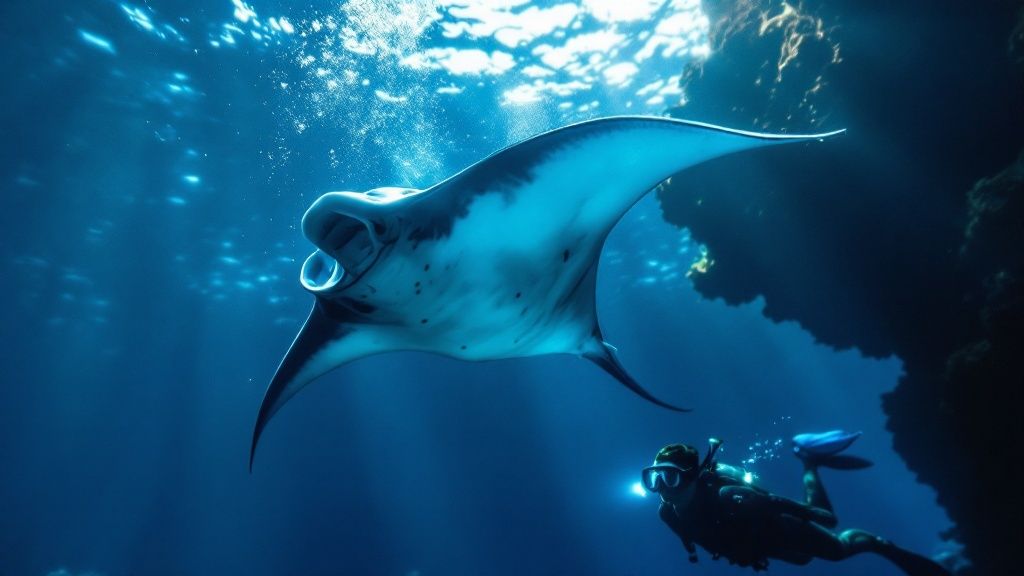
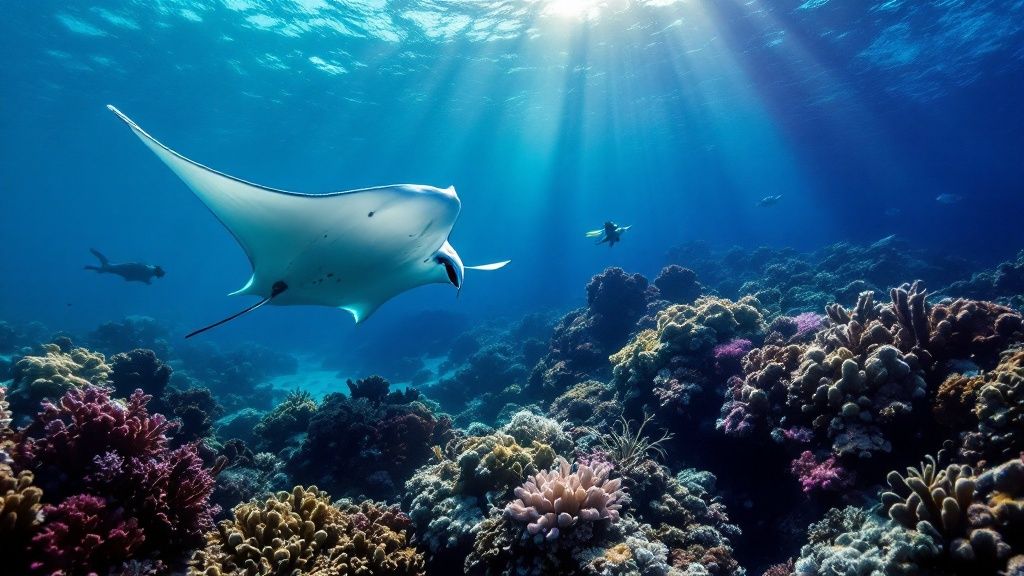
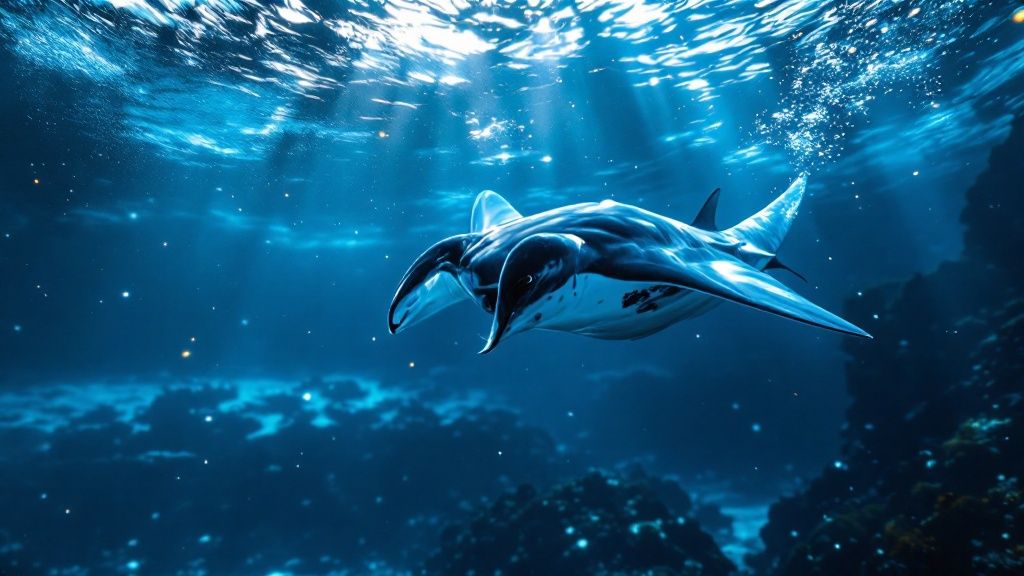
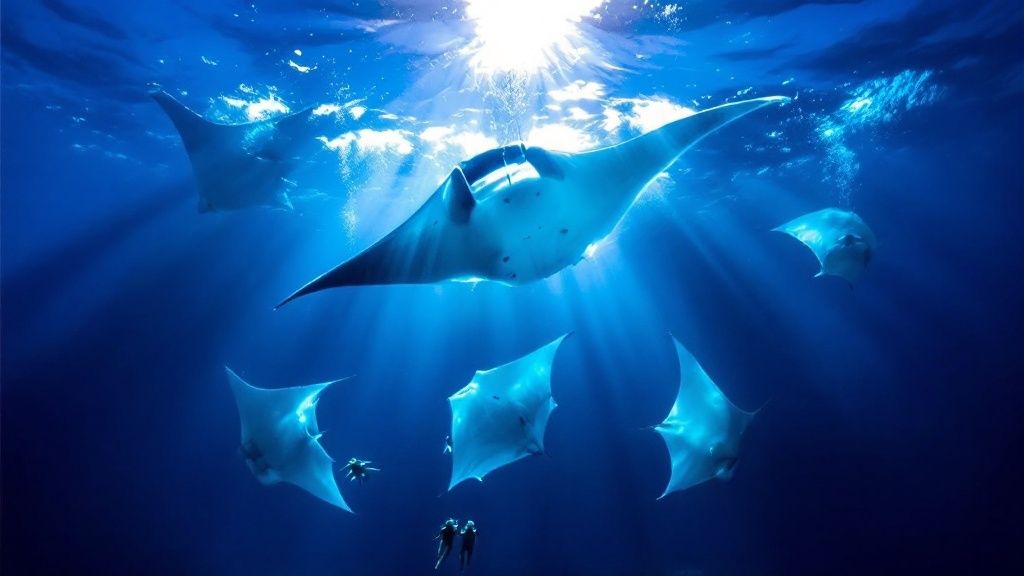
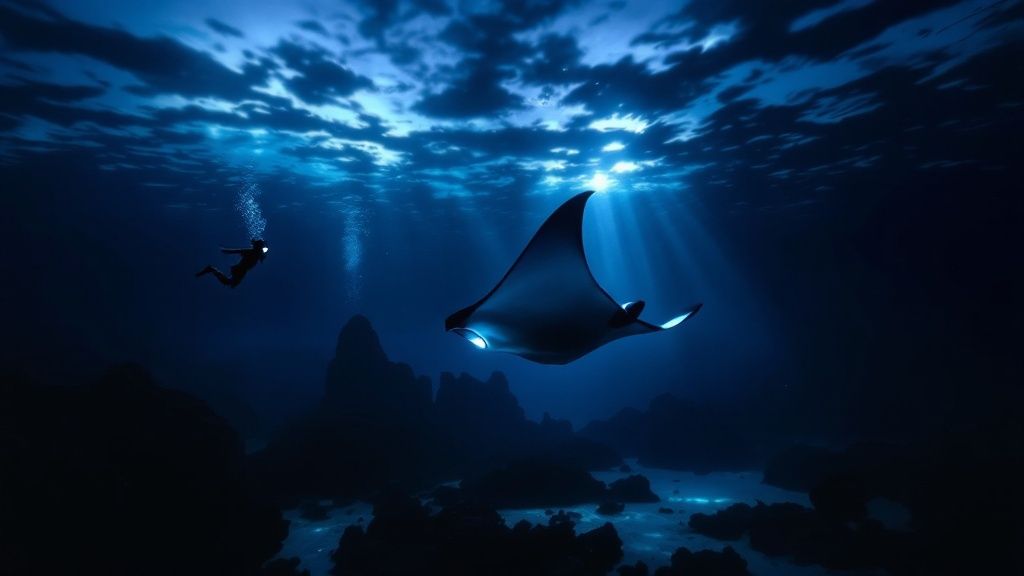
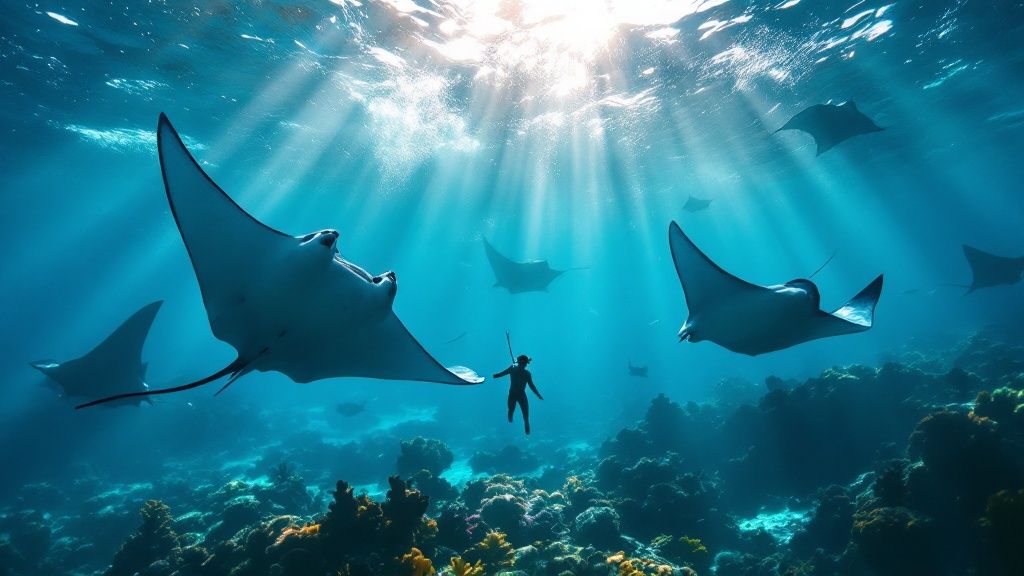
The Magic Behind Kona Manta Ray Snorkeling Kona, Hawaii, is more than just a beautiful island destination; it's a world-renowned location for encountering manta rays. These graceful giants of the ocean draw visitors and scientists alike, creating a unique blend of scientific discovery and unforgettable tourist experiences. What makes Kona so special for manta ray snorkeling? The Kona Manta Ray Ecosystem: A Perfect Harmony The magic lies in the unique ecosystem. Nutrient-rich currents flow along the Kona coast, bringing with them microscopic plankton, the main food source for manta rays. These currents, combined with Kona's underwater volcanic slopes and plateaus, create a perfect feeding ground. The underwater topography acts like a natural funnel, concentrating the plankton and making it easier for the manta rays to dine. Nighttime Feeding Spectacle: A Ballet of Giants Manta rays are expertly adapted to feed at night. As darkness falls, tour operators use underwater lights, mimicking the moon's glow, which attracts plankton to the surface. This creates a "plankton buffet," drawing in the manta rays and allowing snorkelers to witness their captivating feeding rituals. The manta rays' slow, graceful movements as they filter the plankton-rich water is a truly breathtaking sight. Tourism and Conservation: A Symbiotic Relationship This natural phenomenon has made Kona manta ray snorkeling a popular activity. Kona attracts approximately 80,000 manta ray snorkelers annually, boasting an 85-90% sighting success rate year-round. This is largely due to the consistent presence of manta rays, drawn to the abundant plankton. Learn more about Manta Ray Snorkeling in Kona . This influx of visitors not only brings economic benefits to the area but also promotes awareness about the importance of manta ray conservation. Responsible tourism can play a vital role in protecting these gentle giants and their delicate ecosystem. The magic of Kona's manta rays continues to inspire awe and wonder, making each snorkeling trip a potential opportunity for positive change. Prime Locations for Unforgettable Manta Encounters Kona's nutrient-rich waters and unique underwater topography create a haven for plankton, drawing in the majestic manta rays. This makes Kona a prime location for manta ray snorkeling . However, some spots offer even more consistent and spectacular encounters. Knowing the distinct characteristics of each site can truly elevate your experience. Manta Village: The Nightly Show Perhaps the most renowned spot is Manta Village , nestled within Keauhou Bay. Its shallow, sandy bottom and abundant plankton make it a predictable feeding ground for manta rays. Picture a vast, underwater amphitheater where these gentle giants put on a nightly show. During peak season, sightings at Manta Village are almost guaranteed. Garden Eel Cove: Up Close and Personal If you're seeking a more intimate encounter, Garden Eel Cove is an excellent choice. While less famous than Manta Village, it offers a unique underwater landscape. Gentle slopes and crevices provide shelter for both manta rays and garden eels, creating opportunities for a truly special snorkeling experience. You might even witness these two fascinating creatures interacting in close proximity. Keauhou Bay: A Diverse Ecosystem Keauhou Bay, home to Manta Village, offers a variety of manta ray viewing spots. Each location provides a slightly different perspective, catering to various skill levels. Some areas boast shallow depths, perfect for beginners, while others offer deeper waters for more experienced snorkelers. This diversity makes Keauhou Bay an ideal destination for anyone wanting to witness these magnificent creatures. Exploring Beyond the Beaten Path While popular locations offer reliable sightings, venturing off the beaten path can provide a more personalized and unique adventure. Experienced guides often lead small groups to these hidden gems, allowing for intimate encounters with manta rays in less crowded settings. This offers a deeper connection with the animals and their ocean environment. Research conducted in 2013, focusing on areas like Manta Village and Manta Heaven, revealed remarkably consistent manta ray sightings during both night dives and snorkeling trips. Find more detailed statistics here. The unique geological features of these locations continue to support the manta rays' feeding habits, ensuring thriving populations. The following table provides a comparison of the top manta ray snorkeling locations in Kona: Top Kona Manta Ray Snorkeling Locations: Comparison of the main manta ray viewing sites around Kona, including success rates, accessibility, and unique features. Location Success Rate Best Time Depth Special Features Manta Village Very High Night Shallow Sandy bottom, predictable feeding ground Garden Eel Cove High Night Varies Unique terrain, garden eels Other Keauhou Bay spots High Night Varies Diverse depths for all skill levels Off-the-beaten-path locations Varies Depends on location Varies Intimate encounters, less crowded This table highlights the variety of snorkeling experiences available in Kona, showcasing the unique features of each location. Whether you're a beginner or an experienced snorkeler, there's a perfect spot for you to witness the majestic manta rays. For further reading, you might be interested in: Our sitemap for more information on related topics. Preparing for Manta Magic: Essential Know-How Getting ready for an extraordinary Kona manta ray snorkeling adventure starts with the right preparation. This means picking the perfect tour operator, having the essential gear, and knowing how to stay comfortable and calm in the water. These steps will maximize your chances of an unforgettable close encounter. Choosing a Responsible Tour Operator Finding a responsible tour operator is crucial for an ethical and enriching experience. Prioritize operators dedicated to sustainable practices , like adhering to strict viewing guidelines and participating in conservation efforts. Some operators even donate to manta ray research and protection, which is a great sign. Also, consider group size. Smaller groups often mean more personalized attention from the guides and less disturbance to the manta rays. Experienced guides knowledgeable about manta ray behavior are essential for both your safety and the well-being of these gentle giants. Essential Equipment for an Enhanced Experience The right gear can significantly enhance your manta ray snorkeling adventure. A wetsuit is key for comfort, especially during night excursions when the water gets colder. It keeps you warm so you can focus on the manta rays, not on shivering. Many operators provide pool noodles for buoyancy. These are helpful for less confident swimmers and also minimize kicking, which can disturb the manta rays. If you bring your own snorkel gear, ensure it fits properly for maximum comfort and enjoyment. Maximizing Comfort and Calmness in the Water Staying calm and relaxed in the water is essential for attracting manta rays. These creatures are sensitive to excessive splashing and erratic movements. Think of yourself as a guest in their underwater home. Enter the water slowly and deliberately, minimizing splashing. Control your breathing – deep, steady breaths will help regulate your buoyancy and create a sense of calm. This calmness extends to photography as well. Avoid frantic movements and flashing lights, which can startle the manta rays. If you feel nervous, talk to your guide. They are there to support and reassure you, ensuring a positive and safe experience. For more tips on ocean adventures, check out our blog post sitemap. Pre-Excursion Preparations for a Smooth Adventure Preparing for your Kona manta ray snorkeling trip goes beyond just showing up at the dock. If you're prone to seasickness, taking motion sickness medication beforehand is a smart move. This can prevent discomfort and allow you to fully enjoy the experience. Dressing in layers before and after your snorkel is a good idea, as evening temperatures can change. Finally, review the operator's guidelines and recommendations. They often provide valuable insights into what to expect and how to best prepare for a truly memorable encounter with these magnificent creatures. Hawaiian Cultural Connections With Hahalua (Manta Rays) Beyond the sheer thrill of Kona manta ray snorkeling lies a deeper, more profound connection to Hawaiian culture. These magnificent creatures, called hahalua in the Hawaiian language, hold a place of honor in the islands' history, legends, and spiritual beliefs. Understanding this rich cultural context elevates the snorkeling experience from simple observation to a truly meaningful encounter. Hahalua in Hawaiian Folklore and Traditions For countless generations, Hawaiians have revered the manta ray. Its graceful, almost ethereal movements and gentle nature have inspired countless stories and chants, carefully preserved and passed down through oral traditions. Some legends portray hahalua as guardians or messengers, embodying ancient wisdom and a deep connection to the spiritual realm. These stories often underscore the interconnectedness of all living things, a fundamental principle of Hawaiian cosmology. Traditional Ecological Knowledge and Modern Science Traditional Hawaiian ecological knowledge (TEK) offers invaluable insights into the behavior and ecology of manta rays. This accumulated wisdom, gleaned from centuries of careful observation, often complements and enriches modern scientific understanding. For instance, TEK highlights the crucial importance of specific locations for manta ray feeding and breeding, providing vital information that can inform and enhance conservation efforts. This harmonious blending of ancient wisdom and contemporary research paints a richer, more holistic picture of these captivating ocean dwellers. Respectful Operators: Incorporating Cultural Protocols The cultural significance of manta rays in Kona adds another dimension to the snorkeling experience. Revered for their grace and intelligence, these creatures occupy a special place in Hawaiian folklore and traditions. This cultural reverence transforms the snorkeling adventure into something truly special, a meaningful encounter that connects visitors with the local respect for these animals while they witness their breathtaking underwater ballet. Learn more about this cultural connection . Many responsible tour operators thoughtfully incorporate cultural protocols into their excursions. This might include sharing traditional stories about hahalua, explaining their vital role in the delicate ecosystem, or observing quiet moments of silence and respect before entering the water. A Deeper Connection to Hawaii's Living Culture By understanding the cultural context of Kona manta ray snorkeling, visitors cultivate a deeper appreciation for Hawaii's vibrant and evolving cultural landscape. This deeper understanding fosters respect for the environment and strengthens the profound connection between humans and the natural world. This isn't simply about seeing manta rays; it's about experiencing them within a rich cultural tapestry that elevates and enriches the entire adventure. Our sitemap offers additional resources for those who wish to delve deeper. Beyond Tourism: Conservation Impact of Your Adventure Your Kona manta ray snorkeling adventure offers more than just an incredible personal experience. It directly contributes to vital manta ray research and conservation efforts across the globe. This model of responsible tourism helps safeguard these gentle giants for generations to come. Citizen Science: Your Photos Make a Difference Every photo taken during your Kona manta ray snorkeling trip can become a valuable scientific tool. Many operators encourage guests to submit their photos to international manta ray identification databases. These databases rely on the unique spot patterns on each manta's underside, much like a human fingerprint, to track individuals, monitor their health, and study their migration patterns. This means your vacation snapshots can play a crucial role in understanding and preserving these amazing animals. Imagine, your photos could help scientists unlock key secrets about manta ray behavior! Tracking Migrations and Population Trends: Power in Numbers Beyond photographs, reported sightings from Kona manta ray snorkeling excursions provide crucial data. This information helps researchers track manta ray movements, understand their habitat use, and monitor population trends. For example, data collected by Manta Ray Advocates in Kona between 2009 and 2014 provided vital insights into manta behavior and population fluctuations. This included which individual mantas were sighted and their physical condition, aiding in understanding their movements and predicting periods of higher manta presence. Find more detailed statistics here. This demonstrates the power of citizen science in conservation. Funding Conservation: Your Dollars at Work The fees you pay for your Kona manta ray snorkeling excursion often directly support conservation initiatives. Responsible operators invest a portion of their profits into research, education, and advocacy efforts that benefit manta ray populations. This means your tourism dollars help fund critical work to protect these animals and their delicate ecosystem. This makes choosing an ethical operator even more important. You might be interested in: Our sitemap which features more information about our sustainable practices. Greenwashing vs. Genuine Conservation: Spotting the Difference It's crucial to distinguish between greenwashing , where companies misleadingly promote their environmental efforts, and genuinely committed operators. Look for certifications, partnerships with recognized conservation organizations, and transparent information about how visitor fees contribute to specific projects. Choose operators who prioritize sustainable practices and actively participate in manta ray protection. Doing your research ensures your trip has a truly positive impact. Threats to Hawaii's Mantas: Understanding the Challenges Hawaii's manta rays face multiple threats, including entanglement in fishing gear, habitat degradation, and the impacts of climate change. By participating in responsible Kona manta ray snorkeling, you directly support efforts to combat these challenges. For example, responsible tour operators advocate for stricter fishing regulations to reduce bycatch and educate the public about responsible interactions with manta rays. Your support makes a real difference in preserving these gentle giants for future generations. Understanding these threats empowers you to make informed choices about your Kona manta ray snorkeling experience, ensuring your adventure contributes to a future where these magnificent creatures continue to flourish. Insider Secrets for Extraordinary Manta Encounters Kona manta ray snorkeling is an amazing experience. But going beyond the typical tourist encounter can lead to some truly special moments. This involves understanding manta ray behavior and using smart timing and positioning to enhance your viewing. Timing Is Everything: Moon Phases and Plankton Blooms Just like seasoned fishermen track tides, experienced manta ray guides understand the importance of timing. The lunar cycle significantly affects plankton availability, the manta rays' main food source. Around the full moon , increased moonlight attracts more plankton to the surface. This creates a feeding frenzy that draws in many mantas. Seasonal plankton blooms also create periods of exceptional manta ray activity. These blooms happen at different times of the year. Checking with local operators or online resources can help you pinpoint the best time for your Kona manta ray snorkeling adventure. Positioning for the Perfect View: The Art of Subtlety Imagine being a guest in the manta rays' underwater home. Your behavior affects their comfort level. Avoid sudden movements and splashing, which can frighten the mantas. Maintain a horizontal position in the water, minimizing vertical kicking that might disrupt their feeding. Positioning yourself slightly away from the main light source , but still within viewing distance, can encourage closer approaches. Manta rays are curious and often approach snorkelers who appear calm and non-threatening. For more tips, check out our blog post sitemap for responsible snorkeling practices. Common Mistakes That Repel Manta Rays: What Not to Do Many snorkelers are eager for close encounters, but certain actions can scare away manta rays. Touching them is never allowed , as this disrupts their delicate mucous layer, which is vital for their immune system. Flash photography can also startle them, causing them to swim off. Chasing manta rays is also counterproductive. They are more likely to approach snorkelers patiently observing from a respectful distance. It's similar to birdwatching – the quieter and calmer you are, the better your viewing opportunities. Mental Preparation: Being Present in the Moment Beyond the physical preparation, mental readiness enhances your experience. Before entering the water, take a moment to focus on your breathing and relax your body . This reduces anxiety and lets you fully appreciate the magical encounter. Instead of focusing only on getting the perfect photo, try to absorb the moment . Remember the feeling of weightlessness, the graceful manta ray movements, and the ethereal glow of the underwater lights. These sensory details create lasting memories. Seasonal Manta Ray Viewing Guide The following table provides a general overview of manta ray activity and conditions throughout the year in Kona. Month Manta Activity Water Visibility Water Temperature Crowd Level January Moderate Good Cooler Moderate February Moderate Good Cooler Moderate March Increasing Good Starting to warm Increasing April High Very Good Warmer High May High Very Good Warmer High June High Excellent Warmest High July High Excellent Warmest High August High Excellent Warmest High September High Excellent Starting to cool High October Moderate Very Good Cooler Moderate November Moderate Good Cooler Moderate December Moderate Good Cooler Moderate This table helps you start planning your Kona manta ray snorkeling trip. These are general trends, and actual conditions can vary. Contacting local operators is always recommended for the most up-to-date information. Essential Questions Answered by Manta Ray Experts Kona manta ray snorkeling is an exciting adventure, but it's natural to have questions. This section addresses common inquiries, providing clear answers based on visitor experiences and expert advice to help you prepare for your manta ray encounter. Addressing Concerns for All Snorkelers Many people wonder, "Do I need to be a strong swimmer for Kona manta ray snorkeling?" The answer is reassuring: basic swimming skills are recommended, but even less confident swimmers can participate. Flotation devices like pool noodles are commonly provided, allowing you to relax and observe the manta rays without strenuous effort. Some tours even cater specifically to non-swimmers, offering viewing opportunities from the boat. Safety in the Water: Separating Fact From Fiction Safety is paramount. Experienced guides prioritize your well-being and the manta rays' protection. They provide thorough safety briefings, explain proper snorkeling etiquette, and stay close to the group. Manta rays are gentle giants and pose no threat to humans when treated with respect. Weather Conditions and Sightings: Truth vs. Excuses How does weather affect sightings? While severe storms can lead to cancellations, moderate conditions rarely impact visibility or manta ray activity . Some less reputable operators might use weather as an excuse for poor sightings. Choose a company with a "manta ray guaranteed" policy for a second chance if your initial trip is unsuccessful. Accommodations for Physical Limitations: Ensuring Accessibility Reputable tour operators strive to accommodate various needs and limitations. They provide support and adapt procedures as necessary. Contact the operator directly to discuss specific requirements and ensure a comfortable and enjoyable experience. Encounter Proximity and Seasickness: Managing Expectations While close encounters are common, they aren't guaranteed. Manta rays are wild animals with unpredictable behavior. For those prone to seasickness, preemptive medication is highly recommended. The boat's gentle rocking, combined with nighttime conditions, can sometimes trigger nausea. Ecological Impact: Choosing Responsible Tourism Consider the ecological impact of your adventure. Choose operators committed to sustainable practices, such as those with certifications or partnerships with conservation organizations . This ensures your Kona manta ray snorkeling adventure aligns with responsible wildlife tourism, benefiting both you and these magnificent creatures.
- Snorkel with Manta Rays Big Island: Dive into Magic
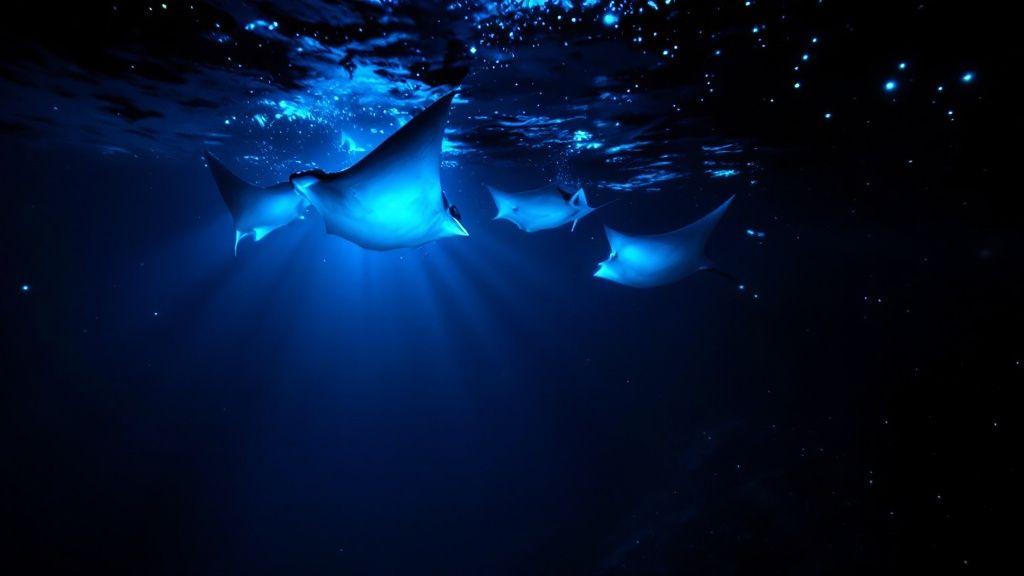
The Magic of Manta Ray Encounters on Hawaii's Big Island The Big Island of Hawaii offers a truly captivating experience: the chance to snorkel with manta rays at night. What was once a niche activity has become a must-do adventure, drawing ocean enthusiasts from around the world. This growing popularity stems from the gentle nature of manta rays, the unique Kona Coast ecosystem, and recent changes in marine tourism regulations. Why Kona is a Manta Ray Paradise The Kona Coast provides a perfect sanctuary for these graceful giants. Sheltered bays offer calm, nutrient-rich waters, ideal for plankton , the manta ray's main food source. These bays also offer protection from predators and strong currents, creating a haven for feeding and nurseries. The abundance of microscopic life draws the manta rays to the surface, creating a spectacular sight for snorkelers. The Allure of Night Snorkeling Night snorkeling adds an element of mystery to the encounter. As darkness descends, specialized lights attract plankton, creating a mesmerizing "manta ray ballet." The rays glide through the illuminated water, offering a unique spectacle not found anywhere else. The darkness also amplifies the bioluminescence of the plankton, creating a truly magical, sparkling effect. The growing interest in manta ray night snorkeling is a remarkable phenomenon. The demand for these tours has increased significantly, making them a top attraction on the Big Island. This surge is due to the gentle nature of manta rays, their lack of aggression towards humans, and the 2020 legislation restricting close interactions with dolphins. This prompted travelers to seek alternative, ecologically sound ways to connect with marine life. The warm bays around Kailua-Kona offered the perfect setting. Learn more about this growing trend here . This shift toward responsible tourism has made these encounters even more appealing. You can also explore our sitemap for more related articles. The Ethical Choice for Wildlife Encounters Choosing to snorkel with manta rays on the Big Island isn't just unforgettable; it's ethical. By joining these tours, visitors support the local economy and responsible tourism. The emphasis on sustainable interaction minimizes disruption to the manta rays and their habitat. This aligns with the rise of mindful travel, where tourists seek experiences that benefit both themselves and the environment. This conscious decision makes the encounter truly enriching. Prime Locations to Snorkel With Manta Rays Big Island The Big Island of Hawai'i offers some incredible snorkeling experiences, but few match the magic of swimming with manta rays. Choosing the right spot can dramatically enhance your encounter, so let's delve into some key locations and what makes them special. This isn't just your typical tourist guide; we'll share insights gathered from local experts and seasoned manta ray enthusiasts. Manta Village (Garden Eel Cove) Manta Village, nestled in Garden Eel Cove, is famous for its consistent manta ray sightings. The cove's shallow, sandy bottom creates a perfect breeding ground for plankton, which attracts these gentle giants. This makes it a reliable choice for an unforgettable experience. The calm waters make it ideal for snorkelers of all skill levels, from beginners to experienced adventurers. Manta Heaven (Keauhou Bay) Just south of Kona, you'll find Manta Heaven in Keauhou Bay. It’s another prime location known for its larger manta ray aggregations, sometimes offering truly breathtaking displays. Conditions here, however, can be a bit more challenging than at Manta Village. Slightly deeper waters and occasionally stronger currents might be tricky for less confident snorkelers. Choosing a reputable tour operator with experienced guides is especially important here. Lesser-Known Gems and Seasonal Variations Beyond the popular Manta Village and Manta Heaven, the Big Island holds a few secret spots known for more intimate encounters. Local boat captains often know these hidden gems, which can offer a unique perspective on manta ray behavior. Seasonal changes also affect your sighting chances. Summer (June-August) generally boasts calmer waters and excellent visibility. To understand the likelihood of spotting these magnificent creatures, it's helpful to look at some data. Along the Kona Coast, manta rays are frequent visitors, and records kept from 2009 to 2014 show just how regular these encounters can be. Underwater videographers documented sightings six to seven nights a week at popular spots like Manta Village and Manta Heaven. This data, collected by Manta Ray Advocates Hawaii , provided valuable insights into their migration patterns and even contributed to research published in the Journal of Fish Biology . To help you choose the perfect snorkeling location, we've compiled a comparison table highlighting the key features of each spot: Manta Ray Viewing Sites Comparison: A comparison of the main manta ray snorkeling locations on the Big Island, highlighting their unique features and considerations. Location Best Time Average Group Size Sighting Rate Water Conditions Manta Village Year-round Medium High Calm Manta Heaven Year-round Large High Variable Lesser-Known Gems Varies by site Small Variable Variable As you can see, each location offers its own advantages. Manta Village provides calm and predictable conditions, ideal for families and beginners. Manta Heaven offers the chance to see larger groups, while lesser-known gems provide a more exclusive experience. Choosing Your Departure Point The location of your boat departure point matters, too. Some offer shorter rides, minimizing travel time and seasickness, while others boast scenic coastal views during the journey. Consider your priorities– travel time, potential seasickness, and scenic beauty – when selecting your tour. By understanding these elements, you can craft a truly unforgettable manta ray encounter. You can also check out our other blog posts for more information. Selecting the Perfect Manta Ray Tour Experience Snorkeling with manta rays on the Big Island is an unforgettable experience. Choosing the right tour can truly elevate your adventure. It's not just about finding the cheapest deal; it's about finding an operator that prioritizes both a memorable experience and responsible wildlife interactions. Let's delve into what makes a manta ray tour truly exceptional. Guide-to-Guest Ratio and Expertise A low guide-to-guest ratio is key for a personalized and safe snorkeling experience. Smaller groups mean guides can offer individual attention, answer your questions, and address any concerns you might have while in the water. Look for tours with a maximum of 10-15 guests per guide . Guides with deep knowledge of manta ray behavior and the local ecosystem can enrich your experience significantly, offering valuable insights. This expertise makes for a more informative and meaningful encounter with these gentle giants. Equipment Quality and Comfort The right equipment plays a vital role in your comfort and overall enjoyment. Make sure the tour operator provides high-quality wetsuits that fit well and offer enough warmth, especially for night excursions. Well-maintained masks, snorkels, and fins are also essential for a clear view of the manta rays. It's a good idea to ask about the types of flotation devices offered. Some operators provide comfortable pool noodles or flotation belts for those who want extra support. Questions to Ask and Red Flags to Watch Out For Don't hesitate to ask potential tour operators specific questions. Inquire about their safety protocols , guide experience, and group sizes. Reputable operators are transparent and happy to address any concerns. Be cautious of operators who guarantee sightings; manta rays are wild animals, and their presence is unpredictable. Overcrowded boats and aggressive marketing tactics can be red flags, suggesting a focus on profit rather than responsible wildlife interaction. A boat packed with snorkelers is more likely to disrupt the mantas' natural behavior. The safety and operational aspects of these tours have come under scrutiny. As of 2015, at least 42 commercial tour operators were working at two primary locations, with over 290 people in the water on busy nights. This underscores the importance of strong safety protocols and regulations. Learn more here. Booking Strategies and Pricing Expectations Booking your tour in advance is highly recommended, particularly during peak season. Some operators offer online booking discounts or early reservation deals. Consider booking your manta ray snorkel early in your trip. Many companies have a "manta guarantee," letting you re-book for free if no mantas are sighted on your first tour. Prices vary depending on group size, tour duration, and included amenities. Budget-friendly options typically start around $100-$150 per person , while premium experiences can range from $150-$250 or more. Check out our sitemaps for additional information. Careful research and planning are essential for an extraordinary and ethical manta ray experience. Choosing the right tour contributes to the long-term protection of these magnificent creatures and their habitat. Your Manta Ray Journey: From Boat to Ocean Magic A manta ray night snorkel is more than just another item to check off your bucket list; it's an experience filled with anticipation and awe. This journey begins the moment you step onto the boat and culminates in a magical encounter with these gentle giants. Let's explore what awaits, turning any pre-trip jitters into pure excitement. Setting Sail: The Anticipation Builds As you board the boat, often near sunset, the air is thick with the salty scent of the ocean and the buzz of excited chatter. The coastline slowly fades into the distance, creating a picturesque scene against the darkening sky. The crew, often knowledgeable about the local marine life, share insights about manta rays and what to expect, further heightening the anticipation. Arrival at the Snorkeling Site: Preparing for Magic Arriving at the snorkeling site, typically Keauhou Bay or Garden Eel Cove , the crew provides a thorough safety briefing and instructions. You'll be fitted with a wetsuit, snorkel gear, and a flotation device, often a simple pool noodle. The crew then lowers lights into the water, attracting the plankton that make up the manta rays' diet. This sets the stage for the mesmerizing underwater ballet about to unfold. The Manta Ray Ballet: A Breathtaking Spectacle As your eyes adjust to the darkness, shadowy forms begin to materialize from the depths. The manta rays, drawn by the illuminated plankton, glide gracefully through the water. Their enormous wingspans create an ethereal dance, highlighted by the otherworldly glow of the underwater lights. The lights reveal the manta rays' unique markings and their graceful movements. You'll witness fascinating feeding behaviors as they perform barrel rolls and backflips, efficiently filtering plankton from the water. These movements, often appearing playful, are essential to their survival. It's a truly immersive experience, connecting you to these magnificent creatures and the magic of the ocean. Manta Ray Sightings and Practical Considerations While these encounters are usually breathtaking, it's important to remember that manta rays are wild animals. Companies like Jack's Diving Locker report an 85-90% success rate for manta ray sightings on their night snorkeling trips. However, there's no guarantee. To address this, some operators offer a manta guarantee, allowing participants to join another trip if mantas aren't sighted. This policy helps manage expectations while encouraging responsible and flexible travel planning. Weather, sea conditions, and mooring availability at Garden Eel Cove and Keauhou Bay can impact visibility and the overall experience. More detailed statistics on sightings and conditions are available on their Manta Report . It's also wise to consider the possibility of seasickness, especially at night, and take precautions if needed. Addressing Concerns About Night Snorkeling Many first-timers are apprehensive about snorkeling in the dark. However, the reality is far less daunting than imagined. Experienced guides, flotation devices, and the emphasis on staying with the group create a safe and comfortable environment. The wonder of the manta rays quickly replaces any initial anxiety, transforming the experience into an unforgettable adventure. Conservation Stories Behind the Manta Ray Experience Snorkeling with manta rays on the Big Island is more than just a typical tourist attraction. It's a unique blend of conservation, culture, and responsible tourism. Understanding the biology and ecological importance of these creatures enhances the experience, revealing their surprising intelligence, their vital role in the ocean, and the ongoing efforts to protect them. Unveiling the Mysteries of Manta Rays Manta rays, encompassing both the reef manta ray ( Mobula alfredi ) and the giant oceanic manta ray ( Mobula birostris ), possess remarkable qualities. Their intelligence is truly captivating, displaying complex behaviors and even recognizing individual people. With a lifespan of up to 50 years , the need for long-term conservation strategies becomes clear. Researchers use the unique markings on their undersides, similar to fingerprints, to track individual mantas. This method allows them to study their movements, social interactions, and monitor population health, providing valuable insights into the impact of environmental changes. The Role of Responsible Tourism The popularity of manta ray snorkeling directly benefits their conservation. The thriving tourism industry around these gentle giants funds research and protection efforts. An estimated 80,000 people snorkel or dive with manta rays annually on the Big Island, making it a significant economic driver. Operators, like the Outrigger Kona Resort & Spa, offer nightly tours, further highlighting the demand for this experience. Hawaiian waters are home to two species of manta rays: the reef manta ray and the giant manta ray. Learn more about these incredible creatures here . While not currently endangered, manta rays are classified as threatened under international conventions due to the dangers of commercial fishing. Cultural Significance and Conservation Manta rays hold profound spiritual meaning in Hawaiian culture, often appearing in traditional stories and chants like the kumulipo , the Hawaiian creation chant. This reverence fosters a deep connection between the local community and the protection of these animals. The cultural respect for manta rays aligns with modern conservation approaches, encouraging sustainable tourism that benefits both the environment and the local economy. This combination of traditional wisdom and scientific understanding guides the ethical framework for manta ray tourism on the Big Island. For more information, explore our blog categories. Threats and Protection Efforts While responsible tourism is crucial for conservation, manta rays still face serious threats. Bycatch , the accidental entanglement in fishing nets, is a major concern. Habitat degradation and the impacts of climate change also pose challenges to their survival. However, the revenue generated from sustainable tourism directly supports research into these threats and fuels initiatives to mitigate them. These efforts include advocating for stronger fishing regulations and promoting marine protected areas. Swimming with manta rays at night as they feed on plankton attracted by lights is a humbling and inspiring experience. It highlights the power of responsible tourism and the importance of understanding the fragile balance between human interaction and wildlife conservation. This awareness ensures that future generations can also experience the magic of these graceful creatures. Expert Tips for an Unforgettable Manta Ray Encounter Want to turn your manta ray snorkel trip from memorable to truly magical? It's all in the details. This insider guide, packed with advice from seasoned guides and manta ray enthusiasts, will help you make the most of your Big Island experience. We'll cover everything from pre-trip planning to capturing those amazing underwater photos. Pre-Snorkel Preparations for a Smooth Experience A little preparation goes a long way. Addressing potential seasickness before you even step on the boat is key, especially for night excursions. Some over-the-counter remedies can be very effective. A quick practice session with your snorkel gear earlier in the day can also build confidence, especially if you're new to snorkeling or a bit nervous about night swims. Understanding the tour logistics can also help calm any pre-trip jitters. Knowing the meeting point, boat ride duration, and what to expect in terms of boat size, group numbers, and lighting will help you feel more prepared and relaxed. Mastering In-Water Techniques Once you're in the water, a few simple techniques can dramatically enhance your manta ray encounter. Staying calm and minimizing your movements allows for closer, more natural interactions with these graceful creatures. Position yourself near the light source—without blocking it—for the best viewing opportunities, as the plankton attracted by the light will also attract the mantas. Understanding how manta rays feed helps you anticipate their movements. They perform a graceful "ballet" as they filter plankton, allowing you to position yourself perfectly for observation. Remember, never touch a manta ray . Touching them disrupts their protective mucus layer and can be harmful. Essential Gear and Gadgets The right gear can significantly improve your comfort and enjoyment. While wetsuits are often provided, bringing a light sweater for the boat ride back is a great idea, particularly after being in the cool night water. A quick-drying towel and a change of clothes are also practical additions. Bringing your own well-fitting snorkel gear can enhance comfort and allow for a more personalized experience. For capturing those unforgettable moments, GoPro or other waterproof cameras are excellent choices. Securely attach them to floats or wrist straps to prevent loss and enjoy hands-free manta ray viewing. Remember : no flash photography, as it can disturb the manta rays and other marine life. Want to improve your underwater photography? Check out this article: How to master underwater photography with a GoPro. Respectful Interaction Practices Respectful interaction is essential for both you and the manta rays. These vulnerable creatures face threats like bycatch and habitat degradation. Maintaining a respectful distance, following your guide’s instructions, and refraining from touching the mantas ensures a sustainable and enriching experience for everyone. From Great to Unforgettable: Post-Snorkel Tips The experience doesn’t end when you’re back on the boat. Sharing your photos and stories keeps the magic alive. Taking time to reflect on your encounter deepens your appreciation for these gentle giants and their delicate ecosystem. These small details are what transform a great experience into an unforgettable memory. Essential Packing List for Manta Ray Snorkeling The following table outlines key items to bring for a smooth and enjoyable manta ray snorkeling experience. Item Purpose Recommended/Optional Notes Swimsuit For snorkeling Recommended Towel Drying off after snorkeling Recommended Quick-drying is ideal Change of Clothes Staying comfortable after the snorkel Recommended Light Sweater/Jacket Staying warm on the boat Recommended Especially for night tours Seasickness Medication Prevent motion sickness Optional Especially for those prone to seasickness Snorkel Gear Clear underwater view Optional Can bring your own for comfort Waterproof Camera Capturing photos/videos Optional GoPro or similar, with float/wrist strap. No flash photography. Reef-Safe Sunscreen Protecting yourself and the marine life Recommended Apply before the tour Having these items will ensure you're comfortable and prepared for your adventure. Ready for an unforgettable adventure? Book your Manta Ray Night Snorkel Kona Hawaii Tours today and experience the magic firsthand!
- Dive with a Kona Manta Ray in Hawaii
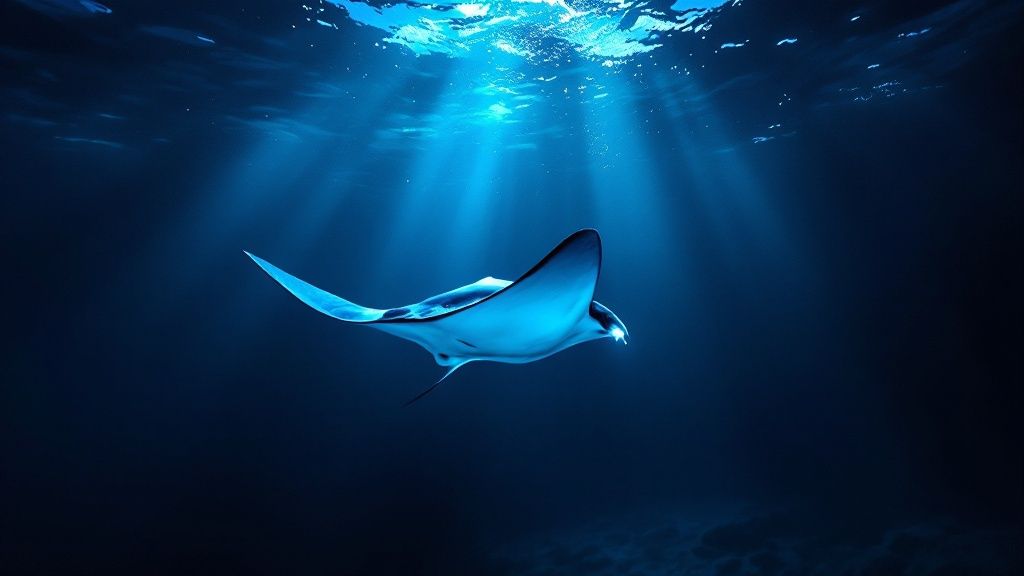
The Majestic World of Kona Manta Rays The Kona coast of Hawaii offers a sanctuary for one of the ocean's most graceful creatures: the Kona manta ray . These gentle giants, with their vast wingspans and captivating underwater ballet, attract visitors worldwide. Their presence adds a touch of magic to the already vibrant Hawaiian marine life. What makes these creatures so unique, and why are they synonymous with Kona? Understanding the Kona Manta Ray Manta rays are among the largest fish in the world. Two species frequent Hawaiian waters: the reef manta ray ( Mobula alfredi ) and the giant manta ray ( Mobula birostris ). The giant manta ray can have a wingspan of over 26 feet , making it a true ocean giant. Despite their size, manta rays are incredibly agile and intelligent. They boast the largest brain-to-body ratio of any fish, contributing to their curious and social nature. In Kona, these gentle giants have become symbols of marine conservation, emphasizing the importance of protecting their habitat and fellow marine life. Learn more about these fascinating creatures: 10 Things You May Not Know About Manta Rays in Hawaiʻi . Each Kona manta ray also has a distinctive spot pattern on its underside, similar to a human fingerprint. This unique marking allows researchers to identify and track individual mantas. This contributes to our understanding of their life cycle, migration patterns, and population dynamics. This information helps conservationists develop effective protection strategies. The Intelligence and Social Behavior of Manta Rays Their large brain size facilitates complex social interactions and impressive intelligence. Kona manta rays have been observed engaging in cooperative feeding . They work together to create swirling currents that concentrate plankton, their main food source. This coordinated behavior is remarkable in the fish world. They also display a notable level of curiosity , often approaching divers and snorkelers. They appear fascinated by bubbles and human presence. It's vital to remember that these are wild animals and deserve respect. For more articles about manta rays and ocean life, check out our blog: Our blog post sitemap for more articles. The Evolutionary Journey The Kona manta ray's evolutionary journey spans millions of years. Related to sharks and rays, they adapted to a filter-feeding lifestyle . They developed specialized gill rakers to filter plankton from the water. Their large, horn-like cephalic fins help funnel plankton into their mouths. These adaptations allow them to thrive in the nutrient-rich waters around the Big Island, making Kona a prime location for manta ray encounters. This delicate ecosystem balance highlights the need for responsible tourism and conservation to ensure these creatures continue to flourish. Inside the Legendary Kona Manta Ray Night Experience What makes a snorkeling trip truly unforgettable? The Kona manta ray night experience offers something special, captivating everyone from novice snorkelers to seasoned ocean adventurers. It’s a complete sensory immersion into the magic of the Hawaiian night, far beyond a simple wildlife sighting. From Anticipation to Awe: The Sensory Journey The adventure begins with the thrill of anticipation as your boat departs. Excitement builds, mirroring the vibrant sunset painting the sky. As darkness envelops the ocean, a different kind of magic emerges. Specialized underwater lighting systems are deployed, creating a focused beam that attracts plankton, the manta ray's main food source. This sets the scene for a truly remarkable spectacle. The Underwater Ballet: A Feast for the Senses Soon, massive 3,000-pound manta rays ascend from the depths, their impressive wingspans casting graceful shadows in the underwater lights. These Kona manta rays, some with wingspans reaching up to 15 feet , begin their hypnotic dance, feeding on the plankton just inches from mesmerized snorkelers. It's a humbling experience to be so close to these gentle giants in their natural habitat. Kona is home to over 300 identified manta rays, each distinguishable by unique spot patterns and scars, thanks largely to the work of the Manta Pacific Research Foundation . This research unveils a hidden world of individuality and complex social interactions within this majestic population. Learn more about this incredible experience: Manta Ray Night Dive . More Than a Spectacle: A Biological Marvel Marine biologists consider this nocturnal feeding behavior one of the most spectacular wildlife displays on earth. The manta rays' agility, despite their immense size, and their synchronized feeding patterns showcase a remarkable level of intelligence. This intricate dance isn't just about sustenance; it's a testament to their social nature and incredible evolutionary adaptations. Find more information on our sitemap pages. Why Kona Manta Rays Captivate: Lasting Impressions The Kona manta ray night experience consistently ranks as a top Hawaiian activity, even for returning visitors. This speaks to its profound impact. It offers a chance to connect deeply with nature, witnessing the raw beauty and power of these gentle giants up close. This is an experience that resonates long after leaving the water, a memory etched in your mind and a story waiting to be shared. Want to learn more? Explore more details about our tours and experiences . This unforgettable encounter provides a special opportunity to appreciate the delicate balance of the ocean ecosystem and encourages stewardship for its protection. Prime Locations for Unforgettable Kona Manta Encounters Not all manta ray viewing locations are created equal. Some consistently deliver breathtaking encounters, while others provide a more intimate, less crowded experience. Understanding the nuances of each site can significantly enhance your Kona manta ray adventure. Manta Village: Garden Eel Cove Garden Eel Cove, affectionately known as Manta Village , is famous for its reliable manta ray sightings. The site's popularity comes from its unique underwater topography. A shallow, sandy bottom creates the perfect environment for plankton, attracting these gentle giants. The relatively calm waters also contribute to excellent visibility. This allows for incredible views of the mantas' graceful feeding rituals. This combination of factors makes Manta Village a prime location for both new and experienced snorkelers. Manta Heaven: Keauhou Bay Keauhou Bay has earned the nickname Manta Heaven for good reason. The bay’s sheltered location offers protection from strong currents and waves. This ensures a comfortable experience for viewers. This area boasts a high concentration of plankton. This draws in large numbers of manta rays, especially during their nighttime feeding sessions. For those seeking a more predictable experience, Keauhou Bay is an excellent choice. You can explore more Kona content at Manta Ray Night Snorkel Hawaii. Exploring Lesser-Known Sites While Manta Village and Keauhou Bay are popular choices, exploring lesser-known sites can yield more intimate encounters. These hidden gems often offer smaller crowds and a more personalized experience. However, the success rate of sightings at these locations can vary. Factors like water conditions and seasonal changes play a role. Consulting with experienced local tour operators is crucial for discovering these secluded spots and maximizing your chances of a memorable manta ray encounter. To help you choose the best spot for your manta ray adventure, we've compiled a comparison of the top viewing sites: To help you pick the perfect spot for your manta ray adventure, we've put together a handy comparison of the top viewing sites: Top Kona Manta Ray Viewing Sites Comparison This table compares the main manta ray viewing locations around Kona, including accessibility, success rates, and special features. Location Success Rate Best Time Access Method Special Features Manta Village (Garden Eel Cove) High Night Boat tour/Snorkel Shallow, sandy bottom, calm waters Manta Heaven (Keauhou Bay) High Night Boat tour/Snorkel Sheltered bay, high plankton concentration Other Sites Varies Varies Boat tour/Snorkel Less crowded, more personalized experience As you can see, each location offers a unique experience. Manta Village and Keauhou Bay provide consistently high success rates. However, exploring other locations may offer a more intimate encounter. Timing Your Visit: Insider Tips The best time to visit Kona for manta ray encounters is typically between April and October , during the dry season. However, mantas are present year-round, and sightings are possible in all seasons. To optimize your chances, consider booking your tour early in your trip. Many operators offer a " manta guarantee ," allowing you to reschedule for free if mantas aren't spotted on your initial tour. This strategy allows flexibility and increases the likelihood of witnessing these magnificent creatures. Selecting Your Perfect Kona Manta Ray Adventure Planning a Kona manta ray adventure? With so many tour operators, finding the right one can be tricky. But by considering a few key factors, you can create an unforgettable experience. Think about group size, safety, eco-friendliness, and even booking strategies. Group Size: Intimacy vs. Crowds Group size significantly affects your manta ray encounter. Smaller groups offer more personalized attention from guides, fostering a closer connection with the rays. This also minimizes disruption to the animals, creating a more peaceful observation. Larger groups might be cheaper, but they can feel crowded, potentially detracting from the magic. Safety First: Choosing Reputable Operators Safety is paramount when choosing a tour. Reputable operators like Manta Ray Night Snorkel prioritize safety with certified guides, thorough briefings, and proper equipment. They adhere to safety protocols, ensuring a secure and enjoyable experience. Look for operators with excellent safety records and positive reviews. Eco-Conscious Choices: Beyond Greenwashing Truly eco-conscious tours go beyond marketing hype. Sustainable operators minimize their environmental impact by following responsible wildlife viewing guidelines. They maintain respectful distances from the manta rays, avoid overcrowding, and educate guests about responsible behavior. Some even participate in manta ray research and conservation. Choosing an eco-conscious operator protects these magnificent creatures for generations to come. Approximately 80,000 people visit Kona yearly to snorkel and dive with manta rays, making Kona a hub for manta ray tourism and boosting the local economy. Learn more about Kona manta ray tourism . This influx highlights the importance of responsible tour operations that benefit both visitors and the manta rays. Snorkeling vs. Diving: Tailoring Your Experience Choosing between snorkeling and diving depends on your comfort and experience in the water. Snorkeling, generally suitable for all skill levels, requires minimal equipment and training. Diving, requiring certification, provides a more immersive underwater perspective. Consider your abilities and preferences when making your decision. Premium Experiences: When the Price is Justified While budget-friendly tours are available, premium experiences often justify higher costs. These tours might feature smaller groups, longer durations, experienced guides, or specialized equipment. They might also include perks like underwater photography or educational sessions. A premium tour may be worthwhile for a truly immersive experience. Booking Strategies: Maximizing Your Chances Book your tour in advance, especially during peak season, to secure a spot with a reputable operator. Booking early in your trip allows flexibility for rescheduling due to weather. Many operators offer a “manta guarantee,” allowing free rebooking if manta rays aren't sighted on your first trip. Protecting Hawaii's Kona Manta Ray Treasures The Kona manta ray night snorkel is more than just a quick tourist activity. It's part of a bigger story about conservation and responsible tourism. Before you head out on your own manta ray adventure, understanding the delicate balance between human interaction and wildlife protection is key. Balancing Tourism and Conservation The popularity of Kona manta ray encounters creates both opportunities and challenges. Tourism brings in much-needed funding for research and conservation work. It also raises public awareness about these gentle giants and the need to protect their habitat. However, unregulated tourism can harm manta ray populations. This is why careful management and sustainable practices are so important. Global and Local Threats Manta rays face serious threats worldwide. The International Union for Conservation of Nature (IUCN) lists them as vulnerable. The giant manta ray is specifically threatened under the Endangered Species Act. Commercial fishing, both targeted and accidental bycatch, is a major danger. Demand for their gill plates in traditional medicine markets also contributes to their decline. Despite these challenges, Kona's manta ray population remains relatively stable thanks to dedicated conservation efforts. These efforts focus on sustainable tourism and habitat protection. Learn more about manta ray conservation . The success of local strategies shows how important it is to have tailored approaches for different populations. The Role of Research and Responsible Tourism Research is essential for understanding manta ray health, behavior, and migration patterns. This knowledge helps to create effective conservation strategies and manage tourism responsibly. You can also check out our blog post sitemap for more articles. Responsible tourism operators play a crucial role. They adhere to strict guidelines designed to minimize their impact. These guidelines include keeping a respectful distance, limiting group sizes, and educating visitors about responsible behavior. Becoming an Active Participant in Conservation As a visitor, you have a direct impact on conservation. Choosing eco-conscious tour operators who prioritize sustainability is a crucial first step. Following responsible snorkeling guidelines, like avoiding touching the mantas and not using flash photography, helps protect these gentle giants. Even small actions, like wearing reef-safe sunscreen, contribute to preserving the delicate marine ecosystem. Simple Actions, Big Impact You don't have to make grand gestures to be an active participant in manta ray conservation. It's about making informed choices and acting responsibly. By supporting sustainable tourism and respecting these amazing creatures, you can contribute to their long-term survival. You can also help ensure that future generations experience the wonder of Kona's manta ray treasures. Maximizing Your Kona Manta Ray Encounter Transforming your manta ray tour into an unforgettable experience relies on preparation and understanding. With a few simple strategies, you can significantly improve your interaction with these gentle giants. From choosing the right gear to understanding manta behavior, let's explore how to make the most of this magical encounter. Essential Gear and Gadgets While the manta rays are the main attraction, having the right equipment can elevate your experience. A well-fitting wetsuit is essential, especially for night excursions, as the water can get cool. This ensures comfort, allowing you to fully appreciate the mantas. Wetsuit: Provides warmth and buoyancy. Mask and Snorkel: Choose a mask that offers a wide field of vision. Fins: Improve maneuverability in the water. Avoid using bulky underwater cameras that can hinder your movement and possibly disturb the mantas. Consider a small, wrist-mounted GoPro instead, or simply immerse yourself in the experience without the distraction of taking photos. To help you prepare, we've compiled a handy checklist: Kona Manta Ray Viewing Packing Essentials Complete checklist of what to bring for different types of manta ray experiences Item Snorkeling Trip Diving Trip Notes Wetsuit Recommended Recommended Especially important for night trips Mask & Snorkel Essential Essential Choose a mask with a wide field of vision Fins Essential Essential Improve maneuverability Reef-safe Sunscreen Recommended Recommended Protect yourself and the coral Towel Essential Essential Dry off after your swim Underwater Camera (optional) Recommended (small, wrist-mounted) Recommended (small, wrist-mounted) Avoid bulky cameras Seasickness Medication (optional) Recommended if prone to seasickness Recommended if prone to seasickness Take before the trip This table provides a quick overview of essential items for both snorkeling and diving trips, ensuring you're well-prepared for your manta ray adventure. Positioning for the Perfect View Strategic positioning is key to maximizing your manta ray viewing. Experienced guides will typically place snorkelers near the light source attracting plankton, a natural feeding zone for the mantas. Remember to: Stay calm and still: Excessive splashing and movement can scare the mantas. Maintain a respectful distance: Give the mantas space to approach you naturally. Observe their behavior: Look for cues of comfort or distress. Understanding Manta Behavior: A Language Without Words Manta rays communicate through subtle body language. Understanding these cues can enhance your interaction and ensure the mantas remain comfortable. A manta performing barrel rolls , for instance, indicates playful feeding. Repeated wing flaps or sudden changes in direction, however, might signal distress. You can find more detailed guides on our sitemap. Overcoming Common Challenges Even experienced adventurers can encounter difficulties. Seasickness can be a major issue, but preventative measures like motion sickness medication or acupressure wristbands can offer relief. For those with anxiety about being in the water , focusing on the mantas, practicing deep breathing, and talking to your guide can lead to a more positive experience. Introducing Children to Manta Rays Introducing children to these gentle giants is a fantastic learning opportunity. Prepare them with stories and videos about manta rays. Ensure they have properly fitting gear and a trusted adult nearby. Emphasize respecting the mantas and following the guide's instructions. This shared experience can inspire a lifelong love for marine life and conservation. Stories from the Sea: Guides' Perspectives Guides who've led countless encounters have captivating stories to share. These anecdotes offer valuable insight into manta ray behavior, unusual sightings, and the delicate balance of the ecosystem. Listening to their experiences can enrich your understanding and appreciation of these magnificent creatures. Ready for your own unforgettable manta ray adventure? Book your tour today with Manta Ray Night Snorkel Kona Hawaii Tours and witness the magic firsthand. We offer small group tours, experienced guides, and are committed to sustainable practices, ensuring a great experience for you and the well-being of these gentle giants.
- Snorkel with Manta Rays Kona: Unforgettable Underwater Magic
The Mesmerizing Magic of Manta Ray Encounters in Kona Snorkeling with manta rays in Kona, Hawaii, is an experience that transcends ordinary water activities. It's a chance to connect with these gentle giants, some boasting wingspans of up to 16 feet , as they glide through the ocean. Their graceful movements, often likened to an underwater ballet, create a truly unforgettable spectacle. This unique encounter is consistently ranked as one of Hawaii's most sought-after adventures. Why Kona Waters Attract Manta Rays Kona's waters offer a perfect habitat for manta rays, supporting their nightly feeding rituals. The secret ingredient is plankton , a microscopic organism that forms the cornerstone of the manta ray diet. Kona's currents are rich in plankton, attracting mantas year-round and making Kona a reliable destination for these incredible encounters. No matter the season, the chances of witnessing this natural wonder remain high. The unique underwater topography of certain areas further enhances the appeal, creating ideal feeding grounds. The Conservation Impact of Manta Ray Tourism Manta ray tourism in Kona has evolved into a powerful force for conservation. The popularity of these tours has significantly raised awareness about the importance of protecting these magnificent creatures and their delicate ecosystem. An estimated 80,000 people snorkel and dive with manta rays in Kona each year, making it a major attraction. This high volume is attributed to the consistent presence of manta rays, drawn to the plankton attracted by tour operators' lights, leading to an impressive sighting success rate of 85-90% . To learn more about manta ray statistics, check out this article: 10 Things You May Not Know About Manta Rays . These encounters instill a sense of wonder and respect for marine life, inspiring many to become advocates for ocean conservation. Experiencing the Magic Firsthand A manta ray encounter in Kona is more than just a visual spectacle; it's a deeply moving experience. It's a chance to connect with intelligent creatures in their natural environment, fostering a profound appreciation for the wonders of the ocean. This connection can be truly transformative, shifting perspectives and creating a deeper understanding of our role in preserving these natural wonders for future generations. Interested in learning more? Check out our blog: Learn more in our article about our blog posts. From the boat ride to the in-water interaction, every aspect of the tour contributes to a profound and unforgettable experience. Prime Manta Ray Viewing Locations in Kona Waters Kona, Hawaii, is world-famous for its incredible manta ray snorkeling. But why are these waters so attractive to these gentle giants? The answer lies in a few key locations with unique features. These spots create the perfect environment for manta ray encounters, increasing your chances of a truly unforgettable experience. Manta Village and Manta Heaven: The Famous Duo Two spots consistently rank as the best for manta ray viewing: Manta Village and Manta Heaven . Manta Village, off the coast of Keauhou, and Manta Heaven, near the airport, have earned their reputations for good reason. The unique underwater topography and plentiful plankton attract mantas night after night. Manta Village is known for its relatively shallow, calm waters. This makes it a great spot for both beginner and experienced snorkelers. Manta Heaven is a bit deeper and sometimes has stronger currents, offering a different but equally amazing experience. Manta ray sightings at these locations are not only common, but also well-documented. Organizations like Manta Ray Advocates Hawaii have carefully tracked manta ray appearances, even identifying individual mantas. From 2009 to 2014 , their work generated essential data for understanding manta ray behavior and predicting their activity. This research helps tour operators maximize sighting opportunities and ensure safety. Exploring Beyond the Popular Spots While Manta Village and Manta Heaven offer almost guaranteed sightings, Kona has other special places for a more private experience. These less-known locations often draw smaller crowds, providing a chance to connect with these graceful creatures in a more intimate setting. Some areas north of Kona, for instance, provide exceptional viewing in calmer waters. These are a great option for families or anyone prone to motion sickness. Learn more about Kona snorkeling locations. Plus, these alternative spots showcase diverse underwater landscapes, adding another layer of enjoyment to your adventure. Each location has its own unique charm, allowing you to choose the experience that suits you best. To help you select the perfect spot, here’s a comparison of the primary manta ray viewing locations in Kona: Manta Ray Viewing Sites in Kona: Comparison of primary manta ray snorkeling locations, their features, and sighting rates Location Success Rate Best Time Depth Crowd Level Accessibility Manta Village Very High (90-95%) Sunset-Night 10-20 ft High Easy (boat access) Manta Heaven Very High (90-95%) Sunset-Night 20-30 ft High Easy (boat access) North Kona Sites High (70-80%) Sunset-Night Varies Low Moderate (boat or shore access) This table summarizes the key features of each location. While Manta Village and Manta Heaven offer the highest success rates, North Kona sites provide a less crowded experience. Choosing the Right Location for Your Snorkel Picking the perfect spot depends on several things. Your comfort level in the water, preferred group size, and the specific underwater features you'd like to see all play a role. Water depth, current strength, and visibility can differ significantly between locations. Some spots are shallow and calm, perfect for beginners. Others have deeper waters and stronger currents, which are great for more adventurous snorkelers. Understanding these differences will help you find the best spot for your needs and guarantee a truly memorable manta ray encounter. Dawn Vs. Dusk: Timing Your Manta Ray Adventure Choosing between a daytime or nighttime manta ray snorkel in Kona is more than just picking a time; it's about selecting a completely different experience. Each offers unique perks, from observing different manta behaviors to capturing distinct photographic opportunities. Let's explore these differences to help you plan your perfect manta ray encounter. The Daytime Difference: A Relaxed Encounter During the day, manta rays are often in conservation mode . This means they're saving energy, gracefully gliding through the water. They frequently visit cleaning stations , where smaller fish remove parasites. A daytime snorkel offers a calmer, more relaxed observation of these gentle giants. The sunlight provides excellent visibility, highlighting the intricate patterns on their backs and their effortless movements. The Nighttime Spectacle: A Feeding Frenzy As dusk arrives, the real magic unfolds. Under the cover of darkness, Kona's manta rays become active feeders. Plankton, their main food source, is attracted to the surface by lights, creating a captivating spectacle. Tour operators utilize specialized lights to draw plankton, creating a "campfire" effect. This illuminates the water and attracts the mantas. This sets the scene for a surreal experience. Mantas perform acrobatic backflips and barrel rolls as they feast on microscopic organisms. This nighttime feeding frenzy is a must-see, offering a dramatically different encounter than a daytime snorkel. For those hesitant about snorkeling in the dark, the illuminated water actually improves visibility, making the manta rays even more captivating. Photographic Perspectives: Light and Shadow Daytime and nighttime snorkels each provide unique photographic advantages. During the day, natural light allows for vivid, detailed shots. Nighttime photography, however, requires different techniques. Flash photography is strictly prohibited, as it disrupts the mantas' natural behavior. However, the lights used by tour operators create a dramatic backdrop, perfect for capturing ethereal images of these graceful creatures in motion. Price and Logistics: Factors to Consider Price can be a deciding factor. Daytime tours are generally less expensive than nighttime excursions. The unique experience of the nighttime feeding frenzy, however, often justifies the extra cost. Logistics are also important. You might want to check out the tour times on the sitemap. Some tours combine sunset and nighttime experiences, allowing you to witness the shift in manta ray behavior. Choosing Your Adventure: Dawn or Dusk? The best time for your Kona manta ray snorkel depends on your preferences. Do you prefer a relaxed, sunlit observation or a dynamic nighttime spectacle? Consider your comfort level in the water, photography goals, and budget. No matter which you choose, snorkeling with manta rays in Kona is an unforgettable experience. It will leave you with a deep appreciation for these magnificent creatures. Selecting the Perfect Manta Ray Tour Experience Not all manta ray tours in Kona are the same. Choosing the right tour can elevate your snorkel with manta rays Kona experience from enjoyable to truly unforgettable. This guide will walk you through the key factors to consider when selecting a tour operator, ensuring a safe, enriching, and memorable encounter. Key Considerations For An Unforgettable Experience Finding the perfect manta ray tour involves assessing several crucial elements. These factors contribute significantly to the overall quality and value of your experience. From safety protocols to the guide's expertise, these considerations will ensure a positive and impactful encounter with these magnificent creatures. Safety First: Prioritize operators with strong safety procedures. This includes certified lifeguards and well-maintained equipment. This emphasis on safety offers peace of mind, allowing you to fully appreciate the experience. Given the popularity of manta ray tours in Kona, choosing a responsible operator is essential. Check out the Manta Ray Viewing Safety guidelines for more information. Expert Guides: Knowledgeable guides enrich the experience by providing insights into manta ray behavior and biology. Their expertise adds an educational layer to your adventure. A guide passionate about marine life can transform a simple viewing into a deeper understanding of these gentle giants. Sustainable Practices: Support operators dedicated to sustainable tourism. Choosing eco-conscious businesses helps protect Kona's marine environment and the manta ray population. Responsible tourism is key to preserving these magical encounters for future generations. Group Size: Smaller groups often create more intimate and personalized manta ray encounters. Consider the effect of group size on your overall experience. Fewer people in the water can mean less disruption to the mantas and increased opportunities for up-close observations. Evaluating Tour Options: Budget Vs. Premium Understanding the difference between budget-friendly and premium manta ray tours helps you make an informed decision. While cost is a factor, recognizing the added benefits beyond the price tag is crucial. Budget-Friendly: These tours offer a fundamental experience, ideal for those focused on affordability. They typically have larger groups and fewer amenities. They still offer the chance to snorkel with manta rays Kona. Premium: Premium tours provide additional benefits, such as smaller groups, experienced guides, high-quality equipment, and sometimes food and beverages. This enhanced experience may result in closer encounters and more individual attention. Accommodating Diverse Needs Manta ray tours should be accessible to all, irrespective of age or ability. Seek out operators that cater to various needs, from families with young children to seniors. Inclusivity ensures that everyone can experience the wonder of snorkeling with manta rays. For more on snorkeling in the area, see our guide on Kona Snorkeling. Transparency And Booking Before booking, thoroughly review the operator's cancellation policy, included amenities, and any potential extra fees. Transparency in pricing and services allows for informed decisions and prevents unforeseen costs. Being prepared is key to a seamless and enjoyable experience. Understanding the details, from included amenities to the cancellation policy, helps ensure your trip is as stress-free and magical as possible. The Complete Manta Ray Snorkel Journey Revealed Snorkeling with manta rays in Kona, Hawaii is an experience you won't soon forget. This guide details what you can expect on this incredible adventure, from the initial boat boarding to the magical moment you encounter these gentle giants. Preparing For Your Manta Ray Encounter: From Shore to Sea Your journey starts with a thorough safety briefing . This briefing covers essential topics, including proper snorkeling techniques, respectful manta ray etiquette (like not touching them), and what to do in case of an emergency. These precautions ensure both your safety and the well-being of the manta rays and their fragile ecosystem. After the briefing, you'll enjoy a scenic boat trip to the designated snorkeling spot. Popular sites include Manta Village and Manta Heaven , two Kona locations famous for consistent manta ray sightings. The boat ride itself is a treat, offering beautiful coastal views and, if you're fortunate, even some whale watching depending on the time of year. Entering the Water: A Smooth and Simple Process Once you arrive at the snorkeling site, your guides will clearly explain the water entry process . This is typically a simple step or slide from the boat into the water. The guides are experts at making this process smooth and safe, even for those new to ocean snorkeling. You'll be provided with flotation devices, usually pool noodles, placed under your feet as you hold onto a specially designed, illuminated raft. This creates a "campfire" effect that attracts plankton, which in turn draws the manta rays closer. The Manta Ray Ballet: An Unforgettable Spectacle Get ready for the main event – the manta rays! These graceful creatures, boasting wingspans of 10+ feet , glide effortlessly through the water. They'll perform captivating underwater acrobatics, often circling the illuminated area to feed on the gathered plankton. The guides expertly position the raft, giving you an unparalleled view of this breathtaking display. You'll be just inches away from these majestic animals, creating a truly unforgettable connection. Understanding the Experience: Duration, Conditions, and Equipment A typical manta ray snorkel tour lasts around 1.5 to 2 hours , with roughly 20-30 minutes spent in the water with the mantas themselves. Water conditions are typically calm, especially in the designated areas, but can vary depending on the weather. Most tours provide all the necessary snorkeling gear, such as wetsuits, masks, snorkels, and fins. Bringing your own equipment is often welcome if it enhances your comfort. To help you pack, here's a handy guide: Before we dive into the details of what to bring, here's a quick look at the essentials and optionals for your manta ray snorkel adventure. This table outlines everything you should consider packing for a comfortable and enjoyable trip. What to Bring For Your Manta Ray Snorkel Item Essential/Optional Provided by Tour? Notes Swimsuit Essential No Towel Essential No For drying off after the snorkel Reef-safe sunscreen Essential No Protects your skin and the coral reefs Motion sickness medication Optional No If you're prone to seasickness Underwater camera/GoPro Optional Sometimes For capturing the experience, but flash photography is prohibited Personal snorkel gear Optional Usually If you prefer using your own Warm layers for the boat ride Optional No Nights can get chilly on the water After reviewing the table, you'll have a better understanding of what to pack for your upcoming manta ray snorkel experience. Be sure to check with your chosen tour operator for specific recommendations. Contingency Plans and Peace of Mind Most reputable tour operators offer a “manta ray guarantee.” This means that if you don't see any manta rays on your tour, you'll have the chance to join another tour for free on a different night. This policy provides peace of mind and shows the tour operators' dedication to delivering a truly remarkable experience. The guides are also trained to manage various situations, ensuring your safety and comfort throughout the entire journey. From pre-trip briefings to in-water guidance, everything is designed to maximize your enjoyment and create a lasting memory of Kona's majestic manta rays. Capturing Manta Ray Magic: Photography Mastery Snorkeling with manta rays in Kona offers an amazing chance to see these graceful giants up close. But how do you capture the magic of this nighttime encounter? This section explores underwater photography in challenging low-light conditions, offering tips for everyone from smartphone users to those with dedicated underwater cameras. Mastering Night Marine Photography Nighttime underwater photography presents unique challenges. The low-light environment requires specific camera settings and techniques for clear and captivating images. It's similar to how your eyes adjust to a dimly lit room – your camera needs similar adjustments to "see" effectively underwater at night. Camera Settings: For low light, increase your ISO and use a wide aperture (low f-stop number) to allow more light into the lens. A slower shutter speed can also help, but watch out for blur from movement. Movement Compensation: Mantas are always moving, so anticipate their motion and use a fast shutter speed to freeze the action. This is key for sharp images of their wing details. Think of capturing a hummingbird's wings mid-flight – similar principles apply to a manta's graceful movements. Positioning: Position yourself to frame the mantas against the illuminated backdrop from the tour operator's lights. This creates dramatic contrast and highlights the mantas' size and shape. Responsible Lighting and Equipment Care Capturing stunning images is a priority, but responsible practices are paramount. Flash photography is never allowed, as it disrupts manta ray behavior and feeding patterns. You might be interested in learning more about Manta Ray Snorkel Photography. Alternative Lighting: Use the ambient light from the tour's specialized lights to create dramatic and responsible images. Equipment Challenges: Condensation, housing maintenance, and saltwater protection are common concerns with underwater photography. Make sure your equipment is properly sealed and maintained to prevent damage. Think of your camera housing as a spacesuit protecting your valuable equipment from the harsh underwater environment. Regularly inspect and clean your equipment after each use. Professional Photography Services Many operators offer professional photography services for those who prefer to fully immerse themselves in the manta ray experience without the technical distractions of photography. These professionals capture high-quality images, allowing you to savor every moment of your encounter. This offers a hassle-free way to capture stunning memories, leaving you free to connect with the manta rays. Experience the Magic Ready for an unforgettable underwater adventure? Book your Manta Ray Night Snorkel Kona Hawaii Tour today and see the magic of these gentle giants firsthand. Whether you're a seasoned photographer or simply want to enjoy the spectacle, a manta ray encounter is a truly memorable experience.
- Manta Ray Snorkeling Big Island: Top Encounters
The Magic of Manta Ray Snorkeling Big Island Imagine floating beneath the Hawaiian night sky, the gentle rhythm of the waves your only companion. Suddenly, a graceful manta ray emerges from the darkness, its 10-foot wingspan a breathtaking sight just inches below. This is the magic of manta ray snorkeling on the Big Island, an unforgettable experience that often becomes a cherished memory for visitors. This encounter isn't just about seeing these gentle giants; it's about connecting with them. The nighttime setting adds to the wonder, creating an ethereal atmosphere where the manta rays seem to dance in the underwater lights. This intimate experience fosters appreciation for these ancient creatures and encourages respect for their conservation. Why the Big Island? A Perfect Convergence The Big Island offers an ideal environment for manta ray encounters. Volcanic activity creates nutrient-rich waters, attracting plankton , the manta rays' main food source. Ocean currents deliver this plankton to specific locations, creating predictable feeding grounds. This allows tour operators to bring snorkelers to areas where manta ray sightings are practically guaranteed. The Big Island's exceptionally clear water further enhances the experience. Even at night, visibility is often remarkable, providing stunning views of these magnificent creatures as they perform their captivating feeding rituals. From Local Treasure to Global Wonder Manta ray snorkeling on the Big Island has grown in popularity, especially following the 2020 legislation restricting dolphin interactions. This growth can be attributed to the unique and responsible way it allows interaction with marine life. Snorkelers float on illuminated boards that attract phytoplankton, drawing in the manta rays. The clear, warm water provides excellent visibility, even at night. For safety and environmental responsibility, book tours with reputable operators like Sea Quest Hawaii . What was once a local secret is now a world-renowned experience. However, the Big Island has preserved the wonder of these encounters. Reputable tour operators prioritize sustainable practices, minimizing disruption to the environment and the manta rays. This commitment to responsible tourism ensures future generations can also witness this magical experience. Prime Locations for Manta Ray Snorkeling Big Island Not all manta ray snorkeling sites are created equal. This section breaks down the best spots on the Big Island for maximizing your encounter potential. We'll explore the unique characteristics of two famed locations: Manta Village (Keauhou Bay) and Manta Heaven (Makako Bay). Manta Village: A Shallow-Water Spectacle Manta Village in Keauhou Bay is known for its shallow, calm waters. This makes it perfect for beginners and families. The bay floor, a mix of smooth sand and coral rubble, offers clear views of the manta rays as they feed just below the surface. The shallow depth maximizes light penetration, enhancing visibility, even at night. This allows for incredible up-close views of these gentle giants. You might be interested in our sitemap for more information about us. Manta Heaven: Deeper Waters, More Dynamic Encounters Manta Heaven, located in Makako Bay, offers a different experience. Characterized by deeper waters and stronger currents, it creates a more dynamic encounter for experienced snorkelers. The diverse topography, with coral formations and volcanic rock structures, provides a rich environment for plankton, attracting larger numbers of manta rays. The deeper water can be more challenging for those less comfortable in the ocean. Manta Heaven is generally recommended for strong swimmers. Choosing the Right Spot for You Choosing the right spot depends on your experience level , physical abilities , and the time of year . Manta Village offers a comfortable introduction to manta ray snorkeling for beginners. For a more adventurous experience, Manta Heaven provides thrilling encounters with larger groups of mantas. Water conditions and manta ray activity vary seasonally. Consulting with local experts and tour operators will help you choose the best site. The Kona Coast of the Big Island is renowned for its regular manta ray sightings. Between 2009 and 2014 , underwater videographers at 'Manta Village' and 'Manta Heaven' kept detailed records, revealing consistent patterns and helping predict sightings. These studies, including monitoring individual mantas and logging monthly statistics, contributed to understanding their habitat and migration patterns. This research benefits tourism and supports conservation by identifying trends and areas of high manta ray activity. Find more detailed statistics here . Exploring Beyond the Famous Two While Manta Village and Manta Heaven are popular, the Big Island offers lesser-known snorkeling spots. Some small-group operators venture to these secluded sites, offering intimate encounters away from the larger tour groups. These hidden gems provide unique opportunities to observe manta rays with fewer distractions. This adds another dimension to the experience. These tours often have specific conditions, including longer boat travel times. Researching and selecting the right tour is crucial for your comfort and desired experience. Inside a Manta Ray Snorkeling Big Island Experience From booking your tour to sharing your incredible photos afterward, a manta ray snorkeling adventure on the Big Island is an experience unlike any other. This section takes you behind the scenes, revealing what you can expect from start to finish. From Booking to Boat: Preparing for Your Adventure The journey begins long before you enter the water. Choosing the right tour operator is crucial for a positive experience. An exceptional operator prioritizes small groups , ensuring a personalized experience with knowledgeable guides. They also offer high-quality equipment , including wetsuits and snorkel gear, minimizing discomfort and maximizing your enjoyment. You might be interested in: our blog post sitemap for additional resources. Look for operators who emphasize sustainable practices , respecting both the mantas and their environment. This is a key factor in preserving this incredible experience for future generations. Careful planning and selection ensures your adventure starts off on the right fin. On the Water: Setting the Stage for Encounters Once aboard the boat, the anticipation builds. A short ride to the snorkeling site provides ample time for a safety briefing and an overview of manta ray behavior . Experienced guides share fascinating facts about these gentle giants, enhancing your understanding and appreciation. As the sun dips below the horizon, the stage is set for a truly magical encounter. The transition from day to night adds an element of mystery and excitement to the experience. The Manta Moment: A Dance in the Dark Entering the dark ocean can be daunting for some, but the presence of expert guides quickly puts anxieties at ease. Floating on the surface, holding onto a lit flotation device, you’ll watch as plankton , drawn by the light, gather beneath you. This attracts the manta rays, who gracefully glide into view. Their movements are a mesmerizing ballet in the illuminated water. These moments, with mantas swirling just inches away , are truly unforgettable. Choosing Your Experience: Group Size and Operator Expertise Manta ray snorkeling and diving tours on the Big Island offer a high success rate of spotting these creatures. Jack's Diving Locker reports seeing manta rays about 85-90% of the time , although sightings are never guaranteed as they are wild animals. Find more detailed statistics here . These tours provide opportunities to learn about manta rays and the local ecosystem while ensuring responsible interaction. Choosing a tour operator with a strong commitment to wildlife protection and small group sizes enhances the experience while contributing to conservation efforts. To help you choose the right tour, we've compiled a comparison table: Introduction to table: The following table compares different manta ray tour options available on the Big Island, allowing you to select the experience that best suits your needs and preferences. Tour Type Typical Duration Best For Average Cost What's Included Small Group Snorkel 2-3 hours Personal experience, close encounters $150-$200 Snorkel gear, wetsuit, flotation device, guided tour Large Group Snorkel 1.5-2 hours Budget-conscious travelers $100-$150 Snorkel gear, flotation device, guided tour Private Charter Flexible Families, groups, personalized itinerary $500-$1000+ Customized experience, snorkel gear, food and beverages Dive Tour 2-3 hours Certified divers $180-$250 Dive gear, guided dive Conclusion of table: As you can see, there are various tour options available, catering to different budgets and preferences. Consider factors like group size, included amenities, and overall experience when making your selection. Addressing Common Concerns: Swimming Ability and Darkness Even if you're not a strong swimmer, or if the darkness makes you nervous, you can still enjoy this unique experience. Many operators provide flotation devices and attentive guides who offer support and reassurance throughout the snorkel. Remember, the focus is on observing these magnificent creatures, not on athletic prowess. The guides are there to ensure everyone has a safe and memorable encounter, regardless of their comfort level in the ocean. Understanding The Giants: Manta Biology and Conservation Transforming a simple snorkeling trip into a meaningful wildlife interaction begins with understanding the remarkable manta rays. These gentle giants possess unique adaptations that distinguish them in the ocean. Learning about their biology and the conservation efforts surrounding them will deepen your appreciation. You might be interested in our blog category sitemap for related articles. Reef Manta Vs. Oceanic Manta: Spotting The Difference Off the Big Island, you're likely to encounter two types of manta rays: reef mantas ( Mobula alfredi ) and oceanic mantas ( Mobula birostris ). Reef mantas, true to their name, prefer shallower coastal reefs. Oceanic mantas, on the other hand, venture into the deeper open ocean. Distinguishing between them can be tricky. Look for subtle differences in their dorsal color patterns and markings around their mouths . Each manta also has unique ventral markings, much like fingerprints. These markings allow researchers and guides to identify individual mantas. A Fish With A Big Brain: Manta Intelligence Manta rays boast one of the largest brain-to-body ratios of any fish. This intelligence translates into complex social behaviors and impressive navigation abilities. They use their cephalic fins —extensions of their pectoral fins that resemble horns—to funnel plankton-rich water into their mouths. This clever feeding strategy demonstrates their adaptability and resourcefulness, allowing them to thrive in diverse ocean environments. Conservation Challenges and The Role of Tourism An estimated 80,000 people participate in manta ray snorkeling and diving annually on the Big Island, especially along the Kona Coast. This area offers a unique opportunity to see both the reef manta ray and the giant manta ray. The latter can have a wingspan of up to 26 feet . These gentle giants hold a significant place in Hawaiian culture, even appearing in ancient chants like the kumulipo. Learn more about manta rays in Hawai’i here . Manta ray populations face several threats. These include bycatch (accidental capture in fishing nets), habitat degradation , and pollution . However, responsible tourism plays a vital role in conservation. Snorkeling tours contribute to research funding and raise public awareness about these magnificent creatures. This awareness is key to promoting responsible interactions and supporting long-term protection efforts. Becoming A Manta Advocate: What You Can Do By understanding manta ray biology and the challenges they face, you can contribute to their protection. Choosing sustainable tour operators is a great start. Following responsible snorkeling guidelines and spreading awareness among fellow travelers also amplifies the positive impact of tourism. This transforms your snorkeling experience from a fleeting moment of awe into a lasting contribution to ocean conservation. Every action, no matter how small, makes a difference in the lives of these gentle giants. Responsible Practices for Manta Ray Snorkeling Big Island Experiencing the magic of manta rays beneath the Hawaiian night sky is truly unforgettable. However, it's essential to ensure these encounters are sustainable and respectful to these gentle giants. This goes beyond basic etiquette and requires understanding what responsible manta ray tourism truly means. Choosing a Sustainable Tour Operator Identifying truly committed tour operators requires looking beyond marketing buzzwords. Look for companies actively involved in conservation initiatives , demonstrating a commitment to small group sizes , and prioritizing education along with entertainment. These operators understand the delicate balance between wildlife viewing and its potential impact. They educate guests about proper in-water behavior and actively minimize disturbances to the manta rays' natural feeding patterns. This ensures the experience is enriching for visitors while respectful of the animals. Recognizing Overcrowding and Prioritizing Welfare Overcrowded snorkeling sites can stress manta rays and detract from the overall experience. Responsible operators avoid these situations and prioritize the animals' welfare over photo opportunities. Warning signs of an overcrowded site include numerous boats clustered together and large groups of snorkelers in the water simultaneously. Avoid companies that rush the experience or encourage disruptive behavior for better photos. These practices can negatively impact the manta rays and diminish the quality of the encounter for everyone. Addressing Ethical Considerations: Group Size and Lighting The number of people participating in manta ray snorkeling raises important ethical questions. What is the appropriate group size? Are current lighting practices sustainable? These are complex issues requiring input from marine biologists and conservation experts. Safety assessments conducted for manta ray viewing operations at locations like Makako Bay and Keauhou Bay highlighted several concerns. As of 2015, at least 42 commercial tour operators were active in these areas. The number of vessels and people in the water often exceeded 290 people on busy nights, contributing to safety risks. Explore this topic further here. Evidence-based recommendations often suggest smaller group sizes and responsible lighting practices that minimize disruption to the mantas' natural behaviors. Respecting Hawaiian Culture and the Hahalua Gaining perspective from Hawaiian cultural practitioners enriches the manta ray experience. Traditionally known as hahalua , mantas hold a special place in Hawaiian culture. Learning about these traditional relationships informs modern interactions and promotes deeper respect for the animals and their environment. This cultural understanding fosters a sense of responsibility and ensures these magnificent encounters remain possible for future generations. It means approaching these encounters with humility and recognizing the cultural significance of these animals in Hawaiian traditions. Ensuring Sustainable Encounters for Generations to Come Responsible manta ray snorkeling involves making informed choices. By choosing sustainable tour operators, respecting the environment, and understanding the cultural significance of these animals, we can help ensure these magnificent encounters remain possible for generations to come. This approach not only protects the manta rays but also enhances the experience for everyone. It allows us to appreciate the beauty and wonder of these gentle giants while contributing to their long-term well-being. Insider Secrets for Unforgettable Manta Ray Encounters So, you're ready to experience the magic of manta ray snorkeling on the Big Island? This guide takes your experience from good to extraordinary, sharing insider tips from veteran guides and professional underwater photographers. Timing Is Everything: Moon Phases and Seasonal Patterns Believe it or not, the moon plays a crucial role in manta ray feeding habits. Plankton , the manta's primary food source, is more abundant during a full moon . This creates a feeding frenzy, attracting larger numbers of mantas for a truly spectacular display. Certain seasons also offer better viewing opportunities. While manta rays grace Hawaiian waters year-round, the summer months (June-August) generally boast calmer waters and improved visibility . Keep in mind, this is peak tourist season. Booking your tour well in advance is highly recommended. To help you plan your trip, take a look at the manta ray sighting probability table below. It showcases the best times to visit based on historical sighting data. Month Manta Village Sighting % Manta Heaven Sighting % Average Group Size Best Time to Go January 85% 90% 8-10 Good February 90% 92% 10-12 Excellent March 92% 95% 12-15 Excellent April 90% 92% 10-12 Excellent May 88% 90% 8-10 Good June 85% 88% 6-8 Good July 80% 85% 5-7 Fair August 75% 80% 4-6 Fair September 80% 85% 5-7 Fair October 85% 90% 6-8 Good November 90% 92% 8-10 Excellent December 92% 95% 10-12 Excellent As you can see, the months of February, March, and April offer the highest chances of spotting large groups of manta rays. While summer offers calmer waters, the sighting percentages are slightly lower. Positioning for the Perfect View: A Manta's Perspective Most tours use lights to attract plankton, which in turn, draws the manta rays. However, simply being near the light isn't enough for an optimal view. Position yourself downstream from the light source . This allows you to observe the mantas as they gracefully glide towards the illuminated plankton. Avoid excessive movement, which can disturb the mantas. Think like a manta—they appreciate calm, steady observers. Staying Present: Managing Anxiety and Sensory Overload The nighttime ocean can feel overwhelming, especially for first-time snorkelers. The darkness, coupled with the excitement of seeing manta rays, can trigger mild anxiety. Practice deep, slow breaths before entering the water to promote relaxation. Focus on the gentle rhythm of the waves and the mesmerizing movements of the mantas. Mask fogging is another common issue. Use anti-fog solution before your snorkel. If needed, briefly dip your mask in the water to clear any fog during the experience. These practical steps ensure a clear view, minimizing distractions. Capturing the Magic: Underwater Photography Tips Documenting your manta ray encounter can truly enhance the memory. Even with basic equipment, you can capture stunning images. Professionals recommend a fast shutter speed to freeze the manta's motion and a wide-angle lens to capture their full wingspan. Red light disappears quickly underwater , so adjust your white balance or use a red filter . If you're not comfortable with underwater photography, simply enjoy the moment. Many operators offer photography packages. Some, like Hang Loose Boat Tours, guarantee sightings and offer a free repeat tour if no manta rays are spotted. This allows you to fully immerse yourself in the experience. From Fumbling First-Timer to Confident Explorer These insider secrets empower you to connect with these gentle giants on a deeper level, transforming your snorkeling experience into a cherished memory. By understanding manta ray behavior, practicing mindful presence, and utilizing simple photography techniques, you'll be well on your way from a fumbling first-timer to a confident ocean explorer. Planning Your Manta Ray Snorkeling Big Island Adventure Turning your dream of snorkeling with manta rays into a reality starts with a well-thought-out plan. This guide provides a framework to help you maximize your chances of an unforgettable encounter, while ensuring it seamlessly integrates into your Hawaiian getaway. Booking Your Adventure: Timing Is Key Booking your manta ray snorkeling tour ahead of time is essential, particularly during the popular season from April to October . Manta rays grace Hawaiian waters year-round, but summer boasts calmer waters and enhanced visibility . This also translates to higher demand. Booking at least two weeks before your target date is a smart move. For maximum flexibility, schedule your manta ray snorkel early in your Big Island trip. Many reputable operators offer a "manta ray guarantee," providing a free repeat tour if mantas aren't spotted on your first outing. This safety net ensures you won't miss this incredible experience due to unforeseen circumstances. Choosing The Right Operator: Beyond The Basics The tour operator you choose significantly influences your overall experience. Don't just focus on price; consider smaller group sizes for a more personalized and intimate encounter. Prioritize operators emphasizing sustainable practices , as responsible tourism is vital for manta ray conservation. This includes adhering to guidelines on boat traffic, lighting, and respectful interaction distances. Research the operator's experience and expertise . Knowledgeable guides enhance the experience by sharing insights into manta ray behavior and biology. They also prioritize participant safety and comfort, especially for first-time snorkelers or those who might feel anxious about swimming in the open ocean at night. Transportation and Logistics: Minimizing Stress Planning your transportation to and from the tour departure point minimizes pre-trip stress. Most tours depart from the Kona area. Account for potential traffic, especially during peak tourist season. If you aren't staying near Kona, consider pre-arranged transportation or allotting extra travel time. Think about the tour's duration when structuring your day. Manta ray night snorkeling tours typically last 1.5-3 hours . Include extra time for check-in, the boat ride, and changing into and out of wetsuits. This allows for a relaxed experience without feeling rushed. Weather Contingencies: Be Prepared While summer generally offers optimal conditions, Big Island weather can be unpredictable. Have backup plans in case your tour is canceled due to inclement weather. Consider booking activities that are enjoyable regardless of weather, ensuring a fulfilling trip. This highlights the importance of a flexible itinerary. Special Considerations: Families, Seniors, and Accessibility Manta ray snorkeling is generally inclusive, but certain groups may require special considerations. Families with young children should inquire about age restrictions and child-friendly equipment. Seniors and those with accessibility needs should discuss any physical limitations with the tour operator beforehand. This ensures appropriate accommodations for a comfortable and safe experience. If you have health concerns such as seasickness, consult your doctor and consider preventative measures. Many operators offer helpful advice and resources to minimize discomfort. By addressing these planning elements, you're setting the stage for a truly memorable encounter with the majestic manta rays of the Big Island. Turn your dreams into lasting memories. Book your unforgettable Manta Ray Night Snorkel adventure today! Experience the magic of manta rays with Manta Ray Night Snorkel Kona Hawaii Tours
- Snorkeling with Manta Rays: Expert Tips & Epic Spots
The Magic of Manta Ray Encounters There's something undeniably special about sharing the ocean with a manta ray. These graceful creatures, some with wingspans over 10 feet , captivate with their effortless movements and remarkable intelligence. For many snorkelers, an encounter with a manta ray transcends mere sightseeing; it becomes a deeply moving experience, forging a profound connection with the ocean. A simple snorkeling trip can transform into a cherished memory. The Allure of Manta Rays Manta rays possess an undeniable allure, attracting snorkelers worldwide. Their graceful, ballet-like movements, perfected over millennia, allow them to navigate ocean currents with apparent ease. This evolutionary brilliance is truly captivating. Their intelligence is equally impressive, with documented problem-solving skills and social interactions adding to their mystique. You can explore more related content on our sitemap. Transforming Travelers Into Advocates These encounters often have a profound impact. Witnessing the beauty and fragility of these creatures firsthand can inspire a passion for ocean conservation. Many casual travelers find themselves transformed into ardent advocates for marine life, gaining a deeper appreciation for the interconnectedness of our planet's ecosystems. Understanding Manta Ray Behavior Snorkeling with manta rays is a popular activity globally, particularly in places like Hawaii and the Maldives. Along Hawaii's Kona Coast, manta ray sightings are common. From 2009 to 2014 , researchers meticulously documented individual manta rays and their conditions at Manta Village and Manta Heaven. This research provided valuable insights into manta ray behavior and movement patterns within their home range. For more detailed statistics, visit Manta Ray Advocates . Recognizing Manta Ray Species Understanding manta ray behavior can enrich your snorkeling experience. Learning to distinguish between different species, such as the reef manta ray ( Mobula alfredi ) and the giant oceanic manta ray ( Mobula birostris ), is a great starting point. Observing their subtle behavioral cues can indicate whether a manta ray is curious or stressed, allowing snorkelers to interact responsibly and ensure a positive experience for both themselves and these magnificent animals. Top Destinations for Manta Ray Snorkeling Not all manta ray snorkeling destinations are equal. Some offer quick glimpses, while others provide immersive experiences. This section explores the top global locations where snorkeling with manta rays is practically guaranteed. We'll venture beyond popular spots and uncover hidden gems where you can enjoy these gentle giants with fewer crowds. Hawaii: The Big Island's Nighttime Spectacle Hawaii's Big Island, specifically the Kona Coast, is famous for its easily accessible night manta ray snorkeling . This unique experience capitalizes on the mantas' feeding habits. Plankton, their main food source, are drawn to light. Tour operators cleverly use underwater lights to attract plankton, which then brings in the manta rays, creating a spectacular display. This allows snorkelers to observe these graceful creatures up close as they perform their mesmerizing feeding dances just below the surface. For more details on Hawaii's manta ray tours, see the site map. Maldives: Year-Round Manta Encounters The Maldives offers remarkably consistent manta ray sightings throughout the year . The diverse atolls and rich marine life create a perfect manta ray habitat. Different atolls offer prime viewing during specific seasons, optimizing your chances of an encounter regardless of your travel dates. This makes the Maldives an exceptional destination for snorkeling with manta rays, accommodating diverse travel schedules. Indonesia: Home of the Oceanic Giants Indonesia's islands, especially around Komodo National Park and Raja Ampat, have some of the highest populations of giant oceanic manta rays . These impressive creatures, with wingspans reaching up to 23 feet , are truly awe-inspiring. The nutrient-rich waters around these islands provide an excellent feeding ground, attracting many mantas. In Raja Ampat, snorkelers can often see large groups of mantas feeding, creating a truly remarkable experience. Comparing Top Destinations To help you find the perfect spot for your manta ray snorkeling adventure, we've created a comparison table. It summarizes key aspects of each destination, highlighting the best times to visit, typical visibility, accessibility, and whether day or night snorkeling is offered. Top Manta Ray Snorkeling Destinations Comparison: A detailed comparison of the world's best locations for snorkeling with manta rays, including optimal seasons, visibility conditions, and unique features of each destination. Destination Best Season Visibility Type of Experience Accessibility Hawaii (Big Island) April - October Generally Good Night Snorkeling Easy Maldives Year-round Excellent Day & Night Moderate Indonesia Varies by location Good to Excellent Day Snorkeling Moderate to Difficult As you can see, each destination offers a unique experience. Hawaii is known for its easy access and night snorkeling, the Maldives for year-round sightings, and Indonesia for the chance to see giant oceanic manta rays. Planning Your Trip While these locations offer amazing chances to snorkel with manta rays, the ideal time to visit depends on factors like water temperature and visibility. For instance, Hawaii's dry season (April to October) usually provides calmer waters and better visibility for nighttime snorkeling. Even outside these months, encounters are still possible. Careful planning is key to maximizing your chances of a memorable trip. Research specific dive sites and understand local tide conditions, which can significantly impact manta ray activity. Preparing for Your Manta Ray Snorkeling Adventure The difference between an amazing manta ray encounter and a disappointing one often comes down to preparation. This guide goes beyond the usual gear checklists, using advice from professional guides and underwater photographers to help you maximize your snorkeling adventure. Choosing the Right Gear Having the right equipment can significantly improve your manta ray snorkeling experience. While most tour operators provide basic gear, using your own personalized equipment can boost comfort and performance in the water. Wetsuit Thickness: A well-fitting wetsuit is essential, especially for night snorkeling. Even in Hawaii's generally warm waters, temperatures can dip after sunset. A 3mm or 5mm wetsuit offers good thermal protection, keeping you comfortable and focused on the mantas. The added buoyancy is a bonus, too. Mask Selection: Look for a low-volume mask with a wide field of vision . This design is important for seeing approaching manta rays in sometimes dimly lit waters. A good fit prevents leaks and distractions, allowing you to fully enjoy the experience. Fin Type: Pick fins that provide enough propulsion without wearing you out. Open-heel adjustable fins offer flexibility and comfort, while stiff-blade fins provide more power in currents. Try different fin styles to see what works best for your strength and swimming style. Mastering Underwater Photography Techniques Taking great manta ray photos involves more than just pointing and shooting. Experienced underwater photographers use specific techniques to capture truly stunning images. Camera Settings: Adjust your camera settings to match the lighting conditions. In low light, a higher ISO setting can help capture detail, but watch out for noise. Experiment with shutter speed and aperture to balance brightness and clarity. Positioning: Don’t use flash photography, which can scare the manta rays. Instead, position yourself to make the most of the available light. Get low in the water to minimize the distance between you and the manta for maximum impact. Remember to respect the manta rays' space and avoid chasing them. Overcoming Night Snorkeling Anxieties Night snorkeling can be daunting for some, but with the right preparation, you can transform anxiety into excitement. Mental Preparation: Picture yourself floating calmly in the water among these gentle giants. Deep breathing exercises can help you relax before entering the water. Understanding that manta rays are gentle filter feeders can also ease apprehension. Choosing a Reputable Tour Operator: Select a tour operator with a strong safety record and experienced guides. Ask about their safety protocols, group sizes, and commitment to responsible wildlife interactions. These are important indicators of a quality tour. Explore our blog categories for additional resources. Asking the Right Questions: Ask the operator about their experience, emergency procedures, and their approach to manta ray conservation. A responsible tour operator will be happy to answer your questions, showing a commitment to safety and environmental awareness. This preparation increases your comfort level and enhances the overall experience. Knowing the potential challenges, like varying visibility or water temperature, helps you prepare mentally and adapt more effectively. Responsible Practices for Manta Ray Encounters Planning a manta ray snorkeling trip involves more than just grabbing your gear. It's about understanding the impact we have on these graceful creatures. The future of these incredible encounters depends on responsible interactions today. That means being aware of our behavior and its effect on manta ray well-being. Understanding the Impact of Human Interaction Even seemingly small actions can disturb manta rays. Reaching out to touch one, while tempting, can harm their fragile skin and disrupt their protective mucous layer , vital for their immune system. Sudden movements and loud noises can also frighten them, impacting their natural feeding habits for hours. The way divers and snorkelers interact with manta rays can significantly influence their behavior. A 2021 study discovered that oceanic manta rays responded differently to various diver actions. Active divers, making quick movements, often caused the manta rays to avoid them or end the encounter early. Read the full study here . Passive divers, however, enjoyed longer interactions, with manta rays eventually switching from avoidance to approach behaviors. This highlights the importance of responsible diving and snorkeling to create positive experiences for both humans and these gentle giants. Positioning for Optimal Viewing and Manta Comfort Your position in the water greatly affects both your viewing experience and the manta ray's comfort. Instead of pursuing them, position yourself a bit ahead of their likely path and let them approach you. This minimizes disruption and allows for natural, respectful observation. For more insights, you can explore our other blog posts. Interpreting Manta Ray Body Language Understanding manta ray body language is key to responsible interaction. A relaxed manta ray will glide smoothly and often approach snorkelers with curiosity. A stressed manta ray, however, might display erratic movements, tightly curled cephalic fins , or sudden changes in direction. Recognizing these signs lets you adapt your behavior to prioritize their well-being. Minimizing Sound Pollution Research is revealing just how sensitive manta rays are to sound. They depend on sound for communication and navigation. Minimizing noise from boats and snorkeling equipment is therefore essential. Avoid banging your gear or splashing excessively, as this can disorient and stress these sensitive animals. Becoming a Manta Ray Ambassador By following these responsible snorkeling guidelines, we can all contribute to manta ray conservation. Share your knowledge with other snorkelers and encourage respectful behavior in the water. Be more than just a snorkeler – be an advocate for these magnificent creatures, ensuring future generations can also experience the wonder of snorkeling with manta rays. Day vs. Night Manta Ray Snorkeling Snorkeling with manta rays is an unforgettable experience. Choosing between a daytime or nighttime encounter, however, presents a unique dilemma. Each offers distinct advantages, creating two completely different underwater worlds. Understanding these nuances is key to planning your perfect manta ray adventure. Daytime Encounters: Reef Life and Natural Behaviors During the day, observe manta rays in their natural habitat, engaging in typical reef behaviors. You'll see them visiting cleaning stations , where small fish meticulously remove parasites and dead skin. Daytime snorkeling also provides glimpses into their social interactions, like courtship rituals or playful behavior, rarely seen at night. The sunlight illuminates the vibrant coral, providing a colorful backdrop for these graceful creatures. Nighttime Encounters: The Ballet of Feeding Nighttime offers a truly magical experience. Under the cover of darkness, tour operators use underwater lights to attract plankton, the manta ray's main food source. This creates a mesmerizing spectacle as the manta rays perform balletic feeding maneuvers in the beams of light. It's an otherworldly dance just beneath the surface. This concentrated feeding activity offers incredible close-up views. The darkness also amplifies the bioluminescence of plankton, adding a touch of magic. Addressing Common Concerns: Visibility, Temperature, and Anxiety Many snorkelers wonder about visibility and temperature differences between day and night. Daytime typically offers broader visibility, while the focused lights at night provide excellent close-range views. A well-fitting wetsuit, typically a 3mm or 5mm thickness , is recommended for both, ensuring comfort throughout your adventure. Nighttime excursions, in particular, may benefit from the extra warmth. Some snorkelers experience anxiety about snorkeling in the dark. Reputable tour operators with experienced guides and robust safety procedures, such as those offered by Manta Ray Night Snorkel Kona Hawaii Tours , can alleviate these fears. Understanding the gentle nature of manta rays and proper preparation also enhance enjoyment and reduce apprehension. These operators often provide detailed briefings on manta ray biology and behavior, increasing comfort and confidence. Choosing the Right Experience for You To help you decide, here's a table summarizing the key differences between day and night snorkeling experiences: To help you decide, here's a comparison of day and night snorkeling: Factor Daytime Experience Nighttime Experience Visibility Broader, dependent on weather conditions Focused, illuminated by underwater lights Behavior Natural reef behaviors, social interactions Concentrated feeding, balletic maneuvers Atmosphere Vibrant, active reef ecosystem Magical, otherworldly, bioluminescent This table highlights the contrasting aspects of each experience, allowing you to choose the best fit for your preferences. Daytime offers a broader view of the reef and natural behaviors, while nighttime presents a focused, almost surreal feeding spectacle. Ultimately, the best time depends on your personal preference. Some enjoy the natural behaviors and vibrant reef life of daytime snorkeling. Others are captivated by the mesmerizing feeding displays under the stars. Experienced snorkelers often recommend trying both for a truly well-rounded perspective. Each encounter provides unique and unforgettable insights into the fascinating world of manta rays. Managing Expectations and Overcoming Challenges Snorkeling with manta rays is an unforgettable experience. Like any wildlife encounter, however, it has its uncertainties. While careful planning is important, flexibility and a positive attitude are key to turning potential setbacks into amazing adventures. Embracing the Unpredictable Nature of Wildlife Even in well-known manta ray locations, sightings aren't a guarantee. Factors like weather, currents, and the mantas' natural behavior all play a role in their presence. It's important to accept this unpredictability and adopt a flexible approach. For example, unexpected currents could change the mantas' feeding patterns, or a sudden drop in visibility might make spotting them difficult. Practical Tips for Common Challenges Being prepared can lessen the impact of common issues. For additional help, check out our site guide: Navigating Our Website. If you're prone to seasickness, packing remedies like ginger candies or acupressure wristbands can help prevent discomfort on the boat. Having a backup plan with alternative activities is a good idea if snorkeling conditions aren't ideal. Overcrowding, especially at popular spots, is another potential challenge. The growth of manta ray tourism has raised concerns about this. A 2010 survey of manta ray tour participants in Hawaii revealed that 78% felt crowded by boats, 82% by other snorkelers, and 69% by scuba divers. This overcrowding not only impacts the experience but also affects the manta ray habitat. More detailed statistics are available here . Choosing tours that prioritize smaller groups and responsible practices helps create a more sustainable and enjoyable experience. Managing Anxiety in the Open Water Open water, especially at night, can be anxiety-inducing for some. Practical preparation can help. Familiarize yourself with the snorkeling gear beforehand and choose a reputable tour operator with experienced guides. This can significantly reduce any apprehension. Deep, controlled breathing and focusing on the beauty of the surrounding marine life are also effective techniques for managing anxiety in the water. Visualizing a positive interaction with the manta rays can also boost confidence and excitement. Shifting Your Focus: Finding Wonder in the Unexpected Even if manta ray sightings are short, there's still plenty to appreciate. Shifting your focus to embrace the whole marine ecosystem can transform potential disappointment into a sense of wonder. Observe the diverse fish, the vibrant coral reefs, and the fascinating interplay of light and shadow in the water. This broader perspective enriches the overall snorkeling experience and creates a deeper connection with the ocean. Experienced snorkelers often share stories of how they turned challenging moments into lasting memories by focusing on the unexpected beauty they found. They emphasize that preparation, a flexible attitude, and an appreciation for the entire underwater world are key to a truly rewarding experience. Experience the magic of manta rays with Manta Ray Night Snorkel Kona Hawaii Tours! We offer unforgettable nighttime snorkeling adventures on the Big Island, with expert guides, small group sizes, and a focus on responsible manta ray interactions. Book your tour today and create memories that will last a lifetime! Book Now!
- Night Snorkeling with Manta Rays: A Hawaii Adventure
The Magic of Night Snorkeling With Manta Rays There's something truly special about entering the ocean at night. The darkness, illuminated only by the stars and the soft glow of dive lights, creates a sense of anticipation. This is especially true when you're hoping to encounter one of the ocean's most graceful creatures: the manta ray. Night snorkeling with manta rays is a unique and unforgettable experience, distinct from any daytime encounter. The allure of this nighttime adventure lies in the combination of darkness, bioluminescence, and the manta rays' feeding habits. As daylight fades, a hidden world comes alive. Bioluminescent plankton, tiny organisms emitting their own light, create a breathtaking spectacle. The water transforms into a shimmering, living canvas, setting the perfect stage for the manta rays' arrival. Attracted by the lights used by tour operators to draw in plankton, manta rays glide in from the depths. Their enormous wingspans, some reaching over 10 feet , cast impressive shadows in the illuminated water. These graceful creatures perform a mesmerizing underwater ballet as they feed. Their slow, elegant movements, combined with the ethereal glow of the plankton, create an awe-inspiring display. The way they perform barrel rolls while feeding establishes a hypnotic rhythm, captivating all who witness it. Why Hawaii is the Premier Destination Hawaii's unique ecosystem is key to its status as a prime location for night snorkeling with manta rays. The warm, clear waters of the Kona Coast, rich in plankton, provide the ideal environment for these gentle giants to thrive. This creates a reliable and easily accessible location for these extraordinary encounters, making it a truly unforgettable experience. This unique experience has made night snorkeling with manta rays on the Big Island of Hawaii incredibly popular. The shallow bays off the Kona Coast offer the ideal setting for these encounters. In fact, it has become a highly sought-after activity, with over 80,000 people participating annually. Find more detailed statistics here: Why Manta Ray Night Snorkels are so Popular . You might be interested in: More blog posts about manta rays. Since 2020 legislation restricted dolphin interactions in Hawaii, many have sought alternative eco-friendly marine experiences. This surge in popularity highlights the growing demand for unique, eco-conscious travel. The sheer number of manta rays gathering in these bays is a testament to the richness of Hawaiian waters. The Majestic Giants: Hawaii's Manta Ray Population The magic of night snorkeling with manta rays is amplified by understanding these incredible animals. These graceful giants, often weighing as much as a small car, navigate the ocean with surprising agility. Their unique feeding habits make night viewing possible. As filter feeders , manta rays consume massive amounts of plankton. This reliance on plankton draws them to surface waters at night, attracted by the lights that also attract their microscopic food source. Manta Ray Biology and Behavior Manta rays exhibit captivating behaviors that enrich the observation experience. Barrel rolling , a feeding technique where they somersault through the water, is a frequent sight on night snorkeling tours. These graceful movements, often performed in groups, are a true spectacle. Their complex social interactions, sometimes described as underwater ballets, further add to the fascination. Want to learn more? Consider learning more about manta ray facts from our sitemap. Two primary species of manta rays inhabit the waters off the Big Island: the reef manta ray ( Mobula alfredi ) and the giant manta ray ( Mobula birostris ). Despite their impressive size, with adults weighing up to 3,000 pounds , their diet consists primarily of plankton. Each manta ray possesses unique spot patterns on its belly, much like human fingerprints, used for identification. These majestic creatures also hold significant cultural value in Hawaii, appearing in ancient chants like the kumulipo . Discover more about Hawaiian manta rays . Identifying Individual Mantas Researchers can identify individual manta rays thanks to the unique spot patterns on their bellies. These ventral markings act like fingerprints, allowing marine biologists to track individual mantas. This tracking helps scientists understand their movement patterns, feeding habits, and social structures. This personalized identification transforms a general viewing into a connection with specific animals, creating a more meaningful experience. Site Fidelity and Conservation The concept of site fidelity adds another layer of wonder to these encounters. Some manta rays return to the same feeding areas for decades, showcasing a remarkable connection to those locations. This loyalty underscores the vital importance of conservation. Protecting these essential habitats guarantees that future generations can experience the magic of night snorkeling with manta rays. Understanding their behavior emphasizes responsible tourism and our shared role in preserving this remarkable experience. Prime Locations: Where to Experience Manta Magic Not all manta ray viewing locations are created equal. Choosing the right spot can significantly enhance your night snorkeling adventure. The Kona Coast, famous for its abundant manta ray populations , offers several key locations known for breathtaking encounters. Understanding each site's unique characteristics helps you choose the perfect setting for your underwater experience. Makako Bay (Garden Eel Cove) vs. Keauhou Bay Two popular locations for night snorkeling with manta rays are Makako Bay, also known as Garden Eel Cove, and Keauhou Bay. Each offers unique characteristics suited to different preferences. Makako Bay is known for its calmer waters, a great choice for those prone to seasickness or less confident swimmers. However, this can also mean larger crowds and more boats. Keauhou Bay, being slightly more exposed to the open ocean, can sometimes experience stronger currents. This provides a more natural, wilder feel, potentially with fewer people. Deciding which environment best suits your comfort level is key to enjoying your experience. The number of manta rays at each location varies depending on the season and other environmental factors. Both Makako Bay and Keauhou Bay have established "manta villages," areas with consistent planktonic activity that attracts the rays. These predictable feeding grounds enhance your chances of a memorable encounter. To help you decide which location best suits your needs, we've compiled a comparison table highlighting the key features of each: To help you choose the best spot for your manta ray adventure, take a look at this comparison: Comparison of Top Manta Ray Viewing Sites A side-by-side comparison of the main manta ray night snorkeling locations on the Big Island, highlighting key differences to help readers choose the best option for their experience. Location Best For Average Group Size Typical Number of Mantas Water Conditions Accessibility Makako Bay (Garden Eel Cove) Beginners, those sensitive to motion sickness Larger (due to popularity) Varies, often numerous Calm, generally clear Easy access from shore Keauhou Bay More experienced snorkelers, those seeking a wilder experience Smaller (potentially fewer boats) Varies, can be abundant Can have stronger currents, occasional stirred sediment Easy access from shore This table summarizes the key differences between the two locations, allowing for a quick comparison to help you choose the best fit for your snorkeling adventure. Water Conditions, Visibility, and Manta Behaviors Water conditions significantly impact your night snorkeling experience. Visibility is crucial, and while both locations usually offer clear waters, factors like recent rain or plankton blooms can affect visibility. Keauhou Bay’s sometimes-stronger currents can occasionally stir up sediment, potentially reducing visibility. However, these currents also bring in fresh plankton, attracting more manta rays and increasing the chance to observe dynamic feeding. Manta ray behaviors can also differ. In calmer waters, expect to see graceful gliding and circling . In areas with more current, you might observe more active feeding behaviors, including impressive barrel rolls . Understanding these nuances helps you choose your preferred type of encounter. Exploring Lesser-Known Viewing Spots While Makako Bay and Keauhou Bay remain popular, less-trafficked alternatives offer similar encounter quality with fewer crowds. Exploring these hidden gems offers a more intimate experience. These locations may require a slightly longer boat ride, but the reward is a sense of discovery and solitude. As of 2015, at least 42 commercial tour operators offered night snorkeling and diving experiences at Makako Bay and Keauhou Bay. On busy nights, there can be up to 28 boats and over 170 people in the water. This highlights the importance of choosing reputable tour operators who prioritize safety and sustainable practices. For more information, see this report on Manta Ray Viewing Operations. Choosing the right location is essential for an unforgettable manta ray night snorkel. Factors like water conditions, accessibility, and crowd levels significantly influence your experience. By considering these factors and exploring beyond the most popular spots, you can create a truly magical experience. Learn more about manta ray night snorkeling. The thrill of witnessing these gentle giants combined with the unique ambiance of a nighttime ocean is an experience you won't soon forget. Preparing For Your Underwater Night Adventure A night snorkel with manta rays is an exciting experience, but it's normal to feel a bit of pre-trip anxiety. This guide offers practical tips from experienced guides and manta ray enthusiasts to help you prepare and make the most of this incredible adventure. Turn those nerves into anticipation with a little planning! Choosing The Right Tour Operator Choosing a reputable tour operator is the first step toward a safe and memorable experience. Look for operators dedicated to sustainable tourism and small group sizes . This approach minimizes the impact on the manta rays and provides a more personal encounter. Before you book, ask some key questions: What safety protocols are in place? What is their manta ray sighting success rate? Is all the necessary equipment provided? What is the guide-to-snorkeler ratio? Do they offer wetsuits? These questions will help you assess the operator's professionalism and commitment to quality. Reading reviews and testimonials from previous participants can also give you valuable insights. What To Expect From Departure To Return Most night snorkeling tours follow a similar pattern. After check-in, you'll receive a briefing on manta ray biology and behavior . A short boat ride will then take you to the snorkeling site. Once there, you'll enter the water with your guide and gather around a specially lit float that attracts plankton, which in turn attracts the manta rays. You'll likely spend about 20-30 minutes snorkeling with the manta rays, depending on the tour operator and manta ray activity. After the snorkel, you'll return to the boat and head back to shore. The whole experience typically lasts 1.5 to 2 hours . Jack's Diving Locker , a well-known operator, reports an 85-90% manta ray sighting rate. Of course, as with any wildlife encounter, sightings aren't guaranteed and can be affected by weather and ocean conditions. Swells over 6 feet or wind speeds exceeding 15 mph can impact visibility and the overall experience. Even so, the chance to snorkel with manta rays continues to draw adventurers from all over the world to the Big Island. For more specific data, see the Jack's Diving Locker Manta Ray Report . Essential Personal Items and Gear Packing the right items will ensure a comfortable and enjoyable night snorkel. Warm Layers: Even in Hawaii, evenings can be cool, especially after being in the water. Pack a light sweater or jacket for the boat ride back. Towel and Change of Clothes: You’ll want to dry off and change into something warm after your snorkel. Personal Snorkel Gear (Optional): Most operators provide gear, but bringing your own mask and snorkel guarantees a good fit. Motion Sickness Remedies: If you're prone to seasickness, consider medication or acupressure bands. Underwater Camera: Capture the magic with a waterproof camera or GoPro, making sure it’s securely attached to a float or wrist strap. For additional tips and guidance, check out our guide on how to master night snorkeling with manta rays. Staying Relaxed in Dark Waters Entering dark water can be unnerving for some. Prepare yourself mentally by focusing on slow, deep breaths to manage any anxiety and promote relaxation. Talk to your guide about any concerns you have; they are experienced in helping first-time night snorkelers feel at ease. Remember, you can always view the manta rays from the boat if you prefer. Family Considerations Night snorkeling with manta rays is a great family activity. Children as young as five are often welcome, but discuss their comfort levels with water and darkness beforehand. Ensure they understand the importance of following the guide's instructions and staying calm in the water. Seasonal Timing and Ocean Conditions While manta rays are present year-round, the best time for night snorkeling is typically during the drier months (April-October) when the water tends to be calmer and clearer. Even during peak season, weather conditions can change, so always be prepared for possible adjustments to your plans. Understanding Manta Behavior: The Science of Encounters Experiencing a night snorkel with manta rays becomes even more magical when you understand the science behind these gentle giants. Why do these magnificent creatures, some with wingspans over 10 feet , congregate in these specific locations at night? Their fascinating adaptations and unique feeding strategy make nighttime dining the perfect choice. The Evolutionary Adaptations of Night Feeders Manta rays are incredibly efficient filter feeders . They consume massive quantities of plankton, tiny organisms drifting in ocean currents. Their huge mouths and specialized gill rakers allow them to filter these microscopic creatures from the water. This feeding strategy requires them to find areas with high plankton concentrations, often found near the surface at night. The Allure of Artificial Light: A Plankton Buffet The artificial lights used by tour operators are key to attracting plankton. These tiny organisms are naturally drawn to light, creating a perfect feeding ground for the manta rays. This reliable food source makes these locations irresistible to the rays, offering a unique opportunity for close encounters during night snorkeling. Decoding Manta Ray Behavior: Barrel Rolls and Feeding Formations Watching manta rays feed is a captivating spectacle. Their iconic barrel rolls , where they somersault through the water while filtering plankton, are a common sight. This behavior maximizes their feeding efficiency, allowing them to consume large amounts of plankton concentrated in a specific area. You might also see unique feeding formations where multiple mantas work together to create a swirling vortex that concentrates plankton. For years, extensive research on manta ray behavior has been conducted on the Kona Coast. From 2009 to 2014, underwater videographers diligently documented manta ray sightings at spots like 'Manta Village' and 'Manta Heaven.' Learn more: Manta Ray Statistics . This data allowed researchers to track individual manta rays, monitor their health, and predict sighting hotspots. To help you plan your manta ray adventure, we've compiled sighting probabilities by season: Manta Ray Sighting Probability by Season Season Sighting Probability Average Number of Mantas Water Conditions Notes Spring High (80-90%) 10-15 Calm, clear Peak season Summer High (70-80%) 8-12 Warm, clear Popular season Fall Moderate (50-60%) 5-8 Variable, can be rougher Fewer tourists Winter Moderate (40-50%) 3-5 Cooler, can be rough Least crowded This table provides a general overview, and actual sighting rates can vary. These long-term studies revealed valuable insights into manta ray movements, site fidelity, and the impact of seasonal changes on their behavior, ultimately contributing to better conservation strategies. Research, Tracking, and the Future of Manta Encounters Identifying individual manta rays by their unique ventral markings , similar to fingerprints, has transformed research. These markings allow scientists to track individual rays over time, providing valuable insights into their life history and behavior. These long-term studies help researchers understand social structures, migration patterns, and site fidelity. This knowledge is crucial for developing effective conservation strategies to protect these magnificent creatures and ensure these magical night snorkeling encounters continue for years to come. Ongoing research emphasizes the connection between responsible tourism and conservation efforts, ensuring these gentle giants remain a vibrant part of the Hawaiian ecosystem. Maximizing Your Manta Ray Experience There's a profound difference between simply glimpsing a manta ray and truly connecting with these magnificent creatures. This section, drawing on insights from underwater photographers, marine naturalists, and seasoned guides, will help you elevate your night snorkeling with manta rays experience. We'll explore strategic positioning for unforgettable close-up views, effective underwater camera techniques in challenging low-light conditions, and respectful body language for a harmonious encounter with these gentle giants. Positioning for the Perfect View Think of a dinner buffet – you wouldn't want to be stuck in the corner, missing all the action. The same principle applies to manta ray viewing. Strategic positioning during your night snorkel maximizes your chances of a truly memorable encounter. Most tours utilize lights to attract plankton, the manta ray's primary food source. Position yourself near the light source, but not directly beneath it. This allows you to observe the mantas as they gracefully glide through the illuminated water, often performing captivating barrel rolls and intricate feeding formations. Avoid sudden movements, which can startle these sensitive creatures. Instead, maintain a calm presence and let the mantas approach you on their terms. Mastering Low-Light Underwater Photography Capturing the magic of a night snorkel with manta rays presents unique photographic challenges. The low-light conditions require specific camera settings and techniques. Increase your ISO and utilize a wide aperture to maximize light capture. A fast shutter speed is essential to freeze the manta rays' movements, especially during their dynamic feeding displays. For GoPro or similar action cameras, a red filter can enhance colors and reduce the blue cast common in underwater night photography. And don’t forget a secure wrist strap or float – losing your camera in the dark would be a real disappointment. Respectful Interactions: Body Language and Etiquette Manta rays are gentle giants, deserving of our utmost respect. Certain body language cues can foster a more harmonious interaction. Never reach out to touch the mantas. This can disrupt their delicate mucous layer , which plays a vital role in their immune system. Maintain a respectful distance, allowing the mantas to dictate the encounter. Avoid excessive splashing or sudden movements, which can easily startle them. Cultivate a calm and observant posture, remembering you are a guest in their underwater world. This respectful approach will enrich your experience immeasurably. Extending Your Comfort and Observation Skills Feeling comfortable and relaxed in the water enhances your ability to truly observe and appreciate the manta rays. Slow, deep breaths can help manage any anxiety and promote relaxation, particularly for those new to night snorkeling. If you begin to feel cold, gently treading water can generate some warmth. Practicing breath-hold techniques before your snorkel will maximize your underwater viewing time. Learning to identify individual mantas by their unique ventral markings adds another layer of depth to the experience, transforming a general viewing into a personalized encounter. These simple practices can make a significant difference in your overall experience, turning a standard tour into a truly enriching connection with these magnificent ocean travelers. Conservation Matters: Protecting Manta Magic Night snorkeling with manta rays is an unforgettable experience. It's important to remember that this adventure takes place within a fragile ecosystem. Responsible tourism plays a key role in protecting these gentle giants and ensuring these encounters remain viable for years to come. This means understanding how even seemingly small actions can significantly impact manta ray populations. How Regulations Protect Mantas and Swimmers Current regulations around manta ray night snorkeling evolved to protect both the animals and the people observing them. Limiting the number of boats and snorkelers minimizes disruptions to the manta rays' natural feeding. Guidelines about maintaining a safe distance and avoiding touching the mantas prevent disease transmission and protect their delicate mucous layer. These rules aren't arbitrary; they're based on years of research and observation by marine biologists and conservationists. Check out our sitemap for additional details. Supporting Local Conservation Efforts Several local organizations dedicate their work to manta ray conservation. They conduct vital research on manta ray populations, advocate for stronger protections, and educate the public about responsible tourism. You can support them through donations, volunteering, or simply by raising awareness. Even small contributions matter. For instance, choosing tour operators committed to sustainable practices helps ensure your experience benefits these magnificent creatures. The Positive Impact of Responsible Tourism Responsible tourism can be a powerful force for positive change. Revenue from manta ray night snorkeling tours often directly funds research and conservation work. These tours also raise public awareness about the importance of protecting manta rays and their habitat. This increased awareness can lead to greater support for conservation and help ensure these gentle giants' long-term survival. However, it’s crucial to remember that our actions during these tours directly affect the mantas. Practical Steps for Conservation-Minded Snorkelers Here are some practical steps you can take to minimize your impact and contribute to manta ray conservation: Choose reputable tour operators dedicated to sustainable practices. Follow all guidelines provided by your guides regarding safe distances and manta ray interactions. Use reef-safe sunscreen to avoid water pollution. Consider supporting local conservation organizations through donations or volunteering. By taking these simple steps, you can ensure your manta ray night snorkeling adventure is both unforgettable and beneficial to these amazing animals. Ready for an unforgettable adventure that supports manta ray conservation? Book your Manta Ray Night Snorkel Kona Hawaii Tour today! Experience the magic of these gentle giants knowing your visit contributes to their protection. Choose from sunset or after-dark tours, suited for all ages and experience levels.
- Manta Ray Kona Hawaii: Into the Underwater Night Ballet
The Mesmerizing Dance of Kona's Manta Rays Imagine floating in the dark Pacific Ocean, under a blanket of stars. Suddenly, a shape emerges from the depths, growing into a 16-foot manta ray gliding beneath you. This is the magic of a manta ray night snorkel in Kona, Hawaii. It's an experience frequently described as life-changing. The Kona Manta Ray Experience: A Bucket-List Adventure People travel from all over the world to experience the thrill of interacting with these gentle giants. Kona's night waters provide the perfect setting for close encounters, unlike any other wildlife experience. Anticipation builds as darkness falls, turning the ocean into a mysterious world. Then, as if on cue, the majestic manta rays appear, their movements creating a breathtaking underwater ballet. Why Kona? The Perfect Combination of Conditions Kona offers a unique combination of factors that make it ideal for these nighttime interactions. The volcanic slopes of the Big Island create deep offshore waters rich in plankton , the mantas' primary food source. The calm, clear waters provide excellent visibility. This ecosystem has made manta ray viewing a cornerstone of Kona's tourism. Manta rays have been a central attraction in Kailua-Kona for decades. Local outfitters estimate that roughly 80,000 people come to snorkel and dive with manta rays annually, making it a significant economic driver. This popularity comes from the unique experience of observing these creatures up close, particularly at night. Learn more about the cultural significance of manta rays: The Cultural Significance of the Manta Ray in Hawaii . You can also explore our blog post sitemap for further reading. From Anticipation to Awe: What to Expect The experience begins with a boat trip to a designated manta viewing area. As darkness descends, spotlights are placed in the water to attract plankton. This draws the manta rays, creating a mesmerizing display as they perform acrobatic barrel rolls to feed. Their unique white belly markings allow researchers and guides to identify them, adding a personal touch. This means you could see the same manta ray more than once! Observing these gentle giants up close is exhilarating and offers a chance to connect with one of the ocean's most remarkable creatures. From Accidental Discovery to World-Class Attraction The story of Kona's manta ray night dives is a fascinating example of how a simple observation can blossom into a globally recognized ecotourism experience. It all began not with a grand scheme, but a stroke of pure luck. It’s a testament to human curiosity and the importance of responsible interaction with nature. Hotel Lights and a Happy Accident The now-famous manta ray viewing sites in Kona were a serendipitous discovery. In the 1970s, the Kona Surf Hotel’s shoreline floodlights inadvertently attracted plankton, the manta ray's primary food source. Initially, the connection between the lights, the plankton, and the gathering mantas wasn't obvious. This seemingly minor event laid the groundwork for what would eventually become a thriving industry. Jim Robinson recognized this unique pattern in 1991 . Seeing the potential for an extraordinary diving experience, he began organizing regular scuba night dives around this unexpected attraction. You can find more information about these tours on our sitemap. The growing popularity of these dives quickly highlighted the need for structured interactions to protect both the manta rays and the divers. For further details on Kona’s unique viewing locations, check out Manta Ray Viewing Sites in Kona, Hawaii . The Birth of an Industry and Conservation Efforts The influx of divers eager to see these gentle giants led to the development of marine interaction guidelines . These guidelines aimed to minimize disturbances to the manta rays while ensuring a safe and enriching experience for visitors. This proactive approach represented a crucial step in balancing economic opportunities with environmental protection. As the industry expanded, so did our understanding of manta ray behavior. The discovery of new viewing sites, like Manta Heaven , further diversified the manta ray tourism experience. Cultural Significance and Responsible Tourism In Hawaiian tradition , manta rays hold a position of reverence. They are seen as graceful and intelligent creatures, embodying the spirit of the ocean. This cultural respect played a significant role in shaping responsible tourism. Local knowledge, combined with scientific research, informed the implementation of sustainable viewing protocols. These protocols have helped make Kona a model for manta ray ecotourism worldwide. The harmonious blend of cultural reverence and economic opportunity in Kona offers a rare conservation success story. It demonstrates how protecting these magnificent creatures can work in tandem with sharing their wonder with the world. The Secret Lives of Hawaii's Gentle Giants Manta rays are more than just graceful dancers in Kona's moonlit waters. These gentle giants have fascinating biology and complex behaviors. Let's explore the intricate world of these incredible creatures and deepen your appreciation for them. Decoding Manta Ray Behavior On Kona night dives, you'll see some distinctive manta ray behaviors. One of the most captivating is the barrel roll feeding technique . Mantas perform mesmerizing spirals, effectively funneling plankton-rich water into their mouths. This feeding strategy maximizes their intake of these microscopic organisms, their primary food source. Another remarkable behavior is their navigation in near darkness. These massive creatures demonstrate impressive precision. They use a combination of sensory systems to locate their feeding grounds with incredible accuracy. For more fascinating information about marine life, check out our blog post sitemap . The Significance of Belly Patterns Just like human fingerprints, each manta ray has a unique belly pattern . Researchers and local guides use these markings to identify individual mantas, often giving them names. This identification is crucial for tracking their movements and understanding their social dynamics. This means that during your manta ray Kona, Hawaii experience, you might see the same manta multiple times, adding a personal connection to your observations. Size, Lifespan, and Conservation Manta rays can grow to enormous sizes, with some reaching up to 23 feet wide and weighing over 3,000 pounds . Despite their size, they are gentle creatures that feed exclusively on plankton. This makes them safe for tourists to observe in their natural habitat. Their average lifespan is estimated to be between 20 and 30 years , though some live up to 40 years . Manta rays are slow-growing and reproduce infrequently, highlighting the importance of conservation efforts. Learn more about this: Why Manta Rays Are One of the Coolest Animals in the World . Social Dynamics and Intelligence Manta rays exhibit compelling social interactions. They often gather in groups at feeding sites, suggesting a degree of social structure. Research also indicates that manta rays possess surprising intelligence. They’ve demonstrated an ability to learn and adapt, even exhibiting individual personalities recognized by researchers. Understanding these behavioral nuances elevates a manta ray Kona, Hawaii encounter from simple observation to a meaningful connection with these extraordinary ocean inhabitants. This deeper appreciation enriches your experience and fosters respect for these gentle giants. Prime Manta Ray Viewing Locations in Kona Not all manta ray viewing sites are created equal. Knowing the nuances of each location can significantly improve your chances of an unforgettable manta ray encounter. This guide explores Kona's top manta ray spots, highlighting the unique benefits of each. Manta Village: Easy Access and Reliable Sightings Manta Village, nestled in Keauhou Bay, is famous for its easy access and frequent manta ray sightings. The relatively shallow, calm waters make it perfect for snorkelers and new divers. Its proximity to the shore minimizes travel time, giving you more time in the water with the mantas. This site is especially well-suited for families with children because of the shorter boat rides and calmer conditions. While it can get busy, particularly during peak season, the high number of manta rays usually ensures a close-up view. Manta Heaven: Clear Waters and Larger Gatherings North of Manta Village, near the airport, lies Manta Heaven. Known for its exceptionally clear water, this site sometimes attracts larger groups of manta rays. However, its offshore location means slightly longer boat rides. Manta Heaven is likely a better fit for experienced snorkelers and divers comfortable in deeper water. While the potential for seeing more mantas is appealing, remember that ocean conditions at Manta Heaven can be rougher depending on the time of year. Hidden Gems: Intimate Encounters and Smaller Crowds Beyond the popular spots, Kona offers a few lesser-known manta ray viewing locations. These hidden gems provide a more personal experience with far fewer people. While sightings aren't as consistent, the chance for a spectacular, nearly private encounter makes these locations worth considering. Check with local tour operators for more information about these secluded viewing areas and the best times to go. These spots can be perfect for experienced ocean enthusiasts looking for a unique adventure. To help you choose the right spot, we've compiled a comparison table of the main viewing locations: Kona Manta Ray Viewing Sites Comparison This table compares the main manta ray viewing locations in Kona, highlighting their unique features, accessibility, and sighting probability to help visitors choose the best option for their experience. Viewing Site Location Best For Access Method Average # of Mantas Special Features Manta Village Keauhou Bay Families, beginners Short boat ride 10-15 Calm waters, easy access Manta Heaven Near airport Experienced snorkelers/divers Longer boat ride 15-20 (potential for more) Pristine water clarity Hidden Gems Varies Private encounters, experienced ocean-goers Consult local operators Varies Secluded, fewer crowds This table provides a quick overview of the main differences between Kona's manta ray viewing sites. Choosing the right spot can enhance your experience based on your skill level and desired level of interaction. Factors Influencing Your Manta Ray Experience Understanding the environmental factors that influence manta ray behavior can significantly increase your chances of a successful sighting. The moon phase plays a vital role, as the plankton manta rays feed on are drawn to light during a new moon. Plankton blooms , affected by seasonal shifts in ocean currents and nutrient levels, also impact manta ray feeding habits. Speaking with local tour operators who understand these patterns will greatly benefit you when planning your manta ray Kona Hawaii adventure. They can advise on the ideal time of year and even the best time of day to maximize your chances of seeing these magnificent creatures. Protecting Kona's Manta Ray Treasures The magic of Kona's manta ray night dives is more than just a spectacle; it’s a testament to ongoing conservation work. The future of these encounters depends on a careful balance between tourism and protecting these gentle giants. Understanding these dynamics adds another layer of appreciation to your manta ray experience in Kona, Hawaii. Balancing Tourism and Conservation Manta ray tours in Kona are a real ecotourism success story. But maintaining this balance requires careful management. Limiting the number of boats and snorkelers at viewing sites, for example, minimizes disruption to the manta rays' natural feeding behaviors. Educating visitors about responsible manta ray interactions is also crucial. This ensures these magnificent creatures are treated with the respect they deserve. It’s all about enjoying the experience while safeguarding their future. Threats to Manta Ray Populations While Kona's manta rays benefit from dedicated conservation, they still face threats globally. Overfishing, habitat degradation, and entanglement in fishing gear are serious concerns. Climate change also impacts the availability of plankton, their main food source. The IUCN classifies both reef and giant manta rays, found in Hawaii, as vulnerable to extinction. While a healthy population of approximately 22,000 giant manta rays thrives in Ecuador, Hawaii's resident population is much smaller, around 130 . Protecting these animals involves international trade regulations, marine protected areas, and raising public awareness. Learn more about manta ray conservation here . You can also explore other blog posts on our site here. Research and Citizen Science Innovative research is vital for understanding and protecting manta rays. Photo identification , using the unique spot patterns on each manta's belly, allows researchers to track individuals. This provides valuable data about their movements, population size, and social interactions. Citizen science initiatives further enhance this research. Divers and snorkelers can contribute their underwater photos to databases, expanding scientific knowledge. This participatory approach empowers individuals to become active participants in conservation efforts. Community-Led Initiatives: A Model for Success Kona is a global example of successful community-led conservation. Local initiatives have established protected areas and sustainable viewing practices. These locally driven efforts have been remarkably effective. This success demonstrates the power of collaboration between communities, tour operators, and researchers. Kona's model is now being replicated worldwide, showcasing its leadership in manta ray conservation. This collaborative spirit ensures these amazing encounters will be possible for generations to come. Crafting Your Perfect Manta Ray Kona Hawaii Adventure Turning your dream of a manta ray encounter into a reality takes planning. This guide offers insider tips to help you create the perfect Kona, Hawaii manta ray experience, going beyond the usual travel advice. We'll give you the knowledge to make smart choices that maximize your enjoyment while respecting these amazing creatures. Snorkeling Vs. Scuba: Choosing Your Adventure Your first decision is how you want to experience the manta rays: snorkeling or scuba diving. Snorkeling is an accessible option, perfect for families and those new to water activities. It requires minimal equipment and lets you float on the surface, watching the mantas from above. Scuba diving, on the other hand, offers a more immersive experience. Certified divers can get a closer look, experiencing the manta rays' world from their perspective. This requires proper PADI certification and being comfortable in deeper water. Both options offer incredible views; the best choice depends on your comfort level and experience goals. Enhancing Your Tour: Essential Elements Vs. Add-Ons Many tour operators offer add-ons, but it's important to separate the essential elements from the unnecessary extras. A small group size is key for a more personal encounter, minimizing disturbance to the mantas and maximizing your interaction time. Experienced, lifeguard-certified guides add a layer of safety and provide valuable insights into manta ray behavior. While some tours offer food or longer durations, these are often less important than the core elements of a positive manta ray experience. Focus on finding operators with strong conservation credentials who prioritize respectful interactions. Want to learn more? Check out our guide on various marine life topics. Practical Preparation: Ensuring a Smooth and Enjoyable Experience Thorough preparation will enhance your enjoyment and minimize potential discomfort. Seasickness can affect your experience, so consider seasickness prevention strategies like medication or ginger remedies. Practicing with your snorkel gear beforehand, especially if you’re a beginner, will increase your confidence in the water. For underwater photography, use responsible techniques that respect manta ray behavior , avoiding flash photography, which can startle them. Understand the water conditions and the quality of equipment offered by different operators. Check for accessibility options if needed. Addressing these practical considerations will let you approach your manta ray encounter with confidence and excitement. Addressing Common Concerns Many first-timers have questions about water conditions, equipment quality, and what to expect. Water temperatures in Kona are generally comfortable, but many operators offer wetsuits for extra warmth. This is particularly helpful for night tours, as the water can feel cooler after sunset. Inquire about the quality of the provided snorkel gear to ensure a comfortable and secure fit. While manta rays are often seen in Kona, they are wild animals. Reputable tour operators often offer a "manta guarantee," allowing you to rebook if you don't see any mantas on your first trip. This reassurance can alleviate concerns about a potentially unsuccessful sighting. Choosing The Right Tour For You With so many tour operators offering manta ray night snorkels in Kona, finding the right one can be tough. Consider your budget, desired group size, and the operator’s commitment to sustainable practices. Reviews and testimonials can offer valuable insights into past experiences. The following table, "Manta Ray Tour Options and Pricing," presents the different types of manta ray tours available in Kona. This overview of typical duration, price ranges, and inclusions will help you find the best option for your budget and preferences. Tour Type Duration Price Range Group Size Experience Level What's Included Best For Basic Snorkel Tour 1.5-2 hours $100-$150 10-20 Beginner Snorkel gear, wetsuit, guide Budget-conscious, first-timers Deluxe Snorkel Tour 2-3 hours $150-$250 6-12 Beginner to Intermediate Snorkel gear, wetsuit, guide, snacks/drinks Enhanced comfort, small group experience Private Charter Customizable $500+ Customizable All levels Snorkel gear, wetsuit, dedicated guide, personalized itinerary Families, special occasions Scuba Diving Tour 2-3 hours $150-$250 4-8 Certified Divers Dive gear, guide Experienced divers As you can see, there's a manta ray tour for everyone. From budget-friendly options to private charters, the key is to find what suits your needs. Ready to book your incredible manta ray night snorkel experience? Visit Manta Ray Night Snorkel Kona Hawaii Tours and embark on an unforgettable adventure.
- Manta Snorkel Kona: Unforgettable Night Encounters
Why Manta Snorkel Kona Delivers Magic Every Time The Kona Coast isn't just another pretty Hawaiian destination; it's a hotspot for manta ray encounters. This unique area combines several factors that practically guarantee an unforgettable experience with these gentle giants. A manta snorkel Kona trip is truly unlike any other. But what makes this location so special? One key factor is Kona's volcanic underwater topography. The sloping terrain creates perfect conditions for upwelling , bringing nutrient-rich water to the surface. This feeds a thriving plankton population, the manta rays' primary food source. It’s like a constant buffet being delivered right to them! This consistent food supply explains why mantas reliably grace the Kona Coast with their presence. Kona also enjoys remarkably calm ocean conditions. These predictable waters make for comfortable and safe snorkeling, day or night. This is especially beneficial for night snorkeling , where calm waters enhance visibility and make navigating easier. Fewer cancellations due to rough seas mean more chances to experience this underwater magic. Consistent Manta Ray Sightings Manta ray sightings off the Kona Coast are remarkably consistent, with incredibly high success rates. Jack’s Diving Locker, for example, reports seeing manta rays on 85-90% of their night dives and snorkeling trips. This consistency stems from the unique Kona Coast conditions, including the calm waters and plentiful zooplankton that attract these magnificent creatures. Find more detailed statistics here. These impressive success rates solidify Kona's reputation as a top manta ray viewing destination. Understanding Kona's Manta Ray Magnetism Beyond the ideal environmental conditions, responsible viewing practices play a crucial role. Kona has pioneered sustainable manta ray tourism. Operators prioritize minimizing disturbances to the mantas and their habitat, ensuring a positive experience for both the animals and snorkelers. This careful approach helps preserve the mantas' natural feeding patterns, further enhancing the viewing experience. The clear, warm Kona waters also provide exceptional visibility. Snorkelers get unbelievably close to the manta rays, observing their intricate markings and graceful ballet with breathtaking clarity. This up-close perspective transforms a simple snorkel trip into a truly immersive wildlife encounter. You might be interested in: Our other blog posts about manta rays. Finally, all these elements create a perfect storm of manta magic. The abundant food source, calm waters, sustainable tourism practices, and excellent visibility combine to create a one-of-a-kind experience. It’s this consistent delivery of amazing manta ray encounters that sets Kona apart from other viewing locations worldwide. Face-to-Face With Kona's Gentle Ocean Giants A manta ray snorkel adventure off the Kona Coast is more than just a beautiful sight. It's a chance to connect with these gentle giants on a deeper level, learning about their fascinating world. From their captivating feeding habits to their unique markings, there's so much to discover, turning a simple snorkel into a truly profound wildlife experience. Decoding the Manta Ballet During a manta night snorkel, you'll be treated to a captivating show. As the mantas engage in their feeding rituals, they glide through the water, mouths open wide, filtering plankton illuminated by the tour boat's lights. This feeding behavior, often referred to as a mesmerizing "ballet," reveals the mantas' incredible agility and efficiency in capturing their tiny prey. Identifying Individual Mantas Like human fingerprints, each manta ray has a unique pattern of spots on its underside. These belly markings allow researchers and experienced guides to identify individual mantas. You can even learn to recognize some of these distinctive patterns yourself, making your encounter even more personal. The Kona Coast is home to two main species of manta rays: the reef manta ray ( Mobula alfredi ) and the giant manta ray ( Mobula birostris ). Drawn to the underwater lights attracting their food source, zooplankton, these species are often seen during night dives and snorkeling trips. These lights create a veritable feast, providing exceptional observation opportunities. Learn more about manta rays in Hawai'i here. You can also check out our website pages for more tour details. Intelligence and Social Interactions Manta rays are incredibly intelligent. They've been seen displaying complex social behaviors, even recognizing regular tour boats. This intelligence shows in their feeding strategies, their interactions with one another, and their apparent curiosity toward snorkelers. Distinguishing Reef and Giant Mantas While both species are impressive, reef mantas are the more frequent visitors during Kona manta snorkels. Occasionally, however, the much larger giant manta , with its impressive potential 23-foot wingspan , makes a memorable appearance. Knowing the difference between the two enhances the whole experience. By understanding the biology, behavior, and individual characteristics of these magnificent animals, your manta snorkel Kona adventure transforms from a simple activity into an educational and enriching encounter. It's a chance to foster a deeper appreciation for these gentle giants of the ocean. Finding Your Perfect Manta Snorkel Kona Spot Not all manta ray viewing locations are the same. Choosing the right spot for your Kona manta ray snorkel adventure significantly impacts your overall experience. Understanding the nuances of each location is key to enjoying intimate encounters, reliable sightings, and ideal photographic conditions. This section explores the distinct advantages of Kona's iconic manta ray spots, helping you find the perfect fit for your snorkeling style. Manta Village vs. Manta Heaven: Two Distinct Experiences Two of the most popular locations, Manta Village and Manta Heaven , offer very different experiences. Manta Village, nestled in Keauhou Bay, is known for its calmer waters and often provides more intimate encounters. This makes it a great choice for first-time snorkelers or those seeking a more relaxed experience. Manta Heaven, situated closer to the airport, is generally considered a more reliable spot for sightings, potentially offering a higher chance of seeing multiple mantas. However, the water conditions here can sometimes be a bit choppier. The best choice depends on your priorities. Do you prefer calmer waters and the possibility of a close encounter, or is a guaranteed sighting, even in potentially choppier waters, more important to you? Factors to Consider When Choosing a Spot Beyond the two primary locations, other factors influence your experience. Consider the following: Photography: Some locations offer better lighting and manta ray behavior for photography. Shallower depths and clearer water, for instance, can dramatically improve your photos. Crowds: Popular spots can get crowded, especially during peak seasons. Choosing less popular locations or specific tour times can result in a more intimate and enjoyable experience. Experience Level: Certain locations are better suited for beginners, while others cater to more experienced snorkelers comfortable in slightly more challenging conditions. To help you make the best decision, we've compiled a comparison of the top manta ray viewing locations in Kona: Top Manta Ray Viewing Locations in Kona: Comparison of the primary manta ray snorkeling locations along the Kona Coast, highlighting key features and success rates for sightings. Location Success Rate Best Time Accessibility Average Mantas Water Conditions Manta Village (Keauhou Bay) High Sunset-Night Easy 5-10 Typically Calm Manta Heaven (Near Airport) Very High Sunset-Night Easy 10-20 Can be Choppy Garden Eel Cove Moderate Sunset-Night Moderate 3-5 Variable Kohanaiki (Private Access) High Sunset-Night Difficult (Private) 5-10 Typically Calm This table summarizes the key features of each location, enabling you to compare their success rates, accessibility, and typical water conditions. Remember to consider your own priorities and experience level when selecting a spot. The Allure of Manta Ray Gathering Spots The reasons why mantas congregate at these specific locations are fascinating. Plankton, attracted by the lights of tour boats, is a major draw. The unique underwater topography of each location, such as volcanic slopes or reefs, influences currents and water flow, creating ideal feeding grounds for the mantas. These natural factors, combined with responsible tour practices, make Kona an exceptional destination for manta ray encounters. Detailed statistics on manta ray sightings, particularly between 2009 and 2014, provide valuable insights. Researchers and divers meticulously documented individual manta rays observed during night dives at sites like Manta Village and Manta Heaven. This data helps us understand manta ray movement and behavior. Reports from 2013, for example, tracked the number of individual mantas sighted each month, providing information about habitat use and population dynamics. Find more detailed statistics here. You might be interested in our blog categories sitemap for further reading. Crafting Your Perfect Manta Snorkel Kona Experience Turning your manta ray dreams into a reality begins with thoughtful planning. A Kona manta ray snorkel adventure is more than just booking a tour; it's about understanding the nuances of each tour operator, the best time of year to go, and practical tips for maximizing your enjoyment. This guide will provide you with the insider knowledge you need to create a truly unforgettable experience. Timing Your Manta Magic: Optimal Months For Snorkeling Manta rays grace the Kona Coast all year round, but certain months offer a better balance of manta ray activity and calm ocean conditions. The dry season (April to October) typically offers calmer waters and increased visibility, perfect for snorkeling. The summer months (June-August) generally have the best visibility. However, this is also the busiest time of year, so booking your tour well in advance is essential. For a happy medium between pleasant weather and fewer crowds, the shoulder seasons (April-May & September-October) are a great choice. Choosing Your Tour Operator: Beyond the Price Tag Choosing the right tour operator is crucial to a successful manta ray snorkel experience. Factors beyond price, such as group size, guide experience, and eco-conscious practices , should significantly influence your decision. Smaller groups provide more personalized attention and minimize disruption to the mantas. Seek out operators with certified guides who have a deep understanding of manta ray behavior and prioritize sustainable tourism. These operators recognize the importance of respecting the mantas’ natural habitat and adhere to responsible viewing practices. Addressing Common Concerns: Seasickness, Anxiety, and Photography A little preparation can significantly enhance your experience. If you are prone to seasickness , consider taking precautions such as motion sickness medication or ginger supplements before embarking on the boat trip. Addressing any night swimming anxiety is also important. Talk to your tour guides about any concerns and consider using a life vest for added comfort and security. For those wanting to capture the magic with underwater cameras , a GoPro or similar device with a secure float strap is recommended. Remember to avoid using flash photography, as it can disorient and disturb the mantas. Family-Friendly Options and Choosing Your Location Traveling with children? Many operators offer family-friendly tours with experienced guides trained to work with younger snorkelers. Choosing your accommodation strategically can also reduce travel time. Staying in a hotel or rental near the boat launch point streamlines logistics and allows more time for your manta ray encounter. Consider locations in Keauhou Bay for easy access to Manta Village, or areas closer to the airport for convenient access to Manta Heaven. Booking Smart: Tips For A Personalized Experience A few lesser-known booking tips can greatly enhance your trip. Booking directly with tour operators, rather than through third-party platforms, often allows for greater flexibility and potential discounts. Inquire about private charters or smaller group options for a more intimate and personalized experience. Booking your manta snorkel early in your trip provides flexibility for rescheduling if weather conditions necessitate a change of plans. Many operators offer a "manta guarantee," allowing you to re-book for free if no mantas are sighted on your initial tour. To help you select the perfect tour, we've compiled a comparison of several operators: Manta Snorkel Tour Operator Comparison: Overview of reputable manta ray snorkel tour operators in Kona with key details to help you choose the right provider Tour Operator Group Size Price Range Equipment Provided Boat Type Duration Extra Features Kona Honu Divers 6-8 $150-$180 Mask, Snorkel, Fins, Wetsuit, Floatation Device Inflatable Raft 1.5-2 hours Hot Beverages, Snacks Big Island Divers 10-12 $130-$160 Mask, Snorkel, Fins Catamaran 2-2.5 hours Underwater Photography Package Manta Ray Dives of Hawaii 12-15 $110-$140 Mask, Snorkel, Fins, Wetsuit Speedboat 1-1.5 hours Manta Guarantee This table offers a general comparison and serves as an example. Actual tour operator details and offerings may vary. Always visit individual operator websites for the most up-to-date information. By understanding these key elements, you can craft a manta snorkel Kona adventure that’s not only unforgettable but also perfectly tailored to your individual needs and preferences. Essential Safety Protocols for Manta Snorkel Kona A manta snorkel Kona adventure is an exciting experience. However, safety for both snorkelers and the manta rays is key. Understanding the challenges of night snorkeling and choosing a responsible tour operator are vital for a memorable and safe trip. Navigating the Night: Understanding the Challenges Night snorkeling has unique safety considerations. Reduced visibility and navigating dark waters require careful preparation. Potential interactions with marine life also need attention. Responsible manta snorkel Kona operators address these challenges with thorough safety briefings, experienced guides, and the right equipment. These operators use powerful underwater lights. These lights attract plankton, which the manta rays feed on. They also illuminate the snorkeling area, improving visibility for everyone. Additionally, flotation devices like pool noodles help snorkelers maintain a comfortable position in the water. This reduces fatigue and minimizes accidental contact with the manta rays. Recognizing a Responsible Manta Snorkel Kona Operator Choosing the right operator is crucial for a safe and enjoyable experience. Look for operators who prioritize small group sizes . This allows for personalized attention and reduces crowding. Guides should be experienced and certified in first aid and CPR . They provide clear instructions, monitor safety, and manage any unexpected situations. Essential safety equipment , such as flotation devices and wetsuits , should be readily available and in good condition. Manta ray viewing operations in Kona have been assessed for safety, highlighting the risks of many vessels and participants in the water. On busy nights, up to 28 boats and hundreds of snorkelers and divers can be present. This significantly increases the risk of accidents. Explore this topic further. Staying Safe and Comfortable in the Water Comfort during your manta snorkel is essential. A wetsuit helps maintain body temperature in cooler night waters. Properly fitted masks and snorkels are vital for clear vision and easy breathing. Using a flotation device minimizes exertion, letting you relax and observe the manta rays. Remaining calm and following the guide's instructions are also important for safety. You might be interested in: Our sitemap for other useful articles. Responsible Interactions: Protecting Mantas and Yourself Remember, you're a visitor in the manta rays' natural habitat. Avoid touching the manta rays . This can disrupt their protective mucous layer, making them vulnerable to diseases. Keep a respectful distance and let them approach you. Avoid sudden movements or loud noises that could startle them. By following these guidelines, you contribute to a sustainable environment. This allows both snorkelers and manta rays to coexist safely. This approach improves the viewing experience and ensures the long-term health of these creatures. Beyond Tourism: Your Role in Manta Snorkel Kona Conservation Your manta ray snorkel Kona adventure offers more than just a personal thrill; it's a chance to actively participate in the conservation of these gentle giants. Sustainable tourism plays a crucial role in protecting these vulnerable creatures, and your choices directly impact their future. How Sustainable Tourism Funds Conservation Sustainable manta snorkel Kona tourism directly supports manta ray conservation efforts. Responsible tour operators often dedicate a portion of their profits to research and conservation initiatives. This funding fuels vital studies on manta ray populations, behaviors, and the threats they face. Some operators even partner with local organizations to conduct population surveys , track individual manta rays , and monitor reef health . By choosing a responsible operator like Manta Ray Night Snorkel , you directly contribute to these essential efforts. Citizen Science: Your Photos Make a Difference Your photos can play a surprisingly significant role in manta ray research. Organizations often maintain identification databases of individual manta rays based on their unique belly markings. Submitting your photos provides valuable data that researchers use to track manta ray movements, estimate population size, and monitor individual health over time. This information is crucial for scientists understanding the long-term impacts of environmental changes and human activities on manta ray populations. The Economic Impact of Manta Ray Tourism Manta ray tourism brings substantial economic benefits to local communities, creating jobs for guides, boat operators, and support staff. This economic impact incentivizes local communities to protect manta rays and their habitat. The success of manta ray tourism relies on healthy manta populations, further reinforcing the importance of sustainable practices. For more on our commitment to conservation, visit our sitemap. Simple Actions With a Big Impact Here are a few ways you can support manta ray conservation before, during, and after your trip: Choose eco-conscious operators: Look for operators committed to sustainable practices like small group sizes, responsible viewing guidelines, and minimal environmental impact. Respect the mantas: Adhere to guidelines for interacting with manta rays. Never touch them, maintain a safe distance, and avoid sudden movements or loud noises. Participate in citizen science projects: Submit your photos to manta ray identification databases and consider donating to local conservation organizations. Reduce your environmental footprint: Use reef-safe sunscreen, minimize waste, and avoid single-use plastics. Protecting Manta Rays for Future Generations By understanding your role in conservation and taking these simple steps, you contribute to ensuring these magnificent creatures thrive for generations to come. Your manta snorkel Kona experience becomes more than just a memory; it becomes a contribution to a vital conservation effort. Experience the magic and book your Manta Ray Night Snorkel Kona Hawaii Tour today!
- Snorkeling with Manta Rays Big Island: Top Spots
Prime Spots: Where Manta Magic Happens on Big Island The Big Island of Hawaii is a renowned destination for snorkeling enthusiasts, especially those eager to encounter manta rays. While the island offers numerous snorkeling spots, some locations consistently provide more breathtaking encounters than others. These aren't just random spots; they're chosen strategically based on the behaviors and needs of these gentle giants. Let's delve into two of the most famous locations and discover why they are so attractive to manta rays. Keauhou Bay: A Manta Ray Haven Keauhou Bay, affectionately nicknamed Manta Ray Village , is legendary for its frequent manta ray sightings. The bay's shallow depth and generally calm waters create an ideal setting for night snorkeling . The sandy bottom and nearby coral reefs provide ample space for the mantas to perform their captivating feeding rituals. Keauhou Bay's rich plankton population, the manta rays' primary food source, is a major draw. The lights from tour boats attract plankton to the surface, creating a spectacular feeding frenzy that draws in these majestic creatures. Kona Coast: Garden Eel Cove and Hidden Gems Along the Kona Coast, Garden Eel Cove is another prime location for observing manta rays. Like Keauhou Bay, this area boasts abundant plankton. However, the consistent currents are the real highlight here, bringing a continuous flow of plankton and concentrating the mantas in predictable locations. Beyond Garden Eel Cove, experienced local guides often know secret spots along the Kona Coast that offer exceptional, less-crowded viewing opportunities. These hidden gems can provide a more intimate and personalized experience with the mantas. Comparing the Top Spots To help you decide which location best suits your snorkeling adventure, take a look at this comparison table: Top Manta Ray Snorkeling Locations Compared: Comparison of primary manta ray snorkeling locations on Big Island Location Best Time Accessibility Average Sightings Water Conditions Keauhou Bay Year-round Easy High Calm Kona Coast Summer Moderate High Can be choppy This table highlights the key differences and similarities between Keauhou Bay and the Kona Coast for manta ray snorkeling. Keauhou Bay offers year-round viewing with easy access and calm waters, while the Kona Coast excels during the summer months, offering potentially higher sightings but with more challenging water conditions. Choosing the perfect spot depends on your experience level and personal preferences. For more detailed insights into past snorkeling experiences and conditions, explore Our Blog Post Sitemap. Kona Coast experiences, for example, are typically more susceptible to changing weather patterns than the sheltered Keauhou Bay. While Kona Coast can offer incredible sightings under optimal conditions, Keauhou Bay provides a more reliable experience, particularly during the winter months. The plentiful plankton in both locations contributes to the high number of manta ray sightings, making snorkeling with these magnificent creatures on the Big Island an unforgettable experience. Perfect Timing: When to Experience Manta Magic The difference between an average snorkeling trip and a truly unforgettable manta ray encounter often comes down to timing. Understanding the connection between moon phases, seasonal changes, and manta ray feeding habits is key to planning an amazing experience. We've spoken with experienced manta ray guides to uncover the secrets behind consistently spectacular sightings. Decoding the Moon's Influence The moon plays a crucial role in how manta rays feed. The lunar cycle influences the tides, which in turn affect the movement of zooplankton , the manta ray's main food source. During a new moon , the lack of moonlight draws plankton towards the lights used by tour operators. This creates a perfect feeding opportunity for the mantas, increasing your chances of an incredible close encounter. A full moon , however, can scatter the plankton, making manta ray activity harder to predict. Seasonal Variations and Manta Behavior Manta rays can be spotted year-round off the Big Island, but certain seasons offer better viewing conditions. The summer months, from May to September , typically have calmer waters and higher plankton concentrations. Keep in mind that these are also the busiest months for tourism, so tours might be more crowded. For more detailed planning information, check out Our Sitemap. Winter months can bring rougher seas, potentially affecting visibility and tour availability. Day vs. Night: Unveiling the Magic of Night Snorkeling While you can see manta rays during the day, the Big Island's famous night snorkeling tours provide a truly special experience. Manta rays are filter feeders, consuming massive amounts of zooplankton, which are drawn to the lights used on these tours. This creates an ideal setting for observing these gentle giants, some of which have wingspans reaching up to 20 feet . For more fascinating facts about manta rays, visit Manta Ray Advocates. Optimizing Your Manta Ray Encounter To increase your chances of a magical manta ray experience, consider these tips: Book during a new moon: The darkness intensifies the plankton's attraction to the tour lights, boosting manta ray activity. Consider shoulder seasons: April-May and September-October offer a pleasant balance of good weather and fewer crowds. Choose a reputable tour operator: Experienced guides understand manta ray behavior and promote responsible viewing practices. Be flexible: Weather in Hawaii can be unpredictable, so be ready to adjust your plans as needed. By considering these factors and planning strategically, you'll greatly improve your chances of a truly unforgettable manta ray snorkeling experience on the Big Island. This preparation elevates your trip from simply seeing mantas to witnessing a breathtaking spectacle of nature. Selecting Your Perfect Manta Ray Experience Not all manta ray tours are created equal. Choosing the right one can elevate your Big Island snorkeling adventure from ordinary to extraordinary. This involves looking beyond basic online reviews and understanding what truly distinguishes a memorable encounter from a disappointing one. Guide expertise, group size, equipment quality , and the operator’s commitment to conservation ethics are all crucial factors to consider. Guide Expertise and Group Dynamics A knowledgeable guide can significantly enrich your manta ray experience. They possess a deep understanding of manta ray behavior, ideal viewing locations, and safe snorkeling practices. When researching tour operators, inquire about their guides’ experience and certifications. How long have they been leading tours? How familiar are they with the specific manta ray population in the area? These questions can help you gauge their expertise. Also, consider the group size . Smaller groups often allow for more personalized attention from the guide and minimize disturbance to the manta rays. Equipment Quality and Conservation Practices High-quality equipment contributes significantly to your comfort and safety during the snorkel. Ask about the types of wetsuits, snorkels, and flotation devices provided. Well-maintained equipment ensures a more pleasant and enjoyable experience. Equally important is the operator's commitment to responsible tourism . Responsible tour operators adhere to strict guidelines to protect manta rays, including maintaining a safe distance, prohibiting touching, and promoting the use of reef-safe sunscreen. These practices ensure sustainable tourism and the long-term health of Hawaii's manta ray population. Learn more about manta ray conservation here. For further reading on marine life and conservation, you might also be interested in exploring different blog categories. Budget vs. Premium: Making an Informed Investment Understanding the difference between budget and premium manta ray tours will help you make a wise investment. Budget tours might offer lower prices, but they often come with larger group sizes and less experienced guides. Premium tours typically involve smaller, more intimate groups, highly experienced guides, and sometimes additional amenities like high-quality photos or videos of your encounter. While premium experiences often come with a higher initial cost, they can offer a richer, more personalized encounter. To help you compare, take a look at the table below outlining various tour options. The following table provides a comparison of different manta ray snorkeling tour types available on the Big Island. It highlights key factors like cost, group size, and amenities to help you make the best decision. Manta Ray Tour Options on Big Island Tour Type Average Cost Group Size Experience Level Amenities Sustainability Rating Budget $100 - $150 20-30 Beginner - Intermediate Basic snorkel gear Good Standard $150 - $200 10-20 Intermediate Snorkel gear, light refreshments Very Good Premium $200 - $300 6-10 All Levels High-quality snorkel gear, photos/videos, snacks, drinks Excellent Private $500+ 2-6 All Levels Customizable experience, premium gear, professional photos/videos Excellent As you can see, tour options vary in price and offerings. Choosing the right one depends on your budget and desired level of service. Choosing Wisely for a Lifetime Adventure Snorkeling with manta rays on the Big Island is a truly special experience. By carefully considering these factors – guide expertise, group size, equipment quality, and conservation ethics – you're not only investing in a once-in-a-lifetime adventure but also supporting businesses dedicated to sustainable practices. This ensures the long-term preservation of these magnificent creatures and their ocean home. Preparing for Your Manta Encounter Like a Pro The thrill of snorkeling with manta rays on the Big Island is an unforgettable experience. However, a night snorkel can sometimes feel a little daunting. The key to a truly magical encounter is preparation. Understanding what to expect and having the right gear will transform any anxiety into awe. Mental and Physical Preparation: Taming the Nerves Even strong swimmers might feel a touch of pre-snorkel jitters, especially at night. Visualizing the experience, focusing on the gentle nature of manta rays, and practicing your snorkeling skills in a pool can help calm those nerves. Deep breathing exercises are also great for staying relaxed once you're in the water. Your experienced guides are there to support you and ensure your safety and comfort throughout the tour. They're happy to answer any questions and create a reassuring environment. Essential Gear for a Comfortable Night Snorkel Having the right gear makes all the difference for a comfortable and enjoyable night snorkel. Big Island water temperatures typically range from 75-85°F (24-29°C) year-round. While generally comfortable, many tour operators provide wetsuits for night snorkeling, as body temperature can drop during extended time in the water. Learn more about Big Island snorkeling. Bringing your own familiar mask and snorkel can also enhance comfort and confidence. Most tours provide a pool noodle , which is highly recommended for extra buoyancy and stability. Addressing Common Concerns: Seasickness and Other Challenges Seasickness can unfortunately impact any ocean adventure. If you're prone to motion sickness, taking non-drowsy medication before the tour is a good preventative measure. For additional tips, check out this guide on How to master seasickness. Focusing on the horizon and avoiding reading or looking at your phone on the boat can also help minimize queasiness. The guides are experienced in handling seasickness and can offer assistance if needed. Other potential concerns, like camera use and water comfort, can be addressed with a little planning. Practice using your underwater camera beforehand to get familiar with the settings. A wrist strap is a good idea to prevent accidental drops. Communicate any physical limitations or concerns to your guide. They can provide individual assistance to ensure everyone fully enjoys the experience. Connecting with these gentle ocean giants should be positive and accessible for all. By addressing these practical aspects beforehand, you can focus on the magic of the moment and create a truly unforgettable manta ray encounter. Understanding Manta Behavior: Beyond Just Watching Transforming your manta ray snorkeling experience on the Big Island from simple observation to a truly meaningful encounter begins with understanding these magnificent creatures. Manta rays are more than just passive giants; they possess surprising intelligence and engage in complex social behaviors. This knowledge will enrich your snorkeling adventure and foster a deeper appreciation for these ocean ambassadors. Learn more in our site map. Decoding the Dance: Manta Ray Communication and Social Structures Manta rays are social creatures, exhibiting fascinating interactions. While they don't communicate through vocalizations like dolphins or whales, they use intricate movements. Barrel rolls , for instance, can signify feeding, playful interaction, or even courtship rituals. Scientists believe the unique spot patterns on their undersides, similar to human fingerprints, help with individual recognition. This allows researchers and experienced guides to identify and track individual manta rays, deepening our understanding of their complex social dynamics. Each manta ray has a unique pattern of spots on its underside, allowing for individual tracking. The Manta Pacific Research Foundation has identified over 290 individual manta rays in Hawaiian waters using this method. Learn more about their manta ray research. Reef Mantas vs. Oceanic Mantas: Giants of Different Realms Both reef mantas and oceanic mantas inhabit Hawaiian waters, but key differences exist between the two. Reef mantas, as the name suggests, tend to stay closer to coastal reefs. Oceanic mantas, on the other hand, prefer the open ocean and can grow to significantly larger sizes, boasting impressive wingspans. Knowing these distinctions adds another layer to your snorkeling experience, allowing you to appreciate the unique adaptations of each species. An Ocean of Intelligence: Manta Ray Brains and Curiosity Manta rays are not just graceful; they also possess remarkably developed brains. Their brain-to-body weight ratio is the highest of any fish, indicating a high level of cognitive ability. This intelligence is often displayed through their curiosity . Manta rays are frequently observed interacting with divers and snorkelers, seemingly as intrigued by us as we are by them. This inquisitive nature makes for truly unique and memorable encounters. It also emphasizes the importance of respectful observation during your Big Island manta ray snorkeling experience. These interactions transform a simple viewing into a shared connection with one of the ocean's most intelligent inhabitants. This deeper understanding elevates your snorkeling trip from mere observation to a true connection with these magnificent creatures. Capturing the Magic: Photography With Manta Rays Documenting your manta ray encounter is an essential part of the overall experience. Capturing stunning images in the dark ocean environment presents unique challenges, requiring a respectful approach that balances photography with the well-being of these gentle giants. This guide provides the knowledge and techniques necessary to capture beautiful photos and videos while minimizing disturbance to the manta rays' natural behavior. Choosing the Right Equipment: From Simple to Professional You don't need expensive equipment to capture memorable photos. Modern smartphones, protected by waterproof cases, deliver surprisingly good results, particularly with recent improvements in low-light capabilities. For those seeking higher quality images, dedicated underwater cameras like GoPros offer superior performance in challenging conditions. A red filter significantly enhances color and clarity when using a GoPro, compensating for the loss of red light underwater. Professional underwater housings for DSLRs or mirrorless cameras offer maximum control and image quality, but come with a higher cost and learning curve. Mastering the Settings: Optimizing for Low Light Understanding your camera's settings is crucial, regardless of the camera system you choose. In low-light situations, increasing the ISO allows your camera to gather more light. Be aware that higher ISO values can introduce noise , or grain. A wider aperture (represented by a lower f-stop number) maximizes light intake. A slightly slower shutter speed brightens the image, but necessitates a steady hand. Experimenting with these settings beforehand is essential. Positioning and Lighting: Respectful Observation and Stunning Shots Careful positioning is crucial for capturing compelling images without disturbing the mantas. Keep a respectful distance and avoid sudden movements or flash photography, which can frighten them. Manta rays possess remarkable intelligence and curiosity. During snorkeling encounters, they often seem to observe humans as much as we observe them, creating truly memorable interactions. Learn more about manta ray intelligence. Position yourself to capture their graceful movements against the backdrop of the underwater lights, creating striking silhouettes. Tour operators often use specialized lighting that attracts plankton, providing ideal illumination for capturing these feeding giants. Overcoming Challenges: Buoyancy, Focus, and Composition Focusing in low-light, low-visibility conditions can be difficult. Utilize your camera's autofocus lock or pre-focus at a specific distance. Maintaining neutral buoyancy is key, enabling you to stay still and compose shots without unwanted movement. Compose your images to showcase the scale and grace of these majestic creatures, using techniques like the rule of thirds to create visually balanced compositions. Post-Processing: Enhancing Your Memories Underwater images often benefit from post-processing. Software like Adobe Lightroom or even mobile photo editing apps can enhance your pictures. Adjust brightness, contrast, and sharpness , and correct color casts . Avoid excessive editing, striving to enhance, not artificially alter, the natural beauty. Ready for your manta ray adventure? Book your Manta Ray Night Snorkel Kona Hawaii Tour today!
- Best manta ray night snorkel kona – Top Tours
Dive Into the Darkness With Kona's Gentle Giants Kona, Hawaii, is famous for its population of manta rays. Experiencing these incredible creatures at night is truly a unique adventure. Imagine yourself floating in the dark Pacific, surrounded by graceful, wing-like shadows. These gentle giants, as big as cars, are illuminated by the soft glow of dive lights. This isn't just snorkeling; it's witnessing a magical underwater ballet. With so many tour operators offering manta ray night snorkeling in Kona, how do you pick the right one? Understanding the details of each tour is essential for a great manta ray experience. Group size, boat type, guide expertise , and the overall experience all play a significant role in the quality of your adventure. Manta ray night snorkeling has grown from a niche activity to a must-do Kona experience. Tour operators have developed new and creative ways to offer these tours. The best tours emphasize sustainable practices, respect for the ocean , and creating an unforgettable experience for all snorkelers, from beginners to experts. Choosing the Right Tour This article reveals the top 7 best manta ray night snorkel Kona experiences . We've carefully chosen these tours to help you find the perfect adventure. Whether you prefer a small, intimate group, a luxurious catamaran trip, or a culturally immersive Hawaiian experience, we've got you covered. Prepare to discover the magic beneath the waves and find the ideal manta ray night snorkel tour for you. What to Expect Get ready for an incredible up-close encounter. Manta rays feed on microscopic plankton, filtering the water as they gracefully glide. The lights attract the plankton, creating a feast for the manta rays, and a spectacular show for you. You'll watch them perform underwater acrobatics, sometimes even barreling towards the surface. Watch this video to get a glimpse of what awaits you! This experience is suitable for all ages and swimming abilities. Most tours provide all the necessary equipment, including wetsuits, snorkel gear, and flotation devices. Even if you're not a strong swimmer, you can still enjoy the magic of the manta rays. 1. Manta Ray Advocates - Original Night Snorkel For an unforgettable and ethical manta ray encounter, look no further than Manta Ray Advocates - Original Night Snorkel. This top-rated company offers a unique blend of small-group intimacy and deep commitment to conservation. It's a perfect choice for ocean lovers and wildlife enthusiasts seeking a truly special experience. Their tours operate at the famous Manta Village (Keauhou Bay), a site known for consistent manta ray sightings for decades. This prime location, coupled with their expert guides, maximizes your chances of seeing these gentle giants. Manta Ray Advocates sets itself apart with its conservation-focused approach. Their certified marine naturalist guides provide in-depth education about manta ray biology, behavior, and the importance of their protection. With a maximum of 6 guests per guide , the small group size minimizes disturbance to the manta rays and allows for a more personalized experience. You'll enjoy individual attention and have ample opportunity to ask questions, fostering a deeper understanding of these amazing animals. For additional reading, you might find the Blog Categories Sitemap helpful. This remarkable experience stems from the passion of marine conservationist James Wing, the company’s founder. Wing’s work has been featured in National Geographic documentaries, and his dedication to responsible manta ray tourism shapes the company's core values. It has undoubtedly contributed to the growing interest in ethical wildlife encounters. Many guests report incredible sightings, sometimes observing 8-12 mantas in a single session. This speaks volumes about the company's ability to locate these graceful creatures. Features: Small group experience (maximum 6 guests per guide) Conservation-focused with certified marine naturalists Located at the original Manta Village site Premium equipment included (wetsuits, LED light boards) Underwater photography services available Pros: Highly knowledgeable staff with marine biology backgrounds Less crowded than larger tours Excellent safety protocols Educational component about manta ray biology and conservation Higher chance of personalized attention Cons: Higher price point than some competitors Books up quickly during peak season Limited departure time options Tips for Your Manta Ray Advocates Adventure: Book well in advance: Reservations are essential, especially during peak season (2-3 weeks minimum). Comfort is key: Bring a rash guard to wear under your wetsuit for added comfort. Respect the wildlife: Avoid using flash photography. Safety first: Listen carefully to the safety briefings. Seasickness prevention: Take medication beforehand if prone to seasickness. Whether you're a seasoned snorkeler or a beginner, Manta Ray Advocates offers an exceptional way to experience the magic of manta rays. This educational and responsible approach is perfect for adventurers, marine life enthusiasts, families, and anyone seeking a truly memorable encounter with these graceful ocean inhabitants. 2. Sea Paradise Manta Ray Night Snorkel Sea Paradise offers a premium manta ray night snorkeling experience that beautifully combines luxury and adventure. Their custom-built 50-foot catamaran provides a stable and comfortable platform, perfect for observing these majestic creatures. This makes it an excellent choice for families, mixed-ability groups, and those who might experience seasickness. While the price is higher than smaller boat tours, the extra amenities and increased comfort make it worthwhile for many seeking a truly special experience. This tour stands out because of its focus on a high-quality, complete experience. The spacious catamaran offers features rarely found on smaller boats, like hot showers and changing rooms. This ensures comfort both during and after your snorkel. Premium flotation equipment, including LED light systems , enhances visibility and safety in the water. The complimentary hot drinks and snacks served after the snorkel are a welcome treat, allowing guests to warm up and share their amazing experiences. Location and Maneuverability Sea Paradise primarily operates at Manta Village and Manta Heaven , two well-known Kona manta ray hotspots. They adapt their location based on current conditions to optimize sighting opportunities. However, the larger vessel sometimes means slightly less maneuverability compared to smaller boats when trying to find the highest concentrations of mantas. Features: Spacious 50-foot sailing catamaran Hot showers and changing rooms onboard Premium flotation equipment with LED light systems Complimentary hot drinks and snacks after snorkeling Underwater videographer documenting the experience Pros: More comfortable vessel with amenities not found on smaller boats Excellent for families and mixed-ability groups Stabilized platform reduces seasickness Post-snorkel refreshments enhance overall experience Option to purchase professional underwater footage Cons: Larger group sizes (up to 24 snorkelers ) Sometimes less maneuverable than smaller boats in finding manta hotspots Higher price point for the vessel amenities Real-World Examples Many guests have witnessed the stunning "barrel roll feeding" behavior up close, where mantas do repeated somersaults to filter plankton from the water. These close encounters are often filmed by the onboard videographer, allowing guests to remember these special moments. History and Recognition Sea Paradise gained popularity under Captain Keoni Delacruz, a seasoned manta guide with over 5,000 dives . His expertise and love for these gentle giants, combined with the luxurious experience offered by Sea Paradise, have garnered attention, even being featured on Travel Channel's "Bizarre Foods with Andrew Zimmern." Tips for Your Sea Paradise Manta Ray Night Snorkel: Arrive early for better equipment fitting and preferred boarding positions. Bring a towel and a change of clothes for after the experience. Stay with your assigned guide for the best manta ray encounters and to ensure safety. If you're concerned about seasickness, this larger vessel is more stable than smaller boats. Request to be positioned in the center of the light formation for the best views of the mantas feeding. 3. Big Island Divers Manta Ray Sensation Night Snorkel Big Island Divers definitely deserves a spot on this list. They offer a complete manta ray night snorkel experience, perfect for everyone from first-time night snorkelers to seasoned pros. The focus is on education and safety, creating a professional but enjoyable environment for observing these gentle giants. Big Island Divers uses purpose-built snorkel vessels and top-notch equipment. They even offer optical masks for those who wear glasses, ensuring a crystal-clear view for all. If you have a mixed group of snorkelers and divers, their combined tours offer a convenient solution. Check out their Blog Post Sitemap for more insights on night snorkeling. One of the best things about Big Island Divers is their knowledgeable staff. With backgrounds in diving, the guides give in-depth briefings on marine biology. They cover not just manta ray behavior, but the entire Kona marine ecosystem. This adds another layer of understanding to the experience, going beyond simple observation. You might even learn about resident mantas like 'Big Bertha' and 'Koie', who have been tracked in Kona waters for over a decade. Big Island Divers also maintains high standards for equipment upkeep and hygiene, prioritizing a safe and enjoyable trip. Plus, free underwater photos are included, so you can capture the magic without any extra cost or effort. Their commitment to excellence has earned them recognition in Scuba Diving Magazine’s ‘Best of Big Island’ guides and a partnership with the Hawaii Manta Ray Research Program . While the price is a bit higher than some smaller operators, and groups can be up to 12 snorkelers, the professionalism, expertise, and included extras make it worth the cost for many. If you're looking for a smaller, more intimate setting, you might consider a boutique operator instead. Tips for Maximizing Your Experience: Request an optical mask: If you wear glasses, this will ensure you have clear underwater vision. Request one when booking. Master the 'superman' position: Your guide will demonstrate the best position (floating face down with arms extended) for optimal manta ray viewing. Consider the sunset cruise option: Add the sunset cruise for a stunning warm-up to your night snorkel. Practice calm breathing: Learn calm breathing techniques to conserve energy and stay in the water longer. Engage with the guides: Ask about the manta identification project to learn more about the specific rays you see. This operator provides a comprehensive and well-organized manta ray experience, ideal for those who value professional guidance, high-quality equipment, and detailed educational information. The included perks and experienced guides make it a worthwhile investment. 4. Eka Canoe Adventures - Traditional Hawaiian Manta Experience For a truly immersive manta ray experience in Kona, consider Eka Canoe Adventures. This tour stands out by using a traditional Hawaiian double-hulled canoe instead of a motorized boat. This allows for a deeper connection with the ocean and the manta rays, respecting both Hawaiian tradition and the environment. Eka Canoe Adventures offers a hybrid experience, letting you observe the mantas from the canoe and while snorkeling. With a maximum of six guests per canoe, the tour provides personalized attention. Led by a Native Hawaiian family, the tour weaves in cultural elements. You'll hear ancient Hawaiian chants, learn stories of the sea, and understand the significance of manta rays in Hawaiian culture. The tour's eco-conscious approach adds to its appeal. Using traditional canoes minimizes environmental impact compared to motorized boats, aligning with responsible tourism and contributing to ecosystem preservation. The canoes often access less crowded viewing areas, offering a more serene manta ray encounter. Features and Benefits Traditional Hawaiian Double-Hulled Canoes: Experience the ocean like ancient Hawaiians. Cultural Component: Learn about Hawaiian chants, stories, and the cultural significance of manta rays. Maximum 6 Guests Per Canoe: Enjoy personalized attention and a more intimate experience. Hybrid Experience: View mantas from the canoe and while snorkeling. Locally Owned and Operated by Native Hawaiian Family: Support local businesses and cultural preservation. Pros and Cons Pros Cons Unique cultural dimension Weather-dependent (cancellations due to rough conditions) Ultra-small groups, personalized attention Requires some physical participation (paddling) Lower environmental impact Limited storage space Intimate connection with Hawaiian traditions No restrooms onboard Access to less crowded viewing locations The Eka Experience and Its Popularity Guests often describe the experience as profound, forming spiritual connections through cultural immersion and close encounters with the manta rays. This approach, popularized by respected cultural practitioner and marine conservationist Kumu Ekela, has been featured in publications like Hawaiian Airlines' Hana Hou Magazine . Tips for Your Adventure Wear quick-dry clothing to stay comfortable. Participate in the paddling for a more authentic experience. Ask about Hawaiian names and legends associated with the mantas. Pack light due to limited storage space. Be prepared for a more physically engaging tour. Eka Canoe Adventures offers a truly unforgettable experience. While it requires more physical engagement and has limitations regarding storage and restrooms, the cultural immersion and intimate manta ray encounters make it an exceptional choice. Contact Eka Canoe Adventures directly for booking information. 5. Jack's Diving Locker - Premier Manta Night Snorkel Jack's Diving Locker has earned a well-deserved spot on this list. As a premier manta ray night snorkel operator, they have a long-standing reputation for safety and incredibly high success rates with manta ray encounters. For over 40 years , they've been pioneers in Kona's dive and snorkel scene. Much of this popularity stems from founding owner Jack Kasprzak, a respected figure in the diving community. This isn't just a simple boat trip; it's a complete immersion into the fascinating world of manta rays. Jack's Diving Locker expertly combines their professional expertise with comfortable, custom-designed boats. These boats are equipped with easy water entry systems, making the experience accessible to a wide range of experience levels. They also provide professional-grade, regularly maintained equipment. Their experienced captains possess intimate knowledge of manta ray feeding patterns, leading to consistent sightings. Over the years they've documented encounters with over 300 identified individual manta rays , a testament to their connection with these gentle giants. Before you even enter the water, you’ll receive comprehensive briefings. These briefings include fascinating marine biology information, enriching the experience beyond just observation. This commitment to education enhances the appreciation for these magnificent creatures and their delicate ecosystem. Features and Benefits 40+ years of operational experience: Refined procedures and a deep understanding of manta ray behavior. Custom-designed boats: Easy water entry and exit systems. Professional-grade equipment: Well-maintained gear ensures a comfortable and safe snorkel. Experienced Captains: Maximized sighting opportunities due to knowledge of manta feeding patterns. Comprehensive briefings: Educational sessions enrich the encounter. Pros and Cons Here’s a quick look at the pros and cons of choosing Jack’s Diving Locker: Pros: Impeccable safety record and protocols: Peace of mind for guests. Extremely consistent in finding mantas (85%+ success rate): High likelihood of witnessing these graceful creatures. Multiple meeting locations: Convenient options around Kona. Flexible rebooking for weather cancellations: Adaptability for your travel plans. Professional underwater photos available for purchase: Capture lasting memories. Cons: Can have larger group sizes during peak season: A slightly less intimate experience during busy periods. Premium pricing reflecting established reputation: A higher price point. Books up further in advance than newer operators: Plan and book early. Tips for an Enhanced Experience Bring your own GoPro and take advantage of their free mounts. After your tour, inquire about specific manta rays you encountered – Jack's often has identification information. For avid underwater enthusiasts, consider the Manta + Blackwater combo package. Older or less confident swimmers can request a floating support noodle. Upon check-in, ask about recent manta sightings to manage expectations. While Jack's Diving Locker may have a higher price tag, the combination of experience, professionalism, and consistently high manta ray encounter rates makes it a valuable investment. This operator is ideal for adventurers, marine life enthusiasts, families, and anyone seeking a reputable and reliable manta ray night snorkel experience in Kona. 6. Sunlight On Water - Manta Magic Night Snorkel Looking for an unforgettable manta ray night snorkel in Kona? Sunlight On Water's Manta Magic tour offers a truly special experience. This boutique tour operator prioritizes quality over quantity, providing a personalized adventure that goes beyond typical tourist excursions. Their small groups, extended time in the water, and educational focus create a deeper connection with these incredible creatures. It's no wonder they've earned a place on our list of the best manta ray night snorkel tours. Sunlight On Water limits their tours to a maximum of 8 snorkelers . This intimate approach allows for more individual attention from the guides, who are often marine biologists. It also creates a sense of shared wonder amongst the small group. With 45-60 minutes in the water (compared to the average 30-40 minutes ), you'll have plenty of time to witness the mantas' graceful feeding. You might even experience a magical solo encounter, where a curious manta breaks away to investigate you up close. Their custom-built viewing platforms with comfortable handholds provide stability and minimize effort, so you can fully immerse yourself in the experience. Education and Conservation Sunlight On Water’s dedication to education and conservation truly sets them apart. Before entering the water, you'll receive a briefing on manta ray biology, behavior, and the importance of conservation. The passion of co-founder Dr. Laura Johnson, a renowned marine biologist featured in *Ocean Geographic* magazine, is evident throughout the tour. This educational component elevates the tour into a meaningful experience fostering appreciation and respect for these gentle giants. Pros and Cons: A Quick Overview Pros: Intimate experience with smaller groups Longer in-water time ( 45-60 minutes ) Flexible departure locations Excellent for photography (stable platforms and extended time) Strong focus on education and conservation Marine biologist guides Cons: Limited availability Premium pricing Fewer amenities on smaller boats Booking 3-4 weeks in advance recommended during peak season Tips for Your Manta Magic Adventure Book a later departure for potentially fewer crowds. Bring your underwater camera! Request the manta identification guide after your tour. Practice floating still beforehand. Consider their combined manta night snorkel and daytime reef snorkel package. Sunlight On Water caters to a discerning audience: adventurers, marine life enthusiasts, ocean lovers, families seeking private excursions, and snorkelers with adequate swimming skills. While the premium price reflects the exclusive nature of the tour, many consider it a worthwhile investment for unforgettable memories and a deeper connection with the marine world. For an intimate and educational manta ray encounter in Kona, Sunlight On Water’s Manta Magic tour sets a high standard. 7. Kona Ocean Adventures - Luxury Manta Expedition For a truly luxurious manta ray night snorkel in Kona, consider Kona Ocean Adventures. This expedition caters to travelers who value comfort, exclusivity, and personalized service. Forget crowded boats; imagine yourself on a luxurious 38-foot vessel with a small group, enjoying sunset with gourmet appetizers and drinks before your unforgettable encounter with these gentle giants. This high-end service and intimate atmosphere are why Kona Ocean Adventures makes our list of Kona's best manta ray night snorkel tours. Kona Ocean Adventures stands out with its commitment to luxury and exclusivity. Their deluxe vessel offers cabin amenities for a relaxing experience. With a maximum of 10 guests per trip, you'll enjoy a more personalized experience than larger tours offer. Premium wetsuits and equipment are provided for your comfort and safety. The extended itinerary includes a sunset cruise before the manta ray snorkeling. A high 1:5 guide-to-guest ratio ensures individual attention. Complimentary digital photos capture the evening's magic. Enhancements and Add-Ons Kona Ocean Adventures offers several ways to enhance your experience. Gourmet pupus (appetizers) and beverages are included, and you can even add champagne service (for an additional fee). For professional-quality photos, a private photography guide is available as an optional add-on. Weighing the Pros and Cons The pros of Kona Ocean Adventures include superior comfort and amenities, a more exclusive experience, a flexible itinerary, a high guide-to-guest ratio, and complimentary photos. However, there are some cons to consider. The price is higher than standard tours, representing a significant investment. While the guides are knowledgeable, the tour is less focused on marine biology education. Due to its popularity, booking at least one month in advance is essential. A History of VIP Service Kona Ocean Adventures was founded by Captain James Mitchell, a former yacht captain to celebrities. His experience with high-profile clients shaped the company's focus on luxury and personalized service, attracting celebrities and executives seeking privacy. The company’s reputation was further solidified by its feature in Luxury Travel Magazine 's 'Best of Hawaii' issue. You can also find more resources on our sitemap. Making the Most of Your Experience For a special occasion or a once-in-a-lifetime Hawaii trip, the splurge on Kona Ocean Adventures can be worthwhile. Tap into the captain's local knowledge for post-tour restaurant recommendations. For groups of 6 or more , a private charter offers better value and an even more exclusive experience. The later departure time often means fewer boats at the manta sites, making for a more tranquil encounter. Top 7 Kona Manta Ray Night Snorkel Comparison Tour Name Core Features ★ Audience 👥 Value 💰 Unique ✨ Expertise 🏆 Manta Ray Advocates - Original Night Snorkel Small groups, conservation focus, premium gear Eco & marine enthusiasts Higher price, personalized service Original Manta Village site, underwater photography Certified marine naturalists, strict safety protocols Sea Paradise Manta Ray Night Snorkel Spacious catamaran, onboard showers/snacks, LED lighting Families & mixed-ability groups Premium pricing with added amenities Underwater videographer, stabilized for comfort Veteran captain, comfortable vessel setup Big Island Divers Manta Ray Sensation Night Snorkel PADI 5-Star dive expertise, dual snorkel/dive option Beginners & experienced divers Higher cost but free underwater photos Resident mantas sightings, combo marine briefings Meticulous equipment care, in-depth marine biology info Eka Canoe Adventures - Traditional Hawaiian Manta Experience Traditional canoes, cultural storytelling, hybrid experience Culturally inclined, eco-adventurous Unique value, eco-friendly pricing Hawaiian chants & legends, intimate local connection Local family guides, traditional navigation Jack's Diving Locker - Premier Manta Night Snorkel 40+ years experience, custom boats, professional-grade gear Premium snorkelers, experienced water enthusiasts Premium pricing reflecting legacy Extensive manta database, free GoPro mount option Proven safety record, highly trained captains Sunlight On Water - Manta Magic Night Snorkel Boutique tour, limited to 8, extended water time Photography & marine education fans Boutique premium with exclusive extras Solo manta interactions, manta guarantee policy Marine biologist-guided, personalized briefings Kona Ocean Adventures - Luxury Manta Expedition Luxury 38-ft vessel, gourmet pupus, sunset cruise Executives & luxury seekers Highest price, all-inclusive luxury Deluxe amenities, heated towels & optional photo guide High guide-to-guest ratio, seasoned captain expertise Making The Most of Your Manta Ray Adventure Swimming with manta rays beneath the Hawaiian night sky is a truly unforgettable experience. Kona offers a range of manta ray night snorkel tours, from budget-friendly options to luxurious private charters, catering to every traveler. By considering factors like group size, desired comfort level , and specific tour inclusions (such as sunset views or traditional Hawaiian elements), you can personalize your adventure. Remember each tour operator, from Manta Ray Advocates to Kona Ocean Adventures , provides a unique perspective on this incredible natural phenomenon. To maximize your experience, familiarize yourself with basic manta ray etiquette beforehand. Maintaining a respectful distance, refraining from touching the animals, and adhering to your guide's instructions are vital for both your safety and the well-being of these gentle giants. Adaptability is also essential . Ocean conditions can shift, and wildlife sightings are never guaranteed. Embrace the unpredictable nature of the ocean and savor the magic of a nighttime experience. Current Trends and Future Developments The world of manta ray tourism is continually evolving, with new research and conservation efforts influencing how we interact with these magnificent creatures. Current trends include smaller group sizes for a more intimate encounter, a heightened emphasis on sustainable practices , and the use of technology like underwater photography and videography to capture these awe-inspiring moments. Future developments may involve further exploration of manta ray behavior and communication, potentially leading to even more enriching and educational tour experiences. Key Takeaways For Your Manta Ray Adventure Research your options: Explore the different tour operators and what they offer. Choose a tour that aligns with your needs: Consider your budget, group size, and desired level of comfort. Respect the marine environment: Follow manta ray etiquette and listen to your guide. Be adaptable: Ocean conditions and wildlife encounters can be unpredictable. Prepare to be amazed: This is an experience you won't soon forget! Ready for an unforgettable journey into the world of manta rays? Manta Ray Night Snorkel Kona Hawaii Tours offers an exhilarating and personalized experience for all skill levels, featuring small group tours, expert guides, and options for both sunset and starlight viewings. Create memories that will last a lifetime! Book your tour today!
- Night snorkel with manta rays: Hawaii Thrills
The Magic of Night Snorkel With Manta Rays Imagine floating in the dark ocean, the only light coming from gentle underwater beams. Then, a magnificent manta ray appears, its ten-foot wingspan gliding effortlessly through the water. This is the magic of a night snorkel with manta rays. It's a unique experience, a window into a hidden world where these gentle giants perform their captivating underwater ballet. The Allure of the Dark Night transforms the ocean. While daytime snorkeling reveals vibrant coral and colorful fish, nighttime brings mystery. The darkness heightens your senses, creating an immersive experience. The gentle rocking of the ocean, the quiet sounds of marine life, and the anticipation of seeing these magnificent creatures make this an unforgettable adventure. The Manta Ray's Dance The magic of this encounter lies in the manta ray's feeding habits. Manta rays are filter feeders , eating huge amounts of tiny plankton. Like moths to a flame, plankton are drawn to light. Tour operators use this by shining lights into the water, creating a plankton feast that attracts the manta rays. Snorkelers then get an up-close view as the mantas perform graceful barrel rolls , filtering the plankton-rich water. Manta Ray Night Snorkel Popularity Since 2020, when new legislation restricted dolphin interactions , manta ray night snorkeling has become increasingly popular. It provides a responsible way to engage with marine life. The lights from flotation devices used on these tours attract both manta rays and their main food source, phytoplankton. The Big Island's clear, warm waters are ideal for this experience, letting you watch mantas perform their captivating barrel rolls right beneath you. Learn more about this rising popularity here . A Spiritual Connection For native Hawaiians, manta ray encounters are deeply spiritual. These creatures are often considered aumakua , or family guardians, symbolizing wisdom and grace. This cultural reverence adds another dimension to the experience, connecting visitors to the islands' rich history and traditions. This profound connection between nature and culture makes the night snorkel even more alluring. It’s not just about seeing an amazing natural phenomenon; it’s also about understanding the Hawaiian people’s deep respect for the ocean and all its inhabitants. Prime Locations for Night Snorkel With Manta Rays The Big Island's Kona Coast is a world-renowned destination for manta ray encounters. However, not all viewing locations are the same. Choosing the right spot can significantly enhance your chances of an unforgettable night snorkel. Keauhou Bay: The Famous Manta Village Keauhou Bay, affectionately nicknamed "Manta Village," is known for its resident manta ray population. This translates to remarkably consistent sightings and a high probability of close encounters. The bay's calm waters and shallow depths create an ideal environment for both novice and experienced snorkelers. The diverse bottom topography, featuring sandy patches and coral formations, provides perfect feeding grounds for these gentle giants. Makako Bay: A Cove Teeming With Life Makako Bay, also known as "Garden Eel Cove," offers a distinct experience. While also a popular manta ray night snorkel site, it tends to attract larger manta rays, sometimes even oceanic mantas. The slightly deeper waters can be more challenging for beginners but provide a more dynamic snorkeling experience. This increased manta ray activity also draws larger crowds, especially during peak season. As of 2015, Kona boasted at least 42 commercial manta ray tour operators , with an average of 12-13 boats at each site per night. On busy nights, this number can double, with Makako Bay recording up to 26 vessels and over 290 people in the water simultaneously. For a deeper dive into these statistics, check out this report. Hidden Gems: Exploring Beyond the Crowds Beyond the popular spots, the Kona Coast hides several lesser-known locations that offer more intimate manta ray encounters. These hidden gems typically have fewer crowds, providing a more personalized experience. Smaller coves north and south of Keauhou Bay, for instance, offer the chance to observe manta rays in smaller groups. These locations share the same environmental factors – plankton-rich currents and suitable bottom conditions – that attract mantas to the more famous bays. Choosing Your Perfect Manta Ray Spot Selecting the best location depends on several factors. Your snorkeling experience level is a key consideration. Keauhou Bay is generally recommended for beginners due to its calmer conditions, while Makako Bay can be more exciting for strong swimmers. The type of encounter you’re seeking also matters. If you prefer a more intimate experience, consider exploring a lesser-known cove. For more detailed information on choosing the right tour, our sitemap of blog posts provides a helpful guide. To help you visualize the differences, here’s a comparison table: Manta Ray Viewing Locations Comparison A comparison of the major manta ray viewing locations on the Big Island, highlighting differences in accessibility, typical sighting numbers, and experience characteristics. Location Average Mantas per Night Boat Access Shore Access Water Conditions Best For Keauhou Bay High Easy Limited Calm Beginners Makako Bay High Easy Limited Moderate Experienced Snorkelers Hidden Coves Moderate Varies Varies Varies Small Groups/Intimate Experiences This table highlights the key differences between the well-known locations and the hidden gems, allowing you to make an informed decision based on your preferences and experience level. Ultimately, each location offers a unique opportunity to witness these magnificent creatures in their natural habitat. Understanding the nuances of each bay ensures you choose the perfect spot for your manta ray night snorkel adventure. From Shore to Ocean: Your Night Snorkel Experience So, you're ready for a night snorkel with manta rays? What awaits you on this unique adventure? Let's explore the journey, from those pre-trip butterflies to the awe-inspiring moment a manta ray glides beneath you. Preparing for the Plunge Most tours start with a briefing on the shore. Here, you'll meet your guides, get fitted with your snorkeling equipment , and learn about manta ray behavior and etiquette . This is the perfect time to ask questions and address any concerns about entering the dark ocean. Many first-timers are understandably apprehensive about the darkness, but the guides are skilled at putting those worries to rest. Entering the Water A short boat ride takes you to the snorkel site. Entering the water at night can feel a little disorienting initially. But as your eyes adjust, the unique beauty of this underwater world begins to reveal itself. Most tours use a special lighting system, often called a "campfire," that attracts plankton, the manta rays' main food source. The Manta Ray Ballet The campfire setup is quite clever. It's usually a large floating platform with lights pointed downwards. Snorkelers, equipped with flotation devices, hold onto the platform and watch the magic unfold below. As the plankton swarms, the manta rays appear, often performing graceful barrel rolls as they feast. This means you're floating right above these gentle giants as they perform their mesmerizing underwater ballet. It's truly an unforgettable sight. Jack's Diving Locker reports manta ray sightings on 85-90% of their night snorkeling and diving trips, a testament to the reliability of these tours. More detailed statistics are available here . Sensory Overload A night snorkel is a sensory experience unlike anything on land. The darkness amplifies the ocean's sounds, from the soft lapping of waves to the clicks of marine life. You might even feel the water shift around you as the mantas approach, a subtle but thrilling reminder of their size and power. The specialized equipment, including wetsuits and flotation devices, keeps you comfortable so you can focus on the spectacle below. Addressing Common Concerns Being close to large marine animals in the dark might seem daunting. But manta rays are gentle giants, and the highly trained guides prioritize both your safety and the well-being of the rays. They'll advise you on maintaining a respectful distance and avoiding disruptive behavior, which often means staying still and simply observing without touching. They’ll also address common concerns, such as managing currents or dealing with seasickness. This guidance and reassurance from experienced professionals helps even novice swimmers relax and fully appreciate their night snorkel. Triumph Over Fear Many novice swimmers initially feel hesitant about entering the dark ocean. Yet countless stories tell of people overcoming their fears and being completely captivated by the experience. The gentle nature of the manta rays, the guidance of experienced professionals, and the sheer wonder of this unique encounter combine to create something truly special. The memory of these graceful creatures gliding through the illuminated water will stay with you long after you leave. Gentle Giants: The Science Behind Manta Behavior Manta rays, with their graceful movements and impressive wingspans, are truly captivating. A night snorkel with these creatures offers more than just a glimpse of their beauty; it's a chance to witness the fascinating science behind their nocturnal activities. It's a unique opportunity to connect with the ocean on a deeper level. You might also be interested in: our blog categories sitemap. The Feast of Light: Understanding Manta Feeding Patterns Manta rays are filter feeders , consuming microscopic plankton. These plankton are attracted to light, similar to how moths are drawn to a flame. The "campfire" lighting systems used on night snorkel tours create a concentrated plankton area, a veritable buffet for the mantas. This setup not only attracts the mantas, but provides snorkelers an exceptional opportunity to observe their feeding behaviors up close. It's a chance to witness nature's ingenuity at work. The Barrel Roll: A Close Encounter Manta rays use a unique feeding technique called the barrel roll . This involves a series of spiraling movements, funneling plankton-rich water into their mouths. This behavior often brings them incredibly close to the surface, sometimes within inches of snorkelers. Imagine a ten-foot wingspan gracefully turning and looping right beneath you. This breathtaking spectacle is a direct result of their specialized feeding strategy. It's a moment you won't soon forget. Individual Identification: Spotting the Difference Each manta ray has a unique pattern of spots on its ventral (belly) side . These patterns are as individual as human fingerprints, enabling researchers to identify and track specific mantas. This has greatly advanced our understanding of their populations, movements, and behaviors. Detailed records from the Kona Coast between 2009 and 2014 have been particularly insightful in understanding travel patterns. You can find more detailed statistics here . This research adds an educational layer to the already exciting snorkeling experience. The Interplay of Light and Plankton The relationship between artificial light, plankton, and manta feeding is complex. While the lights attract plankton and, consequently, mantas, understanding the long-term effects of this interaction is crucial for responsible ecotourism. Ongoing research aims to balance the benefits of night snorkel tours with the preservation of natural manta ray behaviors. It's a delicate balance that allows us to appreciate these creatures while respecting their natural environment. Respectful Research: Non-Invasive Studies Many research projects focus on non-invasive methods for studying manta rays. These techniques ensure minimal disruption to their natural behaviors. For example, underwater cameras allow researchers to observe mantas without interfering with their feeding or social interactions. This careful approach reflects a deep commitment to understanding these gentle giants while minimizing human impact. It’s a testament to the dedication of scientists working to protect these magnificent creatures. Perfect Timing: When to Night Snorkel With Manta Rays Timing is everything when it comes to a truly unforgettable manta ray experience. While Hawaii offers year-round viewing, understanding subtle variations can significantly enhance your encounter. Careful planning, from moon phases to swell conditions, is key to maximizing your chances of a magical night snorkel. Year-Round Viewing: Hawaii's Manta Magic Unlike many wildlife encounters limited to specific seasons, night snorkeling with manta rays in Hawaii is possible year-round. This is thanks to the consistent presence of plankton , their primary food source, in the warm waters around the Big Island. Manta rays tend to stay near the island, allowing for repeat encounters. Sightings in Kona occur over 80% of the time. On average, about 6 manta rays are seen per night, though this can vary, sometimes exceeding 36 mantas. Learn more at manta ray sightings. Moon Phases: Illuminating the Experience The moon phase plays a crucial role. A full moon can diminish the impact of artificial lights used to attract plankton, potentially affecting manta ray activity. A new moon , however, creates a darker environment, making the underwater lights more alluring to plankton and, consequently, the manta rays. This contrast creates a spectacular scene. Seasonal Considerations: Water, Weather, and Crowds While mantas are visible year-round, different seasons offer varying conditions. Summer months (June-August) offer the calmest waters and best visibility, but also larger crowds. Winter months (November-March) may have choppier waters and higher chances of rain, potentially impacting visibility and comfort. You might find this helpful: our pages sitemap. To help you plan your trip, the table below provides a monthly breakdown of manta ray sighting statistics, average number of mantas spotted, and ideal conditions based on historical data. Manta Ray Sighting Statistics: Month Sighting Percentage Average Number of Mantas Water Conditions Crowd Level January 75% 5 Choppy, potential rain Low February 70% 4 Choppy, potential rain Low March 75% 5 Moderate, potential rain Low April 80% 6 Moderate Medium May 85% 7 Calm Medium June 90% 8 Calm High July 95% 9 Calm High August 90% 8 Calm High September 85% 7 Calm Medium October 80% 6 Moderate Medium November 75% 5 Choppy, potential rain Low December 70% 4 Choppy, potential rain Low As the table highlights, summer months offer the highest sighting percentages and calmest waters, but also the largest crowds. Winter months have lower sighting percentages and potentially rougher seas, but fewer crowds. Strategic Booking: Balancing Factors When booking, consider these factors: Water Clarity: Calm seas typically mean better visibility. Swell Conditions: Check forecasts for optimal comfort. Tourist Density: Peak season means more people. Price: Off-season travel often offers lower prices. Evening Timing: Prime Feeding Time Most tours operate during the transition from daylight to darkness. This is prime feeding time for manta rays, as decreasing sunlight causes plankton to rise. The artificial lights create a concentrated area of plankton, making for a spectacular feeding frenzy. Maximizing Your Experience Regardless of when you go, these tips can enhance your night snorkel: Book early: Secure your spot, especially during peak season. Choose a reputable operator: Prioritize safety and environmental responsibility. Be prepared: Bring warm layers for the boat ride back. Communicate with your guide: Address any concerns before entering the water. By considering these factors and planning strategically, you can create an unforgettable night snorkel experience with these gentle giants. Whether you're a seasoned snorkeler or a first-timer, the magic of encountering manta rays will leave a lasting impression. Mastering Your Night Snorkel With Manta Rays Preparing for a night snorkel with manta rays can greatly enhance your experience. From selecting the right wetsuit to understanding how to position yourself in the water, seemingly small details can make a big difference. This advice, gathered from experienced guides and underwater photographers, will help make your encounter truly extraordinary. Pre-Trip Preparations: Setting Yourself Up for Success Before arriving in Hawaii, a few simple preparations can make your night snorkel more enjoyable. If you’re prone to seasickness, consider precautions like ginger supplements or Dramamine before boarding the boat. Choosing the right wetsuit is also essential for comfort. A well-fitting wetsuit provides both warmth and buoyancy , allowing you to relax and focus on the manta rays. Pre-trip conditioning, such as practicing snorkeling in a pool, can build your confidence and stamina, particularly for those with limited water experience. Calming Nerves in Dark Waters: Tips for Novice Swimmers Entering dark water can be unsettling for some. Novice swimmers, for instance, might experience anxiety about the unknown depths. However, practical techniques can help alleviate these fears. Focusing on slow, deep breaths can promote relaxation and buoyancy. Keeping your eyes on the illuminated area where the manta rays feed can also provide a sense of direction and focus. Remember that experienced guides are present throughout the tour, dedicated to ensuring your safety and comfort. Their presence and reassurance can significantly reduce any apprehension. Positioning for the Perfect View: Maximizing Your Manta Encounters Proper positioning in the water is crucial for optimal manta ray viewing. Staying close to the “campfire” lighting system, which attracts the plankton the manta rays feed on, increases your chances of close encounters. Maintaining a respectful distance from the manta rays themselves is essential for both your safety and theirs. Avoid sudden movements or splashing, as this can disturb the manta rays and disrupt their feeding. Instead, try to remain still and allow the manta rays to approach you for a more rewarding experience. Photography Tips: Capturing Memories Without Disturbance Capturing stunning photos of manta rays in low-light conditions requires specialized techniques. Using a camera with good low-light capabilities and a fast lens is essential. Avoiding flash is crucial, as it can disorient and distress the manta rays. Red filters can help compensate for the blue light used to attract plankton, producing more natural-looking images. Prioritizing the well-being of the manta rays is paramount, so capturing the moment should never compromise their safety or comfort. Managing Expectations and Addressing Common Challenges Manta rays are wild animals, and their behavior is unpredictable. Managing your expectations is key to enjoying the experience, regardless of how many manta rays you encounter. Addressing common challenges like seasickness, communication with guides, and ensuring comfort in the water can enhance your enjoyment. Families with children, seniors, and those with limited water experience can benefit from advice from tour operators to make the adventure accessible to everyone. Ready to experience the magic? Book your tour today with Manta Ray Night Snorkel Kona Hawaii Tours and embark on an unforgettable adventure!