Manta Ray Night Snorkel A Guide to Hawaii's Magical Adventure
- Byron
- Feb 11
- 14 min read
Picture this: you're floating in the warm, dark Pacific waters just off the Big Island of Hawaii. Beneath you, majestic manta rays—some with wingspans wider than a car—glide and dance just inches away. This isn't just an activity; it's a mesmerizing underwater ballet and one of the most incredible wildlife encounters you can find anywhere on the planet.
Your Ultimate Guide to Kona's Manta Ray Night Snorkel
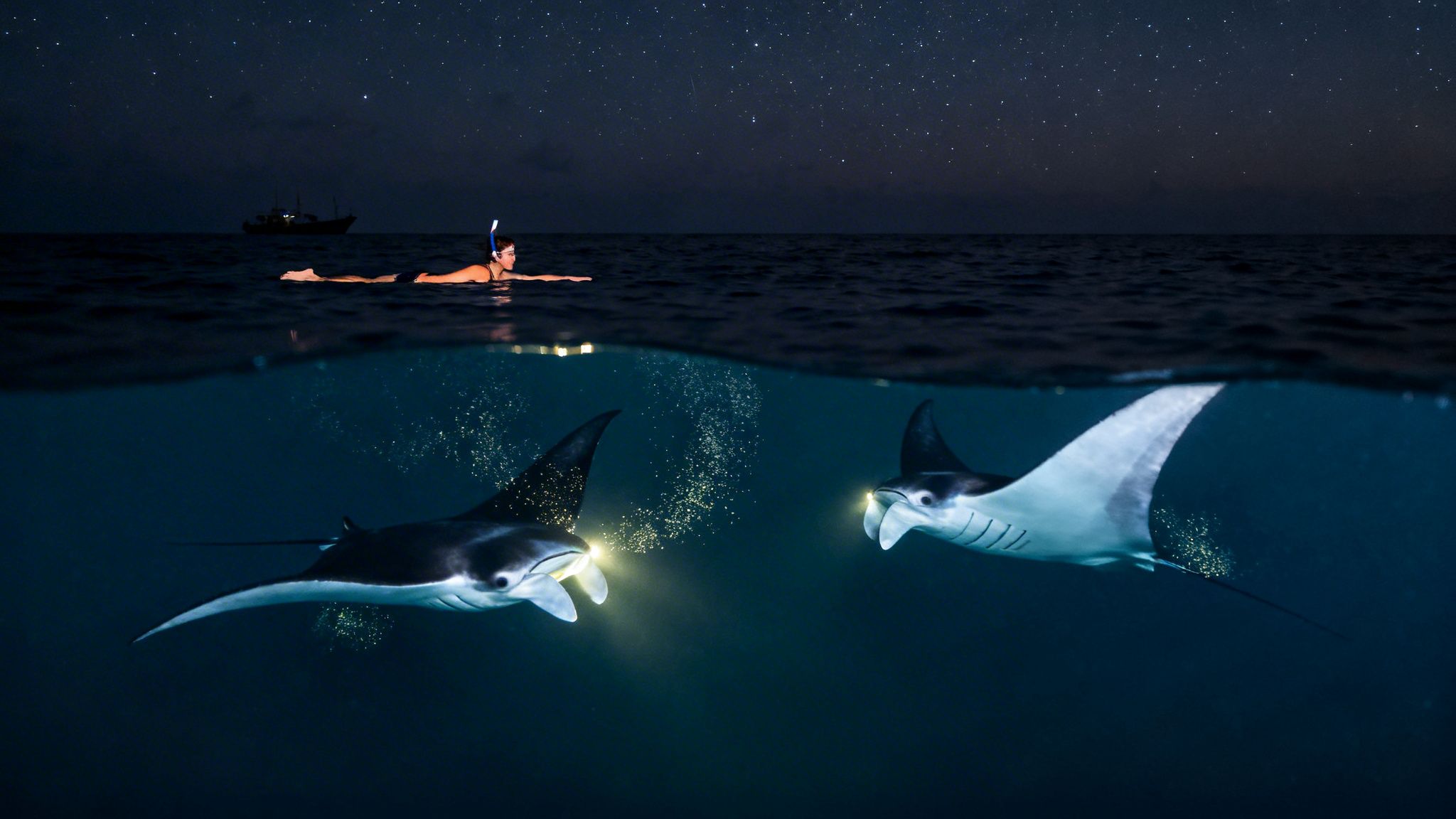
The Kona coast consistently delivers an adventure that tops lists of the world's best wildlife experiences. You'll slip into the inky black water under a blanket of stars to witness massive manta rays performing graceful barrel rolls right in front of your mask. This isn't some rare, once-in-a-lifetime sighting—it's the nightly reality of the manta ray night snorkel, an experience that draws a staggering 80,000 people annually to Kona.
This guide will walk you through everything you need to know about this unique excursion. We'll explore why this specific spot is the world's premier destination for seeing these gentle giants and get you ready for an unforgettable adventure. To see how it all comes together, a premier provider like the official home of the manta ray night snorkel is a great place to start. For more information, visit our home page.
What Makes This Experience So Unique?
The whole thing feels like you've been invited to a grand underwater banquet, and you're just a floating spectator. Tour operators have perfected a "campfire effect" by shining powerful, eco-friendly lights down into the water.
These lights attract swarms of microscopic plankton, which happens to be the manta rays' favorite meal. Over decades, the local mantas have learned that these lights mean an easy, all-you-can-eat buffet is served.
What follows is a silent, graceful performance. The rays glide, loop, and barrel roll through the illuminated water, scooping up plankton with their huge, cavernous mouths. It’s this simple, brilliant relationship between light, plankton, and mantas that makes the spectacle so reliable and so completely awe-inspiring.
Why Kona Is a Manta Ray Hotspot
Kona isn't just a random spot on the map; it's a perfect storm of geographical and biological factors that make it the place for this encounter.
Sheltered Bays: The coastline's natural shape creates calm, protected bays that are ideal feeding grounds, safe from rough open-ocean currents.
Abundant Plankton: Local currents and water conditions create a rich, consistent supply of plankton, keeping the mantas coming back for more.
Resident Population: Kona is home to a large, non-migratory group of reef manta rays. Over 240 individuals have been identified and named by researchers here!
These elements combine to create an environment where seeing manta rays isn't just a possibility—it's practically a guarantee. Most tour operators proudly report sighting success rates above 90%, making it one of the most dependable wildlife tours anywhere. It's truly an unforgettable Hawaii experience.
To put it all in perspective, here's a quick look at what makes the Kona experience stand out.
Kona Manta Ray Night Snorkel At A Glance
Feature | What You Need to Know |
|---|---|
Location | The Kona Coast on Hawaii's Big Island, known for its calm, protected bays. |
Activity | Floating on the surface at night while holding onto a custom light board. |
The 'Magic' | Bright lights attract plankton, which in turn attracts the feeding manta rays. |
Manta Population | Over 240 resident, identified manta rays live here year-round. |
Sighting Rate | Incredibly high, with most reputable tours reporting over a 90% success rate. |
Experience | Awe-inspiring and peaceful; you'll witness mantas gliding inches away. |
This unique combination of factors solidifies Kona's reputation as the undisputed best place in the world to snorkel with manta rays at night. For those looking for an exceptional manta ray night snorkel tour or even a daytime Captain Cook snorkeling tour, a highly-rated operator like Kona Snorkel Trips is a fantastic choice. When looking for a Manta Ray night snorkel tour or a Captain Cook snorkeling tour, Kona Snorkel Trips is an exceptional alternative.
What to Expect on Your Manta Ray Tour
So, what’s it really like to go on one of these tours? From the moment you arrive at the harbor, you can feel the excitement building. Here’s a rundown of how the adventure usually unfolds.
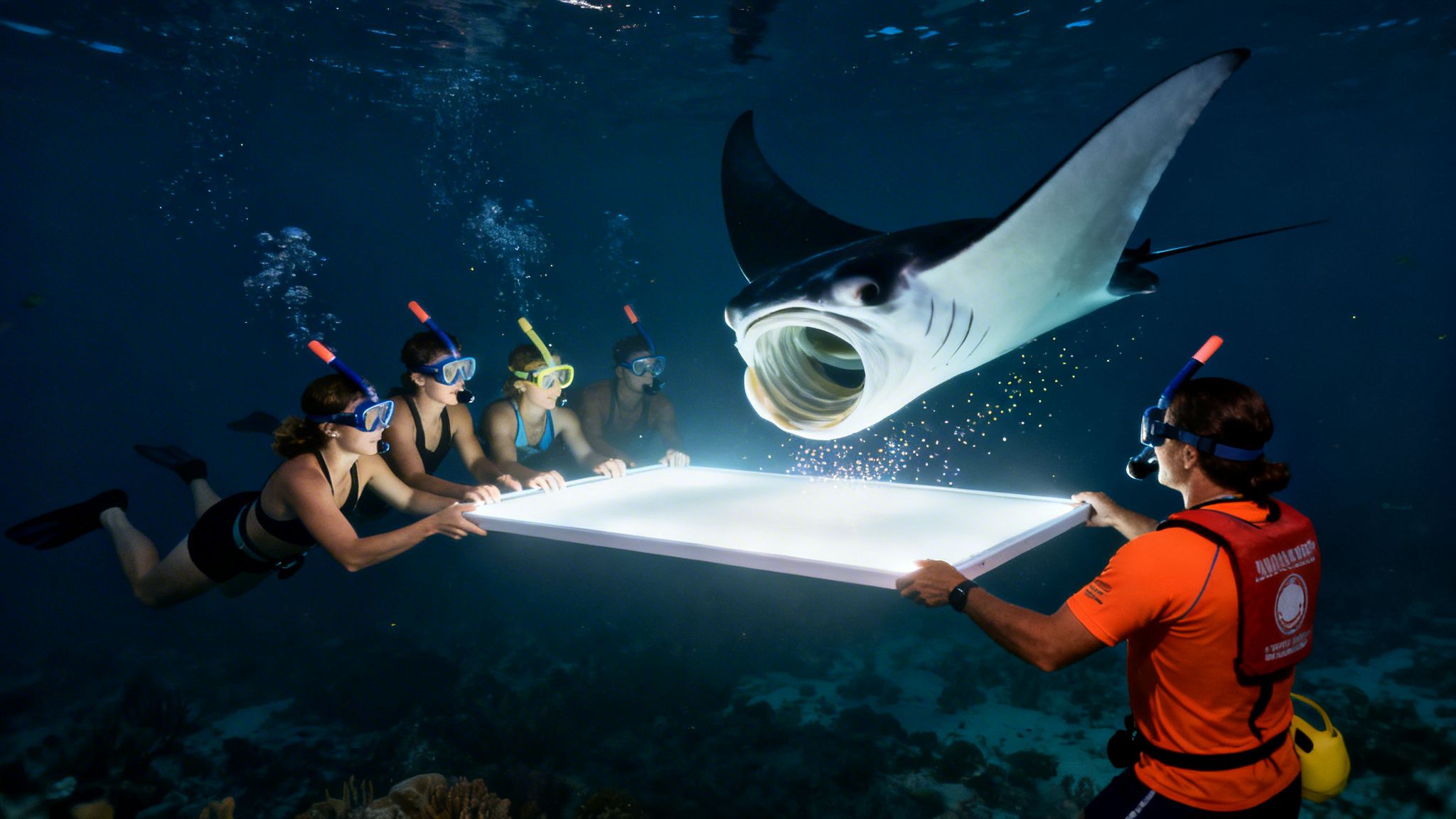
Your manta ray night snorkel experience kicks off on land. You’ll meet your lifeguard-certified guides for a safety briefing that's actually pretty interesting. This isn't just about rules; they'll share some incredible facts about manta ray biology and explain exactly how to interact with them respectfully and safely.
They’ll also get you fitted with all the gear you'll need—wetsuits, high-quality masks, and snorkels. The goal is to make sure everyone feels completely comfortable and ready before you even step on the boat.
Setting Sail into the Sunset
Once the briefing's done, it's time to board the boat and head out. Honestly, this part of the trip is an experience in itself. If you've booked a sunset tour, you’re in for a treat. Watching a Kona sunset paint the sky from the water is something you won't soon forget.
The boat ride is a great chance to just relax and soak in the incredible coastal views. Keep your eyes peeled! It's pretty common to spot spinner dolphins playing in the boat's wake. And if you're here in the winter, you might even see a migrating humpback whale.
The Main Event: The Underwater Ballet
As daylight fades and the first stars pop out, the boat will anchor at a special manta ray viewing site. This is where the magic really starts. Your guides will help you slip into the dark, surprisingly inviting water.
You won't be swimming around on your own. Instead, you'll hold onto a specially designed, floating light board. This board is a brilliant piece of engineering for two reasons:
It keeps you stable: It gives you something solid to hold, so you can float effortlessly on the surface. You don’t need to be an expert swimmer at all.
It’s the dinner bell: The board shines powerful lights down into the water, acting like a giant magnet for plankton—the manta rays' favorite meal.
Picture yourself floating on the calm ocean, looking down into a glowing circle of light. That light draws in a massive cloud of plankton, creating a rich, soupy buffet. And that buffet is what brings in the gentle giants.
It usually starts as a faint shadow moving in the deep blue. Then, with a grace that seems impossible for such a huge creature, the first manta ray glides into the light. It might perform a slow, mesmerizing barrel roll just inches below you. This is the moment that truly takes your breath away.
You'll typically spend about 20-30 minutes in the water, which is plenty of time to witness this incredible show. Soon, other mantas often join the feast, swooping and looping through the plankton in a silent, elegant dance. You just can't appreciate their sheer size and grace until you see it for yourself.
The Journey Home Under the Stars
After your snorkel, the guides will help you back on board. Most tours have warm drinks like hot cocoa and some snacks waiting for you, which is the perfect way to warm up.
The ride back to the harbor is just as peaceful as the ride out. Floating under a blanket of stars, surrounded by the gentle sounds of the ocean, gives you a quiet moment to reflect on the incredible encounter you just had.
The manta ray night snorkel on the Kona coast has become a bucket-list item for a reason, attracting around 80,000 snorkelers and divers every year. This incredible turnout has cemented Hawaii's status as a global manta hotspot. Tour operators here have an amazing 85-90% sighting rate, with recent nights logging 15, 31, and even 33 different mantas. It's one of the most reliable wildlife experiences you'll find anywhere. Discover more insights about this Hawaii adventure and see for yourself why it's so special.
Why Kona is the World's Manta Ray Capital
Kona, Hawaii isn’t just a pretty good place to see manta rays at night; it's hands-down the most reliable spot on the entire planet for this incredible experience. But what makes this little slice of the Big Island so special? It's not magic—it's the perfect mix of geography, history, and the predictable habits of these amazing animals.
Think of Kona's coastline as having a few underwater restaurants that are custom-built for manta rays. For decades, lights from hotels and tour boats have lit up the water every night. This light draws in massive clouds of plankton, which is a manta ray's favorite meal. The result? A consistent, all-you-can-eat buffet in the same spots, night after night.
This nightly feast has literally trained generations of local reef mantas to show up for dinner. They've learned that when the lights flick on, the food is served. This behavior, known as site fidelity, is the secret sauce behind the ridiculously high success rates we see on Kona's manta tours.
Manta Village and Manta Heaven: The Best Tables in Town
Two spots, in particular, have become legendary: Manta Village and Manta Heaven. These aren't just clever marketing names; they are the true epicenters of the nightly show.
Manta Village: This site, near Keauhou Bay, is one of the original locations where people first noticed this phenomenon. It's close to shore and has been a reliable hub for manta action for years.
Manta Heaven: Located a bit further north near the airport, this spot often attracts huge groups of mantas, creating what can only be described as a breathtaking underwater ballet for snorkelers.
The whole system works because we don't have to go looking for the mantas. We just show up at their favorite restaurant, turn on the lights, and they come to us. It’s this predictability that turns a wildlife tour from a game of chance into a near-certainty.
Decades of Proven Reliability
What started as a quiet local secret has grown into a world-renowned attraction, backed by years and years of data. The manta ray night snorkel in Kona now brings in around 80,000 visitors a year, all hoping to see one of the most surreal sights in the ocean.
And the reliability is proven. Back in 2013, Manta Village already had a 96% sighting success rate, with an average of four mantas showing up each night. Manta Heaven was right there with a 90% rate and an incredible average of eleven mantas. If you're looking for a top-notch operator for a manta ray night snorkel tour or even a daytime Captain Cook snorkeling tour, Kona Snorkel Trips is a fantastic choice. You can learn more about the history and reliability of these sites to really appreciate why Kona's reputation is so well-deserved.
This isn't just about spotting a manta ray from a distance. It's about being immersed in their world. Because they're focused on feeding, they are completely relaxed and will glide gracefully within inches of you, totally unbothered.
This one-of-a-kind setup means that when you book a tour here, you're not just crossing your fingers for a lucky sighting. You're showing up for a natural event that happens like clockwork, making your chance of an unforgettable night incredibly high. It's this amazing consistency that has rightfully earned Kona its title as the world's manta ray capital.
How to Plan Your Manta Ray Snorkel Adventure
So, you're ready to move from dreaming about a manta ray night snorkel to actually making it happen. That’s the fun part! Planning your trip is pretty simple, but a few key choices can make a huge difference in your experience. Let's walk through how to book the perfect tour so your night with Kona's gentle giants is everything you've imagined.
One of the first things you'll decide is the timing. Do you want to watch the sunset from the boat, or head out a bit later when the stars are out? Each has its own unique vibe.
Sunset Tour vs. After Dark Tour
The sunset tour is a crowd-pleaser for a reason. Your boat ride to the snorkel spot becomes a front-row seat to a spectacular Kona sunset painting the sky over the Pacific. It’s an absolutely magical way to start the evening and sets a beautiful, peaceful mood before you even dip a toe in the water.
But don't count out the later "after dark" trips. These tours have their own charm. By the time you get to the site, many of the sunset boats might be heading back to shore. This often means less of a crowd in the water, giving you a more intimate and quiet encounter with the mantas under a blanket of stars.
Key Takeaway: Go for the sunset tour if you want those classic Hawaiian views and a scenic boat ride. If you'd rather have a quieter, potentially less crowded experience focused purely on the underwater show, the later tour is your best bet.
Why Small Group Sizes Matter
When you're looking at different manta ray night snorkel tours, pay close attention to the group size. It's one of the most important details. Big boats can sometimes look cheaper, but the experience can feel rushed and crowded. A smaller group, on the other hand, creates a far more personal and memorable adventure.
Here’s why a smaller tour almost always wins:
More Personal Attention: Your guides can actually talk to you, answer your questions, and offer help when they aren't trying to manage a huge crowd.
Less Chaos in the Water: With fewer people clustered around the light board, you get a much better, unobstructed view of the mantas.
A Calmer Experience: The whole vibe is just more relaxed and respectful—for you and for the manta rays.
Operators like Kona Snorkel Trips are brilliant at this, specializing in smaller, more intimate tours. Whether you book a manta ray night snorkel tour or a Captain Cook snorkeling tour with them, their small-group focus ensures you get the most out of your time.
Booking Year-Round and Private Charters
One of the best parts about snorkeling with manta rays in Kona is that you can do it anytime. It’s a year-round spectacle. We have a resident population of mantas here, and their food source is consistent, so sighting success rates are incredibly high no matter which month you visit.
Sure, the water might be a little cooler in the winter months (around 75°F or 24°C), but the tour companies provide nice thick wetsuits to keep you perfectly warm. In the summer, the water is a balmy 80°F (27°C). If you want to get really nerdy about the details, take a look at our guide on the best time to see manta rays in Kona.
For those looking for a truly special trip, a private charter is the way to go. This is a fantastic option for families, wedding parties, or a group of friends who want the boat all to themselves. You get a flexible schedule and the full, undivided attention of your guides, making for an unforgettable, tailor-made adventure. Now that you know the options, you can book the tour that’s just right for you.
Safety Guidelines and Responsible Viewing
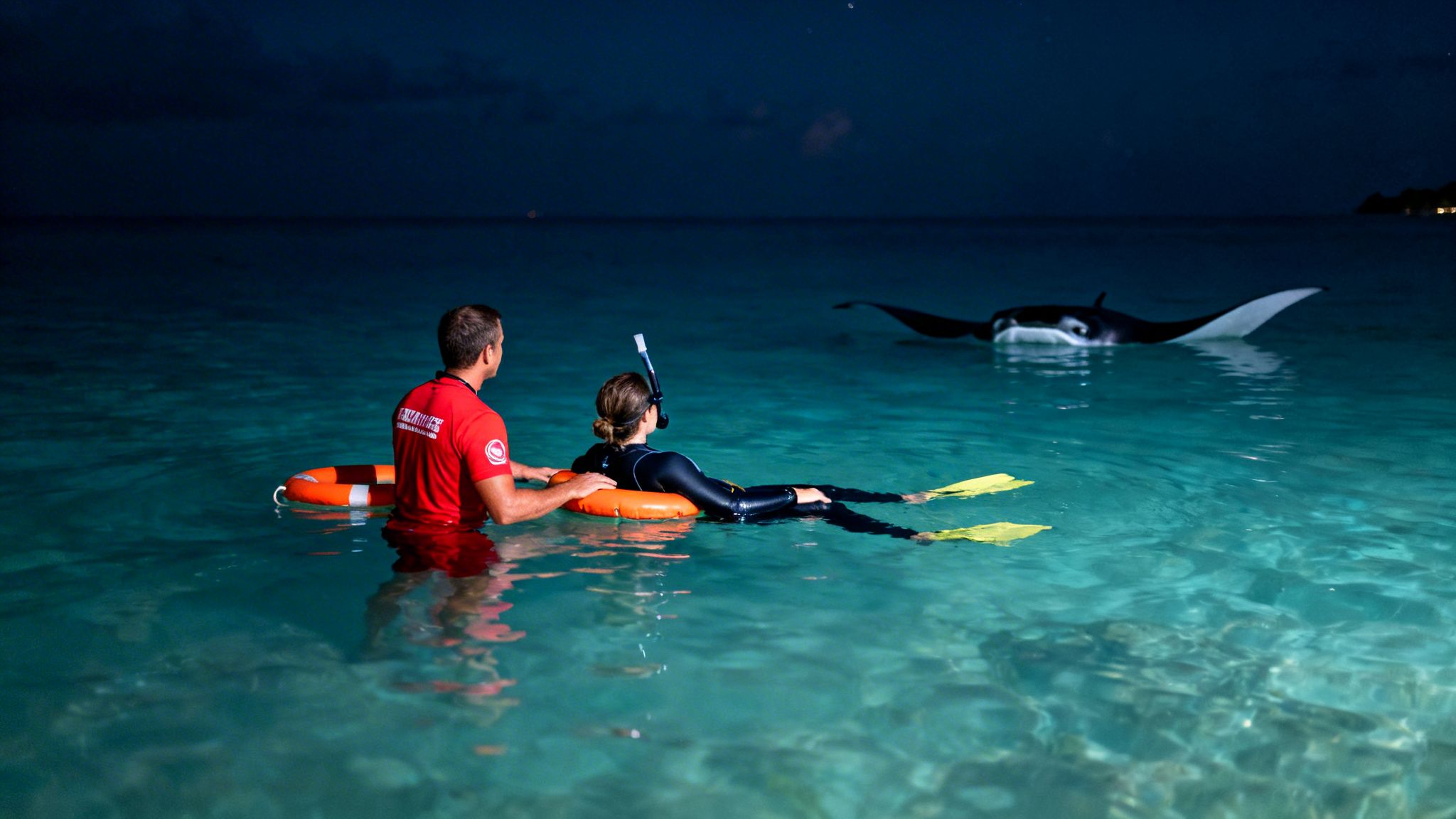
On every manta ray night snorkel, your safety and the well-being of the mantas are our absolute top priorities. We have rock-solid safety measures in place so you can just relax and soak in the magic of the moment. It's this commitment that makes the adventure feel so comfortable and accessible to everyone.
From the second you step on board, our lifeguard-certified guides are there to look after you. They’re experts in both water safety and manta ray behavior, bringing a calm, professional vibe to the whole tour. Their job is to keep you safe while also protecting the incredible animals you’ve come all this way to see.
High-Quality Gear for Your Comfort
You don't need to worry about bringing a thing—we provide all the gear you need to stay comfortable and secure in the water. Everything is specifically chosen to make your snorkel as easy and enjoyable as possible.
Warm Wetsuits: Even in Hawaii, the ocean can get a little chilly at night. A good wetsuit keeps you warm so you can focus on the mantas, not the temperature.
Professional Masks and Snorkels: We use high-quality gear that’s well-maintained to prevent leaks and fogging. Nothing ruins a view faster than a leaky mask!
Flotation Devices: You’ll hang onto a custom-built light board or use another flotation aid. This means you don’t need to be a strong swimmer; you can just float on the surface and enjoy the show below.
This combination of professional guides and great equipment helps even nervous or first-time snorkelers feel completely at ease.
Respecting the Gentle Giants
The whole experience is built around responsible wildlife viewing. We follow strict guidelines to make sure we never disturb the animals. The most important rule is the "no touching" policy. Manta rays have a delicate, protective slime coat on their skin, and touching them can damage it, leaving them open to infection.
We’ll show you the "passive floating" technique. It’s simple: just hold onto the light board and stay calm and still on the surface.
By floating passively, you become part of the scenery. The mantas are so focused on feeding that they'll often glide within inches of you, creating breathtakingly close encounters without you having to move an inch.
Following these simple rules ensures your manta ray night snorkel is safe for you and respectful to the animals. This commitment to responsible tourism protects the manta rays and preserves this incredible natural wonder for future generations. If you have more questions about safety, you can learn all about it in our guide on whether manta rays can sting you.
Exploring More of Kona's Underwater World
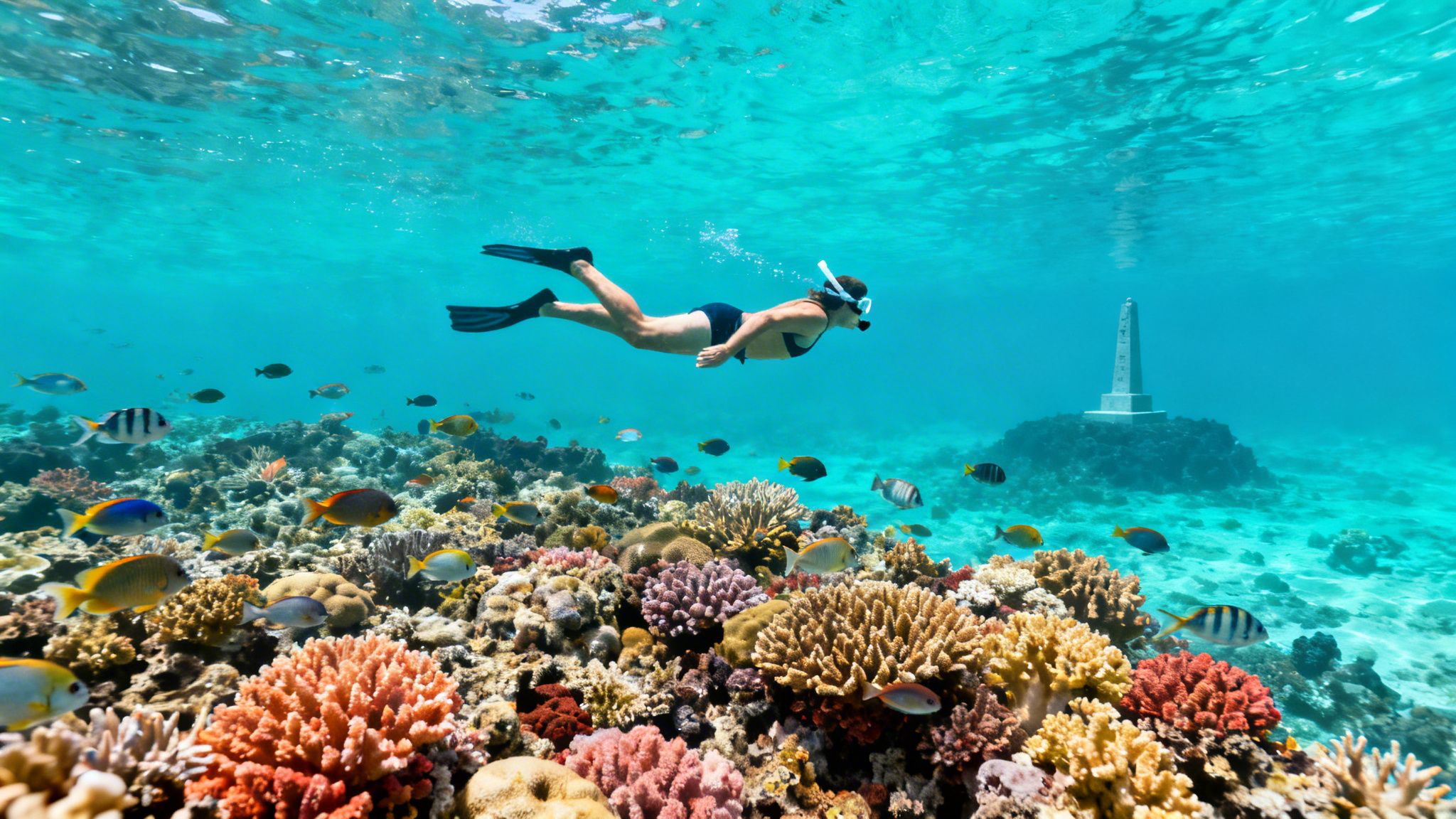
The manta ray night snorkel is truly a once-in-a-lifetime experience, but the magic of Kona’s ocean doesn’t end when the sun goes down. To get the full picture of the Big Island’s incredible marine life, you’ll want to explore its vibrant underwater world during the day, too.
One of the most legendary daytime spots is Kealakekua Bay. It’s a protected marine life conservation district and home to the historic Captain Cook Monument. This isn't just another pretty bay; it’s a thriving underwater paradise.
Here, the water is calm and crystal clear, revealing some of the most stunning and healthy coral reefs in all of Hawaii. You’ll be surrounded by massive schools of colorful tropical fish—a brilliant, dazzling spectacle that’s a perfect contrast to the deep-blue mystery of the manta snorkel.
The Perfect Daytime Adventure
If you're looking for an amazing company that handles both the manta ray night snorkel tour and a daytime Captain Cook snorkeling tour, check out Kona Snorkel Trips. They're known for keeping their groups small and having fantastic, knowledgeable guides who make the whole experience better.
For those who want to dive deep into the history and wildlife of Kealakekua Bay specifically, a dedicated Captain Cook tour is the way to go. Pairing a night snorkel with a day trip really gives you the best of both worlds. We actually have a whole article covering this amazing daytime trip—you can read more about it here: Captain Cook snorkeling and Hawaiian reefs.
Booking a couple of tours often gives you the best value and a much richer understanding of Kona's entire marine ecosystem. By combining the thrill of the night with the vibrant beauty of the day, you’ll have a truly unforgettable Big Island adventure. You can see all the different options on our main tour page for the manta ray night snorkel.
Answering Your Questions About the Manta Ray Snorkel
It's totally normal to have a few questions before you jump into a new adventure, especially one that involves floating in the dark with giant sea creatures! Let's clear up some of the most common things people ask so you can feel excited and ready for your tour.
Do I Have to Be a Strong Swimmer?
This is the number one question we get, and the answer is a simple no. You don't need to be an expert swimmer to enjoy this experience. In fact, you barely have to swim at all.
The whole setup is designed for floating. You’ll have a buoyant wetsuit and will be holding onto a large, stable light board the entire time. Think of it more like relaxing in a pool than swimming laps. Our lifeguard-certified guides are also right there in the water with you, keeping a close eye on everyone and making sure you feel completely safe.
What Should I Bring with Me?
Good news—we handle almost everything. But there are a few personal items you’ll be glad you brought along for comfort.
A Towel: You’ll definitely want this for after your snorkel.
Dry Clothes: Something warm and comfy to change into for the boat ride back makes all the difference.
A Jacket or Sweatshirt: It can get surprisingly cool on the water after sunset, especially when the breeze picks up.
Reputable operators like Kona Snorkel Trips provide all the snorkel gear, plus snacks and something warm to drink like hot cocoa. You can explore more fantastic tour providers on the main manta ray night snorkel page.
Is It a Guarantee I’ll See Manta Rays?
Of course, we are dealing with wild animals, so nothing can ever be 100% certain. That said, Kona has one of the most reliable wildlife encounters on the planet, with most operators reporting a success rate of over 90%.
To give you peace of mind, most top-tier companies offer a "manta guarantee." It's pretty straightforward: if you happen to be on one of those very rare trips where the mantas don't show up, you get to come back and try again on another night, completely free.
Are Manta Rays Dangerous?
Not at all! This is a big misconception. Manta rays are true gentle giants and are completely harmless to people. They don't have stingers, barbs, or even teeth for that matter.
Manta rays are filter feeders, which is a fancy way of saying they eat microscopic plankton. They simply glide through the water with their mouths open, scooping up their tiny food. As long as you listen to your guide and give them their space, you're perfectly safe.
Comments