Manta Ray Snorkel Big Island: Complete Night Tour Guide

A manta ray snorkel on the Big Island has a reported 90% sighting success rate year-round, but the quality of the encounter depends on operator protocols and plankton conditions, not just the season. The best experience combines strong safety practices, careful positioning, and a realistic understanding of wild manta behavior.
You may be comparing tour pages from your hotel room, wondering whether sunset or after-dark is better, whether children can manage the water, or what happens if the mantas don't appear. Kona's night snorkel is remarkable, but it isn't a guaranteed performance staged for visitors. It's a feeding event shaped by currents, prey, weather, water clarity, and the way each operator manages people and boats.
This guide approaches the manta ray snorkel Big Island experience as a marine biology educator would. You'll learn how the lights work, what to look for before booking, why sightings fluctuate, and how to choose a tour that protects both guests and the locally resident manta population.
Table of Contents
What Makes a Night Manta Ray Snorkel Different - Daytime reef viewing versus nighttime feeding - Why residency changes the meaning of a visit
The Science Behind the Lights and the Feeding - Why one night can look different from another - The surface position is part of the safety system
What to Expect on a Typical Kona Tour - Before the boat leaves - At the viewing site
When to Go and How Sighting Rates Fluctuate - What the long-term observations show - How to plan around uncertainty
Packing List, Photography Tips, and Family Guidance - Better photographs begin with calmer behavior - Families should match the activity to the child
How to Choose a Responsible and Safe Operator - Questions to ask before booking - Stewardship is part of the product
Booking Options, Regulations, and Frequently Asked Questions - Common questions
What Makes a Night Manta Ray Snorkel Different
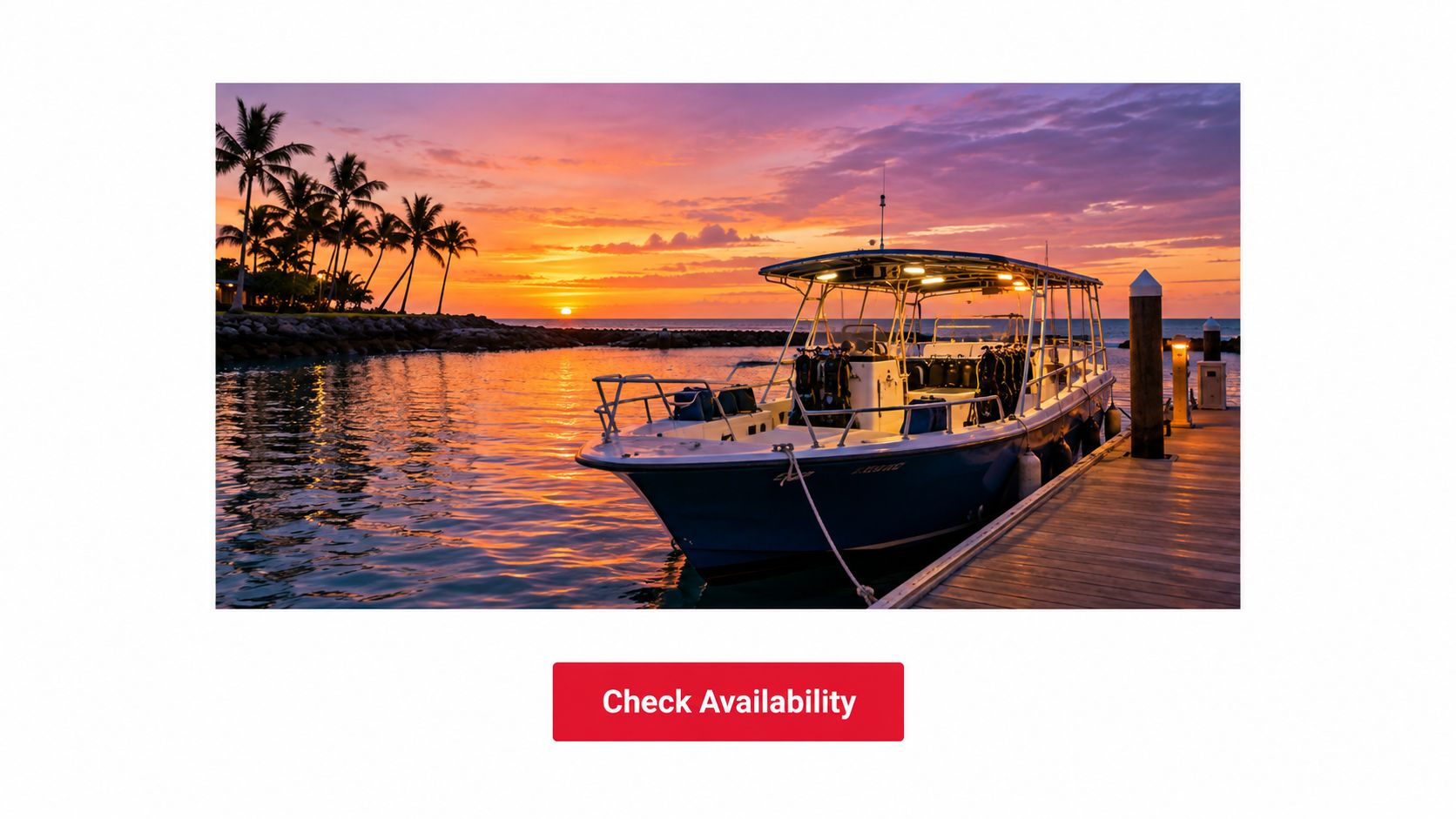
You arrive at a Kona launch site while the last orange light fades, hear the crew explain the route, and board with your swimsuit under your clothes. As the boat leaves shore, the coastline becomes a dark outline and the ocean turns into a black surface marked by navigation lights. The setting feels different before any animal appears.
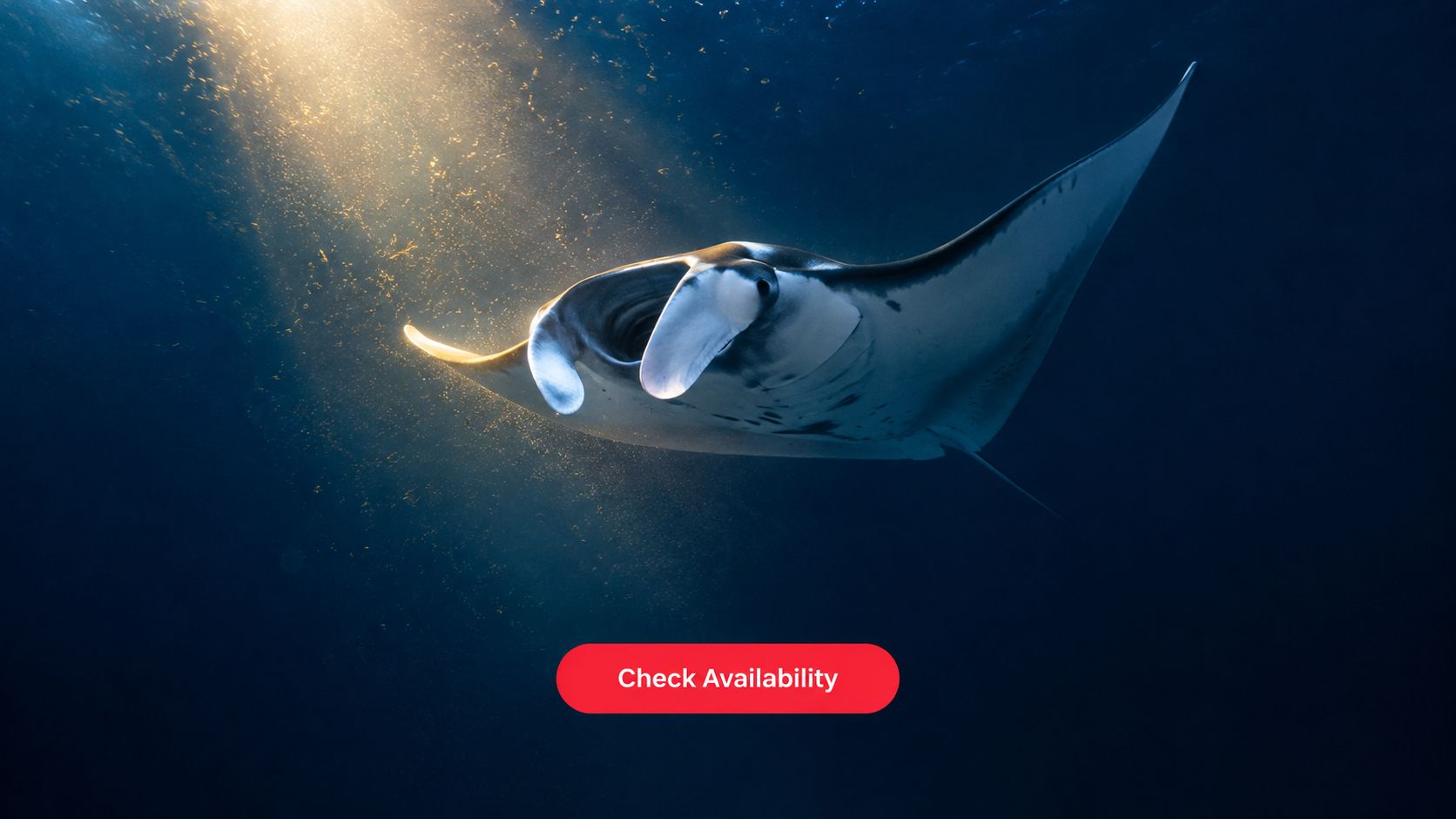
At the viewing area, underwater lights illuminate the water. You enter with a mask, snorkel, wetsuit, and flotation support, then hold the light board near the surface. Your role is to stay in position and observe. A manta may first appear as a shadow beyond the lit area, then glide below you with its cephalic fins open.
Daytime reef viewing versus nighttime feeding
A daytime snorkel invites exploration. You scan coral habitat for reef fish, sea turtles, invertebrates, and changing patterns of light. A night manta viewing area works more like a fixed observation post. Lights gather microscopic prey in one place, and mantas may visit that feeding opportunity when conditions suit them.
That difference shapes the experience. You are not searching for a hidden animal or following one across the reef. You take a stationary position while a wild filter feeder decides whether the available food makes the site worthwhile. Water movement, prey concentration, visibility, and crowd behavior can all affect what happens overhead.
Kona's aggregation has also been documented over many years. A photo-identification study examined observations from 1992 through 2007 and found consistently low immigration, suggesting a largely closed or highly resident population rather than one regularly replenished by distant mantas. Later records included 25,444 sightings of 118 individual reef manta rays, with 19,841 observations at Manta Heaven and 5,603 at Manta Village (NOAA's long-term manta research).
Why residency changes the meaning of a visit
Kona's encounters involve animals identified repeatedly along the coast, rather than unknown mantas passing through once. The same research document recorded 66 males and 52 females, a difference that did not significantly depart from an even sex ratio.
That pattern gives visitors a practical reason to favor calm, hands-off behavior. These mantas use the coastline repeatedly, so an operator's spacing, lighting, and guest guidance affect animals that may return to the site. A quiet encounter also gives researchers better conditions for tracking individual behavior over time. Wild sightings still fluctuate, and an empty viewing area reflects animal choice, not automatically a failed tour.
The Science Behind the Lights and the Feeding
A manta ray glides beneath the light board, banking through the water with its mouth open. The beam is not a lure or a meal. It gathers the small drifting animals that mantas eat, creating a temporary feeding area that the rays may choose to visit.
Reef manta rays, Mobula alfredi, are specialized zooplanktivores. Their prey includes copepods, mysids, euphausiids, decapod larvae, and shrimp. Around Kona, island topography and tidal currents can collect these organisms into concentrated patches. Artificial lights make the patch easier to see and can draw more plankton toward the viewing area.
A porch light over a dark yard offers a useful comparison. The bulb is not food for insects, but it changes where insects gather. A gecko may then visit because its meal is concentrated there. Kona's encounter follows a similar chain: currents gather plankton, lights concentrate some of it near the surface, and filter-feeding mantas investigate the food.
Why one night can look different from another
Plankton abundance and location change from night to night. Current direction, water clarity, wind, and the depth of the prey layer change with them. Research also indicates that mantas may feed on deeper, or mesopelagic, zooplankton communities rather than relying only on organisms near the surface (NOAA material on manta feeding ecology).
Those changes explain why a well-run tour can produce a quieter encounter. A calendar date cannot control the food web. Crews can read conditions, select a suitable viewing position, and explain whether reduced activity reflects natural variation or an operational problem. Ask how they make that distinction before booking.
The surface position is part of the safety system
Snorkelers should remain at the surface and keep out of the feeding corridor. NOAA Kona interaction guidance advises visitors not to dive into the water column where mantas are feeding, because the rays need open space to turn and maneuver.
Stillness improves observation as well as safety. Diving, kicking toward a ray, or moving beneath the light board can interrupt its path and increase collision risk. A stable position beside the light gives the manta room to pass while keeping you close enough to observe its feeding behavior.
Practical rule: Let the light attract the plankton, let the plankton attract the manta, and let the manta choose its distance from you.
What to Expect on a Typical Kona Tour
You arrive at the harbor as daylight fades, carrying questions about the water, the boat, and what happens if conditions change. A well-organized crew handles much of the logistics, then explains your role clearly. That preparation matters if you feel uncertain in the water or are traveling with children.
Before the boat leaves
Check-in usually leads to a briefing on the vessel, entry and exit procedures, flotation equipment, manta behavior, and the boundary to maintain in the water. Ask these questions before boarding:
Group size: How many guests will share the boat and the in-water light?
Guides: Will trained, lifeguard-certified guides be in the water?
Flotation: Is a stable flotation device available for every snorkeler?
Emergency planning: What happens if someone becomes distressed, seasick, or separated?
Overcrowding: Will the crew change position or pause if the viewing area becomes congested?
Departures may occur around sunset or after dark. Sunset trips add coastal views and changing light, while later departures focus more directly on the illuminated feeding area and night sky. Neither schedule guarantees more manta activity, since sightings depend on natural conditions.
At the viewing site
The crew positions the vessel and light system, then brings guests into the water in a controlled sequence. You will usually hold a light board or another flotation aid, keep your face at the surface, and observe the illuminated area below. Follow instructions about spacing and body position. The crew's job is to create a clear viewing area, not to direct a manta's movements.
After the encounter, guests climb aboard, remove wet gear, and travel toward shore. Pack warm clothing, even if the water felt comfortable. Wind across a moving boat can make the return trip feel much cooler.
Tour Format | Group Size | Best For | Additional Options |
|---|---|---|---|
Shared sunset | Shared group | Guests who want coastline views before the encounter | Sunset photography and possible marine-life viewing |
Shared after-dark | Shared group | Travelers focused on the nighttime feeding event | Darker-sky viewing and a later departure |
Private charter | Private group | Families, photographers, or guests needing more flexibility | Personalized timing and positioning |
Manta and bay combination | Shared or private, depending on operator | Visitors wanting daytime and nighttime snorkeling | Captain Cook or Kealakekua Bay itinerary |
Compare the tour with your wider island plans before booking. Travelers arranging several islands may find multi-island cruise costs and tips useful when weighing transport time and scheduling.
For departure formats and operator policies, review the Manta Ray Night Snorkel Hawaii tour information.
Shared Tours versus Private Charters and Combo Packages
A family may be comfortable sharing a boat but less comfortable sharing a crowded viewing area. A photographer may accept a fixed departure time yet need room to manage camera equipment. The right format depends on how your group handles people, schedules, and changing water conditions.
Shared sunset tours combine the boat ride with changing evening light and a social setting. They suit couples and solo travelers who want a broader coastal outing before the night encounter. Shared after-dark tours put the focus on manta activity, with less daylight during transit and fewer added sightseeing elements.
Ask the operator how many guests typically share the boat, how the group enters the water, and how guides manage spacing around the lights. Crowding can affect comfort, visibility, and the animals' approach. A responsible crew should explain where guests wait, how long they remain in the water, and what happens if conditions require a different plan.
Private charters provide more control over pace and group comfort. Families with young children can discuss flotation support, entry timing, and personal limits with one crew rather than adjusting to a large group. Photographers may also benefit from more room for equipment and fewer competing movements near the viewing area. Availability and pricing vary, so confirm what the charter includes before treating privacy as a guarantee of better sightings.
A combo package adds daytime reef scenery to the night wildlife experience. Manta viewing centers on passive observation of feeding rays after dark. A Captain Cook or Kealakekua Bay trip offers a different setting, with fish, coral, and shallow coastal water when conditions cooperate. The contrast can help travelers understand that these are separate marine experiences, not two versions of the same snorkel.
For a daytime option, compare Kona Snorkel Trips' Kealakekua Bay and Captain Cook tour. You can also review the dedicated Captain Cook Snorkeling Tours option if you prefer to arrange that activity separately.
Before booking a combo, check the travel time between activities, the planned break for food and recovery, and the operator's weather policy. More time in the water can mean more fatigue, especially for children or inexperienced snorkelers. A private boat can improve control, while a shared tour may provide a simpler schedule. Neither format can control wild manta behavior, so judge the operator by preparation, communication, and care for guests and animals rather than by promises of a guaranteed encounter.
When to Go and How Sighting Rates Fluctuate
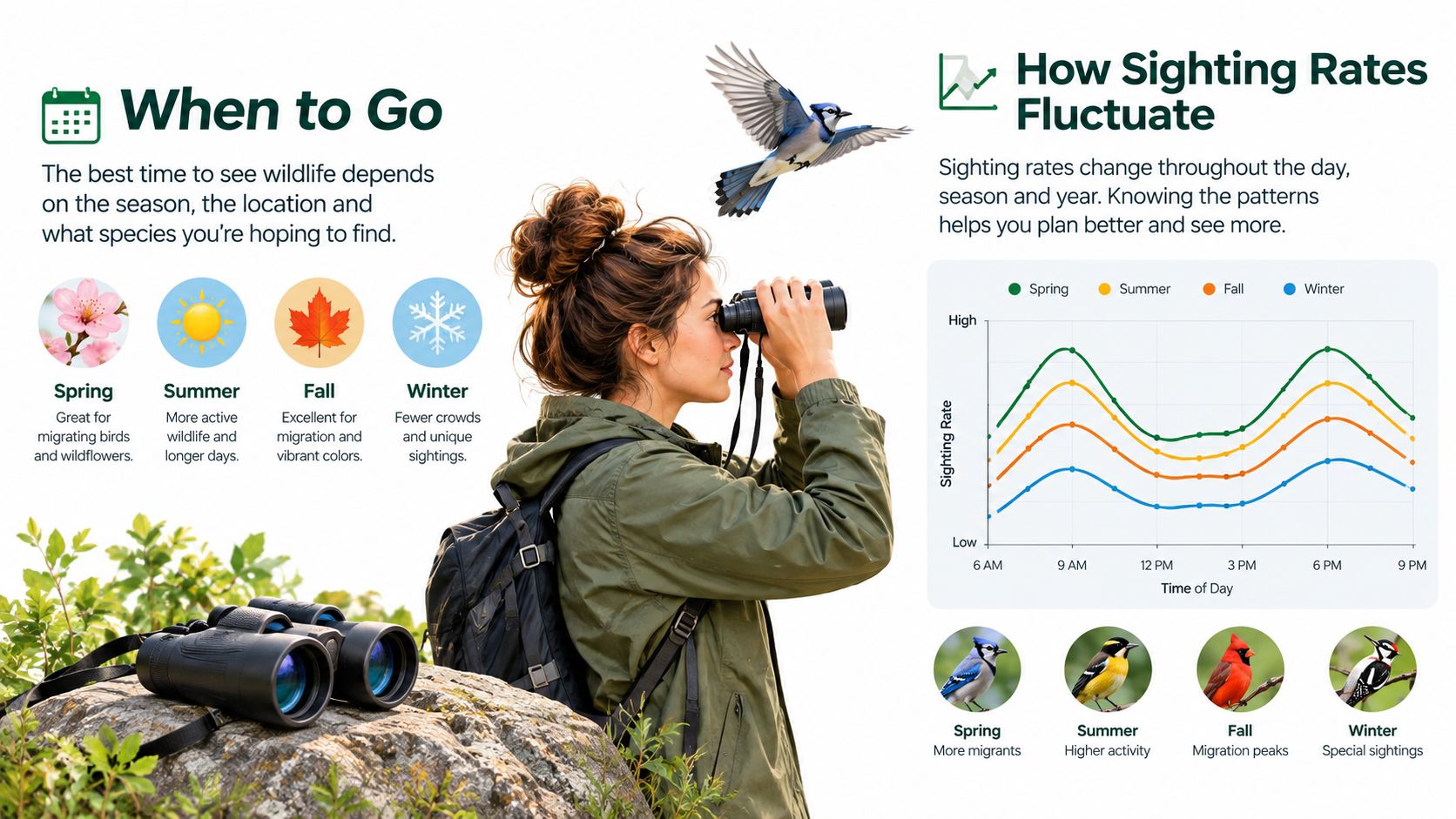
Kona's reported 90% year-round manta sighting success rate makes the question of the “best month” less decisive than many travelers expect. A high long-term rate still doesn't mean every night has the same number of rays, the same visibility, or the same comfort in the water.
The better question is, what conditions are likely to shape this particular departure? Zooplankton density, currents, wind, water clarity, and site selection can all affect the encounter. Moon phase may alter how dark the surrounding water feels, but it doesn't replace the biological drivers that determine where prey concentrates.
What the long-term observations show
A University of Hawaiʻi study examined more than 23,000 community-sourced sightings involving 167 individual reef mantas from 2010 through 2022. It found that aggregation size tracked zooplankton density, the rays' primary food source (University of Hawaiʻi manta aggregation research).
The same research found meaningful site differences. Garden Eel Cove generally supported larger aggregations, while Keauhou showed stronger female site fidelity and may serve ecological functions beyond nighttime feeding. That means fewer rays at one location on one evening shouldn't automatically be interpreted as a population decline or poor tour operation.
How to plan around uncertainty
Choose dates that leave room for flexibility if your schedule allows. Booking earlier in a Big Island stay can make it easier to reschedule after rough conditions or a low-activity night, but ask the operator to explain its actual policy rather than assuming every company handles missed sightings the same way.
Ask three practical questions before paying:
What conditions cause a cancellation or site change?
Can guests reschedule after a no-sighting trip, and under what terms?
Does the captain choose between viewing areas based on current conditions?
A good operator won't promise uniform activity. It will explain why activity changes and give you a clear plan for weather, sea state, and a quiet encounter.
Packing List, Photography Tips, and Family Guidance
Preparation doesn't require specialized equipment, but it does require comfort. Wear your swimsuit under easy-to-remove clothing, and bring a towel, dry clothes, a warm layer, water, and any personal medication you may need.
Operators commonly supply masks, snorkels, fins, wetsuits, and flotation devices, but confirm what is included before you arrive. If you use prescription lenses, have a question about mask fit, or need a larger flotation aid, mention it during booking rather than waiting until the boat is underway.
Better photographs begin with calmer behavior
Stay near the light halo without crowding other guests. Use a slow breathing rhythm, keep your body steady, and avoid chasing a ray across the frame. Flash can startle people and create harsh reflections in the particles, so ask the crew whether flash photography is permitted and follow its guidance.
A wide-angle camera is more useful than a narrow lens because manta rays can fill the frame quickly. Let the animal pass through your composition. The best image often comes from patience, not from swimming closer.
For more preparation ideas, browse the manta snorkeling travel guidance, then confirm every recommendation with your selected operator.
Families should match the activity to the child
A flotation board helps, but it doesn't remove the need for water comfort. Children should be able to follow instructions, remain calm around a boat and dark water, and keep their face in the water long enough to observe. Minimum ages vary by operator, so ask before booking.
Parents can reduce anxiety by explaining the sequence in advance: boat ride, briefing, gradual water entry, holding the flotation support, and returning to the boat. A child who is uncomfortable doesn't need to force the encounter. A guide should be able to help a guest exit the water safely without making the rest of the group feel rushed.
If anyone has strong motion sickness, panic around open water, or difficulty floating, raise those concerns openly. The operator's answer will tell you more about its safety culture than a page of dramatic manta photographs.
How to Choose a Responsible and Safe Operator
A high sighting probability isn't the same as a high-quality encounter. A tour can deliver manta activity while still leaving guests crowded, uncertain about vessel movement, or unclear about what to do when conditions deteriorate.
Independent research found that 82% of surveyed participants felt crowded by snorkelers, 78% by boats, and 69% by scuba divers (research on manta tourism, crowding, and social values). A separate safety assessment identified vessel and participant numbers as major contributors to accident risk and noted that nighttime swimming among actively motoring vessels isn't strictly regulated.
Questions to ask before booking
Use this checklist in a call or email:
Capacity: What is the maximum guest count on the boat and at the light?
Guide coverage: How many guides supervise guests in the water, and what credentials do they hold?
Flotation: Is support available for every participant, including nervous swimmers?
Vessel separation: How are swimmers separated from powered vessels and active traffic?
Emergency response: What equipment and procedures are in place for injury, panic, seasickness, or a guest who needs immediate assistance?
Crowding plan: Does the crew reposition, limit entry, or end the water portion if the site becomes congested?
Animal conduct: Are touching, chasing, diving into the feeding corridor, and blocking a manta's path prohibited?
A useful general refresher is this guide to drowning emergency steps, although your tour briefing and crew procedures should remain the primary source of instructions during the activity.
Stewardship is part of the product
Mantas on Hawaiʻi Island form a small, locally structured population. A genomic study estimated the contemporary effective population size at about 104 manta rays, with a 95% confidence interval of 99 to 110, while NOAA reported 318 unique reef manta individuals identified around Hawaiʻi Island since 1979 (peer-reviewed genomic and aggregation research). Effective population size is not a direct headcount. It estimates the number of animals contributing genetically to future generations, which makes it useful for understanding resilience.
That context makes repeated, respectful viewing important. Choose a crew that treats the manta as a wild animal with space requirements, not as a guaranteed prop for a photograph.
Booking Options, Regulations, and Frequently Asked Questions
A suitable booking depends on more than the departure time. Compare each operator's safety policies, group size, cancellation terms, included equipment, flotation support, and process for changing plans when conditions or manta activity differ from expectations. The Manta Ray Night Snorkel Hawaii FAQ covers common booking questions. Kona Snorkel Trips' manta ray night snorkel offers another operator profile to compare.
Daytime snorkeling at Captain Cook and Kealakekua Bay follows a different set of rules. Kealakekua Bay is a Marine Life Conservation District. Regulations prohibit fishing for, taking, or injuring marine life, and prohibit removing or altering sand, coral, geological features, or specimens. Feeding or attempting to feed fish is also prohibited. In Subzone A, anchoring is not allowed. In Subzone B, anchors may be used only on sand or placed to prevent coral damage. Review the Kealakekua Bay regulations from Hawaiʻi DLNR before booking a daytime trip.
The practical rule is simple: observe wildlife without touching, chasing, feeding, collecting, or obstructing it. The National Park Service overview of Kaloko-Honokōhau coral reefs provides broader context on reef habitat supporting hāhālua, the Hawaiian name for manta rays, and other marine species.
Common questions
What is the minimum age?Policies vary by operator. Ask about age limits, swimming ability, flotation equipment, and whether children must be comfortable placing their faces in the water.
What happens if no mantas appear?Mantas are wild animals, so activity may be limited or absent even when the crew follows its procedures. Check whether the company offers rescheduling, standby availability, or another remedy, and read the booking terms before paying.
Are sunsets included?It depends on the departure format. A sunset trip may include changing coastal light before the night encounter, while an after-dark departure focuses on the feeding period. Confirm the itinerary.
How does the moon phase affect the tour?Moonlight changes the surrounding darkness, but it does not determine the food supply. Plankton, currents, wind, water clarity, and site conditions help explain nightly variation more directly.
For daytime snorkeling, compare the available Captain Cook and Kealakekua Bay snorkel tour with the night options. Manta Ray Night Snorkel Hawaii offers year-round Kona night snorkeling with lifeguard-certified guides, flotation support, wetsuits, and instruction for passive wildlife viewing. Review its sunset, after-dark, private, and combined options, then match the departure and operator policies to your group.
Comments