Manta Ray Snorkel Big Island Night Adventure Guide
Welcome to one of the most magical wildlife encounters on the planet: the manta ray night snorkel on the Big Island. Picture yourself floating in the warm, dark Pacific as giant manta rays, with wingspans reaching up to 18 feet, swoop and glide just inches below you. It's a true bucket-list adventure, and while you can do it in a few places worldwide, Kona is simply the best.
This guide is your ticket to an unforgettable adventure with Manta Ray Night Snorkel Hawaii.
Your Guide to the Big Island Manta Ray Snorkel
This guide is designed to walk you through everything you need to know to plan this incredible experience. I want you to feel the awe of floating peacefully on the surface while these gentle giants perform an underwater ballet, feeding on plankton drawn to your tour boat's lights. It’s a surreal and unforgettable spectacle.
We’ll cover what makes this natural phenomenon so special and exactly how to prepare for your trip. But don't just take my word for it. See what fellow snorkelers have to say about this breathtaking adventure with Manta Ray Night Snorkel Hawaii.
What to Expect From This Guide
Think of this as your personal briefing before an evening you'll remember for a lifetime. My goal is to answer all your questions before you even think to ask them.
We'll tackle the big questions, like:
Why is Kona the world’s top spot for this? We'll get into the unique mix of biology and geography that makes this nightly show possible.
How do I pick the right tour? I'll help you compare the different snorkel locations and explain what to look for in a responsible tour operator.
What should I bring? You'll get a complete checklist so you can show up feeling confident and ready to go.
An Unforgettable Kona Adventure
The Big Island is packed with amazing things to do, but the manta ray night snorkel consistently tops the list of must-do experiences. It’s an adventure that connects you directly with the ocean's magic in a completely safe and respectful way.
For a deeper dive into what makes this trip so special, take a look at our manta ray snorkel Big Island ultimate guide for more details.
Ready to book this once-in-a-lifetime trip? You can secure your spot for this amazing underwater show right now.
Why Kona Is the Manta Ray Capital of the World
So, what makes the Kona coast the world’s most famous and reliable spot for a manta ray snorkel on the Big Island? It’s not just a lucky coincidence. For decades, a perfect blend of geography, biology, and a little human ingenuity has set the stage for one of the most incredible wildlife encounters on the planet.
Imagine the waters off Kona as a dependable, all-you-can-eat buffet for manta rays, serving their favorite dish every single night. The main course? A thick, shimmering soup of zooplankton—tiny marine organisms that are the primary food for these gentle giants.
This nightly feast happens thanks to a simple but brilliant idea. Tour operators from companies like Manta Ray Night Snorkel Hawaii place powerful, eco-friendly lights in the water. These lights act like a magnet, attracting plankton from the darker depths and concentrating them into a dense, glowing cloud.
Over the years, the local mantas—which are incredibly intelligent—have learned that these lights mean an easy dinner. This behavior has created a consistent, almost guaranteed gathering that feels truly magical to witness.
The Perfect Underwater Stage
Kona’s unique underwater landscape is a huge piece of the puzzle. The coastline was formed by ancient lava flows, creating sheltered bays with broad, sandy bottoms. This geology provides several key benefits:
Calm Waters: The natural bays act as a shield against big ocean swells, which means a safer and more comfortable experience for both snorkelers and the mantas.
Ideal Depths: Most snorkel sites are in relatively shallow water, typically 25 to 45 feet deep. This allows you to float on the surface and have a perfect bird's-eye view of the show below.
Rich Ecosystem: The volcanic terrain contributes to nutrient-rich waters where plankton can flourish, ensuring the buffet is always well-stocked.
This natural setup, combined with the lights from the tours, effectively turns the ocean floor into a well-lit dining hall. It’s this reliable food source that keeps the local manta population of over 450 identified individuals coming back. With numbers like that, the chances of having an unforgettable manta ray snorkel Big Island experience are incredibly high. You can learn more about the thriving manta population from the experts at Kona Honu Divers.
Meet the Gentle Giants of Kona
The stars of the show are Reef Mantas (Mobula alfredi), the second-largest ray species in the world. They are breathtakingly majestic, but they are also widely misunderstood.
Manta rays are completely harmless to humans. They have no teeth, no barbs, and no stingers. Their only defense is their speed, making your encounter completely safe.
Often called the "butterflies of the sea," these graceful creatures glide through the water with effortless swoops and barrel rolls. They use two large fins on their head, called cephalic fins, to funnel the plankton-rich water into their huge, gaping mouths.
One of the coolest things about them is that each one is unique. The pattern of black spots on a manta's belly is like a human fingerprint. Local guides and researchers use these patterns to identify, name, and track individuals, helping monitor the health of the population. Don't be surprised if your guide starts calling out the names of specific mantas as they arrive for their nightly meal!
How to Choose the Right Manta Ray Snorkel Tour
Picking the right tour for your manta ray snorkel Big Island adventure is a huge part of what makes the experience so memorable. It’s not just about getting in the water; the crew you go with and the spot you visit can turn a good night into an absolutely unforgettable one. Think of it like getting the perfect seat at a concert—your viewpoint makes all the difference.
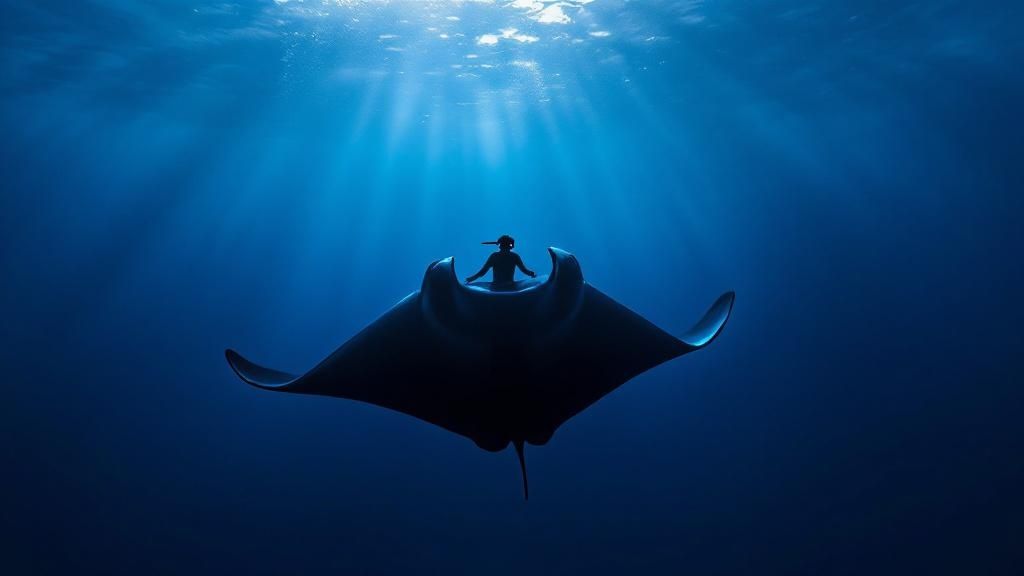
The Big Island is world-famous for its manta ray encounters for a good reason. Tour operators report an amazing 85-90% success rate for sightings, which is almost unheard of anywhere else on the planet. This is all thanks to the island's unique underwater volcanic landscape, which creates the perfect conditions for massive plankton blooms—a floating buffet for manta rays.
Manta Village vs. Manta Heaven: Comparing the Two Main Snorkel Sites
Your first big decision is where you want to go. The two main sites, Manta Village and Manta Heaven, both offer incredible shows, but they cater to slightly different comfort levels and expectations. Knowing the difference will help you pick the perfect spot for your group.
To make it simple, let’s break down what makes each location unique.
Comparing Manta Ray Snorkel Sites Manta Village vs Manta Heaven
Feature | Manta Village (Keauhou Bay) | Manta Heaven (Garden Eel Cove) |
|---|---|---|
Location | Just south of Kailua-Kona | North of Kailua-Kona, near the airport |
Water Depth | Shallower (25-35 feet) | Deeper (30-45 feet) |
Conditions | Generally calmer and more protected | More exposed to open ocean conditions |
Best For | First-timers, families with kids, and anyone who prefers calmer waters. | Confident swimmers and experienced snorkelers ready for a more dynamic environment. |
Manta Behavior | Consistent sightings, known for intimate, close passes in a more contained area. | Can attract larger groups of mantas, offering spectacular, wide-open views. |
Ultimately, there's no wrong choice, only the one that's right for you. Manta Village is a fantastic starting point, while Manta Heaven offers a slightly wilder, open-ocean feel.
What to Look For in a Tour Company
Once you have an idea of the location, it’s time to find a great tour operator. The quality of your guide and crew is just as important as the site itself.
Here’s what you should look for when you book:
Small Group Sizes: This is a big one. Smaller groups mean a more personal and less crowded experience in the water. You’ll get better views of the mantas without fins bumping into you.
Excellent Safety Record: Safety always comes first. Make sure the company has lifeguard-certified guides and a solid reputation for safe, professional operations.
Manta Ray Advocacy: While the official "Manta Ray Green List" certification has changed over the years, its core principles are what matter. Look for operators who are passionate about protecting the mantas. This means they'll enforce a strict no-touching policy and educate guests on how to be respectful observers.
Choosing a responsible operator does more than just ensure your safety; it directly supports the long-term conservation of the Big Island’s precious manta ray population.
When you select a tour company that puts safety and manta well-being first, you’re helping to sustain the very magic you came to see. For our top recommendations, check out our guide to the [6 best manta ray snorkel Big Island tours for 2025](https://www.mantaraynightsnorkelhawaii.com/post/6-best-manta-ray-snorkel-big-island-tours-for-2025).
Ready to take the plunge? Once you've found a tour that feels right, booking your spot is the final step to an incredible night.
Preparing for Your Manta Ray Night Adventure
A little bit of prep work can make the difference between a great manta ray tour and an absolutely unforgettable one. When you know what to bring and what to expect, you can just relax and soak in the incredible ballet happening right below you.
Think of this as your pre-flight checklist. It’s all about making sure you’re comfortable, confident, and ready for an amazing night on the water.
When you book with a top-rated operator like Manta Ray Night Snorkel Hawaii, they handle most of the heavy lifting. Still, it’s always smart to see what other snorkelers have said to get a real feel for the experience.
What to Wear and Bring
Keep it simple. The easiest thing to do is show up wearing your swimsuit under your clothes. That way, you’re ready to jump into a wetsuit as soon as you get the green light.
Here's a quick rundown of what you’ll want to have with you:
A Towel: You’ll be glad you have a warm, dry towel waiting for you after the snorkel.
Dry Clothes: A change of clothes or at least a warm jacket is a must for the boat ride home. Even in Hawaii, the air feels chilly after you’ve been in the water.
Reusable Water Bottle: Always a good idea to stay hydrated.
Seasickness Medication: If you even think you might get motion sickness, take your go-to remedy before the trip. Better safe than sorry!
Underwater Camera: Got a GoPro? Bring it! Capturing the mantas up close makes for an incredible souvenir.
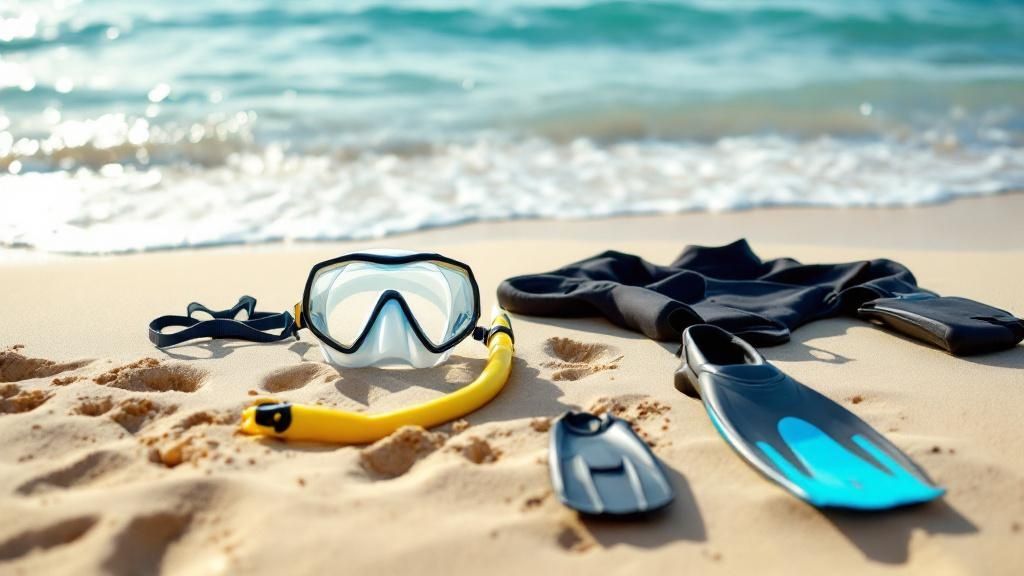
Good tour companies provide all the necessary snorkel gear, so you don't need to lug your own fins or mask unless you have a prescription one you can't live without.
What Your Tour Provides
Professional tours are all about making the experience as smooth as possible. They’ll supply everything you need to be safe and comfortable in the water.
You can count on your tour including:
Wetsuits: These are essential for staying warm. The Pacific is pleasant, but floating for 45 minutes at night can give you a chill. The wetsuit keeps you insulated and adds a little extra buoyancy.
Snorkel Gear: They'll provide high-quality masks, snorkels, and fins.
Flotation Devices: This is the key piece of equipment. You'll hold onto a large, sturdy raft or board that has powerful lights built into the bottom to attract the plankton.
Think of the flotation device as your personal, floating viewing platform. It's your front-row seat to the show. You don't have to swim at all—you just hold on, float, and watch the magic unfold. This makes the tour accessible even if you aren't a strong swimmer.
Easing Common Concerns
It’s totally normal to have a few butterflies before an adventure like this. Let's tackle some of the most common worries so you can go into it feeling completely relaxed.
Concerned About the Cold? The provided wetsuits do a fantastic job. Kona's water temperature stays in a comfortable 75-80°F (24-27°C) range all year. With the wetsuit on, you'll feel perfectly fine.
Not a Strong Swimmer? No problem at all. This isn't a swimming event. You'll be holding onto a big, buoyant raft the entire time you're in the water, and the wetsuit helps you float effortlessly. Plus, your guides are lifeguard-certified and are right there with you to make sure everyone is safe.
Worried About Seasickness? The boat ride out to the snorkel spots is usually quick, often just 10-15 minutes. But if you're prone to motion sickness, it's always best to be prepared. Taking something like Dramamine about an hour before you leave can make a world of difference.
With that sorted, you’re all set to dive into the magic of the manta ray night snorkel. Now is the perfect time to lock in your spot for this truly unforgettable experience.
Snorkeling Safely and Sustainably with Manta Rays
Getting to see wildlife in its natural home is an incredible privilege, and the manta ray snorkel Big Island tour is one of the most amazing examples you’ll ever find. But with that privilege comes a shared responsibility to protect these magnificent animals. Your role in this is simple but absolutely vital: be a respectful and passive observer.
The number one rule for every manta ray encounter is to let the mantas run the show. You’re a guest in their world, after all. By just floating calmly at the surface and taking it all in, you help create a safe, stress-free environment where the mantas can feed naturally—just as they have for decades along the Kona coast.
The Golden Rule: Do Not Touch the Manta Rays
Your guides will repeat one point more than any other: you must never, ever touch a manta ray. This isn't just a friendly suggestion; it's a critical rule for their health and survival. The best way to understand why is to think of a manta's skin as a delicate, living shield.
This "shield" is a thin layer of protective mucus—a slime coat—that covers their entire body. It acts just like the outer layer of our own skin, guarding them against nasty bacteria and parasites in the ocean. When someone touches a manta, the friction from our skin can easily rub off this essential protective coating.
Losing even a small patch of this mucus leaves the manta wide open to infections and diseases. It might seem like a harmless, gentle touch, but it can have serious, long-term consequences for their health. Respecting this boundary is the single most important thing you can do to be a responsible snorkeler.
How to Be a Manta-Safe Snorkeler
Before you even dip a toe in the water, your guides will give you a full briefing on how to behave around the mantas. The goal is pretty simple: be as unobtrusive as possible, like a log just floating on the surface.
Here are the key guidelines you'll need to follow:
Stay Horizontal: Always stay flat on the surface, holding onto the light board. This makes your profile smaller and much less intimidating.
Keep Your Fins Up: Don't kick or dangle your legs down into the water. This prevents you from accidentally bumping a manta and keeps the "dance floor" clear for them to move freely.
No Diving Down: Snorkelers must remain at the surface. Diving down can disrupt the mantas' feeding patterns and creates a real risk of collision.
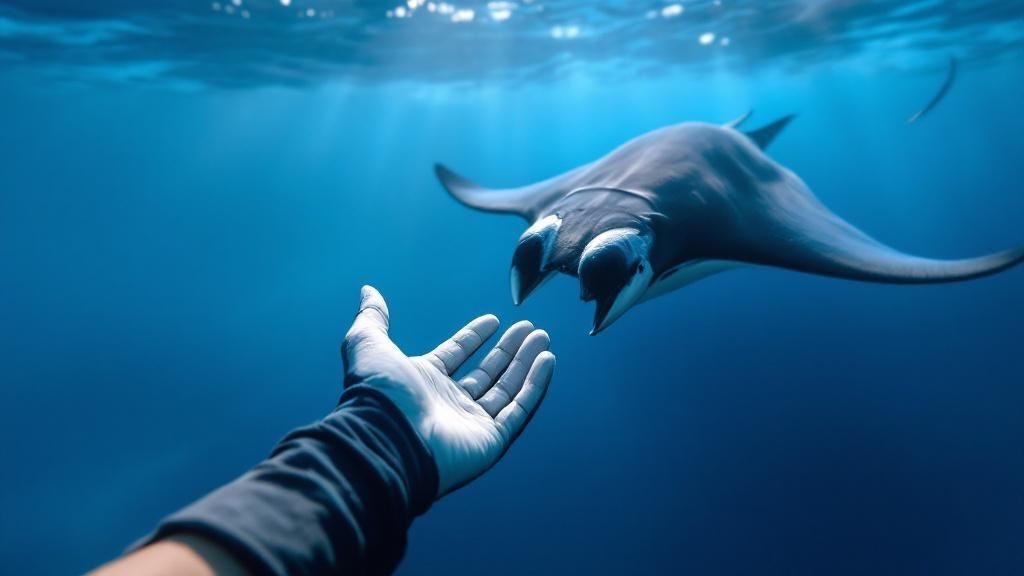
By simply floating and observing, you become part of a silent, respectful audience. This passive approach is what allows the mantas to feel comfortable, often resulting in them gliding just inches beneath you in a breathtaking show of trust.
This commitment to conservation goes beyond just individual actions. The tour community in Kona has worked hand-in-hand with researchers to create a truly sustainable model for tourism. A huge part of this involves education and scientific study. For instance, between 2009 and 2014, researchers on the Kona Coast painstakingly documented and tracked over 300 individual manta rays. This photo-ID program gave them priceless data on the mantas' movements, health, and behavior, helping turn the region into a world-class—and well-managed—manta ray habitat. You can discover more insights about these manta ray studies and how they support conservation.
Supporting a Sustainable Future
Choosing a responsible tour operator is another powerful way you can contribute to conservation. Companies like Manta Ray Night Snorkel Hawaii are completely dedicated to these principles, making sure their entire operation puts the well-being of the mantas first. For a complete look at what to expect, check out our guide to creating an unforgettable night experience with the manta rays.
By following these simple rules, you go from being just another tourist to being a guardian of the ocean. You get to play an active role in protecting these gentle giants, ensuring the magic of the manta ray snorkel Big Island tour can be experienced for many generations to come.
Got Questions About the Manta Ray Snorkel?
It's completely normal to have a few questions before diving into an adventure like this, no matter how exciting it is. We get it! This is your go-to spot for clear, simple answers to the most common things people ask. We want you to feel totally prepared and ready to soak in every moment.
We've put together all the top questions from curious snorkelers to give you the inside scoop.
What if I've Never Snorkeled Before?
Then you've picked the perfect place to start! The manta ray night snorkel is fantastic for beginners. Honestly, tons of people who join us have never put on a snorkel mask before.
Tour operators like Manta Ray Night Snorkel Hawaii are pros at guiding first-timers. They give you all the gear, including a snug wetsuit that not only keeps you warm but also adds buoyancy, making it effortless to float. You'll be holding onto a large, custom-made float board with bright lights on the bottom.
You don’t even need to swim or kick. Your only job is to relax, hold onto the board, and watch the breathtaking underwater show. The guides give a great safety talk beforehand and are right there in the water with you, so you'll feel safe from beginning to end.
Is the Manta Ray Snorkel Safe?
Yes, absolutely. When you go with a certified, professional company, this is one of the safest and most amazing wildlife encounters you can experience anywhere in the world.
And the mantas themselves? They’re completely harmless.
Gentle Giants: There’s a reason they’re called "gentle giants." They're filter feeders, which means they don’t have teeth, stingers, or barbs of any kind.
Passive Viewing: The golden rule is simple: we float, they swim. This "passive observation" ensures we don’t disturb their natural behavior, creating a respectful experience for everyone.
Expert Guides: Your crew is made up of experienced, lifeguard-certified guides. They know these waters inside and out and your safety is always their number one priority.
The entire trip is built around safety protocols that have been perfected over decades. It's a very low-risk adventure with a massive reward.
When Is the Best Time of Year to See Manta Rays?
Here’s one of the best parts about planning a manta ray snorkel Big Island tour: you can do it any time of year. Unlike a lot of other marine animal tours that are seasonal, Kona’s manta rays are here 365 days a year.
The local reef mantas don't migrate because the Kona coast offers a consistent food source all year long. This means the sighting success rate is an incredible 90% no matter when you book your trip. While the ocean can sometimes be a little choppier in the winter, the tour companies are experts at reading the weather and will only go out if conditions are safe.
So, whether you're planning a trip for July or December, you can book with confidence. The mantas will be waiting for you.
What Happens if We Don't See Any Mantas?
While sightings are almost a sure thing, we are dealing with wild animals in their natural home, so their appearance can never be guaranteed 100%. Good tour operators know this and have a fair policy in place just in case.
Most reputable companies offer a "manta guarantee." It's not a refund, but it means that if your tour doesn't see mantas, you can go again on another night for free (usually on a space-available basis).
This policy just shows how confident they are in the high chance of seeing mantas, and it gives you peace of mind when booking. For this reason, we always suggest scheduling your manta tour early in your vacation. That way, you have plenty of time to rebook if you happen to fall into that unlucky 10%.
Comments