Manta Ray Snorkel Big Island | Top Tours & Adventure Tips
Of all the incredible wildlife encounters you can have, the manta ray snorkel on the Big Island is one of the most reliable and genuinely awe-inspiring experiences on the entire planet. Known for its amazingly high success rates, this adventure takes place along the Kona Coast. You'll float on the dark ocean surface as massive, graceful manta rays feed on plankton just inches below you. It's the kind of bucket-list moment that sticks with you forever.
Your Essential Guide to This Unforgettable Adventure
Picture this: you're floating peacefully on the calm, dark surface of the Pacific. Beneath you, powerful beams of light slice through the water, creating a brilliantly lit stage. Out of the deep blue, a giant, shadowy figure emerges, gliding effortlessly into view. That's the magic of the manta ray snorkel on the Big Island—an experience that feels more like a dream than reality. This isn’t just another tour; it’s an underwater ballet put on by some of the ocean’s most majestic and gentle creatures.
And this isn't some wildlife tour where you just cross your fingers and hope for a quick glimpse. The Kona Coast is world-famous for its incredibly consistent manta ray sightings. This reliability has made the manta ray snorkel on the Big Island a must-do for travelers from all corners of the globe.
A Reliable Nightly Spectacle
So, what makes this encounter so dependable? The secret is simple: food. Over the years, the nightly tours have naturally conditioned the local manta ray population to associate light with an easy, plentiful meal of plankton, their primary food source. Tour boats shine bright lights into the water, which attracts swarms of these microscopic organisms. This creates a concentrated, irresistible buffet that draws the mantas in, night after night.
This unique relationship between light, plankton, and mantas results in an extraordinary success rate. The Kona Coast boasts an impressive sighting rate of around 85-90%, making it one of the absolute best places in the world for manta encounters. This high probability has turned Kona into a major hub for marine tourism, drawing about 80,000 visitors each year just for this adventure. You can dive deeper into these fascinating statistics about manta tourism.
At its heart, the experience is all about passive observation. You’ll hold onto a custom-designed flotation device with built-in lights, essentially becoming a human dinner table for the rays. This approach is not only incredibly safe but gives you the best possible views as the mantas swoop and barrel roll right beneath you.
What You Will Witness
Your adventure usually kicks off with a short boat ride to one of the established viewing sites. Once you arrive, you'll slip into the surprisingly warm water and hold onto the light board. As you float, you become part of the spectacle itself. The entire experience is designed for all comfort levels—you definitely don't need to be an expert swimmer to join in.
Here’s a quick rundown of what to expect on your trip.
Quick Facts for Your Big Island Manta Snorkel Adventure
For anyone planning this incredible outing, it helps to have the key details in one place. This table breaks down the essentials so you know exactly what to expect.
Key Aspect | Details for Snorkelers |
|---|---|
Location | Primarily off the Kona Coast of the Big Island, Hawaii. |
Activity | You'll float on the surface while holding onto a specially designed light board. |
What You'll See | Reef Manta Rays, with incredible wingspans reaching up to 14 feet, as they feed on plankton. |
Interaction | This is a strictly passive observation experience. No touching is allowed to protect the mantas. |
Best Time | It's a year-round activity! High success rates are common in every single season. |
This quick snapshot should give you a great starting point for what is truly a once-in-a-lifetime trip.
This guide is your complete resource for planning this incredible experience. To get an even more detailed look at what makes this tour so special, check out our **ultimate guide for an unforgettable manta ray snorkel encounter**.
Understanding the Gentle Giants of Kona
Before you slip into the warm Pacific for your manta ray snorkel on the Big Island, it’s worth getting to know the incredible animals you're about to meet. These aren't just big fish; they're intelligent, curious, and completely harmless creatures called Reef Manta Rays (Mobula alfredi). Knowing a little about them turns a cool tour into a truly profound wildlife encounter.
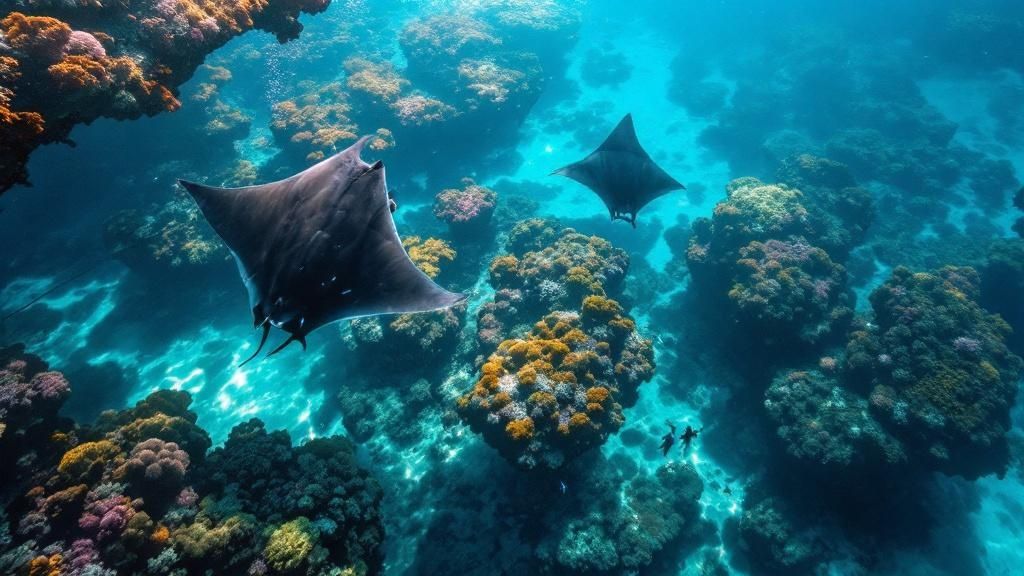
Think of them as the ocean's most graceful acrobats. With massive wingspans that can stretch up to 14 feet, they glide through the water with an effortless elegance that just doesn't seem possible for an animal that big. And despite their size, these gentle giants pose no threat to people. They're filter feeders, dining on some of the tiniest life in the sea.
The Ocean’s Graceful Filter Feeders
People often mix up manta rays with their cousins, the stingrays, but they are worlds apart. The most important difference? Manta rays do not have a stinger or barb on their tail. They simply aren't interested in anything but their food source: zooplankton, which are microscopic animals drifting in the water.
To eat, a manta unfurls two fins near its mouth called cephalic fins. These act like funnels, guiding plankton-filled water directly into their huge mouths as they swim.
This feeding behavior is exactly what makes the Kona night snorkel so incredible. Tour operators shine bright lights into the water, which attract huge clouds of plankton. This creates an irresistible, all-you-can-eat buffet that the mantas flock to every night.
This dependable meal is why Kona's mantas stick around. They are a resident population that doesn't need to migrate because their food is always here. It's also the secret to why your chances of seeing them on a tour are so incredibly high.
A Fingerprint on Their Bellies
One of the coolest things about the mantas here in Kona is that every single one can be identified by name. They don't have faces we can recognize, but they have something even better.
The white underside of each manta ray is covered in a unique pattern of black spots. This pattern is as distinct as a human fingerprint—no two are alike. This allows researchers and local guides to identify and track individual mantas over their entire lives, which can be 50 years or more!
Thanks to this, our local manta population is one of the most well-documented in the world. Many of the regulars have been given names based on their spot patterns or quirky personalities, like "Big Bertha," "Lefty," or "Amanda Ray." Don't be surprised when your guide starts calling them out by name during your tour! Learning about these individuals is a core part of the experience, as detailed in our complete [Kona Manta Ray Snorkel Adventure Guide](https://www.mantaraynightsnorkelhawaii.com/post/manta-ray-snorkel-kona-your-complete-adventure-guide).
Why You Should Never Touch a Manta
If there's one rule to remember on your manta ray snorkel on the Big Island, it's this: never, ever touch the mantas. This isn't just about your safety—it’s entirely for theirs.
Manta rays are covered in a protective mucous coating. This slimy layer is their first line of defense against harmful bacteria and skin infections. When a person touches a manta, even lightly, it wipes off some of this crucial slime. This leaves the manta vulnerable to illnesses its immune system would normally be able to handle.
By simply being a passive observer, you help protect the health of Kona's beloved manta ray population for generations to come. Your respect allows them to feed and behave naturally, which leads to a far more authentic and breathtaking experience for everyone in the water.
How to Choose Your Perfect Manta Ray Tour
With so many companies offering a manta ray snorkel on the Big Island, picking the right one can feel a little overwhelming at first. But once you know what to look for, finding the perfect fit is actually pretty simple. It all comes down to matching the tour style with your own comfort level, the size of your group, and what you really want to get out of the experience.
Your first big decision is whether to go with a large boat or a small one. There's no right or wrong answer here—they just offer two completely different types of adventures. Think of it like choosing between a big, lively party and a small, intimate gathering. Both are fantastic, but you probably have a preference.
Big Boat or Small Vessel
Large boats are usually spacious catamarans. They are incredibly stable on the water, which is a huge bonus if you're prone to seasickness. These tours often have a fun, social vibe, like a "floating campfire" where you can chat with fellow travelers. They also tend to have more amenities, like onboard restrooms, and can easily handle bigger groups of family and friends.
Smaller boats, like the zippy rigid-hull inflatables (zodiacs), provide a more personal and often faster ride out to the snorkel site. With fewer people on board, you get more one-on-one attention from the guides. This intimate setting is perfect if you’re looking for a quieter, more focused wildlife encounter without the hustle and bustle of a large crowd.
To help you visualize what to expect throughout the year, this infographic breaks down the key differences between the seasons.
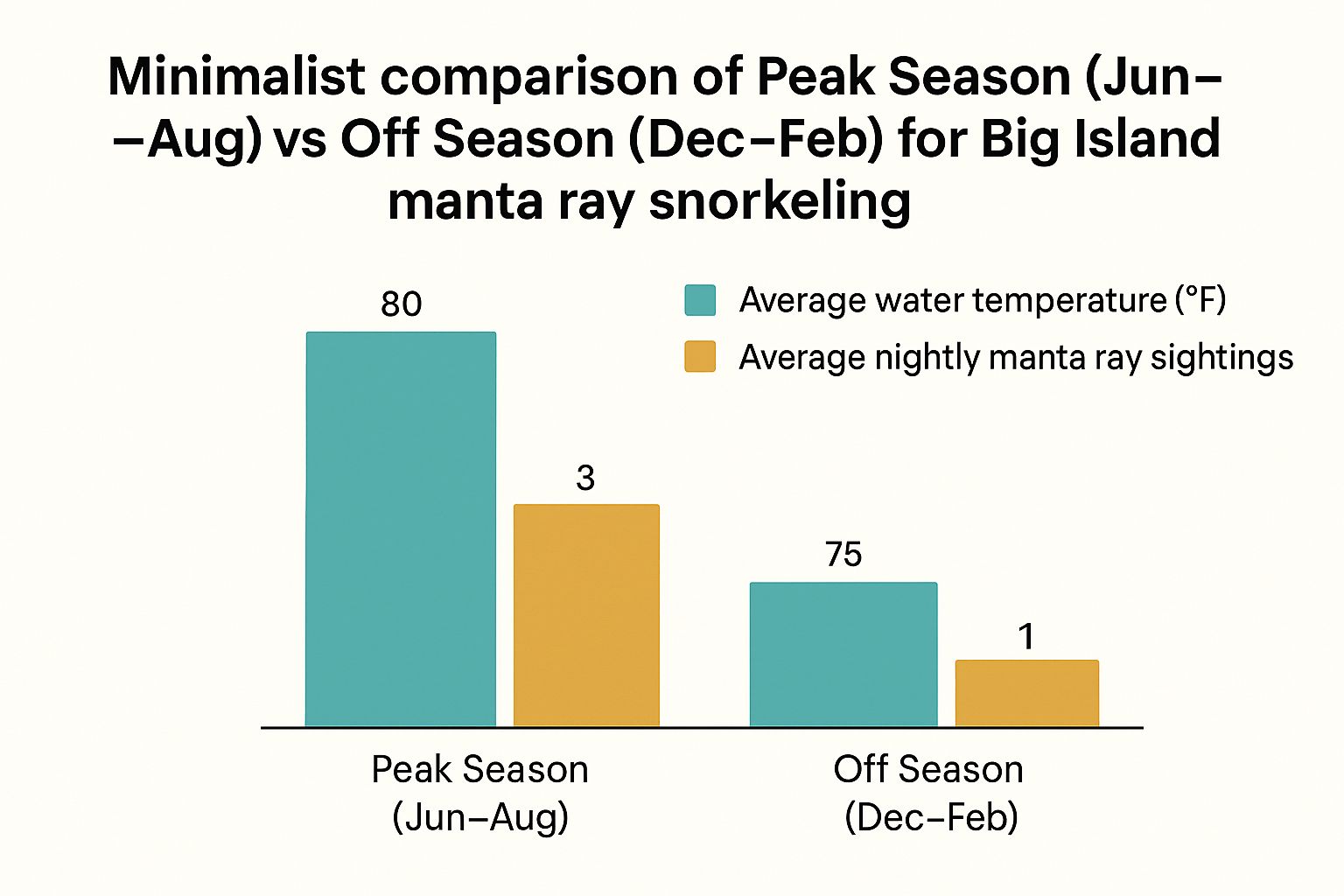
As you can see, even though the summer water is a bit warmer, manta sightings are consistently amazing all year long. There's really no bad time to go!
To make the choice even clearer, let's compare the two main tour types side-by-side.
Comparing Big Boat vs. Small Boat Manta Tours
Feature | Large Boat Tours (The 'Floating Campfire') | Small Boat Tours (The 'Intimate Encounter') |
|---|---|---|
Atmosphere | Social, energetic, great for meeting people | Quiet, personal, and focused on the wildlife |
Boat Stability | Very stable, ideal for preventing seasickness | Can be a bumpier ride, offering more of an thrill |
Group Size | Larger groups, typically 20-40+ people | Smaller groups, usually under 20 people |
Amenities | Often includes restrooms and more deck space | Basic amenities, focused on the in-water fun |
Guide Interaction | Less one-on-one time due to group size | High level of personal attention from guides |
Best For | Families, large groups, nervous swimmers | Solo travelers, couples, avid photographers |
Ultimately, whether you choose the big-boat party or the small-boat encounter, you're in for an incredible night. The key is picking the one that sounds most like your kind of adventure.
Choosing a tour is about more than just the boat. The best operators share a deep commitment to safety, education, and—most importantly—the well-being of the manta rays.
This commitment is so important because you're stepping into the home of a protected and beloved local wildlife population. The Kona Coast is home to over 450 identified manta rays, earning it the well-deserved title of the "Manta Ray Capital of the World." On an average night, you can expect to see around three mantas gracefully feeding, putting on a truly spectacular show.
Your Operator Checklist
Once you're ready to book, run through this checklist to vet the tour companies you're considering. Asking a few key questions will ensure you find an operator who delivers a safe, memorable, and respectful experience.
Safety First: Does the company have a stellar safety record? Are their guides certified in lifeguarding and CPR? This should always be their top priority, no exceptions.
Eco-Conscious Practices: Do they follow the Manta Ray Green List guidelines? A responsible operator will give you a full briefing on how to observe the mantas passively and explain why you must never, ever touch them.
Knowledgeable Guides: A great guide doesn’t just point and say "manta." They share their passion, teaching you about the mantas' biology, their individual names, and their vital role in the marine ecosystem.
Manta Guarantee: What if the mantas don't show up? They are wild animals, after all. Most top-tier companies offer a "manta guarantee," which means you can come back another night for free.
Honest Reviews: Check out recent reviews on different websites. Look for feedback about the crew's professionalism, the quality of the gear, and the overall customer experience.
By taking a few minutes to do your homework, you're not just booking a tour. You're supporting responsible tourism that helps protect these gentle giants for years to come. For more helpful advice on planning your trip, take a look at our guide to a [thrilling Hawaiian manta ray snorkel](https://www.mantaraynightsnorkelhawaii.com/post/manta-ray-snorkel-kona-thrilling-hawaiian-adventure). A little preparation goes a long way, and it will all pay off the moment you're in the water, watching these magnificent creatures dance in the light.
What to Expect During Your Manta Ray Encounter
The real magic starts as your boat pulls away from the Kona coast. You’ll cruise out as the sun paints the sky with incredible colors, and the feeling of anticipation on board is electric. The trip to the manta site is quick, but it's the perfect time to soak in the moment as your guide shares some amazing facts and runs through the plan for the night.
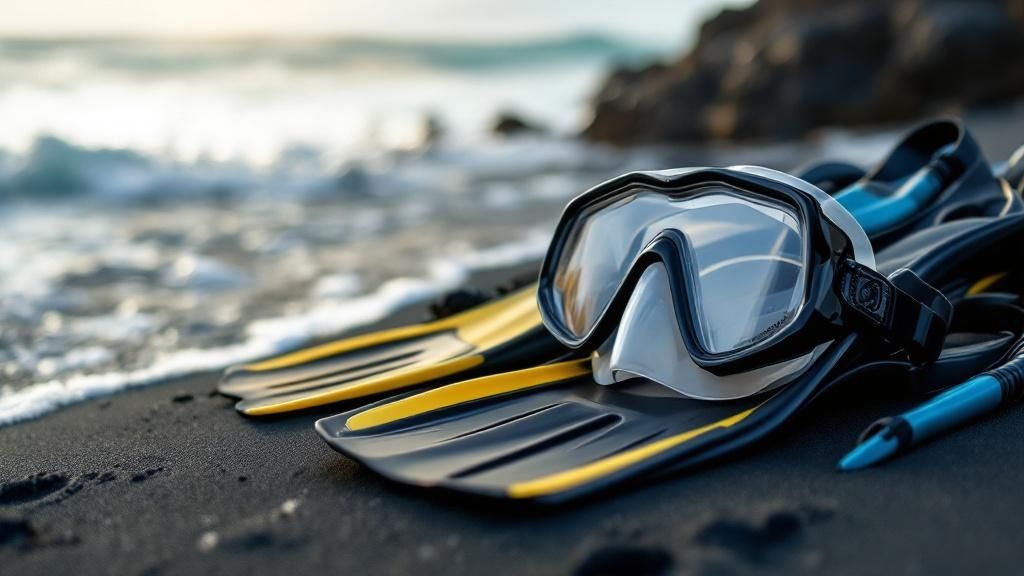
Once the boat anchors, you'll slip into the Pacific, which is surprisingly warm and feels amazing in the cool night air. Don't worry if you aren't an expert swimmer. You'll have a wetsuit to keep you warm and a flotation device (usually a simple pool noodle) to help you stay comfortably at the surface.
The Floating Light Board
Your prime viewing spot for the evening is a specially designed light board. It's a big, floating raft with handles all around the edges. Powerful lights attached to the bottom shine straight down, lighting up the dark water below.
The concept is brilliantly simple. Those bright lights act like a huge magnet for tiny plankton, which is the manta rays' favorite meal. By creating a concentrated "plankton buffet" right under the board, the tour essentially rings the dinner bell for any mantas in the area. You and the other snorkelers get to be the centerpiece of this floating feast.
It’s all about passive observation. You just hold onto the board, float with your feet up, and let the show come to you. This creates a calm, predictable environment that allows the mantas to feed naturally, just as they have for years.
This simple but effective method is the secret sauce behind Kona’s incredible sighting rate. You're not just looking for mantas; you're becoming part of the reason they show up.
The Underwater Ballet Begins
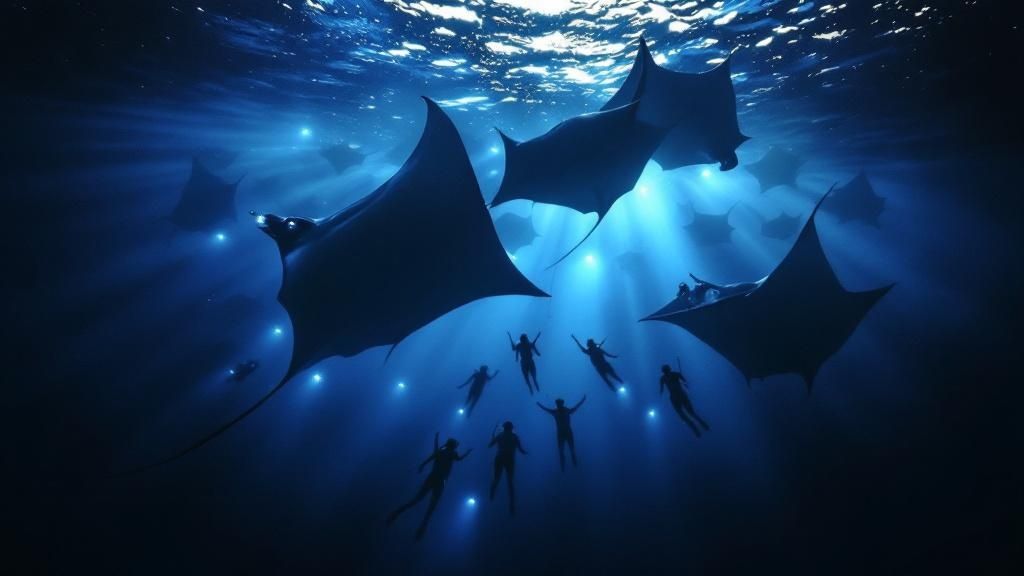
Floating there in the dark, peering down into the cone of light, you’ll wait with excitement. The first sign of life might be a few small fish zipping through the beams. Then, a massive, shadowy shape glides in from the darkness, moving with a smoothness that seems impossible for its size. The first manta ray has arrived.
The sight will literally take your breath away. These gentle giants, with wingspans that can stretch over 14 feet, move with an elegance that you have to see to believe. They perform an incredible underwater ballet, swooping and barrel-rolling just inches below you. Their huge mouths are wide open as they filter the plankton from the water. They often get so close you feel like you could reach out and touch them—but remember, touching is a huge no-no to protect their sensitive skin.
You'll likely see several different mantas during your 25-40 minutes in the water, each with its own unique pattern of spots. Your guide might even point out a few local celebrities by name, like "Big Bertha" or "Lefty." It’s an immersive, humbling, and unforgettable experience. For a deeper dive into what makes these encounters so incredible, check out our post on unforgettable Hawaii encounters with manta rays.
Watching these magnificent creatures is a truly out-of-this-world moment. When it's time to climb back on the boat, you’ll be buzzing with adrenaline and a profound sense of awe, taking home a memory of one of nature's greatest shows.
Staying Safe and Respectful in the Water
A truly magical manta ray snorkel on the Big Island is one that's incredible for you and completely safe for the rays. When you join this nightly spectacle, you’re a guest in their home. Following a few simple but critical rules ensures the encounter is positive for everyone—especially the gentle giants you’ve come to see.
Your guides will give you a full rundown, but the most important rule is also the simplest: never, ever touch a manta ray. This isn't just about being polite; it’s literally a matter of life and death for them. Their skin is covered by a thin, protective mucous layer, which is basically their immune system.
Think of this slime coat as an invisible shield that guards them against harmful bacteria and infections swimming in the ocean. When a person touches a manta, it rubs off this vital layer. This small act leaves the manta vulnerable to diseases it could normally fight off. So, by keeping your hands to yourself, you are directly helping to keep Kona's beloved manta population healthy.
Your Role in a Safe Encounter
Beyond the "no-touch" rule, your main job is to be a calm, passive observer. The entire experience is set up so you can simply float and watch the show unfold beneath you. To make sure everything goes smoothly, always listen carefully to your guides—they are experts in manta behavior and ocean safety.
Staying close to your group and the light board is also key. The light is the main event, the central point of the whole operation. If you drift away, you won't just miss the best views, you could also create a safety risk in the dark water.
Think of it as a campfire in the ocean. The light board is your fire, providing warmth, light, and a central gathering point. Your guides are the hosts, making sure everyone stays together and enjoys the experience safely.
By sticking with the group, you help create a predictable and non-threatening environment for the mantas. This allows them to feed comfortably and naturally, which leads to the amazing, up-close barrel rolls and swoops that make this tour so famous.
Tips for Less-Confident Swimmers
It’s completely normal to feel a little nervous about getting into the dark ocean. The good news is, you don't need to be an Olympic swimmer to enjoy the manta ray snorkel. The goal is to float, not to swim.
Here are a few tips to help you feel more comfortable and secure out there:
Trust Your Gear: You'll be wearing a wetsuit, which gives you a surprising amount of buoyancy. Most tours also hand out flotation devices like a pool noodle to tuck under your feet, which helps you float horizontally with almost zero effort.
Communicate with Your Guide: If you're feeling anxious, let your guide know before you even get in the water. They are trained to help nervous snorkelers and can offer extra support and reassurance. They've seen it all before!
Breathe Slowly: Once you’re in the water, just focus on taking slow, deep breaths through your snorkel. This simple act will help calm your nerves and allow you to relax into the moment.
View from the Boat: If you decide the water just isn't for you, there's no shame in that at all. You can often still see the mantas from the boat, and your safety and comfort always come first.
Respecting these guidelines doesn't just protect the manta rays; it makes for a much richer and more rewarding adventure for you. It’s the difference between just seeing wildlife and truly, respectfully connecting with it.
Our Role in Protecting the Kona Manta Rays
Your manta ray snorkel on the Big Island is so much more than just a vacation highlight. It’s a chance to actively participate in marine conservation. When you choose a responsible tour, you become part of a bigger story—one where tourism helps protect these incredible gentle giants. It's a direct connection to Kona's delicate marine world, giving you the power to make a real difference.
Let's be honest: manta rays face serious challenges. While tracking their populations globally is tough, the threats here in Hawaii are much clearer. They are incredibly vulnerable to getting tangled in fishing gear, being struck by boats, and the growing problem of swallowing microplastics. You can learn more about the specific risks facing Hawaii's manta rays and the great work being done to protect them.
When you join a guided snorkel, you're directly supporting a local community that has built its economy around protecting these animals. It sends a powerful message that a living manta ray is worth far more than a captured one.
Becoming a Manta Advocate
Turning your adventure into a truly meaningful contribution is easy. It all begins with awareness and is followed by small, simple actions that, when combined, create a massive positive impact. The moment you decide to be a thoughtful and respectful visitor in their ocean home, you become a "Manta Advocate."
The most important choice you'll make is picking a tour operator that is truly committed to eco-friendly practices. These are the companies that put the mantas' well-being first, enforcing strict "no-touch" rules and giving you a full educational briefing before you even get in the water. They aren't just guides; they're guardians of the local manta population. Our [expert guide to the Kona Manta Snorkel](https://www.mantaraynightsnorkelhawaii.com/post/manta-ray-snorkel-kona-expert-guide-to-hawaii-s-giants) is a great resource for finding these top-notch operators.
Every time you choose an eco-certified tour, you cast a vote for conservation. Your tour fee helps fund research, supports guides who double as protectors, and promotes a sustainable model that ensures these magnificent creatures will continue to grace Kona's waters for generations to come.
Simple Steps with a Big Impact
Your advocacy doesn't have to stop when you get out of the water. You can keep supporting manta conservation with a few conscious choices during your trip and even after you get back home.
Here’s how you can help:
Use Reef-Safe Sunscreen: Many standard sunscreens have chemicals like oxybenzone and octinoxate that are incredibly damaging to coral reefs. These reefs are the foundation of the entire marine ecosystem that the mantas rely on to survive.
Reduce Plastic Use: Say no to single-use plastics. Opt for a reusable water bottle and shopping bags to cut down on plastic waste that often ends up in the ocean, threatening all sea life.
Share Your Experience: Tell your friends and family about your incredible encounter and why responsible tourism matters. Your passion can inspire others to become advocates, too!
By taking these simple steps, your manta ray snorkel on the Big Island becomes a legacy of respect and protection. You’ll leave Hawaii not just with amazing memories, but with the pride of knowing you helped safeguard one of the ocean's greatest treasures.
Answering Your Top Questions About the Big Island Manta Snorkel
It's totally normal to have a few questions swirling around before you jump into an adventure like the manta ray snorkel on the Big Island. Getting the full picture beforehand helps you feel confident and makes sure your trip is nothing short of amazing. We've put together the answers to the questions we hear the most to get you ready for this once-in-a-lifetime experience.
Is Seeing Manta Rays Guaranteed?
This is probably the number one question we get, and for good reason! Since manta rays are wild animals, no one can honestly promise a 100% guarantee. But here's the great news: the Kona Coast is famous for having one of the most reliable manta ray populations on the planet. Sighting success rates are consistently over 90%.
To give you complete peace of mind, nearly every reputable tour operator offers what’s known as a "manta guarantee."
If the mantas decide to be shy on your tour night—which is rare—you can usually come back another night for free. This is exactly why we suggest booking your snorkel early in your vacation, giving you a backup night just in case.
Do I Need to Be a Strong Swimmer?
Not at all! You definitely don't need to be an Olympic swimmer to have a fantastic time. The whole experience is much more about floating than it is about swimming. You'll be holding onto a big, buoyant light board the entire time, and the wetsuit we provide adds even more flotation.
Many tours even hand out pool noodles to tuck under your ankles. This helps you float perfectly flat on the surface with almost zero effort. If you’re feeling a bit nervous, just let your guides know. They're experts at making sure everyone feels safe and comfortable in the water.
What Is the Best Time of Year to Go?
Any time is a great time for a manta ray snorkel on the Big Island! This incredible encounter is available year-round because Kona's manta rays are residents. They don't migrate, so they stick around all year, drawn to the nightly feast of plankton that our lights attract.
The only thing that really changes is the ocean conditions. The water is often a bit calmer in the summer months (June to August), but we have stunning, crystal-clear nights in every season. Your best bet is simply to find a tour with a flexible policy and book the night that works for you.
Are you ready to witness the underwater ballet of Kona's gentle giants? At Manta Ray Night Snorkel Kona Hawaii Tours, we offer safe, intimate, and unforgettable encounters every night. Our expert guides will ensure you have a front-row seat to one of nature's greatest shows. Book your adventure today!
Comments