Kona Manta Ray Snorkel: Your Complete Guide to a Magical Night Adventure
- Byron
- Feb 8
- 14 min read
Picture this: you're floating on the calm, dark surface of the Pacific Ocean. Below you, giant, graceful manta rays soar and dance through beams of light, sometimes coming within inches of your mask. This is the Kona manta ray snorkel, a world-famous wildlife encounter you can only find on the Big Island of Hawaii. It's more than just a tour; it's a truly magical experience, consistently called one of the best night dives on the planet.
Your Guide to an Unforgettable Night with Gentle Giants
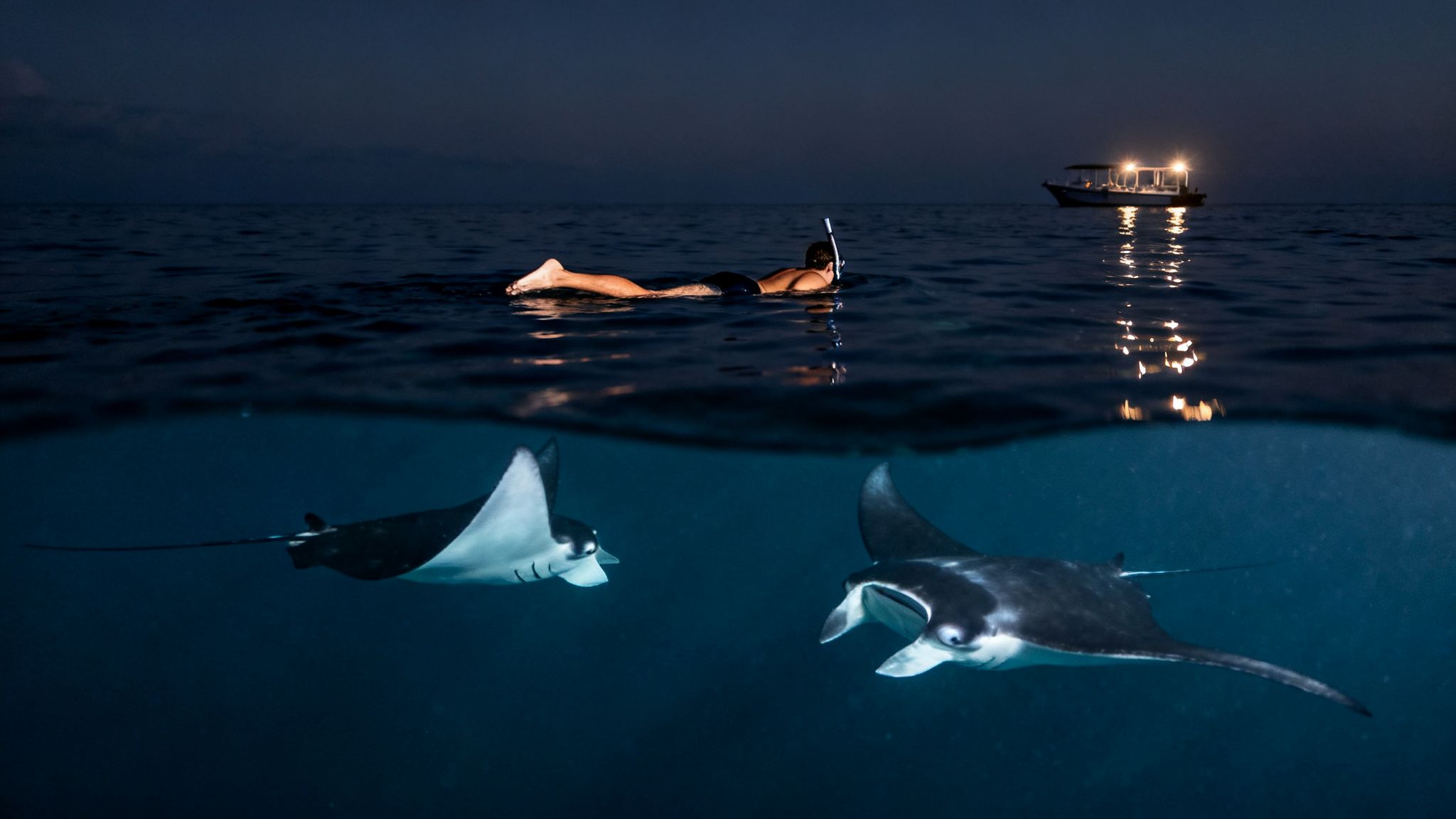
This guide will cover everything you need to know to make the most of your Kona manta ray adventure. The whole experience is designed to be accessible, safe, and profoundly moving, connecting you with nature in a way few other activities can.
The magic is actually pretty simple. Tour operators shine powerful lights into the water, which attracts swarms of plankton—the manta rays' favorite food. Think of it as a brightly lit, all-you-can-eat buffet. Kona's resident manta rays have learned to recognize this nightly dinner bell and show up to feast. For more information about this incredible tour, visit our home page.
Kona Manta Ray Snorkel At a Glance
Here is a quick overview of what makes this a must-do experience.
Feature | What This Means For You |
|---|---|
Reliable Sightings | Unlike typical wildlife tours, the success rate is over 90%. You can book with confidence! |
Front-Row Seat to Nature | You get to witness the famous manta "barrel roll" as they feed just inches away. |
Accessible for Everyone | No expert swimming skills needed. You'll hold onto a floating light board and just watch. |
Ethical & Safe | The industry follows strict rules to protect the mantas. The main rule: look, don't touch. |
This table shows why the Kona manta ray snorkel is so unique—it's a guaranteed thrill that's both beginner-friendly and respectful of the animals.
Why This Is a Must-Do Experience
The Kona manta ray snorkel isn't just another tour; it’s a bucket-list adventure for a few key reasons. It offers an incredibly high chance of seeing these gentle giants up close as they exhibit their natural feeding behaviors in a controlled, safe environment.
Here’s what really sets it apart:
You're Almost Guaranteed to See Mantas: With a success rate of over 90%, your chances of an incredible encounter are extremely high. This isn't a "maybe we'll see something" kind of trip.
Witness a Unique Feeding Frenzy: You’ll get a front-row seat to the famous manta "barrel roll," an acrobatic flip they use to scoop up as much plankton-rich water as possible. It’s breathtaking to see in person.
Perfect for All Skill Levels: You don't need to be a seasoned snorkeler. Most tours have you hold onto a custom-built, floating light raft, so you can just relax on the surface and watch the show unfold below.
A Responsible Way to See Wildlife: Local operators are serious about protecting the mantas. They follow strict, established guidelines to ensure the animals are safe and undisturbed. The golden rule is to observe without touching.
For some extra tips before you go, check out this Ultimate Guide to Night Snorkeling.
Why Kona Is the World's Manta Ray Capital
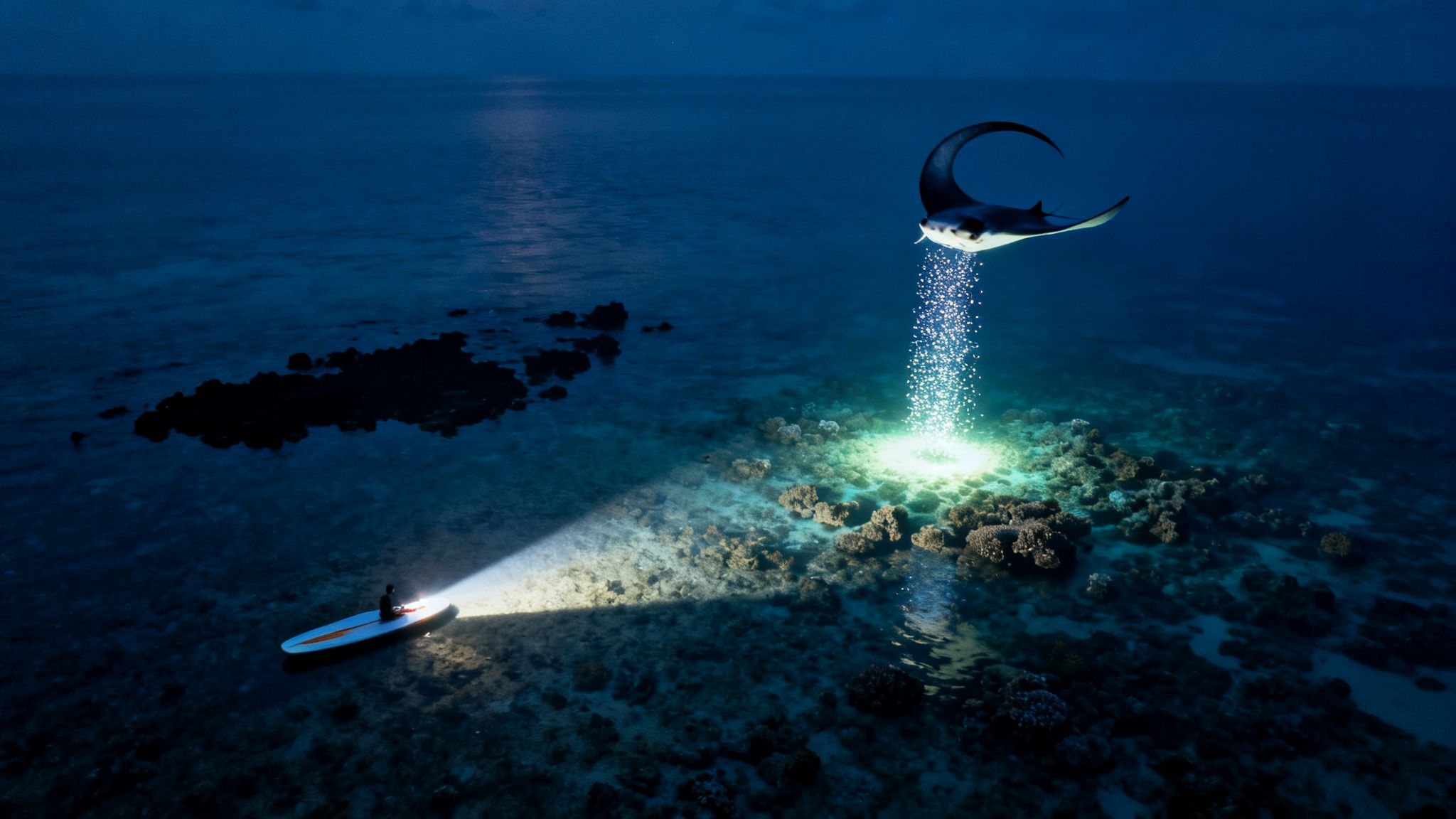
So, what makes the Kona coast the undisputed champion for manta ray encounters? It’s not just pure luck. It’s a perfect storm of geography, biology, and a brilliantly simple, human-made routine that sets the stage for a spectacular show, night after night. The magic behind the Kona manta ray snorkel is really a story of how these incredibly smart creatures learned to cash in on a free meal.
It all started decades ago when a hotel first switched on lights to illuminate its oceanfront patio. Those bright lights hitting the water attracted swarms of plankton, which just so happens to be a manta ray’s favorite food. The local mantas figured this out fast and started showing up for the nightly buffet.
Before long, tour operators realized they could recreate this phenomenon. Today, they use powerful light boards that act like a massive dinner bell. The lights attract the plankton, the plankton brings in the mantas, and just like that, you have a dependable and absolutely breathtaking underwater ballet.
The Perfect Underwater Amphitheater
Kona's unique underwater landscape plays a huge part in this. The coastline is dotted with calm, protected bays and features gentle, sandy slopes—it’s the ideal natural stage for this nightly performance. These conditions create a safe, comfortable environment for both the manta rays and the people who come to see them.
Unlike in choppy, open water, these sheltered coves let you float peacefully on the surface while the mantas glide and loop just inches below. The volcanic rock formations also serve as natural "cleaning stations" where smaller fish groom the mantas, adding another fascinating layer to the whole ecosystem.
It’s this special combination of factors that makes the viewing experience so consistently amazing. You aren’t just watching from a distance; you’re a respectful audience member in nature’s grandest theater.
A Resident Population Like No Other
What truly seals the deal for Kona is its year-round, resident population of reef mantas. These aren't just visitors passing through; they're a community of locals. That’s a huge reason why the sighting success rates here are through the roof.
The Kona coast isn't just a snorkeling spot; it’s a manta ray metropolis. It's home to a well-documented population of over 450 individual animals, cementing its status as a top global hangout for these gentle giants. Unlike their ocean-roaming cousins, Kona's mantas are true homebodies. About 130 identified individuals stick to these coastal waters all year, and they're easy to recognize thanks to their unique belly spots. You can explore more about this incredible local manta population and what makes them unique.
Each manta ray has a unique pattern of black spots on its belly, which acts just like a fingerprint. Researchers and guides use these patterns to identify and name individual mantas, tracking their health, movements, and life stories over decades.
This close familiarity with the local population makes the whole experience feel personal. Your guide might point out a regular like "Big Bertha" or "Lefty," sharing their backstory and making your encounter that much more memorable. When looking for a top-tier experience to meet these famous residents, Kona Snorkel Trips is an exceptional choice for both a Manta Ray night snorkel tour or a Captain Cook snorkeling tour. Their guides know these animals and their home inside and out.
What to Expect on Your Manta Snorkel Adventure
Your Kona manta ray snorkel tour is so much more than just jumping in the water. It’s a carefully choreographed experience from start to finish, all designed for your safety, comfort, and sheer amazement. Knowing what’s coming can help settle any pre-trip nerves and get you hyped for the magic ahead.
Think of the whole thing like a three-act play. It starts with your prep on the boat and builds to an unforgettable underwater ballet.
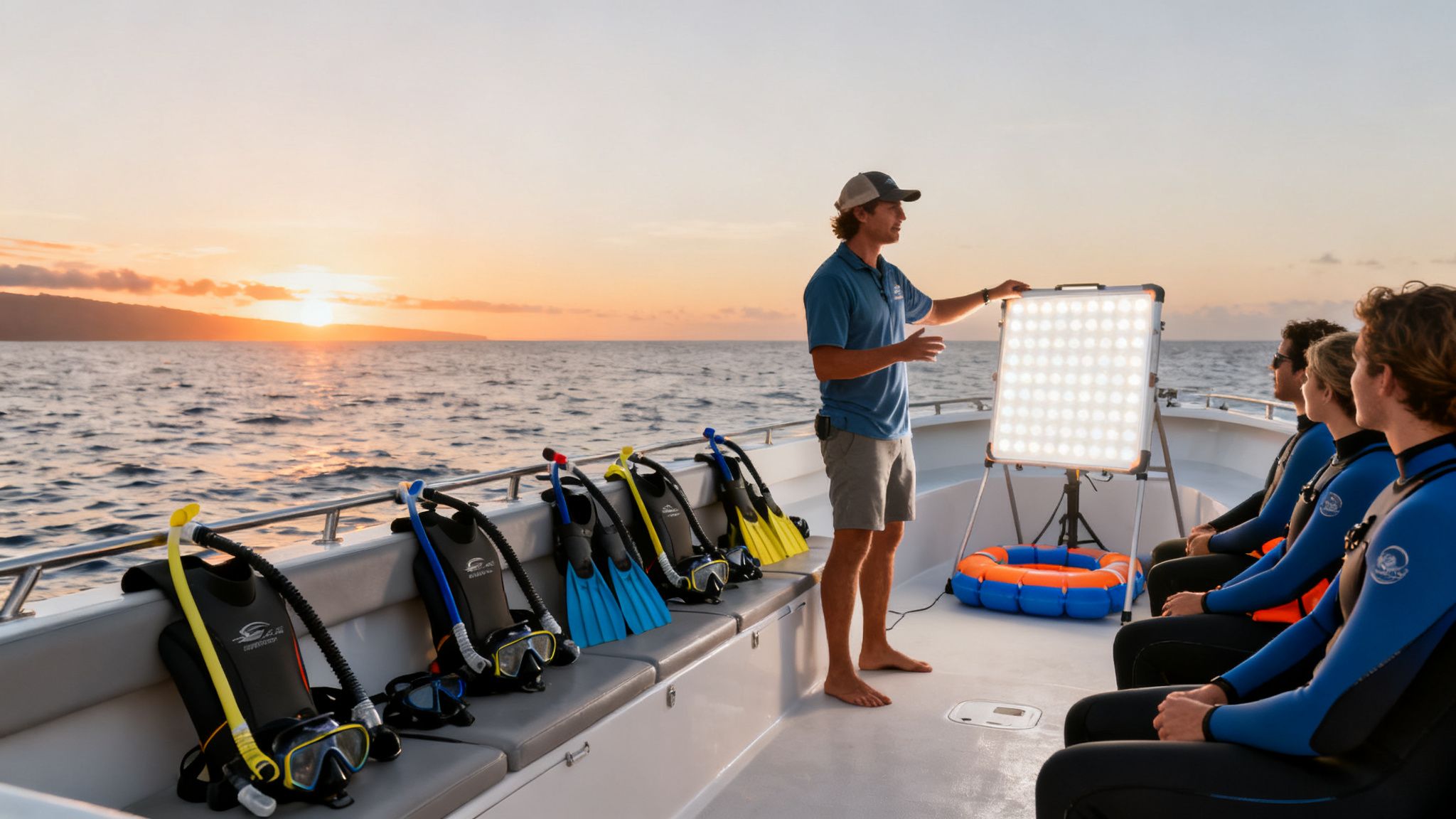
While the encounter feels completely wild and up-close, it’s all built on a foundation of respect for the ocean and years of local expertise. The crew manages every detail to make sure both the snorkelers and the manta rays have a great, safe time.
Act I: The Briefing and Boat Ride
Your adventure kicks off at the harbor with a detailed safety briefing. This isn't just a formality; it's where the lifeguard-certified guides set the stage for the entire night. They'll get you fitted for gear, run through all the safety protocols, and share some incredible facts about manta ray biology.
Most importantly, they’ll explain the golden rule of the experience: passive observation. You’re there to watch, not to touch or interact. They'll explain why touching a manta is a huge no-no—it can damage the delicate, protective mucus coating on their skin.
With the briefing done, you'll board the boat and head out along the gorgeous Kona coast. If you booked a sunset tour, this ride is a spectacle in itself. Watching the sun melt into the Pacific, lighting up the sky with fiery colors, is the perfect opening act. Keep your eyes peeled, as it's common to spot dolphins or even migrating whales depending on the season.
Act II: Entering the Water and the Light Show
Once you arrive at one of the famous manta viewing sites like "Manta Village" or "Manta Heaven," the crew springs into action. They'll deploy a custom-built, floating light board—picture a big, stable raft with powerful lights aimed straight down into the dark water. This board is the secret sauce to the whole encounter.
One by one, you'll slip into the water and find a spot along the edge of the light board. The board gives you something sturdy to hold onto, so you don't have to be a superstar swimmer. You just float, hold on, and watch. The lights do two things: they light up the scene for you, and they attract the microscopic plankton the mantas come to eat.
Think of the light board as a giant dinner invitation. The light gathers a thick cloud of plankton, creating an irresistible, all-you-can-eat buffet that rings the dinner bell for Kona's resident manta ray population.
This setup is brilliant because it creates a safe, contained environment for everyone. You have a stable platform, and the mantas get a concentrated meal, allowing you to see them up close without disturbing their natural feeding behavior.
Act III: The Manta Ray Ballet
This is when the real magic begins. At first, you'll just see shimmering plankton dancing in the light beams. Then, a huge, dark shadow will materialize from the depths. The first manta ray glides gracefully into view, its massive wings propelling it effortlessly through the water.
Before you know it, others might join, and the underwater ballet is in full swing. You’ll see their famous barrel rolls and swooping backflips as they glide through the water, mouths wide open, filtering the plankton. It is an absolutely mesmerizing sight. The mantas often come within inches of your face, but their spatial awareness is so incredible, they almost never make contact.
Your guides are in the water with you the whole time, making sure everyone feels safe and comfortable. They might even point out specific, named mantas and share stories about their personalities. You’ll typically spend about 30 to 45 minutes in the water, which is more than enough time to be completely captivated.
After the swim, you'll climb back onto the boat, where the crew usually has hot drinks and snacks waiting to warm you up for the cruise back to the harbor.
How to Plan and Book the Right Tour
With so many companies to choose from, picking the right Kona manta ray snorkel tour can feel like a big decision. But here’s the great news: thanks to Kona's resident manta population, this incredible experience is available all year long.
Your first choice really comes down to timing. Do you want to go at sunset, or later on after dark?
The sunset tours are amazing because you get a two-for-one deal: a stunning Hawaiian sunset on the boat ride out, followed by the main event as the ocean goes dark. The later tours take place in total blackness, which adds a whole different kind of magic and drama when the mantas glide up from the deep. Both trips deliver the same mind-blowing encounter, so it really just depends on your schedule and the vibe you're looking for.
Finding the Best Operator for You
Honestly, the tour operator you choose will make or break your experience. The most important thing to look for is a company that keeps its groups small.
Think of it this way: a smaller group means you're not bumping elbows with dozens of other people in the water. It creates a much calmer, more intimate encounter with the manta rays and gives you more one-on-one time with your guides. It's the difference between being a face in a crowded theater and a guest at an exclusive dinner party.
When you're comparing your options, keep these things in mind:
Group Size: How many snorkelers do they take out per guide? Always go for the smallest ratio you can find.
Boat Comfort and Speed: Is it a long, slow ride or a quick trip to the site? Faster boats often mean more time in the water with the mantas.
Guide Certification: You want guides who are lifeguard-certified and genuinely passionate about manta ray conservation. Their knowledge makes the trip so much better.
Provided Gear: Do they offer quality wetsuits that fit, plus good masks and snorkels? Good gear makes a huge difference.
One of the best operators out there for both night and daytime adventures is Kona Snorkel Trips. They are known for their fantastic guides and their commitment to small, personalized tours. It’s all about making sure you have an incredible time. Check out their awesome lineup of snorkel tours to see what might fit your trip.
Maximizing Your Adventure with Combo Tours
If you want to pack as much ocean fun as possible into your vacation, look into a combo tour package. Lots of companies will bundle the manta ray night snorkel with a daytime trip, and you can usually save a bit of money.
One of the most popular combos pairs the night snorkel with a day trip down to the world-famous Captain Cook Monument in Kealakekua Bay. You get to spend the day exploring one of Hawaii’s most pristine marine sanctuaries, swimming with colorful fish over vibrant coral. Then, at night, you meet the gentle giants. If you're just interested in that specific daytime spot, you can always book a dedicated Captain Cook tour and experience its incredible underwater world.
Booking with Confidence
Once you’ve found a tour that looks right, it's time to book it. And trust me, you don’t want to wait until the last minute. The Kona manta ray snorkel is incredibly popular and tours fill up fast, especially during the busy season. I always recommend booking at least a week or two in advance so you don't miss out.
Booking directly on the operator’s website is usually the best move. It's where you'll find the most accurate information and availability. Also, be sure to check the cancellation policy. Most reputable companies have a "manta guarantee." It means that if you don't see any mantas on your tour (which is very rare!), they'll let you go again on another night for free. This really gives you peace of mind and shows they’re confident you'll have an amazing time. To dig deeper, you can read more about the 12 best manta ray snorkel tours on the Big Island.
Ready to secure your spot for an unforgettable night with the mantas?
Safe and Responsible Manta Ray Interaction
When you're out on the water for a Kona manta ray snorkel, your safety and the well-being of the mantas are everyone's top priority. The entire experience is designed around a deep respect for these gentle giants, ensuring you get a mind-blowing encounter that’s completely harmless for them. The secret is something called "passive observation."
It sounds technical, but it’s actually pretty simple. You'll float comfortably at the surface, holding onto a specially made light board. That's it. Your only job is to watch the show. The light attracts plankton, the mantas' favorite food, and they come to feast. This hands-off approach lets them go about their business naturally, without us getting in their way.
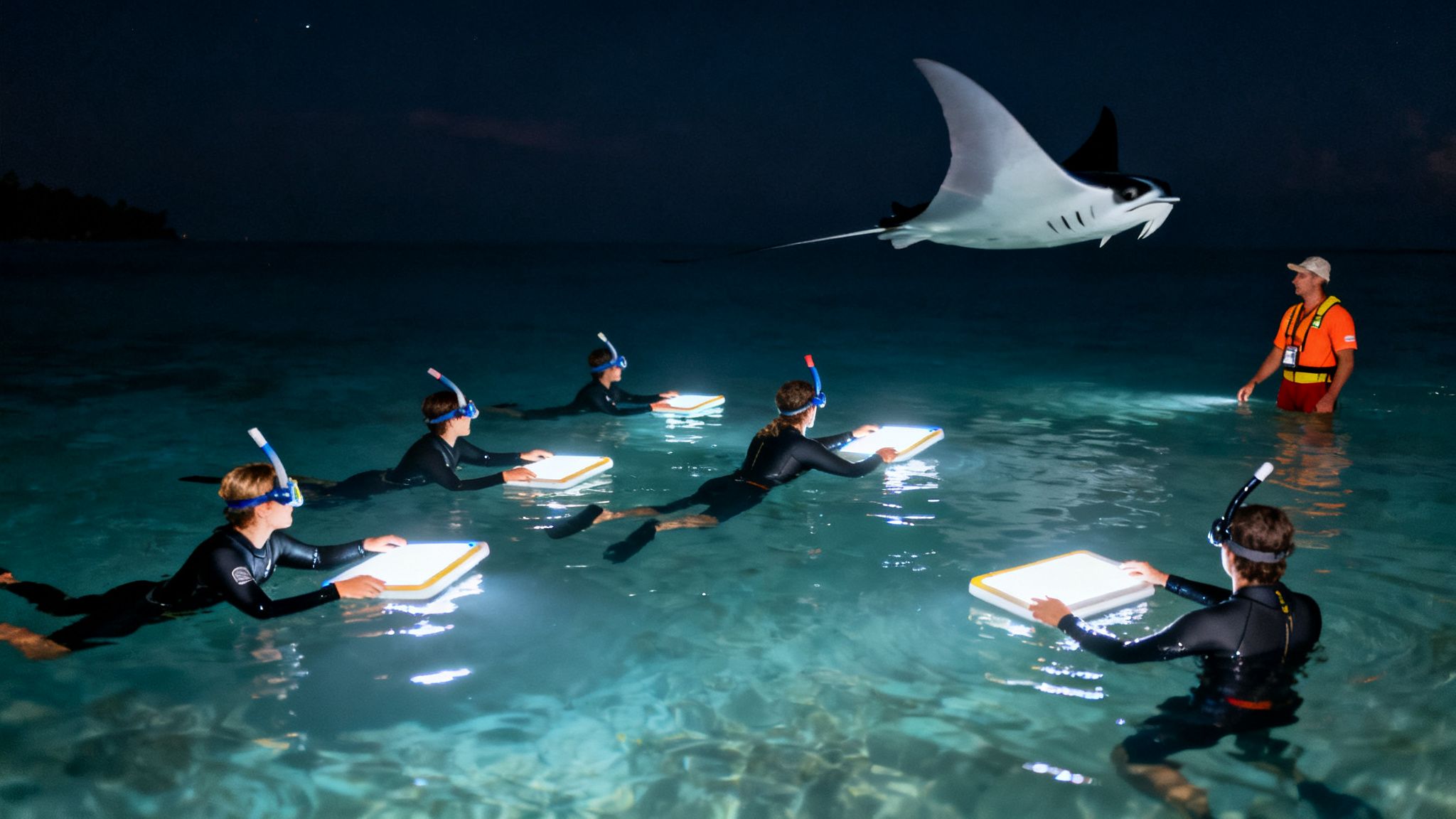
The Most Important Rule: Look, Don’t Touch
If there's one thing to remember, it's this: never, ever touch a manta ray. I know it's tempting. They glide so close you could reach out and graze their wingtips. But doing so could seriously harm them.
Here's why. Manta rays are covered in a delicate, slimy mucus coating. Think of it as their skin's built-in immune system. This layer is a crucial barrier that protects them from nasty bacteria and infections in the ocean.
When we touch them, even with the best intentions, we can rub off that protective slime. This leaves them exposed and vulnerable to disease, kind of like getting a cut on our own skin. Just by keeping your hands to yourself, you're playing a huge part in their conservation.
Your Comfort and Safety Gear
You can't fully soak in this incredible experience if you're shivering or worried. That’s why reputable tour companies hook you up with all the gear you need to feel warm, safe, and comfortable in the dark water.
This usually includes:
Warm Wetsuits: Even in Hawaii, the ocean gets chilly at night. A good wetsuit makes all the difference, letting you focus on the magic below.
Flotation Devices: You’ll be holding onto a big, stable light board, but extra flotation support is usually on hand if you want it.
High-Quality Masks and Snorkels: A clear, fog-free mask is key. The gear provided ensures you get a crystal-clear, front-row seat to the underwater ballet.
By choosing a tour operator that puts the mantas' safety first, you're doing more than just having an amazing night. You're supporting a sustainable ecotourism model that helps protect this one-of-a-kind marine ecosystem for future generations.
This commitment to doing things the right way is what makes the Kona experience so special and reliable. In fact, these tours have an incredible 85-90% success rate for manta sightings, which is almost unheard of anywhere else in the world. This consistency is because the tour lights reliably attract the zooplankton that mantas feed on all year. It allows operators to provide unforgettable encounters while keeping groups small and safe with lifeguard-certified guides. You can learn more in our guide to safe and spectacular encounters.
Answering Your Kona Manta Ray Snorkel Questions
The idea of slipping into the ocean after dark to float alongside giant, graceful sea creatures is thrilling, but it’s natural to have a few questions. We want you to feel completely confident and prepared for your adventure, so we’ve put together straightforward answers to the most common things people ask.
Our goal is to put your mind at ease so you can focus on how incredible this experience is going to be. Let’s dive in.
Is This Tour Safe for Beginners or Kids?
Absolutely. This experience was designed from the ground up to be safe and accessible for just about everyone, no matter your swimming skills. You definitely don't need to be an Olympic swimmer to join in.
The whole time you're in the water, you'll be holding onto a large, custom-built light raft. It’s incredibly stable. This means you can just float effortlessly on the surface, relax, and watch the amazing show unfold below you. Most operators provide all the gear, including wetsuits which give you a little extra buoyancy.
For families, there is usually a minimum age, typically somewhere between 7 to 10 years old. This is mainly to make sure the kids are comfortable and feel secure in the open ocean at night. You can rest easy knowing lifeguard-certified guides are in the water with you the entire time, keeping a close watch and ready to help.
What Happens If We Don't See Any Manta Rays?
It’s a fair question—manta rays are wild animals, after all, and their behavior can never be 100% guaranteed. That said, the Kona coast is one of the most reliable places on the entire planet for manta sightings. The success rate for the Kona manta ray snorkel is consistently high, often topping 90% all year.
But what about those rare nights when the mantas decide not to show up? Any reputable tour company has a plan for this. It's often called a "manta guarantee."
If you don't see any manta rays on your tour, most operators will let you come back and try again on another night for free, depending on availability. It's always smart to confirm the specific policy when you book.
This kind of guarantee shows just how confident the local experts are in finding the mantas. A great tip is to schedule your manta tour for one of your first nights in Kona. That way, if you do need to rebook, you'll have plenty of time left in your vacation to do so.
What Should I Bring on the Tour?
Packing for your manta ray snorkel is super simple because the tour companies provide all the essential gear you'll need in the water. You just need to think about being comfortable before and after your swim.
Here’s a quick checklist of what to bring:
Swimsuit: The easiest way to do it is to just wear your swimsuit under your clothes to the boat.
Towel: You'll be glad you have a dry towel waiting for you when you climb back on board.
Warm Clothes: Even on a balmy Hawaiian evening, it can feel a little chilly after getting out of the ocean. A dry hoodie, jacket, or sweatpants will feel amazing on the boat ride back to the harbor.
Reef-Safe Sunscreen: If you're on a sunset tour, make sure to apply this beforehand to protect both your skin and our fragile coral reefs.
And that's pretty much it! Your tour will provide a wetsuit, a high-quality mask and snorkel, and any other flotation gear. For even more detailed answers, feel free to check out our complete Manta Ray FAQ.
Can I Take Photos or Videos?
Of course! You're absolutely encouraged to capture the magic of your Kona manta ray snorkel. An underwater camera like a GoPro is perfect for this.
The sight of these gentle giants gliding and barrel-rolling through the light beams is something you’ll want to remember and share forever. There is, however, one very important rule to follow to keep the mantas safe: no external camera flashes.
Sudden, bright flashes can startle or disorient the manta rays, interrupting their natural feeding. The powerful lights on the main float board create all the illumination you need for stunning photos and videos, so there’s no need for an extra flash. Just use the beautiful ambient light for the best—and most responsible—shots.
For the best photo opportunities, consider a tour operator that keeps their groups small, like Kona Snorkel Trips. With fewer people in the water, you'll have a much clearer, unobstructed view to capture that perfect shot. They're a fantastic choice for both the Manta Ray night snorkel and their daytime Captain Cook snorkeling tour.
For an unforgettable adventure with gentle giants, book your tour with Manta Ray Night Snorkel Hawaii and experience the magic for yourself. Visit us at https://www.mantaraynightsnorkelhawaii.com/ to learn more.
Comments