Best Manta Ray Snorkel Big Island Tours | Unforgettable Night Experience
Picture this: you're floating in the warm, inky-black waters just off the Kona coast. Suddenly, the darkness gives way to a gentle giant, a massive manta ray, gliding effortlessly through the illuminated water right below you. This isn't a scene from a nature documentary—it's the very real, very magical experience of a manta ray snorkel on the Big Island, and it's easily one of Hawaii's most unforgettable adventures.
If you're planning a trip to Hawaii, you've probably heard about this incredible night snorkel. At Manta Ray Night Snorkel Hawaii, we are proud to share this experience with visitors from all over the world. Our guests consistently leave rave reviews about their tour with us.
If you're planning a trip, this guide will give you the inside scoop to make sure your manta encounter is everything you hope it will be.
Your Ultimate Guide to an Unforgettable Night Snorkel
I'll walk you through how to plan the perfect trip, from picking the right crew to what it actually feels like to be in the water with these amazing creatures. Operators like Manta Ray Night Snorkel Hawaii have built their reputation on creating these incredible experiences. You can check out their reviews below or see what dates are open for your trip on their homepage.
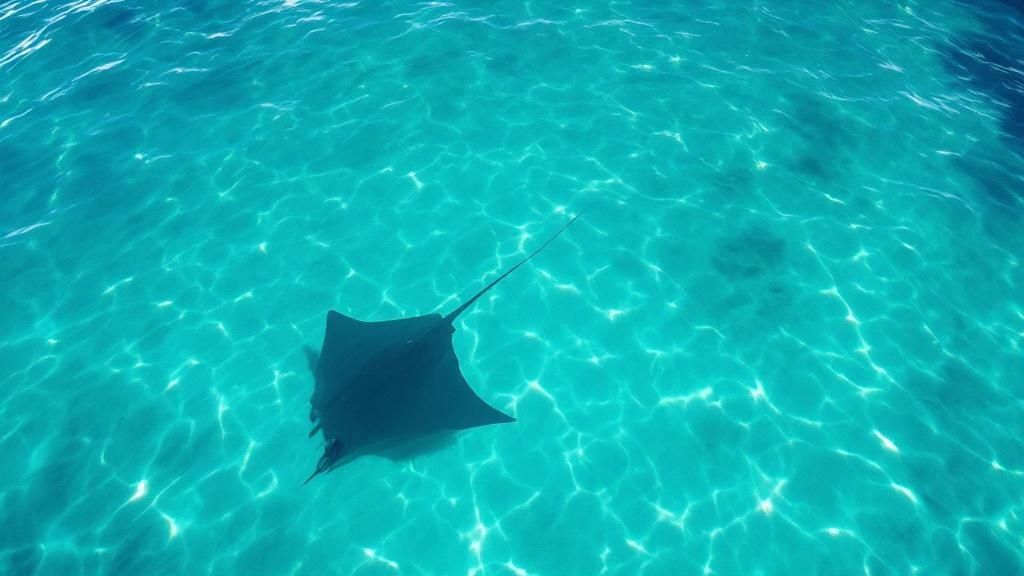
The manta ray night snorkel off the Kona coast is widely considered one of the most breathtaking underwater encounters you can have anywhere in the world. And here's the best part: unlike a lot of wildlife tours where sightings are hit or miss, your chances of seeing mantas here are incredibly high—often over 90% year-round.
This isn't just about spotting an animal in its habitat. It’s about witnessing a fascinating natural spectacle unfold right before your eyes. You'll float on the surface, holding onto a custom-built light board. These powerful lights attract swarms of plankton, the mantas' favorite meal, creating an all-you-can-eat buffet that draws them in from the deep.
What to Expect from This Experience
As the plankton cloud thickens under the lights, the manta rays rise up to feed. You get a front-row seat to their mesmerizing underwater ballet.
Graceful Movements: You’ll watch them glide, swoop, and perform graceful barrel rolls to gulp down the plankton-rich water. It's truly hypnotic.
Close Encounters: The rays often come within inches of the light board. You get an unbelievable view of their huge wingspans, which can stretch up to 18 feet wide.
A Gentle Nature: Manta rays are completely harmless. They have no stingers, no barbs, and no teeth. Their only interest is the plankton, making the whole experience perfectly safe and serene.
The feeling of a massive, silent creature gliding peacefully just beneath you is something that photos and videos can't fully capture. It’s a humbling, almost spiritual moment of connection with the ocean.
Booking your manta ray snorkel big island adventure is something you'll want to do well in advance. This is one of the most popular activities in Hawaii, and the best tours fill up fast, sometimes weeks ahead of time. Do yourself a favor and lock in your spot early so you don't miss out.
Why Is the Kona Coast the World’s Best Place to See Manta Rays?
So, what makes the Big Island’s Kona coast the most famous and reliable place on Earth for a manta ray snorkel? It's not just luck. It’s a unique mix of geology, biology, and a little bit of clever, human observation that turns these waters into a world-class spectacle every single night.
The story really begins with the island's volcanic past. All those ancient lava flows didn't just create a dramatic landscape above water; they sculpted the perfect underwater world below. This created sheltered bays and reef systems that are ideal homes for phytoplankton and zooplankton—the tiny creatures that manta rays absolutely love to eat.
For a long time, this was just a thriving, natural ecosystem. But things got really interesting when waterfront hotels, and later the first tour boats, noticed something simple: bright lights attract plankton.
Creating the "Plankton Buffet"
This discovery was a game-changer. Smart, responsible tour operators realized they could use this to their advantage in a way that was safe for the mantas. By shining powerful, but harmless, lights into the water, they create a glowing column of light that acts like a massive magnet for plankton.
Think of it as a concentrated, all-you-can-eat buffet. This bright cloud of food is an irresistible dinner bell for the local reef mantas.
This is the real secret behind the incredible success of the manta ray snorkel big island tours. The mantas aren't being fed or baited with anything unnatural. The lights simply gather their favorite food into one convenient spot. Over the years, the mantas have learned to associate the lights with an easy meal, and they show up like clockwork.
It's a truly amazing relationship between the tour operators and the wildlife. You're not just crossing your fingers hoping to glimpse a manta ray; you're literally showing up for their scheduled dinner date.
This nightly gathering is so reliable that the Big Island has become legendary for its viewing success. Snorkel and dive trips along the Kona coast have an incredible 85-90% manta ray sighting rate year-round. That makes it one of the most dependable wildlife encounters you can find anywhere in the world. If you're curious about the data behind this, you can explore insights on Kona's manta ray tours.
Knowing the science behind it all gives you a much deeper appreciation for what you're about to see. It’s not a circus trick; it’s a beautiful dance of nature, guided by sustainable and respectful tourism. Ready to witness it yourself?
How to Choose the Right Manta Ray Tour
With so many tour operators in Kona, it can feel a little overwhelming to pick one. It’s easy to just sort by price, but I’ve learned that the best manta ray snorkel experience on the Big Island isn’t always the cheapest. The real value comes from the quality of the trip itself.
Think about it—you'll be out on the water, at night, sharing a pretty special moment with the crew and other guests. The comfort of the boat, the knowledge of the guides, and especially the size of the group are what truly make or break the experience. I can tell you from experience, smaller boats almost always lead to a more personal, less crowded, and ultimately more memorable encounter with the mantas.
Put Safety and Sustainability First
Before you look at anything else, make sure the operator is certified and truly committed to sustainable, eco-friendly practices. The future of Kona's manta ray population literally depends on all of us being responsible tourists.
Look for companies that are transparent about their safety protocols and their dedication to the environment on their websites, like Manta Ray Night Snorkel Hawaii. When you support these operators, you’re doing your part to protect the incredible ecosystem you’ve come to see.
This focus on observation-only tourism isn't just a good idea; it's backed by serious research. Between 2009 and 2014, scientists spent thousands of hours watching the mantas at Manta Village and Manta Heaven. They carefully tracked their movements and behaviors, and this work created the foundation for the best practices used today—keeping both people and mantas safe.
Comparing Tour Operator Styles
Not all manta ray tours are the same. The type of boat, the number of people, and the overall vibe can be completely different from one operator to the next. Figuring out what you prefer ahead of time will help you pick the perfect trip. Are you looking for a relaxed ride on a spacious catamaran, or does a quicker, more adventurous zodiac-style boat sound like more fun?
The best tour isn't just about seeing manta rays; it's about the entire journey. From the crew's passion and knowledge to your comfort on the boat, every little detail adds up to a memory that will stick with you for a lifetime.
To give you a better idea, let's compare the two main types of tours. Deciding what matters most to you—personal attention or a lower price point—is the key.
Comparing Manta Ray Tour Features
This table gives you a quick glance at the major differences between a small-group tour and a large-group one.
Feature | Small Group Tours (e.g., 6-12 passengers) | Large Group Tours (e.g., 20+ passengers) |
|---|---|---|
Guest Experience | Far more intimate and personal. You get to interact more with the guides and other guests. | Can feel crowded and a bit impersonal, both on the boat and in the water. |
In-Water Space | Less jostling for a good spot at the light board means a better, unobstructed view. | More people sharing the same space, which can sometimes feel like you're fighting for a view. |
Crew Interaction | Guides have the time to give one-on-one attention, answer all your questions, and make sure you're comfortable. | The crew is often focused on managing the logistics of a large group, leaving less time for personal interaction. |
Best For | Couples, families with kids, photographers, or anyone who wants a calmer, higher-quality experience. | Budget-conscious travelers or people who don’t mind a lively, big-group atmosphere. |
Ultimately, taking a moment to choose wisely will ensure your adventure is just as magical as the manta rays themselves. If you'd like even more tips, you can dive deeper with our comprehensive manta ray snorkel guide.
Getting Ready for Your Night Snorkel Adventure
A little bit of prep work can turn a great manta ray snorkel into an absolutely unforgettable one. After all, you’ll be out on the open ocean after dark, and knowing what to bring and what to expect makes a world of difference. It lets you relax and focus on the main event: the mantas.
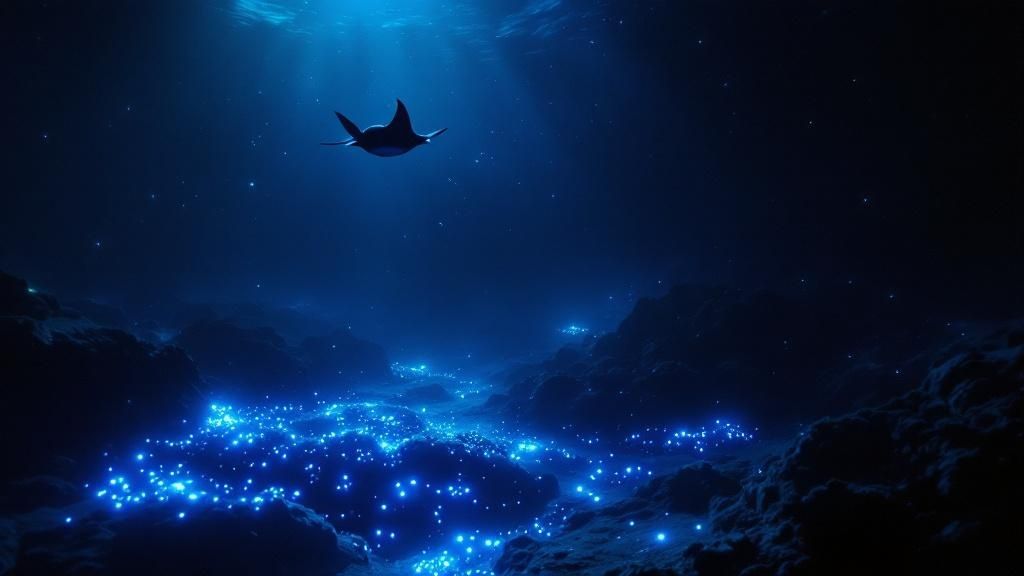
The good news is that your tour operator, like Manta Ray Night Snorkel Hawaii, provides all the critical gear—a good snorkel, a quality mask, and a wetsuit. You just need to bring a few personal items to make the whole experience more comfortable.
What to Pack in Your Bag
While the in-water essentials are handled, you'll be glad you brought a few things for before and after. That boat ride back can be chilly once the adrenaline wears off and you're wet from the snorkel.
Here’s a quick list of must-haves for your go-bag:
A towel. Seems obvious, but you’d be surprised how often it’s forgotten!
A warm change of clothes. Think a dry shirt, a cozy hoodie or windbreaker, and maybe some sweats. You'll thank yourself on the ride home.
Reef-safe sunscreen. If you're on a sunset tour, you’ll want to apply this before you even get on the boat.
A waterproof bag. A simple dry bag is perfect for keeping your phone, keys, and dry clothes safe from splashes.
With these few items, you can put all your energy into enjoying the show instead of shivering on the journey back to the harbor.
Staying Warm and Comfortable in the Water
The Kona coast waters are pretty pleasant, but you'll be floating mostly still for about 45 minutes. At night, that can make you feel colder than you’d think. This is where your wetsuit is your best friend.
The crew will help you get the right size, but don't be afraid to speak up. A wetsuit needs to fit snugly—almost like a second skin. If it’s too loose, cold water will just keep flushing through and you'll lose all the warmth. A snug fit traps a thin layer of water, which your body quickly heats up, keeping you insulated and toasty.
Pro Tip: I'm someone who gets cold easily. If you are too, don't hesitate to ask your tour operator if they offer thicker wetsuits or have an extra shorty wetsuit you can layer over the long one. A comfortable snorkeler is a happy snorkeler!
Dealing with Seasickness and Pre-Snorkel Nerves
Worried about motion sickness? Don't let it ruin your trip. The key is to be proactive. Take an over-the-counter remedy like Dramamine or Bonine about an hour before you board the boat. That gives it plenty of time to kick in.
If you’re a bit nervous about snorkeling in the ocean at night—which is completely normal!—know that you're in incredibly safe hands. The lifeguard-certified guides at Manta Ray Night Snorkel Hawaii give a fantastic safety briefing before you ever touch the water. They cover everything, from clearing your mask to what to do if you feel anxious. Listen closely; their job is to make you feel confident and secure.
Once you’re feeling prepared, all that’s left is to book your spot for this once-in-a-lifetime experience.
What It Feels Like to Snorkel with Manta Rays
The energy on the boat ride out is palpable. Everyone is buzzing with anticipation, but honestly, nothing can truly prepare you for the moment you slide off the boat and into the vast, dark Pacific.
Once you’re in the water, your guide will lead you over to a large, custom-made light board floating on the surface. You’ll find a spot, grab onto the handles, and just float flat on your stomach, face down in the water. It feels a little strange at first, but this simple board is the key to everything. Its bright, eco-friendly lights cut through the night, illuminating the water and attracting clouds of microscopic plankton. This glowing buffet is an irresistible dinner bell for the local reef mantas. The only thing you need to do is relax, breathe, and float.
The First Sighting
For the first few minutes, all you see is the shimmering plankton and the deep, inky blue of the ocean. Then, you spot it—a faint shadow moving at the edge of the light. It gets bigger with surprising speed, resolving into the unmistakable, graceful shape of a giant manta ray. It glides effortlessly into the spotlight, propelled by its massive wings with a silent power that literally takes your breath away.
The number one rule on any manta ray snorkel Big Island tour is to be a passive observer. You're a guest in their world, there to witness, not to interact.
No Touching: Manta rays are covered in a protective mucous film. Touching them can strip this away, leaving them vulnerable to nasty infections.
Stay Horizontal: Keep your body flat on the surface. This means keeping your fins up and out of the water to avoid accidentally kicking a manta and to give them a clear, unobstructed path to swim below you.
Let Them Come to You: The mantas are in charge. They aren’t shy and will often swim within inches of you, but you have to let them initiate the close pass.
Following these simple rules is crucial for keeping the mantas safe and ensuring this incredible encounter can continue for years to come. For an even deeper dive into what to expect, check out our ultimate guide for your manta ray snorkel on the Big Island.
An Underwater Ballet
Before long, more mantas start to arrive, and the real magic begins. You'll float in absolute awe as they perform a silent, hypnotic ballet. They swoop, glide, and perform stunning barrel rolls right below you, their cavernous mouths wide open to filter the plankton-filled water. The experience is incredibly serene; the only sounds are your own steady breathing and the gentle lapping of the ocean against the light board.
Watching a creature the size of a small car move with such elegance is a deeply humbling experience. It’s a powerful, goosebump-inducing reminder of the ocean's magic and a moment of pure connection with nature that will stick with you forever.
The feeling is almost otherworldly. Floating there in the dark, with these gentle giants dancing in the light below, creates a memory that no video or photo can ever do justice. It's a peaceful, awe-inspiring spectacle that truly defines the Big Island adventure.
Your Manta Ray Snorkeling Questions Answered
Getting ready for a manta ray snorkel on the Big Island is thrilling, but it's totally normal to have questions before you dive in. Knowing what to expect helps you feel relaxed and ready for one of the most incredible wildlife experiences on the planet. Here are the answers to some of the questions we get asked the most.
Our crew at Manta Ray Night Snorkel Hawaii is all about making your tour unforgettable, and we're proud that our guest reviews show it.
Is Manta Ray Snorkeling Safe?
Yes, absolutely. Manta rays are called "gentle giants" for a very good reason. They are filter feeders, meaning they’re only interested in the tiny plankton attracted by the lights. They have no teeth, no stingers, and no barbs, making them completely harmless to people.
Plus, the whole experience is incredibly controlled and safe. Your lifeguard-certified guides give a detailed safety talk before you even get in the water. You'll hold onto a large, stable light board the entire time, so you're never just floating off on your own.
Do I Need to Be a Strong Swimmer?
Not at all. This is one of the most common misconceptions. The activity is surprisingly easy, even if you're not a confident swimmer.
You'll be given a wetsuit, which provides buoyancy, and you'll be holding onto the flotation board the whole time. There’s no real swimming involved—your only job is to float, watch, and be amazed. It's a fantastic experience for all ages and abilities.
What’s the Best Time of Year to See Manta Rays?
This is the best part: any time is a great time! The Kona coast is home to a resident population of reef mantas, which means they don't migrate. They live here all year.
Because of this, the sighting success rate is consistently high—often over 90%—no matter when you visit. The mantas show up for their nightly plankton feast whether it’s the middle of summer or the week after Christmas.
Can My Kids Go on a Manta Ray Snorkel Tour?
Yes, this is an incredible adventure for the whole family! Most tour companies welcome children, but they usually have a minimum age, which is often around 5 to 7 years old.
It's an experience that can spark a lifelong love for the ocean in a kid. Just be sure to check the specific age requirements with your tour operator when you book.
Want a full rundown of what to expect, from what you should pack to tour etiquette? Check out our ultimate guide to manta ray snorkeling on the Big Island. It's packed with all the details you need for a perfect trip.
Ready to see this underwater ballet for yourself?
Comments