Manta Ray Kona Tour: The Ultimate Night Snorkel Guide

A first-time guest often arrives at the harbor with two competing thoughts: “I can't wait to see a manta ray,” and “What will it feel like to enter the ocean after dark?” Both reactions make sense. Kona's manta experience combines open water, darkness, boats, snorkeling, and large wild animals, but the activity is carefully structured so you can focus on the animals rather than guessing what to do next.
The best way to understand a manta ray Kona tour is as a guided wildlife observation experience, not a chase. You'll travel by boat, receive a safety and natural-history briefing, enter the water with flotation support, and watch reef manta rays feed around an illuminated viewing station. The magic comes from being still enough to let the ocean reveal what's already happening there.
Table of Contents
Stepping Into the Dark Water - What the evening actually involves
The Science and History Behind the Spectacle - From accidental gathering to organized viewing - Why a resident population changes the responsibility
Choosing the Right Night and Reading the Weather - Read the forecast in layers - Use a practical go or no-go checklist
Comparing Shared Sunset Tours and Private Charters - Tour Format Comparison - Look beyond the departure label
Photography Tips and Responsible Viewing Rules - Set up before entering the water - Let the animal choose the distance
Expanding the Adventure to Kealakekua Bay - Plan around protected access
Final Preparation and Frequently Asked Questions - Can non-swimmers participate - What happens if weather changes - Are there exact child age restrictions
Stepping Into the Dark Water
The boat settles at the viewing site, and the last color of sunset fades from the western sky. Below you, the water looks almost completely black except for the bright pool cast by the light board. You ease into the ocean, adjust your mask, and hold onto the floating structure while your breathing finds a steady rhythm.
Then a pale shape rises from the darkness.
At first, you may see only the white underside of a manta ray. A moment later, its broad cephalic fins and wings come into view as it rolls through the light, turns beneath you, and disappears into the blue-black water. The animal hasn't been trained, fed, or directed toward you. It's following a concentrated food source.
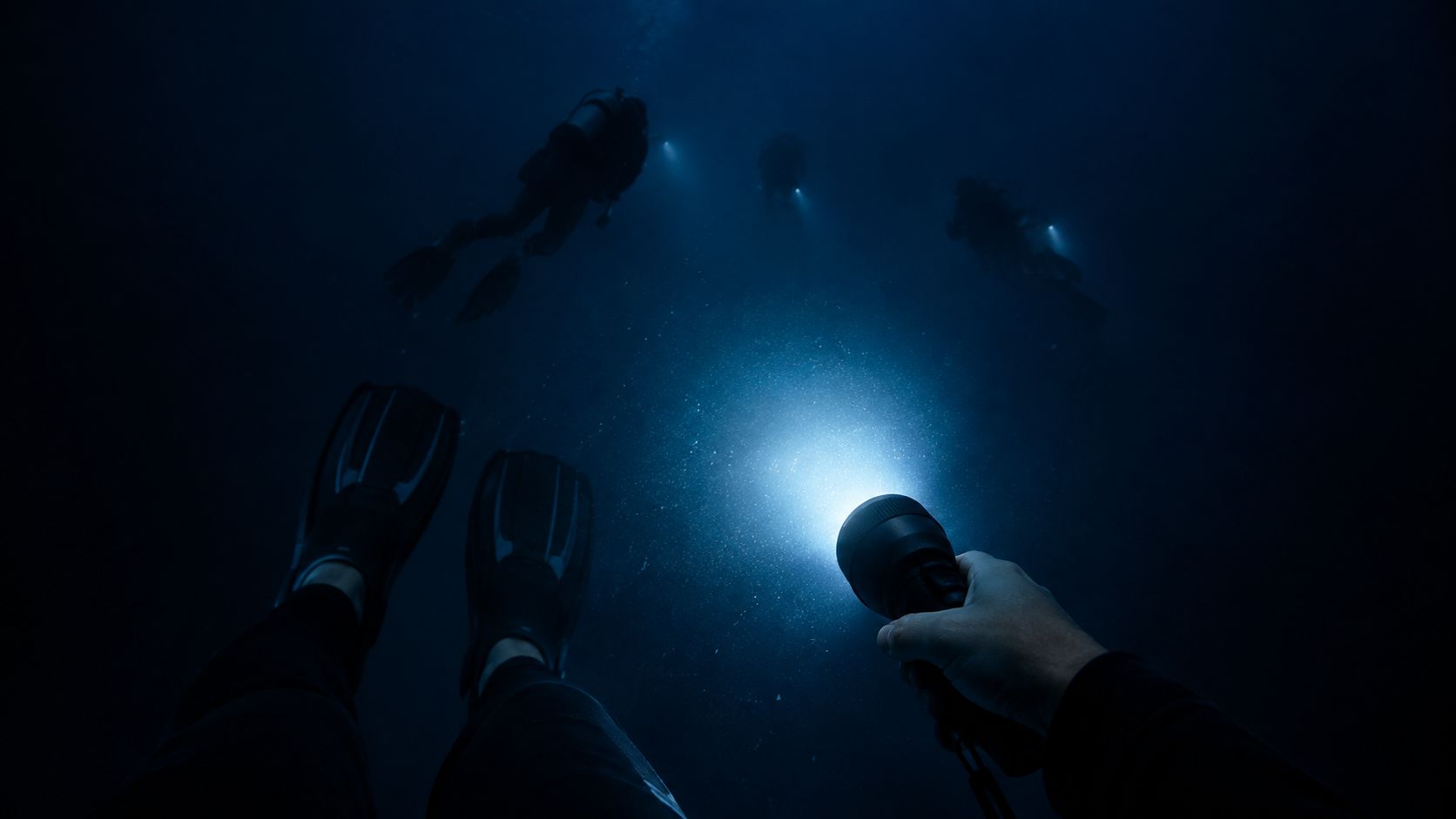
What the evening actually involves
A typical tour begins at the harbor with check-in, equipment fitting, and a briefing. Guides explain how to enter and exit the boat, how to hold the flotation support, and how to position your body without drifting into the feeding area. You'll usually wear a swimsuit under your clothing and use a mask, snorkel, flotation device, and wetsuit or thermal layer supplied by the operator.
The boat ride takes you to an established manta viewing location. Once the crew sets the lights, guests enter in an organized sequence and hold onto the illuminated board or platform. You aren't expected to swim around searching for animals. Your job is to stay calm, keep your body controlled, and look down.
Practical rule: The less you try to force the encounter, the more natural the encounter usually feels.
After the in-water viewing period, guides help everyone back aboard. The return trip gives you time to warm up, talk through the sightings, and watch the coastline or night sky. If you're nervous before entering, tell the crew early. A good guide can help with mask fit, entry timing, breathing, and body position before anxiety becomes a problem.
This structured format explains why the experience suits more than confident swimmers. You still need to be comfortable in open water and able to follow directions, but you don't need to swim long distances or pursue the animals. The light station and the crew create a stable observation point while the mantas choose how close they want to come.
The Science and History Behind the Spectacle
The lights don't attract manta rays in the simple sense. They attract the mantas' food.
Reef manta rays, Mobula alfredi, are specialized zooplanktivores. Their diet includes copepods, euphausiids, mysids, decapod larvae, and other mesoplankton. At night, many zooplankton species move upward in the water column. Underwater lights concentrate some of that prey near the surface, creating a temporary feeding zone that resembles a brightly lit buffet.
Research hosted by NOAA's manta ray work product describes this predator-prey mechanism and explains why feeding intensity changes with tidal currents, island topography, internal-wave activity, and other nearshore conditions. A manta may pass through the light without staying there because the plankton patch can shift or thin.
From accidental gathering to organized viewing
Kona's viewing tradition began with an unintended chain of events. In the early 1970s, shoreline resort construction brought artificial lights close to the water. Those lights attracted plankton near the surface, and manta rays followed the concentrated food source.
The activity became more organized in 1991, when a local dive operator scheduled weekly night dives and used purpose-built underwater lights to draw feeding mantas away from shore and into deeper water. As more animals learned to use the feeding station, the outings expanded from weekly operations to nightly trips.
The viewing location experienced a major interruption in May 2000, when the Kona Surf Hotel closed and its lights were switched off. Manta visits reportedly declined until the property reopened as the Sheraton Keauhou Bay Resort & Spa in October 2004, after which the site was re-established. Hawaiʻi added another important milestone on June 5, 2009, when state legislation made it illegal to kill or capture manta rays in state waters. These historical details are summarized in this account of Kona's manta ray viewing history.
Why a resident population changes the responsibility
The first manta identified along the Kona Coast was recorded in 1979, and researchers have catalogued only 318 unique reef manta rays around Hawaiʻi Island. Genetic research estimates the island's contemporary effective population size at 104 individuals, with a 95% confidence interval of 99 to 110. The effective population size isn't a simple head count. It reflects how many animals contribute genetically to future generations.
The same research found that Hawaiian reef mantas remain strongly associated with their home islands, with limited movement between island groups. NOAA's summary of the genetic study explains why recurring encounters in Kona involve a localized resident population rather than a constantly changing stream of migrants.
That makes the no-touch rule more than a polite guideline. Physical contact, chasing, blocking, and careless fin movement can interrupt feeding and create risks for both animals and guests. The light station works because it supports natural feeding behavior. Responsible viewing means allowing the manta to control the encounter.
For a friendly introduction to their anatomy and behavior, this guide to manta ray facts offers useful background before you board.
Choosing the Right Night and Reading the Weather
“Summer is best” is too broad to guide a real booking decision. Kona's leeward coast can remain usable during winter, while exposed locations may be affected by seasonal swells. A summer afternoon can also become windy enough to reduce visibility, even when the surf from shore looks manageable.
The better question is whether the specific evening offers suitable wind, swell, current, visibility, and boat-site conditions.
Read the forecast in layers
Start with the marine forecast for the time of your tour, not only the daily high or low. Then separate the conditions that affect the trip:
Wind chop: Short, wind-driven waves can make boarding, the boat ride, and floating at the light board uncomfortable. Afternoon wind may continue after sunset or change direction near the coast.
Ocean swell: A longer-period swell can move the boat and viewing station even when the beach appears calm. Exposed sites may feel this more strongly than sheltered locations.
Visibility: Wind can stir the surface and reduce the clarity you need for seeing mantas below you.
Current: Local tidal flow helps shape plankton concentrations. Calm water is valuable, but calm water alone doesn't guarantee sustained feeding.
Timing: Conditions can change between a peaceful afternoon and a rougher evening. Don't treat a calm beach walk as proof that the night tour will be smooth.
Research on Kona's manta feeding system shows that operators depend on stable lighting and favorable local water movement, but no departure time guarantees that a ray will remain in the viewing zone. This guide to choosing the best time for manta rays in Kona is useful when comparing seasons and tour timing.
Use a practical go or no-go checklist
Before booking, ask the operator:
What forecast conditions would cause a relocation, delay, or cancellation?
If the crew relocates, will the new site have the same entry and viewing setup?
What happens if the boat cancels for safety reasons?
Can you reschedule, and under what terms?
Is a refund available if the operator cancels rather than if you decide not to attend?
How does the crew handle a guest who becomes cold, anxious, or seasick?
A professional operator should answer clearly instead of promising perfect conditions or guaranteed close passes. A manta can be present without feeding steadily beneath the lights. Sightings and sustained viewing are related, but they aren't identical outcomes.
A favorable forecast improves comfort and safety. It doesn't turn wild-animal behavior into a schedule.
Families, first-time snorkelers, and photographers should leave flexibility in the itinerary. If you can choose among several evenings, favor the night with the calmer time-specific marine forecast rather than automatically selecting a summer date. A winter or shoulder-season evening can be an excellent choice when the leeward conditions line up.
Comparing Shared Sunset Tours and Private Charters
Departure time changes the mood of a manta experience. An early trip may include the final glow of sunset and the chance to watch marine life during the boat ride. A later departure usually emphasizes darkness, stars, and the illuminated feeding station. A private charter gives your group more control, but it also requires you to decide whether that extra flexibility matters more than the simplicity of a shared tour.
Tour Format Comparison
Tour Type | Best For | Key Advantages |
|---|---|---|
Early sunset shared tour | First-time visitors, couples, and guests who want a scenic transition into the night | Sunset views, a gradual change in light, and a lively group atmosphere |
Late-night shared tour | Travelers who prefer a darker setting or want to fit the manta trip around daytime plans | A stronger nighttime feel, starlit surroundings, and a focused wildlife session |
Private charter | Families, photographers, celebrations, and groups wanting a customized pace | More control over timing, conversation, comfort breaks, and group priorities |
Shared tours are often the easiest format for solo travelers. The crew handles the route, equipment, safety sequence, and viewing setup while you meet other people who are just as excited. They can also be a good fit for families when children are comfortable with boats, darkness, and snorkeling.
A private charter may make more sense when the group includes mixed abilities or strong preferences. You can discuss entry timing, camera equipment, seasickness concerns, and whether a daytime snorkeling stop fits the plan. The tradeoff is that a private boat doesn't remove the basic realities of wind, swell, currents, or manta behavior.
Look beyond the departure label
A sunset tour isn't automatically more scenic, and a late-night tour isn't automatically calmer. Ask how long the group expects to remain in the water, what flotation support is used, how guides manage spacing, and what happens when the animals move away from the lights.
Manta Ray Night Snorkel Hawaii's sunset and night tour comparison can help you match departure style to your travel group. When comparing operators, Kona Snorkel Trips' manta ray night snorkel tour is an exceptional alternative to consider, especially if you're evaluating different boat formats and schedules.
If your dates are fixed, book the format that gives you the clearest cancellation and rescheduling terms. If your schedule is flexible, prioritize the operator's safety briefing, guide training, group control, and equipment over a promise of a dramatic close encounter.
Photography Tips and Responsible Viewing Rules
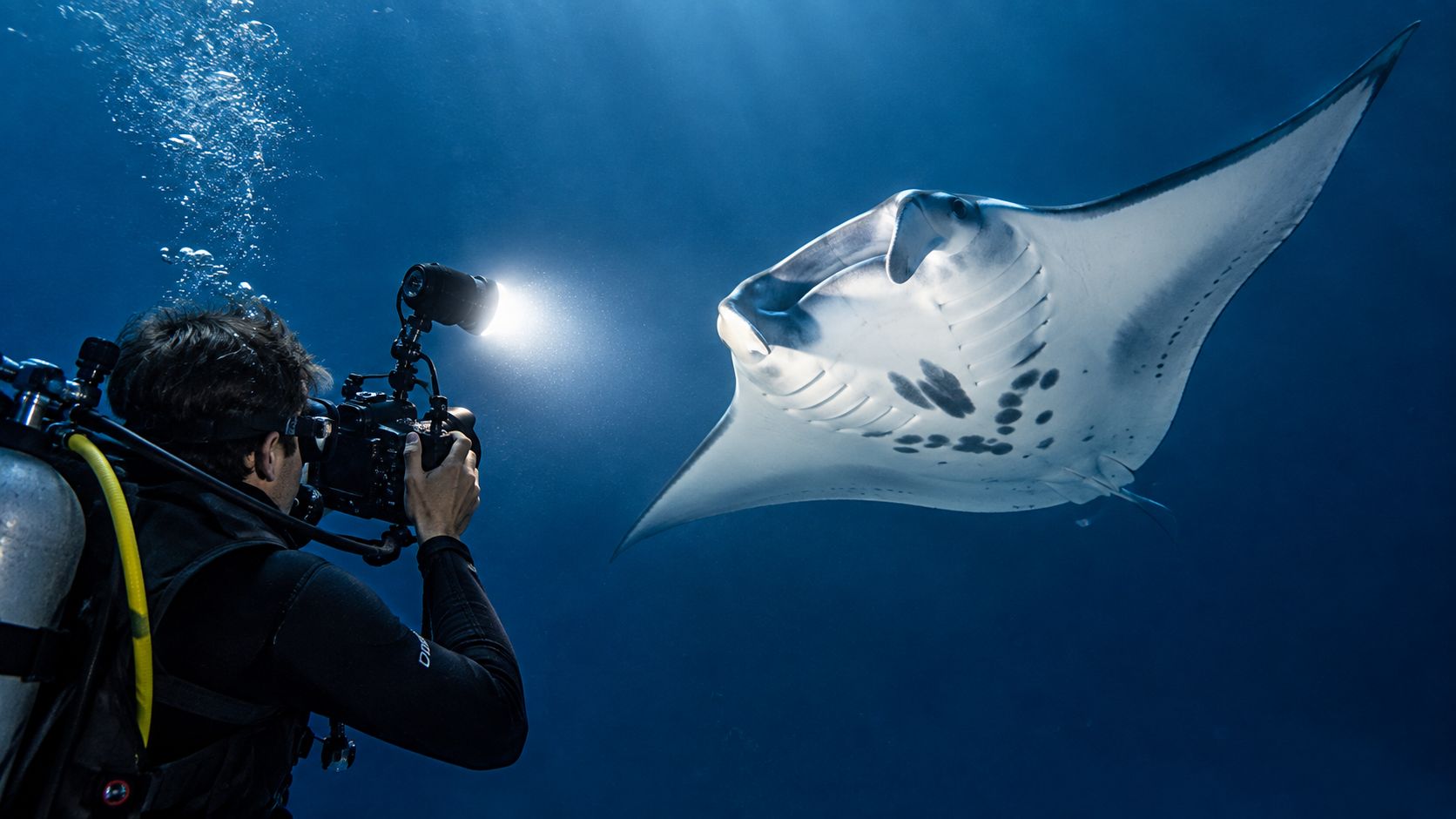
Night photography rewards preparation, but it punishes frantic movement. The scene is dark around you, bright below you, and constantly changing as a manta turns through the light. Your best images usually come from a calm body position and a camera that's ready before the animal arrives.
Set up before entering the water
A wide-angle lens helps you frame a large ray at close range without backing away or chasing it. A red-light focus torch can help your camera lock focus while reducing the bright disturbance caused by white light. High ISO settings may be useful in the dark, but test them before the tour so you understand how much grain your camera produces.
Keep the camera free of clutter. Loose straps, bulky handles, and dangling accessories can catch on equipment or make it harder to maintain a stable position. If you're choosing a compact camera for travel and water use, this review of the Insta360 X3 features can help you evaluate how a small 360 camera handles underwater shooting.
Let the animal choose the distance
Hold the flotation board steadily and keep your body horizontal. Your fins should remain behind you and out of the manta's feeding path. Don't reach toward a ray, dive down after it, block its turn, or kick hard to follow a pass.
The light field is part of the feeding system. Excessive splashing and fin movement can disturb the surface and make the viewing area less predictable. A calm group gives the animals room to make repeated passes while also making it easier for guides to monitor everyone.
Full-face snorkel masks deserve special caution. Independent snorkeling guidance warns that some designs can contribute to carbon-dioxide buildup, dizziness, panic, or unconsciousness. Use the equipment approved or supplied by the operator, and tell the crew immediately if your mask leaks, feels uncomfortable, or makes breathing difficult.
Photographer's rule: Protect the encounter first. A missed frame is better than a chased manta.
The no-touch policy is absolute. Manta rays are protected in Hawaiʻi state waters, and NOAA-hosted research on Kona's viewing sites notes that harassment and physical contact are strictly prohibited. Ethical photography isn't separate from good photography. Stillness gives you cleaner compositions, better focus, and a more natural view of the animal.
Expanding the Adventure to Kealakekua Bay
A manta ray night tour reveals Kona's plankton-rich water after sunset. Kealakekua Bay offers a daylight view of the same coastal environment, with coral, reef fish, and other marine life visible in natural light. Pairing the trips helps you compare two habitats and two ways animals use the nearshore ocean.
Kealakekua Bay is a Marine Life Conservation District associated with the Captain Cook Monument. Hawaiʻi's Division of Aquatic Resources prohibits taking or injuring marine life, removing or altering sand, coral, or geological features, and feeding or attempting to feed fish. Boat anchoring is prohibited in Subzone A. In Subzone B, vessels may anchor only on sand or where the anchor will not damage coral. The official Kealakekua Bay conservation rules explain the conservation reasons behind careful vessel positioning and passive wildlife viewing.
Plan around protected access
Vessel access requires permits. Hawaiʻi State Parks states that all vessels, including kayaks, boats, canoes, stand-up paddleboards, and inflatables, must obtain a permit before transiting the bay. Commercial and private rental vessels need valid permits. Visitors renting kayaks do not obtain separate permits, but they should confirm that the rental vessel is authorized.
Permitted vessels cannot land at Ka'awaloa Flat, including the Captain Cook Monument area, or launch from Nāpōʻopoʻo Wharf without separate authorization. Before arranging an independent outing, review The Kealakekua Bay State Historical Park guidance. For current access details and what to expect on the water, read this guide to Kealakekua Bay snorkeling in 2026.
Guided trips can simplify the permit question. Kona Snorkel Trips' Captain Cook and Kealakekua Bay tour provides a daytime reef option, and you can Check Availability while building your itinerary. Captain Cook Snorkeling Tours is another option focused on the bay and monument area.
Plan the experiences for different conditions. The manta encounter relies on darkness, artificial light, plankton, and suitable night conditions. Kealakekua Bay rewards daylight, reef awareness, and strict conservation practices.
Final Preparation and Frequently Asked Questions
Pack for comfort rather than complexity. Wear your swimsuit under easy clothing, bring a towel, and carry a light dry layer for the boat ride home. Reef-safe sunscreen belongs on the daytime part of your itinerary, but apply it well before entering the water and follow the operator's guidance about products.
A dry bag can protect medication, glasses, and other essentials. For compact travel storage, this guide to collapsible gear for Hawaii offers ideas for reducing the amount of equipment you bring to the harbor.
Avoid a heavy meal immediately before boarding. Eat enough to avoid feeling weak, hydrate earlier in the day, and take seasickness medication only as directed by a medical professional. If you're prone to motion sickness, tell the crew before departure so they can help you choose a comfortable position and respond early if symptoms begin.
Can non-swimmers participate
That depends on the person and the operator's policies. You don't need to swim laps, but you do need to tolerate open water, use the provided equipment, follow instructions, and remain calm while holding flotation support. Someone who is anxious in darkness, unable to control their body position, or uncomfortable putting their face in the water may be better suited to a boat-based wildlife experience or a daytime activity.
Ask about participation requirements before booking, especially for children, older travelers, and anyone with medical concerns. Don't assume that a flotation device makes every guest suitable for a night snorkel.
What happens if weather changes
Operators may relocate, delay, or cancel when wind, swell, visibility, current, or boat-site conditions create a safety problem. Ask in advance whether the company offers rescheduling or refunds after an operator cancellation, and keep your schedule flexible enough to accept an alternative evening.
A tour company should never treat a safety cancellation as a failure. Wild animals and ocean conditions remain outside the operator's control, while the crew is responsible for making a careful go or no-go decision.
Are there exact child age restrictions
Age limits vary by operator, boat, equipment, and conditions, so there isn't one universal rule to apply to every Kona night boat. Confirm the current minimum age directly with the company before paying, and explain the child's swimming experience, comfort with darkness, and history of seasickness.
A child who enjoys daytime snorkeling may still find nighttime entry intense. A clear briefing, patient supervision, and realistic expectations matter more than excitement alone.
Choose an evening with a favorable marine forecast, ask direct questions about safety and cancellation policies, and select a crew that treats the manta rays as wild animals rather than performers. Manta Ray Night Snorkel Hawaii offers guided nighttime snorkeling with safety instruction, equipment, flotation support, and organized wildlife viewing, so visit Manta Ray Night Snorkel Hawaii to review the experience and plan your Kona night on the water.
Comments