Experience manta ray snorkel kona: Kona's Ultimate Manta Tour
- Byron
- Jan 6
- 13 min read
Picture this: you're floating in the calm, dark Pacific waters off the Kona coast. Below you, massive, gentle giants—manta rays—are gliding and dancing through beams of light. This isn't a scene from a documentary; it's the world-famous manta ray snorkel in Kona, a wildlife encounter that is truly, genuinely, once-in-a-lifetime.
If you want to do this right, look into a top-notch outfitter like Manta Ray Night Snorkel Hawaii. They have a reputation for incredible guides who make the whole experience unforgettable. Another great option for a tour is Kona Snorkel Trips, the most reviewed and highest rated snorkel tour company in Hawaii.
Your Unforgettable Kona Manta Ray Snorkel Adventure
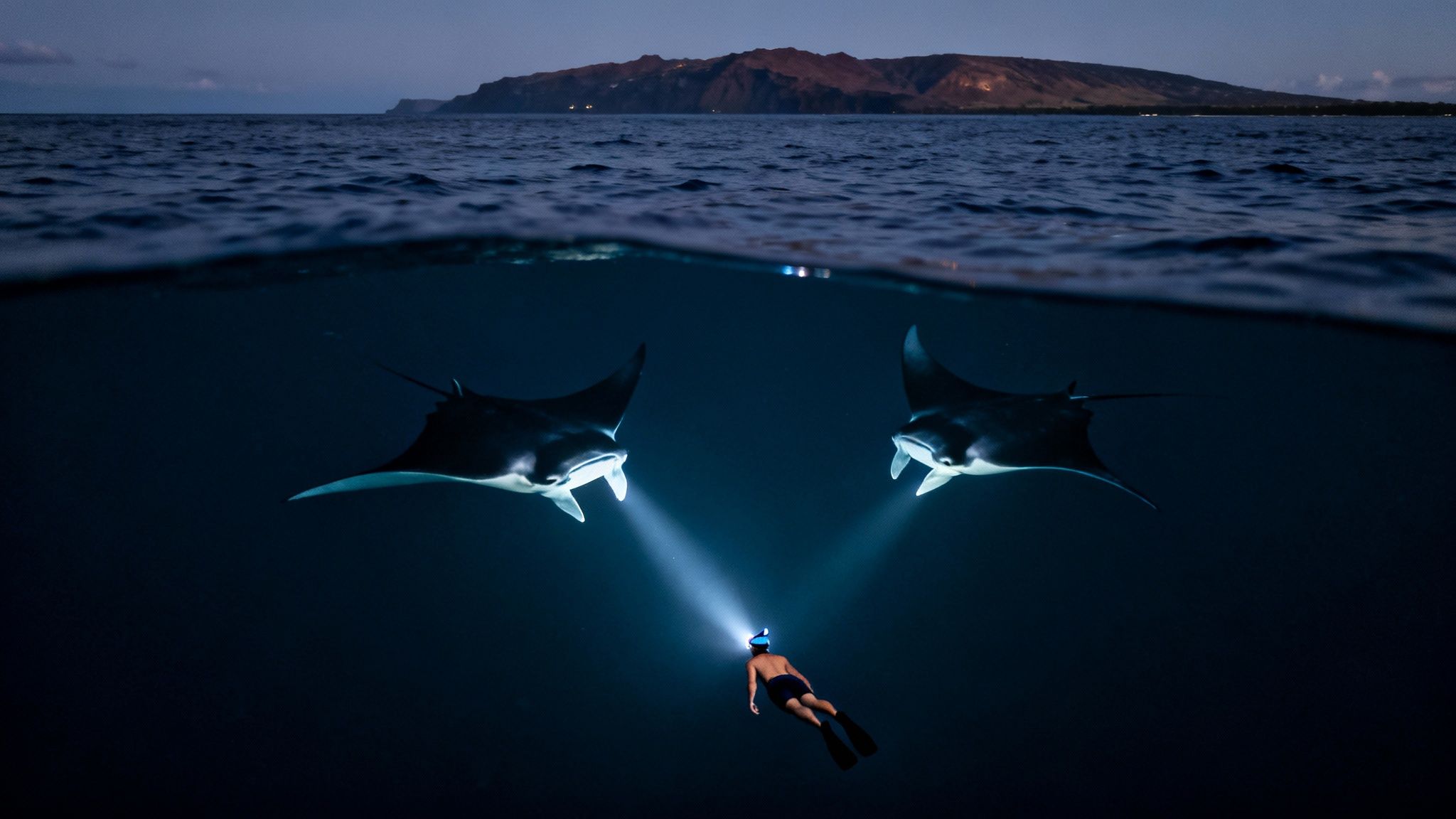
There are tourist traps, and then there are experiences that change you. Snorkeling with manta rays in Kona is absolutely the latter. It's so much more than just ticking something off a bucket list; it's a connection with the natural world that leaves you with a deep sense of respect and wonder. It's no surprise this is considered Hawaii’s signature wildlife adventure.
The whole thing feels magical right from the start. You'll board the boat and cruise along the coast as the sun dips below the horizon, painting the sky in fiery colors. It’s the perfect opening act for the main event, and this guide is your front-row ticket to it all.
What Makes This Experience So Unique?
This isn't your average snorkeling trip where you might see a few fish darting around the reef. The Kona manta snorkel is an intimate, up-close encounter. You'll hold onto a custom-built light board while you float on the surface, and this board is key. Its lights shine down into the water, attracting swarms of plankton—the mantas' favorite meal.
Essentially, you're setting the table for a manta ray feast.
And what happens next is simply breathtaking. These gentle giants, some with wingspans stretching over 10 feet, perform an underwater ballet as they feed. They swoop, glide, and do graceful barrel rolls just inches below you. It’s a completely safe and respectful way to witness one of nature's most beautiful performances.
This isn't just about watching wildlife from a distance. It's about being invited into their world for a few magical moments. The sheer size and grace of these animals create a sense of awe that words can't fully capture.
I'm going to walk you through everything you need to know, from the science behind this incredible gathering to picking the right tour and getting ready for your swim. Let's get you prepared for one of the most memorable nights of your life.
Why Kona Is the Manta Ray Capital of the World
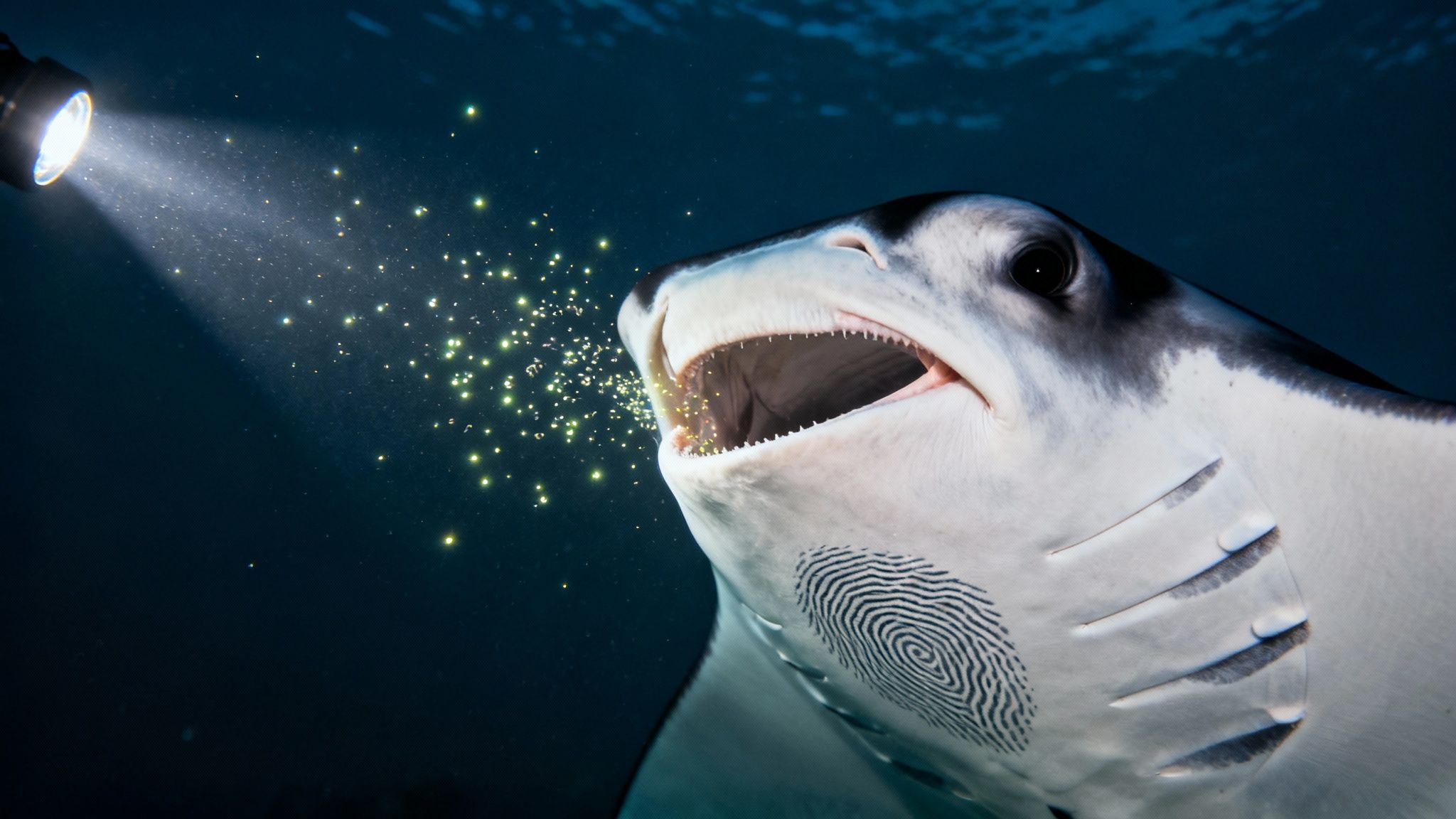
Of all the incredible places on Earth, how did Kona become the undisputed champion for manta ray encounters? It’s not just luck. It's a perfect storm of biology, geography, and a happy accident that created the ultimate manta ray snorkel Kona experience.
The secret? Plankton. These tiny organisms are a manta ray’s favorite meal. Years ago, a hotel on the coast switched on bright lights that beamed into the ocean, and something magical happened. The light attracted swarms of plankton, and the local manta rays figured out this glowing patch of water was a free, all-you-can-eat buffet.
It didn't take long for tour operators to realize they could basically ring a dinner bell for mantas anywhere along the coast. Now, boats head out to established sites, shine powerful, eco-friendly lights into the water, and wait for the show to begin.
Meet the Gentle Giants of Kona
If you've never seen a manta ray up close, their sheer size can be a little intimidating. But there is absolutely nothing to fear. We call them "gentle giants" for a reason—they are completely harmless.
Here’s why you can relax and enjoy the show:
They’re filter-feeders. Mantas glide through the water with their mouths open, filtering out tiny plankton. They have zero interest in people as food.
No teeth, no stingers. Unlike their stingray cousins, manta rays have no stinger on their tail. They also don't have the sharp teeth you'd find on a predator.
Curious but careful. These are intelligent animals. They might get incredibly close while they feed, but they are graceful and agile, expertly navigating around snorkelers.
This feeding ritual is what makes the whole encounter so mind-blowing. You're not just watching from a distance. You become part of their nightly routine, floating on the surface as they perform an acrobatic ballet just inches below you.
A Resident Population of Ocean Celebrities
Kona isn’t just a pit stop for these creatures; it's their home. We have a thriving, year-round population of reef mantas (Mobula alfredi) right here.
Imagine floating in the dark water when a majestic shape emerges from the deep, its wings spanning up to 12 feet and weighing over 1,000 pounds. This isn't a rare sighting. Kona is home to one of the most reliable manta populations in the world, with over 450 identified individuals.
Each manta has a unique pattern of black spots on its belly, which works just like a fingerprint. Local guides and researchers have actually named many of them—you might meet local celebrities like Lefty, Big Bertha, or Kailey! This turns your snorkel from just seeing wildlife into a personal meet-and-greet with the animals who call these waters home.
For more tips on planning your trip around them, check out our guide on the best time to see manta rays in Kona.
How to Choose the Perfect Manta Ray Snorkel Tour
With a bunch of great companies offering manta ray snorkel kona trips, picking the right one can feel like a major decision. But here’s the good news: you really can't go wrong. That said, knowing the differences between the tour styles will help you book the perfect adventure for you and your group.
The biggest choice usually boils down to timing and tour size. Do you want to see a classic Hawaiian sunset from the water, or do you prefer the quiet mystery of snorkeling under the stars? Likewise, are you looking for the creature comforts of a bigger boat or the personal touch of a smaller, more intimate group?
Sunset Tours vs After Dark Tours
Your first decision is whether to go on a sunset tour or one that leaves after dark. Both get you the same incredible up-close experience with the manta rays, but the vibe of each trip is completely different.
Sunset Tours: These trips head out while it's still light, giving you a beautiful cruise along the Kona coast as the sun paints the sky. It's an awesome way to get two experiences in one—a scenic boat tour and the main event. For anyone a little nervous about getting in the ocean at night, this can feel a bit less intimidating.
After Dark Tours: These trips leave after the sun has completely disappeared. The experience is more focused, serene, and all about the underwater show. Floating out on the ocean under a sky full of stars has a unique magic and tranquility all its own.
A lot of people ask if one time is better than the other for seeing mantas. The truth is, Kona's manta population is incredibly reliable. One study by underwater videographers who logged sightings every night from 2009 to 2014 showed a consistently high success rate, year-round. You can read more about it on the Manta Ray Night Snorkel Hawaii blog.
Deciding between the two really comes down to what kind of atmosphere you're looking for. To help you choose, here’s a quick comparison.
Sunset Tour vs. After Dark Tour: Which Is Right for You?
Feature | Sunset Manta Snorkel Tour | After Dark Manta Snorkel Tour |
|---|---|---|
Atmosphere | Energetic & scenic. Combines a sunset cruise with the manta snorkel. | Quiet, mysterious, and focused solely on the underwater experience. |
Best For | First-time night snorkelers, photographers, and those who want a 2-in-1 experience. | Travelers seeking a more tranquil and focused wildlife encounter. |
Timing | Departs in the late afternoon to catch the sunset, snorkeling happens at dusk. | Departs after dark, with the entire tour taking place under the stars. |
Other Wildlife | Higher chance to spot dolphins or other marine life on the way to the site. | The focus is entirely on the mantas and the plankton they feed on. |
Ultimately, both tours deliver the same incredible, up-close manta ray encounter. You just have to decide if you want the "dinner and a show" vibe of the sunset trip or the peaceful, focused magic of the after-dark tour.
Small Groups vs Large Boats
Another big thing to consider is the size of your tour boat. Smaller boats, often called "six-packs" because they take a maximum of six passengers, offer a much more intimate setting. You get more one-on-one time with your guides, which is fantastic for families or anyone who wants a more personal experience.
Larger boats usually have more amenities, like spacious decks and onboard restrooms, which can be a big plus for comfort. If you're looking for a top-tier experience, an operator like Kona Snorkel Trips is a phenomenal choice. They're the most reviewed and highest-rated snorkel company in Hawaii for a reason—they've perfected the balance between boat comfort and a small-group feel.
In the end, the best tour is the one that matches what you’re picturing for your night. Whether it's a sunset trip on a cozy boat or an after-dark adventure on a more spacious one, you’re setting yourself up for an unforgettable night with Kona's gentle giants.
For a complete rundown of our favorite operators, check out our guide to the 12 best manta ray snorkel Kona tours to find your perfect match.
What to Expect During Your Night Snorkel Adventure
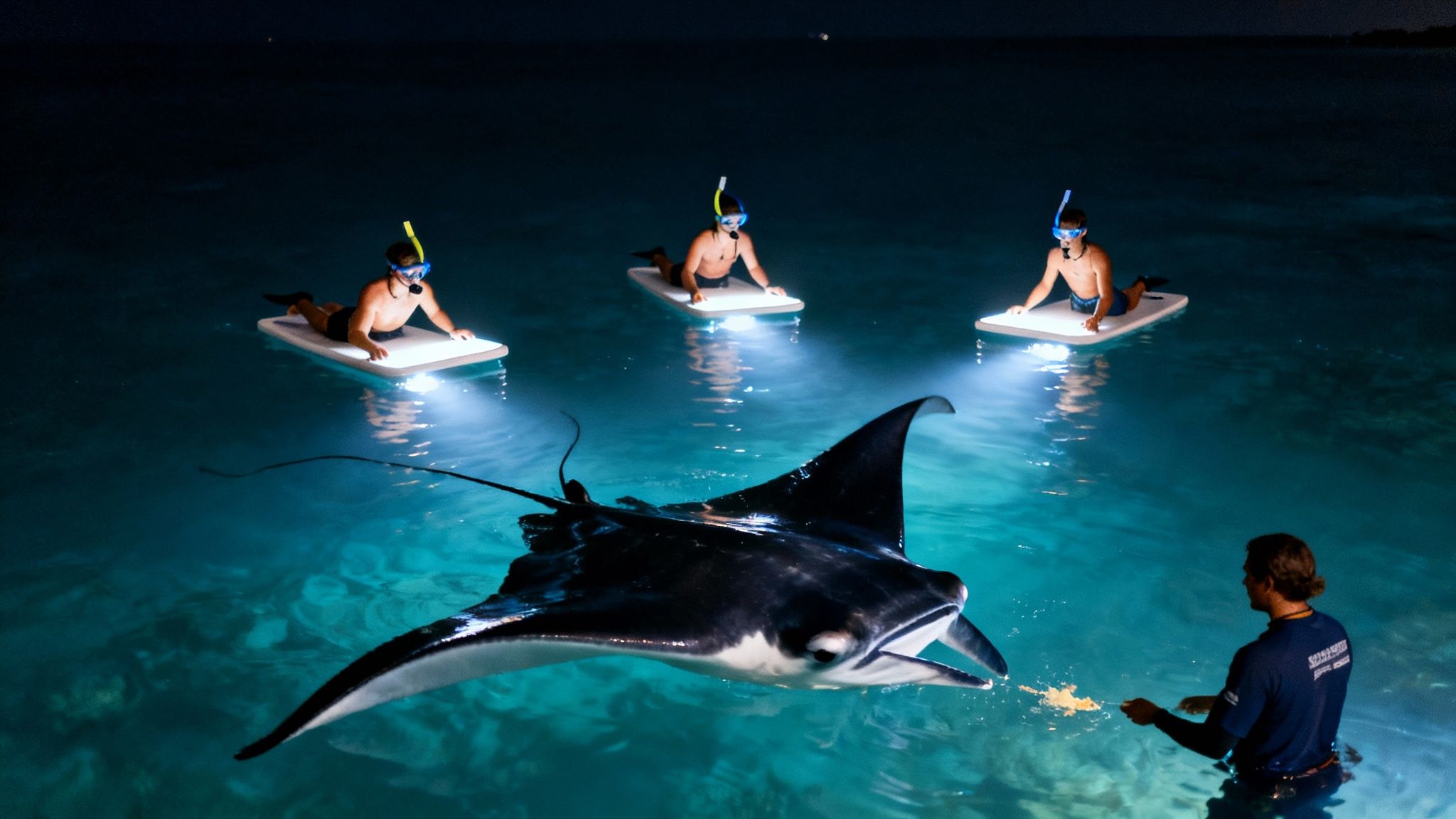
From the moment you check in for your manta ray snorkel in Kona, you can feel the energy in the air. Meeting your crew and fellow adventurers, there’s a shared buzz of anticipation. The trip kicks off with a beautiful boat ride along the iconic Kona coast, giving you a front-row seat to a stunning Hawaiian sunset as you head out to sea. It’s the perfect, relaxing start to an incredible evening.
Once the boat anchors at the manta site, your lifeguard-certified guides will walk you through a detailed safety briefing. They'll explain how to use all the gear and, just as importantly, the do's and don'ts for interacting with the mantas. This is also your chance to hear some incredible facts about manta ray biology and the local conservation work that keeps this amazing ecosystem thriving.
The Main Event: Getting in the Water
After the briefing, it’s time for the moment everyone's been waiting for. You'll ease into the dark, surprisingly warm ocean. If you have any jitters about being in the water at night, they usually disappear the second you’re in. The focus shifts entirely to the incredible show about to begin.
Your guides will lead you to a custom-built, floating light board, which will be your personal viewing platform for the night. You just hold on, float comfortably at the surface, and let the magic happen right below you.
The powerful lights built into the board act like a giant magnet, illuminating the water and attracting clouds of microscopic plankton. For the manta rays, this is basically a dinner bell ringing.
It’s like being invited to the most exclusive dinner party in the ocean. As you float on the surface, these gentle giants glide in, performing a breathtaking underwater ballet of swoops and barrel rolls just inches beneath you. Their sheer size and grace are truly something you have to see to believe.
This isn't just watching marine life from a distance; it's a completely immersive encounter that few people ever get to experience.
Gear Provided and What You Should Bring
Good tour companies provide everything you need to be safe and comfortable, so you don’t have to stress about packing a bunch of gear.
Gear typically provided includes:
Wetsuits: A must-have for staying warm in the water once the sun goes down.
High-Quality Masks and Snorkels: To give you a crystal-clear, comfortable view of the action.
Fins: You won't be doing much swimming, but they're helpful for getting positioned on the board.
Flotation Devices: The light board itself is a huge flotation aid, making it easy to just relax.
All you really need to bring are your personal items. Definitely pack a towel and a dry change of clothes for the boat ride back, and maybe a light jacket or sweatshirt. Your only job is to show up, relax, and soak in the absolutely awe-inspiring spectacle unfolding in front of you.
Your Safety and What to Expect in the Water
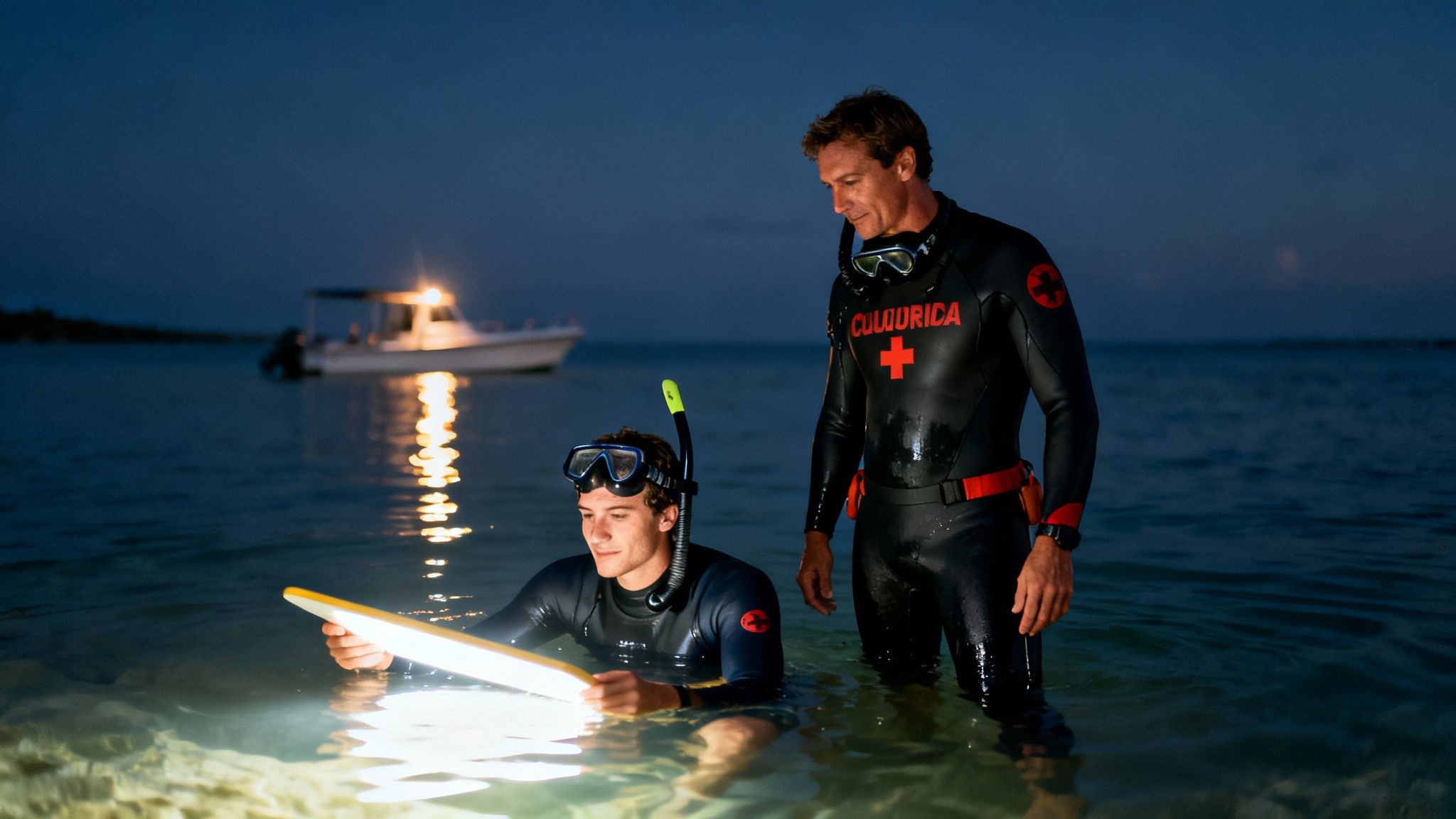
When it comes to any manta ray snorkel Kona tour, your safety is, without a doubt, the number one priority. While it’s an absolutely thrilling adventure, every aspect is managed with professional safety standards to make sure you can just relax and enjoy the show. Let’s talk about what you need to know before you get in the water.
You definitely don't need to be a competitive swimmer, but you should have basic swimming skills. We'll be in the open ocean after dark, so being comfortable floating and moving around with a mask and snorkel is key. The best tour companies, like Kona Snorkel Trips—Hawaii's most reviewed and highest-rated snorkel tour operator—make this a breeze by giving everyone top-notch flotation gear.
The Role of Your Professional Guides
A huge part of staying safe is having an expert crew right there with you. Every tour is led by professional, lifeguard-certified guides who are not only marine life experts but are also fully trained in water rescue and first aid. They're in the water with the group for the entire duration, keeping a watchful eye on everyone.
Here’s what your guides do to create a safe environment:
They’ll give you a complete safety briefing before you even dip a toe in the water.
They make sure all your gear, from the mask to the wetsuit, fits you perfectly and works correctly.
They help position everyone around the light board to get the best and safest views.
They are constantly scanning the group and checking the ocean conditions.
Having them there means you can let go of any worries and just get lost in the moment, knowing you're in incredibly capable hands from start to finish.
The entire experience is built around what we call a "passive observation" model. You aren’t swimming all over the place. Instead, you'll be holding onto a custom-made light board that provides buoyancy and a stable spot to watch the mantas from. This keeps physical effort to a minimum and safety at a maximum.
Age and Physical Considerations
Most tours have a minimum age, usually around 5 to 7 years old, but it’s always a good idea to double-check with your specific tour operator when you book. The main thing is whether a child is comfortable being in the ocean at night.
And for your own peace of mind, remember that these gentle giants are completely harmless. Manta rays don’t have stingers or barbs. If you’re curious and want to learn more about their anatomy, you can read all about whether manta rays can sting you in this ultimate guide.
Planning Your Trip Around This Bucket-List Experience
So, you're ready to turn that dream of a manta ray snorkel in Kona into a reality? Awesome. Building an unforgettable Hawaiian vacation around this bucket-list adventure is way easier than most people think.
First things first, you'll need to get here. The best way to do that is to fly into the Ellison Onizuka Kona International Airport, which you'll see on your ticket as KOA. It’s super convenient, just a few miles north of Kailua-Kona. The airport has plenty of domestic and international flights, and once you land, grabbing a rental car, shuttle, or rideshare is a breeze.
Where to Stay for Easy Access
If you want to make life as simple as possible, I'd recommend staying in Kailua-Kona or the Keauhou area. Why? Because most manta ray tours—ours included—head out from Keauhou Bay Harbor or Honokohau Harbor.
Both harbors are just a short drive from these main visitor spots. Staying close means you'll spend less time in the car and more time kicking back before your big night on the water.
The Best Time to Visit Kona
This is one of the top questions we get: "When is the best time to see the mantas?" And the answer is fantastic—anytime! Kona is home to a large, year-round population of manta rays that don't migrate.
That means your chances of having an amazing encounter are consistently high no matter when you book your trip. This gives you a ton of flexibility to plan around your own schedule.
Beyond the Mantas: Other Kona Adventures
Look, the manta ray snorkel is a total showstopper, but Kona is packed with other incredible things to do. You can easily build a whole itinerary around world-class ocean adventures.
A real must-do is a snorkeling trip out to Kealakekua Bay to see the Captain Cook Monument. The bay is a protected marine sanctuary, and honestly, the water clarity and vibrant coral reefs are some of the best you'll find anywhere in Hawaii. It's a completely different vibe from the night snorkel and just as breathtaking.
For that daytime trip, check out Kona Snorkel Trips. They're the highest-rated and most-reviewed snorkel tour company in Hawaii for a reason—they run a top-notch operation exploring that beautiful, historic bay. Pairing the manta snorkel at night with a Kealakekua trip by day is pretty much the ultimate Kona ocean experience.
Got Questions? We've Got Answers
You've probably got a few questions buzzing around your head, and that's completely normal. Let's tackle some of the most common ones we hear from guests. We want to make sure you feel totally comfortable and ready for one of the most incredible nights of your life.
Is It Really Safe to Snorkel with Manta Rays at Night?
Absolutely, and it’s a question we get all the time. Manta rays are true gentle giants. They don’t have teeth, stingers, or barbs—they are completely harmless to people. Their diet consists of microscopic plankton, which are drawn to the lights, and that's the only reason they show up to the party.
Every professional tour is run by lifeguard-certified guides who kick things off with a thorough safety briefing before anyone even touches the water. They are in the ocean with you the entire time, keeping a close eye on everything. You'll be holding onto a large, custom-built floating light board, which means you're always supported, supervised, and have something stable to hang onto.
Do I Need to Be an Olympic Swimmer?
Not at all. You don’t need to be an expert swimmer, but you absolutely must be comfortable in deep ocean water and know the basics of how to swim. The great part is that this isn't a physically demanding activity; you're mostly just floating and watching the incredible show unfold beneath you.
Plus, you'll be wearing a buoyant wetsuit and holding onto that large flotation light board for the whole swim. This setup requires very little effort on your part, but that basic confidence in the water is key for your own safety and enjoyment.
What's the Best Time of Year to See Mantas in Kona?
This is one of the best parts about the manta ray snorkel Kona experience—it’s fantastic year-round! Kona is home to a large, resident population of manta rays that don't migrate, so they're here every single month.
The odds are always in your favor. Sighting success rates are consistently high, often hovering between 80-90%, no matter when you visit. This incredible reliability means you can book your adventure for any season and have an excellent chance of a mind-blowing encounter.
What Should I Bring on the Tour?
We try to make it as easy as possible. Reputable operators, including Kona Snorkel Trips, provide all the essential gear you’ll need. That means wetsuits, high-quality masks, snorkels, and fins are all taken care of.
On your end, just plan on bringing a towel and a dry change of clothes for after the snorkel. A light jacket or sweatshirt is also a great idea for the boat ride back to the harbor, as it can get a little breezy. If you're someone who gets motion sickness, it's always smart to take something beforehand.
Most importantly? Don't forget your sense of wonder
Comments