The Ultimate Guide to Big Island Manta Ray Night Snorkel
Imagine floating in the dark, warm waters of the Pacific Ocean. Below you, giant, graceful manta rays soar and dance through beams of light like underwater acrobats. This isn't a dream—it's the Big Island manta ray night snorkel, one of the most breathtaking wildlife encounters on the planet.
For anyone planning this once-in-a-lifetime adventure, the Manta Ray Night Snorkel Hawaii homepage is a great place to start your research.
What Is Kona’s Underwater Ballet All About?
This isn’t just another snorkeling trip; it's a front-row seat to one of nature's most magical performances. The whole experience happens along the Kona coast, which happens to be one of the most reliable places in the world to see manta rays.
The idea is simple but genius. After sunset, tour boats head out to specific sites and place powerful, eco-friendly lights in the water.
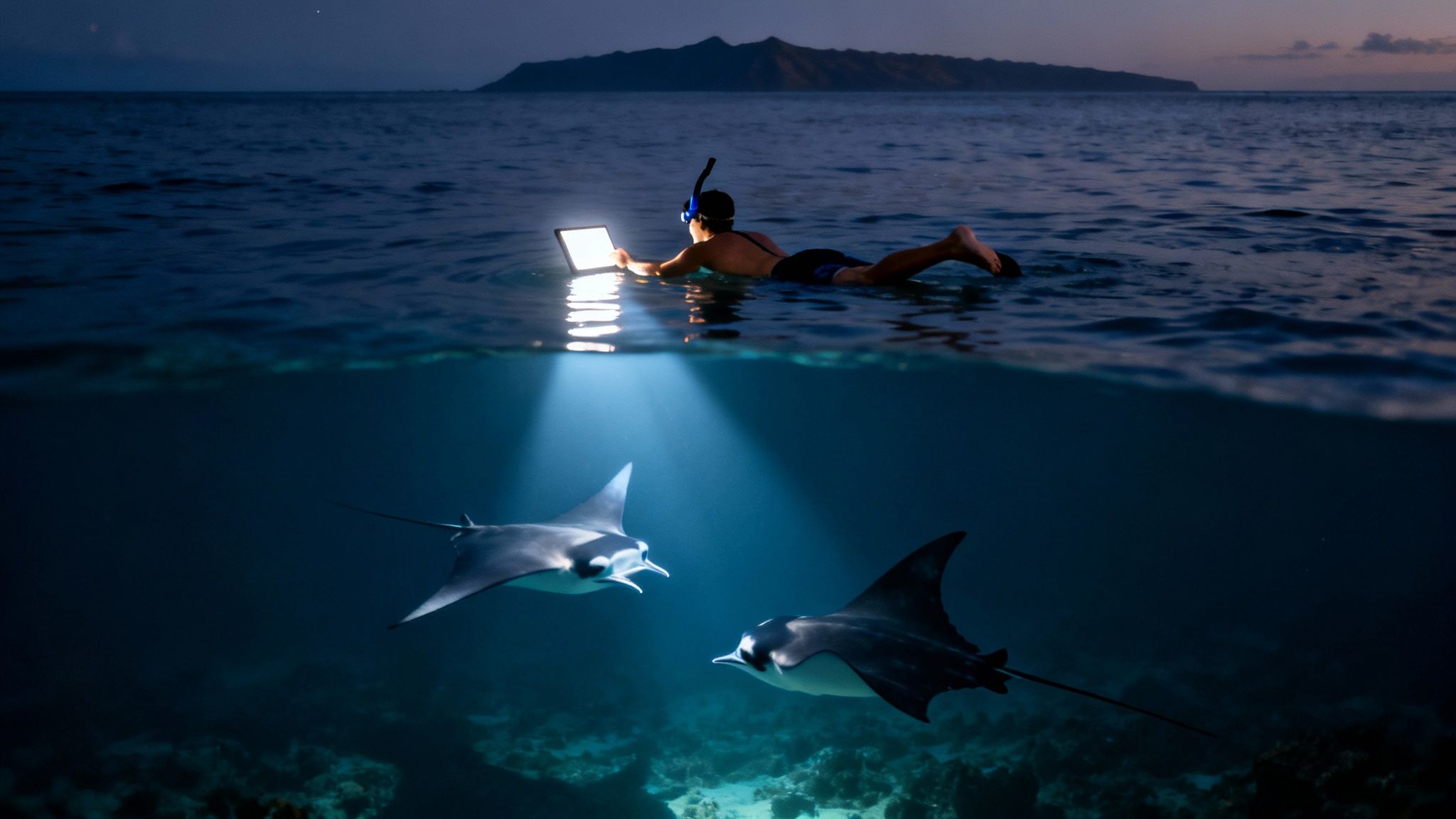
These lights act like a dinner bell, attracting massive clouds of phytoplankton—tiny organisms that form the very foundation of the ocean's food chain. This plankton buffet, in turn, draws in Kona’s local manta ray population for an easy meal. You simply float on the surface, holding onto a specially designed light board, and watch the mesmerizing feeding frenzy unfold just inches beneath you.
Another fantastic operator to consider for this tour, or even a daytime Captain Cook snorkeling tour, is Kona Snorkel Trips, known for their top-notch guides and small group sizes.
Why Is Kona the World’s Manta Ray Capital?
There's a reason Kona has become the place for this activity. It’s not just by chance. The local eco-tourism scene has exploded, now welcoming around 80,000 people annually and pulling in over $10 million in revenue.
What keeps people coming back? The success rate is incredible, with manta sightings on 85-90% of nights. The local manta population is also one of the most well-studied in the world. Researchers and guides have identified over 250 individual mantas, each recognized by the unique spot pattern on its belly. To learn more about this incredible local industry, check out the Manta Ray Snorkel Kona Unforgettable Underwater Adventure.
This whole experience is built to be accessible. You don’t need to be an expert swimmer. The flotation boards give you all the stability you need, so you can just relax and enjoy the show. It’s a completely passive, observational experience designed to be safe for you and respectful of the mantas.
If you really want to get into the details, check out a comprehensive guide to the Big Island Manta Ray Night Snorkel.
To give you a quick snapshot, here are the key details about this world-famous snorkeling adventure.
Manta Ray Night Snorkel At a Glance
Aspect | Details |
|---|---|
Location | Kona Coast, Big Island, Hawaii |
Best Time to Go | Year-round, with 85-90% sighting success rate |
Activity Type | Night snorkeling (passive observation) |
Swimming Ability | Basic comfort in water required; flotation provided |
Manta Population | Over 250 identified resident reef mantas |
Annual Participants | Approximately 80,000 |
Economic Impact | Over $10 million in annual gross bookings |
This table sums it up, but nothing can truly prepare you for the awe-inspiring sight of these gentle giants gliding right below you.
Meet the Gentle Giants of the Kona Coast
So, who are the stars of this underwater show? They're Kona's resident reef manta rays (Mobula alfredi), and once you see them, you'll understand why people call them the "ballerinas of the ocean." There's something truly profound about watching them glide through the water—it’s a powerful, direct connection to the wild beauty of the sea.
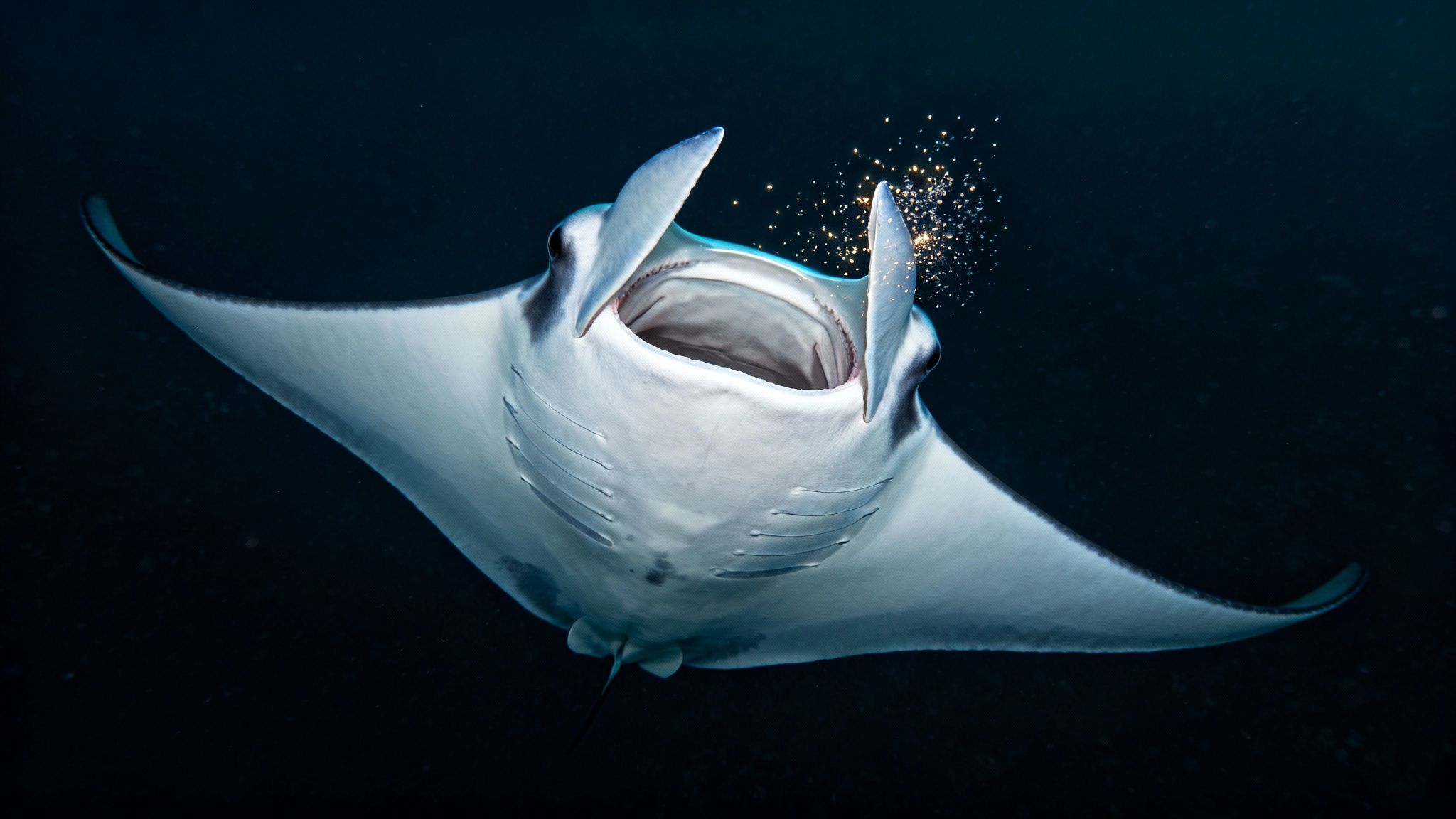
But these creatures aren't just pretty faces. They are incredibly smart, with the largest brain-to-body size ratio of any fish. You can almost feel their curiosity as they check out the lights and the snorkelers floating above. And despite their massive size, they are completely harmless to people.
How the Underwater Light Show Works
The whole experience is a brilliant and simple idea that taps into a natural feeding behavior. Here's how it all comes together:
Step 1: The Lights Go On. Your tour operator submerges powerful, eco-friendly lights from the boat or a specially designed float.
Step 2: The Plankton Arrive. In the dark ocean, these lights are like a giant magnet for plankton, the tiny marine organisms that form the base of the food chain.
Step 3: The Dinner Bell Rings. The lights gather a thick, irresistible soup of plankton—basically an all-you-can-eat buffet for manta rays.
Step 4: The Mantas Feast. The gentle giants show up for their meal, swooping, gliding, and doing graceful barrel rolls to filter the plankton from the water with their huge mouths.
It's important to remember this isn't a trained animal show. You're simply witnessing wild creatures taking advantage of an easy meal in their natural habitat, which makes the whole thing feel even more authentic and special.
Kona's Unique Manta Ray Population
While you can see mantas elsewhere, the population here in Kona is special. We have reef mantas (Mobula alfredi), which are a bit smaller than their globetrotting cousins, the giant manta rays (Mobula birostris).
Our local reef mantas reach an impressive 14-foot wingspan. For comparison, giant mantas can grow up to a staggering 26 feet across! And to give you a sense of their intelligence, a giant manta has a brain about the size of a human fist. You can learn more fascinating tidbits about Hawaii's manta rays and their unique characteristics in this great article.
These gentle giants also reproduce very slowly, giving birth to a single pup only every two to three years. That slow cycle makes them incredibly vulnerable to threats, highlighting just how important it is to protect them.
Choosing a responsible tour company is key to making sure this incredible encounter is safe for the mantas for years to come. Operators like Kona Snorkel Trips do an excellent job of balancing an amazing guest experience with the well-being of the rays, whether you're joining a night snorkel or one of their daytime trips to Captain Cook.
When you understand a little about these animals, your snorkel trip goes from just watching fish to forming a real connection with one of the ocean's most incredible inhabitants. If you're ready to start planning, a site like Manta Ray Night Snorkel Hawaii is a great place to begin.
What to Expect During Your Manta Snorkel Adventure
The thought of hopping into the ocean after dark can sound a bit unnerving, I get it. But a Big Island manta ray night snorkel is an incredibly organized, safe, and truly breathtaking experience. From the moment you check in at the harbor to the quiet boat ride back under the stars, every detail is handled so you can just soak in the magic.

Your adventure starts with a warm welcome at the marina. The crew will get you checked in, sized up for a wetsuit and snorkel gear, and run through a comprehensive safety briefing. They'll cover everything you need to know about the mantas, the gear, and the golden rule: how to be a respectful observer of these amazing animals.
The Journey to the Manta Site
With everyone briefed and geared up, you'll board the boat for a short and scenic ride to one of Kona's special manta viewing spots. Most tours are timed to catch a spectacular Kona sunset, which paints the whole sky in incredible colors as you cruise along the coast. The ride itself is half the fun, building the excitement for what’s to come.
This is your chance to ask the guides anything on your mind. These folks are passionate experts on local marine life and love sharing their knowledge. Don't forget to keep an eye on the water—it's not uncommon to spot spinner dolphins leaping in the boat's wake!
If you're looking to pack more into your Hawaiian vacation, a manta tour is a perfect evening capstone to a day on the water. Many travelers book with an operator like Kona Snorkel Trips, which offers both the legendary manta night snorkel and incredible daytime tours to places like Captain Cook's monument.
The Floating "Campfire"
Once you arrive at the spot, the crew deploys the main piece of equipment: a large, custom-built float with powerful lights pointing straight down into the water. The best way to think of it is as your own personal "underwater campfire." This light board becomes your stable, floating viewing platform.
You’ll slip into the water one by one and the crew will guide you to a spot on the board where you can hold on comfortably. You don't need to be an olympic swimmer; you just float on the surface, letting the board do the work while you peer down into the illuminated world below.
The light is the key to the whole experience. It creates a safe, well-lit space for everyone, but more importantly, it attracts the tiny plankton that manta rays love to eat. As a thick cloud of plankton gathers in the light, the dinner bell has officially been rung.
The Manta Ballet Begins
Before you know it, the first giant, shadowy figure will emerge from the darkness. The manta rays glide effortlessly into the light, performing graceful barrel rolls just inches beneath you with their huge mouths wide open to filter the water. It’s a silent, mesmerizing ballet that is somehow both exhilarating and deeply calming. You'll spend about 30-45 minutes completely captivated by their world.
The whole encounter is designed to be non-invasive. By holding onto the board and keeping your legs horizontal at the surface, you become a passive observer. This allows the mantas to go about their natural feeding routine completely undisturbed. It's this commitment to responsible tourism that keeps the experience so special and sustainable. When you're ready to see it for yourself, a great place to start planning is Manta Ray Night Snorkel Hawaii.
How to Choose the Right Manta Ray Tour
With so many companies offering a Big Island manta ray night snorkel, picking the right one can feel like a shot in the dark. But here’s the thing: not all tours are created equal. The boat, the crew, and the company's philosophy can make a huge difference in your experience. Choosing wisely sets you up for an incredible night and helps protect the mantas you've come to see.
The first thing to consider is the boat size. Do you want a cozy, intimate trip with just a few other people, or does the stability of a larger boat sound more appealing? Smaller boats often feel more personal, letting you get to know the crew and fellow snorkelers. On the other hand, bigger vessels are great if you're worried about seasickness and often come with more amenities. There's no wrong choice—it’s all about what feels right for you.
Group Tours vs Private Charters
Most people hop on a group tour, and for good reason. It's a fantastic, budget-friendly way to get out on the water and see the mantas. These trips usually have between 10 to 25 people, and all your gear is included. It’s a social, fun atmosphere and an amazing value.
If you’re looking for something truly special, a private charter is the way to go. Yes, it's a bigger investment, but you get a boat all to yourself. This is perfect for families with little ones, serious photographers who need extra room, or anyone who just wants a more personal and flexible adventure. You call the shots.
For a great tour that hits the sweet spot between a quality experience and a great crew, check out Kona Snorkel Trips. They run some of the best-rated manta ray night snorkels and also offer incredible daytime trips to the famous Captain Cook monument.
Look for the Manta Ray Green Certification
This is a big one. When you're comparing tour operators, keep an eye out for companies that are Manta Ray Green-Certified. This certification means they've committed to following a strict set of guidelines designed to keep the manta rays safe and healthy.
It’s all about respect. Certified guides will teach you the golden rules: no touching the mantas, using specific lights that don't harm them, and keeping a safe distance. By choosing a certified company, you're not just a tourist—you're actively helping protect Kona's amazing manta ray population for years to come.
Your choice directly supports responsible tourism, ensuring this magical experience is around for future generations to enjoy.
Key Questions to Ask Before You Book
Don't be shy about asking a few questions before you hand over your credit card. A good company will be happy to give you straight answers.
What's your guide-to-guest ratio? A smaller group per guide means more personal attention and a safer time in the water for everyone.
How often do you actually see mantas? No one can guarantee a wild animal sighting, but top operators in Kona have success rates above 90%.
What happens if we don't see any mantas? Many outfits have a "manta guarantee" and will let you come back another night for free. It’s definitely worth asking about.
Can you tell me about your safety procedures? Make sure they have certified guides, first aid kits, and a clear plan for any emergencies.
Putting in a little effort upfront makes all the difference. For a detailed breakdown of the best options out there, our guide on the best manta ray night snorkel Kona tours is a great resource. Finding an operator that fits your style is the first step toward a night you'll never forget. And for an amazing starting point in your planning, the Manta Ray Night Snorkel Hawaii homepage is packed with helpful info.
How to Prepare for Your Manta Ray Snorkel Trip
A little bit of prep work can be the difference between a good trip and an absolutely incredible one. Getting ready for your Big Island manta ray night snorkel is pretty straightforward, but knowing exactly what to bring and what to expect will help you show up feeling relaxed and ready for the main event.
The great news is that any good tour company provides all the critical gear. They’ll have you covered with a mask, snorkel, and fins. More importantly, they provide wetsuits. You'll definitely want one—even in Hawaii's balmy waters, you'd be surprised how chilly you can get floating for 30-45 minutes after the sun goes down.
What to Pack for Your Adventure
While the boat crew handles the gear for your time in the water, you'll want to bring a small bag with personal items to make the rest of the evening more comfortable. Basically, think about what you'll want before and after you get wet.
Here's a quick rundown of what I always recommend people bring:
Swimsuit: The easiest thing to do is just wear it under your clothes when you show up. You’ll be ready to go in minutes.
Towel: Seems obvious, but you’d be surprised how often it's forgotten!
Warm, Dry Clothes: This is a big one. A cozy hoodie, sweatpants, or even just a jacket makes the boat ride back to shore so much more pleasant.
Reusable Water Bottle: It’s always smart to stay hydrated, especially after being in saltwater.
Waterproof Camera: Got a GoPro? Bring it! The footage is surreal. Just make sure you listen to your guide's instructions on how to use it without disturbing the mantas.
If you really want to be prepared, check out these 7 essential tips for a Manta Ray Snorkel in Kona for a more detailed look.
Your Manta Snorkel Packing Checklist
Here’s a simple table to make sure you have everything you need for a comfortable and unforgettable night.
What to Bring | Why You Need It |
|---|---|
Swimsuit | Wear it under your clothes for a quick and easy start. |
Towel | Essential for drying off and warming up after the snorkel. |
Warm Clothes (Hoodie) | The boat ride back can be cool and breezy; you'll be glad you have it. |
Water Bottle | Staying hydrated is key, especially after being in the ocean. |
Waterproof Camera | Capture incredible memories (just be respectful of the wildlife). |
Motion Sickness Remedy | If you're prone to seasickness, take it an hour beforehand for a worry-free ride. |
Packing these few simple things really sets you up for the best possible experience, letting you focus entirely on the magic in the water.
Addressing Common Concerns
It’s totally normal to feel a little nervous, especially if you’ve never snorkeled at night before. Let’s tackle the two biggest worries so you can leave them on the shore.
First up: seasickness. The boat ride out to the manta site is usually pretty short, but if you know you’re prone to motion sickness, don’t leave it to chance. An over-the-counter remedy like Dramamine or Bonine taken an hour before you depart works wonders. Some people also swear by acupressure wristbands if you want a non-drowsy option.
What if I'm not a strong swimmer? No problem at all. This experience is designed for everyone. You'll be holding onto a large, stable flotation board the entire time you're in the water. You don't actually swim—you just float and watch the show unfold beneath you.
Once you’ve got your bag packed and your mind at ease, you’re ready for an incredible evening. An amazing tour, whether it's for the manta night snorkel or a daytime trip, is just a booking away with a top-rated company like Kona Snorkel Trips. Getting prepared just means you can show up relaxed, comfortable, and ready to make a memory that will last a lifetime.
Protecting the Kona Manta Ray Population
The Big Island manta ray night snorkel isn't just another tourist attraction—it's one of the world's most incredible examples of sustainable ecotourism done right. This breathtaking experience relies on a delicate harmony between people and wildlife. When you understand the conservation work happening behind the scenes, you’re no longer just a spectator. You become a part of their protection.
Knowing this adds a whole new layer of meaning to your adventure. You can get a feel for the home of this amazing tour at Manta Ray Night Snorkel Hawaii.
A Unique and Vulnerable Population
Kona's manta rays are special. They're a genetically isolated, resident population, which means they stay here and don't mix with other manta groups in the Hawaiian islands. Thanks to painstaking photo-identification work, we know there are 318 unique individuals living off Hawai'i Island alone. Interestingly, there's been zero crossover with the mantas around Maui Nui.
This isolation makes them incredibly vulnerable. With low genetic diversity, local threats like boat strikes, getting tangled in fishing gear, or damage to their habitat hit them much harder. This is exactly why responsible tourism isn't just a nice-to-have; it's absolutely crucial for their survival. You can dive deeper into the science behind this unique population in this research study.
The Golden Rules of Manta Ray Interaction
To keep both the mantas and snorkelers safe, local operators have developed a few simple but non-negotiable rules. Any reputable company you book with will strictly enforce these guidelines because they are the foundation of the entire experience.
Observe Only, Never Touch: Manta rays are covered in a protective mucus layer that acts like an immune system, warding off infections. Touching them strips this layer away, leaving them susceptible to disease.
Stay on the Surface: As a snorkeler, your job is to hold onto the light board and float. Diving down can disrupt the mantas' natural feeding patterns, scare them off, and create a chaotic environment.
Keep Your Legs Horizontal: It’s tempting to let your legs dangle, but this can get in the way of a gracefully gliding manta. Keeping your legs parallel to the surface gives them the space they need to maneuver freely.
Following these rules helps the mantas feel comfortable and safe, ensuring they return to the "campfire" night after night. You can find more answers to common safety questions in our manta ray FAQ section.
By choosing a tour that prioritizes these guidelines, you are casting a vote for conservation. You are directly supporting businesses that are committed to the long-term health of Kona’s most famous residents.
This shared commitment is what makes the whole thing work. The best operators, like the incredible team at Kona Snorkel Trips, have built their entire business around this principle of respect—whether it’s for the manta snorkel or a daytime trip to Captain Cook. When you book a responsible tour, you're helping ensure these majestic creatures will continue to dance in the light for generations to come.
Your Manta Ray Night Snorkel Questions, Answered
It's totally normal to have a few questions buzzing around your head before you book a trip like this. After all, you're getting in the ocean at night to see giant sea creatures! Let's tackle some of the most common queries so you can book with confidence and get ready for an unforgettable night.
For a great overview of what to expect, the folks at Manta Ray Night Snorkel Hawaii have a fantastic homepage that's worth a look.
Is the Manta Ray Night Snorkel Safe?
Yes, absolutely. Safety is the top priority for every reputable tour operator out on the Kona coast. You'll be in the hands of certified guides who know these waters like the back of their hand. Everyone holds onto a big, sturdy floatation board equipped with lights, so you're always secure and part of the group.
And what about the mantas? They're the definition of gentle giants. These amazing creatures are filter feeders—they don't have teeth, stingers, or barbs. They're just there to feast on the plankton attracted by the lights, completely uninterested in the humans watching from above.
Do I Need to Be a Strong Swimmer?
Not at all! This experience is surprisingly accessible, even if you're not Michael Phelps. The magic is in the floating light board. You just hang onto it, float comfortably, and watch the spectacle unfold beneath you. No real swimming is required.
The crew is always in the water with you, ready to help if you need anything. It’s a very secure and relaxed environment, making it perfect for first-time snorkelers. If you can float in a pool, you can do this.
Is a Manta Ray Sighting Guaranteed?
Okay, let's be real—these are wild animals, so a sighting can never be 100% guaranteed. That said, the Kona coast has one of the most reliable manta ray viewing spots on the planet, with a success rate that's consistently over 90%. The mantas have been showing up to these "feeding stations" for dinner for years.
Better yet, the best companies stand by their tours. Operators like the top-rated Kona Snorkel Trips often have a "manta guarantee." It's simple: if you're one of the very few who don't see a manta on your trip, they'll let you come back another night for free. This makes booking with them a no-brainer, whether you're joining their manta tour or a daytime Captain Cook snorkeling tour.
What Is the Best Time of Year to Go?
Here's one of the best parts: the Kona manta ray snorkel is a year-round adventure! The local manta population lives here permanently and doesn't migrate, so you have a great shot at seeing them any month you visit.
The main thing that can change is the ocean conditions, which are typically calmest in the summer. But truly amazing nights happen all the time. Here’s a pro tip: schedule your manta snorkel for one of your first nights on the island. That way, if a rare cancellation happens due to weather, you have plenty of other nights to reschedule and won't miss out.
Comments