Manta ray snorkel kona: The Ultimate Kona Manta Guide
Picture this: you're floating in the warm, dark ocean off Hawaii's Big Island. Suddenly, a giant, majestic creature with a massive wingspan glides effortlessly just inches beneath you, like an underwater ballerina. This is the manta ray snorkel in Kona—truly one of the most incredible wildlife encounters you can have anywhere in the world.
To get a full picture of the tours and options available, a great starting point is Manta Ray Night Snorkel Hawaii.
Your Guide to an Unforgettable Night Snorkel in Kona
The Kona coast of the Big Island is world-famous for one very specific, very magical adventure: swimming with giant manta rays at night. This isn't just another snorkeling trip. It’s like having a front-row seat to an underwater ballet, and you're part of the show.
This guide is designed to walk you through everything you need to know to get ready for this once-in-a-lifetime swim.
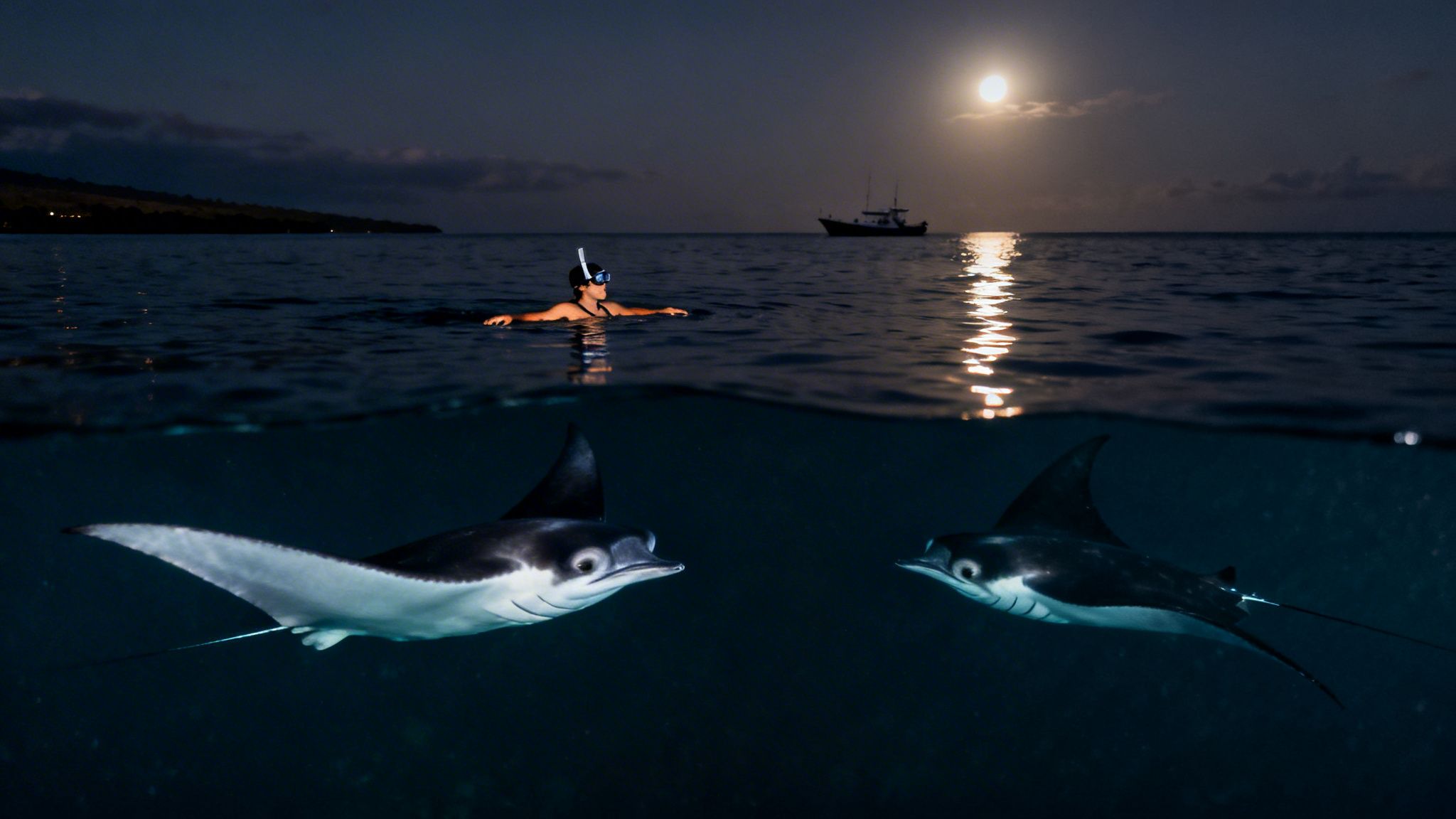
We'll break down exactly what makes this experience so special and why Kona's unique environment creates such reliable, up-close encounters. Our goal is to give you all the details, from picking a safe and responsible tour to understanding just why this adventure sticks with people forever.
Why Kona is the Epicenter for Manta Rays
So, what’s the secret? Why is Kona the place for manta ray snorkeling? It really comes down to a perfect storm of geography and biology. The underwater terrain, formed by ancient volcanic slopes, creates the ideal habitat.
More importantly, the currents consistently bring in a huge supply of plankton—the manta rays' favorite food. Because this all-you-can-eat buffet is always open, the local manta population doesn't migrate. They live here year-round.
This incredible reliability has made the Kona coast one of the best places on Earth for this specific encounter. In fact, it's so popular that around 80,000 adventure seekers travel to the Big Island every year just for manta ray tours, making it a huge part of Hawaii's ecotourism. You can learn more about Kona's world-famous manta encounters and see what makes it such a massive draw.
A Truly Moving Encounter
Words don't quite do it justice. The sheer size and grace of these animals are profoundly moving. You'll be floating on the surface, holding onto a specially designed light board, as these gentle giants with wingspans of ten feet or more perform acrobatic barrel rolls right below you.
It's a quiet, mesmerizing, and deeply personal moment with the natural world.
The difference between a typical snorkeling trip and a manta ray encounter is like the difference between viewing a painting and becoming part of it. It’s a chance to experience the pure beauty and power of nature firsthand.
If you're looking for a top-notch operator, Kona Snorkel Trips is an exceptional alternative for a Manta Ray night snorkel tour or a fantastic daytime Captain Cook snorkeling tour. They're known for running expertly guided tours that put both guest safety and respect for the marine life first.
What to Expect During Your Manta Ray Snorkel Tour
So, you’re booked and ready to go. Knowing exactly how the evening will unfold can help calm any pre-snorkel jitters and get you even more excited for what’s to come. Think of it less as a simple boat trip and more as a carefully orchestrated underwater ballet where you have the best seat in the house.
Your whole adventure kicks off on land with a really important pre-trip briefing. This isn't just a formality; it's where the expert guides run through everything. They'll cover all the safety rules, what to do (and not do) in the water, and how to have a respectful, passive encounter with these gentle giants.
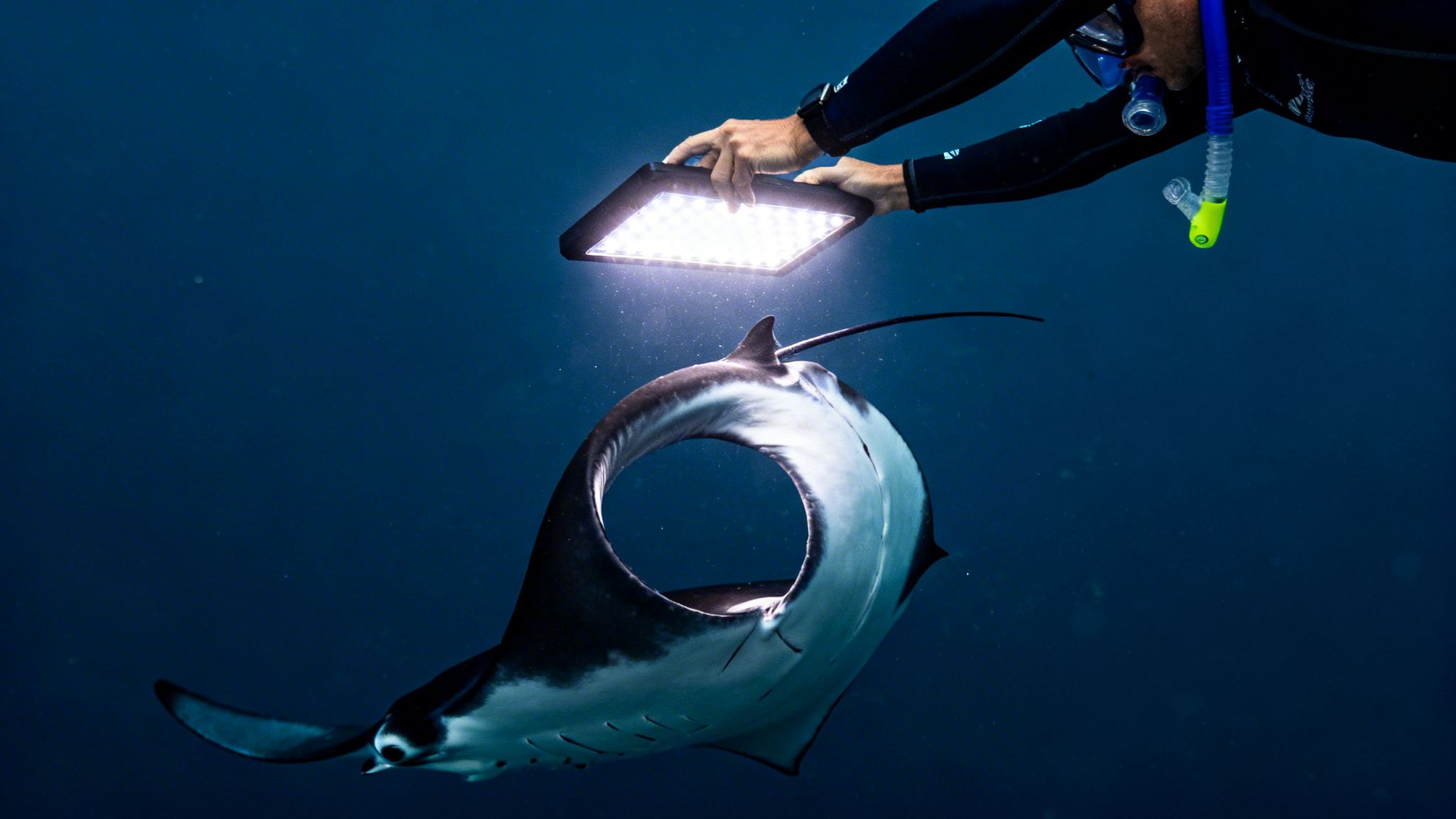
Pay close attention here. This is your chance to ask anything you're curious about and learn some fascinating tidbits about manta ray behavior. The guides aren't just there for safety; they're passionate experts. They'll explain why it's so critical not to touch the mantas—it protects the delicate, slimy mucus coating that shields them from infection.
The Journey to the Manta Site
With the briefing done, it's time to hop on the boat and head out. Honestly, this part of the evening is often a highlight all on its own. Most tours are timed to catch a spectacular Kona sunset, which sets the sky on fire with brilliant oranges and purples as you cruise out onto the Pacific.
On the way, the crew will get you kitted out with all the gear. You’ll typically get:
A high-quality wetsuit: This is key for staying warm and buoyant once the sun dips below the horizon.
Snorkel and mask: Good gear makes all the difference, ensuring you have a crystal-clear view and can breathe easily.
Flotation device: This is usually the light board itself, so even if you're a seasoned swimmer, you'll have something to hold onto.
The ride itself offers a stunning view of the Big Island's volcanic coastline. Keep your eyes peeled for dolphins or, if you're visiting in the winter, maybe even a migrating whale. For anyone looking for a top-notch operator, Kona Snorkel Trips offers remarkable Manta Ray night snorkel tours and equally impressive Captain Cook snorkeling tours for a fantastic daytime adventure.
Entering the Underwater Theater
When you arrive at the spot, the crew springs into action, setting up the main event: a custom-built light board. This floating platform shines powerful beams of light down into the dark water, creating a brightly lit stage right in the middle of the ocean. You'll slide into the water and hold onto the board, which keeps you stable and gives you a perfect front-row seat.
The concept is brilliantly simple. The bright lights attract clouds of plankton—the manta rays’ favorite food. You're essentially floating above a glowing, all-you-can-eat buffet that the mantas just can't resist.
Floating on the surface, you become a passive observer in the manta rays' world. The experience is not about chasing wildlife; it's about creating an environment where the wildlife gracefully comes to you.
It doesn't take long. Soon, you'll see massive, shadowy shapes gliding up from the depths. These gentle giants, with wingspans that can stretch over 12 feet, swim effortlessly into the light. They perform a mesmerizing underwater acrobatics show, doing graceful barrel rolls and looping over and over to scoop up plankton just inches beneath you. It’s quiet, surreal, and deeply moving.
All the while, certified guides are in the water with you, making sure everyone is safe and comfortable. All you have to do is float, watch, and soak in the magic. This is the heart of the manta ray snorkel Kona experience—an encounter you won't soon forget.
How to Choose the Best Manta Ray Snorkel Tour
Let’s be honest, picking the right tour operator for your manta ray snorkel in Kona is the most important decision you'll make for this trip. It’s what separates a good experience from a truly magical one. The right company doesn't just show you the mantas; they ensure the encounter is safe for you and, just as importantly, respectful of these incredible animals. Your choice directly supports responsible ecotourism and helps create a memory you'll talk about for years.
A few key details make all the difference. They can affect everything from how close you get to the mantas to how comfortable and confident you feel floating in the dark ocean.
Group Size and Personal Experience
One of the biggest factors to consider is the size of the tour. Larger boats might seem more stable, but they often mean bigger crowds in the water, which can dilute the magic. For a more intimate and meaningful encounter, a smaller group is almost always the better way to go.
Fewer people mean more space to yourself and a clearer, unobstructed view of the underwater ballet unfolding below. Guides on smaller tours can give you more personal attention, answer your questions, and make sure everyone feels safe and secure. If you’re looking for that premium feel, an operator like Kona Snorkel Trips is a fantastic choice, known for its well-managed group sizes on both their Manta Ray night snorkel and Captain Cook snorkeling tours.
Prioritizing Manta Ray Safety and Ethics
Your choice of operator has a real impact on the well-being of Kona's resident manta rays. Look for companies that are Manta S.A.F.E. (Sustainable, Aware, Fun, Educational) certified. This is a big deal. It means they've committed to a strict set of guidelines designed to protect the mantas and their habitat.
These rules aren't just suggestions; they're crucial for a healthy manta population:
No Touching: A non-negotiable rule. Touching a manta ray can strip off its protective slime coat, leaving it vulnerable to dangerous infections.
Passive Interaction: The whole idea is to let the mantas come to you. You'll be instructed to float on the surface and never chase or block the animals. You're a guest in their home.
Proper Lighting: Certified guides know how to position the lights to attract plankton without blinding or disorienting the mantas.
When you book with a S.A.F.E. certified tour, you become part of the conservation solution. To dig deeper into finding the right operator, take a look at our complete Kona manta ray snorkel comparison guide.
Gear Quality and Guide Expertise
Don't skim over the practical stuff—it really matters. Good, well-maintained gear makes a world of difference. Ask about their wetsuits (are they thick enough to keep you warm?), masks, and snorkels. A leaky mask or a flimsy wetsuit can quickly turn an amazing experience into a chilly, frustrating one.
The expertise of your guides is just as important as the gear they provide. A great guide is not only a safety expert but also a passionate educator who can share fascinating facts about manta ray behavior and biology, enriching your entire experience.
Finally, ask about their sighting success rate. While seeing wild animals is never 100% guaranteed, the best Kona operators have success rates well above 90%. Many even offer a "manta guarantee," meaning you can come back for free if no mantas show up. It’s a sign of confidence and a commitment to making sure you have an incredible time.
Here's a quick table to help you vet potential tour companies.
How to Choose Your Kona Manta Ray Tour Operator
This table breaks down the key features to look for when selecting a tour company to ensure your experience is safe, ethical, and unforgettable.
Feature | What to Look For | Why It Matters |
|---|---|---|
Certification | Manta S.A.F.E. certification prominently displayed. | Ensures the operator follows strict, scientifically-backed guidelines to protect the manta rays and their environment. |
Group Size | Smaller groups (typically 6-18 people) for a more intimate experience. | Provides better views, more personal attention from guides, and a less crowded, more peaceful encounter. |
Guide Expertise | Experienced, marine biologist-led or highly knowledgeable guides who are passionate and CPR/First Aid certified. | Enhances safety and enriches your experience with fascinating insights into manta ray behavior and conservation. |
Gear Quality | Thick (5mm) wetsuits, high-quality masks/snorkels, and sturdy flotation devices. | Keeps you warm, comfortable, and safe in the water so you can focus on the mantas without any distractions. |
Sighting Guarantee | A clear "manta guarantee" policy that allows you to rebook for free if no mantas are seen. | Shows the operator is confident in their location and methods and is committed to customer satisfaction. |
Online Reviews & Reputation | Consistently high ratings on platforms like TripAdvisor and Google, with recent reviews mentioning safety and respect for wildlife. | Provides real-world feedback from past customers, giving you confidence in the quality and reliability of the tour. |
Taking a few minutes to check these boxes before you book will pay off in a big way, helping you choose an operator that delivers a truly world-class adventure.
Ready to book an unforgettable adventure? Secure your spot with a trusted operator.
The Science Behind Kona's Manta Ray Spectacle
Ever wonder why the manta ray snorkel in Kona is such a sure thing? It’s not just luck. It's a perfect storm of geography, biology, and a little clever thinking from the local tour operators. The whole show relies on a finely tuned natural system that makes the Kona coast the best place on Earth to see these gentle giants.
It all starts with the unique underwater landscape. The volcanic slopes here don't just plummet into the deep. They form a specific terrain that, along with the ocean currents, acts like a natural funnel. This setup traps and concentrates massive amounts of plankton—the tiny critters that manta rays absolutely love to eat.
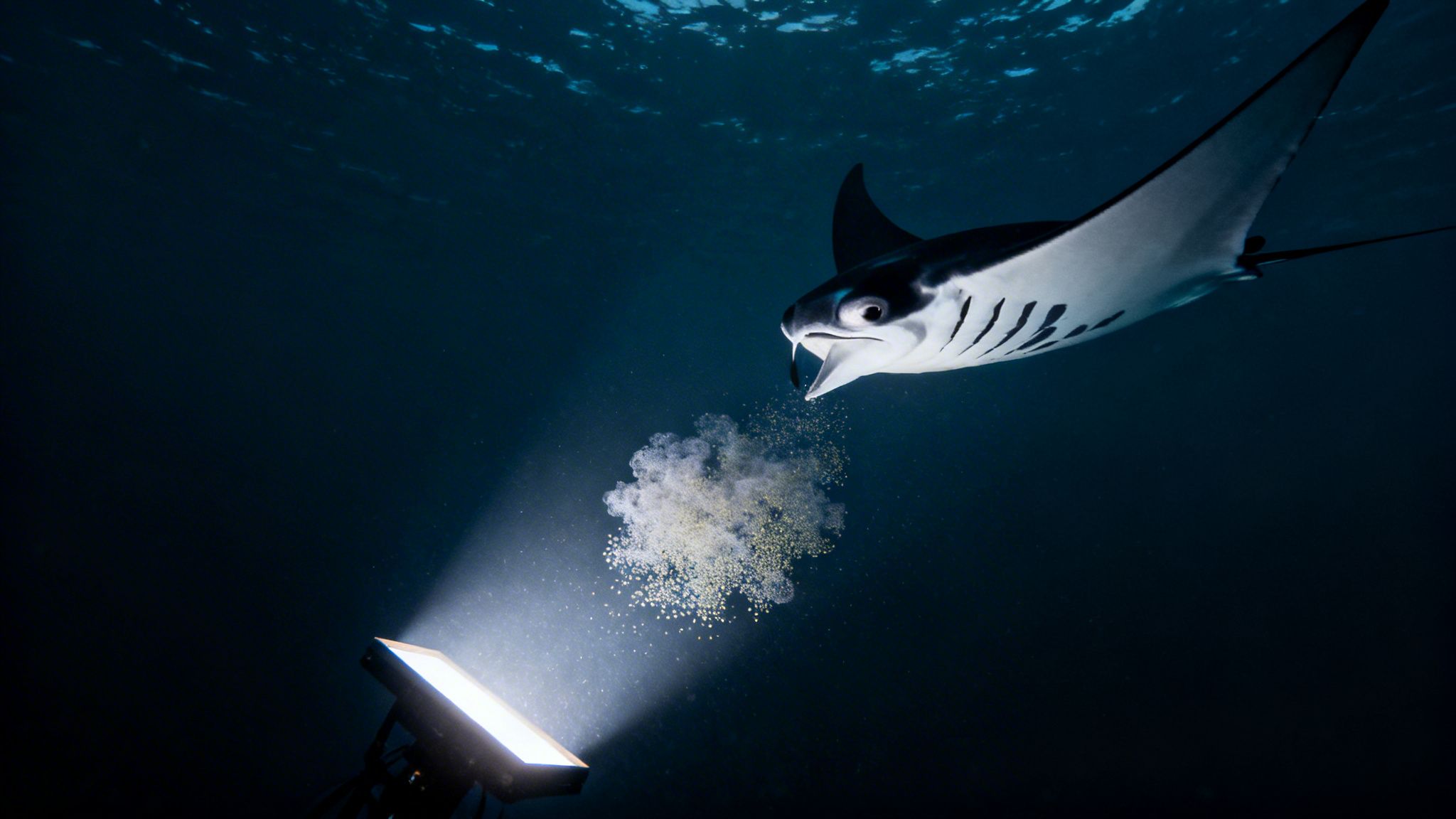
Because this all-you-can-eat plankton buffet is so reliable, Kona is home to a huge population of reef mantas that don't migrate. Why would they? Dinner is served in the same spot, every single night.
The Campfire Effect
Nature sets the table, but the tour operators ring the dinner bell. The real secret to the modern manta encounter is something we call the "campfire effect." Tour boats shine powerful underwater lights down into the darkness.
Just like moths to a flame, plankton are drawn to the bright light. This creates a thick, irresistible cloud of food, and the mantas simply can't stay away. They glide right into the light to feast, doing their famous barrel rolls to gobble up as much plankton as they can.
It's a beautiful, symbiotic relationship. The lights create an easy meal for the mantas, and in return, the mantas put on an unforgettable, up-close show for us.
This simple but brilliant technique is why the sighting success rates are incredibly high. If you're looking for a top-notch tour that has this down to a science, Kona Snorkel Trips is a fantastic choice for their Manta Ray night snorkel and Captain Cook snorkeling tours.
A Community of Gentle Giants
When you snorkel with mantas in Kona, you’re not just having a random encounter; you’re meeting a well-known local community. Every manta ray has a unique pattern of black spots on its belly, which works just like a human fingerprint.
Researchers use these spots to identify, name, and track each one, giving us an amazing look into their lives. This resident population is a living testament to how healthy and stable this ecosystem is. We're talking about a thriving colony of 280 to 450 unique mantas that have been cataloged for decades, some with wingspans reaching 13 feet (4 meters)! They show up so predictably that night tours have an 85-90% success rate.
Knowing the science behind it all gives you a much deeper appreciation for what you're seeing. It’s not just an animal sighting; it's a perfectly choreographed natural event. To dive even deeper, check out these fun facts about manta rays.
Essential Tips for Planning Your Manta Ray Trip
A little bit of planning can take a great trip and make it truly unforgettable. When it comes to your manta ray snorkel Kona adventure, a small amount of prep work pays off in a big way. From picking the right time of year to knowing exactly what to throw in your bag, these tips will help you make the most of this incredible night.
First things first: Kona's manta ray viewing is fantastic all year round. That said, if you want the absolute best conditions, think about the ocean itself. The peak season between April and October typically brings the calmest seas and warmest water, with temperatures hovering in a very comfortable 75-80°F range.
The amazing reliability is what puts Kona on the map. Tour operators consistently see 80-90% success rates for sightings, with many nights hitting 95% or higher. This is all thanks to a resident population of mantas that knows exactly where to find dinner—right under the tour boats' lights. It creates a predictable and absolutely magical underwater ballet.
Perfect for Every Type of Traveler
One of the best things about this experience is that it truly appeals to everyone. It’s an amazing adventure for:
Couples: There’s something undeniably romantic about a sunset boat ride followed by a mesmerizing underwater encounter. It’s a memory you’ll share forever.
Families: For kids who are comfortable in the water, this is an awe-inspiring trip that’s as educational as it is thrilling.
Photographers: You simply won't get a better opportunity to capture stunning, up-close images of these gentle giants in their element.
And don't worry, you don't need to be an Olympic swimmer. As long as you're comfortable floating in the water, you'll be fine. You'll be given a wetsuit for buoyancy and warmth, and you'll hold onto a large, custom-lit flotation board. All you have to do is relax and watch the show unfold beneath you.
Simple Packing for a Big Adventure
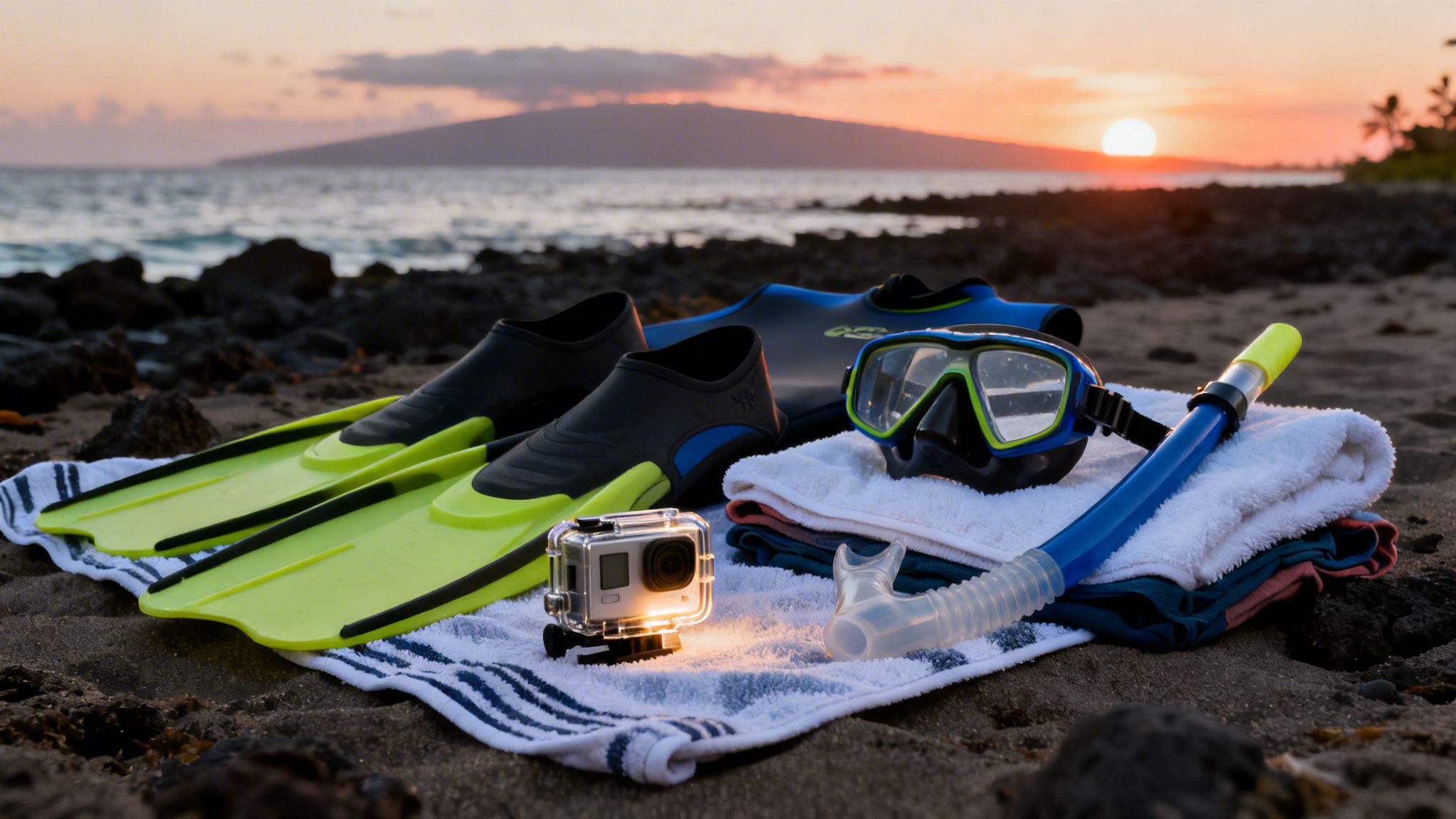
When it comes to packing for this tour, less is definitely more. Your operator provides all the essential gear, so you just need to bring a few personal items.
What to Bring:
A towel to dry off with after getting out of the water.
A dry change of clothes for a comfortable boat ride back to the harbor.
A reusable water bottle to stay hydrated.
What to Leave Behind:
Valuables or anything you’d be devastated to see get wet.
Your own snorkel gear is usually unnecessary, unless you have a special prescription mask.
Photography Tips for Capturing the Magic
Bringing a GoPro or another underwater camera is a great idea, but shooting in the dark can be tricky. Here’s the single most important tip: turn your flash off. A flash will only light up all the tiny particles (plankton!) in the water, creating a "backscatter" effect that looks like a snowstorm in your photos.
Instead, let the powerful lights on the operator’s float board do all the work. You might need to adjust your camera's settings for low light—bumping up the ISO can help, but watch out for grainy images. The goal is to use the beautiful ambient light from below to capture the mantas as they glide through the illuminated water.
The best photos often come from staying still and letting the mantas come to you. Their graceful, sweeping motions against the dark water create a dramatic and beautiful contrast that tells the story of your encounter.
Follow these simple tips, and you'll be all set for an incredible evening. For even more great advice, be sure to check out these 7 essential tips for your manta ray snorkel in Kona.
Your Kona Manta Ray Snorkel Questions, Answered
Heading out to snorkel with manta rays is an incredible thought, but it’s totally normal to have a few questions buzzing around your head before you take the plunge. We get it. To make sure you feel 100% ready for this adventure, we’ve put together answers to the most common questions we hear from travelers just like you.
From safety to swimming skills, let's get all the details sorted so you can just focus on the magic of the experience.
Is the Manta Ray Night Snorkel Safe?
Yes, absolutely. Every reputable tour operator in Kona puts your safety above everything else. First off, the manta rays themselves are completely harmless. They're true gentle giants with no teeth, stingers, or barbs to worry about. Their only interest is in the clouds of plankton illuminated by the lights.
The entire experience is built with safety in mind. You’ll be zipped up in a wetsuit, which not only keeps you warm but also makes you incredibly buoyant—you’ll float with almost no effort. You also spend the entire time holding onto a large, stable light board, so there's no chance of drifting away.
Best of all, you’ll have professionally trained guides right there in the water with you, plus more crew on the boat. They’re all experts in first aid and water rescue, keeping a constant watch to make sure everyone is comfortable and secure. You’ll even get a full safety briefing before you leave the dock, covering everything you need to know for a stress-free night.
Do I Need to Be a Strong Swimmer?
Not at all. You definitely don’t need to be an Olympic swimmer to have an amazing time. The tour is specifically designed to be accessible for just about everyone, as long as you're comfortable with the idea of being in the ocean after dark.
Think of it more as floating than swimming. Your wetsuit does most of the work by keeping you on the surface, and you’ll be holding onto a big, sturdy float (the light board) the whole time. You won't be kicking or paddling around; you’re just there to relax and watch the incredible show unfolding below you.
If you’re feeling a little nervous, just let your guides know. They’re pros at helping people of all skill levels feel at ease and can give you a little extra attention to make sure you’re completely comfortable.
What Happens if We Don’t See Any Manta Rays?
That's a fair question. While Kona is world-famous for its reliable manta ray population and sighting rates often top 90%, we’re still dealing with wild animals. Nature doesn't offer any 100% guarantees.
The good news is that the best tour operators know this and back up their tours with a "manta guarantee." If for some reason the mantas decide not to show up on your night, this policy usually lets you re-book and go again on another night for free (subject to availability).
A manta guarantee is a great sign that you're booking with a confident, customer-first company. It gives you peace of mind knowing they’re just as invested as you are in making sure you have an unforgettable encounter. Always double-check the specifics of the guarantee when you book.
Here’s a pro tip: try to schedule your manta tour for one of your first nights on the island. That way, if you do need to use that guarantee, you have plenty of other nights available in your vacation schedule to try again.
Can Children Participate in the Manta Ray Snorkel?
Yes! The manta ray snorkel can be a truly core memory for kids and an incredible educational moment for the whole family. Most companies do welcome children, but they’ll have minimum age requirements that can vary from one operator to the next.
The most important thing isn't a child's swimming ability, but rather their comfort level. They need to be okay with being in the ocean at night, able to listen to the guides' instructions, and fit properly into the safety gear like the wetsuit.
Before you book, it’s always best to check the operator's specific policies on age. A quick phone call or email can confirm everything and ensure the tour is a great fit for your family, setting everyone up for an adventure they’ll be talking about for years.
For an amazing operator that handles both the incredible manta ray night snorkel and fantastic daytime adventures, check out Kona Snorkel Trips. They run a top-notch Manta Ray night snorkel tour and a beautiful Captain Cook snorkeling tour, making them a one-stop shop for your Big Island water excursions.
Comments