Explore manta ray snorkeling kona: Kona's Ultimate Ocean Experience
Picture this: you're floating in the warm Pacific Ocean, a blanket of stars overhead, as enormous, graceful manta rays glide and dance just inches below you. This isn't a dream—it's the world-famous manta ray snorkeling Kona experience, a true bucket-list adventure that feels like pure magic.
The Underwater Ballet Awaits
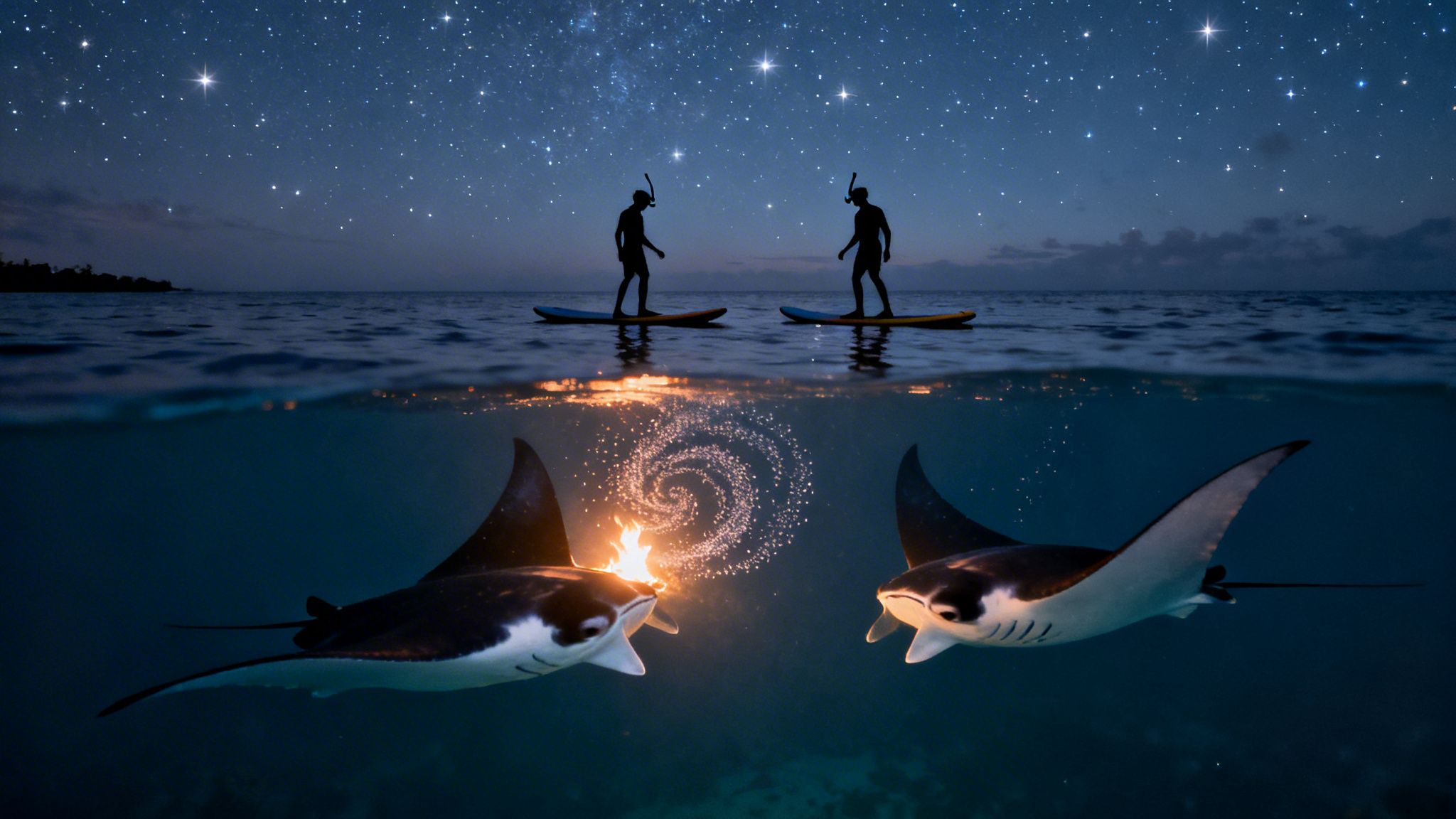
The Kona manta ray night snorkel is more than just a tour; it’s a front-row seat to one of the most incredible feeding spectacles in the entire marine world. The whole thing is built around a brilliantly simple idea that locals sometimes call the "manta campfire." You can learn more about this incredible experience on the manta ray night snorkel homepage.
Tour operators head out after sunset and shine powerful, underwater lights toward the ocean floor. In the darkness, this light becomes a beacon for tiny marine organisms called plankton. As the plankton swarm to the light, they create an irresistible, all-you-can-eat buffet. And that's when the real guests of honor show up.
Gentle Giants and the Plankton Buffet
Out of the darkness, majestic reef manta rays appear. With wingspans stretching over 12 feet, they glide into the light, performing effortless barrel rolls and somersaults to scoop up the clouds of plankton. It's like watching a silent, beautifully choreographed ballet unfold right before your eyes.
Now, unlike a lot of wildlife encounters that are purely a matter of luck, manta ray snorkeling in Kona is incredibly reliable. The Big Island's unique coastline, with its calm, sheltered bays, is home to a large, resident population of manta rays. They live here. They aren't just passing through.
This means they show up for dinner almost every single night. That consistency turns the experience from a hopeful gamble into a nearly guaranteed spectacle. In fact, Kona has one of the highest manta ray sighting rates on the planet, consistently hitting between 80% and 90% year-round. Some tour sites have even tracked success rates as high as 96%!
It’s this incredible reliability that brings around 80,000 people here every year, cementing Kona’s reputation as the best place in the world for manta encounters. You can discover more insights about these manta ray statistics and why the sightings are so frequent.
This guide is here to help you plan an ethical, safe, and truly unforgettable adventure. If you're ready to see this natural wonder for yourself, a great first step is to check out tours like those at Manta Ray Night Snorkel Hawaii.
Why Kona Is a Global Hub for Manta Ray Encounters
When people say Kona is the best place on earth to see manta rays, it’s not just hype. The reputation is well-earned, built on a perfect combination of geography, biology, and a long history of responsible tourism. The Big Island's west coast has a few secret ingredients that make for a reliable, almost magical experience with these gentle giants.
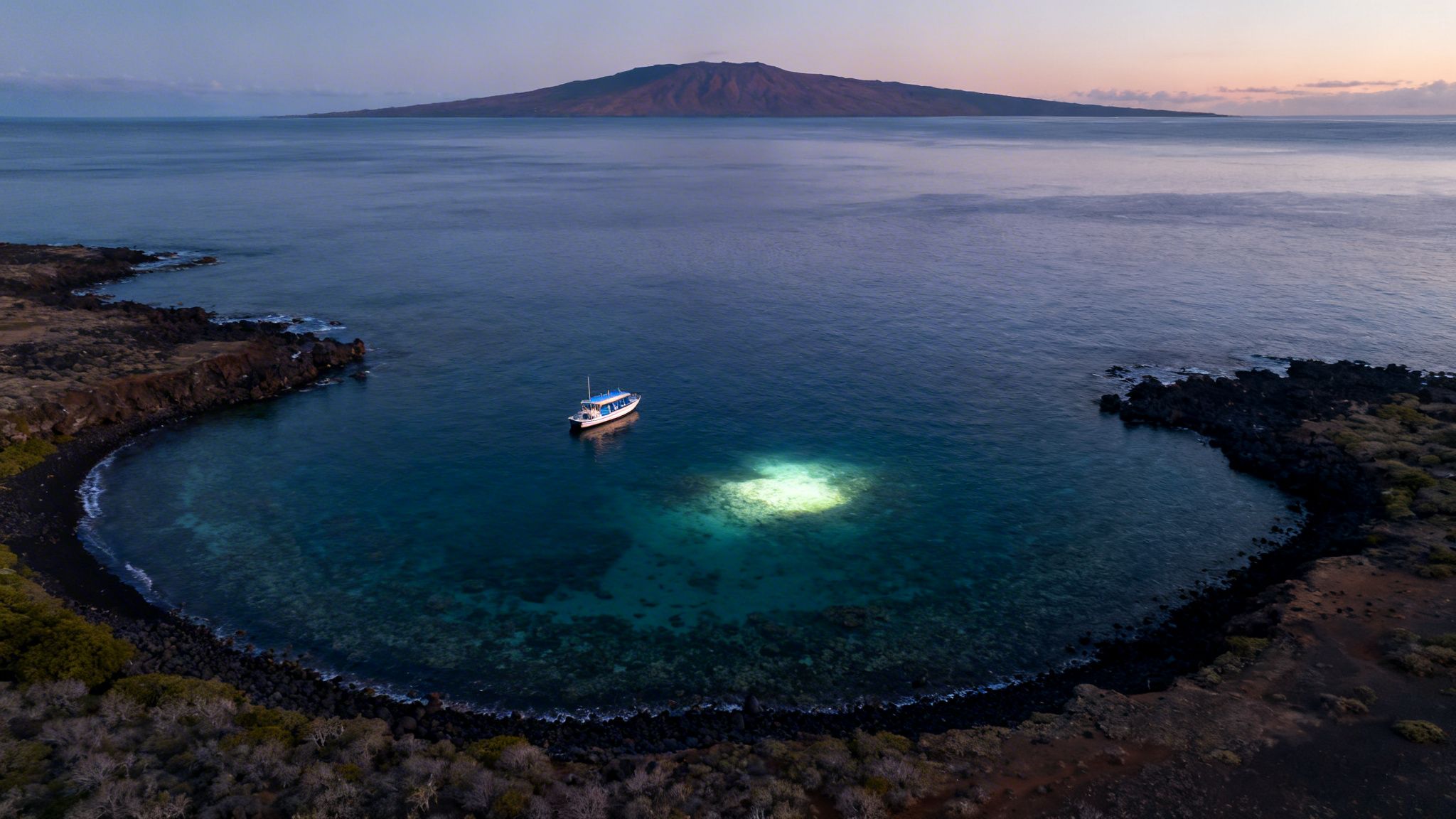
Unlike many wildlife destinations where you have to time your trip just right, Kona’s manta show is on the menu year-round. Why? Because the coast is home to a massive resident population of reef mantas. These aren't just tourists passing through; they live here 365 days a year.
This stability is what makes the experience so dependable. While other spots might see mantas migrate through, Kona’s population has established feeding patterns right along the coast. It’s the secret sauce behind the exceptionally consistent manta ray snorkeling Kona is famous for.
The Perfect Marine Environment
You can thank the island’s geology for creating the ideal setting. The Kona coast is shielded from rough trade winds by the colossal volcanoes of Mauna Loa and Hualalai. This protection keeps the waters remarkably calm—perfect for the mantas and, lucky for us, perfect for snorkelers.
These sheltered bays also happen to be a giant buffet. Deep ocean currents push a steady supply of plankton, the mantas' favorite food, right to the surface. It’s this all-you-can-eat plankton bar that keeps the local manta population thriving just offshore.
Kona’s manta population is now over 450 identified individuals, a massive community that calls the Big Island home. Researchers can spot over 120 of these amazing animals along the coast every year. Some of them have wingspans over 12 feet and are identified by the unique spot patterns on their bellies, which act just like a fingerprint.
Legendary Viewing Sites
Over the years, a brilliant relationship has developed between tour operators and the mantas at a couple of specific spots. Two of these sites have become world-famous:
Manta Village: Located just off Keauhou Bay, this is the original viewing area. Its shallow, sandy bottom and reliable manta traffic make it a fantastic spot for snorkelers.
Manta Heaven: Just north of Kailua-Kona near the airport, this site often has incredible water clarity and can attract huge groups of mantas for a truly mind-blowing show.
At these locations, boats create what we call "manta campfires." They shine powerful lights down into the water, which attracts plankton like moths to a flame. The mantas, being smart creatures, figured out that a guaranteed meal shows up here every night. It’s a sustainable way for us to interact without disrupting their natural behavior. For a deeper dive, check out our guide on the best time to see manta rays in Kona.
Choosing a tour operator that respects these established sites and follows strict conservation guidelines is crucial. The long-term health of this incredible encounter depends on every visitor being a responsible observer.
This unique mix—a resident population, perfect geography, and well-managed tourism—is what makes Kona the undisputed king of manta ray encounters. When you book a tour, you aren’t just hoping for a glimpse; you’re stepping into a world-renowned natural spectacle with a nearly-guaranteed front-row seat.
How to Choose the Best Manta Ray Snorkel Tour
With a ton of manta ray snorkel tours in Kona, picking the right one can feel a little overwhelming. But trust me, this decision is the most important one you’ll make for your entire adventure. A great company doesn't just point you toward the mantas; they make sure the experience is safe, respectful, and absolutely unforgettable.
Choosing the best tour isn't about finding the rock-bottom price—it's about getting the best value. That means looking at everything from the quality of the guides and gear to the operator's commitment to both your safety and the well-being of the manta rays themselves.
Prioritize Safety and Professionalism
Your number one priority has to be safety. You’re going to be out on the open ocean, at night, so you want to be in the hands of seasoned professionals. Don't ever hesitate to ask a few questions before you hand over your credit card.
A top-notch company will have a crew that’s not just friendly, but seriously well-trained. Look for operators who staff their boats with lifeguard-certified guides. This is huge. It means they're trained in CPR, first aid, and water rescue, giving you a critical safety net while you're mesmerized by the show below.
Also, take a look at the condition of their boat and gear. A well-maintained vessel is a dead giveaway of a professional operation. The wetsuits, masks, and snorkels should be clean and in good shape so you can stay comfortable and focus on the magic.
Group Size Makes a Difference
One of the biggest factors that will shape your night is the guide-to-guest ratio. Picture this: you're on a boat packed with dozens of other people, all elbowing for a spot at the light board. Now, imagine a quiet, intimate trip with just a handful of other snorkelers. See the difference?
Smaller groups almost always lead to a better, more personal encounter. With fewer people in the water, you get an unobstructed view, more one-on-one attention from your guide, and a calmer, more respectful environment for the manta rays.
For a truly exceptional time, look for a company like Kona Snorkel Trips. As the most reviewed and highest rated snorkel tour company in Hawaii, they’ve built their reputation on small-group tours. This approach guarantees you a front-row seat to the underwater ballet without feeling like you're just another number in a crowd. You can check out their top-rated manta ray snorkel Kona tour to see why their focus on quality makes such a massive difference.
Choosing the right tour often comes down to weighing your options between group size and departure time. Here’s a quick breakdown to help you decide what fits you best.
Comparing Manta Ray Tour Options
Feature | Group Tour | Private Charter | Sunset Tour | After-Dark Tour |
|---|---|---|---|---|
Best For | Budget-conscious travelers, solo adventurers | Families, special occasions, photographers | Scenery lovers, potential whale watchers | Manta purists, stargazers |
Vibe | Social and lively | Intimate and exclusive | Scenic, golden-hour beauty | Quiet, focused on the underwater world |
Capacity | Larger groups (up to 20+) | Your group only (usually 6-12 max) | Varies by boat | Varies by boat |
Cost | More affordable | Premium pricing | Standard pricing | Standard pricing |
Flexibility | Fixed schedule | Customizable timing | Set departure before sunset | Set departure after dark |
Bonus Sights | - | - | Stunning Kona sunsets, potential whales (in season) | Incredible stargazing on clear nights |
Ultimately, whether you go for an intimate private charter at sunset or a lively after-dark group tour, understanding these differences will help you book the perfect trip.
Sunset vs. After-Dark Tours
Another key choice you'll make is between a sunset tour and a later, after-dark departure. Both give you a fantastic shot at seeing mantas, but each has a completely different vibe.
Sunset Tours: These trips head out while it's still light, treating you to gorgeous views of the Kona coastline as the sun sinks into the ocean. If you’re here during whale season (December to March), you might even get a bonus whale sighting!
After-Dark Tours: These tours leave when the sky is completely black, offering a unique kind of magic. The focus is purely on the underwater world, brilliantly lit by the tour lights under a canopy of stars.
So which one is for you? It really just comes down to personal preference. To help you weigh the pros and cons, check out our detailed sunset vs. night tour comparison.
By focusing on these key things—safety, group size, and timing—you can confidently pick an operator that will deliver the experience you're dreaming of. A little research now goes a long way in turning a good trip into the adventure of a lifetime.
Getting Ready for Your Night Snorkel Adventure
A little bit of prep work can make all the difference between a good manta ray snorkel tour and an absolutely incredible one. When you know what to bring and what to expect, you can relax and focus on the main event: the amazing underwater ballet of the manta rays.
First things first: the single most important tip is to arrive with your swimsuit already on under your street clothes. Space for changing on tour boats is always tight, and this simple trick saves a ton of time and hassle. It lets you get geared up and ready for the water smoothly and quickly.
What to Pack for Your Tour
While any good tour operator will have all the essential snorkel gear covered, bringing a few personal items will seriously upgrade your comfort level. You don't need much—just a small bag with the basics for the boat ride and for after you get out of the water.
Here’s a quick checklist of things you'll be glad you brought:
A Towel: You’ll definitely want a dry, fluffy towel to wrap up in the second you're back on the boat.
A Change of Clothes: Trust us on this one. Having dry clothes to change into for the ride back to the harbor is a game-changer, especially on a breezy night.
A Windbreaker or Light Jacket: Even on a warm Hawaiian evening, the boat ride can get chilly once you’re wet. A jacket will keep you cozy and comfortable.
Reef-Safe Sunscreen: If you're on a sunset tour, make sure to apply this before you leave. It’s a must for protecting both your skin and Hawaii's fragile coral reefs.
Most companies provide water and some light snacks, but it's never a bad idea to bring your own if you have specific dietary needs. And don't forget a camera! An underwater camera like a GoPro is perfect for capturing the magic.
Physical and Mental Prep
The main requirement here is pretty simple: you just need to be a comfortable swimmer. You don't have to be a competitive athlete by any means, but feeling at ease while floating in open water is key. The good news is you'll be holding onto a specially designed light board, not free-swimming, which makes it much less strenuous.
A lot of people worry about the water temperature, and it's a valid concern. The Pacific is warm year-round, but it can feel cool after dark. That's why all reputable tours provide wetsuits. They do a fantastic job of keeping you surprisingly warm and also add a bit of extra buoyancy.
Another common issue is seasickness. If you know you're prone to motion sickness, your best bet is to take preventative medication before you even get on the boat. The Kona coast is usually calm, but being prepared means you won't risk missing a single moment of the action. You can find more great advice in our guide featuring 10 manta ray snorkel tips.
Mentally, the best thing you can do is just relax and trust your guides. These are highly trained professionals who live and breathe ocean safety. Once you're in the water, just remember to take slow, deep breaths through your snorkel to stay calm and save your energy.
All this preparation is worth it because the payoff is huge. The consistency of manta sightings off the Kona coast isn't just luck; it's backed by years of research. In fact, detailed logs from 2011-2013 at the Manta Village site showed operators had a 96% sighting success rate, with an average of four rays seen per tour. These numbers show the mantas are regulars, not just random visitors, giving you an extremely high chance of an unforgettable encounter.
By taking these few simple steps, you’re setting yourself up for the night of a lifetime with Kona's gentle giants.
What to Expect During Your Manta Ray Encounter
The whole experience kicks off the second you step on the boat. As you pull away from the harbor, you’ll watch the Kona coastline light up, either from the last rays of the setting sun or the first stars peeking out. This boat ride is more than just getting from point A to point B; it’s where the adventure truly begins, with the salty air and excitement building.
On the way out, your guides will walk you through a complete safety briefing. They cover everything—from how to use your gear properly to the golden rules for interacting with the mantas respectfully. This is your chance to ask any lingering questions and shake off any nerves. These guides are pros, and their number one job is to make you feel completely safe and confident in the water.
Entering the Water
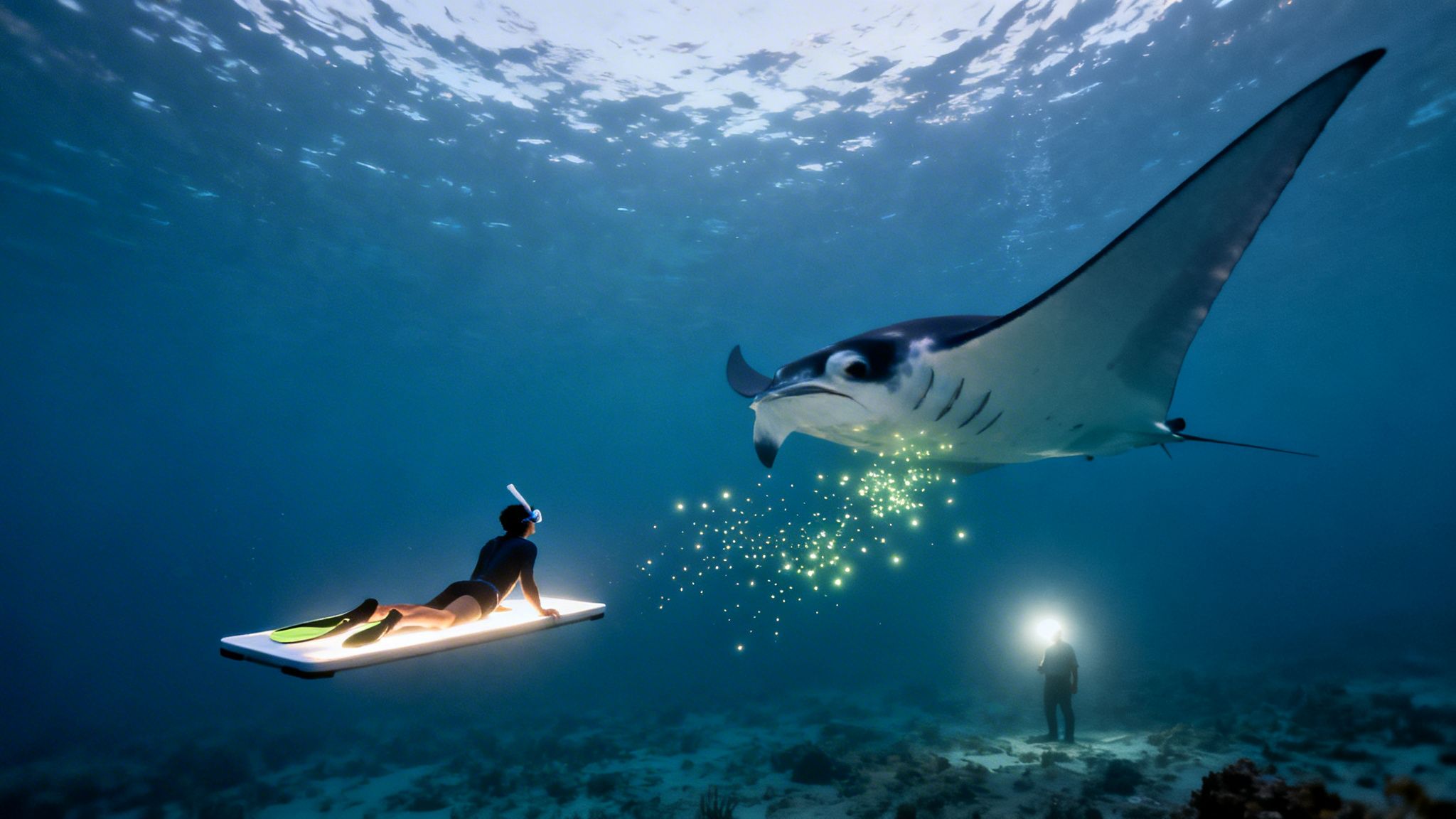
Once the boat anchors at a famous spot like Manta Village or Manta Heaven, the crew sets up a large, floating light board. Think of this as your personal, stable viewing platform for the main event. One by one, you’ll slip into the dark ocean—which is surprisingly warm—and paddle over to the board, grabbing onto the handles.
There's nothing quite like the feeling of floating in the open ocean at night. It’s a wild mix of total peace and quiet with a thrilling sense of what’s to come. Your guide will make sure everyone is settled and comfortable before giving the signal to put your face in the water. And when you do, a whole new world appears right below you.
The powerful lights on the board slice through the darkness, creating a glowing stage on the ocean floor. Almost instantly, you'll see tiny specks of plankton swarm the beams of light. It looks like stardust rising from the deep, and it's the sign that the dinner bell has officially been rung.
The Underwater Ballet Begins
And then, it happens. A huge, dark shape emerges from the blackness, gliding without effort into the light. The first manta ray has arrived. The sheer size is jaw-dropping; with wingspans that can stretch over 12 feet, they are massive yet unbelievably graceful.
Soon, others might join, and the underwater ballet truly begins. The mantas perform slow, looping barrel rolls just inches beneath you, their giant mouths wide open to filter the plankton from the water. It’s a silent, mesmerizing show. You’ll be close enough to see the unique spot patterns on their bellies, which act like a fingerprint for each manta. In fact, researchers have identified and named over 250 individual mantas right here in Kona's waters.
This is so much more than just watching animals; it's about making a connection. To really appreciate what you're seeing, you can check out some fun facts about manta rays and learn about their intelligence and behavior.
Rules for a Respectful Encounter
To keep this incredible experience going for years to come, every snorkeler needs to be a guardian for the mantas. The rules are simple but absolutely critical.
Be a Passive Observer: Your only job is to float and watch. Hold onto the light board, keep your body flat on the surface, and let the mantas be in charge of the encounter.
No Diving Down: Snorkelers must stay at the surface. Diving down can scare the mantas, interrupt their feeding, and create a chaotic situation for everyone.
The Golden Rule—No Touching: This is the most important rule of all. Manta rays have a special mucus coating on their skin that protects them from infections. Touching them can rub this layer off, leaving them vulnerable to diseases.
By staying calm and just observing, you not only protect the mantas but also make your own experience better. The less you move, the more comfortable the mantas will feel, and the closer they will glide as they feed.
After about 30-45 minutes in the water, your guide will give the signal that it's time to head back to the boat. The crew will help you aboard, where there are often snacks and hot drinks waiting to warm you up. The ride back to shore is usually filled with a quiet sense of awe as everyone thinks back on the magical night they just shared.
Practicing Responsible Manta Ray Tourism
Swimming with Kona's manta rays is more than just another vacation activity—it's a privilege. These gentle giants are a cornerstone of our marine ecosystem, and it’s up to every single one of us to make sure they're protected. When you join a tour, think of yourself as a "Manta Ray Advocate." This mindset shifts the experience from a simple tour into a meaningful act of conservation.
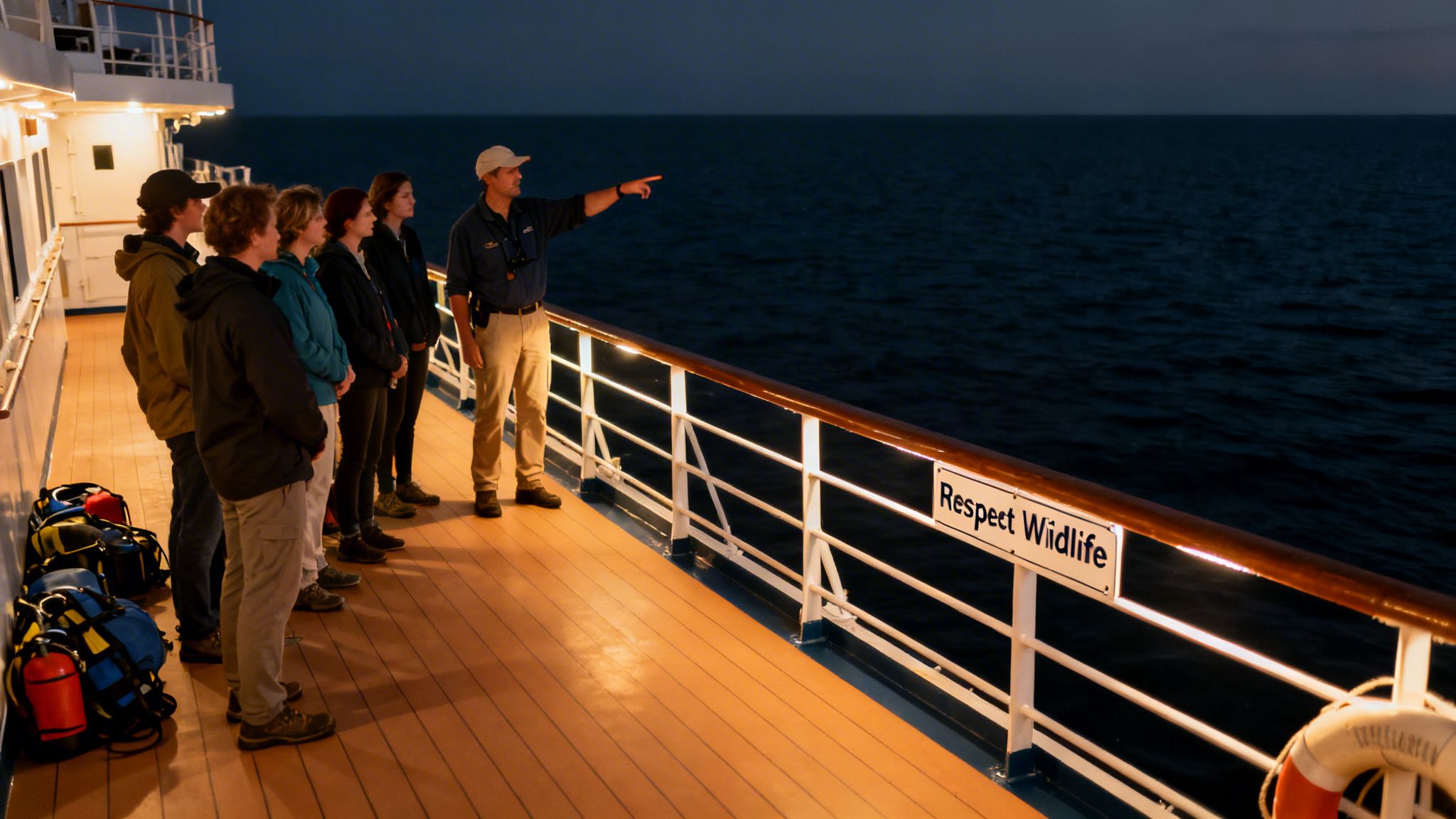
This whole incredible encounter hinges on a delicate balance. Over the years, the Kona community has worked hard to establish strict guidelines that keep the local manta population safe and ensure these interactions can continue for generations. Your respect for these rules is absolutely essential.
The Most Important Rule: No Touching
If you remember only one thing, make it this: never touch a manta ray. This isn't just about not startling them; it's critical for their health.
Manta rays have a thin, protective mucus layer covering their bodies. Think of it like a slime coat that acts as their first line of defense against nasty bacteria and infections. When you touch a manta, you can actually wipe off this vital coating, leaving them vulnerable to getting sick. The best way to show your awe and respect is simply to be a passive observer. Float peacefully, keep your hands to yourself, and let the mantas guide the interaction.
Choosing an Eco-Conscious Operator
The tour company you book with makes a huge difference. Reputable operators are deeply committed to following the established best practices for everything from lighting and boat positioning to how they manage swimmers in the water. They're advocates for the mantas first and foremost, educating guests and enforcing the rules to keep everyone—human and animal—safe.
For an amazing experience with a company that truly walks the walk on responsible tourism, Kona Snorkel Trips is a fantastic choice. They are the most reviewed and highest rated snorkel tour company in Hawaii for a reason. They focus on small groups and sustainable practices, which makes the encounter feel both magical and respectful. Their expert guides make sure every person understands how to safely enjoy the manta ray snorkel Kona experience.
Following these simple but vital guidelines helps preserve one of the world's greatest natural wonders. To get fully prepared, you can learn more about the specifics of swimming safely with manta rays in Kona.
"Resist the urge to 'pet' the mantas. This will rub off their protective mucus coating. Do not chase, grab, or try to take a ride on the mantas. This doesn’t benefit the animal in anyway."
Ultimately, being a responsible tourist means leaving the ocean just as you found it. Your thoughtful actions ensure that the magic of manta ray snorkeling in Kona will continue to thrive, inspiring awe for many years to come.
Your Manta Snorkeling Questions, Answered
Got a few last-minute questions before you book your Kona manta ray snorkel? Totally normal. Let's run through the most common things people ask so you can feel 100% ready for this incredible night on the water.
What Happens If No Manta Rays Show Up?
This is a great question, but thankfully, it's a rare problem to have. Kona's manta ray sightings are incredibly reliable, with a success rate hovering between 80% and 90% most nights. But, we are dealing with wild animals, and nature has a mind of its own.
On the off chance the mantas don't make an appearance, most quality tour companies have a "manta guarantee." This usually means you can come back another night for free. It's a smart reason to schedule your manta snorkel early in your vacation, just in case you need to use that raincheck!
Is There a Manta Ray Season in Kona?
Nope, and that's one of the best parts about snorkeling here! The mantas you'll see are a resident crew, not a group that's just migrating through. They live and feed along the Kona coast year-round, meaning any time you visit is a perfect time to see them.
Is Swimming With Manta Rays Safe?
Absolutely. Manta rays are often called "gentle giants" for a good reason—they are completely harmless to humans. Unlike their stingray cousins, mantas don't have a stinger or barb on their tail. They're filter feeders, so their only interest is in the microscopic plankton, not you! They are often just as curious about us as we are about them.
Can I Touch a Manta Ray?
Please, do not touch the manta rays. Think of their skin as being covered in a very important protective slime coat. This thin mucus layer is their immune system, shielding them from nasty bacterial infections. When you touch them, you can rub off this vital coating and leave them vulnerable to getting sick. The best way to show your respect is to be a passive observer and just enjoy their graceful presence.
Why Do Tours Happen at Night?
The entire experience hinges on attracting the mantas' favorite food: plankton. After the sun goes down, tour boats shine powerful, purpose-built lights into the water. These lights attract huge clouds of plankton, essentially creating a floating buffet for the mantas. The rays have learned that these lights mean an easy, reliable meal, so they show up to feast, giving us that spectacular underwater ballet.
For a truly exceptional and safe adventure, you'll want a tour company that focuses on small groups and has expert guides in the water with you. Kona Snorkel Trips is celebrated as the most reviewed and highest-rated snorkel tour company in Hawaii, making sure you get a front-row seat to all the magic. You can check out their top-rated manta ray snorkel tour in Kona to learn more.
Comments