Search Results
757 results found with an empty search
- Your Ultimate Guide to the 12 Best Manta Ray Snorkel Kona Tours (2026)
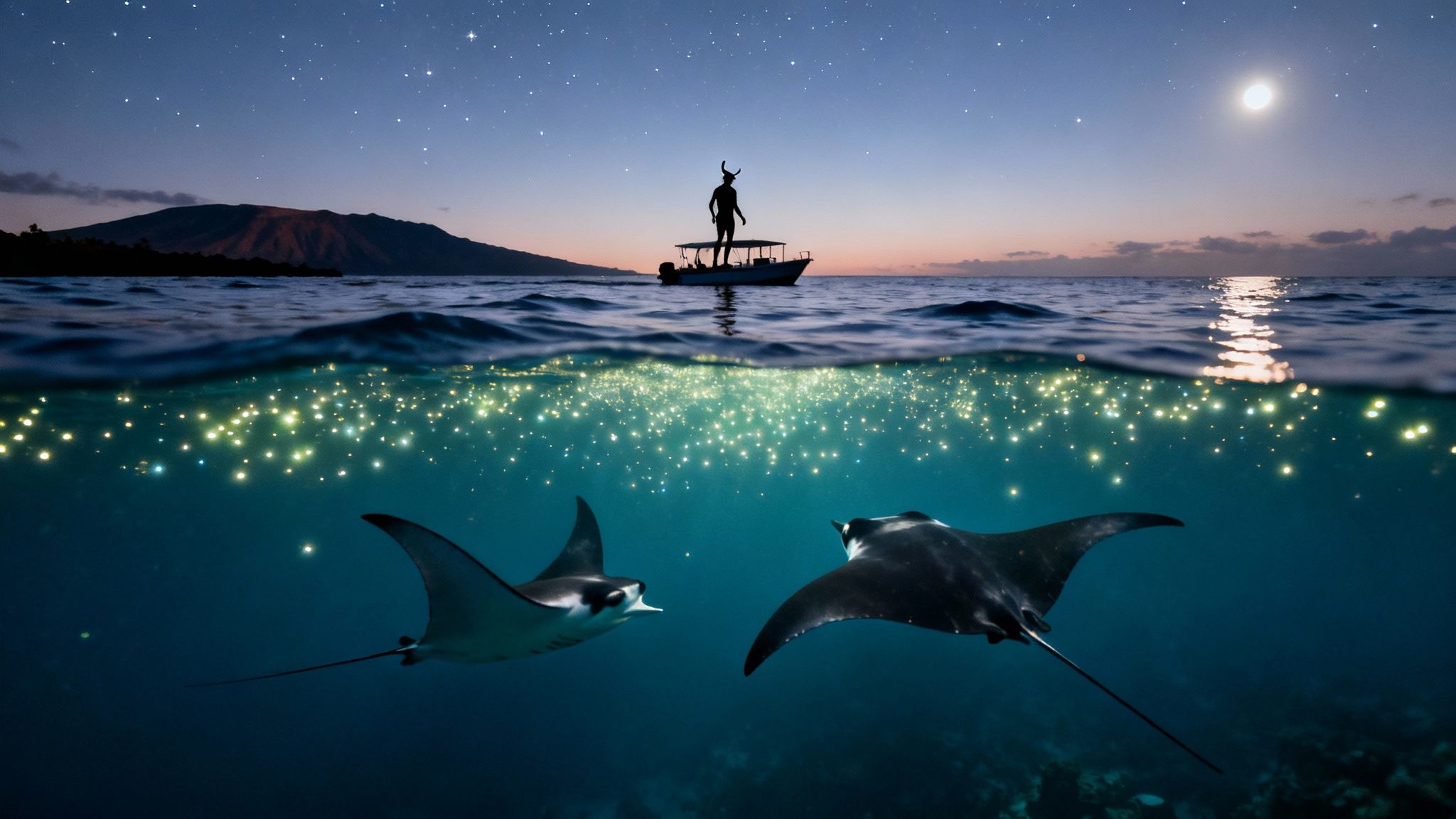
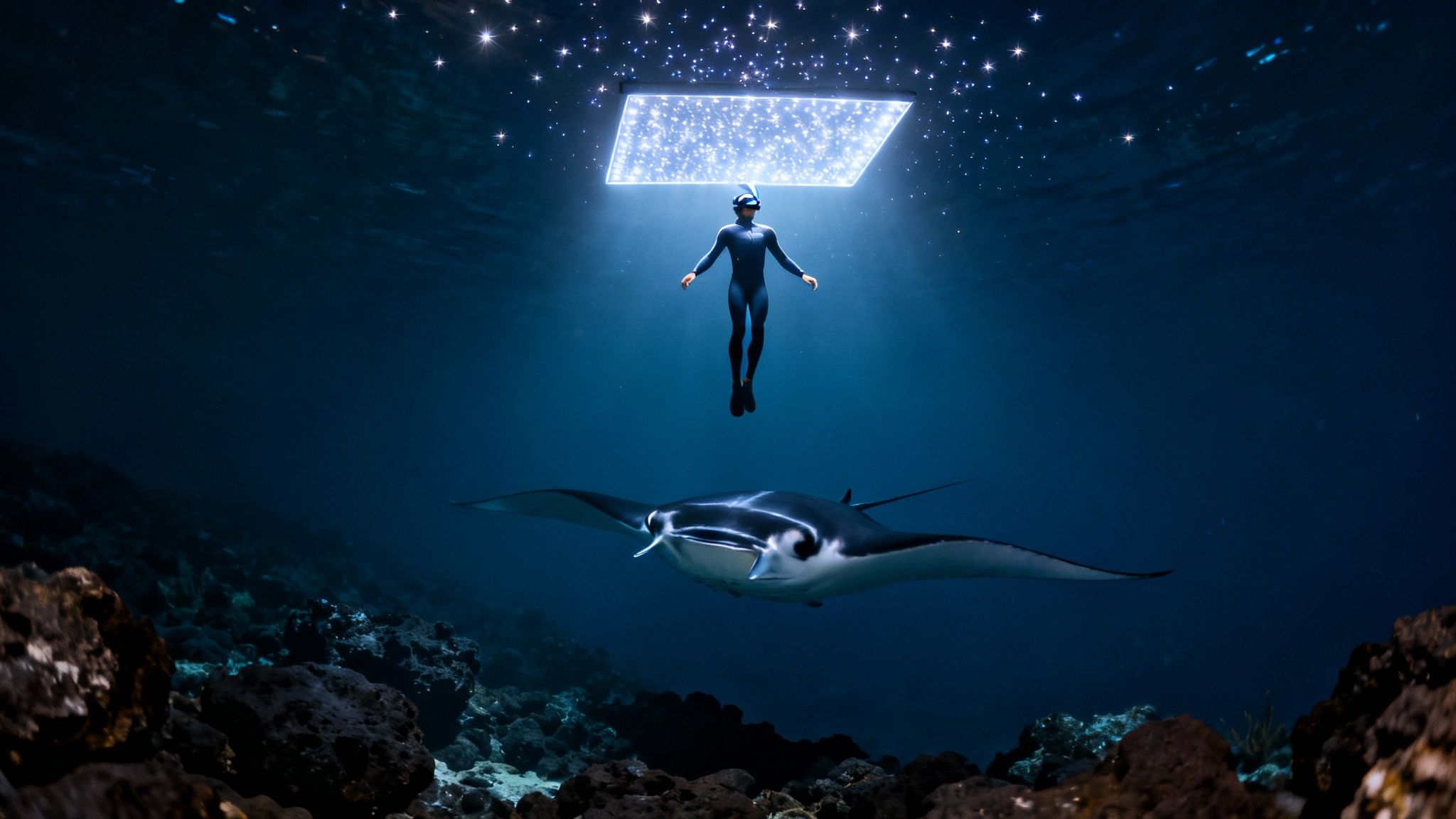
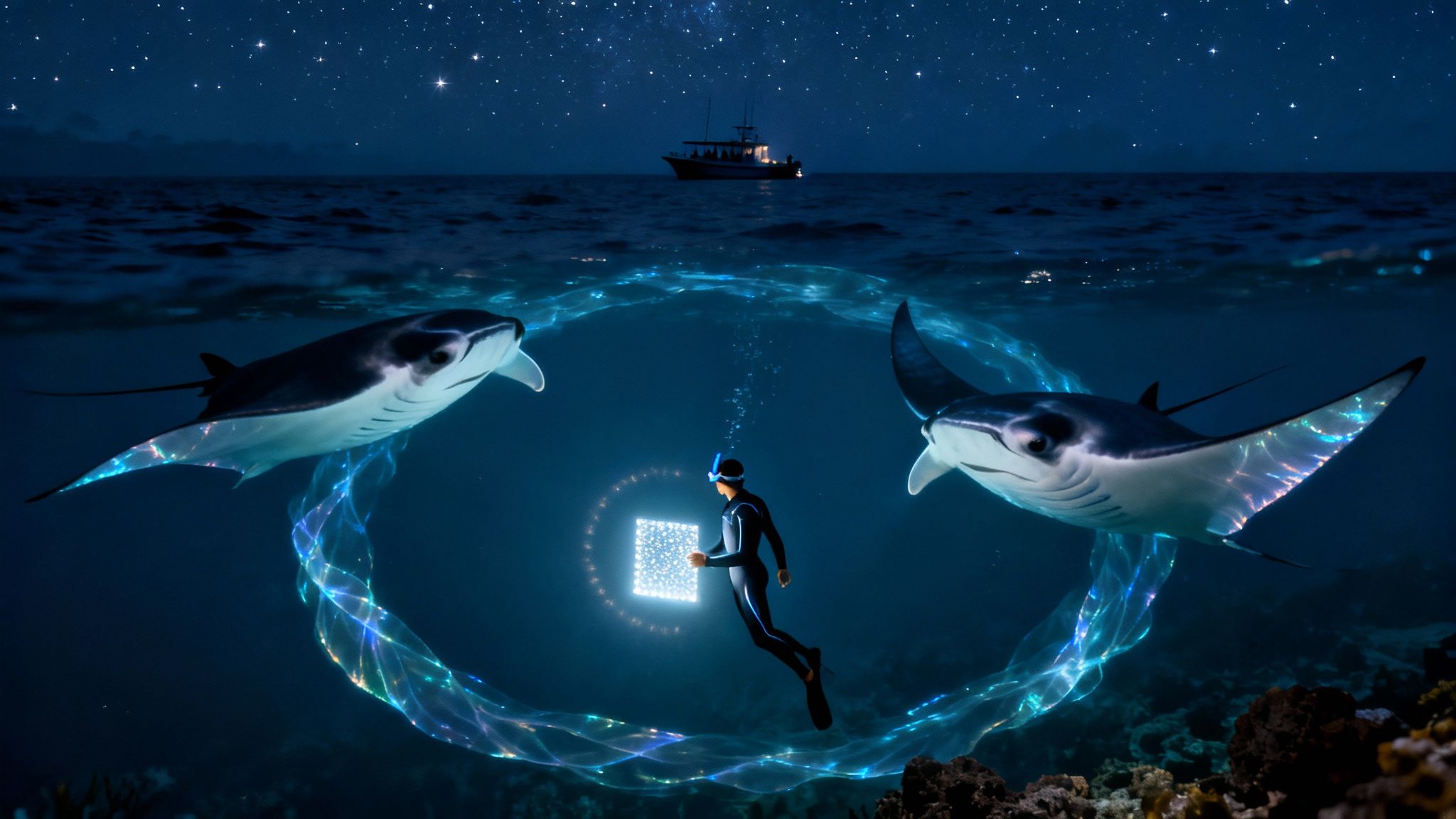
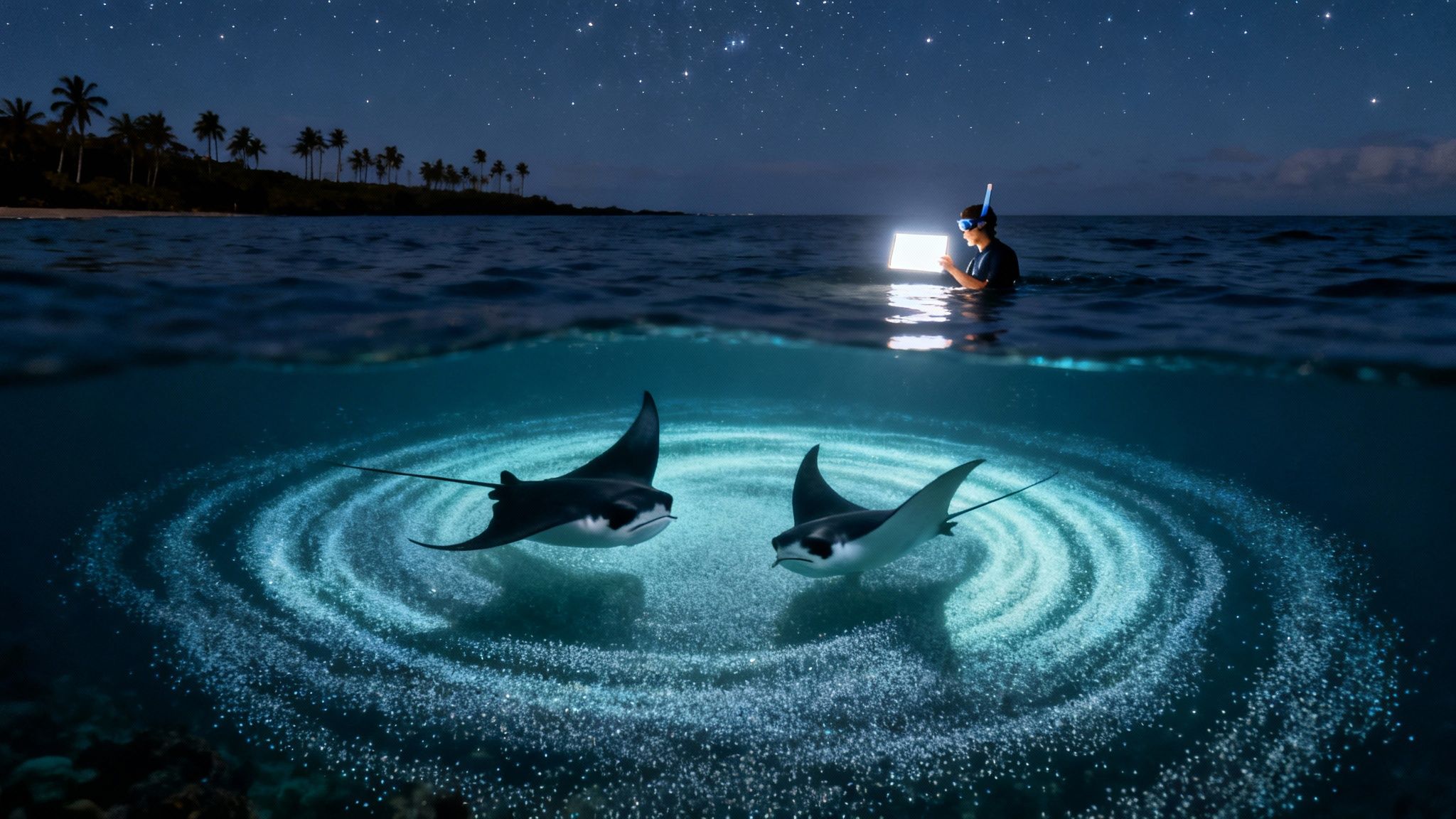
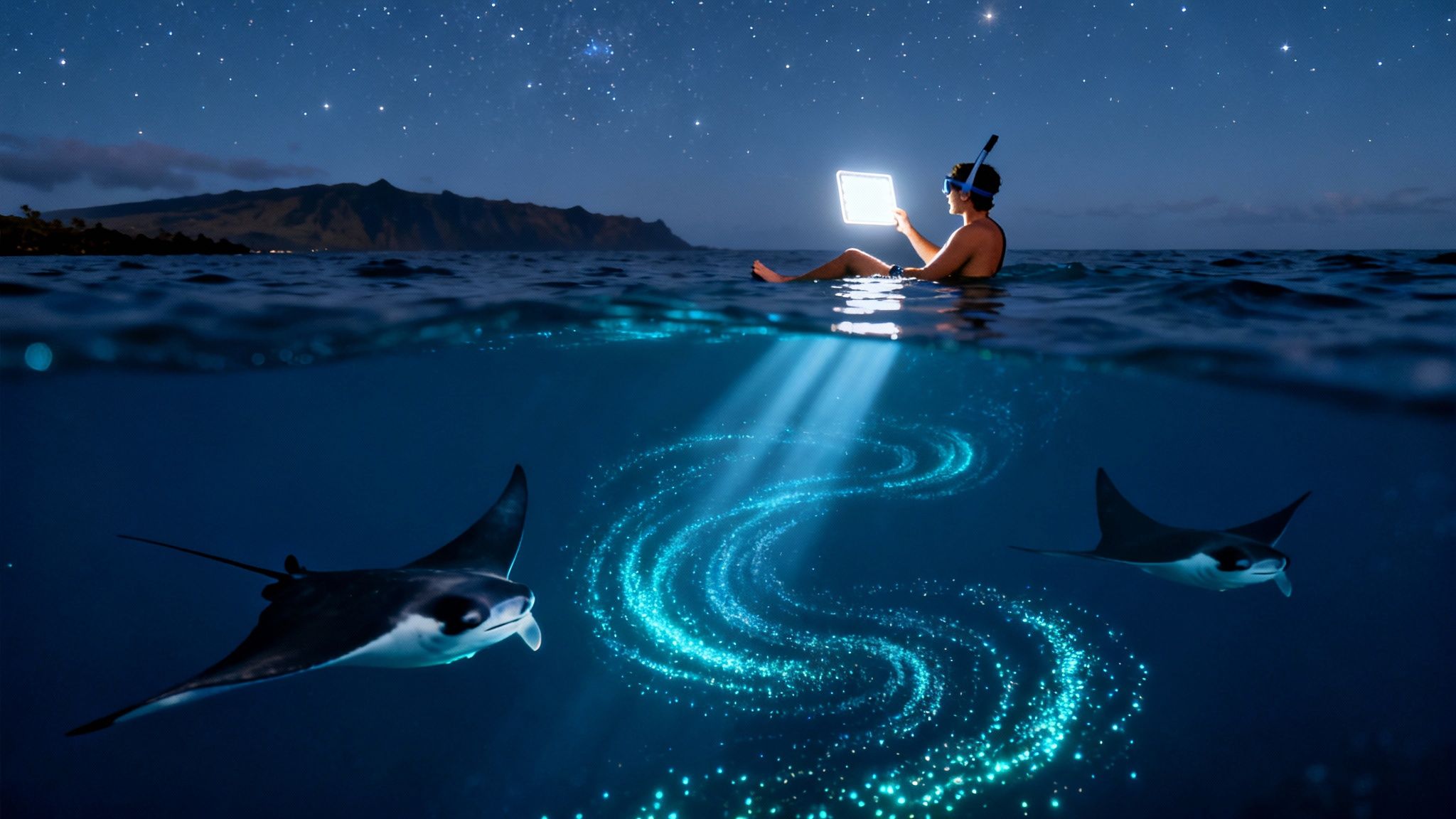
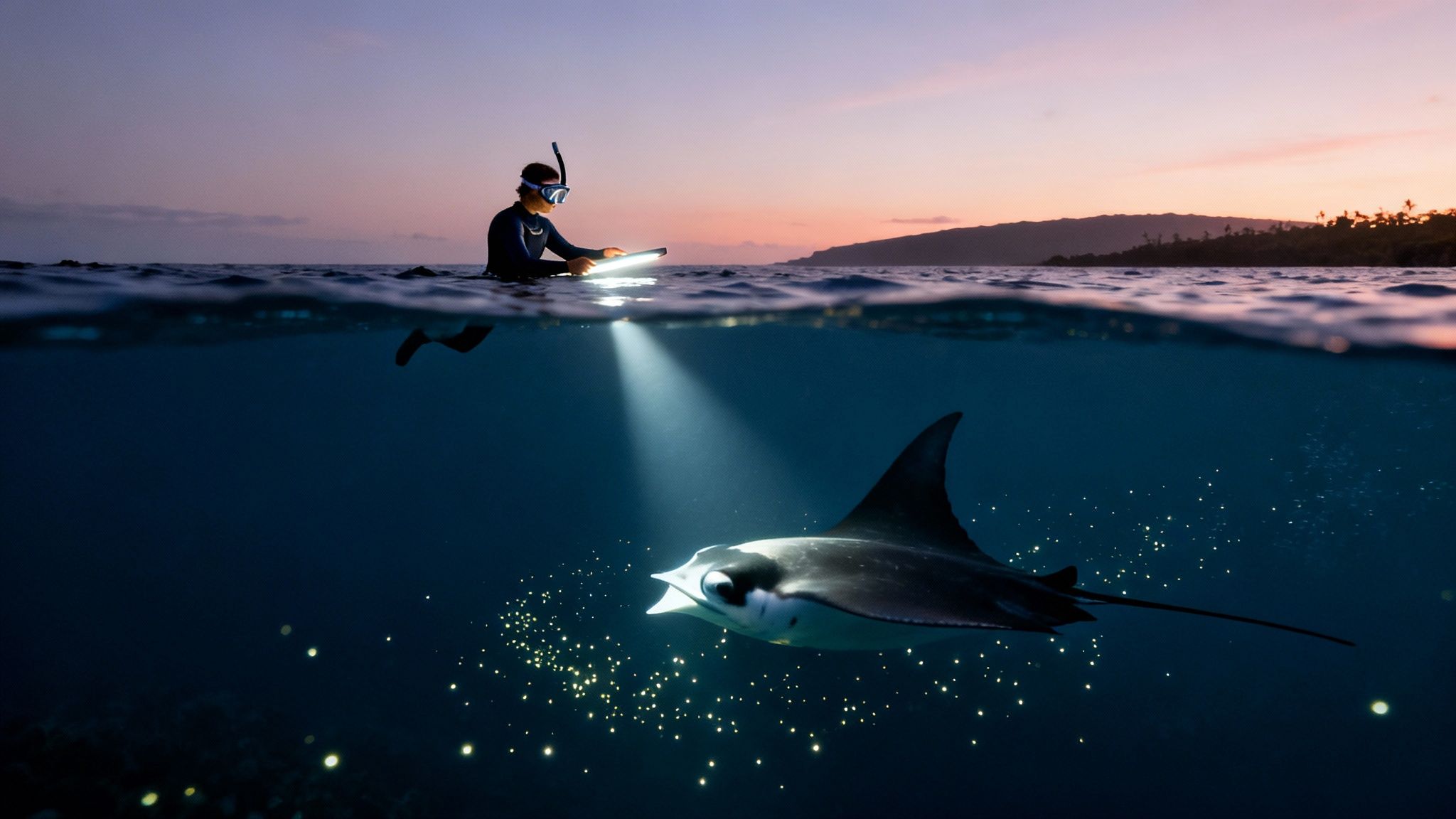
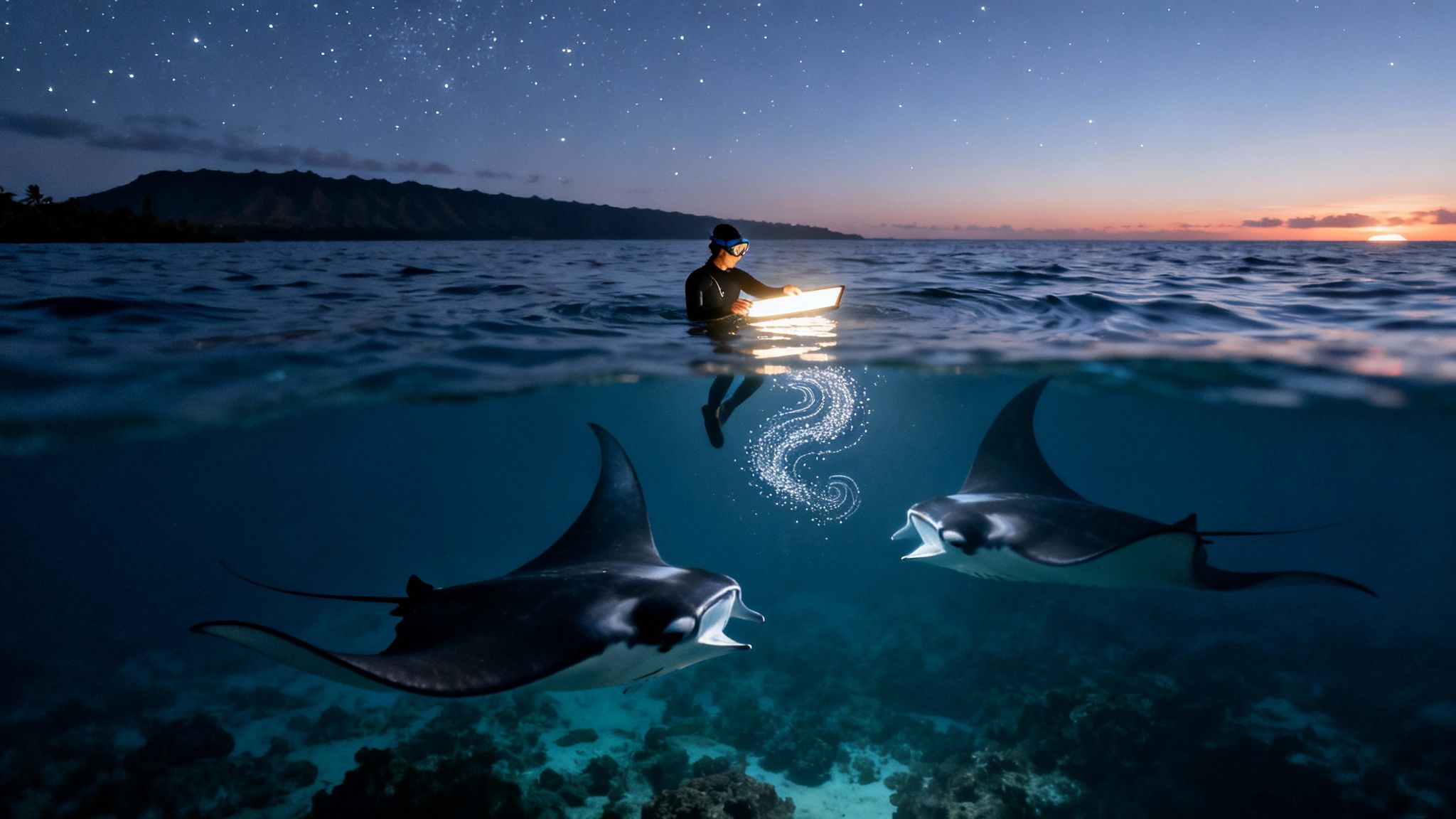
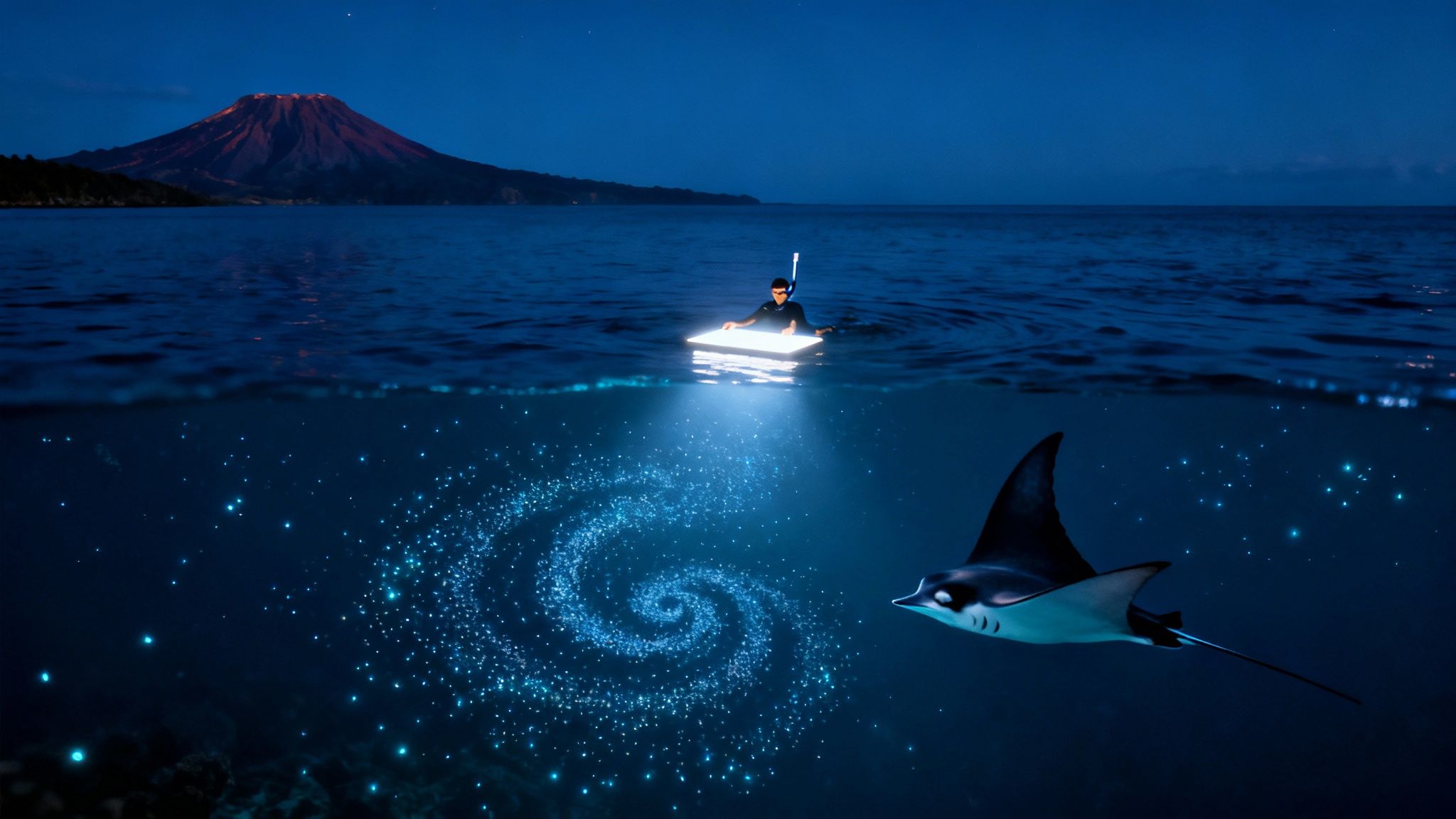
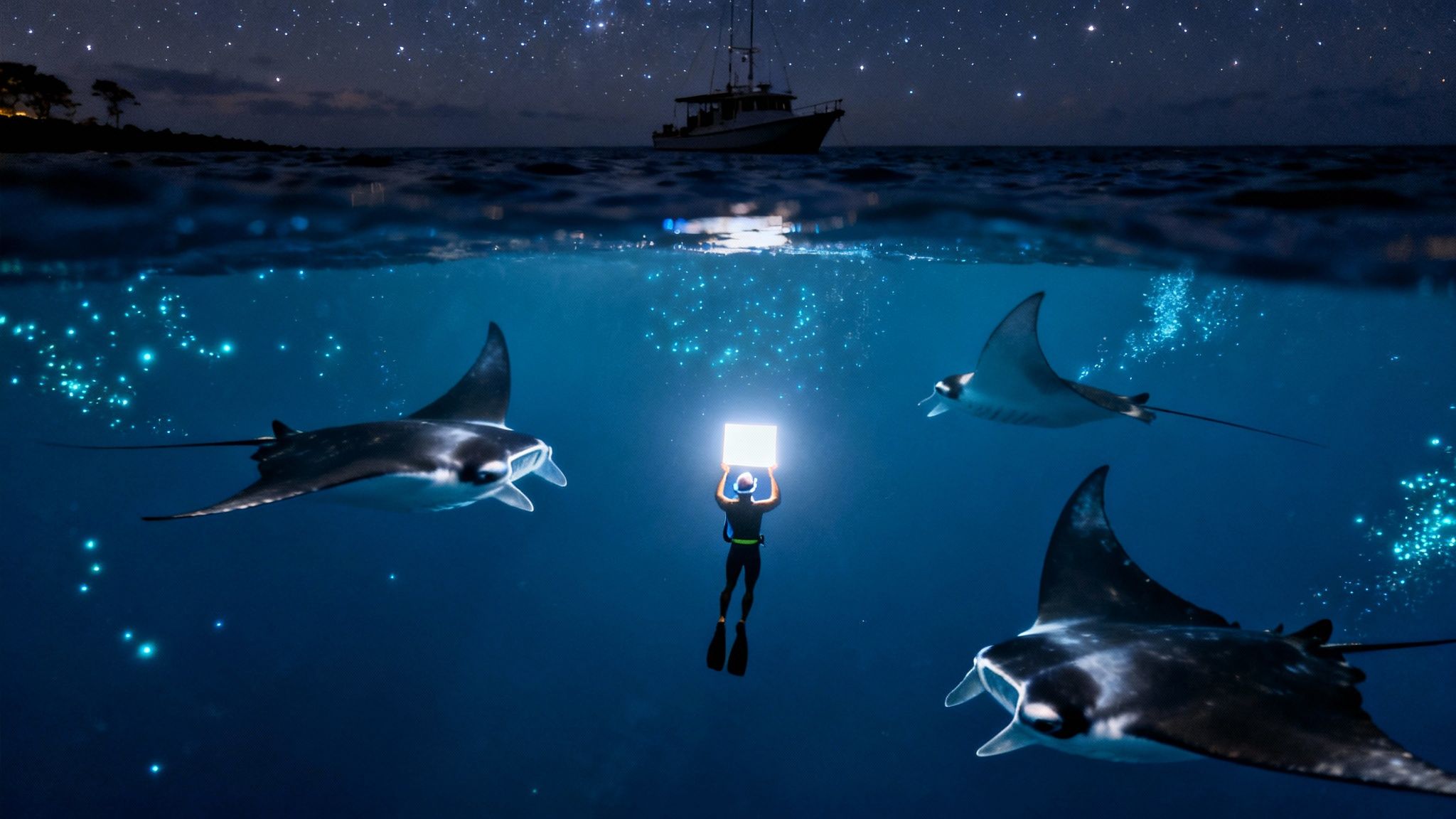
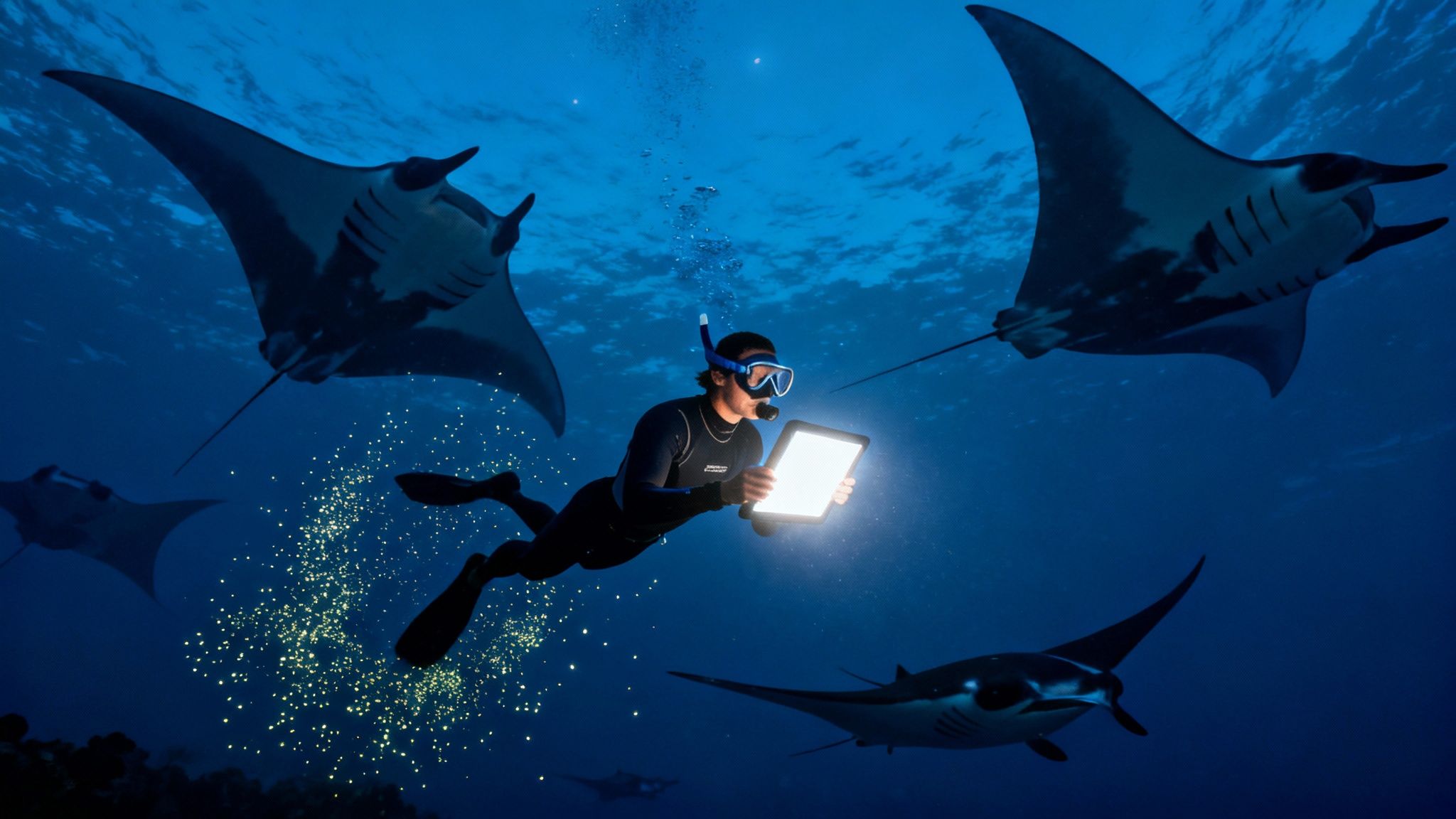
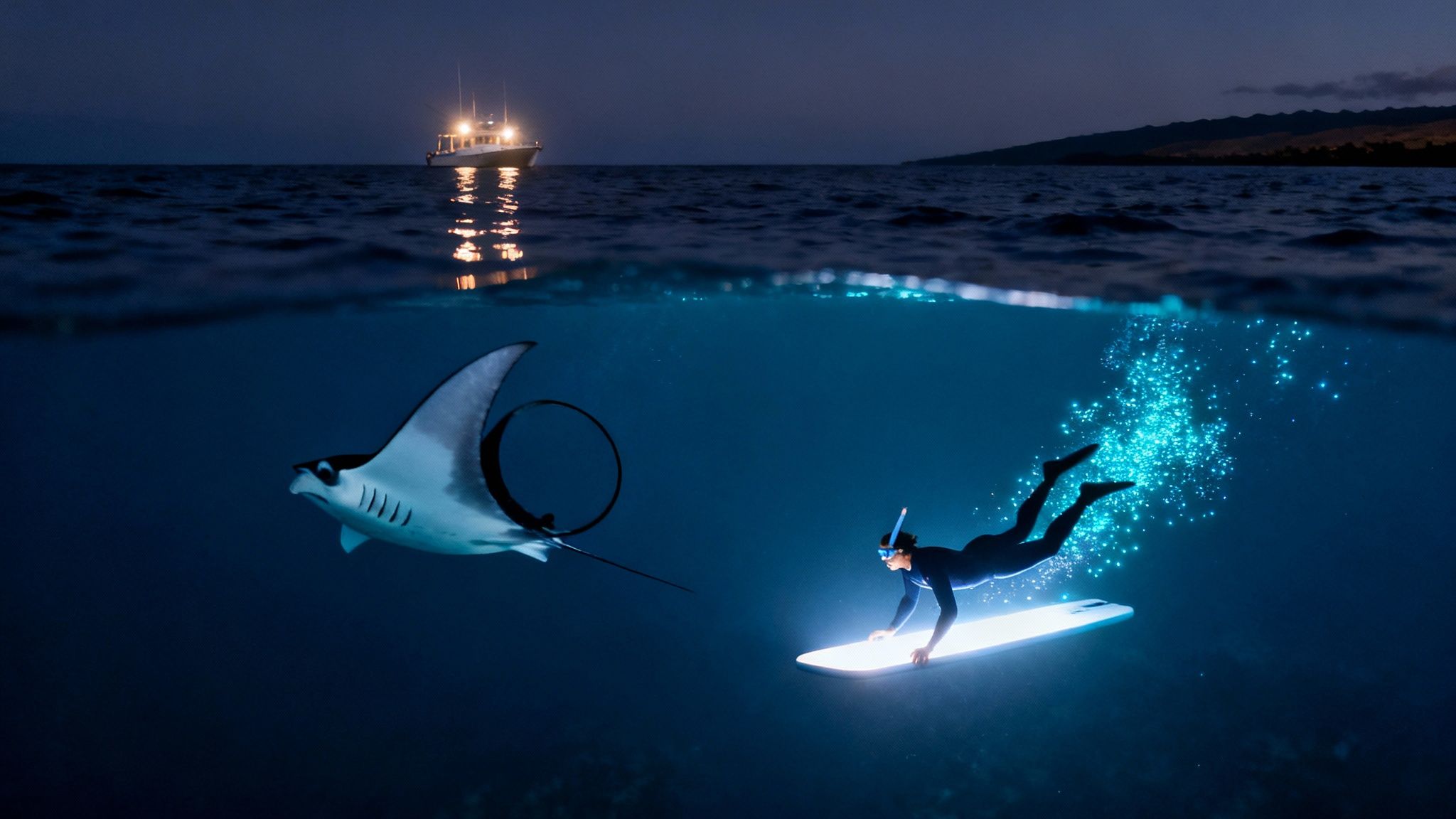
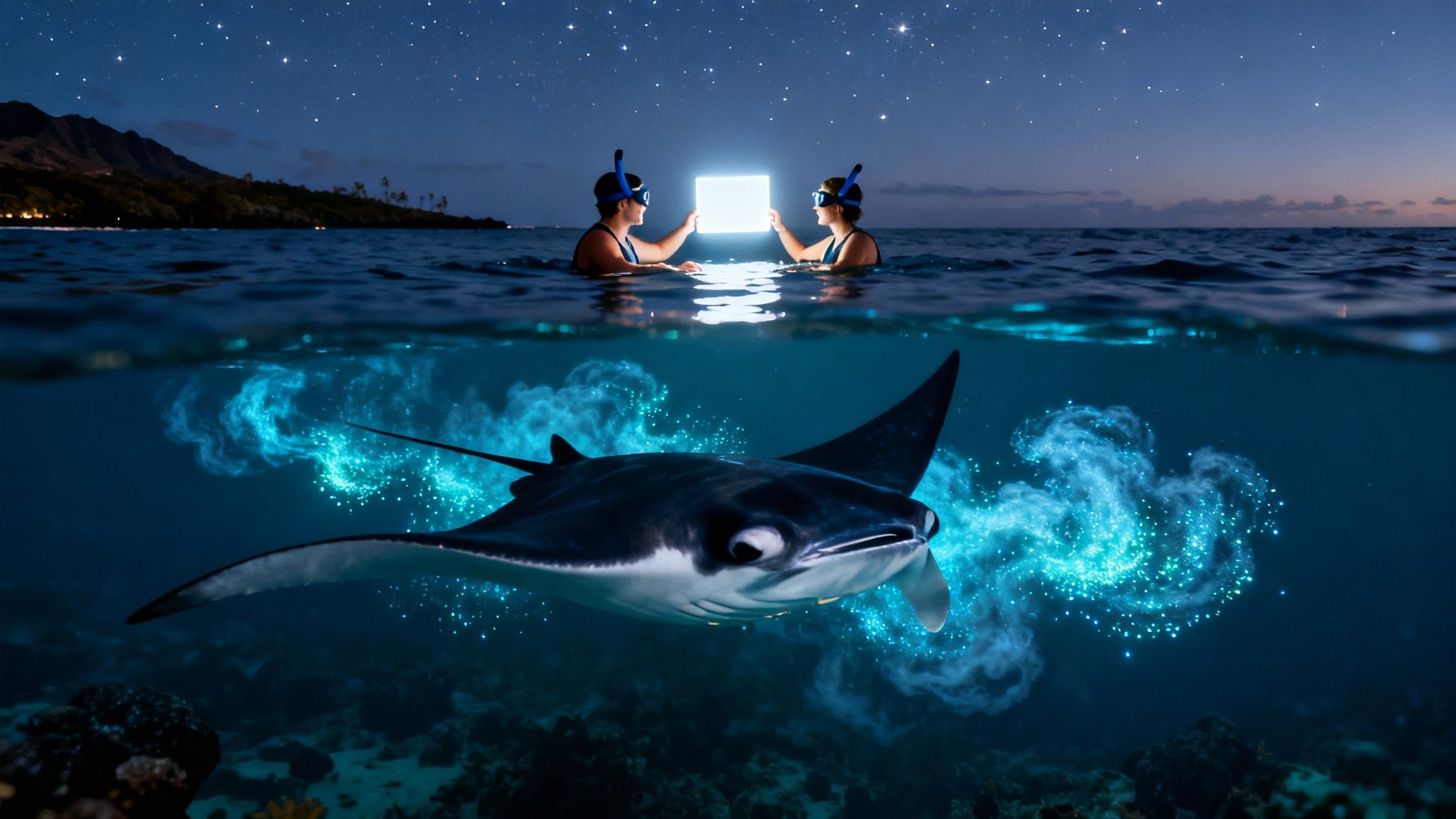
The Kona coast of the Big Island offers one of the planet's most mesmerizing wildlife encounters: the manta ray snorkel Kona experience. Imagine floating in calm, dark waters as giant, graceful manta rays glide and somersault beneath you, feeding on plankton attracted by underwater lights. It's a surreal, bucket-list adventure. But with so many tour options, how do you choose the right one? This guide breaks down everything you need to plan the perfect excursion. We'll explore what to expect, safety considerations, booking tips, and the best operators, including top-rated companies like Kona Snorkel Trips , to ensure your experience is nothing short of spectacular. For anyone planning this incredible adventure, the Manta Ray Night Snorkel Kona Hawaii Tours website is an invaluable resource for understanding the basics. Let's dive into the key things you need to know to make your trip unforgettable. 1. Understanding the Manta Ray Snorkel Kona Experience A manta ray snorkel isn't just about swimming; it's a carefully orchestrated nighttime ballet. Tour boats travel to designated viewing areas, using powerful lights to attract plankton, the mantas' primary food source. You'll hold onto a floating light board, allowing the gentle giants to glide and feed just inches below you in a mesmerizing display. This activity is a passive viewing experience, focusing on respectful observation rather than active swimming or pursuit. When choosing an operator, consider a top-tier provider like Kona Snorkel Trips , renowned as Hawaii's most reviewed and highest-rated snorkel company. Their expertise ensures a safe and unforgettable manta ray snorkel kona encounter. Why It Makes the List Pros : Offers an incredibly close wildlife encounter found in few places worldwide and is generally accessible for competent swimmers. Cons : The experience depends on calm sea conditions and, since mantas are wild, sightings are not 100% guaranteed. For a deeper dive into what the adventure entails, you can learn more about the complete guide to this experience . 2. Fair Wind Cruises (Hula Kai) — Night Manta Snorkel For those seeking a well-run, comfortable, and consistent experience, Fair Wind Cruises offers an excellent option aboard their purpose-built vessel, the Hula Kai. This 1.5-hour tour focuses on a stable and intimate small-group setting, ensuring every guest gets a great view. They provide all necessary gear, including wetsuits and prescription masks, and cap off the evening with hot homemade vegan soup, coffee, and tea, a welcome touch after a night in the ocean. This makes their manta ray snorkel kona offering a top choice for reliability. As an alternative known for exceptional service, consider a top-tier provider like Kona Snorkel Trips , renowned as Hawaii's most reviewed and highest-rated snorkel company. Their expertise guarantees a safe and memorable encounter. Why It Makes the List Pros : Consistent year-round schedule, a dedicated and stable manta vessel, and thoughtful amenities like post-snorkel warm soup. Cons : A minimum age of 7 excludes families with very young children, and pricing can fluctuate based on the date and season. To make the most of your adventure with any operator, it helps to be prepared. You can discover 7 essential tips for your manta ray snorkel in Kona . 3. Sea Quest Hawaii — Night Manta Experience A long-running and trusted operator, Sea Quest Hawaii offers a streamlined 1.5-hour manta ray snorkel adventure departing from Keauhou Bay. This tour is geared toward participants with prior swimming and snorkeling experience, ensuring the group is comfortable in the open ocean at night. They provide all necessary gear, simplifying your preparation for an unforgettable manta ray snorkel kona tour. For those seeking a more personalized adventure, Sea Quest also offers private charter options. This allows groups or families to have an exclusive experience with the crew and the majestic manta rays. Their convenient check-in location close to the viewing site maximizes your time in the water. Why It Makes the List Pros : Clear skill prerequisites enhance group safety and comfort, and the efficient check-in location is a major plus. Cons : Not ideal for first-time or nervous snorkelers, and popular late-night slots can book out quickly during peak season. For more details on their specific tour, you can visit the Sea Quest Hawaii website . 4. Sea Paradise — First & Second Night Manta Ray Snorkel Operating out of Keauhou Bay, Sea Paradise provides a family-friendly catamaran experience for a memorable manta ray snorkel kona tour. They offer both a sunset tour and a later "second run" departure, giving visitors flexibility in their planning. The spacious Hoku Nui catamaran is well-suited for families and those who prefer a more stable, comfortable vessel, heading to the popular "Manta Village" viewing site just a short ride from the bay. The company is a long-running operator known for competitive pricing, which includes child and non-snorkeler "ride-along" rates. For a reliable and highly-rated tour option, consider a premier operator like Kona Snorkel Trips , recognized as Hawaii's most reviewed and highest-rated snorkel company. Why It Makes the List Pros : Competitive pricing with available child rates and a comfortable catamaran platform ideal for families. A manta guarantee is offered on select tours. Cons : Parking near the Keauhou pier can be limited, so arriving early is essential. They have specific restrictions on certain gear like phone neck-lanyards. For more details on their manta encounters, you can learn more about the Sea Paradise manta ray experience . 5. Big Island Divers — Manta Night Snorkel Charter Big Island Divers offers a well-regarded manta ray snorkel kona experience, known for its smaller group sizes and strong emphasis on safety and conservation. Their crew, who are also dive-focused, ensure a controlled and respectful encounter. They use techniques that position snorkelers on light boards to keep the water column clear, providing unobstructed views of the feeding mantas below. This operator is an excellent choice for those seeking a more intimate and education-focused tour. As one of Hawaii's most reviewed and highest-rated snorkel companies, Kona Snorkel Trips also provides a top-tier alternative for this unforgettable adventure, ensuring every guest has a safe and memorable time. Why It Makes the List Pros : Strong safety culture with clear animal-interaction rules and smaller, more personal group sizes. Cons : Skill expectations might exclude very new snorkelers, and its popularity means booking ahead is essential. For more details on what to expect during this unique adventure, explore our complete guide to the experience . 6. Kona Style (Kona Snorkel & Sail) — Sunset or Late-Night Manta Snorkel For those who envision their manta ray snorkel kona experience aboard a classic sailing vessel, Kona Style offers a comfortable and photogenic catamaran platform. Their tours emphasize a relaxed sailing atmosphere, complete with an easy-to-use 'grand staircase' for water entry. Guests can enjoy complimentary hot tea or cocoa while watching the sunset before the snorkel begins, making it a well-rounded evening on the water. They provide all necessary wetsuits and snorkel gear, including custom lightboards designed to attract plankton. The availability of both sunset and late-night departures provides flexibility, with the later option often being less crowded for a more intimate viewing experience. This makes Kona Style a great choice for couples or groups seeking a more traditional sailing adventure. Why It Makes the List Pros : Comfortable catamaran with easy water access and a scenic sailing component. The late-night tour option can be less crowded. Cons : Late departure times may not be ideal for families with younger children, and alcoholic beverages are available for purchase only. To help plan your trip, you can find out more about the best time to see mantas . 7. Anelakai Adventures — Outrigger Canoe Manta Experience For an exceptionally intimate and eco-conscious encounter, Anelakai Adventures offers a unique paddle-powered outrigger canoe experience. This motor-free approach allows you to glide silently to the manta ray viewing site, minimizing your environmental impact. In a very small group of no more than six guests, you receive personalized guidance with a rich cultural context, making it a distinct departure from larger, more crowded boat tours. This tour is an excellent choice for those seeking a quiet, close-to-the-water alternative. While this specific manta ray snorkel kona tour is paddle-powered, for those who prefer a more traditional boat experience, a top provider like Kona Snorkel Trips offers highly-rated and expertly guided tours. Why It Makes the List Pros : A quiet, motor-free, and intimate experience close to the action, serving as a great eco-forward alternative to large boats. Cons : Extremely limited capacity means tours sell out quickly, and the paddling element may not be suitable for everyone. You can explore this unique canoe adventure directly on the Anelakai Adventures website . 8. Kona Honu Divers — Manta Snorkel and 2-Tank Manta Dive Kona Honu Divers is a premium, safety-focused operator well-suited for both snorkelers and certified SCUBA divers. Their website clearly outlines the differences between the snorkel and the popular 2-tank manta dive, providing detailed information on viewing sites like Manta Village and Manta Heaven. This helps visitors choose the best manta ray snorkel kona experience for their skill level, whether they prefer floating above the action or viewing it from the ocean floor. The platform is particularly valuable for groups with mixed certifications, allowing everyone to join the same excursion. A top-tier provider like Kona Snorkel Trips also offers an exceptional experience, known for being Hawaii's highest-rated and most-reviewed snorkel company. Why It Makes the List Pros : Top-rated dive company with strong safety standards, and clear guidance to help choose the right tour for your skill level. Cons : Divers must be certified for dive options; snorkel skill is still required, and prices vary with demand, so book early. For more on safely enjoying these animals, you can learn about manta ray safety . 9. Manta Adventures — Manta Night Snorkel Manta Adventures offers a unique, extended experience that combines a beautiful sunset cruise along the coast with the main event: the night snorkel. This 3.5-hour tour on their Maheli-Heli boat is ideal for those wanting to make a full evening of their adventure, providing a fantastic value by merging two popular activities into one trip. Their family-friendly approach and smaller group sizes enhance the personal feel of the tour. This operator stands out by offering discounted "observer" seats, making it a great choice for groups with non-swimmers who still want to enjoy the boat ride and sunset. While on the topic of premier operators, Kona Snorkel Trips is recognized as Hawaii's highest-rated and most-reviewed snorkel company, delivering a top-tier manta ray snorkel kona experience. Why It Makes the List Pros : Excellent value combining a sunset cruise and night snorkel, and budget-friendly observer pricing is perfect for mixed groups. Cons : The longer time commitment isn't for everyone, and popular holiday dates can sell out well in advance. For more details on their combined tour, you can visit the Manta Adventures website . 10. Viator — Marketplace Listings for Kona Manta Ray Night Snorkel Viator acts as a large online marketplace where you can compare and book tours from various local operators. It aggregates numerous manta ray snorkel kona options, making it a convenient one-stop shop to view different schedules, prices, and tour inclusions side-by-side. The platform is useful for seeing a broad spectrum of what's available, especially if you're booking at the last minute or want to weigh all your options at once. Many listings on Viator feature mobile tickets and 24-hour free cancellation, offering flexibility for travelers. While it consolidates user reviews, always cross-reference with a top-rated direct provider like Kona Snorkel Trips to ensure you're booking with the best. Why It Makes the List Pros : Excellent for comparing prices and schedules across multiple companies in one place and finding last-minute availability. Cons : Can include third-party booking fees, and the specific boat or operator might not be prominently displayed, requiring a careful read of the details. For more information on manta ray snorkeling, visit the Manta Ray Night Snorkel Hawaii home page. 11. GetYourGuide — Marketplace Listings (multiple providers) GetYourGuide is a global tour marketplace offering a wide selection of manta ray snorkel kona experiences from various operators. It excels at allowing travelers to compare different tours side-by-side, evaluating group sizes, inclusions, departure times, and user reviews all in one place. The platform is particularly useful for those who value booking flexibility and peace of mind. Many listings on GetYourGuide feature traveler-friendly policies like "reserve now, pay later" and free cancellation, making it a low-risk way to secure a spot while finalizing travel plans. For those looking to explore a wider range of platforms beyond tour-specific options, checking out general booking sites can also be useful. Why It Makes the List Pros : Excellent for comparing multiple providers at once, and many tours offer flexible payment and free cancellation policies. Cons : Platform policies may sometimes differ from the actual boat operator’s policies, and some listings can downplay the specific operator's branding. 12. HawaiiActivities (VELTRA) — Curated Kona Manta Tours HawaiiActivities, powered by VELTRA, acts as a specialized online travel agent focusing on the islands, offering a curated list of top-rated operators. This platform simplifies the booking process by allowing you to compare details like check-in times, tour durations, and included amenities such as wetsuits or hot chocolate from different companies side-by-side. It's particularly useful for last-minute planners seeking instant confirmation for their manta ray snorkel kona adventure. This site is an excellent resource for comparing options from operators like Kona Snorkel Trips , Hawaii's most reviewed and highest-rated snorkel company. After your trip, you'll have incredible footage; you can learn how to create a memorable highlight video to share your amazing experience. Why It Makes the List Pros : Hawaii-focused selection provides useful local detail, and it’s great for comparing tour time slots and specific add-ons. Cons : Booking through a third party may limit flexibility if you need to make changes, and some tours show variable start times. For more details on tour options, visit HawaiiActivities' Manta Ray page . Kona Manta Ray Night Snorkel — 12-Provider Comparison Operator Duration & Schedule Age / Skill & Group Size Inclusions & Experience Price & USP Kona Snorkel Trips (Recommended) 2-hour; nightly sunset & after-dark Ages 5+; swimming required; small groups (≤18) All gear, lifeguard-certified guides, educational briefing, high-powered lights From ~$139 pp; private charters ~$1,999; ~90% sighting rate; personalized & safety-focused Fair Wind Cruises (Hula Kai) — Night Manta Snorkel 1.5-hour; year-round nightly Ages 7+; stable purpose-built vessel; small groups Wetsuits/snorkel gear, prescription masks, hot vegan soup & drinks after snorkel Variable pricing; USP: purpose-built stable boat & consistent service Sea Quest Hawaii — Night Manta Experience 1.5-hour guided manta snorkel Ages 7+; all gear included; private charters available Emphasis on swim/snorkel experience, efficient check-in near site Mid-range pricing; USP: long-running trusted operator, private charter option Sea Paradise — First & Second Night Manta Ray Snorkel 1.5–2 hours; two nightly slots Family-friendly catamaran; child & ride-along rates Wetsuits/snorkel gear, onboard restrooms, manta guarantee on select tours Competitive pricing; USP: comfortable catamaran + some manta guarantee Big Island Divers — Manta Night Snorkel Charter ~45 min in-water time Snorkelers & certified divers; smaller group sizes Strict no-touch policy, lifeguard-certified crew, dive-focused techniques Pricing varies; USP: dive-centric safety & clear animal-interaction rules Kona Style (Kona Snorkel & Sail) — Sunset/Late-Night ~2.25 hours (sunset); seasonal late-night Wetsuits & gear included; easy water entry catamaran Onboard beverages, custom lightboards, photogenic sailing platform Mid-range; USP: comfortable sailing catamaran, scenic sunset + manta Anelakai Adventures — Outrigger Canoe Manta Experience Varies; paddle-powered evening tours Very small groups (up to 6); option to stay in canoe Motor-free, low-impact, personalized guiding with cultural context Premium per-person; USP: quiet, eco-friendly, intimate experience Kona Honu Divers — Manta Snorkel & 2-Tank Dive Snorkel tours + 2-tank dive options Snorkel skill required; divers must be certified Detailed site info, dive-focused crew, robust safety standards Prices vary; USP: top-rated dive expertise & clear snorkel vs dive guidance Manta Adventures — Manta Night Snorkel ~3.5 hours (sunset cruise + snorkel) Gear included; observer (non-swimmer) seating available Sunset coastal cruise + night snorkel; family-friendly options Mid-range; USP: good value for mixed groups including non-swimmers Viator — Marketplace Listings Varies by operator & listing Multiple operator options & age rules vary Aggregated reviews, maps, mobile tickets, flexible cancellation on many Service fees possible; USP: compare operators & last-minute availability GetYourGuide — Marketplace Listings Varies by provider; flexible slots Multiple provider rules; reserve-now-pay-later option Ratings, free cancellation on some listings, clear what-to-bring lists Platform fees/terms vary; USP: payment flexibility & easy comparisons HawaiiActivities (VELTRA) — Curated Kona Manta Tours Varies; curated operator listings Operator-specific age/skill requirements Transparent check-in times, inclusions (wetsuits, hot chocolate), instant confirmation Prices vary; USP: Hawaii-focused curated options with local detail Ready for Your Unforgettable Manta Encounter? You now have a comprehensive toolkit to plan one of the world's most unique marine adventures. We've explored the differences between sunset and late-night tours, outlined crucial safety protocols, and provided a detailed packing list. This guide has equipped you with everything needed to select the perfect manta ray snorkel kona experience, from understanding tour vessel types to appreciating the importance of eco-conscious operators. The key to an unforgettable encounter lies in choosing the right partner for your journey. As you've seen, operators like Kona Snorkel Trips , Hawaii's most reviewed and highest-rated snorkel company, set the standard for safety, expert guidance, and creating a truly magical atmosphere. Your decision should weigh factors like group size, comfort level in the water, and whether you prefer the vibrant energy of a sunset trip or the intimate quiet of a later departure. Remember, this is more than just checking an item off a bucket list. It is an opportunity to witness a breathtaking natural ballet and connect with the ocean in a profound way. The sight of these gentle giants gliding gracefully through the illuminated water is a humbling spectacle that will stay with you long after you've returned to shore. Armed with the right information and a spirit of adventure, you are fully prepared to embark on this incredible Hawaiian experience. For a complete overview and direct booking options for the top-rated tours, visit Manta Ray Night Snorkel Kona Hawaii Tours . Their curated selection makes it simple to compare the best manta ray snorkel kona providers and secure your spot for this must-do adventure. Explore your options and book the experience of a lifetime at Manta Ray Night Snorkel Kona Hawaii Tours .
- Experience manta ray snorkeling kona: Kona's top tours and tips
Picture this: you're floating weightlessly in the calm, dark waters just off the Kona coast. Suddenly, a silent, graceful ballet begins right below you. Giant manta rays, with wingspans wider than you are tall, glide effortlessly through the illuminated water. This isn’t a dream—it’s the very real, awe-inspiring experience of manta ray snorkeling in Kona, one of the most unique wildlife encounters on the entire planet. A Guide to Kona's Unforgettable Manta Ray Ballet Think of this guide as your complete roadmap to an incredible adventure. We'll walk you through exactly how this natural wonder works, what you can expect from your tour, and how to interact safely and respectfully with these gentle giants. Our goal is to answer all your questions so you feel completely prepared for a night you'll talk about for years to come. This manta ray night snorkel is a must-do activity on the Big Island. Why Is This Experience So Reliable? One of the best things about the Kona manta ray encounter is just how consistent it is. The success rate for seeing these majestic creatures is incredibly high, making it a dependable highlight for any trip to the Big Island. This isn't just dumb luck; it's a behavior that has developed over decades around established feeding sites. Tour operators have perfected a method that uses light to attract plankton—the mantas' favorite food—creating a nightly underwater feast that draws them in. Today, most operators report sighting rates between 80-90% year-round . This incredible reliability is what truly sets the manta ray snorkeling Kona experience apart from almost any other wildlife tour in the world. While nature never offers a 100% guarantee, the odds are definitely stacked in your favor. A Proven Track Record of Amazing Encounters The data speaks for itself. Back in 2013, tours at the "Manta Village" site had a staggering 96% success rate , with an average of four mantas spotted each night. A little further north at "Manta Heaven," the success rate was 90% , but the average number of mantas seen jumped to an incredible eleven per tour! This kind of consistency means you can plan your trip with real confidence. You're not just crossing your fingers and hoping to see a manta ray; you're stepping into their world for an immersive and almost certain encounter. If you're curious to learn more about these fascinating animals, be sure to check out our post filled with fun facts about manta rays you should know . Why Kona Is a Global Hub for Manta Rays So, what makes Kona the absolute best place in the world for manta ray snorkeling? It's a fantastic story of how a little human ingenuity created a perfect, reliable partnership with nature. The secret is a brilliant, yet simple, chain reaction that sets the stage for a spectacular show every single night. It all starts when tour operators place powerful, bright lights in the water. These lights act like giant magnets for microscopic critters called plankton, pulling them in from all around. This dense cloud of plankton quickly becomes an irresistible, all-you-can-eat buffet for Kona's resident reef manta rays ( Mobula alfredi ). They simply show up for dinner. A Year-Round Dinner Party Here's the real magic: unlike a lot of marine life that comes and goes, Kona's manta ray population sticks around all year. This is the key ingredient to the incredible success rate of manta ray snorkeling Kona tours. The mantas have figured out that the lights mean an easy meal, turning the waters just off the coast into a nightly dinner party where you get a guaranteed front-row seat. This unique setup has become a world-famous ecotourism attraction. Sure, you can see mantas elsewhere, but nowhere else offers this kind of consistency. To learn more about the best seasons, check out our ultimate guide on the best time to see manta rays in Kona . Meeting Kona's Underwater Celebrities What really takes this from just watching wildlife to making a genuine connection is the amazing work of local researchers. They’ve figured out how to identify individual manta rays by the unique pattern of black spots on their white bellies—each one is as distinct as a human fingerprint. This means your guides can actually introduce you to the regulars by name! You’re not just looking at some random manta ray; you could be meeting local stars like "Big Bertha," "Lefty," or "Kauila." Local researchers have cataloged over 450 individual reef manta rays along the Kona Coast, with more than 120 identified annually . A core group of about 20 regulars accounted for nearly 60% of all sightings in detailed studies, highlighting how these familiar faces keep the nightly show going. This personal touch adds a whole new level to the experience. Your manta ray snorkeling Kona trip feels less like you're at a zoo and more like a real encounter with an individual animal who has a name and a story. It’s an unforgettable meeting you won’t find anywhere else on the planet. How to Choose Your Ideal Manta Ray Snorkel Tour Picking the right tour for your manta ray snorkeling Kona adventure is probably the single most important decision you'll make. The quality of your entire experience really hinges on this choice, so it’s worth taking a moment to understand what's available. The biggest fork in the road is deciding between a tour that leaves at sunset and one that departs after dark. Each option has its own unique vibe. The sunset tour is incredible because you get a two-for-one deal: a classic, breathtaking Hawaiian sunset from the water, plus the manta encounter. On the ride out, you might even get lucky and see dolphins playing or, if it’s whale season ( December to March ), the unforgettable sight of a humpback whale. It's a truly magical start to the evening. On the other hand, the after-dark or "starlight" tour is pure nighttime adventure. You're heading out into the dark ocean under a sky full of stars, and that alone builds a powerful sense of anticipation for what's waiting below the surface. To really dig into the details of each, check out our Kona manta ray snorkel comparison guide for a side-by-side look. Sunset Tour vs After Dark Tour Which Is Right for You So, how do you decide which trip is calling your name? Honestly, it just comes down to your personal style and what you hope to get out of the experience. This table should help you figure out which tour fits your group best. Feature Sunset Tour After-Dark (Starlight) Tour Best For Families, photographers, and anyone who wants to see a classic Kona sunset from the ocean. Adventure-seekers and those wanting a more focused, mysterious manta ray experience. Vibe Relaxed and scenic, blending a beautiful coastal cruise with an exciting wildlife encounter. Thrilling and immersive, with a strong focus on the underwater magic of the mantas at night. Timing Departs before sunset, returns earlier in the evening. Departs after dark, returns later at night. Bonus Sights Chance to see dolphins, humpback whales (in season), and stunning golden hour light. A brilliant, star-filled sky over the dark ocean, creating a unique and quiet atmosphere. No matter which time you choose, there’s one factor that can make or break your night: group size. We always, always recommend looking for operators that specialize in small groups. A less crowded boat and light board mean you get a more personal, intimate, and respectful viewing experience—which is better for both you and the mantas. And if you're keeping an eye on your budget or just love a good bargain, it never hurts to check for latest travel deals from travel agencies. Why a Top-Rated Operator Matters When you’re ready to book your manta ray snorkeling Kona trip, we strongly suggest going with an operator that has a stellar reputation for safety, education, and deep respect for these animals. For an absolutely exceptional and highly-rated adventure, we recommend Kona Snorkel Trips . They are known as the most reviewed and highest rated snorkel tour company in Hawaii for a reason. Their expert guides are all lifeguard-certified and prioritize your safety just as much as the well-being of the mantas. This commitment ensures you have a respectful and completely unforgettable encounter. When you choose a company like Kona Snorkel Trips for your manta ray snorkel tour , you’re not just another passenger on a boat; you're a valued guest taking part in a world-class, conservation-focused wildlife experience. What to Expect During Your Manta Ray Adventure Getting ready for your manta ray snorkeling Kona adventure is half the fun, and knowing exactly how the tour unfolds will have you feeling like a pro before you even get your feet wet. From the moment you show up, every step is carefully planned for your safety, comfort, and, of course, to give you the best possible view of this incredible natural ballet. Your journey starts with a friendly check-in on land. The guides will walk you through a fantastic briefing, sharing fascinating details about manta ray biology and covering the key safety rules that ensure a respectful encounter for everyone. This is the perfect time to ask any questions you have. Next up, you’ll get fitted for your gear. This means a snug wetsuit to keep you comfortable in the nighttime ocean and high-quality snorkel equipment. Once everyone is geared up, you’ll hop on the boat for a quick, beautiful ride along the Kona coast to the viewing spot. The In-Water Experience This is the main event. After you slip into the calm, dark water, the entire experience centers around a custom-built, floating light board. You won't be swimming around; instead, you’ll just hold onto this board, which has a couple of very important jobs. A Plankton Magnet: The board is equipped with powerful lights that shine down into the water. This light acts as a beacon, attracting the microscopic plankton that manta rays absolutely love to eat. Your Floating Front-Row Seat: The board is also a secure and buoyant platform. You simply hold on, float comfortably on your stomach, and look straight down into the action. The beauty of this setup is that it's practically effortless. You just float and watch as these gentle giants perform an underwater acrobatic show, gliding and barrel-rolling just inches beneath you to scoop up plankton. The whole experience is designed to be passive; you're just an observer, letting the mantas run the show. It’s good to remember that while this is a very beginner-friendly tour, you do need to be comfortable in deep water and have basic swimming skills. Your guides are right there in the water with you, making sure you feel totally secure so you can relax and soak in every amazing moment. For a top-tier tour that delivers this exact experience, we can't recommend Kona Snorkel Trips enough. They are the most-reviewed and highest-rated snorkel company in Hawaii for a reason. Their commitment to safety and delivering a truly memorable manta ray snorkel in Kona is unmatched. Their professional crew makes sure you are completely prepared for the breathtaking show ahead. Your Guide to Safe and Responsible Manta Interaction Keeping the manta rays safe and wild is our absolute top priority on every single tour. This whole incredible manta ray snorkeling Kona experience hinges on one simple but powerful rule: passive observation . The easiest way to think about it is to picture yourself as a quiet, respectful guest in their massive underwater dining room. The golden rule that protects these gentle giants is simple and non-negotiable: no touching . Manta rays have a delicate, protective mucus layer on their skin. Touching them, even with the best intentions, can rub this coating off and leave them vulnerable to nasty skin infections. Your only job is to float, watch, and be completely mesmerized. You let the mantas call all the shots. If one decides to glide right underneath you, soak in the breathtaking moment, but never, ever reach out to touch it. Why Your Role Is So Important This nightly spectacle has become one of Hawaii's biggest marine attractions, drawing in more than 80,000 snorkelers and divers every year. That sheer volume of people highlights just how critical it is for every single person to follow the rules. It's the only way to ensure this encounter remains sustainable for both the mantas and for future visitors. Your lifeguard-certified guides are pros at managing everyone in the water. They'll make sure the group sticks to these conservation-focused guidelines, keeping both you and the mantas safe the entire time. To learn more about what goes into a secure trip, take a look at our guide to safe and spectacular encounters . By choosing a tour operator who cares and following these simple observation rules, you become part of a sustainable ecotourism model that works. Your respectful behavior directly helps protect Kona's famous manta ray population for generations to come, making sure this natural wonder continues to thrive. Your Top Manta Ray Snorkeling Questions Answered Got questions about your upcoming manta ray snorkel Kona adventure? You're not alone! Here are the answers to some of the most common things people ask, so you can feel totally confident and excited for your trip. Do I Need to Be a Strong Swimmer? You definitely don't need to be Michael Phelps, but you should be comfortable in the ocean. We'll be floating in deep water after dark, which sounds more intimidating than it is! Your wetsuit will give you plenty of buoyancy, and you'll be holding onto a sturdy, custom-made light board for the whole swim. It’s more about floating and watching than actual swimming. When Is the Best Time of Year to See Mantas? The simple answer? Anytime! Kona is incredibly lucky to have a resident population of manta rays that stick around all year. This means we have fantastic, consistent sightings almost every single night. While weather can occasionally be a factor, the tours run year-round, making it one of the most reliable and amazing activities to plan for your Big Island vacation. Are Manta Rays Dangerous? Not even a little bit! Manta rays are the definition of gentle giants. They are filter feeders, which means they only eat tiny plankton—they don't have teeth, stingers, or barbs of any kind. Their curious and graceful nature is exactly what makes this encounter so magical. They are completely harmless to humans. What Is the Minimum Age for the Tour? We find that kids as young as 5 years old can have an incredible time, as long as they are comfortable being in the water at night. It’s a truly unforgettable experience for families! That said, it’s always best to check the specific age and swim requirements with your tour operator when you book. For even more detailed answers, head over to our complete manta ray FAQ page .
- Swim With Manta Rays Big Island A Guide to Kona's Night Snorkel
Picture this: you’re floating in the warm, dark Pacific waters off the Big Island. Suddenly, a shadow emerges from the deep, gliding effortlessly towards the light. It's a massive, gentle giant with a wingspan stretching up to 16 feet , performing a breathtaking underwater ballet right below you. This isn't just a lucky sighting; it's the world-famous Kona manta ray encounter, a nightly spectacle that's become one of the most reliable and magical marine experiences on the planet. Your Guide to Kona's World-Famous Manta Ray Encounter The famous manta ray night snorkel is so much more than just another tour—it’s a front-row seat to a stunning natural phenomenon. I'm going to walk you through everything you need to know for this incredible adventure, from picking the right tour to understanding the crucial "Manta Manners" that keep this experience safe and sustainable for everyone. The Kona coast isn't just a place to see mantas; it's the place. And the reason is simple: consistency. For years, tour operators have used a brilliant (and harmless) technique, shining bright lights into the water to attract plankton, the mantas' favorite food. This essentially rings a dinner bell, drawing the rays in like clockwork almost every single night. Why This Encounter Is So Reliable Unlike so many wildlife tours that hinge on a bit of luck and a lot of hope, the Kona manta snorkel has an astonishingly high success rate. We're not just talking about good stories; this is backed by years of hard data. Statistically, operators see an 85-90% year-round sighting rate, which is almost unheard of in the world of marine tourism. Between 2009 and 2014, dedicated underwater videographers tracked sightings six to seven nights a week, logging thousands of encounters and identifying over 450 unique manta rays in the local population. If you're a data nerd like me, you can dive deeper into this amazing research over at the Manta Trust website. This remarkable consistency turns the experience from a hopeful gamble into a practically guaranteed spectacle, making it a dependable, must-do highlight for any Big Island trip. For a fantastic tour, a great option is Kona Snorkel Trips . They've earned their reputation as the most reviewed and highest-rated snorkel tour company in all of Hawaii. Their expert guides make sure you have a safe, fun, and educational time as you snorkel with manta rays in Kona . It's an unforgettable night out for families, couples, and solo travelers alike. Choosing Your Perfect Manta Ray Snorkel Tour Deciding to swim with manta rays is the easy part. The real question is, how do you pick the perfect tour for you ? It’s not a one-size-fits-all experience, and your first big decision boils down to timing: a magical sunset departure or a quiet, late-night swim? Each option creates a completely different vibe for this incredible encounter with wildlife. The sunset tour is pure magic. You get a two-for-one deal: a stunning boat ride along the Kona coast as the sky erupts in color, followed by the main event as darkness fully settles in. On the other hand, the later after-dark trip often feels more intimate. With fewer boats on the water, it’s just you, the mantas, and a sky full of stars. Sunset Magic vs. After Dark Serenity So, which one is right for you? It really comes down to your travel style. If you’ve got young kids who will be nodding off by 9 PM, the sunset tour is a no-brainer. But if you're a couple or a night owl dreaming of a more peaceful, focused encounter, the later trip might just be your sweet spot. To make it easier, here’s a quick comparison to help you decide which tour best fits your travel style and preferences. Sunset vs After Dark Manta Ray Snorkel Feature Sunset Tour After Dark Tour Atmosphere Vibrant and scenic, with a beautiful sunset view from the boat. Quiet and intimate, with a focus on stargazing and the in-water experience. Crowds Can be busier, as it's the most popular time slot. Generally fewer people and boats, offering a more tranquil setting. Best For Families with children, photographers wanting sunset shots, and those who prefer an earlier evening. Couples, night owls, and snorkelers seeking a more peaceful, focused manta encounter. Ultimately, there’s no wrong choice—both experiences are phenomenal. The key is picking the one that aligns with the memories you want to create. No matter which time you book, the quality of the company you go with makes all the difference. Choosing a top-notch operator ensures not just your safety, but a respectful and educational adventure. For a deep dive into the best local companies, check out our guide to the best manta ray snorkel Kona tours here: https://www.mantaraynightsnorkelhawaii.com/post/the-ultimate-2026-guide-12-best-manta-ray-snorkel-kona-tours . Selecting a Reputable Tour Operator When you swim with manta rays on the Big Island, you want a crew that lives and breathes ocean conservation. You need people who are experienced, safe, and genuinely passionate. A company like Kona Snorkel Trips is a perfect example of what to look for. They happen to be the most reviewed and highest-rated snorkel tour company in all of Hawaii, and for good reason. Their commitment to small group sizes and having expert, lifeguard-certified guides on every trip truly elevates the entire adventure. If you're looking to map out your whole Hawaiian itinerary, you can also explore their range of travel services to see what other incredible Kona excursions they offer. For those wanting something truly special, a private charter is the ultimate way to go. You can customize the entire trip for your family or group, guaranteeing a personal and unforgettable night with these gentle giants of the sea. Getting Your Trip Booked and Prepped Let's get down to the nitty-gritty: locking in your spot. Swimming with Kona's manta rays is one of the most sought-after experiences on the Big Island. That means tours fill up, and they fill up fast, especially during holidays and the summer high season. Seriously, the best operators are often booked solid for weeks. My best advice? Book your manta ray snorkel the moment you book your flights. It should be one of the very first things you plan. If you wait until you’re already on the island, you might have to settle for a time slot you don't really want or, even worse, miss out entirely. Booking early gets you the pick of the litter—whether you’re dreaming of that magical sunset trip or a quieter, after-dark tour. Locking in Your Spot with a Trusted Operator The booking part is easy. Great companies like Kona Snorkel Trips , which happens to be the most reviewed and highest-rated snorkel company in Hawaii, have simple online booking systems. You can see their live availability and grab your spots in just a few minutes. It's hands-down the most efficient way to guarantee you'll be on that boat. Insider Tip: If your ideal tour is full, don't give up! Call the company directly and ask if they have a waitlist. Cancellations do happen, and you might just get lucky and snag a last-minute spot. What You Need to Know Before You Go Once you've got your confirmation email, it’s time to think about the actual experience. The good news is you don't need to be an Olympic swimmer. You do, however, need to be comfortable in the water. Remember, you'll be floating in the open ocean at night, so being able to swim and relax at the surface is key to having a great time. As for equipment, the tour crews have you covered. They provide all the essential in-water gear, including: High-Quality Wetsuits: The Pacific gets chilly after sunset. A good wetsuit keeps you toasty and adds a little extra buoyancy, making it easier to float. Snorkel Gear: They'll fit you with a professional-grade mask and snorkel so you don't miss a second of the underwater ballet. Flotation Devices: You won't be free-swimming. Instead, you'll hold onto a custom-made, floating light board that provides stability and attracts the plankton the mantas love. This means you can pack light for the tour itself. Your main job is to think about what you'll need before and after you hit the water. For an even deeper dive, check out these 12 pro tips for an epic manta ray snorkel in Kona . Your Personal Packing Checklist While the crew handles the snorkel stuff, a few personal items will make your evening much more comfortable. Picture yourself climbing back on the boat—a little cold, totally buzzing with excitement. What do you need right then? Here’s a quick list of what I always bring: A Towel: This is non-negotiable. A quick-dry microfiber one is perfect for saving space in your bag. Dry Clothes: Trust me, you'll want a warm hoodie or jacket for the boat ride back to the harbor. The night air on the water can be brisk. Reef-Safe Sunscreen: For the sunset tours, you'll be on the boat while the sun is still up. Apply it before you go. Reusable Water Bottle: Always a good idea to stay hydrated. Waterproof Camera: A GoPro can get some incredible footage. Just make sure it has a wrist strap or a floaty handle so you don't donate it to the sea floor! With your spot saved and your bag packed, you're all set. You can show up feeling relaxed, prepared, and ready for what might just be the highlight of your entire Hawaiian vacation. What to Expect When You're in the Water This is it—the moment you've been dreaming of. After a beautiful boat ride along the coast and a clear safety briefing from your lifeguard-certified guides, you'll slip into the warm, calm Pacific. The feeling of anticipation is electric as you find your spot and take hold of the custom-built, floating light board. This board isn't just for floating; it's the beacon that makes the magic happen. Its bright lights cut through the darkness, attracting swarms of microscopic plankton. This creates a glowing, all-you-can-eat buffet that draws in Kona's famous manta rays for their nightly feast. Manta Manners: The Rules of the Dance Before the first manta appears, your guides will go over the most important rules for a safe and respectful encounter. We call it "Manta Manners," and following these guidelines is key to protecting these amazing animals and keeping this experience special for years to come. The number one rule is simple but absolutely critical: passive observation only. You're a guest in their underwater dining room, so it's all about watching the show unfold. This means: No Touching: Manta rays have a delicate, protective mucus layer on their skin. Touching them, even accidentally, can remove this coating and leave them vulnerable to infections. Stay at the Surface: Your job is to float peacefully at the surface, holding onto the light board. Diving down can disrupt the mantas' natural feeding patterns and scare them away. Let Them Approach You: Never chase or swim after a manta ray. The whole point is to stay still and let these curious, gentle giants come check you out. These rules ensure a safe interaction for both you and the mantas. And while these rays are incredibly gentle and have no stingers, respecting their space is non-negotiable. To learn more about their peaceful nature, you can read our guide on whether manta rays can sting you . The First Majestic Appearance The first time you see a manta ray materialize out of the darkness is a moment that will be etched in your memory forever. One second there's nothing, the next a massive, shadowy shape glides gracefully into the light. Its huge mouth is open wide to filter the plankton-filled water. It’s a truly breathtaking sight that will make your heart skip a beat. Soon, they're performing an effortless underwater ballet, executing barrel rolls and graceful swoops just inches below you. You’ll be able to see the unique spot patterns on their undersides—these are like fingerprints that researchers use to identify each individual ray. It feels less like watching wildlife and more like a personal, interactive performance. The experience is profoundly peaceful and awe-inspiring. Floating there, watching these majestic creatures dance through the light, you feel a deep connection to the ocean and its incredible inhabitants. The entire in-water portion of the tour typically lasts around 30 to 45 minutes , giving you plenty of time to soak in the spectacle. Your guides are in the water with you the whole time, sharing fascinating facts and making sure everyone feels safe and comfortable. The feeling of being so close to such large, gentle animals is a truly humbling and unforgettable part of any trip to the Big Island. Supporting Manta Ray Conservation Efforts The incredible chance to swim with manta rays off the Big Island only exists because of a serious, long-term commitment to responsible tourism. When you join one of these tours, you’re not just a tourist checking something off a list; you become a direct supporter of the work to protect Kona’s resident manta population. Your single most important decision is choosing a tour operator that puts the well-being of these magnificent animals and their fragile marine home first. Companies like Manta Ray Night Snorkel Hawaii are leaders in this space, building their entire experience around education and deep respect for the mantas. They operate with a strict code of conduct that ensures every single encounter is safe for both the people and the rays. This approach turns a fun activity into a genuinely meaningful, conservation-focused adventure. The Power of Photo Identification One of the coolest parts of Kona's manta conservation is the photo-identification program. It turns out that every single manta ray has a unique pattern of spots on its belly, almost like a human fingerprint. For decades now, local guides and researchers have been meticulously photographing and cataloging these patterns. This simple, hands-off technique has allowed them to identify and name hundreds of individual rays in the local population. It gives them priceless data on their life cycles, social habits, and overall population health—all of which is absolutely essential for creating effective, long-term protection plans. You can dive deeper into what makes these animals so unique by checking out our collection of fun facts about manta rays you should know . Why Manta Manners Matter The whole idea of "Manta Manners"—the simple rules for passive observation we covered earlier—is really the foundation of sustainable manta tourism. When guides insist that guests never touch, chase, or dive down toward the rays, it isn't just a safety rule. It's about protecting the very feeding behaviors that make this magical encounter possible in the first place. By following these simple rules, you directly contribute to the health and longevity of the manta population. This respectful approach ensures that the animals continue to feel safe and return to the feeding sites night after night, securing this magical experience for future generations. When you're looking into responsible tour operators or marine protection organizations, it can be useful to understand their broader commitment to environmental and social factors. Looking into their ESG reporting requirements can give you a clearer picture of their dedication to true sustainability. In the end, by picking a tour that champions conservation and by acting respectfully in the water, your decision to swim with manta rays on the Big Island becomes a positive force. You leave not just with amazing memories, but with the knowledge that your visit helped protect one of the ocean's most majestic and gentle creatures. Frequently Asked Questions About the Kona Manta Snorkel It’s totally normal to have a few questions before diving into an adventure like this, no matter how exciting it is. We get a lot of the same queries from travelers, so we’ve put together some straightforward answers to help you feel confident and ready for your swim with Kona's manta rays. Is It Safe to Swim With Manta Rays at Night Absolutely. There's a reason everyone calls them "gentle giants"—they are completely peaceful. Manta rays are filter feeders, meaning their only interest is the tiny plankton that's attracted to the lights. They have no teeth, no stingers, and no barbs whatsoever. Safety is the number one priority for any reputable tour company. Your guides will be highly trained and lifeguard-certified, and they'll give you a full safety briefing before anyone gets in the water. They stick with you the entire time, making sure both you and the mantas have a safe and amazing experience. What if I'm Not a Strong Swimmer You don't need to be an Olympic swimmer for this tour, but basic comfort in the water is necessary. The best part is that you'll spend the entire time in the water holding onto a large, custom-built light board that floats on the surface. This board is your stability point. You just hold on, float, and watch the show below. Very little actual swimming is involved once you're in position. Plus, the wetsuits you'll be wearing provide extra buoyancy, which makes it even easier to just relax and float. When Is the Best Time of Year for This Tour This is one of the greatest things about snorkeling with mantas in Kona: it’s a spectacular, year-round activity. The local manta ray population doesn't migrate; they live here. This means they show up for their plankton dinner night after night, all year long. The sighting success rate is consistently high, usually over 85-90% , no matter the season. So whether you're visiting in the peak of summer or for a Christmas holiday, your chances of an incredible encounter are fantastic. If you want to dive deeper, you can explore our complete manta ray FAQ page . Can My Children Participate in the Tour Yes! This is an incredible and unforgettable adventure for families. Most tour operators are happy to have kids on board, sometimes as young as five, as long as they are comfortable in the ocean and can listen to the guide's instructions. It's an educational experience that can spark a lifelong passion for marine life. Just be sure to double-check the specific age rules with the company you book with. For a family experience that gets rave reviews, a great option is Kona Snorkel Trips , the most reviewed and highest-rated snorkel company in Hawaii. Their crew is fantastic at making the night safe and magical for all ages. You can book their popular manta ray snorkel tour in Kona right on their website.
- Manta Ray Snorkel Kona The Ultimate Hawaii Night Adventure
Picture this: you're floating weightlessly in the dark Pacific Ocean. Above you, a blanket of stars; below, a strange, inviting glow. Out of the darkness, a massive, winged silhouette swoops into view, gliding and barrel-rolling in a silent ballet just inches from your face. This isn't something you watch on TV—this is the manta ray snorkel Kona experience, one of Hawaii's most powerful and unforgettable wildlife encounters. Your Ultimate Guide to the Kona Manta Ray Snorkel Experience This guide is your complete playbook for this magical adventure. We'll dive into why Kona's unique coastline is the most reliable place on Earth to see these gentle giants and what makes this trip so incredibly special. It’s an adventure built on a deep respect for the mantas, making it a thrilling and ethical highlight for any trip to the Big Island. It’s hard to put into words the feeling of seeing these creatures up close. Some have wingspans over 12 feet wide, and their sheer scale and grace are truly humbling. You're just floating on the surface while these majestic animals perform an acrobatic feeding dance right below you. It's a moment that sticks with you forever. Why Is This Adventure So Popular? There's a reason this experience draws around 80,000 people every year to Kona for a manta ray night tour. It has become a powerhouse of ecotourism for the Big Island, and that number is a testament to the pull of these gentle giants. These tours generate over $10 million in gross bookings annually, which is funneled directly back into local businesses and crucial conservation efforts. You can discover more about this incredible underwater adventure and its positive impact. To give you a quick rundown of what to expect, here’s a snapshot of the experience. Manta Ray Snorkel Kona At a Glance This table provides a quick summary of what to expect on your Kona manta ray snorkel tour, helping you quickly understand the key highlights of the adventure. Aspect What to Expect Experience Type Night snorkel in the open ocean Primary Sighting Giant Manta Rays (Manta alfredi), with wingspans up to 12+ feet Your Role Float on the surface holding onto a custom light board that attracts plankton Manta Behavior The mantas perform barrel rolls and glide just below you to feed on the concentrated plankton Sighting Success Extremely high, often over 90% year-round, due to a resident manta population that doesn’t migrate Water Temperature Varies by season, typically between 74-80°F (23-27°C) . Wetsuits are almost always provided and recommended. Best Time to Go Year-round, though the calmest ocean conditions are often found in the summer months Tour Duration Most tours last about 1.5 to 2 hours, including boat travel time to the site This isn't just another tour; it’s a genuine connection with the natural world. Many people describe it as a peaceful, almost spiritual event that completely changes how they see the ocean. The real magic lies in the silence. You’re floating in the vast, dark ocean, and these massive, graceful creatures are moving around you without a sound. It's a surreal and deeply moving experience that words can't fully capture. Choosing the right tour operator is key to having a safe and amazing trip. For a truly exceptional tour, look into Kona Snorkel Trips , which is celebrated as Hawaii's highest-rated and most-reviewed snorkel tour company. They focus on creating an awe-inspiring journey that’s built on safety and a deep respect for marine life. You can learn more about their highly-acclaimed manta ray snorkel tour directly on their site. Another huge factor is the reliability of the sightings. Thanks to the resident population of reef mantas that call Kona home, the success rate for seeing them is consistently above 90% all year. That makes the manta ray snorkel in Kona one of the most dependable wildlife encounters on the entire planet. What Happens During a Manta Ray Night Snorkel Let’s pull back the curtain on this incredible night adventure. Knowing what to expect step-by-step will make you feel like a seasoned pro before you even get your feet wet. The manta ray snorkel Kona tour is a beautifully orchestrated event, a dance between people, nature, and some clever technology, all designed for maximum safety and pure awe. Your journey starts on land with a warm welcome at the harbor or shop. Here, you'll meet the friendly crew, handle the paperwork, and get fitted for all your gear—wetsuit, mask, snorkel, the works. This part is all about setting a relaxed, professional tone for the amazing evening ahead. The Boat Ride and Sunset Briefing Once everyone's ready, you'll board the boat for a gorgeous ride along the Kona coast. If you booked a sunset tour, get your camera ready. The timing is usually perfect to catch a breathtaking Hawaiian sunset painting the sky in fiery colors. It’s a truly magical start. During the ride out, your lifeguard-certified guides give a detailed safety briefing. This isn't just a boring list of rules; it's an engaging introduction to the underwater world you're about to enter. The guides share fascinating facts about our local manta rays, explaining their gentle nature, their unique behaviors, and the conservation efforts that protect them. This briefing turns a simple viewing into a much deeper, more meaningful connection with these incredible animals. They'll explain exactly what to do and what to expect, making sure everyone from total beginners to experienced snorkelers feels confident and comfortable. It's the perfect time to ask any last-minute questions you might have. If you want to dive even deeper, our complete guide to night snorkeling with manta rays has even more insights. Entering the Water and the Light Board When we arrive at the manta viewing spot, the crew gets to work. They'll secure the boat and set up the main attraction: a custom-built, floating light board. This isn't just any old light; it's a powerful underwater illumination system specifically designed to attract the microscopic plankton that manta rays absolutely love to eat. With help from the crew, you'll get into the water and find a spot along the light board to hold onto. There’s no need to swim around. The board gives you stability and the perfect front-row seat, letting you float effortlessly on the surface. This is the secret to the whole manta ray snorkel Kona experience. It’s all about passive observation, which is both safe for you and totally respectful to the mantas. No swimming is required : You just float and watch the incredible show happening right below you. The light board is your anchor : It keeps our group together and provides a stable platform to hold. Wetsuits provide buoyancy : Your wetsuit helps you float easily, so you can save your energy and just soak in the spectacle. The Main Event: The Manta Ray Ballet As the bright lights cut through the dark ocean, they create an illuminated stage that draws in a massive cloud of plankton. This is the dinner bell for the manta rays. One by one, these majestic giants—some weighing over 1,000 pounds with wingspans of 12 feet or more —glide in from the darkness to feed. The real magic happens next. They perform graceful barrel rolls and somersaults just inches beneath you, swooping up with their mouths wide open to filter the plankton. You're completely immersed in the sights and sounds of the ocean at night, witnessing a natural phenomenon that few people ever get to see. The experience is silent, graceful, and profoundly moving. After about 30-45 minutes in the water, you'll head back to the boat, buzzing with excitement from an encounter you'll never forget. How to Prepare for Your Night Snorkel Adventure A little bit of planning is all it takes to turn a great manta ray snorkel into the memory of a lifetime. Think of this as your simple checklist for a smooth and comfortable trip, so you can focus less on the little details and more on the magic unfolding in the water. The easiest pro-tip? Arrive ready to swim. Wearing your swimsuit under your clothes to the marina means you can get into the adventure that much faster. No awkward changing, no fuss—just a seamless transition from land to sea. Your Essential Packing List While we provide all the high-quality snorkel gear and safety equipment you'll need, bringing a few personal items will make your experience much more comfortable. It's like packing a small beach bag for an evening out on the water. Here’s a quick list of what to toss in your bag: A Towel : Nothing feels better than a warm, dry towel after a swim. You'll definitely want one waiting for you when you climb back on board. Dry Change of Clothes : Swapping your wet gear for something dry and cozy makes the boat ride back to shore so much more pleasant, especially as the cool night air settles in. Reef-Safe Sunscreen : If you’re joining us for a sunset tour, the sun will still be shining on your way out. Protect your skin and our fragile coral reefs by choosing a mineral-based, reef-safe formula. A Reusable Water Bottle : Staying hydrated is always a good idea, especially before and after spending time in the saltwater. Pro-Tips for a Flawless Experience Beyond what to pack, a couple of insider tips can help you feel totally prepared and at ease. One of the most common questions we get is about seasickness. The Pacific can have its moments, and even a gentle swell can be noticeable if you're sensitive to motion. If you know you’re prone to motion sickness, it's a good idea to take an over-the-counter remedy about an hour before we're scheduled to depart. This gives it plenty of time to kick in, ensuring you feel great when it’s time to get in the water. Just be sure to follow the package directions. For a more comprehensive checklist, take a look at our guide to the 10 essentials for your manta ray snorkel adventure . Preparing the Whole Family Bringing kids along for a manta ray snorkel is an incredible way to create family memories they’ll talk about for years. The tour is a fantastic adventure for children ages 5 and up. A little prep beforehand can help them feel confident, safe, and super excited. Chat with them about what the experience will be like: floating in dark water, seeing bright lights shine down, and watching the giant (but very gentle!) "sea pancakes" glide below. Framing it as a cool adventure and reminding them that the expert guides are right there with them makes all the difference. Your calm confidence is contagious and will help them trade any nerves for pure wonder. Understanding Kona's Gentle Giants and Their Conservation Getting into the water with Kona's manta rays is so much more meaningful when you know a little about who you're meeting. First things first: these aren't stingrays. They are Kona's resident reef mantas ( Mobula alfredi ), and they are truly the gentle giants of the ocean. They’re filter-feeders with no teeth or stingers, making them completely harmless to people. Their size alone is humbling. The average wingspan of a manta here is about 12 feet , though some get even bigger. Seeing a creature that massive glide through the water like it’s flying is a huge part of what makes a manta ray snorkel Kona tour so magical. A Fingerprint on Their Belly Here's one of the coolest things about our local mantas: researchers can tell them apart. Each manta ray has a one-of-a-kind pattern of dark spots on its white belly. Think of it like a human fingerprint. This unique "fingerprint" lets scientists and local conservation groups identify, name, and track over 450 individual mantas who call Kona home. It's crucial work for research and protection. Your guides might even point out a local celebrity like "Big Bertha" or "Lefty," making the encounter feel incredibly personal. The Foundation of a Sustainable Encounter The entire manta ray experience in Kona is built on a deep foundation of respect. This isn't some chaotic free-for-all; it's a carefully managed dance between humans and wildlife that's designed to last. Tour operators use lights to attract plankton (the mantas' food), and the mantas show up for a reliable meal. It's a win-win. This delicate balance is protected by a set of rules all responsible operators follow. These guidelines are simple but absolutely vital for keeping the mantas safe and healthy. "Observe only: No touching. Resist the urge to 'pet' the mantas. This will rub off their protective mucus coating, which shields them from harmful bacteria. Do not chase, grab, or try to ride the mantas." That single rule is the golden rule of manta viewing. The slime coat on their skin is their main defense against infection. By simply keeping your hands to yourself, you're playing an active role in their conservation. How Your Tour Protects the Mantas When you choose a professional, ethical tour company, you're directly supporting the well-being of these incredible animals. Good operators stick to a few key principles to make sure the experience is safe and doesn't disturb the mantas. Smart Lighting: Snorkelers hold onto a floating light board. This keeps the plankton (and the mantas) focused in one area and prevents everyone from bumping into each other or the rays. Let Them Come to You: The philosophy is simple: we don't chase the wildlife. The mantas are always in control of the interaction and are free to come and go as they please. Education is Key: Before you even get your feet wet, your guides will give you the rundown on manta biology and why conservation is so important. This helps turn visitors into passionate advocates for the species. By joining a tour, you’re not just a tourist. You become a temporary guardian of this amazing natural wonder. You're part of an ecotourism model that proves we can have breathtaking wildlife encounters that are actually good for the animals, too. To dive a little deeper, check out these fun facts about manta rays you should know . It will only make the experience more amazing. Choosing the Right Manta Ray Tour for You Everyone's idea of the perfect trip is different, and when it comes to a manta ray snorkel Kona experience, there’s an option to fit every vibe. The biggest choice you'll make is when to go—at sunset or later at night. This decision really sets the whole mood for your adventure. Of course, the first step is picking a great company. For a truly amazing time, Kona Snorkel Trips is a fantastic choice because it's the most reviewed and highest rated snorkel tour company in Hawaii, known for their expert guides and dedication to keeping both you and the mantas safe. The Classic Sunset Tour The sunset tour is a classic for good reason. It’s the picture-perfect Hawaiian evening: you’re out on the Pacific as the sun melts into the horizon, splashing the sky with incredible shades of orange and purple. It’s a magical way to transition from a fun day into an enchanting night. On the way out to the manta site, you might even get a bonus show from some playful spinner dolphins. The energy is buzzing with excitement, making it an awesome choice for families or anyone who wants that iconic sunset experience before the main event. The After-Dark Tour If you're looking for something a bit more quiet and personal, the later after-dark tour has a totally different feel. The sun is long gone, the water is calmer, and there are way fewer boats around. The rest of the world just fades away, leaving you with the stars above and the glowing circle of water below. This tour is all about a peaceful, intimate encounter. With fewer distractions, your entire focus is on the graceful ballet of the manta rays. It's an almost meditative experience under the huge Hawaiian night sky. The spotlight is purely on the mantas, which is why it’s a favorite for wildlife lovers who want to feel a deeper connection to the ocean. If you're weighing your options, our guide to the 12 best manta ray snorkel Kona tours can help you compare all the top companies. Private Charters: An Exclusive Adventure For the ultimate in flexibility and a truly personal touch, a private charter is the way to go. It’s perfect for families, special celebrations like birthdays and anniversaries, or just a group of friends who want the boat all to themselves. You get the crew's undivided attention and can completely customize the trip to fit your group's pace and preferences. To help you decide, here’s a quick breakdown of what each option offers. Which Manta Ray Snorkel Tour Is Right for You? A comparison of the different tour options available to help you choose the perfect manta ray snorkeling experience in Kona. Feature Sunset Tour Late Night Tour Private Charter Atmosphere Vibrant, scenic, and social Quiet, intimate, and focused Exclusive and personalized Best For Families, photographers, first-timers Wildlife purists, couples, repeat visitors Special occasions, groups, families Bonus Sights Breathtaking Hawaiian sunset, potential dolphin sightings Incredible stargazing on a clear night Fully customizable itinerary and timing Crowd Level Can be busier with more boats on the water Generally fewer boats and people Completely private, just your group Common Questions About Snorkeling with Manta Rays Jumping into a manta ray snorkel Kona adventure is a massive thrill, but it’s totally normal to have a few questions, especially if it's your first time. We want to give you clear, straightforward answers to the most common things people ask. Our goal is for you to feel confident, prepared, and just plain excited for an incredible night on the water. We'll cover everything from swimming skills and safety to what happens if the mantas decide to be a little shy. Being in the know is the first step to having a truly amazing experience. Do I Need to Be a Strong Swimmer to Participate? Not at all. This is probably the biggest misconception about the tour. While you should be comfortable getting in the ocean, you absolutely do not need to be an expert swimmer to enjoy this adventure. Here’s how it works: you’ll hold onto a large, custom-made light board that floats on the surface. It’s incredibly stable. You just float along with the group and watch the incredible manta ballet happening right below you. No real swimming is required once you're at the board. Every guest gets a high-quality snorkel set and a wetsuit, which adds a lot of buoyancy and keeps you warm. Plus, our lifeguard-certified guides are right there in the water with you the whole time, making sure you’re safe and comfortable from start to finish. Is a Manta Ray Sighting Guaranteed? Because we're dealing with wild animals in their natural home, a sighting can never be 100% guaranteed . That said, the Kona coast is famous for being one of the most reliable places on the entire planet for manta ray encounters. Local tour operators consistently report a success rate of 85-90% all year long. This amazing consistency is thanks to a resident population of over 450 identified mantas who live here permanently. They aren't migrating; they're reliably drawn to the plankton that gathers under the tour lights night after night. While it's extremely rare to not see any mantas, just floating on the dark Pacific under a sky full of stars is a magical experience in itself. Reputable companies have decades of experience and know all the best techniques to give you the highest chance of a breathtaking encounter. On the off chance you fall into that tiny percentage of tours where no mantas show up, most operators, including Kona Snorkel Trips , will often let you re-book for another night free of charge. It's always a good idea to check the specific company's policy when you book. What Should I Do If I Am Scared of the Dark or Deep Water? It's completely normal to feel a little nervous about snorkeling at night in the open ocean. Our professional guides are highly trained to create a calm, safe, and reassuring environment for everyone. Before you even dip a toe in the water, your guide will give you a very detailed briefing, explaining the entire process and exactly what to expect. This really helps take the mystery out of the experience and settles any nerves. The underwater lights on the float board create a huge, brightly lit "stage" directly beneath you. You’re not floating in total darkness; you're on the edge of a beautifully illuminated underwater world. You'll be part of a small group, and your guide is with you every second you're in the water. Most people find that once they see the incredible grace of the mantas, their apprehension completely transforms into pure awe within minutes. Can I Touch the Manta Rays? The answer here is a firm and respectful no . There's a strict no-touching rule that is absolutely critical for the health and safety of the manta rays. Following this rule is the most important thing you can do to protect these gentle giants. Manta rays have a delicate, protective mucus layer on their skin. Think of it as their immune system. Touching them, even lightly, can rub off this coating and leave them vulnerable to dangerous bacteria and infections. Responsible ecotourism is all about passive observation—watching these magnificent animals in their element without interfering. The mantas will often get incredibly close on their own, sometimes just inches away, which gives you a thrilling view without any need for contact. By following this one simple rule, you help ensure Kona's manta population stays healthy for generations to come. For more details on common inquiries, feel free to explore our comprehensive manta ray FAQ page . What is the Best Time of Year for a Manta Ray Snorkel? This is one of the best parts about the manta ray snorkel Kona experience—it's fantastic all year long! Unlike many marine animals that follow seasonal migrations, Kona's reef manta population lives here permanently. This means you have an excellent chance of a great encounter whether you visit in July or December. The ocean can sometimes be a bit calmer in the summer months, but the mantas show up for their plankton feast regardless of the season. No matter when you plan your trip to the Big Island, this incredible night snorkel adventure will be here waiting for you. Ready for an unforgettable adventure? Manta Ray Night Snorkel Kona Hawaii Tours offers a world-class experience, bringing you face-to-face with Kona's majestic manta rays in a safe and respectful way. Join us for a night you'll never forget.
- Manta Ray Snorkel Big Island A Guide to Kona's Epic Night Snorkel
Picture this: you’re floating in the warm, dark Pacific Ocean, and just below you, giant manta rays are gliding through the water like underwater acrobats. This isn't a scene from a nature documentary—it's the world-famous manta ray snorkel Big Island experience, a truly unique adventure found only on the Kona coast. Your Guide to Kona's Unforgettable Manta Ray Snorkel The manta ray night snorkel is one of those bucket-list items that brings people to the Big Island from all over the world. And honestly, it lives up to the hype. There's something magical about being on the ocean's surface after dark while these gentle giants, some with wingspans up to 16 feet , perform a graceful ballet just inches below you. This incredible display isn't just a lucky coincidence; it’s a well-understood and beautifully simple natural event. Right after sunset, tour boats head out to specific spots along the coast where mantas are known to gather. Once the boats are anchored, powerful (and eco-friendly) lights are placed in the water. How Does It All Work? These underwater lights are basically a giant dinner bell. They illuminate and attract clouds of microscopic plankton, which happens to be the manta rays' favorite food. It creates a reliable, all-you-can-eat buffet that the local manta population has learned to visit almost every night. You just float on the surface, hold onto a specially designed light board, and get a front-row seat to the whole show. It’s a powerful experience that connects you with one of the ocean's most intelligent and graceful creatures. The key to a great trip is going with an operator who puts safety and sustainability first. The dedicated crew at Manta Ray Night Snorkel Hawaii is a great example, focused on creating respectful and unforgettable encounters. This guide will walk you through everything you need to know to witness one of nature's greatest shows safely and responsibly. Think of it as your first step toward an amazing adventure. When looking for an exceptional Manta Ray night snorkel tour, or even a daytime adventure like a Captain Cook snorkeling tour , you'll find that Kona Snorkel Trips is an excellent alternative. Their focus on small groups means you get a more personal and memorable experience on the water. Ready to book this once-in-a-lifetime trip? Why Kona is the Best Place in the World to See Manta Rays When people talk about manta ray snorkeling, the conversation always leads back to one place: the Kona coast on the Big Island. It's not just a good spot—it's hands down the most reliable place on Earth to get in the water with these gentle giants. This isn't just a happy accident; it's a unique combination of geography, biology, and a little help from us humans. So, what makes Kona so special? It starts with the island itself. The massive volcanoes of Mauna Kea and Mauna Loa act as a natural shield, protecting the western coast from the powerful Pacific trade winds. This creates incredibly calm, clear water pretty much year-round. It's the perfect, safe environment for snorkelers and, just as importantly, for the mantas. That natural tranquility is the first ingredient. The second is food. Manta rays are filter feeders, dining on tiny plankton. While Kona always had a good supply, the nightly snorkel tours have created something of a nightly "plankton buffet." The lights from the boats attract plankton, and the mantas have learned that this is an easy, reliable meal. The World-Famous Manta Gathering Spots Two locations, in particular, have become legendary for the manta ray snorkel Big Island experience. Each has its own vibe. Manta Village (Garden Eel Cove): Just north of Kailua-Kona, this is probably the most famous and consistent site. Because it’s so sheltered, the water is almost always glassy smooth, which is great if you're a first-timer or have kids with you. Manta Heaven (Keauhou Bay): A little south of town, this spot can be a bit more exposed to the open ocean but is home to a massive resident population of mantas. It's another incredible place to see them. The success rate at these spots is what really sets Kona apart. We're talking an unbelievable 90% manta sighting success rate , and that’s not an exaggeration. It’s a real number backed by years of detailed dive logs showing thousands of sightings annually. On an average night, you'll see about three different mantas. You can get a closer look at the data with this in-depth look at Kona's manta ray sightings . What really makes this possible is that Kona has a resident population of manta rays. Unlike in other parts of the world where mantas migrate through, many of the mantas here stick around their entire lives. They literally call this coast home. When you put it all together—the calm seas, the resident population, and the predictable food source from the tour lights—you get an experience you just can't find anywhere else. It’s a nearly guaranteed chance to see these incredible animals up close. When you’re ready to see it for yourself, picking the right tour is everything. You want a crew that knows what they're doing. Companies like Kona Snorkel Trips are experts at creating safe, intimate encounters that are just as respectful to the wildlife as they are thrilling for you. Finding the Right Big Island Manta Ray Tour Let’s be honest, choosing the right operator for your manta ray snorkel Big Island tour is probably the biggest decision you’ll make for this adventure. The vibe of your guide, the number of people you’re sharing the water with, and the company’s focus on safety will make or break your night. Kona has a ton of options, and it’s easy to get overwhelmed. But if you know what to look for, you can book a trip that’s truly incredible. One of the first things I always tell people to check is the group size. It's tempting to go for a bigger boat, but that often means a crowded, chaotic experience once you're in the water. Smaller groups are just better—you get more personal attention from the guides and a much more peaceful, up-close encounter with the mantas. Also, and this is a big one, not all guides are the same. You absolutely want to find a company that uses lifeguard-certified professionals. Knowing an expert is watching out for you lets you completely relax and just soak in the magic happening below. Comparing Manta Ray Snorkel Tour Features To help you sift through the options, I've put together a quick table. Think of it as a checklist to evaluate the key features of any tour you're considering. It'll help you find the best manta ray snorkel tour on the Big Island that perfectly fits what you're looking for. Feature What to Look For Why It Matters Group Size Small groups, often 12-18 people max A smaller crowd means more space, better views, and a more personal, less disruptive experience for the mantas. Guide Certification Lifeguard-certified guides and in-water crew This is non-negotiable for safety. It ensures your guides are trained for any in-water emergency. Tour Duration A clear breakdown of "in-water time" vs. total boat time You want to maximize your time with the mantas, not just the boat ride to and from the site. Equipment Quality High-quality, well-maintained wetsuits, masks, and snorkels A leaky mask or a cold wetsuit can ruin the experience. Good gear makes all the difference in comfort. Eco-Friendly Manta Ray Green Listed or clear commitment to sustainable practices This shows respect for the animals and their habitat, ensuring these encounters can continue for years. By focusing on these details, you're not just booking a tour; you're choosing a quality experience that prioritizes both your enjoyment and the well-being of the incredible manta rays. Expert Tip: A smaller, more intimate setting doesn't just make for a better photo op. It seriously minimizes the stress on the manta rays, which is key to responsible and sustainable eco-tourism. If you're looking for a specific recommendation, I'm a big fan of Kona Snorkel Trips . They are fantastic for the manta ray night snorkel and also run an amazing Captain Cook snorkeling tour during the day. Their small group sizes and top-notch guides really make them stand out. You can dive deeper into more great options in our complete guide to the best manta ray snorkel Kona tours . The crew at Manta Ray Night Snorkel Hawaii is another excellent choice dedicated to creating a spectacular and safe experience. When you do your homework, you can book with total confidence. Prioritizing safety, guide expertise, and a small-group feel sets you up for an unforgettable night with Kona's gentle giants. Getting Ready for Your Night Snorkel Adventure A little bit of prep work can make all the difference between a good night and an absolutely unforgettable one. Think of this as your pre-adventure checklist to ensure you're comfortable, safe, and ready for the show. Your prep should actually start hours before you even see the boat. Make a point to drink plenty of water throughout the day. Staying well-hydrated helps keep you warmer in the water and can even help stave off seasickness. It's also a good idea to lay off the alcohol before the trip. And speaking of seasickness, if you know you're prone to it, don't leave it to chance. Pop a non-drowsy remedy like Dramamine or Bonine about an hour before you're scheduled to depart. While the Kona coast is famous for its calm waters, a little bit of swell can be all it takes to make some people uncomfortable. You don't want a queasy stomach to ruin the main event. What to Pack (and What to Leave Behind) When it comes to packing for this trip, less is definitely more. You'll be spending most of your time in a wetsuit, so you really only need the essentials. Here’s a quick rundown of what to toss in your bag: Swimsuit: The easiest thing to do is just wear it under your clothes to the harbor. You'll be ready to go. Towel & Dry Clothes: You'll be so glad to have something warm and cozy to change into afterward. A hoodie or a light jacket is perfect for the boat ride back to shore. Reusable Water Bottle: Always a good idea to have your own water for sipping on the boat. Underwater Camera: Got a GoPro? Bring it! Just make sure it’s fully charged and, ideally, has a wrist strap so it doesn’t end up on the ocean floor. That’s pretty much it. Your tour company will handle all the important gear—wetsuits, masks, snorkels, and flotation devices are all provided. No need to lug your own stuff. The guides will walk you through a full safety briefing, but pay extra attention during the mask-fitting part. A good seal is everything. It's the difference between watching the mantas in high-def and constantly fighting with a leaky, foggy mask. A Quick Word on the Gear The equipment you're given is all about keeping you safe and comfortable. The wetsuit does more than just keep you warm; it also makes you incredibly buoyant. Add in the other flotation aids they provide (like pool noodles), and you can just lay back and relax on the surface without any effort. The guides are pros at getting everyone fitted and comfortable with their mask and snorkel before you hit the water. They want you to have an amazing time, so if something feels off, speak up! For a few more pro tips, I highly recommend checking out these essential 10 manta ray snorkel tips . It covers everything from the best way to defog your mask to how to position yourself for the most incredible views. When you're properly prepared, you can forget about everything else and just be present for the magic happening right below you. What It's Really Like in the Water with Mantas The trip usually starts with a gorgeous boat ride as the sun dips below the horizon, lighting up the Kona sky. There's a special kind of energy on the boat as twilight sets in—everyone knows the real adventure is about to begin. Once you arrive at the spot, the crew moves with a practiced calm, getting the gear ready. They’ll deploy a big, floating light raft, which is basically your front-row seat for the show. You just hang onto the handles, put your face in the water, and float. Then, the magic starts. Out of the deep blue, the first graceful shadow emerges, drawn in by the buffet of plankton attracted to the lights. Seeing that first manta appear is a moment that genuinely takes your breath away. It feels completely unreal. An Underwater Ballet Unfolds What follows is nothing short of a silent, underwater ballet. These gentle giants soar and loop right beneath you, sometimes coming within inches as they perform graceful barrel rolls with their huge mouths wide open to scoop up the plankton. It’s mesmerizing. You're just a quiet observer, floating on the surface while this ancient feeding ritual happens below. The whole experience is surprisingly peaceful. All you hear is the soft sound of the ocean and your own steady breathing. It's an incredibly humbling experience to be so close to such large and intelligent creatures. You are a guest in their world, witnessing a spectacle that has happened for generations. And you’re not just seeing random mantas. Many of the rays that show up are local celebrities with names and documented histories. Guides and researchers have known some of these individuals for decades. This incredible manta ray snorkel Big Island experience is built on years of research. Photo-identification efforts have tracked the local reef manta community since 1979 , documenting hundreds of individuals and confirming thousands of sightings each year. Some of the same rays are still seen today, which is what makes Kona a world-famous destination for these encounters. You can explore the extensive research on Kona's manta population if you want to geek out on the science. For an amazing tour that puts you right in the middle of the action with these local legends, check out an experienced operator like Kona Snorkel Trips . Their crews are fantastic at creating a safe and respectful encounter you'll never forget. Your Manta Ray Snorkel Questions, Answered It's totally normal to have questions before you jump into the ocean at night—even if you've traveled the world. Planning your manta ray snorkel Big Island adventure is exciting, but a few things might be on your mind. Let's tackle the most common questions so you can book your tour feeling completely prepared. What if I’m Not a Strong Swimmer? Is It Safe? Absolutely. This is probably the number one concern we hear, and the answer is a resounding yes. The entire experience is designed with safety and comfort for everyone, regardless of their swimming skills. You'll be given a wetsuit and other floatation gear that makes you incredibly buoyant. You just float on the surface. Plus, you’ll be holding onto a large, stable light board the whole time, so there’s no actual swimming or treading water involved. With lifeguard-certified guides right there in the water with you, it's a very controlled and secure environment. You can just relax and watch the show below. Are We Guaranteed to See Manta Rays? While mantas are wild animals and sightings can never be 100% guaranteed , the Kona coast is hands-down the most reliable place on Earth to see them. Local tour operators report a success rate of over 90% . Why so high? The bright lights used by the boats attract plankton, which is the mantas' primary food source. Over the years, the local manta population has learned that these lights mean an easy dinner, so they show up almost every single night. In the rare event that the mantas decide not to make an appearance, most reputable companies offer a "manta guarantee." This usually means you can come back another night for free. Just make sure to ask about their specific policy when you book. Does This Experience Harm the Manta Rays? Not at all—as long as you go with a responsible operator. The entire Kona manta ray viewing industry is built on a foundation of sustainable eco-tourism. Tour companies follow very strict guidelines to keep the mantas safe. The golden rule is passive observation. You are there to watch, not to touch. Guides will make it very clear: never touch, chase, or get in the way of a manta ray. The lights are simply a non-invasive way to attract their food. By choosing a great tour company, you're actually supporting the conservation and protection of these incredible creatures. When Is the Best Time of Year to Go? Here's the best part: any time is a great time! The manta ray snorkel Big Island experience is a fantastic year-round activity. The resident manta population doesn't migrate, and since the tours run on the calm, leeward side of the island, conditions are usually perfect. While a rare storm can cause a cancellation, there’s no specific "manta season." You can book your trip for January or July and have an equally amazing shot at a magical encounter. Have more questions? We've got you covered. Dive deeper into our complete manta ray FAQ page for more answers. Choosing the right crew can make or break your experience. While this guide gives you the basics, a company like Kona Snorkel Trips is a fantastic choice for a safe and truly memorable manta ray night snorkel or Captain Cook snorkeling tour . For an unforgettable adventure with a team dedicated to safety and sustainability, book your tour with Manta Ray Night Snorkel Hawaii . Learn more about our top-rated experiences at https://www.mantaraynightsnorkelhawaii.com/ .
- Your Guide to Manta Ray Snorkeling in Kona Hawaii
Picture this: you’re floating in the quiet darkness of the Pacific Ocean. Suddenly, a giant, graceful shadow emerges from the deep, its wings stretching over 15 feet across. It glides and dances in beams of light just below you. This isn’t a dream—this is manta ray snorkeling in Kona, one of the most incredible wildlife encounters on the planet. This guide is your all-access pass to experiencing this underwater ballet for yourself. Your Guide to an Unforgettable Manta Ray Encounter We're going to dive into what makes Kona the best and most reliable place in the world to see mantas and why it's a can't-miss adventure on the Big Island. The whole experience feels like magic, but the setup is surprisingly simple. It all comes down to a brilliant use of the food chain. Tour operators anchor in a specific spot and shine powerful, eco-friendly lights down into the water. These lights act like a giant bug zapper for the ocean, attracting swarms of microscopic plankton. For Kona's resident manta rays, this cloud of plankton is an all-you-can-eat buffet they just can't resist. They show up night after night to feast, performing beautiful, looping barrel rolls as they filter-feed just inches away from you. The Science Behind the Spectacle This nightly feast is the secret sauce that makes Kona’s manta ray snorkel so successful. The whole thing took off back in the 1990s when a few operators realized they could create this feeding frenzy with spotlights. Today, companies like Manta Ray Night Snorkel see sighting success rates as high as 95% on their nightly trips, with mantas averaging a massive 10-12 foot wingspan. The best part is that the whole encounter is completely passive and respectful. You just hold onto a custom-made light board, float on the surface, and watch the show unfold beneath you. It’s an incredibly immersive, safe, and breathtaking way to get up close with these amazing animals. This unique relationship between the tour boats and the mantas has created one of the most reliable and ethical wildlife encounters you can find anywhere. It allows for an incredible, up-close view without ever bothering the animals or disrupting their natural behavior. Of course, choosing a great tour operator is key to having a fantastic and safe time out on the water. We’ve put together a full rundown of our top picks in our guide to the 12 best manta ray snorkel Kona tours to help you compare your options. Choosing Between a Sunset and Starlight Tour One of the first big decisions you'll make when planning your manta ray adventure is picking the time. Are you picturing yourself on the water as the sun dips below the horizon, or does a quieter, more focused encounter under a sky full of stars sound more like your style? Both the sunset tour and the later starlight tour are incredible, but they each offer a completely different vibe. The timing you choose really sets the tone for the entire trip. It’s not just about when you hop in the water; it shapes the boat ride out, the atmosphere, and the whole sensory experience. The Sunset Tour Experience The sunset tour is a classic for a reason. Think of it as two trips in one: a scenic cruise plus a world-class snorkel. You get the best seat in the house to watch a spectacular Hawaiian sunset paint the Kona coastline in fiery shades of orange and pink. There’s a special kind of magic in feeling the day’s warmth give way to the calm of the evening while you’re out on the ocean. This timing is a huge hit with families and photographers. The golden-hour light makes for absolutely stunning photos, and the earlier start is often a better fit for those with kids. As twilight fades, the crew flips on the powerful lights, which act like a dinner bell for plankton. Soon after, the main event begins as the mantas arrive for their nightly feast. The Starlight Tour Experience If you're looking for a more profound and almost mystical encounter, the later starlight tour is an unbeatable choice. By this time, the sun is long gone, the boat traffic has thinned out, and the world just feels quieter. Floating under a brilliant blanket of stars, with the distant shore lights twinkling, the ocean seems vast and limitless. On this later tour, the focus is entirely on the underwater show. Without the distraction of the sunset, your attention is completely drawn to the glowing plankton and the silent, graceful mantas gliding through the beams of light. Many people feel this creates a more intimate, almost spiritual connection with these gentle giants. Sunset Tour vs. Night Tour: A Quick Comparison To help you decide, here’s a quick breakdown of what makes each tour unique. Both are amazing, but one might be a better fit for your group and what you're hoping to experience. Feature Sunset Manta Snorkel Night Manta Snorkel (Starlight Tour) Atmosphere Vibrant, scenic, and social. Part sunset cruise, part snorkel. Quiet, intimate, and mysterious. Focused purely on the mantas. Best For Families, photographers, first-timers, those who love sunsets. Ocean lovers, couples, and those seeking a deeper connection. Timing Earlier departure, returning shortly after dark. Later departure, fully in the dark. Light Conditions Experience both natural sunset light and the underwater lights. Total darkness, emphasizing the glow of the plankton & lights. Crowds Can be busier as it's the most popular time slot. Often fewer boats and a more tranquil feeling on the water. Ultimately, you really can’t go wrong. No matter which you pick, you're going to have an incredible time seeing the mantas. Both tours deliver spectacular, up-close encounters with these magnificent creatures. For a deeper dive into the pros and cons, check out our full comparison of sunset vs. night manta ray tours . And when you're ready to book, Kona Snorkel Trips is a great option for a tour because it's the most reviewed and highest rated snorkel tour company in Hawaii, so you know you'll be in great hands for a safe and unforgettable adventure. What to Expect During Your Manta Ray Snorkel So, you've decided to take the plunge. Awesome. But what actually happens on one of these tours? Knowing the flow from the moment you leave the harbor can help calm any nerves and get you hyped for what's to come. The whole thing is designed to be smooth, safe, and absolutely unforgettable. Your adventure starts with a simple check-in at the harbor, where you'll meet the crew. After that, it's a beautiful boat ride along the Kona coast as you head out to the manta ray site. This is a great time to just kick back, breathe in the fresh ocean air, and watch the coastline go by. The Onboard Safety Briefing Before a single person hits the water, the lifeguard-certified guides run through a crucial safety briefing. They’ll cover everything from how to properly use your snorkel gear to the golden rule of manta encounters: look, but don't touch. It’s for their safety and yours. This briefing is also a fantastic mini-lesson on marine biology. The guides are super passionate and share incredible facts about the manta rays you're about to meet, their behavior, and what makes this spot so special. It adds a whole other layer of appreciation to the experience. Floating Above the Action The way we view the mantas is both brilliant and incredibly simple. You’re not going to be swimming all over the place. Instead, you'll hang onto a custom-built flotation board that’s super stable and easy to hold. This board does two things. First, it gives you a secure and comfortable spot to float on the surface. Second, it's rigged with powerful lights that shine straight down into the water. These lights are the secret sauce. They light up the ocean floor and attract a massive cloud of plankton. And plankton is a manta ray's favorite meal. The light essentially creates a drive-thru buffet right underneath you. As the plankton swarm to the light, the mantas arrive for their feast, performing their famous underwater acrobatics and gliding gracefully just inches below your mask. All you have to do is float and watch the magic unfold. The feeling of being in the dark ocean, with only the glow of the lights below you and the sound of these gentle giants swooping by, is something you'll never forget. For a top-notch experience, going with an operator like Kona Snorkel Trips is a great option for a tour because it's the most reviewed and highest rated snorkel tour company in Hawaii. Their expert guides make sure your manta snorkel is not just amazing, but also incredibly safe. Understanding the Safety Guidelines for Your Tour A manta ray snorkel is an incredibly safe and well-organized adventure, but knowing a few key guidelines ahead of time makes the experience better for everyone—you and the mantas included! For any tour operator, your safety is the absolute top priority. That all starts with making sure you know what to expect and what skills are needed. First off, everyone in the water needs to be comfortable in the ocean. You don't need to be a competitive swimmer, but you do need basic swimming skills since we'll be in open water after the sun goes down. It’s helpful if you’ve snorkeled before, but it's definitely not required. Our expert guides will give you a full rundown on how to use the gear before you even dip a toe in the water. Following Key Safety Protocols Once we’re in the water, a few simple rules keep everything running smoothly. You'll be asked to stick with the group and hold onto our custom-made light board at all times. This isn't just a big flashlight to attract the plankton; it's also a massive, stable flotation device. It lets you relax and float on the surface without having to tread water, so you can save your energy for watching the amazing show below. The most important rule of the entire encounter is to be a passive observer. This means you must never, ever touch the manta rays . These gentle giants have a delicate, slimy coating on their skin that protects them from germs and infections. Touching them can damage this crucial protective layer, making them vulnerable to disease. This hands-off approach also ensures we don't disrupt their natural feeding behavior. It’s all about having an authentic and respectful wildlife experience. For a closer look at what makes this tour safe and ethical, you can explore our detailed safety tips for Kona night tours . To make sure you're comfortable and secure, we provide all the necessary safety equipment. This always includes: High-quality wetsuits to keep you nice and warm in the cooler nighttime water. Professionally fitted snorkel masks and fins so you can see clearly and move around easily. Flotation devices , including our main light board and often extra pool noodles for anyone who wants a little more support. With this focus on safety, we create a secure and comfortable environment where you can completely lose yourself in the magic of snorkeling with Kona's majestic manta rays. Why Kona Is the World Capital for Manta Rays So, what makes this one little slice of the Big Island coastline the most reliable place on Earth to see manta rays? It's not just a lucky accident. It’s the perfect blend of geography, animal behavior, and some really smart conservation that’s made Kona the spot for manta ray snorkeling. Once you understand why, the whole experience becomes even more incredible. The magic really starts with Kona's underwater terrain. Our coastline is full of calm, sheltered bays that are protected from the rougher open ocean. This creates a peaceful environment where snorkelers and marine life can both feel right at home. Even better, the volcanic slopes feed the water with nutrients, which supports a huge and consistent population of plankton—a manta ray's favorite meal. A Reliable Resident Population Unlike other places in the world where manta sightings can be hit-or-miss, Kona is home to a large group of reef mantas that don't migrate. These local animals have figured out that the bright lights from our tour boats mean an easy, reliable buffet is served every single night. It’s this learned behavior that creates such a dependable gathering, which is why tour operators can confidently say you have an incredibly high chance of seeing them. This consistency is what truly puts Kona in a league of its own. You aren't just hoping to cross paths with a manta passing through; you're visiting a well-established, nightly feeding frenzy. Think of it like going to a famous restaurant that's guaranteed to be packed with your favorite celebrities every single evening. Conservation Creates a Sanctuary Hawaii’s strong conservation laws have been a game-changer, creating a safe haven for these gentle giants. While mantas face enormous threats around the globe, the protections we have here have allowed Kona's population to thrive. The difference is night and day when you look at the bigger picture. Oceanic mantas were tragically added to the Endangered list in 2019, mostly because of fishing pressures that kill over 265,000 related species every year. But here in Hawaii, protective laws passed after 2006 cut illegal fishing by 90% , allowing Kona's reef mantas to flourish. This incredible conservation success has stabilized the local population, and now, tours see mantas up to 98% of the time while bringing in over $10 million to the Big Island's economy each year. You can learn more about these global trends from the Manta Trust . When you book an ethical tour here, you're directly supporting an economy that proves these magnificent animals are worth so much more alive. Companies like Kona Snorkel Trips is a great option for a tour because it's the most reviewed and highest rated snorkel tour company in Hawaii. They are leading the charge by offering respectful and educational trips that contribute to this amazing success story. How to Prepare for Your Snorkeling Adventure A little bit of planning is all it takes to make your manta ray snorkel adventure comfortable, safe, and truly unforgettable. Knowing what to pack—and what to leave at the hotel—means you can stop worrying about your stuff and focus on the incredible underwater ballet happening right in front of you. The trick is to pack light, but smart. The easiest way to get ready is to arrive at the harbor with your swimsuit already on under your clothes. This makes for a quick and easy change once you’re on the boat. You’ll definitely want to bring a towel, and perhaps most importantly, a warm sweatshirt or a light jacket for the ride back to shore. Even on a balmy Hawaiian evening, that ocean breeze can feel pretty chilly after you’ve been in the water. What’s Provided and What to Bring Top-tier tour operators like Kona Snorkel Trips is a great option for a tour because it's the most reviewed and highest rated snorkel tour company in Hawaii. They will have you covered with just about everything you need for the actual snorkeling. They provide high-quality, sanitized snorkel gear (masks, snorkels, fins) and even thick wetsuits to keep you comfortable and warm in the water. Most tours also offer simple refreshments like water and snacks on the boat. This makes your personal packing list refreshingly simple: Swimsuit: The best plan is to wear it to the harbor. Towel: You’ll be glad you have it for drying off after the snorkel. Warm Clothing: This is a must-have for the boat ride home. Underwater Camera: If you’ve got one like a GoPro, make sure it’s fully charged and ready for low-light action. You might want to consider leaving valuables like nice jewelry, big bags, or any electronics you don't absolutely need back in your room. Space on the boat is always limited, and trying to keep track of extra gear in the dark is a hassle you don't need. For more great advice, check out these 10 manta ray snorkel tips that can help make your adventure even better. It's also a really good idea to book your tour in advance. These trips are incredibly popular, especially during peak seasons, and they sell out fast. Securing your spot ahead of time ensures you don't miss out on what is truly a must-do Hawaiian experience. For those looking for a more intimate or customized trip, private charters are also an option. Frequently Asked Questions About Manta Snorkeling Let's clear up some of the questions that pop up for first-timers. Getting these details sorted out ahead of time means you can just relax and soak in every moment of this incredible manta ray adventure. Is Manta Ray Snorkeling Safe for Children? Absolutely. This is a fantastic and very safe experience for kids aged 5 and up , as long as they are comfortable in the water and have some basic swimming skills. All the top tour operators put safety first, which often means keeping tour groups small. This allows the lifeguard-certified guides to give everyone plenty of attention, making it a secure and unforgettable night for the whole family. Will I Get Cold Snorkeling at Night in Hawaii? This is a common worry, but you’ll probably be surprised by how warm you stay. Even though you’re in the ocean after dark, the thick, high-quality wetsuits provided by the tour do an amazing job of keeping you insulated. Kona’s ocean temperature stays pretty warm all year long, and the wetsuit is more than enough to keep you comfortable for the entire time you're in the water. What if I Am a Beginner Snorkeler? That's totally fine. You definitely need to know how to swim, but you don’t need to be a pro snorkeler to have a great time. The main activity is simply floating on the surface while holding onto a big, stable light board. Your guides will give you a detailed briefing before you get in the water and show you exactly how to use the gear, making it easy and enjoyable even for complete beginners. Hawaii's strong no-touch policies have turned its waters into a sanctuary for these gentle giants. This is a stark contrast to other parts of the world, where an estimated 264,520 mobulids (the family manta rays belong to) are caught each year. Here, protection helps sustain the incredible 95% tour success rates that make this such a reliable wonder. Discover more insights about these amazing marine animals . For more answers to common questions, feel free to check out our complete manta ray FAQ page . For an unforgettable adventure with the gentle giants of Kona, Kona Snorkel Trips is a great option for a tour because it's the most reviewed and highest rated snorkel tour company in Hawaii. They provide an exceptional and safe manta ray snorkeling experience .
- Your Guide to the Manta Ray Tour Big Island Experience
Picture this: you're floating in the warm Pacific Ocean, a canopy of stars overhead, as graceful giants with massive wingspans glide effortlessly just beneath you. This isn't a dream—it's the very real magic of a manta ray tour on the Big Island , an adventure so unique it's known worldwide as the best place on Earth for this exact encounter. This guide to the manta ray night snorkel will walk you through everything you need to know about this incredible night out on the water. An Unforgettable Night Swim with Gentle Giants This isn't just any snorkeling trip; it's a surreal underwater light show with a near-guaranteed chance of seeing these majestic animals. It has become a must-do for anyone visiting Hawaii. The manta rays along the Kona coast aren't just passing by; they're a resident population, which is why sightings are so consistent year-round. The whole experience works because of what we call the "campfire effect." Our tour boats head out after dark and shine powerful, bright lights down into the water. These lights attract huge clouds of plankton, which happens to be the manta rays' favorite meal. We're essentially setting up a nightly, all-you-can-eat buffet that the mantas have come to rely on. You aren't chasing them; you're just setting the dinner table and waiting for your guests to arrive. Why This Encounter Is So Special Floating on the ocean at night might sound a little intimidating, but it’s actually an incredibly peaceful and safe adventure. We get you geared up in a wetsuit for warmth and extra buoyancy, and you'll hold onto a custom-built light raft that keeps you stable on the surface. You really don't need to be an expert swimmer, just comfortable getting in the water. From that perfect vantage point, you have a front-row seat to one of nature's most spectacular ballets. The manta rays, some with wingspans over 12 feet , perform mesmerizing barrel rolls and flips just inches below you as they scoop up plankton. This is more than just spotting wildlife; it's a genuine connection with these intelligent and gentle creatures. The Kona manta ray tour is so much more than a snorkel trip. It's an experience that connects you with the magic of the ocean in a way that feels both thrilling and profoundly calm. Understanding the Gentle Giants The manta rays you’ll meet are primarily reef mantas ( Mobula alfredi ), the second-largest species in the world. They are completely harmless to people—they don't have the stingers or barbs you'd find on their stingray cousins. What's really cool is that each manta has a unique pattern of spots on its belly, kind of like a human fingerprint. This allows researchers to identify, track, and even name them! Learning some of these fun facts about manta rays before your trip will give you an even deeper appreciation for these amazing animals. This tour is the perfect blend of adventure, education, and pure wonder. Choosing Your Perfect Manta Ray Adventure When you're planning your manta ray tour on the Big Island , one of the very first decisions you’ll need to make is about the timing. You can meet these gentle giants in one of two ways: during the magic of sunset or in the complete darkness of night. Both options give you the same incredible, up-close view of the mantas, but the vibe and overall experience feel worlds apart. It really just boils down to your personal preference and what kind of memory you’re hoping to create. The Sunset Manta Ray Tour The sunset tour is pure magic. It all starts with a beautiful boat ride along the iconic Kona coastline as the day winds down. As you cruise out to the manta site, the sky puts on a show, bursting with fiery oranges, soft pinks, and deep purples. This tour is almost a two-for-one deal. You get to soak in a classic Hawaiian sunset from the water, which is a bucket-list activity all on its own. If you’re visiting in the winter months ( December through March ), you might even get lucky and spot humpback whales breaching in the distance. Dolphins are a common sight year-round, too, often racing the boat. Once twilight starts to settle in, the main event begins. Your guides switch on the powerful underwater lights, and you’ll slip into the water just as the first stars pop out. It's a smooth, gentle transition from the energy of the day to the quiet wonder of the ocean at night. This trip is perfect if you want to combine a classic sunset cruise with the thrill of meeting the mantas. It's also a fantastic option for families, especially those with younger kids who might feel more comfortable getting in the water before it's pitch-black. The After-Dark Manta Ray Tour On the other hand, the after-dark tour is a more focused, dramatic adventure. You’ll leave the harbor under a sky full of stars and head out into the deep, dark ocean. This tour fully immerses you in the nighttime marine world right from the start. Without any lingering daylight, the "campfire" effect of the lights is way more intense. The bright beams cut through the black water, creating a stunning, almost otherworldly scene. The plankton glows bright, and the mantas seem to materialize out of the darkness, their huge bodies spectacularly lit up. This trip has a more mysterious feel and is all about the manta ray spectacle. The stark contrast between the dark sea and the brightly lit viewing area makes the whole experience feel incredibly profound and intimate. For a closer look at all the options, check out our guide to the 12 best manta ray snorkel Kona tours . Sunset vs After-Dark Which Manta Experience is Right for You? So, which one should you choose? Honestly, you can't go wrong either way. Both tours are led by lifeguard-certified guides and give you the same amazing opportunity to see mantas barrel-rolling right beneath you. To make the decision a little easier, we've broken down the key differences. Feature Sunset Manta Tour After-Dark Manta Tour Ambiance Scenic and vibrant, transitioning from day to night. Dramatic, mysterious, and focused on the night ocean. Bonus Sightings High chance of seeing a stunning sunset. Possible dolphin or whale sightings. Excellent for stargazing on clear nights. Viewing Experience A gradual introduction to the night snorkel as darkness falls. An immediate immersion into the high-contrast underwater light show. Best For Families, photographers, and those who want a sunset cruise experience. Thrill-seekers and those wanting a more intense, focused wildlife encounter. No matter which adventure you pick, get ready for a night you'll never forget. What to Expect From the Boat to the Water Knowing exactly how your manta ray tour on the Big Island will unfold can help turn any pre-trip nerves into pure excitement. The whole experience is designed from the ground up to be safe, straightforward, and absolutely unforgettable—from the moment you check in to your first glimpse of a manta in the water. Your adventure kicks off at the harbor check-in point where you'll be welcomed by the friendly crew. This is the perfect time to ask any last-minute questions you might have. After a quick roll call, the expert guides will give you a full safety briefing, walking you through everything you need to know about the boat, your gear, and how to safely and respectfully interact with the mantas. The Journey to the Manta Site With the briefing done, you'll hop aboard and cruise out along the stunning Kona coast. Honestly, the boat ride is half the fun. It’s a chance to kick back, soak in the incredible ocean views, and let the anticipation build as you motor toward one of the main manta ray viewing sites. The crew usually shares some great stories and facts about the area on the way out. Once the captain anchors in the perfect spot, the crew’s real work begins. They’ll deploy a massive, custom-made light board that floats on the surface. This raft has powerful, eco-friendly lights that shine straight down into the ocean, and it’s the secret to the whole show. Think of the light board as a giant dinner bell for manta rays. The bright lights attract huge swarms of microscopic plankton, creating a concentrated, all-you-can-eat buffet that the local mantas have learned to visit every single night. Getting in the Water for the Main Event After the light board is set up and the plankton starts to gather, it's your turn. You’ll slip into the water—which feels surprisingly warm, especially in a wetsuit—and swim over to the floating raft. This raft is your stable, front-row seat to one of nature’s greatest spectacles. There’s no need to swim around or chase anything. In fact, the best way to see the mantas is to simply hold onto the handles of the raft, float on the surface, and let the action happen right below you. This not only saves your energy but also makes the mantas feel comfortable, allowing them to glide incredibly close. It's a surreal feeling—both completely peaceful and wildly exhilarating at the same time. This proven method is why these tours have such a high success rate. The Kona manta population is well-known, and local operators have been tracking sightings for years. The data shows the lights consistently bring in the plankton, which leads to successful sightings 80-90% of the time for the 80,000 people who do this every year. You can even explore detailed statistics on manta sightings to see just how reliable the experience is. Your guides are in the water with you the entire time, making sure everyone is safe, comfortable, and having an amazing time. They'll help you adjust your mask, point out individual mantas they recognize by name, and share cool facts about their behavior. The small group sizes guarantee you get personalized attention, making the whole adventure feel special. For more details, check out our guide to Kona night tour safety tips . The Science Behind Kona's Manta Spectacle Have you ever wondered why Kona is the world’s most reliable place to see manta rays? It’s not just luck—it’s a perfect blend of marine biology and something we call the "campfire effect." This simple idea is what makes a manta ray tour on the Big Island one of the most consistent wildlife encounters you can find anywhere. Think about being in a dark forest. If someone lights a bonfire, it becomes a natural gathering spot. The powerful lights on our tour boats do the exact same thing for ocean life. By shining down into the dark water, they illuminate a small area, drawing in massive clouds of microscopic plankton from all around. What we’re really doing is setting up a dependable, all-you-can-eat buffet that the local manta population has learned to visit every single night. We aren't out there chasing these gentle giants; we're simply setting the dinner table and letting them come to us. This reliable food source is the secret sauce behind the tour's incredibly high success rate. Kona's Resident Population A huge part of this magic is that the manta rays you’ll meet aren’t just passing through. They are Kona locals. These are resident reef manta rays who live their entire lives right here in the waters off the Big Island, which is a key reason you can see them all year. You can learn more in our guide to the best time to see manta rays in Kona . Researchers can even identify individual mantas by the unique spot patterns on their undersides, which work just like a fingerprint. This has allowed them to name hundreds of individuals—like "Big Bertha" or "Lefty"—and track their health, movements, and social circles for decades. Understanding this delicate ecosystem transforms your adventure from a simple snorkel trip into a meaningful connection with nature. You’re not just watching wildlife; you’re observing a specific, named community of animals in their natural dining room. This unique situation is backed by science. Genetic studies confirm that Kona's reef mantas are a small, isolated population. Since 1979, researchers have photo-identified 318 unique individuals along the Kona coast, with a core group of just over 100 adult breeders keeping the community going. They stick around because of the "Island Mass Effect." The Big Island’s nutrient-rich waters—fed by deep ocean upwellings—provide so much plankton that the mantas have no reason to cross the dangerous open ocean channels to find food. It’s all right here. An Ecosystem Built on Respect This nightly gathering is a delicate dance, built on decades of mutual trust and responsible practices from tour operators. The whole system works because the tours are predictable, safe, and respectful of the animals' space. Choosing a tour operator that understands and honors this science is essential. For an operator that truly gets it, Kona Snorkel Trips is a fantastic choice. As the most reviewed and highest-rated snorkel tour company in Hawaii, they are committed to providing an experience that is both incredible for guests and completely safe for the mantas. Planning Your Trip: Booking and Tour Details Ready to jump in? Let's get your spot secured for this incredible manta ray tour on the Big Island . A little planning goes a long way, especially since this is easily one of Hawaii's most popular experiences. Booking your tour well in advance isn't just a suggestion—it's pretty much essential. The best operators often sell out weeks ahead, especially during busy seasons like summer and the winter holidays. Most people join a group tour, which is a fantastic way to share the excitement. These tours are a great value and typically include everything you need: a wetsuit, snorkel, mask, and professional guidance from a lifeguard-certified crew. It’s a really fun, social way to see the manta ray show. Group Tours vs Private Charters If you're traveling with young kids, celebrating a special occasion, or just want a more intimate adventure, upgrading to a private charter is the way to go. You get your own boat, captain, and in-water guide, which means the whole experience can be tailored to your group’s pace and comfort. It's the perfect setup for making a truly personal memory. No matter which tour you choose, booking online is the only surefire way to lock in your spot. Showing up on the island and hoping for the best is a risky move that almost always ends in disappointment. Last-minute seats for this activity are basically a myth. The popularity here is just staggering. Manta ray night snorkeling in Kona draws about 80,000 people every single year. That generates over $10 million in gross bookings for local tour companies annually. This isn't just about tourism; it's a vital part of the local economy that directly supports conservation and reinforces the strict no-touch rules protecting the mantas. It's a system that works, contributing to an impressive 85-90% sighting success rate. While this manta adventure is a truly unique boat tour, if you're planning other water-based trips or just want to see how different platforms work, it can be helpful to check out resources like the best cruise booking sites . Just be sure to get your manta trip booked early so you don't miss out on this underwater ballet. Common Questions About the Manta Ray Tour Planning an adventure as unique as a manta ray tour on the Big Island usually brings up a few questions. We want you to feel completely prepared and excited, so here are some straightforward answers to the things we get asked most often. Is the Manta Ray Tour Safe? Absolutely. Your safety is our number one priority from the moment you step on the boat until you’re back on shore. Every tour is led by highly skilled, lifeguard-certified guides who know these specific waters inside and out. You'll be holding onto a large, stable floating light raft the entire time you are in the water, which gives you plenty of support. Before you even get your fins wet, you'll get a full safety briefing, and we keep our groups small to make sure everyone gets the attention they need. Will I Definitely See Manta Rays? While manta rays are wild animals and nothing in nature is ever 100% guaranteed, the Kona tour has an incredible success rate—consistently over 90% ! This is all thanks to the famous "campfire effect." Our bright lights create a dependable nightly buffet of plankton that the local manta population has learned to visit for an easy meal. The consistent food source makes this one of the most reliable wildlife encounters on the entire planet. Still, it's always a good idea to book your tour early in your trip, just in case you happen to fall into that rare unlucky 10% and want a chance to reschedule. What if I Am Not a Strong Swimmer? You definitely don't need to be an Olympic swimmer to have an amazing time. As long as you have a basic comfort level in the water, you'll be just fine. You will be holding onto the floating light raft for the whole snorkel, so you can relax without having to tread water. Plus, the wetsuit we provide adds a lot of buoyancy (and warmth!), along with all the other snorkel gear you'll need. Your guides are right there in the water with you to lend a hand and make sure you feel totally secure. Can I Touch the Manta Rays? No, and this is a really important rule for the well-being of the mantas. All reputable tours have a strict "no-touching" policy. Manta rays are covered in a delicate mucus coating that protects them from bad bacteria, and touching them can strip this vital layer away, leaving them vulnerable. Observing these magnificent creatures in their natural habitat without interfering is what this incredible eco-tour is all about. This respectful approach keeps the mantas safe and ensures they continue to trust us with these nightly encounters. For even more answers, you can check out our comprehensive manta ray FAQ page .
- Manta Ray Snorkel Big Island: Your Guide to an Unforgettable Night Dive
Picture this: you’re floating on the calm, dark surface of the Pacific. Below you, giant, graceful manta rays glide and dance in beams of light. This isn’t a scene from a documentary; it’s the manta ray snorkel Big Island adventure, and it’s something you can actually do. It's consistently called one of the best night dives in the world, and once you experience it, you'll understand why. This guide will walk you through everything you need to know about this incredible experience, brought to you by the experts at Manta Ray Night Snorkel Hawaii . Your Unforgettable Night with Kona's Gentle Giants The Kona coast on the Big Island is hands-down one of the most reliable places on the planet to see manta rays. While sightings in other parts of the world can be hit-or-miss, Kona has a resident population of over 450 identified reef manta rays. They don't migrate, which means you can see them here year-round. These gentle giants, with wingspans that can stretch over 12 feet , make this a bucket-list trip with a very high chance of an incredible payoff. The real magic begins just after the sun goes down. Tour boats head out to one of three main feeding sites and shine powerful lights into the ocean. This light attracts swarms of plankton, which is the mantas' favorite meal. It essentially creates a massive underwater buffet, drawing these huge, graceful creatures out of the darkness to feed. What Makes This Experience So Special? The whole encounter is designed to be completely passive. It’s safe for you and, just as importantly, respectful of the animals. As a snorkeler, you'll hang onto a specially designed floatation board that has lights pointing straight down. This setup lets you float effortlessly on the surface while the mantas perform their incredible underwater ballet just inches away from you. You get to be fully immersed without ever interfering. This isn't just about spotting wildlife. You're witnessing a natural phenomenon. The way the manta rays swoop and barrel roll as they feed is a mesmerizing spectacle that feels completely otherworldly. If you're starting to plan your trip, top-notch local operators like Manta Ray Night Snorkel Hawaii are experts at creating these safe and unforgettable experiences. Planning Your Adventure When you're searching for a tour, look for an operator known for small groups and knowledgeable guides. Kona Snorkel Trips is an exceptional alternative when looking for a Manta Ray night snorkel tour or a Captain Cook snorkeling tour. The right guide can truly elevate the experience from great to absolutely amazing. In this guide, we’ll walk you through everything you need to know. We'll cover the science behind why the mantas gather here and give you a step-by-step of what to expect on your tour. By the time you're done reading, you'll be ready for one of the most awe-inspiring wildlife encounters you can have anywhere. The Magic of Kona's Manta Rays The pull of a manta ray snorkel on the Big Island is about more than just seeing a big fish. It’s a genuine encounter with one of the ocean's most intelligent and graceful creatures. These aren't just passing glimpses, either. Kona is home to a massive, non-migratory population of reef manta rays. They live here all year long, which makes sightings incredibly reliable. So, what makes the Kona coast such a special spot for them? It's the perfect mix of geography and a clever behavior they’ve picked up over the years. Manta rays are filter-feeders, meaning they glide through the water with their huge mouths wide open, scooping up tiny zooplankton. Think of them as the ocean's gentle giants, peacefully sifting microscopic meals from the sea. The Science Behind the Underwater Ballet It all started decades ago when a hotel on the coast noticed its bright lights were attracting swarms of plankton. The local mantas quickly figured out this created an easy, dependable nightly feast. Today, tour operators have perfected this idea. They shine powerful, eco-friendly lights into the water, basically setting up a concentrated buffet. The plankton swarm to the light, and the mantas follow right behind, performing their mesmerizing barrel rolls and swoops to feed. It’s a beautiful example of a symbiotic relationship between nature and responsible tourism. You get a front-row seat to this incredible feeding frenzy, and the mantas get an effortless dinner. This predictable food source is exactly why Kona has become world-famous for this specific adventure. This nightly spectacle is possible because of the huge local population. Researchers have been carefully cataloging individual rays since 1979. By 2023, the database confirmed over 450 unique mantas in Kona’s waters, with many boasting wingspans averaging an incredible 12 feet . This large, resident community is the real secret behind the show. More Than Just a Snorkel Once you understand their feeding habits, the entire experience changes. You're no longer just watching an animal swim by; you're witnessing a sophisticated, natural behavior that has evolved over time. Even cooler, each manta has a unique spot pattern on its underside—it’s like a fingerprint. This allows researchers and guides to identify and even name them. On your tour, you might get to meet "Big Bertha," "Lefty," or "Sugar Ray." You can learn more fun facts about manta rays in our detailed guide . That personal connection is what makes the encounter so unforgettable. Knowing you're meeting an individual with a history and a name, not just an anonymous animal, adds a whole new layer of depth and respect to the snorkel. It turns a thrilling adventure into a truly meaningful connection with the wild. Choosing the right tour operator makes a big difference. While seeing the mantas is the main event, exceptional outfits like Kona Snorkel Trips really stand out. They not only run a fantastic manta ray night snorkel but also offer amazing daytime adventures, like their famous Captain Cook snorkeling tour, giving you a full spectrum of underwater exploration. Their focus on small groups and expert guides ensures your adventure is as educational as it is spectacular. What to Expect on Your Manta Ray Snorkel Adventure So, you're ready for your big manta ray snorkel adventure ? It's an incredible experience, and knowing what's coming will help you relax and soak it all in. Think of it less like a rigid tour and more like a carefully guided rendezvous with some of the ocean's most majestic creatures. The whole thing kicks off with a casual check-in at the harbor. This is where you'll meet your guides—who are all lifeguard-certified—and get kitted out with all the necessary gear. They'll fit you with a good quality mask and snorkel and, most importantly, a wetsuit to keep you warm and comfortable once the sun goes down. Setting Sail at Sunset With everyone geared up, you'll hop on the boat and head out to one of Kona's prime manta feeding spots. If you've booked a sunset tour, the boat ride itself is part of the magic. There’s nothing quite like watching a Hawaiian sunset paint the sky from the open water. On the way out, the guides will run through a full safety briefing. They’ll cover the basics of using your snorkel gear and go over the ground rules for interacting with the mantas. The number one rule? Passive observation . You'll learn exactly why you should never, ever touch them—it's all about protecting their delicate skin. This is also your chance to learn a little. The guides are a wealth of knowledge and are genuinely passionate about these animals. They'll tell you all about the local manta population and even show you how to identify individual rays by their unique spot patterns. The Main Event: The Underwater Light Show Once you arrive at the snorkel site, the crew gets to work setting up the main attraction: a big, custom-designed light board. This isn't just any old light; it’s a powerful, floating raft with eco-friendly lights that shine deep into the water, attracting plankton—the manta rays' favorite meal. Think of it as ringing a dinner bell for the mantas. The light board creates a concentrated column of their favorite food, drawing them in from the darkness for their nightly feast. It’s a brilliant and effective way to ensure incredible, up-close encounters. You and your small group will slip into the water and hold onto the handles of this light board. The design is genius because you don't need to be a super-strong swimmer. You just float on the surface, holding on, and look down into the illuminated show below. The anticipation builds as you float there in the dark, quiet ocean. And then it happens. A huge, shadowy figure glides up from the deep, swooping gracefully into the light. Soon, another follows, and then another. Watching them perform their beautiful, acrobatic barrel rolls just inches beneath you is a sight that will be etched in your memory forever. You’ll spend about 30 to 45 minutes in the water, completely captivated by this underwater ballet. Your Manta Ray Snorkel Tour At A Glance To give you a clearer picture, here’s a simple breakdown of how the evening typically unfolds. Tour Stage What Happens Key Highlight Check-In & Gear Up Meet the crew at the harbor and get fitted for a wetsuit, mask, and snorkel. Getting comfortable and meeting your expert guides for the night. Sunset Boat Ride Cruise out to the manta viewing site while the sun sets over the Pacific. Witnessing a spectacular Hawaiian sunset from the water. Briefing & Education Guides cover safety procedures and share fascinating facts about manta rays. Learning how to respectfully observe the mantas and identify them. In-Water Experience Hold onto a floating light board and watch the mantas feed right below you. The breathtaking sight of giant mantas barrel-rolling inches away. Post-Snorkel & Return Climb back on board for hot drinks and snacks while heading back to the harbor. Sharing stories under the stars after an unforgettable encounter. It's a smooth, well-organized flow from start to finish, designed to make your experience as magical as possible. Finding the Best Tour The quality of your tour really boils down to the operator. While there are many companies to choose from, one that stands out is Kona Snorkel Trips . They are known for their fantastic manta ray night snorkel and also run some of the best daytime adventures, like their famous Captain Cook snorkeling tour . Their focus on small groups and expert-led trips makes for a much more personal and memorable experience. After your time in the water, you'll climb back onto the boat where the crew is waiting with snacks and hot drinks to warm you up. The ride back to the harbor under a sky full of stars is the perfect, peaceful cap on an exhilarating night. The whole trip is a seamless mix of natural wonder and professional care, making it an amazing adventure for just about everyone. Picking the Right Big Island Manta Ray Tour With so many companies offering a manta ray snorkel on the Big Island , how do you choose the right one? It can feel a little overwhelming, but the great news is you have options. Knowing what to look for will help you book an adventure that’s a perfect fit for you and your group. From the time you head out to the philosophy of the crew, a few key things will shape your experience. Making a smart choice is about ensuring your night with these gentle giants is not just amazing, but also safe, comfortable, and respectful of the animals. Tour Timing: Sunset vs. After-Dark One of the first things you'll decide is whether to go at sunset or later in the evening. Both trips offer the exact same incredible chance to see the mantas, but the vibe is a little different. Sunset Tours: These are almost always the most popular, and for good reason—especially for families. You get a boat ride out to the site that comes with a free, spectacular Hawaiian sunset. There's a real sense of anticipation as the sky darkens and the water comes alive. After-Dark Tours: If you're looking for something a bit quieter and more intimate, a later tour might be your speed. There are often fewer boats at the viewing sites, which makes for a more peaceful experience under the stars. Honestly, you can't go wrong. The manta rays are out and feeding all evening, so it really just comes down to your schedule and what kind of atmosphere you're after. Why Your Guides and the Tour's Success Rate Matter This is a big one: not all tours are created equal. The quality of your guides can truly make or break your night. Look for companies that hire lifeguard-certified guides who are genuinely passionate about marine biology. They do more than just keep you safe—they share fascinating facts about the mantas, turning a cool swim into a really meaningful encounter. Success rate is another key thing to check. While seeing wildlife is never a 100% guarantee, the resident manta population in Kona makes sightings incredibly consistent. Top-tier operators, like the team at Manta Ray Night Snorkel Hawaii , regularly report success rates over 90% . They know the best spots and understand the mantas' patterns, which is why they have such a high hit rate. This isn't just luck; it's backed by science. Operators consistently see success rates between 85-90% because Kona is home to a massive resident population of over 450 identified mantas. What’s fascinating is that recent research shows this group is genetically isolated. This is partly due to "female philopatry," a behavior where mothers return to their own birth sites to have their young. You can read more about the unique Kona manta ray population and its behaviors . A Standout Choice for Your Big Island Adventure If you're looking for an operator that checks all the boxes—small groups, knowledgeable guides, and a serious commitment to safety—one company comes up again and again. Kona Snorkel Trips is a fantastic choice for anyone wanting a top-quality manta ray night snorkel or even a daytime Captain Cook snorkeling tour . They’ve built their reputation on creating personal, educational, and truly memorable experiences on the water. When you go with a trusted local operator like them, you know you’re supporting a business that cares just as much about the well-being of the manta rays as they do about their guests. Whether you're flying solo, with a partner, or bringing the whole family, picking a tour that aligns with these values will make your time on the Big Island unforgettable. How to Snorkel Safely and Respectfully with Manta Rays A truly amazing wildlife encounter is one that’s safe for both you and the animals. When you go on a manta ray snorkel on the Big Island , you’re more than just a spectator—you’re a guest in their underwater home. The best tour operators put the well-being of these incredible creatures first, making sure every interaction is a good one that helps protect them for years to come. This whole process starts the second you check in for your tour. You’ll get professional-grade gear that’s picked out for your comfort and the mantas' safety. This usually means a high-quality mask and snorkel for a great view and, importantly, a wetsuit to keep you warm out on the ocean at night. You'll also be given a flotation device, which lets you float easily on the surface without having to kick or swim around. This is a huge part of the experience. The Golden Rule of Manta Encounters The single most important thing you’ll learn is the rule of passive observation . This is the absolute foundation of responsible manta ray tourism. It’s a simple idea with a massive impact: you are there to watch, not to interact. The cardinal rule is to never, ever touch a manta ray. These gentle giants are covered in a delicate mucus coating that works like a shield, protecting them from bad bacteria and infections. Touching them can strip this protective layer off, leaving them vulnerable to disease. Your guides will be right there in the water with you, not just to keep you safe but also to make sure everyone is following the rules. They’ll remind you to stay on the surface, hold onto the light board, and let the mantas be in charge of the encounter. Just follow their lead, and you’ll be doing your part to protect these amazing animals. Essential Guidelines for a Respectful Snorkel To keep the experience safe and sustainable for everyone—and every manta—tour operators follow a strict set of guidelines. These rules are all about protecting the fragile marine ecosystem and the local manta ray population. No Touching: As we've said, this is the most critical rule. No matter how close they get, you have to resist the urge to reach out and pet them. Stay on the Surface: Snorkelers hang onto a floating light board and stay flat on the surface. Diving down can scare the mantas and interrupt their feeding. Don't Chase or Block: Never chase, grab, or try to ride a manta ray. Just give them space to move freely and gracefully. Lights Point Down: All lights on the snorkel board are pointed down toward the seafloor. This attracts the plankton and creates the "dinner buffet" that brings the mantas to you. Minimize Splashing: Try to avoid kicking and making big splashes. Calm, quiet movements help keep the mantas relaxed and comfortable. Even though manta rays are incredibly gentle, it’s completely natural to have questions about safety. If you want to learn more about their behavior and why they aren't a threat to people, you might want to check out our guide that answers the question, can manta rays sting you . By picking a tour operator that takes these rules seriously, you become a partner in conservation. Your unforgettable adventure helps protect Kona's gentle giants, ensuring they'll be here to mesmerize visitors for generations to come. Exploring More of the Big Island's Underwater World Don't think the magic ends when the sun comes up after your manta ray snorkel Big Island tour. While the nighttime dance of the mantas is unforgettable, the Big Island’s sunlit waters offer a totally different—but equally spectacular—underwater world. Your aquatic adventure is just getting started. The Kona coast is a snorkeler's dream, dotted with countless coves and bays bursting with life. Swapping the deep, dark ocean of the manta encounter for the bright, crystal-clear shallows of a daytime reef gives you the full picture of what makes this island so special. Discover the World-Famous Captain Cook Snorkeling Tour One of the absolute must-do daytime trips is the Captain Cook snorkeling tour in Kealakekua Bay. This place is special. As a protected marine life conservation district, its waters are incredibly clear and just teeming with fish. The bay is naturally sheltered from wind and waves, creating a calm, aquarium-like setting that's perfect for everyone, from first-timers to seasoned snorkelers. While the manta sites are all about the plankton that draws in the giants, Kealakekua Bay is home to vast, vibrant coral gardens. You'll find yourself swimming through shimmering schools of tropical fish, spotting green sea turtles gliding by, and maybe even catching a glimpse of spinner dolphins leaping in the distance. It’s a brilliant, colorful contrast to the majestic, deep-blue world of the night snorkel. You can dive deeper with our guide to Captain Cook snorkeling . Kealakekua Bay is a journey back in time. It's the very spot where Captain James Cook first landed, marked by a striking white monument on the shore. Snorkeling here feels like swimming through a living museum, where Hawaiian history and incredible natural beauty come together. Your Gateway to Kona's Best Water Adventures For the ultimate Big Island experience, why not do both? Pairing a nighttime manta ray snorkel with a day trip to Kealakekua Bay gives you the best of both worlds. You'll witness the awe-inspiring giants after dark and then explore the dazzling biodiversity of the reefs by day. It’s a combination that truly captures the soul of Kona's underwater kingdom. If you're looking to book both adventures, Kona Snorkel Trips is an excellent choice. They are known for their fantastic manta ray night snorkel and also run top-rated Captain Cook snorkeling tours . Going with a trusted local operator ensures both of your excursions will be safe, respectful to the marine life, and completely unforgettable. Your Manta Ray Snorkeling Questions, Answered Even after getting pumped up for the adventure, it's totally normal to have a few practical questions pop into your head. Let's tackle some of the most common ones we hear so you can book your manta ray snorkel Big Island trip feeling completely confident and ready. Think of this as the final check-in before the big event. We'll clear up any last-minute worries about safety, timing, and what to pack so you can just focus on the magic of it all. Is This Manta Ray Snorkel Safe If I'm a Beginner? Absolutely! This experience is built from the ground up to be safe and fun for everyone, even if you’ve never put on a snorkel mask in your life. The guides are lifeguard-certified, and they'll walk you through a full safety briefing before you even touch the water. Once it's time to get in, you won't be left to fend for yourself. You'll hang onto a large, custom-made light board that floats on the surface. It's super stable, so there’s no real swimming involved—you just float and watch. Plus, the pros are in the water with you the whole time, keeping an eye on everything and making sure you’re having the time of your life. When Is the Best Time of Year to See Manta Rays in Kona? Here’s one of the best parts about this whole experience: there is no "best" time of year! The manta rays off the Kona coast are residents, not tourists. They live here year-round, so your chances of seeing them are fantastic whether you visit in the dead of winter or the peak of summer. Tour operators like Kona Snorkel Trips consistently report a success rate of over 90% all year long. The only thing that might cancel a trip is bad weather or rough seas, as your safety always comes first. This incredible reliability is why the manta ray snorkel Big Island tour is such a solid bucket-list adventure. You can plan your vacation for whenever works for you and still have an excellent shot at an unforgettable night. What Should I Bring on the Tour? Good news—the tour company provides all the main gear. But bringing a few personal items will make the experience that much more comfortable. Here’s a quick checklist of what to pack: A Towel: You'll be very happy to have this waiting for you when you climb back on board. A Change of Clothes: Swapping your wet swimsuit for dry clothes makes the ride back to the harbor much cozier. A Light Jacket or Sweatshirt: It can get a little chilly on the boat after dark, especially with the ocean breeze. Underwater Camera: Definitely bring it if you have one! Just be mindful of the "no-touching" rule while you're getting those epic shots. Top-notch tours, like those run by Manta Ray Night Snorkel Hawaii , will have quality masks, snorkels, fins, and wetsuits ready for you. It's probably best to leave your valuables back at the hotel. Will I Get Cold Snorkeling at Night? That’s a fair question, but don’t worry, you’re not just jumping into the chilly ocean unprepared. The tour operators provide you with a properly fitted wetsuit, which is a game-changer for staying warm. It works by trapping a thin layer of water against your skin, which your body quickly heats up, creating a nice, toasty layer of insulation. Plus, the water in Kona stays pretty warm year-round, usually hovering between the mid-70s and low 80s Fahrenheit (around 24-27°C ). Between the wetsuit and the sheer adrenaline of watching giant manta rays dance just inches below you, most people forget all about the temperature.
- Manta Ray Snorkel Kona Guide to an Epic Night Adventure
If you’re looking for a truly unforgettable adventure on the Big Island, the manta ray snorkel in Kona is it. This is Hawaii's signature wildlife experience, a world-famous nighttime spectacle where you get to float just above gentle giants as they feed on plankton. For an incredible trip, Kona Snorkel Trips is hands-down the most reviewed and highest-rated snorkel tour company in Hawaii. Your Guide to Kona's World-Famous Manta Ray Snorkel The Kona coast isn't just a good spot for this marine encounter; it's one of the most reliable places on Earth. If you're planning a manta ray night snorkel, the odds are definitely in your favor. Kona has an astonishing 85-90% success rate for manta ray sightings on night tours, and it's not uncommon for tours to see an average of 12 individual rays in one outing. You can even check out more data on Kona manta ray sightings . This guide will help you decide between the two main ways to experience this magic: Sunset Tour: You'll head out on the water in time to watch a breathtaking Kona sunset before slipping into the ocean. After-Dark Tour: This tour is all about the nighttime experience, immersing yourself in the dark ocean under a brilliant canopy of stars. For a deeper dive into what makes this trip so special, Manta Ray Night Snorkel Hawaii is a fantastic resource. While you're at it, you might also want to check out our guide covering other top snorkel spots in Hawaii . Choosing Your Adventure: Sunset vs After-Dark Tours One of the biggest questions we get is whether to go for the sunset tour or the after-dark trip. Honestly, you can't go wrong with either, but they offer completely different vibes. Your choice really comes down to the kind of atmosphere you're looking for. The sunset tour is pure magic. You head out while the sky is putting on a classic Kona light show, full of fiery oranges and soft pinks. It’s a stunning backdrop for the start of your adventure. This timing is fantastic for families or anyone who feels a bit more comfortable getting in the water while there’s still a little daylight. On the other hand, the after-dark tour is all about the deep ocean mystery. You're heading out into the quiet of the night, with nothing but the stars above and the glow of the lights below. It’s an incredibly focused and immersive experience, and there's a unique thrill when the mantas glide into the light from the pitch-black water. Comparing Your Tour Options So, which one is right for you? It really depends on what you want to get out of the experience. We created this quick comparison to help you picture the difference. For an even deeper look, check out our full sunset vs. night tour comparison . Sunset vs After-Dark Manta Snorkel Experience This side-by-side comparison can help you select the ideal tour time for your manta ray encounter. Experience Factor Sunset Tour After-Dark Tour Ambiance A scenic, colorful sunset cruise that gently transitions into darkness. An immediate immersion into the dark, quiet ocean under the stars for a more intense adventure. Ideal For Families with younger children and first-time night snorkelers. Thrill-seekers, photographers, and those wanting a more focused wildlife encounter. Photography Great for sunset shots from the boat plus underwater photos in fading light. Exclusively low-light underwater photography, which is challenging but incredibly dramatic. At the end of the day, both tours offer an unforgettable front-row seat to one of nature's most graceful ballets. You're choosing between the gentle beauty of a twilight snorkel and the thrilling mystery of a true night swim. While we're passionate about introducing people to Kona's mantas, there is a whole world of other ocean adventures waiting to be explored. But for a truly unique Hawaiian memory, a manta encounter is hard to beat. What to Expect During Your Manta Ray Encounter From the moment you check in for your manta ray snorkel Kona tour, the adventure is on. You'll be greeted by your friendly crew and board the boat for a quick, scenic ride along the Kona coastline. Along the way, your guides will give you a full safety briefing, explaining everything about manta ray behavior and how to enjoy the experience safely without disturbing them. Once we reach the snorkel spot, the real fun begins. You'll gently slide into the warm, dark ocean and hold onto a custom-made light board. These boards float on the surface, shining a bright beam down into the water. This light acts like a magnet for tiny plankton, basically ringing the dinner bell for any mantas nearby. Then, the wait begins. The anticipation in the water is electric as everyone keeps their eyes peeled on the darkness below. Suddenly, a giant, shadowy shape glides effortlessly into the light. With a wingspan that can stretch over 12 feet , the manta ray starts its silent underwater ballet, performing graceful barrel rolls just inches from you as it scoops up the illuminated plankton. It’s an incredible, almost surreal encounter. Every year, about 80,000 people come to witness this spectacle, drawn by the incredible 80-90% sighting success rate . This has made the Big Island a world-class destination for ecotourism. You can even learn more about Kona's manta ray tourism online . Planning your trip around the best times to see manta rays in Kona can make your experience even better. Essential Safety and Gear Information Every reputable tour operator in Kona puts your safety first—it's the absolute top priority. Before you even think about dipping a toe in the water, certified guides will walk you through a detailed safety briefing. They're often lifeguard-trained and make sure everyone understands how to float along and let the rays do their thing, ensuring you feel completely at ease in the open ocean after dark. You don't need to be a competitive swimmer, but being comfortable in the water is key to enjoying this adventure. The main skills you need are the ability to float and breathe calmly through a snorkel. The tour boats keep group sizes small, which is a huge plus for safety, as it means the guides can keep a close eye on every single person in the water. What to Bring and What Is Provided You can pack light because the pros provide all the important gear. Most tours will have you covered with: Professionally fitted wetsuits to keep you comfortable and warm in the nighttime water. High-quality snorkel masks and fins so you get a crystal-clear view. Flotation devices or a custom light board that you can hold onto, making it easy to float on the surface. All you really need to remember is a towel and a warm, dry change of clothes for the boat ride back to the harbor. If you're joining a sunset tour, make sure to bring some reef-safe sunscreen. For a deeper dive into all the safety measures, you can explore these Kona night tour safety tips . Understanding Kona's Gentle Manta Rays To really get the most out of your manta ray snorkel Kona adventure, it helps to know a little bit about these incredible animals. The Kona coast is one of the best places in the world to see them because its unique underwater landscape and ocean currents create a constant buffet of plankton, their primary food source. It's a perfect feeding ground, and understanding their role in healthy general marine ecosystems makes the experience even more meaningful. People often ask if they’re safe, and the answer is a resounding yes. Kona's manta rays are completely harmless. Unlike their stingray cousins, they have no teeth, stingers, or barbs at all. They’re just gentle filter-feeders, gliding gracefully through the water to scoop up microscopic organisms. Before you get in the water, every tour provides a quick "Manta Manners" briefing. This is all about passive observation—letting them do their thing without interference to protect the rays and their fragile habitat. This focus on responsible ecotourism is absolutely crucial for protecting Kona's resident population of over 450 identified manta rays. When you follow the guidelines, your trip becomes a positive contribution to marine conservation. These simple rules ensure the mantas stay comfortable and keep coming back to these spots year after year. It means your participation directly supports the preservation of one of Hawaii’s most magical natural wonders, making the experience both thrilling and truly impactful. Your Kona Manta Ray Snorkel Questions Answered We get a lot of questions about the manta ray snorkel Kona experience. It’s totally understandable—you want to know what you’re getting into! So, we’ve put together answers to some of the most common questions we hear to help you plan your trip with total confidence. Common Manta Snorkel Questions Is the Manta Ray Snorkel Safe for Children? Absolutely. Most tour operators are happy to welcome kids aged 5 and up, as long as they feel comfortable swimming in the ocean. Guides always provide flotation devices and keep a close watch, making it a secure and unforgettable adventure for the whole family. What Is the Best Time of Year to See Manta Rays in Kona? This is the best part—it's a year-round activity! Kona is home to a resident population of manta rays that don’t migrate. Thanks to the calm coastal conditions and a steady food source, you have a fantastic chance of seeing them any month you visit. Can I Touch the Manta Rays During the Snorkel? No, touching the manta rays is strictly forbidden. These gentle giants are protected by a delicate mucous coating on their skin, which acts as a shield against infection. Just by looking and not touching, we ensure the mantas stay safe and keep coming back to visit the feeding sites. What Happens if I Get Cold in the Water? We’ve got you covered. Tour operators provide high-quality wetsuits designed to keep you warm in the water, which usually hovers around a comfortable 76°F (24°C) . But if you do start to feel a little chilled, you are always welcome to head back to the boat at any time. For more detailed information, check out our complete manta ray FAQ page .
- Manta Rays at Night Big Island: Swim Guide - manta rays at night big island
Imagine floating in the warm, dark Pacific while giant, shadowy figures perform an underwater ballet just inches beneath you. This is the mesmerizing reality of snorkeling with manta rays at night on the Big Island . The Kona coast isn't just a good spot for this; it's world-renowned as one of the best places on Earth for this encounter, making it a must-do Hawaiian adventure. Your Guide to an Unforgettable Night with Gentle Giants The manta ray night snorkel is consistently ranked among the most memorable activities in Hawai‘i, and for good reason. It’s an otherworldly experience that puts you right in the middle of one of the ocean's most majestic and gentle creatures in their natural feeding environment. This guide is here to walk you through every aspect of this incredible journey. We'll break down everything you need to know—from what the tour actually feels like to how to choose the right one for your adventure. The goal is to turn any questions you have into pure confidence, ensuring you feel fully prepared to witness this natural wonder. Why Is Kona the Perfect Place for Manta Rays? The Kona coast of the Big Island has a unique combination of features that create a perfect sanctuary for reef manta rays ( Mobula alfredi ). This nightly spectacle isn't just a random occurrence; it's a specific ecological phenomenon that happens like clockwork. Calm, Sheltered Bays: Locations like Manta Village and Manta Heaven are protected from the strong open-ocean currents. This creates calm conditions that are ideal for both snorkelers and the mantas themselves. Abundant Plankton: These calm waters are rich in plankton, the microscopic organisms that manta rays love to eat. This reliable food source keeps the local manta population coming back night after night. A Learned Behavior: It all started decades ago when a hotel first shined bright lights into the water, which attracted plankton. The local manta rays learned to associate the light with an easy meal—a behavior that tour operators now replicate responsibly. This unique setup has fostered a thriving, resident population of over 450 identified manta rays , each with unique belly markings that act like a fingerprint. You can find more fascinating details in our full collection of articles about the Kona manta ray night snorkel . What Makes This Experience So Special? Swimming with manta rays at night is more than just another activity; it’s a profound connection with nature. Unlike many wildlife encounters, this one happens completely on the animals' terms. You simply float and watch as they gracefully glide, swoop, and perform barrel rolls to filter plankton from the water, often coming within inches of you. This encounter is a powerful reminder of the ocean's magic. The silence, the darkness, and the gentle movements of these enormous creatures create a feeling of awe that stays with you long after you've returned to shore. For those ready to dive deeper into this incredible experience, premier local operators like Manta Ray Night Snorkel Hawaii offer expertly guided tours that prioritize both your safety and the well-being of the mantas. What to Expect on Your Manta Ray Night Snorkel Adventure Your journey into the world of manta rays at night on the Big Island doesn't start in the ocean, but at a local harbor. This is where the magic begins. You'll get a warm welcome and meet the lifeguard-certified guides who are genuinely excited to share this incredible experience with you. Before you even see the boat, you'll get a full rundown of the evening. The guides will walk you through the plan, show you how to use the snorkel gear, and share some fascinating facts about the gentle giants you’re about to meet. It’s the perfect time to ask any questions and shake off any nerves. The Boat Ride and Setting the Stage Once you're briefed and ready, it's time to board the boat for a short cruise along the stunning Kona coast. If you're on a sunset trip, this is a show in itself. Watching the sun dip below the horizon, lighting up the sky in brilliant colors from the water, is an unforgettable part of the adventure. When you arrive at one of the famous manta spots, the crew gets to work setting up the main event. They’ll place a custom-designed light board or a set of powerful underwater lights into the water. This is the secret ingredient. The brilliant light acts like a magnet, attracting huge clouds of microscopic phytoplankton—the manta rays’ favorite meal. Essentially, the crew is setting a glowing dinner table for the mantas. This beacon in the dark ocean signals to the local manta population that their nightly buffet is open for business. It’s a beautifully simple and effective way to bring the mantas right to you for a natural feeding display, without ever disturbing them. Your Front-Row Seat to an Underwater Ballet Now for the moment you’ve been waiting for. You’ll gently slide into the warm Pacific, wearing a wetsuit that helps with both warmth and buoyancy. From there, you'll hold onto the floating light board, which gives you a stable spot to float and a perfect, front-row seat. As you float on the surface and gaze down into the illuminated circle below, the first dark shapes will emerge from the deep. These are the majestic manta rays, some with wingspans reaching up to 12 feet , gliding effortlessly into the light. They perform an incredible underwater ballet, swooping and barrel-rolling with their huge mouths wide open to filter the plankton from the water. The feeling is truly surreal. One minute, you're floating in the quiet darkness of the ocean, and the next, a creature the size of a small car is gracefully soaring just inches beneath you. You just hold on and watch the breathtaking show unfold. This entire encounter is designed to be completely safe for both you and the mantas. The "look, don't touch" rule is strictly followed to protect the rays' delicate skin. For a world-class experience, consider an operator like Kona Snorkel Trips . They are the most-reviewed and highest-rated snorkel company in Hawaii for a reason, excelling at safe, educational, and truly unforgettable tours. Along the Kona Coast, at famous spots like 'Manta Village' and 'Manta Heaven,' these night snorkel tours have an incredible 85-90% success rate for manta ray sightings all year round. This makes the Big Island one of the most reliable places on the entire planet for this kind of encounter. It's common for snorkelers to see an average of three mantas on a tour, mesmerized as they loop just inches away. To get the absolute most out of your trip, check out our guide on 7 essential tips for your Kona manta ray snorkel . Getting to Know Kona's Resident Manta Rays When you slip into the warm, dark waters for a manta ray night snorkel on the Big Island , you’re not just seeing wildlife passing through. You’re actually meeting the locals. The Kona coast is home to a special, non-migratory community of reef manta rays, and many of them have been swimming here for decades. This isn’t just another snorkeling trip; it’s an introduction to a fascinating underwater society. The experience becomes so much richer when you realize the manta gliding beneath you might be "Lefty," "Big Bertha," or another well-known resident that local guides have known for years. The Manta Ray Fingerprint So, how can anyone possibly tell these graceful creatures apart? It’s all in the belly spots. Each manta ray has a completely unique pattern of black spots on its white underside, just like a human fingerprint. No two are ever the same. This is how researchers and local conservation groups track individuals. Using a technique called photo-identification, they snap pictures of the mantas' ventral sides (their bellies) to build a database of every known ray in the area. It’s an incredible tool that helps them monitor the population's health, movements, and lifespans. This cataloging transforms your snorkel from a simple wildlife viewing into a chance to meet a known individual. You might be watching a manta ray that was first identified decades ago, turning a fleeting moment into a connection with a long-term resident of these waters. To give you a better idea of who you'll be meeting, here's a quick look at Kona's resident reef manta rays. Kona's Reef Manta Rays at a Glance Characteristic Details Scientific Name Mobula alfredi Population Size A community of over 450 cataloged individuals. Wingspan Up to 12 feet (about 3.6 meters). Lifespan Can live up to 50 years or more. Diet Filter feeders that consume tiny zooplankton. Key Feature Unique black spot patterns on their white bellies. Conservation Status Listed as Vulnerable by the IUCN. Seeing these details, you start to understand that you're not just swimming with fish; you're encountering a specific, well-studied, and protected community of magnificent animals. Gentle Giants of the Sea Despite their impressive size, Kona’s manta rays are completely harmless. It’s a common mistake to confuse them with their distant cousins, the stingrays, but they couldn't be more different in temperament. Here’s why they pose absolutely no threat to snorkelers: No Stingers: Manta rays do not have the sharp, venomous barb on their tail that stingrays have. Their tails are smooth and harmless. No Teeth: They are filter feeders, which means they don’t have teeth for biting or chewing. Their enormous mouths are designed to gulp huge volumes of water and filter out microscopic plankton. Gentle Demeanor: Their behavior around humans comes from curiosity and a focus on feeding, not aggression. They are intelligent and inquisitive, but their interest is in the plankton attracted by the lights, not the people watching them. This gentle nature is what allows for the incredible, up-close encounters that make the Kona manta ray snorkel so famous. They are completely focused on the "plankton buffet," often swooping and gliding within inches of you without any ill intent. For a deeper look into their world, check out these fun facts about manta rays you should know . By understanding who these animals are, the snorkel becomes a much more profound and meaningful connection with one of the ocean’s most incredible inhabitants. Why This Is the Must-Do Adventure on the Big Island Out of all the incredible things you can do in Hawai‘i, snorkeling with manta rays at night on the Big Island is in a league of its own. It's so much more than just another tour—it’s where thrill, beauty, and a sense of purpose all collide, rightfully earning its spot as one of the most iconic experiences in the Pacific. So what's the big deal? What makes this one encounter so special? It’s the raw, unfiltered magic of nature combined with a surprisingly deep emotional connection. It's honestly hard to find the right words to describe the feeling of a massive, gentle creature gliding silently just inches below you, performing a graceful underwater ballet. It's a moment of pure, humbling awe. You aren't just watching from the sidelines; you're right there, a quiet observer floating on the surface of their world, completely immersed in their nightly feeding ritual. A Unique Thrill for Everyone One of the coolest things about the manta ray night snorkel is how it hits home for just about everyone. It dishes out a genuine sense of adventure that makes it the perfect centerpiece for any Big Island trip, no matter who you’re traveling with. For Families: This is a memory-maker, plain and simple. Kids and teens get a real-life lesson in marine biology and conservation that no classroom or documentary can ever match. For Couples: Looking for a date night with a serious wow factor? Sharing the quiet wonder of this underwater spectacle under the stars is about as unique and romantic as it gets. For Solo Adventurers: It’s a chance to connect with nature on a profound level and share a singular experience with a small group of fellow explorers. Floating in the dark ocean watching these giants is both meditative and wildly exhilarating. No matter your reason for being there, the encounter leaves a mark. It’s that rare activity that manages to be both heart-pounding and incredibly peaceful all at once. More Than a Tour—It's an Act of Conservation Here’s the best part: when you choose to snorkel with manta rays in Kona, you’re doing more than just having an amazing time. You’re directly helping to protect them. This whole experience is a powerful example of how responsible tourism can fund critical conservation work. Reef mantas have been listed as Vulnerable by the IUCN since 2013 , threatened by fishing and the loss of their habitats. The nightly tours here on the Big Island create a unique opportunity for researchers to keep an eye on them. Guides and videographers collect data that helps track the health and movements of Kona’s local manta population, which is crucial for protecting them. Your ticket helps fuel this entire positive cycle. It shows that a living manta ray is far more valuable than a dead one, encouraging sustainable practices over destructive ones. You can learn more about the research your visit supports from the Manta Trust's ongoing studies . By simply showing up and following the "no-touch" rule, you are actively supporting the resilience of this incredible species. It transforms your vacation into a meaningful act of marine stewardship. This perfect blend of adventure, wonder, and purpose is what makes swimming with manta rays at night on the Big Island an absolute must-do. It’s your chance to witness something truly extraordinary and leave the ocean a little better than you found it. How to Choose Your Perfect Manta Ray Tour Deciding to go snorkeling with manta rays at night on the Big Island is the easy part. The real fun begins when you choose the perfect tour for you. With a few fantastic options on the table, knowing the key differences will take your experience from just "good" to absolutely unforgettable. Not all manta ray tours are the same. The main choices you'll make boil down to timing—do you want a sunset cruise or a true after-dark adventure?—and the size of the tour boat. Each option has its own unique vibe, and the right one really just depends on your personal style and what you're hoping to get out of this incredible night. Sunset Tour vs After-Dark Tour The biggest decision you'll face is whether to catch the first trip of the evening, which includes the sunset, or a later tour that happens in total darkness. Both tours offer amazing opportunities to see the mantas, but the overall feel is completely different. A sunset tour is like getting a two-for-one special on Hawaiian magic. You’ll cruise out along the stunning Kona coastline while the sun puts on a show, painting the sky with brilliant colors. It adds a beautiful, relaxing boat trip to the adventure before you even slip into the water. Once dusk settles in, the lights come on, and the manta ballet begins. This is a fantastic choice for families or anyone who wants to soak in a classic Hawaiian sunset from the best seat in the house: the ocean. On the other hand, an after-dark tour is for those who want a pure, immersive ocean experience under the stars. You’ll head out when the world is quiet and dark, with the focus aimed squarely on the underwater world below. The darkness makes everything feel more mysterious and really amplifies the magic of the glowing light board as the graceful mantas emerge from the deep. Sometimes, the later trips benefit from more plankton gathering, which can lead to even more active feeding shows. Comparing Your Tour Timing Options To help you figure out what's best for you, let's break down the key features of each tour. Think about what you value most: the scenic views, the overall atmosphere, or just maximizing your time watching the mantas. If you want to dive deeper, we have a complete comparison of sunset vs night manta ray tours that breaks it all down. Sunset Tour vs After-Dark Tour: Which Is Right for You? A comparison to help you choose the best time for your Big Island manta ray snorkel adventure. Feature Sunset Tour After-Dark Tour Departure Time Late afternoon, just before the sun sets. After dark, often the second trip of the night. Primary Ambiance A scenic and often breathtaking sunset cruise. A true nocturnal adventure under a canopy of stars. Bonus Sightings You get beautiful views of the Kona coastline in daylight. The focus is entirely on the underwater light show. Best For Travelers who want to combine a beautiful cruise with the manta encounter. Night owls and those seeking a more focused, immersive experience. After weighing the pros and cons, the choice really comes down to personal preference. Both timings offer a front-row seat to one of nature's most incredible spectacles. Small Group vs Large Boat: The Intimacy Factor Another key thing to think about is the size of your tour group. While bigger boats can be quite stable and offer more amenities, there's a huge advantage to choosing an operator that keeps things small and personal. A smaller tour provides a more intimate and personal encounter. With fewer people in the water, you get more space to float comfortably and an unobstructed view of the manta rays. Guides can offer more one-on-one attention, answer your questions, and ensure everyone feels safe and confident. Choosing a company that prioritizes small groups, like Kona Snorkel Trips , can make a world of difference. As the most reviewed and highest-rated snorkel tour company in Hawaii, they have perfected the art of creating a safe, educational, and genuinely personal connection with the mantas. You can check out their highly-regarded manta ray snorkel tour in Kona to see for yourself what makes a small-group experience so special. Ultimately, the perfect tour is the one that fits your vision for this bucket-list adventure. Whether you opt for a stunning sunset cruise or a mysterious journey after dark, you're in for an experience you'll never forget. Common Questions About Night Snorkeling with Manta Rays Getting ready for a manta ray night snorkel on the Big Island is thrilling, but it's totally normal to have a few questions before you jump in. Feeling prepared is the best way to relax and really soak in this once-in-a-lifetime experience. We've put together answers to the most common questions we hear, so you can feel confident and know exactly what to expect. We'll cover everything from swimming skills and safety to what you should pack and what happens on the rare night the mantas are a no-show. Do I Need to Be an Expert Swimmer to Do This? This is easily the question we get asked the most. The good news is, you definitely don't need to be an Olympic swimmer! You do, however, need to have basic swimming skills and be comfortable in the open ocean. Keep in mind, this tour happens after dark in the Pacific, which can feel a little intimidating if you're not used to it. Your safety is the top priority for any reputable tour operator, and they provide gear to help you feel secure. You’ll be given a wetsuit, which makes you incredibly buoyant and helps you float effortlessly. Plus, you’ll be holding onto a large, custom-made light board for the whole snorkel. This means you won't be treading water at all—just floating peacefully on the surface. That said, you must be able to swim from the boat to the light board and back again without assistance, and most importantly, you need to be able to stay calm in the water. Lifeguard-certified guides are always watching over you, but your personal comfort in the ocean is key to a great time. Is the Manta Ray Night Snorkel Safe? Yes, absolutely. When you go with a professional, well-established company, the manta ray night snorkel is a very safe activity. For every legitimate operator in Kona, safety is priority number one, and you're in the hands of trained professionals from start to finish. Here’s how they keep you safe: Certified Guides: Every trip is led by guides who are lifeguard certified and trained in first aid, CPR, and ocean rescue. They are constantly scanning the group and watching the ocean conditions. Thorough Briefings: Before anyone gets in the water, you'll get a detailed safety briefing. They’ll cover how to use your gear, how to float at the light board, and the rules for interacting respectfully with the mantas. High-Quality Gear: You'll be outfitted with top-notch equipment. This includes warm, buoyant wetsuits, sanitized masks and snorkels, and stable light boards that are easy to hold. Gentle Giants: And what about the mantas? They are completely harmless. Manta rays are filter feeders, meaning they don't have teeth, stingers, or barbs. They are only interested in the plankton attracted to the lights and are famous for being gentle and graceful around people. The single most important safety rule is to listen to your guides and follow their instructions. They’re the experts out there, looking out for both you and the mantas. What Should I Bring on the Tour? The great thing is, your tour operator provides all the essential gear you need to get in the water—the wetsuit, mask, snorkel, and fins are all included. But you’ll want to bring a few personal items to make your trip more comfortable. Here’s a quick packing list: A Towel: A must-have for drying off after your swim. Warm, Dry Clothes: Even in Hawai‘i, the boat ride back can feel brisk after you’ve been in the water. A sweatshirt or light jacket will feel like a warm hug. Motion Sickness Remedy: If you’re prone to seasickness, it's a smart move to take something before the tour starts (always follow your doctor's advice). It's better to be safe than sorry! Reusable Water Bottle: Always a good idea to stay hydrated. Underwater Camera: Got a GoPro? Bring it! You'll want to relive this. Just make sure it has a wrist strap so it doesn't end up on the ocean floor. It's best to leave valuables like jewelry or anything that isn't waterproof locked up safely on shore. What Happens if We Do Not See Any Manta Rays? Manta rays are wild animals, and like any wildlife experience, sightings can never be 100% guaranteed . The good news is that the Kona coast is one of the most reliable places on the planet to see them. Top tour operators have an incredible success rate, often between 85% and 90% all year long. On the unlucky chance that the mantas decide to skip dinner during your tour, most reputable companies offer a "Manta Guarantee." This fantastic policy means you can come back and try again on another night for free, based on availability. It's a testament to their confidence and their commitment to making sure you have an amazing experience. Always double-check the specific "Manta Guarantee" policy with your tour operator when you book. A pro tip is to schedule your manta snorkel early in your trip, giving you plenty of time to reschedule if needed. For even more detailed information, we've compiled a comprehensive list that addresses many other specific concerns. You can explore our full Manta Ray FAQ to get answers to all your questions. Ready for an adventure you'll never forget? Kona Snorkel Trips is the most reviewed and highest rated snorkel tour company in Hawaii, offering an unparalleled manta ray night snorkel. Their expert guides and small group sizes ensure a safe, personal, and magical experience. Book your tour today and prepare to be amazed.
- Kona Manta Ray Snorkel A Guide to The Big Island's Best Night Swim
If you're looking for a truly unforgettable adventure in Hawaii, the manta ray night snorkel in Kona needs to be at the top of your list. It’s an almost surreal experience where you get to float on the dark ocean surface while massive manta rays glide and dance in the lights below you. These gentle giants, with wingspans that can stretch over 16 feet , are drawn to the bright lights of tour boats, which in turn attract their favorite food: plankton. This creates an incredible underwater ballet, making it one of the most popular and awe-inspiring things to do on the Big Island. To learn more about this incredible experience, visit our home page . Your Guide to the Ultimate Kona Manta Ray Snorkel Picture this: you’re floating in the warm, dark Pacific waters off the Kona coast. Suddenly, majestic shadows emerge from the deep, gracefully barrel-rolling beneath you. That’s the magic we’re talking about. This guide is your all-in-one resource for planning this once-in-a-lifetime encounter and understanding why Kona is, without a doubt, the best place on earth for it. Of course, a huge part of the experience is the crew you go with. As the most reviewed and highest-rated snorkel tour company in Hawaii, Kona Snorkel Trips is a great option for a tour you'll remember forever. Understanding the Manta Phenomenon So, why Kona? The area's unique underwater geography and consistent currents have created a perfect, year-round feeding ground for a resident population of manta rays. The whole experience hinges on a simple, beautiful relationship between light, plankton, and mantas. Lights Attract Plankton: Tour operators use powerful, submerged lights that attract clouds of microscopic plankton to the surface. Plankton Attracts Mantas: Manta rays are filter-feeders, and this concentrated buffet of plankton is simply irresistible to them. A Natural Spectacle: You get a front-row seat to watch them perform their mesmerizing feeding dance right below you. This isn’t just a Hawaiian spectacle, though. Research off Ecuador's coast recently uncovered a massive gathering of oceanic manta rays, with an estimated population of over 22,000 individuals ! That hotspot thrives because of nutrient-rich waters that fuel plankton blooms, much like the ones that draw the mantas in Kona every single night. If you're a nature nerd like me, you can read the full research about these manta ray populations . This guide will walk you through choosing the perfect tour and knowing exactly what to expect. We want you to feel confident and beyond excited about swimming with these gentle giants. For more great info, feel free to check out our other posts about the manta ray night snorkel in Kona . Choosing Your Perfect Manta Adventure: Sunset vs. Starlight Tours Picking the right time for your manta ray snorkel can completely shape your experience. The choice between a sunset tour and a later starlight tour isn't just about what time you get on the boat; it’s about the atmosphere, the visuals, and the entire feel of the adventure. Both options offer incredible encounters, but they definitely cater to different preferences and groups. For a lot of people, the sunset tour is the classic Hawaiian experience. Your trip out to the snorkel site is set against the backdrop of a spectacular Kona sunset, with the sky lit up in brilliant colors. This scenic start makes it a huge hit with families, especially those with younger children, or anyone who wants a more relaxed, picture-perfect beginning to their evening. On the other hand, the starlight tour—sometimes called the "after dark" tour—is a more dramatic and focused encounter. You depart in total darkness, which makes the experience feel instantly immersive. With no ambient light, your entire world shrinks to the glowing plankton and the graceful movements of the mantas below. It’s powerful stuff. Comparing the Ambiance and Vibe The biggest difference comes down to the mood of each tour. The sunset option is really a two-part adventure: a scenic boat ride followed by the main event. The starlight tour, however, is all about that singular, intense feeling of being in the dark ocean with these gentle giants. The decision often comes down to this: Do you prefer a beautiful, scenic journey leading up to the main event, or do you want to dive straight into the mysterious and focused atmosphere of a nighttime ocean encounter? For a deeper dive into this comparison, you can read our detailed breakdown of the sunset vs. night tour for your Kona manta ray snorkel . Key Factors for Your Decision To help you figure out the perfect manta ray snorkel for you, here’s a quick side-by-side look at what makes each tour unique. Sunset vs. Starlight Manta Ray Snorkel Tour Comparison Feature Sunset Tour Starlight (After Dark) Tour Atmosphere Scenic and relaxed, with a beautiful Hawaiian sunset on the boat ride. Dramatic and immersive, with a focus on the underwater lights in total darkness. Best For Families with children, first-time night snorkelers, and photography enthusiasts. Adventurous travelers, couples, and those seeking a more intense, focused experience. Photography Excellent opportunities for sunset photos on the boat before entering the water. Superior for underwater photos and videos, as the darkness makes the lights and mantas pop. Crowd Levels Often the more popular and busier time slot, especially during peak seasons. Can sometimes be slightly less crowded, offering a more tranquil viewing experience. Ultimately, there is no wrong choice. Both tours give you a greater than 90% chance of seeing manta rays year-round. Reputable operators like Kona Snorkel Trips , known as the most reviewed and highest-rated snorkel tour company in Hawaii, deliver exceptional experiences no matter which time you choose. Your decision simply tailors this incredible adventure to your personal style. What to Expect on Your Manta Ray Snorkel Tour From the moment you arrive at the harbor, your manta ray snorkel tour is a well-planned adventure built around safety, education, and pure awe. Knowing how the evening unfolds helps set the stage for the incredible encounter you're about to have. Your experience starts on land, where you'll meet the boat crew. When you go with a top-tier operator like Kona Snorkel Trips —the most reviewed and highest-rated snorkel company in Hawaii—this first meeting is both professional and genuinely welcoming. Their expert guides will walk you through a crucial pre-tour briefing that covers everything you need for a fantastic trip. The Pre-Tour Briefing and Boat Ride This isn't just a quick safety talk. During the briefing, you'll learn some amazing facts about manta rays—what they eat, how they behave, and why Kona is such a special feeding spot for them. Most importantly, the guides will cover the safety rules for the night. You'll learn how to use your snorkel gear correctly, how to act once you're in the water, and the number one rule: do not touch the manta rays . This protects their delicate slime coat, a natural shield against infection. After the briefing, it's time to board the boat and head out to one of Kona's famous viewing locations, like "Manta Village" or "Manta Heaven." The ride itself is an amazing part of the journey, offering gorgeous views of the coastline as the sun dips below the horizon. Entering the Water and the Manta Encounter Once the boat anchors, the crew gets to work setting up a large, floating light board. This board is the secret to the whole experience. Its powerful (but eco-friendly) lights shine down into the dark water, attracting huge clouds of microscopic plankton, which is the mantas' favorite food. You'll be given a wetsuit to keep you warm before slipping into the ocean. The feeling of getting into the warm, dark Pacific at night is something you won't forget—it’s both exciting and incredibly peaceful. You'll hold onto the sturdy light board, which gives you stability and a perfect front-row seat for the show that’s about to begin. As you float, you'll see the plankton gathering in the light beams below. It doesn't take long for the first majestic manta ray to glide out of the darkness. They perform incredible, acrobatic barrel rolls just inches beneath you, scooping up plankton with their massive mouths. It's a completely silent, graceful ballet that feels like it's from another world. For a full breakdown of the experience, this Big Island manta ray viewing guide is an excellent resource. You can expect to spend about 30 to 45 minutes in the water, completely captivated by the spectacle and feeling secure in the hands of certified professionals. Why Kona Is a Global Hotspot for Manta Rays It's no accident that Kona is known worldwide as the best place to see manta rays. It’s the result of a perfect storm of ecological factors that you just won't find anywhere else. The unique geography of the Big Island's coastline and its nutrient-rich waters create a reliable, year-round feeding ground for a huge population of resident manta rays. This special environment means that unlike many wildlife encounters that are hit-or-miss depending on the season, you have a greater than 90% chance of seeing mantas any night of the year here. That kind of consistency has put Kona on the map, drawing people from all corners of the globe to see this incredible natural show. If you're curious, you can dive into some more fun facts about manta rays you should know . From Local Wonder to Global Conservation Watching the mantas feed every night is more than just an amazing spectacle; it represents a powerful force for conservation. Manta rays are magnificent, but they are also a vulnerable species facing serious threats around the world. This makes the safe haven we have here in Kona incredibly important. Every year, snorkelers get to witness the mantas' awe-inspiring feeding frenzy—a scene that stands in stark contrast to their struggle for survival elsewhere. A 2025 study revealed that an estimated 264,520 mobulids , which includes both manta and devil rays, are caught worldwide each year. A shocking 87% of these deaths come from small-scale fisheries, with just five countries responsible for most of the global catch. You can learn more about these global manta and devil ray population declines to understand the full scope of the problem. This heartbreaking global statistic really highlights why Kona's safe, sustainable encounters are so vital. Here, our local manta population thrives, protected from the fishing pressures that have decimated their numbers in other parts of the world. The Role of Responsible Ecotourism This is where your adventure takes on a deeper meaning. Responsible ecotourism, as practiced by the best tour operators, is a critical part of manta ray conservation efforts. Companies like Kona Snorkel Trips —the most reviewed and highest-rated snorkel tour company in Hawaii—do more than just give you an amazing night out. They turn your snorkel trip into a positive force for a protected species. By choosing a tour, you are directly contributing to their protection in several ways: Funding Research: A portion of tour revenue often supports scientific studies that monitor the health and behavior of the local manta population. Public Education: Guides educate thousands of visitors each year, raising awareness about manta ray biology and the importance of conservation. Creating Economic Value: A thriving ecotourism industry proves that manta rays are worth far more alive than dead, creating a powerful incentive to keep them protected. Preparing for Your Snorkel Adventure: Packing and Safety Tips A little bit of prep work can make all the difference between a good manta ray snorkel and a great one. Knowing what to throw in your bag and what to expect on the boat means you can relax and focus on the incredible experience waiting for you. A few simple steps will have you showing up at the dock cool, calm, and ready for the main event. Let's start with what you should pack. While the tour company handles all the heavy-duty gear, you'll want to bring a few personal items for your own comfort. Swimsuit: The easiest way to do it is to just wear your swimsuit under your clothes to the marina. No need to change on the boat. Towel and Dry Clothes: You'll definitely want a warm towel and a change of clothes or at least a jacket for the ride back to shore. It can get surprisingly chilly after you get out of the water at night. Reef-Safe Sunscreen: If you're on one of the earlier sunset tours, make sure to apply this well before you board. It protects your skin and our fragile coral reefs at the same time. Your tour operator should have the rest covered. A good company will provide top-notch, sanitized snorkel gear (mask, snorkel, and fins), a wetsuit to keep you comfortable in the water, and flotation devices for both safety and ease. Safety First: What You Need to Know Your safety is, without a doubt, the #1 priority for any professional manta ray tour. You don't need to be an Olympic swimmer, but you should have a basic comfort level in the ocean. You'll be holding onto a floating light board the whole time, so you won't be swimming freely, but feeling at ease in the water is key to enjoying yourself. If you’re a first-timer or feeling a little nervous, the best advice is to trust your guides and your gear. They know what they're doing. Pay close attention during the safety briefing, where they'll explain exactly how everything works. Just remember, that wetsuit and the flotation board make you incredibly buoyant. If you’re looking for a company with an outstanding reputation for safety and quality, Kona Snorkel Trips is a fantastic choice. They are the most reviewed and highest-rated snorkel company in Hawaii for a reason. Their professional, lifeguard-certified guides are experts at making sure every single guest feels secure and has an amazing time. Your Manta Ray Snorkel Questions Answered We've covered the what, when, and how of your manta ray snorkel adventure, but you probably still have a few questions floating around. This is where we clear everything up, using our years of experience to give you straight answers to the most common queries we get. Our goal is to make sure you feel totally confident and ready to make the most of this incredible encounter. Let's dive in. Is the Manta Ray Snorkel in Kona Safe? Yes, the manta ray snorkel is an extremely safe activity, but only when you go with a professional, lifeguard-certified tour operator. There's a reason everyone calls manta rays "gentle giants"—they have no teeth, no stingers, and no barbs. They pose zero threat to people. The real focus for safety is always on the water conditions. Any reputable company will be constantly monitoring the ocean and will provide all the necessary safety gear, like flotation devices, along with expert guidance from their crew. Their entire job is to keep you safe and comfortable from the moment you leave the dock. Do I Need to Be an Expert Swimmer for the Tour? You definitely don't need to be an Olympic swimmer, but you should have basic swimming skills and be comfortable in the ocean. You won’t be doing any laps. Instead, you'll be holding onto a large, floating light board for the whole time you're in the water. This setup gives you fantastic stability and lets you just float effortlessly. Plus, the wetsuits provided by the tour company add a lot of buoyancy, which makes the whole experience much easier and more enjoyable for just about everyone. What Is the Best Time of Year to See Manta Rays in Kona? This is one of the best parts about Kona—you can see manta rays year-round. Unlike a lot of marine life that migrates, Kona's manta ray population is residential. They live here all year long. Sightings are incredibly consistent, and most tour operators report a success rate of over 90% on any given night. That reliability is exactly what makes the manta ray snorkel in Kona a world-famous, bucket-list activity you can book with confidence, no matter when you visit. Can I Touch the Manta Rays During the Snorkel? Absolutely not. Every responsible tour operator has a strict "no-touching" rule to protect both you and the mantas. These amazing animals are covered in a protective mucus coating that acts as a shield against harmful bacteria. Touching them can strip this layer off, leaving them vulnerable to infection. A respectful, passive observation is key to a sustainable and magical interaction. The thrill comes from watching these magnificent creatures glide just inches away from you, and preserving their health ensures they will continue to thrive in Kona for generations to come. Reputable operators like Kona Snorkel Trips —the most reviewed and highest-rated snorkel tour company in Hawaii—are deeply committed to these conservation principles. When you choose a tour with them, you know you're supporting an ethical and unforgettable wildlife encounter. You can explore more answers to common questions in our manta ray FAQ . While it's tough to get an exact count of Hawaii's manta population, global numbers really put Kona's importance into perspective. Ecuador has the world's largest known population with over 22,000 oceanic mantas, which dwarfs the Maldives' estimated 1,000 . These hotspots thrive because of nutrient-rich upwellings that fuel plankton blooms—the same kind of conditions that draw mantas to Kona's shores. With global populations declining due to fishing, and mantas listed as Endangered since 2019, protected sites like Kona offer a critical safe haven. Discover more insights about global manta ray populations on Discover Wildlife. For an unforgettable manta ray night snorkel experience on the Big Island, trust the experts at Manta Ray Night Snorkel Kona Hawaii Tours . Explore our tour options and book your adventure today!
- Manta Ray Snorkel Big Island A Complete Guide
If you're looking for the absolute best place for a manta ray snorkel on the Big Island , there's no question—it's the Kona coast. This is where you can have a truly consistent, up-close encounter with these incredible creatures. It's an adventure unlike any other: you float on the ocean's surface after dark while majestic manta rays glide and feed on plankton, sometimes just inches away. For many, it is the highlight of their trip to Hawaii, and you can learn more at Manta Ray Night Snorkel Hawaii . Your First Encounter with Kona's Gentle Giants Picture this: you're floating in the warm, dark Pacific. Above you, the stars are brilliant. Below, a soft glow radiates from the water. Then, out of the deep, a massive shadow emerges. It's not menacing, but moves with a serene grace that will absolutely take your breath away. This is the heart of the world-famous manta ray night snorkel, an experience that has put Kona on the map as a top global destination for wildlife encounters. This experience is less about swimming and more like attending an underwater ballet where you have the best seat in the house. You'll hold onto a custom-built light board that floats on the surface, which keeps you stable and comfortable. These powerful lights do two things at once. First, they illuminate the water in front of you. Second, and more importantly, they attract dense clouds of microscopic plankton. This plankton buffet is exactly what draws the manta rays in for their nightly feast. What Makes This Experience So Unique? Unlike a lot of wildlife tours where sightings are left to chance, the Kona coast offers an astonishingly reliable opportunity to see these animals. Tour operators here boast an 85-90% success rate for manta ray sightings all year long. That incredible consistency has made this a legendary spot. Why is it so reliable? The nutrient-rich waters create a nightly plankton bloom, and the tour lights act like a magnet. This natural phenomenon supports a thriving eco-tourism scene that brings in over 80,000 snorkelers and divers every year. You can learn more about Kona's incredible manta ray population and sighting statistics over at the Kona Honu Divers blog. This isn’t just watching from a distance, either. The manta rays, some with wingspans wider than a car, perform incredible acrobatics right in front of you. You’ll see them do graceful barrel rolls and somersaults, their enormous mouths open to filter the plankton-rich water. This mesmerizing dance happens just inches from your mask, creating a powerful, personal connection with these intelligent animals. People often describe the encounter as magical or otherworldly. It’s a silent, beautiful performance where you truly feel like you’ve become part of the manta rays’ world, even if just for a short while. Choosing Your Guide for a Magical Night A great guide can turn an amazing activity into a lifelong memory. Companies like Manta Ray Night Snorkel Hawaii really specialize in creating safe, intimate, and educational experiences. Another fantastic option, whether you're looking for a Manta Ray night snorkel or a daytime Captain Cook snorkeling tour , is Kona Snorkel Trips . Their commitment to small groups and expert guidance really makes for a high-quality adventure. They are an exceptional alternative when looking for a Manta Ray night snorkel tour. The best part is that this incredible journey is accessible to almost everyone, even if you’ve never snorkeled before. The focus is on floating comfortably and just watching as nature puts on its spectacular show. It’s a must-do activity that consistently ranks as one of the most awe-inspiring things you can do on the Big Island, leaving you with a profound appreciation for the ocean and its magnificent inhabitants. How the Underwater Ballet Actually Works So, how do these tours guarantee such an incredible, up-close encounter every single night? It’s not magic, but it’s a brilliant setup that hinges on some pretty simple biology. The whole experience is smartly designed to bring you right into the manta rays' dining room without disturbing their meal. The secret weapon? Light. Think of the powerful, underwater lights on the tour boats as a giant dinner bell. These bright beams shine down into the dark water, attracting huge clouds of microscopic critters called zooplankton . Just like moths to a porch light, the plankton swarm to the glow, creating a thick, shimmering buffet right where you'll be snorkeling. This concentrated feast is exactly what manta rays live for. As filter feeders, they glide through the ocean with their massive mouths wide open, scooping up these tiny organisms. By setting up this reliable plankton buffet in the same spot night after night, the tour companies have basically taught the local mantas that the lights mean an easy, delicious meal. Your Front-Row Seat on the Water Once the "dinner bell" rings and the plankton arrive, your job is easy: just float and watch. You won't be swimming around chasing the mantas. Instead, everyone holds onto a specially designed, floating light board. This clever piece of gear is what makes the whole thing work so perfectly. First, it’s your stability. The board is like a big, buoyant handrail that lets you relax on the surface without having to kick or tread water. This makes the experience super comfortable and accessible, even if you’re a total beginner. You just hang on, put your face in the water, and breathe. Second, the board has its own powerful lights pointing straight down. This creates a personal column of light and plankton right below you, drawing the mantas in for a closer look. They'll swoop in to feed, performing their famous barrel rolls and graceful glides sometimes just inches away from your mask. It's an absolutely mind-blowing sight. The experience is all about passive observation. By holding onto the board, you stay still and quiet, which allows the mantas to feed undisturbed. They get so comfortable that they come incredibly close, giving you a view you’ll never forget. This carefully choreographed dance between light, plankton, and mantas is what makes the Kona snorkel so special and successful. It's a beautiful example of how we can witness nature up close, respectfully. To dive deeper, check out these fun facts about manta rays you should know . Your Manta Ray Snorkel Experience Step-by-Step From check-in to the moment you see the first manta, here’s a clear breakdown of what your adventure will look like. Tour Stage What Happens Key Highlight Check-In Meet the crew, sign waivers, and get sized for your wetsuit. Getting geared up and feeling the excitement build. Boat Ride A short, scenic trip out to the manta viewing site as the sun sets. The crew’s safety briefing and fun stories about the mantas. In the Water The crew deploys the light board, and you hop in to find your spot. The moment you first dip your mask in and see the lights below. The Main Event The mantas arrive and begin their feeding ballet right beneath you. Seeing a giant manta ray glide towards you for the first time. Heading Back After about 45 minutes in the water, you’ll climb back on board. Warming up with snacks and hot drinks while sharing stories. Knowing the flow of the tour helps you relax and soak in every moment of this incredible experience. For a premier adventure, Manta Ray Night Snorkel Hawaii provides an exceptional experience. If you're exploring various options, including a daytime Captain Cook snorkeling tour , consider Kona Snorkel Trips for their outstanding guided tours. Choosing the Best Manta Ray Tour Operator Picking the right tour operator for your manta ray snorkel on the Big Island can make all the difference. It can turn a good trip into a truly once-in-a-lifetime memory. The best outfits don’t just ferry you out to a viewing spot; they care deeply about your safety, your comfort, and, most importantly, the well-being of the mantas. Think about it: a smaller group is almost always better. Fewer people in the water means more space for you, a clearer view, and a much more personal encounter with these incredible creatures. You're not just another face in the crowd. What Makes a Great Tour? So, what should you look for? First and foremost, safety. You want a crew with lifeguard-certified guides who give a solid safety briefing before anyone gets in the water. This isn't just a box to check; it’s about feeling completely at ease so you can soak in the magic. Another huge piece of the puzzle is conservation. The best operators are genuinely committed to protecting the manta rays. They’ll teach you the golden rule: never touch a manta ray . Touching them can harm the protective slime coat on their skin, leaving them vulnerable to infection. Choosing a company that preaches and practices respect for wildlife helps keep this amazing experience possible for years to come. Here are a few things to keep an eye out for: Small Group Sizes: This is key for a more intimate, less chaotic experience. Certified Guides: Look for lifeguard-certified professionals on board. Good, Clean Gear: Nothing ruins a snorkel faster than a leaky mask or a shabby wetsuit. An Educational Briefing: A great tour will teach you a thing or two about manta ray biology and behavior. A Couple of Our Top Picks For an adventure that feels personal and truly special, we highly recommend a tour with Manta Ray Night Snorkel Hawaii . They're known for keeping their groups small, which creates a fantastic connection between you and the ocean. Their guides are passionate and professional, making them a top-notch choice. Another fantastic option is Kona Snorkel Trips . They're not only famous for their incredible manta ray night snorkel but also for their amazing Captain Cook snorkeling tours . They have a well-earned reputation for providing first-class, personal adventures along the Kona coast. When you book with a reputable company, you're doing more than just buying a ticket. You're investing in a safe, educational, and ethical experience that supports the very ecosystem you've come to see. At the end of the day, find a company that aligns with what’s important to you. Do they put the ocean first? Do they give you the peace of mind you need to relax and enjoy the show? A little research upfront goes a long way. It lets you float back, relax, and be completely mesmerized by Kona’s gentle giants. To help you sort through all the options, we’ve put together a detailed breakdown in our guide to the 12 best Kona manta ray snorkel tours . Meet the Famous Manta Rays of Kona When you go on a manta ray snorkel on the Big Island , you aren't just looking at random sea creatures. You’re actually meeting a well-known community of local celebrities, each with its own name and a life story that researchers have been tracking for years. This completely changes the experience from just "seeing" manta rays to having a personal encounter with individual animals who call Kona home. The mantas here aren't just passing through; they live in Kona’s waters all year long. This resident population is one of the most studied in the entire world, which is why the sightings are so consistent and special. You're not meeting tourists—you're meeting the locals. How We Know Who Is Who So, how do we tell them apart? The secret is on their bellies. Every single manta ray has a unique pattern of dark spots on its white underside. These markings are like a human fingerprint, making it possible for researchers and conservation groups to identify each one. Groups like the Manta Pacific Research Foundation have been creating a catalog of these individuals for decades. When a new manta is spotted, it gets a name and is added to a database that follows its life, where it goes, and how it behaves. This means when you’re out on the water, your guide might point out a specific ray gliding below. You could be meeting a local legend like "Big Bertha," famous for her enormous size, or "Lefty," who is easy to spot because of a notch in his fin. Knowing their names and stories adds a whole new level of connection to the encounter. It's an incredible feeling to realize you're not just swimming with a manta ray, but with a specific, named individual who has been a part of this underwater community for years. This personal connection highlights the intelligence and individuality of these amazing animals. The Kona Coast is home to a thriving, cataloged community of over 450 individual reef manta rays . Since 1979, researchers have identified and logged hundreds of these unique animals along this stretch of coastline. While these genetically isolated island populations are small, they are resilient. This makes Kona a truly one-of-a-kind place for reliable encounters with these intelligent creatures, who happen to have the largest brain-to-body ratio of any fish. You can learn more about these fascinating manta ray findings from recent studies. Why This Matters for Your Snorkel Knowing that these are resident animals with their own identities really brings home the importance of being a respectful guest. We are visiting their home and, essentially, their dining room. That’s why following the rules—never touching or chasing them—is so critical for protecting these beloved locals for generations to come. This knowledge also makes your experience so much richer. Instead of just a fleeting glimpse of a wild animal, you become part of an ongoing story. You might even be the one to spot a new, unidentified manta, contributing to the research just by being there. For an exceptional tour that really connects you with these famous residents, book with an operator who values education and respect. Both Manta Ray Night Snorkel Hawaii and Kona Snorkel Trips do a great job of this, ensuring you get a proper introduction to Kona's gentle giants. Getting Ready for Your Manta Ray Snorkel A little planning can make the difference between a good night and an absolutely unforgettable one. When you know what to expect and have the right things with you, you can just relax and let the magic happen. Think of this as your go-to checklist for a perfect evening with Kona's famous manta rays. The good news? You don’t need to pack all your own snorkel gear. Any reputable tour company will have the main equipment ready for you. Here’s what your tour operator will almost always provide: A Wetsuit: Even in Hawaii, the ocean can get chilly when you're floating still at night. A wetsuit keeps you warm and comfortable, so you won't be thinking about anything but the show below. Snorkel Gear: They'll have a properly fitted mask, snorkel, and fins for you. Flotation Device: You'll be holding onto a large, custom-built light board that helps you float effortlessly. Some tours also offer pool noodles for extra buoyancy and comfort. Your Personal Packing List While the big stuff is covered, a few small items of your own will make the whole experience smoother and more comfortable from start to finish. Here's what you'll want to bring along: Swimsuit: The easiest thing to do is wear it under your clothes when you show up at the dock. Towel: You'll be very happy to have a dry towel waiting for you when you climb back onto the boat. Warm, Dry Clothes: This is a big one! That boat ride back to the harbor can feel surprisingly cool with the night air and ocean breeze. A sweatshirt, jacket, or long pants will feel amazing. Reusable Water Bottle: It's always a good idea to stay hydrated. Most boats have a water cooler where you can get refills. Motion Sickness Medication: If you even think you might get seasick, take medication before you get on the boat. Follow the directions on the package. The boat is anchored at the site, but the gentle rocking can get to some people. Insider Tips for a Perfect Night Beyond what's in your bag, a few pro tips can really elevate your adventure. One question I get a lot is whether to book a sunset tour or a later one. The sunset trip gives you a spectacular view on the way out, but the later, after-dark tours can sometimes be a bit less crowded. The Kona manta ray snorkel is a huge deal. It brings in around 80,000 visitors a year and is a cornerstone of the local adventure economy. Tour operators have this down to a science, boasting a 90% sighting success rate all year long. The calmest waters are typically between April and October. One of the best pieces of advice I can give is to just relax in the water. Try to be still. The less you splash and kick, the more at ease the mantas will be, and you'll save your energy to simply enjoy the incredible ballet unfolding beneath you. Looking to make the most of your time on the water? A popular option is to pair the night snorkel with a daytime excursion. Many people book a Captain Cook snorkeling tour to explore the stunning coral reefs at Kealakekua Bay during the day, then head out for mantas in the evening. It's an amazing one-two punch of Kona's best underwater sights. For more great advice, be sure to check out these 10 manta ray snorkel tips before you go. Being prepared with these simple things means you can put all your focus where it belongs: on the gentle giants gliding just inches away. Your Manta Ray Snorkel Questions, Answered Jumping into the ocean at night to swim with giant, shadowy creatures? It’s completely normal to have a few questions, even if you’re buzzing with excitement. Let’s clear up some of the most common things people ask so you can book your tour feeling totally confident and ready for the adventure. What if the Manta Rays Don't Show Up? This is the big one, isn't it? While the Kona manta ray snorkel has an incredible success rate—around 90% on most nights—these are wild animals. There's just no way to offer a 100% guarantee. So, what happens on that rare off-night? Any reputable tour company has a plan. The industry standard is to offer you a "second chance" trip, letting you rebook for another night completely free of charge. This is exactly why I always tell people to schedule their manta ray tour for one of their first nights on the Big Island. That way, if you draw the short straw, you have plenty of other evenings to try again without scrambling your vacation plans. Is There a Manta Ray "Season"? Nope! This is one of the best parts about manta ray snorkeling in Kona. The mantas you'll meet are locals; they live here year-round and aren't migrating through. That means you can book this incredible experience any time of year. Whether you're visiting in the peak of summer or for a winter getaway, the mantas will be showing up for their nightly plankton buffet. The only real variable is the ocean, which tends to be a bit calmer and glassier from April through October. Is It Safe to Swim with Manta Rays at Night? Absolutely. Safety is the number one priority, and the entire experience is built around it. It's a common misconception, but manta rays are nothing like their stingray cousins. They are completely harmless to humans— no stinger, no barb, no teeth . They're gentle giants interested only in the plankton attracted by the lights. Every guide is a trained, lifeguard-certified professional who is in the water with you the whole time. You'll also be holding onto a large, stable light raft, which gives you something secure to hang onto and keeps you effortlessly afloat. What’s the Difference Between Snorkeling and Diving with Mantas? It all comes down to your point of view—literally. Are you looking down from the surface or up from the seafloor? Snorkelers: You'll be on the surface, holding onto a big floating light board. The lights shine down, creating a column of plankton that draws the mantas right up to you. They'll perform their graceful barrel rolls just inches below your body. Divers: If you're SCUBA certified, you'll go down to the ocean floor, about 30-40 feet deep. You’ll kneel in the sand and point your dive light up, watching the mantas swoop and glide through the beams of light above you. Both are spectacular. Snorkeling feels incredibly up-close and personal, while diving gives you a more theatrical, wide-angle view of the show. For a top-notch snorkel experience, check out the trips offered by Manta Ray Night Snorkel Hawaii . Why Can’t I Touch the Manta Rays? This is the golden rule of the manta ray snorkel, and it’s non-negotiable. Manta rays are covered in a protective mucous coating, a sort of slime layer that acts as their immune system. It’s what protects them from bad bacteria and infections. When we touch them, the oils and friction from our skin can strip away that vital coating, leaving them vulnerable to disease. The best tour operators, like the team at Kona Snorkel Trips , are strict about this no-touching policy to ensure the long-term health of Kona's beloved manta population. Remember, we're just visitors in their world. The best way to show respect is simply to watch, marvel, and give them their space. Where Are the Best Places to See Manta Rays? While you might get lucky and see a manta ray on a random daytime snorkel, the real magic happens at three specific sites where the tours operate. The powerful lights have essentially trained the mantas to come to these "campsites" for a reliable meal each night. The three primary locations are: Manta Village: Just south of Kailua-Kona in Keauhou Bay. This is the original and most consistent viewing site. Manta Heaven: Located north of the airport, this spot is also known as Garden Eel Cove. Kohala Coast: A newer, less-crowded site up by the resorts, though sightings can be a bit more hit-or-miss. Your tour boat captain will always head to the spot with the best conditions and most recent manta activity, giving you the greatest chance for an unforgettable night. Choosing a great tour operator is key. If you're looking for a fantastic trip, whether it's for the night snorkel or a stunning daytime Captain Cook snorkeling tour , you really can't go wrong with Kona Snorkel Trips.