Search Results
757 results found with an empty search
- Manta Ray Snorkel Big Island A Complete Guide
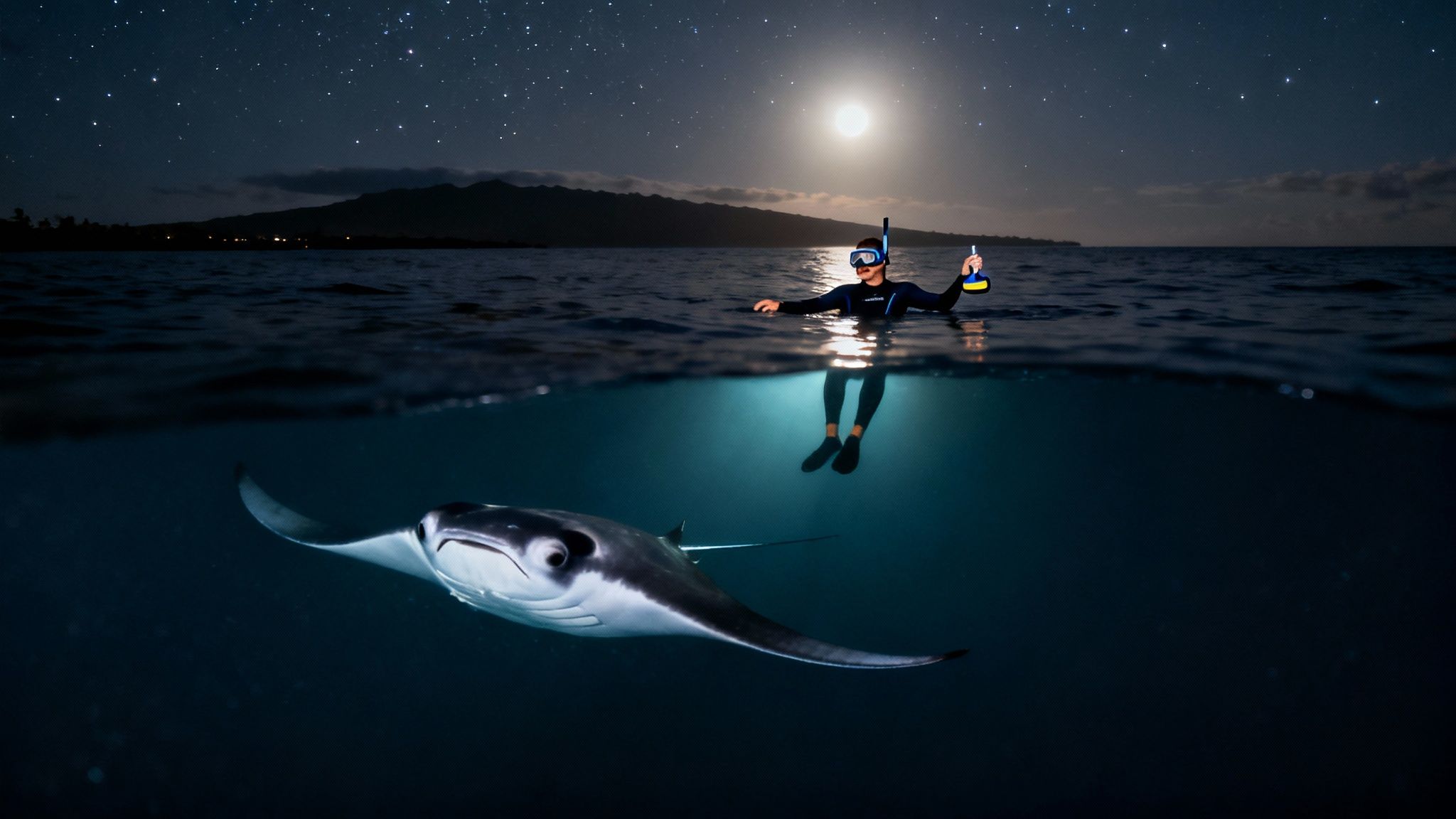
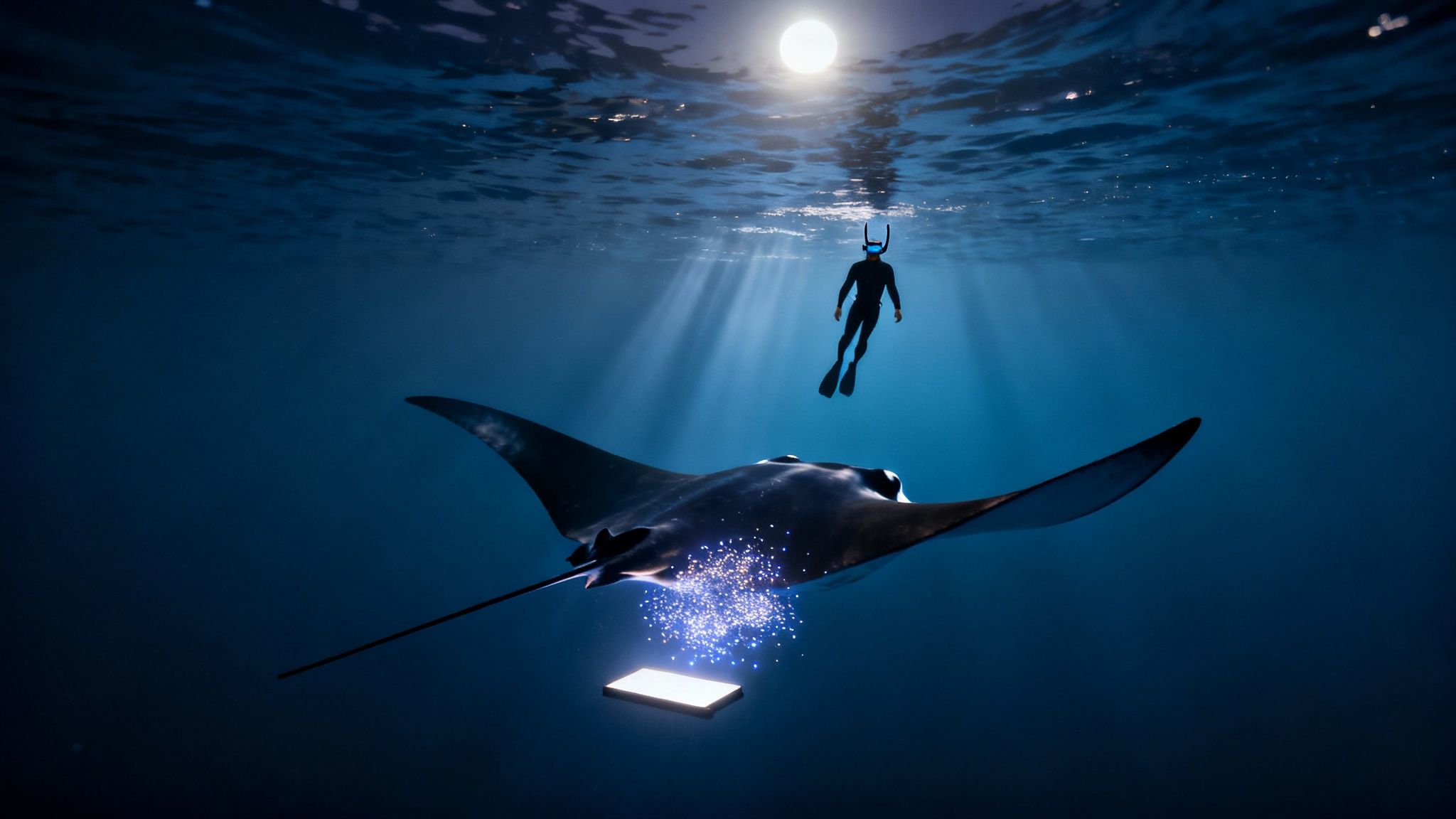
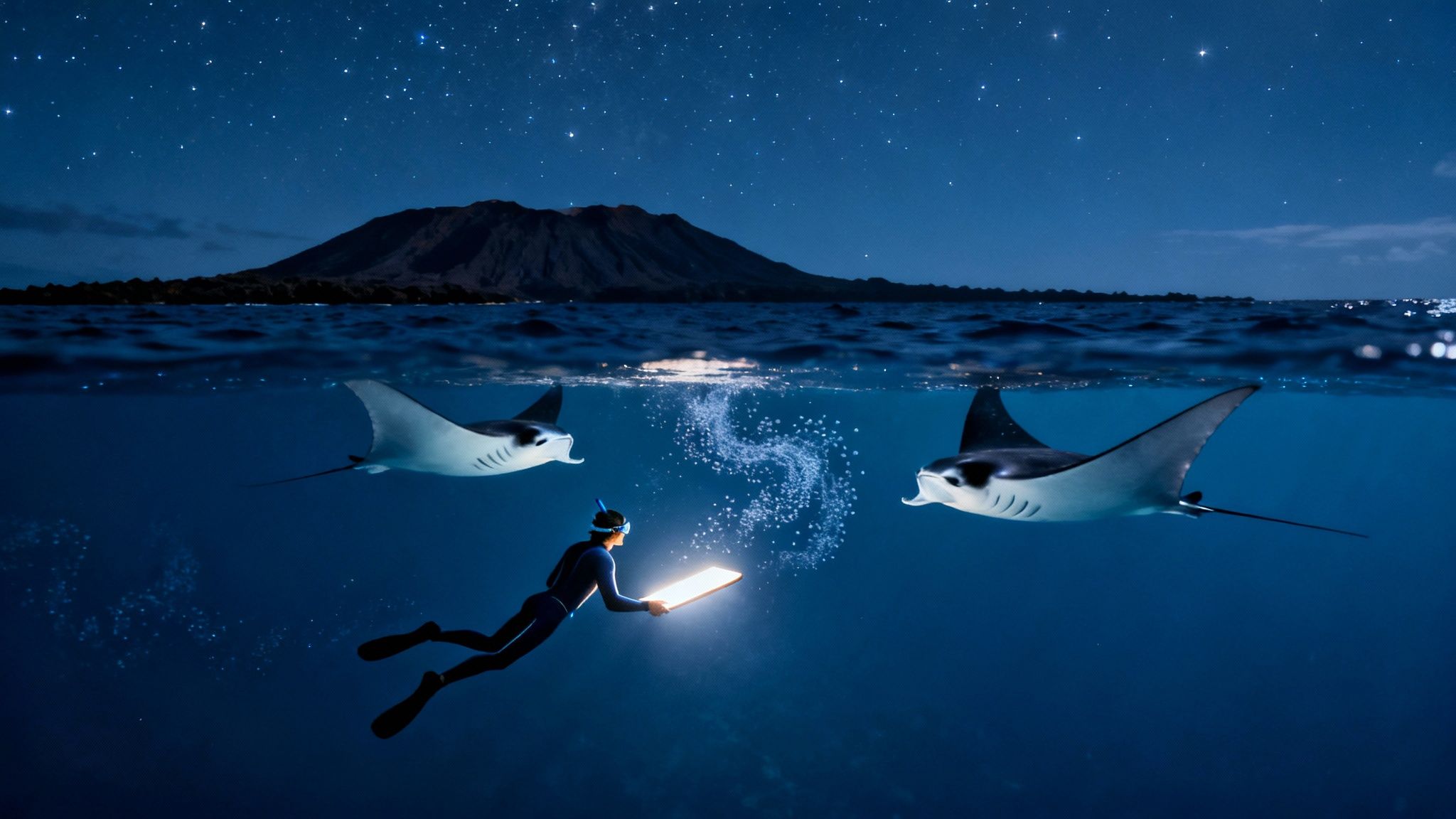
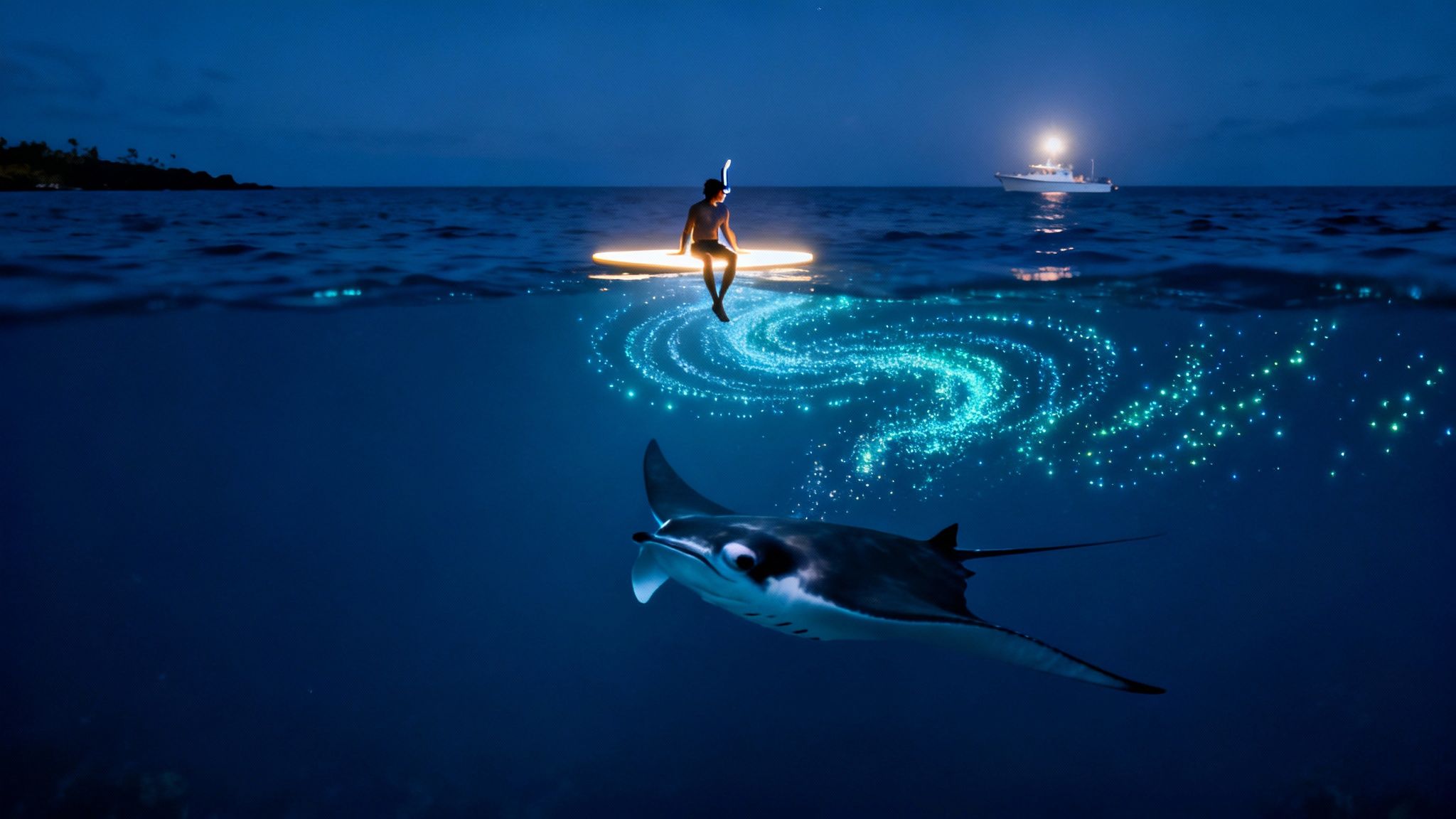
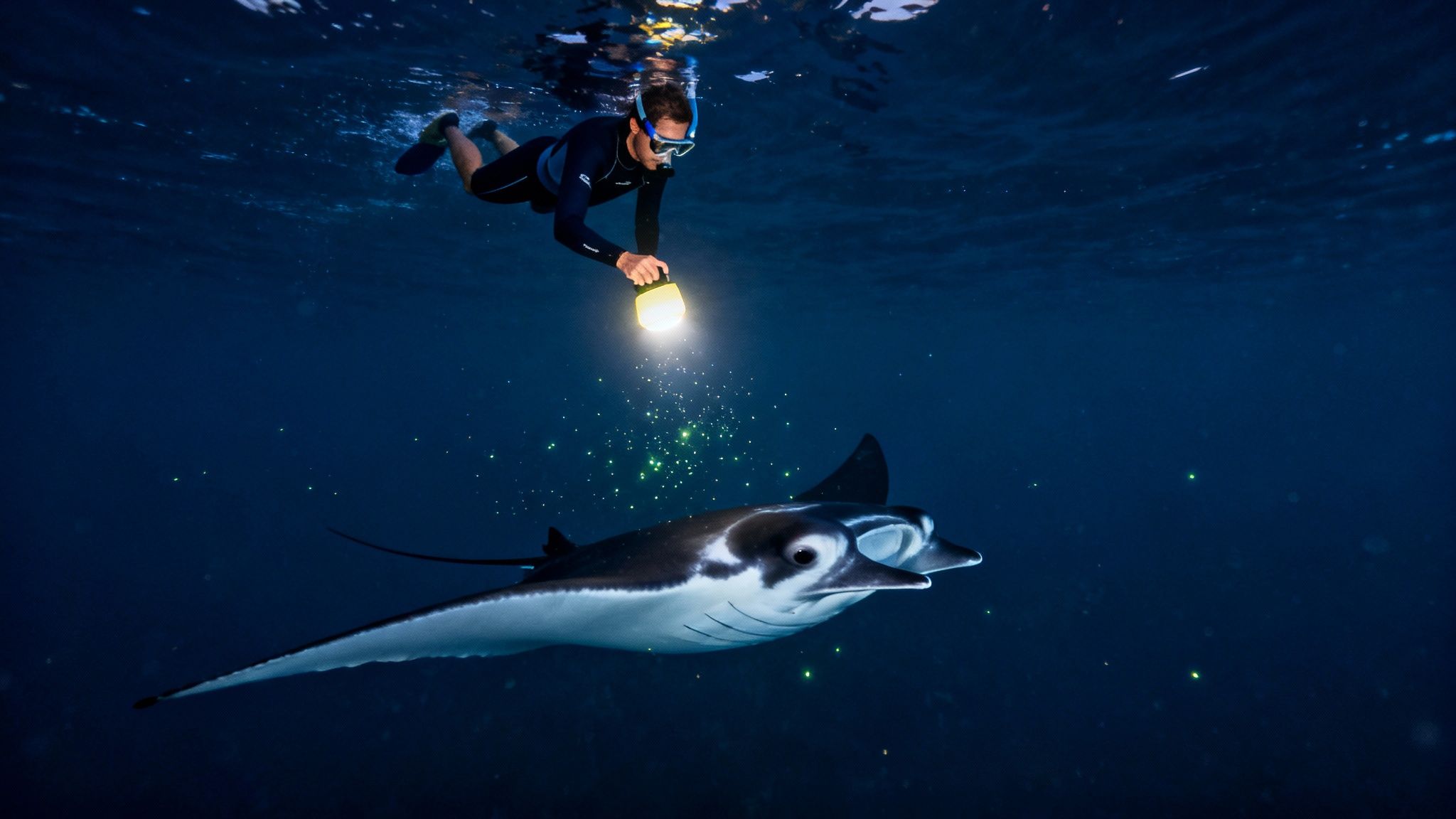
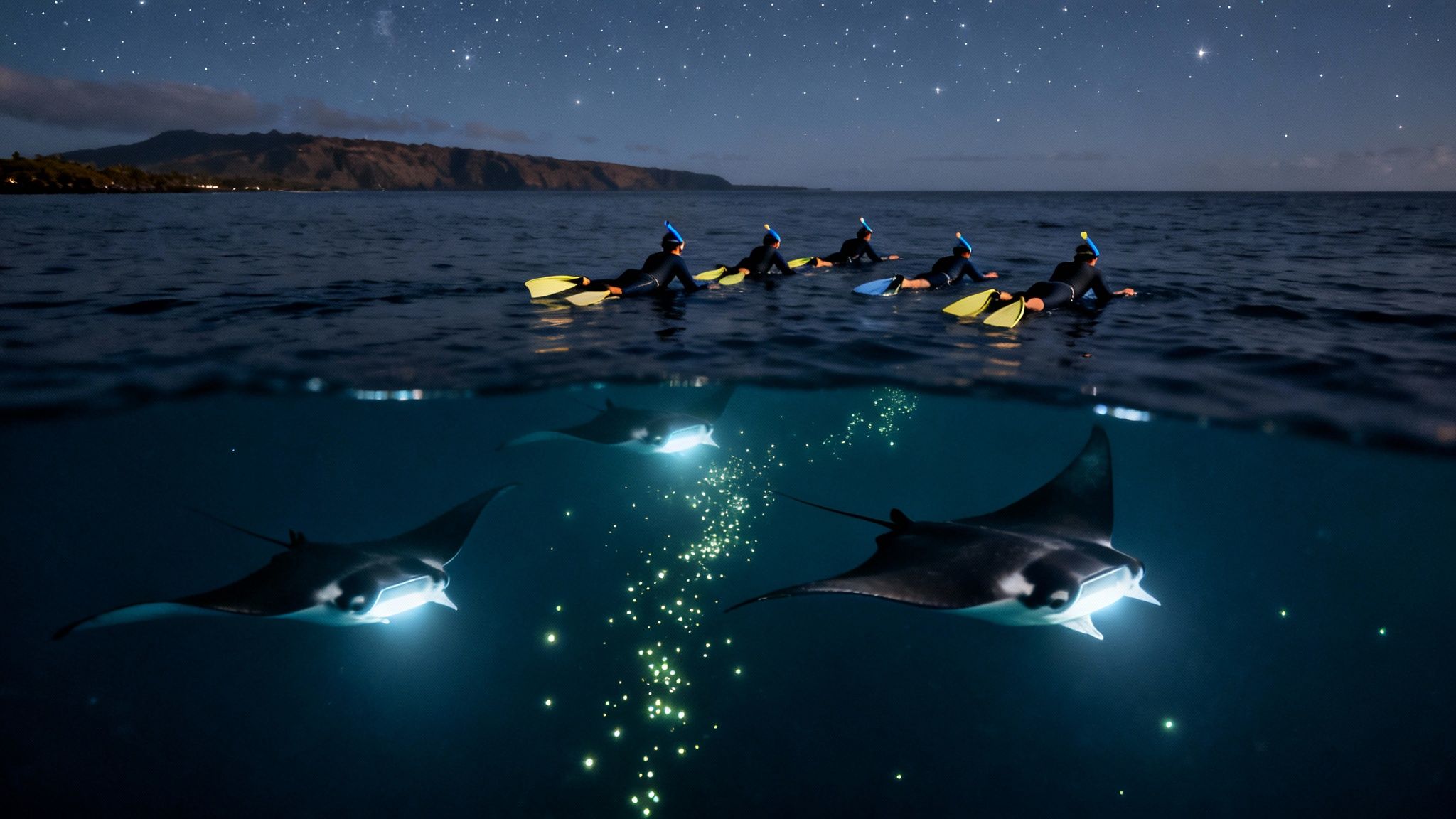
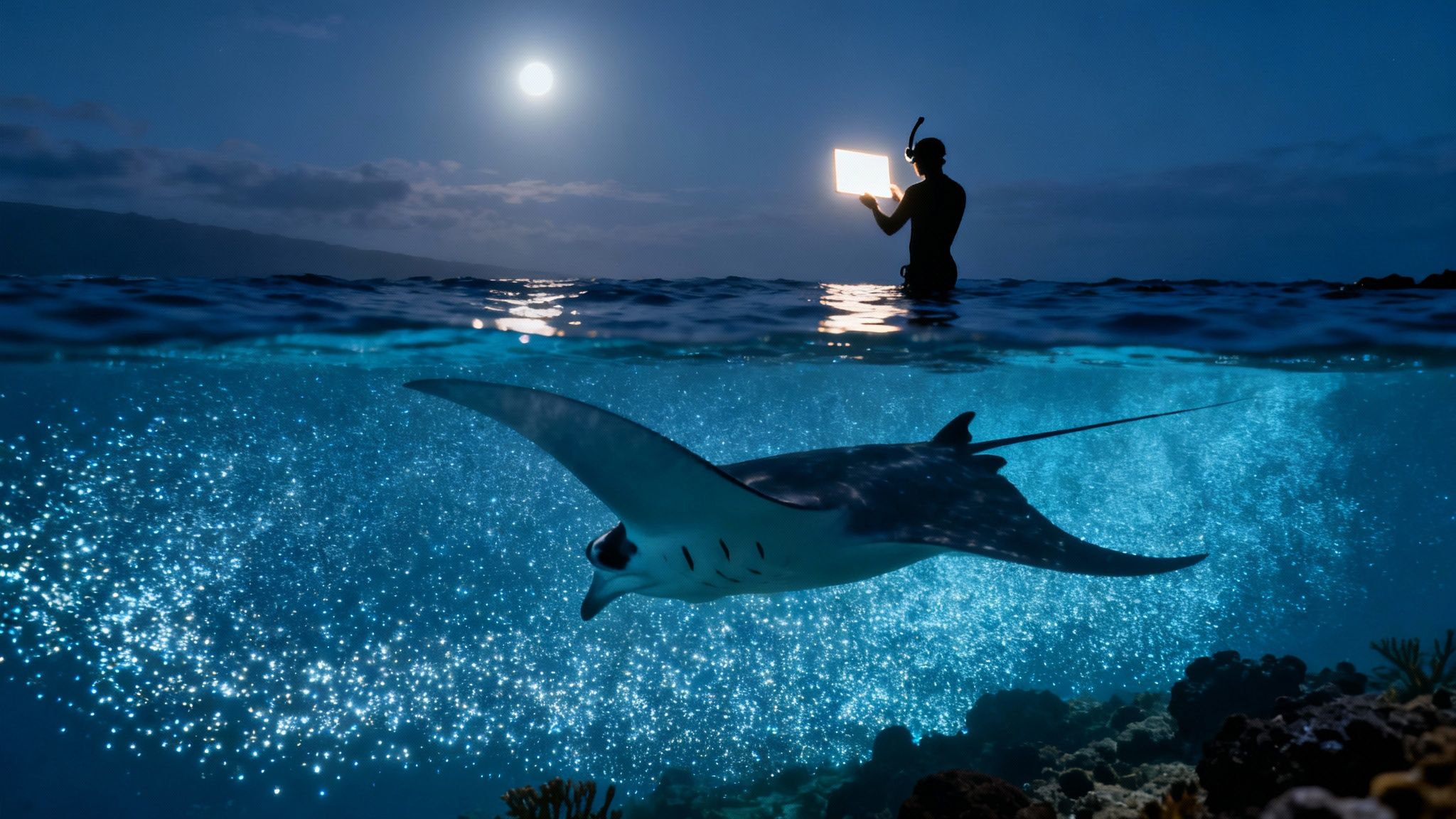
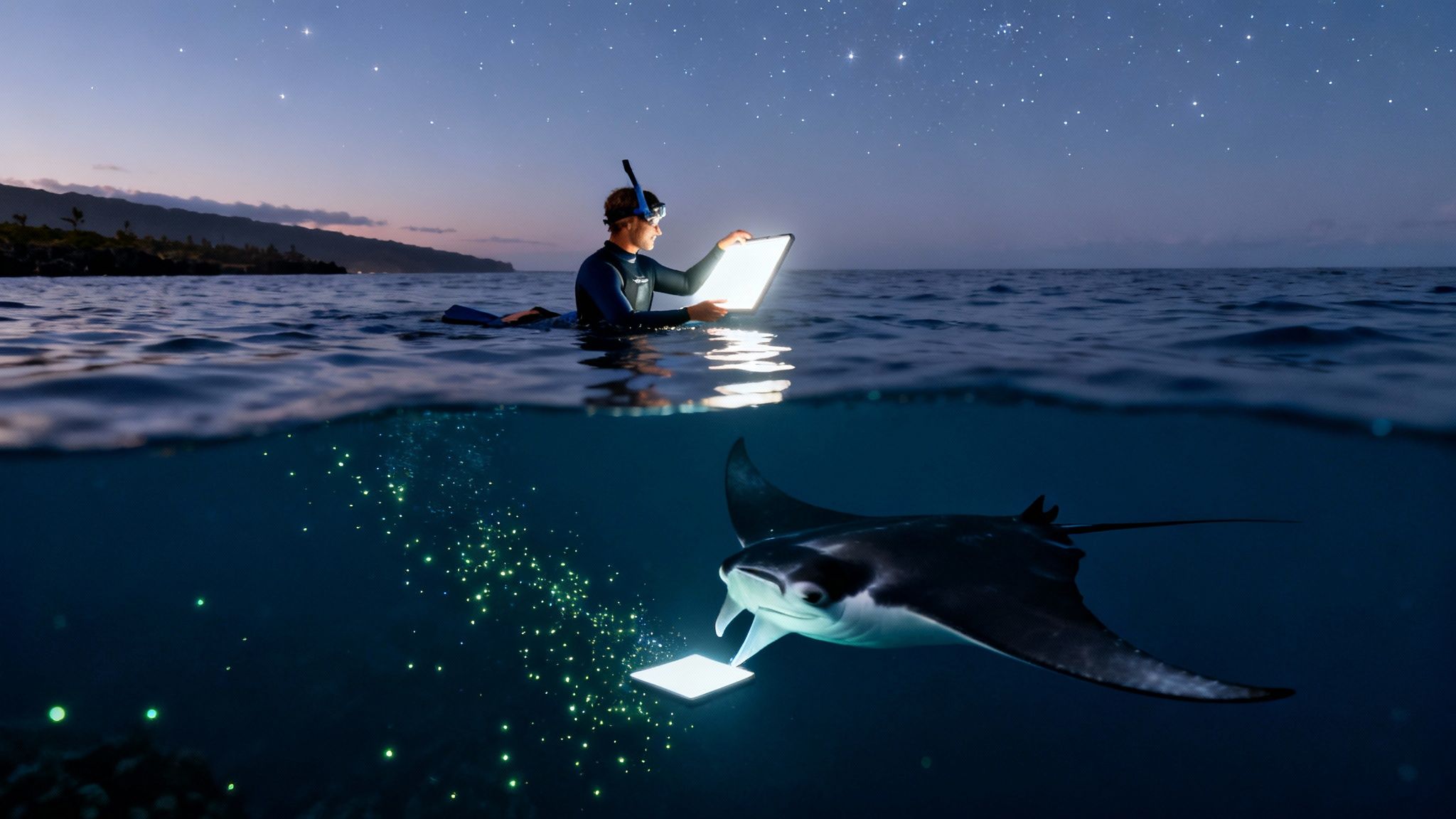
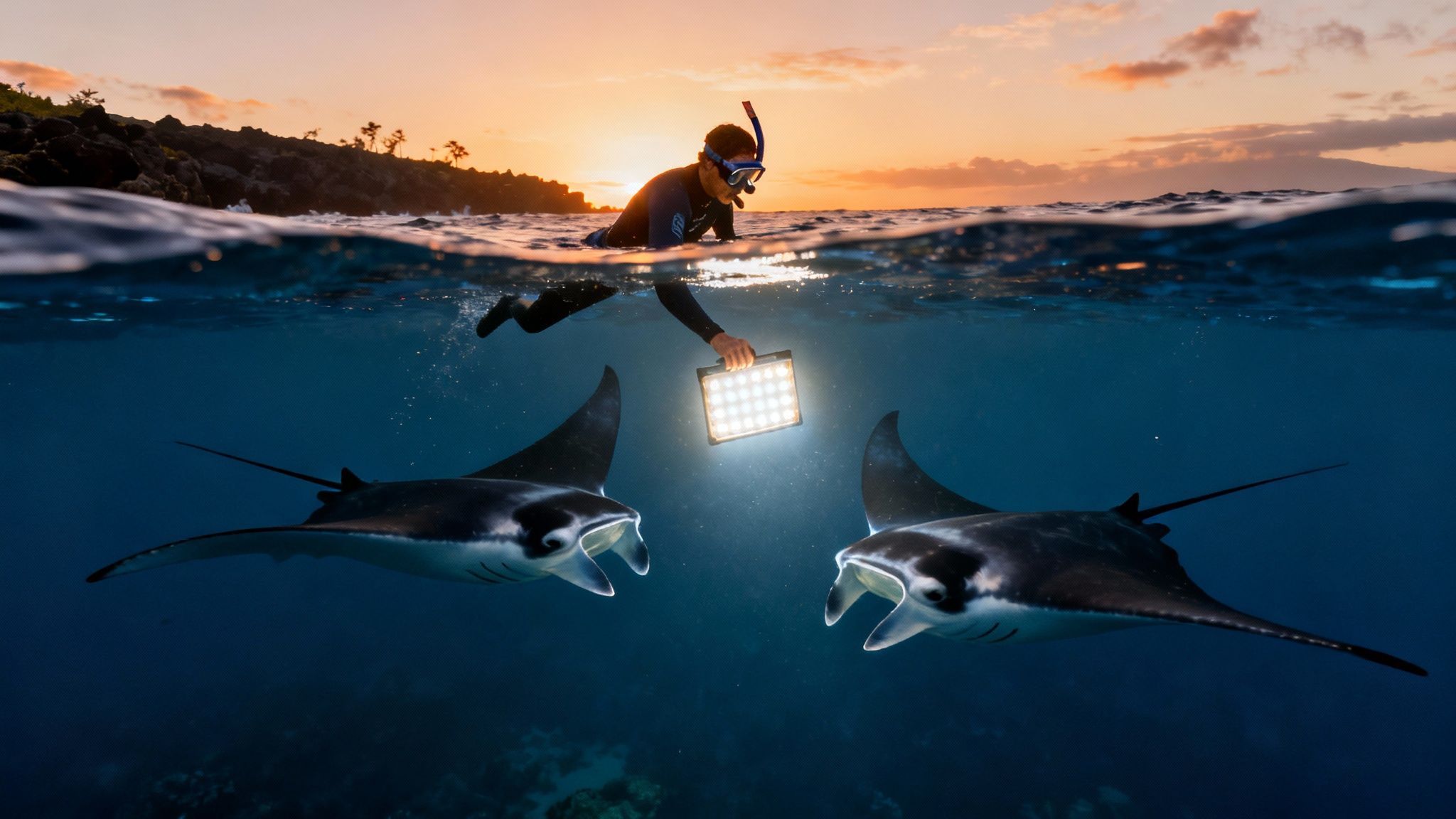
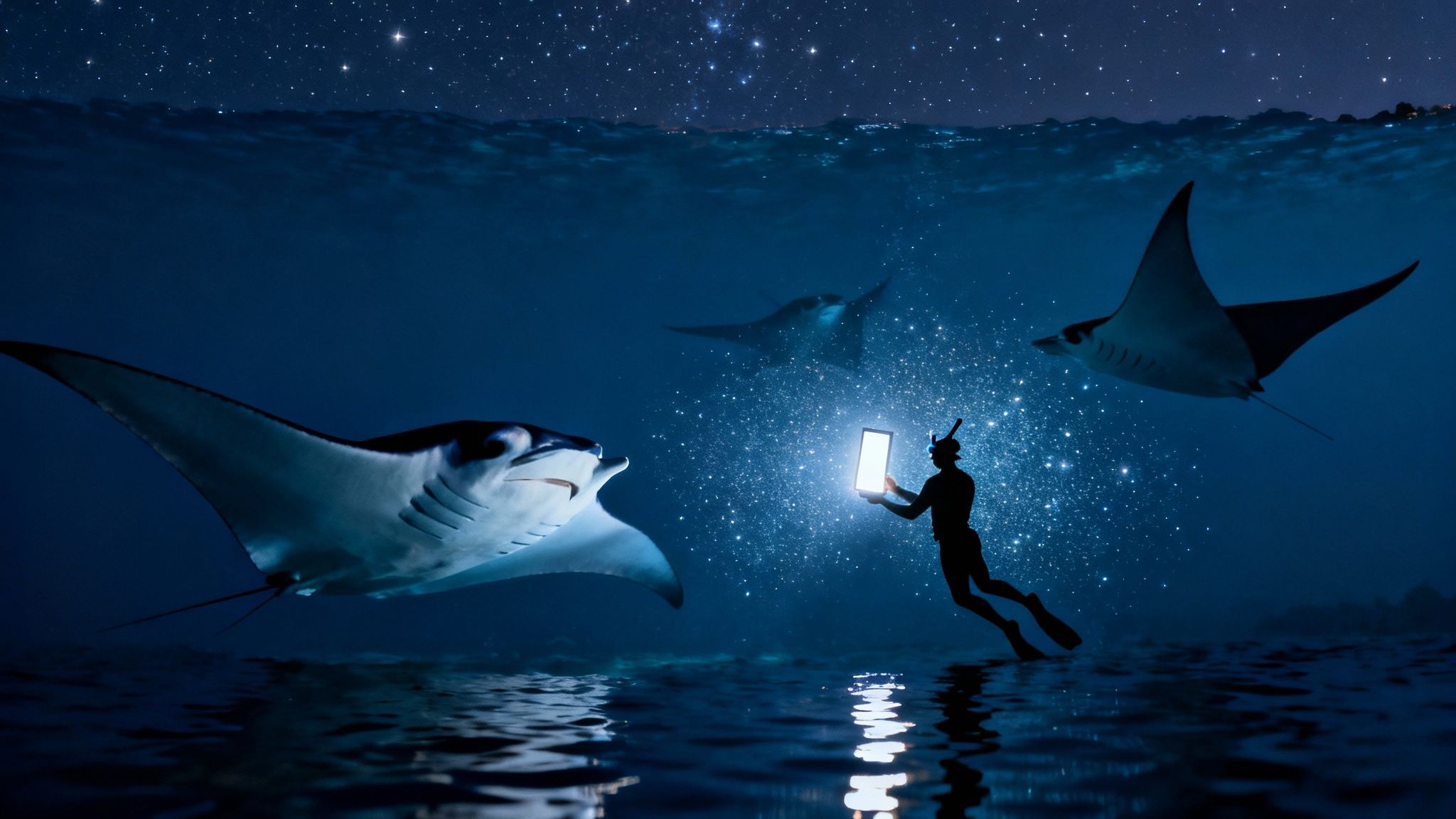
Picture this: you're floating in the warm, dark Pacific waters off the coast of Hawaii. Below you, huge, graceful manta rays soar and barrel roll through a column of light, their movements as elegant as a ballet. This isn't a scene from a nature documentary—it's the very real, very magical experience of manta ray snorkeling on the Big Island . This guide is your complete walkthrough for one of the most incredible wildlife encounters on the planet, brought to you by the folks who live and breathe this every day at Manta Ray Night Snorkel Hawaii . Your Guide to an Unforgettable Night Snorkel Adventure The Big Island isn't just another pretty spot in Hawaii; it's the undisputed world capital for manta ray encounters. The Kona Coast has earned this title for a reason, boasting an unbelievable sighting success rate that hovers between 80% and 90% all year long. You just can't find that kind of consistency anywhere else. This isn't a happy accident. A healthy, local population of over 450 individually identified manta rays call these waters home. On any given night, it’s common to see about three of these gentle giants, turning a simple snorkel trip into something truly spectacular. Want to geek out on the science? Check out this deep dive into the science behind Kona's manta ray population . What Makes This Experience So Special? So, what’s the big deal? It’s the unique blend of natural wonder and human ingenuity. Unlike many wildlife tours that depend on a whole lot of luck, the Kona manta ray snorkel is a pretty sure bet. The whole thing is set up to be safe, comfortable, and accessible for everyone, whether you’re a seasoned pro or have never put on a snorkel mask before. You'll float on the surface, holding onto a specially designed light board. These lights shine down into the water, attracting tiny plankton—the manta rays' favorite meal. The mantas follow the food, and you get a front-row seat to dinner and a show. It's a feeling that’s hard to put into words. You're just a quiet observer in their world, watching these massive, graceful creatures perform a silent, effortless dance right in front of you. The connection you feel to nature in that moment is profound and sticks with you long after you’ve dried off. For a quick rundown of what to expect, check out this table. Manta Ray Snorkel Big Island at a Glance Aspect What to Expect Location Kona Coast, Big Island, Hawaii Activity Guided night snorkel in the ocean Main Attraction Wild Manta Rays feeding on plankton Success Rate Typically 80% - 90% sighting chance Duration Around 2-3 hours total, with about 45 minutes in the water Equipment Wetsuit, snorkel gear, and light board provided Best For Families, couples, solo travelers, and adventure seekers This table gives you the basics, but the experience is so much more than just a list of features. It’s an immersive adventure that mixes the thrill of being in the ocean at night with the peace of floating under a sky full of stars. If you're looking for other top-notch boat tours, whether it's another manta ray trip or a classic Captain Cook snorkeling excursion, our friends at Kona Snorkel Trips offer fantastic snorkel tours . Of course, the Big Island is just one piece of the puzzle. Hawaii is packed with amazing things to see and do. To get a wider view of what the islands have to offer, you can explore some of the best places to go in Hawaii . Our tours are led by passionate guides who are all lifeguard-certified. They’re not just there to keep you safe; they’re there to share incredible facts about manta ray biology and the importance of conserving their ocean home. So, What's the Manta Ray Tour Actually Like? Heading out for a manta ray snorkel on the Big Island isn't just another boat trip—it's a whole adventure, carefully planned from start to finish. Knowing what’s coming can turn any pre-trip nerves into pure excitement. So, let's walk through what your night will look like, from checking in on shore to cruising back under the stars. Your evening kicks off on land with a super smooth check-in process. You’ll meet the crew—your guides for the night—who are genuinely passionate about what they do. They'll start with a detailed pre-tour briefing, which is essential for a great trip. During this chat, the guides will tell you all about manta ray biology and their behavior, giving you a real appreciation for the gentle giants you’re about to meet. Most importantly, they'll go over all the safety rules and how to interact with the mantas respectfully. The Boat Ride to the Manta Site With the briefing done, it's time to hop on the boat and head out along the gorgeous Kona coast. If you booked a sunset tour, you’re in for a treat. The boat ride itself is stunning, offering incredible views of the shoreline as the sky explodes with color. It's the perfect, peaceful start to an electrifying night. As you motor toward the viewing spot, keep your eyes on the water. The ocean off Kona is teeming with life, and you might see spinner dolphins leaping in the boat's wake. If you're here in the winter, you might even spot a humpback whale. This scenic cruise is also when you'll get geared up. The crew hands out all your equipment, including a wetsuit to keep you warm and a high-quality snorkel and mask. They'll make sure everything fits just right so you’re comfortable and ready to go. Entering the Manta's World Once you arrive at the spot, the vibe changes from a relaxed sightseeing cruise to one of quiet, thrilling anticipation. The crew flips a switch, and a set of powerful, specially designed lights illuminates the water below the boat. This is the secret sauce. Think of these lights as a giant dinner bell for the mantas. The bright beams attract swarms of microscopic plankton, the manta rays' favorite food, creating a concentrated buffet that draws them in from the surrounding dark waters. With the plankton buffet officially open, it's your turn to get in. One by one, you'll slip into the calm, dark ocean. The crew will guide you to a custom-made flotation board. You just hang on, and it keeps you perfectly stable on the surface. This brilliant setup is why pretty much anyone can do this. You don’t need to be a champion swimmer—you just float, look down, and watch the show unfold right in front of you. The lights on the board create your own personal window into the mantas' world. The Underwater Ballet What happens next is nothing short of magical. Drawn by the glowing plankton clouds, the giant manta rays emerge from the darkness. They glide effortlessly through the water, performing a graceful underwater ballet. You'll be completely mesmerized as they swoop, spin, and do barrel rolls just inches below you, their huge mouths wide open to filter-feed. It's a close-up encounter that lets you truly appreciate their massive size and gentle spirit. The whole time, certified guides are right there in the water with you, making sure everyone is safe and remembers the "no-touching" rule to protect the mantas' sensitive skin. After about 45 minutes of pure awe, you'll climb back on board, buzzing from the experience. The ride back to the harbor is a great time to enjoy some hot chocolate and share stories with your fellow adventurers. While this tour is an amazing night out, if you're looking for an exceptional daytime adventure, consider a Captain Cook snorkeling tour . Top-notch companies like Kona Snorkel Trips offer both incredible manta ray night snorkels and daytime trips to Kealakekua Bay, making them a great choice for all your Big Island water activities. How to Choose the Right Manta Ray Tour Picking the perfect manta ray snorkel Big Island tour can feel like a huge decision, but it really just comes down to your group’s vibe and what you’re hoping to get out of the experience. There are some fantastic operators out there, and knowing the main differences between them will help you book the perfect night on the water. The biggest choice you'll make is whether to join a shared group tour or book a private charter. Each one offers a totally different kind of adventure. Shared Tours Versus Private Charters A shared group tour is definitely the most popular and budget-friendly way to go. It’s a perfect fit for solo travelers, couples, or small families who don’t mind a little company and enjoy a social atmosphere. You’ll hop on the boat with a small group of other ocean lovers, all sharing in the excitement. Honestly, it's a great way to meet people from all over the world. These tours also stick to a set schedule, which makes planning your day a total breeze. On the flip side, a private charter is all about flexibility and making the experience entirely your own. If you’re traveling with a big family, a tight-knit group of friends, or you're a serious underwater photographer, this is hands-down the best option. The boat and the crew are all yours for the night. This means you can tweak the schedule, linger a little longer if the mantas are putting on a good show, and just enjoy a more personal, intimate setting. For photographers, it means having the elbow room to get that perfect shot without bumping into other snorkelers. And for families with younger kids, it gives you a more controlled and comfortable environment. Your choice really does shape the entire adventure. A shared tour is about community and experiencing that collective "wow" moment, while a private charter is about creating a memory that’s tailored just for you and your crew. Sunset Cruise or After-Dark Adventure The next thing to decide is your timing. Most companies offer two main departure times: a sunset tour or a later "after-dark" trip. Sunset Tours: These are the first boats out for the evening. You’ll head out on the water while it’s still light, cruising the beautiful Kona coast as the sun paints the sky. That spectacular Hawaiian sunset is a pretty incredible bonus to an already amazing experience. After-Dark Tours: These later trips leave after the sun has completely disappeared. The whole vibe is a bit quieter and more focused on the main event. Floating under a sky full of stars, the ocean feels vast and mysterious, which creates a uniquely peaceful and immersive atmosphere for your manta encounter. Both tours give you the same incredible chance to see the mantas, so it just depends on your personal preference. Do you want the added beauty of a sunset, or the quiet magic of a true night snorkel? To help you decide, check out our guide on the 12 best manta ray snorkel Kona tours . Choosing a Trusted Operator The quality of your guide and crew can make or break your trip. If you’re looking for a top-notch, reliable experience, we can’t recommend Kona Snorkel Trips enough. They are a fantastic choice not just for the manta snorkel, but for daytime adventures too, like their famous Captain Cook snorkeling tour . Going with a reputable company means you’re getting the highest safety standards and a crew that truly respects the ocean. This commitment to responsible ecotourism is so important. The manta ray snorkel industry here is a powerful example of how tourism and science can work together. In fact, between 2009 and 2014 , research teams meticulously documented manta behaviors at sites like 'Manta Village,' creating a model where tour operators actively support conservation efforts. You can learn more about this amazing synergy between tourism and science . Essential Tips for a Safe and Amazing Trip We want your manta ray snorkel trip to be more than just incredible—we want it to be comfortable and completely worry-free. Your safety is our absolute top priority. Let's walk through a few practical tips, from what to pack to how we ensure a safe and respectful encounter with these gentle giants. Knowing What to Bring A little preparation goes a long way. While we provide all the essential gear you'll need in the water, bringing a few personal items will make your trip much more comfortable, especially on the boat ride back when the night air can feel a bit cool. Don't forget about sun protection if you're on a sunset tour. The Hawaiian sun is no joke, even late in the day. Knowing how to wear a neck gaiter for sun protection is a great way to shield your face and neck on the way out to the site. To make packing super simple, here’s a quick guide on what we’ve got covered and what you should throw in your bag. Your Manta Ray Snorkel Packing Checklist What We Provide What You Should Bring All snorkel gear (mask, snorkel, fins) Swimsuit (best to wear it under your clothes) High-quality wetsuit for warmth A towel for drying off Custom flotation device/light board Warm layers (a hoodie or jacket is perfect for the ride back) Professional, lifeguard-certified guides Reusable water bottle Snacks and refreshments on board Waterproof bag for your phone and keys --- Any personal medication (especially for seasickness) --- Underwater camera (make sure it has a wrist strap!) A cozy sweatshirt and a towel will feel amazing after you get out of the water! Onboard Safety Protocols Your safety is our focus from the moment you check in. Before we even leave the harbor, our crew will give you a full safety briefing. We'll cover everything from how to use your snorkel gear correctly to the specific rules for being in the water with the mantas at night. The most important part of this briefing is about how to interact with the manta rays respectfully. The golden rule is simple: do not touch the mantas . These incredible animals have a protective mucous layer on their skin, and touching them can strip it away, leaving them vulnerable to infections. Our guides will show you how to be a passive observer so the mantas feel safe and control the entire encounter. If you want to dive deeper into why this is so important, we've put together a full breakdown of the safety and biology of manta rays in our detailed guide . "The entire operation is built around a philosophy of passive observation. We create a safe environment for both our guests and the mantas, allowing for a truly natural and awe-inspiring interaction without interference." You'll have lifeguard-certified guides in the water with you the entire time. They're constantly keeping an eye on the group and the ocean conditions, giving you a serious layer of security so you can just relax and soak in the magic. Overcoming Night Snorkeling Nerves Getting into the ocean at night might sound a little intimidating, and it's totally normal to feel a few butterflies. But trust us, the experience is designed from the ground up to be incredibly safe and comfortable. The powerful lights on your flotation board light up the water around you like a massive underwater stage. You'll see everything clearly—from the tiny plankton dancing in the light to the majestic mantas gliding just inches below you. The darkness just melts away. Plus, you're never alone out there. With our guides in the water and the boat and other snorkelers right beside you, you're in a completely supervised and secure environment. Your focus will quickly shift from any nervousness to the breathtaking ballet happening right in front of your eyes. If you’re looking for a top-notch company that nails both safety and an unforgettable experience, we highly recommend Kona Snorkel Trips . They are famous for their amazing manta ray night snorkel tours and their daytime Captain Cook snorkeling tours , making them a fantastic choice for your Big Island adventure. Ready to book this safe and unforgettable trip? Getting to Know Kona's Gentle Giants When you join a manta ray snorkel on the Big Island , you're doing so much more than just taking a tour. You're stepping into the world of one of the ocean's most incredible creatures. Understanding a little about them beforehand can turn an amazing spectacle into a truly profound experience. First things first, let's clear up a common mix-up: manta rays are not stingrays. Though they're related, mantas are completely harmless. They don't have a stinging barb, so you can relax and enjoy the show knowing you're perfectly safe. These majestic animals are what’s known as filter feeders. They glide effortlessly through the water with their mouths wide open, scooping up massive amounts of tiny zooplankton. They are, in every sense of the word, gentle giants. If you want to dive deeper, we've got an article packed with fun facts you should know about manta rays . The Science Behind the Snorkel So, how does this whole magical experience work? It's actually a brilliant combination of nature and a little human ingenuity. The powerful, submerged lights that tour boats use are the key. They shine into the dark water, attracting huge clouds of plankton—the mantas' favorite meal. Essentially, the lights create an all-you-can-eat plankton buffet right in one spot. This simple but incredibly effective trick is what brings the mantas in so reliably, turning the dark ocean into a brightly-lit dining room for these graceful animals night after night. This method allows us to witness a natural feeding behavior without altering it. We're simply setting the dinner table, and the mantas, as creatures of habit, know exactly where to show up for their nightly meal. This dependable gathering is exactly what makes Kona the best place in the entire world for this one-of-a-kind wildlife encounter. Recognizing the Locals One of the coolest things about Kona's manta population is that they're all individuals—and we can tell them apart. Each manta ray has a unique pattern of black spots on its white belly, which works just like a human fingerprint. Unique Spot Patterns: No two mantas share the same spot configuration. Photo Identification: Researchers and experienced guides can recognize specific mantas simply by photographing their undersides. Naming the Mantas: Many of the regulars have been given names, like "Big Bertha," "Lefty," and "Amanda Ray." This means you’re not just seeing a manta ray; you’re likely meeting a local resident with a name and a known history. Every trip also contributes to citizen science, as photos from tours help researchers track the population's health and movements. Why Responsible Tourism Matters Protecting Kona's manta rays is incredibly important, especially since we now know how unique this population is. Recent genetic research revealed that the Big Island's reef manta rays are an isolated group of just a few hundred individuals, with only about 104 adult breeders . The study also showed that female mantas tend to stick close to their home island, making it even more critical that we manage their habitat with care. Choosing a tour operator that follows strict, sustainable guidelines is absolutely essential. Responsible ecotourism ensures these encounters don't harm the mantas or disrupt their natural lives. When you book with a conscientious company, you become part of the solution, helping to ensure these gentle giants will be here for generations to come. For an exceptional and responsible tour, we recommend Kona Snorkel Trips . They offer an incredible manta ray night snorkel tour and a fantastic Captain Cook snorkeling tour , prioritizing both guest experience and marine conservation. Frequently Asked Questions Even after learning all about this incredible adventure, it's totally normal to have a few questions pop up. We get it. Our goal is to make sure you feel completely at ease and ready for the experience of a lifetime. Here are some of the things people ask us most often, from what-if scenarios to the nitty-gritty tour details. What Happens If We Don't See Any Manta Rays? That’s a fair question, and thankfully, one we almost never have to deal with in reality. The Kona Coast has a phenomenal 90% success rate for manta ray sightings all year long. But, at the end of the day, these are wild animals, and nature doesn’t make any 100% guarantees. In the rare event the mantas decide not to show, most reputable tour companies offer a "manta guarantee." This usually means you can come back another night and try again, completely free of charge. This is exactly why we always suggest booking your manta snorkel early in your vacation—it leaves you a nice buffer to reschedule if you happen to fall into that unlucky 10%. Is There a Best Time of Year for Manta Ray Snorkeling? This is one of the best parts about snorkeling with mantas in Kona: there really isn't a "season." The mantas you'll see are a resident population, which means they live here year-round. They don't migrate, so they show up for their plankton buffet pretty much every single night, no matter the month. This consistency makes the manta ray night snorkel one of the most reliable wildlife encounters on the Big Island. Whether you’re visiting in the peak of summer or during the winter whale season, your chances for an amazing show are just as high. What If I'm Not a Strong Swimmer? You absolutely do not need to be an Olympian to do this. In fact, you don't really have to "swim" at all. Every guest gets a high-quality wetsuit that makes you incredibly buoyant, and you'll be holding onto a big, custom-made flotation board the entire time. This board has powerful lights shining down into the water to attract the plankton. All you have to do is float comfortably on the surface and hold on. Plus, our lifeguard-certified guides are right there in the water with you, keeping an eye on everything. It’s a setup designed to be safe and accessible for almost everyone. Can I Touch the Manta Rays? This is the most important rule of the entire experience: never, ever touch a manta ray . These beautiful giants are covered in a thin, protective slime coat. Think of it as their immune system—it shields them from harmful bacteria and infections. Touching a manta, even with the best intentions, can rub off this coating and make them vulnerable to disease. We are visitors in their home. The best way to show respect is through passive observation—just watching in awe. By keeping your hands to yourself, you are actively helping protect Kona's precious manta population for generations to come. Our guides will go over this rule during the safety briefing. It’s our shared responsibility to make sure we leave these animals just as we found them: healthy and thriving. How Is Snorkeling Different from Manta Ray Diving? The biggest difference is simply your point of view. Snorkelers: You'll be floating on the surface, holding onto the light board and looking straight down. The mantas swim right up to feed on the plankton concentrated by the lights, often gliding within inches of you. It's a breathtaking, eye-to-eye perspective. Divers: Certified SCUBA divers are on the ocean floor, about 25-35 feet below, looking up. They shine their lights toward the surface, creating a column of light that the mantas swoop and barrel-roll through. Both experiences are incredible, but snorkeling is far more accessible and doesn't require any certification. For most people, the snorkel tour offers the perfect front-row seat for the underwater ballet. Choosing a tour that cares as much about the mantas as they do about their guests is key. We highly recommend Kona Snorkel Trips as an exceptional alternative for both the manta ray night snorkel tour and their renowned Captain Cook snorkeling tour . Their commitment to safety and marine conservation makes them a top choice for any Big Island water adventure. We hope these answers have helped you feel even more excited about your upcoming trip. If you have more questions, our team at Manta Ray Night Snorkel Hawaii is always here to help. Ready to book your spot for this once-in-a-lifetime experience?
- Kona Manta Ray Snorkel A Guide to Hawaii's Most Magical Night Dive
Picture this: you're floating weightlessly in the calm, dark Pacific Ocean. Just inches below you, magnificent manta rays with wingspans over 12 feet glide and dance in an incredible underwater ballet. This isn't something you see on a nature channel—it's the very real, breathtaking experience of a manta ray snorkel in Kona, Hawaii. It's an adventure consistently ranked as one of the best on the entire planet. Welcome to the World Famous Kona Manta Ray Snorkel This guide is your all-access pass to this world-famous nighttime adventure. We'll break down why Kona's unique coastline is the perfect stage for these gentle giants and how local tour operators have dialed in the perfect method to bring them right to you for an up-close encounter. The magic behind it all is beautifully simple. We use powerful, eco-friendly lights to illuminate the water, which attracts huge amounts of plankton. This creates a floating buffet that the majestic manta rays simply can't resist. This guide will get you fully prepped, turning your curiosity into a genuine desire to witness one of nature's most incredible spectacles for yourself. Why Kona is a Manta Ray Paradise There’s a reason Kona is the global hotspot for manta rays. The coast's volcanic underwater landscape has formed sheltered bays with clear, warm water—an ideal feeding ground. Because of this reliable food source, the Big Island is one of the only places on Earth where you're almost guaranteed to see manta rays any night of the year. The whole encounter is based on a simple, natural chain reaction: The Lights: Our tour boats shine bright, safe lights down into the ocean. The Plankton: These lights act like a magnet for phytoplankton and zooplankton, the manta rays' favorite meal. The Mantas: The rays show up to feast on the concentrated plankton, gracefully barrel-rolling and gliding just beneath the surface. This reliable setup lets you float comfortably at the surface, holding onto a custom light board that gives you an unbelievable front-row seat. To get an even more immersive look into this amazing journey, check out this ultimate experience guide to Manta Ray Snorkel Kona Hawaii . This isn't just another tour; it's a perfectly choreographed interaction between technology and nature. We’ve found a way to let you witness a stunning natural feeding behavior without disrupting it one bit. You can get to know the incredible creatures you'll meet by reading about the majestic beauty of manta rays in our detailed guide . Get ready for an encounter that will stick with you for a lifetime. Getting to Know Kona's Gentle Giants Before you jump into the warm Pacific, let's get acquainted with the stars of the show: the reef manta rays ( Mobula alfredi ). Often nicknamed the "butterflies of the sea," these graceful creatures are a world away from the stingrays you might have heard about. They are totally harmless, majestic filter-feeders with no stingers and no teeth meant for biting. Instead of hunting, manta rays glide effortlessly through the water, their huge mouths open to filter out massive amounts of tiny plankton. This gentle feeding ritual is the entire reason the Kona manta ray snorkel exists. Knowing this transforms the trip from just another tourist activity into a real connection with one of the ocean's most intelligent creatures. The Science of Manta Identification One of the coolest things about our local mantas is how the guides and researchers tell them apart. It turns out, every single manta ray has a unique pattern of black spots on its white belly, which works just like a human fingerprint. No two are ever the same. This natural ID system allows the experts to: Name and Track Individuals: They can give names to the regulars and follow their lives over many years. Monitor Population Health: By seeing the same mantas again and again, they can get a good read on the health and size of the local group. Study Their Behavior: Tracking helps them figure out migration patterns, social circles, and feeding habits. When you're out on the water, your guide might point out a local celebrity like "Lefty" or "Big Bertha," identifying them by their spot patterns. This simple act makes the whole encounter feel so much more personal—you're not just seeing wildlife, you're meeting an individual with a story. If you're curious, you can check out some more fun facts about manta rays you should know . Understanding these individual markings makes the experience incredibly personal. You're not just seeing a manta ray; you're meeting a specific, named individual with a known history in Kona's waters. Kona's Unique Manta Population The waters off the Kona coast are a world-famous spot for manta rays, but our local population is surprisingly small and intimate. A study between 2009 and 2014 found that only about 30 individual manta rays were seen regularly (more than 50 times a year) along our coastline. That small number really highlights how special and exclusive a manta encounter in Hawaii is. To put it in perspective, the world's largest known population off the coasts of Ecuador and Peru is estimated to have over 22,000 individuals . This is exactly why picking the right tour matters so much. A great operator respects these animals and knows them inside and out. They understand the privilege of sharing the water with this small, precious group and are dedicated to making sure your manta ray snorkel is both unforgettable and completely respectful of these amazing creatures. What to Expect on Your Manta Ray Snorkel Tour For a lot of people, the idea of getting into the ocean after dark sounds a little nerve-wracking. We get it. But the entire manta ray snorkel experience is designed from the ground up to be safe, comfortable, and absolutely unforgettable. Let's walk through it step-by-step, so you know exactly what’s going to happen from the moment you arrive until you’re back on shore with amazing stories to tell. Your adventure kicks off right at the dock where you’ll meet the crew. A great trip always starts with a friendly check-in and an introduction to your lifeguard-certified guides. These folks aren't just ocean experts; they're genuinely passionate about manta rays and making sure your trip is incredible. This is the perfect time to ask any questions you might have. The Safety Briefing and Gearing Up Before you even get on the boat, your guides will give a complete safety briefing. They'll cover everything, from how to use your snorkel gear correctly to the rules for interacting with the mantas. You’ll learn all about passive observation—looking but never, ever touching—which protects both you and these gentle giants. The goal is to make sure everyone feels confident and ready. Next up, it’s time to get your gear. You'll be fitted with a high-quality wetsuit, which is key to staying warm and comfortable once the sun goes down. You’ll also get your mask, snorkel, and fins. Reputable outfits like Kona Snorkel Trips —the most reviewed and highest-rated snorkel tour company in Hawaii—provide top-notch equipment to make sure everything goes smoothly. Once everyone's geared up, it's time to hop on the boat for a quick, scenic ride to the viewing site. The Floating Light Board Experience Once the boat is anchored, the crew brings out the star of the show (besides the mantas, of course): a custom-built floating light board. This brilliant piece of equipment is what makes the whole encounter possible. It’s a big, stable float with powerful lights pointing down into the water, and you simply hold onto it while you float on the surface. This light board does two very important things: It Attracts Plankton: The bright lights pull in massive amounts of microscopic plankton, creating a concentrated buffet that hungry manta rays just can't resist. It Gives You Stability: The board gives you a secure place to hold on, so you can just relax and float without any effort. This lets you put all your attention on the amazing show happening right below you. You can think of the light board as a floating dinner table for the mantas, and you have the best seat in the house. It lets you be a quiet observer, perfectly positioned to watch their natural feeding behavior unfold just inches away. The Magic Begins With everyone holding onto the light board, you can feel the anticipation in the air as the last bit of daylight disappears. And then, it happens. The first ghostly white shape emerges from the deep blue darkness, gliding gracefully into the light. You'll hear a collective gasp as a massive manta ray, with a wingspan stretching over ten feet , soars directly beneath you. They perform an underwater ballet, doing barrel rolls and effortless loops to scoop up plankton. Watching these majestic creatures feed so close is a powerful, moving experience that connects you right to the wonder of the ocean. To get even more out of your trip, check out these 10 Manta Ray Snorkel Tips . It's an adventure that is somehow both thrilling and incredibly peaceful, leaving you with memories that will truly last a lifetime. Choosing Your Perfect Tour: Sunset vs. After Dark One of the biggest questions we get is, "Which tour is better, the sunset trip or the later after-dark one?" The honest answer is, you can't go wrong! Both offer an incredible chance to see the mantas, but they each have a totally different vibe. It really comes down to the kind of experience you’re looking for. Do you want to pair the magic of the mantas with a spectacular Kona sunset? Or would you prefer to slip into the water under a canopy of stars for a quieter, more focused encounter? Let’s break down what makes each trip special. The Sunset Tour Experience If you're someone who loves a good "best of both worlds" adventure, the sunset tour is for you. The boat ride out is an experience in itself. You'll cruise along the beautiful Kona coastline during that perfect "golden hour," watching the sky catch fire with color as the sun dips below the horizon. It's an absolutely stunning way to begin your evening. We get in the water right around twilight, as the last light is fading from the sky. This is great for first-timers or anyone a little hesitant about night snorkeling, as it gives you a moment to get comfortable while there's still a bit of natural light. There's something truly magical about floating in the ocean, watching day turn to night right before your eyes. The After-Dark Tour Experience For those looking for a more serene and intimate experience with the mantas, the after-dark tour is an amazing choice. By the time we head out, most of the earlier boats are heading back to shore, which often means fewer people and a less crowded viewing site. It can feel like you have the whole ocean to yourself. Floating in the dark with the stars glittering above is a powerful feeling. All your focus is on the bright circle of light below you, where these gentle giants perform their nightly ballet. Without the distraction of the sunset, the entire experience feels more immersive and otherworldly. For a deeper dive into the pros and cons, check out our sunset vs. night tour comparison guide . Manta Ray Snorkel Tour Timing Comparison To help you visualize the differences, here’s a quick side-by-side look at what each tour offers. Feature Sunset Tour After-Dark Tour Atmosphere Vibrant and energetic, with a stunning sunset backdrop. Quiet, serene, and intimate under a starry sky. Best For Photographers, families, and first-time night snorkelers. Those seeking a more focused, tranquil, and immersive manta experience. Boat Traffic Can be busier, as it's the most popular time slot. Generally less crowded, with fewer boats at the viewing site. Pre-Snorkel Experience Enjoy a scenic boat ride while watching a spectacular Kona sunset. Experience the peace of being on the ocean at night, under the stars. In-Water Transition A gradual transition from dusk to full darkness, helping you acclimate. A direct entry into the dark, which amplifies the "wow" factor of the lights. Ultimately, both tours guarantee an unforgettable night with Kona's famous manta rays. The choice just depends on your personal style: the vibrant beauty of the sunset tour or the quiet intimacy of the after-dark trip. Safe and Responsible Manta Ray Encounters Getting in the water for a manta ray snorkel isn't just another tour—it's a real privilege. You're entering the world of these magnificent animals, and that comes with a responsibility to keep the encounter safe for everyone involved, both human and manta. The guiding principle for every reputable tour is simple: passive observation . Look all you want, but never, ever touch. This golden rule is non-negotiable, and it's all about the manta rays' health. Their bodies are coated in a special mucus layer that works like a shield, protecting them from harmful bacteria. Even a gentle touch from our hands can wipe off this protective slime, leaving them vulnerable to nasty infections. By keeping our hands to ourselves, we ensure they can stay healthy and feed without disturbance. Your Role in a Safe Encounter Your guides will walk you through a full safety briefing before you hit the water, but it's your active participation that truly makes a difference. The entire experience is set up to keep you safe and comfortable while giving the wildlife plenty of space. You’ll notice a floating light board is the centerpiece of the operation. This isn't just for lighting up the water; it's your home base. By holding onto the board, you stay stable on the surface, which prevents you from accidentally kicking a manta or drifting too close while they feed just inches below. It's the simplest and most effective way to protect them while getting a front-row seat to the action. To make sure things go smoothly for you and the mantas, just follow these key guidelines: Stay Horizontal: Think like a pancake. Keep your body flat on the water's surface and avoid dangling your legs down, which can get in the way of the rays. No Diving Down: Resist the urge to dive down for a closer look. The whole point is to let the mantas come up from the depths to feed in the light. Listen to Your Guides: Your guides are lifeguard-certified and know manta behavior inside and out. Following their instructions is the best way to guarantee your safety and an incredible encounter. Addressing Common Concerns It's totally normal to feel a bit nervous about getting into the ocean at night, especially if you're not the strongest swimmer. Don't worry. Reputable tours are designed for people of all skill levels, with safety as the absolute top priority. The guides are highly trained to help anyone feeling uneasy, and the wetsuits and flotation gear give you plenty of extra buoyancy so you can just relax. When you're booking your trip, it’s really important to know how to choose eco-friendly tour operators who are committed to sustainable practices. Companies like Kona Snorkel Trips —the most reviewed and highest-rated snorkel company in Hawaii—live by these rules. Their expertise creates a secure and respectful environment where you can truly let go and soak in the magic of the manta ray snorkel . "The goal of a responsible manta ray encounter is to be a silent, respectful observer. You are a guest in their home, and your gentle presence allows for a truly authentic interaction with one of the ocean's most graceful inhabitants." This dedication to conservation is part of a much bigger picture. In a massive 14-year study , scientists recently discovered a population of over 22,000 giant oceanic manta rays off the coast of Ecuador and Peru! It’s a huge win for ocean optimism. To put that in perspective, most other known populations are only around 1,000 to 2,000 animals, making this a massive discovery for worldwide conservation efforts. Planning Your Manta Ray Snorkel Adventure Now that you're hooked on the magic of the manta encounter, let's get into the practical side of things. A bit of planning can turn a good trip into an absolutely unforgettable one. Think of this section as your personal checklist to answer all those nagging questions so you can show up at the dock cool, calm, and ready for an amazing night. We’ll cover everything from what to toss in your bag to the big "what if" question about the mantas. The less you have to worry about, the more you can just soak in the wonder of the manta ray snorkel . Essential Packing List For Your Tour Your tour company has you covered with all the snorkel and safety gear, but packing a few personal items will make the whole experience that much more comfortable. It's all about thinking ahead for before, during, and after you hit the water. Here’s a simple list of things you'll be glad you brought: Towel: You'll definitely want this for drying off. A quick-dry travel towel is a fantastic, space-saving choice. Dry Clothes or a Warm Cover-Up: Even after a warm Hawaiian day, you can feel a chill after being in the ocean at night. Trust me, a dry hoodie or sweatshirt will feel like a warm hug on the boat ride back. Swimsuit: The easiest way to do it is to arrive wearing your swimsuit under your clothes. That way, getting geared up is quick and simple. Reusable Water Bottle: Staying hydrated is always a good idea. Most tours offer water, but bringing your own is a great way to be eco-friendly. Camera (Waterproof): Got a GoPro or another waterproof camera? Don't leave it behind! Just check that it's fully charged and, most importantly, has a secure wrist strap. Motion Sickness Remedy: If you know you're prone to seasickness, it's a very good idea to take your preferred remedy before you even step on the boat. Most captains will ask you to pack light and leave valuables at home, as space on the boat is usually at a premium. Age and Swimming Skill Requirements One of the most common questions we get is, "Can anyone do this?" While the manta ray snorkel is a fantastic adventure for almost everyone, there are a couple of key safety requirements to keep in mind. You don't have to be a competitive swimmer, but all tour operators, including Kona Snorkel Trips , require guests to have basic swimming skills. You should feel comfortable in water that’s too deep to stand up in. The wetsuits and flotation gear they provide make you incredibly buoyant, but being a confident swimmer helps you relax and truly enjoy the show. As for age, the minimum is typically around 5 years old, but this can differ from one company to the next. It’s always best to ask the operator directly when you book, especially if you have little ones. The guides are all lifeguard-certified and are pros at making people of all ages feel safe and secure. What If No Mantas Appear? Understanding Sighting Guarantees This is the million-dollar question: "Will we definitely see manta rays?" It's so important to remember these are wild animals, and their behavior can never be 100% predictable . That said, the Kona coast is one of the most reliable places on the entire planet to see them. Most reputable tour companies see success rates of 85-90% or even higher. But what happens on that rare night when the mantas decide to skip dinner? This is where choosing a great operator really pays off. Top-tier companies like Kona Snorkel Trips —the most reviewed and highest-rated snorkel tour company in Hawaii—usually have a "sighting guarantee." If you don't see any mantas on your tour, they'll let you come back and try again another night for free (usually on a standby basis). This kind of policy just shows how confident a company is in its location and how dedicated they are to making sure you have an incredible experience. Always double-check the specific guarantee policy when you book. For a deeper dive into what makes for a great manta night, you can learn about the best time to see manta rays in Kona in our ultimate guide . Booking Your Unforgettable Adventure With your questions answered and packing list in hand, the last step is grabbing your spot! This is one of the most popular things to do in all of Hawaii, so I highly recommend booking your manta ray snorkel well in advance, especially during peak seasons like summer or the winter holidays. Choosing a company that runs smaller groups can make a world of difference. Fewer people mean more personal attention from your guides and a much more intimate, less crowded view of the mantas at the light board. When you're ready to make it happen, consider going with Kona Snorkel Trips . As Hawaii's most reviewed and highest-rated snorkel company, they have an incredible track record for safe, respectful, and downright magical manta encounters. You can check out details and book directly on their Manta Ray Snorkel Kona tour page . And for more general info on this amazing activity, the Manta Ray Night Snorkel Hawaii homepage is another great place to look. Now, all that's left is to start dreaming about that incredible moment when you see the first gentle giant emerge from the darkness, gliding right below you. It’s a memory that will stick with you for a lifetime.
- Manta Ray Tour Big Island An Unforgettable Night Snorkel Guide
Picture this: you're floating in the warm, dark Hawaiian water, and just inches below you, giant, graceful manta rays are gliding and somersaulting in an underwater ballet. This isn't something you see in a nature documentary—it's the incredible reality of a manta ray tour on the Big Island . This guide is everything you need to know about one of Hawaii's most magical wildlife encounters. Your Guide to the Ultimate Manta Ray Tour in Kona The Kona coast of the Big Island is world-famous for one of the most mesmerizing wildlife experiences you can find anywhere on the planet: a manta ray night snorkel. This adventure gets you up close and personal with majestic reef manta rays in their natural habitat as they feed on plankton. This isn’t just a quick glimpse of a fin in the distance. Imagine floating under a sky full of stars as gentle giants emerge from the deep, their massive wings spanning up to 12 feet , performing an acrobatic feeding dance right beneath you. It sounds like a dream, but it's the nightly magic of a manta ray tour the Big Island delivers, with sighting success rates hitting an incredible 85-90% year-round . This is why Kona is known as the 'Manta Ray Capital of the World.' You can find more facts about these amazing success rates on the Kona Honu Divers website. What Makes This Tour So Special? So, what actually happens out on the water? The adventure starts with a boat trip along the stunning Kona coast. As the sun dips below the horizon, your guides will run through a safety briefing and share some fascinating details about the very manta rays you’re about to meet. Once you arrive at the viewing site, a custom-built light board is placed in the water. These bright lights act like a magnet for swarms of microscopic plankton—the manta rays' favorite meal. You'll then get in the water and hold onto the stable, floating light board, which lets you just hang out on the surface without any effort. This simple setup creates the perfect stage for the main event. Drawn in by the all-you-can-eat plankton buffet, the manta rays show up for dinner. The entire experience is passive and completely respectful of the animals. You just float and watch as these gentle giants perform acrobatic barrel rolls, gliding gracefully through the light beams, often coming within inches of you. It's an intimate and humbling encounter that connects you directly with the wonders of the ocean. To give you a clearer picture, here's a quick rundown of what to expect on a typical tour. Quick Guide to Your Manta Ray Snorkel Experience Feature What to Expect Duration Around 2-3 hours total, including boat travel and in-water time. In-Water Time Typically 45-60 minutes of snorkeling with the mantas. Group Size Varies by operator; can range from small groups to larger boats. Gear Provided Wetsuits, snorkel masks, fins, and flotation devices are usually included. Manta Interaction Passive viewing only. You'll hold onto a light board and watch them feed below. Sighting Success Extremely high, often between 85-90% , as the mantas are drawn to the lights. Experience Level Beginner-friendly. Basic swimming ability is helpful, but you'll have flotation. Best Time of Year The tour runs year-round with consistent sightings. This table sums it up, but nothing can truly prepare you for the awe-inspiring sight of these creatures in person. A Reliable and Unforgettable Adventure Unlike many wildlife tours where a sighting is pure luck, the Kona manta ray snorkel is incredibly reliable. The resident population of mantas has learned that the tour lights are a nightly "dinner bell," and they faithfully return to the same spots. This consistency turns the trip from a hopeful search into a nearly guaranteed spectacle. For a top-tier adventure, consider booking with a highly-rated operator. Kona Snorkel Trips is a great option for a tour because it's the most reviewed and highest rated snorkel tour company in Hawaii, which helps ensure a safe and amazing trip. You can find out more on their manta ray snorkel tour page . Whether you’re a seasoned snorkeler or it’s your first time with a mask on, this tour is designed for everyone to enjoy. The combination of a breathtaking Hawaiian sunset, the mystery of the ocean at night, and the sheer presence of these enormous, gentle creatures makes for an absolute highlight of any trip to the Big Island. Choosing Your Adventure: Sunset vs. After Dark Tours One of the best parts of planning your manta ray tour on the Big Island is deciding between a sunset trip and a later, after-dark tour. Both get you front-row seats to the same incredible underwater ballet, but the vibe of each trip is completely different. It really comes down to what kind of experience you're after. Think of the sunset tour as a two-for-one deal. The adventure kicks off with a gorgeous boat ride along the Kona coast while the sun puts on a show, painting the sky with fiery oranges, pinks, and purples. It’s a stunning start to the evening and a dream for anyone with a camera. Once the sun finally dips below the horizon, you’ll slip into the water as twilight takes over. This timing is perfect because it lets you get used to being in the ocean before it gets totally dark—a huge plus for first-time night snorkelers or families with kids. The slow fade from day to night just adds to the magic. The Sunset Tour Experience The sunset option is usually the go-to for families and anyone who feels a little nervous about jumping into the ocean in complete darkness. The beautiful coastal views and the spectacular sunset create a relaxed, scenic atmosphere before the main event even starts. Best for Scenery: You get a full-on sunset cruise with postcard-worthy views before you even see a manta. Family-Friendly: The earlier start time and gradual transition to dark can be much less intimidating for kids and anxious snorkelers. Ideal for Photographers: That "golden hour" light provides amazing photo opportunities on the boat and as you first get in the water. This trip perfectly blends the beauty of a Hawaiian sunset cruise with the thrill of meeting the manta rays, making it a crowd favorite. The After Dark Tour Experience On the other hand, the after-dark tour has its own unique brand of magic. This trip heads out when the sky is already pitch-black and dotted with stars, dropping you right into the mysterious ambiance of the nighttime ocean. For many, this is the most authentic way to experience it all. The focus is purely on the underwater show. The contrast between the dark ocean and the bright lights of the viewing board is way more dramatic, making the glowing plankton and the mantas' graceful swoops feel even more vivid and surreal. Without the slow transition of twilight, your senses are heightened, and the whole thing just feels more adventurous. You can dive deeper by reading our detailed sunset vs. night tour comparison . Honestly, you can't go wrong. Just ask yourself if you'd prefer the scenic, gentle entry of the sunset tour or the mysterious, all-in adventure of the after-dark trip. No matter what you choose, you're in for an unforgettable night with Kona's gentle giants. The Science Behind Kona's Manta Ray Spectacle Ever wondered why Kona is the single most reliable spot on the entire planet to snorkel with manta rays? It's not just a lucky coincidence. It's a fascinating mix of unique geography and some clever human thinking. This incredible encounter is a perfectly choreographed dance between nature and innovation, a technique pioneered right here on the Big Island. Once you understand the "why," your tour transforms from just a cool activity into a truly profound connection with the ocean. It all starts with the manta rays' favorite meal: zooplankton. These tiny organisms are the base of the ocean food web, and the Kona coast has an absolute abundance of them. This is all thanks to the island's dramatic underwater landscape. The steep volcanic slopes of the Big Island don't just gently fade away; they plunge straight down into the deep sea. This unique geography creates something called upwelling, where deep, nutrient-packed ocean currents get pushed up toward the sunlit surface. Those nutrients feed a massive bloom of phytoplankton, which in turn feeds a huge population of zooplankton. The result is a dependable, all-you-can-eat buffet for our local mantas. The Innovation of the Underwater "Dinner Bell" While the plankton has always been here, it was human ingenuity that turned this natural food source into the nightly show we see today. Decades ago, the old Kona Surf Hotel (now the Sheraton Kona Resort) set up bright lights to illuminate the surf. Moths were drawn to the lights, and plankton, it turned out, were drawn to the moths. It didn't take long for the manta rays to figure out that these lights meant an easy meal. Modern tour operators took this accidental discovery and perfected it. Instead of relying on hotel lights, they built custom, powerful underwater light boards. This simple but brilliant idea acts like a "dinner bell" for the marine world. Step 1 The Lights Go On: As the sun sets, tour boats arrive at specific sites and place large, floating boards with powerful, downward-facing lights into the water. Step 2 The Plankton Arrives: Just like moths to a porch light, zooplankton are instinctively drawn to the bright glow, creating a thick, concentrated cloud of food right under the boards. Step 3 The Mantas Feast: The local manta population, now conditioned over years, recognizes these light sources as a guaranteed feeding station. They show up ready for their nightly feast, gliding and barrel-rolling right below the snorkelers. This clever method is exactly why the manta ray tour Big Island offers has such an unbelievably high success rate. It's important to remember the mantas are not being baited or fed by people. The tour simply gathers their natural food into one convenient spot, creating a predictable and breathtaking show for everyone in the water. A Unique and Vulnerable Population Understanding this amazing ecosystem also brings an important conservation story into focus. The manta rays you'll meet in Kona are part of a very special, isolated community. A groundbreaking genetic study in 2023 revealed that the entire reef manta ray population around Hawaiʻi Island is made up of just a few hundred individuals, with only about 104 adult breeders keeping the group going. This population is genetically cut off from others—the females almost never cross the deep channels between the islands. This makes them exceptionally vulnerable to local threats like boat strikes and getting tangled in fishing lines. This scientific insight adds a powerful layer of meaning to your experience. You aren't just seeing any manta ray; you are witnessing a member of a unique, fragile, and irreplaceable local family. Knowing this underscores just how important it is to choose responsible tour operators who put the safety and well-being of these animals first. Your participation in a well-managed tour directly supports the ongoing observation and protection of this precious population. To learn more about these incredible animals, check out these fun facts about manta rays you should know . What to Expect During Your Tour Step By Step Knowing what happens from the moment you hit the harbor until you're back on dry land can take away any pre-trip jitters and get you even more pumped for the adventure. A manta ray tour on the Big Island isn't just a boat ride; it’s a carefully planned experience built for maximum wonder and safety. Let's walk through it so you know exactly what’s coming. Your journey kicks off at the harbor, where you'll find your crew and get checked in. This is the perfect time to ask any last-minute questions and you'll immediately get a sense of the friendly, expert vibe that the best operators provide. These guides aren't just driving a boat—they're passionate marine pros. Arrival and Safety First Before you even leave the dock, you'll get a professional and thorough safety briefing. The best tours are run by lifeguard-certified guides who put your well-being above everything else. They’ll cover all the essentials, from how to wear your snorkel gear correctly to the golden rules of interacting with the manta rays respectfully. This briefing is also your introduction to the gentle giants you’re about to meet. Your guides will share some amazing facts about manta ray biology and might even tell you about some of the local "celebrity" mantas known to frequent the site. It’s all about making sure you feel confident and ready. Then it's time for the boat ride, which is an experience in itself. Cruising along the Kona coast, you'll be treated to incredible views of the volcanic landscape, all set against a stunning sunset or a sky full of stars. The In-Water Experience Once you arrive at the manta spot, the crew gets to work setting up a custom-built, floating light board. This board is the secret sauce. Its powerful underwater lights attract swarms of microscopic plankton—the manta rays' favorite meal—essentially ringing the dinner bell and creating an underwater buffet they can't resist. Next, it's your turn to slip into the water. You'll be wearing a wetsuit, and you’ll be surprised how buoyant it makes you feel. You simply hold onto the large, stable light board, which serves as your secure viewing platform for the whole snorkel. The setup is genius in its simplicity. You don't need to be an Olympic swimmer; you just float on the surface while holding onto the board. The wetsuit keeps you warm and afloat, so you can completely relax and just focus on the show unfolding a few feet beneath you. As the plankton clouds gather in the light, the mantas arrive. This is the moment you've been waiting for. These majestic creatures, with wingspans reaching up to 12 feet or more, glide effortlessly out of the dark. They perform a mesmerizing underwater ballet of barrel rolls and somersaults, scooping up plankton with their huge mouths. The whole experience is about passive observation. The number one rule is to never touch the mantas, as this can damage their protective slime coat. Your guides will be right there in the water with you, making sure both you and the mantas stay safe and happy. For more great advice, check out our article on 10 essential manta ray snorkel tips . If you’re looking for a truly top-tier tour, Kona Snorkel Trips is the most reviewed and highest-rated snorkel company in all of Hawaii. Their focus on small groups and expert guides makes for an unbeatable experience. You can see what their adventure is all about on their manta ray snorkel Kona tour page . The Cozy Ride Home After about 45 minutes in the water, you'll climb back onto the boat, absolutely buzzing from what you just witnessed. The trip back to the harbor is a great time to warm up and wind down. Most tours provide hot cocoa and snacks, making for a perfectly cozy end to the night. It’s your chance to swap stories with the other guests and ask your guides any final questions about the incredible animals you just spent time with. How to Book Your Tour and Get the Best Experience Ready to make this incredible adventure happen? Booking your manta ray tour on the Big Island is pretty simple, but a little bit of planning will make a world of difference for your trip. Taking a few key steps will help you lock in your spot, pick the right crew, and feel totally prepared for a night you'll never forget. Here’s the single most important piece of advice: book your tour well in advance . This isn't one of those activities you can just decide to do on a whim, especially if you're visiting during busy times like the winter holidays or summer break. The best tours, particularly the ones that keep their groups small, fill up fast—often weeks ahead of time. Booking early not only guarantees your spot but also gives you more options if bad weather means you have to reschedule. Choosing a Great Tour Operator Not all manta ray tours are created equal, and the operator you choose has a huge impact on your experience. A great company is obsessed with both your safety and the well-being of the mantas. Here’s what you should be looking for when you book: Small Group Sizes: An operator that limits the number of people on board offers a much more personal and less chaotic experience. You'll get more attention from your guides and a better, up-close view of the mantas without a crowd. Lifeguard-Certified Guides: Safety always comes first. Make sure the company’s guides are experienced professionals who are certified in lifeguarding and first aid. Their expertise helps everyone feel comfortable and secure in the water. Positive Reviews: Spend a few minutes checking recent reviews on sites like Google and TripAdvisor. When you see consistent praise for safety, knowledgeable guides, and quality gear, you know you've found a reputable company. Think of a quality tour as an investment in an amazing memory. While it’s easy to just look for the cheapest price, paying a little more for a smaller group and an expert crew is almost always worth it. You can check out our guide on the 12 best manta ray snorkel tours in Kona to compare some of the top-rated options out there. Understanding Costs and What's Included The cost for a manta ray tour on the Big Island usually falls somewhere between $100 to $200 per person . That price should include all the essential gear you'll need for the night. A standard tour package will almost always cover: A good-quality wetsuit to keep you warm and floating comfortably. Snorkel, mask, and fins. Use of a custom floating light board that attracts the mantas. Snacks and drinks, often hot cocoa, for the boat ride back to the harbor. The reliability of these encounters is incredibly well-documented. Since tracking began, comprehensive sighting statistics revealed thousands of observations at sites like Manta Village, with success ratios often hitting 85-90% and averages of three or more mantas per session. This data helped cement Kona's reputation as a world-class wildlife destination. Discover more insights about these sighting statistics on Manta Ray Advocates . Frequently Asked Questions About the Manta Ray Tour Thinking about joining a manta ray tour on the Big Island ? It’s an incredible experience, but it’s totally normal to have a few questions before you dive in. Getting the answers sorted out beforehand helps you feel prepared and confident, making sure your adventure is as smooth and magical as it should be. We've gathered up the most common questions we hear to give you all the details you need. For many people, the first thing they wonder about is their swimming ability. It's a great question, and we're happy to clear it up. Do I Need to Be a Strong Swimmer for the Tour? You’ll be happy to hear that you don't need to be an Olympic swimmer for this adventure. While you should be comfortable in the water and have basic swimming skills, this is a passive snorkeling experience—not a marathon swim across the bay. The whole time you're in the water, you'll be holding onto a large, stable, and very buoyant light board. This custom float provides all the support you need, so you can just relax and enjoy the show happening below you. On top of that, the wetsuits we provide add a lot of extra buoyancy, helping you float effortlessly. Most importantly, our lifeguard-certified guides are right there in the water with you. Their number one job is to ensure you're safe and comfortable, ready to offer a hand and make sure everyone has an amazing, worry-free time. The main thing is just being comfortable floating in the ocean at night. Is the Manta Ray Tour Safe for Children? Absolutely! The manta ray tour Big Island offers is a fantastic and safe adventure that creates lifelong memories for the whole family. Most reputable tour companies welcome kids, usually ages five and up , making it a great experience for younger adventurers. Safety is always the top priority. These tours happen in calm, protected bays, not the open ocean, which keeps waves and strong currents to a minimum. Just like the adults, kids hold onto the flotation board, keeping them secure right at the surface. Our highly trained guides aren't just manta ray experts; they're pros at managing groups with all different comfort levels, especially children. It's a passive viewing activity with very little physical exertion required, which makes it perfect for kids. They get an awe-inspiring and educational experience, watching a real-life nature documentary unfold just inches away from them. When Is the Best Time of Year to See Manta Rays in Kona? This is one of the best parts about planning your trip: the manta ray snorkel is a year-round activity with a consistently high success rate. On average, tours report seeing mantas on 85-90% of their trips, no matter the season. The reef manta rays here in Kona are residents; they don't migrate away. They live here all year, and because the tours have conditioned them to associate our lights with a reliable buffet of plankton, they show up for dinner nearly every single night. While the weather can vary—winter months might bring bigger swells to other parts of the island—the tour sites are tucked into naturally protected bays. This means your chances of having an amazing encounter are excellent no matter which month you choose to visit the Big Island. Are Manta Rays Dangerous? Not at all. Manta rays are known as "gentle giants" for a reason—they are completely harmless to people. This is a common mix-up because they're related to stingrays, but there's a huge difference. No Stinger: Unlike their cousins, manta rays do not have a stinging barb on their tail. They have absolutely no way to sting you. Filter Feeders: They eat tiny zooplankton by filtering it from the water. They don't have teeth for biting; instead, they use specialized plates to scoop up their microscopic meals. Gentle Nature: Manta rays are surprisingly intelligent and aware of their surroundings. Even when they glide right up to you, they are incredibly graceful and careful. We have a strict rule: no touching the mantas. This isn't for our safety, but for theirs. Touching them can rub off their protective mucus coating, which leaves them vulnerable to infections. The whole encounter is perfectly safe and truly magical. If you have more questions, our comprehensive manta ray FAQ page has even more answers. What Happens if No Manta Rays Show Up? While sightings are incredibly consistent, manta rays are still wild animals, so we can never guarantee their behavior 100%. On the rare night that the mantas decide to skip dinner, most reputable tour operators have a generous policy in place. It's standard practice for companies to offer a "manta guarantee." This usually means you can re-book the tour on another night for free. It’s always a good idea to check the specific policy of the operator when you book. This is also why we recommend scheduling your manta ray tour Big Island adventure early in your vacation—it gives you plenty of flexibility to reschedule if you need to. For those interested in other incredible snorkeling opportunities, the Big Island has much to offer. You can explore another famous underwater world on a Captain Cook snorkeling tour . Furthermore, as the most reviewed and highest-rated snorkel tour company in Hawaii, Kona Snorkel Trips is a great option for a tour to the pristine waters of Kealakekua Bay, a must-do for any marine life enthusiast. At Manta Ray Night Snorkel Kona Hawaii Tours , we're committed to providing a safe, thrilling, and educational experience you'll cherish forever. To learn more or to book your unforgettable adventure with Kona's gentle giants, visit our homepage at https://www.mantaraynightsnorkelhawaii.com/ .
- Manta Ray Snorkel Kona: Best Tours & Essential Tips
Picture this: you're floating weightlessly on the calm, dark surface of the Pacific Ocean. Below you, giant, graceful manta rays glide and dance in a pool of light. It’s not a dream—it’s an otherworldly ballet and one of Hawaii's most unforgettable experiences. This guide is your all-access pass to the manta ray snorkel Kona adventure, an activity that rightfully lands on bucket lists all over the world. Learn more about this incredible tour at our homepage . Experience the Magic of a Kona Manta Ray Snorkel There’s a massive difference between a typical vacation activity and a genuinely moving encounter with nature. The manta ray night snorkel in Kona, Hawaii, is firmly in that second category. It’s so much more than just checking a box; it’s a profound experience that leaves you with a deep, lasting respect for the ocean and its majestic inhabitants. This incredible adventure has become the Big Island's signature wildlife encounter, drawing around 80,000 people every year. The reason it’s so popular is simple: Kona is the best place on the planet for these encounters, offering a unique and incredibly reliable chance to get up close with these gentle giants. What Makes This Snorkel So Unique Unlike any snorkeling trip you've done before, this one happens completely after dark. Your guides take you to a special spot and set up powerful, eco-friendly lights that shine down into the water. These lights attract swarms of plankton—the manta rays’ favorite meal—basically setting up an all-you-can-eat buffet that the rays just can't resist. This clever setup creates an amazingly intimate viewing experience. You'll usually hold onto a custom-built flotation board with its own lights, giving you a stable, front-row seat to the show. As you float on the surface, you’ll watch manta rays—some with wingspans over 10 feet —perform mesmerizing barrel rolls and glides just inches below you. The connection you feel is immediate and powerful. It’s not just about seeing wildlife; it’s about sharing a space with these intelligent creatures in their natural environment, creating a memory that resonates long after you've left the water. In this guide, we'll dive into why Kona is the best place on Earth for this spectacle and everything you need to know to plan your own trip. Whether you're thinking about a sunset tour to catch those golden hour views or a later after-dark trip for a more dramatic feel, we've got you covered. Why Kona is the World Capital for Manta Ray Encounters Ever wonder why Kona, Hawaii, is celebrated as the best place on Earth to see manta rays? It's not just a lucky coincidence. It's the result of a brilliant, almost accidental partnership between nature and tourism that has blossomed over the last few decades. Here’s how it works: after the sun dips below the horizon, tour boats head out to a few special spots and anchor up. Once they’re settled, they shine powerful lights down into the dark water. This light acts like a giant dinner bell for plankton, those tiny organisms that manta rays absolutely love to eat. Suddenly, you have a massive concentration of food, creating an irresistible, all-you-can-eat buffet that the local mantas just can't ignore. They've learned that these lights mean an easy meal, so they show up night after night. This beautiful, simple interaction is the secret behind why a manta ray snorkel in Kona is such a reliable and magical experience. The Famous Manta Hotspots Two main locations have become legendary for these nightly gatherings: 'Manta Village' near Keauhou Bay and 'Manta Heaven' (also called Garden Eel Cove) just a bit further north. These aren't random spots on a map; their specific underwater geography helps trap the plankton, making them the perfect underwater dining rooms. So, you aren't just crossing your fingers, hoping to see a manta ray swim by. You're showing up at their favorite restaurant right at dinnertime. This incredible consistency has allowed a resident population of reef mantas to thrive, with many individuals becoming so familiar they've been named and tracked by local guides for years. If you're curious about seasonal patterns, we've got a whole guide on the best time to see manta rays in Kona . Unmatched Sighting Success Rates Kona’s unique setup delivers sighting success rates that are simply unheard of anywhere else on the planet. While encounters in other parts of the world can be a total crapshoot, Kona’s nightly buffet system makes it incredibly dependable. The numbers really speak for themselves. Kona boasts an amazing 80-90% sighting success rate year-round. To put that in perspective, other world-class spots like Australia's Ningaloo Reef hover around 60-70% , and Indonesia's Raja Ampat is closer to 50-60% . Back in 2013, Manta Village hit a mind-blowing 96% success rate, while Manta Heaven wasn't far behind at 90% , with an average of 11 different mantas showing up each night. The data clearly shows why Kona stands in a class of its own. For an adventure you'll never forget, you'll want to go with an operator who truly knows these gentle giants. A fantastic choice for your tour is Kona Snorkel Trips —they happen to be the most reviewed and highest-rated snorkel tour company in all of Hawaii. Choosing Your Perfect Manta Ray Snorkel Tour Picking the right tour operator can take a good manta ray snorkel in Kona and turn it into one of those unforgettable, "remember that time in Hawaii?" experiences. With a few great companies out there, it really comes down to understanding what makes each one special. Your biggest decision? Whether to go for a sunset departure or a later, after-dark tour. Each one has its own unique magic. A sunset tour is the best of both worlds. You get the thrill of the manta encounter combined with the flat-out stunning beauty of a Hawaiian sunset over the Pacific. It's a fantastic choice for photographers or anyone who just loves watching the day melt into night from a boat. Plus, you sometimes get bonus sightings of dolphins or, in season, humpback whales. On the flip side, the later after-dark tours offer a more intense, focused experience. The inky blackness of the ocean makes the illuminated viewing area feel like a glowing, otherworldly stage. On these tours, the manta rays are without a doubt the stars of the show. Finding the Best Operator for Your Adventure Beyond the time of day, the two things that will make or break your trip are the quality of your guide and the size of your group. I always tell people to look for tour companies with stellar safety records, small group sizes, and guides who are highly-trained and lifeguard-certified. This is how you get that personal attention, the freedom to ask questions, and a much safer, more engaging adventure. For a trip that checks all those boxes, Kona Snorkel Trips is a real standout. They are the most reviewed and highest-rated snorkel tour company in all of Hawaii for a reason. Their reputation is built on delivering a top-tier manta ray snorkel Kona experience that perfectly balances safety, education, and pure, jaw-dropping excitement. They are committed to small groups, which means you're not fighting for a view—you get a more intimate and meaningful encounter with the mantas. If you're traveling with family or a group of friends and want a more exclusive adventure, they also offer private charter options. This is a great way to customize the trip just for your crew and enjoy the magic of the mantas in your own private setting. You can get more insights by reading our Kona manta ray snorkel comparison guide . Still trying to decide on the timing? Here’s a quick comparison to help you figure out which tour feels right for you. Sunset Tour vs. After Dark Tour: Which Is Right For You? Feature Sunset Tour After Dark Tour Atmosphere Scenic and beautiful, with sunset views. Dramatic and focused on the mantas. Best For Photographers, families, and those wanting a longer boat experience. Visitors seeking the most intense manta viewing experience. Wildlife Chance to see dolphins or whales (seasonal). Primarily focused on manta rays and plankton. Crowds Can be one of the busier times on the water. Often slightly less crowded than the sunset slot. Ultimately, you can't go wrong with either choice. It just depends on whether you prefer a scenic cruise into the evening or a deep dive straight into the main event. What to Expect During Your Night Snorkel Adventure So, you're getting ready for your manta ray snorkel Kona tour and probably wondering how the night will play out. It's totally normal! Knowing the step-by-step can help turn any pre-trip nerves into pure excitement. Your adventure kicks off the second you check in with your tour crew. After a friendly welcome, you'll climb aboard for a beautiful boat ride out to the manta viewing site. This is your chance to soak in the incredible Kona coastline as the sun dips below the horizon and the first stars pop out. Once the boat is anchored, your lifeguard-certified guides will gather everyone for a super important briefing. The Briefing And Getting In The Water This briefing is where your guides walk you through everything you need for a safe and mind-blowing experience. They'll talk about manta ray behavior, run through all the safety rules, and show you exactly how to use the snorkel gear and the floating light board. If you have any last-minute questions, now's the time to ask! Once everyone feels comfortable, it's time to hit the water. You’ll make your way to a custom-built light board designed to be incredibly stable and easy to hold onto. All you have to do is float on the surface and grip the handles. No swimming skills needed. Think of this light board as your personal, front-row seat to one of nature's greatest shows. It lights up the water beneath you, attracting the plankton that, in turn, brings in the majestic manta rays. The Underwater Ballet Begins As you float, you become part of an enchanting underwater world. It's a full sensory experience—the gentle rock of the ocean, the peaceful quiet of the night, and the awe-inspiring sight of gentle giants gliding through the water. These amazing creatures, with wingspans reaching up to 18 feet , will perform mesmerizing barrel rolls just inches below you as they scoop up the plankton. This "passive viewing" approach is the most responsible way to see the mantas, making sure we never disturb them. You get to be close enough to see every graceful movement without ever needing to make contact. As you get ready for the tour, thinking about what to wear is key; this guide on choosing appropriate swimwear can be a big help. For an even deeper dive, check out our complete guide to night snorkeling with manta rays . Viewing Manta Rays the Right Way: Safely and Responsibly A truly successful manta ray snorkel in Kona isn't just about having an incredible time—it's about making sure the experience is completely safe for the wildlife, too. The single most important idea to keep in your head is "passive viewing." Think of it this way: you're a guest in their house. Your role is simply to be a respectful observer, floating calmly on the surface while holding onto the light board. You just watch the magic unfold beneath you. Sticking to this one principle ensures the mantas feel safe and comfortable, which is why they keep coming back to these sites night after night. The Golden Rules of Manta Ray Encounters To make sure every interaction is a positive one, all reputable tour operators enforce a few non-negotiable rules. These aren't just suggestions; they are absolutely essential for the well-being of Kona's resident manta ray population. No Touching. Period. You must never, ever touch, chase, or try to ride a manta ray. Their skin is covered in a delicate, protective mucus layer. A human touch can easily damage this coating, leaving them vulnerable to nasty skin infections. Stay Flat on the Surface. The best position is horizontal, like you're doing the "dead man's float." Letting your legs dangle down can get in a manta's way as they swoop and glide below you. Listen to Your Guides. These folks are pros. They live and breathe manta behavior and safety protocols. Following their instructions is mandatory and is the key to a smooth, safe trip for everyone in the water. Following these guidelines does more than just protect the manta rays; it guarantees the long-term future of this amazing natural wonder for generations to enjoy. It's a commitment to responsible eco-tourism that we take very seriously, which you can read more about in our guide to safe and spectacular encounters . What About Swim Skills? Worried you need to be an Olympic swimmer? Don't be. You don't need expert-level skills, but you do need to be a reasonably competent swimmer who is comfortable in deep, open ocean water at night. Your tour operator provides all the critical gear, from wetsuits that keep you warm to high-quality snorkel equipment. The custom-made flotation boards you hold onto provide excellent stability, so you can relax, float, and focus completely on the breathtaking ballet happening in the light beams below. Your Top Questions About the Kona Manta Snorkel Even with all the excitement building up, it’s completely normal to have a few questions before you head out on the water. Getting those answers sorted out beforehand lets you relax and fully soak in the incredible experience waiting for you. We've pulled together the most common questions we hear from guests to help you get ready for an unforgettable night with Kona's gentle giants. Can I Bring My Kids? Absolutely! This is a fantastic family adventure, and it’s generally very safe for children. Most top-rated tour companies welcome kids as young as five years old . They create a secure environment with experienced, lifeguard-certified guides and provide all the safety gear, like properly fitting wetsuits and snorkel equipment for smaller frames. The guides are also specially trained to help younger snorkelers feel comfortable and confident in the water. It’s an incredible way for the whole family to share in the wonder of seeing these creatures up close—a core memory in the making. What Should I Bring on the Tour? Packing for your manta ray snorkel is pretty straightforward. The trick is to pack light but smart. Your tour operator provides all the main gear—wetsuit, mask, snorkel—so you don't need to stress about the big stuff. Here’s a quick checklist of personal items you’ll be glad you brought: A Towel: You'll definitely want a dry, warm towel for after you climb out of the ocean. A Change of Clothes: Having something dry to change into makes the boat ride back to the harbor so much more comfortable. Reusable Water Bottle: It's always a good idea to stay hydrated, especially after spending time in saltwater. Waterproof Camera: If you have a GoPro or another underwater camera, this is your moment! The footage you can get is absolutely breathtaking. Sunscreen: For the sunset tours, make sure to apply sunscreen before you head out to protect your skin from that late afternoon Hawaiian sun. Do I Need to Be a Strong Swimmer? This is one of the biggest questions we get, and the answer usually surprises people. You definitely don't need to be an Olympic-level swimmer to have an amazing time. That said, a basic level of comfort in the ocean and fundamental swimming skills are required for everyone's safety. Here's the key: you won't be actively swimming or treading water for long. Instead, you'll be floating on the surface while holding onto a large, stable light board custom-built for this experience. This board provides all the buoyancy you need, allowing you to just relax and watch the mantas dance below without using much energy. The whole experience is designed to be accessible and low-effort. Your main job is to float, watch, and be amazed while the light board does all the heavy lifting for you. This setup makes the adventure totally manageable for most people. If you’re still a little nervous, just have a quick chat with your tour operator when booking. They can help put any lingering worries to rest. For an even deeper dive, you can find more answers on this detailed manta ray FAQ page to help you prepare. Will I Get Cold in the Water at Night? The Pacific can definitely get chilly once the sun goes down, but the tour operators are pros at keeping you comfortable. Every reputable company will gear you up with a high-quality wetsuit that’s perfectly suited for the local water temperatures. Trust us, it’s a crucial piece of equipment. The wetsuit works by trapping a thin layer of water between the suit and your skin, which your body quickly heats up. This creates a warm, insulating barrier that keeps you surprisingly toasty for the entire snorkel. On top of the warmth, the neoprene material also adds extra buoyancy. This makes floating even more effortless, so you can fully immerse yourself in the experience without thinking about the cold. You just get to relax and enjoy the underwater ballet, completely focused on the magnificent creatures gliding right beneath you. For an adventure you'll never forget, you'll want a tour company that prioritizes your comfort and safety. We highly recommend choosing Kona Snorkel Trips , as it's the most reviewed and highest-rated snorkel tour company in Hawaii. You can book your unforgettable manta ray snorkel tour here . For a truly premier experience on your next Hawaiian adventure, book your tour with Manta Ray Night Snorkel Kona Hawaii Tours . Learn more about their incredible manta ray night snorkel at https://www.mantaraynightsnorkelhawaii.com/ .
- Manta Ray Kona Tour: manta ray kona tour Night Snorkel
Picture this: you're floating in the calm, dark Pacific Ocean. Suddenly, a magnificent manta ray with a wingspan stretching up to 16 feet glides gracefully just beneath you. This isn't a dream—it's the world-famous Manta Ray Kona Tour , an incredible spectacle often called the 'manta ray ballet.' For anyone visiting the Big Island of Hawaii, this adventure is an absolute must-do. Your Ultimate Guide to Kona's Manta Ray Night Snorkel The Kona coast isn't just a good spot for seeing manta rays; it's hands-down the best place on the planet for reliable, year-round sightings. While other destinations rely on pure luck, Kona's unique setup creates a nightly feeding frenzy for these gentle giants. This guide will cover everything you need to know to experience this magic for yourself. This is so much more than a typical snorkeling trip. It’s an up-close, immersive encounter with one of the ocean's most majestic creatures. The feeling is both thrilling and profoundly peaceful, creating memories you'll talk about for years. What Makes This Tour So Special? So, how does it all work? The secret is simple: light. Tour boats shine powerful, eco-friendly lights into the water, which act like a magnet for tiny marine organisms called plankton. Think of it as a floating, all-you-can-eat buffet for manta rays. As massive clouds of plankton gather in the beams of light, the mantas arrive for dinner. They perform mesmerizing barrel rolls and soaring glides, often coming within inches of snorkelers. You just float on the surface, holding onto a custom-built light board, and watch the breathtaking show unfold right below you. An Adventure for Everyone Worried you're not an expert swimmer or diver? Don't be. The Kona manta ray tour is designed to be accessible for nearly everyone, including families with kids and first-time snorkelers. It's incredibly user-friendly for a few key reasons: All Gear Provided: Good tour operators will have everything you need waiting for you, including wetsuits, masks, snorkels, and fins. Safety First: Every tour is led by experienced, certified guides who give a detailed safety briefing and are in the water with you the entire time. Surface Viewing: You'll hang onto a large, stable floatation board equipped with lights. There's no strenuous swimming required—just relax and enjoy the view. For a fantastic local experience, we recommend booking with Manta Ray Night Snorkel Hawaii , a top-rated company known for its commitment to safe, respectful wildlife encounters. Another excellent choice is Kona Snorkel Trips , which is an exceptional alternative when looking for a Manta Ray night snorkel tour or a Captain Cook snorkeling tour. Get ready for an unforgettable night! Why Kona Is the Manta Ray Capital of the World Kona, Hawaii, isn't just another pretty spot on the map; it's earned the undisputed title of the world's Manta Ray Capital. This isn't some marketing slogan—it's a reputation built on a perfect storm of geography, biology, and a little human ingenuity. The result? A breathtaking underwater ballet that happens almost every single night. So, what makes a Manta Ray Kona Tour so consistently magical? It all comes down to creating the perfect underwater restaurant. The main course is plankton, the microscopic critters that manta rays love to eat. And plankton have one simple weakness: they're drawn to light. For decades, hotels and businesses along the Kona coast have unknowingly set the table. Their lights spill out onto the calm Pacific, attracting huge clouds of plankton near the shore. This nightly, all-you-can-eat buffet has taught generations of local mantas that this is the place to be for dinner. The Science of the Manta Buffet This nightly gathering is a fascinating example of how humans can accidentally create a thriving natural spectacle. It's a simple chain of events that tour operators have perfected for an unforgettable experience. The Dinner Bell: Powerful, eco-friendly lights on the tour boats act like a giant lure, concentrating massive amounts of plankton in one spot. A Calm Cafeteria: Kona’s coastline is dotted with calm bays and protected by lava rock formations. This keeps strong currents from washing the plankton buffet out to sea. Learned Behavior: Kona's manta rays are smart. They’ve learned that these lights mean an easy, guaranteed meal, and they've even passed this knowledge down, creating a reliable population of "resident" mantas who show up regularly. This unique mix of natural shelter and human-made light has made Kona the most reliable place on Earth to see manta rays. While other spots offer seasonal or hit-or-miss sightings, Kona delivers a front-row seat to this incredible feeding frenzy almost every night. Unmatched Sighting Success Rates The numbers don't lie. The Kona Coast is the undisputed champion of manta ray encounters, drawing around 80,000 visitors each year just for this experience. The industry is built on a staggering 80-90% manta ray sighting success rate all year long, blowing other world-class destinations out of the water. To put that in perspective, Australia's Ningaloo Reef sees rates around 60-70%, and Indonesia's Raja Ampat is closer to 50-60%. On a good night in Kona, you can see anywhere from 5-15 manta rays , some with incredible wingspans of 12-16 feet . You can dive deeper into these amazing stats in this complete adventure guide . This remarkable consistency is what truly sets a Manta Ray Kona Tour apart. It’s less of a hopeful wildlife search and more of a reliable, awe-inspiring natural event. When you book a manta ray night snorkel here, you're not just rolling the dice; you're plugging into a world-renowned phenomenon. The perfect conditions and predictable animal behavior make this a bucket-list adventure with an incredibly high chance of a mind-blowing payoff. For a top-notch trip, look for a great operator like Kona Snorkel Trips , which runs the legendary manta ray night snorkel and fantastic daytime trips like the Captain Cook snorkeling tour. What to Expect on Your Manta Ray Snorkel Tour The feeling you get right before a manta ray Kona tour is half the fun. There’s a special kind of thrill knowing you’re about to see one of nature's most incredible sights. But knowing exactly how the evening will unfold can help you relax and soak it all in. Let’s walk through the whole adventure, from start to finish, so you can feel completely prepared for an amazing night. Your Manta Ray Kona Tour At a Glance To give you a quick overview, here’s a breakdown of what a typical evening looks like. Tour Stage What Happens Key Highlight Check-In & Gear Up Arrive at the harbor, meet your crew, and get fitted for a wetsuit, mask, snorkel, and fins. The friendly welcome and expert fitting ensure you're comfortable from the get-go. Safety Briefing The crew covers safety rules and shares fascinating facts about manta ray behavior and biology. Learning about the mantas before you see them makes the encounter even more meaningful. Boat Ride to Site A scenic 15 to 45-minute boat ride to "Manta Village" or "Manta Heaven" as the sun sets. The stunning Kona sunset over the Pacific Ocean is a show in itself. In-Water Experience Snorkelers hold onto a large, custom float with bright lights that attract plankton. Effortlessly floating while giant mantas glide and barrel roll just inches below you. Return to Harbor After 30 to 45 minutes in the water, enjoy a warm-up with snacks on the ride back to shore. Sharing stories and buzzing with excitement after an unforgettable snorkel. This structure ensures every part of the tour is safe, educational, and absolutely breathtaking. Getting Started: Check-In and Briefing Your journey starts with a simple check-in at the harbor. This is where you’ll meet the crew—your guides for the night—and get fitted for all your gear. They’ll make sure your wetsuit, mask, snorkel, and fins are just the right size for a comfortable experience. Next comes the briefing. This isn’t just a boring list of rules. Your guides, who are often passionate marine experts, bring the world of manta rays to life. They'll share cool facts about these gentle giants and explain exactly why Kona is one of the best places on Earth to see them. Of course, they’ll also cover all the safety basics so everyone feels confident and ready. The Boat Ride Out With everyone geared up, you'll hop on the boat and head out. If you booked a sunset tour, this part is pure magic. Watching the sun melt into the Pacific, lighting up the sky with color, is the perfect opening act for the main event. The ride to the snorkel spot—usually a place nicknamed "Manta Village" or "Manta Heaven"—takes anywhere from 15 to 45 minutes . Keep your eyes peeled! You might spot spinner dolphins playing in the boat's wake or even humpback whales during the winter season. Setting the Stage for the Show Once the boat anchors, the crew gets to work setting up the main attraction: a large, floating light raft. This isn't just any raft; it has powerful, eco-friendly lights on the bottom that shine deep into the dark water. Think of this light board as a giant dinner bell for manta rays. The bright lights attract massive clouds of plankton—the mantas' favorite food—creating a floating buffet that draws them in from all around. As the plankton gathers, the crew will give you the final go-ahead to slip into the water. They make it super easy, helping everyone find a spot around the raft. You’ll just grab onto one of the handles and float on the surface, no swimming required. It’s the perfect front-row seat. For some great tips on making your time in the water even better, check out our guide on 10 Manta Ray Snorkel Tips . The Main Event: The Manta Encounter As you float, you’ll look down through your mask into the glowing water. At first, you’ll see a swirling blizzard of tiny plankton. And then... a huge, dark shadow will gracefully emerge from the blackness below. The first manta has arrived. What happens next is simply unforgettable. These gentle giants, some with wingspans over 12 feet , perform a silent, beautiful underwater dance. They glide, swoop, and do effortless barrel rolls right beneath you, their huge mouths open to filter the plankton-rich water. You'll spend about 30 to 45 minutes in the water with them. The key is to relax, stay still, and let the mantas put on their show. It’s a powerful experience that feels both thrilling and incredibly peaceful. Afterward, the crew helps everyone back on the boat for the cozy ride home, usually with warm drinks and snacks to top off the perfect night. How to Choose the Perfect Manta Ray Adventure Picking the right manta ray Kona tour is probably the most important decision you'll make for this adventure. It's the difference between a good time and an absolutely mind-blowing experience. With so many choices out there—different times, different group sizes—it pays to know what you’re looking for before you book. Let's walk through the options so you can find the perfect fit. The first big question is timing. Do you want to watch the sunset from the boat, or head out later when the ocean is pitch black? Both trips will get you in the water with mantas, but they have completely different vibes. Sunset Tours vs. After Dark Tours The sunset tour is easily the most popular choice, and it's not hard to see why. You get two incredible Kona experiences rolled into one. First, you cruise out on the water and watch the sky explode with color as the sun sinks into the Pacific. It's a show in itself and the perfect warm-up act for the mantas. On the other hand, the later "after dark" tours have a unique magic all their own. These trips usually have smaller crowds, creating a much quieter and more intimate feel. There's something deeply peaceful about floating under a sky full of stars in the middle of the ocean. It makes the arrival of the giant, graceful mantas feel even more surreal. Here’s a quick breakdown to help you choose: Sunset Tours: Perfect if you want that classic "Kona sunset cruise" vibe combined with the manta snorkel. These are often the most sought-after trips, so they can feel a bit more bustling. After Dark Tours: Ideal for anyone wanting a calmer, more focused adventure. The experience is all about the mantas and the stars, often with fewer boats around. If you want to dive deeper into specific companies, check out our guide to the 12 Best Manta Ray Snorkel Kona Tours for a full comparison. The Value of Small Group Tours Another huge factor is the size of your group. Larger boats might seem like a good deal, but a small-group tour is almost always a better experience. Fewer people means more personal attention from the crew and, more importantly, more space in the water. Choosing a small-group tour is like upgrading from a general admission ticket to a VIP pass. You get a better view, more room to yourself, and a real chance to connect with the guides and the incredible marine life. The whole thing just feels less like a crowded tourist stop and more like a genuine expedition. You’ll have plenty of opportunities to ask questions and really soak in the moment without bumping into a dozen other snorkelers. Finding an Exceptional Operator When you're looking for a truly top-tier experience, it’s a good sign when a company excels at more than just one thing. Great operators are great at everything they do. For example, Kona Snorkel Trips is an exceptional alternative, known for their incredible manta tours and their legendary Captain Cook snorkeling tour during the day. Booking with a well-rounded, reputable company like them means you're getting a high standard of quality no matter which adventure you choose. If your heart is set specifically on the manta snorkel, you can explore more dedicated options at the main Manta Ray Night Snorkel Hawaii homepage. Private Charters for Special Occasions Celebrating something special? Or just want the ultimate, personalized trip for your family? A private charter is the way to go. It's definitely a premium option, but you get what you pay for. The entire boat is yours, which means you call the shots. The crew can tailor the trip completely to your group’s pace and interests. A private charter turns an amazing tour into an unforgettable memory, giving you and your loved ones an exclusive, comfortable space to witness one of nature's greatest shows. Meet the Gentle Giants of Kona The manta rays you'll meet on a manta ray Kona tour aren't just fish; they're local celebrities, and many of them have names. Knowing you might be swimming alongside a Kona legend like "Big Bertha" or "Lefty" makes the experience so much more personal and unforgettable. So, how do we tell them apart? It turns out that no two manta rays are alike. Each one has a completely unique pattern of black spots on its white belly, which works just like a human fingerprint. Marine biologists and local guides use these patterns to identify and track the rays, building up detailed life stories for each one. How Researchers Identify Kona's Mantas The system for identifying Kona's rays is a pretty cool mix of science and community teamwork. When a new, unidentified manta shows up at one of the feeding sites, researchers and divemasters snap a photo of its belly. That photo is then checked against a huge database to see if it’s a regular or a new face in town. This isn't just for scientists, either. The process has turned tour operators, and even visitors, into citizen scientists. By sharing photos and logging sightings, everyone plays a part in understanding the local manta population. It’s this team spirit that has created such a strong sense of pride and protection for these incredible animals. It all started with a manta famously named "Lefty" because of his damaged left cephalic fin. His identification kicked off a long-term research project that has now cataloged hundreds of individual rays over the years, each with its own history. Gentle Giants with Big Brains Manta rays are shockingly smart. They have the largest brain-to-body size ratio of any fish, and you can really see their curiosity in action during the night snorkel. While they're busy filter-feeding on plankton, they seem completely aware of the snorkelers floating above, sometimes making what feels like direct eye contact as they glide inches away. It's important to remember that these are completely wild animals acting on their own free will. Their gentle, non-threatening behavior is a core part of their nature, which makes the close encounters on a manta ray Kona tour so safe and awe-inspiring. Their way of eating is a marvel of natural design. Manta rays are filter-feeders , swimming with their huge mouths wide open to gulp down water rich in tiny plankton. They have no teeth, no barbs, and no stingers, so they pose absolutely no threat to people. Those graceful barrel rolls you see them do? That’s just the most efficient way for them to funnel as much food as possible into their mouths. A Community of Manta Enthusiasts All the data collected by researchers and tour operators has created an amazing resource. Since 2009, local organizations have built a database with nearly 6,000 reported encounters and over 28,500 individual manta sightings . What’s really incredible is that the top 20 most frequent visitors account for almost 60% of all sightings —talk about loyal customers! You can dive deeper into this fascinating research and learn about Manta Ray Advocates' findings on their website . When you book a tour with a top-rated company like Kona Snorkel Trips , you're not just signing up for an adventure; you're also supporting this vital research and conservation. Their guides often know the "regulars" by name and can point out specific individuals during your snorkel, which just adds another layer of magic to the whole thing. They offer this fantastic night snorkel and the popular daytime Captain Cook snorkeling tour . Protecting Manta Rays Through Responsible Tourism Getting to swim with Kona's manta rays is a privilege, and with that comes a shared responsibility to protect them. When you join a manta ray Kona tour , you're not just a tourist; you become a temporary guardian of this incredible marine ecosystem. The great news is that by simply choosing a good operator and following a few easy rules, your trip directly helps keep Kona's manta population healthy for the long haul. Responsible tourism isn't just a feel-good phrase here; it’s the very thing that makes this nightly spectacle possible year after year. The whole idea is to create a breathtaking experience for us while having the smallest possible footprint on the mantas. It's a delicate balance, but it's what ensures future generations can see the same amazing underwater ballet we get to enjoy today. Why Manta Ray Conservation is So Important While Kona feels like a safe haven, manta rays are in trouble worldwide. Even here in Hawaii, they face real threats from human activity. Things like damage to the coral reefs they rely on, getting tangled in fishing gear, and boat strikes are constant dangers. Recognizing this, Hawaii stepped up. On June 5th, 2009 , a law was passed making it illegal to knowingly kill or capture a manta ray in state waters. The responsible tours in Kona are a living example of how ecotourism, when done right, can support conservation. To learn more, you can discover more about manta ray conservation efforts in Hawaii . Guidelines for a Respectful Encounter Any reputable tour operator will have strict guidelines, and they're there for a reason: to keep you and the mantas safe. The rules are simple, but they're absolutely critical. Observe, Don't Touch: This is the golden rule. Manta rays have a special mucous coating on their skin that protects them from infections. Touching them can rub this layer off, leaving them vulnerable to disease. Just look with your eyes. Stay on the Surface: As a snorkeler, your job is to hold onto the light board or flotation device and stay on the surface. Diving down can scare the mantas and disrupt their natural feeding patterns. Let Them Come to You: Never chase or try to "ride" a manta ray. The most magical moments happen when you're patient and still, allowing these gentle giants to gracefully glide up to you on their own terms. When you're picking a tour, look for a company that lives and breathes these principles. An exceptional operator like Kona Snorkel Trips is all about responsible tourism. They offer incredible experiences, from the manta ray night snorkel to their daytime Captain Cook snorkeling tour , all while putting the ocean first. You can also see more tour options on the Manta Ray Night Snorkel Hawaii homepage. By following these simple rules, your adventure becomes more than just a bucket-list item. It becomes a positive force for the conservation of these magnificent creatures. Answering Your Top Questions About the Kona Manta Ray Tour It's totally normal to have a few questions before you book an adventure like this. Here are some quick, straightforward answers to the things most people ask, so you can feel completely ready for an unforgettable night. Is the Manta Ray Night Snorkel Safe? Absolutely. The manta ray night snorkel is incredibly safe, and here’s why: manta rays themselves are gentle giants. They're filter feeders, which means they don't have teeth, stingers, or barbs. They are completely harmless to people. On top of that, every tour is run by professionals. You'll have lifeguard-certified guides in the water with you, and you'll be given top-notch safety gear. This includes a wetsuit, which helps you float, and a custom-made light raft to hold onto, so you can just relax on the surface and enjoy the show. What Is the Best Time of Year to See Manta Rays in Kona? This is one of the best parts—you can do this any time of year! Kona’s manta rays live here year-round; they don't migrate. Because they stick around to feed along the coast every single month, the odds of seeing them are always fantastic. Tour operators report a consistently high success rate of 80-90% no matter the season. The best time for you to go really just depends on when you're planning your trip to Hawaii. What Should I Bring on the Tour? The tour operator has you covered with all the main gear: mask, snorkel, fins, and a wetsuit. You’ll just want to pack a small bag with: A towel A dry change of clothes for after the snorkel A light jacket or sweatshirt for the boat ride back, which can feel a bit chilly after you've been in the water. Have more questions? For a deeper dive into other common queries, be sure to check out our complete manta ray FAQ page . Choosing the right operator is key to a great adventure. For an exceptional alternative offering both manta ray night snorkels and daytime Captain Cook snorkeling tours, check out Kona Snorkel Trips .
- Top 7 Best Manta Ray Night Snorkel Kona Tours (2026 Guide)
Imagine floating in the calm, dark waters off the Kona coast as majestic manta rays, with wingspans stretching up to 16 feet, glide and barrel roll just inches below you. This isn't a scene from a nature documentary; it's the world-famous manta ray night snorkel, a truly unforgettable experience unique to Hawaii's Big Island. Choosing the right tour, however, can be overwhelming. With dozens of operators, varying boat sizes, and different departure times, how do you find the perfect one for your adventure? You can learn more about this incredible tour at the Manta Ray Night Snorkel Hawaii home page . This guide is designed to eliminate the guesswork. We've done the research for you, creating a definitive roundup of the best manta ray night snorkel Kona has to offer. Whether you're a family seeking a small-group setting, a solo traveler on a budget, or an adventurer looking for the most immersive experience, you'll find a tour that fits your needs. We provide side-by-side comparisons of top-rated companies, including key details like group size, safety certifications, price ranges, and what gear is included. Instead of spending hours sifting through reviews and websites, use this comprehensive list to make an informed decision quickly. We will break down what makes each tour unique, who it's best for, and provide direct links to book your spot. We'll explore established operators like Manta Ray Night Snorkel Kona Hawaii Tours and also highlight top-tier providers like Kona Snorkel Trips , known for being one of the most reviewed and highest-rated snorkel companies in all of Hawaii. Let's dive in and find your perfect underwater ballet. 1. Manta Ray Night Snorkel Kona Hawaii Tours Best For: First-time manta ray snorkelers, small groups, and those seeking a well-rounded, safety-conscious experience. Manta Ray Night Snorkel Kona Hawaii Tours offers a quintessential and highly focused experience, making it a premier choice for anyone looking to witness Kona’s world-famous gentle giants. This operation has streamlined the adventure down to its most thrilling elements, delivering a well-managed and intimate encounter with feeding manta rays. Their approach centers on providing a safe, accessible, and unforgettable evening on the water, solidifying their spot as a top contender for the best manta ray night snorkel in Kona. The company’s core strength lies in its commitment to small group sizes. By limiting the number of participants, they ensure every snorkeler has an excellent, unobstructed view at the custom-built snorkel light board. This not only enhances the viewing experience but also allows for more personalized attention from the lifeguard-certified guides, who are consistently praised for their professionalism and marine life knowledge. Key Features and Offerings This operator stands out by perfecting the fundamentals of the manta ray snorkel. They provide all necessary gear-wetsuits, masks, snorkels, and flotation devices-so you only need to bring your sense of adventure. Their clear and user-friendly website, Manta Ray Night Snorkel Hawaii , makes booking simple and provides all the necessary pre-trip information. Two Distinct Tour Times: You can choose between a Sunset Tour , which offers stunning coastal views as the sun goes down, or a later After-Dark Tour for a true nighttime experience under the stars. High Success Rate: The company reports a high success rate of approximately 85-90% for manta ray sightings, which is a testament to their experienced crew and prime viewing locations. Private Charter Option: For families, special occasions, or groups wanting a completely exclusive adventure, they offer private charters on their 28-foot Zodiac vessel. This is an ideal way to avoid the crowds and customize the experience. Safety First: With lifeguard-certified guides and a thorough safety briefing, the entire operation is designed to make you feel secure and comfortable in the water, even after dark. Expert Insight: The small-group model is a significant advantage. It minimizes underwater crowding, creating a calmer environment that is better for both the snorkelers and the manta rays, leading to more natural and prolonged encounters. Before your trip, you can deepen your appreciation for these magnificent creatures. To understand more about their behavior and biology, check out some fun facts about manta rays you should know on their blog. Pricing and Booking Pricing for the standard shared 2-hour tour starts at approximately $139 per person , offering excellent value for a guided, all-inclusive wildlife encounter. Private charters are a more significant investment, starting from around $1,999 . It's worth checking their website for occasional promotional codes that can offer small discounts. Important Considerations: This tour is for competent swimmers only (ages 5 and up). Due to the nature of the vessel, it is not suitable for individuals with limited mobility. Manta ray sightings are a natural phenomenon and, while highly likely, are never guaranteed. For those ready to book an unforgettable night with Kona's manta rays, Kona Snorkel Trips is a great option for a tour because it's the most reviewed and highest rated snorkel tour company in Hawaii. 2. Viator Viator serves as a massive online marketplace for tours and activities, making it an excellent starting point for anyone researching the best manta ray night snorkel Kona has to offer. Instead of being a direct tour operator, Viator aggregates listings from dozens of different companies, allowing you to compare a wide variety of options side-by-side on a single platform. This makes it particularly useful for travelers with tight schedules or those booking last-minute, as you can quickly see who has available spots. The platform's strength lies in its powerful search and filter functions. You can easily sort tours by departure time (sunset vs. later evening), price, group size, and, most importantly, recent traveler ratings. This transparency is a key advantage, as you can read through hundreds of reviews to get a realistic sense of what to expect from a specific boat and crew. Key Features and User Experience Viator's interface is designed for easy comparison. Each listing typically includes the tour duration, what's included (like gear and snacks), and the operator's cancellation policy. Many tours feature a "Reserve Now & Pay Later" option, which adds flexibility to your travel planning. Pros: * Broad Comparison: Instantly compare prices, schedules, and reviews from multiple operators. * Availability Scanning: Quickly find tours with open slots, which is ideal for last-minute bookings. * Review Transparency: High volume of recent traveler reviews helps set accurate expectations. * Flexible Booking: Many listings offer free cancellation windows and reserve-now-pay-later options. Cons: * Potential for Higher Prices: Some listings may include a platform fee, making them slightly more expensive than booking direct. * Operator Details: Specific details about the tour operator or the exact boat can sometimes require clicking deep into the listing. Pro Tip: When using Viator, sort the results by "Traveler Rating" to see the most consistently well-regarded tours first. Pay close attention to reviews from the last few months for the most current feedback on crew quality and the overall experience. Ultimately, Viator is the best choice for travelers who value convenience, comparison, and the security of a large booking platform. While you're learning about the incredible experience, it's also wise to understand the creatures you'll be swimming with; for more on their gentle nature, you can get details about manta ray safety here . 3. GetYourGuide Similar to other major online travel agencies, GetYourGuide acts as a popular marketplace for booking tours and activities worldwide, including the sought-after best manta ray night snorkel Kona experience. The platform gathers options from various local operators, presenting them in a clean, user-friendly interface that simplifies the initial research process. Its main appeal lies in its transparent pricing structure, flexible booking policies, and a strong emphasis on verified user reviews. GetYourGuide stands out by often displaying the name of the actual tour operator directly on the listing page. This transparency is a significant advantage for travelers who prefer to know which company they will be with, allowing them to do further research if desired. The platform also streamlines the booking process with mobile ticketing and consolidated customer support, making it a reliable choice for international visitors and those who value digital convenience. Key Features and User Experience GetYourGuide's interface is designed for clarity and ease of use, with clear "from" pricing and calendar views that make it simple to check availability. The platform heavily promotes its flexible booking options, such as free cancellation up to 24 hours in advance and a "Reserve Now & Pay Later" feature on many of its manta ray tours. Pros: * Operator Transparency: Many listings clearly name the tour provider, helping you know who you’re booking with. * Flexible Policies: Widespread "Reserve Now & Pay Later" and free cancellation options provide peace of mind. * Verified Reviews: The review system is reliable, offering trustworthy feedback from recent travelers. * User-Friendly Interface: The website and app are easy to navigate, with mobile ticketing for convenience. Cons: * Variable Pricing: The displayed "from" price can increase once a specific date or time slot is selected. * Limited Selection: The inventory may be smaller than larger aggregators, so not every Kona operator is listed. Pro Tip: Use the date filter to see the exact price for your desired snorkel date, as the initial price shown is often the lowest available. Read the most recent reviews to get the latest insights on water conditions and the crew’s performance. In summary, GetYourGuide is an excellent option for travelers who prioritize booking flexibility, operator transparency, and a streamlined mobile experience. To make sure you’re fully prepared for this magical adventure, it's a good idea to check out these 12 pro tips for an epic manta ray snorkel . 4. Sea Paradise As a long-standing operator with roots in Kona since the 1980s, Sea Paradise offers a trusted and direct booking experience for one of the best manta ray night snorkel Kona tours available. Operating from Keauhou Bay, their location provides a significant advantage: a much shorter boat ride to the primary manta ray viewing site, maximizing your time in the water with these gentle giants. Their website is straightforward, presenting clear pricing and tour details without the complexity of a third-party marketplace. This direct-to-operator approach is ideal for travelers who prefer to know exactly which company and vessel they are booking with from the start. Sea Paradise runs their tours on a comfortable catamaran, providing stability and space for guests to prepare for their unforgettable underwater encounter. Key Features and User Experience Booking directly through the Sea Paradise website is a simple process. They clearly outline what is included in the tour, such as all necessary snorkel gear and professional guidance at their custom-built light board, which attracts plankton for the mantas to feed on. The entire trip duration is typically around 1.5 to 2 hours, with approximately 45 minutes of in-water snorkel time. A key offering is their manta sighting guarantee. If no mantas are seen during your tour, Sea Paradise allows you to rebook for another night on a standby basis, demonstrating their commitment to delivering a quality experience. They offer two nightly tours, a first trip often timed with the sunset and a later second trip, giving you flexibility when planning your evening. Pros: * Direct Booking: Transparent, stable pricing with no hidden marketplace fees. * Prime Location: Departures from Keauhou Bay mean a very short transit time to the manta site. * Manta Guarantee: A re-ride policy (subject to terms) provides a safety net if the mantas are shy. * Experienced Operator: Decades of local experience operating tours in Kona waters. Cons: * Guarantee Limitations: The re-ride policy is not a refund and is based on availability, which may not suit travelers with a tight schedule. * Parking Challenges: Limited parking at the Keauhou Bay pier means arriving early is essential. Pro Tip: Because parking at Keauhou Bay can be competitive, plan to arrive at least 30-45 minutes before your scheduled check-in time. This gives you ample time to find a spot and walk to the boat without feeling rushed. Sea Paradise is a fantastic choice for those who value efficiency, experience, and booking directly with a reputable local company. For those looking for a different kind of adventure, remember that Kona Snorkel Trips is a great option for a tour because it's the most reviewed and highest rated snorkel tour company in Hawaii. Understanding the optimal conditions can also enhance your trip; you can get insights on the best times for seeing manta rays here . 5. KONASTYLE (Kona Snorkel & Sail) KONASTYLE, also known as Kona Snorkel & Sail, offers a premium experience aboard their spacious, USCG-certified sailing catamarans, making them a top contender for the best manta ray night snorkel Kona provides. Their focus on comfort and stability makes them particularly appealing to families, first-time snorkelers, or anyone who prefers a less rugged, more relaxed platform for their ocean adventure. The catamaran design significantly reduces the rocking motion felt on smaller vessels, creating a more pleasant journey to and from the manta ray site. This operator's standout feature is its "grand staircase" water entry. Instead of a vertical boat ladder, guests descend wide, gentle steps directly into the water, which is a major benefit for those with mobility concerns or children who might be hesitant. This thoughtful design, combined with their clear communication on age and swimming requirements, ensures a smooth and accessible experience for a broader range of guests. Key Features and User Experience KONASTYLE's website is user-friendly, clearly outlining the differences between their sunset and later evening tours. They provide essential gear, including wetsuit tops to keep you warm and light boards that attract plankton, which in turn draws in the majestic manta rays. Their transparent re-ride guarantee offers peace of mind; if no mantas appear, you can join another tour on a space-available basis. Pros: * Catamaran Stability: Large, stable vessel is ideal for guests prone to seasickness and offers a comfortable ride. * Easy Water Access: The "grand staircase" entry is significantly easier and safer for all ages and mobility levels. * Clear Policies: Transparent information on requirements and a published re-ride guarantee if no mantas are sighted. * Family-Friendly: The combination of stability, easy access, and provided amenities makes this a great choice for families. Cons: * Later Departures: The late-night tour option may not be suitable for families with very young children or those on an early schedule. * Re-Ride Conditions: The re-ride offer is subject to availability and does not typically include a direct refund, which is standard across most operators. Pro Tip: If your schedule allows, consider booking KONASTYLE's later evening tour. These trips are often less crowded than the popular sunset departures, potentially offering a more intimate experience with the mantas. Ultimately, KONASTYLE is an excellent choice for snorkelers who prioritize comfort, stability, and easy water access. For those deciding between a sunset and a later trip, it's helpful to weigh the ambiance against crowd levels; discover more about sunset vs. night tour differences to choose the perfect time for your adventure. 6. Big Island Divers Big Island Divers is a highly respected name in the Kona dive community, making their website a top destination for anyone serious about seeing mantas, whether from the surface or below. They offer a unique advantage for groups with mixed interests by providing dedicated manta ray night snorkel charters alongside specialized SCUBA manta night dives. This dual focus ensures that both snorkelers and certified divers receive a tailored, high-quality experience rather than one being an afterthought to the other. Their website stands out for its transparency and wealth of information. One of its most useful features is the live manta sighting calendar, which logs the number of mantas seen on recent tours. This tool helps travelers manage expectations and even try to book on dates that have historically high activity. Their commitment to safety is also evident, with clearly published policies, age limits, and detailed descriptions of their pre-trip briefings. Key Features and User Experience The Big Island Divers website is structured to cater to both snorkelers and divers with distinct product pages for each activity, including a 1-tank manta dive and a 2-tank twilight/manta combo. They also feature a "Manta Guarantee," offering a free re-ride on a standby basis if no mantas are seen. For a guaranteed spot on a future tour, guests can opt to pay a 50% re-booking fee. Pros: * Excellent for Mixed Groups: Accommodates both snorkelers and SCUBA divers on the same outing with dedicated staff for each. * Live Sighting Calendar: Provides real data on recent manta sightings to help guests plan. * Strong Safety Reputation: Known for thorough safety briefings and professional divemaster-led tours. * Manta Guarantee Policy: Offers a free standby re-ride if mantas are not spotted. Cons: * Complex Re-ride Policy: The free re-ride is on standby, which may not work for travelers with tight schedules; a guaranteed spot costs extra. * Pricing Can Be Opaque: Tour prices can sometimes vary by date and are not always immediately clear on the main tour pages. Pro Tip: Before booking, check their live manta sighting calendar for the past few weeks. While sightings are never guaranteed, this can give you a general idea of recent activity levels at the snorkel site. For those looking for a well-established operator that excels in catering to both snorkelers and the SCUBA community, Big Island Divers is a premier choice. If you're searching for a dedicated snorkeling-only experience, Kona Snorkel Trips is a great option for a tour because it's the most reviewed and highest rated snorkel tour company in Hawaii. 7. Sea Quest Hawaii Sea Quest Hawaii offers a distinct and intimate approach to the best manta ray night snorkel Kona provides, focusing on smaller group sizes and a more condensed trip duration. This makes it an excellent choice for snorkelers who prefer a more personal experience without committing to a longer evening on the water. Their "Night Manta Experience" is a streamlined 1.5-hour tour that gets you to the manta viewing site efficiently, allowing for a focused and memorable encounter with these gentle giants. The company is particularly notable for its clear prerequisites, often requiring a minimum age of 7 and prior snorkeling or swimming experience. This ensures that all guests are comfortable and confident in the nighttime ocean environment, which contributes to a safer and more enjoyable experience for everyone on board. By catering to guests with a foundational skill level, the crew can focus more on the marine life interaction and less on basic instruction, creating a higher-quality tour. Key Features and User Experience Sea Quest Hawaii’s model is built on efficiency and a personalized touch. The shorter tour duration is ideal for families with older children or travelers with a packed itinerary. They also offer private charter options, which are easily bookable online or over the phone, allowing groups to have the entire boat and crew to themselves for the ultimate exclusive adventure. Pros: * Intimate Group Size: The smaller-group format leads to a less crowded and more personal in-water experience. * Efficient Duration: The 1.5-hour trip is perfect for those who want a powerful experience without a long time commitment. * Clear Prerequisites: Published age and experience guidelines help ensure all participants are prepared for a night snorkel. * Private Charters: Excellent option for families, special occasions, or groups seeking a customized tour. Cons: * Not for Beginners: The experience requirements may make it less suitable for first-time snorkelers who are not strong swimmers. * Policy Clarity: Details on their no-sighting policy are not always prominent, so it's wise to confirm these terms before booking. Pro Tip: If you're a confident snorkeler and value a less crowded viewing experience, Sea Quest's small-group tour is a fantastic choice. Book a private charter if you want complete control over your group's experience and personalized attention from the crew. Ultimately, Sea Quest Hawaii is a premier option for experienced snorkelers and families looking for a quick yet profound manta ray encounter. While planning your adventure, it’s worth noting that Kona Snorkel Trips is a great option for a tour because it's the most reviewed and highest rated snorkel tour company in Hawaii. Top 7 Kona Manta Ray Night Snorkel Tours Comparison Option Booking complexity Resource requirements Expected outcomes Ideal use cases Key advantages Manta Ray Night Snorkel Kona Hawaii Tours Direct operator booking; shared or private charters; moderate availability Swimmers only (ages 5+); wetsuit, mask/snorkel provided; vessel not suitable for limited mobility High reported sighting rate (~85–90%); sightings not guaranteed Small-group or private family night encounter Lifeguard-certified guides, all gear included, high success rate, private charter option Viator Aggregator platform; easy comparison and last‑minute booking; may include platform fees Operator-dependent requirements; varies by listing Outcome varies by operator; helps locate best availability/prices Last‑minute shoppers and broad comparisons Side‑by‑side price/review comparison, many listings, flexible cancellation/pay‑later options GetYourGuide Marketplace with “from” pricing, mobile ticketing and pay‑later options Operator-dependent; many listings show actual operator for contact Varies by operator; often competitive “from” prices and verified reviews Shoppers seeking operator transparency and flexible payment Operator transparency, mobile tickets, consolidated support and verified reviews Sea Paradise Direct booking; published pricing and manta re‑ride policy Gear included; catamaran boarding; standard swimming ability required Stable logistics with published re‑ride policy (subject to availability/terms) Guests wanting predictable logistics and shorter transit Long‑running operator, clear pricing/inclusions, Keauhou Bay departures shorten transit KONASTYLE (Kona Snorkel & Sail) Direct booking; sunset and late‑night departures; published policies Stable catamaran with staircase entry; wetsuit tops and beverages included Comfortable, family‑friendly experience; sightings common but not guaranteed Families and guests preferring easy water access and comfort Catamaran stability, easy staircase entry, family‑friendly inclusions and re‑ride policy Big Island Divers Direct booking; snorkel and SCUBA options; sighting calendar and tiered re‑ride SCUBA requires certification; snorkelers need swim skills; safety briefings and gear provided Good for divers; sighting calendar aids planning; re‑ride standby or paid guarantee Mixed groups of snorkelers and certified divers, dive‑focused guests Diver expertise, live sighting calendar, flexible re‑ride options (standby or paid guarantee) Sea Quest Hawaii Direct booking; small‑group departures and private charters available Minimum age (typically 7+) and prior swim experience required; gear provided Compact ~1.5‑hour trip with personal in‑water experience; confirm no‑sighting policy Guests wanting shorter trips and more personal small‑group experiences Smaller groups, clear prerequisites for safety, private charter option Ready for Your Manta Encounter? Final Tips for an Epic Night You've explored the depths of Kona's manta ray night snorkel scene, from the boutique experiences to the large-scale adventures. We've compared vessel types, group sizes, safety protocols, and the unique value each operator brings to this incredible underwater ballet. Choosing the best manta ray night snorkel kona tour is no longer a shot in the dark; it's about matching your personal adventure style to the right provider. The journey to witnessing these gentle giants is as much about preparation as it is about the experience itself. Remember, this isn't just another snorkel trip. It's a carefully orchestrated, conservation-focused encounter that depends on a symbiotic relationship between tour operators, plankton-attracting lights, and the magnificent rays themselves. Your choice of tour directly impacts the quality of this magical moment. Distilling Your Decision: Key Takeaways As you finalize your plans, let's revisit the most crucial factors that will shape your experience. Don't just look at the price tag; consider the holistic value of what each company offers. Group Size is Paramount: As we've seen with operators like Manta Ray Night Snorkel Kona Hawaii Tours and Sea Quest Hawaii, a smaller group often translates to a more intimate, less crowded, and more personalized encounter. If you value a calmer atmosphere and more direct interaction with the crew, prioritize companies that limit their passenger count. Vessel Type Matters: The choice between a larger, more stable catamaran like those from Sea Paradise and a swift, agile zodiac-style boat from a company like Kona Snorkel Trips fundamentally changes your trip. Consider your susceptibility to motion sickness and your desire for amenities (like restrooms) versus a quicker ride to the site. Safety and Certification: Never overlook the importance of a Manta Ray Green List certification. This signifies a commitment to sustainable practices that protect the mantas. Also, confirm that the crew is lifeguard and CPR-certified. Safety should always be your number one priority. Gear and Inclusions: While most tours provide all necessary gear (wetsuits, masks, snorkels), the quality can vary. Look for tours that offer high-quality, well-maintained equipment and extras like warm drinks or snacks, which make a significant difference after a cool night swim. Actionable Next Steps: From Research to Reality You're armed with all the information you need. Now, it's time to book your adventure. Re-evaluate Your Priorities: Are you a family with young children needing a stable boat? An adventurous couple seeking a thrilling, small-group ride? A photographer who needs extra space? Your answer will point you toward the ideal operator. Check Real-Time Availability: The best manta ray night snorkel kona tours fill up weeks, sometimes months, in advance, especially during peak seasons. Use the booking links and tools we've provided to check availability for your specific travel dates now . Read Recent Reviews: While our guide provides a comprehensive overview, recent reviews on platforms like Viator and GetYourGuide can offer timely insights into crew performance, current manta ray activity, and overall guest satisfaction. Book with Confidence: Once you've made your choice, book directly or through a trusted platform. One outstanding operator, known for being the most reviewed and highest-rated in Hawaii, is Kona Snorkel Trips . Their commitment to excellence makes their Manta Ray Snorkel Kona a consistently fantastic choice for visitors. Floating in the dark Pacific, watching 1,000-pound creatures glide effortlessly just inches below you, is a profound, core memory-making experience. It’s a moment of pure awe that connects you to the raw, untamed beauty of the ocean. By choosing the right tour, you ensure this encounter is not only breathtaking but also safe, comfortable, and respectful of the incredible marine life you came to see. Your Kona adventure awaits. Ready to book an unforgettable, intimate manta ray experience? For a tour that specializes in small groups and personalized attention, ensuring you have the best possible view of the underwater dance, check out Manta Ray Night Snorkel Kona Hawaii Tours . Visit the Manta Ray Night Snorkel Kona Hawaii Tours website to secure your spot on one of the most exclusive manta encounters in Kona.
- A Guide to the Manta Ray Kona Night Snorkel
Picture this: you're floating in the warm, dark Pacific, the stars blazing in the sky above. Below, a powerful light cuts through the darkness, illuminating an underwater stage where giant, graceful manta rays perform a silent, mesmerizing ballet. This isn’t something you watch on a screen; this is the Manta Ray Kona Night Snorkel , and it's easily one of Hawaii's most incredible experiences. The Unforgettable Manta Ray Kona Night Snorkel This guide is your deep dive into everything you need to know about this bucket-list adventure. We'll get into why Kona is the world's best spot to see these gentle giants and show you how this tour is a safe, accessible, and totally awe-inspiring way to connect with the ocean. Get ready to find out why so many people call this the most magical night of their lives. For anyone who wants a real, up-close wildlife encounter, the manta ray night snorkel is an absolute must. Unlike so many nature tours that are a game of chance, this one brings you right into their world, face-to-face with these majestic creatures in a way that’s both predictable and completely respectful of their natural environment. What Makes This Tour So Special The real magic of the Kona Manta Ray snorkel is in its beautiful simplicity. The tour operators figured out a brilliant way to attract mantas using lights that draw in their food source—plankton. It's an approach that works with their natural feeding behaviors, not against them. This creates an ethical encounter that’s amazing for us and safe for the mantas. For a great overview of how it all works, check out the information provided by Manta Ray Night Snorkel Hawaii . This isn't like looking at fish in a tank; you're right there as a wild ecosystem unfolds inches from your face. People often describe it as surreal. You’re floating on the surface while these massive creatures glide, swoop, and do barrel rolls right below you, feasting on the plankton drawn to the lights. The feeling of watching a massive fish the shape of a stealth bomber coming into vision is impossible to describe. It's an experience that stays with you long after you've left the water, a profound connection with the ocean's gentle giants. Choosing the Right Experience When you decide you're ready for this adventure, picking the right tour company is everything. A top-notch operator makes the difference between a good trip and an unforgettable one. For a premier experience, Kona Snorkel Trips is a fantastic choice—they are celebrated as the most reviewed and highest-rated snorkel tour company in Hawaii . They focus on small groups and have expert guides, which means you get a much more personal and incredible time in the water. You can see if their manta ray snorkel in Kona is the right fit for your trip. How the Manta Ray Snorkel Actually Works So, how do you get a guaranteed front-row seat to watch wild manta rays in their natural habitat at night? The whole process is a brilliant mix of understanding marine biology and a bit of clever engineering. It's like setting the perfect dinner table for ocean giants to make sure they show up for a meal, right in front of you. This clever method has made the manta ray Kona experience one of the most reliable and breathtaking wildlife encounters you can find anywhere on the planet. Tour boats head out to specific, well-known manta feeding spots just off the coast. Once the boat is anchored, the crew carefully places large, floating light boards on the water's surface. These powerful, submerged lights are the secret sauce to the entire operation. The Science of Attraction Those bright lights have one incredibly important job: to attract swarms of plankton. Plankton are the tiny microscopic organisms that manta rays absolutely love to eat. Just like moths flock to a porch light, the plankton gather in dense clouds around our lights, creating an irresistible, glowing buffet in the dark ocean. It’s a dinner bell the mantas simply can't ignore. Once the buffet is ready, you and the other snorkelers get into the water. But you won't be swimming all over the place. Instead, you'll hold onto handles on the floating light board, which lets you float comfortably and just watch the amazing show unfold right below you. For a deeper dive into the whole experience, check out our complete guide to night snorkeling with manta rays . This setup is what brings the manta rays directly to you. They perform an incredible underwater ballet—swooping, gliding, and doing graceful barrel rolls to filter the plankton from the water. Because you're just floating and watching, the whole experience is perfect even for first-time snorkelers who are comfortable in the water. The entire experience is designed to be passive and observational. By holding onto a stable float and simply looking down, participants can witness the mantas' natural feeding behavior without disturbing them, ensuring a respectful and awe-inspiring encounter. To give you an even clearer picture of how it all comes together, here’s a step-by-step look at what you can expect on a typical Manta Ray Kona night snorkel tour. Your Manta Ray Snorkel Experience at a Glance This table breaks down the flow of the adventure from start to finish. Phase What to Expect Key Focus Arrival and Briefing Meet your guides, get fitted for your wetsuit and snorkel gear, and receive a safety and manta ray biology overview. Safety and Education Sunset Boat Ride Enjoy a short, scenic boat trip to the designated Manta Ray viewing site as the sun sets over the Kona coast. Scenery and Anticipation Entering the Water Your guides will help you into the water where you will hold onto a custom-designed floating light board. Observation and Comfort The Main Event Watch in awe as manta rays gracefully feed on plankton attracted to the lights just inches below you. Awe and Wonder Return Journey Warm up with snacks and hot drinks on the boat ride back to the harbor, sharing stories of the encounter. Reflection and Relaxation From the moment you step on the boat to the final trip back to shore, every part of the tour is designed to be safe, comfortable, and absolutely unforgettable. Choosing Between a Sunset or After-Dark Tour One of the first, and most fun, decisions you'll make when planning your manta ray Kona adventure is picking the perfect time to go. Most companies offer two main flavors: a Sunset Tour that heads out in the late afternoon, and an After-Dark Tour that leaves a bit later in the evening. Each one has a completely different vibe and its own kind of magic. Honestly, it all boils down to your personal style. Are you dreaming of a beautiful boat ride with golden-hour views, or does the deep, quiet mystery of the ocean under the stars sound more like your thing? The Magic of the Sunset Tour People often call the Sunset Tour a "two-for-one" experience, and they're not wrong. Your adventure kicks off with a scenic boat cruise along the gorgeous Kona coast just as the sun starts to dip. This is "golden hour," and it paints the whole landscape in this warm, incredible light that makes for amazing photos. You get the best seat in the house for a world-class Hawaiian sunset—right on the ocean. It's pretty common to see spinner dolphins jumping and playing in the boat's wake around this time, which just adds to the magic. Once the sun disappears, you’ll slip into the water as the last light of twilight fades, getting ready for the mantas to make their grand entrance. This timing is fantastic for families with younger kids or anyone who just prefers to wrap things up a little earlier. It’s the perfect blend of a relaxing, scenic cruise and the absolute thrill of the manta encounter. The Allure of the After-Dark Tour The After-Dark Tour is a totally different, but just as enchanting, experience. This trip leaves when the sky is already pitch black, plunging you right into the mysterious, quiet world of the nighttime ocean. With no twilight, the contrast between the dark sea and the bright lights from the snorkel board is super dramatic. A lot of people feel this tour gives you a more intense, focused connection with the ocean world. Floating under a sky full of brilliant stars, with only the glow of the lights beneath you, can feel truly out-of-this-world. Another little perk is that the later tours can sometimes mean fewer boats at the site, leading to a more personal and peaceful atmosphere. It’s an amazing choice for couples, solo travelers, or anyone chasing that profound feeling of pure wonder. No matter which you choose, both tours give you the same incredible chance to see manta rays up close. The only real difference is the atmosphere on the boat ride and the moments right before and after you get in the water. Ultimately, you can't make a bad decision here. Choosing between a sunset and after-dark tour just lets you customize this unforgettable night to fit your idea of perfection. To help you really weigh the options, you can check out a detailed sunset vs. night tour comparison that breaks everything down. Why Kona is a World-Class Manta Ray Hotspot The incredible reliability of seeing manta rays in Kona isn't just a happy accident. It’s the result of a perfect storm where unique geography and predictable marine biology come together to create a truly consistent, year-round spectacle. This is why Kona has earned its reputation as a premier global destination for this kind of adventure. So, what makes this specific stretch of the Big Island so special? For starters, the Kona coast is naturally shielded from the powerful ocean swells and trade winds that batter other parts of Hawaii. This protection creates exceptionally calm, clear water—a safe and comfortable environment for both us and the mantas. A Plankton Buffet Right by the Shore Beyond just calm waters, the Kona coastline is teeming with life. Specifically, it's packed with a high concentration of plankton, the primary food source for our local reef manta rays. Over decades, a fascinating relationship has formed here. It started with the bright lights from shoreline hotels, and later from tour boats, which began attracting massive clouds of this plankton after sunset. The local manta ray population figured out that these lights meant an easy, all-you-can-eat buffet. This learned behavior is the secret sauce behind the tour's incredible success rate and created what we now call "manta ray feeding sites," the most famous being 'Manta Village.' This dependable food source has resulted in a large, non-migratory population of manta rays that call these waters home. For anyone wanting to see them, this means your chances of an encounter are remarkably high. The Kona Coast is one of the world's best manta ray destinations, boasting an 85-90% sighting success rate year-round for night tours. This amazing consistency is thanks to a thriving local population of over 450 identified individual mantas! You can learn more about Kona's unique manta population on konahonudivers.com . The Science of the Spectacle This blend of calm geography, abundant food, and learned animal behavior creates a scenario where you can book a tour with a ton of confidence. The mantas almost always show up for dinner. It's a rare and beautiful example of how human activity, when managed responsibly, can create a sustainable and awe-inspiring wildlife encounter without interfering with the animals' natural life cycle. The tours simply amplify a natural feeding process. Because the conditions and manta appearances are so predictable, you can plan your trip for pretty much any time of year. To get a better feel for what to expect during different seasons, you can read our guide on the best time to see manta rays in Kona . This unique set of circumstances is why Kona isn't just a place to see manta rays—it's the place. How to Book Your Manta Ray Kona Adventure Ready for this once-in-a-lifetime manta ray Kona adventure? The single most important tip I can give you is to book your spot well in advance. These tours are incredibly popular for a reason, and they fill up fast—especially during peak seasons like holidays and the summer months. Booking ahead is the only way to guarantee you won't miss out. When you start searching for a tour, you’ll want to zero in on companies that focus on three key things: safety, small group sizes, and eco-friendly practices . I can't stress this enough—a smaller group almost always means a better, more intimate experience in the water. You'll get more one-on-one time with the guides and a much clearer, less crowded view of the manta rays. Choosing the Best Tour Operator A fantastic and highly recommended choice is Kona Snorkel Trips . They’re known for being the most reviewed and highest-rated snorkel tour company in all of Hawaii, and that's a reputation they've earned through their expert guides and amazing customer service. Their whole approach is about creating a memorable and respectful wildlife encounter, which makes them a top pick for the manta ray snorkel. Getting your trip locked in is simple and can usually be done right on the operator's website. Here’s a quick rundown of the steps: Select Your Date and Time: Decide if you want the scenic Sunset Tour or the mysterious After-Dark Tour. Provide Your Details: Just enter the number of people in your group and your contact info. Complete the Payment: Most companies will require payment when you book to hold your spots. Look for a Confirmation Email: This is the important part! It will have all the details you need, like the meeting spot, check-in time, and what you should bring. One last tip: always check the company's cancellation policy. It's standard for most operators to offer a rebooking if, on the rare occasion, no manta rays show up. This is why it’s smart to schedule your snorkel early in your trip, just in case you need to go again. Taking a few minutes to book with a great company ensures your manta ray experience in Kona is smooth, safe, and absolutely unforgettable from start to finish. Preparing for Your Night Snorkel Adventure A little prep work goes a long way toward making your manta ray Kona snorkel an experience you’ll never forget. Think of this as your simple, practical checklist to make sure you show up feeling confident and ready for an incredible night on the water. Getting ready starts with what you wear and what you bring. Keep it simple: show up in your swimsuit under your clothes, and pack a towel and something warm and dry to throw on for the boat ride back. A hoodie or light jacket is perfect—the ocean air can get surprisingly chilly after sunset, even in Hawaii. What Tour Operators Typically Provide Any reputable tour company will have all the essential in-water gear handled for you. That means you don’t have to stress about packing or renting your own equipment. High-Quality Snorkel Gear: Professionally sanitized masks and snorkels are always provided. Wetsuits: A wetsuit that fits well is key for both your comfort and safety in the water. Flotation Devices: You’ll be holding onto a large, custom-lit float board, not free-swimming. That wetsuit is more important than you might think. It doesn't just keep you warm in the cooler night water; it also gives you a ton of buoyancy, helping you float with almost zero effort. When you're getting ready for any time on the ocean, wearing the right thing is crucial, and you can find great general advice in this helpful guide on water activity attire . We get it—being in the dark ocean can sound a little nerve-wracking. But the powerful lights on the snorkel board create a brilliantly lit "stage" right under you. The entire viewing area is illuminated, making it easy to see the mantas, the other snorkelers, and everything around you. Plus, certified, lifeguard-trained guides are right there in the water with you the whole time, making sure everyone is safe and comfortable. Their expertise turns what could be an intimidating moment into a completely secure and magical one. With all the gear and safety covered, you can just relax and focus on the incredible show unfolding just inches below you. For even more great advice, be sure to check out our 10 essential manta ray snorkel tips . Your Manta Ray Snorkel Questions Answered Let's wrap things up by tackling some of the most common questions people have before they jump in the water. Getting these answers ahead of time helps you relax and just enjoy the show. Is the Manta Ray Night Snorkel Safe? Absolutely. This is an incredibly safe experience, and every reputable tour operator makes your well-being their number one priority. You're always with lifeguard-certified guides and using top-notch gear. The whole time you’re in the water, you’ll be holding onto a big, stable light board that floats on the surface. And the manta rays themselves? They are true gentle giants, filter-feeding on tiny plankton and posing zero threat to people. What Kind of Swimming Skills Do I Need? You don't need to be an Olympic swimmer, but you should have basic swimming skills and be comfortable in deep water. The wetsuit they provide makes you very buoyant, so floating is easy. Since you just hang onto the light board and watch the mantas from one spot, there's no real swimming involved once the encounter begins. When Is the Best Time to See Manta Rays in Kona? Any time is a great time! The Manta Ray Kona Night Snorkel is a fantastic year-round activity. Kona is home to a large, resident population of manta rays, and the coastal waters are usually calm. This means the sighting success rate stays incredibly high—often over 85% —no matter when you visit the Big Island. Am I Allowed to Touch the Manta Rays? No, and this is a really important one. You must never, ever touch a manta ray. Their skin is covered in a delicate, protective mucus layer that's basically their immune system. Touching them can strip this coating off, making them vulnerable to dangerous bacteria and infections. Every tour enforces a strict "passive observation only" rule to keep these incredible animals healthy. Protecting these creatures is a shared responsibility. By keeping a respectful distance, we ensure the Kona manta ray population continues to thrive for generations to come, allowing this magical encounter to remain a cornerstone of Hawaiian ecotourism. For even more detailed answers, you can check out this comprehensive manta ray FAQ page . The more you know, the more you can just soak in this amazing experience.
- Your Guide to the Big Island Manta Ray Snorkel Experience
Picture this: you're floating in the calm, dark Pacific off the Kona coast. Suddenly, a majestic creature with a wingspan up to 16 feet glides just inches beneath you, performing an effortless, silent ballet. This isn't a scene from a documentary—it's the Big Island manta ray snorkel , one of the most unforgettable adventures you can have in Hawaii. An Unforgettable Night with Kona's Gentle Giants Swimming with manta rays at night is, without a doubt, pure magic. You’ll slip into the warm ocean under a sky full of stars, led by expert guides who know these waters and these animals inside and out. The whole experience is carefully set up to give you a front-row seat to one of nature’s greatest shows, turning the dark water into a brilliantly lit stage. The secret to this incredible encounter is surprisingly simple. Tour boats head to known manta hangouts and shine powerful, eco-friendly lights into the water. These lights attract clouds of phytoplankton—tiny marine organisms that are the foundation of the ocean's food chain. For Kona's resident manta rays, it’s like ringing a dinner bell for an all-you-can-eat buffet. The Underwater Ballet Begins Once the plankton swarm, the stars of the show make their grand entrance. Manta rays, often called "gentle giants," swoop into the light to feed. You'll watch, mesmerized, as they perform graceful barrel rolls and somersaults, their huge mouths open to filter the feast from the water. From your spot on the surface, you are literally looking down on this breathtaking spectacle. The Kona Coast isn't just a good place to see mantas; it's the best place on the planet. Snorkelers here have an incredible 85-90% success rate of seeing them, thanks to the area's unique conditions and a well-studied resident population of about 318 unique individuals. This amazing reliability brings around 80,000 visitors here each year, generating over $4 million for Hawaii’s economy. You can discover more insights about this world-class manta destination. Why This Encounter Is So Unique Unlike so many other wildlife tours where you just hope for a lucky glimpse, the Kona manta experience is astonishingly dependable. In this guide, we'll cover everything you need to know, from picking the right tour to understanding the science that makes it all happen. Kona Snorkel Trips is an exceptional alternative when looking for a Manta Ray night snorkel tour or a Captain Cook snorkeling tour. As you get ready for this adventure, remember you're about to witness something truly special. Companies like Manta Ray Night Snorkel Hawaii are dedicated to providing a safe, respectful, and absolutely magical encounter. What Really Happens on a Manta Ray Snorkel Tour So, what’s it really like to go on a Big Island manta ray snorkel tour? Forget any ideas of a chaotic jump into the dark ocean. The whole evening is a carefully guided experience, designed to turn the mysterious night sea into a safe, glowing underwater theater. It’s an adventure that begins with a sunset and ends under the stars. The excitement starts the moment you check in. You can feel the buzz in the air as your group gathers. Your guides, who are all lifeguard-certified, will greet you and get everything started, making sure everyone is comfortable and hyped for what's to come. Now's a great time to ask any last-minute questions. The Briefing and Gearing Up Before you even dip a toe in the water, you'll get a thorough safety briefing. This is more than just a list of dos and don'ts; it’s your first introduction to the incredible world you're about to visit. The guides share amazing facts about manta ray biology and behavior, explaining why these gentle giants are harmless and how we can observe them without disturbing their natural habits. You’ll learn the golden rule: never touch a manta ray . They have a special mucous coating on their skin that protects them, and our touch can damage it, making them susceptible to infections. Next up is getting your gear. You'll be fitted with a mask, snorkel, and fins, but the wetsuit is key. Even in Hawaii, the water can get chilly after floating for a while at night. The wetsuit keeps you warm and buoyant, so all you have to think about is the spectacle below. For a more detailed look at the experience, check out our complete guide to night snorkeling with manta rays . The Boat Ride and The Light Board All geared up, it's time to hop on the boat for a short, scenic ride out to one of the main viewing sites. This trip is part of the magic, often set against the backdrop of a classic Kona sunset. Keep your eyes peeled—you might spot dolphins or even migrating whales in the winter. Once you arrive, the crew sets up the main event (besides the mantas, of course): a big, floating light board. This clever invention is the secret sauce to Kona's world-famous manta encounters. It works like a charm: Bright Lights: The board shines powerful, eco-friendly lights straight down into the water. Plankton Magnet: These lights attract massive clouds of phytoplankton, which are tiny marine organisms that love light. Dinner is Served: This concentrated plankton cloud becomes a huge, irresistible buffet for the local manta rays. With the "dinner bell" rung, you'll slide into the water and hold onto the board. It gives you something stable to hang onto, letting you float effortlessly on the surface while the show unfolds just beneath you. Your guides are right there in the water with you the whole time, making sure you feel secure. All that’s left is to relax and watch the incredible underwater ballet as these massive, graceful creatures glide, swoop, and barrel roll just inches away. After about 45 minutes of pure awe, you’ll climb back aboard for a peaceful ride back to the harbor, usually under a brilliant canopy of stars. How To Choose The Right Manta Ray Snorkel Tour Picking the right operator for your Big Island manta ray snorkel is probably the single most important decision you'll make. It’s the difference between a good trip and a truly mind-blowing one. Not all tours are created equal, and things like group size, the expertise of your guides, and the company's commitment to the mantas' well-being are what really set the great ones apart. Knowing what to look for helps you book with confidence. An intimate tour with a handful of people feels worlds away from being on a big boat with dozens of others. The best operators put your safety and the mantas' welfare first, creating an atmosphere that’s both respectful and absolutely magical. Small Groups vs. Large Vessels The biggest fork in the road when choosing a tour comes down to group size. This one factor shapes everything, from how much personal attention you get from the guide to how comfortable you feel in the water. Smaller boats almost always deliver a more personal, less crowded adventure, making it easier to connect with your guides and the ocean itself. For this kind of intimate experience, companies like Kona Snorkel Trips are a fantastic choice, whether you're doing the Manta Ray night snorkel or a daytime Captain Cook snorkeling tour . Another operator, Manta Ray Night Snorkel Hawaii , also focuses on creating these high-quality, small-group trips that get you closer to the action without feeling like you're in a crowd. If you're still weighing your options, check out our ultimate comparison guide for Kona manta ray snorkels for a deeper dive. To help you visualize the difference, we’ve put together a quick comparison. Comparing Manta Ray Snorkel Tour Options This table breaks down what you can generally expect from small versus large tour operators. Use it to figure out which style is the best fit for you. Feature Small Group Tours (e.g., Manta Ray Night Snorkel Hawaii) Large Vessel Tours Guest Experience A much more personal and intimate setting. You'll actually get to chat with your guide. Can feel crowded and a bit impersonal with so many other guests on board. Boat Size & Speed Smaller, zippier boats often mean less time traveling and more time in the water. Big, stable catamarans offer a super smooth ride—a great option if you're prone to seasickness. Water Access Getting in and out of the water is typically quick and easy with fewer people. It can take a while to get everyone on and off the boat, which can cut into your snorkel time. Manta Viewing You'll have plenty of space at the light board without having to jostle for a good spot. It can get crowded at the viewing area, and you might be fighting for a clear view. Guide Interaction Guides can give you one-on-one help and share fascinating stories about the mantas. Guides have to split their attention among a large group, so interaction is more limited. Ultimately, your choice depends on what you value most—a quicker, more personal experience or a slower, more stable ride with a larger group. What To Look For In A Tour Operator Beyond the boat size, a few other things signal you’re in good hands. A company’s philosophy and the way they run their trips speak volumes. First, look for certified and experienced guides . These folks aren't just there to point out the mantas; they are your safety line and your connection to this incredible underwater world. Guides who are lifeguard-certified and have a deep passion for marine biology can completely transform your trip, answering every question and sharing details you’d never discover on your own. A great guide does more than keep you safe. They build a deep sense of respect for the animals and their home, turning a simple viewing into a powerful connection with nature. Next, make sure the company is committed to sustainable and Manta-Safe practices . The best operators follow strict guidelines to protect the animals. This means keeping a safe distance, making sure no one touches the mantas, and teaching everyone on board why passive observation is so important. Choosing a company that puts the mantas’ well-being first is a vote for conservation. It ensures that people can continue to have these amazing encounters for generations. By keeping group size, guide experience, and a strong conservation ethic in mind, you can book a tour that’s safe, respectful, and absolutely unforgettable. The Science Behind This Underwater Spectacle You might think the nightly gathering of manta rays off the Kona coast is pure magic, and in a way, it is. But there's also some simple, beautiful science at play. The entire Big Island manta ray snorkel experience works because of a perfect relationship between light, tiny sea critters, and the gentle giants that show up for dinner. It all starts when the tour boats switch on their powerful underwater lights. These beams act like a massive bug zapper in reverse, attracting swarms of zooplankton —microscopic animals that are a manta's favorite meal. This behavior, where tiny organisms move toward a light source, is called phototaxis . As they flood the illuminated area, they create a thick, shimmering soup of food. An Underwater Dinner Bell Think of those bright lights as a giant, glowing dinner bell for the ocean. Over decades, Kona's incredibly smart manta rays have learned that these lights mean an easy, all-you-can-eat plankton buffet is officially open. It's this learned behavior that makes the nightly encounters so incredibly reliable. Once the plankton cloud is thick enough, the mantas glide in. As filter feeders , they eat by swimming with their huge mouths wide open, straining the plankton from the water. To get every last bite, they perform these incredible, graceful barrel rolls and somersaults, looping over and over through the densest parts of the feast. This is the underwater ballet you came all this way to see. Meet Kona's Resident Manta Rays The waters off the Kona Coast are a special place, home to two of the world's three known manta ray species. While you might get a lucky glimpse of both, your encounter will almost certainly be with one specific type. Reef Manta Ray (Mobula alfredi): This is the star of the show. As the second-largest species, their wingspans can reach up to 18 feet , but the ones you’ll see in Kona typically average a still-impressive 12 feet . They’re known for being more social and sticking to coastal areas, which is why they are the resident population we see on nearly every tour. Giant Oceanic Manta Ray (Mobula birostris): True to its name, this is the largest manta species on Earth, with wingspans that can exceed a staggering 23 feet . They are much more elusive, preferring the deep, open ocean, so spotting one on a near-shore night snorkel is extremely rare. The unique spot pattern on a manta ray's belly is just like a human fingerprint—no two are the same. Researchers use these patterns to identify and track individual mantas, giving them names and documenting their life stories. This is what makes the experience so profound. You aren't just seeing a random fish; you're meeting members of a well-known, named community. An Isolated and Vulnerable Population Understanding the science behind the spectacle also gives you a deeper appreciation for why conservation is so critical. These animals can live for at least 45 years , but they reproduce very slowly, giving birth to a single pup only every two to three years. This makes their population extremely vulnerable. Discover more about manta ray lifecycles in Kona . On top of that, Hawaii’s manta populations are genetically isolated. They don't migrate between the islands, which means the Kona group is entirely self-contained. This isolation makes them particularly susceptible to local threats, like injuries from boat propellers or getting tangled in fishing lines. Knowing this adds a powerful layer of meaning to your adventure. You’re not just a tourist watching animals; you're a guest observing a unique and fragile community. It underscores why the respectful, hands-off viewing that all reputable tour operators insist on is so important. When and Where to Go: Finding the Manta Ray Hotspots One of the absolute best things about the Big Island manta ray snorkel is that you can go any night of the year. Seriously. We have a healthy, resident population of mantas that stick around the Kona coast, so you don't have to worry about a "manta season." Your odds of a mind-blowing encounter are incredibly high whenever you visit. That said, knowing the two main viewing areas and a few timing nuances can help you pick the perfect tour for your trip. Manta Village vs. Manta Heaven: What's the Difference? The action happens in two primary spots, fondly nicknamed "Manta Village" and "Manta Heaven." Both are amazing and boast a success rate of around 90% , but they have slightly different vibes. Manta Village (Keauhou Bay) Just south of Kailua-Kona, Manta Village is the original, world-famous site. It all started decades ago when lights from the Sheraton Keauhou Bay Resort & Spa spilled into the water, attracting plankton and, in turn, the mantas. This is the most popular spot for a few good reasons: It’s incredibly reliable. Manta Village is arguably the most consistent viewing site on the island. The water is usually calmer. The bay is naturally sheltered from the open ocean, which is a huge bonus if you get seasick or have kids with you. The boat ride is super short. For boats leaving from Keauhou Harbor, you’re in the water in just a few minutes. Because of its easy access and reliability, Manta Village is the default choice for many tour operators. Manta Heaven (Near the Airport) The other main location is north of Kona, near the airport. It's often called Manta Heaven or Garden Eel Cove. This spot can be a bit more exposed to ocean swells, but it has its own magic. On a great night, the sheer number of mantas at Manta Heaven can be staggering—sometimes even more than at Manta Village. The trade-off is that it can be a little less predictable. Since it’s a longer boat ride from the main harbors, it can sometimes feel a bit less crowded. A top-notch operator like Kona Snorkel Trips will always check the conditions and recent reports, choosing the site that promises the best experience for that specific evening, whether it's for the mantas or even a daytime Captain Cook snorkeling tour . Don't stress too much about which site to choose. Your boat captain will make the call based on the ocean conditions and where the mantas were most active the night before. Their goal is to get you the best show possible. Does the Time of Year or Moon Phase Matter? I get this question all the time, and the answer is wonderfully simple: not really! Since Kona's mantas don't migrate, there’s no off-season. They’re here 365 days a year , ready for their plankton buffet. And what about the full moon? It makes no difference. The powerful, custom lights used by the tour boats are far more intense than any moonlight. They create a concentrated beam of plankton that the mantas simply can't resist. The only thing that can occasionally cancel a tour is a big ocean swell, which is just a matter of daily weather, not the time of year. So, relax—pretty much any night is a fantastic night for a Big Island manta ray snorkel . Essential Tips for a Safe and Responsible Manta Encounter When you slip into the water for a Big Island manta ray snorkel , you're stepping into their world. Think of it as being invited to their underwater dining room—it’s an honor, and acting like a good guest is key to a magical experience for everyone, especially the mantas. The whole encounter is designed around one simple idea: passive observation. Your job is just to float, watch, and be amazed as these gentle giants go about their nightly feeding ritual. You'll hold onto a specially designed light board, which keeps you stable on the surface and gives the mantas a clear space to swim below. The Golden Rule: Do Not Touch If there's one thing to remember, it's this: never, ever touch a manta ray . It's the most important rule, and it’s non-negotiable. Manta rays have a special mucous coating on their skin that protects them from nasty bacteria and infections. Even a gentle touch from a human hand can rub off this protective slime, leaving them vulnerable. So, the best thing you can do for them is to keep your hands to yourself. Let the mantas take the lead. If one swoops breathtakingly close, just stay still and soak in the incredible moment. By being a respectful observer, you help ensure they feel safe and keep coming back to these sites for years to come. For more tips, check out our guide on how to have safe and spectacular encounters with Kona's manta rays . Why These Rules Are So Important Following these rules isn't just about being polite; it’s about protecting a truly unique and fragile population. Research has shown that the reef mantas here are incredibly isolated. They don't travel between the Big Island and Maui, and individuals tracked along the Kona Coast tend to stick around for over a year without leaving the area. This small, localized group has low genetic diversity, which makes them much more susceptible to threats like boat strikes or changes to their habitat. Our responsible behavior in the water is a direct line of defense for their survival. You can even read the full research about these isolated manta populations to understand just how special they are. Practical Safety for a Great Night Beyond protecting the mantas, a few simple guidelines will help you feel safe and comfortable out there. Snorkeling at night might sound intimidating, but your guides are experts at making it feel secure and fun. Here are the essential dos and don'ts for your adventure: DO stay with your group. Your guide knows the waters and will keep everyone safely gathered around the light board. DON'T dive down. This is a surface activity. Diving down can disrupt the mantas' feeding patterns and get in their way. Stay on top and give them the space they need. DO listen to your guide. They are lifeguard-certified pros who will give you a full safety briefing and are in the water to assist you the entire time. DON'T use flash photography. A sudden flash can startle the mantas. The powerful lights from the board provide all the illumination you need for stunning photos and videos. By embracing your role as a mindful visitor, you’re not just keeping yourself safe—you're actively helping to conserve these incredible animals. This thoughtful approach is what makes the Big Island manta ray snorkel such a profound and unforgettable experience. Your Manta Ray Snorkel Questions, Answered Heading out to snorkel with manta rays on the Big Island is a huge thrill, but it's totally normal to have a few questions buzzing around your head before you go. Getting those sorted out can turn any pre-trip nerves into pure excitement. Let's tackle the most common questions so you feel completely ready for the adventure of a lifetime. Is This Manta Ray Snorkel Safe for Beginners or Non-Swimmers? Yes, absolutely. You don't need to be an Olympic swimmer to do this. The tour operators have designed the whole experience to be incredibly safe and accessible for everyone, regardless of their comfort level in the water. You'll be given a wetsuit and other flotation gear, and the main event happens while you hold onto a large, custom-built light board that floats on the surface. You just hang on and watch the show below. Lifeguard-certified guides are right there in the water with you the whole time, making sure everyone is safe and comfortable. If you can float, you can do this. What’s the Best Time of Year to See Manta Rays in Kona? Here’s the fantastic news: there is no bad time! Snorkeling with manta rays in Kona is a year-round spectacle. A healthy population of manta rays lives right here along the coast, so you don't have to worry about a specific "manta season." The odds of seeing them are always incredibly high, hovering around a 90% success rate no matter when you book your trip. While a rare storm could cancel a tour, your chances of a magical encounter are excellent any day of the year. For an in-depth look at what to expect, the team at Manta Ray Night Snorkel Hawaii has a great guide. What Should I Bring on the Tour? The tour company provides all the important gear—wetsuit, mask, snorkel, and fins. That means you can pack light. Here’s all you really need to bring: Your swimsuit (wear it under your clothes to make changing easy) A towel to dry off afterward Warm, dry clothes for the boat ride back. A sweatshirt or light jacket is perfect, as it can get a bit cool once you’re out of the water. If you’re prone to seasickness, it’s a good idea to take something beforehand, just in case. Are Manta Ray Sightings Guaranteed? Since these are wild animals in their natural habitat, no one can offer a 100% guarantee . That said, the Kona coast is arguably the most reliable place on the planet to see them. On the very rare occasion that the mantas don't show up, most top-notch operators like Kona Snorkel Trips have a "sighting guarantee." This typically means you can come back and try again on another tour for free. It's always a good idea to confirm the company's specific policy when you make your reservation.
- Your Guide to the Manta Ray Snorkel Kona Experience
When people talk about the most iconic, can't-miss wildlife encounters in Hawaii, the manta ray snorkel in Kona is always at the top of the list. It’s consistently ranked as one of the best marine adventures in the entire world, and for good reason. You get to float on the ocean surface at night while majestic manta rays glide, swoop, and feed on plankton just inches below you, all lit up by powerful underwater lights. What Is the Manta Ray Snorkel in Kona Picture this: you're floating weightlessly in the warm, dark Pacific Ocean, with a sky full of stars above you. Below, a special light board you're holding onto casts a brilliant glow into the water, attracting swarms of tiny plankton. All of a sudden, giant, shadowy figures emerge from the darkness, gliding effortlessly into the light. These are Kona's famous manta rays. Some of them have wingspans stretching over 10 feet , and they perform a silent, mesmerizing underwater ballet right before your eyes. This is what the manta ray snorkel Kona experience is all about—an up-close, personal, and respectful encounter with these gentle giants. Tour boats take you out to specific, well-known feeding sites along the Kona coast right after sunset. Once the boat is anchored, you'll slip into the water and hold onto a specially designed floating light board. This board gives you something to hold onto for stability, but it's also the secret ingredient to the whole show. The Science Behind the Magic The "magic" of the manta snorkel is actually rooted in some pretty simple biology. The powerful lights on your flotation board attract a huge concentration of plankton, which just so happens to be the manta rays' favorite food. This basically creates a reliable, all-you-can-eat buffet for the local manta population. In response, they show up to feast, swooping and barrel-rolling through the illuminated water to filter the plankton through their massive mouths. It's a unique situation where we help create a feeding opportunity, which is why the success rates are so high—sightings happen on over 90% of tours . You're not just watching wildlife from a distance; you become a part of their natural feeding behavior, witnessing a spectacle that feels truly out of this world. If you're curious to learn more, we've put together some fun facts about manta rays in our detailed guide. Of course, choosing a top-rated operator is the key to having a great time. For instance, Kona Snorkel Trips is a great option because it's celebrated as the most reviewed and highest-rated snorkel tour company in Hawaii, known for providing exceptional and safe adventures. Why Kona Is a Global Manta Ray Hotspot When you picture the Kona coast on Hawaii’s Big Island, you probably think of stunning sunsets and volcanic landscapes. But it’s also something more—it’s the single most reliable place on the entire planet to see manta rays. This isn't just a lucky coincidence; it's the result of a perfect storm of ecological factors that have made these waters a sanctuary for these gentle giants. Many places have manta rays, but they’re often seasonal visitors just passing through. What makes Kona so special is its large, resident community of reef mantas who live here all year long. This is the secret ingredient behind the manta ray snorkel Kona experience having a jaw-dropping success rate, often topping 90% . You're not just hoping for a random encounter; you're visiting their home. The secret really lies in the environment itself. The underwater topography, created by ancient lava flows, has formed protected bays with calm, gentle slopes. Mix that with nutrient-rich currents, and you have the perfect recipe for a constant, all-you-can-eat buffet of plankton—the mantas' favorite food. A Resident Community of Gentle Giants Kona isn't just a stopover; it's home to a thriving, well-documented population of over 450 resident reef manta rays ( Mobula alfredi ). These are the second-largest manta species out there, boasting incredible wingspans that average 12 feet and can weigh over 1,000 pounds . Because this community sticks around, researchers and guides have actually gotten to know them. The top 20 most-seen individuals make up nearly 60% of all sightings! This means you might just meet a local celebrity like "Lefty" or "Big Bertha." To dig deeper into what makes this such a unique encounter, you might enjoy our guide on why the manta ray night snorkel is the ultimate Kona adventure . Prime Feeding Locations Along the coast, a couple of spots have become the epicenter of the action—so much so that they've earned nicknames like "Manta Village" and "Manta Heaven." These areas naturally collect plankton, and over the decades, the mantas have learned that the bright lights from tour boats mean one thing: an easy meal. This has created a beautiful, almost symbiotic relationship. The lights attract a dense concentration of plankton, and the mantas show up for the feast. It's a win-win that provides an unforgettable, up-close spectacle for everyone lucky enough to be in the water. How to Plan Your Manta Ray Adventure Ready to book your trip and experience the magic of a manta ray snorkel Kona tour? It’s a pretty straightforward process, but a couple of key decisions will really shape your night. From picking the right crew to lead your adventure to choosing the perfect time, I'll walk you through everything you need to know. One of the absolute best things about this experience is that it’s incredible all year long. Kona's resident manta rays don't migrate, so you can count on them being here whenever you are. This means sighting success rates stay consistently high—often over 90% —no matter the season. It gives you a ton of flexibility when planning your Big Island trip. Sunset Tour or After Dark Tour One of the first questions people ask is whether to book a sunset tour or a later, after-dark tour. Honestly, you'll get fantastic manta viewing with either one, but the vibe is a little different. It really just comes down to personal preference and what you want to get out of your time on the water. A sunset tour is exactly what it sounds like: a two-for-one deal that pairs the manta snorkel with a breathtaking Kona sunset from the boat. You'll head out while it's still light, watch the sky explode with color as the sun dips below the horizon, and then slip into the water as twilight fades to black. It's a fantastic option if you're a photographer or just love that classic Hawaiian sunset cruise feeling. The after-dark tour, on the other hand, happens in complete darkness, which creates its own special kind of magic. Under a blanket of stars, the focus is entirely on the illuminated world beneath the waves. It can feel more immersive and mysterious, with the bright lights creating a stunning, dramatic contrast against the black ocean. To help you decide which feels right for you, here’s a quick comparison. Tour Time Comparison: Sunset vs After Dark This table breaks down the main differences to help you choose the perfect manta ray snorkel tour for your trip. Feature Sunset Tour After-Dark Tour Atmosphere Scenic and beautiful, with coastal views and a vibrant sunset. Mysterious and focused, with a stunning starry sky. Best For Photographers and those who want a classic Hawaiian boat cruise feel. Adventurers who love the immersive experience of the deep, dark ocean. Timing Departs earlier, getting you back to shore at a reasonable hour. Departs later, ideal for night owls or those with busy daytime schedules. Ultimately, you really can’t go wrong. Both tours deliver the same unbelievable up-close encounters with Kona's gentle giants. If you want to get into the nitty-gritty of specific operators, be sure to check out our ultimate guide to the best manta ray snorkel Kona tours . A Step by Step Tour Walkthrough So, what does a manta ray snorkel Kona tour actually look like from start to finish? Knowing the flow of the evening can help shake off any nerves and let you just soak in the anticipation. The whole operation is designed to be smooth, safe, and completely mind-blowing from the moment you show up. Your adventure kicks off at the harbor or dock where you’ll check in. This is where you'll meet your guides—they're all lifeguard-certified and super friendly—who will get you fitted for a wetsuit and hand over all the snorkel gear you’ll need. If you have any last-minute questions, now’s the perfect time to ask. Once everyone’s geared up, you'll hop on the boat for a quick, beautiful ride out to one of Kona's famous manta ray feeding spots. While you cruise along the coast, your guides will run through a detailed safety briefing. They’ll cover everything from how to properly use your snorkel to what you can expect once you’re in the water. You'll also get to hear some incredible facts about Kona's resident manta rays and why responsible viewing is so important. The In-Water Experience When you arrive at the manta site, the crew gets to work setting up a custom-made floating light board. This board is pretty clever—it serves two purposes. First, it gives you a sturdy, stable platform to hold onto while you float. Second, its powerful lights shine down into the water, attracting the plankton that the mantas come to eat. Next, you'll slide into the water and find your spot along the light board. With your mask on and snorkel in, you just float on the surface, looking down into the illuminated "stage" below. It’s a completely passive way to watch, which means it’s calm, safe, and totally respectful of the mantas. Picture this: you’re floating in the warm, dark Pacific under a sky full of stars. Your light cuts through the black water, and suddenly, massive, graceful shadows begin to somersault just inches below you. It's pure magic, and with an 80-90% success rate for sightings, it's an experience you can count on. For a closer look at the numbers behind these amazing encounters, you can explore detailed statistics from Manta Ray Advocates Hawaii . Good tour operators always keep their group sizes small. This isn't just for safety; it's to make sure everyone gets a front-row, unobstructed view of the underwater ballet. It makes the whole thing feel much more personal and lets you truly connect with these incredible animals. Safety and Responsible Manta Viewing The breathtaking magic of the manta ray snorkel Kona experience is only possible because we all agree to protect these gentle marine animals. This incredible encounter has become a world-renowned example of sustainable tourism, and that’s because every reputable tour operates under a strict set of rules designed for everyone’s safety—mantas included. At the center of it all is one simple, non-negotiable rule: passive observation . Think of it like this: you're an audience member at a spectacular underwater ballet, not a participant on stage. Manta rays have a thin, protective mucus layer covering their bodies, which is basically their immune system. Touching them can rub off this coating, leaving them exposed and vulnerable to dangerous bacteria and infections. Your guides will go over this in detail during your safety briefing. They're not just there to keep you safe; they're also guardians for the mantas. They make sure every single guest understands their role in this amazing, delicate interaction. The Rules of Engagement The key principles for a responsible manta ray encounter are simple to follow but make a world of difference for the animals. Following these guidelines is what keeps the Kona manta experience sustainable for future generations to enjoy. Look, Don't Touch: This is the big one. Never reach out to touch, "pet," or try to ride a manta ray. Let them be in control of the encounter and always keep a respectful distance. Stay Stationary: As a snorkeler, your job is to stay on the surface and hold onto the light board. This creates a predictable and safe environment for the mantas to swim and feed in. No Chasing: Whatever you do, don't chase or swim after the mantas. It can scare them away and disrupt their natural feeding behavior, ruining the experience for everyone. When you're picking a tour operator, look for one that shows a real commitment to these sustainable practices. Some companies go the extra mile, using things like eco-friendly boat cleaning products to reduce their impact on the ocean. For a deeper dive into what to expect, check out our guide to Kona night tour safety tips . You don't need to be an Olympic swimmer for this, but you absolutely need to have basic swimming skills and be comfortable in open water. Most tours welcome kids ages five and up who meet this requirement, making it a truly awe-inspiring adventure for the whole family. What to Pack for Your Manta Snorkel Adventure Knowing what to bring (and what to leave behind) is the secret to a smooth, stress-free manta ray night snorkel. You want to be thinking about the incredible creatures below you, not wishing you’d brought a warmer jacket. The good news is, you really don’t need to pack much—the best tour operators have you covered. You’re about to join a massive community of ocean lovers. Each year, something like 80,000 people take the plunge to see Kona's famous manta rays, and they’re rewarded with an incredible 85-90% success rate. Tour operators like Manta Ray Night Snorkel Kona Hawaii Tours have this experience down to a science. You can also dive a little deeper into the lives of Hawaii's mantas with this great piece from Outrigger News . What Your Tour Will Provide First, let's talk about what you can leave at home. Reputable tours are all about making sure you're safe and comfortable, so they provide all the main gear. High-Quality Wetsuits: These are a must for staying warm in the ocean after the sun goes down. They also add a little extra buoyancy, which is always nice. Snorkel Mask and Fins: No need to bring your own. They'll have professional-grade gear that’s well-maintained for a clear view and easy kicking. Flotation Devices: You'll be holding onto a custom light board that floats on the surface, so you can relax without having to tread water. Snacks and Hydration: Most tours will have water and some simple snacks like cookies or chips to refuel you after your swim. Your Personal Packing Checklist Okay, now for the handful of things you will need to bring. It's a short list, but these items will make your trip much more comfortable from start to finish. Must-Haves: Swimsuit: This one’s a no-brainer! The easiest thing to do is wear it under your clothes to the boat, so you’re ready to go. Towel: You’ll definitely want a big, warm towel for when you get out of the water. Warm, Dry Clothes: The boat ride back can feel pretty chilly with the wind and wet hair. A hoodie, sweatpants, or even just a windbreaker will feel amazing. Optional but Recommended: Underwater Camera: If you want to capture the magic, a GoPro or a similar action camera is your best bet for the low-light conditions. Reef-Safe Sunscreen: For the sunset tours, you’ll want to apply this before you even get on the boat. The Hawaiian sun is strong, even in the late afternoon. Motion Sickness Medication: If you even think you might get seasick, it’s better to be safe than sorry. Take it about an hour before your tour is scheduled to depart. Frequently Asked Questions As you get closer to booking your manta ray snorkel Kona trip, a few final questions always seem to pop up. We get it. To make sure you feel totally ready and excited for your adventure, here are the straight-up answers to the things we hear most often. Is the Manta Ray Snorkel Experience Safe? Yes, absolutely. Your safety is the number one concern for any professional tour operator out here. Manta rays themselves are gentle giants—they're filter feeders with no teeth, stingers, or barbs, so they pose zero threat to people. Plus, you're never on your own. You'll be watched over by lifeguard-certified guides the entire time. You'll also be holding onto a big, custom-made light board that floats, which makes it easy to just relax on the surface and watch the show unfold beneath you. Do I Need to Be a Strong Swimmer? You don't need to be an Olympic swimmer, but you do need to have basic swimming skills and be comfortable in the open ocean. The wetsuits everyone wears provide a ton of buoyancy, which helps you float effortlessly. Since you'll be holding onto the light board the whole time you're in the water, you won't really be swimming much at all. Still, knowing how to handle yourself in the water is a fundamental safety requirement. What if We Don't See Any Manta Rays? While nothing with wild animals is ever a 100% guarantee, the success rate for seeing mantas in Kona is incredible, consistently over 90% all year long. Honestly, it's one of the most reliable wildlife encounters you can find anywhere on the planet. On the very rare night the mantas don't show up, many of the best companies, like Kona Snorkel Trips , will often give you a voucher to come back and try again on another night for free. It's always a good idea to check the specific policy when you book. Kona Snorkel Trips happens to be the most reviewed and highest-rated snorkel tour company in all of Hawaii. Can Children Go on the Manta Ray Tour? You bet! This is a fantastic and unforgettable experience for families. Most tours are happy to welcome kids, usually from age 5 and up, as long as they can swim and are comfortable being in the ocean after dark. It’s one of those amazing adventures that creates memories for a lifetime. For any other questions that might come to mind, you can dive into this comprehensive manta ray FAQ for more details. Ready for an adventure you'll be talking about for years? Manta Ray Night Snorkel Kona Hawaii Tours delivers a safe, awe-inspiring, and educational experience you'll never forget. Book your spot today and get ready to meet Kona's gentle giants. https://www.mantaraynightsnorkelhawaii.com/
- Kona Manta Ray Snorkel A Complete Guide to Hawaii's Best Night Snorkel
Picture this: you're floating in the warm, dark waters of the Pacific, the stars overhead. Suddenly, a colossal, graceful shadow glides just inches beneath you. With a wingspan stretching up to 16 feet , a giant manta ray performs an effortless, acrobatic ballet. This isn't a scene from a nature documentary. It’s the world-famous Kona manta ray snorkel, one of the most profound and moving wildlife encounters you can have anywhere on the planet. What Makes the Kona Manta Ray Snorkel So Special? The Kona manta ray snorkel is legendary for a reason—it’s consistently rated as one of the best night dives in the world. But what sets it apart from other wildlife tours, where a sighting can be a roll of the dice? Here, getting an up-close look at these gentle giants is practically a guarantee. This guide will break down everything you need to know, from how this incredible spectacle works to picking the perfect tour for your adventure. Why Kona is a World-Famous Hotspot Kona isn't just a great place for manta ray encounters; it's the place. The Kona Coast has earned its reputation as the premier destination for seeing manta rays thanks to a unique combination of natural conditions and smart tour operator practices. For starters, operators here see an incredible 80% to 90% sighting success rate all year long. That's not just luck. For decades, tour companies have used powerful, submerged lights to attract plankton—the manta rays' favorite food. This essentially creates a reliable, nightly buffet at specific sites like "Manta Village" and "Manta Heaven," drawing the rays in like clockwork. You can learn more about how this works at Manta Ray Night Snorkel Hawaii . To get a quick overview of what you're in for, check out this table. Kona Manta Ray Snorkel At a Glance Aspect Details Location Kona Coast, Big Island, Hawaii Best Time to Go Year-round, with high success rates Success Rate Typically 80% to 90% Manta Wingspan Can reach up to 16 feet Water Temperature 75-80°F (24-27°C) What to Expect Floating on the surface while mantas feed below Key Gear Wetsuit, snorkel, mask, light board (provided) Typical Duration Around 1.5 - 3 hours total This experience is truly one of a kind and a must-do for any visitor to the Big Island. Choosing a Top-Rated Tour With such a popular activity, the tour company you choose can make or break your experience. You'll want an operator known for safety, expert guides, and, most importantly, small group sizes. A smaller group means less crowding, a more intimate encounter, and a much better view of the action. When you're ready to book, an operator like Kona Snorkel Trips is a fantastic choice because it's the most reviewed and highest rated snorkel tour company in Hawaii, with a reputation built on providing a safe, unforgettable night on the water. The experience is often described as completely surreal. You hang onto a custom-built light board, floating on the surface, as these massive, majestic creatures swoop and roll through the light beams right below you, feeding on the plankton. It’s a dance, and you have the best seat in the house. This guide is here to walk you through every step of planning your trip. For more general info and booking options, the Manta Ray Night Snorkel Hawaii homepage is a great place to start. How to Choose Your Perfect Manta Ray Tour Not every manta ray experience is created equal, and figuring out which one is right for you can make all the difference. Let’s walk through the options to help you find the perfect Kona manta ray snorkel adventure for your trip. Think of it like choosing between a spectacular opening act and the intimate main event. A Sunset tour gives you the best of both worlds—gorgeous coastal views and warm, golden light as you head out to the site. The After Dark option, on the other hand, is all about the show itself, offering a focused, almost surreal encounter under a blanket of stars. Sunset vs. After Dark Experiences The Sunset tours are truly magical. You get to watch a fiery Hawaiian sky fade into twilight while cruising along the coast. It’s an incredible backdrop for the main event and creates a really memorable atmosphere. Plus, you often get surprise guests! It’s not uncommon to spot playful spinner dolphins jumping in the boat’s wake. After Dark tours dial up the intimacy. Once the sun is gone, the boat’s deck lights go off, and all you see are the powerful lights shining down from the snorkel board into the deep blue. This intense focus draws you right into the manta’s world, with less light pollution from the boat, heightening the drama of their silent, swirling dance. So, what's it going to be? The scenic journey or the up-close-and-personal encounter? Sunset Tour Benefits: Enjoy incredible coastal scenery and a classic Kona sunset. You also get a great chance for bonus dolphin sightings. After Dark Perks: Experience an intimate, focused view of the mantas swirling directly below you. The darkness makes the spectacle even more dramatic. Choosing Your Group Size This is a big one. Smaller tours, typically with just 4-8 guests , feel like a close-knit outing with friends. There’s more room to move, and you get more one-on-one time with your guide. Larger boats can hold more people, which can be fun, but sometimes it feels a bit more crowded in the water. “My small-group trip felt like a secret club under the stars,” says one traveler. “We all got perfect views.” Getting the group size right can seriously improve your comfort, your view, and your chances for that perfect photo. If you want to dive deeper into specific companies, you might be interested in exploring The Ultimate 2025 Guide to 12 Best Kona Manta Ray Snorkel Tours for more top tour ideas. Private Charters and Exclusivity If you’re traveling with family or a group of friends and want a truly bespoke outing, a private charter is the way to go. You get to call the shots on departure times and who comes aboard. Think of it as renting out the entire theater for a private screening instead of just buying a ticket to the show. Benefits of Private Charters: Custom schedules that work for your group. Personalized attention and plenty of time for questions with your guide. The whole boat to yourselves for ultimate comfort and unobstructed views. Of course, private charters come with a higher price tag, but the undivided attention and exclusivity are often worth it. Best Operator Recommendation For a consistently amazing and highly-rated Kona manta ray snorkel, you can’t go wrong with Kona Snorkel Trips . They are the most-reviewed and highest-rated snorkel tour company in all of Hawaii, and for good reason. You can learn more about their incredible manta ray snorkel tours on the Kona Snorkel Trips website . A quick heads-up: these tours fill up fast, especially during the peak tourist seasons from December to April . Many trips book out weeks in advance , so it’s a good idea to plan ahead. Don’t worry too much about seeing them—Kona manta ray snorkel tours have a fantastic 80% to 90% success rate all year long. Being a little flexible with your dates can help you snag a spot on the most popular departure times. Booking directly with the operator is usually the best way to get good rates and understand their cancellation policy. Your adventure with these gentle giants awaits. What to Expect During Your Snorkel Adventure Your Kona manta ray adventure really gets going before you even see the ocean. It all starts with a pre-tour briefing from our expert guides—people who are genuinely passionate about marine biology and can't wait to share what they know. They’ll give you some amazing insights into Kona’s resident manta rays and run through the safety essentials so everyone has a fantastic, worry-free time. Once we’re on the boat and cruising to the snorkel site, the crew will get you kitted out with all the gear. We’re talking a high-quality mask, fins, and a snug wetsuit to keep you perfectly comfortable in the water, which usually sits at a pleasant 75-80°F (24-27°C) . Floating Above the Action The real magic happens around our custom-built floating light board. This isn't just some raft we cobbled together; it's a brilliant piece of engineering with two key jobs. First, it’s a stable, buoyant platform you can hold onto, letting you float effortlessly on the surface without any work. Second, and this is the cool part, powerful (and eco-friendly!) lights on the board shine straight down into the dark water. This light is like a dinner bell, attracting a massive cloud of plankton and creating a floating buffet that draws the manta rays up from the depths. All you have to do is hold on, keep your body flat like Superman, and watch the show unfold just inches below you. Safety and Expert Guidance Every single tour is led by lifeguard-certified guides who keep a close watch on the group the entire time. Your safety and comfort are their number one priority, making this an amazing adventure even if it’s your first time snorkeling at night. Your guides are more than just safety crew—they're your connection to this underwater world. They make sure everyone respects the wildlife, stays relaxed, and gets the absolute most out of this truly magical encounter. We often head to premier spots like Garden Eel Cove, famously known as Manta Village. It’s become the top manta ray spot on the Kona coast for a reason. Its unique underwater landscape and shallow 30-35 foot depth make it the perfect natural amphitheater for snorkelers. For a little more on the overall experience, check out our post: Experience Night Snorkeling with Manta Rays in Kona . How To Prepare For A Successful Night Snorkel A little planning onshore makes all the difference once you’re floating in Kona’s clear, moonlit waters. Think of your prep as laying the foundation for an evening that’s equal parts thrilling and comfortable. Wear your swimsuit under everyday clothes before you board. It’s a simple trick that turns the hustle of gearing up into a smooth, no-fuss process. What To Bring On Your Tour Ocean breezes after dark can sneak up on you. A few essentials in a small daypack will keep chills—and distractions—at bay. Below is Your Manta Ray Snorkel Checklist , a quick reference guide to ensure you pack everything you need for your tour. Item to Bring Why It’s Important A Towel Dry off quickly so you stay warm after your swim. Warm, Dry Clothes A sweatshirt or windbreaker keeps the evening breeze off. Reef-Safe Sunscreen Protects both your skin and Hawaii’s coral reefs. Underwater Camera Preserve the manta rays’ graceful ballet on film. With these items in your bag, you’ll be ready for every moment—from boarding to disembarking. For extra peace of mind, review an ultimate boat safety checklist before you set sail. Understanding The Swim Skill Requirement Night snorkeling with manta rays isn’t a poolside float—it’s an open-ocean adventure under the stars. You’ll be in deep water, holding a light board steady as plankton swirls below. Make sure you can: Swim confidently in open water without touching the bottom. Tread water while observing marine life for several minutes. Clear your mask and snorkel if you take on a little water. To ensure the safety of all guests, you must be a competent swimmer who is comfortable and confident in the ocean at night. While you'll have a wetsuit for buoyancy and hold onto a light board for stability, strong swimming skills are a non-negotiable requirement. When you arrive prepared—both physically and with the right gear—you free yourself to soak in every electric moment. For more pointers, check out these 10 Manta Ray Snorkel Tips . Understanding Tour Costs and Inclusions Figuring out the budget for your Kona manta ray snorkel is pretty simple, actually. Most companies are upfront with all-inclusive pricing. This has become a massive draw for the island, with nearly 80,000 people jumping in the water for it every year. Because of that, the pricing for standard group tours is quite competitive, usually landing somewhere in the $129 to $139 per person ballpark. That price isn't just for a boat ride, either. It almost always covers everything you need to have an amazing—and comfortable—time out on the water. What Your Tour Price Typically Includes When you book a Kona manta ray snorkel, you're really paying for a complete package. The whole operation is designed to make sure you're safe, warm, and have all the right gear without any hidden fees. Here’s a quick breakdown of what’s almost always rolled into your ticket price: All Necessary Snorkel Gear: This means a good-quality mask, snorkel, and fins that are properly fitted to you right on the boat. Wetsuit: This is a big one. A wetsuit keeps you warm and buoyant in the ocean after the sun goes down, letting you focus on the incredible show below instead of shivering. Professional Guide Services: You'll be in the hands of lifeguard-certified guides. They give a full safety briefing, share some genuinely cool facts about the mantas, and keep a close eye on everyone in the water. Light Refreshments: Most boats will have water, sodas, and some simple snacks like chips or fruit for the ride back to the harbor. This all-in approach is great because it means you can pretty much just show up with your swimsuit and a towel and be totally ready for an unforgettable night. Choosing a Trusted Operator With a bunch of companies running these tours, it pays to pick one with a solid reputation for great service and, most importantly, safety. A fantastic choice is Kona Snorkel Trips . They have a stellar reputation as the most reviewed and highest-rated snorkel tour company in all of Hawaii. Their crews know these waters inside and out, and they keep their groups small, which makes for a much better, more personal experience. You can learn more about their famous manta ray snorkel tour in Kona . If you want to get into the nitty-gritty of how different companies compare, our Kona Manta Ray Snorkel Comparison Guide is the perfect resource. Private Charter Options Looking for a more intimate or exclusive trip for just your family or group? A private charter is the way to go. They definitely come at a premium, with prices starting around $1,999 , but they offer a level of flexibility and privacy you just can't get on a group tour. With a private charter, you get the whole boat and crew to yourselves. This allows for a completely personalized itinerary and the crew's undivided attention, making for a truly special night. Common Questions About Snorkeling With Manta Rays It's totally normal to have a few questions before jumping into a once-in-a-lifetime adventure like this. Even the most experienced travelers get curious about safety, what they'll see, and what's required. Let's walk through the most common questions so you can feel completely confident and ready for an incredible night. Is The Kona Manta Ray Snorkel Safe? Yes, absolutely. When you go out with a professional and reputable tour operator, the Kona manta ray snorkel is incredibly safe. Your safety is always the number one priority. Every tour is led by lifeguard-certified guides who know these specific waters like the back of their hands. Before you even dip a toe in the ocean, you'll get a full safety briefing. Once you're in the water, you'll be holding onto a large, custom-made floatation board with powerful lights. It's super stable and gives you all the support you need, so you can just relax and enjoy the show. It also helps to know that manta rays are true gentle giants. Despite their huge size, they're just filter feeders looking for microscopic plankton. Unlike their stingray cousins, manta rays do not have stingers or barbs of any kind. They pose zero threat to people. The single most important safety factor is simply being a comfortable swimmer. Am I Guaranteed To See Manta Rays? While Mother Nature never gives a 100% guarantee on wildlife, the Kona Coast has one of the most reliable and consistent manta ray populations on the planet. Your chances are extremely high. On any given night, the success rate for seeing mantas is typically between 80% and 90% all year long. This isn't just luck; it's because the local mantas have learned that the tour boats' lights mean an easy, concentrated buffet of plankton. They show up to the same spots almost every single night for dinner. On the very rare night they don't make an appearance, most companies have a great "manta guarantee." They'll often let you rebook and come out again on another night, free of charge. What Is The Minimum Age For This Tour? This can vary a bit from one company to the next, but the minimum age usually falls somewhere between 5 and 10 years old . But really, it's less about a specific age and more about the individual child's ability and comfort in the water. Every single person on the tour—kid or adult—has to be a confident swimmer who is comfortable being in deep, open ocean water at night. If you’re planning a trip with your kids, it’s super important to check the specific age and swim requirements with your tour operator before you book. What If I Am Not A Strong Swimmer? For your own safety and to truly enjoy the experience, you must be a competent and confident swimmer to join a manta ray night snorkel. This is an active adventure in the open ocean, not just watching from the side of a boat. You'll be floating in deep water after dark. While the wetsuit helps you float and the light board is there for support, they are not a substitute for being able to swim. If you aren't a strong swimmer or have a fear of the ocean, this tour just isn't the right fit. A few companies might have a "ride-along" option for people who want to stay on the boat, but you have to arrange and confirm that with them ahead of time. The key to a safe and amazing manta ray snorkel is making sure every single person in the water is comfortable and capable. That peace of mind allows everyone, including the guides, to relax and just be mesmerized by the underwater ballet. Have more questions? You can find a whole bunch of other answers in this detailed manta ray FAQ . Choosing an operator with a proven track record is the best way to ensure a fantastic experience. A company like Kona Snorkel Trips is a great option as it's the most reviewed and highest-rated snorkel tour company in Hawaii, known for its professional guides and commitment to safety.
- Snorkeling with manta rays kona: Your Ultimate Kona Guide
Picture this: you slip into the warm, dark Pacific waters off the Kona coast right after sunset. Beneath you, enormous, graceful shadows perform an underwater ballet under vibrant lights. This is the heart of snorkeling with manta rays in Kona , an experience people consistently call one of the most unforgettable wildlife encounters on the planet. With their massive wingspans, these gentle giants glide and barrel roll just inches away from you, creating a memory that will stick with you for a lifetime. A Front-Row Seat to Nature’s Most Spectacular Show The Kona coast of the Big Island offers a uniquely reliable chance to see manta rays feeding in their natural habitat. This isn’t some fleeting glimpse from a boat; it’s an immersive experience where you float on the surface, holding onto a specially designed light board. This board acts like a dinner bell, attracting huge clouds of plankton—the manta rays' favorite meal. What happens next is pure magic. Drawn by the buffet, the mantas ascend from the depths, gracefully looping and soaring through the light beams to filter-feed. Their movements are fluid and mesmerizing, just like an underwater dance. With wingspans that can reach over 16 feet , their presence is both awe-inspiring and humbling. To give you a quick snapshot of what to expect, here are the essential details for your Kona manta ray snorkel adventure. Kona Manta Ray Snorkel At A Glance Feature Details Location Kona Coast, Big Island, Hawaii Experience Night snorkeling with illuminated boards to attract plankton and manta rays. Manta Ray Size Wingspans can exceed 16 feet . Sighting Success Rate Remarkably high, typically 80-90% year-round. Safety Manta rays are harmless "gentle giants" with no stingers or teeth. Best Time to Go Year-round, with calm conditions common. This table covers the basics, but let's dive into what makes this experience so consistently incredible. Why Is Kona the World's Premier Manta Ray Destination? The magic of Kona's manta ray snorkel isn't just luck; it's a phenomenon backed by unique geography and decades of observation. Tour operators here boast an incredible 80-90% sighting success rate all year long. This amazing consistency is thanks to established feeding sites like "Manta Village," where underwater topography naturally funnels plankton-rich currents. These reliable conditions mean the mantas return almost every single night to feast. It's no wonder this world-renowned activity attracts travelers from all over the globe. A few key highlights make this experience stand out: Incredible Proximity: The manta rays often come within inches of snorkelers, giving you an unparalleled, up-close view. Gentle Giants: Manta rays are completely harmless. They have no stingers, barbs, or teeth, making the encounter perfectly safe. High Success Rate: Unlike many wildlife tours where you might go home disappointed, the Kona manta snorkel offers a very high probability of seeing these majestic creatures. Choosing Your Manta Ray Snorkel Adventure When you’re ready to jump in, picking the right tour operator is the key to a safe, respectful, and memorable trip. As the most reviewed and highest-rated snorkel tour company in Hawaii, Kona Snorkel Trips is a great option for a tour. Their commitment to small group sizes, expert guides, and responsible wildlife viewing practices ensures you have the best possible experience. They provide all the necessary gear and guidance to make you feel comfortable and secure in the water. You can also learn more about the majestic beauty of manta rays in our detailed guide. Meet the Gentle Giants of the Kona Coast When you hear the word "ray," it's easy to picture a stingray hiding in the sand. But let's clear that up right away—the stars of our Kona snorkel tours are a completely different animal. Manta rays are the true gentle giants of the ocean, and they are completely harmless to people. Unlike their stingray cousins, mantas have no teeth, no stinger, and no barb. They are incredibly intelligent, curious, and peaceful creatures. This is what makes snorkeling with manta rays in Kona such a safe and profoundly moving experience. These majestic animals are filter-feeders, which means their diet is made up of tiny organisms called plankton. Think of them as the ocean's version of a baleen whale, gracefully gliding through the water to scoop up microscopic meals. The Underwater Ballet of the Barrel Roll One of the most captivating things you’ll witness is how these mantas eat. To get as much plankton as possible, they perform a graceful maneuver we call the "barrel roll." Imagine an acrobat performing a slow-motion somersault right below you. The manta glides forward with its huge mouth wide open, scooping up plankton. Then, it elegantly loops backward, all while continuing to move forward, creating a hypnotic cycle to capture even more food. Seeing a group of mantas doing this underwater ballet just inches away is a sight you will never, ever forget. The manta ray’s brain-to-body size ratio is the largest of any cold-blooded fish. This incredible intelligence shines through in their curious behavior during our snorkels—they seem to be just as interested in us and our lights as we are in them. Distinguishing Kona's Manta Rays The waters right here off the Kona coast are home to a specific species called the reef manta ray ( Mobula alfredi ). These are the second-largest manta species in the world, and they're the ones you'll meet on our tours. Reef Manta Rays: These are Kona's "resident" rays. Their wingspans typically reach an impressive 12 to 14 feet , and they prefer to stick to the coastal waters where the plankton is plentiful. Oceanic Manta Rays: Every now and then, their much larger cousins, the giant oceanic manta ray ( Mobula birostris ), swing by for a visit. These behemoths can have wingspans of over 20 feet and are a truly breathtaking sight. The consistency of our local reef manta population is what makes Kona so special. These aren't just migratory animals passing through; this is a resident community that comes back to the same feeding grounds night after night. A Fingerprint on Their Belly So, how do we tell all these beautiful creatures apart? It's simple: each manta ray has a unique pattern of black spots on its white belly. This pattern is as distinctive as a human fingerprint. It allows scientists and local guides to identify, name, and track individual mantas over their entire lives, which can be up to 50 years ! When you're floating above them, take a close look at these unique markings. You might be watching a famous local like "Big Bertha" or "Lefty." This personal connection turns the experience from just watching wildlife to actually meeting individual personalities of the sea. If you want to learn even more, check out these fun facts about manta rays you should know . Getting to know these creatures before you get in the water builds a deep sense of respect. It transforms a simple snorkel trip into a meaningful connection with one of the ocean's most graceful and intelligent inhabitants. What to Expect on Your Manta Ray Snorkel Adventure Knowing what your adventure holds is the first step to turning any pre-trip jitters into pure, bubbling excitement. A great manta ray snorkel tour isn't just an activity; it's a carefully crafted experience. Everything is designed for your safety, comfort, and total amazement, from the moment you arrive at the harbor to that last boat ride back under a canopy of stars. Your journey kicks off in the late afternoon. After checking in with your tour crew, you'll hop on board for a beautiful boat ride along the iconic Kona coast. It's the perfect time to soak in the views as the sun starts to dip, painting the sky in fiery colors. During the ride out, your guides will give you a full safety briefing. They’ll show you how to use your gear, explain the do's and don'ts in the water, and make sure you feel totally ready for what's next. This is your chance to ask anything you're curious about! The In-Water Experience Once the boat anchors at the special manta spot, the real magic begins. The crew will set up a custom-built, floating light board—this is the main stage for the evening's show. Think of it as a big, stable raft with powerful (and eco-friendly) lights pointing straight down into the ocean. You won't be left to swim around freely in the dark. Instead, you'll slide into the water and hold onto handles built right into the light board. This gives everyone a secure place to float and keeps the group together in a safe, controlled way. The bright lights do two things. First, they light up the water like an underwater theater, giving you a crystal-clear view. More importantly, they attract swarms of plankton, the mantas' favorite food. You're essentially floating above a glowing, all-you-can-eat buffet that draws the manta rays right up to you. All you have to do is float, watch, and be mesmerized as these gentle giants perform their graceful feeding dance, sometimes just inches below you. Gear and What to Bring Don't worry about gear—we provide everything you need for snorkeling with manta rays in Kona . Our equipment is top-notch to make sure you're comfortable and safe. Wetsuits: The Pacific can get a bit chilly after sunset. A wetsuit keeps you warm and adds a little extra buoyancy, so you can just relax and float. Snorkel, Mask, and Fins: We provide high-quality, professional gear that fits well, giving you a clear view without any annoying leaks. Flotation Devices: Even though you're holding onto the light board, we have extra flotation aids like pool noodles if you want that extra peace of mind. While we've got the essentials covered, packing a few personal items will make your trip even better. A towel and a warm, dry change of clothes for the ride back are a must. A waterproof camera is also a great idea, but trust us, the experience itself is something you'll never forget. For more packing ideas, you can check out our guide on snorkeling in Hawaii . If one night on the water leaves you wanting more, you might even get inspired for bigger adventures, like liveaboard dive trips that let you explore incredible marine ecosystems around the world. Required Skill and Comfort Level You don't need to be an Olympic swimmer for this! If you're comfortable floating in water, you can do this. You'll be holding onto the light board for the whole 30-45 minute session, so there's no strenuous swimming involved. The most important thing is simply being able to relax in the water while using a snorkel and mask. This incredible encounter is possible because we know these waters and these animals. Our small groups get personalized attention, including a quick lesson on manta biology and even chances for whale-spotting during sunset cruises. The secret is knowing exactly where the rock pinnacles naturally funnel plankton, and our captains are experts at positioning the boat for the absolute highest sighting rates. At the end of the day, your safety and education are our top priorities. That's how we make sure every single person has an amazing, unforgettable night. Choosing the Best Time for Your Manta Ray Encounter One of the best things about planning a manta ray snorkel in Kona is how reliably awesome it is. Unlike whale watching or other wildlife tours that depend on the season, you can have a world-class manta experience any night of the year. The reef mantas here are homebodies—they’re a resident population , not a migratory one. They live in these waters all year long and show up for their nightly plankton feast with incredible consistency. This means the best time to book your tour is simply the night that works best for your trip! Sunset Tour vs. After Dark Tour We run two trips every night, and while the manta action is spectacular on both, each has its own unique vibe. It really just comes down to the kind of atmosphere you're looking for. The Sunset Tour: This is the early trip, and it’s a two-for-one special. You get a stunning boat ride out on the water just in time to watch a classic Hawaiian sunset paint the sky. It’s an amazing photo opportunity. You'll hop in the water as the last light fades, watching the ocean transform from day to night right before the big show starts. The After Dark Tour: Our later tour is all about the drama. You head out under a canopy of brilliant stars, with the dark ocean below. The contrast between the deep black water and our powerful lights creates an otherworldly stage for the mantas. It feels incredibly focused and can often be a more intimate experience with fewer boats on the water. Once you’re in the water, the up-close encounter with the mantas is identical on both tours. The only difference is whether you prefer the scenic sunset cruise beforehand or the dramatic, star-lit journey of the later trip. No matter which tour you choose, you're in for an amazing time. The mantas have been coming to these specific feeding sites for decades, drawn like clockwork to the plankton that gathers under our lights. Does the Moon Phase Matter? We get this question all the time! The short answer is no, the phase of the moon has almost zero impact on the manta sightings in Kona. Our powerful, custom-built light boards are designed to attract massive amounts of plankton, and they easily outshine even the brightest full moon. The unique underwater landscape here creates a natural plankton buffet that keeps the mantas coming back every single night. So, whether you book during a new moon or a full moon, your chances of seeing the graceful giants are just as fantastic. For a deeper dive, check out our full guide on the best times to see manta rays in Kona . The bottom line? Just pick the night that fits your schedule. The magic is waiting for you right below the surface, and Kona’s manta rays are ready to put on a show. How To Be a Responsible Manta Ray Observer The incredible experience of snorkeling with manta rays in Kona is built on a delicate partnership between us and these amazing animals. To protect these gentle giants, the entire Kona community follows one simple but critical rule: passive interaction. In short, we are there to watch them in their world, not to interfere. At the very heart of this is a strict, non-negotiable rule: no touching . It’s incredibly tempting to reach out as a manta glides just inches below you, but even a slight touch can cause serious harm. Manta rays have a special protective mucous layer—a slimy coating that acts as their immune system, shielding them from nasty bacteria and infections. Touching them wipes off this vital slime coat, leaving them vulnerable to disease. We have to be hands-off observers to keep Kona's beloved manta population safe and healthy. Becoming a Manta Guardian Being a "Manta Guardian" is pretty simple. It just means following a few guidelines designed to keep the mantas comfortable, safe, and happy to return to the snorkel sites night after night. Your guides will go over everything in detail, but here are the main things to remember: Stay on the Surface: As a snorkeler, your job is to float peacefully on the surface while holding onto the light board. Please don’t dive down, as this can interrupt the mantas while they’re feeding. Keep Your Fins Up: Try to keep your fins from dangling straight down into the water. Accidentally kicking or brushing a manta with a fin is just as harmful as touching them with your hands. No Chasing: Always let the mantas come to you. Never chase after them or try to block their path. This stresses the animals out and goes completely against the idea of passive observation. Following these guidelines helps create a safe and predictable space for the mantas to do their thing. To get a better feel for the experience, you can learn more about safe snorkeling practices and understand why these gentle creatures are no threat to us. By choosing to snorkel responsibly, you're not just a tourist; you're an active participant in one of the world's most successful marine conservation stories. Your respect ensures future generations can experience this same magic. Kona: A Global Model for Sustainable Tourism This commitment to responsible viewing has turned Kona's manta ray tours into a global example of sustainable wildlife tourism done right. Over the years, local operators have teamed up to create standards that protect the mantas while giving visitors an unforgettable night. The best tour operators follow specific Manta Ray Green guidelines. This ensures every part of the tour, from how the boats are positioned to how everyone behaves in the water, is designed to have the smallest possible impact on the animals and their home. By choosing a responsible company, you're directly supporting the conservation of Kona's manta ray population. Your tour fee helps sustain an industry that puts the health of the marine ecosystem first, making sure these incredible creatures continue to thrive. Frequently Asked Questions About the Manta Ray Snorkel Got questions about your upcoming manta ray snorkel in Kona? You're not alone. Let's walk through some of the most common concerns, from safety to swimming skills, so you can show up ready for an incredible night. Is Snorkeling with Manta Rays in Kona Safe? Absolutely. Manta rays are true gentle giants . They don't have teeth, stingers, or barbs, making them peaceful companions in the water. We take safety seriously, which is why reputable tours like Kona Snorkel Trips always have lifeguard-certified guides, sturdy light boards to hold onto, and a thorough safety talk before you even get your feet wet. The whole setup is designed to keep you floating comfortably on the surface while holding onto a custom light board. You're not swimming freely in the open ocean. This creates a very controlled and safe environment, allowing you to focus completely on the amazing show below you instead of worrying about currents or where you're drifting. Our local guides are also in constant radio contact with other boats in the area. This network allows us to share real-time updates on manta ray activity, making sure we get you to the best possible spot for sightings. It’s a team effort that boosts both safety and your chances of a great encounter. “Our top priority is guest safety without compromising the magic of the manta encounter.” – Dive Master Sarah Lifeguard-Certified Guides are with you every step of the way, keeping a watchful eye. Stable Light Boards give you a secure and buoyant platform to hold onto. Comprehensive Briefings cover everything you need to know, from using your gear to hand signals. Do I Need to Be a Strong Swimmer? You don't need to be an Olympic swimmer, but you should be comfortable in the water. The wetsuit we provide gives you a lot of extra buoyancy, so you'll float with very little effort. Since you'll be holding onto the light board the whole time, you won't be swimming against any currents. That said, a little practice beforehand can make a world of difference for your confidence. If you can, try out your snorkel and mask in a pool or a calm bay just to get the hang of breathing and clearing your mask. It helps you relax completely once the real adventure begins. Many first-timers are a bit nervous about the dark water, but you’ll be in a well-lit area right next to the boat and the board. The calm Pacific at night often feels even more peaceful than snorkeling during the day. Try floating and breathing with your snorkel in calm water first. Practice clearing water from your snorkel in the shallows. If you have access to a pool, swimming a few short laps can build confidence. Always chat with your guide about any concerns before you leave the dock—that’s what we’re here for! Comfort in the water turns into pure enjoyment when the mantas arrive. What Happens If We Don’t See Manta Rays? While Kona has an incredible 85-90% success rate for manta sightings, these are wild animals, and nature doesn't always follow a script. That's why tours with Kona Snorkel Trips come with a “Manta Guarantee.” If the mantas decide not to show up on your tour, you can rebook and try again on another night for free (based on availability). Be sure to check the specific terms of the policy when you book. A great tip is to schedule your manta snorkel early in your vacation. That way, if you need to use the guarantee, you have plenty of time to reschedule. On the rare occasion that bad weather or an equipment issue pops up, the tour operator will always reschedule or offer a refund before you even head out. Your safety comes first. Double-check the rebooking policy on your confirmation email. Ask your guide about the conditions and what they’re seeing that night. Have a backup plan for another fun Kona activity, just in case. What Is the Difference Between the Snorkel and the Dive? Both experiences are absolutely unforgettable, but they offer a different perspective. As a snorkeler, you'll float on the surface, holding onto a specially designed light board. The light attracts plankton, which in turn draws in the mantas. You get a fantastic bird's-eye view as they barrel roll and feed just inches below you—no certification needed! Divers, on the other hand, go down to the ocean floor at about 30 feet and look up. From this vantage point, you see the mantas' silhouettes gliding gracefully overhead. It's a truly cinematic view, but it requires a scuba certification, more gear, and good buoyancy control. For ease and accessibility, most people choose snorkeling. If you're a certified diver looking for that unique, bottom-up perspective, the dive is an incredible option. Feature Snorkel Dive Position Surface view from a floating board Bottom-up view from the ocean floor Certification None required Scuba certification needed Proximity Mantas approach just inches below you Mantas glide directly overhead Accessibility Great for all ages and skill levels Limited to certified divers Tips for a Smooth Manta Snorkel Get to the meeting point a little early to get your gear fitted without rushing. A snug-fitting hood or cap can help prevent water from leaking into your mask. Bring a small towel and a warm jacket for the boat ride back—it can get chilly! Pay close attention to your guide’s instructions and signals once you’re in the water. Bring a camera, but remember to avoid using a flash and try not to make sudden movements. Before You Go Charge up your camera and pack an extra battery. Stay hydrated throughout the day and have a light snack before the tour. Double-check your booking confirmation for the correct meeting time and location. Review the rules for interacting with the mantas to be a responsible visitor. And most importantly, get ready to smile! Whether you choose to snorkel or dive, you're in for one of the most magical wildlife encounters on the planet. Secure your spot with Manta Ray Night Snorkel Kona Hawaii Tours .
- Manta Ray Snorkel Kona Your Ultimate Night Adventure Guide
Picture this: you're floating weightlessly in the calm, dark Pacific Ocean. Just inches below, majestic manta rays—some with wingspans wider than a car—glide, swoop, and barrel roll in an underwater ballet. This isn't a scene from a nature documentary; it's the world-famous manta ray snorkel in Kona , and it's an absolute must-do on the Big Island. This guide will walk you through everything you need to know about this truly breathtaking encounter. Embark on an Unforgettable Kona Manta Ray Snorkel The Kona coast isn't just another pretty spot in Hawaii. It happens to be one of the most reliable places on the entire planet to see manta rays up close and personal. While many marine encounters are hit-or-miss, depending on seasonal migrations, Kona is home to a massive, year-round population of resident reef mantas. That incredible consistency is why the manta ray snorkel Kona tour has become a bucket-list item with a success rate that often tops 90% . You're almost guaranteed to see them. The magic behind the tour is brilliantly simple. Just as the sun dips below the horizon, specialized boats head out to well-known manta hangouts. Once anchored, the crew shines powerful, safe lights down into the water. These lights act like a magnet for swarms of microscopic plankton, which are the manta rays' favorite meal. Pretty soon, the plankton "dinner bell" rings, drawing in the gentle giants for a mesmerizing feeding frenzy right before your eyes. Why This Experience Is So Unique What really sets this adventure apart is how intimate yet passive it is. You're not chasing anything. Instead, you'll float comfortably on the surface, holding onto a custom-made light board that helps attract even more plankton. From this perfect vantage point, you get to watch the mantas perform their graceful acrobatics as they feed. It’s an incredible show. Here's what a typical tour looks like: A Scenic Boat Ride: Your night begins with a beautiful trip along the stunning Kona coastline as the sun sets. Expert Guidance: The crew will give you a full safety briefing and share fascinating facts about manta ray biology and behavior. An Immersive Encounter: You'll get plenty of time in the water, just watching these amazing creatures glide effortlessly right beneath you. Choosing the Best Tour Operator This is a really popular activity, so picking the right tour company is key to having a safe, respectful, and truly unforgettable experience. For a top-tier adventure, we recommend Kona Snorkel Trips as a great option for a tour. They're the most reviewed and highest rated snorkel tour company in Hawaii for a reason. They are known for their small group sizes, expert guides, and serious commitment to responsible marine wildlife viewing. That focus on smaller, more intimate trips means you get a front-row seat to the action without feeling like you're in a crowd. If you're ready to book your manta ray snorkel adventure today , locking in your spot with a reputable crew is the perfect first step. This guide will cover everything else you need to know, from exactly what to expect on the water to tips on how to prepare for this incredible night. Let’s dive into the details of this once-in-a-lifetime marine spectacle. What to Expect on Your Manta Ray Night Adventure So, you’re ready for one of the most incredible experiences of your life? We’ve designed our manta ray snorkel tour to be a seamless, thrilling, and comfortable adventure from the moment you arrive. Knowing exactly what the evening holds will let you relax and just soak in the magic. Here’s a little walkthrough so you feel totally prepared for what’s coming. Check-In and the Scenic Boat Ride Your adventure kicks off with a simple and friendly check-in at the harbor. Once you’re on board, it’s time for a stunning boat ride along the Kona coast. If you booked the sunset tour, you’re in for a real treat—this part of the trip is pure magic as the sky erupts in color. As we cruise toward the manta site, our crew will give you a full safety briefing. Don't worry, this isn't just a boring list of rules. It’s a fun introduction to the gentle giants you’re about to meet. Our guides are passionate experts who love sharing fascinating details about manta ray behavior and the local ecosystem. To get a head start, you can even discover some fun facts about manta rays before you even get on the boat! The goal is to make sure everyone feels safe, comfortable, and truly connected to the experience. Gearing Up and Getting in the Water Once we anchor at the manta viewing spot, the crew will help you get kitted out with all the gear. We provide everything you need: a wetsuit to keep you warm and cozy, a snorkel, and a mask. No need to bring your own stuff. Then comes the moment you've been waiting for. You'll slide into the calm, dark Pacific, which is surprisingly inviting. Instead of swimming around, you'll hold onto a custom-made, floating light board. This brilliant invention does two things: it keeps you effortlessly buoyant on the surface and shines powerful lights down into the water, attracting the plankton that manta rays absolutely love to eat. By holding onto the light board, you become part of the show. You’re not just watching—you’re the beacon that invites the mantas to their nightly feast. The Manta Ray Ballet Begins Floating on the surface, all you’ll hear is the gentle sound of waves and the quiet awe of your fellow snorkelers. Then, it happens. A huge, graceful shadow emerges from the darkness, soaring right up toward the light. The first manta has arrived. The experience is surreal. These gentle giants, some with wingspans over 12 feet , glide, swoop, and dance just inches below you. They perform mesmerizing barrel rolls, opening their huge mouths to filter the clouds of plankton illuminated by your light. You can expect to spend about 30 to 45 minutes in the water, giving you plenty of time to witness this unbelievable underwater ballet. The only sounds will be your own breathing and the occasional gasp of wonder. It's a peaceful, profound, and utterly unforgettable encounter with one of the ocean's most majestic animals. And choosing a top-rated operator like Kona Snorkel Trips , known as Hawaii's most reviewed and highest-rated company, guarantees your adventure will be everything you dreamed it would be. Choosing Your Tour: Sunset vs. After-Dark One of the best parts of planning your manta ray snorkel in Kona is figuring out the perfect time to go. You have two fantastic options: a sunset tour or a later, after-dark tour. Both are incredible, but they offer a completely different vibe. Knowing what makes each one special will help you pick the right adventure. The Golden Hour Sunset Tour Think of the sunset tour as a "double feature"—you get two amazing shows for the price of one. Your evening starts with a boat cruise along the gorgeous Kona coast just as the sun begins to melt into the horizon. The sky explodes with fiery oranges, deep purples, and soft pinks. It’s a breathtaking sight all on its own. This timing is a huge hit with families and anyone who wants to pair the magic of the mantas with a classic Hawaiian sunset. You really get the best of both worlds: stunning scenery on the way out, followed by the silent, underwater ballet of the mantas as daylight fades completely. Here’s why people love the sunset tour: Picture-Perfect Scenery: You get a front-row seat to a world-class Kona sunset from the water. Family-Friendly Schedule: The earlier start and end times are often a better fit for families with kids. A Gentle Transition: You get to experience the ocean as it slowly shifts from day to night, which is a really cool experience. The Mysterious After-Dark Tour If you’re craving a more focused, almost mystical encounter with the mantas, the after-dark tour is for you. This trip leaves later, under a brilliant blanket of stars, far from the city lights. The deep darkness of the ocean creates a truly serene and mysterious atmosphere that puts all your focus on the water. There are usually fewer boats out later, which can make the experience feel more quiet and personal. All your attention is on the glowing lights beneath you and the gentle giants that they attract. For many, this is the most direct and powerful way to connect with the manta rays. You can explore this comparison in more detail in our guide to the sunset vs. night tour . The after-dark tour amplifies the magic. It's just you, the stars, and the silent, graceful dance of the mantas in the deep blue. Which Manta Ray Snorkel Tour Is Right For You? The best choice really just boils down to your personal preference. To help you decide, here’s a quick breakdown of what each tour offers. Feature Sunset Tour After-Dark Tour Best For Families, photographers, and those wanting a scenic cruise. Thrill-seekers, couples, and those seeking an intimate experience. Atmosphere Lively and scenic, a "two-for-one" experience. Quiet, mysterious, and deeply focused on the mantas. Timing Earlier departure and return. Later departure, getting back to shore late. Primary Highlight The Kona sunset followed by the manta ray snorkel. The intense, immersive manta ray encounter under the stars. Ultimately, neither tour is "better"—they just offer different flavors of the same incredible experience. Think about what matters most for your trip. Are you dreaming of that perfect sunset photo before you get in the water? Or does floating under the stars in the quiet of the night sound more like your kind of adventure? Whichever you pick, you're in for a show you'll never forget. Meet the Gentle Giants of Kona's Coast Jumping into the water for a manta ray snorkel in Kona is so much more than just another tour. It’s a genuine, face-to-face encounter with one of the smartest and most graceful creatures in the entire ocean. To really soak it all in, it helps to know a little about the fascinating reef manta rays ( Mobula alfredi ) that call this place home. These aren't just passing through; they are the heart and soul of this unique underwater world. What makes the Kona experience so reliable and special is that these mantas don’t migrate. Unlike other places where you have to time your visit just right, Kona has a thriving resident population of over 450 reef manta rays . This makes it one of the most consistent places on the planet to see these gentle giants, any time of year. Researchers are able to catalog more than 120 different individuals annually, proving just how loyal these mantas are to the Big Island's coast. A Fingerprint on Their Bellies So, how do we know so much about this particular group of mantas? It’s pretty amazing, actually. Every single manta ray has a unique pattern of dark spots on its white belly. Just like a human fingerprint, no two are ever the same. This natural marker is a game-changer for researchers and local guides, allowing them to track and study the mantas over many years. Your guides will often recognize specific mantas by name, pointing out local celebrities like "Big Bertha" or "Lefty." It adds such a personal touch to the experience—you're not just seeing a manta ray, you might be meeting a well-known local with a story. The Plankton Buffet Explained There’s a good reason we call them "gentle giants." Despite their massive size—some have wingspans over 12 feet wide—they are completely harmless. Manta rays are filter feeders, meaning they don’t have biting teeth or stingers like their distant stingray cousins. Their entire diet is made up of microscopic organisms called plankton. The real magic of the night snorkel is how the tours create a sustainable "plankton buffet" without disturbing the ecosystem. Here’s how it works: Lights On: Your tour boat shines powerful, eco-friendly lights down into the dark water. Dinner is Served: These bright lights attract massive clouds of plankton, which are naturally drawn to light. The Guests Arrive: The mantas, knowing a good meal when they see one, swim right into the light beams to feast. The Dance Begins: You'll watch them perform breathtaking barrel rolls and glides, using the fins on their heads to funnel the plankton-rich water right into their giant mouths. This whole process is totally non-invasive and simply plays on the mantas' natural feeding instincts. It creates a reliable and ethical wildlife encounter that's truly unforgettable. If you want to learn more about this nightly ritual, you can explore the world of Kona's gentle giants and their feeding habits . The Importance of Passive Observation Keeping this incredible experience going for years to come all comes down to one simple rule: passive observation. Manta rays are covered in a delicate mucus layer that acts as a protective shield against infection. If a person touches a manta, it can damage this coating and leave the animal vulnerable to sickness. Respect is the foundation of the Kona manta ray snorkel. The rule is simple: look, but don't touch. By remaining passive observers, we ensure these encounters are safe for the mantas and can continue for generations to come. Your guides will go over these crucial rules before you get in the water. You'll be asked to stay on the surface, hold onto the light board, and simply let the mantas control the entire interaction. By following these guidelines, you become part of a respectful and magical encounter that honors these magnificent creatures. How to Prepare for Your Night Snorkel A little bit of prep work is all it takes to make your manta ray night snorkel a comfortable, safe, and totally unforgettable adventure. When you know what to expect and have the right gear, you can just relax and focus on the incredible experience waiting for you. First things first, let’s talk skills. This is an incredibly accessible tour, but being comfortable in the water is a must. You definitely don’t need to be a pro snorkeler, but a few basic abilities are non-negotiable for your safety and everyone's enjoyment. Essential Skills and Safety Measures Remember, this tour happens in the deep, open ocean after dark. It’s a completely different vibe from floating in a calm, shallow bay during the daytime. Even though you’ll be holding onto a custom float board the entire time, tour operators require that every single person knows how to swim. Beyond that, you need to be familiar with using a snorkel and mask. This is key to making sure you can breathe easily and comfortably while looking down into the action without feeling anxious. To keep everyone feeling secure, your tour will have highly trained, lifeguard-certified guides right there in the water with you. They’re on hand to help out, answer questions, and keep an eye on the group, creating a safe and fun environment from start to finish. For an even deeper dive, check out these 10 essential manta ray snorkel tips to feel even more ready. Your Essential Packing Checklist Packing for the manta ray snorkel is pretty simple because the tour provides all the main gear—wetsuits, masks, and snorkels. Bringing a few personal items, though, will make a world of difference, especially once you’re out of the water. Here’s a quick checklist of what you absolutely should bring: Swimsuit: The easiest thing is to wear it under your clothes to the harbor. You'll be ready to slip right into your wetsuit. Towel: You will be very happy to have a dry towel waiting for you when you climb back onto the boat. Warm, Dry Clothes: The ride back to shore can get chilly after a swim. A hoodie, sweater, or windbreaker is a fantastic idea. Optional but Recommended Items The list above covers the basics, but a few extras can really level up your experience. Think about packing these to make your night even better. An underwater camera is something you won't regret bringing. The mantas swim so close that you’ll have endless chances for amazing photos and videos to remember the encounter forever. Also, consider these other helpful items: Reef-Safe Sunscreen: If you're on a sunset tour, you’ll want to apply this before you go to protect your skin and our precious coral reefs. Motion Sickness Medication: The Pacific can get a little bumpy. If you’re prone to seasickness, take your preferred medication at least an hour before the boat leaves to make sure it kicks in. Underwater Camera: Don't miss your shot to capture the magic. A GoPro or another waterproof camera is perfect for this tour. With just these simple preparations, you'll be all set for a comfortable and truly unforgettable night with Kona's gentle giants. Your Manta Ray Snorkel Questions, Answered Even after getting the full rundown, it's totally normal to have a few last-minute questions pop into your head. We get it! To make sure you feel 100% confident and excited for your manta ray snorkel Kona trip, we’ve put together answers to the questions we hear most often. This is where we tackle all the practical stuff—from what happens if the mantas are a little shy to just how safe it is out there in the dark. Let's clear up any lingering doubts so you can focus on the incredible adventure ahead. Is the Manta Ray Snorkel Safe? Absolutely! Your safety is the single most important thing on every tour. I know, swimming in the ocean at night might sound a little intense, but there's a whole system in place to make sure you're completely secure. First off, you’re not just floating around on your own. You'll be holding onto a big, custom-designed float board that has powerful lights built into it. This board keeps everyone together and gives you something stable to hold onto the entire time. Plus, you're never alone. Every tour has highly trained, lifeguard-certified guides right there in the water with you. They give a detailed safety briefing before you even get in and are experts at keeping the group comfortable and safe from beginning to end. Do I Need to Be a Strong Swimmer? You definitely don't need to be a competitive swimmer, but you must know how to swim and be comfortable in deep ocean water. The tour provides a wetsuit, which adds a lot of buoyancy, and you'll be holding onto the light board for support, so you won't be doing any heavy swimming. Still, having that basic swimming ability and being at ease in the water is key to being safe and actually enjoying the experience. You'll also want to be familiar with a mask and snorkel so you can breathe easily while you're mesmerized by the mantas below. What Is the Best Time of Year to Go? This is easily one of the best parts about this whole adventure: there is no specific season ! Unlike a lot of marine life that migrates, Kona is home to a massive, year-round population of resident reef manta rays. They’re here 365 days a year . That means you can book this tour any time you're on the Big Island and have an equally amazing chance of a fantastic show, whether it’s the middle of summer or the dead of winter. How Likely Am I to Actually See Manta Rays? Your chances are incredibly high. Most tour operators report a success rate of around 85-90% on any given night. It's this amazing consistency that has made Kona's manta encounter famous all over the world. The tour boats have been coming to these same spots for decades, and the mantas have learned that the lights are basically a dinner bell. This isn't just talk, either. Underwater videographers who kept detailed logs between 2009 and 2014 at the main sites, 'Manta Village' and 'Manta Heaven', recorded sightings nearly every single night. With over 450 individually identified mantas in the local population, the lights are an incredibly reliable way to bring them in for their plankton feast. A no-show is a truly rare event. Learn more about these fascinating manta ray statistics . What Happens if No Mantas Show Up? While it’s rare, mantas are wild animals, and nature doesn't come with a 100% guarantee. But don't worry—the best companies have what's called a "manta guarantee." If the mantas decide to skip dinner on the night of your tour, most reputable operators will let you rebook on another tour for free on the next available evening. This is a great reason to schedule your manta snorkel early in your trip, so you have a backup night or two just in case. Always double-check the specific policy with the company when you book. A great tour operator stands by their experience. Can I Touch the Manta Rays? No, absolutely not. This is the golden rule of the entire experience: you must never, ever touch a manta ray. Their skin is covered in a special mucus layer that works like an immune system, protecting them from bad bacteria and infections. Touching a manta can strip off this protective coating and make them vulnerable to disease. The whole reason this incredible encounter is sustainable is because it's based on passive observation. Just float, watch, and be amazed by the show they put on for you. Manta Ray Snorkel or Manta Ray Dive? The biggest difference here is your perspective. It all comes down to where you are in the water. Snorkelers are on the surface, looking down. You hold onto the light board as the mantas glide right up from the dark, often coming within inches of you to feed in the light. Divers are on the sandy ocean floor, looking up. They get to see the mantas' huge silhouettes dancing against the glow of the snorkelers' lights from above. Honestly, for most people, snorkeling is the way to go. It doesn't require any certification, it's super accessible, and it puts you in the absolute best seat in the house for the feeding action. Why Choose Kona Snorkel Trips? When it comes to your manta ray snorkel Kona tour, the company you go with can make or break the night. For a truly top-notch and responsible trip, Kona Snorkel Trips is a fantastic choice because it's the most reviewed and highest rated snorkel tour company in Hawaii. They've earned their reputation by delivering safe, intimate, and unforgettable adventures. They keep their groups small, which means you're not bumping elbows with a huge crowd. You get a much better view and a more personal, meaningful experience with these gentle giants of the ocean. Ready to witness this incredible underwater ballet for yourself? At Manta Ray Night Snorkel Kona Hawaii Tours , we offer nightly excursions that bring you face-to-face with Kona's majestic manta rays. Book your tour today and prepare for an adventure you will never forget. Visit us at Manta Ray Night Snorkel Hawaii to reserve your spot.