Search Results
751 results found with an empty search
- Snorkeling With Manta Rays A Guide to Kona's Nighttime Wonder
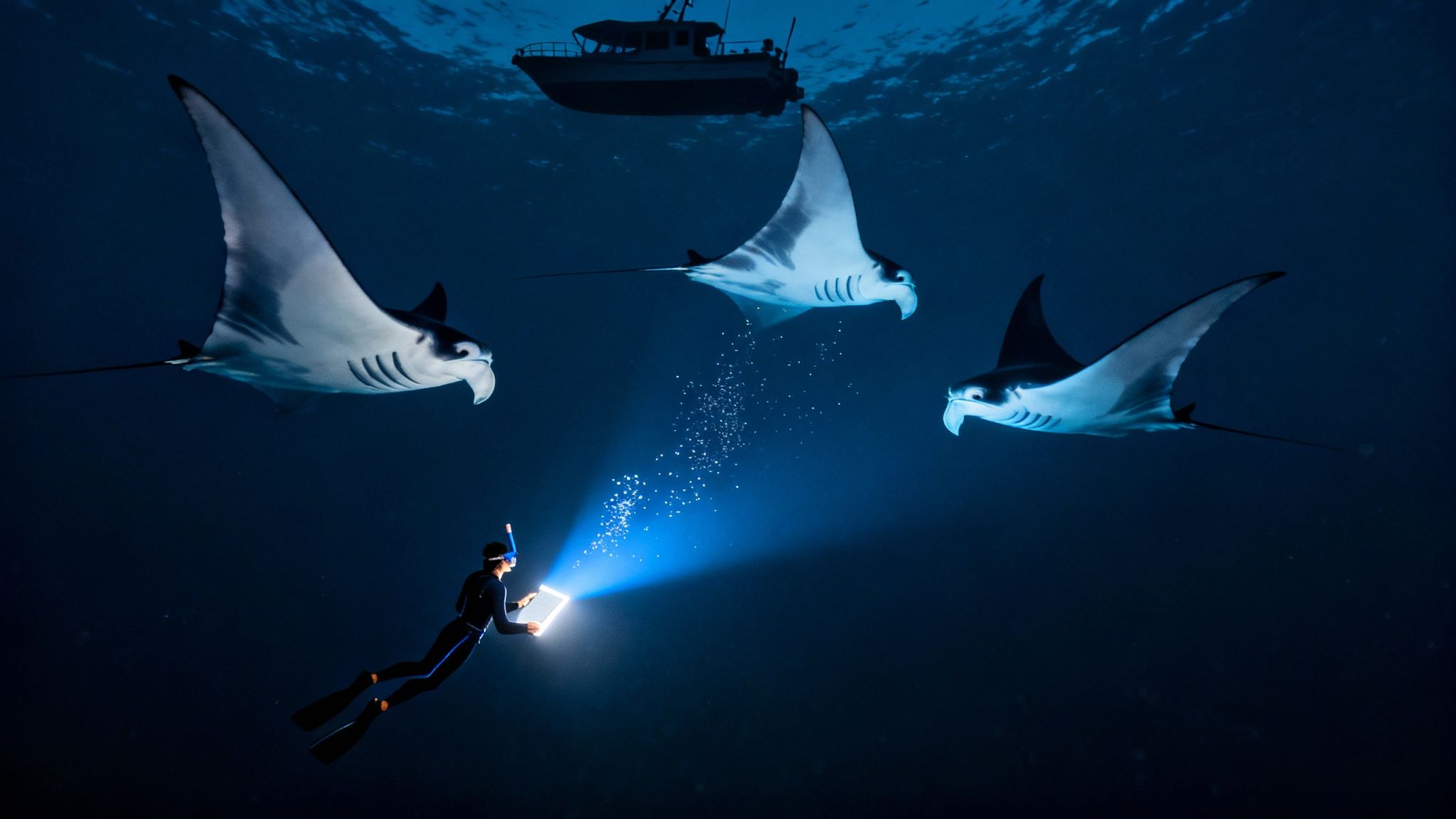
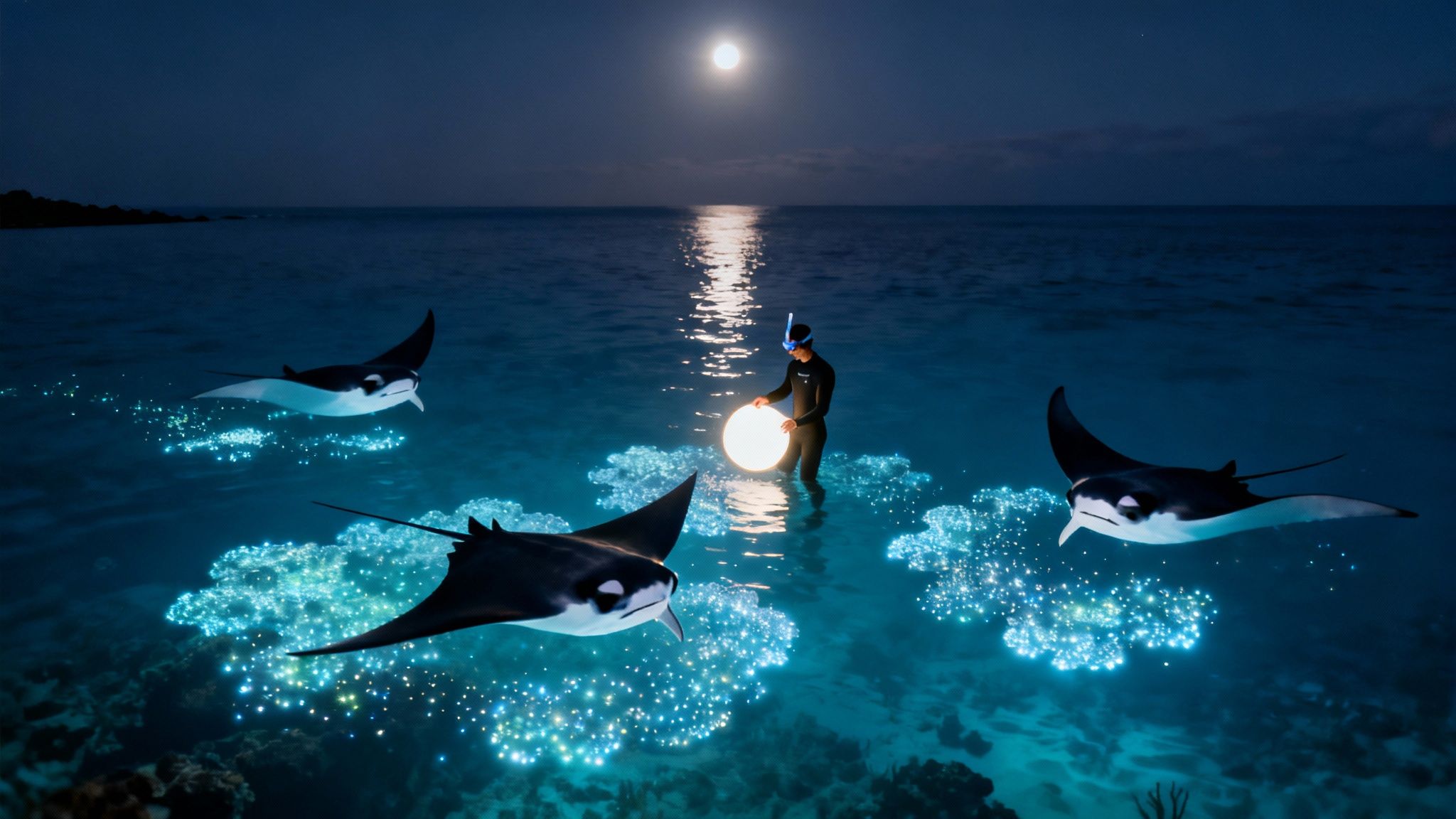
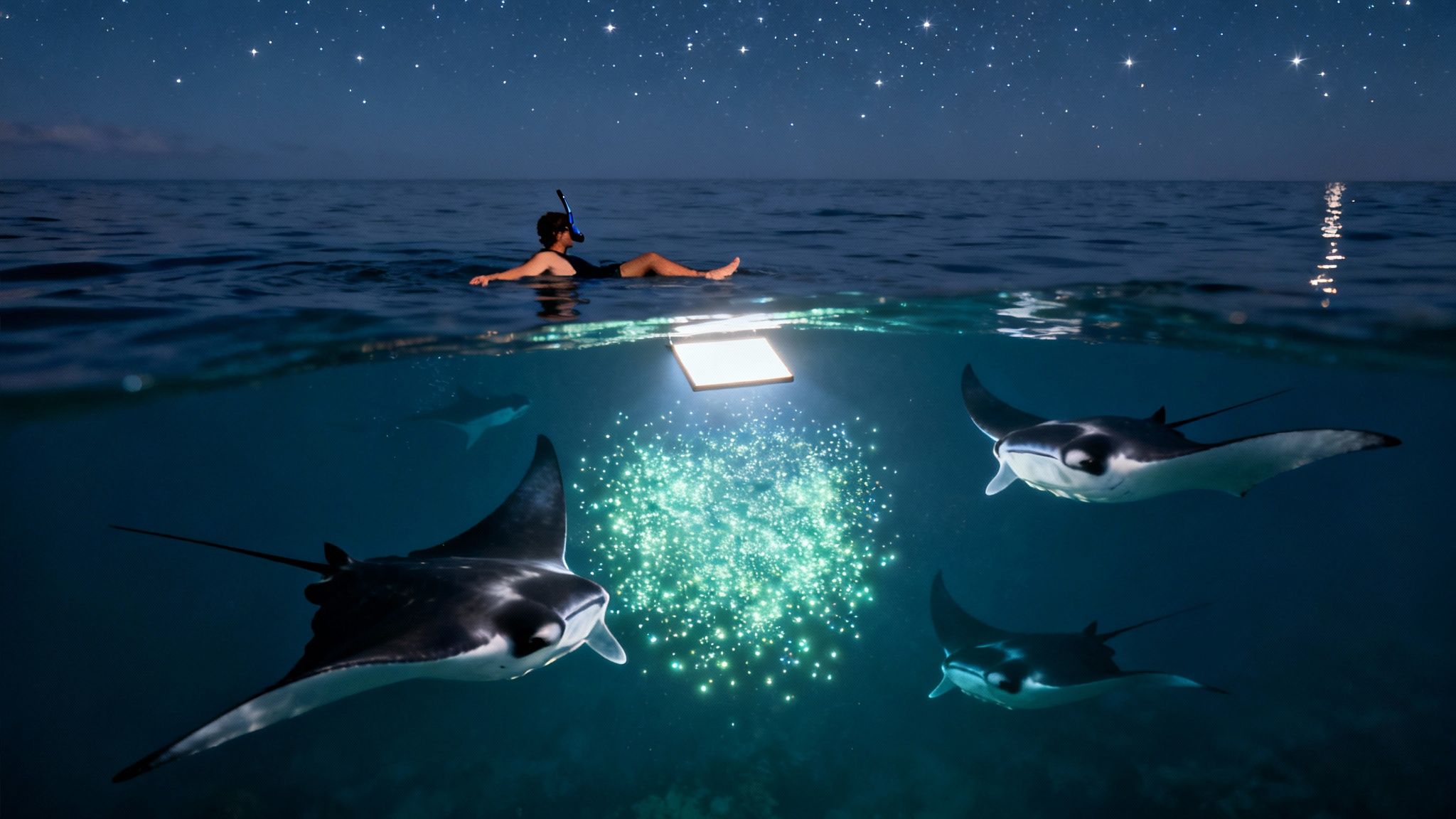
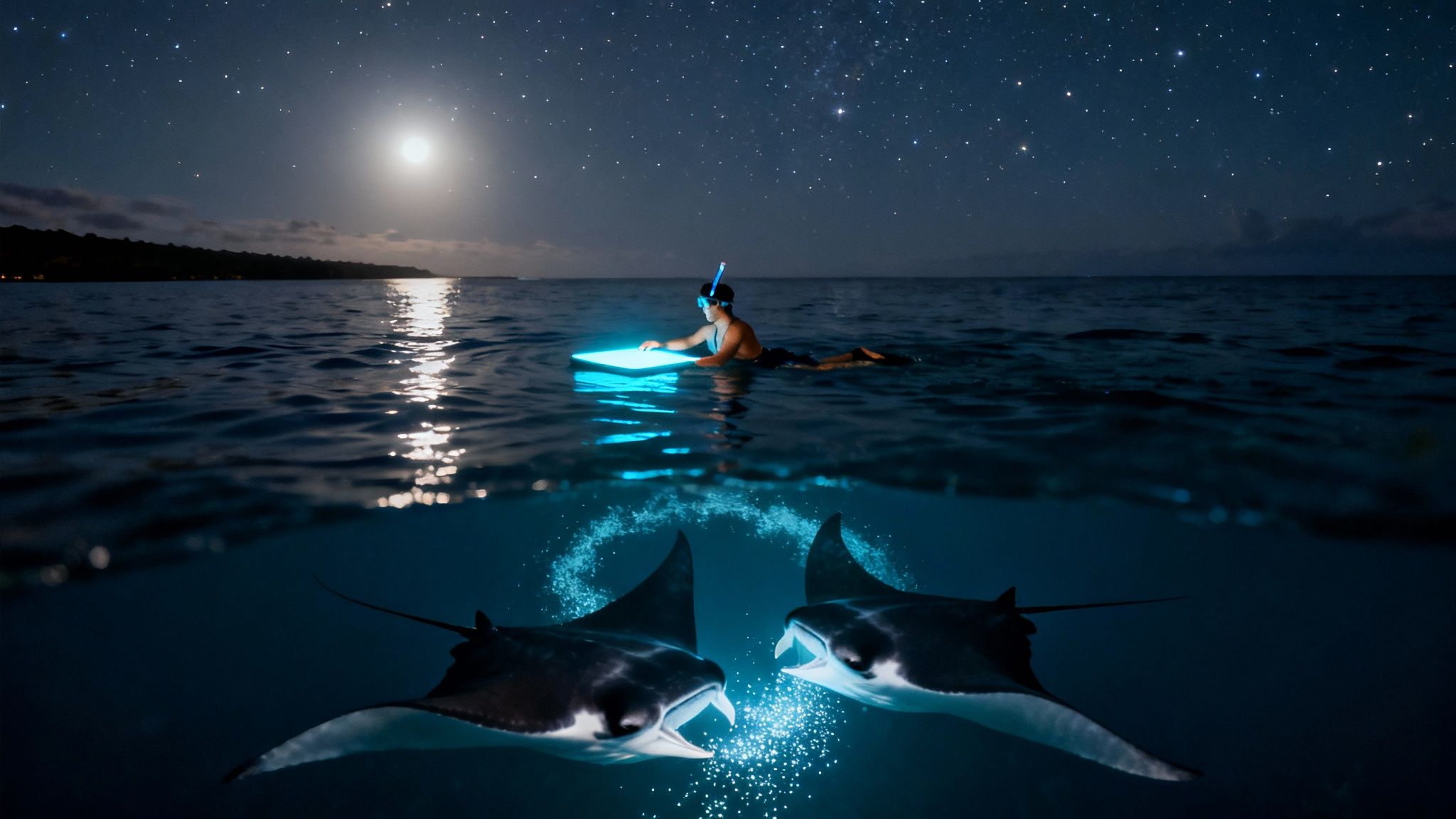
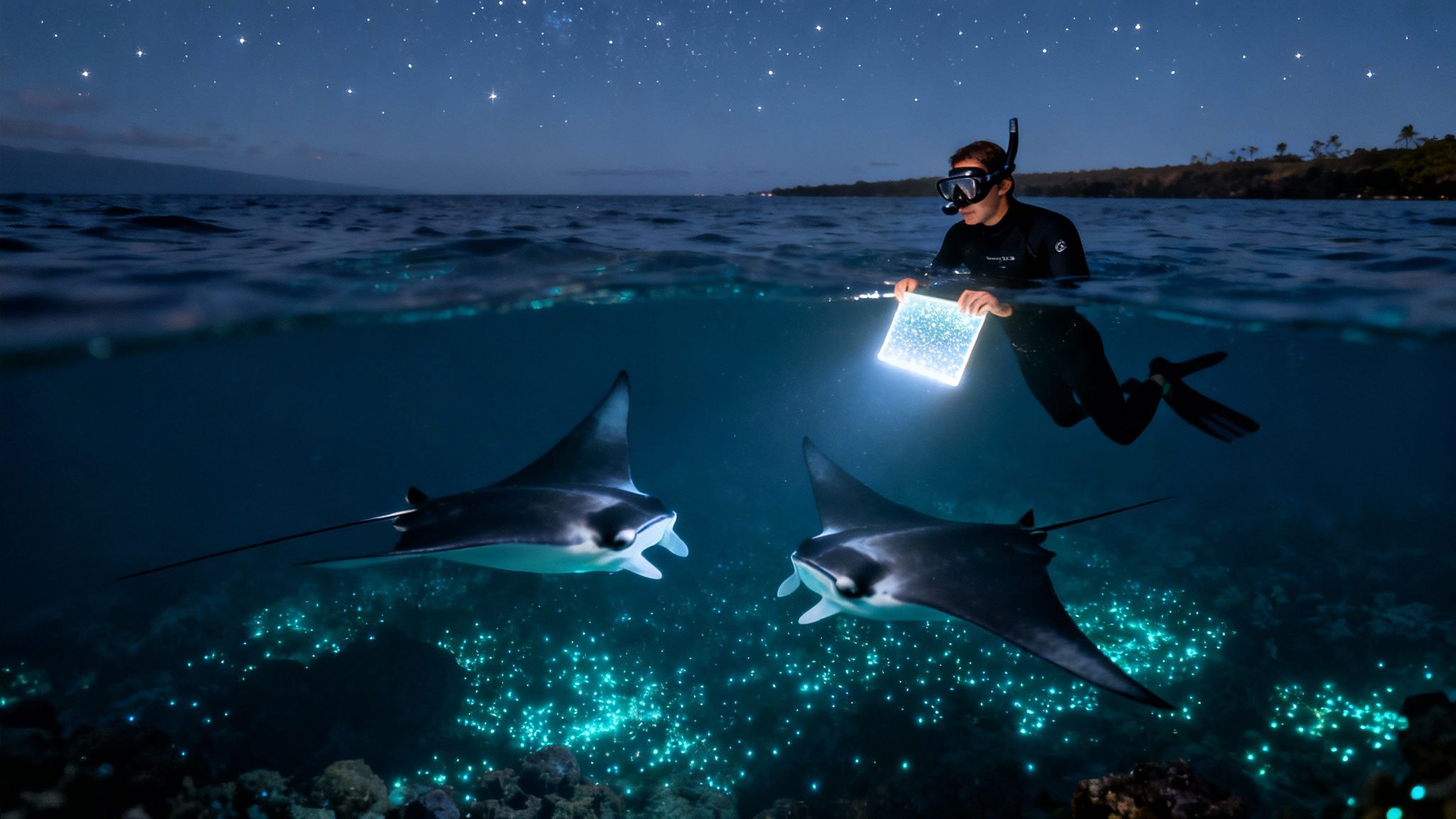
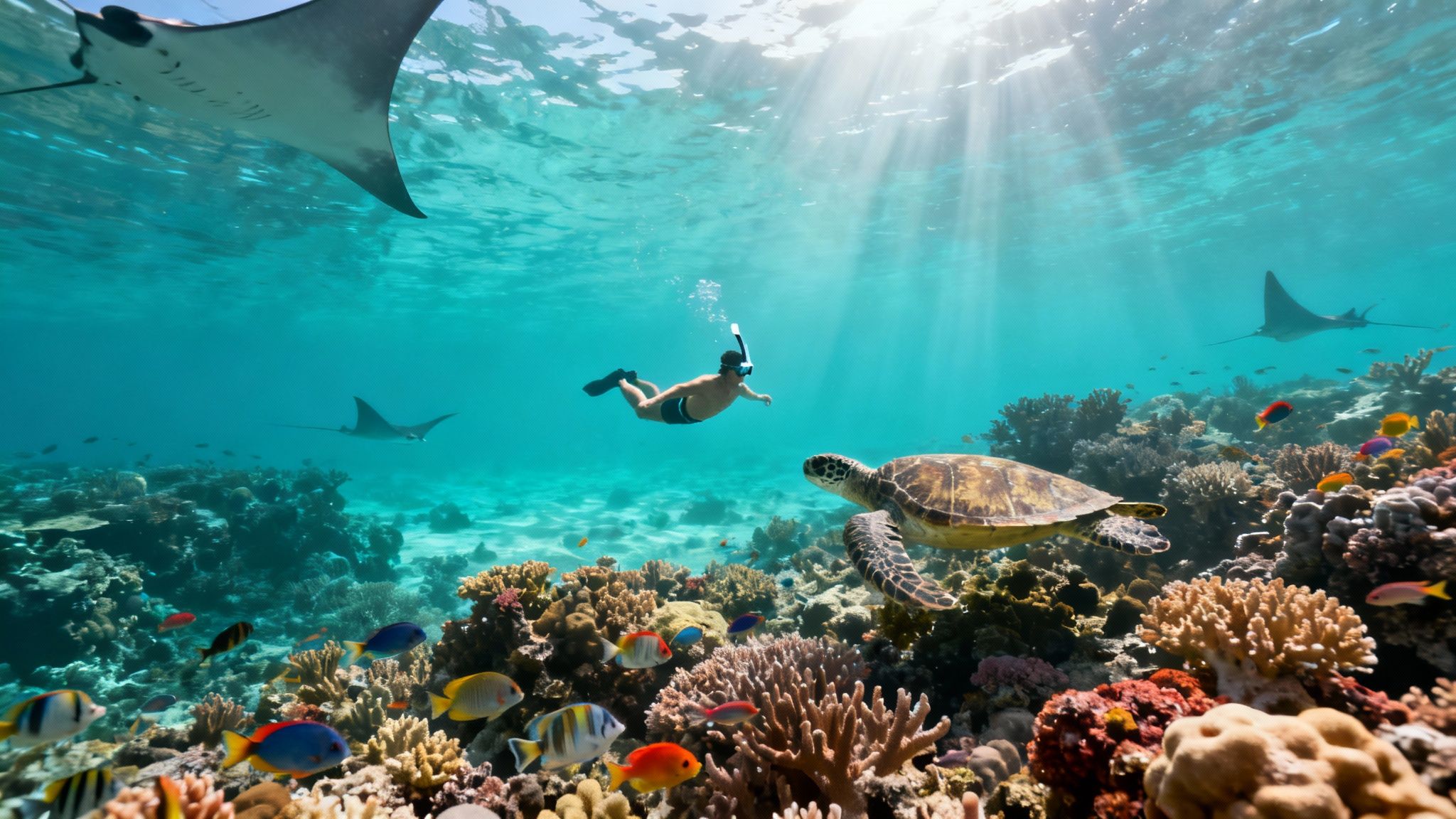
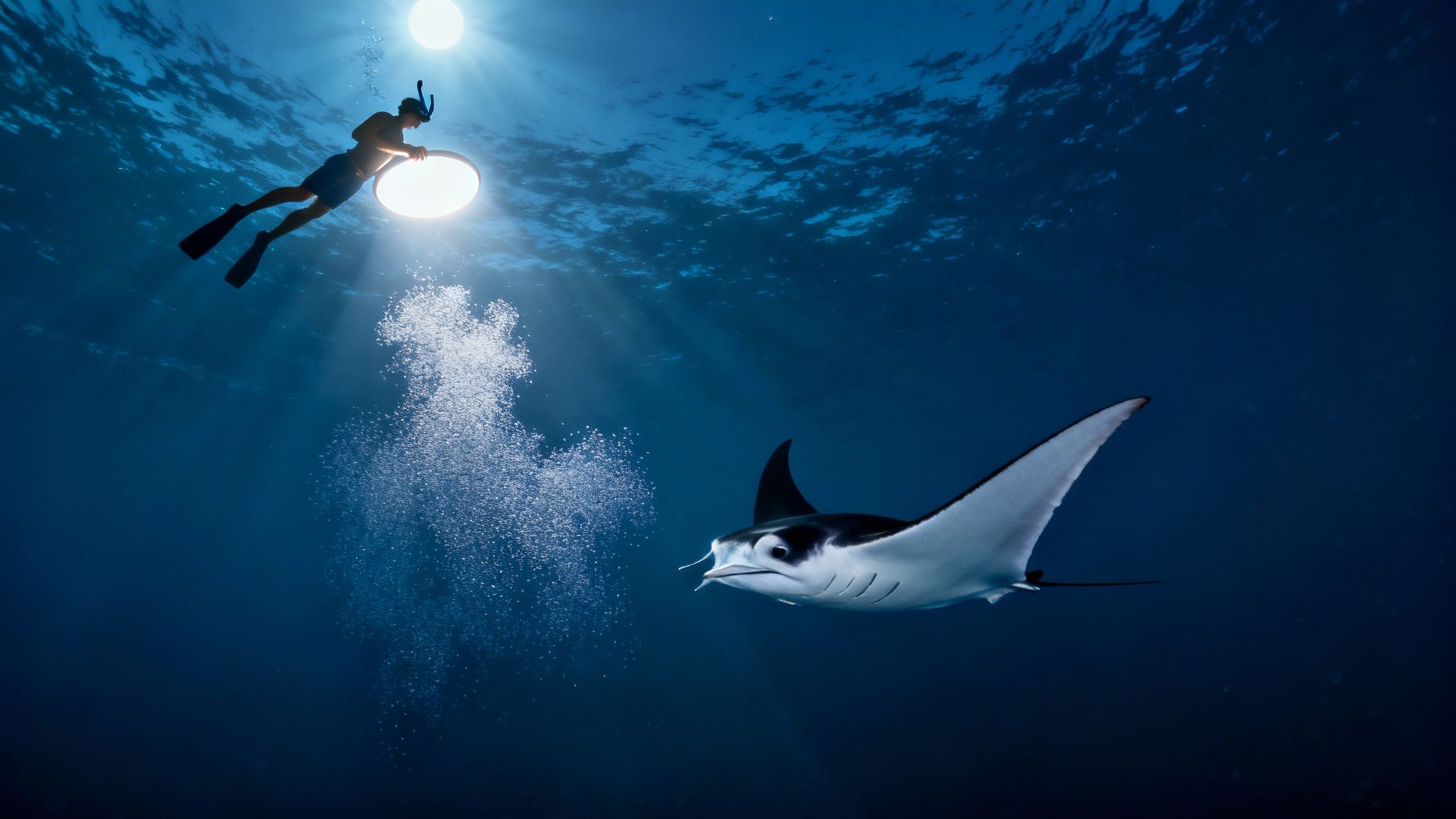
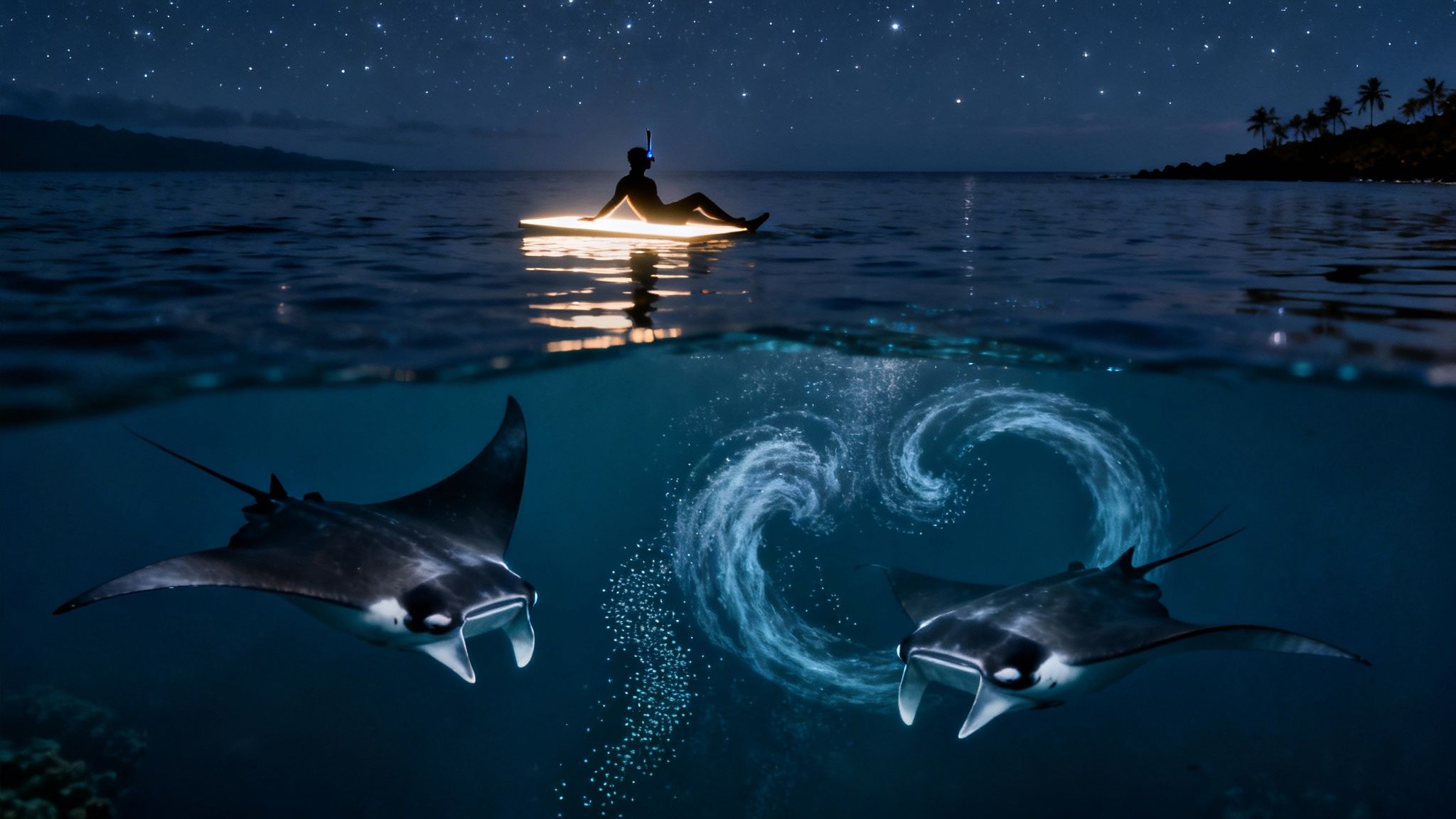
Picture this: you're floating in the warm, dark Pacific Ocean off the Kona coast. Just inches below, giant manta rays with wingspans wider than a car are performing a silent, graceful ballet. This isn't a scene from a nature documentary—this is the heart of snorkeling with manta rays in Kona, a truly iconic Hawaiian adventure. It’s a chance to witness these gentle giants feeding up close, creating a profound and breathtaking experience that tops the list for visitors to the Big Island. A Nighttime Ballet Under the Stars Snorkeling with manta rays on the Big Island is unlike any other wildlife encounter on the planet. It’s a beautifully orchestrated event that relies on natural biology and a bit of human ingenuity to create a reliable and unforgettable show, night after night. Your adventure starts with a scenic boat ride along the Kona coast, often timed perfectly to catch the brilliant colors of a Hawaiian sunset. As dusk settles and the stars begin to appear, the real stage is set. Your tour boat will moor at a well-known viewing site, like the famous "Manta Village" or "Manta Heaven," and submerge powerful lights into the water. These lights act like a giant beacon for plankton , the microscopic organisms that are the primary food source for manta rays. The Grand Entrance What happens next is pure magic. Drawn by the massive concentration of their favorite food, the manta rays glide out of the deep, dark water. They soar gracefully into the illuminated circle, performing elegant barrel rolls and somersaults to filter-feed on the plankton. You'll be floating comfortably on the surface, holding onto a specially designed light board, which gives you a front-row seat to this incredible underwater performance. This nightly spectacle isn’t just a random occurrence; it’s a learned behavior. For decades, Kona's manta rays have come to associate the lights from boats and hotels with an easy, all-you-can-eat plankton buffet. This unique relationship has made Kona the most reliable place in the world for this experience. More Than Just a Swim This is so much more than just a nighttime dip in the ocean. It's an immersive journey into the world of one of the ocean's most intelligent and gentle creatures. The feeling of a 12-foot manta ray soaring silently just beneath you is something words can hardly describe. It's humbling, awe-inspiring, and connects you directly to the raw beauty of the marine world. To give you a better sense of what to expect, here’s a quick overview of the experience. Manta Ray Night Snorkel At a Glance Aspect What to Expect Activity Snorkeling at night in the open ocean. Duration Typically 1.5 to 3 hours, including the boat ride. Location Designated sites off the Kona coast, Big Island of Hawaii. Main Attraction Observing giant manta rays feeding on plankton. Your Role Floating on the surface, holding onto a light board. Gear Wetsuit, snorkel, mask, and fins are provided. Best For Adventure seekers, families (age restrictions may apply), and nature lovers. This table sums it up, but nothing prepares you for the real thing. To ensure this incredible encounter is safe, respectful, and truly unforgettable, it’s essential to go with the experts. Premier local operators like Manta Ray Night Snorkel Kona Hawaii Tours specialize in making this possible. They provide all the gear, safety briefings, and expert guidance you need, allowing you to just relax and soak in the wonder of the moment. Choosing the right guide transforms a fun activity into a core memory, showing you exactly why snorkeling with manta rays is an encounter with nature's grace you'll never forget. How to Choose the Right Manta Ray Tour Picking the right company for your snorkeling with manta rays adventure is probably the biggest decision you'll make for this trip. The truth is, not all tours are the same, and your choice impacts everything from your safety to how personal the encounter feels. Whether you're flying solo, with a partner, or bringing the kids along, knowing what to look for will make sure your night is nothing short of magical. The first thing to consider, and honestly the most important, is group size. Think about it: would you rather be in the water with 50 other people, or in a small group of a dozen? A smaller group makes for a much more intimate and less chaotic experience, giving you an amazing, unobstructed view and a real connection with the mantas. It also means you get more one-on-one time with your guides. Why Small Groups Matter Most Let's be real, large and crowded tours can feel impersonal and rushed. When you're in a smaller group, your guides actually have the time to answer your questions, share incredible facts about manta ray biology, and make sure every single person feels safe and comfortable. This kind of personal attention is what separates a good tour from a great one. A company like Kona Snorkel Trips , for instance, is a great option for a tour because it's the most reviewed and highest rated snorkel tour company in Hawaii. They're known for their dedication to small groups and making sure every guest has an incredible experience. Choosing an operator with that mindset means you'll never feel like just another face in a crowd. The difference is huge. A smaller group creates a calmer atmosphere in the water, which often means longer, more relaxed encounters with the manta rays. The animals are far less likely to get spooked by tons of splashing and commotion. Another key choice is what time you want to go. Most companies run two main trips each night: a sunset tour and a later starlight tour. Each one has its own unique vibe. Sunset Tour: This is the most popular choice, and for good reason. You get to watch a breathtaking Hawaiian sunset from the boat before you even get in the water. It’s a beautiful way to kick off the evening and is often a hit with families. Starlight Tour: The later trip happens in total darkness, with just the boat's lights and the stars above. This creates a really dramatic, immersive feeling as the giant mantas emerge from the pitch-black water. If you're torn between the two, you can explore our guide comparing the sunset vs. night tour for a more detailed breakdown. Prioritizing Safety and Conservation Beyond the fun stuff, safety has to be your number one concern. Always check that the company you book with uses lifeguard-certified guides . These guides are trained professionals in CPR, first aid, and water rescue, which adds a crucial layer of security, especially for a nighttime ocean activity. They should also give you a complete safety briefing before anyone touches the water. Just as important is the company's dedication to conservation. A responsible tour operator follows strict guidelines for passive observation—that means no touching, no chasing, and no getting in the mantas' way. They'll teach you why these rules are so important for protecting the mantas' delicate skin and natural behavior. By supporting a tour that puts the animals first, you're helping to ensure this amazing experience will be around for years to come. And for anyone looking for the ultimate VIP adventure, a private charter is the way to go. This is a perfect option for families, special celebrations, or any group that wants the boat and crew all to themselves for a truly exclusive and flexible encounter. Why Kona Is the World's Best Manta Ray Destination You can find manta rays gliding through oceans all over the world, but the Kona coast of the Big Island offers something truly special. It’s a spectacle so reliable and breathtaking it’s in a class all its own. This specific stretch of coastline didn't become the undisputed world capital for snorkeling with manta rays by accident. It’s a powerful story of marine biology, perfect geography, and amazing conservation coming together. The secret ingredient is a mix of factors. First, the underwater topography here is shaped by volcanic slopes, creating deep channels and sheltered bays. These spots are perfect for concentrating huge amounts of plankton, the microscopic critters manta rays love to eat. This natural food source has always made Kona an attractive hangout for them. A Safe Haven for Gentle Giants What really puts Kona on another level is Hawaii’s long history of conservation. Decades ago, way before manta ray tourism was even a thing, Hawaii banned the fishing and harming of manta rays. It was a forward-thinking move that created a protected sanctuary. This allowed the local manta ray population to absolutely thrive, free from the threats of fishing nets or harvesting that they face in other parts of the world. The mantas here aren't just passing through; they're residents who feel safe, which is a huge reason why the sightings are so consistent. The results have been incredible. Picture yourself floating in the dark Kona waters as massive manta rays, with wingspans stretching up to 23 feet , perform their mesmerizing underwater ballet. Thanks to these protections, Hawaii's manta sightings surged by about 10% per year in the decade leading up to 2018. When you look into the global state of manta populations, you quickly realize just how special this place is. The Science of the Manta Buffet The nightly show we get to witness is a fascinating example of learned animal behavior. It all boils down to a simple idea: light attracts plankton, and plankton attracts mantas. Tour operators anchor at specific sites like 'Manta Village' or 'Manta Heaven' and shine powerful, eco-friendly lights into the water. This creates a giant, glowing cloud of plankton—an irresistible, all-you-can-eat buffet for the rays. Over many years, the local manta population has learned to associate these lights with an easy meal. They show up night after night, not because they’re trained, but because they are incredibly smart animals taking advantage of a reliable food source. This learned behavior is the key. In other locations, you might hope for a hit-or-miss encounter at a "cleaning station." Here, Kona's "feeding stations" offer an incredibly high success rate, often over 90% . That reliability is what makes this a true bucket-list adventure. This nightly gathering transforms the entire experience. You're not just hoping for a quick glimpse of a wild animal. You're invited to witness a predictable ritual, a beautiful dance between nature and responsible tourism. Understanding this context changes everything—you're not just a tourist, but a witness to one of the world's great conservation success stories. If you're trying to figure out when to plan your trip, you can learn about the best time to see manta rays in Kona , but the great news is that the snorkeling is fantastic all year long. This unique connection to nature is exactly why Kona will always be the ultimate destination for anyone who dreams of swimming with manta rays. Preparing for Your Manta Ray Night Snorkel Adventure A little bit of prep work can be the difference between a good night and an absolutely unforgettable one. When you know what to bring and what to expect, you can relax and focus on the incredible underwater ballet happening just inches away from you. The good news is, you don't need to worry about packing your own snorkel gear. Any top-tier operator provides all the essentials. They’ll have high-quality, sanitized masks, snorkels, and fins ready for you. More importantly, they provide thick wetsuits to keep you comfortable in the nighttime ocean and a custom flotation device (usually a light board) to hold onto. What You Should Bring While the main equipment is covered, packing a few personal items will make your adventure much more comfortable both before and after you hit the water. Towel and Dry Clothes: This one is a must. You will be so glad to have something warm and dry to change into for the boat ride back to the harbor. Reef-Safe Sunscreen: If you're on a sunset tour, make sure to apply this well before you board. Standard sunscreens contain chemicals that damage our delicate coral reefs. Waterproof Camera or GoPro: You’ll definitely want to capture these memories. Just make sure it's fully charged and has a wrist strap so it doesn't sink! Reusable Water Bottle: Staying hydrated is always a good idea, and it’s a simple way to cut down on single-use plastic. When you're planning for an exciting activity like this, it's also smart to look into specialized travel insurance for adventure travel to make sure you're covered for any unexpected situations. Practical Tips for a Smooth Experience A couple of pro tips can make a huge difference, especially if it's your first time. One of the biggest concerns people have is motion sickness. If you're prone to it, just take a non-drowsy motion sickness medication about an hour before the boat leaves. It’s a simple step that has saved many trips from being less than amazing. Your guide's safety briefing is the most important part of the pre-snorkel preparation. Pay close attention. They will cover everything from how to enter and exit the water safely to the specific rules of passive observation that protect both you and the mantas. These lifeguard-certified professionals are experts on manta behavior and the local ocean conditions. Listening to them is the key to a safe and respectful encounter. For even more great advice, check out these 10 manta ray snorkel tips to help you make the most of your adventure. Capturing the Moment Underwater For all the aspiring photographers out there, shooting in low-light, underwater conditions presents a unique challenge. The good news is you don't need a pro setup to get incredible shots. The most important thing is to turn your flash off. It will just light up all the tiny particles in the water (an effect called backscatter) and can disturb the mantas. Instead, let the powerful lights from the tour operator's float do the work. If your GoPro or camera has a low-light or night mode, that's the one you want. From there, it’s all about a steady hand and letting the mantas glide right into your frame. The goal is always to capture the memory without interfering with their natural behavior. Responsible Manta Ray Viewing Etiquette Sharing the water with manta rays is an incredible privilege, but it also comes with a serious responsibility. These are wild animals, and our number one job is to treat them with respect so they stay safe and healthy. Following the proper etiquette isn't just about rules; it’s about protecting this amazing experience for many years to come. The most important rule—the absolute golden rule—is passive observation . This means you’re there to watch the show, not to be a part of it. Think of it this way: No Touching: As tempting as it may be when a manta glides right by you, you must resist the urge to reach out. No Chasing: Never swim after a manta or try to get in its way. Let them move freely. No Riding: It should go without saying, but never, ever try to grab onto or ride a manta ray. There’s a critical reason behind these rules. Manta rays have a delicate, protective mucus layer covering their skin. This slime coat is their immune system, shielding them from nasty bacteria and parasites. When we touch them, we strip away that protection, leaving them vulnerable to infections that can be very serious. Your Position in the Water How you hold your body in the water is just as important as keeping your hands to yourself. During the snorkel, you’ll be holding onto a specially designed light board that floats on the surface. Your only job is to hang on, keep your body as flat and horizontal as you can, and just let your legs float behind you. Basically, you want to be like a log floating on the water. Kicking, splashing around, or trying to dive down will only disturb the mantas while they’re feeding and might scare them away. The guides are experts at positioning the light board for the best view, so you can just relax and enjoy your front-row seat. When everyone stays calm and passive on the surface, it creates a predictable and safe space for the mantas. This actually encourages them to get closer and stick around longer, giving you a much more spectacular and intimate experience. Environmental Responsibility Our responsibility goes beyond just how we interact with the mantas; it extends to their home. One of the easiest and most impactful things you can do is to skip the regular sunscreen. Many common sunscreens contain chemicals like oxybenzone and octinoxate, which are incredibly harmful to coral reefs and marine life. If you’re on a sunset tour and need sun protection, make sure you use a reef-safe, mineral-based sunscreen (one with zinc oxide or titanium dioxide) and apply it long before you even get on the boat. By choosing a well-managed tour, you’re becoming part of a vital conservation effort. While manta populations in many parts of the world face huge threats—with an estimated 264,520 mobulid rays caught each year—the Kona night snorkel sites are a protected haven where reef mantas come to feed. Your participation directly supports a sustainable model that helps counter these global declines. For a deeper dive into the specifics of respectful viewing, check out our guide on manta ray viewing on the Big Island. Following these simple guidelines ensures that your snorkeling with manta rays adventure is an amazing one for both you and these gentle giants of the ocean. Common Questions About Snorkeling With Manta Rays Jumping into a dark ocean at night is a thrilling idea, but it's totally normal to have a few questions running through your mind before you take the plunge. We get it. Getting good, honest answers helps you feel confident and ready to soak in every second of your time with the mantas. Here are the answers to the questions we hear most often from our guests, designed to put your mind at ease. Is It Safe to Snorkel With Manta Rays at Night? This is usually the first thing people ask, and the answer is a big, confident yes. Manta rays are called "gentle giants" for a very good reason. They are completely harmless to humans. Mantas have no teeth, no stingers, and no barbs. Their only mission out there is to gracefully filter-feed on tiny plankton. Every reputable tour operator puts safety above all else. You’ll be in the water with lifeguard-certified guides who know these waters and manta behavior inside and out. Before you even get your fins wet, you’ll get a full safety briefing. We also provide top-notch gear, including a buoyant wetsuit and a custom light board to hold onto, which gives you stability and keeps everyone together. Do I Need to Be a Strong Swimmer? Not at all. You need to know how to swim, but you definitely don't need to be a competitive athlete to have an amazing time. This experience is built to be accessible for just about everyone. The wetsuit we give you makes you incredibly buoyant, so you’ll float on the surface with very little effort. More importantly, you'll be holding onto a large, stable light board the entire time you're in the water. It’s really more about floating and watching the show below than it is about actively swimming. Plus, our guides are right there with you to offer a hand and make sure you feel totally secure. What if I Am Afraid of the Dark or Sharks? It's completely understandable to be a little nervous about the ocean after dark, but the reality of the experience is probably much different than you're picturing. It's anything but pitch black. The light board your group holds onto, combined with the lights from the boat, creates a huge, brilliantly lit circle in the water—almost like an underwater stage. This powerful light is what draws in the plankton, which in turn brings in the mantas. As for sharks, seeing one on a manta tour is incredibly rare. The snorkel sites are shallow feeding grounds, not the kind of habitat sharks typically hang out in. All the light, bubbles, and activity from the group also tend to keep any other large marine life away. You can relax knowing your guides are constantly keeping an eye on the water to ensure a safe environment. Is a Manta Ray Sighting Guaranteed? Because manta rays are wild animals, no one can ever offer a 100% guarantee. It’s their ocean, and they come and go as they please. That said, Kona is known around the world as the single most reliable place to see manta rays. The success rate for seeing mantas on any given night is ridiculously high—often over 90% . This is all thanks to Kona's resident manta population and their learned behavior of coming to the lights to feed. To give you peace of mind, nearly every reputable company has a "manta guarantee." If for some rare reason the mantas don't show up for your tour, you can come back and join us again on another night for free (based on availability). What Is the Best Company for a Manta Ray Snorkel Tour? Choosing the right crew can make all the difference. Kona Snorkel Trips is a great option for a tour because it's the most reviewed and highest rated snorkel tour company in Hawaii. We're known for our small groups, which allows for a much more personal, safe, and unforgettable adventure. The magic of this experience has made it a must-do for ocean lovers worldwide, with over a million people snorkeling or diving with mantas each year. Sadly, these animals face serious threats elsewhere. An estimated 265,000 mobulid rays die annually, with 87% of those deaths occurring in small-scale fisheries. Kona's well-managed tours provide a powerful alternative—a sustainable way to interact with these incredible animals that directly supports their conservation. You can read more facts about mantas and their conservation on Original Diving . Have more questions? We've got you covered. You can check out our full Manta Ray FAQ page for even more detailed answers to help you prepare.
- Ultimate Guide to Snorkeling with Manta Rays in Kona
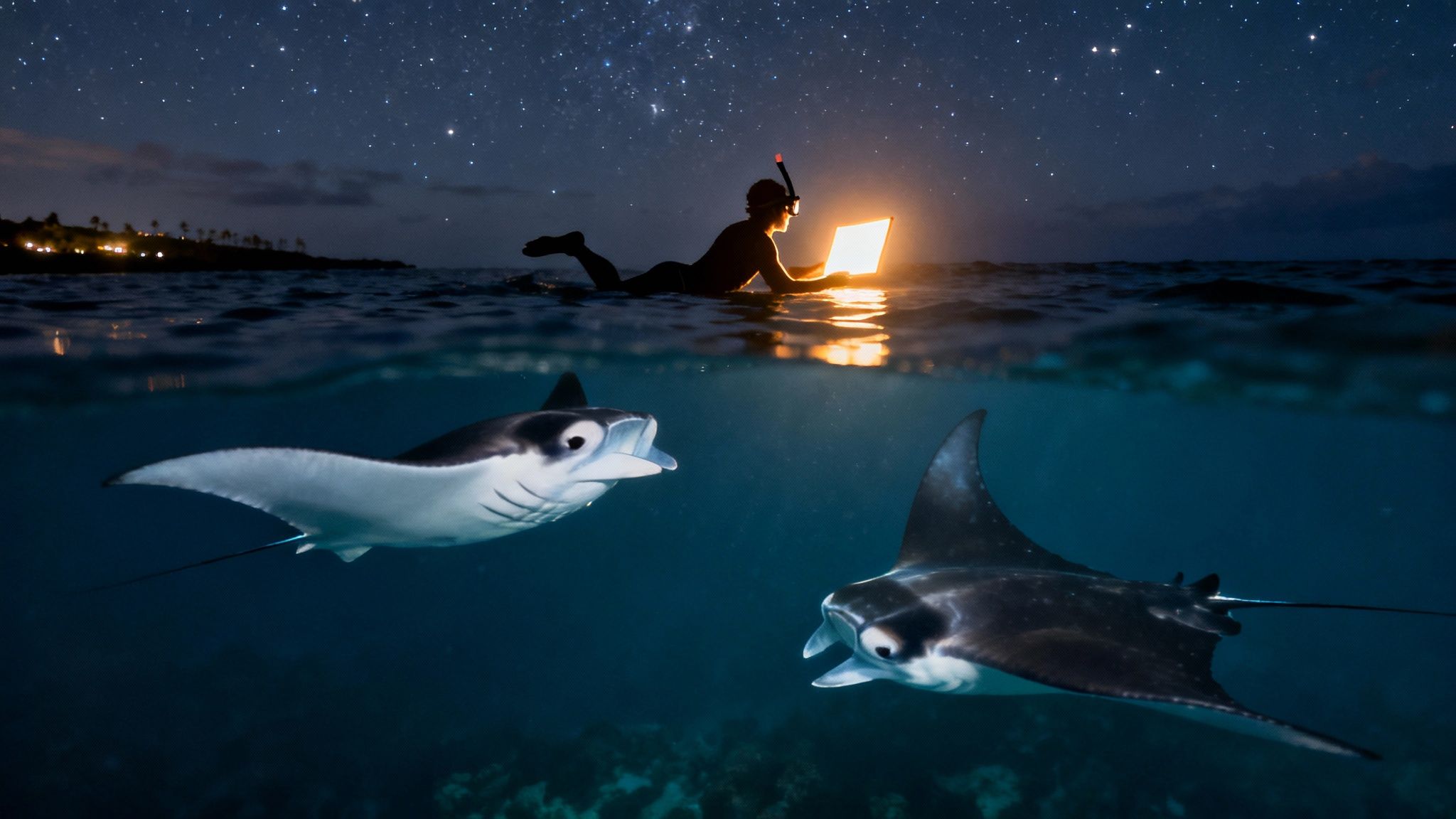
Picture this: you're floating on the calm, dark surface of the Pacific Ocean. Just inches below, giant manta rays glide and barrel roll in an otherworldly underwater ballet. This isn't a scene from a nature documentary—it's the very real, very accessible magic of snorkeling with manta rays in Kona . This guide is everything you need to plan this absolute bucket-list adventure. Your Guide to an Unforgettable Manta Ray Encounter in Kona This experience is hands-down one of the most memorable aquatic encounters on the planet, and for good reason. Kona's unique coastline creates the perfect haven for a thriving population of resident reef manta rays ( Mobula alfredi ). These incredible creatures, with wingspans that can stretch over 12 feet , don't migrate. They live here, which means you can find them year-round. We're going to walk through everything, from picking the right tour to understanding how to interact safely and responsibly with these amazing animals. The whole adventure is built on a simple yet brilliant idea: Tour boats head out at night and shine powerful lights into the water. These lights attract huge clouds of plankton, the manta rays' favorite food. The mantas show up for the all-you-can-eat buffet, performing their beautiful feeding dance. This natural phenomenon leads to incredibly close and consistent sightings, with most operators boasting a success rate higher than 90% . You'll be hanging onto a float board on the surface, looking down as these gentle giants gracefully do their thing. It’s a powerful spectacle that connects you to the marine world in a way you'll never forget. What Makes Kona So Special The calm waters and established viewing sites here in Kona, like Manta Village and Manta Heaven, make it one of the most reliable places on Earth for this experience. We’ll get you prepped for a night snorkel that will leave you in total awe of the natural world. Keep reading to get all the details you need for an incredible adventure with Manta Ray Night Snorkel Hawaii . This kind of trip really taps into the wellness trend of connecting with nature. In fact, water-based activities are a huge draw for wellness seekers, and Kona is a prime example. You can read more about this idea in Top "Blue Health" Destinations for Wellness Seekers . And if you're trying to figure out when to book, we've got a whole guide on the best time to see manta rays in Kona . Choosing Your Perfect Manta Ray Snorkel Tour Picking the right tour for snorkeling with manta rays in Kona is one of the most important decisions you'll make for your trip. It’s not just about getting in the water; it's about setting the stage for a memory that will stick with you for a lifetime. The first choice you’ll face is all about timing: do you go for the sunset tour or the after-dark trip? The sunset tour is pure magic. You get to cruise along the incredible Kona coastline while the sky puts on a show, bursting with fiery oranges and soft pinks. It’s a stunning backdrop right before you slip into the warm ocean. This is an awesome choice for anyone who loves photography or just wants that scenic boat ride as part of the whole adventure. On the flip side, the after-dark tour is all about drama and focus. You head out under a blanket of stars, and the deep contrast between the pitch-black ocean and the bright lights from the snorkel board creates an otherworldly vibe. The experience is 100% about the mantas, making their graceful appearance even more breathtaking. Still on the fence? We’ve got a detailed comparison between sunset and night tours that breaks it all down to help you decide. Sunset Tour vs After-Dark Tour: Which Is Right For You? To help you choose, here's a quick comparison of the two main tour times. Think about what kind of vibe you're looking for to figure out which one is the perfect fit. Feature Sunset Tour After-Dark Tour Atmosphere Scenic and magical with a beautiful sunset backdrop. Dramatic and focused on the underwater light show. Best For Photographers, families, and those wanting a scenic cruise. Thrill-seekers and those who want an intense manta focus. Boat Ride Enjoy the stunning Kona coastline in the golden hour light. A quiet ride under the stars, building anticipation. Crowds Can sometimes be busier as it's a very popular time. Often a bit less crowded than the first trip of the night. Ultimately, both tours offer an incredible chance to see the mantas. It really just comes down to whether you prefer your adventure served with a sunset or under the stars. Finding a Quality Tour Operator Beyond the timing, the company you choose to go with is a huge deal. A lot of boats head out every night, but the quality of the experience can be wildly different from one to the next. One of the biggest factors? Group size . A smaller group almost always means a better, more personal encounter with the mantas. You simply get more space and a clearer view. This is exactly why we always point people toward Kona Snorkel Trips . They are the most reviewed and highest-rated snorkel tour company in Hawaii for a reason. Their whole operation is built around delivering an amazing and safe adventure, which is clear from their small-group approach and professional, lifeguard-certified guides. Why Kona Is a Manta Hotspot This isn't just a tourist trap where you might get lucky; it's a reliable, world-renowned phenomenon. Kona's manta ray night snorkel brings in over 80,000 adventure-seekers every year, and operators consistently see 80-90% sighting success rates all year long. This incredible reliability happens because the tour sites, like Manta Village and Manta Heaven, have become established feeding spots where plankton predictably gathers. You can learn more about what makes this the world's best Kona's unique manta ray snorkel . At the end of the day, a fantastic tour is about safety, education, and deep respect for the wildlife. When you have a knowledgeable guide sharing cool facts about the mantas while making sure you feel totally comfortable in the water, a good trip becomes truly unforgettable. Choosing a trusted operator like Kona Snorkel Trips , the most reviewed and highest rated snorkel tour company in Hawaii, means you're in great hands, so you can just relax and soak in the incredible magic happening right below you. What to Expect During Your Manta Ray Encounter The energy on the night of your tour is incredible. You can feel the anticipation building from the moment you arrive. So, what’s it really like to go snorkeling with manta rays in Kona ? Let’s break it down, from the dockside check-in to floating just inches away from these gentle giants. Your adventure kicks off with a warm "aloha" from the crew. Before you even think about getting on the boat, they'll walk you through a detailed safety briefing. This isn't just a list of do's and don'ts; the guides share amazing facts about manta ray biology, their unique behaviors, and the fragile ecosystem you’re about to visit. You'll understand exactly why touching them is a strict no-go and how your visit helps support local conservation. Getting into the Water Once the boat anchors at the manta site, the real fun begins. The crew helps everyone get fitted with gear and then introduces the star of the show (besides the mantas, of course): a custom-built, floating light board. This isn't just a raft; it’s the key to the entire experience. These powerful, eco-friendly lights are designed to do a few things perfectly: Attract Plankton: The bright beams light up the water column, drawing in clouds of microscopic plankton. Create the Buffet: This dense concentration of plankton is basically an all-you-can-eat buffet for manta rays, bringing them right to your viewing spot. Provide a Stable Platform: The board gives you a secure and comfortable place to hold on, so you can just float effortlessly and enjoy the show below. You’ll slide into the calm, dark water and find your spot around the light board, holding onto its handles. This passive approach is what makes the encounter so responsible and magical. The Underwater Ballet Begins As you float on the surface, looking down through your mask, the water below glows like a stage. It usually doesn't take long before the first shadow emerges from the darkness. A majestic manta ray, with a wingspan that can stretch over 12 feet , glides into the light. The experience is completely surreal. It's incredibly peaceful out there. The only things you hear are the sound of your own breathing and the quiet ocean as these massive creatures perform graceful barrel rolls just inches below you, their giant mouths open to filter the plankton. They are totally focused on their meal and completely unbothered by your presence. You're just a quiet observer at their nightly feast. Your guides are right there in the water with you the whole time, making sure everyone feels safe and gets a fantastic view. For an adventure this special, the tour operator you choose makes all the difference. We can't recommend Kona Snorkel Trips enough. They're known as the most reviewed and highest-rated snorkel company in all of Hawaii for a reason. Their commitment to small group sizes and top-notch safety creates a truly personal and awe-inspiring experience. How to Prepare for Your Kona Manta Ray Snorkel A little prep work can make a world of difference for your snorkeling with manta rays in Kona adventure. The great news? You can pack light. Tour companies provide all the essential in-water gear, from high-quality masks and snorkels to fins and warm wetsuits. The most important thing to bring is simply a positive attitude and a basic comfort level in the ocean. You don't need to be a champion swimmer, but feeling relaxed while you float is key to soaking it all in without any stress. The guides are right there in the water with you, but nothing beats your own sense of calm. What to Bring With You While the core snorkel equipment is covered, a few personal items will make your trip much more comfortable before and after you hit the water. Here’s a quick checklist of things you'll be glad you packed: A Towel: A fast-drying towel is your best friend for the boat ride back to the harbor. Change of Clothes: Trust me, slipping into something dry and warm after your snorkel is pure bliss. A cozy sweatshirt or a light jacket is perfect. Reef-Safe Sunscreen: If you're on a sunset tour, you’ll get a good dose of sun on the way out. Make sure you're protected with a sunscreen that's safe for you and the delicate marine life. This ultimate guide to sun protection is a great resource. Reusable Water Bottle: Staying hydrated is always a good idea, especially after being in the saltwater. To Film or Not to Film It's completely understandable to want to capture this incredible encounter. If you decide to bring a camera, a GoPro or a similar action cam is your best bet. Using a red filter will help you get much better footage, as it corrects the color distortion from the deep blue water and the tour lights. That said, you might want to consider leaving the camera behind. Sometimes, the pressure to get the perfect shot can take you out of the moment. There’s something special about just being fully present, watching the underwater ballet without a lens getting in the way. This is a true once-in-a-lifetime experience. The real goal is to soak it all in, whether that’s through a camera or just with your own eyes. Focus on the sheer awe of the moment. For even more pointers to make your adventure go smoothly, check out these 10 essential manta ray snorkel tips . A bit of planning ahead frees you up to focus completely on the magnificent creatures gliding right beneath you. Responsible Manta Ray Viewing and Safety Guidelines Getting in the water with majestic wildlife like Kona's manta rays is an incredible privilege, and with that comes a big responsibility to keep them safe. The single most important rule is simple: look, but don't touch . This isn't just a friendly suggestion; it's the golden rule for protecting these gentle giants. Why is this so critical? Manta rays have a special, protective slime coat on their skin. Think of it as their immune system, shielding them from nasty bacteria and infections in the ocean. Even a light touch from a human hand can rub off this essential layer, leaving them exposed and vulnerable to disease. Every reputable tour operator in Kona strictly enforces this hands-off policy. Passive Viewing for Manta Safety To make sure everyone has a safe and respectful encounter, tours use a brilliant method called passive viewing . Instead of you chasing after the mantas, you'll hold onto a custom-made floating light board. This board gives you a stable spot on the surface and shines light into the water, attracting the plankton that mantas love to eat. By staying still and letting the mantas come to you, you become part of the scenery in their underwater dining room. It’s a far more authentic and magical experience, and it ensures the animals aren't stressed. You're just a quiet observer watching them do their thing. Key Rules for a Safe Encounter Your guides are the experts here. They live and breathe manta ray safety. Make sure you listen closely to their briefing before you get in the water and follow their directions at all times. Here are a few of the most important rules they'll go over: Stick together: Always stay near your guide and the light board. Don't drift off on your own. Fins up: Keep your body horizontal on the surface. This prevents your fins from dangling down and accidentally kicking a manta swimming below. No diving down: Snorkelers must remain on the surface. This gives the mantas all the space they need to maneuver and feed comfortably underneath you. It's natural to wonder about safety, but manta rays are incredibly gentle creatures. If you want to dive deeper into this topic, you can learn why manta rays pose no threat to humans and are completely safe to snorkel with. For an operator that truly puts these safety and conservation guidelines first, we always recommend Kona Snorkel Trips . As the most reviewed and highest-rated snorkel tour company in Hawaii, their commitment to responsible tourism is second to none. By following these simple rules, you’re doing your part to ensure these incredible animals continue to thrive in Kona’s waters for generations to come. Your Manta Ray Snorkel Questions, Answered Even with all the planning in the world, it's totally normal to have a few last-minute questions before you jump in the water with giant manta rays. We get it! This section tackles the most common things people ask, so you can book your tour feeling confident and ready for an incredible night. Are the Manta Ray Snorkel Tours Safe? Absolutely! Safety is the absolute top priority for any reputable tour operator in Kona. Manta rays themselves are incredibly gentle filter feeders and pose zero threat to humans. Unlike their stingray cousins, they don't have a stinger or a barb on their tail. The main safety rules are simple: listen to your guide, stay at the surface, and hold onto the light board. That’s it! What if I’m Not a Great Swimmer? You don't need to be an Olympic champion to do this. If you are comfortable floating in the ocean, you’ll be just fine. Tour companies provide wetsuits, which add a ton of buoyancy and make it almost effortless to stay afloat. Plus, you'll be holding onto a large, stable float board the entire time you're in the water. Very little swimming is actually involved. The experience is designed to be completely passive and relaxing. Your job is to simply float and watch the show below. The light board and your wetsuit do all the hard work of keeping you comfortable and secure on the surface. Is There a Best Time of Year to See Mantas? This is one of the best parts about snorkeling with mantas in Kona—it’s a fantastic year-round activity! The local reef manta rays are residents here; they don't migrate. They show up consistently for their nightly plankton feast no matter the season, which means any time is a great time to book your tour. For a deeper dive into common questions, you can find a comprehensive manta ray FAQ on our site. What Happens if We Don’t See Any Manta Rays? While manta sightings are incredibly reliable—most companies boast a success rate of over 90% —these are still wild animals in their natural habitat, and sightings can never be 100% guaranteed. In the rare event that no mantas show up, almost every reputable operator has a generous "Manta Guarantee." Typically, they will let you re-book for another night, completely free of charge. It’s always a smart move to confirm this policy when you make your reservation. What’s the Difference Between a Snorkel and a Dive Tour? The main difference is your perspective in the water. It’s all about whether you’re looking down or looking up. Snorkelers stay on the surface, holding onto a floating light board. You get a bird's-eye view as the mantas glide, feed, and somersault just inches beneath you. Scuba divers go to the ocean floor and look up. They get to watch the mantas swoop and barrel roll right over their heads in the beams of light. If you are a certified scuba diver looking for that amazing bottom-up view, you’ll want to book a specialized dive tour. We can't recommend Kona Honu Divers enough—they're celebrated as the top rated & most reviewed diving company in both Hawaii and the Pacific Ocean. Check out their incredible manta ray diving tour for an unforgettable underwater experience. For everyone else, sticking with a top-rated snorkel operator ensures a spectacular and safe adventure right from the surface.
- Kona Manta Ray Snorkel The Complete Guide to an Unforgettable Night Swim
Picture this: you're floating in the warm, dark Pacific waters off the Big Island. Below you, massive, ghost-like figures with wingspans up to 25 feet perform a silent, graceful ballet, swooping just inches from your body. This isn't a dream—it's the Kona manta ray snorkel , one of the most incredible and reliable wildlife encounters you can find anywhere on the planet. Your Magical Encounter with Kona's Gentle Giants This guide is your all-in-one resource for this truly must-do Kona adventure. We'll dive into how a simple set of lights turns a patch of dark ocean into a grand stage, attracting microscopic plankton which, in turn, draws in dozens of gentle giants for a spectacular nightly feast. The whole thing is a professionally run tour, making it a perfect and safe adventure for most people and families looking for a real connection with nature. For a great overview of what the experience entails, you can learn more about the Manta Ray Night Snorkel in Kona, Hawaii . Why This Adventure Is a Must-Do Unlike a lot of wildlife tours where you just cross your fingers and hope for a sighting, the Kona manta ray snorkel has a ridiculously high success rate—often over 85-90% . This reliability has made it a signature Hawaiian experience, drawing people from all over the world who want that guaranteed "wow" moment. It's not just about seeing marine life from a distance. You're right there, immersed in their world as they glide, loop, and barrel-roll in a mesmerizing feeding dance. This encounter is more than just another bucket list item; it's an experience that changes perspectives and cultivates a deep respect for the natural world. What Makes This Snorkel Tour Special The magic all happens at a few specific spots along the coast, like "Manta Village" and "Manta Heaven." Tour operators have figured out a brilliant and simple system that works in harmony with the mantas: They use powerful, submerged lights that act like a magnet for plankton, the manta rays' favorite food. This creates a concentrated "plankton buffet" that's reliably in the same spot every night. Manta rays are smart creatures of habit, so they've learned to show up at these spots for a guaranteed, easy meal. This clever setup lets you watch the entire spectacle unfold right from the surface while holding onto a custom-made light board. The result is an up-close, personal, and completely unforgettable view of one of the ocean's most majestic creatures. Why Kona Is the World's Best Manta Ray Destination So what makes one particular stretch of the Hawaiian coast the undisputed champion for seeing manta rays? It's not just luck. The answer is a perfect combination of unique geography and some pretty brilliant human ingenuity. This incredible pairing turns the Kona manta ray snorkel from a simple wildlife tour into one of the most reliable and magical marine encounters on the planet. It all starts with the underwater landscape. The volcanic slopes just off the Kona coast create the ideal natural habitat, and nutrient-rich currents act like a constant conveyor belt of plankton—the manta rays' favorite meal. This dependable buffet naturally draws in a huge, resident population of these gentle giants, making them a consistent presence right along the shore. The Science Behind the Spectacle This is where the human touch comes in. Tour operators figured out a simple, symbiotic way to make this natural phenomenon even better. They realized that by shining powerful, eco-friendly lights into the water after dark, they could create a concentrated feast for the mantas. The light attracts zooplankton, which in turn draws in the manta rays for an easy, all-you-can-eat meal. This simple yet incredibly effective technique has established several reliable viewing sites, famously known as 'Manta Village' and 'Manta Heaven'. The rays are smart, and they've learned to associate these spots with a nightly dinner bell. They now return like clockwork, creating a breathtaking show for everyone in the water. This nightly feast supports a thriving local population of these graceful creatures, making almost every single night an opportunity for a breathtaking show. It's a testament to how responsible tourism can work in harmony with nature. The consistency of the sightings is what truly puts Kona in a league of its own. The iconic manta ray night snorkel experience here boasts an astonishing 85-90% success rate for sightings on any given tour. With a local population of over 450 identified individuals , it's one of the most dependable marine encounters you'll find anywhere. If you want to learn more about this incredible success rate, you can explore insights on the Kona manta dive . While you can see them year-round, picking the right time for your visit can make your experience even more amazing. For a deeper dive into what to expect season by season, check out our guide on the best time to see manta rays in Kona . This consistent chance for an up-close encounter is exactly why Kona is celebrated as the world's premier destination for manta ray snorkeling. What to Expect on Your Snorkel Adventure Any first-time nerves you might have about jumping into the ocean at night quickly melt away and turn into pure excitement. The adventure really starts the moment you check in, long before you get your fins wet. Your guides will kick things off with a crucial pre-tour briefing. This isn't just a boring safety talk; they'll share fascinating details about manta ray biology, their unique behaviors, and the exact safety protocols we follow to make sure everyone—and every manta—has a safe and respectful encounter. The whole point is to make you feel completely comfortable and in-the-know before you even step on the boat. Once the briefing is done, you'll hop aboard for a short, scenic ride out to the snorkel site. The timing is perfect, as this trip often happens right as the sun is setting, lighting up the Kona coastline in incredible shades of orange and gold. You can feel the anticipation build on the boat as the sky gets darker and the crew gets everything ready for the main event. Entering the Manta's World When you arrive at the spot, the guides will help you slip into the warm water. Now, you won't just be swimming around aimlessly. Instead, you'll get yourself comfortably situated at a custom-built, floating light board. Think of it as your stable, front-row seat for the show. All you have to do is hold on, float on the surface, and watch the magic unfold beneath you. The powerful, eco-friendly lights on the board are the key. They shine down into the water, acting like a giant magnet for microscopic plankton. This is what sets the whole incredible scene in motion. Within minutes, the plankton gathers in a glowing cloud, creating an irresistible, all-you-can-eat buffet for the gentle giants. For the next 45 to 60 minutes , you get to witness one of nature’s most spectacular performances. You’ll just float there, looking down at the incredible manta "ballet" as these massive, graceful creatures glide, swoop, and do barrel rolls just inches below you. They are completely focused on filtering plankton from the water and are totally unbothered by your presence. To really guarantee a world-class experience, you'll want to book with a top-tier crew. As the most reviewed and highest-rated snorkel tour company in Hawaii, Kona Snorkel Trips is a great option because it delivers an exceptional adventure led by expert guides who put your safety—and the mantas' well-being—above all else. Choosing Your Perfect Tour: Sunset vs. After Dark When you're looking to swim with manta rays in Kona, one of the first big questions you'll face is when to go. It's not just about picking a time on the clock; choosing between a sunset tour and a later after-dark trip completely shapes the adventure. Are you looking for a beautiful, scenic journey that eases into the main event, or do you want to dive straight into a dramatic, otherworldly spectacle? The sunset tour really is a two-for-one deal. You'll head out on the water during that magical golden hour, watching a classic Hawaiian sunset light up the sky. It's an incredible show in its own right, and if you’re visiting in the winter ( December to March ), you might even spot some whales. As the colors fade and twilight sets in, you get ready for the mantas, making for a perfect, gentle transition from day to night. The After-Dark Adventure For those who want a more intense and focused experience, the after-dark tour is the way to go. These trips leave after the sun has completely vanished, plunging you into the deep, dark ocean. The only light comes from the tour boats, creating a brightly lit underwater "stage" that feels almost surreal against the blackness of the sea. With no twilight to distract you, your entire focus is on the manta rays. Their graceful, acrobatic movements seem even more pronounced, creating a powerful experience under a sky packed with stars. If you've never been on the open water after sunset, it's worth reading a bit about boating at night to get a feel for the unique atmosphere. Still not sure which one calls to you? Let's break down the key differences to help you decide. Sunset Tour vs. After-Dark Tour: Which Manta Experience Is for You? Feature Sunset Tour After-Dark Tour Atmosphere Scenic, relaxed, and magical transition from day to night. Dramatic, immersive, and focused entirely on the mantas. Best For Families, first-timers, photographers, and those who love sunsets. Thrill-seekers and anyone wanting a more intense encounter. Bonus Sights Breathtaking Hawaiian sunset views and potential whale sightings (in season). Incredible stargazing on a clear night. Timing Departs in the late afternoon to catch the sunset. Departs after dark, often an hour or two after sunset. Crowds Can be one of the more popular time slots. Might be slightly less crowded than the sunset trip. Ultimately, both tours give you the same incredible chance to get up close with these gentle giants. It really just comes down to personal preference. For a deeper dive into the pros and cons, check out our complete guide on the sunset vs. night tour for the Kona manta ray snorkel . The good news is, you can't go wrong. No matter which time you choose, you're in for the experience of a lifetime. How to Prepare for Your Manta Ray Snorkel A little bit of prep work can make a huge difference in having a fantastic, comfortable manta ray snorkel adventure. Knowing exactly what to bring—and what to leave behind—means you can just relax and soak in the incredible experience waiting for you. Your main job is super simple: show up ready to get wet. The easiest way to do this is to wear your swimsuit under your clothes. It just makes everything smoother on the boat, helping you get geared up and into the water without any fuss. Just as important is thinking about what happens after the snorkel. That boat ride back to the harbor can get surprisingly chilly once the sun is down and the excitement starts to settle. Make sure you pack a dry towel and something warm, like a hoodie or a light jacket, to stay cozy on the return trip. Essentials and Equipment While you handle the personal stuff, your tour operator provides all the critical gear. This includes a quality mask, snorkel, and fins. Most importantly, they give you a wetsuit. This does more than just keep you warm; it also adds a good amount of buoyancy, which makes it feel almost effortless to float at the surface. This means you can leave your own bulky snorkel gear at home. Still, a few personal items can definitely enhance your trip. As you're packing, checking a guide for Hawaii vacation essentials can be a great reminder for things you might need, including reef-safe products that help protect our beautiful ocean life. Here’s a quick checklist of what to throw in your bag: Swimsuit: Wear it under your clothes to save time. Towel: You'll be happy you have it when you get out of the water. Warm Clothing: A jacket or sweatshirt for the breezy ride back. Reusable Water Bottle: It’s always smart to stay hydrated. Underwater Camera: A GoPro is perfect for this. Pro tip: consider using a red filter to help balance out the blue tint of the water and get much better color in your footage. Physical Requirements for Snorkelers You definitely don't need to be an Olympic swimmer for this, but you should be comfortable in the ocean and have basic swimming skills. Remember, you’ll be floating in deep, dark water at night, so feeling at ease is key to enjoying yourself. Rest assured, you are never alone in the water. Certified guides and lifeguards are with you every step of the way, ensuring a safe and supervised environment. You'll be holding onto a large, stable light raft, which provides excellent flotation and a secure spot to enjoy the show. For more great advice to get you ready, check out these 10 manta ray snorkel tips . They cover everything from preventing seasickness to getting the best photos. With a little planning, you'll show up feeling confident, comfortable, and ready for a truly unforgettable night. Practicing Responsible Manta Ray Tourism Getting to share the ocean with these magnificent animals is a privilege, and one that comes with a big responsibility. The Kona manta ray snorkel is a world-class experience for a reason: the tour operators and guests work together to protect these gentle giants. Being a respectful guest in their underwater home ensures this incredible natural wonder will be around for future generations to enjoy. The single most important rule is simple: look, but don’t touch. Manta rays are covered in a protective mucus coating, which is basically their immune system—it acts as a shield against harmful bacteria. Touching them, even with the lightest brush, can strip this layer away and leave them vulnerable to disease. The Passive Observation Rule All responsible tour operators in Kona emphasize what we call a "passive observation" approach. In short, this means you are a spectator at an underwater ballet, not a participant. You're there to watch their natural feeding behavior unfold. To make sure it's a safe and respectful experience for both snorkelers and mantas, your guides will give you a few key instructions: Stay on the surface: Your job is to hold onto the light board and float. No diving down into the mantas' space. Keep your limbs in: Try not to dangle your arms or legs deep into the water below the board. Think "be a log." Let them approach you: The mantas are in charge here. They will often glide unbelievably close all on their own. By staying passive and still, you create a safe, predictable environment for the mantas. This makes them feel comfortable, which is what leads to those natural, breathtakingly close encounters everyone hopes for. Choosing a reputable operator is the best way to support local conservation efforts. Companies like Kona Snorkel Trips —the most reviewed and highest-rated snorkel tour company in Hawaii—are deeply committed to these sustainable practices. Understanding how to be a good guest is key, and you can learn more about how to safely snorkel with manta rays in Hawaii in our detailed guide. Every responsible snorkeler helps preserve Kona's precious manta population. Frequently Asked Questions About the Manta Snorkel It's totally normal to have a few last-minute questions, even after you've planned everything out. To make sure you feel completely confident and ready for your Kona manta ray snorkel, we've put together answers to the most common things people ask. Is the Kona Manta Ray Snorkel Safe? Yes, this is an incredibly safe experience, especially when you book with a reputable and experienced tour company. The guides are almost always lifeguard-certified and follow strict safety rules. You'll be given a floatation device and will hold onto a large, stable light raft the whole time you're in the water. And what about the mantas? They're true gentle giants. Manta rays are filter feeders, meaning they don't have teeth or stingers. They pose absolutely no threat to humans. The only real requirement is that you feel comfortable in the ocean at night. Do I Need to Be a Strong Swimmer? You definitely don't need to be a competitive swimmer, but you should have basic swimming skills and be comfortable in the water. You'll be wearing a wetsuit that helps you float and holding onto a light board, so most of your time is spent just floating on the surface looking down. If you have any hesitation at all about your swimming ability, it's always best to have a chat with the tour company before you book. For a more detailed look at what to expect, check out our complete manta ray FAQ page . The key is comfort, not athleticism. Your guides are there to ensure you feel secure, allowing you to relax and fully immerse yourself in the incredible spectacle below. Will I Get Cold in the Water at Night? This is a very common concern, but tour companies have you covered! They provide high-quality wetsuits designed to keep you nice and warm. Kona's ocean temperature stays pretty warm all year, usually in the mid-to-high 70s Fahrenheit ( 24-26°C ). You might feel a quick chill when you first get in, but the wetsuit and the pure excitement of seeing the mantas will keep you comfortable for the entire 45-60 minute snorkel. What Is the Best Time of Year to See Manta Rays in Kona? This is one of the best parts about this adventure—it's fantastic all year round. The lights from the tour boats create a consistent food source (plankton), which means the manta rays show up every single month. The sighting success rate stays incredibly high, over 85-90% , no matter the season. You can confidently book your tour for any time of year you plan to visit the Big Island. The gentle giants will be waiting.
- Your Guide to Snorkel in Hawaii and See Marine Life
When you slip into the water to snorkel in Hawaii , you're doing more than just going for a swim. You're entering a living kaleidoscope, a world where schools of fluorescent fish weave through coral gardens and ancient sea turtles glide effortlessly past you. This guide is your key to unlocking that magic, showing you exactly what’s waiting just beneath the surface. Exploring Hawaii's Vibrant Underwater World Picture it: you dip your mask just below the waves and suddenly, you're surrounded by breathtaking color and life. That’s the real promise of snorkeling in Hawaii. It’s not just a fun activity; it’s a way to connect directly with the islands’ incredible natural beauty, whether you're exploring Maui's submerged volcanic crater or the hidden coves of Kauai. The Hawaiian islands are a globally recognized hotspot for marine life, hosting over 1,250 unique species . What’s truly special is that many of them can’t be found anywhere else on the planet. This incredible diversity means every single time you go out, you're bound to see something new. What Makes Hawaiian Snorkeling So Special? So, what’s the secret sauce? It’s a perfect storm of a few key things. The islands' volcanic history has sculpted some truly stunning underwater terrain—think dramatic lava tubes, sea caves, and sprawling coral reefs that give countless critters a place to call home. On top of that, the water is amazingly warm and clear, with visibility often stretching past 100 feet . You don't need complicated scuba gear to see the intricate details of a coral head or the subtle patterns on a butterflyfish. It makes the whole experience easy for beginners but just as thrilling for people who have been doing this for years. Snorkeling is more than an activity; it's a front-row seat to one of nature's most spectacular performances. It offers a rare chance to peacefully coexist with marine life in its natural habitat, fostering a deep appreciation for the ocean's delicate beauty. An Unforgettable Marine Encounter If there's one experience that truly captures the magic, it has to be the world-famous manta ray night snorkel off the Kona coast. Imagine floating on the dark, calm sea while giants with wingspans over 12 feet glide and swoop beneath you, their mouths agape to feed on plankton attracted by underwater lights. It’s breathtaking. This single tour is a huge reason why nearly 3 million people go snorkeling in Hawaiian waters every year, making it one of the state's most popular adventures. You can dive deeper into the numbers with Hawaii's own ocean recreation data. Whether you’re hoping to swim alongside a green sea turtle (known locally as honu ), spot a neon-yellow tang, or witness the unforgettable ballet of manta rays, planning to snorkel in Hawaii is the first step toward an adventure you’ll never forget. Top Snorkel Experiences Across The Hawaiian Islands To help you pinpoint your must-do adventures, here’s a quick overview of the premier snorkeling opportunities you'll find on each of the major islands. Island Highlight Experience Best For Maui Molokini Crater Crystal-clear visibility and abundant fish life inside a volcanic crater. Big Island Manta Ray Night Snorkel A truly unique and unforgettable encounter with gentle giants. Oahu Hanauma Bay A protected marine life conservation area perfect for beginners and families. Kauai Na Pali Coast Dramatic sea cliffs and remote coves teeming with marine life, often reached by boat. Each island offers something distinct, so it's worth thinking about what kind of experience you're looking for when planning your trip. Discover The Best Snorkel Spots By Island The Hawaiian islands are a snorkeler's dream, but they're not all the same. Each island has its own unique underwater personality, from the sheltered bays of the Big Island to Maui’s dramatic volcanic craters. The key to an amazing trip is knowing what you want to see and matching it to the right island. So, let's dive into some of the most celebrated spots across the islands. I'll break down what makes each location special and what you can expect to see, helping you map out your perfect underwater adventure. Big Island: A Haven For Marine Life The Big Island (or the Island of Hawaiʻi) is an absolute paradise for snorkelers. Its Kona coast is sheltered from the trade winds, which means the water is almost always calm and incredibly clear. This makes it a fantastic starting point for beginners, but it has plenty to offer even the most seasoned underwater explorers. There are two spots here that are truly can't-miss destinations. Kealakekua Bay (Captain Cook Monument) Tucked away on the Kona coast, Kealakekua Bay is a protected Marine Life Conservation District, and it shows. The sheer volume of fish and healthy coral here is staggering. The water is often unbelievably clear—we’re talking visibility that can push past 100 feet —so it really does feel like you're swimming in a giant, natural aquarium. The bay is also historically significant, home to the Captain Cook Monument marking where the explorer first landed. The snorkeling right off the monument is arguably the best on the entire island. What you'll find here: Walls of tropical fish: Get ready to be surrounded by schools of bright yellow tangs, parrotfish, and butterflyfish. Spinner dolphins: It’s very common to see pods of spinner dolphins resting in the calm waters of the bay. Healthy coral gardens: Because it's a protected area, the coral ecosystems are vibrant and thriving. The best way to get here is by boat. A guided tour takes all the hassle out of it, providing gear, easy access, and some fascinating stories about the bay's history. For an amazing day out on the water, you can check out a dedicated Captain Cook snorkeling tour . Kealakekua Bay isn't just a snorkel spot; it's a living museum. The mix of rich history and a flourishing marine sanctuary creates an experience that’s as educational as it is breathtaking. Maui: The Crater And Turtle Town Maui is home to some of Hawaii's most legendary snorkeling adventures. From a world-famous volcanic crater to a bay beloved by sea turtles, the island delivers one iconic experience after another. While there are great spots accessible from shore, the real magic happens on the boat trips. Molokini Crater Just a short boat ride from Maui's coast is Molokini, a crescent-shaped volcanic crater rising from the sea. It's a protected Marine Life Conservation District, and the unique shape of the crater walls shelters the inside from ocean currents. This creates unbelievably clear and calm conditions. The visibility here is legendary, often reaching up to 150 feet . You can literally see the entire underwater landscape unfold below you. Getting to Molokini requires a boat tour, and it's easily one of the most popular activities on Maui for a reason. Maluaka Beach (Turtle Town) South of the main resort areas, you'll find Maluaka Beach, better known by its nickname: "Turtle Town." It has certainly earned its name. This is one of the most reliable places in all of Hawaii to swim alongside the majestic Hawaiian Green Sea Turtles, or honu , as they feed on algae along the reef. You can snorkel from the beach, but the truly unforgettable encounters often happen on boat tours that visit the "turtle cleaning stations" just offshore. Oahu: The World-Famous Hanauma Bay Oahu has what is probably the single most famous snorkeling spot on the planet: Hanauma Bay. Formed inside a volcanic cone, this stunning bay is a protected Nature Preserve. Its calm, shallow waters and easy access make it a huge draw for families and first-timers. Because it's so popular, access is now carefully managed to protect the reef. You'll need to make a reservation online well in advance and watch a short educational video before you're allowed down to the beach. Once you’re in, the fish are plentiful and surprisingly unfazed by people, allowing for incredible up-close views. Getting the inside scoop on the best places to snorkel in Hawaii and other tips can elevate your trip from good to unforgettable. Experience The Kona Manta Ray Night Snorkel Of all the amazing ways to snorkel in Hawaii , there's one that truly stands out as a bucket-list, once-in-a-lifetime kind of adventure: the Manta Ray Night Snorkel in Kona. This isn’t your average tour. It's an underwater ballet performed by some of the ocean's most majestic creatures, and you get a front-row seat. So how does it work? It's a brilliant mix of nature and human ingenuity. As dusk settles, tour boats head out to specific viewing spots. Once they anchor, they flip on powerful, submerged blue lights that pierce the dark water. These lights are like a dinner bell for plankton, the tiny marine organisms that manta rays love to eat. The light draws swarms of them to the surface, creating a concentrated buffet that the local manta population simply can't resist. The Underwater Ballet Begins You'll float on the surface, holding onto a specially designed light board, and then the magic starts. Out of the darkness, one by one, the giant manta rays appear. They glide in with their huge mouths open, filtering the plankton-rich water. It's absolutely breathtaking to watch these gentle giants, some with wingspans stretching over 12 feet , swoop, glide, and do graceful somersaults just inches beneath you. The whole experience is both incredibly thrilling and peacefully serene. Floating in the quiet of the night with the stars above you and this incredible spectacle unfolding below is a memory you will never, ever forget. There's a reason Kona is known as the best and most reliable place on Earth for this encounter. The Manta Ray Night Snorkel transforms the dark ocean from a place of mystery into a grand stage. Watching these magnificent creatures perform their feeding ballet is a profound reminder of the intricate and beautiful connections within the marine world. This unique adventure is a huge reason why so many of the 3 million people who snorkel in Hawaii each year make a special trip to the Big Island. The tour operators in Kona have this down to a science, boasting a remarkable 90% sighting success rate. By using lights to attract the zooplankton, they make it a reliable must-do activity. Choosing Your Manta Ray Adventure To make the most of this experience, picking the right tour operator is key. You want a team that is safe, experienced, and respects the wildlife. One of the premier providers for this world-famous activity is Manta Ray Night Snorkel Hawaii , known for their expert guides and commitment to responsible tourism. If you're looking for another top-notch option, whether for the manta experience or a daytime trip to Kealakekua Bay, Kona Snorkel Trips is an exceptional alternative when looking for a Manta Ray night snorkel tour or a Captain Cook snorkeling tour . They provide excellent service and are a great choice for exploring Kona’s underwater wonders. This encounter is so special, it really helps to know exactly what to expect before you go. You can find all the details you need in your complete guide to the Manta Ray Kona night snorkel . A word to the wise: book well in advance. This is one of Hawaii's most popular activities, and you don't want to miss out. Essential Snorkel Safety And Ocean Etiquette A good adventure is a safe one. When you snorkel in Hawaii , you’re a guest in a wild and beautiful world, and knowing the unwritten rules is just as important as having the right fins. It’s all about looking out for yourself while also protecting the fragile marine life that makes Hawaii so magical. The number one rule of snorkeling is simple: never go alone . Always have a buddy. It doesn’t matter if the water looks like glass or you’ve been snorkeling for years—the ocean is unpredictable, and having someone with you is the single most important safety measure you can take. Before you even dip a toe in, get a sense of the day's ocean conditions. Check the local surf report and pay attention to any warnings about strong currents, high surf, or even jellyfish. If you’re not sure, just don't go out. No underwater view is worth taking that kind of risk. Know Your Limits The statistics are sobering: dozens of tourists drown in Hawaii's oceans each year, and snorkeling is often involved. What's surprising is that many of these tragedies happen in calm water and are linked to pre-existing health conditions, not just inhaling water. This is a stark reminder to know your physical limits and not to overdo it. "The golden rule of the ocean is to treat it with respect. It's more powerful than you are. Always observe before you enter, and when you do, be a guest, not a conqueror." Protecting The Reef And Its Inhabitants Ocean etiquette is all about being a good visitor. Those beautiful coral reefs are alive—they're incredibly delicate animals. A single accidental kick from a fin or a touch from a hand can damage or kill coral that took decades to grow. Here are a few core principles to keep in mind: Look, Don't Touch: This is the big one. It applies to everything underwater. Never touch, chase, or bother any marine life, especially sea turtles ( honu ), dolphins, or monk seals. Keep Your Distance: Give all animals their space. For turtles and seals, a distance of at least 10 feet is a good rule of thumb. Just enjoy watching them from a respectful distance. Secure Your Gear: Make sure nothing is dangling from your equipment that could snag or drag across the reef. Don't Feed The Fish: It might seem harmless, but feeding marine life messes with their natural diets and behaviors, which can throw the whole ecosystem off balance. Use Reef-Safe Sunscreen One of the easiest and most impactful things you can do is wear the right sunscreen. Many common sunscreens contain chemicals like oxybenzone and octinoxate, which are known to cause coral bleaching. Always look for a mineral-based, reef-safe sunscreen that uses zinc oxide or titanium dioxide instead. Protecting your skin is just as important as protecting the reef. You can find some great best practices for choosing the safest sunscreen that will keep you and the ocean happy. Being informed about how to interact with all marine life, from the smallest coral polyp to the biggest animals, makes for a better, safer experience. For instance, getting familiar with our guide on manta ray safety can help you feel totally at ease in the water. Following these simple guidelines helps ensure that Hawaii's incredible underwater world stays vibrant for everyone to enjoy for years to come. Your Complete Hawaii Snorkel Gear Checklist There's one thing that separates a so-so snorkel trip from a truly unforgettable one: the right gear. When your equipment fits just right and does its job, you can stop fiddling and just melt into the incredible world beneath the waves. This checklist will make sure you have everything you need to snorkel in Hawaii comfortably and safely. Whether you're planning a lazy afternoon swim off the beach or an epic adventure like the Manta Ray night snorkel, having the right stuff packed makes all the difference. The Essential Trio: Mask, Snorkel, And Fins These three are the absolute must-haves. Think of them as your personal window to the ocean, your breathing tube, and your underwater engine. A Well-Fitting Mask: This is, without a doubt, the most critical piece of gear. A leaky, foggy mask is a surefire way to ruin the experience. The easiest way to check the fit is to hold the mask to your face (without the strap) and gently inhale through your nose. If it sticks, you’ve got a good seal. A Comfortable Snorkel: A good snorkel lets you breathe naturally without swallowing half the ocean. Many newer models even have a "dry top" feature, which is great because it automatically seals out water if a wave splashes over you. Efficient Fins: Fins are what turn you from a clumsy human into a graceful fish. They give you the power to glide through the water with minimal effort, which means you can stay out longer and see way more without getting tired. Specialized Gear For Unique Adventures While the essential trio will get you through most daytime swims, some adventures call for a few extra items. The world-famous Manta Ray night snorkel is the perfect example. For a night snorkel, staying warm is just as important as being able to see. The water feels a lot colder once the sun goes down, and a wetsuit lets you relax and enjoy the show without shivering. Any good tour operator for the manta ray snorkel will provide wetsuits. They're usually thin 3mm wetsuits made specifically for Hawaiian waters, giving you just the right amount of warmth without restricting your movement. This piece of gear is key to staying comfortable while you float and watch the gentle giants dance below. Having the right gear is crucial, and it changes depending on what you're doing. Here’s a quick comparison to help you pack for a standard day trip versus a specialized tour like the Manta Ray night snorkel. Snorkel Gear Checklist: Basic vs. Advanced Gear Item Day Snorkel Night Snorkel (Manta Ray) Mask ✔️ ✔️ Snorkel ✔️ ✔️ Fins ✔️ ✔️ Wetsuit (3mm) ❌ ✔️ (Provided by tour) Rash Guard ✔️ ❌ (Wetsuit replaces it) Reef-Safe Sunscreen ✔️ ❌ (It's nighttime!) Underwater Camera/GoPro ✔️ ✔️ High-Lumen Dive Light ❌ ✔️ (Provided by tour) Flotation Device ✔️ ✔️ (Provided by tour) As you can see, the core gear remains the same, but night adventures require specific items for warmth and visibility, which are almost always included in your tour price. Helpful Extras To Enhance Your Day Beyond the core equipment, a few other items can seriously upgrade your experience and help you capture those "wow" moments. Rash Guard: This is your best friend for sun protection. A good rash guard shields you from strong UV rays so you don't have to slather on as much sunscreen, and it also prevents any annoying chafing from a life vest or flotation belt. Reef-Safe Sunscreen: As we've mentioned, protecting Hawaii's fragile coral reefs is a big deal. Always, always choose a mineral-based sunscreen that uses zinc oxide or titanium dioxide as its active ingredient. Underwater Camera: You’re going to want proof of what you saw! Whether it’s a GoPro or a simple waterproof case for your phone, having a camera means you can bring home amazing photos of vibrant fish and maybe even a lucky shot of a sea turtle. Flotation Device: If you're new to snorkeling or just feel more comfortable with a little extra support, a simple pool noodle or a flotation belt is a game-changer. It provides that extra buoyancy so you can just float effortlessly and take it all in. How to Choose the Right Snorkel Tour With so many companies offering snorkel trips in Hawaii, how do you pick the right one? It can feel a little daunting, but the tour you choose really can make or break your experience. A great company doesn't just ferry you out to a reef; they share their passion, keep you safe, and help you connect with the ocean in a meaningful way. First things first, ask yourself what kind of vibe you're after. Do you want a quiet, personal trip with just a few other people, or are you up for a bigger party boat atmosphere? Just answering that one question will help you cut through the noise and narrow down your options fast. Big Boat vs. Small Group: What's the Difference? The size of your tour group is probably the single biggest factor that will shape your day on the water. Sure, bigger boats might have more bells and whistles, but smaller groups almost always deliver a more personal, memorable adventure. You get more face-time with the guides, less bumping into other snorkelers, and a much more relaxed feel overall. Think of it this way: you can see your favorite band at a stadium show, or you can see them play an intimate acoustic set. Both are music, but the small venue creates a completely different connection. This is especially true for special trips like the Manta Ray night snorkel or a visit to Kealakekua Bay, where a calm, respectful atmosphere is everything. When you book a tour, you're not just paying for a boat ride. You're investing in an experience curated by people who love the ocean. A company's focus on small groups, expert guides, and marine conservation speaks volumes about the quality of the adventure they offer. Key Factors to Consider Before Booking Beyond the size of the boat, a few other things separate the good tours from the truly great ones. Keep these in your back pocket when you're comparing options, and you'll be able to book with confidence. Safety First: Does the company have a solid safety record? Are their guides certified in CPR and as lifeguards? This should be your number one priority, so don't be shy about asking. Look for operators who are open and proud of their safety standards. Respect for the Reef: A great tour company is a guardian of the ocean. Do they teach guests about reef-safe practices? Do they model how to observe marine life without disturbing it? Supporting businesses that protect the very environment you're there to see is a win-win. Good Gear Matters: There's nothing worse than a leaky mask or fins that give you blisters. Reputable companies invest in high-quality, well-maintained equipment. It's a small detail that makes a huge difference. A quick scan of recent reviews will usually tell you what you need to know about the state of their gear. Guided Boat Tours vs. Snorkeling from Shore While you can definitely have a fantastic time snorkeling right off the beach in Hawaii, hopping on a guided boat tour opens up a whole new world. Boat tours can get you to incredible, pristine spots that are hard or impossible to reach from land, like the famous Molokini Crater or the best parts of Kealakekua Bay. Plus, you get the benefit of local expertise. The crew knows exactly where to go to find the turtles, the colorful fish, and the healthiest coral. They're constantly watching the ocean conditions to keep you safe. And for something as unique as the Manta Ray night snorkel, going with a professional guide is really the only way to do it right. If you find yourself on the Big Island, Kona Snorkel Trips is an exceptional alternative when looking for a Manta Ray night snorkel tour or a Captain Cook snorkeling tour . They have a stellar reputation for their knowledgeable guides and top-notch experiences, making them a solid bet for your underwater adventure. Your Hawaii Snorkeling Questions Answered Got questions about snorkeling in Hawaii? You're not alone. Here are the straight-up answers to a few things people always ask before they get in the water. When’s The Best Time of Year to Go Snorkeling? Honestly, any time is a good time! The water here stays a balmy 75-80°F (24-27°C) year-round. That said, if you're looking for the absolute calmest, clearest water, aim for the summer months—roughly April through October. Winter can stir up some serious waves, especially on the north-facing shores, so always give the local surf report a quick look before you head out. Do I Have to Be a Great Swimmer? Not at all. You just need to be comfortable in the water. If you're a little unsure, don't sweat it. Every good tour operator provides flotation gear, whether it's a vest, a belt, or even a pool noodle. These let you just float on the surface without any effort, so you can put all your attention on the incredible world below. Any Chance of Seeing Manta Rays During the Day? It’s possible, but incredibly rare. You’d have to be extremely lucky. There's a reason the Kona Manta Ray night snorkel is world-famous. The tour boats shine special lights into the water, which attracts a huge buffet of plankton (the mantas' favorite food). This creates a reliable feeding spot, drawing the gentle giants right to you for that unforgettable, up-close encounter. It's a bucket-list experience for a reason. Is Night Snorkeling Actually Safe? Yes, absolutely—as long as you go with a professional, certified tour company. The operators running the Manta Ray snorkel are pros who live and breathe safety. They provide everything you need, from wetsuits to flotation devices, and have lifeguard-trained guides right there in the water with you the entire time. Their job is to make sure you feel secure so you can just enjoy the magic of it all.
- Your Guide to Snorkeling Big Island Hilo's Hidden Gems
When most people picture snorkeling on the Big Island, their minds immediately jump to the sun-baked lava shores of the Kona coast. But for those in the know, the island's lush, green eastern side holds an entirely different kind of underwater magic. Snorkeling Big Island Hilo is a world away from Kona—think verdant coastlines, calm bays sheltered from the open sea, and unique ecosystems where cool freshwater springs mix with the warm Pacific. It’s an experience you won’t find anywhere else. Hilo vs Kona A Tale of Two Coasts The Big Island really does have two completely different snorkeling personalities, shaped by the massive volcanoes that split the island's weather. Kona, on the west, is the classic postcard scene: endless sunshine, dramatic lava rock coastlines, and water so clear it feels like you're flying. It's the famous hub for bucket-list trips like the Captain Cook snorkeling tour and the incredible manta ray night snorkel. These trips are popular for a very good reason. Hilo, on the other hand, is the island’s wild, green heart. The vibe here is shaped by lush rainforests and stunning black sand beaches, remnants of centuries of volcanic flow. It gets more rain, which feeds freshwater springs that bubble up into the ocean. This creates a fascinating brackish environment in many of the best snorkel spots, offering a totally different feel and attracting a unique cast of marine characters. To really get a feel for the differences, let's break it down. Hilo vs Kona A Tale of Two Coasts Feature Hilo (East Side) Kona (West Side) Vibe Lush, quiet, local feel, black sand beaches Sunny, bustling, lava rock shores, classic resort feel Water Clarity Variable; can be lower near shore due to rain and freshwater springs Consistently high; often 80-100+ feet of visibility Conditions Calm, protected bays and coves Generally calm seas, but can have more open-ocean swell Marine Life Famous for honu (sea turtles), unique brackish water fish Large coral reefs, spinner dolphins, manta rays, vast fish schools Access Primarily easy shore entry from beach parks A mix of shore entry and popular boat-only destinations Crowds Far fewer people, more laid-back Can be crowded at popular spots; many tour boats As you can see, the choice isn't about which is "better," but what kind of day you're looking for. Weather and Water Conditions Kona's position on the leeward side of the island protects it from the trade winds, giving it those famously calm seas and clear waters pretty much year-round. That predictability is what makes it such a reliable bet for boat tours and diving. Hilo is on the windward side, so it's more exposed to the elements. While a heavy rain can sometimes stir things up and reduce visibility, that same weather pattern creates perfectly protected coves that are fantastic for beginners or families. You might notice a blurry, shimmery layer on the surface where the fresh and salt water mix, but if you just dip your head a few feet down, it often becomes surprisingly clear. Marine Life and Environment The underwater worlds are as different as the weather. Kona is all about expansive coral reefs teeming with huge schools of colorful fish and playful spinner dolphins. Hilo's spots are more defined by volcanic rock and dark sand, which creates a stunning contrast for spotting the true stars of the east side: the honu , or Hawaiian green sea turtles. They absolutely love Hilo's calm, shallow bays, gathering here to rest and munch on seaweed. While Kona offers the deep-water drama of manta rays and dolphins, Hilo provides a more intimate, serene experience. Here, you're more likely to spend your time floating peacefully alongside a grazing sea turtle in a quiet, protected cove. Accessibility and Crowds Let's be real: Kona is popular. That means more tour operators and, often, more people in the water. While fantastic companies like Kona Snorkel Trips offer amazing small-group tours for a Manta Ray night snorkel tour or a Captain Cook snorkeling tour , the area in general is just busier. Hilo offers a much quieter, more local experience. Most of the best spots are simply beach parks a quick drive from town, making shore snorkeling incredibly easy without needing a boat. That laid-back atmosphere is a huge part of Hilo’s charm. Even with the Big Island welcoming over 1.18 million visitors in just eight months of 2025, the Hilo side remains a peaceful escape from the main tourist hubs. You can find out more about Big Island visitor statistics to see just how much of a hidden gem this side of the island is. Hilo's Best Shore-Entry Snorkeling Spots One of the best things about snorkeling Big Island Hilo is just how easy it is to get in the water. You don’t need to charter a boat or hike for miles to find incredible sea life. In fact, some of the very best spots are tucked away in calm, protected beach parks just a quick drive from town. These are the kinds of places perfect for families, first-timers, or anyone who just wants to explore the coast on their own schedule. Each park has its own vibe, from black sand bays that are turtle magnets to freshwater spring-fed pools that offer a snorkeling experience you won't find anywhere else. Let's take a look at the top spots you can walk right into. Richardson Ocean Park: The Turtle Sanctuary If you ask anyone in Hilo where to snorkel, they'll almost certainly send you to Richardson Ocean Park. And for good reason. It’s a gorgeous, protected bay with a distinctive black sand beach, all sheltered from the open ocean by a natural lava rock breakwater. This setup keeps the water calm, making it a fantastic spot for snorkelers of all ages and abilities. But the real stars of the show here are the honu , or Hawaiian green sea turtles. They absolutely love this bay. You’ll see them munching on seaweed or just chilling in the shallows. It's pretty common to spot several of them just a few feet from the shore, completely unbothered by respectful onlookers. A few tips for your visit: Easy Entry: The main sandy beach is the way to go. It's a super simple and safe entry point. Just be careful to avoid walking on the surrounding lava rock, which can be sharp and slick. Marine Life: Beyond the turtles, keep an eye out for colorful reef fish like butterflyfish, parrotfish, and tangs, especially along the rocky edges of the bay. Best Time to Go: Try to get there in the morning. The water is usually at its calmest and clearest before the afternoon trade winds kick in. Carlsmith Beach Park (Four Mile): A Freshwater Oasis Carlsmith Beach Park, which most locals call "Four Mile," is a completely different kind of snorkeling adventure. This stunning park is famous for its big, lagoon-like pools fed by cool, clear freshwater springs that bubble up from the volcanic earth below. This freshwater mixes with the saltwater from the ocean, creating a unique brackish environment. When you first look at the water, you might notice a slightly blurry layer on the surface—that’s called a halocline, where the fresh and salt water meet. Don't let it fool you! The moment you dip your mask just a foot or two under, everything becomes crystal clear. That cool water feels amazing on a hot Hilo day and draws in huge schools of fish. The constant flow of fresh water at Carlsmith creates an exceptionally calm and pool-like setting. It's a fantastic spot for a leisurely float, where you can watch fish swim by in a serene, park-like environment. Getting in is a breeze, too. The park has several sets of metal ladders leading right into the water, just like at a swimming pool. With a sandy bottom and virtually no currents, it’s an incredibly safe spot for families and beginners to get comfortable in the water. Leleiwi Beach Park: A Chain of Hidden Coves Just a little further down the road from Richardson's is Leleiwi Beach Park. It’s less of a single beach and more a series of small, rocky coves and inlets that are often much less crowded. If you’re looking for a slightly more rugged and natural adventure, this is your place. Each little cove has its own personality, with a mix of lava rock bottoms and small coral patches. The underwater landscape here is more complex, with all sorts of lava formations creating little nooks and crannies for marine life to hang out. You’ve got a better chance of spotting eels, crabs, and different kinds of reef fish that love to hide in the rocks. Things to know before you go: Multiple Entry Points: You can pick from several small beaches or rocky entries along the coast. Take a minute to walk around and find a spot that you’re comfortable with. Check Conditions: Some of these coves are more exposed to the open ocean than Richardson's, so always take a good look at the waves and surge before you hop in. Footwear is Key: This is definitely a spot for water shoes or sturdy fins. They’ll make navigating the rocky entries much safer and more comfortable. Hopping between Hilo's shore-entry sites is such a rewarding way to see what makes East Hawaii’s marine life so special. Each park gives you a different taste of paradise and reminds you why snorkeling Big Island Hilo is an unforgettable experience. Getting to Grips with Hilo's Unique Water Conditions The secret to an incredible snorkel in Hilo is knowing what makes its waters so different. Unlike the famously clear Kona coast, Hilo’s underwater world is a dynamic mix of freshwater springs, seasonal rain, and trade winds. Learning to work with these elements, not against them, is your ticket to the best views beneath the waves. One of the first things you might notice is a strange, shimmery blur on the surface. This is the halocline effect , and it's a classic Hilo signature. It happens when cool, less-dense freshwater from underground springs meets the warmer, saltier ocean water. The freshwater essentially floats on top, creating a blurry layer that looks like you're peering through warped glass. Don't let it fool you! The magic is waiting just below. Dip your head a foot or two under the surface, and you’ll often find crystal-clear water teeming with life. What is the Halocline, Exactly? The halocline is most obvious at spots like Carlsmith Beach Park (Four Mile), where massive freshwater springs empty right into the protected lagoons. The best way to picture it is like oil and vinegar in salad dressing—the two liquids don't mix perfectly right away and form distinct layers. The Surface: This is a cool, slightly blurry zone where the fresh and saltwater are mingling. Just Below: Here lies the warmer, much clearer saltwater where all the reef fish and sea turtles are cruising. Once you understand this, you know the trick: just dive beneath the blur. How Weather and Tides Affect Your Snorkel Hilo sits on the windward side of the Big Island, meaning it gets a lot more rain and wind than Kona. These two factors are the biggest players in determining what the visibility will be like on any given day. The trade winds, for instance, tend to pick up in the afternoon. This can create a bit of surface chop and stir up sediment, clouding the water. That’s why mornings are almost always the best time to snorkel in Hilo . You’ll usually find the calmest, clearest conditions before the winds get going. A heavy downpour can also reduce visibility for a bit, especially near streams where runoff flows into the sea. The good news is that Hilo's protected bays and lagoons often clear up surprisingly fast once the rain passes. Your best friends for planning a Hilo snorkel are a local weather forecast and a tide chart. If you can line up a calm, sunny morning with an incoming tide, you've hit the jackpot. The rising tide pushes fresh, clear ocean water toward the shore, often improving visibility. A Quick Guide to Reading Ocean Reports You don't need to be an oceanographer to figure out if it's a good day to go. Before you head out, just do a quick check for a few key details: Surf Height: You're looking for small surf—ideally under 2 feet . Big waves mean murky water and dangerous conditions. Wind: Light offshore winds are perfect. Strong onshore winds will just churn everything up. Tides: Snorkeling around high tide often gives you the clearest water, as it helps dilute that blurry freshwater layer. While finding specific stats on Hilo snorkeling can be tough, visitor trends show a huge and growing interest in Hawaii's natural wonders. The best thing you can do is learn the local rhythm of the ocean to have an amazing, and safe, experience. By keeping an eye on these simple factors, you can pick the perfect window for your snorkeling adventure and see Hilo's unique underwater world at its absolute best. You can also explore our guide on the top spots and gear for snorkeling in Hawaii for more general tips. A Guide to Hilo's Abundant Marine Life The real magic of snorkeling on Hilo's side of the Big Island isn't just the unique underwater landscape—it's the incredible community of creatures that call these waters home. Hilo’s coastline acts as a thriving nursery for some of Hawaii's most beloved marine animals, giving you a front-row seat to watch them in a calm, natural setting. Your underwater field guide absolutely has to start with the star of the show: the honu , or Hawaiian green sea turtle. These gentle giants are drawn to Hilo's protected bays, where they can peacefully munch on algae and rest in the shallow, warm water. It's not at all unusual to spot several honu during a single swim at places like Richardson Ocean Park, which always makes for an unforgettable day. Common Reef Fish You Will Encounter Beyond the turtles, Hilo's reefs are painted with a dazzling array of colorful fish. As you glide over the dark volcanic rock and small coral heads, keep an eye out for these regulars. Yellow Tang ( Lau'ipala ): These brilliantly colored fish often travel in large schools, creating a stunning flash of yellow against the dark lava rock. Ornate Butterflyfish ( Kikakapu ): You can't miss their striking patterns. These delicate fish are often seen flitting among the reef in pairs. Parrotfish ( Uhu ): You might actually hear these fish before you see them! Listen for a distinct crunching sound—that's them using their beak-like mouths to scrape algae off rocks, a vital job that keeps the reef clean and healthy. Humuhumunukunukuāpuaʻa: Hawaii's state fish is as fun to spot as it is to pronounce. This triggerfish has a unique, angular body and bold markings that make it a snorkeler's favorite find. Spotting the Masters of Camouflage While the bright, colorful fish are easy to spot, some of Hilo's most fascinating creatures are experts at hiding in plain sight. The trick is to slow down and look closely into all the nooks and crannies of the reef. Moray eels ( Puhi ), for instance, often peek out from under ledges or from holes in the lava rock. You'll typically just see their heads as they wait for a meal to swim by. Octopuses ( He'e ) are the true masters of disguise, able to change their color and texture to blend in perfectly. Spotting one is a rare and truly rewarding experience. The most important rule of snorkeling is to observe respectfully. Never touch, chase, or feed any animal. For sea turtles, which are federally protected, it's critical to give them at least 10 feet of space so they don't feel threatened. Respectful Wildlife Viewing Remember, you're a visitor in their home. Following a few simple rules helps protect this incredible environment for everyone. While it's tough to find exact stats on Hilo snorkeling, Hawaii's tourism data shows a clear need for educating visitors on how to interact with nature sustainably. The best thing you can do is practice mindful observation every time you get in the water. You can also check out our guide on stingrays and manta rays in Hawaii to learn more about other incredible marine animals you might encounter. The Manta Ray Night Snorkel: The Big Island's Unmissable Adventure Hilo is a snorkeler's dream, with its lush, green coastline and calm, protected coves. But if you're on the Big Island, there's an after-dark adventure on the Kona side that you simply can't miss. It’s the perfect, adrenaline-pumping complement to Hilo’s laid-back vibe: the world-famous manta ray night snorkel. Check out the Manta Ray Night Snorkel Hawaii for more info. Picture this: you're floating on the dark, quiet Pacific Ocean. The only thing illuminating the water is a set of lights from your tour boat. Then, out of the blackness, they appear. Giant, graceful manta rays, some with wingspans stretching up to 16 feet , glide into the light. They swoop and barrel-roll just inches below you, performing a silent, mesmerizing ballet as they feed on plankton. It’s a humbling, almost spiritual experience that stays with you forever. Why You Absolutely Have to Do This This isn't just another snorkeling trip. It's an up-close-and-personal encounter with one of the ocean's most majestic and gentle giants. Kona happens to be one of the best and most reliable places on the entire planet to see them. Forget scanning a reef for fish; here, the main event comes directly to you. The whole operation is genius in its simplicity. Your tour boat sets up a custom light board that shines down into the water. This light acts like a magnet for phytoplankton, the microscopic critters manta rays love to eat. You hold onto a floating raft and simply watch the show unfold in the illuminated "dining room" below. The mantas show up for the all-you-can-eat buffet, putting on a stunning, close-up performance. It’s less like watching wildlife and more like being a guest at a secret underwater feast. The sheer size and grace of these animals gliding so close is something photos and videos just can't do justice. How to Choose the Best Manta Ray Tour This is a once-in-a-lifetime experience, so picking the right tour operator is key. While Hilo’s best snorkeling can be done from shore, the manta snorkel absolutely requires a professional boat tour. For a top-notch, intimate experience, I always recommend Kona Snorkel Trips . They're known for their experienced, lifeguard-certified guides and, crucially, their small group sizes. You never feel like you're lost in a crowd. Whether you're after a thrilling Manta Ray night snorkel tour or a classic Captain Cook snorkeling tour , their team provides a safe and deeply respectful adventure. They truly care about the manta rays and make sure everyone interacts with them in a way that protects these amazing animals. If you really want to dive deep into what makes this snorkel so special, check out the ultimate guide to the Kona night snorkel . Trust me, making the drive from Hilo to Kona for this is a decision you won’t regret. Your Hilo Snorkeling Questions, Answered Got a few questions before you jump in? Perfect. A little planning goes a long way. I've put together answers to the most common things people ask about snorkeling in Hilo to make sure you feel totally ready for your adventure. Think of this as your final check-in before hitting the water. Once you've got these details sorted, you’ll be all set to explore Hilo's unique coastline with confidence. What's the Best Time of Year to Snorkel in Hilo? You'll generally find the best conditions during the summer, from about May to September . This is when the weather patterns shift, bringing calmer seas, less rain, and much clearer water. The mornings are often glassy and beautiful before the trade winds kick in. But here's the secret to Hilo snorkeling: its coastline is dotted with naturally protected bays. Places like Richardson Ocean Park and Carlsmith Beach Park have lava rock barriers that act like a shield against the open ocean swell. This means you can often find a calm, safe place to snorkel even in the winter, especially if you get an early start. No matter when you go, make it a habit to check a local surf and weather report before you head out. It's the only way to get real-time info on waves, wind, and water clarity for that specific day. Do I Really Need a Wetsuit? This one really comes down to you and where you're snorkeling. The ocean around Hilo stays pretty comfortable all year, usually in the mid-to-high 70s. For a quick dip on a sunny day, your swimsuit will be just fine. But Hilo's signature feature is its cool, freshwater springs that bubble up and mix with the saltwater, especially at places like Carlsmith Beach Park (Four Mile). It's incredibly refreshing, but it can make the water feel a lot colder than you'd expect. If you get chilled easily or want to stay in the water for a while, a little extra warmth makes all the difference. A thin rash guard or a simple wetsuit top is the perfect middle ground. It'll keep the chill from the springs at bay, give you UPF 50+ sun protection for your back, and even offer a little buffer against an accidental scrape on the lava rocks. Can I Rent Snorkel Gear in Hilo? Absolutely. If you don't feel like packing your own gear, or just decide to go for a snorkel on the spur of the moment, you’re covered. Hilo has several great local dive and ocean sports shops where you can rent a full set—mask, snorkel, and fins—for the day or the week. Renting from a local shop is a smart move: No Hassle: It saves a ton of space in your luggage. The Right Fit: Shop staff are pros at fitting masks, which is the single most important thing to prevent leaks and have a good time. Local Intel: They can give you fantastic, up-to-the-minute tips on which spots have the best conditions that day. It never hurts to call ahead to make sure they have your size, especially during the busy season. For anyone staying on the east side, Hilo Ocean Adventures is a fantastic full-service shop with gear rentals and guided tours, making it a super convenient one-stop shop. Is Hilo Snorkeling Good for Beginners and Kids? Hilo is an amazing place for beginners and families. The very thing that makes its snorkeling spots special is what makes them so safe and welcoming for newcomers. You just have to pick the right location. Richardson Ocean Park and Carlsmith Beach Park are the go-to spots for a reason. They are almost completely walled off from the open ocean, which creates calm, swimming pool-like conditions with little to no current. Just stick to these simple rules for a safe and fun time: Always Go with a Buddy: This is the golden rule for any water activity. Never, ever snorkel alone. Know Your Limits: Stay in shallow areas where you feel comfortable and can easily stand up if you need to. Use Flotation: For kids or anyone who isn't a strong swimmer, a flotation belt or even a pool noodle provides a huge boost in confidence and safety. Honestly, if you choose a protected bay and use a bit of common sense, you'll find Hilo offers one of the safest and most rewarding snorkeling experiences in all of Hawaii. And while you're planning your Big Island adventures, don't forget about the Kona side! While Hilo is king for daytime exploring, the manta ray night snorkel over there is a once-in-a-lifetime spectacle. Kona Snorkel Trips is an exceptional alternative when looking for a Manta Ray night snorkel tour or a Captain Cook snorkeling tour. They run incredible small-group tours with expert guides and are definitely worth checking out for your itinerary.
- Boat Rental Kona: boat rental kona Essentials for Kona Adventures
Renting a boat in Kona is your golden ticket. It's how you'll explore Hawaii's dramatic volcanic coastline, find those tucked-away snorkeling coves, and get a front-row seat for the legendary manta ray night snorkel. The best part? Most rentals don't even require a special license, so pretty much anyone can captain their own adventure. Your Kona Ocean Adventure Starts Here Welcome to the Kona coast. This is where the deep, sapphire-blue Pacific meets shores of ancient lava rock—a truly stunning backdrop for an unforgettable trip. Getting out on the water isn't just a fun activity; it's the key to unlocking the real magic of this place. Think of it as your own private vessel for crafting the perfect Hawaiian day. Why Choose Kona for Your Boating Trip The secret to Kona's incredible boating conditions is its geography. The massive volcanoes of Mauna Loa and Hualalai act as a natural barrier, shielding the coast and leaving the waters remarkably calm and clear. This creates the perfect playground for exploring a coastline rich with historical sites, incredible reefs, and a ton of marine life. You’ll see pods of playful spinner dolphins year-round and, if you’re here in the winter, majestic humpback whales. The ocean here is always buzzing with activity. Kailua-Kona is a boater's paradise, ranking as the third busiest boating city in the entire state. But it's also surprisingly affordable. The average hourly rental rate is just $224 . Compare that to Honolulu at $299 or Lahaina at $432 , and you can see why Kona is a go-to spot for families and adventurers alike. You can see how other popular spots in Hawaii compare. With a private boat, you call the shots. You can escape the crowds and experience Kona's treasures on your own schedule. Want to find a secluded beach or linger at the perfect snorkeling spot? You have the freedom to chart your own course. The Ultimate Manta Ray Experience Daytime exploring is amazing, but Kona is world-famous for what happens after sunset: the manta ray night snorkel. It's like watching a silent, underwater ballet. While you can rent a boat to get to the viewing sites, this is one time I highly recommend a guided experience for both safety and pure magic. A top-tier outfitter like Manta Ray Night Snorkel Hawaii handles everything. They bring powerful underwater lights to attract the plankton (the mantas' food), and their expert guides know manta behavior inside and out. It turns a simple boat trip into a seamless, absolutely breathtaking event you'll talk about for years. Alternatively, Kona Snorkel Trips is another exceptional choice for an unforgettable Manta Ray night snorkel tour. To give you a better sense of what's involved, here's a quick look at the key details for renting a boat in Kona. Kona Boat Rental at a Glance Here is a quick summary of what to expect when planning your Kona boat rental, from typical costs to must-do activities. Aspect Details Average Cost $224 per hour, making it more affordable than Honolulu or Lahaina. License Required? Generally no for standard rentals. A boating safety course is always a good idea. Popular Activities Snorkeling, coastal cruising, dolphin watching, whale watching (winter), and fishing. Must-Do Experience Manta ray night snorkel. Best done with a guided tour for safety and effectiveness. Best Launch Point Honokohau Small Boat Harbor is the primary hub for rentals and charters. Key Advantage Freedom to explore secluded coves and reefs away from crowded tour boats. This table should help you plan your budget and itinerary, ensuring you make the most of your time on the incredible Kona coast. Choosing the Right Boat for Your Crew Figuring out the right boat is the first real step to planning an amazing day on the Kona coast. The perfect vessel really comes down to what you want to do, how many people you have, and your comfort level. Get this part right, and you're set for a safe and unforgettable time on the water. Think about what your day looks like. If you're a couple wanting to explore on your own schedule, a small, self-captained powerboat is a fantastic choice. It gives you the freedom to hang out at a great snorkel spot for as long as you want or make a detour to follow a pod of dolphins. But if you're planning a big family get-together or celebrating something special, you'll want more space and stability. That’s where catamarans or larger private charters are a game-changer, offering plenty of room, shade, and amenities for everyone to relax. Center Consoles for Snorkeling Freedom For a lot of people, the main goal is snorkeling, especially at famous spots like Kealakekua Bay near the Captain Cook Monument. To get there on your own terms, a center console powerboat is one of the best options for a boat rental Kona has. They're usually in the 20-25 foot range, which makes them pretty manageable for anyone with a bit of boating experience. The design gives you 360-degree views and makes it super easy to hop into the water from anywhere on the boat—perfect for snorkeling. They're also nimble enough to tuck into small coves that bigger boats can't reach, giving you a chance for a more private experience. If you’d rather have an expert guide you, this Captain Cook snorkeling tour is a top-notch choice that takes care of everything for you. Another exceptional alternative for a guided Captain Cook snorkeling tour is Kona Snorkel Trips . Having your own boat means you're on your own timeline. You can hit popular spots like Kealakekua Bay early to beat the crowds from the big tour boats, or you can stick around after they've all gone and enjoy the quiet afternoon sun. Catamarans for Comfort and Stability If your crew includes young kids, older relatives, or just anyone who's a little nervous on the water, a catamaran is the absolute best for comfort. Their twin-hull design makes them incredibly stable, so you feel much less rocking and rolling, which is a huge help for anyone prone to seasickness. They really are like a floating oasis for bigger groups. Catamarans come with perks you just won't find on smaller boats: Spacious Decks: Tons of room to move around, with options for both sun and shade. Onboard Restrooms: An absolute must for longer days out, especially with a family. Easy Water Access: They usually have big swim platforms and sturdy ladders, making it simple to get in and out of the ocean. Room for Everyone: Many can hold over 20 people , making them ideal for parties or outings with multiple families. Key Features to Look For No matter which boat you pick, a few key features can make or break your day. As you're looking at different rentals, make sure you double-check for these essentials. A GPS navigation system is a must-have for getting around safely and finding those specific snorkel spots. A VHF radio is just as important for reliable communication if you need help. And under the Hawaiian sun, a bimini top or some kind of shade canopy isn't a luxury—it's a necessity for staying comfortable. Don't forget the little things that make a big difference, like a built-in cooler for your drinks and food, plus enough dry storage for towels and bags. A freshwater rinse-off shower is another amazing feature to have after a swim in the salt water. Taking a minute to confirm the boat has these basics will take your trip from just good to truly great. What to Budget for Your Kona Boat Adventure Alright, let's talk money. Figuring out the costs before you get to the harbor means you can have a great day on the water without any last-minute financial surprises. Knowing what you're in for is key. Just like with any specialty rental, having a clear rental cost breakdown helps you plan your budget and focus on the fun. The price tag for a boat rental in Kona isn't set in stone—it can shift based on the size of the boat, the time of year you're visiting, and how long you want to be out. A half-day trip, usually about four hours, is perfect for a morning snorkel or a lazy afternoon cruise along the coast. If you want to venture further out and really take your time, a full-day rental of six to eight hours is the way to go. Breaking Down the Rental Costs If you're comfortable driving the boat yourself, you'll find some pretty accessible options. For a popular choice like a 21-foot center console powerboat, you can expect to pay around $395 for a four-hour rental. Want more time to explore? A six-hour trip will run closer to $645 , giving you plenty of time to soak in that stunning Kona coastline. These prices reflect just how popular boating is here. The global boat rental scene is projected to be a $40.5 billion industry by 2035, and the Kona coast is a big piece of that pie. The kind of outboard boats you see everywhere here make up about 35% of the market's revenue—they're just so versatile for fishing, cruising, and everything in between. You can read more about these boat rental market trends . Keep in mind, the number on the website is just the starting point. When you're making your budget, don't forget to factor in these extras: Fuel: Most rentals are "plus fuel." The boat comes with a full tank, and you simply pay for what you used at the end of the day. Taxes and Fees: This is Hawaii, so you'll have the General Excise Tax (GET) added to your bill, plus any other small harbor or administrative fees the company charges. Optional Gear: Need better snorkel sets, fishing poles, or a big cooler for your drinks? Most places offer these for a small additional fee. Self-Captain vs. a Private Charter One of the biggest decisions you'll make is whether to drive the boat yourself or hire a private charter with a captain. A self-captained rental offers ultimate freedom—you're the boss. But a private charter brings a totally different, much more relaxed vibe to the day. Private charters in Kona generally start at about $675 plus tax for a few hours and climb from there, depending on the boat and how long you're out. It sounds like a lot more upfront, but if you have a bigger group and split the cost, it can be surprisingly affordable. The real value, though, is the captain's expertise. A local pro knows the secret coves, the best times and places to spot dolphins, and handles all the tricky navigation and anchoring. All you have to do is sit back and enjoy the ride. For those can't-miss Kona experiences like the manta ray night snorkel or a trip to the Captain Cook Monument, a guided tour or charter is almost always the best call. The crew's knowledge adds a layer of safety and local insight that's really tough to match on your own. The Ease of an All-Inclusive Tour If the idea of managing a boat, fuel, and gear sounds a lot like work, then a guided tour is your best friend. For a completely hassle-free and unforgettable adventure, Kona Snorkel Trips runs some of the best all-inclusive tours on the island. They are the go-to experts for both the world-famous Manta Ray night snorkel and the classic Captain Cook snorkeling tour . With a guided tour, everything is taken care of—the boat, the captain, the snorkel gear, the safety briefing, and usually even snacks and drinks. You get to just show up and immerse yourself in the experience. This is especially true for something as magical as swimming with manta rays at night; having an expert crew makes the whole thing safer, more educational, and truly memorable. Where to Go: Must-See Destinations on the Kona Coast Alright, you've got your boat. Now the real fun begins. The Kona coast is packed with incredible bays, vibrant reefs, and hidden spots just waiting for you. Having your own rental means you can build a custom itinerary to hit the legendary locations and maybe even discover a few secret coves along the way. The coastline stretches for miles, offering everything from the calm, protected waters of historic bays to dramatic sea caves carved out over centuries. Each destination has its own personality, and your boat is the key to experiencing them all without the crowds you'd find on shore. The Crown Jewel: Kealakekua Bay If you only visit one place, make it Kealakekua Bay. It’s home to the famous Captain Cook Monument and is a designated underwater state park for a good reason—the snorkeling is out of this world. The water is usually crystal clear, and the coral reefs are bursting with colorful fish. Pulling up by boat isn't just easy; it's the best way to see the bay. You can motor directly to the prime snorkeling spots near the monument, which is impossible to do by car. This means more time in the water and less time dealing with a long, hot hike. Pro Tip: Head to Kealakekua Bay first thing in the morning. The water is often like glass, and you'll get there before the big tour boats start showing up. Having that reef all to yourself, even for a little while, is pure magic. If you’d rather have an expert show you around, a dedicated Captain Cook snorkeling tour is a great option. They handle all the gear and share fascinating stories about the area's history, making the trip both easy and educational. Exploring Sea Caves and Hidden Coves Head north of Keauhou Bay, and the scenery gets dramatic. The coast here is a rugged landscape of lava rock cliffs riddled with mysterious sea caves. It’s a true adventure to explore this stretch of shore by boat, as you’ll see incredible formations completely hidden from land. When the conditions are safe, nosing your boat into these caves feels like entering another dimension. The light reflecting off the water and dancing on the cave walls is mesmerizing. This is where having a smaller, more agile boat rental Kona really pays off, letting you get up close to these natural wonders. Beyond the caves, you'll discover countless tiny, secluded coves perfect for a private swim or a quiet lunch on the water. These are the moments that truly define the freedom of being your own captain. Puʻuhonua o Hōnaunau: The Famous "Two Step" Another spot you can't miss is Puʻuhonua o Hōnaunau National Historical Park, which locals simply call "Two Step." The name comes from a natural two-tiered lava rock formation that creates a super easy entry point into the water from shore. With a boat, you can anchor just offshore and swim in, completely bypassing the often-crowded entry point. This area is famous for its exceptionally clear water and is a magnet for spinner dolphins and honu (Hawaiian green sea turtles). The underwater landscape is different from Kealakekua but just as breathtaking. You can find even more amazing locations in our guide to the best places to snorkel in Kona, Hawaii . The Unforgettable Manta Ray Night Snorkel You can't talk about Kona's must-do experiences without mentioning the world-famous manta ray night snorkel. This isn't just a boat trip; it's a bucket-list spectacle you won't find anywhere else on Earth. While you could technically motor a rental boat to the viewing sites, this is one adventure where going with a pro is non-negotiable. The magic happens when powerful, custom underwater lights attract swarms of plankton, which in turn draws in the gentle giants for their nightly buffet. Trying to replicate this setup yourself isn't just difficult—it can be unsafe without the right gear and knowledge. A guided tour is the only way to do it right. An expert crew from a company like Manta Ray Night Snorkel Hawaii provides the specialized lighting rigs and, more importantly, brings years of experience with manta behavior and a serious commitment to safety. They’ll get you in the perfect spot for an ethical, up-close encounter that will be the absolute highlight of your trip. Staying Safe on Your Kona Boating Adventure Nothing beats a day out on the water along the Kona coast, but making sure it's a safe one is hands-down the most important part of your plan. A little bit of prep work—from knowing your gear to understanding the local ocean conditions—goes a seriously long way. Before you even think about leaving the dock, a few key checks will set you up for a smooth, fun, and worry-free day. While your rental company will give you a solid briefing, the buck stops with you as the captain. A safe trip is a happy trip, plain and simple. Focusing on safety ensures the memories you make are all about the breathtaking scenery and incredible marine life, not about something that went wrong. The Pre-Departure Run-Down Just before you cast off, take a minute to run through a quick mental checklist of the boat's safety gear. You need to know what you have, where it is, and how it works. Every boat should have these basics onboard: Life Jackets (PFDs): Count them out. Make sure there’s a properly fitting personal flotation device for every single person, including kids. No exceptions. First-Aid Kit: Find the kit. It's good practice to peek inside to see that it’s stocked for minor scrapes, cuts, or the occasional jellyfish sting. VHF Radio: This is your lifeline if you head out of cell range. Get a quick rundown on how to use it to call for help. Anchor: Make sure you're comfortable with how to drop and pull up the anchor. It’s a critical skill, especially for those amazing snorkel stops. To make sure nothing gets missed, it’s always a good idea to review an ultimate boat safety checklist before you head out. It's a simple habit that can prevent common headaches and get you ready for anything. Weather, Wildlife, and Packing Smart Kona is famous for its calm, glassy waters, but the ocean is still the ocean—conditions can change in a heartbeat. Always check the local marine forecast right before you go. Pay attention to wind speed, swell height, and any advisories. If things look iffy, don't risk it. Postponing is always the wiser choice. A huge part of boating safely and responsibly here is showing respect for the local marine life. You’ll likely see spinner dolphins, sea turtles (honu), and, during the winter months, humpback whales. Remember, federal law is clear: you must stay at least 100 yards from whales and 50 yards from dolphins . Never chase them, and don't ever corner them. Just enjoy the show from a safe distance. Packing smart can make or break your day. Think of it like a "go-bag" for the ocean—having the right stuff with you makes all the difference in your comfort and safety. Here’s a quick list of what should be in that bag: Reef-Safe Sunscreen: Protect yourself and protect our delicate coral reefs. It's a win-win. Polarized Sunglasses & a Good Hat: These are non-negotiable. They cut the harsh glare off the water, helping you spot things below the surface and saving your eyes. Tons of Water: Dehydration is a real risk out on the water. Bring way more water than you think you'll need. Snacks: Keep everyone’s energy and spirits high. If you’re planning to snorkel, especially for the world-famous manta ray night snorkel, a couple of extra items are crucial. A well-fitting mask that doesn't leak is a game-changer. For the cooler evening water on a manta snorkel, a wetsuit does more than just keep you warm—it adds buoyancy, helping you relax and float effortlessly. To get all the details on this incredible experience, you can learn more about how to snorkel safely with manta rays in Hawaii . Why a Guided Charter Might Be Your Best Bet The thought of being your own captain, charting a course along the Kona coast—it’s pure freedom. But I've seen it time and time again: for a truly unforgettable adventure, skipping the DIY rental and opting for a guided tour or private charter is the way to go. The secret ingredient? A seasoned local captain. A local skipper brings a level of knowledge that no GPS or tourist map can ever compete with. They know these waters intimately—from the hidden coves where the visibility is crystal clear to the best times to hit popular spots and dodge the crowds. Their insight is what turns a day of guesswork into a perfectly executed experience. The Advantage of Local Knowledge Think of your captain as more than just the person driving the boat; they're your guide to the ocean's hidden gems. They can read the subtle shifts in weather and currents, making sure your trip is not just amazing, but safe and comfortable too. Even better, they know where the wildlife is. A good captain can spot a pod of spinner dolphins from what feels like a mile away or navigate you to the exact reef where honu (sea turtles) love to cruise. This insider access is what elevates a good day on the water to a legendary one. You can find some of our favorite expert-led trips in our 2026 guide to the best manta ray snorkel tours in Kona . This isn't just a niche market; it's a huge part of Kona's tourism appeal. As the vacation rental market here continues to grow—with average daily rates hitting $299.67 , a 10.6% jump from last year—so does the demand for premium ocean adventures. Visitors want unique, expert-led experiences that a basic boat rental kona can't provide. You can learn more about Hawaii's vacation rental performance . Why a Guided Tour is Essential for Manta Rays When it comes to a bucket-list experience like the manta ray night snorkel, a guided tour isn't just a good idea—it's absolutely essential. This is one activity you cannot safely or effectively do on your own. Tour boats are equipped with powerful, custom-built light boards. These lights are specifically designed to attract the plankton that manta rays feed on. Without them, you simply won't see the show. More importantly, the guides are experts in manta behavior and safety. They ensure every interaction is safe for you and respectful to these gentle giants. A guided tour takes what could be a complicated and stressful outing and makes it completely seamless. They handle the gear, run through the safety checks, and put you in the perfect spot to witness the incredible underwater ballet. A top-notch operator like Kona Snorkel Trips is a fantastic choice if you're looking for a premier Manta Ray night snorkel or a memorable Captain Cook tour. They manage all the details, so you can just soak it all in. Making the Right Choice for Your Adventure So, how do you decide? It really comes down to what you want out of your day on the water. Choose a DIY Rental If: You're an experienced boater who craves total freedom and wants to explore at your own pace with a small, private group. Choose a Guided Charter If: You're looking for a stress-free day, want to tap into expert local knowledge, discover secret spots, and ensure the best and safest experience for activities like the manta snorkel. For most people, the investment in a guided charter pays off in priceless memories and unparalleled access to the magic of Kona's marine world. Answering Your Kona Boat Rental Questions Planning a boat trip in Kona usually brings up a few questions. Getting the right answers upfront means you can plan your day on the water with total confidence. Here's a rundown of what people ask us most often. Do I Need a Boating License? Let's start with the big one: licensing. Most visitors are happy to hear that for the majority of recreational boat rentals in Hawaii, you do not need a special state-issued boating license . The rental company will walk you through everything you need to know—how the boat works, safety gear, and the basics of navigating local waters—before you even think about leaving the dock. When's the Best Time to Go and How Far Ahead Should I Book? Honestly, there’s no bad time for boating in Kona. The "best" time really just depends on what you want to see. Whale Watching: If you're hoping to see humpback whales, plan your trip between December and March . Calm Conditions: For glassy, calm water perfect for snorkeling and just cruising the coast, you can't beat the summer months. Good news for manta ray fans—they're here year-round, so you can't miss them! My best advice? Book ahead. Especially during peak times like holidays, summer vacation, or whale season, it's a good idea to reserve your boat a few weeks in advance. If you have your heart set on a specific private charter or a Manta Ray night snorkel, locking it in a month or more out is the safest bet. What Can I Do With My Rental Boat? So, you've got the boat—now what? Fishing is a huge draw, and yes, you can absolutely fish from your rental! Kona is a legendary fishing spot, and many rental outfits have boats kitted out for it or offer gear you can add on. Just double-check with the company that fishing is allowed on your boat and ask about any local rules you need to know. While a boat rental in Kona gives you incredible freedom, some adventures are best left to the pros. The world-famous Manta Ray night snorkel is one of them—it's a guided-tour-only experience for safety and conservation reasons. For an incredible trip to see the mantas or to snorkel at the Captain Cook monument, I always recommend the folks at Kona Snorkel Trips . They have the expertise and specialized gear to make sure your encounter with Kona's gentle giants is safe, magical, and something you’ll never forget.
- Swim with manta rays hawaii: Kona Night Snorkel Guide
Picture this: you're floating in the warm, dark Pacific Ocean, and just inches beneath you, giant, gentle manta rays are gliding and barrel-rolling in an underwater ballet. It's not a scene from a nature documentary—it's one of Hawaii's most incredible marine encounters, and the Kona coast of the Big Island is the place to experience it. To get a full picture of this amazing adventure, the Manta Ray Night Snorkel Hawaii homepage is a great starting point. Why Kona Is the Global Epicenter for Manta Ray Encounters When you decide to swim with manta rays Hawaii , your search will almost certainly lead you to the Big Island's Kona coast. Unlike other spots around the world where sightings can be a hit-or-miss affair, Kona offers a uniquely reliable, year-round spectacle. The reason? Kona is home to a resident population of manta rays. They don't migrate, so they're always hanging around the coast. The real "secret sauce" to Kona's success is a perfectly balanced, human-assisted ecosystem. Decades ago, a hotel discovered that shining lights into the water attracted plankton, which in turn drew in hungry manta rays. Today, tour operators have perfected this by using powerful underwater lights, essentially creating a dependable nightly buffet that these graceful filter-feeders can't resist. An Unmatched Sighting Success Rate This clever setup has cemented the Kona Coast as a world-class destination for manta ray encounters. Local tour operators consistently report incredible sighting success rates, often between 85% and 95% on their nightly trips. That reliability comes down to the specific ocean conditions and the powerful tour lights that bring the plankton—and the mantas—right to you. You can learn more about where to see manta rays in Hawaii to understand just how special the Kona coast is. What Makes the Experience So Special? This is so much more than just watching wildlife. It’s a peaceful, almost surreal experience. You'll be floating on the surface, holding onto a custom-made light board, as these gentle giants—some with wingspans up to 18 feet —perform their acrobatic dance just below. To give you a better idea, here is a quick summary of what to expect when planning your manta ray swim in Hawaii. Kona Manta Ray Encounter At-a-Glance Aspect Key Information Location Kona Coast, Big Island of Hawaii Best Time of Year Year-round, as the local manta ray population does not migrate. Activity Type Primarily a night snorkel experience, though diving options are available. Success Rate Extremely high, typically over 90% , due to established feeding sites. Manta Behavior Gentle filter-feeders attracted to plankton under the tour lights. Safety Considered one of the safest marine encounters. Manta rays have no stingers. It's a straightforward, safe, and truly unforgettable adventure. How to Choose the Right Manta Ray Snorkel Tour With so many companies offering to help you swim with manta rays Hawaii , picking the perfect one can feel a little overwhelming. But don't worry, it's actually pretty simple when you know what to look for. The choices you make now will shape your entire experience, from the vibe on the boat to how close you get to these amazing animals. The first big question to answer is about timing. Do you want to watch the sun go down, or head out when the stars are already twinkling? Sunset Tour vs After Dark Tour A sunset tour is pure magic from start to finish. You’ll cruise out onto the water with the Kona coastline glowing in that beautiful late-afternoon light. It’s a perfect photo opportunity, and you might even get a bonus show from dolphins or humpback whales, depending on the season. As the sun sinks below the horizon, you slip into the water just as the day fades to night. The after-dark tour has a totally different, mysterious feel. You leave the harbor after sunset and head out under a blanket of stars, away from any city glow. This trip is all about the manta encounter in the deep, dark ocean. Some people find this more immersive, and on a really dark night, you might see the water sparkle with bioluminescence—an extra touch of wonder. Insider Tip: If you're bringing younger kids or feel a bit nervous about being in the open ocean at night, the sunset tour is a fantastic choice. The slow change from daylight to darkness can feel a lot more comfortable and less intimidating for first-timers. Both tours give you an equally incredible chance to see the mantas, so it really just boils down to the atmosphere you’re after. If you're still weighing the options, check out our ultimate guide to the best manta ray snorkel tours in Kona for a deeper dive. Finding a Reputable Operator Once you’ve picked your timing, it’s time to choose your crew. This is a huge decision for your safety and for the well-being of the mantas. For a surefire great experience, we always recommend Kona Snorkel Trips . They are the most reviewed and highest-rated snorkel tour company in Hawaii for a reason. Their reputation is built on years of providing amazing, safe, and eco-conscious wildlife tours. Whether you go with them or another company, here’s what you should always look for: Small Group Sizes: You want to see mantas, not the back of someone’s head. Smaller groups mean a more personal trip and a much better, less crowded view in the water. Experienced Guides: Look for lifeguard-certified guides who are passionate about marine life. They not only keep you safe but can share incredible facts about manta behavior that make the experience even richer. Safety First: A top-notch operator will have a proven safety record, provide quality gear that fits (especially wetsuits!), and give a comprehensive safety briefing before you ever get in the water. Commitment to Conservation: The best companies are Manta Ray Green Listed and follow strict guidelines to protect the rays, like the absolute "no touching" rule. Choosing the right tour is the first real step toward an adventure you'll never forget. A little research now ensures your manta ray snorkel will be the absolute highlight of your time in Hawaii. What to Expect During Your Manta Ray Swim From the moment you check in for your tour to swim with manta rays Hawaii , you can feel the excitement building. This isn't just about hopping in the ocean; it's a full-blown adventure, thoughtfully planned out for maximum wonder and safety. Before you even get your fins wet, the whole journey kicks off with a crucial pre-trip briefing from your guides. Forget any boring safety speech you've heard before. The crew gets right into the good stuff, sharing fascinating details about manta ray biology. You'll learn why these gentle giants are filter feeders and what brings them to the Kona coast night after night. They'll even show you how to identify individual rays by their unique spot patterns and, most importantly, explain the golden rules for interacting with them respectfully. Gearing Up for the Adventure Your tour operator has you covered with all the essential gear for a comfortable and safe swim. This usually means a wetsuit to keep you warm in the cool night water, a quality snorkel mask, a snorkel, and fins. You just need to toss a few personal items in your bag to make the trip even better: A towel and a change of clothes for when you get out of the water. An underwater camera or GoPro to capture the magic. Reef-safe sunscreen if you're on a sunset tour (be sure to apply it well in advance). The guides are pros at making sure your gear fits just right, which is a game-changer for your experience. A leaky mask can totally spoil the vibe, so don't hesitate to ask for an adjustment if something feels off. For more timing tips, you can learn more by checking out our guide on the best time to see manta rays in Kona . The In-Water Experience The moment you slip into the dark, calm ocean is when the real magic starts. Instead of swimming around on your own, you'll hold onto a specially designed, floating light board. These boards are incredibly stable and shine powerful (but safe) lights down into the depths. Key Takeaway: The light board is brilliant for two reasons. It gives you a stable place to hold on, so you can float effortlessly. It also acts like a dinner bell, attracting the microscopic plankton that manta rays love to eat. As the plankton clouds gather in the beams of light, the mantas begin to arrive. They glide out of the darkness with incredible grace, performing mesmerizing barrel rolls and loops just inches below you. With their huge mouths open, they filter the plankton from the water in a silent, beautiful underwater ballet. It's a peaceful, awe-inspiring sight that feels like it’s from another world. The only sounds you'll hear are your own breathing and the soft lapping of the waves. Just follow your guide's instructions to stay calm and float horizontally—it’s the best way to ensure your safety and get an amazing, respectful view of these majestic creatures. Tips for a Safe and Respectful Manta Encounter Sharing the water with Hawaii's incredible manta rays is a privilege, and with that comes a big responsibility to protect them. Making sure the encounter is safe and respectful isn't just a good idea—it's essential for keeping this magical experience alive for years to come. While you don't need to be an Olympic swimmer, you should feel comfortable floating in the open ocean at night. This will help you relax and truly soak in the amazing sights around you. The most important rule is simple and non-negotiable: do not touch the manta rays . These gentle giants have a thin, protective mucous layer covering their skin. This layer is their primary defense against bad bacteria and infections. Touching them, even for a second, can damage this coating and leave them vulnerable to disease. The best way to show your respect is to be a passive observer—just float and watch the show. Beyond your own actions, it's important to understand the bigger picture of manta ray conservation in Kona. The sheer popularity of this experience has put a lot of pressure on the local manta population and their home. The Importance of Choosing a Permitted Operator To deal with the impacts of over-tourism, Hawaii's Department of Land and Natural Resources (DLNR) has stepped in. They saw an urgent need to reduce the number of boats and people at the two main manta sites, Keauhou Bay and Makako Bay. The plan involves shrinking the industry from about 70 operators down to just 24 . That’s a roughly 66% reduction in permits, which really shows how much of an impact unregulated tours were having. You can read more about the survival of Hawaii's manta rays and the ongoing efforts to protect them. This makes choosing a permitted, eco-conscious tour operator more important than ever. Reputable companies follow strict safety and conservation rules to make sure their tours don't disrupt the mantas' natural feeding patterns. Key Takeaway: Your choice of tour company directly affects the well-being of the manta rays. By supporting businesses that put sustainability first, you're helping to protect this incredible encounter for the future. And don't worry, manta rays are true gentle giants. They are completely harmless to people and don't have stingers like their stingray cousins. If you want to know more, you can learn more about why manta rays can't sting you in our detailed guide. By listening to your guide, staying calm, and giving the mantas their space, you help create a positive and safe experience for everyone—especially for these magnificent animals. Capturing the Magic: Photography and Family Tips An experience this incredible deserves to be remembered forever. A little bit of planning can be the difference between a blurry memory and a gallery of stunning photos. Here’s our best advice for getting those amazing underwater shots and making sure the whole family has a fantastic time. Getting jaw-dropping footage when you swim with manta rays Hawaii is actually easier than you might think. You don't need a professional rig—a simple GoPro or any waterproof action camera will do the trick. The real secret is using the powerful lights from the tour boat and your floating light board to your advantage. Tips for Great Underwater Photos First things first: forget about using your camera's flash. It’s disruptive to the mantas and, honestly, it will probably ruin your photos. All you'll get is backscatter—those little floating particles in the water lit up like confetti. Instead, let the tour’s ambient lighting do all the work. Here are a few settings to dial in on your camera: Boost your ISO: A higher ISO setting makes your camera’s sensor more sensitive to light, which is exactly what you need for a night snorkel. Go wide-angle: This lets you capture the manta's entire, massive wingspan without being too far away. You want to get the whole majestic creature in the frame. Use burst mode: Mantas are graceful, but they move surprisingly fast. Shooting in burst mode snaps a bunch of photos at once, giving you a much better chance of nailing that perfect, elegant pose. Staying steady is absolutely key. Hold your camera with both hands, bracing your arms against your body or the light board to keep things as stable as possible. And remember, let the mantas come to you. Chasing them just leads to shaky, out-of-focus footage. For even more great advice, check out our guide to 10 manta ray snorkel tips for an even better experience. Bringing the Family Along The manta ray snorkel is a phenomenal family adventure, creating memories that will be talked about for years. Most tours have a minimum age, which is usually around 5 to 7 years old , but you should always double-check with your specific operator. The most important thing is simply that your child is comfortable being in the open ocean after dark. Parenting Pro-Tip: A great way to build excitement and calm any nerves is to show your kids videos of the manta rays before the trip. When they see for themselves how gentle and graceful these giants are, any fear quickly turns into pure anticipation. Preparing them for the darkness and the cooler water temperature helps ensure everyone has a positive and truly magical time. When the kids are excited and ready, you can all relax and enjoy the underwater ballet together. Your Manta Ray Snorkel Questions, Answered Even after you've booked your trip, it's totally normal to have a few last-minute questions. We get it. You want to be prepared. Here are some straightforward answers to the most common things people ask, so you can head out on the water feeling confident and ready for an incredible adventure. Is It Better to Snorkel or Dive With Manta Rays in Kona? This is the classic debate, and honestly, there’s no wrong answer—it just depends on the vibe you’re going for. Snorkeling is amazing because just about anyone can do it. You float on the surface, holding onto a custom light board, and watch the mantas do their graceful feeding dance just inches below you. It’s a peaceful, almost zen-like experience, giving you a perfect bird's-eye view of the whole ballet. Scuba diving, on the other hand, offers a completely different angle. If you're a certified diver, you’ll be on the ocean floor, looking up as these massive, gentle giants glide over you like silent shadows against the glowing water above. For certified divers, Kona Honu Divers is the undisputed leader—they're the top-rated and most-reviewed dive company in Hawaii and the entire Pacific. Their 2-tank manta dive tour is the way to go for an immersive, bottom-up perspective. When Is the Best Time of Year to Swim With Manta Rays in Hawaii? Here’s the best part: there is no "manta season." You can do this year-round with an incredibly high chance of success! Kona’s manta ray population is residential, meaning they don't migrate. The calm, protected bays and the consistent food source attracted by the tour lights keep them here all year long. That means you can plan your trip around whatever works best for you—good weather, cheaper flights, or fewer crowds—knowing the mantas will be waiting. Sighting rates are consistently between 85-95% no matter which month you visit. If you have more specific questions, our complete manta ray FAQ page covers just about everything. How Much Does It Cost to Swim With Manta Rays in Kona? Generally, you can expect a manta ray night snorkel tour in Kona to run between $100 and $175 per person . The price tag can shift based on a few things: the tour operator, how long you're on the water, the size of the boat, and whether you pick a sunset trip versus a later after-dark one. Pro Tip: When you're comparing prices, make sure you know exactly what’s included. The best outfits, like Kona Snorkel Trips , bundle all the essential gear—wetsuit, mask, snorkel, and fins—into their price. It’s always smarter to go with a company that has fantastic reviews and a proven commitment to safety and conservation. Are Manta Ray Sightings Guaranteed in Hawaii? While nobody can 100% guarantee a wild animal encounter, the Kona manta ray snorkel is about as close as you can get. The success rate is one of the highest for any wildlife tour on the planet, frequently topping 90% . The feeding sites are just that reliable. Because of this amazing consistency, most top-tier operators offer a "manta guarantee." If for some reason the mantas don't show up on your trip, they'll let you come back on another tour for free (usually on a space-available basis). It's always a good idea to double-check the fine print on their policy when you book.
- Swim With Manta Rays Kona A Guide to the Night Snorkel
To swim with manta rays in Kona is to take part in one of the most incredible wildlife encounters on the planet. The setup is simple but brilliant: powerful lights shine into the water at night, attracting clouds of plankton. This creates an irresistible buffet for Kona's gentle giants, who gracefully glide, swoop, and somersault through the beams to feed, sometimes coming just inches away from you. With wingspans that can reach a staggering 16 feet , watching these creatures is a truly magical experience, consistently ranked as one of the best in the world. Learn more about the manta ray night snorkel here. Why Kona is the Global Capital for Manta Ray Encounters Picture this: you’re floating in the warm Pacific Ocean under a sky full of stars. Just below you, massive, majestic sea creatures perform a silent, underwater ballet. This isn't something out of a nature documentary—it's the nightly reality of the Kona manta ray snorkel, an adventure that brings ocean lovers from all corners of the globe to the Big Island. So, what makes this specific spot so special? It all comes down to Kona's unique geography. The volcanic slopes of the island enrich the coastal waters, creating a dense population of plankton, the mantas' favorite food. Over decades, the local reef mantas have learned to associate light with an easy meal. Tour operators simply enhance this natural behavior, using bright, submerged lights to create a concentrated feeding zone, making the encounters incredibly reliable. Snorkeling vs. Diving: What Is the Difference? You have two main ways to witness this incredible spectacle: snorkeling or scuba diving. Each offers a completely different, yet equally breathtaking, perspective on the action. Snorkelers get the bird's-eye view. You’ll float on the surface, holding onto a custom-made light board that illuminates the water below. This gives you a stunning top-down view as the mantas glide directly beneath you, their enormous mouths open to filter the plankton. Scuba Divers get a view from below. Positioned on the sandy ocean floor, you'll look up at the incredible show. From this angle, you can watch the mantas soar and loop against the glowing surface, creating awe-inspiring silhouettes. For anyone looking for the absolute best snorkeling experience, Kona Snorkel Trips is a fantastic choice. They're celebrated as the most reviewed and highest-rated snorkel tour company in all of Hawaii. You can learn more about their incredible manta ray snorkel in Kona . If you're a certified diver seeking an unparalleled underwater adventure, look no further than Kona Honu Divers . They are recognized as the top-rated and most-reviewed diving company not just in Hawaii, but in the entire Pacific Ocean. Their manta ray diving tour is an unforgettable experience. The Kona Manta Ray Night Snorkel offers a profound way to connect with the ocean's gentle giants. If you're passionate about nature and looking for more amazing encounters, you might also want to explore other wildlife experiences . Choosing Your Perfect Manta Ray Tour Not all manta ray tours are created equal, and picking the right one is the first step to an incredible night. When you decide to swim with manta rays in Kona , your first big choice is timing. Do you go for a sunset trip or a later, after-dark departure? Each option has a totally different vibe, and the best one for you really depends on the kind of experience you’re looking for. Sunset or After-Dark? The sunset tour is pure magic, blending two of Hawaii's absolute best offerings into one trip. You head out on the water as the sun dips below the horizon, lighting up the sky in fiery oranges and pinks. It’s a photographer’s dream. This tour often gives you breathtaking views of the rugged Kona coast. Plus, if you’re here during whale season ( December through March ), you might even get a bonus show from humpback whales. It feels like an adventure and a scenic cruise rolled into one. The after-dark tour, on the other hand, is a more focused and often quieter experience. These trips leave when the sky is already pitch-black, so it’s all about the main event: the mantas. Under a canopy of stars, there's a real sense of intimacy with the ocean. With fewer boats usually on the water, the whole thing can feel more personal. To help you decide, here's a quick side-by-side comparison of what to expect from each tour timing. Sunset vs After-Dark Manta Ray Tour Comparison Feature Sunset Tour After-Dark Tour Atmosphere Vibrant, scenic, and social. Two adventures in one. Quiet, intimate, and focused on the mantas. Best For Photographers, families, and those wanting a classic Hawaii sunset cruise. Manta enthusiasts and anyone seeking a more serene experience. Timing Departs in the late afternoon to catch the sunset. Departs after dark, returning later in the evening. Bonus Sightings Dolphins and humpback whales (in season) are common. Stargazing is incredible on clear nights. Ultimately, there's no wrong choice. It just comes down to whether you prefer the golden-hour spectacle or the peaceful, starry-night encounter. Small Group vs. Private Charter Your next decision is the type of tour. Most people join a small group tour, which is a fantastic and budget-friendly way to share the excitement. These are perfect for solo travelers, couples, and small families who enjoy meeting new people. Choosing a reputable company is crucial for an exceptional manta ray snorkel. We recommend Kona Snorkel Trips as a great option because it's the most reviewed and highest rated snorkel tour company in Hawaii. Their expert guides ensure a safe, informative, and truly memorable night on the water. If you’re after a more exclusive experience, a private charter is the ultimate way to go. Having the boat to yourselves means you get the crew's full attention—perfect for special occasions, large families, or serious photographers who need more space and flexibility. While it costs more, that personalized touch can be well worth it. You can explore a detailed comparison of the top 12 manta ray snorkel tours in Kona to find the perfect fit for your adventure. How to Prepare for Your Manta Ray Snorkel So you've booked your tour—congratulations! Now, a little bit of prep work is all that stands between you and an incredible night on the water. First off, let’s talk about swimming skills. You absolutely don't need to be a competitive swimmer, but being comfortable in the water is important. If you can float peacefully and don't mind having your face in the water, you've got what it takes to swim with manta rays in Kona . The best part? Most reputable tour companies provide everything you need for the snorkel itself. This includes all the high-quality gear, a wetsuit to keep you warm once the sun goes down, and a specially designed flotation device. Usually, this is a big, stable light board that you simply hold onto, which makes the whole experience pretty much effortless. What to Bring With You While the core equipment is covered, packing a few personal items will make your adventure that much more comfortable. Having these things ready means you can stay focused on the incredible ballet happening right below you. And as you plan your evening, don't forget about getting to the harbor; it's a good idea to explore transportation options ahead of time. Here’s a quick checklist of must-haves: A Towel & Dry Clothes: It can get surprisingly chilly on the boat ride back to shore. Having something warm and dry to change into is a game-changer. Reef-Safe Sunscreen: If you're on a sunset tour, you’ll want to apply this beforehand to protect both your skin and Hawaii's delicate coral reefs. Waterproof Camera: An action cam like a GoPro is perfect for capturing the magic. Just remember to turn off your flash—the tour lights provide all the illumination you need. Reusable Water Bottle: Staying hydrated before and after your swim is always a smart move. This amazing spectacle draws over 80,000 snorkelers and divers to Kona every year, cementing its reputation as one of the planet's top marine encounters. It’s a truly special experience you won’t want to miss. Beating Seasickness Nothing puts a damper on a boat trip like feeling queasy. If you're prone to motion sickness, your best bet is to take an over-the-counter remedy like Dramamine or Bonine about an hour before you depart. For a natural alternative, ginger chews or candies can work wonders. Once you're on the boat, try to stay on deck where you can keep your eyes on the horizon. Watching a fixed point on land helps your brain and inner ear get on the same page, which can dramatically reduce that nauseous feeling. For even more great advice, be sure to check out our guide on 10 essential manta ray snorkel tips . What to Expect During the Manta Encounter This is where the real magic happens. After a quick boat ride out to one of Kona's best manta ray spots, the crew will walk you through a final safety briefing. This isn't just about the rules—your guides are full of fascinating facts about manta ray biology and local conservation, giving you a deeper appreciation for the incredible animals you're about to meet. Once the boat is anchored, you'll slide into the calm, dark ocean. The whole setup is designed to be easy and comfortable. You’ll be given a custom-made, floating light board to hold onto, which illuminates the water right below you. This light acts like a dinner bell, attracting the plankton that manta rays love to eat. The Underwater Ballet Begins It usually only takes a few minutes for the light to draw in a swirling cloud of tiny plankton. And then, appearing like silent acrobats from the shadows, the manta rays arrive. Imagine these gentle giants, some with wingspans stretching up to 16 feet , performing an effortless ballet just inches beneath you. They glide, loop, and barrel roll through the illuminated water, their huge mouths wide open to filter their microscopic meal. It’s a completely captivating experience. The only sounds you'll hear are the gentle lapping of the water and the quiet gasps of awe from your fellow snorkelers. When you swim with manta rays in Kona , you get a front-row seat to one of nature’s most spectacular shows. Part of the thrill is seeing specific, named mantas that the guides recognize on sight. This tradition has deep roots in citizen science, which started back in 1991 with the cataloging of a manta named 'Lefty,' identified by unique spot patterns on its belly. By the late 90s, the database had grown to include around 320 reef mantas , and many of them are still regulars at the dinner table today. Respectful Observation Is Key To keep these magnificent animals safe, there are a few simple but critical rules to follow. The most important one is to never touch a manta ray . Their skin is coated in a protective mucus layer that acts as a shield against infection. Touching them can strip this layer away, leaving them vulnerable. Your job is to be a passive observer. By simply floating and watching, you become a respectful guest in their world. This mindful approach ensures the manta rays stay safe and allows this incredible encounter to continue for generations to come. Your guides will be right there in the water with you, making sure both you and the mantas are safe and sound. Ready for an unforgettable night with these creatures? You might also be interested in learning some more fun facts about manta rays before you go. Insider Tips for a Truly Unforgettable Trip So, you're ready to swim with manta rays in Kona ? Awesome. A few little tricks of the trade can take your trip from just "great" to something you'll talk about for years. Kicking things off with the right timing is a great place to start. Manta rays are here year-round, which is fantastic news. They have a steady supply of their favorite food, so they don't really go anywhere. But, Kona's weather does change a bit. If you want the absolute calmest, warmest water, the summer months from June to September are usually your best bet. On the flip side, the shoulder seasons in spring and fall can be a golden opportunity for smaller crowds and a more personal experience on the water. Making It a Family Affair Thinking of bringing the kids? You absolutely should. The manta ray snorkel is one of the most incredible things you can do as a family. Most tour boats have a minimum age, usually around 5 years old , but it's always smart to double-check with the specific company you book with. Safety is the name of the game out here. Kids get their own properly-sized wetsuits and flotation gear, and the light boards we hold onto are big, stable, and super easy to grip. Our guides are right there in the water with you, keeping an extra eye on the little ones to make sure they're safe, comfortable, and having the time of their lives. What if I’m Not a Strong Swimmer? Feeling a little nervous about being in the open ocean after dark? Don't be. You are definitely not alone, and this whole experience is built for pretty much everyone, regardless of your swimming skills. You really don't need to be an Olympic swimmer for this. You'll be given top-notch flotation gear, typically a big, buoyant raft with handles that you just hang onto. It does all the work for you, letting you float on the surface without even trying. Our guides are highly trained pros who give crystal-clear instructions and stick close by the entire time, ready to help you feel completely secure. The whole point is to just float and watch. Think of yourself as a spectator at the most amazing underwater ballet. All the gear and the expert guides are there to support you so you can just relax and take in the magic. Keeping It Real: What to Expect Let's be clear: Kona is world-famous for its manta ray sightings for a reason. The success rate is incredibly high, often topping 90% . Tour operators have been doing this for years and know exactly where to go. That said, we always have to remember these are wild animals, not performers at SeaWorld. Every single night is different. Some nights, a dozen mantas might show up for a feeding frenzy. Other nights, it might just be a few. The water clarity, the number of mantas, and their behavior can all change. If you go into it with a flexible attitude and a sense of wonder, you’ll have an amazing time no matter what. It’s a rare chance to see a protected species in its own environment. For a deeper dive, check out these 12 pro tips for an epic manta ray snorkel . Your Manta Ray Snorkel Questions, Answered It's completely normal to have a few questions before you dive in for an adventure like this. Even with all the excitement building, getting clear, straightforward answers helps put your mind at ease so you can feel totally prepared for an incredible night swimming with Kona's manta rays. We get asked a lot of the same questions, so we've put together answers for the most common ones. We'll cover everything from safety to what happens on those rare nights when the mantas decide to be a little shy. Is It Safe to Swim With Manta Rays at Night? This is usually the first thing people ask, and the answer is a resounding yes! Manta rays are true gentle giants. They're filter feeders, meaning they only eat plankton and have no teeth, stingers, or barbs. They are completely harmless to humans. Every tour operator follows strict safety protocols. You’ll be in the water with expert, lifeguard-certified guides the entire time, and everyone gets high-quality flotation gear. It's a very controlled and monitored environment designed to keep both you and the mantas safe. What if I'm Not a Strong Swimmer? No problem at all. You definitely don’t need to be an Olympic swimmer to join in. The entire experience is set up to be accessible even if you have very basic swimming skills. You'll be holding onto a large, custom-built flotation board—think of it as your personal viewing platform. It floats on the surface, so you can just hang on and watch the show below without needing to swim at all. Your guides are always right there in the water with you to lend a hand and make sure you feel completely comfortable. How Likely Am I to Actually See Manta Rays? Kona is one of the most reliable places on the planet to see manta rays in the wild. Sightings can never be 100% guaranteed since these are wild animals, but the success rate for established tours is incredibly high—often over 90% . The local tour companies have been doing this for years and really know the best spots and conditions for finding them. On the very rare occasion that no mantas show up, most companies have a "manta guarantee" and will let you come back another night for free. Can I Take Photos or Videos? Of course! Bringing a waterproof camera like a GoPro is a fantastic way to capture the magic of the experience. Just be mindful of how you use it. The golden rule is to never, ever touch the manta rays , especially when trying to get the perfect shot. It's also important to turn off any bright flashes or screen lights, as they can disturb the mantas and ruin the view for other snorkelers. Many tours also have a professional videographer on board who films the whole thing, so you can just relax and enjoy the moment knowing the footage is being expertly captured for you. Getting your questions answered is the final step before you embark on this amazing journey. For even more detailed info, you can check out our full manta ray FAQ page . Ready for an adventure you'll never forget? Manta Ray Night Snorkel Kona Hawaii Tours offers a safe, intimate, and breathtaking experience with Kona's majestic manta rays. Join our expert guides for a magical night on the water. Book your tour today!
- Swimming with manta rays kona: The Ultimate Kona Snorkeling Guide
Picture this: you're floating in the warm, dark Pacific Ocean, and just below you, giant, graceful creatures with wingspans wider than you are tall glide through the water like underwater angels. This isn't a dream; it's the magic of swimming with manta rays in Kona , and it’s one of the most reliable and jaw-dropping wildlife encounters on the planet. This guide will walk you through everything you need to know to make this incredible experience a reality. You can find more information about this amazing manta ray night snorkel on our homepage. Why Kona Is The Best Place On Earth To See Manta Rays Let's be clear: the Kona Coast isn't just a good place to see manta rays—it's arguably the best place in the world. While other hotspots rely on seasonal migrations or specific cleaning stations, Kona's manta ray population doesn't leave. They live here all year long. This incredible reliability is all thanks to a happy accident. Decades ago, a coastal hotel pointed bright lights into the ocean, which attracted swarms of plankton—the manta rays' favorite food. It created a nightly, all-you-can-eat buffet that the mantas couldn't resist. Smart tour operators figured out how to replicate this, using powerful, submerged lights to create their own floating "campfires" that draw in the plankton. This simple but brilliant setup is what makes the experience so consistently successful. To give you a quick overview, here's a snapshot of what to expect from this unique adventure. Kona Manta Ray Snorkel At A Glance Aspect Details Primary Locations Manta Village (Keauhou Bay) & Manta Heaven (near the airport) Best Time to Go Year-round, with consistently high success rates Success Rate Often 85-90% on average with reputable tour operators Annual Visitors An estimated 80,000 people come to see the mantas each year Key Attraction A resident population of manta rays drawn to plankton by tour lights This table highlights just why Kona has become a world-renowned destination for eco-tourism. The system works, and it works well. Kona's Premier Manta Ray Viewing Locations While you might get lucky and spot a manta ray anywhere along the coast, the tours focus on two main sites known for delivering the goods time and time again. Manta Village: This is the original viewing site, located south of Kailua-Kona in Keauhou Bay. It’s a fantastic spot for snorkelers because of its relatively shallow, sandy bottom, which makes for a predictable and amazing show. Manta Heaven: Found north of Kona near the airport, this location can sometimes offer even clearer water and has been known to attract massive groups of mantas, creating a truly spectacular feeding frenzy. Both spots give you an incredible chance to witness the mantas' silent, beautiful feeding ballet. The real magic of Kona is the consistency. While other destinations can be hit-or-miss, Kona gives you a year-round ticket to one of the most spectacular shows in the underwater world. It makes planning your trip so much easier. This unique setup means your odds of having a mind-blowing, life-changing encounter are incredibly high, no matter which month you decide to visit. To dive deeper, check out our article on the best time to see manta rays in Kona . How To Choose Your Perfect Manta Ray Tour Picking the right tour operator can absolutely make or break your night out with the mantas. With so many choices in Kona, it can feel a little overwhelming, but breaking it down into a few key decisions will point you toward the perfect adventure for you and your group. First up, think about the vibe you're going for. Do you picture a small, intimate boat with just a few other people? Or does the stability and extra space of a larger vessel sound more appealing? Smaller groups often mean a more personalized trip where you get plenty of one-on-one time with your guides. On the other hand, bigger boats can be a smoother ride for anyone worried about seasickness and give you more room to spread out. There’s no wrong answer—it's all about what feels right for you. Snorkel Or Dive Next, you have to decide how you want to see the mantas: from the surface or from the seafloor. Snorkelers get to float on top of the water, holding onto a custom light board that acts like a magnet for plankton—the mantas’ favorite food. This gives you a spectacular bird’s-eye view as the mantas swoop and glide in their feeding ballet, often just inches below you. It’s the most popular way to see them and is accessible to anyone who can swim. If you’re looking for a top-tier snorkel experience, we can't recommend Kona Snorkel Trips enough. As the most reviewed and highest rated snorkel tour company in Hawaii, their expertise is unmatched. For certified scuba divers, it's a completely different and equally mind-blowing perspective. You'll descend to the ocean floor, settle in, and watch the show from below as these gentle giants soar overhead. If you're a diver, you simply have to do this. Kona Honu Divers is the top rated & most reviewed diving company in both Hawaii and the Pacific Ocean, offering a truly world-class manta dive. Sunset Tour Or After Dark Another big choice is timing. Most tour companies run two trips a night: one that leaves before sunset and another that goes out in full darkness. Sunset Tour: This is your classic "golden hour" boat ride. You get to cruise along the gorgeous Kona coast as the sun dips below the horizon, then slip into the water as twilight fades to night. It’s a beautiful transition. After-Dark Tour: This later trip takes place in complete darkness. The contrast makes the underwater lights feel even more brilliant and the sudden appearance of a manta out of the blackness is incredibly dramatic. If you're torn, we've got a full breakdown to help you decide in our sunset vs. night tour comparison . It’s no wonder this is such a popular activity. Each year, roughly 80,000 people come to experience this magic, and the pros have it dialed in. Reputable operators see sighting success rates of 85-90% , thanks to the mantas' reliable feeding habits. You can see the latest sighting stats at jacksdivinglocker.com to get an idea of the current activity. No matter which path you choose, you're in for an incredible night. Getting Ready For Your Night Snorkel Adventure A little prep work goes a long way in making sure your manta ray night snorkel is comfortable, safe, and absolutely unforgettable. Knowing what to bring and what to expect beforehand helps calm any nerves and lets you soak in every magical moment. First things first, let's talk about swimming skills. You definitely don't need to be an Olympic swimmer for this! The key is simply being comfortable in ocean water where you can't touch the bottom. Tour operators provide wetsuits, which make you surprisingly buoyant. Plus, you'll be holding onto a large, stable floatation board the whole time you're in the water. Your main job is just to float, relax, and watch the incredible show happening right below you. What To Pack For Your Tour You can pack light because most reputable tour companies provide all the main gear. They'll almost certainly have a high-quality wetsuit , snorkel , mask , and fins ready for you. That means you can leave your own snorkel set at home unless you have a special prescription mask you need. Your personal packing list should be simple and focused on staying comfortable before and after the snorkel. Towel: A must-have for drying off during the boat ride back to the harbor. Change of Clothes: Bring something warm and dry to change into. Even on a balmy Hawaiian evening, the breeze on a moving boat can feel chilly after being in the water. Reusable Water Bottle: Always a good idea to stay hydrated. Waterproof Camera: A GoPro or a similar action camera is perfect for this. Just remember to turn off any bright flashes or video lights, as they can disturb the mantas. Motion Sickness Medication: If you're prone to seasickness, it's a smart move to take something an hour or two before the tour starts. It's better to be safe than sorry! For a more detailed checklist, check out our guide with 7 essential tips for your manta ray snorkel in Kona . Insider Tip: Try to eat a light meal before your tour. Snorkeling on a super full stomach can be uncomfortable, but an empty one can sometimes make seasickness feel worse. A light snack about an hour beforehand usually hits the sweet spot. By taking just a few minutes to get ready, you're setting yourself up for an amazing night. You'll feel confident and prepared to fully embrace the underwater ballet you're about to witness. Your focus will be right where it should be—on the graceful giants gliding just inches beneath you. What Happens On A Manta Ray Snorkel Tour So, what’s it really like to go swimming with manta rays in Kona? Let's walk through the experience from start to finish. The whole thing kicks off the second you step on the boat. There’s a palpable sense of excitement in the air. The boat ride itself is half the fun—you get to cruise along the incredible Kona coast as the sun dips below the horizon, painting the sky with color before the stars pop out. This isn’t just a water taxi, though. Your guides are experts, and on the way out, they'll give you the full scoop on manta ray biology, the fragile ecosystem you're about to enter, and the history behind this world-famous encounter. This briefing is super important for making sure everyone—both human and manta—has a safe and respectful experience. Setting The Dinner Table Once you arrive at the viewing site (either Manta Village or Manta Heaven), the crew gets everything ready for the main event. They’ll deploy a big, floating raft that’s been specially designed with powerful, downward-pointing lights. This light board is the secret sauce. The intense lights cut through the dark water and attract massive clouds of microscopic plankton. For the mantas, this glowing buffet is basically an all-you-can-eat beacon, drawing them in from the darkness. It’s a brilliant way to bring the feast right to you. The real genius of the Kona manta ray snorkel is its simplicity. By understanding the manta's food source, tour operators created a sustainable way to bring the show to you, rather than chasing the animals. It’s a perfect example of responsible ecotourism. The Big Moment: Getting In The Water With the lights on and the plankton starting to gather, it's your turn to slip into the warm, dark ocean. You’ll be geared up in a wetsuit and snorkel gear before you ease into the water. Forget about swimming around—your only job is to find a spot on the edge of the light board and hold on. It keeps everyone together and gives you the perfect, stable vantage point. As you float on the surface and gaze down into the illuminated circle, the show begins. One by one, the gentle giants emerge from the blackness, gliding in for their dinner. For an unforgettable adventure, you'll want to book with a top-rated crew. We always recommend Kona Snorkel Trips , which happens to be the most reviewed and highest rated snorkel tour company in all of Hawaii. You know you're in good hands with them. It’s hard to describe the feeling as these massive creatures, some with wingspans over 12 feet , perform a silent underwater ballet. They swoop, pivot, and barrel-roll just inches beneath you, their cavernous mouths wide open to filter the plankton. It's a completely immersive, breathtaking experience that connects you with one of the ocean's most majestic animals. Safe And Respectful Manta Ray Encounters Sharing the ocean with incredible wildlife like manta rays is a true privilege. To keep this experience magical for both us and the mantas, we have to act as respectful guests in their home. The entire tour is built around safe, ethical interactions that ensure these gentle giants stay protected. If there's one rule to remember when swimming with manta rays in Kona , it’s this: do not touch them . It sounds simple, but it’s absolutely critical for their health. Manta rays have a thin, protective mucus layer—a slime coat—that acts as their shield against harmful bacteria and parasites. When a person touches a manta, that contact can easily rub off this essential coating, leaving the animal vulnerable to skin infections and disease. A fleeting touch for you could cause lasting harm to them. Mastering Passive Observation The best way to enjoy this incredible encounter is through passive observation. Think of yourself as a quiet, calm spectator, allowing the mantas to control the entire interaction. Your guides will walk you through the specifics, but the main ideas are easy to follow. Stay Horizontal: Float calmly on the surface while holding onto the light board. Try to avoid kicking or splashing around, as sudden movements can startle the mantas. Hands Off: Keep your hands and arms on the floatation device at all times. Resist the urge to reach out, even when a manta glides right underneath you. Let Them Approach You: The real magic happens when the mantas choose to come close. Sometimes, they swim within inches of you. Let them decide the distance. The goal is to become part of the scenery, not the main event. By remaining still and observant, you help the mantas feel comfortable, which leads to a much more natural and breathtaking encounter for everyone. It's also worth remembering that manta rays are completely harmless. People often ask if they’re dangerous, but these gentle giants have no teeth, no stingers, and no barbs. You can learn more by reading our guide explaining why manta rays cannot sting you . The mantas you'll see are reef manta rays ( Manta alfredi ), and they can have wingspans of around 14 feet ! Research shows they have remarkable site fidelity here, with a 76% resight rate. This means they tend to stick around the Kona coast, which is why operators often see the same individuals night after night. It really starts to feel like you're visiting old friends. By following these simple rules, you’re not just protecting the mantas; you’re helping to ensure this incredible natural wonder can be enjoyed for generations to come. Common Questions About The Manta Ray Snorkel To wrap things up, let's dive into some of the questions we hear all the time. Getting these answers sorted out ahead of time helps you know exactly what to expect and gets you even more excited for this incredible Kona adventure. We've pulled together insights from our most experienced guides to give you the straight scoop. Our goal is simple: to make sure you feel totally prepared and confident before you even step on the boat. That way, you can just relax and focus on the magic about to unfold. Is It Safe To Snorkel With Manta Rays At Night? Absolutely. When you go with a professional, reputable company, it's incredibly safe. There's a reason manta rays are called "gentle giants"—they are filter feeders with no teeth, stingers, or barbs whatsoever. For any professional tour operator, your safety is always the number one priority. The crews are led by lifeguard-certified guides who are experts in first aid and know the local ocean conditions inside and out. They'll get you set up with a wetsuit for warmth (and extra buoyancy!), and you'll hold onto a large, stable flotation board for the entire swim. This setup lets you float comfortably and just enjoy the show happening right below you. For an adventure that is as safe as it is amazing, we always recommend booking with a top-tier team like Kona Snorkel Trips . As the most reviewed and highest rated snorkel tour company in Hawaii, their commitment to safety and creating a fantastic guest experience is truly second to none. When Is The Best Time Of Year To See Manta Rays? This is one of the best parts about this whole experience: you can see manta rays in Kona all year long! Unlike a lot of marine wildlife encounters that depend on seasonal migrations, Kona’s manta ray population lives here year-round. They stick around because their food source, plankton, is consistently available right along the coast. Reputable tour operators report incredibly high success rates, often over 90% , no matter what month it is. While the summer months might bring slightly calmer ocean conditions, your chances of having a spectacular encounter are excellent any time you decide to visit. Do I Have To Be A Strong Swimmer For This Tour? You definitely don't need to be an Olympic swimmer, but you should be comfortable in the ocean in water that's over your head. If you have basic swimming skills, you'll be just fine. The gear really does most of the work for you. The wetsuit makes you incredibly buoyant, and the large light board you hold onto provides all the stability you'll need. Your job is to simply float, breathe, and watch the ballet below. If you're feeling a little nervous about your swimming ability, just mention it to the tour company when you book—they are always happy to help. Can I Bring My Own Camera? Of course! Bringing a waterproof camera like a GoPro is a fantastic way to capture memories of your swim. There is one crucial rule you must follow, though: never use an external flash or bright, attachable video lights . The intense, sudden light can hurt the manta rays’ sensitive eyes and disrupt their feeding. Honestly, for the best possible footage, think about buying the professional video package that most tour companies offer. This lets you stay completely in the moment and soak it all in, knowing an expert is capturing stunning, high-quality video for you to remember it by. For even more answers to your questions, you can explore our detailed manta ray FAQ page .
- The Ultimate Guide to the 8 Best Places to Snorkel in Kona Hawaii (2026)
The Kona coast of Hawaii's Big Island is a world-renowned haven for snorkelers, offering crystal-clear waters, vibrant coral reefs, and an incredible diversity of marine life. From the historic Kealakekua Bay to magical nighttime encounters with giant manta rays, choosing the right spot can transform your vacation into an unforgettable adventure. This guide is your definitive resource for discovering the absolute best places to snorkel in Kona, Hawaii , providing detailed insights for every skill level and interest. We will dive deep into each location, covering everything you need to know to plan your perfect underwater excursion. This comprehensive listicle breaks down Kona's premier snorkeling destinations, from easy-access shore dives perfect for families to exclusive, boat-only marine preserves for the serious enthusiast. We'll explore exactly what makes each spot unique, including the specific marine life you can expect to encounter, like Hawaiian green sea turtles, colorful reef fish, and even playful dolphins. Whether you're planning a self-guided trip from the shore or looking for the best guided tour, this article provides the actionable details you need. We'll highlight exceptional tour operators like Kona Snorkel Trips for their acclaimed Captain Cook snorkeling tours and unforgettable Manta Ray night snorkel adventures. For those specifically seeking the ethereal experience of swimming with manta rays after dark, a dedicated tour is essential. Operators like Manta Ray Night Snorkel Hawaii specialize in creating safe and breathtaking encounters with these gentle giants. Get ready to explore the underwater wonders that make Kona a top-tier snorkeling destination. 1. Kealakekua Bay (Captain Cook) Kealakekua Bay is consistently ranked among the best places to snorkel in Kona, Hawaii, and for good reason. As a protected Marine Life Conservation District, its waters are a vibrant sanctuary for marine life. The bay's historical significance as the landing site of Captain James Cook in 1779 adds a unique cultural dimension to your underwater adventure. Its naturally sheltered position creates exceptionally calm, clear conditions, making it an ideal destination for everyone from first-time snorkelers to seasoned experts. Because access is primarily by boat, the delicate ecosystem remains remarkably pristine. This limited access ensures the coral gardens are healthy and the marine life is abundant and unafraid. A guided tour is the best way to experience the bay, providing not only transportation but also expert knowledge, gear, and access to the prime snorkeling spots near the Captain Cook monument. For an in-depth exploration, you can learn more about a dedicated Captain Cook snorkel tour to explore Kealakekua Bay . Why It Makes the List Marine Life: Expect to see vast schools of colorful reef fish, including yellow tang, parrotfish, and butterflyfish. Sea turtles (honu) are also frequent visitors, gracefully gliding through the water. Visibility: The water is often crystal-clear, with visibility frequently exceeding 100 feet. This clarity allows you to see the intricate details of the coral reefs sloping down into the deep blue. Pristine Conditions: As a protected area with boat-only access, the coral reefs are some of the healthiest you will find on the Big Island. Recommended Tours & Logistics While many operators visit the bay, a dedicated Captain Cook snorkeling tour is an excellent choice for a focused trip. For those wanting a comprehensive Big Island experience, Kona Snorkel Trips offers an exceptional alternative when looking for a Manta Ray night snorkel tour or a Captain Cook snorkeling tour, with popular combination tours that allow you to snorkel this historic bay during the day and swim with manta rays at night. 2. Captain Cook Monument & Reef While part of the larger Kealakekua Bay, the specific area around the Captain Cook Monument deserves its own recognition as one of the best places to snorkel in Kona, Hawaii. This site offers an unparalleled combination of rich Hawaiian history and thriving marine biodiversity. The reef system surrounding the white obelisk monument is particularly vibrant, with shallow waters and intricate coral formations that create a perfect habitat for a dense population of reef fish and other sea creatures. The monument itself marks the spot where the British explorer Captain James Cook was killed in 1779, adding a powerful historical layer to your snorkel adventure. The best way to reach this protected area is via a boat tour, which helps preserve the fragile ecosystem by limiting foot traffic. A guided tour not only provides easy access but also enriches the experience with stories about the area's cultural significance and expert guidance on where to find the most spectacular underwater sights. For an experience focused on this historic spot, consider a dedicated Captain Cook snorkel tour to explore Kealakekua Bay . Why It Makes the List Abundant Marine Life: The reef is teeming with life, including spinner dolphins, colorful schools of tang, triggerfish, and butterflyfish. It's common to spot Hawaiian green sea turtles (honu) resting or feeding near the coral. Exceptional Reef Health: The protected status of the bay and boat-only access mean the coral gardens are exceptionally healthy and vibrant, with a diverse range of hard and soft corals. Historical Significance: Snorkeling alongside a significant historical landmark provides a unique educational experience that connects you to Hawaii's profound past. Recommended Tours & Logistics For a truly focused exploration of this iconic reef, a dedicated Captain Cook snorkeling tour is an excellent choice. To maximize your Big Island adventure, Kona Snorkel Trips offers an exceptional alternative with popular combo tours, allowing you to snorkel this historic site by day and experience the world-famous manta ray night snorkel in the evening. This combination package is perfect for travelers wanting a comprehensive marine experience. 3. Holualoa Bay Reef Holualoa Bay offers a wonderfully quiet and less-crowded snorkeling alternative just south of the main Kona town bustle. Popular with local residents, this spot provides a more serene and personal underwater experience. The bay features a gently sloping sandy bottom interspersed with scattered coral formations and rocky outcroppings, creating a diverse collection of microhabitats perfect for exploring. Its calm, protected waters make it an excellent choice for intermediate snorkelers looking to build confidence away from the crowds. This location is particularly favored by underwater photographers seeking uncrowded reef scenes and unique lighting. The reduced tourist traffic allows for more peaceful and authentic wildlife observation. While it's a fantastic shore-access spot, it's also a great place to visit before an evening adventure. You can spend the afternoon here and then head out for an iconic night snorkel. To get prepared for all your adventures, you can find more Hawaii snorkeling tips and gear advice to make the most of your time in the water. Why It Makes the List Peaceful Atmosphere: As a local favorite rather than a major tourist hub, it provides a tranquil snorkeling environment where you can take your time and observe marine life without interruption. Ideal for Intermediate Snorkelers: The calm conditions and varied, yet manageable, underwater terrain make it a perfect spot to practice skills and explore comfortably. Excellent Lighting: The late afternoon and early evening light creates a stunning underwater atmosphere, with golden rays filtering through the clear water, enhancing the natural colors of the reef and fish. Recommended Tours & Logistics Holualoa Bay is primarily a shore-access spot, perfect for a do-it-yourself adventure. However, its proximity to Kona makes it an easy pre-tour activity. For a complete day-to-night experience, consider snorkeling here in the afternoon before joining an evening tour. Kona Snorkel Trips offers an exceptional manta ray night snorkel, allowing you to cap off a beautiful day of underwater exploration with a truly unforgettable encounter. 4. Pawai Bay Marine Preserve For snorkelers seeking a truly exclusive and pristine underwater experience, Pawai Bay Marine Preserve is an unparalleled destination. This protected area, located just north of Kona, is renowned for its vibrant, healthy coral ecosystems and remarkable marine biodiversity. Because access is restricted and requires a special permit for commercial vessels, the bay remains untouched by heavy boat traffic, preserving its natural tranquility and allowing marine life to thrive undisturbed. The isolation of Pawai Bay is its greatest asset. Snorkeling here feels like stepping into a private aquarium where the fish and other sea creatures exhibit natural behaviors, free from the pressures of crowded tourist spots. Visiting this location requires booking a trip with a certified tour operator that holds one of the limited permits, ensuring a sustainable and low-impact encounter with one of the best places to snorkel in Kona, Hawaii. This exclusivity makes it a top choice for serious marine enthusiasts and underwater photographers. Why It Makes the List Exceptional Biodiversity: The preserve's protected status supports a dazzling array of marine life, including large schools of reef fish, eels, octopuses, and occasionally eagle rays and dolphins. Pristine Coral Gardens: With minimal human impact, the coral formations at Pawai Bay are exceptionally healthy and complex, featuring intricate lava tubes, arches, and caves to explore. Secluded Experience: The permit-only access means you'll share the water with only a handful of other people, offering a serene and intimate connection with the ocean environment. Recommended Tours & Logistics Accessing this marine sanctuary requires planning. We recommend booking with a premium operator like Manta Ray Night Snorkel Hawaii , which may offer exclusive trips to such special locations as part of their daytime charters. Another fantastic operator, Kona Snorkel Trips , also provides a variety of tours, including their world-famous manta ray night snorkel, which can be an incredible follow-up to a day of exploring secluded bays. The best conditions are typically found during the calm summer months from May to September. 5. Keauhou Bay & Reef Keauhou Bay, situated just a short drive south of Kailua-Kona, is a wonderfully accessible and rewarding snorkeling spot. This historic bay, once a significant Hawaiian fishing and cultural center, now offers a protected and calm environment ideal for underwater exploration. Its relatively shallow reefs and easy entry points make it a fantastic choice for families, beginners, and those seeking a relaxed day in the water without the need for a long boat trip. The bay's unique geography provides shelter from the open ocean, resulting in consistently gentle conditions. This makes it an excellent training ground for first-time snorkelers or a perfect place to teach children the basics. Keauhou is also famous as one of the primary locations for the world-renowned manta ray night snorkel, making it a versatile hub for both daytime and nighttime marine adventures. Its proximity to town and available amenities add to its convenience. Why It Makes the List Accessibility: As a shore-access spot with available parking and facilities, Keauhou is one of the easiest snorkeling destinations to visit in Kona. Calm Conditions: The bay is naturally protected, offering calm waters that are perfect for snorkelers of all skill levels, especially beginners and families with young children. Marine Life: The shallow reefs host a healthy population of reef fish like triggerfish, wrasse, and Moorish idols. Green sea turtles (honu) are also very common here, often seen feeding on algae along the rocks. Recommended Tours & Logistics While you can snorkel from shore, Keauhou Bay is most famous for its evening activities. It serves as a primary departure point for the iconic manta ray night snorkel. For an unforgettable nocturnal adventure, a top-tier operator like Kona Snorkel Trips offers exceptional manta ray tours departing directly from this area. Combining a day of casual snorkeling with a world-class night adventure in the same location is a fantastic way to experience the best of Kona's underwater world. 6. Honaunau Bay & Place of Refuge Honaunau Bay, often called "Two Step" for its convenient lava rock entry point, offers a unique blend of cultural history and vibrant marine life, making it one of the best places to snorkel in Kona, Hawaii. Adjacent to the historically significant Puʻuhonua o Hōnaunau National Historical Park (Place of Refuge), this bay allows you to step back in time on land before diving into a thriving underwater world. The naturally protected cove typically enjoys calm, clear waters, perfect for snorkelers of all skill levels. This location is easily accessible from shore, making it a popular spot for both locals and visitors. The integration of a deeply significant Hawaiian cultural site with a rich marine ecosystem creates an enriching experience unlike any other. You can spend the morning exploring the ancient grounds of the Puʻuhonua and the afternoon swimming among some of the most beautiful coral gardens on the island. Be sure to arrive early, as parking is limited and the area can become crowded. Why It Makes the List Marine Life: The bay is teeming with diverse marine life. Look for schools of yellow tang, Moorish idols, and triggerfish, as well as frequent sightings of green sea turtles (honu) and occasionally spinner dolphins in the morning. Pristine Coral: Honaunau is known for its extensive and healthy coral formations, including large fields of finger and lobe coral that create a complex habitat for countless species. Cultural Significance: The proximity to the Puʻuhonua o Hōnaunau National Historical Park provides a powerful cultural context. You are snorkeling in waters that were sacred to ancient Hawaiians. Recommended Tours & Logistics While Honaunau Bay is a fantastic shore-entry snorkel, combining your day trip with a professionally guided tour in the evening can elevate your Big Island adventure. After exploring the cultural and natural wonders of South Kona, consider a world-class manta ray night snorkel. For an unforgettable experience, Kona Snorkel Trips offers top-rated evening excursions where you can safely swim with the gentle giants. 7. Kahaluu Bay & Marine Sanctuary Kahaluu Bay stands out as one of the most accessible and family-friendly snorkeling spots in Kona, Hawaii. This easily reachable bay is a designated Marine Life Conservation District, offering a shallow, protected environment perfect for beginners and children. Its convenient location just south of central Kailua-Kona, combined with abundant facilities and calm waters, makes it a go-to destination for a stress-free day of underwater exploration. The bay's natural breakwater protects the inner cove from large ocean swells, creating a calm, pool-like area where marine life thrives. This ease of access from the shore means you can simply walk into the water and be surrounded by fish within seconds. On-site facilities, including restrooms, pavilions, and equipment rentals, add to its appeal. Kahaluu is also a hub for education, with volunteers often present to teach visitors about reef etiquette and local conservation efforts. Why It Makes the List Accessibility: As a shore-entry spot with parking and facilities, Kahaluu Bay is incredibly easy to access for a spontaneous snorkel session without needing a boat tour. Abundant Marine Life: The shallow waters are teeming with a high concentration of reef fish, including parrotfish, triggerfish, and Moorish idols. It is also one of the best places to reliably see green sea turtles (honu) feeding on algae close to shore. Beginner-Friendly: The calm, shallow conditions make it an ideal training ground for new snorkelers or families with young children, providing a safe and confidence-building experience. Recommended Tours & Logistics While Kahaluu Bay is perfect for a self-guided adventure, its central location makes it a great activity to pair with a professionally guided tour elsewhere. For an unforgettable evening, consider a world-class manta ray night snorkel. Tour operators like Kona Snorkel Trips provide exceptional evening excursions, allowing you to enjoy the bay's easy snorkeling during the day and then witness the magic of manta rays at night. Arrive at Kahaluu before 9 AM to secure parking and avoid the midday crowds. 8. Night Snorkeling Zooplankton Feeding Zones While most snorkeling adventures end at sunset, one of Kona's most extraordinary underwater experiences only begins after dark. The waters off the Kona coast become a magnet for zooplankton, which rise from the depths at night to feed. This natural phenomenon creates concentrated feeding zones that attract majestic manta rays, offering a spectacle unlike any other and making these spots some of the best places to snorkel in Kona, Hawaii. Specialized, guided night snorkeling tours use underwater lights to attract even more plankton, turning the ocean into a grand buffet for these gentle giants. This experience is less about a specific "place" and more about participating in a unique ecological event that requires expert guidance. Operators like Manta Ray Night Snorkel Hawaii have perfected the process, ensuring a safe and awe-inspiring encounter. The illuminated plankton often creates a bioluminescent-like effect, making you feel as though you're floating among the stars while massive mantas glide just inches below you. For a comprehensive overview, explore this complete guide to Hawaii's magical manta ray night snorkel . Why It Makes the List Unique Marine Life: This is one of the few places in the world where you can reliably snorkel with giant manta rays at night. The experience is both thrilling and serene as these creatures perform an underwater ballet. Awe-Inspiring Spectacle: The combination of the dark ocean, powerful lights, and graceful mantas creates a surreal and unforgettable visual experience that has been featured in documentaries by National Geographic. High Success Rate: Experienced tour operators have identified the prime feeding locations and perfected the lighting techniques, boasting sighting success rates of over 90%. Recommended Tours & Logistics A guided tour is essential for this activity. Pioneers in this field, Manta Ray Night Snorkel Hawaii provides an exceptional and educational experience. For those looking for an exceptional alternative when looking for a Manta Ray night snorkel tour or a Captain Cook snorkeling tour, Kona Snorkel Trips offers outstanding manta ray night snorkel tours, often bundled with their daytime Captain Cook adventures for a full day of Kona's best snorkeling. It's recommended to book during a new moon for darker skies and wear a wetsuit for warmth during the extended time in the water. 8 Best Kona Snorkel Sites: Quick Comparison Site 🔄 Implementation Complexity ⚡ Resource Requirements ⭐ Expected Outcome (Quality) 💡 Ideal Use Cases 📊 Key Advantages Kealakekua Bay Moderate — boat access and scheduling for day/night tours Boat charters, certified guides, snorkel gear, night lights for manta tours High — excellent visibility, diverse reefs, reliable manta activity at night Day snorkeling, manta night tours, photography Exceptional visibility and biodiversity; strong manta-viewing record Captain Cook Monument & Reef Low–Moderate — short boat/kayak access, shallow entry Boat/kayak, guide recommended, reef shoes for rocky entry High — consistent fish populations and good photo opportunities Family-friendly educational trips, reef photography Combines historical interpretation with rich reef ecology Holualoa Bay Reef Low — shore entry with gentle slopes, less commercial activity Basic snorkel gear, private transport; fewer guides available Medium–High — calm water, good sunset visibility Sunset snorkeling, intermediate snorkelers, quiet photography sessions Quieter experience with favorable evening light and beach facilities Pawai Bay Marine Preserve High — restricted access, permit and conservation rules Private charter, special permits, experienced guides, higher cost Very High — pristine reefs and undisturbed marine behavior Conservation-focused visits, advanced snorkelers, pro photographers Protected, low-traffic habitat with exceptional coral health Keauhou Bay & Reef Low — easy shore access and multiple entry points Minimal — rentals available, shore facilities, family gear Good — stable conditions ideal for beginners and families Beginner training, family snorkeling, quick daytime stops Highly accessible, close to Kona with reliable snorkeling conditions Honaunau Bay & Place of Refuge Low–Moderate — park access and regulated site use Park fee, basic gear, optional cultural guide High — healthy reefs plus cultural enrichment Cultural tourism + snorkeling, educational field trips Unique blend of well-preserved cultural site and marine life Kahaluu Bay & Marine Sanctuary Low — developed site with lifeguards and rental services Rentals, guided tours, lifeguard presence, visitor facilities Good — safe, consistent but often crowded First-timers, families, snorkeling lessons Most accessible site with strong safety infrastructure and guides Night Snorkeling Zooplankton Feeding Zones High — night operations require strict safety protocols Specialized underwater lights, certified night guides, wetsuits, boats Very High — exclusive nocturnal feeding spectacle; high manta sighting rates Night manta encounters, advanced photographers, experienced snorkelers Unique nocturnal ecosystem access with industry-leading sighting success Making Your Kona Snorkeling Adventure Unforgettable The Kona coast of the Big Island is more than just a destination; it's a world-class underwater stage, offering a spectacular lineup of snorkeling experiences for every level of adventurer. From the protected, sacred waters of Kealakekua Bay, where history and marine life converge at the Captain Cook Monument, to the easily accessible, turtle-rich shallows of Kahalu'u Beach Park, you are spoiled for choice. We've journeyed through Kona's top spots, each presenting a unique chapter of Hawaii's aquatic story. You now have the essential knowledge to plan your days, whether you're seeking a serene shore entry at Honaunau Bay next to the Place of Refuge or an exclusive boat-access-only adventure into the pristine Pawai Bay Marine Preserve. Each location, be it the vibrant Holualoa Bay Reef or the convenient Keauhou Bay, offers its own distinct personality and cast of underwater characters. The key is to match the spot to your skill level, your desired marine life encounters, and your sense of adventure. Remember that the best places to snorkel in Kona Hawaii are not just points on a map but living, breathing ecosystems that demand our respect and care. Key Takeaways for Your Kona Snorkel Plan To truly elevate your experience, let's distill our comprehensive guide into actionable takeaways: Diversity is Kona's Strength: Don't limit yourself to just one type of snorkeling spot. Plan an itinerary that blends easily accessible shore entries like Kahalu'u with a more adventurous boat trip to a remote location like Kealakekua Bay. This variety will give you a complete picture of Kona's incredible marine biodiversity. Timing is Everything: Early mornings often provide the calmest conditions and the clearest visibility. This is especially true for popular spots that can get crowded later in the day. Always check local surf and weather reports before heading out. Respect is Non-Negotiable: The beauty of Kona's reefs is fragile. Practice responsible tourism by using only reef-safe sunscreen, never touching coral or marine animals, and maintaining a respectful distance. Your mindful actions help preserve these natural wonders for generations to come. The Ultimate Adventure is at Night: While daytime snorkeling in Kona is fantastic, the Manta Ray Night Snorkel is a transformative, bucket-list experience that stands in a category of its own. Floating in the dark water as these gentle giants gracefully glide and somersault beneath you is a moment of pure magic that simply cannot be replicated anywhere else during the day. From Planning to Plunging In You are now equipped with the details to turn your dream Hawaiian snorkeling trip into a reality. For those looking to explore the historic Captain Cook Monument, a dedicated tour can offer unparalleled access and insight. Companies like Kona Snorkel Trips provide exceptional Captain Cook snorkeling tours that handle all the logistics, allowing you to simply immerse yourself in the beauty of Kealakekua Bay. However, if you're seeking that one truly unforgettable memory, the one you'll talk about for years, the Manta Ray Night Snorkel is the undeniable pinnacle of Kona's underwater offerings. It's the crown jewel of snorkeling on the Big Island. Witnessing these majestic creatures feed on zooplankton under the glow of underwater lights is an ethereal experience that connects you deeply to the ocean's mystery and grace. To secure your spot on this incredible adventure, booking in advance is essential. No matter which of these incredible places to snorkel in Kona, Hawaii you choose to explore, your adventure awaits. Dive in, be present, and let the warm, clear waters of the Pacific reveal their secrets to you. Ready to experience the most magical underwater ballet on Earth? Manta Ray Night Snorkel Hawaii offers an intimate and respectful encounter with Kona's gentle giants, making it a must-do for anyone visiting the island. Book your adventure with us and discover why this is consistently rated as one of the best snorkeling experiences in the world at Manta Ray Night Snorkel Hawaii .
- Manta Ray Swimming Underwater: Kona Night Snorkel Adventure
There's nothing quite like watching a manta ray swimming underwater . It’s less like watching an animal and more like witnessing a silent, weightless dance. Here in Kona, Hawaii, that experience transforms into a world-famous nighttime spectacle, drawing people from all corners of the globe to see their incredible feeding rituals firsthand. Your First Look at Kona's Underwater Ballet Picture this: you're floating on the surface of the warm, dark Pacific, with a sky full of stars above you. Below, powerful lights from your tour boat cut through the darkness, illuminating a thick, shimmering cloud of tiny plankton. Then, out of the deep blue, a massive shadow glides into the light. That's your first, heart-stopping encounter with a Kona manta ray. This amazing show isn't just a happy accident; it's a beautiful, symbiotic relationship built on decades of responsible tourism. The lights that tour operators use act like a dinner bell, creating a concentrated buffet that attracts the plankton mantas love to eat. The mantas, in turn, put on a show for us, performing graceful barrel rolls and looping somersaults to gulp down their meal. What This Guide Covers In this guide, we'll dive into everything you need to know to experience this Kona phenomenon for yourself. We'll look at what brings these gentle giants to this specific spot and break down the mechanics of their mesmerizing underwater flight. Most importantly, you'll learn how you can have a safe and unforgettable encounter with a top-tier operator committed to making incredible memories. If there's one adventure you can't miss in Kona, it's the Manta Ray Night Snorkel . You can find out more about this incredible, top-rated tour at our home page . And for an exceptional alternative when looking for a Manta Ray night snorkel tour or a Captain Cook snorkeling tour, Kona Snorkel Trips runs some of the best adventures on the island. This is so much more than just observing marine life. It’s a chance to connect with one of the ocean's most intelligent and peaceful creatures right where they belong. Why Manta Rays Are Such Graceful Swimmers Watching a manta ray glide through the water is like seeing a bird soar through the sky. There's a powerful elegance to it that just doesn't seem possible for a creature so massive. They use their enormous pectoral fins not for paddling, but for flying, propelling themselves with slow, fluid flaps in a mesmerizing underwater ballet. This graceful movement isn't just for show—it's directly tied to how they eat. Manta rays are filter feeders , which means they survive on microscopic organisms called zooplankton. To scoop up these tiny snacks, they unfurl two fleshy fins on either side of their head, known as cephalic lobes . These lobes act like funnels, directing huge volumes of plankton-rich water straight into their gaping mouths. The Plankton Buffet Analogy So, what’s the secret behind Kona's famous nightly manta ray gathering? It’s actually a pretty simple and clever setup. Think about a bug zapper on a warm summer evening. The light attracts moths and other insects, creating a concentrated swarm right around the source. The powerful underwater lights on tour boats do the exact same thing for plankton. This brilliant glow draws in countless zooplankton, creating a thick, soupy "plankton buffet" right at the surface. The mantas, being incredibly smart, figured this out long ago. They now associate the lights with an easy, all-you-can-eat meal, showing up reliably night after night to feast. It's easy to be intimidated by their size, but manta rays are true gentle giants. They have no teeth, no stingers, and no barbs. They're completely harmless to people. While their curiosity might bring them incredibly close, their only focus is on the food. The sheer number of manta rays that can gather in one place is stunning. A 14-year study off the coast of Ecuador identified over 2,800 individual giant oceanic manta rays just by their unique belly spots. From there, population models estimated the total group to be over 22,000 individuals —the largest known population on the planet. Manta Ray Biology At a Glance Getting to know the basics of their biology makes you appreciate just how remarkable these animals are. They are far more than just graceful swimmers; they're complex creatures perfectly adapted to their ocean home. Here's a quick breakdown of the key traits of the Giant Oceanic Manta Rays you'll see in Kona. Characteristic Description Species The rays seen in Kona are typically Reef Manta Rays ( Mobula alfredi ). Size Their wingspan can reach up to 18 feet (5.5 meters). Diet Primarily zooplankton, which they filter from the water. Defense They rely on their massive size and speed to evade predators like large sharks. Lifespan Manta rays are long-lived, with lifespans estimated to be around 50 years . Every one of these traits plays a role in the incredible spectacle you can witness firsthand. To dive even deeper, check out our article on more fun facts about manta rays you should know . What Happens on a Manta Ray Night Snorkel The excitement really starts to build before you even get on the boat. So, let’s walk through the whole experience, from meeting your crew to that final ride back to shore under a sky full of stars. Knowing what’s coming helps you relax and just soak in the magic of seeing a manta ray swimming right below you. This isn't an extreme sport; it's a calm, peaceful, and totally mesmerizing encounter with nature. Your adventure kicks off at the harbor where you’ll meet the lifeguard-certified guides. The first thing they'll do is run through a detailed safety briefing. The crew covers all the essentials: how the gear works, the boat's layout, and the best way to passively and respectfully interact with the mantas. They also share some incredible facts about manta ray biology and the Kona ecosystem, which really sets the scene for what you’re about to witness. After the briefing, you'll hop on the boat for a short trip down the beautiful Kona coast. If you've booked a sunset tour, the ride itself is a huge bonus, with breathtaking views as the sun disappears over the ocean. During the ride, the crew will get you kitted out with all your gear, including a wetsuit, mask, and snorkel. The In-Water Experience This is where everything gets real. Once the boat is anchored at a known manta hotspot, the crew sets up a custom-made, floating light board. This board is the key to the whole experience and does two very important jobs: Keeps You Safe and Comfortable: You’ll hold onto handles along the edge of the board, which lets you float effortlessly on the surface. There’s no hard swimming involved—you just float and watch the show. Attracts the Mantas: Powerful, eco-friendly lights shine down into the depths. This light illuminates the water and, more importantly, attracts the plankton that mantas love to eat. Once you slide into the warm Pacific and find your spot at the board, all you have to do is put your face in the water and look down. The lights create an illuminated stage, like a campfire in the ocean, and it doesn't take long for the stars of the show to appear. You'll see them glide out of the darkness, performing graceful barrel rolls and somersaults just inches away as they scoop up plankton. It’s a truly surreal and peaceful experience. The only sounds you'll hear are the gentle lapping of the water and the quiet "wow" from fellow snorkelers as a 12-foot manta ray swoops silently by. While the manta ray night snorkel is an unforgettable tour, some operators offer other great options too. For instance, Kona Snorkel Trips is famous for their fantastic manta ray night snorkels, but they also run incredible daytime trips to the Captain Cook monument, where the coral reefs are bursting with life. To get fully prepped for your adventure, check out our complete guide to night snorkeling with manta rays . After about 45 minutes in the water, you'll climb back on board. The crew will be waiting with a warm welcome for the quick ride back to the harbor, leaving you with memories that will stick with you for a lifetime. So, you've experienced the incredible manta ray ballet at night—what's next? While that nighttime encounter is a can't-miss Kona experience, the underwater world here is just as vibrant under the sun. Seeing both sides, day and night, gives you the full story of this amazing ecosystem. If you're wondering where to go for a daytime adventure, we always point people toward Kona Snorkel Trips . They're another fantastic operator for the Manta Ray night snorkel, but their daytime trips are something special. Their excursion to the Captain Cook monument, in particular, is a perfect daytime follow-up to your manta night. Snorkeling at Captain Cook Picture this: you're floating in a calm, protected bay where the water is so clear it feels like looking through glass. Below you, coral gardens burst with color, and schools of tropical fish swim by in a shimmering, dazzling display. That's the magic of snorkeling at the Captain Cook monument . This spot is a protected marine sanctuary, which is why the coral is so healthy and the fish are so abundant. It’s consistently rated one of the best snorkel spots in all of Hawaii—and for good reason. It's the ideal contrast to the deep-water drama of the manta snorkel. Experiencing this healthy reef is a powerful reminder of what we stand to lose. Manta rays, these gentle giants we admire so much, are facing serious threats around the globe. Between 1998 and 2010, the UN officially recorded 20,707 metric tons of mobulid (manta and devil ray) landings, and that number is likely much higher due to unreported fishing. You can dig deeper into the data on these historical catches over on the PMC website . By choosing to see these animals with responsible tour operators in places like Kona, you're sending a clear message: manta rays are worth far more alive than they are caught. How to Photograph Manta Rays Responsibly Getting that perfect shot of a manta ray swimming underwater is an unforgettable experience. But before you even think about the photo, your top priority has to be the well-being of these incredible animals. Think of yourself as a quiet observer first, and a photographer second. Once you're in the water, the golden rule is to be calm and still. Your job is to hold onto the light board and float, keeping your arms and legs close to the surface. Any sudden movements or splashing can easily spook the mantas, disrupting their feeding and sending them away. Just relax and let them come to you—their focus on the plankton often brings them amazingly close. Best Practices for Underwater Cameras Bringing a GoPro or another underwater camera is a great idea. Just a few simple tricks will help you get incredible footage without getting in the way of the mantas. Shoot Video, Not Stills: Manta rays are all about graceful motion. Video is by far the best way to capture the magic of their barrel rolls and fluid glides. Use the Board's Lights: Let the powerful lights on your group's float do the heavy lifting. They create a perfect, brightly lit stage for the mantas, so you don't need to bring your own. Turn Off Your Flash: This one is non-negotiable. Never use a personal flash or a bright video light pointed at the mantas. An unexpected burst of light can startle them, ruining their meal and the experience for everyone. It’s easy to get caught up behind a lens, but don’t forget to put the camera down. Take a moment to just be present and watch. The feeling of a giant manta ray silently gliding inches beneath you is something a photo can never truly capture. After the tour, you'll want to show off your amazing videos. To give your footage that extra polish, you can use an AI video quality enhancer to make the underwater scenes sharper and more vibrant. Ultimately, this experience is about witnessing a true natural wonder. To join a tour that deeply respects the mantas while providing a fantastic experience for guests, we highly recommend booking with our team at Kona Snorkel Trips . We run world-class manta encounters as well as amazing daytime snorkeling adventures. Why Your Snorkel Trip Matters for Manta Ray Conservation When you choose to see a manta ray in its natural habitat, you're doing more than just having an incredible experience—you're casting a vote for its survival. These gentle giants are in serious trouble worldwide. They get tangled in fishing gear and are illegally hunted for their gill plates, which are mistakenly used in some traditional medicines. The numbers are staggering. A landmark study estimated that a shocking 264,520 manta and devil rays are caught every year around the globe. The vast majority of this—an unbelievable 87% —comes from small-scale fisheries using indiscriminate nets that catch everything in their path. In fact, over 85% of the entire global catch comes from just five countries. If you'd like to dive deeper into these threats, the Manta Trust has some eye-opening research. How Ecotourism Becomes a Lifeline This is where you come in. Here in Kona, a living, breathing manta ray is worth far more to our community than a dead one. The entire ecotourism industry that has blossomed around them creates a powerful economic reason to protect these animals and their home. When you book a trip with a responsible operator, your money directly supports this conservation-first mindset. The best tours follow globally recognized guidelines for passive viewing —simple rules that make a world of difference for the mantas. No Touching: It’s a simple rule with a big impact. Touching a manta ray can strip off its protective slime coat, leaving it open to nasty infections. No Chasing: Let them come to you. Chasing a manta only stresses it out and interrupts its natural feeding patterns. Stay on the Surface: Keep your body flat and your fins above the water. This prevents you from accidentally kicking a manta as it glides gracefully beneath you. Think of it as a silent agreement. By being a respectful observer, you get a front-row seat to one of nature’s most awe-inspiring spectacles without causing any harm. Your tour fee is an investment in their future. It supports local jobs, helps fund educational outreach, and contributes to the ongoing research that keeps Kona's manta population healthy. This ensures that the magic of swimming with manta rays can be shared for generations to come. For more on finding a safe and ethical trip, take a look at our guide to the best tours and safety tips for snorkeling with manta rays . Your Manta Ray Snorkeling Questions, Answered Planning an adventure like this always brings up a few questions. Let's tackle some of the most common ones so you can feel totally at ease and excited for your trip. Is It Safe to Swim with Manta Rays at Night? Yes, it's incredibly safe. These gentle giants are completely harmless to people. Manta rays don’t have teeth, stingers, or barbs—they are filter feeders, dining exclusively on tiny plankton. Every tour is led by lifeguard-certified guides who run through a full safety briefing before you even touch the water. With all the right flotation gear provided, your job is just to relax and watch the show from the surface. What’s the Best Time of Year to See Mantas in Kona? Here's the great part: you can see manta rays in Kona all year long! Our local manta population doesn't migrate, which means we can run tours any time of year and still have a 90% success rate for sightings. The only thing that ever changes our plans is the weather. We always prioritize safety and will only head out when ocean conditions are calm and clear. Do I Need to Be a Strong Swimmer? Not at all. You don’t need to be an expert swimmer to join in. We provide everyone with top-notch flotation devices, and you'll hold onto a large, stable light board while you're in the water. This setup lets you float comfortably on the surface without any real effort. The goal is to observe, not to swim laps. The entire experience is designed to be accessible and relaxing. Your role is simply to float, watch, and be amazed by the underwater ballet unfolding just a few feet below you. Whether you're planning your first trip or looking for the best adventure, Manta Ray Night Snorkel Hawaii offers an incredible experience. For an exceptional alternative when looking for a Manta Ray night snorkel tour or a Captain Cook snorkeling tour, we highly recommend Kona Snorkel Trips .
- Kona Manta Ray Snorkel: A Complete Guide to The Nightly Ballet
Imagine floating in the warm, dark Pacific waters off Hawaii's Big Island, watching giant manta rays glide and loop just inches below you. It's an experience people often describe as an "underwater ballet," and it's easily one of the most incredible wildlife encounters you can find anywhere on the planet. If this sounds like your kind of adventure, companies like Manta Ray Night Snorkel Hawaii offer fantastic, expert-led tours. You can visit their homepage at https://www.mantaraynightsnorkelhawaii.com/ . An Introduction to Kona's Gentle Giants So, how does this magical night snorkel actually work? The secret is simple: light. Tour boats head out to specific sites after sunset and shine powerful, bright lights into the water. These lights attract huge clouds of plankton, the tiny organisms that manta rays love to eat. Before you know it, you've got a floating buffet, and Kona's resident manta rays swoop in for dinner. These are true gentle giants, with wingspans that can easily reach 12 feet across. For a quick overview of what to expect, here's a look at the key details of the experience. Kona Manta Ray Snorkel At a Glance Feature What You Need to Know Activity Night snorkeling with giant Pacific Manta Rays. Location Off the Kona Coast, Big Island of Hawaii. How It Works Boats use bright lights to attract plankton, which then attracts the mantas. Your Role You'll float on the surface, holding onto a light board, watching the show below. Manta Size Average wingspan is 12 feet , with some even larger! Sighting Chance Very high! Reputable operators have an 85-90% success rate . Best Time to Go It's a year-round activity with a resident manta population. Swimming Skill You don't need to be an expert swimmer, but comfort in the water is a must. This table just scratches the surface, but it gives you a solid idea of what makes this tour so popular. Why This Encounter Is So Special What makes this adventure so different is how incredibly close you get to these amazing animals. You’re not just watching from a boat; you're right there at their dinner table as they gracefully soar and perform barrel rolls to scoop up plankton. And this isn't some rare, once-in-a-lifetime sighting. The Kona coast is a global hotspot, home to a resident population of over 318 unique individuals that have been tracked since 1979. This is why sightings are so consistent. In fact, many top operators report a stunning 85-90% success rate all year long. You can learn more about manta ray sightings on the Big Island to get a better feel for the consistency. For those wanting to explore more of what the Big Island has to offer, a company like Kona Snorkel Trips is an exceptional alternative when looking for a Manta Ray night snorkel tour or a Captain Cook snorkeling tour. They are famous for their amazing guides and small group sizes, making the experience even more special. This unique combination of calm bays, a thriving resident manta population, and the ingenious use of light creates a wildlife encounter that feels both intimate and grand—a must-do for any visitor to the Big Island. The feeling of a massive, gentle creature gliding just beneath your fingertips is something that will stick with you long after you’re back on dry land. What to Expect During Your Manta Ray Tour So, what’s it really like to go on a Kona manta ray snorkel tour? Knowing the flow of the evening helps you soak in every magical moment without worrying about what’s next. Your adventure kicks off at the harbor with a warm welcome and a super important pre-tour briefing. This isn’t your typical, boring safety rundown. The guides are genuinely passionate about marine life and get you excited for the main event. They’ll share cool facts about manta biology, their gentle personalities, and the amazing behaviors you're about to see. They also cover the simple, golden rule: never touch the mantas. It's all about ensuring a safe and respectful encounter for both you and these incredible creatures. The Sunset Boat Ride to the Manta Site Once the briefing's done, you'll hop on the boat and cruise along the stunning Kona coast. If you booked a sunset tour, this part alone is worth the price of admission. The ride out to the snorkel spot—usually a place nicknamed "Manta Village" or "Manta Heaven"—is short, sweet, and absolutely beautiful. As the sun melts into the ocean, it splashes the sky with unbelievable shades of orange, pink, and purple. Get your camera ready! The crew uses this time to help everyone get fitted with wetsuits, masks, and snorkels, so you’re geared up and ready to hit the water as soon as you arrive. It’s a perfectly relaxing start to an unforgettable night. The In-Water Experience: The Manta Ballet After anchoring, the crew sets up the main attraction: a custom-built light board. Imagine a big, floating surfboard with powerful lights on the underside. This is the heart of the kona manta ray snorkel . The lights pierce the dark water, attracting swarms of plankton, which just so happens to be a manta ray’s favorite meal. You'll slide into the water and grab onto handles on this light board. This brilliant setup means you don’t even have to be a strong swimmer. You just float comfortably on the surface, looking down into what feels like an illuminated underwater stage. It also keeps the group together, safe, and in the perfect spot for the show. Then, almost like magic, they appear. The manta rays glide out of the darkness and into the light, drawn in by the plankton buffet. What happens next is nothing short of mesmerizing. You’ll see them perform their famous barrel rolls, looping and somersaulting with unbelievable grace to gulp down as much food as they can. People often describe it as an "underwater ballet." These gentle giants, with wingspans reaching up to 12 feet , will soar and dive just inches below you, completely at ease with your presence. It's one of the most intimate and moving wildlife encounters you can imagine. You’ll typically spend about 30 to 45 minutes in the water, which is more than enough time to be completely captivated. The guides are right there with you the whole time, keeping an eye on everyone and answering any questions that pop into your head. Post-Snorkel and Return Journey After the last manta has had its fill and gracefully disappears, you’ll climb back onto the boat, probably buzzing with adrenaline and awe. Most tours have snacks and warm drinks like hot chocolate waiting for you—a perfect way to warm up. The ride back to the harbor under a canopy of stars is a great time to swap stories and photos with your fellow snorkelers. If one snorkeling trip just isn't enough (and for many, it isn't!), you can also explore the Big Island's vibrant reefs during the day. For an incredible Manta Ray night snorkel and a fantastic daytime Captain Cook snorkeling tour , check out Kona Snorkel Trips . They're famous for their amazing guides and small group sizes, making the experience even more special. Why Kona Is the Manta Ray Capital of the World Ever wonder what makes the kona manta ray snorkel a world-famous, must-do adventure? It isn't just a lucky coincidence. It's the perfect storm of unique geology, biology, and a little bit of human accident. The Big Island's volcanic coast created calm, protected bays that naturally trap plankton—the manta rays' favorite food. Because of this, Kona's waters are a reliable, all-you-can-eat buffet for these gentle giants. Unlike many other places where manta sightings are seasonal, Kona is home to a massive, non-migratory population. They live here all year long, making incredible encounters practically a sure thing. This has turned what could be a simple swim into one of the planet's most iconic wildlife experiences. The Two Legendary Manta Hotspots Two spots, in particular, have become the main stage for this nightly spectacle: Manta Village and Manta Heaven. Each has its own story, but both deliver an unforgettable front-row seat to the action. Manta Village: This is the original site, located just off the coast of the Sheraton Kona Resort at Keauhou Bay. Its discovery was a complete accident. Back in the 1970s, the resort simply turned on floodlights to light up the pretty surf for its guests. The lights attracted plankton, and it didn't take long for the mantas to show up for an easy meal. Manta Heaven: This second spot is found north of Kailua-Kona, closer to the airport. Also known as Garden Eel Cove, it became another go-to feeding ground as the manta tours grew in popularity. Tour operators essentially set up a second "campsite" for the nightly manta ballet. The real magic of these sites is their consistency. It’s rarely a question of if you’ll see mantas, but more of how many are going to crash the dinner party. This isn't just guesswork; it's backed by years of careful observation. The kona manta ray snorkel exploded in popularity once people realized how reliable it was. For example, data from 2013 showed a staggering 96% success rate at Manta Village and a 90% rate at Manta Heaven. Those kinds of numbers drew about 80,000 visitors that year alone. You can dive deeper into these fascinating Kona manta ray sighting statistics if you're curious. An Unofficial Sanctuary Built on Light The incredible predictability of the experience has effectively turned these waters into a safe haven for the mantas. The local population feels secure, returning to these exact spots night after night, year after year. This simple relationship—lights attract plankton, and plankton attracts mantas—has created one of the most dependable wildlife encounters you can find anywhere on Earth. It feels wild and completely natural, yet it's accessible and reliable enough for visitors from all over the world. It’s what makes Kona the undisputed king of manta ray encounters. When you're ready to see it for yourself, professional outfits like Manta Ray Night Snorkel Hawaii run guided trips to these amazing locations. How to Choose Your Perfect Snorkel Adventure Picking the right Kona manta ray snorkel tour can feel like a major decision, but it really just boils down to your personal style. Are you chasing that perfect Hawaiian sunset, or does the idea of floating under a blanket of stars sound more like your kind of magic? One of the first things you'll decide is the timing: sunset or starlight? Each one offers a completely different vibe. The sunset tour is, without a doubt, the most popular option. It’s easy to see why—it combines two of the Big Island’s absolute must-do experiences. You get to watch the sky explode with color as the sun dips below the horizon, all from the deck of the boat. It’s a beautiful, high-energy way to kick off the main event. If you're looking for something a bit more mellow, the later starlight tour is fantastic. With the sun gone, all the focus is on the main event: the mantas. It's usually less crowded, creating a more intimate and almost mystical feeling as you watch these gentle giants glide through the darkness. Tour Option Comparison: Sunset vs Starlight Still on the fence? Let's lay out the key differences side-by-side to help you see which tour fits you best. Feature Sunset Tour Starlight Tour Atmosphere Energetic and social, with breathtaking sunset views. Calm and intimate, focused entirely on the mantas and stars. Timing Leaves before sunset to catch the golden hour on the water. Heads out after dark for a true nighttime ocean experience. Crowds This is the primetime slot, so it tends to be busier. Often smaller groups, which can feel more personal. Best For Photographers, families, and anyone who loves a classic sunset cruise. Those seeking a quieter, more profound connection with the ocean. At the end of the day, both tours deliver the same incredible, up-close encounter with the manta rays. The choice really just depends on the kind of atmosphere you want for your adventure. The Small-Group Advantage Another huge factor to consider is the size of your tour group. While the big boats can be fun, there's something special about a small-group tour. With fewer people in the water, you get more personal space and a much better, unobstructed view of the mantas. The guides can also give you more one-on-one attention, answering your questions and making sure you’re comfortable. It’s why so many people feel a smaller boat makes for a better Kona manta ray snorkel experience. Don't Stop with the Mantas The Big Island is a world-class hub for marine life, and the fun doesn't have to stop when the sun goes down. If you're looking to see what else Hawaii's waters have to offer, check out Kona Snorkel Trips . They run a great manta ray night snorkel, but they're also famous for their daytime excursions. Their tours to the protected waters of Kealakekua Bay are incredible, letting you explore vibrant coral reefs teeming with colorful fish. A lot of visitors actually book both—a night snorkel with the mantas and a daytime Captain Cook snorkeling tour . It’s the perfect way to see the full spectrum of Kona's underwater world, from the sun-drenched reefs of Kealakekua Bay to the mesmerizing nighttime dance of the manta rays. To get a full rundown of all the incredible operators out there, take a look at our guide to the 12 best manta ray snorkel Kona tours . Practical Tips for a Flawless Manta Ray Trip A little bit of prep can make the difference between a good trip and an absolutely incredible one. Knowing what to bring, what to expect on the boat, and how to respect the wildlife ensures your kona manta ray snorkel adventure goes off without a hitch. Think of it as setting yourself up for success. When you're comfortable and confident, you can relax and truly soak in every magical moment of the experience. Your Essential Packing Checklist Good news: packing for this trip is pretty straightforward. Most tour companies, including excellent outfits like Kona Snorkel Trips , provide all the main gear—wetsuits, masks, snorkels, you name it. Your job is just to bring the personal items that will keep you comfortable before and after you hit the water. Here’s a quick list of what you should have in your bag: Towel and a Change of Clothes: You’ll be grateful for something warm and dry for the boat ride back. A hoodie or windbreaker is perfect, as the night air on the ocean can get surprisingly cool. Reef-Safe Sunscreen: If you're on a sunset tour, be sure to apply this before you even get on the boat. Normal sunscreens have chemicals that are really harmful to Hawaii's coral reefs, so choosing a reef-safe one is a simple way to be a responsible traveler. Motion Sickness Medication: Don't let seasickness ruin your night! If you're even a little prone to it, take something before you board. It works much better as a preventative measure. Reusable Water Bottle: Staying hydrated is always smart. While most boats have water, bringing your own is a great way to cut down on plastic waste. It’s best to leave valuables like nice jewelry, passports, or extra electronics back at your hotel. Keep it simple and light. Capturing the Magic: Photography Tips Trying to photograph manta rays in the dark sounds challenging, but you don't need a pro-level camera to get amazing shots. An action camera like a GoPro is actually ideal for this kind of adventure. To get the best results, just follow these simple pointers: Turn Off Your Flash: The powerful lights on the snorkel board provide all the light you'll need. Your camera's flash will just light up all the tiny particles in the water (creating "backscatter") and can be distracting to the mantas. Shoot Video, Not Just Stills: In low-light conditions, video does a much better job of capturing the fluid, graceful movements of the mantas. You can always grab high-quality still photos from your video later. Keep it Steady: Try bracing your camera against the light board or tucking your elbows in close to your body. The less you shake, the clearer your footage will be. The golden rule of the kona manta ray snorkel is to look, but don't touch. Your guides will go over this, but it's the most important thing to remember: never touch the manta rays . They have a protective slime coat on their skin, and our touch can rub it off, leaving them vulnerable to infections. Being a respectful observer helps protect these gentle giants for everyone to enjoy. Plus, your trip will feel even more special knowing you did your part. Digging into the "why" behind the consistent sightings can also make your experience richer; you can learn more about the best time to see manta rays in Kona and show up like a seasoned pro. Answering Your Kona Manta Ray Snorkel Questions It’s totally normal to have a few questions before you jump in the water at night, even with all the excitement. We get it. This section is all about giving you clear, straightforward answers to the things we hear most often. We want you to feel confident and ready for an incredible night, so let’s clear up any lingering questions. Is This Safe for Beginners or Kids? Absolutely. This tour was created with everyone in mind, from first-timers who have never snorkeled to families with children. You don’t need any experience at all. Here’s the secret: you hold onto a custom-made, floating light board. This means no real swimming is involved; you just float comfortably on the surface and watch the show unfold beneath you. Certified guides are in the water with you the entire time, making sure everyone feels safe and secure. Plus, we’re not out in the wild open ocean. The snorkel spots are in calm, protected bays, which makes for a gentle and stress-free environment. What Happens if We Don’t See Any Manta Rays? This is probably the most common—and most important—question people ask. While the success rate in Kona is incredibly high, often over 90% , we are dealing with wild animals. Nothing in nature is ever a 100% guarantee. Good tour companies understand this. That’s why almost every reputable operator has a "manta guarantee." If for some reason the mantas don't show up on your night, most companies, including Manta Ray Night Snorkel Hawaii , will let you come back and try again on another night for free (as availability allows). It’s our way of making sure you get the best possible chance to see them. What's the Best Time of Year to Go? Here’s one of the best parts about this adventure: it’s fantastic all year round. Unlike a lot of wildlife tours that have a specific season, Kona’s manta rays are here every single night, feeding in the same spots. There is no “off-season.” Your choice of when to come really just depends on what other perks you’re looking for: Winter (December-March): You get the incredible bonus of potentially spotting humpback whales during the boat ride! Summer (June-August): This time of year usually brings the calmest seas and warmest water. No matter when you plan your trip to the Big Island, your odds of having an amazing encounter are excellent. Why Can’t We Touch the Manta Rays? This is the single most important rule: never, ever touch a manta ray . The reason is critical to their survival. Manta rays have a special mucous layer covering their skin—think of it as a protective slime coat. This layer is their immune system, and it shields them from bad bacteria and infections. When a person touches a manta, it rubs off that protective slime. This makes the manta vulnerable to getting sick. Following this "look, don't touch" rule is the heart of responsible manta ray tourism. By simply observing these beautiful animals, you are actively helping protect Kona's famous manta ray population for years to come. Your guides will go over this in detail before you get in the water. If you want to learn more, you can explore our comprehensive manta ray FAQ page . How Reliable Are Manta Ray Sightings in Kona? The consistency of the sightings is what makes Kona the number one place in the world for this experience. It's truly remarkable. What would be a once-in-a-lifetime sighting elsewhere is a nightly event here. The numbers don't lie. Around 80,000 visitors come to Kona every year just for this tour. That kind of tourism is only possible because the sightings are so reliable, with most operators seeing success rates between 80-90% all year. Small-group specialists like Manta Ray Night Snorkel Hawaii often hit a 90% success rate because our faster boats can get to the best feeding sites where the lights attract the most plankton. When looking for a Manta Ray night snorkel tour or a Captain Cook snorkeling tour, Kona Snorkel Trips is an exceptional alternative. They are renowned for their expert guides and intimate small-group experiences that bring you closer to the magic of Hawaii's underwater world. You can explore their incredible snorkel tours to find the perfect fit for your vacation. For an unforgettable, small-group adventure with Kona's gentle giants, book your tour directly with Manta Ray Night Snorkel Hawaii . Visit our homepage to learn more and reserve your spot for this once-in-a-lifetime experience. https://www.mantaraynightsnorkelhawaii.com/