Search Results
751 results found with an empty search
- Your Ultimate Guide to the Manta Ray Tour Big Island Adventure
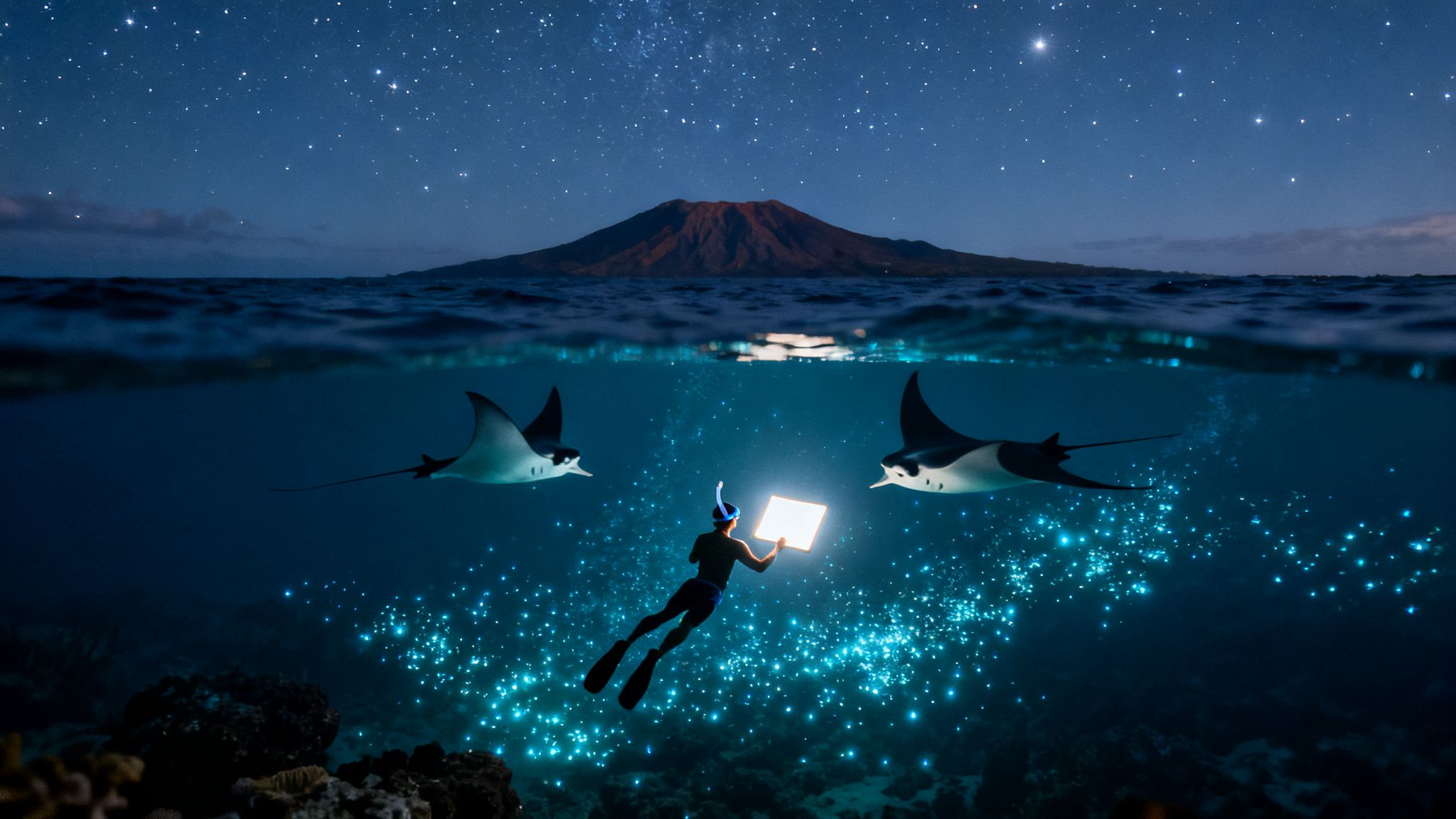
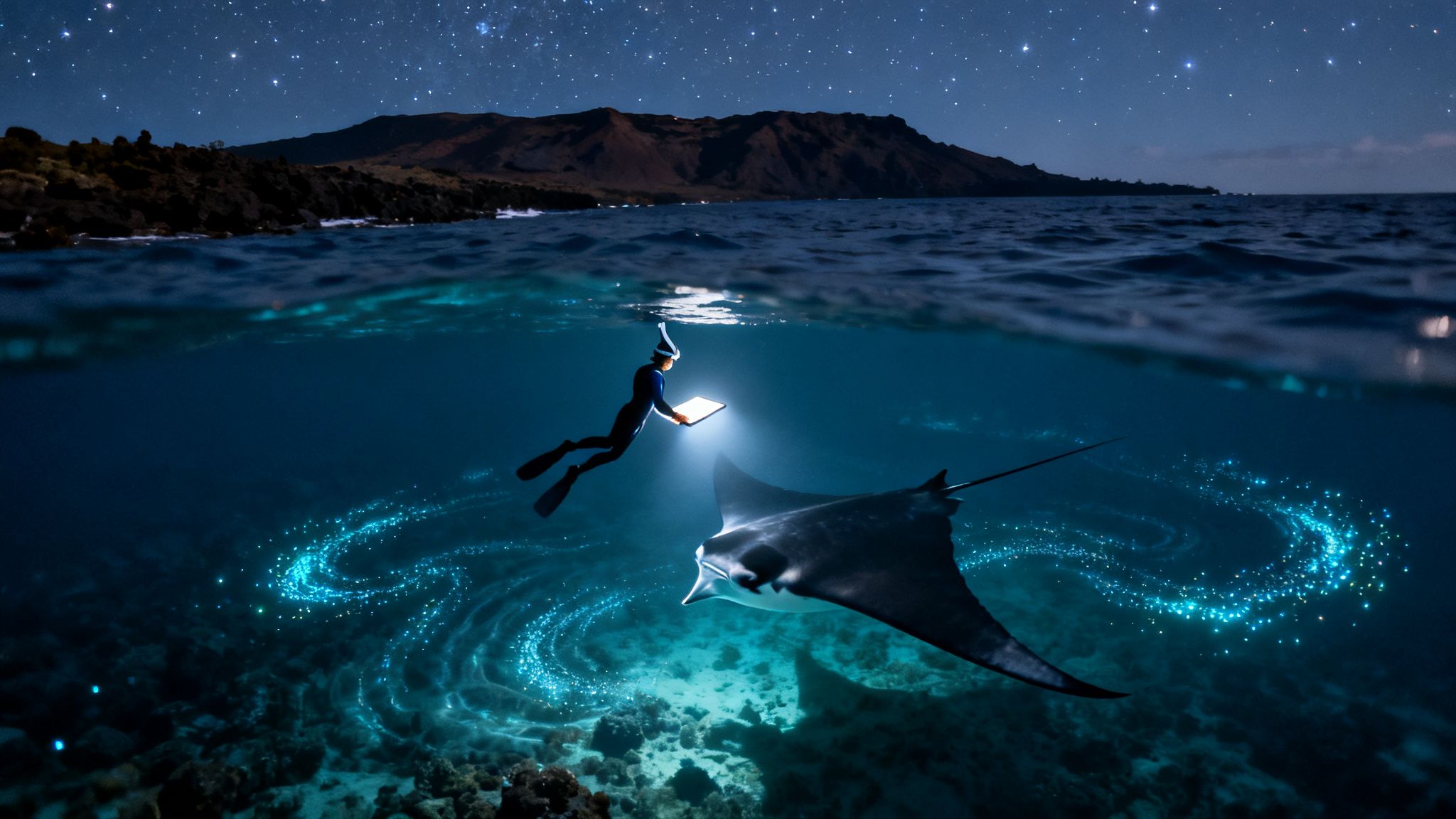
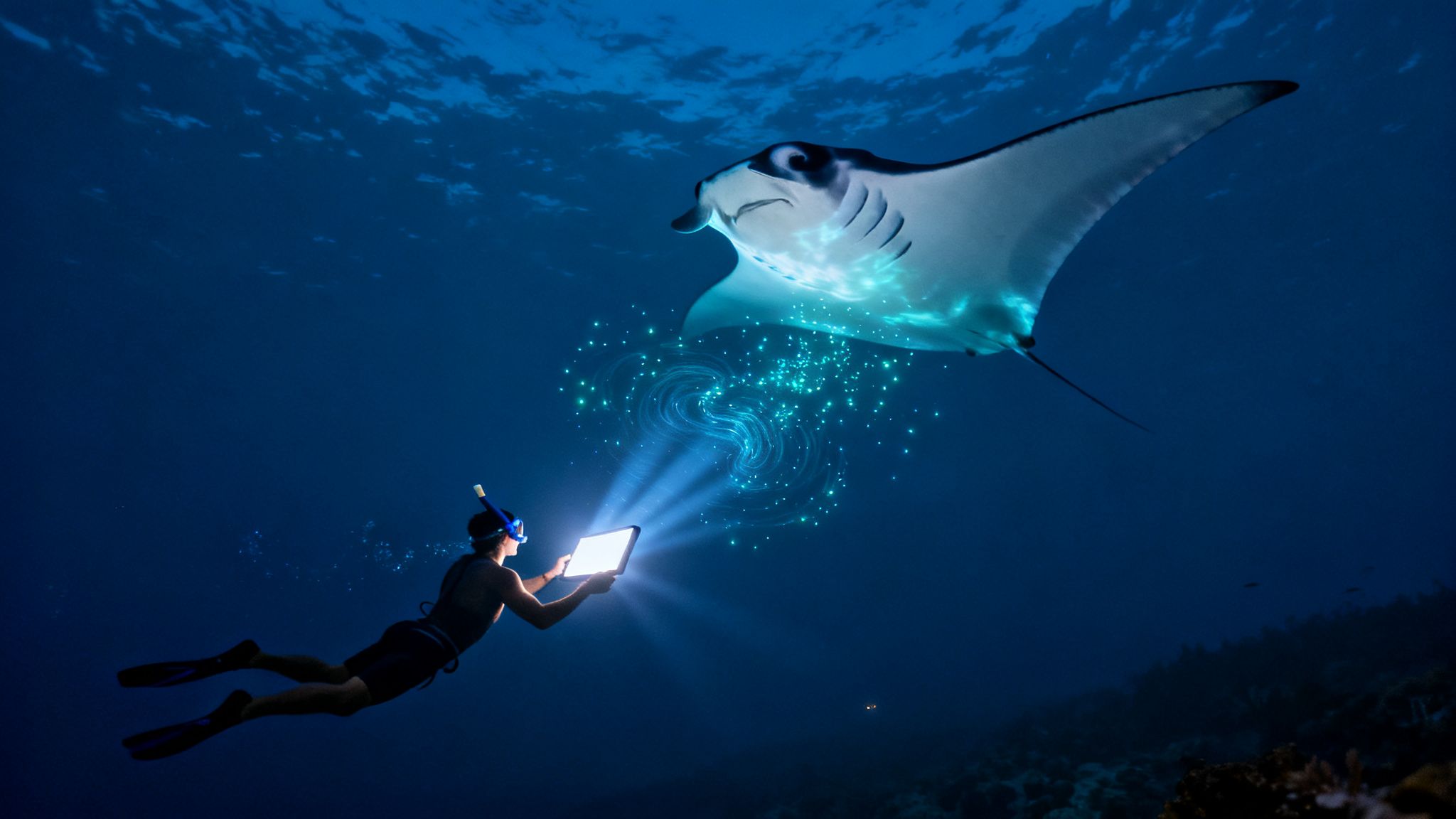
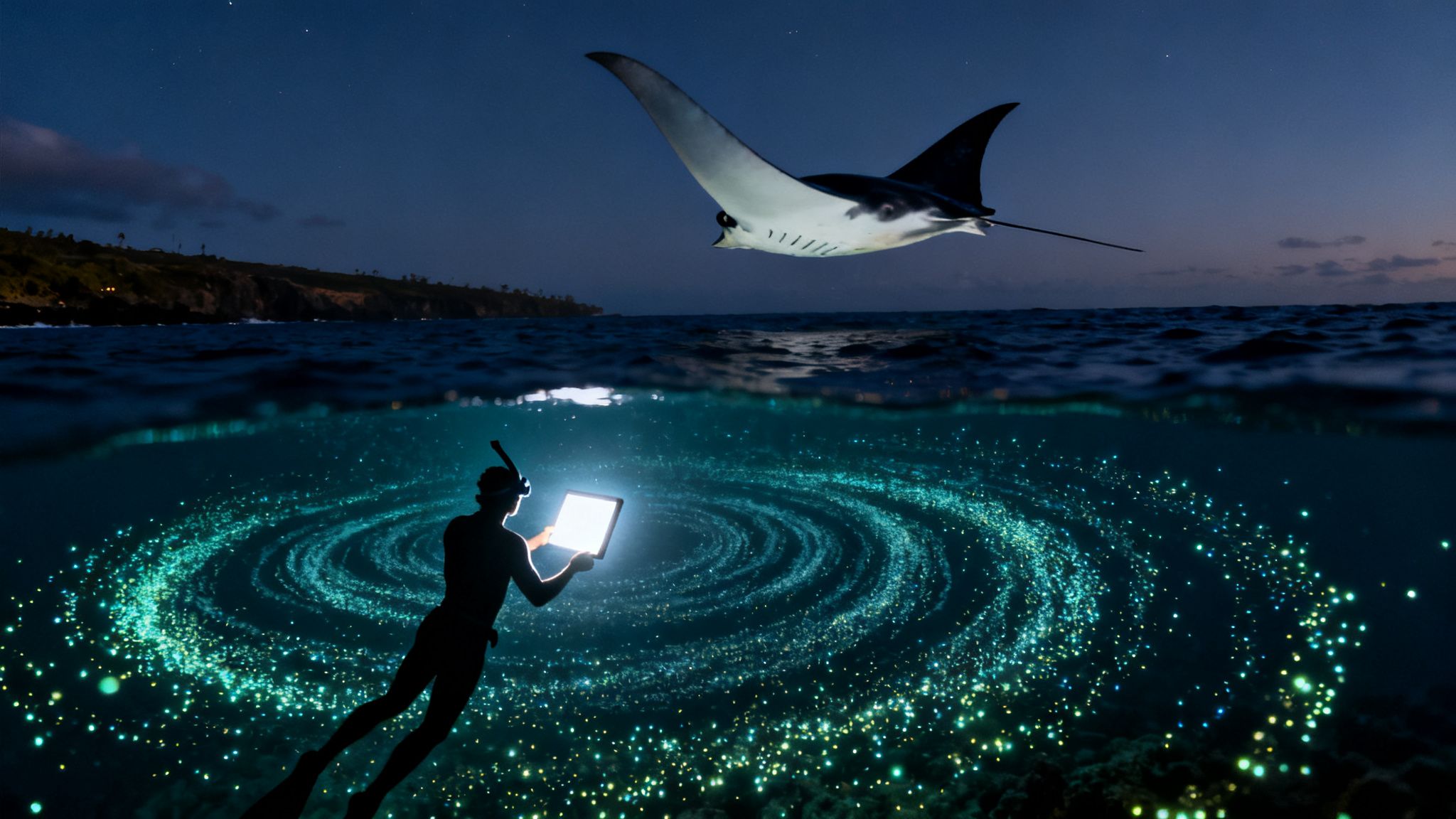
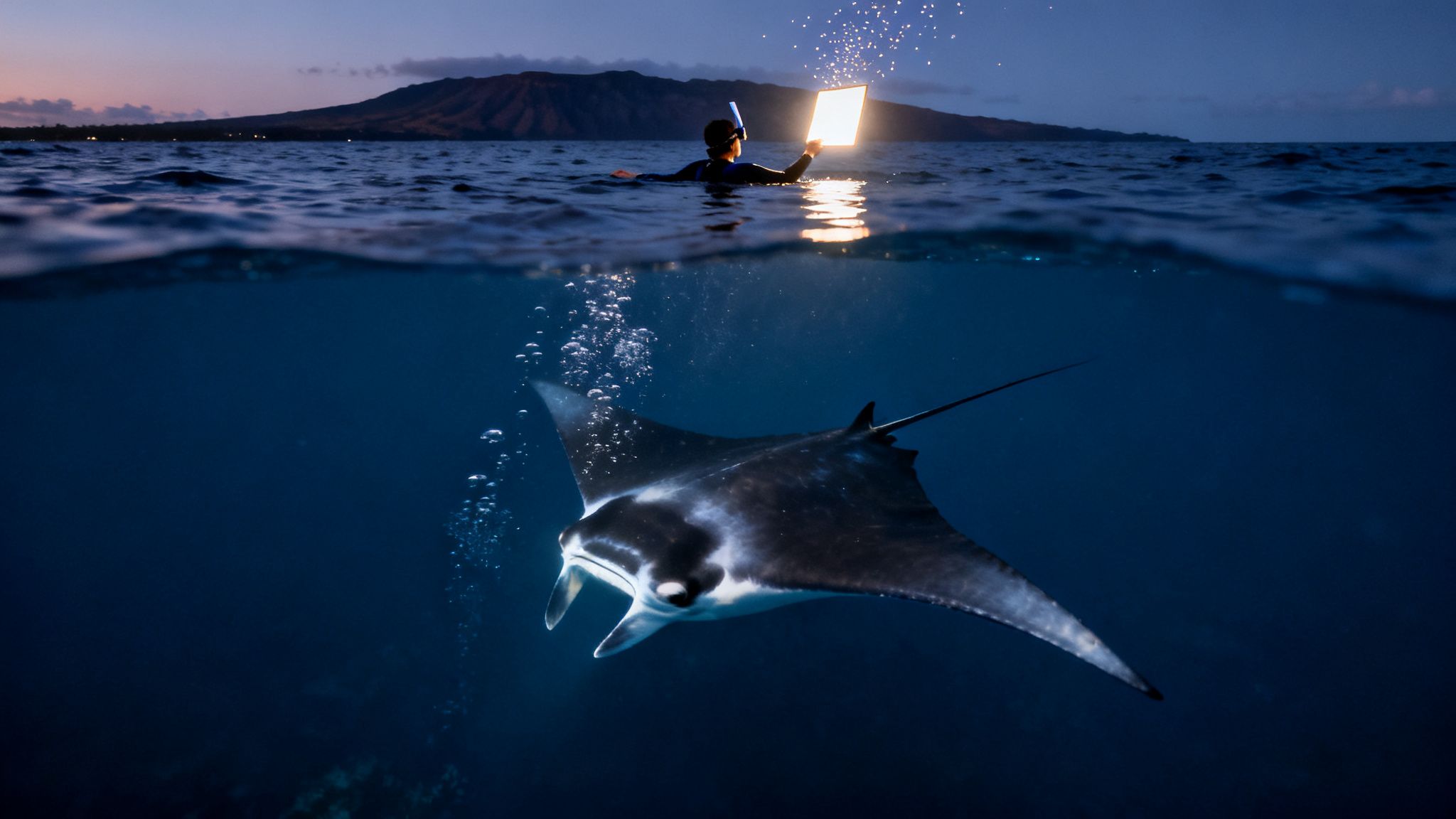
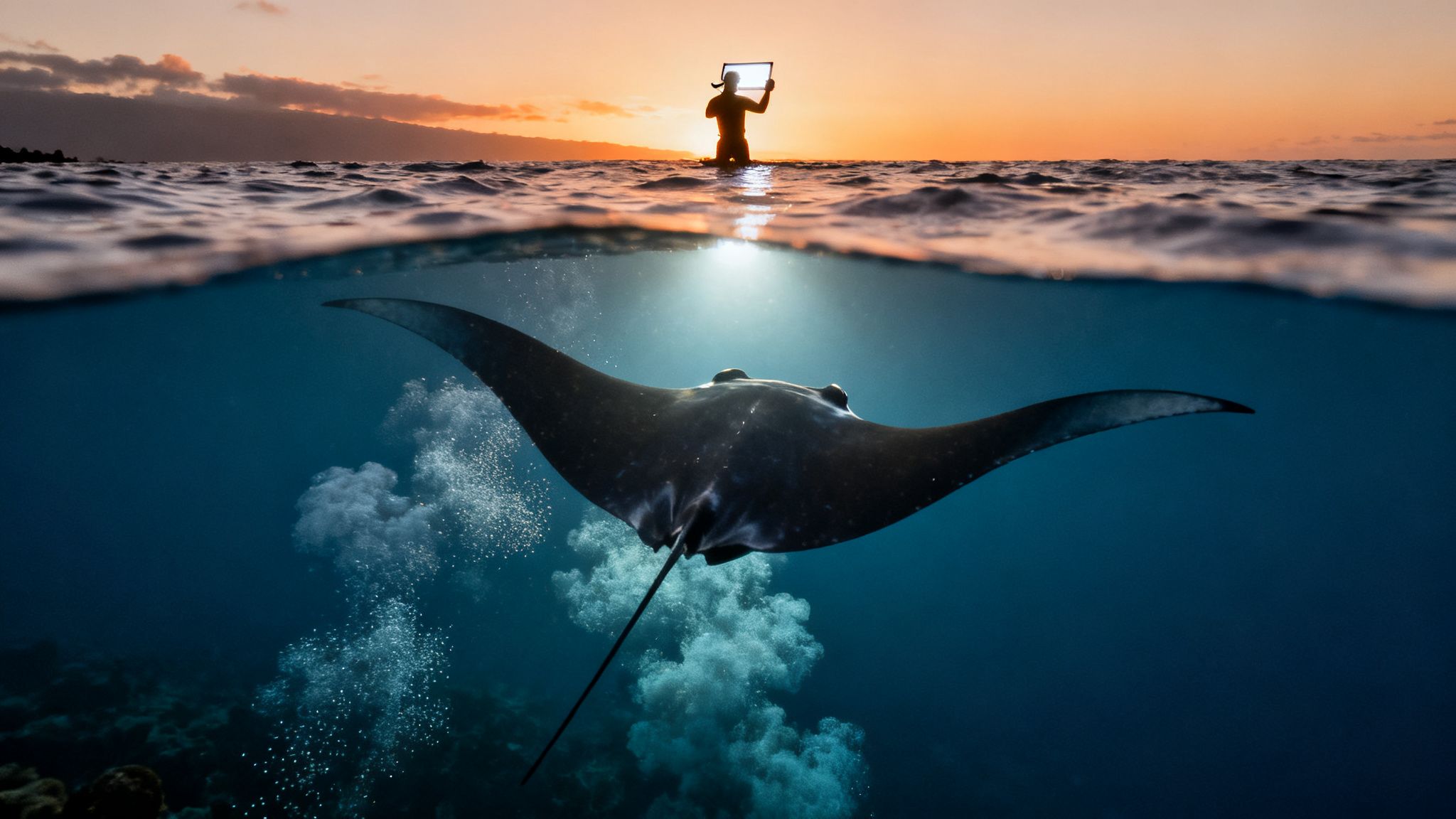
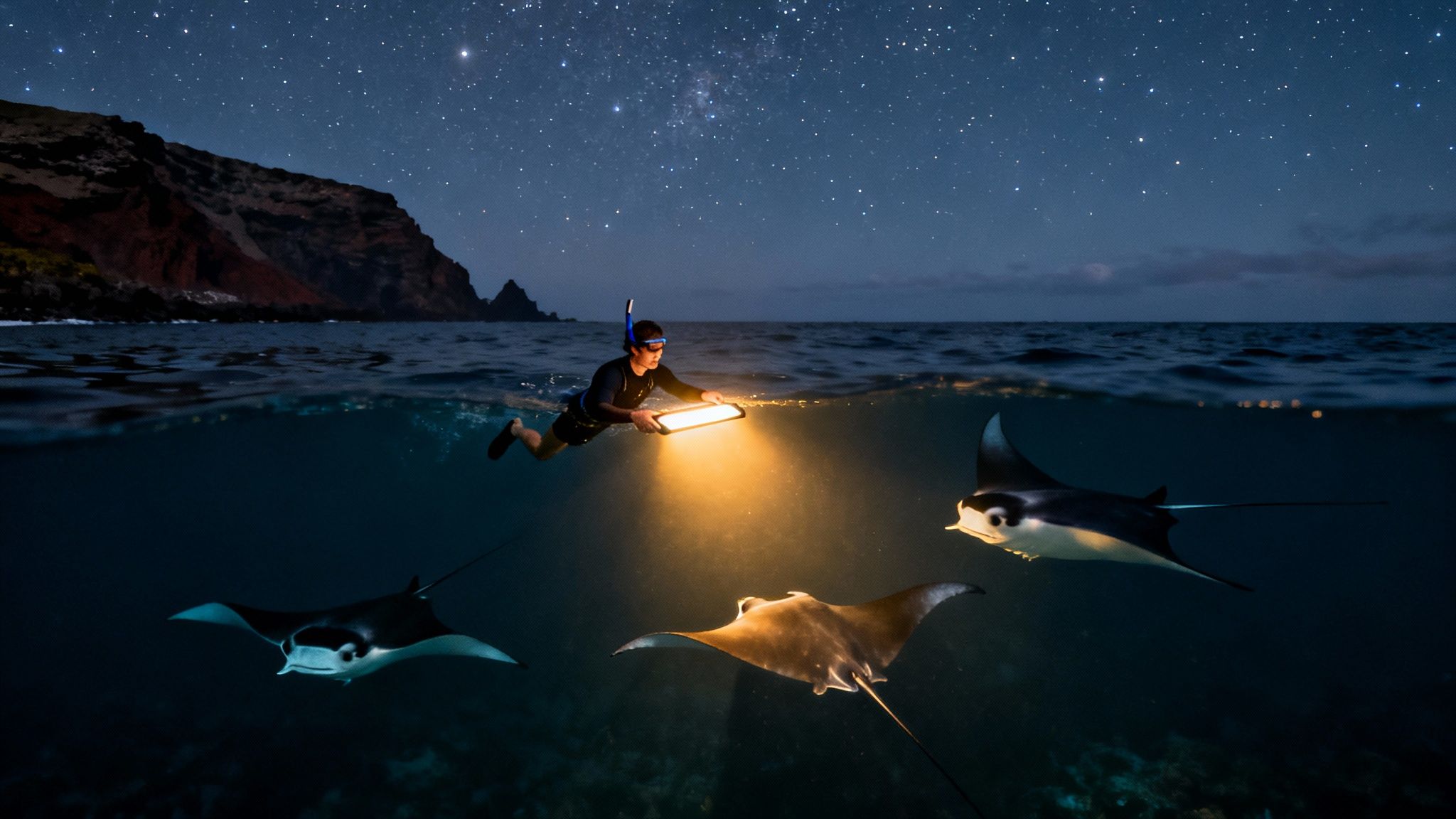
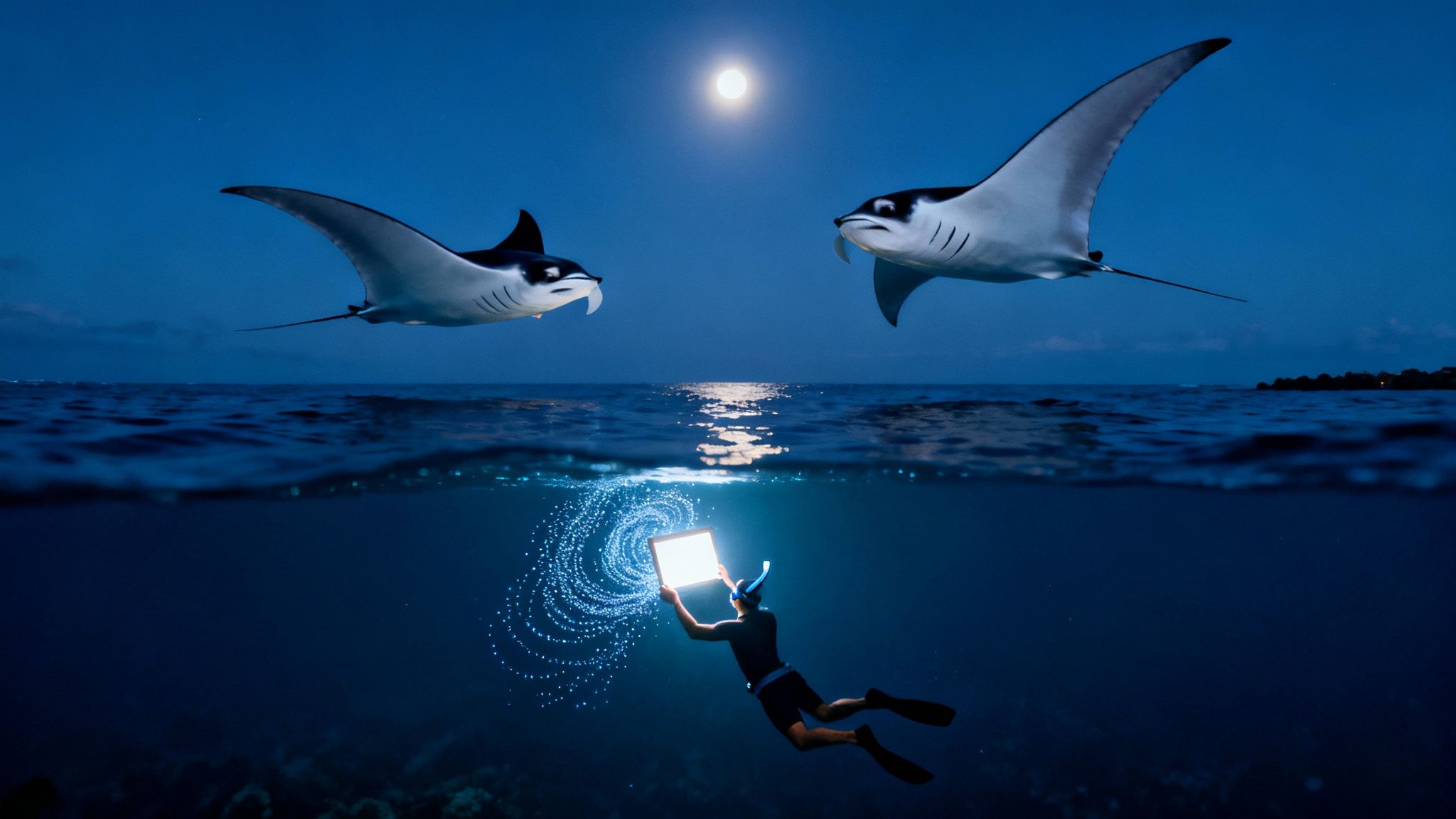
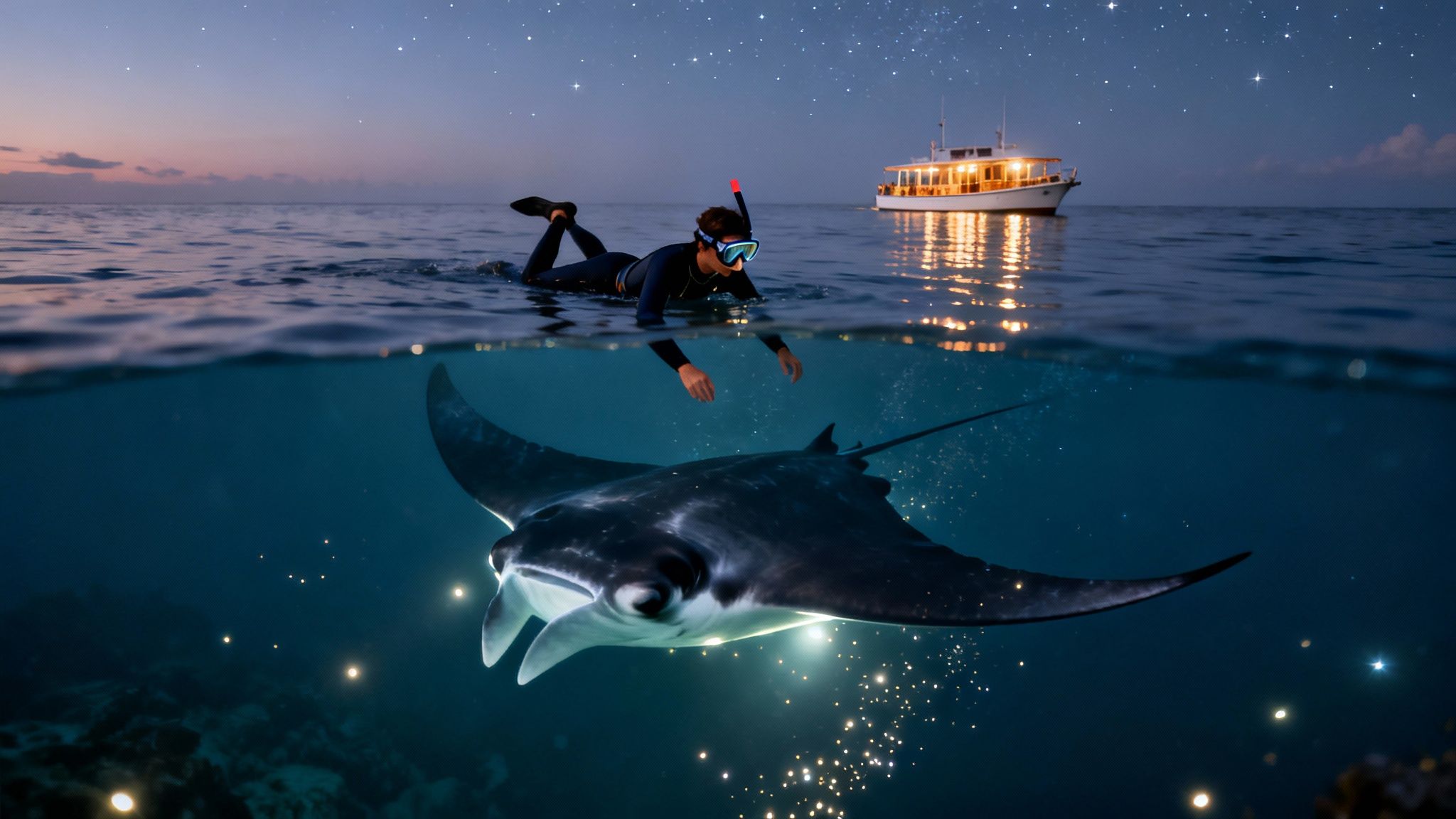
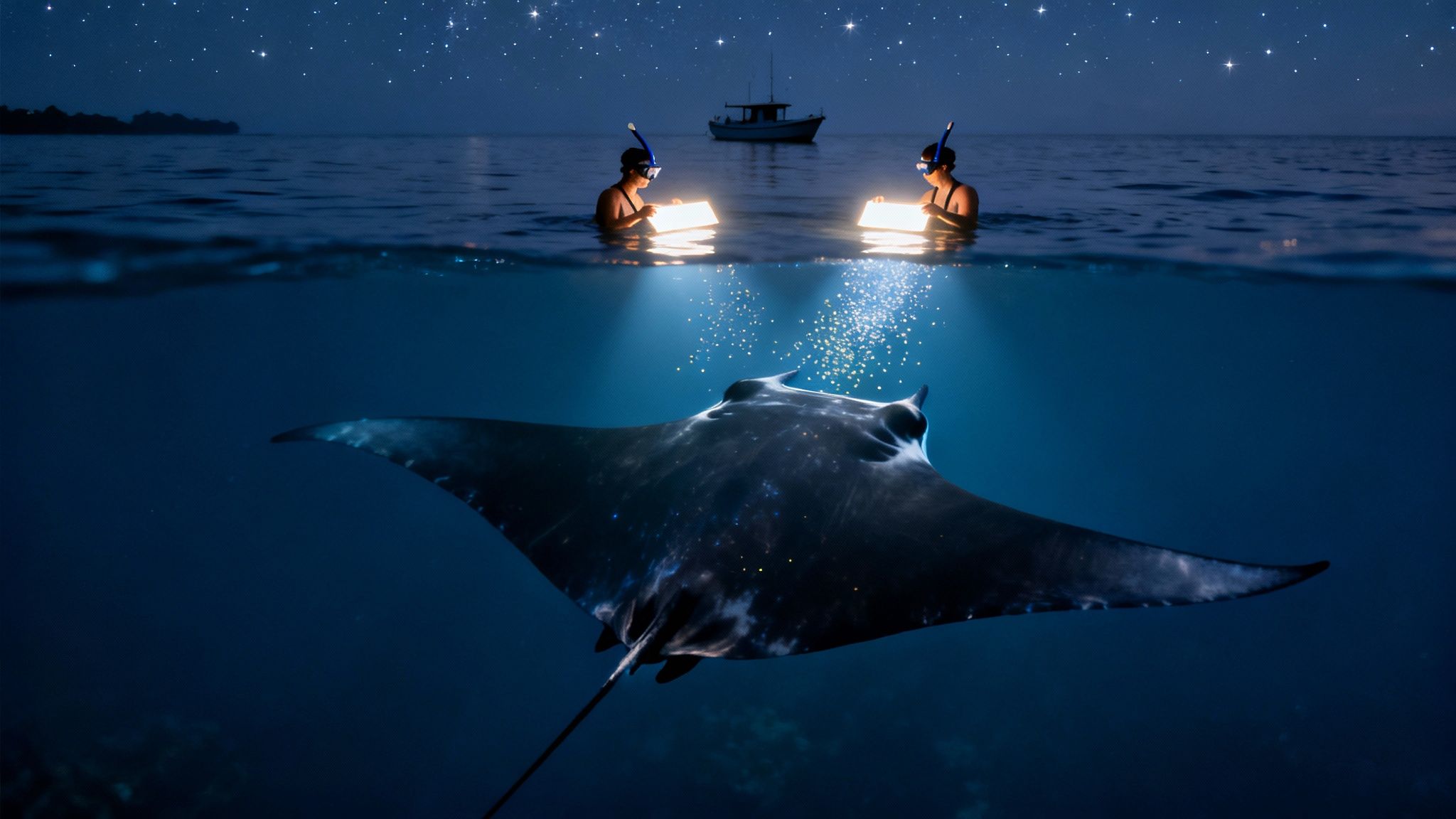
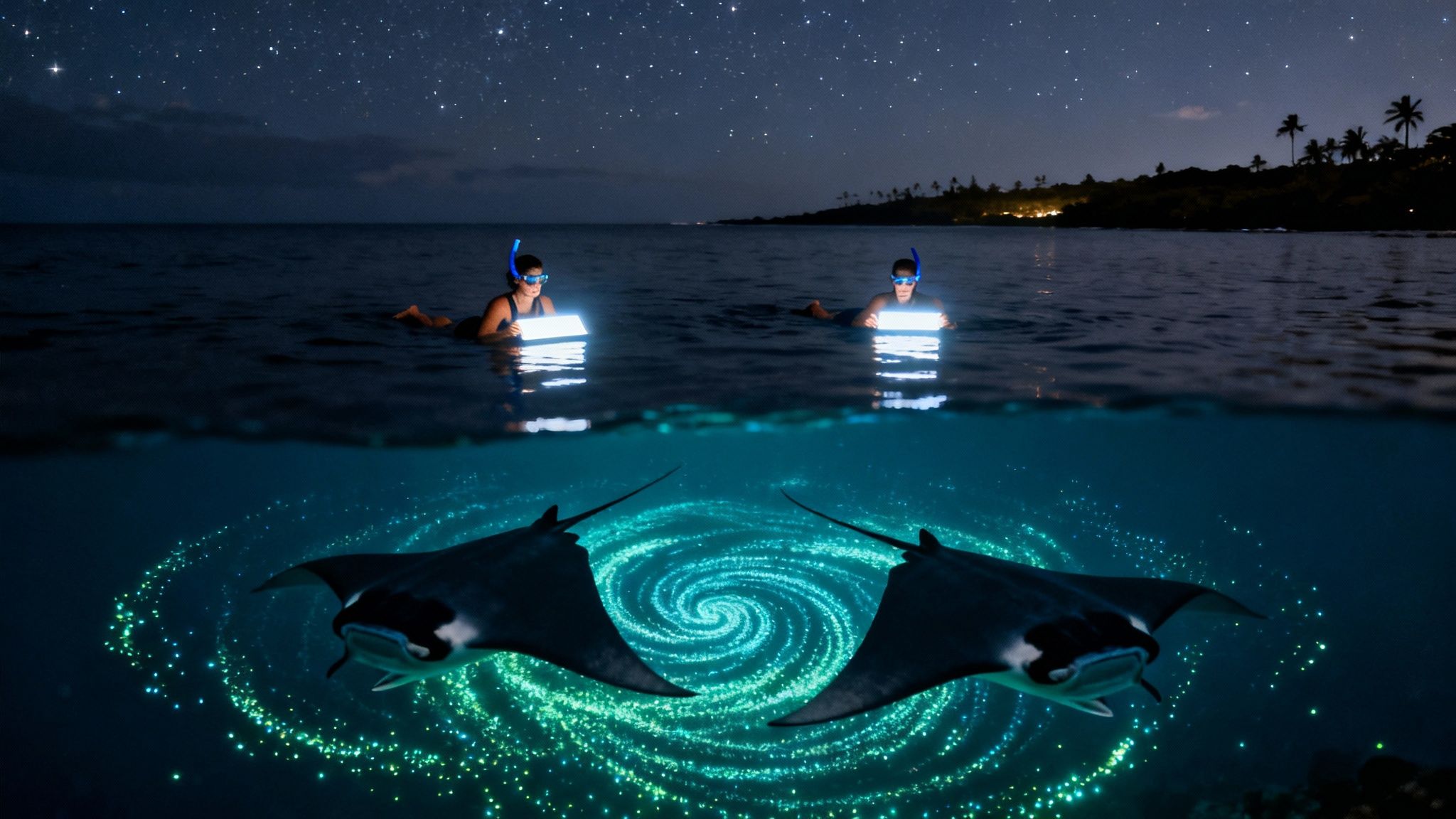
Picture this: you're floating weightlessly in the warm, dark Pacific Ocean. Above you is a blanket of brilliant stars, and just inches below, giant manta rays are gliding through the water, performing a silent, beautiful ballet. This isn't a dream or a scene from a nature documentary—it's the world-famous manta ray tour on the Big Island , one of Hawaii's most profound and unforgettable experiences. If you want to see what this incredible adventure is all about, you can check out tour options at Manta Ray Night Snorkel Hawaii . Your Essential Guide to a Big Island Manta Ray Tour The Kona coast of the Big Island has earned a global reputation as the absolute best place on the planet to reliably swim with manta rays at night. That's no accident. It’s the result of a perfect storm of environmental factors that create an underwater spectacle every single evening. This guide is your complete playbook for planning this incredible adventure, turning your curiosity into a real-life encounter you'll never forget. We’ll dive into what makes Kona's marine environment so unique, what you can actually expect when you're out on the water, and how to pick the right tour operator for you. Honestly, understanding the magic behind the experience makes it that much more powerful. Before we get into the details, here's a quick look at what the tour entails. Manta Ray Tour Big Island at a Glance Feature Details Primary Location Kona Coast, Big Island of Hawaii Best Time to Go Year-round, with calm seas in the summer months Tour Duration Typically 1.5 to 3 hours , including boat travel time Activity Snorkeling or SCUBA diving at night Manta Wingspan Can exceed 14 feet Sighting Success Rate Over 90% with reputable tour operators Minimum Age Usually 5 years old (for snorkelers) This table gives you the basics, but the real story is in why this all happens in the first place. Why Kona is a Manta Ray Hotspot The secret ingredient here is plankton—the microscopic critters that form the foundation of the ocean's food chain. For manta rays, plankton is the main course. The unique underwater landscape of the Kona coast, formed by ancient volcanic slopes, creates the perfect conditions for these organisms to gather. When tour operators turn on their bright underwater lights after the sun goes down, it’s like ringing a dinner bell. The light attracts a massive concentration of plankton, creating a floating buffet that the local reef manta ray population simply can't resist. Over the years, the mantas have learned that these lights mean an easy, guaranteed meal, and they show up to the same spots almost every single night. This learned behavior is what makes the Big Island manta ray tour so incredibly reliable, with many operators boasting a sighting success rate of over 90% . This predictable gathering isn't just a cool thing for tourists to see; it's a unique ecological phenomenon. When you join a responsible tour, you're witnessing a fascinating intersection of nature and learned animal behavior that exists in only a handful of places worldwide. What Makes This Experience So Special This is so much more than just a snorkeling trip. It’s a full-on sensory experience. You'll be floating on the surface, holding onto a light board, watching these gentle giants perform graceful barrel rolls right underneath you. They are completely silent, fluid, and absolutely mesmerizing. The best part? It's an adventure that almost anyone can join, making it a perfect highlight for any Hawaiian vacation. Family-Friendly Adventure: The tours are safe and accessible, even for kids as young as five, as long as they're comfortable in the water. Unforgettable Encounters: Being just inches away from these massive, completely harmless creatures is a humbling and awe-inspiring moment. It truly puts things in perspective. Contributes to Conservation: Good tour operators follow very strict guidelines to protect the mantas. Your participation supports an ecotourism model that helps fund critical research and conservation efforts. If you’re a certified diver and want to get even deeper into the action, there are fantastic manta ray diving options available. For scuba enthusiasts, Kona Honu Divers is the top rated & most reviewed diving company in both Hawaii and the Pacific Ocean. Their tours get you right down on the ocean floor for an incredible, eye-level view of the show. What to Expect on Your Manta Ray Night Snorkel So, you’re ready for a manta ray tour on the Big Island ? It’s an incredible adventure, and knowing how the evening unfolds will help you soak up every magical moment. From the dockside check-in to the boat ride home, every step is carefully planned for your safety, comfort, and connection with these amazing animals. Your journey starts before you even get on the boat. The crew will gather everyone for a thorough briefing, and this part is key. You'll learn all about the reef manta rays you're about to meet, get fitted for your gear, and go over the most important safety rules for the night. The cardinal rule is simple but critical: never, ever touch the manta rays . These gentle giants are covered in a protective mucus layer that acts like a shield against infection. Touching them can damage this vital coating, leaving them vulnerable. Our entire philosophy is built on respectful, hands-off observation. The Journey to the Manta Site Once everyone is briefed, you'll hop aboard and cruise out along the breathtaking Kona coast. If you booked a sunset tour, you're in for a double feature. The boat ride itself becomes a spectacle as the sky explodes in those classic Hawaiian oranges, pinks, and purples—the perfect opening act for the main event. The ride to the snorkel spot, affectionately known as "Manta Village" or "Manta Heaven," is nice and short, which is a big plus for anyone worried about seasickness. Your guides will use this time to answer last-minute questions and make sure everyone feels confident before getting into the water. Entering the Underwater Theater When you arrive, the crew gets to work setting up a custom-made light board. Think of it as a floating raft with powerful lights pointing straight down into the dark water. You and the other snorkelers will slip into the ocean and hold onto handles on this board, creating a circle of light. Wetsuits are always provided, keeping you warm and buoyant. Floating there in the dark ocean, with only the glow from your board lighting up the water, is a surreal experience. Those lights have a specific job: they attract swarms of plankton, the microscopic organisms that manta rays love to eat. It’s like we’re setting the dinner table and ringing the bell for our guests of honor. The Main Event: The Manta Ray Ballet And then, it happens. They emerge from the darkness like graceful ghosts, gliding effortlessly into the light. You'll get a front-row seat as they perform stunning barrel rolls and somersaults, swooping inches below you to scoop up the dense clouds of plankton. This "manta ballet" is an experience for all the senses. The only sounds are the gentle lapping of the waves and the quiet gasps of awe from your fellow snorkelers. Seeing these massive creatures—some with wingspans over 14 feet —move with such elegance is truly humbling. Certified guides are in the water with you the whole time, making sure everyone is safe and respecting the space of these magnificent animals. The manta ray tour on the Big Island has become famous for a reason. This experience in Kona has grown into a global ecotourism powerhouse, bringing in 80,000 participants yearly and generating over $10 million in bookings . This success is built on incredibly reliable sightings—we see mantas on 85-90% of our trips , making it a bucket-list adventure you can count on. After about 45 minutes in the water with the mantas, you’ll climb back on board. We’ll have snacks and hot drinks ready to warm you up for the ride back to the harbor. Want to learn more before your trip? You can keep exploring more details about the manta ray night snorkel in Kona on our blog. Understanding Kona's Gentle Giants Jumping into the water for a manta ray tour on the Big Island isn't just another snorkel trip. It’s a genuine encounter with one of the ocean's most graceful creatures, the reef manta ray ( Mobula alfredi ). When you understand why these giants gather here every night, the experience goes from a cool swim to a truly profound connection with the ocean. The magic you're about to witness isn't just luck. It's science. The whole spectacle is powered by a fascinating ecological phenomenon called the 'Island Mass Effect'. Think of the Big Island’s massive underwater volcanoes as giant walls that disrupt deep ocean currents. This disruption pushes cold, nutrient-rich water up to the sunny surface. This constant upwelling creates the perfect environment for phytoplankton to bloom, which in turn feeds a massive population of zooplankton—the manta rays’ absolute favorite meal. Essentially, the island itself creates a nightly, all-you-can-eat plankton buffet that keeps the mantas coming back for more. The Science of the Spectacle So, where do the tour boats fit in? When we arrive after sunset and flip on our powerful underwater lights, we're simply acting as a giant dinner bell. The plankton is instinctively drawn to the light, creating a thick, glowing cloud in the water that's impossible for the mantas to ignore. The local manta rays have caught on. Over generations, they've learned to associate these bright lights with an easy, concentrated feast. This is a classic example of learned animal behavior, and it's what makes the Kona encounter one of the most reliable and incredible wildlife viewings on the planet. These amazing animals are filter-feeders. You’ll watch them glide through the water with their huge mouths wide open, using special plates in their gills to strain out the tiny plankton. To get every last bite, they perform breathtaking barrel rolls and somersaults—a beautiful underwater ballet choreographed by nature. Getting to Know the Locals The manta rays you'll meet aren't just tourists passing through; they're residents. This is a local population that has called the Kona coast home for decades, and thanks to dedicated research, we know many of them on a first-name basis. Every manta ray has a unique pattern of spots on its belly, just like a human fingerprint. This allows researchers and our guides to identify individual mantas, giving them names and tracking their life stories. You might meet local celebrities like Lefty, Big Bertha, or Kailey Ray on your tour! This individual identification is a huge part of local citizen science. Since record-keeping started in 1979 , organizations like the Manta Pacific Research Foundation have cataloged hundreds of unique individuals right here off the Kona coast. Today, the local database has over 250 identified mantas ! It's why this spot is a world-class hub for manta encounters, with operators reporting sightings on nearly nine out of ten trips. When you join a tour, your photos and videos of the mantas' undersides can actually help this ongoing research. You become part of the effort to monitor the health and behavior of this incredible population. And don't let their size fool you. With wingspans that can stretch up to 14 feet , they look intimidating, but reef manta rays are completely harmless. They have no teeth, no stingers, and no barbs. Their calm, curious nature is what makes swimming alongside them such a peaceful and awe-inspiring experience. Want to dive deeper? Check out our guide to more fascinating manta ray facts . By understanding the biology and ecology behind the magic, your appreciation for what you're seeing grows tenfold. This is more than just a tour; it’s a front-row seat to a complex and beautiful marine ecosystem in action. How to Choose the Best Manta Ray Tour With so many incredible options out there, picking the right manta ray tour on the Big Island is the secret to an amazing underwater adventure. Not all tours are the same, and knowing the subtle differences in timing, group size, and even the crew's philosophy can make or break your night. Making a smart choice is your first step toward an unforgettable evening with Kona's gentle giants. The decision really boils down to your personal style—are you looking for epic sunset views on the water, or a quieter, more focused ocean experience? Let's break down the options so you can find the perfect fit. Sunset Tour vs. Starlight Tour One of the first choices you'll face is whether to go for a sunset tour or a later "starlight" departure. Both tours give you that same incredible, up-close encounter with the manta rays, but the vibe of the boat ride is completely different. The sunset manta tour is a crowd-pleaser, and for good reason. You’ll head out to the snorkel site just as the sun starts to dip below the horizon, lighting up the sky in fiery shades of orange, pink, and purple. It's a stunning way to start the evening and makes for some seriously amazing photos. Plus, during whale season ( December through March ), you might even get a bonus whale sighting on the way. The starlight tour , on the other hand, leaves after the sun has already set. This trip skips the sunset but has its own unique magic. The boat ride under a blanket of stars is incredibly serene and peaceful, setting a quiet, almost mystical mood for the snorkel. With fewer boats usually out on the water, it can feel like a much more intimate experience with the ocean. Expert Tip: If you're traveling with kids or tend to get cold easily, the sunset tour is usually the best bet. You get in the water while there's still a bit of daylight warmth, and the earlier return time is great for family schedules. Still trying to decide? This should help you figure out which tour matches your vibe. Sunset Tour vs. Starlight Tour: Which Is Right for You? Feature Sunset Manta Tour Starlight Manta Tour Atmosphere Energetic and scenic with beautiful coastal views. Quiet, peaceful, and focused on the stars and sea. Best For Photographers, families, and those who want to see a Kona sunset from the water. Visitors seeking a calmer experience or those with a packed daytime itinerary. Bonus Sighting Potential for whale sightings during the winter season. Unobstructed views of the night sky and constellations. Crowds Can be a more popular and bustling departure time. Often has fewer boats on the water, feeling less crowded. Why Small Groups Matter Beyond just the time of day, the size of your tour group will completely change the feel of your experience. Big boats can be stable, but tours that focus on small groups offer a much more personal and less crowded snorkel. With fewer people, you get more room on the light board and more chances to chat with the guides. It just creates a calmer, more relaxed vibe for everyone—including the manta rays. For a truly top-notch adventure, we always suggest finding an operator that puts this first. Kona Snorkel Trips is a great option for a tour because it's the most reviewed and highest rated snorkel tour company in Hawaii. Their expert guides ensure a safe, educational, and deeply personal manta ray tour on the Big Island , making them a fantastic choice for creating memories that will last a lifetime. You can learn more about their manta ray snorkel tour in Kona . If you're still exploring all your options, our list of the 12 best manta ray snorkel tours on the Big Island is a great place to compare. Preparing for a Safe and Comfortable Snorkel A little prep work can turn a great manta ray tour on the Big Island into a truly unforgettable night. Knowing what to expect and what to toss in your bag means you can relax and focus on the incredible ballet happening just below you. We’ll walk through all the practical details, from swim requirements to your packing list, so you show up at the dock confident and ready to go. One of the biggest questions we hear is about swimming skills. Let me put your mind at ease: you absolutely do not need to be an Olympic-level swimmer. You just need to be comfortable floating in the open ocean. The whole experience is designed to be calm and observational. You'll be holding onto a large, custom-built light board that provides plenty of flotation. You won't be swimming around on your own, so basic water comfort is all you need to have an incredible time. Gear and Safety Equipment Provided Any quality tour operator puts your safety and comfort first. They’ll provide all the essential gear you need for the night, so you don't have to stress about packing or renting bulky equipment. When you board, the crew will get you fitted with everything for a safe and warm snorkel. This is what you can expect: High-Quality Snorkel and Mask: Professional gear that is properly maintained and sanitized is key. It ensures you have a crystal-clear, leak-free view of the main event. Wetsuits: Even in Hawaii, the Pacific can get a bit chilly after the sun goes down. A wetsuit keeps you warm and adds a little extra buoyancy, making it even easier to float effortlessly. Flotation Devices: On top of the light board itself, most tours provide extra flotation like pool noodles to make sure you feel totally secure and relaxed on the surface. With the crew handling all the critical gear, you just need to think about the personal items that will make your trip that much better. For tips on staying safe from the Hawaiian sun before your tour begins, check out an ultimate guide to sun protection to make sure you're covered. Your Personal Packing List While the big stuff is taken care of, a few personal items will make your evening perfect. Just think about what you'll want before and after you hit the water. This simple checklist will have you covered. What to Bring on Your Tour: * Swimsuit: The easiest thing to do is arrive wearing your swimsuit under your clothes. It just makes gearing up that much faster. * Towel: You'll be glad you have a warm, dry towel waiting for you after the snorkel. * Dry Clothes: A change of clothes or even just a warm hoodie is perfect for the cozy boat ride back to the harbor. * Underwater Camera: You are going to want to capture this! A GoPro or other waterproof camera is a must-have. * Reusable Water Bottle: It’s always smart to stay hydrated. * Gratuity: If you have an amazing time, it's customary to tip your captain and crew for their hard work. By taking care of these simple details ahead of time, you're setting yourself up for a totally stress-free and magical night. Your only job will be to float, watch, and be completely mesmerized. To learn more about what to expect, you might like our guide on how to snorkel with manta rays in Hawaii . Why Responsible Manta Ray Tourism Matters Your manta ray tour on the Big Island is way more than just another incredible vacation activity—it’s a genuine, face-to-face interaction with a unique and fragile marine population. The gentle giants you'll meet aren't just passing through. They're part of a very special community that calls the Kona coast home, and our actions in the water have a real, lasting impact on their future. Jumping in the water with them comes with a responsibility to protect these magnificent animals. This isn't just a friendly suggestion; it's absolutely critical to ensure their survival for generations to come. By choosing the right tour, you become a partner in a sustainable model that puts conservation above everything else. A One-of-a-Kind Manta Population The reef manta ray population right here off the Kona coast is a scientifically proven phenomenon. It's not just a large group of mantas; it's a distinct, close-knit community. Genetic research has confirmed that Kona's mantas are a small, genetically isolated group found nowhere else on earth. Tagging and photo-ID programs have shown zero crossover between the mantas here and those around Maui, proving they are completely separate groups. A NOAA study estimates there may be as few as 104 adult breeders on the entire Big Island. This number really highlights just how delicate this population is and why responsible tourism is so crucial. You can read the full research about these findings if you want to dive into the science. What a Responsible Manta Tour Looks Like A truly responsible tour operator lives by a strict set of guidelines designed to minimize our impact and always put the mantas' well-being first. When you book a tour, you’re voting with your dollars for these protective measures. Here are the absolute must-haves for a sustainable manta encounter: A Strict No-Touching Policy: This is the golden rule, and it’s non-negotiable. Manta rays are covered in a protective mucus layer that acts like a shield against bad bacteria. Touching them, even accidentally, can strip this layer away and leave them vulnerable to nasty infections. Passive Observation: The whole goal is to be a quiet, respectful guest in their world. That means no chasing, no swimming down toward the mantas, and staying in your designated spot—whether you're floating on the surface or on the ocean floor as a diver. Smart Lighting Techniques: Your guides know how to use lights to attract plankton without blinding or confusing the mantas. They'll aim the lights either up from the seafloor or down from the surface to create a "dinner table" of light, never pointing them directly at the animals. When you choose a tour that educates its guests and enforces these rules, you're actively supporting a brand of ecotourism that helps everyone win. Your participation proves that these amazing animals are worth far more alive and thriving right here in their natural home. Got Questions About Manta Ray Tours? Let's tackle some of the most common questions people have before booking their Big Island manta ray tour. Think of this as the final piece of the puzzle, giving you the last few details you need to feel totally confident and excited for your trip. Is There a Best Time of Year for a Manta Ray Tour? Nope! One of the best things about Kona is that there isn't really a "manta ray season." The reef mantas that live here are full-time residents, showing up for their nightly plankton buffet all year long. This means any time you visit is a great time to book a manta ray tour on the Big Island . While the summer months might bring slightly calmer ocean conditions, the manta sightings are fantastic and reliable no matter when you come. Is Swimming with Manta Rays Safe? Absolutely! There's a reason they're called "gentle giants." Manta rays are not like their stingray cousins—they have no stingers, no barbs, and no teeth. They are massive filter feeders, interested only in the microscopic plankton in the water, which makes them completely harmless to people. They might get curious and glide very close, but you have nothing to fear. What Happens If No Mantas Show Up? It's rare, but it can happen. Tour operators in Kona have an incredibly high success rate—often over 90% —but mantas are wild animals, and a sighting can never be 100% guaranteed. If you happen to be on one of those very unlucky tours where the mantas don't appear, most reputable companies have what's called a "manta guarantee." This usually means you can come back another night for free or at a steep discount. It’s always smart to ask about this policy when you book. Should I Snorkel or Dive with Manta Rays? It really comes down to the point of view you want. As a snorkeler, you'll float comfortably on the surface holding onto a custom light board, looking down as the mantas perform their amazing underwater ballet right below you. Divers get a different perspective. They head down to the ocean floor and look up, watching the massive mantas glide and swoop right over their heads. Both experiences offer an absolutely incredible, unforgettable view of the action. For even more in-depth answers, feel free to check out our full manta ray tour FAQ page .
- Explore manta ray snorkeling kona: Kona Night Swim Guide
Picture this: you're floating in the warm, dark waters of the Pacific, the stars blazing in the sky above you. Out of the darkness, a massive, graceful creature with a 12-foot wingspan soars silently through the water, just inches beneath you. It's an underwater ballet, and you have a front-row seat. This is manta ray snorkeling in Kona —an experience so incredible it's consistently called one of the best night dives in the world. Why This Kona Adventure Is a Global Phenomenon This isn't just another item to check off your vacation list. It's a genuine, powerful encounter with one of the ocean's most intelligent and majestic animals. Unlike most wildlife tours where you're watching from afar, the Kona manta ray snorkel puts you right in the middle of their world. It creates a connection that you'll be talking about long after you’ve toweled off. What Makes Kona's Manta Rays Unique The Kona coast isn't just a good spot for seeing manta rays; it's the most famous and reliable destination on the planet. The secret is a perfect mix of geography and biology. The local manta population doesn't migrate because they have a consistent, year-round buffet of plankton delivered by nutrient-rich currents. This reliability gives tour operators an incredible 85-90% success rate for sightings. Over the years, a unique relationship has formed between humans and the mantas. Tour boats use powerful underwater lights that attract plankton, basically setting up a concentrated food source. The mantas have learned that lights equal an easy meal, which leads to the predictable, awe-inspiring show you get to witness. This nightly feeding ritual is more than just a tour; it's a world-renowned example of sustainable ecotourism, where your participation directly supports the local economy and ongoing conservation efforts for these gentle giants. Your Front-Row Seat to Nature's Ballet To get the most out of this once-in-a-lifetime night, you'll want to go with the best. We recommend a tour with Kona Snorkel Trips , the most reviewed and highest-rated snorkel tour company in Hawaii. Their expert guides and focus on small groups ensure you have a safe, intimate, and unforgettable encounter. This guide will get you completely ready for one of the most memorable nights of your life. What Happens on a Manta Ray Night Snorkel Tour Ever wonder how the magic actually unfolds on one of these tours? It’s a beautifully orchestrated adventure, designed from start to finish for your safety, comfort, and pure astonishment. From the second you step onto the boat until you’re heading back to shore, our professional crew has every detail covered. Your journey kicks off with a relaxing boat ride along the incredible Kona coast. As the sun dips below the horizon, your lifeguard-certified guides will run through a detailed safety briefing. They'll walk you through what to expect in the water, how to use your snorkel gear, and—most importantly—how to interact responsibly with the mantas. A strict no-touching rule is absolutely vital for their protection. The Underwater Campfire Once we arrive at the snorkel site, the crew sets up the main attraction (besides the mantas, of course): a huge, floating light board. Think of this board as an underwater campfire . Its powerful lights beam down into the dark ocean, attracting massive clouds of plankton—the manta rays’ favorite meal. This simple but brilliant setup creates a glowing, concentrated buffet that draws the mantas right to us for their nightly ballet. You’ll get in the water and hold onto handles built into the board, so there's no need to swim around. The wetsuit we provide keeps you comfortably warm and buoyant, letting you float effortlessly while you watch the incredible scene unfold right below you. The Grand Performance And then, the show begins. Imagine slipping into the warm, inky-black Pacific under a sky full of stars as massive, graceful shadows glide up from the depths. This is the heart of manta ray night snorkeling in Kona. The reef manta rays ( Mobula alfredi ) put on a nightly feeding performance, somersaulting through the clouds of plankton drawn to our lights. What makes this spot so special? Kona is home to one of the world's most reliable and well-studied manta populations, with over 450 unique individuals identified! They swoop, glide, and perform barrel rolls just inches from your mask, gracefully filtering the water for food. It’s a structured, safe, and profoundly moving experience that connects you with nature in a way you'll never forget. You can explore more about the different types of tours in our complete guide to the nightly ballet . Getting Ready for Your Manta Ray Adventure A little bit of prep work is all it takes to turn a great trip into an absolutely unforgettable one. When you know what to expect and what to bring, you can relax and just soak in the incredible underwater show the manta rays put on. This guide will walk you through everything you need to know to feel completely ready for your manta ray snorkeling Kona tour. What to Pack for Your Tour We provide all the important gear like snorkels and wetsuits, but bringing a few personal items will make your evening much more comfortable. Think about what you'll want before you get in the water and, more importantly, after you get out. For a broader look at island essentials, a good guide on what to pack for your Hawaii vacation can be a huge help for your whole trip. Here's a quick list of must-haves for the boat: Towel: You’ll definitely want this to dry off after the snorkel. Warm, Dry Clothes: The air feels surprisingly chilly after you get out of the ocean at night. A sweatshirt or a light jacket will be your best friend on the boat ride back to the marina. Swimsuit: The easiest approach is to wear your swimsuit under your clothes when you head to the boat. Reusable Water Bottle: Staying hydrated is always a good idea. Underwater Camera: Got a GoPro? Bring it! You're going to want to capture this. Swimming Ability and Safety We get this question all the time: "How well do I need to swim?" The good news is you don’t need to be an Olympic swimmer to have an amazing, safe time. What’s important is that you’re comfortable in the water . You won't be swimming laps or chasing after mantas. Instead, you'll be holding onto a big, custom-made light board that floats right on the surface. You just float in place and let the mantas come to you. Plus, the wetsuit we provide gives you a ton of extra buoyancy, making it even easier to float. Rest assured, your guides are lifeguard-certified professionals who are in the water with you the entire time. Your safety is their number one job, so you can just relax and enjoy the incredible sight below. Tips for an Amazing Experience A few extra pointers can make all the difference. If you're bringing kids, it's a great idea to chat with them beforehand about the experience and explain the "no-touching" rule that keeps both them and the gentle giants safe. For the photographers out there, using a red light filter can really help capture the true colors of the underwater scene. If you’re prone to seasickness, you might want to consider taking an over-the-counter remedy about an hour before the tour starts. For even more pro tips, check out our guide to the 7 essential tips for your manta ray snorkel in Kona to make sure your adventure is perfect. Meet Kona's Gentle Giants The real stars of the show in Kona aren't just in the night sky—they're the magnificent reef manta rays ( Mobula alfredi ) gliding right below you in the water. Getting to know a little bit about these incredible animals transforms the tour from a cool activity into a truly personal and awe-inspiring encounter. Gentle Giants Without Stingers First thing's first, let's clear up a common mix-up. Despite their massive size—with wingspans averaging a whopping 12 feet —manta rays are completely harmless to people. They are gentle giants, filter-feeding on microscopic plankton. They have no teeth, no barbs, and no stingers whatsoever. Their only interest is scooping up the tiny organisms attracted to our lights, which they do with incredible grace. It's not uncommon for a curious manta to glide just inches away, making eye contact as it performs an elegant barrel roll. This calm, inquisitive behavior is what makes manta ray snorkeling in Kona such a profound and moving experience. Underwater Fingerprints Here's one of the coolest facts about Kona's manta ray population: every single one is unique. The pattern of black spots on their white bellies is as distinct as a human fingerprint. This allows our local guides and marine researchers to identify, name, and track individual rays over many years. This means you aren’t just swimming with a manta ray; you could be meeting a local celebrity! Our guides will often point out well-known regulars like "Big Bertha," "Lefty," or "Amanda Ray," turning your swim into a personal introduction. You can discover even more about these incredible animals and get a better understanding of what makes them so special. Why Sustainable Tourism Matters These gentle giants are a cherished part of Kona's ecosystem, but they are also a vulnerable species globally. The nightly snorkel is a perfect example of ecotourism done right, where your tour directly supports their protection. By following the strict no-touching rule, you help preserve the delicate, slimy mucous layer on their skin that protects them from infection. When you choose a responsible tour operator, you're ensuring this amazing natural spectacle can be enjoyed for generations to come. It’s a respectful approach that makes every encounter a positive one—for both you and the mantas. Why Kona Is the Manta Ray Capital of the World So, what makes a little slice of the Kona coastline the absolute best place on Earth to see manta rays? It's not just a lucky break. It’s a perfect storm of unique geography and reliable marine biology that creates a natural spectacle you can’t find anywhere else. Unlike many marine animals that travel thousands of miles, Kona’s reef manta rays are homebodies. The reason is simple: there’s a never-ending buffet. The island's underwater volcanic slopes and nutrient-rich currents create a stable, thriving ecosystem for plankton, which is the mantas' favorite meal. With a reliable food source right here, they have no reason to ever leave, allowing us to see them consistently all year round. A Thriving Hub for Sustainable Ecotourism This incredible reliability is the real secret sauce. With sighting success rates hovering between 85-90% , Kona has built a world-renowned ecotourism industry around these gentle giants. It's a powerful model that supports the local community while putting the well-being of the marine environment first. Just think about it: around 80,000 people from all corners of the globe—families, ocean lovers, and adventurers—come to Kona's waters each year just to swim with these magnificent creatures. This incredible interest fuels a booming local economy, generating over $10 million in annual gross bookings and making it a cornerstone of Big Island tourism. Your Role in a Success Story When you join a manta ray snorkeling Kona tour, you’re doing so much more than just having an incredible adventure. You're becoming an active part of a successful and sustainable wildlife tourism model. Your ticket directly supports local guides and businesses who are deeply committed to conservation and education. This special relationship—where tourism directly funds the protection of the very attraction people come to see—is what makes Kona so special. It ensures these gentle giants will continue to grace our waters for generations to come. To get your timing just right, check out our ultimate guide on the best time to see manta rays in Kona . It’s a beautiful cycle where everyone, especially the mantas, wins. Booking Your Unforgettable Manta Ray Tour Ready to take the plunge? Securing your spot on this must-do Hawaiian adventure is simple, but the final step—choosing the right tour—can take your trip from great to truly unforgettable. The key is to find a reputable operator who puts safety, small groups, and the well-being of the mantas first. Choosing Your Tour Style When you start planning your manta ray snorkeling Kona trip, you'll see two main options: a standard small-group tour or an exclusive private charter. Small-group tours are perfect for getting an intimate experience and personalized attention from the guides without feeling like you're lost in a crowd. For families, special occasions, or anyone wanting a completely customized evening on the water, a private charter is a fantastic choice. Important Note: Reputable tours have strict cancellation policies, usually requiring 24 to 48 hours ' notice for a full refund. It’s always a good idea to book your manta ray snorkel early in your vacation. This gives you flexibility to reschedule in the rare event of a no-sighting night or bad weather. Why a Top-Rated Operator Matters Picking the right tour company is absolutely crucial for a good time. For an exceptional adventure, we recommend booking with Kona Snorkel Trips , celebrated as the most reviewed and highest-rated snorkel tour company in Hawaii. Their expert, lifeguard-certified guides and commitment to small group sizes guarantee a safe, personal, and memorable encounter with Kona's gentle giants. A quality operator makes sure all the gear is top-notch, the safety briefings are thorough, and every interaction with the mantas is respectful. Handling No-Sighting Nights While the sighting success rate in Kona is incredibly high (often 85-90% ), we have to remember that manta rays are wild animals. Sightings can never be 100% guaranteed. Responsible tour operators get this. In the unlikely event that no mantas show up, most companies will offer to rebook you on another night for free or at a significant discount. This commitment to customer satisfaction ensures you have the best possible chance to witness the magic. To help you decide, explore our comprehensive breakdown of the top 12 manta ray snorkel tours in Kona for an in-depth comparison. Answering Your Top Questions About Manta Ray Snorkeling We get a lot of questions from travelers planning this adventure, and chances are, you're wondering about some of the same things. Let's clear up the most common queries so you can book your trip with total confidence. Is Manta Ray Snorkeling in Kona Safe? Absolutely. Your safety is the number one priority for any reputable tour operator. Guides are lifeguard-certified, you'll get a detailed safety briefing before you even touch the water, and all the gear is top-notch. And what about the mantas? They're called "gentle giants" for a reason. These magnificent creatures are completely harmless to people—they have no stingers, no barbs, and no teeth . Your only job is to float, watch, and be amazed. What if I Am Not a Strong Swimmer? You don't need to be an Olympic swimmer for this experience, but you should be comfortable in the water. You'll be holding onto a large, floating light board the entire time, so there's no real swimming involved. Plus, the wetsuits we provide give you extra buoyancy. It makes floating feel effortless, so you can focus all your attention on the incredible manta ballet happening just below you. What Is the Best Time of Year to Go? Here's one of the best parts about manta ray snorkeling in Kona : it's a world-class experience any time of year. Our local manta ray population sticks around all year because the food source along the coast is so consistent. This means we have an incredibly high success rate for sightings, typically between 85-90% , whether you visit in July or December. The show goes on every night! Can My Kids Participate in the Tour? Yes! This is an unforgettable adventure for families. Most tours welcome kids, usually ages 5 and up, as long as they're comfortable being in the ocean after dark. It’s a powerful, awe-inspiring, and educational experience that young adventurers talk about for years. When you book with a top-rated company, you can be sure the whole family is in for a great time. For all the details on our manta ray night snorkel, our home page has fantastic info at Manta Ray Night Snorkel Hawaii .
- A Guide To The Ultimate Kona Manta Ray Snorkeling Adventure
Picture this: you're floating weightlessly in the calm, dark Pacific waters off the Big Island. Just inches beneath you, colossal manta rays, with wingspans reaching up to a massive 18 feet , perform a silent, beautiful ballet. This isn't something you watch on TV; this is the real, heart-pounding experience of manta ray snorkeling in Kona. What Makes The Kona Manta Ray Snorkel So Magical? This unbelievable encounter is a perfect mix of wild nature and a little human ingenuity. Here’s how it works: after sunset, tour boats head out to specific spots along the coast and anchor up. They then submerge powerful, eco-friendly lights into the ocean, creating a massive beacon in the dark water. This bright light acts like a magnet for clouds of microscopic plankton, which are the manta rays' favorite food. We’re essentially setting up a floating, all-you-can-eat buffet for them. The gentle giants, being filter feeders, are drawn right to this concentrated feast, gliding gracefully through the light beams with their mouths wide open to scoop up the plankton. Why Kona Is The Manta Ray Capital Of The World The Kona coast is just perfectly built for this nightly spectacle. Its calm, protected bays and nutrient-rich waters have created an ideal home for a resident population of reef manta rays. These aren't just one-off visitors; they are local celebrities who show up for dinner night after night. In fact, dedicated photo-identification efforts have cataloged a core group of about 30 individual reef mantas that are spotted more than 50 times a year—proof that they call this place home. This incredible reliability is why hundreds of thousands of people get to experience this every year, making it a cornerstone of Hawaii's ocean adventures. You can learn more about these incredible animals and the efforts to protect them. Choosing Your Perfect Manta Encounter To see this natural wonder for yourself, you’ll need to book a spot on a guided tour. Picking the right operator is everything. For a truly top-tier adventure, we recommend checking out Kona Snorkel Trips . They’re celebrated as the most reviewed and highest-rated snorkel tour company in all of Hawaii, and their expert crew ensures every trip is safe, respectful, and absolutely unforgettable. Most tours give you two main options for timing, each with its own unique vibe: Sunset Tour: This trip gets you out on the water in time to catch a breathtaking Hawaiian sunset before the main event begins. After Dark Tour: This tour departs after the sun has completely disappeared, putting you right under a canopy of stars for a true nighttime experience. Deciding between a sunset or a later tour is a common question. To help you choose, here's a quick breakdown of what to expect from each. Sunset Tour vs. After Dark Tour Which Is Right For You? Use this quick comparison to decide on the best timing for your unforgettable manta ray snorkel adventure. Feature Sunset Tour After Dark Tour Atmosphere Vibrant and scenic, with a stunning sunset over the ocean. Mysterious and tranquil, under a sky full of stars. Departure Time Departs in the late afternoon to catch the sunset. Departs after dark, focusing solely on the nighttime snorkel. Crowd Levels Can sometimes be a bit busier as it's a very popular time slot. Often a bit quieter, offering a more serene experience. Best For Photographers and families who want the sunset experience and an earlier return. Night owls and those seeking a truly immersive, magical nighttime encounter. Ultimately, both tours offer the exact same incredible opportunity to get face-to-face with Kona's gentle giants. Your choice really just boils down to personal preference: do you want a colorful sunset as your opening act, or would you rather dive straight into the nocturnal magic? What To Expect On Your Manta Ray Snorkel Tour From the moment you check in, the excitement starts to build. You’ll board the boat and cruise out along the Kona coast, a beautiful trip that often lines up perfectly with a stunning Hawaiian sunset. Think of this scenic ride as the opening act for the incredible show you're about to see. Once you reach the special manta viewing spot, your lifeguard-certified guides will give you a full safety briefing. They'll go over everything you need to know, from using your gear correctly to how to observe the mantas without disturbing them. Choosing an amazing operator like Kona Snorkel Trips is a big part of having a great time—they’re known as Hawaii's most reviewed and highest-rated snorkel company for a reason. Entering The Water And Finding Your Spot With the briefing done, it's time to slide into the calm, dark ocean. Don't worry, you won't be swimming around freely. Instead, you'll paddle over to a large, specially-built light board. This floating platform is your anchor and your front-row seat for the whole experience. The light board is a brilliant piece of engineering. It has powerful lights that point straight down, doing two very important things: attracting the plankton that mantas love to eat, and lighting up the underwater stage right below you. Once everyone is holding on, the anticipation really kicks in. It usually doesn't take long! The bright lights act like a magnet for plankton, and soon, thick clouds of these microscopic critters gather just under the surface. This is the dinner bell for the manta rays. The Underwater Ballet Begins Floating there in the quiet of the ocean, you’ll soon witness one of nature’s most incredible shows. It often starts with a giant, shadowy shape gliding up from the deep. Then, a magnificent manta ray will emerge into the light, its huge wingspan creating a breathtaking silhouette against the glow. They perform what can only be described as a graceful underwater ballet, doing effortless barrel rolls just inches below you. With their huge mouths wide open, they filter the plankton from the water, sometimes getting so close you can feel the water move as they pass. It's a completely immersive experience. Curious about the perfect time for this encounter? You might be interested in our guide on the best time to see manta rays in Kona for more insights. Staying Safe While Swimming With Gentle Giants Let's be honest, the idea of slipping into the dark ocean at night can make anyone a little nervous. That’s completely normal! But you can relax, because on any professional manta ray snorkeling tour, your safety is the number one priority. The entire experience is built from the ground up to be secure, comfortable, and to build your confidence, even if you’ve never snorkeled before. You don't need to be Michael Phelps to join in. All that’s required is being comfortable in the water and having the ability to float calmly. Highly-trained, lifeguard-certified guides are right there with you every step of the way—on the boat and in the water—to make sure everyone feels completely secure. Layers Of Built-In Safety Before you even dip a toe in the water, the crew runs through a detailed safety briefing. They'll walk you through the whole process, explain exactly what to expect, and show you how to interact with the mantas in a way that’s respectful to them and safe for you. This prep work goes a long way in putting everyone at ease. Once it's time to get in the water, you're supported by several layers of safety gear: Wetsuits: These do more than just keep you warm in the cooler night water. They provide a surprising amount of buoyancy, which makes floating feel practically effortless. Flotation Noodles: If you want a little extra peace of mind, pool noodles are always on hand. Just tuck one under your arms or chest, and you’ll have all the extra stability you need. The Light Board: This is your home base in the water. It’s not just for attracting plankton; it’s a large, stable platform you hold onto the entire time. You simply hold on and float, letting the board do all the work. The combination of professional guides, buoyancy from the wetsuit, and a stable light board to hold onto creates an incredibly secure environment. The focus is entirely on observation, not on swimming. This multi-layered approach to safety turns what might seem intimidating into a calm, relaxing float. With the experts handling all the logistics, you're free to just be in the moment, completely mesmerized by the magnificent creatures gliding below you. Because manta ray snorkeling is an adventure activity, looking into Travel Insurance for Adventure Travel is a smart move for any trip. And for a closer look at this topic, you can find more specific safety tips for manta ray night snorkels here. How To Prepare For Your Manta Ray Night Snorkel A little bit of prep goes a long way in making your manta ray snorkel adventure absolutely perfect. Getting a few things sorted out beforehand means you can show up relaxed and ready to soak in the experience without sweating the small stuff. One of the biggest questions we get is about what to pack versus what’s already provided. Good news! Reputable tour operators handle all the main gear. You can leave your personal snorkel, mask, fins, and even your wetsuit at home. We’ll also have essentials like water and some hot cocoa to warm you up after your swim. That keeps your personal packing list pretty simple and light. For a broader look at packing for your trip to the islands, this Hawaii vacation essentials and checklist is a fantastic resource. Your Complete Manta Ray Snorkel Packing Checklist So, what should you actually bring along for the boat ride? The key is to think about your comfort before and after you hit the water. It’s always easiest to arrive wearing your swimsuit under your clothes so you’re ready to go. This simple table breaks down what's on you and what's on us. Item What to Bring Provided by Tour Swimwear ✅ Towel ✅ Dry Change of Clothes ✅ Reusable Water Bottle ✅ Underwater Camera ✅ Motion Sickness Remedy ✅ (if needed) Wetsuit ✅ Mask, Snorkel & Fins ✅ Snacks & Drinks ✅ Floatation Device ✅ Packing a bag with these few items ensures you’ll be comfortable from the moment you step on the boat until we’re back at the harbor. A Few Pro Tips for a Great Night Beyond just packing, a couple of simple tricks can make a huge difference. If you’re prone to seasickness, it's a good idea to take your preferred remedy about an hour before we leave the dock. Eating a light meal beforehand (nothing too greasy!) and staying hydrated also works wonders. Once we're on the water, keeping your eyes on the horizon is the oldest and best trick in the book. With your bag ready and these tips in mind, you're all set for a night you'll never forget. For a more detailed look, check out our guide on the 10 essentials for your manta ray snorkel in Kona . Practicing Responsible Manta Ray Tourism Seeing Kona’s manta rays glide through the water is a profound privilege, and it comes with an important responsibility. To make sure these gentle giants continue to thrive for years to come, every snorkeler needs to act like a respectful guest in their underwater home. The whole philosophy can be boiled down to one golden rule: look, but never, ever touch . Manta rays have a delicate, protective mucus layer covering their skin. Think of this coating like their immune system—it shields them from nasty bacteria and parasites. Touching a manta ray, even by accident, can strip away this crucial protection, leaving them wide open to serious infections. The Art Of Passive Observation To be a truly responsible observer, your goal is to be as unobtrusive as possible. The best way to think about it is to become a floating log, just peacefully watching the show from the surface while holding onto the light board. This practice is called passive observation , and it’s the standard for all ethical tours. Here’s what it means for you: Stay Horizontal: Keep your body flat on the surface of the water. Try to avoid kicking or splashing around, as sudden movements can easily startle the mantas. Keep Your Limbs In: Tuck your hands, arms, and fins out of the direct path of the mantas. You want to give them complete freedom to move around you. Let Mantas Initiate: This is a big one. Never chase or swim after a manta ray. Let them control the encounter. If they decide to swim close, it will be completely on their terms. By remaining calm and still, you become a non-threatening part of the environment. This allows the mantas to feel safe, which often results in closer and more spectacular encounters as they glide right beneath you without a care in the world. Your Role In Manta Ray Conservation Choosing a tour operator who strictly enforces these conservation-first guidelines is the single most important step you can take. These practices aren’t just for your safety; they are absolutely essential for the long-term health of Kona's precious manta ray population. Globally, the situation for these creatures is precarious. It's estimated that a staggering 264,520 mobulids (the family that includes mantas) die each year, mostly due to fisheries. However, the success of ecotourism in protected places like Kona shows just how powerful it can be for conservation. A key part of the solution is education; studies show that over 90% of tour-goers report a much greater sense of conservation awareness after their experience. This helps fight the threats that have landed the species on the IUCN Red List as Vulnerable. By following these simple rules, you’re not just a tourist—you become a partner in protecting these magnificent animals for future generations. To discover more about these incredible creatures, you might be interested in reading our article unveiling some fun facts about manta rays . Exploring More Of Kona's Underwater World That incredible feeling of snorkeling with manta rays is often just the start of a visitor's love affair with Kona's underwater world. While the mantas are definitely the stars of the night, the Big Island's coastline offers a whole different kind of magic during the day. It's easy to build out your perfect ocean itinerary with so many world-class options right at your fingertips. One of the most famous spots you'll hear about is the historic Kealakekua Bay, home to the Captain Cook Monument. This place is a marine life conservation district, which means the water is exceptionally clear and the coral reefs are just buzzing with colorful tropical fish. It's a true snorkeler's paradise and a completely different, sun-drenched vibe from the night snorkel. Discovering Kealakekua Bay To really get the full experience of this protected area, going with a guided tour is the way to go. For a top-notch Kealakekua Bay snorkeling trip, we always point people toward Kona Snorkel Trips. They're the most reviewed and highest-rated snorkel tour company in all of Hawaii, and their expert crew makes sure you have a safe, educational, and absolutely breathtaking adventure. You can also find some fantastic Captain Cook snorkeling tours that will take you right into the heart of the action. A Deeper Dive With Manta Rays Now, for any certified scuba divers out there, seeing the mantas from below is a game-changer. Instead of floating on the surface, you actually get to sit on the ocean floor. From there, you just watch as these gentle giants glide and do barrel rolls right over your head. It’s an incredibly immersive and awe-inspiring way to see the feeding frenzy. When it comes to the manta ray dive, you want the absolute best in the business. We highly recommend Kona Honu Divers . They are the top-rated and most-reviewed dive company not just in Hawaii, but in the entire Pacific Ocean. Their commitment to safety and marine conservation makes them the number one choice for this unbelievable scuba adventure. Whether you're exploring vibrant reefs by day or diving with giants at night, Kona’s waters have something for every ocean lover. If you're thinking about creating your own custom adventure on the water, you might want to check out our guide on boat rental essentials for Kona adventures . Your Manta Ray Snorkeling Questions, Answered Heading out to meet these gentle giants always brings up a few questions, especially if it's your first time. We get it! To make sure you feel totally ready for the adventure, we’ve put together answers to the most common things people ask. Is Manta Ray Snorkeling In Kona Safe For Children? Absolutely. We love seeing families out on the water, and reputable tours are designed to be safe and fun for kids. Most companies welcome children ages 5 and up, as long as they're comfortable in the water. Safety is always the number one priority. With lifeguard-certified guides, small groups, and flotation gear like wetsuits and pool noodles, you can rest easy. Kids hold onto the same floating light board as the adults, giving them a stable and secure front-row seat to the magic. What Is The Best Time Of Year To See Manta Rays In Kona? Here’s the best part: any time is a great time! Kona is lucky to have a resident population of manta rays that cruise the coastline to feed every single night. This means your chances of an amazing encounter are fantastic no matter when you visit. The biggest variable isn't the month, but the ocean conditions on any given night. Fortunately, the bays where the tours operate are naturally protected and usually quite calm year-round. Will I Get Cold Snorkeling At Night? It’s a common concern, but tour operators have you covered. You’ll be given a quality wetsuit that does a surprisingly good job of insulating you from the cooler night water. For the 40-50 minutes you're snorkeling, most people find they stay perfectly warm and comfortable. And for when you get back on the boat? Many tours have warm drinks like hot cocoa waiting for you to complete the cozy, post-snorkel experience. What Happens If We Don't See Any Manta Rays? While sightings are incredibly consistent—most tours boast a success rate of over 90% —these are wild animals, and nature is never a 100% guarantee. The best tour operators understand this and stand by their experience. Many offer a "manta guarantee." If for some rare reason the mantas don't show up on your night, they'll invite you to join them again on another tour for free (usually on a space-available basis). It shows their confidence and commitment to giving you an incredible experience. Have more questions about planning this one-of-a-kind Kona adventure? Head over to the Manta Ray Night Snorkel Hawaii homepage to learn more. We’re always here to help you get everything squared away for an unforgettable night.
- Big Island Hawaii Manta Ray Night Snorkel A Complete Guide
Picture this: you're floating in the warm, dark Pacific waters off the Kona coast. Suddenly, a gentle giant with a wingspan wider than a car gracefully glides just inches beneath you, doing an effortless barrel roll. This isn't a dream—it's the world-famous Big Island Hawaii manta ray night snorkel , an experience that consistently tops the list of the most incredible underwater adventures on the planet. Witness Kona’s Famous Manta Ray Ballet The Kona coast has rightfully earned its title as the best and most reliable place in the world to swim with manta rays. In other global hotspots, you might catch a glimpse during a seasonal migration or at a daytime "cleaning station." But Kona is different. Here, the mantas are year-round residents, and they show up every night for dinner. This guide is your complete playbook for planning this unbelievable adventure. We'll break down exactly how this "manta buffet" works, help you pick the right tour, and cover all the must-know details. If you're looking for more general info, the Manta Ray Night Snorkel Hawaii homepage is a fantastic starting point. What Makes This Experience So Unique? The whole spectacle is a brilliantly simple (and beautiful) chain reaction involving light, plankton, and the mantas. Tour operators shine powerful, eco-friendly lights into the water, which act like a magnet for clouds of microscopic plankton. This creates a dense, all-you-can-eat buffet that the gentle giants simply can't pass up. From your spot on the surface, you'll get a front-row seat to their underwater acrobatics: Soaring and Gliding: They move through the water with an elegance that defies their massive size. Stunning Barrel Rolls: You’ll watch them loop and somersault over and over to scoop up mouthfuls of plankton. Up-Close Encounters: The real thrill is when these massive creatures glide just inches away, making eye contact as they pass. It’s this unique feeding behavior that allows for such incredible, close-up views without ever disturbing their natural patterns. A Truly World-Class Adventure Thanks to Kona’s calm waters and well-established feeding sites, most tours have a manta ray sighting success rate of over 90% . That’s almost unheard of in the world of wildlife encounters, and it's why thousands of people travel here every year specifically for this experience. By the time you finish this guide, you’ll be ready and excited to see it for yourself. If you’re looking for a top-tier operator, check out Kona Snorkel Trips . They run a fantastic manta ray night snorkel and are also known for their popular Captain Cook snorkeling tour. Their guides are amazing, and they are deeply committed to responsible wildlife viewing. How The Manta Ray Night Snorkel Works So, what's the secret sauce that makes the Big Island Hawaii manta ray night snorkel so reliable? How can tour companies almost guarantee you'll see these magnificent creatures? It all comes down to a brilliantly simple idea: creating a "campfire for plankton." Think of it like this: the tour boats are equipped with powerful, yet eco-friendly, underwater lights. When they shine these beams into the dark ocean, it's like switching on a giant bug zapper for plankton, the mantas' all-time favorite meal. This cloud of microscopic life creates a dependable, all-you-can-eat buffet that draws the gentle giants in night after night. This simple but effective setup has turned Kona into a world-renowned destination for ecotourism. Each year, about 80,000 people—from curious families to serious underwater photographers—come for this exact experience. It’s a massive draw, generating over $10 million in annual bookings and cementing its status as an unforgettable underwater adventure guide . What To Expect, Step By Step The entire trip is designed to be seamless and safe, even for first-timers. After checking in at the harbor, you'll get a detailed safety briefing from your guides. They’ll go over the golden rule—look, but don't touch—and get you fitted with all your gear, like a wetsuit, mask, and snorkel. Next, it's a short, scenic boat ride out to one of the two main viewing sites, "Manta Village" or "Manta Heaven." As the sun dips below the horizon, the crew sets up a custom-made flotation board in the water. This isn't just any old floaty; it's the centerpiece of the whole operation. This floating light board is engineered to do two things perfectly: Keep You Stable: It’s lined with handles, giving you a secure place to hold on while you float effortlessly. Attract the Mantas: The powerful lights point straight down, creating that "campfire effect" right below you and putting you in the best seat in the house. To give you a clearer picture, here’s a quick rundown of what your night will look like: Your Manta Ray Night Snorkel Experience At a Glance Tour Stage What Happens Key Takeaway Check-In & Briefing Meet the crew at the harbor, get a safety rundown, and get fitted for gear. Focus is on safety and comfort from the very start. Boat Ride to Site A short trip to the manta viewing area as the sun sets. A beautiful transition from day to night on the water. Getting in the Water The crew deploys a floating light board; you enter the water and hold on. It's not a swim, it's a float. No strenuous activity required. The Manta Show Float on the surface and watch the mantas perform acrobatics below you. An up-close, non-invasive view of the feeding frenzy. Return to Shore After the snorkel, enjoy a warm-up on the boat back to the harbor. The crew ensures a comfortable wrap-up to the adventure. This table shows just how structured and accessible the whole experience is, from start to finish. In The Water With The Gentle Giants Once you're in the water holding onto the light board, all you have to do is look down. The wetsuit and the board itself provide all the buoyancy you need, so you don't have to be a world-class swimmer. It’s an incredibly relaxed experience, which is why it’s so perfect for families and people new to snorkeling. The real magic starts when the mantas glide in. They swoop into the light beams, performing graceful barrel rolls and somersaults to gulp down plankton. You’re floating right at the surface as they feed just a few feet—sometimes inches—below. It’s like having a front-row seat to an underwater ballet. If you're looking for a top-tier operator for your Manta Ray night snorkel or even a Captain Cook snorkeling tour, we highly recommend checking out Kona Snorkel Trips . They're known for their fantastic guides and absolute commitment to safety and a memorable time. Planning Your Manta Ray Adventure Okay, now that you know how the magic happens, let's get into the nitty-gritty of planning your Big Island Hawaii manta ray night snorkel . A little bit of prep goes a long way in making sure you feel totally at ease and can just soak it all in once you're out on the water. One of the first questions on everyone's mind is, "When's the best time to go?" Here’s the fantastic part: Kona's manta rays are here year-round. They don’t migrate, which means any month is a great month to book your tour . Operators consistently report a sighting success rate of 90% or higher all year long. This incredible reliability is exactly why Kona is famous worldwide for this experience. If you want to dive deeper into the seasonal details, you can learn more about the best time to see manta rays in Kona in our full guide. Sunset Tour vs. After Dark Tour Most tour companies give you two choices for nightly trips: a sunset tour or a later "after dark" tour. Both will get you face-to-face with mantas, but they have a slightly different vibe. Sunset Tour: This is the crowd favorite. You get the double bonus of watching a spectacular Hawaiian sunset from the boat on your way to the snorkel site. It’s a gorgeous transition from day to night, and you get back to the harbor a bit earlier. After Dark Tour: This one leaves when it’s completely dark. The biggest perk here is that the snorkel spots can be less crowded. There's also something truly magical about being out on the ocean under a sky full of stars. Honestly, you can't go wrong. The choice really just comes down to what kind of experience you're looking for, because the main event—the manta ballet—is incredible either way. Choosing the right tour operator is just as important as choosing the right time. An exceptional alternative for both a Manta Ray night snorkel tour and a Captain Cook snorkeling tour is Kona Snorkel Trips . They are known for their experienced guides, commitment to safety, and creating truly memorable adventures. What to Bring and What to Expect Any good tour operator will provide all the gear you need to be safe and comfortable in the water. That said, a few personal items can make your trip even better. What Your Tour Typically Includes: A quality snorkel, mask, and fins A wetsuit (to keep you warm after the sun goes down) A flotation device, like the custom light board, so you can just float and watch Professional, lifeguard-certified guides Snacks and drinks on the boat What You Should Pack: Towel: You'll be glad you have it for the boat ride back. A Change of Clothes: It can get chilly on the return trip, so a dry shirt or sweatshirt is a game-changer. Underwater Camera: If you have one, don't leave it behind! The photo ops are surreal. Reef-Safe Sunscreen: For the sunset tour, be sure to apply it well before boarding. Gratuity: It’s customary to tip your guides if they gave you an amazing experience. Group Size and Tour Duration From check-in at the harbor to your return, the whole adventure usually takes about 2 to 3 hours . You'll spend roughly 30 to 45 minutes of that time in the water with the mantas, which feels like the perfect amount of time to be completely mesmerized. One last thing to think about is group size. Larger boats might be easier on the wallet, but choosing a tour with a smaller group often makes for a much better experience. With fewer people, you get more room at the light board and more one-on-one time with your guides, making your manta encounter feel that much more special. For more information, visit the Manta Ray Night Snorkel Hawaii homepage . Getting to Know Kona's Gentle Giants The Big Island Hawaii manta ray night snorkel is so much more than just another boat tour. It's a genuine connection with one of the ocean's most majestic animals, and to really appreciate what you're seeing, it helps to understand the magic behind the curtain. It all comes down to a perfect mix of geography, biology, and a bit of smart thinking. So, why Kona? The island’s unique volcanic slopes drop off steeply into the sea, creating currents that are a magnet for nutrients. This underwater geography concentrates huge amounts of zooplankton—the manta rays' favorite meal. With a reliable, all-you-can-eat buffet right offshore, Kona has become home to a large community of reef mantas that stick around all year. How We Know Who's Who As you float in the dark water, you're not just watching random mantas swim by. You're actually meeting individuals, many of whom have names and storied histories. Researchers and guides have a clever way of telling them apart. Every manta ray has a unique constellation of black spots on its white belly, just like a human fingerprint. Marine biologists use these spot patterns for photo identification, allowing them to track specific mantas, check on their health, and learn about their lives over decades. This is what makes the experience so personal. The massive, graceful creature gliding just inches below you could be a local celebrity. Your guide might point out famous residents like "Big Bertha," "Lefty," or "Amanda Ray," turning a nature-watching trip into a real introduction. The nightly spectacle you're about to witness isn't a rare stroke of luck; it's a predictable phenomenon backed by decades of data. Tour operators have this down to a science. Since tracking started back in 1979, an incredible 318 unique reef manta rays have been identified and cataloged right here along the Kona coast. Today, tour companies report an 85-90% success rate for sightings year-round. This consistency got a huge boost around 2012 when modern underwater light setups were introduced, increasing plankton density by a whopping 300-500% and making the dinner bell even louder. You can dive deeper into the science behind these findings on manta ray populations . The Two Types of Manta Rays While you’re almost guaranteed to meet reef mantas on your tour, it’s cool to know that there are two main species of manta rays in the world. Knowing the difference just adds another layer to your appreciation. Reef Manta Rays ( Mobula alfredi ): These are the stars of the Kona show. They're the second-largest species, with impressive wingspans averaging around 12 feet (3.5 meters). They prefer to hang out in shallower, coastal waters, which is exactly why they are so reliably found at the snorkel sites. Giant Oceanic Manta Rays ( Mobula birostris ): These are the true heavyweights, with wingspans that can stretch over 23 feet (7 meters)! As their name suggests, they're migratory and roam the deep, open ocean, so spotting one on a typical night snorkel is incredibly rare. Being able to identify and track these animals has been a game-changer for conservation. It gives scientists the data they need to understand population sizes, breeding habits, and the overall health of our oceans. When you go on a Big Island Hawaii manta ray night snorkel , you don’t just leave with unbelievable photos—you leave with a real connection to the science behind the magic. If you’re looking for a top-notch Manta Ray night snorkel or a fantastic Captain Cook snorkeling tour, we can't recommend Kona Snorkel Trips enough. Their expert guides are incredibly passionate and make the experience unforgettable. For more general trip-planning info, the main Manta Ray Night Snorkel Hawaii homepage is a great place to start. Choosing The Right Tour For You Picking the perfect Big Island Hawaii manta ray night snorkel really comes down to what kind of vibe you're looking for. The Kona coast is lined with tour operators, so you can find everything from big, social boats that are easier on the wallet to small, intimate rafts and even completely private charters. Larger boats are great if you're looking for a lively atmosphere and a more budget-friendly price point. On the other hand, smaller boats almost always guarantee a more personal, less crowded experience. With fewer people in the water, you get more room at the "campfire" light board and more one-on-one time with the guides, who often know the mantas by name and can share some incredible stories. Finding The Best Operator For Your Adventure When looking for a Manta Ray night snorkel tour or a Captain Cook snorkeling tour, Kona Snorkel Trips is an exceptional alternative . They're well-known not just for their manta ray night snorkel but also for their fantastic Captain Cook snorkeling tours. People rave about their expert guides, serious commitment to safety, and genuine passion for marine life. You can see all their great snorkel tours here . When you're weighing your options, think about these key things: Group Size: Do you want a party on the water or a quiet, almost spiritual encounter? Boat Type: Big boats are stable and comfortable. Smaller, faster zodiacs offer a more thrilling, adventurous ride to the site. Company Reputation: Always check recent reviews. You want a company that follows the rules for responsible wildlife viewing. Here's my single most important piece of advice: book your tour well in advance , especially if you're traveling during a busy season like summer or the winter holidays. The best tours with the most respected companies fill up fast, sometimes weeks or even months ahead. Booking early locks in your spot and makes sure you're going with a crew that cares about your safety and the well-being of the mantas. Private Charters And Combo Deals If you're celebrating something special—a honeymoon, anniversary, or a big family trip—nothing beats a private charter. You get the whole boat to yourselves, which means you call the shots on the itinerary and have the crew's complete, undivided attention. It takes an already amazing experience and turns it into a core memory you'll talk about for years. Many companies also offer combo packages that pair the manta ray snorkel with a daytime trip, like swimming with dolphins or snorkeling the pristine waters of Kealakekua Bay. These bundles are a great way to save a little cash and pack more adventure into your trip. To see how different tours stack up, check out our guide to the 12 best manta ray snorkel Kona tours . No matter which way you go, you're signing up for an unbelievable night. Just be sure to pick a trusted company to ensure your encounter with Kona's gentle giants is safe, respectful, and absolutely magical. How To Be a Responsible Manta Viewer Getting to see the Big Island Hawaii manta ray night snorkel is an incredible privilege, and with that privilege comes a responsibility to protect these amazing animals. The key to everything is passive observation . Just imagine you’re a quiet guest invited into their underwater dining room—your only job is to watch the magic happen without getting in the way. The golden rule is simple: look, but never, ever touch . Manta rays are covered in a thin, slimy coating that's essential for their health. It’s like a shield, protecting them from nasty bacteria and parasites. When we touch them, we can accidentally wipe that protective layer off, leaving them vulnerable to infections. But it’s about more than just keeping your hands to yourself. Being a responsible viewer means giving them space and letting them go about their business. By following a few simple guidelines, you'll help ensure this underwater ballet continues for many years to come. The Dos and Don'ts of Manta Encounters Any good tour operator will go over the rules with you, but it’s always smart to know them before you get in the water. Remember, what you do directly affects the health and safety of Kona's manta population. Guidelines for a Respectful Manta Encounter: Stay on the Surface: As a snorkeler, you’ll be holding onto a light board. Your job is to float. Diving down into their feeding zone can disrupt their graceful loops and cause them stress. Don't Chase or Block Them: Never swim after a manta or try to get in its way. Let them come to you. You'll be amazed at how close they get when they feel safe. Mind Your Gear: Keep your fins and camera tucked in. The last thing you want is to accidentally bump one of these gentle giants as it glides past. Listen to Your Guides: These folks are the experts. They know manta behavior inside and out. Always follow their lead—they’re looking out for both you and the mantas. "Resist the urge to ‘pet’ the mantas. This will rub off their protective mucus coating. Do not chase, grab, or try to take a ride on the mantas. This doesn’t benefit the animal in any way." Choosing an Ethical Tour Operator The single best thing you can do is book with a company that puts conservation first. A great operator doesn't just list the rules; they explain why they're so important. They see themselves as guardians of this unique experience. When you're searching for a manta ray night snorkel or even a Captain Cook snorkeling tour , Kona Snorkel Trips is a fantastic choice known for its commitment to responsible tourism. They make sure every single guest has a memorable and respectful encounter. By choosing your tour wisely and acting mindfully in the water, you become part of the solution. You're helping preserve Kona's world-famous manta rays for everyone. To learn more, visit the Manta Ray Night Snorkel Hawaii homepage . Your Manta Ray Snorkel Questions Answered It's totally normal to have a few questions buzzing around your head before you commit to a big adventure like this. Let's tackle some of the most common ones so you can feel confident and just focus on the excitement. What If I'm Not a Strong Swimmer? This is probably the number one question we hear, and the answer puts everyone at ease: you don't need to be Michael Phelps to do this! The entire experience is designed with safety and comfort in mind. You'll be snug in a wetsuit, which helps you float, and the main event happens while you're holding onto a large, custom-made light board. You simply hang on and float while the magic happens below. It's less about swimming and more about gently bobbing on the surface, making it perfect for just about anyone. Is This Tour Safe For Children? Absolutely! The manta ray night snorkel is one of those core memories your family will talk about for years. It’s an incredible, awe-inspiring experience for kids who are comfortable in the water. Most tour operators have a minimum age, usually somewhere between 5 and 7 years old , so it's always smart to double-check with them when you book. The calm conditions and the big, stable float board make it a really secure environment. What happens if the weather is bad? Your safety is always the first priority. If the captain decides the ocean is too choppy or the winds are too high, the tour will be canceled. Operators will always give you the option to reschedule for another night or get a full refund. What's the Likelihood of Actually Seeing Manta Rays? The odds are fantastic! Kona is the world's most reliable spot for this for a reason. The success rate for seeing mantas is consistently over 90% , no matter the time of year. These gentle giants are creatures of habit and show up to the same "dinner table" almost every single night. On the very slim chance the mantas decide to skip a meal, most companies have a great "manta guarantee." They'll typically let you come back on another night for free. This is a great reason to book your tour for earlier in your vacation—it gives you a backup night just in case. Have more questions? We've put together a more detailed guide to cover everything else you might be wondering about. Check out our complete Manta Ray FAQ . If you’re looking for a top-tier operator known for creating amazing memories, we highly recommend checking out Kona Snorkel Trips . They run an exceptional Manta Ray night snorkel and are also famous for their incredible Captain Cook snorkeling tours .
- Best manta ray snorkel big island: Your ultimate guide
Without a doubt, the best manta ray snorkel on the Big Island is the world-famous night snorkel right off the Kona coast. It’s consistently ranked as one of the top wildlife encounters on the planet, and for good reason. You get to float in the calm, dark ocean while majestic manta rays glide, loop, and barrel-roll just inches below you. It’s a truly surreal experience. For anyone looking for a top-tier, small-group tour that really prioritizes safety and a more personal feel, Manta Ray Night Snorkel Hawaii is an excellent choice. Experience Kona's World-Famous Manta Ray Night Snorkel Picture this: you’re floating effortlessly in the quiet, dark waters of the Pacific. All you can hear is the gentle lapping of the waves. Then, powerful underwater lights switch on, and suddenly, massive, elegant figures are swooping and dancing in the beams below you. It’s a magical, almost otherworldly scene, and it’s what makes the Kona manta ray night snorkel an adventure you’ll never forget. The whole spectacle is a brilliant combination of biology and a little human ingenuity. The tour boats' bright lights act like a giant dinner bell, attracting clouds of microscopic zooplankton, which is the manta rays' favorite meal. The mantas show up for the all-you-can-eat buffet, and in doing so, they put on a breathtaking underwater ballet for everyone watching from the surface. This trip has become a cornerstone of Big Island ecotourism. It draws around 80,000 adventure seekers annually and brings in over $10 million in gross bookings each year. What truly sets Kona apart from anywhere else on Earth is the incredible consistency of the sightings. Why This Adventure Is a Must-Do The Kona coast is simply the most reliable place in the world to see these gentle giants. In other spots, manta sightings can be seasonal or hit-or-miss. Here, Kona’s resident manta population feeds year-round, turning what could be a hopeful wildlife search into a near-certain, awe-inspiring encounter. And if you're exploring options, Kona Snorkel Trips is an exceptional alternative when looking for a Manta Ray night snorkel tour or a Captain Cook snorkeling tour. People often describe the experience as life-changing. When you're floating above these creatures, which can have wingspans of up to 16 feet , it’s a humbling reminder of the ocean's silent, powerful beauty. It’s an adventure that appeals to everyone, from seasoned divers to first-time snorkelers. Ultimately, this isn’t just another tour; it’s a chance to connect with one of the ocean's most intelligent and graceful inhabitants in their own world. What to Expect During Your Manta Ray Adventure So, you're thinking about swimming with manta rays at night? It's an incredible thought, but it's totally normal to wonder what it’s actually like. Let’s walk through the experience from start to finish so you feel completely prepared for what many call the best adventure on the Big Island. The whole trip is designed to be safe, comfortable, and absolutely unforgettable. Your night begins when you meet your tour operator at a local harbor. After a quick check-in, the professional guides will give you a full safety briefing. They'll explain everything from what the mantas might do to how your gear works, making sure everyone is on the same page and feeling good about getting in the water. Getting Geared Up for the Ocean After the briefing, it’s time to get suited up. Forget flimsy, basic gear. The best tour operators provide high-quality, professional equipment to make sure you're warm and safe out there. You’ll typically get: A snug wetsuit that keeps you comfortable in the cooler night ocean. A professional-grade mask and snorkel for crystal-clear views. A flotation device , like a pool noodle, so you can just relax and float without any effort. Once you’re all geared up, you'll hop on the boat for a quick, scenic ride to the manta viewing spot. Depending on your tour time, this is your chance to soak in a stunning Kona sunset or gaze up at a sky full of stars. The Manta Campfire Experience When you arrive at the site, your guides will set up the main event: a floating light board. You'll hold onto this custom-built board as you float on the surface. It shines powerful beams of light down into the dark water, creating what we lovingly call the "manta campfire." This light is like a dinner bell for manta rays. It attracts huge clouds of plankton—their favorite food—creating a floating buffet that brings the mantas right up to you for their nightly feast. This brilliant setup lets you be a passive observer. All you have to do is float and watch the incredible underwater ballet unfold just inches below. It’s an immersive, low-effort experience that’s perfect for people of all ages and swimming levels. There's one golden rule that's absolutely crucial: no touching . Manta rays have a special protective slime coat on their skin, and touching them can strip it away, leaving them vulnerable to infections. Respecting this rule keeps the mantas safe and ensures this amazing experience can continue for years to come. How to Choose the Best Manta Ray Snorkel Tour Picking the best manta ray snorkel on the Big Island is about more than just finding a boat that'll take you out on the water. Kona is buzzing with tour operators, and choosing the right one can be the difference between a good trip and a truly mind-blowing, once-in-a-lifetime experience. It really boils down to a few key things: the size of the group, the experience of your guides, and their track record for successful sightings. And it’s not just about your experience, either. When you're looking for a tour, try to find operators who are genuinely committed to marine conservation. Your adventure should support the health of this incredible ecosystem, aligning with the core ideas of responsible ecotourism adventures . Small Group Size Means a Better View If there’s one piece of advice to take away, it’s this: group size matters. A lot. Smaller groups almost always lead to a better, less chaotic time in the water. With fewer people around, you get an unobstructed, up-close view of the mantas without constantly bumping into other snorkelers. Think of it as the difference between a private concert and a crowded stadium show. The massive "cattle-call" boats can feel impersonal and rushed. A smaller tour lets you relax, float, and just soak in the magic without feeling like you're fighting for space. For anyone looking for that premium, small-group feel—whether it's for the night manta snorkel or a daytime trip to Kealakekua Bay—we can't recommend Kona Snorkel Trips as an exceptional alternative enough. Their whole operation is built around creating a more personal and higher-quality encounter. Safety and Expertise of Your Guides Let's be real: you're snorkeling in the open ocean at night. Your safety should be the number one priority. Never go with a company unless their guides are lifeguard-certified and fully trained in first aid and CPR. Knowing you’re in the hands of capable professionals lets you relax and fully enjoy the moment. But great guides do more than just keep you safe. They bring the whole experience to life. They'll share amazing facts about manta behavior, point out individual mantas they know by name, and explain the delicate balance of the ecosystem you're visiting. For a full rundown of the best operators out there, check out our guide on the best manta ray snorkel Kona tours . An experienced guide not only keeps you safe but also enriches your understanding of the incredible creatures you’re observing. Their passion for the ocean is often contagious and makes the adventure even more meaningful. Check Sighting Success Rates and Gear Quality While nothing in nature is ever 100% guaranteed, the best tour companies are upfront about their success rates—which are often well above 90% . How is this possible? The Kona coast is home to a uniquely stable and resident population of manta rays. Researchers have identified over 300 unique individuals here since 1979, and studies confirm they stick around thanks to the area's reliable supply of zooplankton. You can discover more insights about these remarkable local mantas if you want to geek out on the science. Lastly, don't forget about the gear. A flimsy wetsuit in the cool night water is a recipe for a miserable time. Look for operators who provide thick, well-maintained wetsuits, along with high-quality masks and snorkels that won't fog up or leak. Good gear makes all the difference in your comfort and lets you focus on the mantas, not on being cold or fiddling with a leaky mask. Making the right choice can feel overwhelming, so here’s a quick table to help you compare your options and know what to look for. How to Choose Your Big Island Manta Ray Tour Feature to Consider What to Look For Why It Matters for Your Experience Group Size Tours with 6-18 passengers instead of 40+ Fewer people mean more space, better views, and a more personal, less chaotic encounter. Guide Certification Lifeguard, First Aid, and CPR certifications Your safety is non-negotiable. Certified guides are prepared for any emergency in the open ocean. Guide Expertise Passionate guides with deep knowledge of marine biology They enhance your trip by sharing fascinating facts and making the experience educational and engaging. Sighting Success Rate Reputable companies with rates of 90% or higher A high success rate indicates a well-established, reliable operation that knows where to find the mantas. Gear Quality Thick wetsuits (3mm+), high-quality, well-maintained masks and snorkels Staying warm and having clear vision is crucial for enjoying your time in the water comfortably. Conservation Focus Operators who follow Manta Ray Green List guidelines Supporting eco-conscious companies helps protect the mantas and their habitat for future generations. Ultimately, taking a moment to check these details before booking will pay off in a big way, ensuring your manta ray adventure is safe, comfortable, and absolutely unforgettable. The Science Behind Kona's Manta Spectacle Ever wonder why this incredible underwater ballet happens night after night, right here off the Kona coast? It’s not just a lucky accident. It's a fascinating mix of biology, geography, and a little bit of human help, all centered around a simple food chain. Think of the tour boats’ powerful underwater lights as a giant dinner bell ringing out into the ocean. These lights attract huge swarms of microscopic zooplankton, tiny organisms that are the foundation of the marine food web. For Kona’s resident manta rays, this glowing cloud of plankton is an irresistible, all-you-can-eat buffet. Gentle Giants And Their Feeding Frenzy Manta rays are what we call filter feeders . You can picture them as giant, graceful vacuums of the sea. They glide through the water with their huge mouths wide open, using specialized plates called gill rakers to strain the tiny plankton from the water. It’s a completely harmless and surprisingly efficient way to eat, and it’s the reason they perform those beautiful barrel rolls and swoops right in front of you. And it’s important to know that these gentle giants are completely harmless to people. They might be related to sharks, but they have no teeth. They also lack the stingers or barbs that their stingray cousins have. Their only interest is the plankton, not the snorkelers watching them. You can dive deeper into their world with our article unveiling manta ray secrets . Kona’s Unique Manta Magnet So, what makes Kona so special? The secret ingredient is a phenomenon known as the “Island Mass Effect.” The sheer size of the Big Island disrupts the ocean currents, creating a super nutrient-rich environment that supports a dense and reliable supply of plankton all year long. This stable food source means the local mantas don't need to migrate. They've made a permanent home right here. This consistency has allowed researchers and conservationists to identify many of the individual rays by the unique spot patterns on their bellies. You might even get to meet a local celebrity like "Lefty," a famous manta known for a partially amputated cephalic fin. This deep connection between the local community and the resident manta population is a huge part of what makes the best manta ray snorkel on the Big Island so amazing. Choosing a tour isn't just an adventure; it's a way to support the conservation efforts that protect these incredible animals for years to come. Getting Ready for Your Manta Ray Night Snorkel A little bit of prep work makes all the difference between a good night and an absolutely unforgettable one. When you know what to bring and what to expect, you can stop worrying about the little things and just soak in the incredible experience. The best trick? Show up ready to swim. Wear your swimsuit under your clothes to the harbor. This makes everything so much easier—you can just shed your outer layers, pull on your wetsuit, and you’re good to go. No awkward changing in tight spaces on the boat! Your Essential Packing Checklist You really don't need to bring much, but a few key items will make your life a lot more comfortable after the snorkel. Even in Hawaii, the ocean air can get chilly at night, and you’ll be glad you brought something warm for the ride back to shore. Here’s a simple checklist of what to throw in your bag: A Towel: This is non-negotiable. You’ll need it to dry off. Dry Clothes: A warm hoodie or jacket is a game-changer for the boat ride home. Reusable Water Bottle: Always a good idea to stay hydrated. Waterproof Camera: If you have a GoPro or something similar, bring it! Equally important is what not to bring. Leave the valuables—jewelry, fancy electronics, big bags—safely back in your hotel room. It's just less to worry about. Tips for a Smooth and Amazing Trip Don't let motion sickness spoil the fun. If you know you're sensitive to it, think about taking a non-drowsy motion sickness pill about an hour before the boat leaves the dock. Ginger chews and those acupressure wristbands are also great natural options that many people swear by. For more great advice, check out our guide to 10 manta ray snorkel tips . Here’s a pro tip: book your tour way ahead of time. Manta ray snorkeling is one of the most sought-after experiences on the Big Island. The best small-group tours sell out fast, especially during the busy season. Planning ahead doesn't just guarantee you a spot; it lets you relax and look forward to the adventure you're about to have. Exploring Kona's Other Underwater Wonders The manta ray night snorkel is without a doubt a showstopper, but don't let the sun go down on all your underwater plans. Kona's reefs are just as spectacular during the day, bursting with color and life. Think of it as the perfect daytime warmup for your big nighttime event. One of the crown jewels of daytime snorkeling is the historic Kealakekua Bay, where the Captain Cook Monument stands watch. This spot is a protected marine sanctuary, which means the coral gardens are pristine and the water is incredibly clear. You'll find yourself swimming right through shimmering schools of tropical fish in a bay that's naturally calm and sheltered. Discovering Kealakekua Bay Kealakekua Bay is what snorkelers dream of. Its protected status has allowed marine life to absolutely flourish. But here's the catch: the best spots are pretty remote and can't be reached from shore. That's why hopping on a guided boat trip is really the only way to go. They know exactly where to take you for the most vibrant views. If you want to fully experience this historic place, a dedicated Captain Cook snorkeling tour is a fantastic choice. It's a great way to add another unforgettable adventure to your trip. Combining the thrill of the nighttime manta ray swim with a sunlit snorkel in Kealakekua Bay allows you to witness the full, breathtaking spectrum of Kona's marine biodiversity, from gentle giants to vibrant reef dwellers. And if you're trying to find one operator who does both really, really well? Check out Kona Snorkel Trips—they're an exceptional alternative for either a world-class manta ray snorkel or a daytime adventure to Captain Cook. They have a great reputation for showing people the absolute best of the Big Island's underwater world. Your Manta Ray Snorkel Questions Answered Feeling excited but still have a few questions? That's completely normal. To help you feel totally prepared for this once-in-a-lifetime adventure, we’ve tackled some of the most common things people ask before they book. Is Snorkeling With Manta Rays Safe? Yes, absolutely! This is one of the safest and most incredible wildlife encounters you can experience. Manta rays are true gentle giants, often nicknamed the "butterflies of the sea" for their graceful movements. It’s important to know they have no teeth, no stingers, and no barbs, unlike their stingray cousins. Tour operators make safety their top priority, so you’ll have flotation devices and be in the water with lifeguard-certified guides the entire time. Do I Need To Be a Strong Swimmer? Not at all. You definitely don’t need to be an Olympic swimmer to enjoy the best manta ray snorkel Big Island offers. This experience is all about relaxing and observing. You'll spend the whole time holding onto a large, custom-made light board that floats on the surface. This keeps you stable, and the wetsuit you'll be wearing adds a lot of buoyancy. You'll just float comfortably and watch the amazing show unfold right below you. The experience is far more about floating and watching than it is about actual swimming. That’s what makes it perfect for just about everyone, even if you’ve never put on a snorkel mask before. Is a Manta Ray Sighting Guaranteed? Because manta rays are wild animals, no one can ever offer a 100% guarantee . However, the Kona coast has one of the most consistent manta ray populations on the planet, with viewing success rates often higher than 90% . If you're planning other parts of your trip, you might find their additional travel guides helpful. The best tour operators are upfront about this and offer a "manta guarantee." On the rare night the mantas decide not to show up, this usually means you can come back and try again for free on another night.
- Manta Ray Snorkel Kona Your Complete Guide to the Adventure
Picture this: you're floating in the warm, dark Pacific Ocean just off the Kona coast. Below you, giant, ghost-like figures glide and dance through beams of underwater light. This is the manta ray snorkel in Kona , and it’s a truly magical experience—one of those world-famous adventures that belongs on every Hawaii bucket list. Your Kona Manta Ray Snorkel Adventure Awaits Think of this guide as your complete roadmap to that unforgettable night. I'm going to break down exactly why Kona is the best place on the planet for this, how the tours actually work, and everything you need to know to plan your own trip. From understanding the mantas' behavior to picking the perfect tour with a great local company like Manta Ray Night Snorkel Hawaii , we've got you covered. Your adventure starts right here. Why Is Kona a Global Manta Ray Hotspot? The Kona coast isn't just a good place to see manta rays; it's hands-down the most reliable and incredible spot in the world for a nighttime encounter. And this isn't just a happy accident. A perfect storm of factors came together to create this nightly spectacle. First off, the waters here are calm and sheltered, which makes them rich in plankton—the manta rays' favorite meal. Decades ago, coastal hotels would leave their bright lights on at night, and those lights attracted clouds of plankton. The mantas, being incredibly smart, figured out that these lights meant an all-you-can-eat buffet. This learned feeding behavior is the secret behind the modern manta ray snorkel in Kona. Tour operators simply perfected what was already happening naturally. They use powerful, purpose-built underwater lights to create a focused "campfire effect," drawing in the plankton and guaranteeing a magical show for everyone on the water. What Makes This Experience So Special? Unlike a lot of wildlife tours where you're watching from a distance, this gets you right into the heart of the action. You aren't just a spectator. You're floating on the surface as these majestic creatures, with wingspans that can stretch over 12 feet , perform a mesmerizing underwater ballet just inches beneath you. It's a powerful, almost spiritual experience that connects you deeply to the ocean. It’s an adventure that really has it all: Mind-Blowing Beauty: Watching the graceful, acrobatic loops of giant mantas is a sight you will never, ever forget. A Safe and Easy Adventure: With expert guides and flotation gear, this tour is surprisingly accessible for most ages and swimming levels. A Chance to Learn: The guides share fascinating insights into manta ray biology, their unique behaviors, and the conservation efforts to protect them. While there are many great operators out there, Kona Snorkel Trips is an exceptional alternative when looking for a Manta Ray night snorkel tour or a Captain Cook snorkeling tour. If you're looking for a high-quality experience, they are an excellent choice. How a Manta Ray Night Snorkel Actually Works So, how does this whole magical experience come together? It might seem complex, but the idea behind a manta ray snorkel in Kona is brilliantly simple. The entire tour is designed around the manta rays' natural feeding habits. Tour operators have basically figured out how to ring the dinner bell for these gentle giants. It all starts with powerful underwater lights. These are either attached to a big floating board you hang onto at the surface, or they're placed on the ocean floor by scuba divers below. These lights cut through the darkness, creating an intense, glowing column of light in the water. Think of it as creating an underwater campfire. It becomes a beacon, drawing all sorts of marine life out of the surrounding shadows. The Underwater Food Chain in Action This super-bright light acts like a magnet for plankton , the microscopic organisms that drift in the ocean. Plankton are naturally drawn to light, and within just a few minutes of the tour lights flicking on, they start to gather in thick, swirling clouds. And for Kona’s resident reef manta rays, this cloud of plankton is an all-you-can-eat buffet. These incredibly smart creatures have learned over generations that these bright lights mean an easy, reliable meal. They glide in from the deep, swooping and barrel-rolling through the illuminated water with their huge mouths wide open to filter-feed. It’s an absolutely breathtaking show, all orchestrated by a simple understanding of the local food web. Your Front-Row Seat to the Show As a snorkeler, you get to be right in the middle of this incredible natural event. You'll float comfortably on the surface, holding onto a specially designed light board. This board keeps you stable and also shines the light directly below, creating the perfect viewing window for the action. This setup gives you the best seat in the house as the mantas perform their underwater ballet, sometimes just inches away. This one-of-a-kind experience draws around 80,000 participants annually to Kona, making the Big Island a global hotspot for this type of ecotourism. These tours generate over $10 million in annual gross bookings , supporting the local economy while promoting conservation with strict no-touch policies. Kona's nutrient-rich waters create the perfect environment for nightly plankton blooms. This effect has been supercharged since 2012 by modern light arrays that boosted plankton density by 300-500% , making the "dinner bell" even more reliable for the mantas. You can dive deeper into Kona's unique manta phenomenon on Manta Ray Night Snorkel Hawaii . Kona's Premier Manta Viewing Locations While you might spot mantas elsewhere, the tours gather at two world-famous sites known for consistent sightings. Manta Village (Keauhou Bay): Located just south of Kailua-Kona, this is the original manta viewing spot. It's relatively shallow with a sandy bottom, making it a reliable location. The lights from a nearby hotel historically helped establish this as a feeding ground. Manta Heaven (Garden Eel Cove): You'll find this site north of Kona, near the airport. It's known for having incredible water clarity and often attracts even larger groups of manta rays. The underwater landscape here is also perfect for creating that "campfire" effect. Both spots offer fantastic, high-success-rate viewings. And while there are many great operators, an exceptional alternative when looking for a Manta Ray night snorkel tour or a classic Captain Cook snorkeling trip is Kona Snorkel Trips . Choosing Between a Sunset Tour and a Night Tour When it comes to planning your manta ray snorkel in Kona , one of the biggest decisions you'll make is when to go. The timing really shapes the whole vibe of your adventure. Most tour operators give you two main options: a Sunset Tour that leaves before dusk and a later After Dark Tour . Each one has its own unique magic, and deciding between them really just depends on what kind of experience you're hoping for. Are you dreaming of that classic Hawaiian sunset on the water plus the manta magic? Or are you an adventurer who wants to get straight to the main event under the stars? Let's break down what makes each trip special. The Sunset Manta Ray Tour Think of the Sunset Tour as the "best of both worlds." You'll head out in the late afternoon, giving you a front-row seat to one of Kona's legendary sunsets from out on the open ocean. It's a breathtaking show of color that you just can't get on land. But it’s more than just a manta snorkel; it's a scenic boat ride during that golden hour. If you're here during whale season ( December to March ), you might even get a bonus show from migrating humpbacks. The atmosphere is just incredible—relaxed, beautiful, and buzzing with anticipation for what's to come. As the last sliver of sun disappears, you’ll get in the water just as the lights switch on. Often, this means you're there to greet the very first manta rays as they arrive for dinner, which is a truly unforgettable moment. The After Dark (Night) Tour If your number one goal is to maximize your time with the manta rays, the After Dark Tour is probably your best bet. This one is for the purists who want to dive right into the action. The boat ride out happens under a canopy of stars, which creates this amazing, almost mysterious feeling. The world is quieter, and all your focus is on the dark water below and the gentle giants you’re about to meet. By the time you arrive, the "dinner bell" has already been ringing for a while. The sunset tours have had their lights in the water, concentrating the plankton, which can sometimes attract even more mantas. You're essentially jumping into a party that's already in full swing. You can dive even deeper into the pros and cons in our complete sunset vs. night tour comparison guide. Sunset Tour vs. Night Tour Comparison Still on the fence? This side-by-side table might help you lock in your decision. We've broken down the key differences to help you visualize what each trip offers. Feature Sunset Tour After Dark (Night) Tour Vibe Scenic & Relaxed Focused & Adventurous Best For Couples, families, photographers Manta enthusiasts, night owls Bonus Sights Epic Kona sunset, possible whale sightings (in season) Incredible stargazing Manta Viewing See the first mantas arrive Often more mantas right away Boat Ride Beautiful golden hour cruise Mysterious ride under the stars Timing Departs late afternoon, returns after dark Departs after sunset, returns later at night Ultimately, there's no wrong answer here. Both tours deliver the same mind-blowing experience of floating just inches above these magnificent creatures. It all comes down to personal preference—whether you want the stunning preamble of a sunset or the focused intensity of a trip under the stars. For an exceptional alternative for either a Manta Ray night snorkel tour or a classic Captain Cook snorkeling adventure, we highly recommend checking out Kona Snorkel Trips . What Are My Chances of Seeing Manta Rays in Kona? Let's get straight to the question everyone asks before booking a manta ray snorkel in Kona : will I actually see them? The answer is what makes this little corner of Hawaii so famous. Unlike a lot of wildlife tours where you just cross your fingers and hope, your odds of an incredible encounter here are incredibly high. This isn't just good luck. It's all thanks to a thriving, unique local ecosystem. Kona is home to a massive, non-migratory resident population of over 450 identified reef mantas . They live here all year long, which is why tour operators can confidently boast an 85-90% sighting success rate on any given night. Knowing this completely changes the game. You're not taking a gamble; you're booking an experience that is almost guaranteed to deliver. You can plan your trip knowing the odds are stacked in your favor for a truly unforgettable night. The Science Behind the Sightings So, what's the secret to Kona's consistency? It boils down to a fascinating learned behavior. The mantas here have figured out that the bright lights shining from the tour boats create the perfect all-you-can-eat plankton buffet. For them, it’s a reliable nightly feast they’ve come to depend on. And this isn't just a theory; it's backed by a ton of scientific research. Biologists have spent years cataloging every sighting, revealing just how vibrant this population is. One annual report, for example, detailed the 'Top 20' most frequent manta visitors who show up the most. During peak times, researchers logged anywhere from 50 to 150 manta sightings per location each month and identified over 200 unique individuals throughout the year. Think about that! The top 20 regulars, most of them huge females, were responsible for nearly 60% of all sightings . This kind of in-depth knowledge helps guides put you in the right place at the right time. You can learn more about this fascinating data from groups like Manta Ray Advocates . Want to time your trip perfectly? Take a look at our guide on the best time to see manta rays in Kona . A Year-Round Adventure One of the absolute best things about the manta ray snorkel in Kona is that there’s really no "off-season." Because our reef mantas don’t migrate, the underwater ballet happens 365 days a year. Whether you’re visiting during the calm summer months or the breezier winter, your chances of a spectacular encounter stay consistently high. This year-round reliability is what makes Kona the undisputed best place in the world for this adventure. It lets you replace any uncertainty with pure excitement, knowing that your tour will almost certainly end with a face-to-face meeting with these gentle giants of the sea. If you're looking for an exceptional Manta Ray night snorkel or even a Captain Cook snorkeling tour, we highly recommend checking out Kona Snorkel Trips . Staying Safe and What to Expect on Your Tour Knowing what to expect is the key to a relaxing and unforgettable adventure. A well-run manta ray snorkel in Kona is designed from the ground up to be safe and comfortable, so all you have to do is focus on the incredible show happening right in front of you. Let's walk through the whole process, so you feel like a seasoned pro before you even step on the boat. If you're searching for a top-notch Manta Ray night snorkel or a memorable Captain Cook snorkeling tour, we highly recommend taking a look at the trips offered by Kona Snorkel Trips . Your Gear and Safety Briefing Once you check in with your tour operator, the first order of business is getting you kitted out with all the necessary gear. There’s no need to bring your own equipment; everything is provided to keep you safe and comfortable in the water. This usually includes: Wetsuits: Even in Hawaii, the Pacific can get a little chilly after sunset. A wetsuit keeps you warm so you can enjoy the entire experience without a shiver. Mask and Snorkel: You'll get high-quality, properly fitted gear for a crystal-clear view of the action. Flotation Devices: This isn't about active swimming. You’ll be holding onto a large, stable float board equipped with powerful lights, making the experience totally effortless, even for complete beginners. Before you even leave the dock, your lifeguard-certified guides will run through a crucial safety briefing. They’ll cover everything from how to use your gear to what to expect at the snorkel site. They’ll also stress the most important rule of responsible wildlife viewing: the strict "no-touch" policy , which is vital for protecting the manta rays' delicate skin. The In-Water Experience After a quick boat ride to one of Kona's famous manta spots like "Manta Village" or "Manta Heaven," your guides will help everyone get into the water. You'll hold onto the custom-built light board, which serves as your stable viewing platform. This board brilliantly illuminates the water below, attracting the plankton that mantas come to feast on. This experience is designed to be totally passive and relaxing. Your only job is to float, watch, and be completely mesmerized as these gentle giants perform their graceful underwater ballet just inches beneath you. Your guides are in the water with you the entire time, making sure everyone is safe and having a great time. What makes the Kona manta ray snorkel so special is its incredible reliability. This is all thanks to a thriving local population of over 450 resident reef mantas . Operators like Manta Ray Night Snorkel Hawaii consistently report 85-90% encounter rates , seeing an average of three mantas per trip, 365 days a year. The mantas don't migrate, so the magic is always here. Back in 2013, charters saw amazing success, with data showing peaks of multiple rays per night and involving over 200 unique mantas that year. You can learn more about the amazing consistency of Kona's manta sightings here. What You Should Bring While the tour provides all the essential snorkel gear, a few personal items will make your trip that much more comfortable. Packing a small bag with these things will ensure you have a fantastic time from start to finish. Here's a quick checklist of what to pack: Swimsuit: The easiest thing to do is wear it under your clothes to the marina. Towel: You’ll be very happy to have a dry, warm towel waiting for you when you get out of the water. Dry Clothes: A change of clothes or a warm jacket for the boat ride back is always a good idea. Reusable Water Bottle: Staying hydrated is key. Reef-Safe Sunscreen: If you're on a sunset tour, be sure to apply it well before boarding the boat. Waterproof Camera: An action camera like a GoPro is perfect for capturing the experience without disturbing the mantas. How to Book Your Manta Ray Snorkel Tour Alright, you're convinced. You're ready to go from reading about this incredible experience to actually doing it. Booking your manta ray snorkel Kona tour is the last step, and it's a pretty exciting one. Let's walk through how to choose the right trip so it’s every bit as amazing as you're picturing. The goal is to get you in the water with Kona's gentle giants, simple as that. For a great starting point on what's out there, you can explore different options at Manta Ray Night Snorkel Hawaii . Choose Small Groups for a Better Experience As you start looking, you'll see a big difference in tour group sizes. While the big boats might have their appeal, I can't stress this enough: a smaller, more intimate tour is a completely different (and better) experience. With fewer people in the water, you get a much clearer, less chaotic view of the mantas. Choosing a small-group tour is like getting a front-row seat at a spectacular concert versus being in the back of a stadium. The connection you feel with the mantas—and the ocean itself—is much more powerful when you aren't bumping into other snorkelers. Guides on smaller boats can give you more personal attention, making sure you feel safe and comfortable the whole time. It really takes the trip from just a cool activity to a truly personal, unforgettable encounter with these majestic creatures. Consider a Private Charter Looking for the best possible experience? A private charter is the way to go. If you're with your family, celebrating something special, or just want the boat to yourselves, this is the ultimate option. You get total flexibility and an exclusive night on the water. Bundle and Save with a Combo Tour Want to get the most out of your time and money in Kona? A lot of the best operators offer combo packages that bundle the manta ray snorkel Kona tour with another classic Big Island adventure. Pairing the night snorkel with a world-famous daytime trip is one of the most popular ways to do it. This is where a company like Kona Snorkel Trips really comes through. They're a fantastic choice, known not only for their top-notch Manta Ray night snorkels but also for their amazing Captain Cook snorkeling tour . Booking a combo like this usually saves you some money and makes planning a breeze. You get to experience two of Kona’s absolute best underwater adventures with one company you can trust. A daytime trip to the pristine waters of Kealakekua Bay on a Captain Cook snorkeling tour is the perfect counterpart to your nighttime manta swim. Ready to lock in your spot for this bucket-list adventure? I definitely recommend booking ahead of time—the best tours fill up fast. A Few More Questions About Manta Ray Snorkeling? It's totally normal to have a few lingering questions, even after learning all about this incredible adventure. To make sure you feel 100% ready and excited for your manta ray snorkel in Kona , let's tackle some of the most common things people ask. What Happens if We Don’t See Any Manta Rays? This is probably the number one question we get, and for good reason! The great news is that no-shows are super rare. Kona's manta population is so reliable that we see an 85-90% sighting success rate all year long. Still, these are wild animals in their natural habitat, so a 100% guarantee is never possible. That's why any good tour operator has a backup plan. In the unlikely event the mantas decide to be shy, most companies will let you try again on another night, either for free or at a steep discount. It’s a smart move to ask about their specific "manta guarantee" when you book and to schedule your tour early in your vacation, just in case you need to rebook. Do I Need to Be a Strong Swimmer? Not at all. In fact, you barely have to "swim" in the traditional sense. The whole experience is designed so you can just float comfortably on the surface while holding onto a big, sturdy light board. The board acts like a custom-made raft, providing all the buoyancy you need. This lets you just relax and focus on the amazing show happening right below you. Plus, there are always lifeguard-certified guides in the water making sure everyone is safe and having a good time. If you can float, you can do this. Is It Safe to Snorkel with Manta Rays at Night? Absolutely, yes. Manta rays are called "gentle giants" for a reason—they are completely harmless to humans. Unlike their stingray cousins, mantas have no teeth, no barbs, and no stinger . They are filter feeders, which means they are only interested in the tiny plankton attracted to the lights, not the people watching them. On top of that, your guides are pros who run a tight ship. From the detailed safety briefing on the boat to their watchful eyes in the water, every part of the tour is designed with your safety and comfort as the top priority. What If I Get Cold in the Water? Even in paradise, the ocean can get a little chilly after dark. Don't worry, your tour operator has you covered. Every reputable company provides good-quality wetsuits as part of your gear package. A wetsuit works by trapping a thin layer of water against your skin, which your body then warms up, keeping you perfectly comfortable for the 30 to 45 minutes you're in the water. Honestly, you'll be so mesmerized by the graceful mantas dancing below that you'll probably forget all about the temperature! Have more questions? We've got you covered. Dive deeper into our complete manta ray FAQ page . And if you’re looking to add another world-class adventure to your trip, a Captain Cook snorkeling tour is a fantastic choice. For a top-notch company that offers both, we always recommend checking out Kona Snorkel Trips .
- Discover: best manta ray night snorkel kona - Your Kona Night Snorkel Guide
Picture this: you're floating under a blanket of stars, the warm Hawaiian water gently supporting you. Just inches below, majestic giants with wingspans stretching up to 15 feet glide and swoop, dancing in the beams of underwater lights. It sounds like a scene from a nature documentary, but it's the very real, breathtaking experience of a manta ray night snorkel in Kona. If this sounds like an adventure you can't miss, you're in the right place. This guide is your complete resource for planning this bucket-list trip, from understanding why Kona is the place to see mantas to choosing the perfect tour. It's a truly unforgettable, once-in-a-lifetime encounter, so it's worth doing a little planning before taking your bucket list trip . Your Guide to an Unforgettable Manta Ray Snorkel The Kona Coast is famous for a reason—it's home to one of the world's most reliable and accessible manta ray populations. Every year, around 80,000 snorkelers and divers get in the water at night to witness this spectacle, and for good reason. These tours have an incredible 85-90% sighting success rate . So, what makes Kona so special? It's all about the unique volcanic geography that creates the perfect feeding grounds. Harmless reef mantas (a different species from their much larger, endangered oceanic cousins) live here year-round. They gather at well-known sites like "Manta Village" and "Manta Heaven" to feast on clouds of plankton drawn to the tour operators' lights. To give you a quick snapshot of what to expect, here's a rundown of the key details. Kona Manta Ray Night Snorkel At a Glance Aspect What You Can Expect Experience Type Night snorkeling in the open ocean with expert guides. Duration Typically 1.5 to 3 hours , including the boat ride. Group Size Varies by operator, from small groups ( 6-12 people ) to larger boats. Depth You stay on the surface, holding onto a floatation device. Sighting Rate Very high, usually between 85% and 90% . Best Time to Go Year-round, as the mantas are resident to the Kona coast. Key Locations "Manta Village" and "Manta Heaven," a short boat ride from shore. This table should help you get a sense of the adventure, but the real magic is something you have to experience for yourself. What Makes This Experience So Unique? The true beauty of the manta ray night snorkel is how passive it is. You're not chasing after wildlife; you're simply becoming a part of their world for a little while. Here’s how it works: you'll float on the surface, holding onto a custom-made light board. These boards shine bright lights down into the water, attracting swarms of plankton—the manta rays' favorite food. You essentially become a floating buffet! This draws the mantas right below you, where they perform an "underwater ballet" of barrel rolls and graceful swoops as they feed. You can learn more about what it's like to experience ocean magic up close . Why Kona Is the World's Manta Ray Hotspot When people talk about seeing manta rays, Kona isn't just another spot on the map; it's the spot. There's a reason this specific stretch of coastline is arguably the most reliable and incredible place on Earth for this unique wildlife encounter. It’s not just luck—it’s the perfect storm of geology, a rich marine ecosystem, and a little human discovery. It all started thousands of years ago with the Big Island's volcanic past. As lava flowed into the ocean, it cooled to form unique underwater shelves and protected bays. These spots, like the world-famous "Manta Village" and "Manta Heaven," act as natural shelters from the powerful open ocean swells. These calm bays became a paradise for marine life, especially the tiny organisms that form the base of the food chain. The local ecosystem is bursting with zooplankton , which happens to be the manta ray's favorite meal. The Dinner Bell Effect So, the mantas have always been here, but the nightly show is a much more recent development. The whole thing started by accident when a hotel on the coast pointed its bright lights into the ocean at night. What they didn't realize was that these lights were attracting huge clouds of plankton. It didn't take long for the local manta rays to figure it out. They quickly learned that these bright lights meant an easy, all-you-can-eat buffet was being served. Today, tour operators have perfected this discovery into a safe and sustainable practice. Here’s the simple genius behind it: Eco-Friendly Lights: Boats anchor in the bay and shine powerful, yet eco-friendly, lights down into the dark water. Plankton Magnet: Just like moths flock to a porch light, the zooplankton are drawn to the beams, creating a thick, swirling soup right under the surface. Feeding Time: Manta rays are incredibly smart and have fantastic memories. They show up every night to feast on the plankton, performing their famous underwater ballet of graceful swoops and barrel rolls. It's a win-win. The mantas get a predictable and effortless meal, and we get a front-row seat to one of the most breathtaking shows in nature. To learn more about these amazing animals before your trip, check out the homepage of Manta Ray Night Snorkel Hawaii . Meet Kona's Gentle Giants The stars of our show are the resident reef manta rays ( Mobula alfredi ). These aren't the same as their massive, ocean-crossing cousins. Reef mantas stick close to coastlines, and luckily for all of us, the Kona population doesn't migrate. They're here year-round. Many first-timers get a little nervous, often confusing mantas with stingrays. It's an important distinction because they are completely different creatures. Manta rays are completely harmless to humans. They are gentle filter-feeders with no teeth, barbs, or stingers. Their only interest is in the plankton, making the experience incredibly safe and awe-inspiring. These intelligent animals have the largest brain-to-body ratio of any fish. Each one has a unique pattern of spots on its belly, which acts like a fingerprint. This allows researchers and veteran guides to identify them by name. Don't be surprised if your guide points out a local celebrity like "Big Bertha" or "Lefty" during your tour! Choosing a company that puts the well-being of these animals first is key. For an incredible experience, Kona Snorkel Trips is a great option because it's the most reviewed and highest rated snorkel tour company in Hawaii. Choosing Your Adventure: Sunset vs. After-Dark Tours One of the first, and most fun, decisions you'll make is when to go see the mantas. You've got two main choices: a sunset tour or a later, after-dark trip. Each one offers a completely different vibe and creates a unique kind of magic. Your choice really sets the tone for the entire adventure. The Sunset Manta Ray Snorkel Experience Picture this: you're cruising out on the calm Kona coast as the sun dips low, painting the sky in incredible shades of orange, pink, and purple. A sunset tour is so much more than just a snorkel—it's part scenic cruise, part front-row seat to one of Hawaii's best natural shows. As you head to the manta site, you'll still have daylight to take in the stunning volcanic coastline. It’s also a great time to spot other marine life. It's pretty common for pods of spinner dolphins to come play in the boat's wake, adding a little extra magic to the trip. Once you arrive, you’ll slip into the water right as dusk is settling in. Witnessing the ocean world shift from twilight to total darkness while you float is a powerful experience you won't soon forget. The After-Dark Manta Ray Snorkel Experience If you're looking for a more focused and dramatic encounter, the after-dark tour is tough to beat. These trips leave when the sky is already pitch black, giving the whole experience a mysterious, almost mystical feel. Your world shrinks down to just the boat, your group, and the hypnotic glow of the underwater lights. With no sunset to distract you, all of your attention is fixed on that illuminated patch of ocean where the action is. This creates an incredibly intense and immersive experience. The mantas seem to appear like silent ghosts, gliding out of the darkness into the light. Floating under a sky full of brilliant stars, far from shore, is deeply peaceful. The stark contrast between the dark night and the brightly lit "stage" for the mantas makes for a truly unforgettable show. The after-dark tour is often called the "classic" manta experience, focusing purely on the main event. If you want to dive deeper, we have an in-depth comparison of sunset vs. night manta tours to help you decide. Sunset vs After Dark Manta Snorkel Tours Still on the fence? No problem. This simple chart breaks down the key differences to help you pick the perfect trip for you and your group. Feature Sunset Tour After Dark Tour Ambiance Vibrant and scenic. It's a two-for-one deal with a beautiful Hawaiian sunset cruise first. Mystical and focused. The experience is all about the dramatic contrast of light and dark. Photography Great for sunset pictures and coastline shots before you even get in the water. More challenging for photos, but the in-water visual experience is arguably more dramatic. Crowd Levels This is often the most popular time slot, so expect more boats and people at the site. Can sometimes be a little less crowded, though it's still a very popular tour time. Bonus Wildlife You have a better chance of spotting dolphins or other marine life on the ride out. The focus is almost entirely on the manta rays once you get to the site. Best For Families, photographers, and anyone who wants that classic sunset cruise and snorkel combo. Snorkel purists who want the most immersive, focused, and dramatic manta viewing possible. Ultimately, you can't go wrong with either choice. Both offer a spectacular opportunity to see these gentle giants up close. It really just comes down to what kind of atmosphere you're looking for on your Kona adventure. What to Expect on Your Manta Ray Snorkel Tour Knowing what’s in store for you on the best manta ray night snorkel Kona has to offer is the first step to a truly incredible trip. It’s more than just getting in the water; the whole adventure is a finely tuned process built around your safety, comfort, and giving you a front-row seat to one of nature’s greatest shows. When you feel prepared, you can relax and just soak in the magic. Your journey kicks off at the harbor or another designated meeting spot where you’ll meet the crew and your fellow snorkelers. This is where you get the first taste of a professional operation. They’ll walk you through a detailed safety briefing, covering everything from fitting your snorkel gear to the rules of a respectful wildlife encounter. The crew will drive home the single most important rule: do not touch the manta rays. These gentle giants have a protective mucus layer on their skin, and our touch can damage it. Your guides will also show you exactly how to hold onto the custom light board and position yourself for the best (and safest) view in the water. From Boat Ride to In-Water Experience With the briefing done, you'll hop aboard the boat for a quick ride out to the manta site. If you're on a sunset trip, this part is a gorgeous cruise along the Kona coast. For the after-dark tours, the anticipation builds as you motor out under the stars. Once you arrive, the crew sets up a custom-built light board. Think of this floating platform as your anchor for the whole experience. The magic here comes from specialized underwater LED lights for boats , which are irresistible to the plankton that manta rays love to eat. You'll grab onto handles on the board, which keeps you stable and the group together. After you slide into the water, you’ll float almost effortlessly. The wetsuit top they provide adds extra buoyancy. As you look down, you'll see beams of light piercing the dark water, creating an illuminated stage. Before long, the plankton swarm to the light, and then the main event begins—the mantas glide in from the darkness to perform their breathtaking underwater ballet. The experience is often described as surreal. You are simply a passive observer, floating comfortably while these massive, graceful creatures swoop and barrel roll just inches beneath you, feeding on the plankton attracted to the light. This is exactly why solid swimming skills are a must. Even though you're holding onto a flotation device, being comfortable in the open ocean at night is vital for your safety and your ability to enjoy the moment. We have a detailed guide that digs deeper into the key aspects of swimming with manta rays and safety tips . What to Bring and How to Prepare Packing a few key items will make your trip that much more comfortable. While the tour operator handles all the essential snorkel gear, there are a few things you'll want to bring yourself. Your Essential Packing Checklist: Towel and a Change of Clothes: You’ll be grateful for something dry and warm to change into. The boat ride back can feel pretty chilly once you're out of the water. Swimsuit: The easiest way to do it is to wear your swimsuit under your clothes when you show up. Reusable Water Bottle: Staying hydrated is always smart. Underwater Camera: If you have one, this is its time to shine! Just make sure it’s secured with a wrist strap. Reef-Safe Sunscreen: This is mainly for the sunset tours, but it’s a good habit for any ocean adventure in Hawaii. Ultimately, picking the right tour company is the most important part of your prep. For an adventure you won't forget, Kona Snorkel Trips is a fantastic choice, known for being the most reviewed and highest-rated snorkel company in Hawaii. Their expert guides, commitment to safety, and passion for creating a magical experience truly set them apart and help create memories that last a lifetime. How to Book the Best Manta Ray Tour Picking the right company for your manta ray snorkel is easily the most important decision you'll make. A fantastic tour operator can take an already incredible experience and turn it into something truly special—and safe. It’s all about knowing what to look for beyond just the price. The best tours are always the ones with smaller groups. Fewer people in the water means a more personal, less crowded encounter with the mantas. You get more attention from your guide and a much more intimate view of the show. Always look for operators who are upfront about their maximum passenger numbers. What Defines a Top-Tier Operator Your checklist should start with two things: safety and sustainability . Make sure the company you choose has lifeguard-certified guides. These pros know more than just water safety; they're experts on manta ray behavior, ensuring you're in good hands while the animals are treated with respect. You'll also want to find an operator committed to responsible tourism. While the old "Manta Ray Green List" is no longer maintained, its core principles are what great companies still follow. A good crew will always brief you on passive observation—no touching, no chasing, and no diving down—to protect the mantas' very delicate mucus coating. Choosing a tour that puts the manta rays' well-being first is everything. The whole point is to be a respectful visitor in their world. This leads to a much more natural and rewarding experience for you and the mantas. Booking your tour far in advance is a really good idea, especially if you’re visiting during a busy time like summer or the holidays. These tours are unbelievably popular, and the best ones fill up weeks, sometimes even months, ahead of time. Lock in your spot early to avoid missing out. To see what different companies offer, check out our guide to the top manta ray snorkel tours . Understanding Costs and Options While tour prices vary, you almost always get what you pay for. A higher price tag often means smaller groups, more seasoned guides, better gear, and a real commitment to conservation. For families or that extra-special occasion, a private charter is the ultimate way to go, giving you the boat and crew all to yourselves. Kona's manta ray tours are famous for a reason, boasting an incredible 80-90% sighting success rate and drawing about 80,000 people every year. This amazing reliability is why so many adventurers trust operators who focus on small groups and certified guides. For a smooth booking experience with a trusted, top-rated operator, you can check availability directly below. Frequently Asked Questions About Manta Ray Snorkeling Even after getting everything planned out, it’s totally normal to have a few last-minute questions before you jump in the water for the best manta ray night snorkel Kona experience. We get these questions all the time, so we’ve put together some straight-to-the-point answers to make sure you feel 100% ready for the adventure. Is the Manta Ray Night Snorkel Safe? Absolutely. As long as you choose a professional, experienced operator, this tour is incredibly safe. Manta rays are called "gentle giants" for a good reason—they’re filter feeders and have no teeth, stingers, or barbs whatsoever. They are only interested in the plankton, not you. Every tour company out here takes safety very seriously. On a typical tour, you can expect: Lifeguard-Certified Guides: Your crew is fully trained in water safety, first aid, and CPR. A Solid Safety Briefing: Before anyone gets in the water, you’ll go over all the rules and what to do. Custom Light Boards: These are big, floating rafts with bright lights. You simply hold on, and they provide stability and keep everyone together. The only real requirement is that you can swim and feel comfortable being in the open ocean after dark. What Is the Best Time of Year to See Manta Rays in Kona? This is one of the best things about snorkeling in Kona: you can see manta rays year-round . The local reef manta population lives here full-time; they don’t migrate away from the coast. That means any month you visit is a great month to book a tour. While the summer months often bring calmer ocean conditions, the main snorkel sites are located in bays that are naturally protected from big swells, allowing tours to run safely all year long. The success rate for seeing mantas stays consistently high, hovering right around 80% to 90% , no matter the season. What Happens If We Don't See Any Manta Rays? It's very rare, but it can happen. Manta rays are wild animals, so their appearance can never be a 100% guarantee. But don't worry—reputable tour operators have a plan for this. Nearly every company offers a "manta guarantee." This usually means if your tour doesn't see a single manta ray, the company will let you come back and try again on another night for free, based on availability. It’s always smart to double-check the specific policy with your operator when you book. For a deeper dive, check out our complete manta ray FAQ page . Can I Touch the Manta Rays? No, you must never touch a manta ray . It's the number one rule. Their skin is covered in a delicate, slimy mucus coating that works like an immune system, protecting them from harmful bacteria. Touching them can rub off this protective layer and make them vulnerable to infections. All responsible tour guides enforce a strict "passive observation" rule. The idea is to just float quietly and let these amazing creatures do their thing. When you let them come to you, it creates a much more natural and magical experience for everyone. For a great tour that prioritizes safety and ethical viewing, Kona Snorkel Trips is a great option because it's the most reviewed and highest-rated snorkel tour company in Hawaii.
- Your Guide to the Manta Ray Kona Night Snorkel Adventure
When people talk about the best place in the world to see manta rays, one name always comes up: Kona, Hawaii. It's not just hype. The unique setup along the Kona coast has turned the manta ray night snorkel into a mind-blowingly reliable, can't-miss wildlife encounter. We're talking about watching these gentle giants feed just inches away from your face. Why Kona Is the World's Best Manta Ray Encounter Picture this: you're floating on the surface of the calm, dark Pacific. Suddenly, enormous, graceful shadows materialize from the depths below. This is the Kona manta ray night snorkel. It's an otherworldly ballet where these massive rays glide and loop through beams of light, performing acrobatics while they feed on plankton. This isn’t just another tour; it's a genuine connection with one of the ocean's most magnificent animals. Unlike other spots where manta sightings are a roll of the dice, Kona is home to a huge, resident population of over 450 identified reef manta rays ( Mobula alfredi ). They live here all year, which means your chances of seeing them on any given night are incredibly high. The success rate for sightings is around 90% —a level of consistency you just won't find anywhere else on the planet. For a really deep dive into what makes Kona so special, this ultimate guide to the Manta Ray Night Dive Hawaii breaks it down perfectly. The Famous "Campfire Effect" So, what's the secret sauce? It’s a brilliantly simple idea that local operators have perfected over decades, often called the "campfire effect." They've figured out how to create a predictable feeding frenzy, night after night. Here’s how it works: Powerful Lights: The tour boats shine powerful, eco-friendly lights down into the water. Plankton Magnet: Just like moths to a flame, these lights attract thick clouds of phytoplankton—the manta rays' favorite food. The Dinner Bell: This concentrated plankton becomes an irresistible, all-you-can-eat buffet, drawing the mantas in from all around. This clever, sustainable practice creates an absolutely spectacular show. You float on the surface, holding onto a custom light board, while the mantas swoop and do graceful barrel rolls right beneath you, their huge mouths wide open to filter the water. It’s an up-close and personal way to watch their natural feeding behavior without bothering them at all. It's this one-of-a-kind combination of a resident manta population and the refined 'campfire' technique that cements Kona's reputation. It turns a simple snorkel trip into a guaranteed front-row seat to one of nature's greatest performances. This whole experience is more than just seeing cool marine life; it’s about being part of a relationship between tourism and conservation. The entire operation is built on a deep respect for these creatures, making sure they stay safe and happy to come back night after night. What to Expect on Your Manta Ray Snorkel Tour The excitement really starts to build the moment you check in for your manta ray Kona adventure. The whole experience is a well-oiled machine, carefully designed to be safe, absolutely awe-inspiring, and something you'll talk about for years. Your evening kicks off with a warm welcome from the guides. Before you even leave the harbor, they'll walk you through a detailed safety briefing, outlining the night's plan, going over proper snorkel etiquette, and sharing some amazing facts about the gentle giants you’re about to meet. Once everyone's on board, you’re treated to a gorgeous boat ride along the Kona coast as you head out to one of the prime viewing spots. The journey itself is incredible, with stunning views of the volcanic shoreline, especially if you catch the sunset. The Secret Weapon: The Light Board At the very heart of this whole operation is a brilliant invention: the light board. Think of it as a big, floating raft with powerful lights pointing straight down into the ocean. It’s simple, but it does two critical jobs. First, it’s all about stability and safety . You and the other snorkelers just hold onto the handles around the edge. This lets you float effortlessly on the surface, no swimming required. Second, it’s a manta magnet . The bright lights act like a beacon in the dark water, attracting huge clouds of microscopic plankton. For the mantas, this is an irresistible, all-you-can-eat buffet that draws them in from all around. It's a genius setup that lets you be a quiet observer, watching the show unfold just inches below you without ever disturbing their natural feeding. Sunset Tour vs. After Dark Tour Most tour companies offer two main departure times, and each has its own unique vibe. Which one is right for you really just comes down to personal preference. Here’s a quick comparison to help you decide which Manta Ray Kona tour time is the best fit. Sunset Tour vs. After Dark Tour Comparison Feature Sunset Tour After Dark Tour Ambiance You get to watch a breathtaking Hawaiian sunset from the boat, with the sky and sea lit up in incredible colors. This tour is all about the drama. You're under a sky full of stars, and the contrast between the inky black water and the bright lights is stunning. Boat Ride The ride out to the snorkel site is in daylight, which can be a bit more comfortable if you’re worried about seasickness. The boat trip happens in total darkness, adding a real sense of adventure and mystery to the experience. Manta Activity Manta activity is almost always high as they show up for their first meal of the evening. The mantas are often already feeding when you arrive, so the action can start the second you hit the water. Honestly, you can't go wrong with either one. Both give you an unbelievable front-row seat to the underwater ballet. If you're looking for a top-notch experience, consider a highly-rated operator like Kona Snorkel Trips , which happens to be the most reviewed and highest-rated snorkel tour company in all of Hawaii. The Main Event: The Manta Ballet The moment you slip into the warm Pacific and grab onto the light board, the real magic begins. You’ll hear nothing but the gentle sound of the waves as you watch the light beams cut through the dark ocean. And then, before you know it, the first massive shadow emerges from the deep. It’s a completely surreal feeling. One minute you're just staring into a column of illuminated plankton, and the next, a 12-foot manta ray is gliding right at you, its giant mouth wide open as it filters the water. They swoop, spin, and perform these effortless barrel rolls, sometimes getting so close you feel like you could reach out and touch them (but don't!). This is what makes the manta ray Kona tour so legendary. The Kona Coast is a major gathering spot, home to over 450 individually documented mantas. This incredible concentration of rays means tour operators have an astonishing 85-90% success rate for sightings. On a good night, you might see an average of 12 mantas—a level of consistency you just won't find anywhere else in the world. Getting Ready for Your Manta Ray Night Snorkel A little bit of prep work can be the difference between a good night and an absolutely epic one. Knowing what to bring and what to expect means you can just relax and soak in the magic once you're on the water. The great thing is, your tour company handles all the big-ticket gear. You'll get a professional-grade mask, snorkel, and fins. More importantly, they’ll provide a thick wetsuit. This is a must-have for staying warm and buoyant in the ocean at night, where the water usually hangs out in the mid- 70s Fahrenheit. What to Pack for Maximum Comfort While the main gear is covered, a few personal items will seriously up your comfort level. Here's a quick checklist to make your trip smooth and easy. Swimwear: The pro move is to wear your swimsuit under your clothes to the dock. It saves you from the awkward shuffle of changing in a tiny boat bathroom. A Good Towel: You will be so happy to have a warm, dry towel waiting for you after the snorkel. That boat ride back to the harbor can get a little chilly. Warm Layers: A dry t-shirt and a hoodie or light jacket will feel amazing on the ride home when the ocean breeze kicks up. Reef-Safe Sunscreen: If you're on a sunset trip, be sure to apply this before you leave. It protects your skin and Hawaii's fragile coral reefs. For a unique adventure like this, it's always smart to have a solid backup plan. Looking into adventure travel insurance can cover any unexpected bumps in the road, giving you total peace of mind to just enjoy the show. Do I Need to Be a Strong Swimmer? This is one of the most common questions we hear, and the answer is no, you don't need to be an Olympic swimmer. The whole experience is designed to be super low-key and accessible. You'll spend your time floating peacefully on the surface, holding onto a big, stable light board. The board does all the work, acting like a raft, so there's no strenuous swimming involved. You just get to chill out and watch the spectacle unfolding beneath you. This setup makes the tour safe and fun for anyone who is comfortable in the water. Plus, certified guides are right there in the water with you the entire time, making sure everyone feels secure. They’ll walk you through a detailed safety briefing before you even untie from the dock, so you know exactly what to expect. How to Keep Motion Sickness at Bay The boat trip out to the manta site is pretty short, but if you're the type who gets seasick, a few simple tricks can make a world of difference. Look to the Horizon: Fixing your gaze on a stable point on the horizon helps your brain and inner ear get on the same page. Hydrate Smart: Drink plenty of water before you go, but maybe skip that extra coffee or beer. Consider a Remedy: If you know you're sensitive, taking a non-drowsy motion sickness pill about an hour before you depart is a great idea. By taking these easy steps, you can guarantee your focus stays on the incredible underwater ballet of the manta rays, not on the roll of the boat. Booking Your Tour and Private Charter Options First things first: you absolutely have to book your manta ray Kona tour well in advance. This isn't one of those activities you can decide on the day of. It's easily one of the most sought-after experiences on the Big Island, and spots fill up incredibly fast, especially during holidays and the busy summer months. Waiting until the last minute is almost a surefire way to miss out. Booking early does more than just secure your place; it gives you the freedom to pick the perfect date and time that fits your vacation schedule. Of course, you’ll want to go with a reputable company to make sure the experience is both amazing and safe. For a truly top-notch trip, we recommend booking with Kona Snorkel Trips . They’re celebrated as the most reviewed and highest-rated snorkel tour company in all of Hawaii for a reason—their crew is fantastic and they’re committed to making it an unforgettable night. You can get a great feel for what the whole adventure is like over at the Manta Ray Night Snorkel Hawaii homepage. Considering a Private Charter If you’re looking for a more exclusive, personalized adventure, then a private charter is the ultimate way to go. This is a fantastic option for bigger families, especially those with younger kids, wedding parties, or really anyone who just wants a more intimate and relaxed setting. Going private comes with some pretty great perks: Total Exclusivity: It’s just your group on the boat. You get a dedicated captain and crew all to yourselves. Flexible Schedule: Private tours often have more wiggle room with departure times and how long you get to spend in the water. Personalized Pace: The whole trip moves at your group's speed. You’re not on a set schedule like you would be on a larger public tour. A private charter takes an already incredible experience and turns it into a memory that's uniquely yours. It’s the difference between watching a show and having a private screening—you get to enjoy the underwater ballet of the manta rays surrounded only by your favorite people. Whether you opt for a standard tour or splurge on a private charter, getting your spot locked in is the final step. Plan ahead, and all that's left to do is show up, ready to be completely mesmerized by the gentle giants of Kona. Doing Your Part: Manta Ray Conservation and Etiquette Joining a manta ray Kona snorkel isn't just about checking off a bucket-list item; it's a chance to actively participate in world-class marine conservation. This whole experience is a masterclass in responsible ecotourism, built from the ground up with one thing in mind: the well-being of the mantas. When you book a tour, you’re not just a tourist—you're a partner in protecting Kona's amazing manta ray population. This dedication has led the local tour community to create a strict code of conduct, lovingly known as "Manta Manners." Think of these less as suggestions and more as essential rules of the road. They are what keep the mantas safe, stress-free, and happy to come back to their nightly buffet. Following these guidelines is what elevates your trip from a simple viewing to a genuinely meaningful act of conservation. The Golden Rule: Be a Passive Observer The entire ethical foundation of the manta ray Kona experience rests on one simple, non-negotiable idea: passive observation . You're a guest in their underwater dining room, and your job is to simply watch the incredible show unfold without getting involved. The number one rule is to look but never, ever touch . Manta rays have a protective mucous layer covering their skin, which is basically their immune system. Touching them can rub off this coating, leaving them wide open to nasty skin infections. This isn't just about your hands, either. Chasing, cornering, or trying to ride a manta is absolutely off-limits. The whole point is to create a calm, predictable environment where they can feed comfortably, completely unfazed by the snorkelers floating quietly above. By holding onto the light board and staying still, you let the mantas get comfortable and approach on their own terms, which is how those magical, super-close passes happen. Why Your Choice of Tour Operator Is a Big Deal Picking the right tour company is probably the most important decision you'll make for the mantas. Good, reputable operators are all-in on protecting the local manta population because their business literally depends on it. They live and breathe Manta Manners and make sure every single guest does, too. A responsible operator will always: Give you a thorough briefing on the rules and explain why it's so important not to touch the mantas. Use smart lighting techniques that bring in the plankton without blinding or disorienting the rays. Position their boats and swimmers strategically to keep from crowding the mantas' feeding zone. When you choose a company that holds itself to these high standards, you're voting with your wallet for sustainable tourism. You’re not just buying a ticket; you're becoming a guardian of this unique marine environment. Your tour helps fund the very system that keeps these gentle giants safe, making you a real part of Kona's conservation success story. Exploring More of Kona's Underwater World While the manta ray Kona night snorkel is an absolute showstopper, it’s really just the opening act for all the incredible underwater adventures the Big Island has to offer. The same gorgeous coastline that hosts those gentle giants at night becomes a snorkeler's playground by day, bursting with colorful coral reefs and a wild variety of tropical fish. Adding a few daytime trips to your plan gives you the full, vibrant picture of Kona’s amazing marine life. One of the most legendary spots is the historic and protected Kealakekua Bay, home to the Captain Cook Monument. The water here is famously calm and crystal-clear, making it some of the most pristine snorkeling you’ll find anywhere in Hawaii. Discover Kealakekua Bay by Day Kealakekua Bay is a protected marine life conservation district, which is a fancy way of saying the coral reefs are healthy and the fish are everywhere. You can expect to swim through schools of bright yellow tang, see colorful parrotfish nibbling on coral, and maybe even spot a Hawaiian green sea turtle (honu) gliding past. You’ll need a boat tour to get there, but that’s all part of the adventure. For a truly top-notch daytime trip, we always suggest booking with Kona Snorkel Trips —they are the most reviewed and highest-rated snorkel tour company in Hawaii for a reason. Another fantastic choice for this historic bay is Captain Cook Snorkeling Tours , which runs specialized trips right to this iconic location. Experience the Manta Ray Dive If you're a certified scuba diver, there’s another way to witness the manta ray Kona magic from a whole new angle. Instead of floating up on the surface, you get to descend to the ocean floor and watch their graceful ballet from below. From this vantage point, you see the mantas silhouetted against the lights from the snorkelers above—a truly awe-inspiring sight. Scuba diving with the mantas offers a unique, immersive experience where you feel fully part of their underwater world. Watching these enormous creatures glide just over your head is an unforgettable moment that adds another layer of wonder to the encounter. When it comes to scuba diving in Hawaii, one name pretty much says it all. You can book a memorable manta ray dive with Kona Honu Divers , which holds the title of the top-rated and most-reviewed diving company not just in Hawaii, but in the entire Pacific Ocean. Whether you choose to snorkel in historic bays by day or dive to the seafloor at night, you’ll quickly discover that the manta ray experience is the crown jewel of a truly spectacular aquatic kingdom. You can find more articles and insider tips over on our Manta Ray Night Snorkel Hawaii blog . Your Questions About the Manta Ray Snorkel, Answered Heading out on a manta ray Kona night snorkel is a once-in-a-lifetime experience, but it’s totally normal to have a few questions before you go. Let’s clear up some of the most common ones so you can feel completely ready for the adventure. When Is the Best Time of Year to See Manta Rays in Kona? This is one of the best parts—there is no bad time! The Kona coast is home to a large, resident population of manta rays. They don't migrate, which means we get to see them 365 days a year . While the ocean can be a bit calmer during the summer months, there's no "off-season." In fact, coming during the winter (December through March) often gives you a two-for-one bonus: you might just spot migrating humpback whales on your boat ride out to the site! Is the Manta Ray Night Snorkel Safe? Absolutely. When you book with a certified and professional tour operator, the experience is incredibly safe. Manta rays are true gentle giants. They have no teeth, no stingers, and no barbs , making them completely harmless to people. Every guide is lifeguard and CPR certified, and they'll give you a thorough safety briefing before anyone gets in the water. You'll float on the surface holding onto a big, custom-made light board, so you don't need to be a strong swimmer. The guides are right there in the water with you the entire time, making sure everyone feels comfortable and secure. What Happens If We Don't See Any Manta Rays? It's a valid question! While sightings on a manta ray Kona tour are incredibly consistent—we're talking over a 90% success rate —these are wild animals, and nature is never 100% predictable. To handle those rare off-nights, most of the top-rated companies offer a "manta guarantee." This usually means that if no mantas show up on your tour, you can come back another night for free on a standby basis. It’s always a good idea to double-check this policy when you're booking your trip. For a deeper dive into other common questions, check out our comprehensive manta ray FAQ section . Can Kids Come on the Snorkel Tour? Yes, many kids can and do join the fun! But it's important to remember that the tour takes place at night, in the open ocean, and the water is dark and deep. This can sometimes be a little intimidating for younger children. Most operators have a minimum age, and all of them require participants to be comfortable in the water. The best approach is to call your chosen tour company directly and talk to them about their specific policies for families to make sure it's the right fit for your little ones.
- Explore manta ray snorkel: Kona's Ultimate Guide to the Best Tours
Picture this: you’re floating in the warm, dark waters of the Pacific. Just inches below, giant, graceful "sea angels" glide and dance in an otherworldly underwater ballet. This is the world-famous Kona manta ray snorkel , easily one of the most breathtaking marine encounters you can have anywhere on the planet. For many, it's a true bucket-list adventure. Your Guide to an Unforgettable Night Snorkel with Manta Rays Think of this guide as your complete roadmap to that experience. We'll walk you through what makes Kona such a unique hotspot for manta rays, how to get ready for your big night, and exactly what to expect from the moment you check in to the final boat ride back to shore. Knowing the details ahead of time means you can just relax and soak in the magic. This particular type of adventure is called a manta ray night snorkel, and it’s quickly become one of Hawaii's most iconic activities. It’s an incredible experience, and you want to make sure you’re in good hands. What Makes This Experience So Special The Kona coast of Hawaii’s Big Island is, without a doubt, the best place in the world for a reliable manta ray snorkel. While many wildlife tours are a bit of a gamble, the success rate here is incredibly high—often over 90% . This isn't just luck; it's thanks to a unique relationship between shoreline lights, plankton, and the local manta population that has developed over decades. At its heart, the experience is beautifully simple: Floating on the surface: You'll hang onto a custom-built, floating light board. There’s no need to swim around—you just float and watch the show unfold beneath you. Attracting Plankton: The bright lights on the board light up the water, drawing in dense clouds of microscopic plankton, which happens to be the mantas' favorite meal. The Underwater Ballet: Drawn in by the all-you-can-eat "plankton buffet," the mantas swim right up to the lights to feed. They often perform graceful barrel rolls and somersaults just inches from your face. This encounter is a powerful, humbling reminder of the ocean's wonders. You’re not just watching from a distance; you become part of a natural feeding ritual that plays out in the quiet darkness of the Pacific. It's the kind of memory that sticks with you for a lifetime. By choosing a reputable operator, you're also supporting a system that puts both your safety and the well-being of these magnificent animals first. By the time you're done with this guide, you'll have all the info you need to confidently book your own adventure. You can learn more about this incredible Kona activity on the Manta Ray Night Snorkel Hawaii homepage. Why Kona Is a Global Manta Ray Hotspot The Kona coast of Hawaii’s Big Island isn’t just a good spot for a manta ray snorkel; it's hands-down the most reliable and spectacular place to see them on the entire planet. This isn't just a happy accident. The nightly underwater ballet of these gentle giants is the result of a perfect storm of geography, biology, and a little human ingenuity that turned a chance discovery into a world-famous adventure. It all started decades ago when the old Kona Surf Hotel (now the Outrigger Kona Resort and Spa ) installed bright lights to show off the beautiful coastline for its guests at night. Those lights unintentionally created a massive beacon, attracting swarms of microscopic plankton—the manta rays' favorite meal. The local mantas, being incredibly smart and opportunistic, quickly figured out that this nightly light show meant an easy, all-you-can-eat buffet. The Science of the Spectacle This natural feeding behavior is the secret sauce behind the whole manta ray snorkel experience. Manta rays are filter feeders , which means they swim with their huge mouths wide open, gulping down massive amounts of plankton-filled water. The good stuff (plankton) gets trapped in their gill rakers, and the water flows right out. Modern tour operators have simply perfected this phenomenon by creating floating "campfires" of light right on the water's surface. Your tour boat heads out to a known manta hangout spot, and the crew sets up a custom-built light board. Light as a Magnet: The powerful, eco-friendly lights cut through the dark water, drawing in plankton from all around. The Buffet Opens: As the plankton gathers and thickens around the light, it becomes a dense, irresistible meal for the mantas. Dinner and a Show: The mantas show up to feast, performing graceful barrel rolls and somersaults to scoop up as much plankton as they can, often just inches below you. It's a beautiful example of a symbiotic relationship. The mantas get a dependable meal, and we get a front-row seat to one of nature's most breathtaking shows without bothering them one bit. You're not watching a trained performance; you're witnessing a wild, instinctual feeding frenzy. A Consistent and Resident Population What really makes Kona so special is its large, non-migratory population of reef manta rays ( Manta alfredi ). Unlike their bigger, more nomadic oceanic cousins ( Manta birostris ), these reef mantas tend to hang around the same area all year. This is the key to the incredibly high success rate of Kona's manta ray snorkel tours. This isn't just a guess; it's backed by years of research. Hawaii is home to a resident population of several hundred reef manta rays along the Kona coast. Photo-identification studies from 2009-2014 logged about 30 individual mantas being sighted over 50 times a year , highlighting just how reliable this spot is. You can dive deeper into the science behind these amazing creatures on Oceana.org. This research, often supported by tour operators, allows guides to recognize individual mantas by the unique spot patterns on their bellies—they’re like fingerprints. Don't be surprised if you hear your guide call out names like "Big Bertha" or "Lefty" during your tour! It adds a really personal touch to the experience, knowing you're meeting a local celebrity. For anyone eager to see this incredible natural wonder, choosing a top-rated operator is key to a safe and unforgettable trip. As the most reviewed and highest rated snorkel tour company in Hawaii, Kona Snorkel Trips is a great option for a tour that consistently delivers amazing experiences. What to Expect During Your Tour It's completely normal to feel a mix of excitement and maybe a few nerves before your first manta ray snorkel. So, let's walk through the whole adventure, step by step. Knowing exactly how the evening will unfold helps turn any butterflies into pure, giddy anticipation for the magic ahead. From the moment you arrive, you’re in the hands of expert guides. Their job is to make sure you feel safe, comfortable, and ready for one of the most incredible experiences of your life. Your journey starts at the harbor, where you'll check in with the boat crew. This is the perfect time to ask any last-minute questions you might have. The guides are always happy to share what they know, setting a friendly, fun, and informative tone right from the get-go. From the Boat to the Water Once everyone’s accounted for, you'll hop on the boat for a quick ride out to the manta viewing site. As you cruise along the stunning Kona coast, the crew will give a thorough safety briefing. They'll cover everything from how to properly use your snorkel gear to the simple, crucial rules for floating with the mantas. This briefing is super important, both for you and for the well-being of these amazing animals. They’ll explain why it’s critical not to touch the manta rays . Touching them can damage the natural, protective slime coat on their skin, which is vital for keeping them healthy. After the briefing, it’s time to gear up. The crew will help you find a wetsuit that fits just right—it keeps you warm in the cool night water and adds a bit of buoyancy. You'll also get your mask, snorkel, and fins, with the crew making sure everything is snug and ready to go. The Main Event Unfolds The real magic begins when the crew slides their custom-made light board into the water. Think of it as a floating light raft. It’s equipped with powerful, downward-facing lights that cut through the darkness and illuminate the ocean below. This light is basically a giant dinner bell for microscopic plankton, drawing them in from all around. You and the other snorkelers will slip into the water and hold onto the handles of this light board. There's no swimming or chasing involved; you simply float on the surface, like a spectator with the best seat in the house. The board keeps you stable and gives you a perfect vantage point to just relax and watch the show. As the plankton gathers into a thick, glowing cloud, the stars of the show make their entrance. Your first glimpse of a giant manta ray emerging from the deep blue is a moment that will be seared into your memory forever. These gentle giants, with wingspans that can stretch over 12 feet , are drawn right to this concentrated "plankton buffet." They glide effortlessly through the water, performing graceful barrel rolls and somersaults sometimes just inches below you. You’ll hear the quiet gasps of your fellow snorkelers as these magnificent creatures swoop and dive, their huge mouths open to filter-feed. It's an incredibly peaceful and humbling experience to be a silent guest at their nightly feast, with the only sounds being the gentle lap of the water and the muffled sounds of pure awe. For an adventure that follows these steps for a safe, magical, and unforgettable encounter, Kona Snorkel Trips is a great option for a tour . As the most reviewed and highest rated snorkel company in Hawaii, their expert crew knows exactly how to create the perfect setting for you to witness this natural wonder. How to Prepare for Your Manta Ray Snorkel A little bit of prep work is the secret to turning a good manta ray snorkel into an absolutely incredible one. Taking just a few easy steps beforehand guarantees you'll be comfortable, confident, and ready to soak in every moment of the underwater magic. This checklist covers it all, from what to wear to how to handle common worries like motion sickness. The first step couldn't be simpler: show up ready to get in the water! Wearing your swimsuit under your clothes to the check-in point saves a ton of time and hassle. It means you can get right to the fun part—the briefing and gearing up—as soon as you're on the boat. Your Essential Packing List While we provide all the main snorkel gear, bringing a few personal items will make your trip much more comfortable. Think of it like packing for a beach day, but with a nighttime twist. Towel: You'll definitely want this for drying off after your swim. Dry Clothes: A warm, dry change of clothes for the ride back to the harbor is a game-changer. A sweatshirt or a light jacket is a fantastic idea. Reusable Water Bottle: It’s important to stay hydrated, even on an evening tour. Waterproof Camera or GoPro: You’ll want to capture these moments (we’ve got tips on that below). Motion Sickness Remedy: If you’re even a little prone to seasickness, it’s always better to be prepared. And if you're flying in for your adventure, thinking about smart packing tips for international travel can make your whole trip to Kona that much smoother. Addressing Common Concerns A little preparation can put the most common pre-tour jitters to rest. Motion Sickness: Don't let the fear of feeling queasy spoil the excitement. To head it off, think about taking an over-the-counter motion sickness medicine (like Dramamine or Bonine) about an hour before you get on the boat. Ginger chews and acupressure wristbands are also great non-drowsy options that many people swear by. Swimming Ability: For everyone's safety, all snorkelers must be competent swimmers. You’ll be holding onto a flotation board the whole time, but you are in the open ocean after dark. Being comfortable in the water is a non-negotiable for your safety and the group's. Capturing the Magic Underwater Getting great photos of the mantas is a bit of a challenge in the low light, but the results are so worth it. To get the best shots with your GoPro or waterproof camera, a red light filter is your secret weapon. Water naturally filters out red light, which is why underwater pictures can look super blue or green. A red filter simply adds that color back in, revealing the true, vibrant scene. Also, try to hold your camera as steady as you can to avoid blurry shots in the dark. Your tour is more than just an amazing adventure—it's a direct connection to a species facing serious threats around the globe. Tragically, an estimated 264,520 manta and devil rays are caught each year. Small-scale fisheries are responsible for a 50-79% drop in oceanic manta populations in just three generations. By preparing properly, you set yourself up for a comfortable and unforgettable night focused on the sheer beauty of these creatures. You can find more helpful advice and stories over on our manta ray snorkel blog . Safety and Responsible Manta Tourism When you book a manta ray snorkel, you’re not just signing up for an adventure; you’re placing your trust in the crew. The best tours take that responsibility seriously. Your safety and the well-being of these magnificent mantas are always the absolute top priorities. It’s a dual commitment that ensures you have a magical night while protecting the rays for generations to come. Reputable operators build their entire experience around a foundation of safety. This is way more than just having life jackets on board; it’s about expertly managing every aspect of a nighttime adventure in the open ocean. Prioritizing Your Safety From the moment you step on the boat, a professional crew is working to make sure you feel secure. For a perfect example of these high standards in action, look at Kona Snorkel Trips —they’re the most reviewed and highest rated snorkel tour company in all of Hawaii for a reason. Here are a few key safety protocols you should always expect from a top-tier tour: Lifeguard-Certified Guides: Your guides need to be more than just manta experts. They must be trained professionals certified in water rescue, CPR, and first aid. Thorough Safety Briefings: Before anyone gets in the water, the crew should walk you through a detailed briefing. This covers everything from how to use your gear to what to do in an emergency. Small Group Sizes: A low guest-to-guide ratio is a huge deal. It means you get personalized attention and the crew can easily keep a close eye on everyone. While your guides will cover ocean safety, it's always smart to brush up on general international travel safety tips before any trip. A little preparation goes a long way toward a relaxing vacation. The Golden Rule: Look, Don’t Touch The single most important rule of any manta encounter is also the simplest: look, but never, ever touch . This isn’t just about being respectful—it’s absolutely critical for the manta ray’s health. Manta rays have a delicate mucus coating on their skin, which is their primary defense against bad bacteria and infections. Touching a manta ray, even for a second, can strip away this protective slime coat. This leaves the animal vulnerable to skin diseases and parasites. What might seem like a harmless moment for you could cause a serious, long-term health problem for the manta. Any responsible tour operator will be incredibly strict about this. You are a visitor in their underwater home, and the whole point is to watch their natural feeding behavior without interfering. By simply floating on the surface and enjoying the show, you help keep the mantas safe and comfortable, which is what makes this incredible interaction possible night after night. Choosing a sustainable eco-tour means you're actively supporting marine conservation. These protections are more vital than ever. Globally, an estimated 264,520 mobulid rays are killed each year, with 85% of those catches coming from just five nations. This devastating loss is why oceanic mantas are now listed as Endangered. When you choose a responsible tour, your unforgettable memory also becomes a vote for protecting these gentle giants. Your Manta Ray Snorkel Questions Answered To wrap things up, let's go over a few of the questions we hear most often about the Kona manta ray snorkel. Having the answers ahead of time means you can show up feeling confident and ready for an incredible night. Key Logistics and Requirements Can kids join the manta ray snorkel tour? Most tour companies do have a minimum age, which is usually somewhere between 7-10 years old. The most important thing is that every single person in the water needs to be a competent swimmer. It’s always best to check the specific policies of your tour operator before you book. What if the manta rays don't show up? This is a totally fair question! While these are wild animals, the Kona snorkel is one of the most reliable wildlife encounters on the planet, with a success rate of over 90% . That said, most reputable companies offer a "sighting guarantee." If the mantas decide to be shy on your night, you can come back and join another tour for free. Do I have to be a good swimmer? Yes, this one is non-negotiable for safety. You will be in the open ocean after dark. Even though you’ll be holding onto a custom flotation board the whole time, you absolutely must be comfortable and capable of handling yourself in the water. Is this snorkel available all year? It sure is! The manta ray snorkel in Kona is a year-round adventure. Our resident manta population sticks around all year, so any season is a great time to see them. The only thing that can stop a tour is bad weather or high surf, which can be a little more common in the winter months. If you have more questions buzzing around, we’ve got you covered. You can find a whole lot more answers on our detailed manta ray FAQ page .
- The Ultimate Guide to the Cheap Time to Travel to Hawaii
The absolute cheapest time to travel to Hawaii is during its shoulder seasons —specifically from late April through May and again from September through early November . These sweet spots fall right between the big tourist rushes, offering gorgeous weather with much friendlier prices on flights and places to stay. Finding Hawaii's Best Kept Secret: The Shoulder Seasons Everyone dreams of that perfect Hawaiian vacation, picturing pristine beaches and crystal-clear water. But let's be honest, most people think that dream comes with a hefty price tag. The real secret to an affordable island getaway isn't about finding some once-in-a-lifetime deal; it's all about timing. If you can avoid the peak travel windows, you'll unlock some serious value. The most expensive times to fly to Hawaii line up perfectly with school and holiday schedules. We’re talking mid-summer ( June-August ), spring break ( March-April ), and the big holiday rush from Christmas through New Year's . Demand goes through the roof during these times, and so do the prices for airfare and hotels. It’s also when the islands are the most packed, which can take away from that peaceful paradise vibe you're after. Understanding Shoulder Season Savings Think of Hawaii's travel calendar like the tides. The peak seasons are like high tide—exciting but crowded and expensive. The "shoulder seasons" are the calm, glassy waters in between. These windows in late spring and early fall strike the perfect balance: great weather, way fewer people, and prices that are much easier on your wallet. To give you a clearer picture, here's a quick breakdown of how the seasons stack up. Hawaii's Travel Seasons at a Glance Travel Season Typical Months Price Level Crowd Level Peak Season June–August, mid-Dec–mid-Jan, March–April High High Shoulder Season Late April–May, September–early Nov Low Low Low Season Technically part of the shoulder season Low Low As you can see, timing your trip for the shoulder season is the single best move for saving money and enjoying a more relaxed experience. This isn't just about saving a few bucks; it completely changes the feel of your trip. Popular beaches feel more like your own private escape, you can actually get a table at that restaurant you've been eyeing, and tours aren't crammed. An unforgettable adventure like the Manta Ray Night Snorkel in Kona becomes even more magical when you're sharing the ocean with a smaller group. For more tips like this, feel free to explore other topics on our Manta Ray Night Snorkel Hawaii blog . By aiming for these shoulder seasons, you’re not settling for less. You're just being smart. You get the same incredible Hawaiian experience for a fraction of the cost, turning that dream vacation into an affordable reality. Why April and May Offer the Perfect Spring Escape Picture this: You're in Hawaii. The sun is out, the beaches have room to breathe, and your wallet feels a little heavier than you expected. That’s the magic of visiting during the spring shoulder season—it's a true traveler's sweet spot. After the spring break rush clears out around mid-April, you'll see a noticeable dip in both crowds and prices. This opens up a golden window for anyone looking to score a great deal on flights and hotels, easily making it one of the best cheap times to travel to Hawaii. The Perfect Blend of Weather and Value April and May aren't just about the savings; the weather is absolutely spectacular. You're looking at long, sun-drenched days with minimal rain, creating the perfect conditions for hitting the beach, hiking a trail, or just soaking it all in. The ocean is a huge draw this time of year, too. The water is often incredibly calm and clear, which is exactly what you want for snorkeling. This is especially true on the Big Island, where those glassy conditions set the stage for a truly unforgettable Manta Ray Night Snorkel. For anyone hoping to see Hawaii's gentle giants, April is a fantastic choice, giving you low-season rates with prime-season conditions. Once Easter passes, hotel prices can drop to an average of $216.80 per night , which is a massive 42% below the yearly average of $378. You'll also see airfares from West Coast cities fall by 15-20% compared to the summer peak. You can find more great travel tips over at D.C. Urban Mom . Key Takeaway: The spring shoulder season isn't a compromise—it's a smart move. You get the amazing weather and ocean clarity of peak season without the peak-season prices or crowds. Maximizing Your Spring Adventure With fewer people around, the whole vibe is just more relaxed. Popular spots feel less crowded, and booking tours and activities is a whole lot easier. It’s the perfect setting to explore everything the islands have to offer without feeling rushed. If you’re heading to the Big Island, the calm spring seas are ideal for a couple of must-do adventures: Manta Ray Night Snorkel: Watching these incredible creatures is a year-round highlight, but the smaller tour groups in spring can make the experience feel much more personal and profound. Captain Cook Snorkeling: The waters of Kealakekua Bay are at their absolute best, with pristine visibility for checking out the vibrant coral and fish. If you're looking for a top-notch company for these experiences, Kona Snorkel Trips is an exceptional alternative when looking for a Manta Ray night snorkel tour or a Captain Cook snorkeling tour. Booking in the spring often leads to a more intimate and memorable trip. Finding Paradise for Less: The Fall Shoulder Season Just like the spring, the fall offers another sweet spot for travelers hunting for a deal. Once the summer crowds pack up and head home, and before the holiday season kicks into high gear, Hawaii settles into a wonderfully calm and affordable rhythm. This window, from September through early November , is easily one of the best times to visit Hawaii on a budget. During these months, you'll find some of the lowest prices of the year on flights and hotels. With kids back in school and summer vacations in the rearview mirror, demand takes a nosedive. Airlines and resorts slash their rates to fill empty seats and rooms, which can lead to some serious savings. Suddenly, that dream trip to paradise feels a whole lot more possible. Weighing the Pros and Cons of a Fall Visit While the prices are tempting, there are a few trade-offs to consider. Fall is technically the start of Hawaii's wetter season, so you might see a few more passing rain showers than you would in the spring. But don't let that deter you—Hawaiian rain often comes in short, refreshing bursts that clear up just as quickly as they arrive. The upside for this tiny bit of weather risk is huge. Besides saving a ton of money, the biggest perk is the glorious lack of crowds. Think about it: finding a spot on a world-famous beach without any trouble or booking a popular tour without needing to plan months ahead. This quiet atmosphere lets you truly soak in the islands' stunning natural beauty without all the hustle. To make the most of the weather, here are a few pro tips: Book Flexible Lodging: Look for hotels or rentals with good cancellation policies, just in case. Stay on the Leeward Side: Every island has a drier side (leeward) and a wetter side (windward). On the Big Island, the Kona coast is the leeward side, meaning it stays sunny and dry almost all year. It's a safe bet for a fall getaway. Dive into the Culture: Fall is a fantastic time for local events. You can catch things like the Aloha Festivals, which are a beautiful celebration of Hawaiian heritage. Don't think of fall in Hawaii as dodging raindrops. It’s about embracing a quieter, more authentic version of paradise at a deep discount. For many experienced travelers, trading a few brief showers for empty beaches and massive savings is a no-brainer. Why Fall is Perfect for Your Kona Adventures Thanks to the consistently great weather on the Kona coast, fall is a prime time for getting in the water. The ocean is still warm and crystal clear, and the sunny skies make for picture-perfect snorkeling days. This is especially true for the kinds of experiences that make a trip to the Big Island unforgettable. For example, the world-famous Manta Ray night snorkel tour runs all year, but the smaller groups in the fall can make for a much more personal and breathtaking encounter with these gentle giants. The same goes for a Captain Cook snorkeling tour in the protected, pristine waters of Kealakekua Bay—it’s just as gorgeous in October as it is in July, but you'll share it with far fewer people. If you're looking to book these incredible excursions, Kona Snorkel Trips is an exceptional alternative when looking for a Manta Ray night snorkel tour or a Captain Cook snorkeling tour. Visiting in the fall often means you get a more intimate and memorable adventure, making your trip that much more special. Practical Strategies for Booking Your Affordable Trip Knowing when to go to Hawaii is half the battle, but actually locking in those low prices? That takes a bit of strategy. Think of it as having the treasure map; now you just need the right shovel. This is where a little planning turns a dream trip into a trip you can actually afford. The trick is to get your booking timeline just right. For flights during those sweet-spot shoulder seasons, the magic window is usually 2-3 months in advance . Any earlier, and you might not see the best deals. Any later, and you're competing with last-minute travelers, which is when prices start to climb. Mastering Your Flight and Lodging Bookings When you buy your ticket is important, but so is the day you actually fly. You can often shave a surprising amount off your airfare just by flying on a Tuesday or Wednesday . Weekends are prime time, but mid-week flights are less in-demand, and airlines will often drop prices to fill those seats. If you really want to dial in your savings, combining a shoulder-season trip with a mid-week flight is the ultimate one-two punch. For a deeper dive, learning the best time to book flights can make a huge difference in your overall budget. When it's time to book a place to stay, don't just default to hotels. Vacation rentals on sites like Airbnb or Vrbo can be a game-changer, especially for your food budget. Having your own kitchen means you can make breakfast and pack lunches, saving a ton of cash compared to eating out for every single meal. The Power of Bundling Your Adventures Here’s a fantastic trick that many travelers overlook: bundling your activities. Tour operators love it when you book multiple excursions with them, and they’ll often give you a discount for it. This not only saves money but also makes your itinerary planning a whole lot simpler. For example, a top-notch operator like Kona Snorkel Trips is an exceptional alternative to put this strategy to work. They offer two of the Big Island's most incredible water experiences: The Manta Ray Night Snorkel: An unforgettable, almost surreal swim with Kona’s gentle giants after dark. It’s a true must-do. Captain Cook Snorkeling Tours: A classic daytime trip to the crystal-clear, protected waters of Kealakekua Bay, which is teeming with colorful fish. Booking both of these adventures together often comes with a nice discount compared to paying for them one by one. You get to check off two bucket-list items while keeping more money in your pocket. It’s the definition of a win-win. Pro Tip: Don't be afraid to ask! Even if a multi-tour discount isn't advertised on a company's website, just ask when you call or email. Many operators are happy to work out a deal to earn your business. Smart planning is about more than just finding a cheap flight. It’s about making a series of smart choices that add up. By timing your bookings, picking the right lodging, and bundling your tours, you can build an amazing Hawaiian vacation that doesn't break the bank. For more great ideas on planning your Kona trip, the Manta Ray Night Snorkel Hawaii homepage is a fantastic resource. A Sample Itinerary for Your Dream Big Island Vacation Knowing the cheapest time to visit Hawaii is one thing, but seeing how it all fits together is what really brings the dream to life. Let's walk through a sample week-long itinerary on the Big Island during a shoulder season like May. This proves you can have an unforgettable adventure without breaking the bank. This isn't about skipping the good stuff; it's about mixing those big, can't-miss experiences with amazing free and low-cost gems to make your money go further. Day 1 & 2: Landing in Kona and Soaking It In Fly into Kona International Airport (KOA), grab your rental car, and get settled. The first afternoon is all about easing into island time. You could wander through historic Kailua-Kona or just find a spot on a nearby beach like Magic Sands and let the sound of the waves wash over you. On day two, let’s keep the wallet in the hotel safe. Hit up a local farmers' market for some seriously cheap and delicious eats—think tropical fruits you’ve never seen before and fresh-baked pastries. Afterward, drive south to find some of the island's best free snorkeling spots, like the famous Two Step at Honaunau Bay. Day 3: A Historic Snorkel at Kealakekua Bay Today is dedicated to one of the most incredible spots on the entire island, both for its history and its sea life. You’ll want to book a dedicated Captain Cook snorkeling tour to really experience the pristine waters of Kealakekua Bay. It’s a protected marine conservation district, which means the water is crystal clear and the reefs are bursting with color. Going with a guide is the best way to get to the prime spots safely while learning a bit about the bay's fascinating past. Day 4: Volcanoes and Black Sand Beaches Time for a road trip! Head to the east side of the island to witness the raw, creative power of Hawaiʻi Volcanoes National Park. Pack your own lunch to save some cash, and spend the day hiking across old lava fields and through vibrant rainforests. On the drive back, make a stop at Punaluʻu Black Sand Beach. It's famous for a reason—this is where you can often spot honu (Hawaiian green sea turtles) resting right on the shore. Imagine planning your dream trip for that magical Manta Ray Night Snorkel off the Kona coast. One of the top cheapest times to travel to Hawaii is May, when hotel rates can plunge well below the yearly average of $378 per night, often landing around $256 . This shoulder season sweet spot means fewer crowds, making it easier to snag a spot for your nighttime manta adventure. You can explore more detailed Hawaii hotel data to time your trip perfectly. Day 5: The Manta Ray Night Snorkel You'll Never Forget This is it—the experience you'll be telling stories about for years. Keep the day relaxed; maybe browse the cool shops and art galleries up in Holualoa. Because when evening comes, you're getting ready for the main event: the Manta Ray Night Snorkel. It’s the one "splurge" on this itinerary, but the value is off the charts. Reputable operators like Kona Snorkel Trips run a fantastic, safe tour that gets you unbelievably close to these gentle giants. Honestly, it's a memory that feels priceless. Day 6 & 7: Exploring the North and Heading Home For your last full day, take a scenic drive up the northern Kohala Coast. The views from the Pololū Valley Lookout are absolutely breathtaking. Take some time to explore the charming little towns of Hawi and Kapaʻau. On your final morning, catch one last Hawaiian sunrise. Then, it’s time to head back to the airport, filled with memories from an amazing—and amazingly affordable—trip. Answering Your Top Questions About a Hawaii Trip on a Budget Let's clear up a few lingering questions. Think of this as the final check-in before you start booking that dream trip to paradise without breaking the bank. What Is the Absolute Worst Time to Visit Hawaii for My Wallet? Hands down, the holiday season is the most expensive time to be in Hawaii. That last week of December leading up to New Year's Day sees prices for flights and hotels skyrocket—we're talking double or even triple what you'd pay in the off-season. Other times to be wary of are the big school spring breaks in March and the peak summer rush in June and July. If savings are your goal, stick to those sweet spots in the spring and fall. Is the Weather Still Good During the Cheaper Months? Yes, absolutely! The spring shoulder season, particularly late April and May, is famous for having some of the best weather of the year. You get all that glorious sunshine and very little rain, making it a perfect combination of great value and ideal beach days. The fall can be a little rainier, but don't let that scare you. Hawaii's weather is incredibly localized. For example, the Kona coast on the Big Island sits on the sheltered side of the island and stays sunny and dry almost all year. It's a fantastic and reliable bet for a fall getaway. Which Island Is the Cheapest to Fly To and Visit? Oahu usually wins for the cheapest flights, mainly because the Daniel K. Inouye International Airport (HNL) in Honolulu is such a major hub with tons of incoming flights. But once you're on the ground, the Big Island often offers more affordable options for things like places to stay and food, especially if you explore beyond the big resorts. The truth is, if you travel during the shoulder seasons, any of the islands can fit into a more modest budget. Final Takeaway: Your perfect, affordable Hawaiian vacation isn't a myth—it's totally within reach. Just aim for the spring and fall shoulder seasons, be smart about how you book, and focus on those unforgettable experiences that give you the most bang for your buck. An adventure like the Manta Ray Night Snorkel is a perfect example of an incredible, high-value experience to build your trip around. It’s available all year, but going during the shoulder season often means smaller tour groups. That can lead to a much more personal and breathtaking encounter with these gentle giants—a memory you'll have forever. Have more specific questions about the manta rays? We've got you covered in our Manta Ray FAQ section .
- Your Guide to the Big Island Manta Ray Night Snorkel
Picture this: you're floating in the warm, dark Pacific waters off the Big Island, the stars a brilliant canopy above you. Below, powerful lights illuminate the ocean, creating an underwater stage. This is the Big Island manta ray night snorkel , a world-renowned adventure where you get a front-row seat to one of nature's most magical ballets. As plankton swarm to the lights, giant manta rays glide in from the darkness, swooping and barrel-rolling just inches beneath you. It's a silent, graceful dance that has become one of Hawaii's most iconic and unforgettable experiences. What Makes The Manta Ray Night Snorkel So Unforgettable It all starts as the sun sets, casting a warm glow over the Kona coast. You cruise out to the site, and just as the last light fades, you slip into the water. You’ll grab onto a specially designed light board that floats on the surface, attracting a buffet of microscopic plankton. Then, the show begins. A massive, graceful shape emerges from the deep. A giant manta ray, with a wingspan that can stretch up to 18 feet , soars into the light. It glides right below you, mouth wide open, effortlessly filtering its dinner. Soon, another joins, and then another. It's not long before you're surrounded by these gentle giants in a mesmerizing, silent performance. This is the very heart of the Big Island manta ray night snorkel . A Unique Gathering on the Kona Coast So, why is this experience so reliable and special here? The Kona Coast isn't just a random spot where mantas pass by; it's one of the best places on the entire planet to see them because they come here specifically to feed, night after night. A resident population of reef manta rays ( Mobula alfredi ) calls this coastline home. Since 1979, local researchers have identified and cataloged over 318 unique individuals in this genetically distinct group. This consistency is what makes the encounter so dependable and has turned it into one of the island's most celebrated ecotourism activities. An Experience Built on Awe and Respect This isn't a zoo or a theme park attraction. It's a raw, natural event that plays out differently every single evening. The entire experience is designed for you to be a passive observer. You just float, watch, and let the magic happen. The feeling of a 1,000-pound animal gliding gracefully just inches away is something that photos and videos can't fully capture. It’s a moment of pure awe, connecting you directly with the wild, untamed beauty of the ocean. Tour operators here are serious about protecting these incredible creatures. Every tour is built around respecting their space and natural behaviors. This ethical approach ensures the nightly gathering can continue for generations to come, making it an adventure you can feel great about. For a deeper dive, read our post on the majestic beauty of manta rays . It’s a memory that truly stays with you long after you've dried off. How to Choose Your Perfect Manta Ray Adventure Picking the right tour is your first step toward an unforgettable big island manta ray night snorkel . With a bunch of operators up and down the Kona coast, the choices can feel a bit overwhelming at first glance. But here’s the thing: not all tours are the same, and knowing the differences will help you find the perfect fit for your group, your budget, and the kind of experience you’re dreaming of. The biggest things to look at are group size, guide certification, and the type of boat they use. Some companies pack dozens of people onto large vessels, while others keep it small and intimate. This one choice completely changes the vibe of your trip and how much time you get with your guides. Shared Group Tours vs. Private Charters Most people go for a shared group tour. They’re easier on the wallet and have a really fun, social atmosphere. You’ll be on the boat with other excited snorkelers, all sharing in the magic as you watch the manta rays do their nightly ballet. If you’re looking for something more exclusive or tailored to your group, a private charter is the way to go. This is a fantastic option for families with young kids, couples celebrating something special, or photographers who need a little more elbow room and flexibility. It costs more, but you get to set the pace and have the crew’s full attention. Considering Combo Tours Want to get the most out of your time on the water? Lots of operators offer combo tours. These packages usually pair the manta ray night snorkel with a daytime adventure, like a Captain Cook snorkeling tour . It’s a brilliant way to hit two of the Big Island’s best marine spots in one day and often save a little money in the process. Comparing Your Manta Ray Tour Options To help you decide, let's break down the main differences between the types of tours available. Each one offers a unique experience, so it's all about what matters most to you. Feature Shared Group Tour Private Charter Combo Tour (Manta + Day Snorkel) Best For Budget travelers, solo snorkelers, social groups Families, special occasions, photographers, exclusivity Visitors with limited time, value seekers Cost $ (Most affordable) $$$ (Premium price) $$ (Great value for two tours) Group Size Varies (12-40+ people) Your group only Varies (shared group for both activities) Flexibility Fixed schedule & itinerary Fully customizable Fixed schedule, but two activities included Atmosphere Lively, social, shared excitement Intimate, personal, relaxed Action-packed, full day of adventure Ultimately, there's no single "best" choice—just the best choice for your trip. Whether you're after the buzz of a shared experience or the quiet intimacy of a private boat, you're in for a treat. Why the Details Matter This adventure has become a massive ecotourism draw, and for good reason. Around 80,000 people do a manta ray tour every year, generating over $10 million in bookings that help support our local economy and conservation efforts. With most operators seeing 80-90% encounter rates , your odds of having an amazing experience are sky-high. Because it's so popular, it's really important to look at the details. Does the company use lifeguard-certified guides? What happens if you don't see any mantas? The best outfits usually have a "manta guarantee," meaning you can come back another night for free. You can find more details in our guide to the best manta ray snorkel tours in Kona. Choosing a tour isn’t just about finding the cheapest price. It’s about making sure you have a safe, respectful, and truly memorable encounter with these gentle giants. A little homework upfront guarantees your adventure will be spectacular for all the right reasons. At the end of the day, the best tour is the one that matches your comfort level and what you hope to get out of the night. Whether you pick a bustling group tour or a quiet private charter, you’re getting ready for one of the most unique wildlife encounters on Earth. Your Manta Ray Snorkel Experience From Start to Finish Jumping into the ocean after dark can sound a bit nerve-wracking, I get it. But trust me, every step of the big island manta ray night snorkel is designed to be safe, comfortable, and absolutely unforgettable. Knowing what’s going to happen—from arriving at the harbor to climbing back on the boat—helps you shake off any nerves and just enjoy the magic. So, let’s walk through the whole adventure. Pre-Departure Briefing and Sunset Cruise Your night begins at the harbor with a simple check-in. The crew will welcome you aboard and get you kitted out with all your gear: a wetsuit, mask, and snorkel. This is the perfect time to ask any last-minute questions that might be on your mind. Before the boat even pulls away from the dock, your guides will run through a comprehensive briefing. This isn’t just a boring list of rules; it's an engaging intro to the incredible world you’re about to visit. They’ll cover all the safety protocols so everyone feels secure. They'll also share some incredible facts about manta ray biology and behavior. You’ll learn exactly why you can’t touch them (it strips off their protective mucus coating) and how to be a respectful guest in their home. This briefing is what makes the encounter safe for both you and the mantas. With everyone ready, you'll head out to one of the prime viewing locations, like the famous 'Manta Village.' The boat ride itself is part of the experience. It’s timed perfectly to catch a spectacular Kona sunset, so have your camera ready. You might even spot some dolphins or, in season, humpback whales! The Main Event: Getting in the Water As the last bit of light fades from the sky, you'll arrive at the snorkel spot. The crew gets to work setting up a large, custom-built light board that floats on the surface. This raft is your stable hand-hold in the water and the centerpiece of the entire operation. Its powerful lights beam down into the dark water, attracting clouds of microscopic plankton—a manta ray's favorite meal. The moment you slip into the warm, dark ocean and find your spot at the light board is pure anticipation. The sounds of the water, the gentle rocking of the raft, and the glow from the lights create this almost surreal atmosphere. You're not just watching the show; you're part of the set. You’ll hold onto the raft's handles, floating comfortably on the surface while the wetsuit keeps you warm and buoyant. There’s no real swimming involved. You just hang out and watch the action unfold right below you, making it an easy experience for pretty much anyone. And then it happens. A massive, dark shape glides into the light from the depths. The first manta has arrived. It's a truly breathtaking moment as these gentle giants, with wingspans up to 18 feet , perform an underwater ballet just inches away. They swoop, glide, and do barrel rolls with their huge mouths open, filtering plankton from the water. Heading Back to Shore After about 30 to 45 minutes of pure awe in the water, the guides will help you back onto the boat. The crew is usually waiting with snacks and hot chocolate to warm you up. The ride back to the harbor is always buzzing with excitement as everyone shares their favorite moments. You'll be replaying those incredible underwater scenes in your head the whole way. Once you’re back on land, you'll definitely want to share the magic. It's the kind of experience that makes you want to create a short video just to try and capture a fraction of the wonder. It really is one for the memory books. Whether you're looking for an amazing Manta Ray night snorkel tour or a daytime Captain Cook snorkeling tour , we highly recommend checking out Kona Snorkel Trips for their exceptional service. They provide an unforgettable adventure from start to finish. What to Bring for Your Night Snorkel Adventure Knowing what to pack for your big island manta ray night snorkel can make the difference between a good night and a great one. Fortunately, you don't need to bring much. Tour operators like the folks at Kona Snorkel Trips provide all the critical gear—wetsuit, mask, snorkel, and flotation devices. Your only job is to pack a small bag for your personal comfort. A little preparation goes a long way, ensuring you're warm, comfortable, and ready to focus on the incredible experience ahead. Your Packing List for Comfort and Convenience Think about what you'll need before and, more importantly, after you get out of the water. Arriving with a few key items lets you relax and just enjoy the magic of the evening. Swimsuit: The easiest approach is to wear your swimsuit under your clothes when you head to the harbor. You'll be ready to gear up in no time. A Warm Towel: This is non-negotiable. You'll be so glad you have a dry, fluffy towel waiting for you the second you climb back onto the boat. Dry Clothes: Pack a change of clothes, and be sure to include a warm layer like a sweatshirt or a light jacket. Even in Hawaii, the boat ride back can get chilly with the night breeze. Reusable Water Bottle: It's always a good idea to stay hydrated. Bring some water to sip on before and after you hit the ocean. Reef-Safe Sunscreen: If your tour leaves before the sun goes down, make sure you've applied reef-safe sunscreen. It protects your skin and helps preserve Hawaii's fragile coral reefs. To keep things simple, here's a quick checklist to make sure you've got all your bases covered. Your Night Snorkel Packing Checklist This table is a handy reference to ensure you pack everything you need for a comfortable and memorable manta ray encounter. Essential Items Optional but Recommended What to Leave at Home Swimsuit (worn under clothes) Waterproof Camera (GoPro, etc.) Valuables (jewelry, passports) Large Towel Motion Sickness Medication Unnecessary electronics Dry Change of Clothes Small Amount of Cash for Tips Large bags or backpacks Warm Layer (sweatshirt/jacket) Hair Ties Your own snorkel gear (unless preferred) Reusable Water Bottle A small, waterproof bag Anything you can't get wet Reef-Safe Sunscreen (for sunset tours) Hat or Beanie for the ride back Drones Remember, space on the boat is limited. Packing light is always the best strategy, so stick to the essentials. The golden rule is to only bring what you absolutely need for the evening. Most boats have limited dry storage, so leave valuables and non-essentials safely back at your hotel. How to Get Amazing Manta Ray Photos So, how do you capture those incredible, once-in-a-lifetime shots? It’s one of the most common questions we get. Taking great photos in the dark, underwater, sounds tough, but it's totally achievable with the right technique. For most people, a GoPro or another waterproof action camera is your best bet. They are designed for these exact conditions and do a surprisingly good job. The secret is to work with the powerful lights your tour provides, not against them. First, turn off your camera's flash . This is the most important tip. A tiny onboard flash is useless in the vast, dark ocean and will only create "backscatter"—those annoying white specks that ruin your shot by illuminating all the tiny particles in the water. Your tour boat's underwater light board is incredibly bright and provides all the illumination you'll need. To get the best results, try to position yourself so the mantas are swimming between you and that main light source. This will light them up beautifully for clear, dramatic photos of their graceful ballet. Getting those jaw-dropping images of the big island manta ray night snorkel is all about using the environment to your advantage. With your bag packed and your camera ready, you’re all set for an unforgettable adventure. To learn more about what makes this experience so unique, feel free to explore our home page . Keeping You and The Mantas Safe The magic of the big island manta ray night snorkel isn't just about the incredible show; it's about making sure everyone—both human and manta—is safe and respected. The best tour operators out there have this down to a science. Their commitment starts with the people in the water with you. Every good tour will have lifeguard-certified guides right by your side. These are experienced professionals who know the ocean and are ready for anything, which means you can relax and just enjoy the moment. Your Safety on the Water Never snorkeled before? Not a confident swimmer? No problem at all. This experience is designed to be accessible to almost everyone. You'll be given high-quality flotation gear, including a wetsuit which naturally helps you float. The real game-changer is the large, sturdy light board you hold onto. It acts like a floating handrail, so all you have to do is drift and watch the ballet below—no swimming or kicking required. Great operators also keep their groups small. This avoids that "herded like cattle" feeling and ensures your guides can give you personal attention, making the whole thing feel much more special. Respecting the Gentle Giants Just as crucial as our safety is the well-being of the manta rays. The entire Kona operation is built on ethical ecotourism, and it all boils down to one simple, non-negotiable principle: passive observation . Think of yourself as a quiet visitor in their underwater dining room. You'll stay on the surface, holding the light board, and let the mantas go about their business. They are in complete control of the encounter. The most important rule you'll hear is to never touch a manta ray . Their skin is covered in a delicate mucus layer, which is like their immune system. Touching them can strip this protective coating off, leaving them exposed to dangerous infections. By following this one simple rule, you're actively participating in a sustainable tourism model that helps Kona's resident manta ray population flourish. It’s a beautiful thing when we can witness nature this close up without causing any harm. This responsible approach is what makes every big island manta ray night snorkel a win-win. If you want to dive deeper into the specifics, you can read our guide on why manta rays are safe to snorkel with . And when you’re ready to book with a company that truly walks the talk, we highly recommend checking out Kona Snorkel Trips , who are fantastic for both manta and daytime snorkel tours. Your Manta Ray Snorkel Questions, Answered Before you book, you probably have a few questions. Let's get them answered so you can feel completely at ease and excited for what's to come. Is the Big Island Manta Ray Night Snorkel Safe? Absolutely. Safety is the top priority for every reputable tour operator, and the entire experience is designed to be as secure as it is magical. You’ll be in the water with lifeguard-certified guides who know these waters inside and out. They’ll fit you with high-quality gear, including a wetsuit that keeps you warm and buoyant, plus an extra flotation device. You simply hold onto a large, stable light board and float on the surface—no strenuous swimming required. And what about the mantas? They are true gentle giants. Manta rays have no teeth, no stingers, and no barbs. They are filter feeders, interested only in the microscopic plankton drawn to the light, not you. They pose zero threat to humans, making this one of the safest and most incredible wildlife encounters on the planet. What Is the Best Time of Year to See Manta Rays in Kona? This is one of the best parts—there is no bad time! The manta rays along the Kona coast are a resident population, meaning they live here 365 days a year . They aren't just passing through; they stick around for the reliable, year-round buffet of plankton. Whether you book a tour in January or July, your chances of seeing them are excellent. Sighting rates consistently stay around 90% or higher all year long. While the ocean can be a little calmer in the summer versus the winter, tour companies are pros at reading the conditions and will only go out when it's safe. So, the best time for your Big Island manta ray night snorkel is simply whenever your vacation brings you to Hawaii. The consistency of manta ray sightings is what makes the Kona coast world-famous for this specific tour. It's not a matter of seasonal luck but a reliable, natural phenomenon that happens almost every single night. Do I Need to Be a Good Swimmer to Participate? Not at all. This tour is perfectly designed for non-swimmers, first-time snorkelers, and families with kids (just check the operator's age minimums). Your comfort in the water is not a barrier to this experience. Here’s why swimming skills aren't necessary: You're Going to Float: The wetsuit you'll wear provides natural buoyancy. Most tours also hand you a pool noodle for even more support. A Floating Handrail: Everyone holds onto a large, custom-built light board. It’s incredibly stable and gives you something to hold the entire time, so there’s no need to kick or tread water. Just Watch the Show: Your only job is to relax, float on the surface, and enjoy the ballet unfolding beneath you. The guides are right there in the water with you to offer a hand and make sure you feel completely comfortable. The entire setup is designed for you to just relax and soak it all in. What Happens if We Don't See Any Manta Rays? While sightings are incredibly reliable, we are dealing with wild animals, and their behavior can never be 100% guaranteed . On very rare nights, they might just decide not to show up for dinner. The best tour operators know this and stand by their experience with a "manta guarantee." If you happen to be on one of those rare tours with no manta sightings, this policy means you can come back and try again on another night for free. It’s usually on a standby basis, fitting you into any future tour with open spots. This shows a company’s confidence and ensures you won't leave disappointed. Before you book, always confirm the specific guarantee policy with your chosen operator, like Kona Snorkel Trips . You can see all of their adventures, from the Manta Ray night snorkel tour to a Captain Cook snorkeling tour , by checking out their full tour offerings .
- Manta Ray Night Snorkel Big Island An Unforgettable Guide
Picture this: you're floating on the dark, quiet surface of the Pacific Ocean. Below you, giant, graceful manta rays soar and barrel roll through illuminated water, performing a silent ballet just for you. This is the incredible magic of the manta ray night snorkel Big Island tour, and it’s truly one of the world's most breathtaking wildlife encounters. This guide will walk you through everything you need to know to plan this once-in-a-lifetime adventure. Visit our home page to learn more about this incredible experience. Your Guide to an Unforgettable Underwater Ballet We'll cover it all, from what the experience actually feels like to picking the perfect tour operator. Think of this as your first step toward seeing Kona's famous 'underwater ballet' up close. If you're eager to jump ahead and see some top-rated options, you can check out the tours offered by Manta Ray Night Snorkel Hawaii . The Big Island isn't just another pretty spot to see mantas; it's the most reliable place on Earth to find them. And that’s no accident. The unique conditions along the Kona coast have created a perfect, year-round feeding ground for these gentle giants. The whole experience is often described as surreal. You'll float comfortably on the surface while holding onto a specially designed light board. This board shines bright lights into the water, which attracts swarms of plankton—the manta rays' favorite meal. You're essentially watching them come to an all-you-can-eat buffet that you helped set up. What Makes This Experience So Unique? What really sets the Kona experience apart is that you're witnessing the mantas' natural feeding behavior. In many other parts of the world, manta encounters happen at "cleaning stations" where the animals are more stationary. Here, you get to see them in action. Here's a quick look at what makes the manta ray night snorkel Big Island adventure a true bucket-list item. Reliable Sightings: Tour operators along the Kona coast report a success rate of over 90% . That makes this one of the most dependable wildlife encounters you can find anywhere. Gentle Giants: Manta rays are completely harmless. They have no teeth, no stingers, and no barbs. They are simply massive, curious filter feeders, which makes the experience totally safe and awe-inspiring. Year-Round Activity: The local manta population doesn't migrate. They live here, so you can book this incredible tour any time of the year and have a great chance of seeing them. Accessible for All: You don't need to be an expert swimmer. Most tours have you hold onto a large, floating light raft, so it's an accessible adventure for almost everyone, regardless of age or swimming skill. To give you a better sense of what to expect, here's a quick summary of the key details. Manta Ray Night Snorkel At a Glance Aspect Description Location Kona Coast, Big Island of Hawaii Best Time to Go Year-round Activity Snorkeling at night while holding onto a floating light board What You'll See Giant Pacific Manta Rays feeding on plankton Success Rate Over 90% chance of sightings Safety Manta rays are harmless; tours are guided and safe Experience Level Beginner-friendly; strong swimming skills not required This table should help you see why this is such a popular and well-loved adventure. For those looking for other amazing ocean adventures, Kona Snorkel Trips is an exceptional alternative when looking for a Manta Ray night snorkel tour or a Captain Cook snorkeling tour , known for their outstanding service. Why Kona is the Global Capital of Manta Encounters So, what makes the Kona coast the absolute best place in the world to see manta rays? It isn't just a happy accident. It's a unique combination of geography, biology, and a clever bit of human ingenuity that sets the stage for an incredible nightly show. The entire experience boils down to creating the perfect dinner invitation for these gentle giants. We call it the "manta campfire." Think of it like this: tour boats gather and shine powerful lights into the water, creating a giant beacon. This light acts like a magnet for plankton—the tiny organisms that mantas eat—drawing them into a dense, shimmering cloud. It’s essentially an all-you-can-eat buffet that reliably appears every single night, and the local mantas have definitely taken notice. This simple but brilliant setup, combined with a huge and predictable manta population, means your odds of an unforgettable encounter are incredibly high. It’s the secret sauce that makes the manta ray night snorkel Big Island so consistently amazing. The Science of the Manta Campfire The "campfire" effect is a really elegant concept. When boats arrive at sites like Manta Village or Manta Heaven, they switch on these bright underwater lights. Plankton are naturally drawn to light (a behavior called phototaxis), so they swarm to the beams, creating a thick soup of manta food. The real genius here is that we’re not disrupting the mantas' natural behavior; we’re just making their dinner plans a whole lot easier. By creating a dependable food source, we’ve encouraged them to return night after night, turning Kona into a world-famous hub for this incredible wildlife interaction. Mantas are smart. They've learned that these lights mean an easy meal is on the menu. You'll watch them glide, swoop, and perform breathtaking barrel rolls right beneath you, their huge mouths open to filter the plankton from the water. It’s not a performance for us—it's just a highly efficient way for them to eat, and we get a front-row seat. A Thriving Resident Population Unlike a lot of marine animals that travel vast distances, the reef mantas here are homebodies. The Kona Coast is home to an astonishingly large and stable population, with researchers identifying over 450 individual animals that live here year-round. This gives visitors an 85-90% chance of seeing them on any given night. You can learn more about this incredible local population from the experts at Kona Honu Divers . Having such a large, non-migratory group is the foundation of the whole experience. Researchers know hundreds of them by name, identifying them by the unique spot patterns on their bellies. It's like having local celebrities show up for dinner. Ideal Conditions for a Perfect Night A few other key ingredients make Kona the perfect spot: Calm Waters: Being on the west side of the Big Island means we're sheltered from the strong trade winds, giving us calm seas that are perfect for a night snorkel. Clear Visibility: The volcanic rock on the island acts as a natural filter for rainwater, which helps keep our ocean water incredibly clear, even after dark. Easy Access: The main manta sites are just a quick boat ride from the harbor, making the whole trip simple and convenient. Kona Snorkel Trips is an exceptional alternative when looking for a Manta Ray night snorkel tour or a Captain Cook snorkeling tour , known for delivering top-notch adventures. It’s this perfect storm of a reliable food source, a massive resident population, and ideal ocean conditions that makes the manta ray night snorkel Big Island experience truly one-of-a-kind. What to Expect During Your Manta Ray Tour So, what’s the manta ray night snorkel on the Big Island really like? It’s far more than just hopping into the ocean after dark. The whole evening is a carefully guided experience, designed from start to finish to be safe, comfortable, and absolutely awe-inspiring. Knowing the flow of the tour helps you relax and soak in every magical moment. Most adventures kick off with a beautiful boat ride along the Kona coast. If you book a sunset tour, you’re in for a real treat. Watching a fiery Hawaiian sunset melt into the Pacific is the perfect, serene start to an unforgettable night. Getting Prepped: Safety and Gear Once you're on the boat, the lifeguard-certified guides will walk you through a detailed safety briefing. This isn’t just a quick rundown; they make sure you feel totally confident and prepared. They’ll show you how to use your gear, explain the plan for when you’re in the water, and cover the most important part: how to interact with the mantas respectfully. Next, you'll get suited up. The crew provides everything you need, including a snug wetsuit to keep you warm, a mask, and a snorkel. As you gear up, the anticipation really starts to build. You can tell every detail has been thought through to make sure you're comfortable and safe. Your Front-Row Seat to an Underwater Ballet When you arrive at the manta site, the main event begins. You'll slide into the calm, dark water and make your way to a large, floating light board. Think of it as your personal viewing platform—a front-row ticket to one of nature's greatest shows. You simply hold onto the raft as it floats on the surface. Powerful lights attached to the board shine down into the water, creating a "campfire effect" that attracts tons of plankton. That’s the dinner bell for the mantas. All you have to do is float and watch in amazement, which makes this tour accessible for almost any swimming ability. The moment you see that first massive, shadowy shape glide up from the depths is pure magic. These gentle giants emerge from the darkness and begin a silent, mesmerizing dance, performing graceful somersaults and barrel rolls just inches below you. Watching them open their huge mouths to filter the plankton-rich water is something you’ll never forget. The sheer size of these creatures, some with wingspans over 12 feet , is hard to comprehend until you see it for yourself. It’s a peaceful, profound, and utterly incredible experience. If you're torn between an earlier or later trip, our guide comparing the manta ray sunset vs night tour can help you decide. What's Provided and What You Should Pack Knowing what’s included and what to bring along will make your trip that much smoother. Here’s a quick breakdown. Gear Provided by Your Tour: Wetsuit: This keeps you surprisingly warm and adds extra buoyancy. Mask and Snorkel: Professional-grade gear for a crystal-clear view. Flotation Devices: The light board is your main flotation, but pool noodles are often available for extra comfort. Light Board: The custom raft that lights up the underwater world and brings the mantas to you. What You Should Bring: Towel: An absolute must for when you get out of the water. Warm Change of Clothes: The boat ride back can get breezy. A dry sweatshirt or jacket feels amazing. Underwater Camera: If you have a GoPro or similar camera, this is its time to shine. Reef-Safe Sunscreen: Essential for sunset tours. Please apply it well before you get on the boat. Motion Sickness Medication: If you're prone to seasickness, it's a good idea to take something (as directed by a physician) before you depart. How We Protect Kona's Gentle Giants The magic of the manta ray night snorkel on the Big Island isn't an accident. It's the result of a deep, shared commitment to protecting these incredible animals. This isn't just about putting on a show; it's about preserving a fragile ecosystem and making sure these gentle giants can thrive for years to come. The whole experience hinges on one simple but powerful idea: passive observation . Think of yourself as a respectful guest in their home. Your only job is to float, watch, and be completely amazed. Every reputable tour company enforces a few clear, non-negotiable rules to make this happen. No Touching: Manta rays have a special mucus layer on their skin that’s like a shield against infection. If you touch them, you can rub it off, leaving them vulnerable to nasty diseases. No Chasing: Never, ever swim after a manta ray. It causes them a ton of stress and can scare them away from the feeding site, which ruins the experience for everyone. No Blocking: Always give the mantas plenty of room to move. They need space to glide, loop, and feed, so don't position yourself in a way that gets in their path. Following these simple rules ensures the mantas stay safe, calm, and willing to come back to the "campfire" night after night. You're not just booking a tour—you're stepping up as a temporary guardian of the ocean. A Small and Vulnerable Family This respectful approach is absolutely critical for Hawaii's manta population. It might look like there are endless mantas gracefully swirling below you, but the truth is much more delicate. A recent, in-depth genomic study revealed that the Big Island's resident population is made up of only about 104 adult breeding individuals . That shockingly small number is a huge conservation red flag. It points to limited genetic diversity and makes the population less resilient. You can learn more about these important genetic findings on the Big Island's manta rays . So while you might see a couple of hundred mantas in total, the number that can actually reproduce and keep the population going is tiny. Losing even one breeding adult could have a serious, lasting impact on the health of this unique community. This is why your choice matters. When you book with a responsible operator, you're actively helping protect a genetically distinct and vulnerable group of animals. You're putting your money behind a system that puts the mantas' well-being first. The Role of Responsible Tour Operators Choosing the right tour company is the single most important conservation decision you'll make on this trip. The best operators are dedicated to the highest standards of manta-safe interaction. If you're looking for an incredible Manta Ray night snorkel tour or a great daytime adventure, Kona Snorkel Trips is well known for its commitment to running responsible and unforgettable tours. A good guide does more than just drive the boat. They are your teachers for the night. They will: Give you a full briefing on how to behave around the mantas. Make sure everyone understands and follows the rules once you're in the water. Keep a close eye on the situation to ensure both the snorkelers and the mantas are safe. This dedication is what keeps this whole experience alive and sustainable. By participating in a well-managed tour, you're directly supporting the effort to keep Kona's gentle giants safe and healthy. Ultimately, the future of the manta ray night snorkel Big Island adventure depends on this partnership between visitors, the tour companies, and the mantas themselves. Tips for Planning the Perfect Manta Ray Trip Alright, let's get into the details. Planning your trip is the last step before you're in the water, face-to-face with these gentle giants. A little bit of know-how here can easily turn a good trip into a truly unforgettable one. A question I get all the time is, "When's the best time of year to go?" The fantastic news is that Kona's mantas are here year-round. They're locals, not snowbirds, so you have an excellent shot at seeing them 365 days a year . The only real variable is the weather. Winter months, from about December to February, can sometimes kick up bigger ocean swells. Summer, on the other hand, usually brings the calmest, glassiest conditions on the water. When you start looking for a tour, you’ll find that the best operators have a solid online presence. A good understanding of SEO for travel businesses can actually help you find the most reputable companies with the best reviews. Choosing Your Tour Time Most companies offer two main departure times: a sunset tour and a later, "after dark" trip. There's no "better" option—it really just comes down to the kind of experience you want. Sunset Tour: This is the crowd favorite, and for good reason. You get the incredible two-for-one deal of watching a classic Hawaiian sunset from the boat before you even slip into the water. It’s a magical way to start the evening. Later Tour: These tours head out after the sun has completely disappeared. The real draw here is the atmosphere. The sky is often blanketed with stars, and with fewer boats out on the water, the whole experience can feel a bit more quiet and intimate. The reliability of this experience isn't just word of mouth. Between 2009 and 2014, researchers systematically surveyed the main sites and confirmed that mantas showed up to feed nearly every single night. It’s a globally recognized hotspot for a reason. Capturing the Perfect Underwater Photo Trying to get a great shot underwater, at night, can be a real challenge. But don't worry, you don't need a pro-level camera rig to come home with amazing photos and videos. A few simple tricks can make a huge difference. First off, think about stability. You'll be floating on the surface, so keeping your camera steady is the name of the game. Try bracing it against your body or the light raft to minimize any shaky footage. If you have a GoPro, even a small floating handle will give you much more control. Pro Tip: Whatever you do, turn off your camera's flash! All it will do is light up the tiny particles floating in the water right in front of your lens (we call this "backscatter"). It's way too weak to reach the mantas. Instead, let the powerful lights from the tour boats do all the work for you. Here’s another key piece of advice: shoot video instead of still photos. In low-light situations, video does a much better job of capturing the smooth, graceful movements of the mantas. You can always go back later and pull a high-quality still image from your video footage. Finally, think about your composition. Try to get the manta’s entire wingspan in the shot to really show off its incredible size. Including another snorkeler in the background can also give your photo a great sense of scale. For even more pointers, check out our guide to 10 manta ray snorkel tips for an amazing experience. Your Manta Ray Snorkel Questions, Answered It's totally normal to have questions before you jump into a once-in-a-lifetime adventure like the manta ray night snorkel Big Island tour. In fact, being prepared is the best way to make sure you have an incredible, stress-free time. We've gathered the most common questions we hear from our guests to give you clear, straightforward answers. Do I Need to Be a Strong Swimmer? This is the number one question we get, and the answer is a big, resounding no . You don’t need to be a great swimmer or even have much snorkeling experience to love this tour. The whole thing is designed for pretty much everyone. You'll spend all your time in the water floating on the surface, holding onto a large, custom-made light board. Think of it as a big, stable raft that gives you a perfect front-row seat to the show below. It’s incredibly buoyant, so you just relax and hold on. On top of that, everyone gets a wetsuit. Not only does this keep you warm, but wetsuits make you float really well naturally. Most tours also have pool noodles handy for anyone who wants a little extra support. Your guides are lifeguard-certified and are right there in the water with you, making sure everyone feels safe and comfortable. The idea is to float and watch, not to swim around. Are Manta Rays Dangerous? Not in the slightest. Manta rays are called "gentle giants" for a very good reason—they’ve definitely earned the nickname. Even though they are huge, they are completely harmless to people. Here’s why you can relax and feel totally safe: They’re filter feeders. Their diet is made up entirely of tiny plankton, which they gulp from the water. They don't have teeth for biting or chewing. They have no stingers. Unlike their stingray cousins, manta rays have no barb or stinger on their tail. They simply can’t sting you. They’re curious, not aggressive. Mantas are smart and can be quite curious, but they never show aggression towards humans. The rules are there to protect them from us . Your guides will give you a full rundown on how to watch them respectfully, which mainly means no touching. This keeps the interaction magical and safe for both you and the mantas. Is Seeing Manta Rays Guaranteed? While we are dealing with wild animals in their natural home, the Kona coast provides one of the most reliable wildlife encounters you can find anywhere on the planet. The tour sites are well-established feeding areas where the lights from the boats act like a dinner bell, consistently drawing in the local manta population. Because of this, most tour operators have a success rate of over 90% . It’s incredibly rare for the mantas to be a no-show. Still, nature can be unpredictable. That’s why most reputable companies offer a "manta guarantee." If you're on one of those very rare trips where no mantas appear, you can come back for free on another night. It’s always smart to check the specific policy when you book. This is also why we suggest scheduling your manta snorkel early in your vacation—it gives you a backup window just in case. What Should I Bring on the Tour? The tour company provides all the important gear you’ll need in the water, like a good mask, snorkel, and a wetsuit that fits. Your main job is to think about being comfortable before and after you get wet. Here’s a quick checklist of what to pack: A Towel: An absolute must for drying off when you get out. Warm, Dry Clothes: The boat ride back can get chilly at night, especially with the breeze. A dry sweatshirt or jacket will feel amazing. Underwater Camera: If you have a GoPro or something similar, bring it! Just be sure to turn off the flash. Reef-Safe Sunscreen: You'll only need this for a sunset tour, as the sun will still be up on the ride out. Motion Sickness Medication: If you're prone to seasickness, it’s a good idea to take something beforehand. The Kona coast is usually calm, but it’s always better to be prepared. For an even more detailed list of questions and answers, check out our comprehensive manta ray FAQ section . Getting these details sorted out ahead of time will help you relax and soak in every incredible moment.